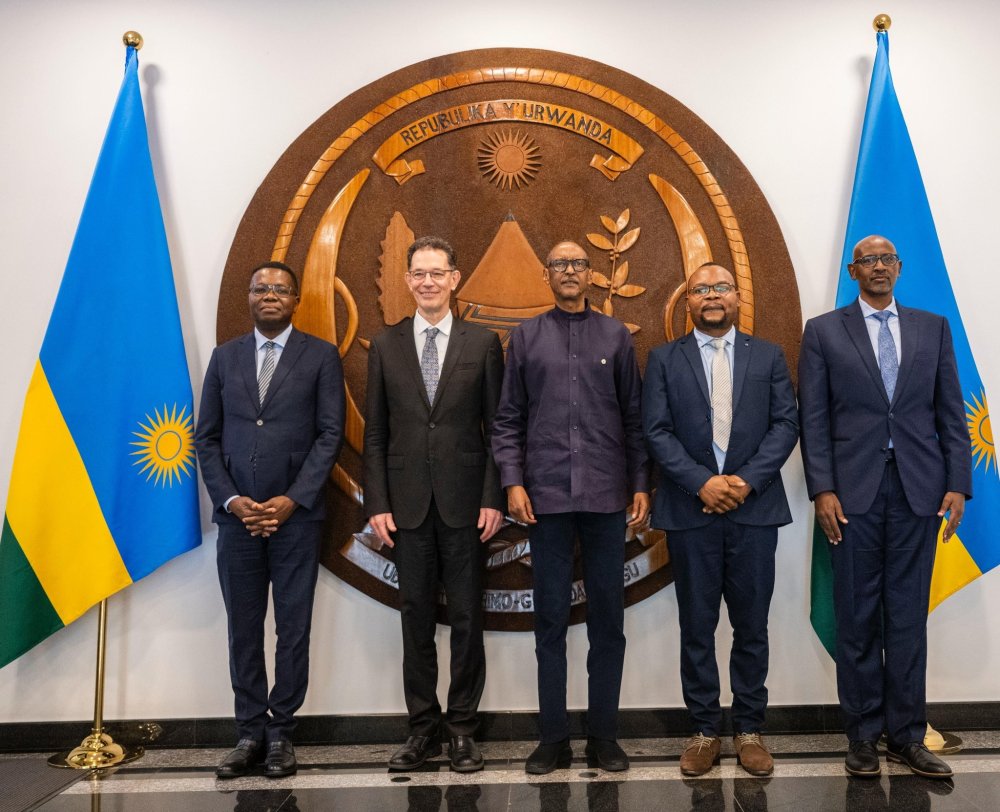
According to Rwanda’s Presidency, their discussions focused on opportunities to amplify training, research and engagement with mathematical sciences in Rwanda. The discussions were also attended by the Minister of Education, Joseph Nsengimana.
AIMS, which began operating in Rwanda in 2016 with support from the Rwandan Government, is now part of the AIMS Global Network, joining its centers in South Africa, Senegal, Ghana, and Cameroon.
Since its establishment in Rwanda, AIMS Rwanda has contributed significantly to the job market, producing over 410 graduates who are playing a key role in building Africa’s knowledge-based economy, with 38% of them being women or girls.
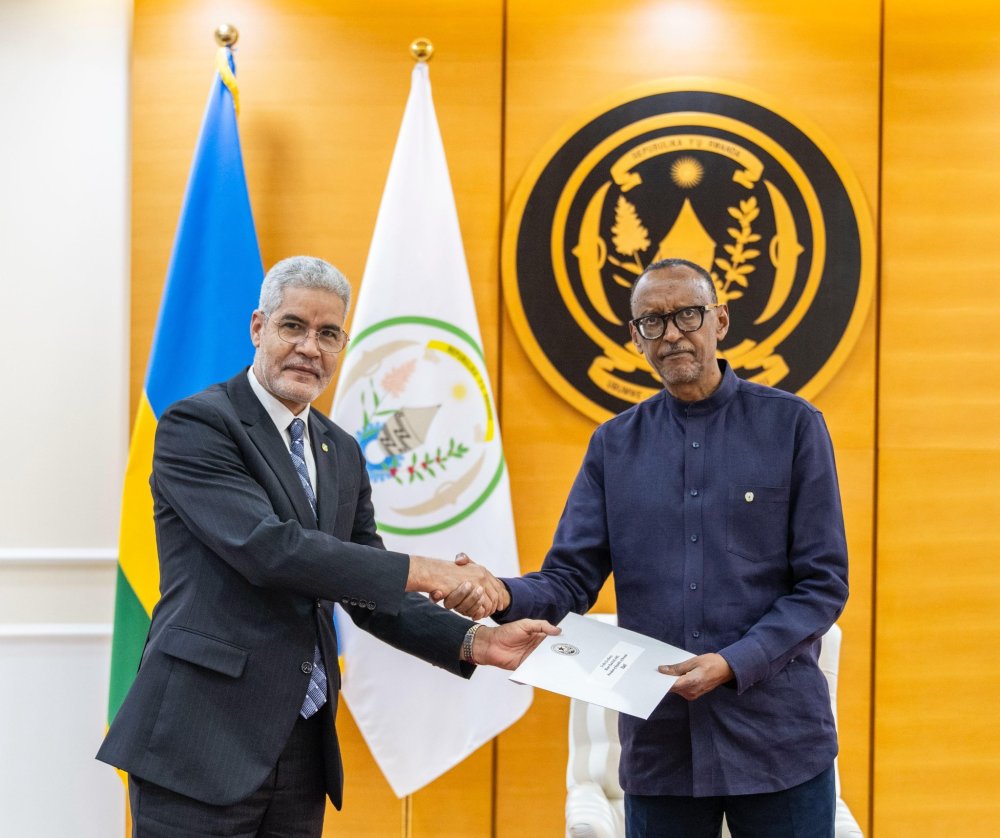
On the same day, President Kagame also received Dr. Sidi Ould Tah, President of the Arab Bank for Economic Development in Africa (BADEA) and candidate for the African Development Bank (AfDB) presidency.
Dr. Tah delivered a message on behalf of President Mohamed Ould Ghazouani of Mauritania.
Dusingizemungu was reacting to a message shared by French researcher Le Drian on X (formerly Twitter) on March 20, in which he wrongly accused Rwanda of using propaganda to justify its alleged “brutal aggression” in eastern Democratic Republic of Congo (DRC).
Le Drian claimed that Rwanda was highlighting past colonial atrocities committed by Belgium, acknowledging these as outdated horrors that were “far removed from the current reality.”
In his statements, Le Drian suggested that Rwanda was using “panafricanism washing” to deflect from its actions in the DRC, a region currently facing serious security issues.
He further criticized certain Rwandan individuals for making “supremacist” remarks, which he claimed were offensive to the Congolese people.
In response, Senator Dusingizemungu criticized Le Drian’s perspective, asserting that the accusations against Rwanda were based on misinformation and ignored the real and ongoing threats faced by Rwandophones, particularly Tutsis, in the DRC.
Dusingizemungu highlighted that “hate speech and serious human rights violations are targeting Rwandophone Congolese, mainly Tutsi,” orchestrated by DRC authorities in collaboration with the FDLR, a terrorist group formed by remnants of the perpetrators of the 1994 Genocide against the Tutsi. This coalition aims to destabilize Rwanda and pursue genocidal goals.
Dusingizemungu also stressed that Rwanda’s defensive actions in response to this coalition are fully justified.
“Rwanda cannot be crushed. The defensive measures taken in response to this coalition of forces aiming to halt Rwanda’s development are fully justified. Ignoring this reality raises serious concerns about the motivations behind such accusations,” he stated.
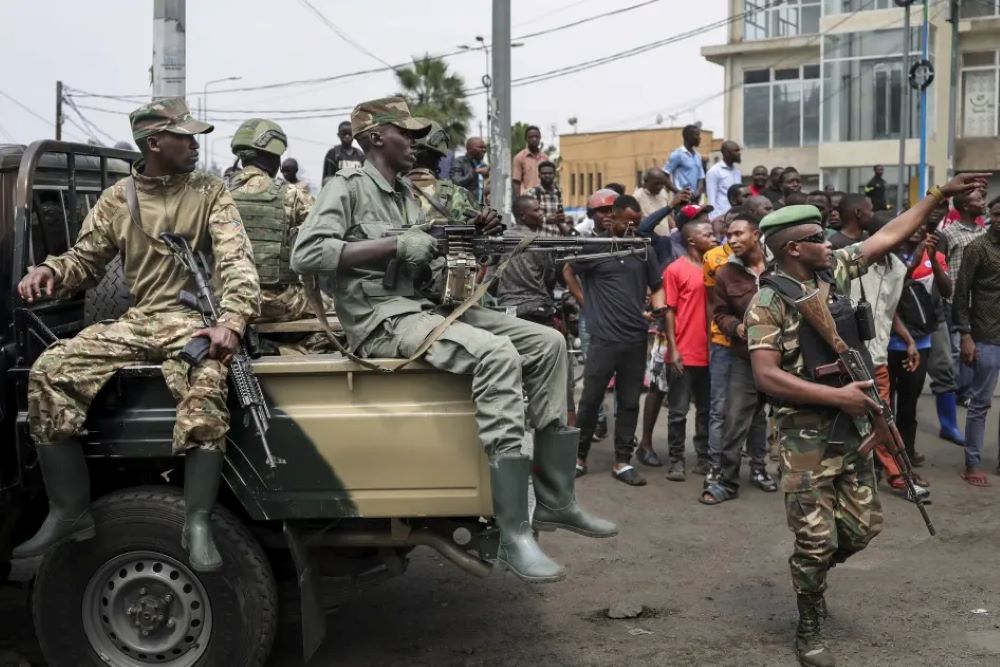
The DRC has placed the blame for the ongoing conflict on Rwanda, following the resurgence of the M23 rebel group, which fights for the rights of marginalized Banyamulenge and Congolese Tutsi communities.
Rwanda has consistently refuted these accusations, urging DRC to address its internal issues rather than engaging in blame games.
Rwanda has also accused DRC of collaborating with the FDLR during the conflict with the M23, with the goal of destabilizing Rwanda after the defeat of M23.
Additionally, DRC has been pushing for sanctions against Rwanda, with some countries reportedly backing this move due to their mineral interests in DRC.
Belgium, in particular, has been accused of lobbying for sanctions against Rwanda in various international institutions, leading to a breakdown in relations between the two countries. This led to severe diplomatic rift, where Rwanda expelled all Belgian diplomats within 48 hours early this week
Despite the DRC’s attempts to place the blame on Rwanda, Rwanda has maintained that these allegations are part of a broader effort to divert attention from the DRC’s internal issues, including poor governance.
Rwanda has also affirmed its commitment to safeguarding its territorial integrity and maintaining peace in the region.
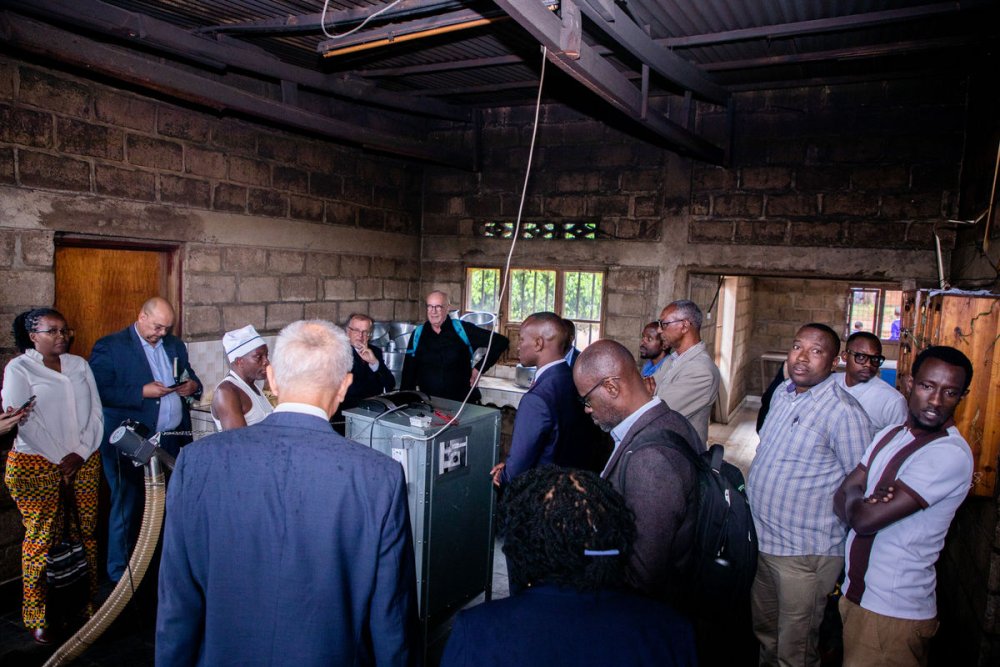
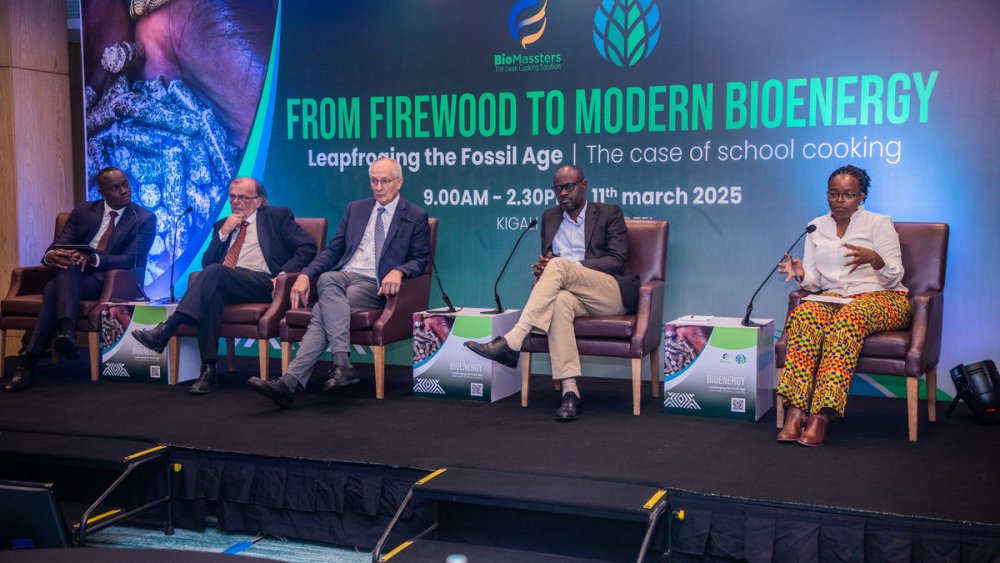
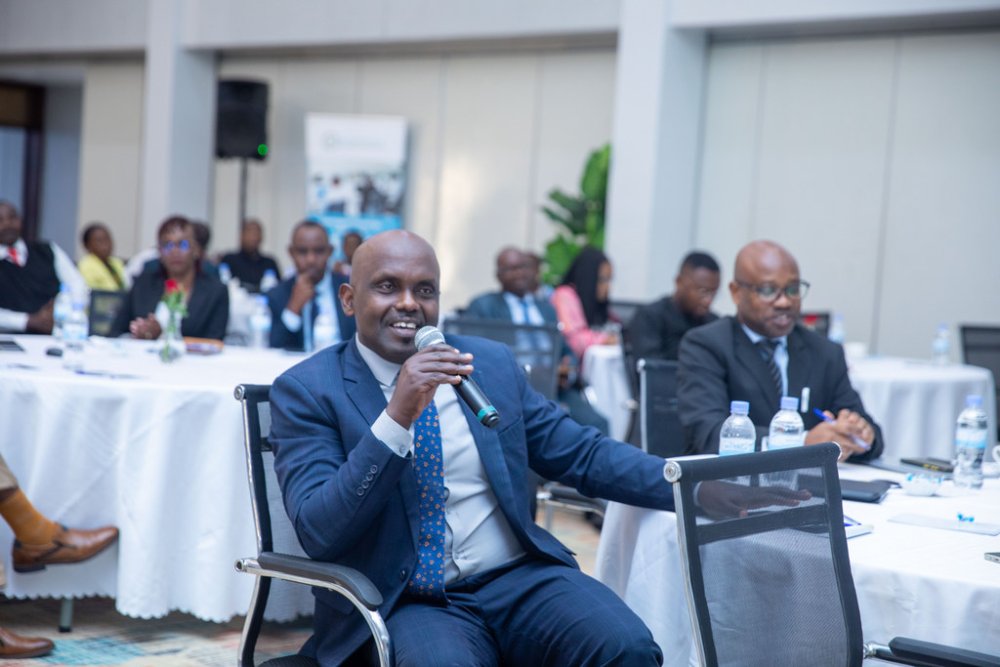
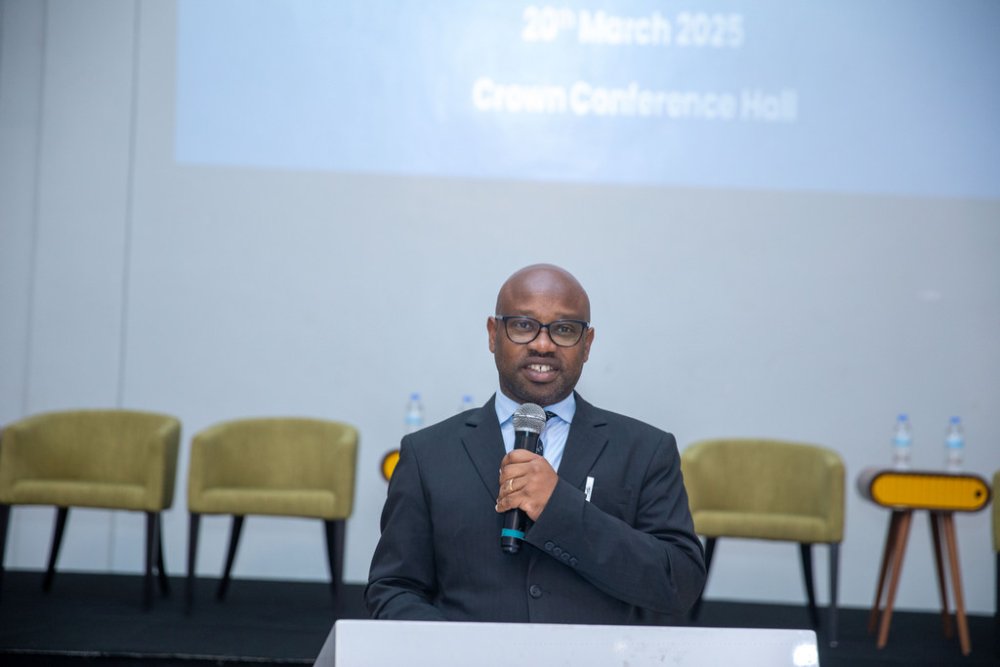
The company announced this achievement during a training session organized in collaboration with the World Bioenergy Association, aimed at exploring ways to provide schools with clean cooking energy solutions.
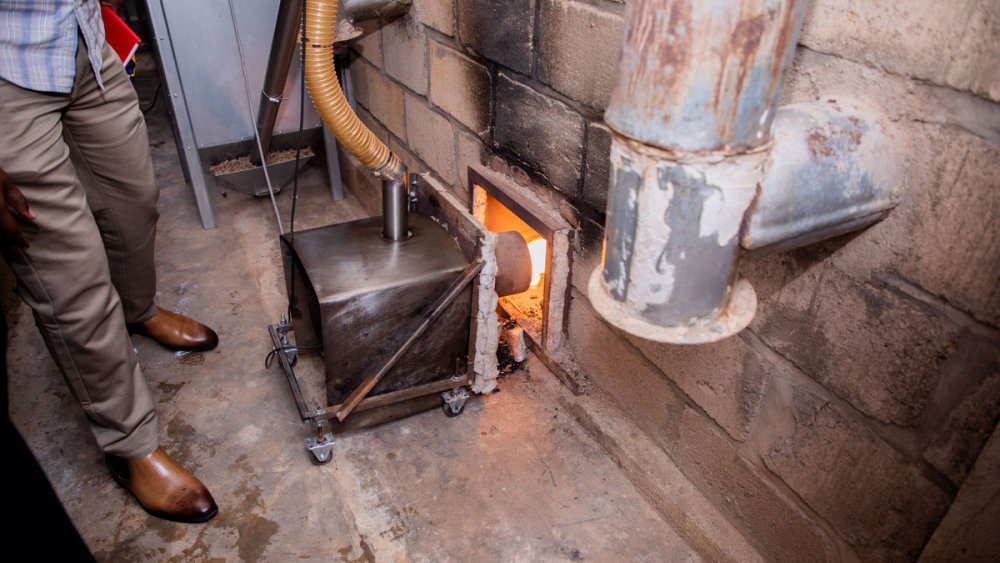
The training focused on promoting the use of biomass pellets, produced from wood residues such as sawdust and other waste materials, as an alternative to firewood and charcoal.
The event was attended by government officials, private sector representatives, energy experts, policymakers, and other stakeholders.
Founded in 2020, BioMassters is a Rwandan company committed to combating climate change by promoting environmentally friendly fuel alternatives.
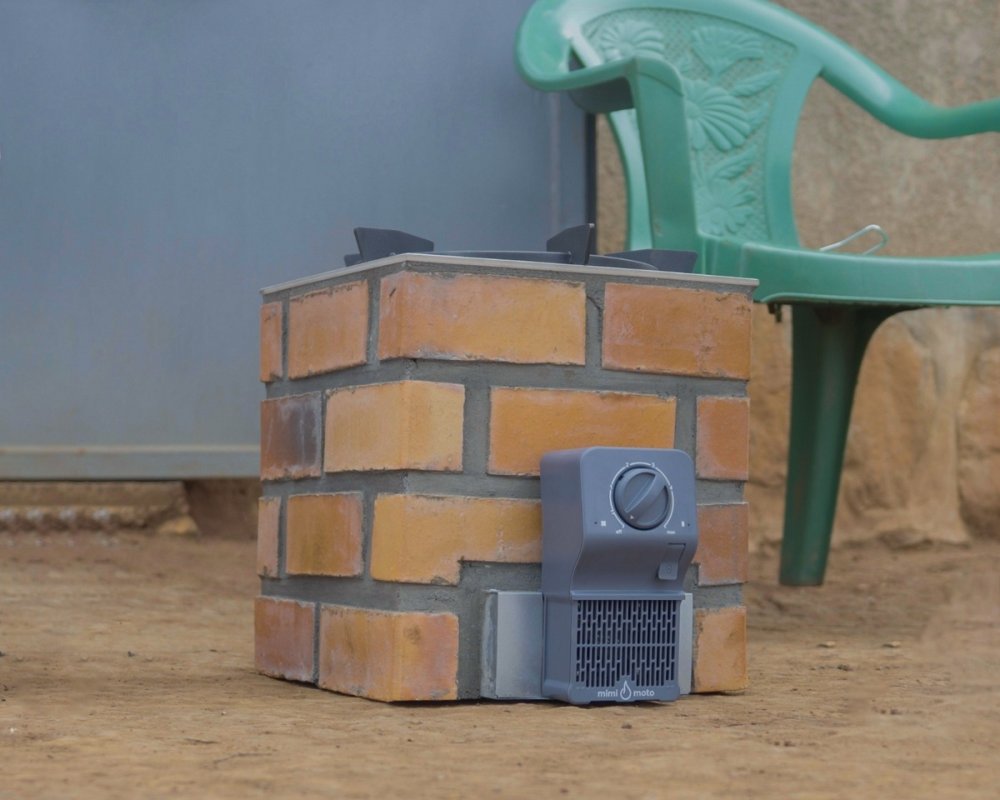
It operates a factory in Rubavu and has retail outlets in Kigali, having already supplied 6,500 advanced stoves designed to provide a clean cooking experience while reducing environmental impact.
The company offers two types of stoves; metal stoves and locally made clay stoves. Both are designed for efficient cooking, minimizing smoke emissions and utilizing eco-friendly fuel sources.
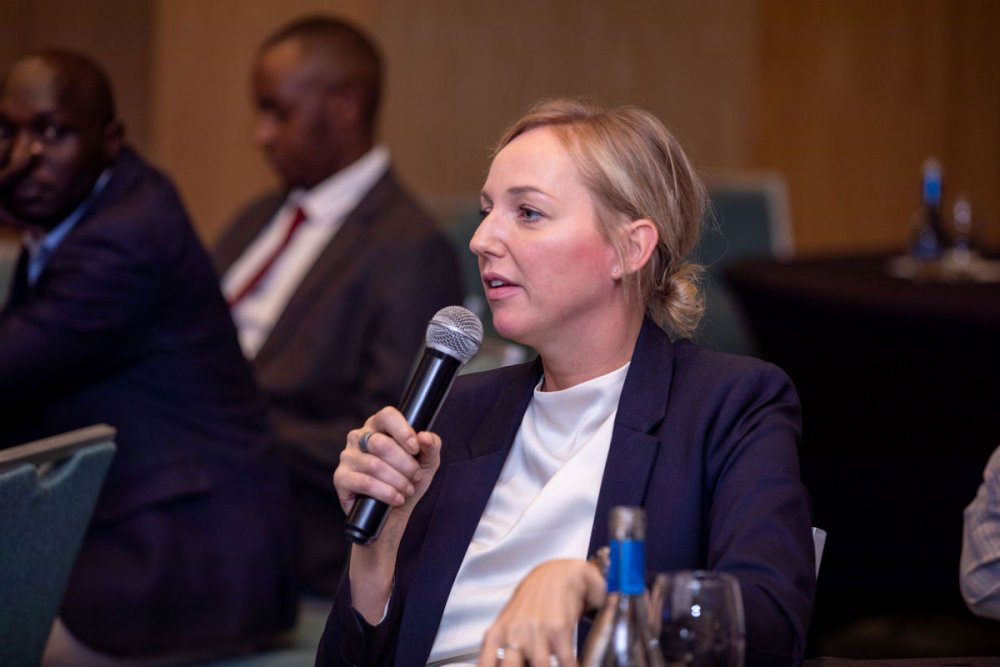
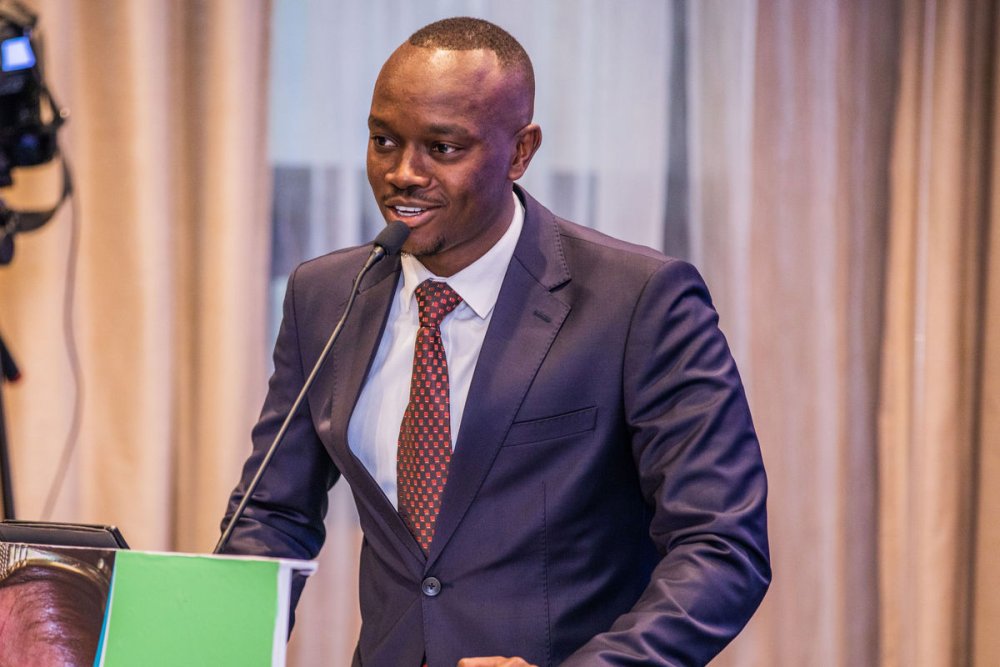
Claudia Muench, CEO of BioMassters, emphasized their goal of introducing modern cooking methods that protect Rwandans from respiratory diseases, remain affordable, and contribute to environmental conservation.
“By promoting the use of biomass pellets made from wood residues in Rwanda, we are working to reduce harmful cooking emissions while ensuring modern, sustainable cooking solutions for students in schools,” she said.
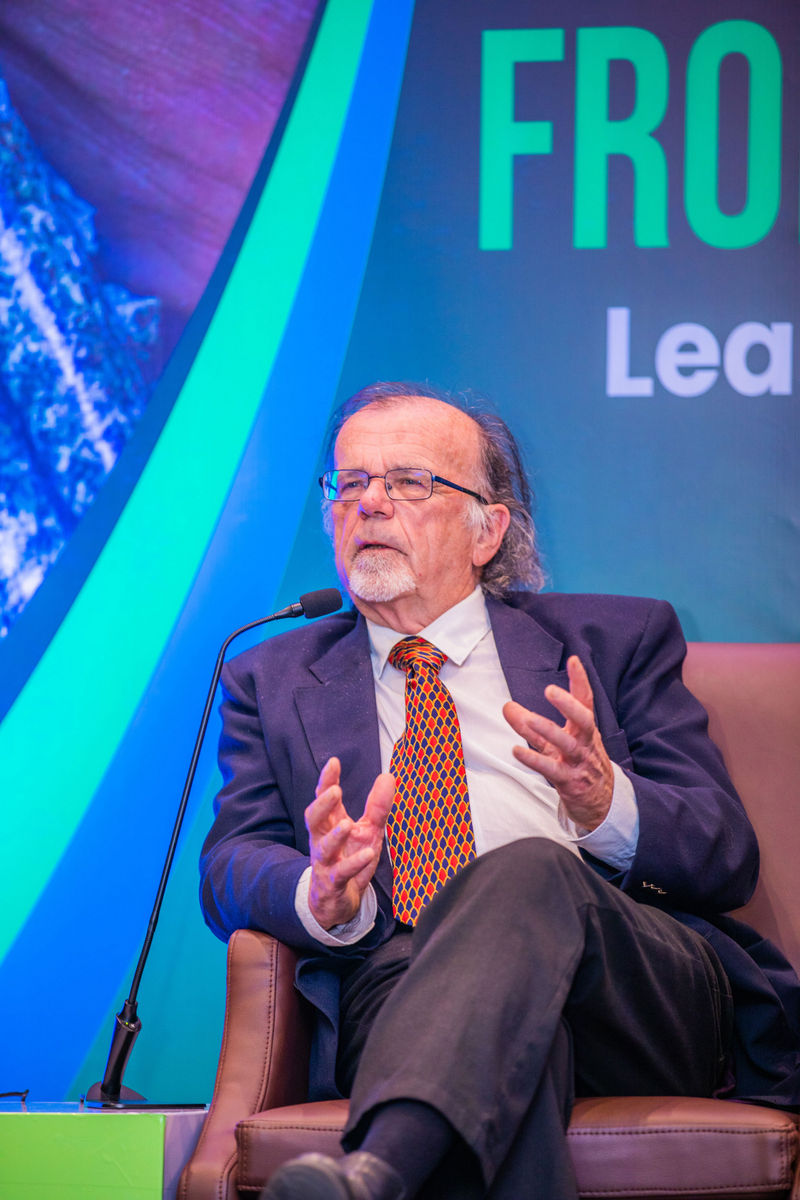
Dr. Christian Rakos, President of the World Bioenergy Association, acknowledged the significance of this approach, expressing optimism about BioMassters’ impact.
“This initiative, with the right support and strategic planning, can be expanded to benefit many more people in Rwanda and beyond,” he said.
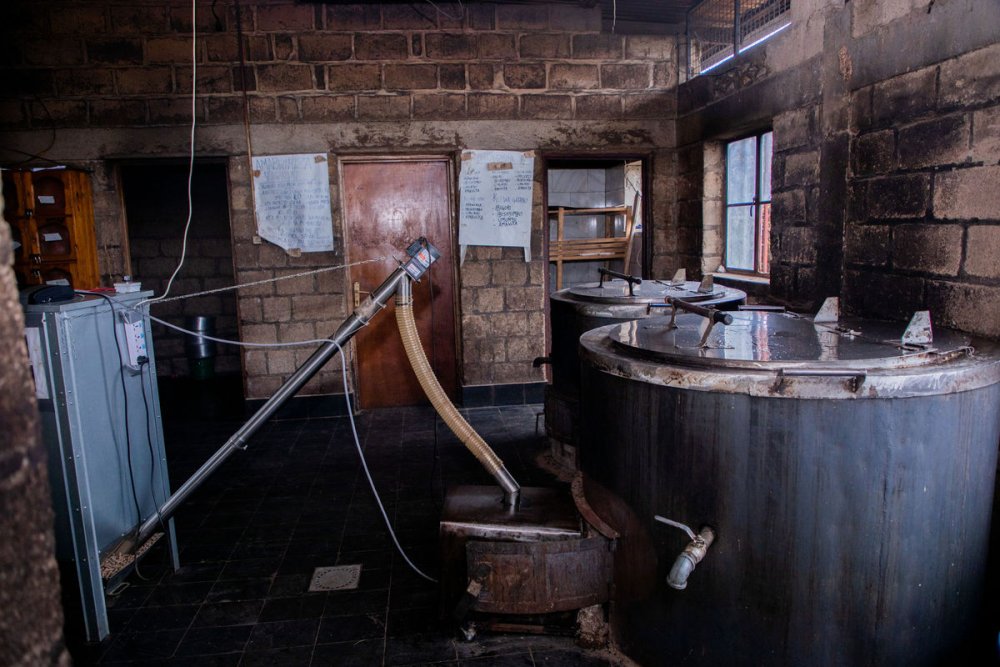
Sylvain Rucyaha, a BioMassters official, noted that the company’s school-based clean energy project has successfully reduced smoke emissions and contributed to environmental protection by limiting deforestation.
He also highlighted that the transition from traditional firewood has lowered costs for schools, making cooking more affordable.
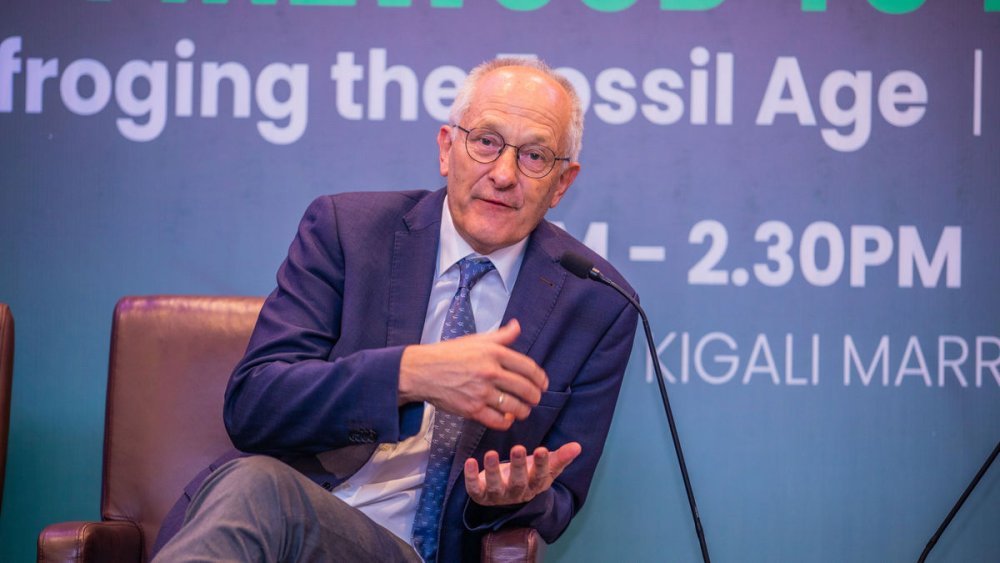
Dr. Peter Sommerer, a representative of Erlauf Investment GmbH, encouraged investment in such projects that enhance environmental sustainability, improve public health, and stimulate economic growth.
“Investing in initiatives like this will play a crucial role in environmental conservation and securing a sustainable future,” he stated.
As Rwanda continues its efforts to promote renewable energy, companies like BioMassters and the World Bioenergy Association are expected to play a key role in advancing this agenda.
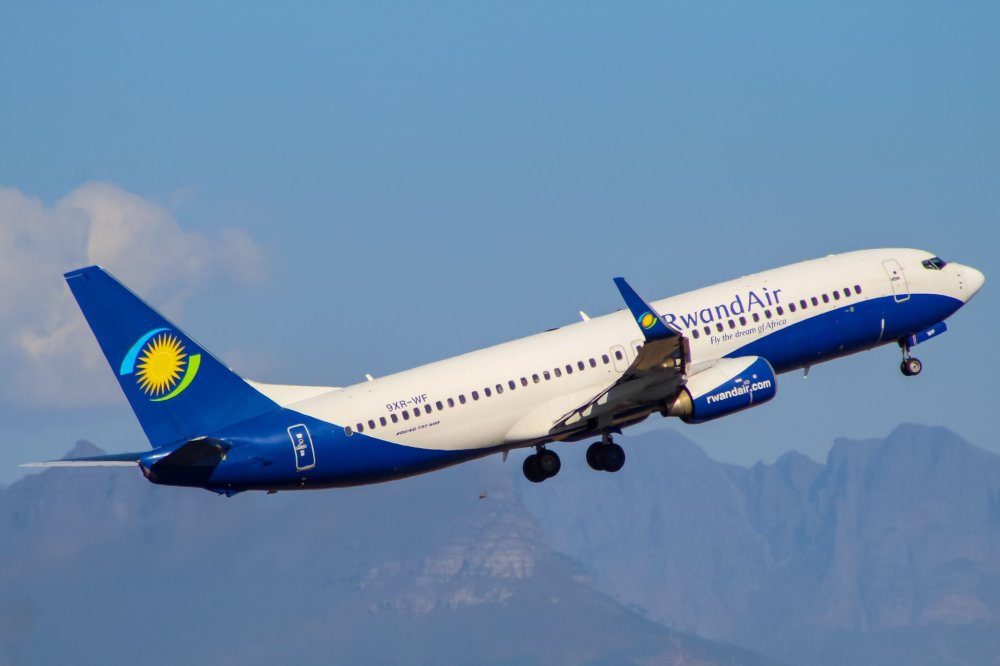
“Due to the closure of London Heathrow Airport until 23:59 on March 21, flight WB711 on March 20 from London to Kigali and flight WB710 on March 21 have been cancelled,” RwandAir said in a statement, assuring affected passengers that updates would be provided as soon as there were changes to the situation at Heathrow Airport.
Heathrow Airport experienced a power outage starting on the night of March 20, 2025, following a fire that damaged the Hayes substation transformer, which supplies electricity to the airport.
The airport management immediately announced that all operations would be halted until 11:59 PM on March 21, 2025, to ensure the safety of passengers and staff, with no one allowed to enter the airport until operations resumed.
International media reports indicated that over 10,000 flights were cancelled due to the power issue.
RwandAir has been flying to London daily for many years. Since May 9, 2024, the airline has been operating from Heathrow Airport, Terminal 4, with flights between London and Kigali. This decision was made following an increase in passengers traveling from the UK to Rwanda.
Typically, passengers departing from Kigali to Heathrow fly at 13:45 and arrive at 23:45, while another flight departs at 23:25, arriving in the UK at 07:45.
In 2023, Heathrow Airport ranked as the fourth busiest airport globally, with 83.9 million passengers passing through.
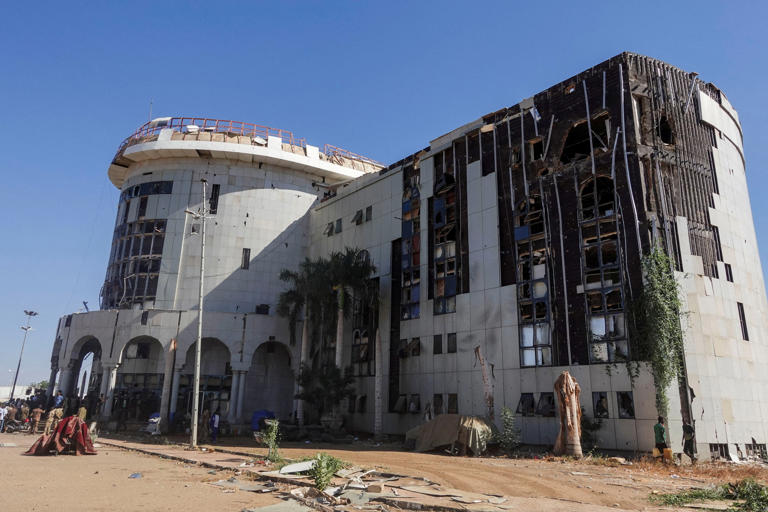
Army units fired celebratory gunshots into the air after securing the symbolic seat of power, signaling a significant blow to RSF leader Mohamed Hamdan Dagalo, commonly known as Hemedti.
The SAF also announced that they had retaken large swaths of Khartoum from RSF control, continuing a weeks-long counteroffensive that has seen government troops recapture Khartoum North and the East Nile district.
Despite the gains, RSF fighters remain entrenched in southern parts of both Khartoum and its twin city, Omdurman, on the opposite bank of the White Nile, where the humanitarian situation continues to deteriorate.
Since war erupted between the former allies-turned-rivals, tens of thousands of civilians have been killed and more than 12 million forced to flee their homes, around 3.5 million as refugees in neighboring countries including Rwanda.
The conflict has devastated urban centers, collapsed public services, and triggered one of the world’s worst displacement and humanitarian crises.
Reports indicate that RSF fighters and allied militias have raided homes in eastern Khartoum, carrying out summary killings, arbitrary detentions, and looting of essential supplies from community kitchens and medical clinics.
The UN Human Rights Office (OHCHR) has also received “worrying allegations of sexual violence in the Al Giraif Gharb neighbourhood,” according to spokesperson Seif Magango.
Meanwhile, SAF-affiliated fighters have reportedly engaged in similar looting and criminal activities in Khartoum North (Bahri) and East Nile, with widespread arbitrary arrests ongoing in the latter, raising concerns over lawlessness and reprisal violence on both sides.
Residential areas across Omdurman and Khartoum are increasingly being targeted, contributing to a growing humanitarian crisis. Aid agencies report severe shortages of food, medicine, and safe shelter, as fighting continues to displace tens of thousands and cripple essential services.
As the army consolidates its hold over the heart of the capital, local authorities are shifting focus to recovery and reconstruction.
Khartoum State Governor Ahmed Osman Hamza met with Minister of Urban Development, Roads, and Bridges Salah Hamid Ismail to coordinate efforts to repair vital infrastructure damaged during the conflict, particularly the Shambat and Halfaya bridges linking Khartoum and Omdurman.
To prevent further deterioration, the government has restricted heavy trucks from using the Halfaya Bridge. Governor Hamza also called for expedited maintenance in coordination with the Turkish firm overseeing reconstruction work.
Minister Ismail reaffirmed his ministry’s commitment to rebuilding war-torn infrastructure and announced the symbolic relocation of the ministry’s headquarters back to Khartoum.
This move marks the first federal institution to officially resume operations in the capital since the outbreak of the civil conflict in 2023.
While the SAF’s recapture of the Presidential palace marks a symbolic victory, reports of continued violence and worsening humanitarian conditions underscore the fragile and volatile state of Sudan’s capital and the wider country.
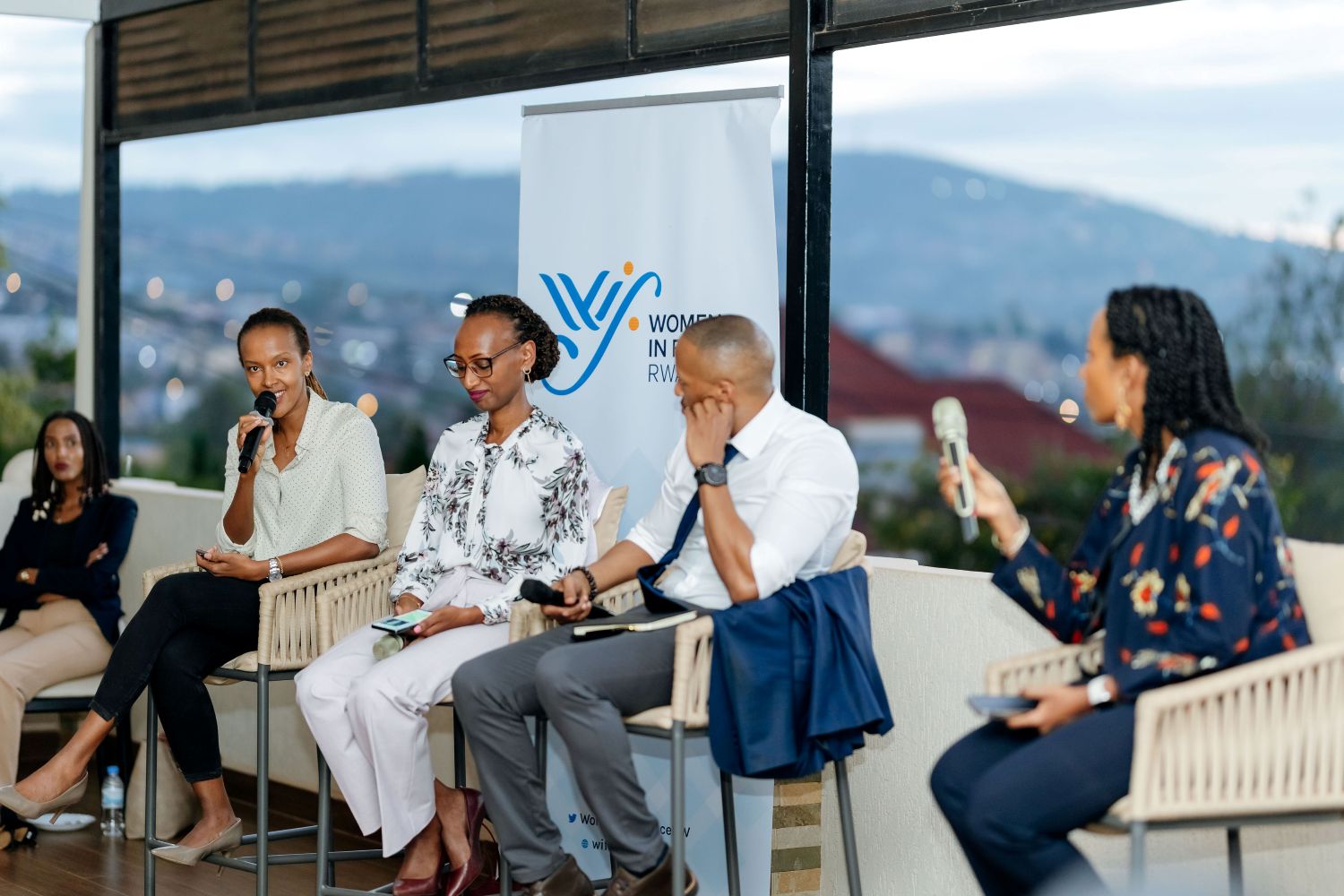
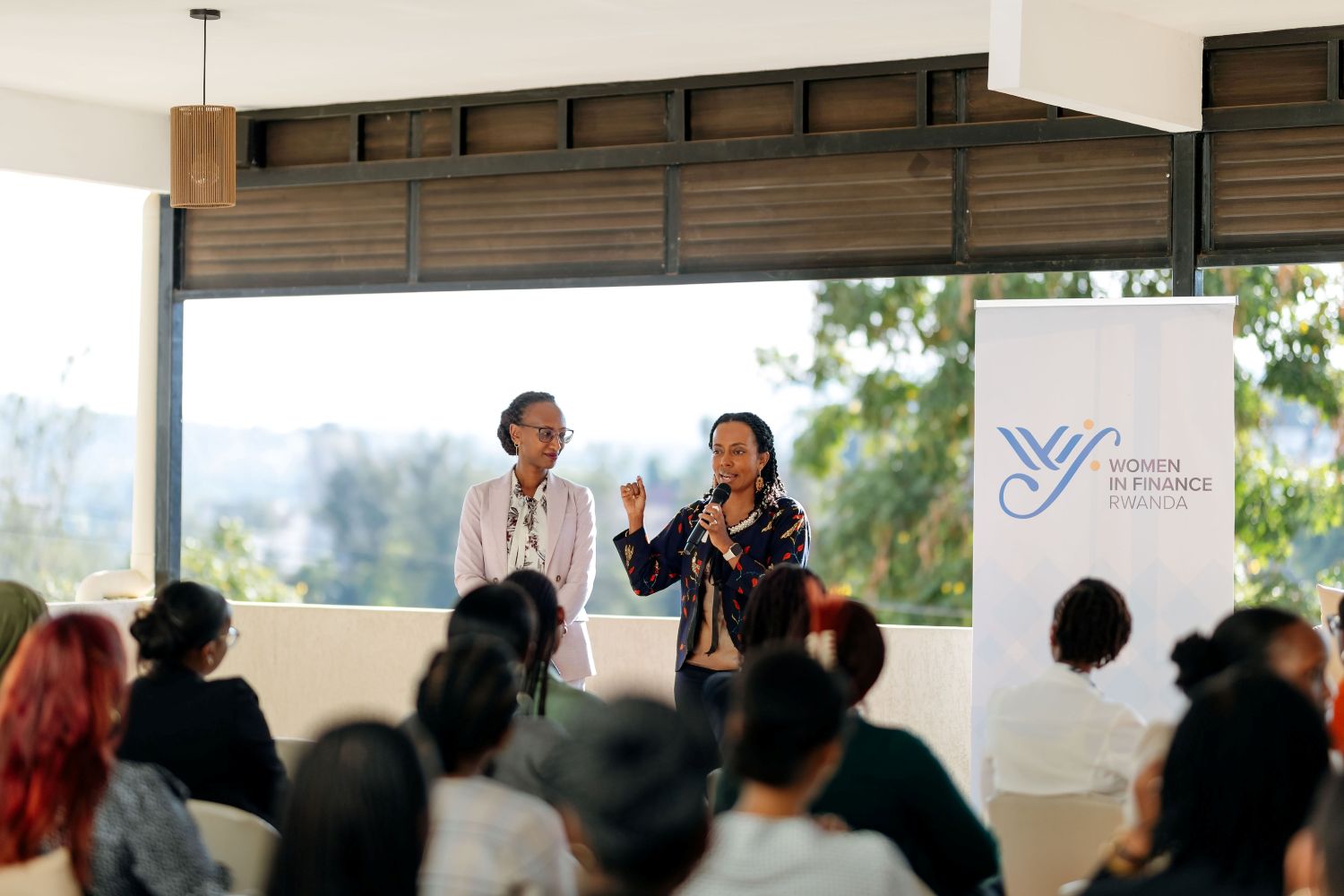
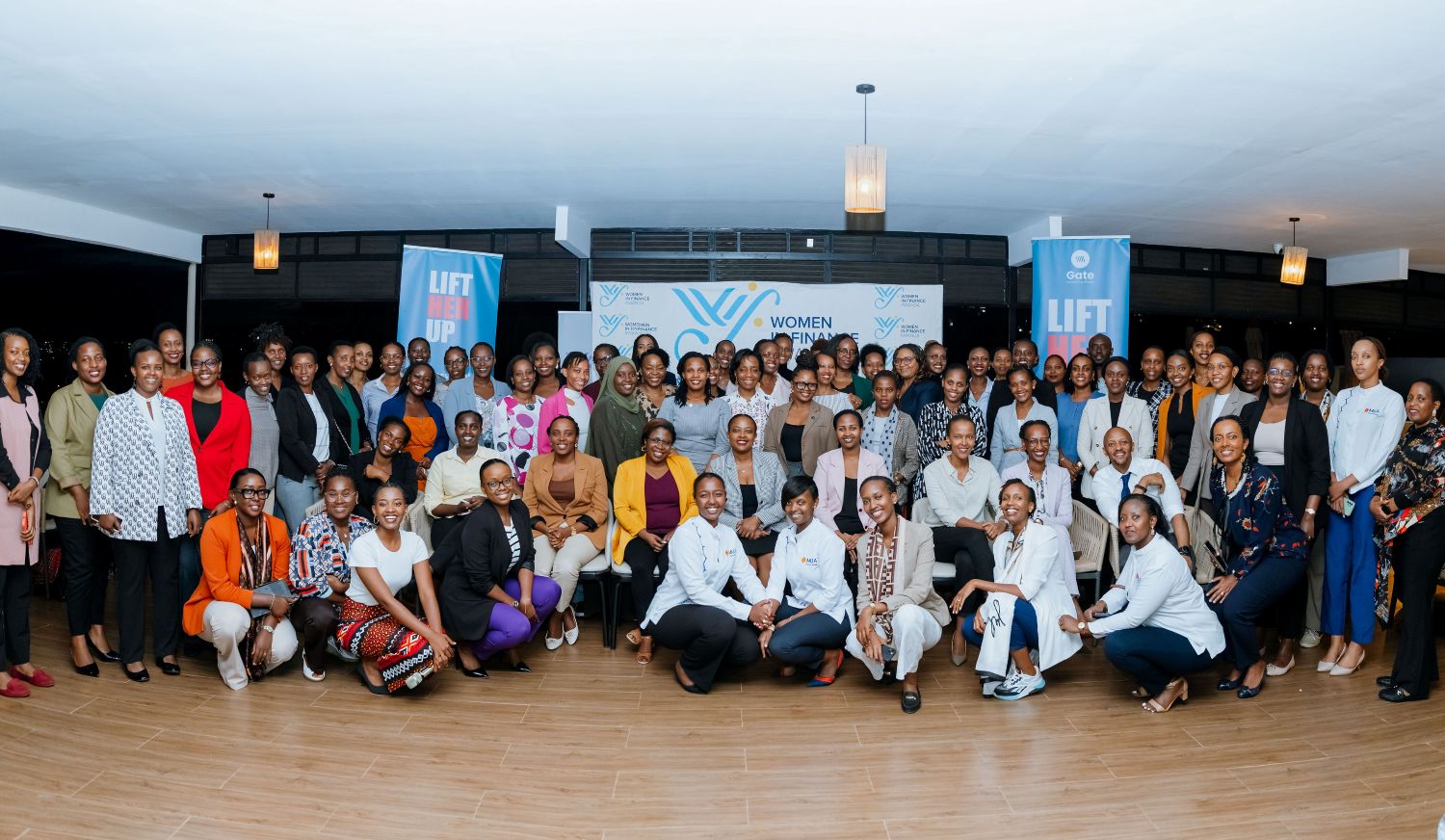
Despite making up nearly half of the workforce, women in Rwanda remain underrepresented in decision-making roles, holding only 32% of leadership positions in the private sector.
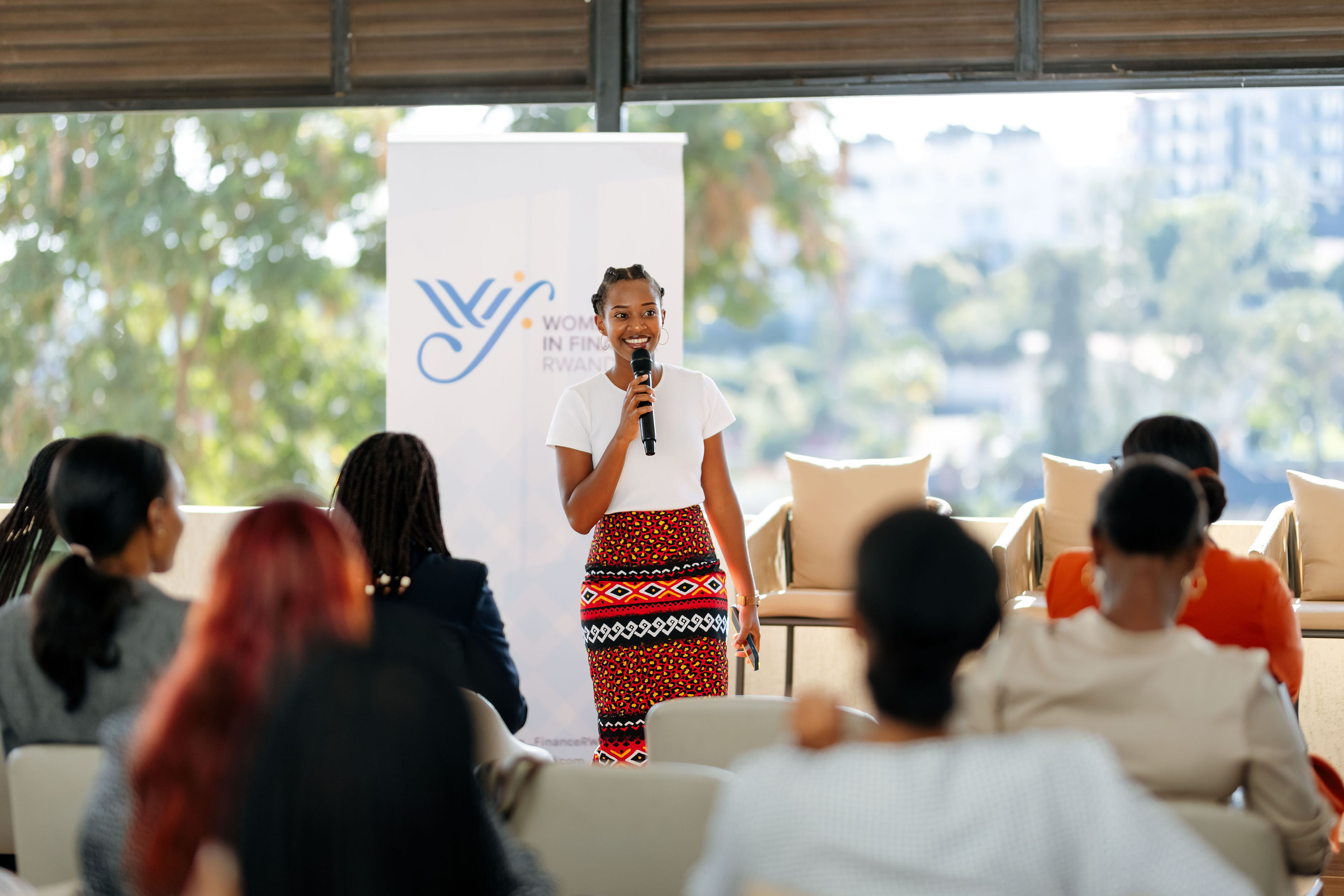
This program seeks to bridge the gap by equipping women with the skills, guidance, and network needed to thrive in managerial and executive roles.
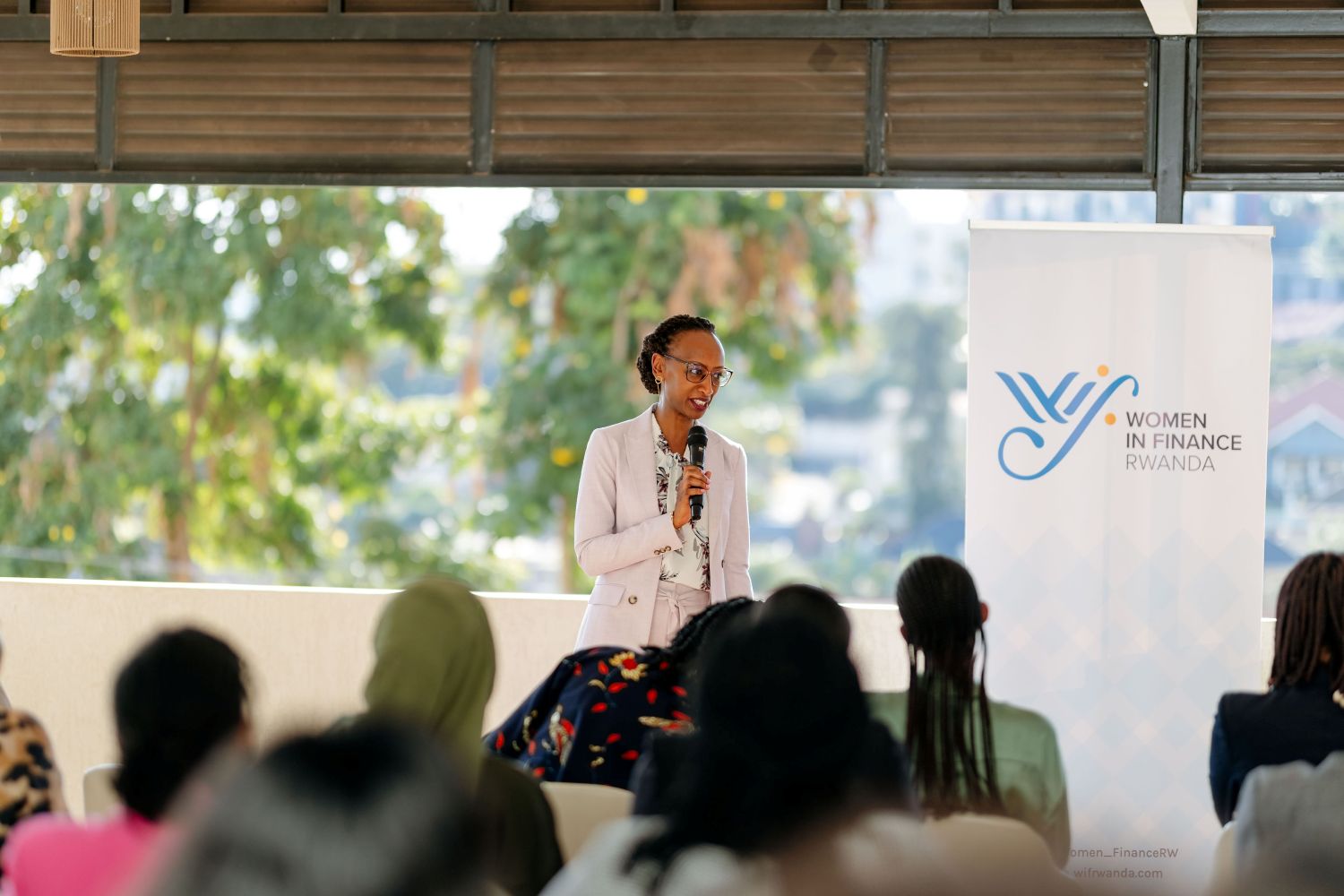
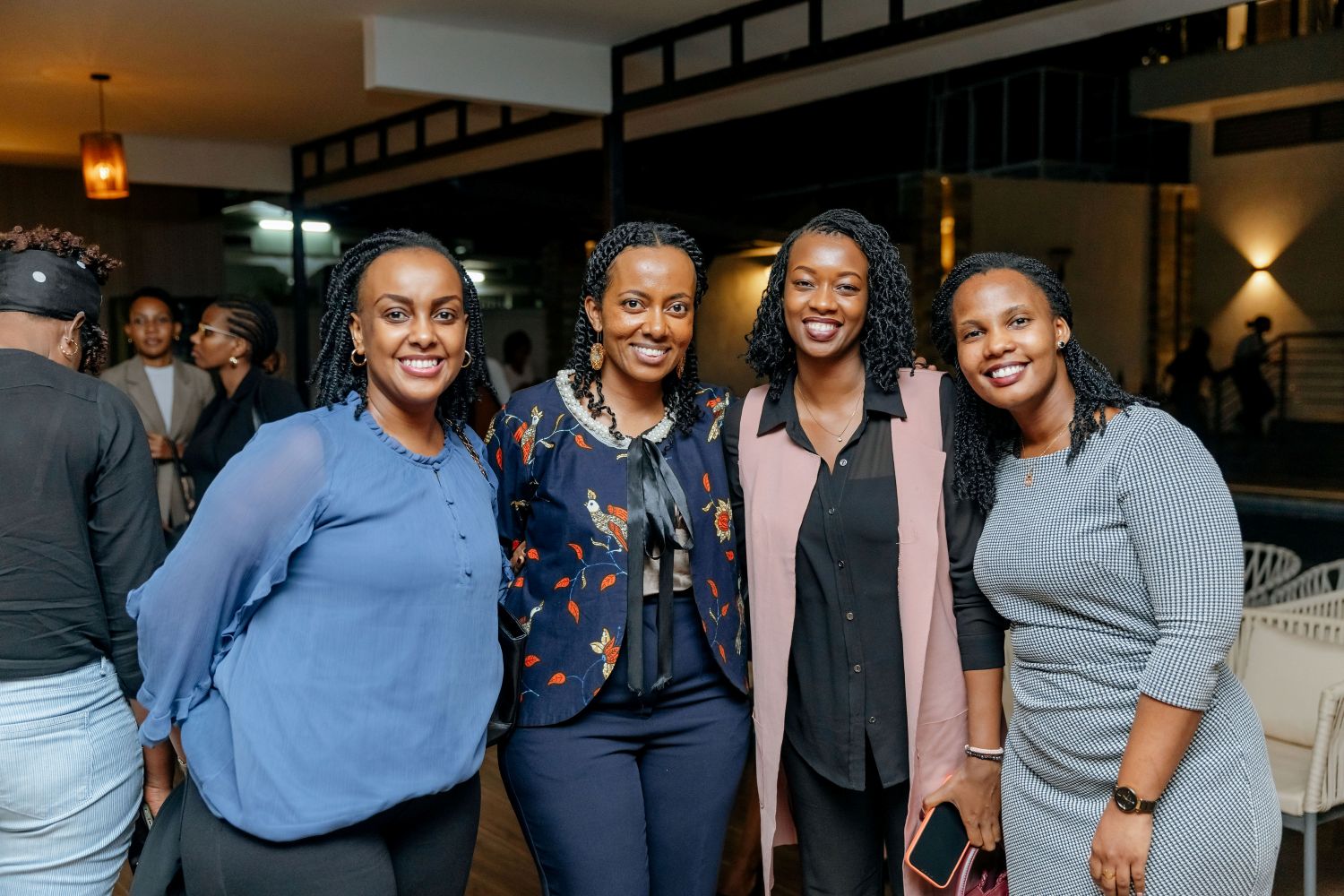
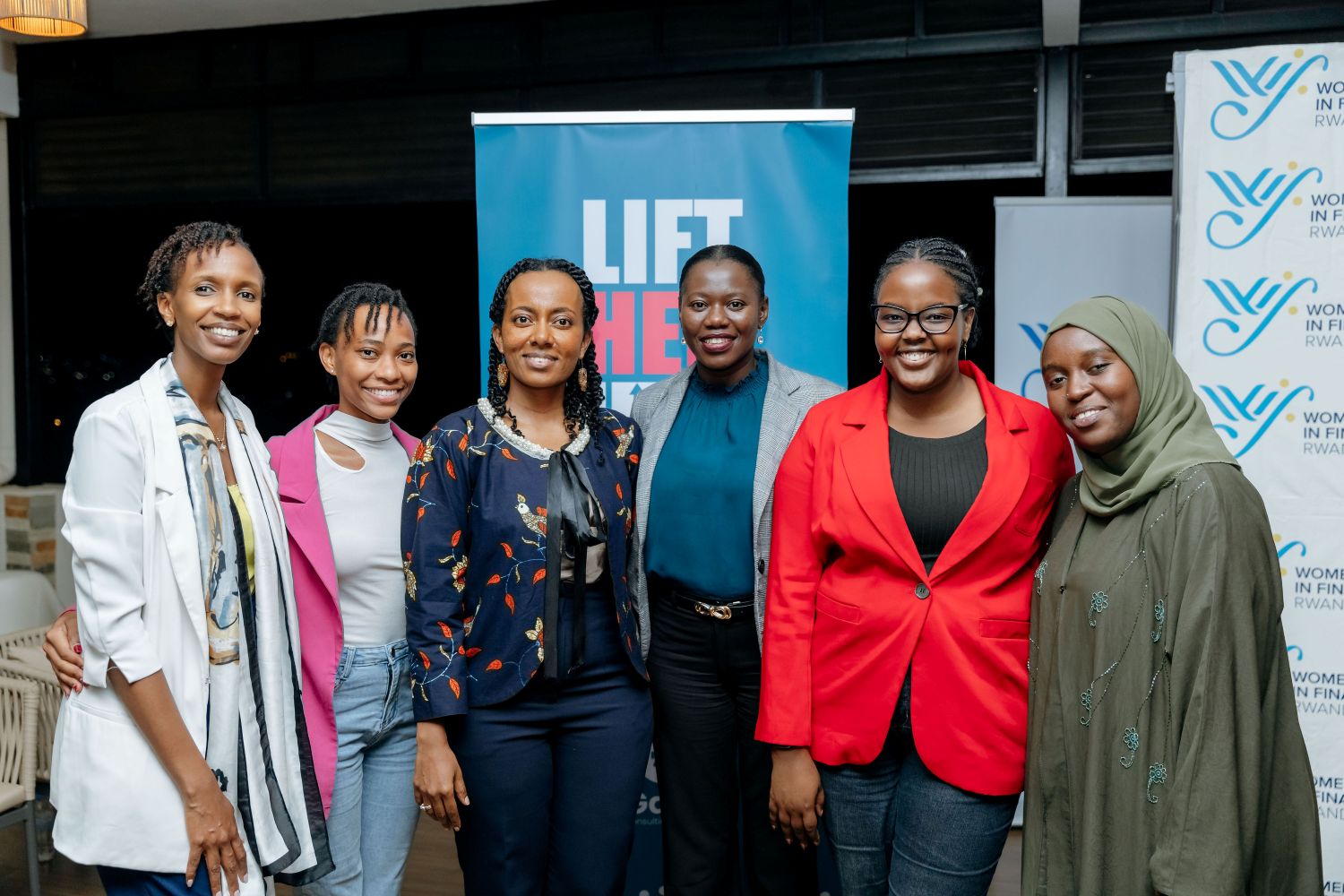
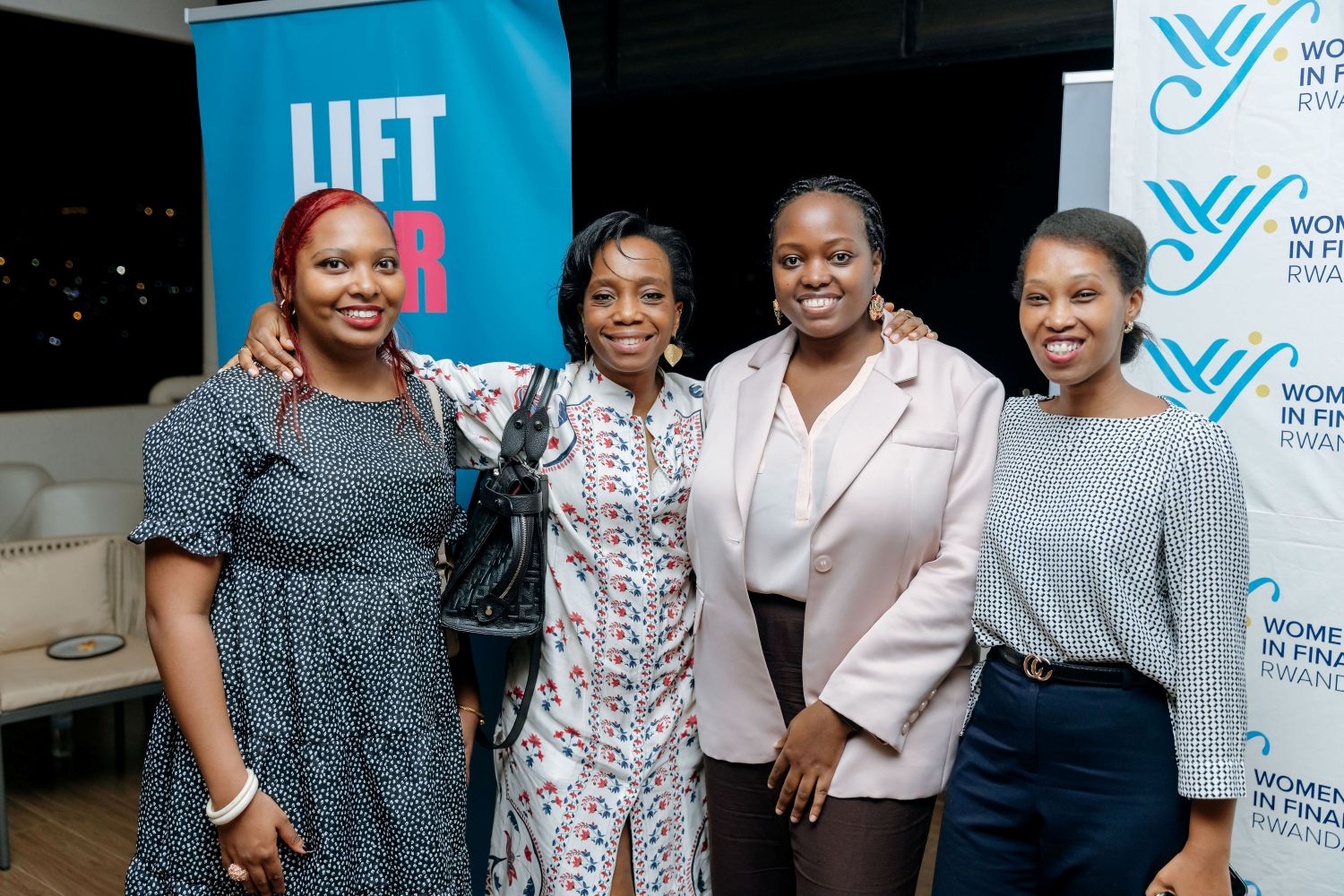
Belinda Bwiza, Co-founder of WIFR, believes that sector-wide initiatives such as these are essential to advancing women’s representation in leadership roles. She states that diversity in leadership results in inclusive decision-making, which directly correlates to better organizational performance.
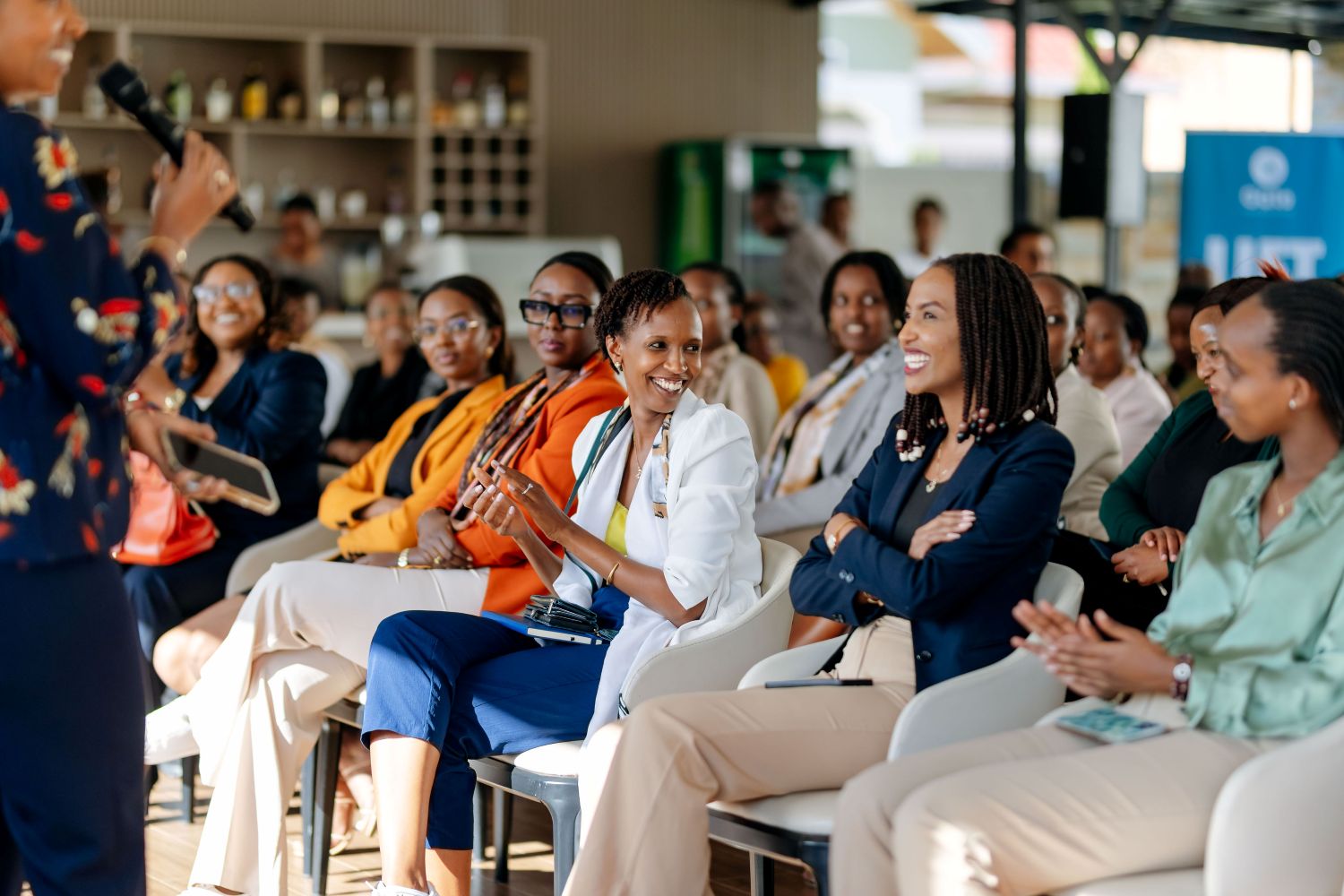
Designed as a structured and tailored initiative, the mentorship program connects participants with experienced finance professionals who provide personalized guidance and career insights.
Through regular mentorship sessions, participants will receive support tailored to their unique challenges, ensuring they gain essential leadership skills in strategic thinking, communication, and decision-making.
Continuous monitoring and evaluation will also ensure the program remains impactful and aligned with participants’ needs.
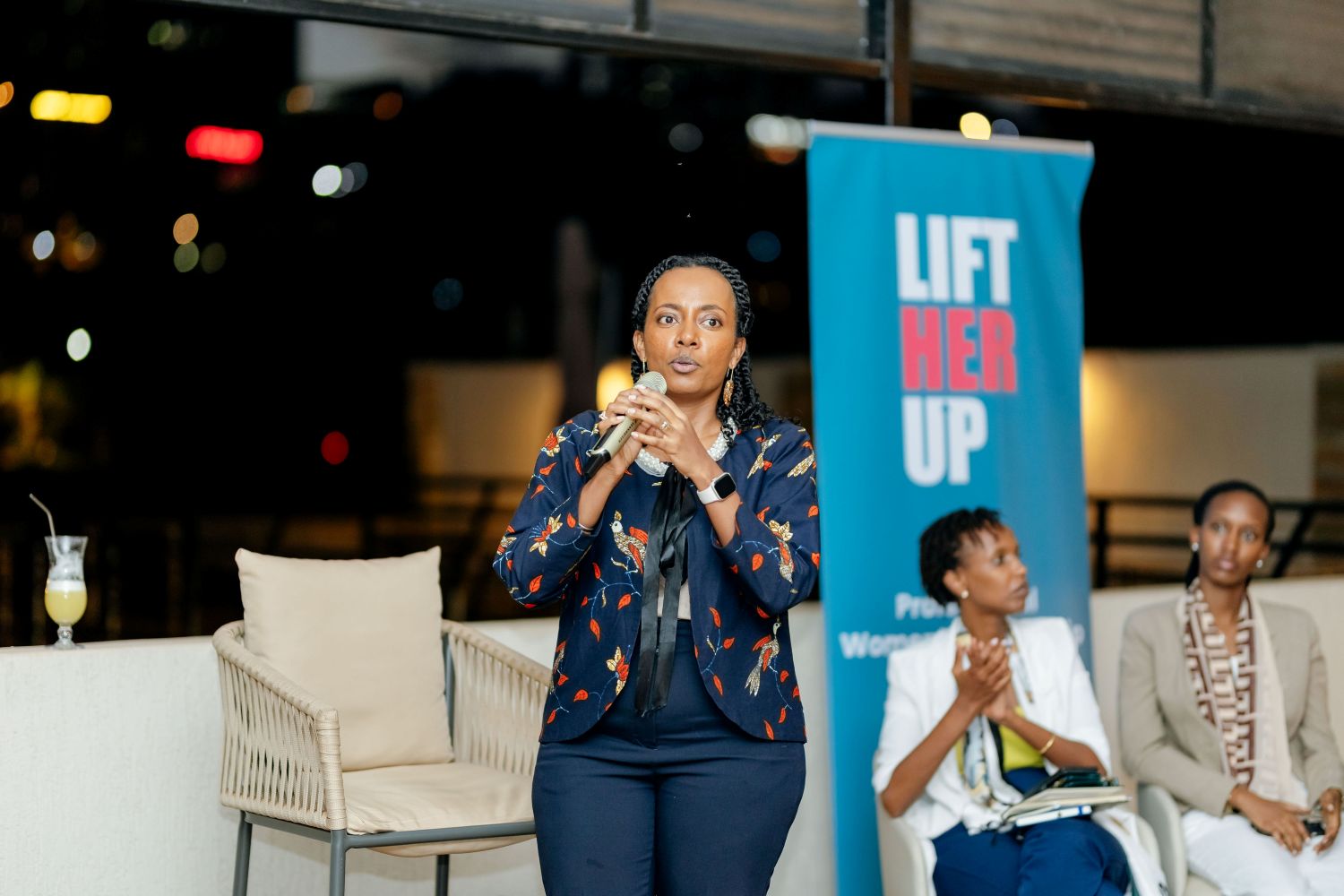
Salma Habib-Nkusi, CEO of Gate Consulting Group, highlighted the vital role of mentorship in accelerating personal and professional success.
“While formal education provides essential knowledge, mentorship offers practical, real-world insights that education alone cannot. It allows women to take a more strategic approach to their growth by learning from the experiences and challenges of those who came before them, lessons that are rarely taught in traditional academic settings,” she remarked.
WIFR said the decision to partner with Gate Consulting Group was driven by the proven impact of its LiftHerUp program, a mentorship initiative that has empowered women from various institutions in Rwanda and beyond since its launch two years ago. To date, more than 400 women have benefited from this transformative annual program.
Beyond mentorship, the program fosters a culture of collaboration, creating a strong network of women professionals who can share experiences, insights, and opportunities.
Participants will gain valuable insights through in-depth mentorship sessions, connect with like-minded professionals, and attend expert-led masterclasses on leadership and other key topics, all designed to empower women to excel both in their careers and personal lives.
The program received overwhelming interest in applications and filled two cohorts for 2025 and 2026. The partners noted that the high demand validates the need for this initiative in the sector.
According to the partners, the initiative is more than just about career growth—it’s about increasing women’s representation in leadership, promoting diversity, and driving economic progress. They believe that with the right mentorship, women in finance can break barriers, seize opportunities, and lead the industry toward a more inclusive future.
Beyond mentorship, WIFR has been instrumental in enhancing women’s professional development. Since its inception in 2023, the foundation has awarded scholarships to approximately 50 staff members in the banking sector, facilitating their pursuit of advanced certifications and courses.
Additionally, WIFR, in collaboration with the Central Bank (BNR) and Access to Finance Rwanda (AFR), is undertaking a research project on the state of women in the financial sector.
This initiative aims to inform policy-making and enhance accountability, further solidifying Rwanda’s position as a leader in gender equality.
According to a statement from the Ministry of Foreign Affairs and International Cooperation, the Rwandan Embassy in the Hague, Netherlands, will now handle consular services for Rwandans residing in Belgium.
Despite the diplomatic breakdown, the ministry clarified that Belgian citizens residing in or travelling to Rwanda would not be affected.
“The free movement of travellers and professionals remains unchanged. Belgian travellers can still obtain a visa upon arrival, free of charge, for a stay of up to 30 days, in accordance with the current visa policy,” the statement read.
Rwanda cut ties with Belgium on March 17. The decision marked a significant escalation in tensions between the two nations.
Rwanda’s Foreign Ministry attributed the move to Belgium’s “pitiful attempts to sustain its neocolonial delusions” and accused the European nation of undermining Rwanda’s interests, particularly in the context of the ongoing conflict in the Democratic Republic of Congo (DRC).
The Rwandan government stated that Belgium had taken a biased stance in regional matters and was actively working against Rwanda through what it described as “lies and manipulation.”
The statement further accused Belgium of using its influence to foster negative perceptions of Rwanda in international forums, including lobbying for sanctions over allegations that Rwanda supports M23 rebels in eastern Congo—claims that Rwanda has repeatedly denied. Kigali argues that its primary concern is the Congolese government’s collaboration with the FDLR militia, an armed group composed of remnants responsible for the 1994 Genocide against the Tutsi, which continues to pose a security threat to Rwanda.
Additionally, Rwanda cited Belgium’s historical role in fostering ethnic divisions that contributed to the 1994 Genocide against the Tutsi. The ministry accused Belgium of allowing its territory to serve as a base for groups engaged in genocide denial and the propagation of genocidal ideology.
Consequently, all Belgian diplomats in Kigali were given 48 hours to leave the country even as Belgium vowed to retaliate with similar measures.
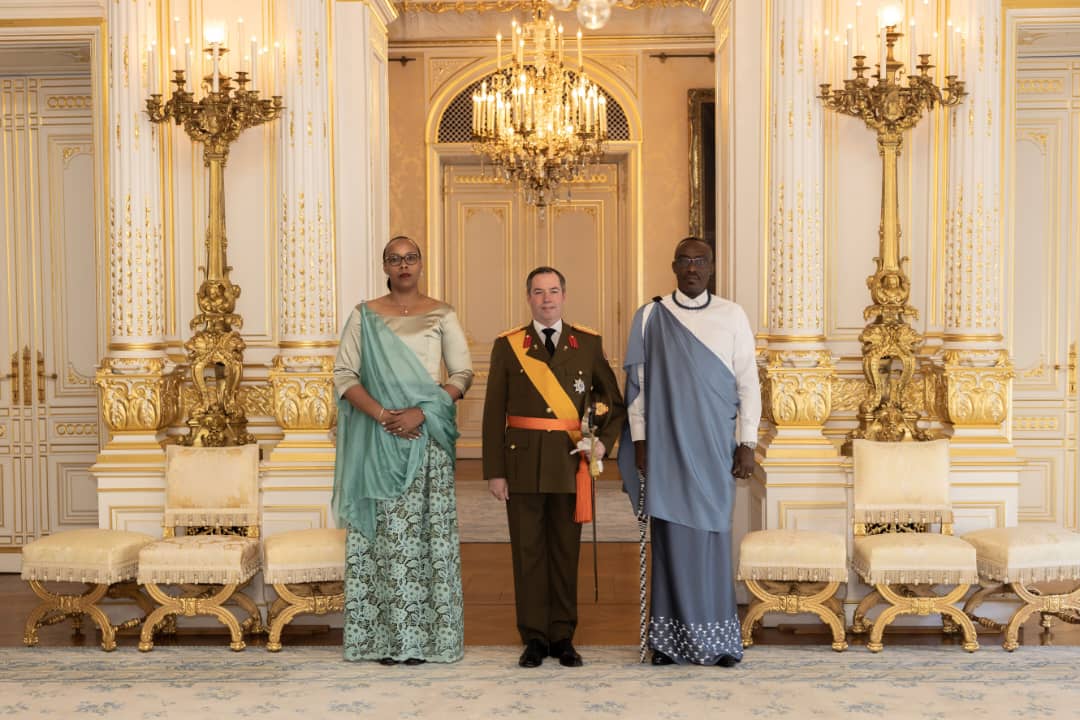
Ambassador Aurore Mimosa presented her Letters of Credence to His Royal Highness the Hereditary Grand Duke of Luxembourg on Thursday, 20 March 2025, formalising her role as Rwanda’s first resident ambassador in the country.
The establishment of the embassy signifies Rwanda’s commitment to deepening its longstanding ties with Luxembourg.
Previously, Rwanda was represented in the country through an honorary consulate in Luxembourg City, while its embassy in Brussels, Belgium, held concurrent accreditation.
The opening of a dedicated diplomatic mission now provides a direct platform for fostering stronger bilateral trade relations and development cooperation.
With this move, Rwanda aims to enhance economic collaboration and diplomatic engagement with Luxembourg. The new embassy is expected to serve as a key hub for strengthening partnerships across various sectors.
“The opening of the Republic of Rwanda’s first embassy in the Grand Duchy of Luxembourg marks a significant step in Rwanda’s longstanding relationship with Luxembourg,” the embassy said in a statement, adding, “The embassy will focus on promoting bilateral trade relations and development.”
Amb. Mimosa, who previously served as Rwanda’s Minister of Sports, will be a key pillar in strengthening ties between the two nations.
Mbonera stated that as Rwanda continues to advance its technological infrastructure, discussions are underway on how AI can be leveraged to enhance justice delivery, with promising potential benefits.
“We have identified key judicial services that could be facilitated using AI. There are certain cases with minimal complexities that, when fed into a system, could be processed based on critical inputs, allowing for faster resolution,” he explained.
“In the Prosecution Service, AI could be used to compile case files, and we have already given this significant thought. We are also exploring the technological requirements necessary to improve efficiency and service delivery,” he further elaborated.
According to Mbonera, a feasibility study is currently being conducted to assess how AI can be implemented effectively.
“We are examining which tasks within our justice system could benefit from AI and to what extent it should be applied. We will also engage stakeholders, beneficiaries, and experts to determine the best approach. This initiative will help us modernize the justice sector,” he added.
The President of the Bar Association, Moise Nkundabarashi, acknowledged the potential benefits of AI in the justice system but emphasized the need for caution.
“AI can be useful, but it must be applied with great care because justice requires human judgment and critical analysis,” he said.
He stressed the importance of conducting thorough studies to ensure that AI integration does not compromise the fairness of judicial processes.
“AI should be introduced to address specific challenges rather than create new ones. Proper oversight is essential, and I appreciate that the justice sector is already making significant progress in adopting technology,” he added.
Judiciary Spokesperson Harrison Mutabazi highlighted that AI could play a crucial role in various legal functions, including research and documentation.
“We see potential in AI assisting with tasks such as court transcription, legal research, and drafting judgments. In fact, some organizations have already approached us with proposals on AI-driven justice solutions, and we are actively considering them. As technology evolves, our courts must also adapt,” Mutabazi explained.
He reaffirmed that wherever AI proves to be effective and beneficial, it will be implemented. Mutabazi also emphasized that Rwanda’s Judiciary has embraced digital transformation to enhance service delivery and will continue to leverage technology to improve justice administration.
Reports indicate that Qatar has shown a strong commitment to resolving this war, which is why it has decided to listen to all parties involved. By inviting M23, Qatar seeks to understand the group’s grievances, which have often been overlooked at the international level.
One of the major criticisms of previous peace efforts in eastern DRC has been the exclusion of M23 from negotiations, despite its direct involvement in the conflict.
Qatar extended this invitation shortly after, on March 18, the Emir of Qatar hosted a meeting between Rwandan President Paul Kagame and DRC President Félix Tshisekedi. The discussions focused on easing tensions between the two countries.
Qatar’s Ministry of Foreign Affairs later announced that Presidents Kagame, Tshisekedi, and Sheikh Tamim reaffirmed their commitment to cease hostilities in eastern DRC, following the resolutions made by African leaders.
The leaders also agreed to “continue the Doha-initiated talks to establish a solid foundation for lasting peace, in alignment with the ongoing Luanda and Nairobi discussions.”
However, following these talks, the leader of AFC/M23 stated that their fighters would not recognize any resolutions from Kagame and Tshisekedi’s discussions unless their demands were directly addressed.
Meanwhile, AFC/M23 recently declined to attend peace talks in Luanda, Angola, citing sanctions imposed by the European Union on some of its leaders.
These sanctions were initiated by Belgium’s government at the request of President Tshisekedi. According to AFC/M23, these measures would only escalate the war in eastern DRC.
Speaking to Reuters on March 20, AFC/M23 leader Corneille Nangaa, accused the Congolese government of disregarding their demands, stating, “We have nothing left to lose. We will fight until our cause is understood.”
Qatar has earned a strong reputation as a mediator in global conflicts, with extensive experience in facilitating peace negotiations worldwide.