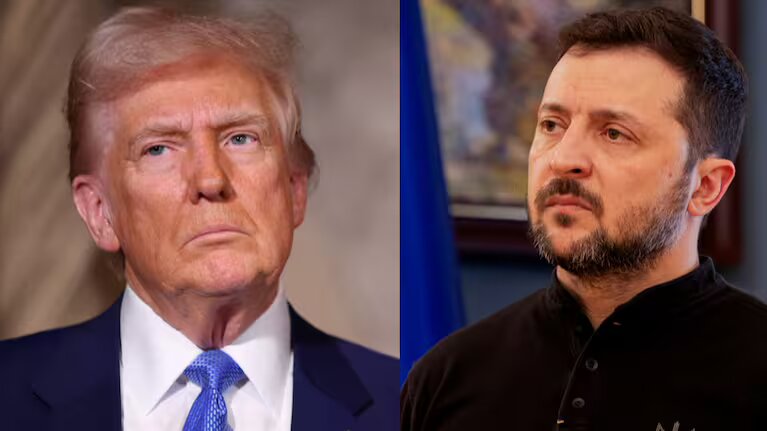
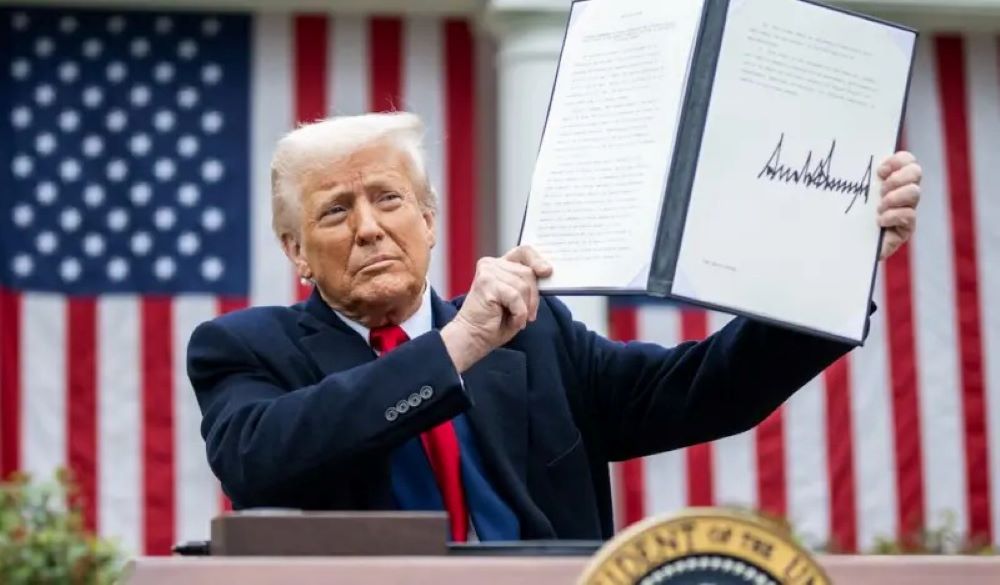
Trump wrote in a post on Truth Social that “Nobody is asking Zelenskyy to recognise Crimea as Russian Territory, but if he wants Crimea, why didn’t they fight for it eleven years ago when it was handed over to Russia without a shot being fired?”
“It’s inflammatory statements like Zelenskyy’s that make it so difficult to settle this War. He has nothing to boast about,” wrote Trump, adding that “The situation for Ukraine is dire – He can have Peace or he can fight for another three years before losing the whole Country.”
Trump also noted that the statement made by Zelensky would do nothing but prolong the “killing field” and “nobody wants that!”
“We are very close to a deal, but the man with ‘no cards to play’ should now, finally, get it done,” he noted.
Zelensky said Tuesday that Kiev is prepared to engage in talks in any format once a potential ceasefire with Russia is established, the government-run Ukrinform news agency reported. But he stressed that Ukraine will not legally recognise the occupation of Crimea by Russia as it contradicts the nation’s Constitution.
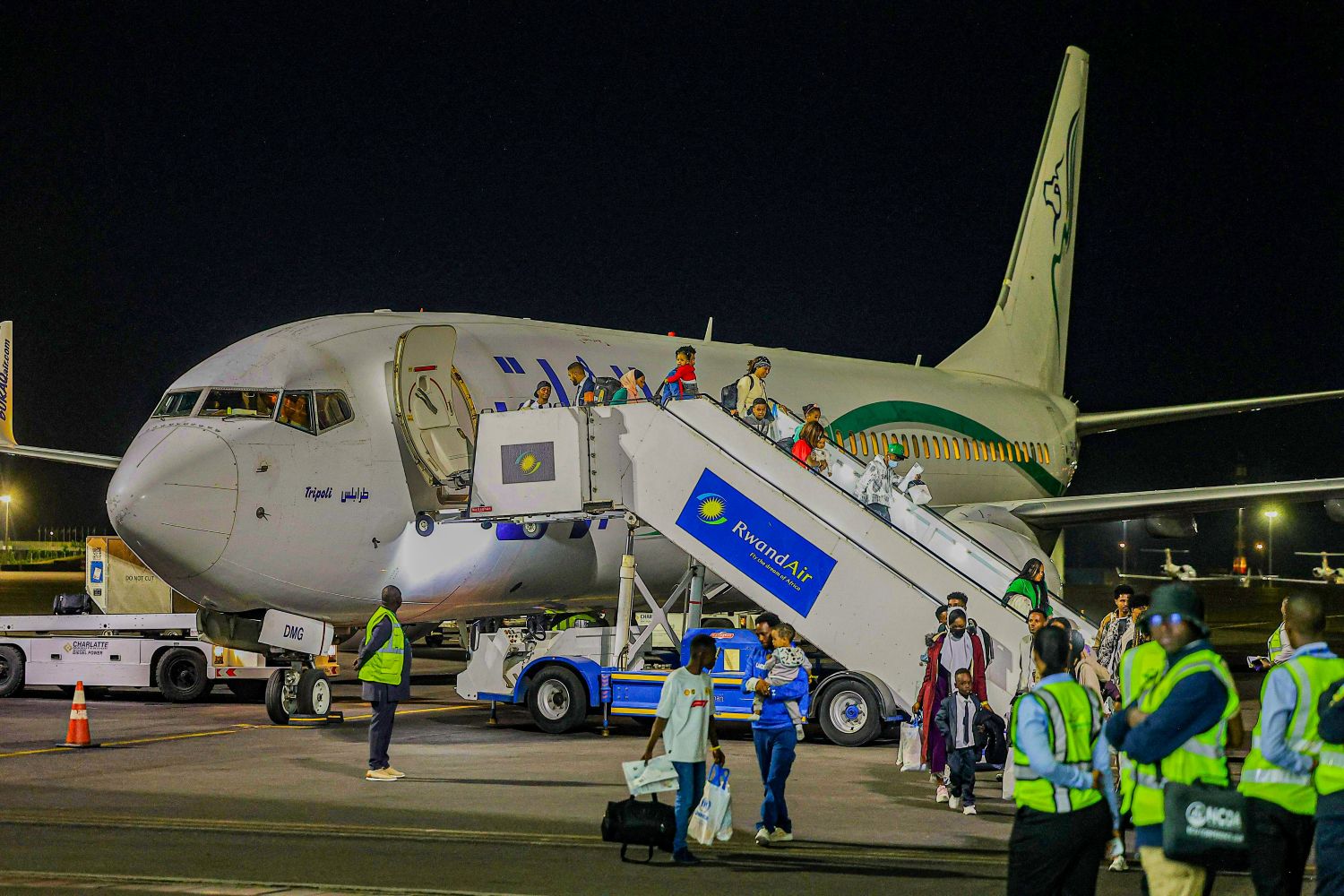
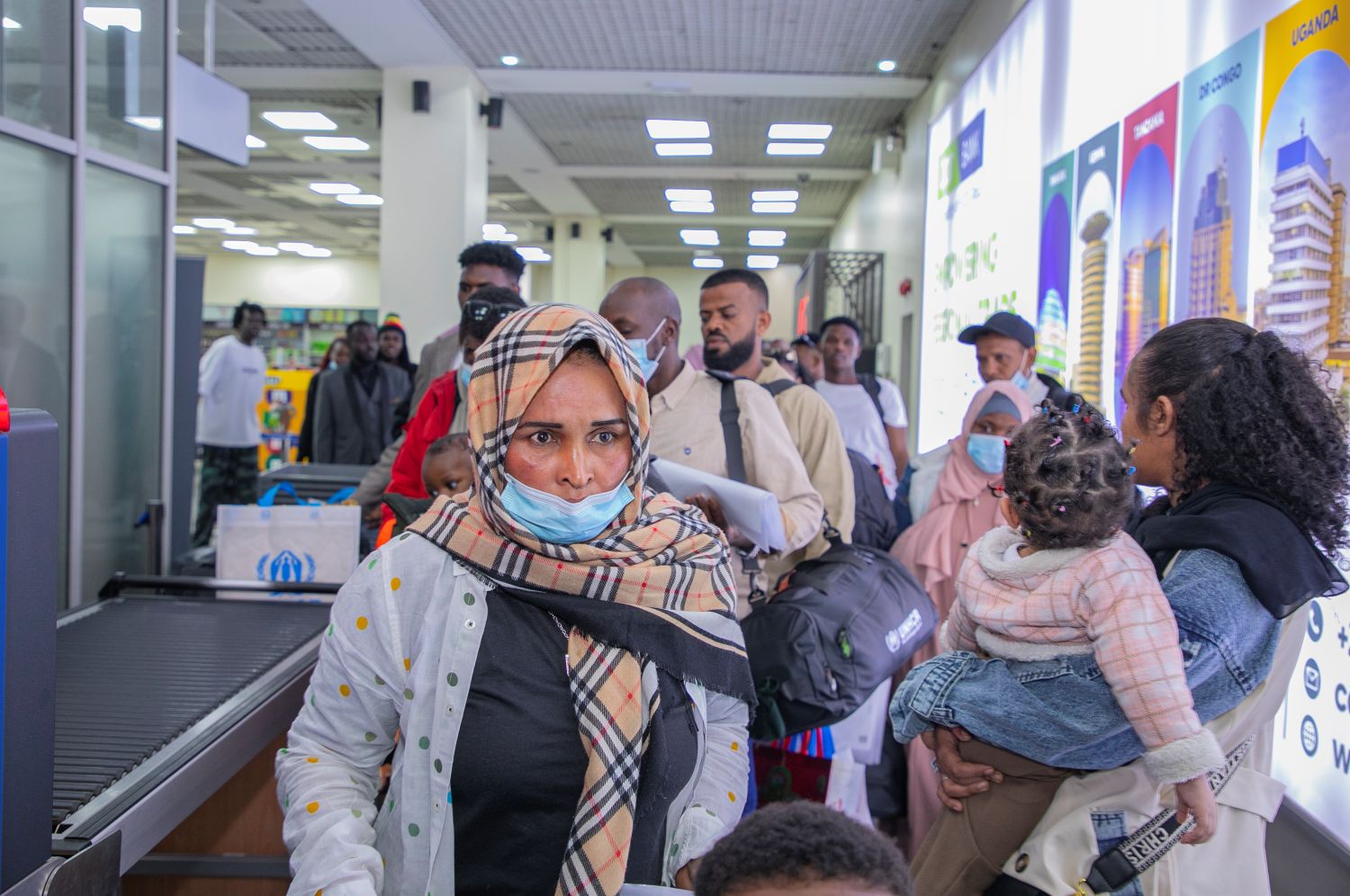
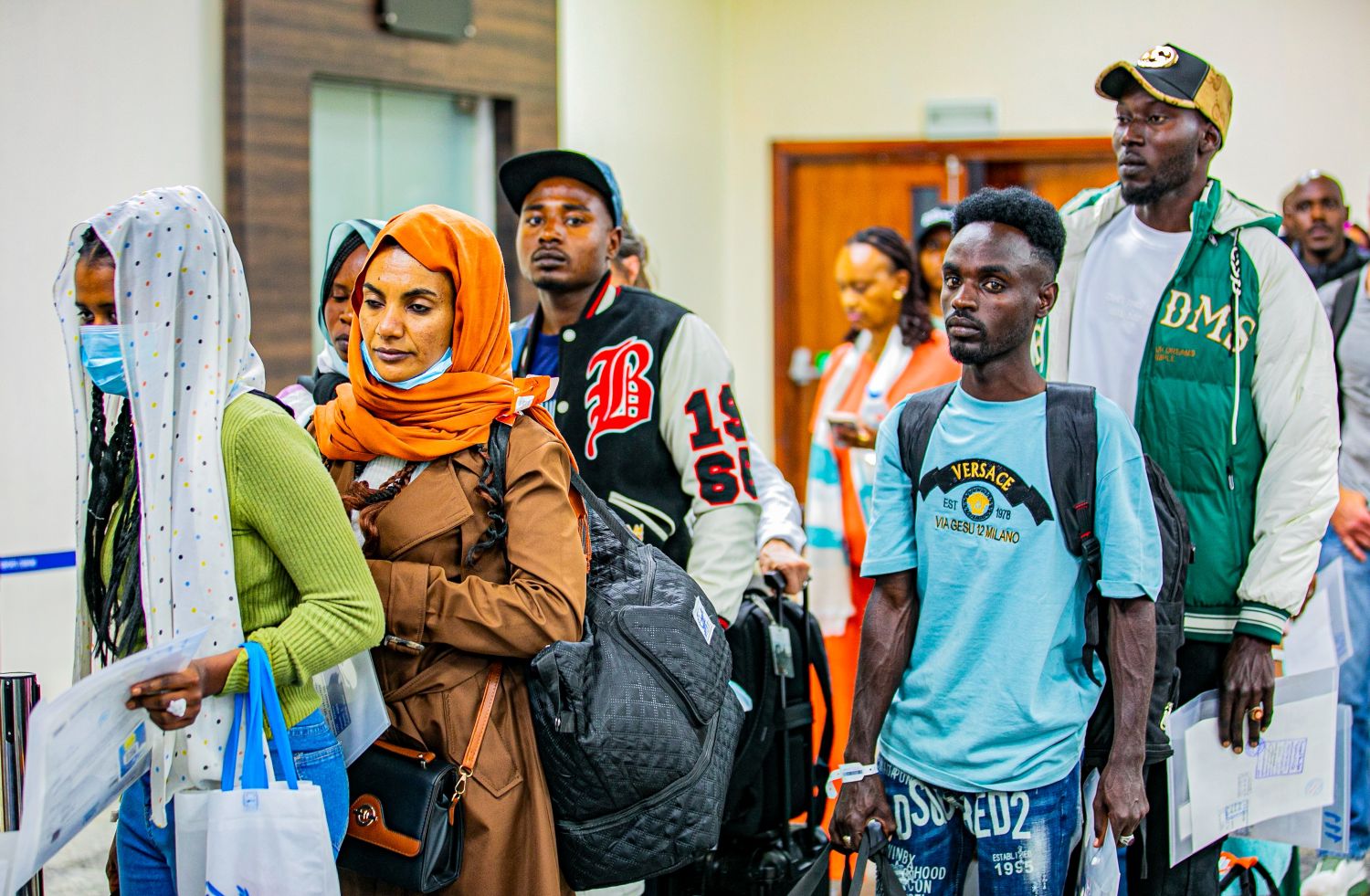
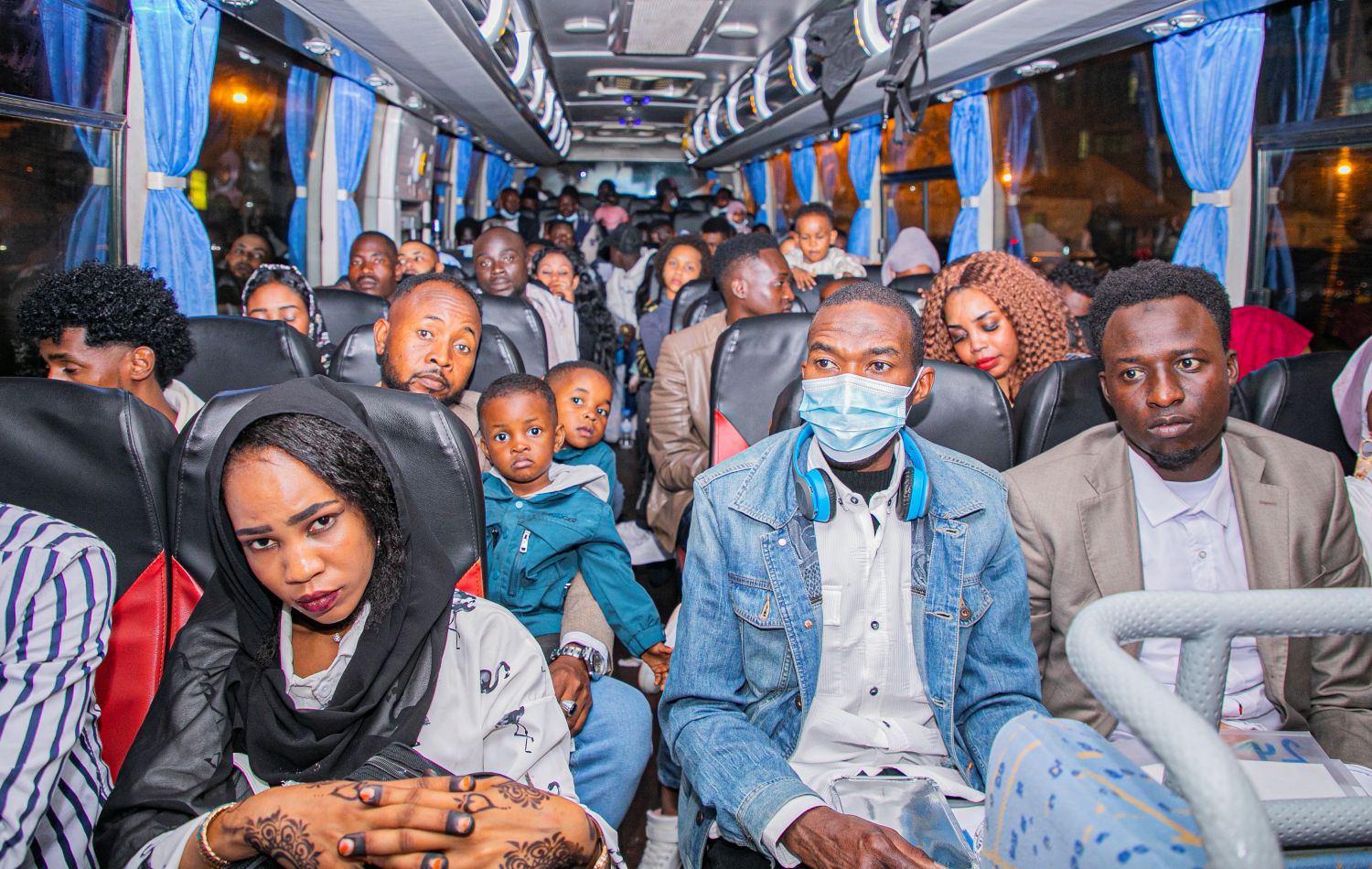
The group, received on Wednesday night, marks the 21st cohort of evacuees to arrive in Rwanda from Libya.
The individuals originate from four countries: 14 from Eritrea, 81 from Sudan, 21 from Ethiopia, and 21 from South Sudan.
Established in 2019, the Emergency Transit Mechanism is a partnership between the Government of Rwanda, UNHCR, and the African Union. It aims to provide lifesaving protection, assistance, and long-term solutions for vulnerable refugees trapped in Libya by temporarily relocating them to Rwanda while durable resettlement options are pursued.
In August last year, the Rwandan government, UNHCR, and the African Union Commission (AUC) agreed to extend the ETM program until December 31, 2025.
In a joint statement issued on August 22, 2024, the three parties reaffirmed their commitment to protecting evacuees and finding lasting solutions for them, while offering a safe haven in Rwanda.
“The Government of Rwanda reaffirms its unwavering commitment to receive and protect these individuals, as well as others identified as particularly vulnerable and at risk,” the statement read in part.
The parties also announced that a second addendum to the original Memorandum of Understanding, signed on September 10, 2019, had been adopted. It emphasizes a more transparent selection process for evacuees, ensuring equal opportunities for all potential candidates—regardless of nationality, ethnicity, race, gender, age, or any other factor beyond vulnerability.
The first group of 66 evacuees arrived in Rwanda on September 26, 2019. Since then, a total of 2,760 individuals have been evacuated, with more than 2,100 already resettled in third countries.
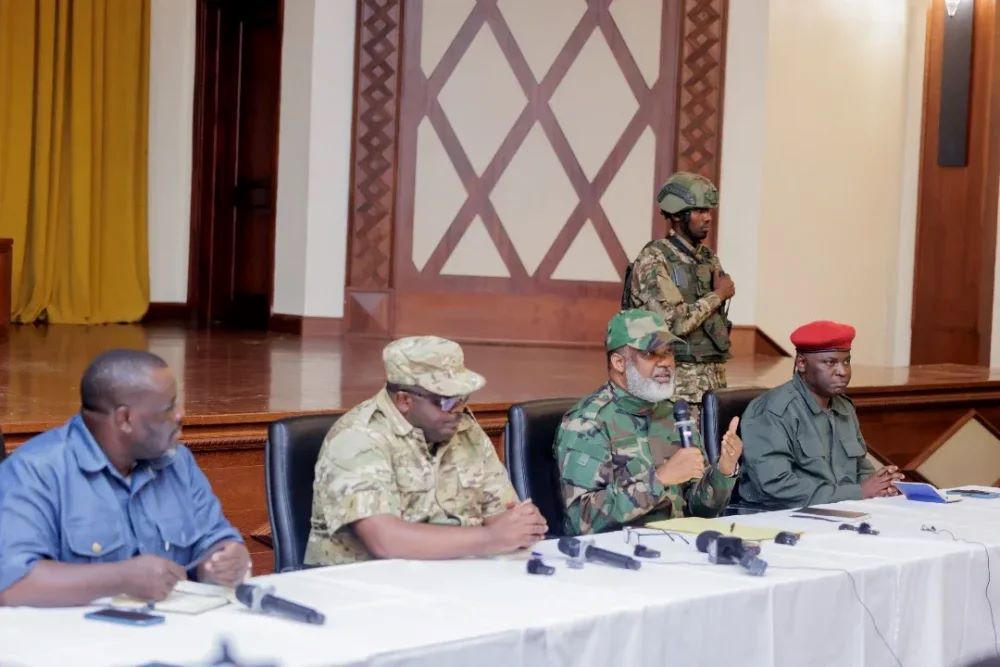
The announcement follows high-level peace talks facilitated by the State of Qatar in Doha. The agreement aims to strengthen the fragile ceasefire already in place and initiate a broader roadmap for lasting peace in the region.
In a joint declaration released Wednesday April 23, 2025, both parties reaffirmed their commitment to ending violence through dialogue, emphasizing mutual understanding and cooperation.
The statement, shared by M23 via platform X, condemned all forms of hate speech and intimidation, calling on local communities to embrace peace and unity.
“This dialogue will address the root causes of the ongoing crisis,” the declaration stated, highlighting the urgency of tackling longstanding grievances that fuel the conflict.
Both sides also pledged to uphold the cessation of hostilities throughout the negotiation process and encouraged civil society, media, and religious leaders to amplify the message of reconciliation.
The M23 rebellion, which resurfaced in 2021, has led to widespread displacement and instability in the eastern DRC. While previous peace efforts have faltered, the involvement of Qatar and the tone of the current talks have renewed cautious optimism.
“The representatives express their sincere appreciation to the State of Qatar for its continued efforts and unwavering commitment,” the statement said, signaling a new chapter in efforts to resolve one of Africa’s most complex conflicts.
Minister of Trade and Industry, Prudence Sebahizi recently told the national broadcaster, RBA, that he and other African trade ministers met last week and agreed on a common strategy to address the impact of the U.S. trade policies.
“We agreed on four key actions that will help us tackle the consequences of this ongoing trade war. First, we need to unite and establish a solid, unified African trade policy. Second, we must accelerate intra-African trade.”
Sebahizi added that the remaining two points of consensus among African trade ministers were the need to seek alternative markets for African products, especially in other developing countries, and to increase the value-added processing of Africa’s mineral resources before export.
This would help ensure that African nations benefit more substantially from their natural resources. The Minister further noted that although Rwanda is among the countries listed in the U.S. tariff hikes, it has not suffered immediate negative consequences due to the relatively lower rates applied.
“Rwanda is not among the countries heavily affected by the U.S. decision, because it was subjected to a 10% customs duty, among the lowest compared to other nations that seem to have been deliberately targeted by the United States,” he stated.
Early this month, President Donald Trump announced a series of increased tariffs on goods from several countries around the world.
In Africa, countries such as Botswana, Angola, Libya, South Africa, and Algeria saw tariffs ranging from 30% to 37% on their exports to the U.S. Rwanda and Burundi faced a 10% tariff, and Lesotho was hit with the highest in Africa at 50%.
Outside of Africa, the European Union faced a 20% tariff on exports to the U.S., while China was subjected to the highest rate globally, a staggering 54%.
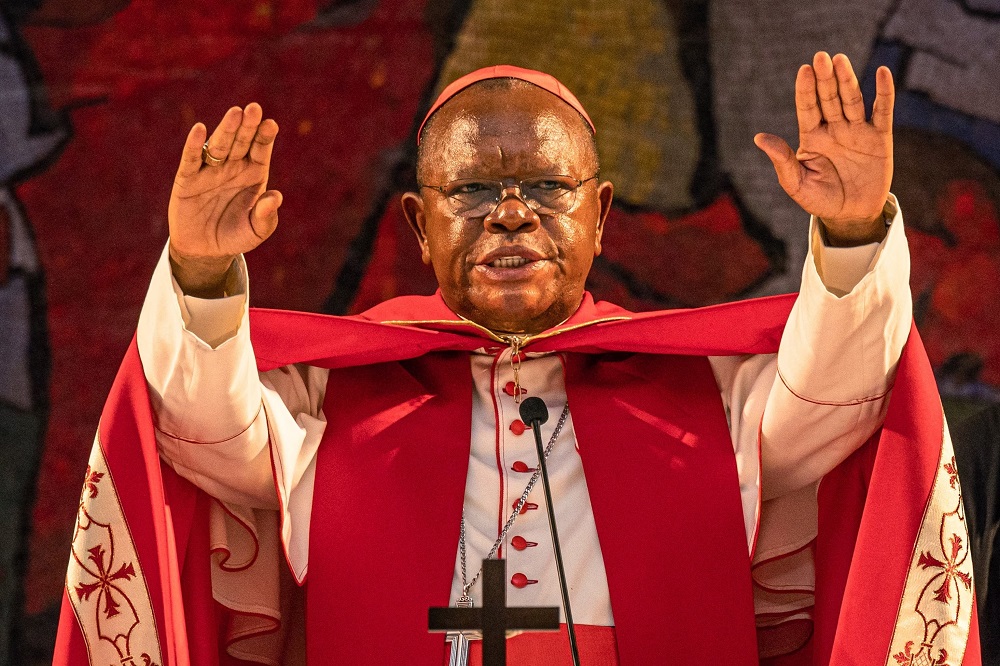
Cardinal Ambongo made these remarks in a powerful Easter message. While acknowledging external pressures, he stressed that internal failures, driven by Congolese irresponsibility, are the root of the nation’s troubles, and called for unity to heal a fractured country.
“The primary cause of our misfortune, lack of peace in our country, is not the people from outside, it is not the foreigners, it is not Rwanda, it is us, the Congolese,” he stated.
Cardinal Ambongo further emphasized this internal failure, stating, “Our irresponsibility has made it so that we pose actions today that do not allow the blossoming of peace in our country.”
These statements challenge the Congolese government’s narrative that Rwanda allegedly fuels eastern DRC conflicts through M23 rebel support, pointing instead to the Congolese elite’s disunity and greed as the true drivers of the nation’s misfortune.
Ambongo criticized leaders for pursuing power and wealth while eastern regions suffer occupation. This selfish behavior, he argued, fosters despair, driving some Congolese to join rebellions due to frustration with exclusion.
He called for a unified effort to rebuild national cohesion and tackle both internal divisions and external threats.
Cardinal Ambongo also highlighted global corporations exploiting the DRC’s vast minerals, forests, and waters, which deepens the country’s vulnerability.
Internally, Ambongo flagged systemic issues fueling unrest. A corrupt justice system permits land and property theft, stirring public resentment. In Kinshasa, foreign traders dominate commerce, leaving Congolese feeling marginalized in their own homeland. Cardinal Ambongo warned that these grievances could ignite further chaos if ignored.
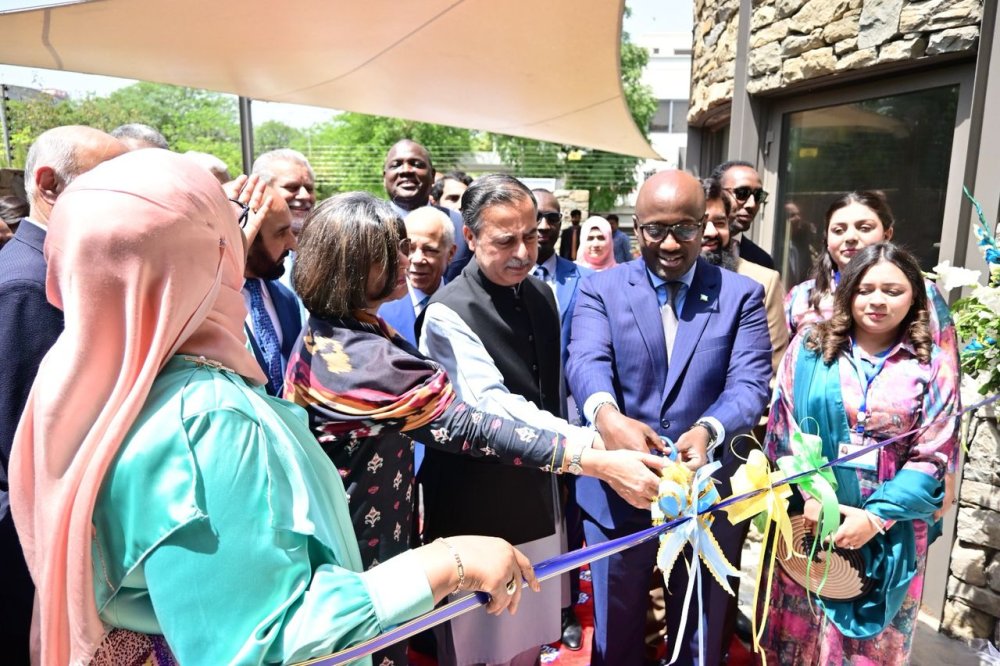
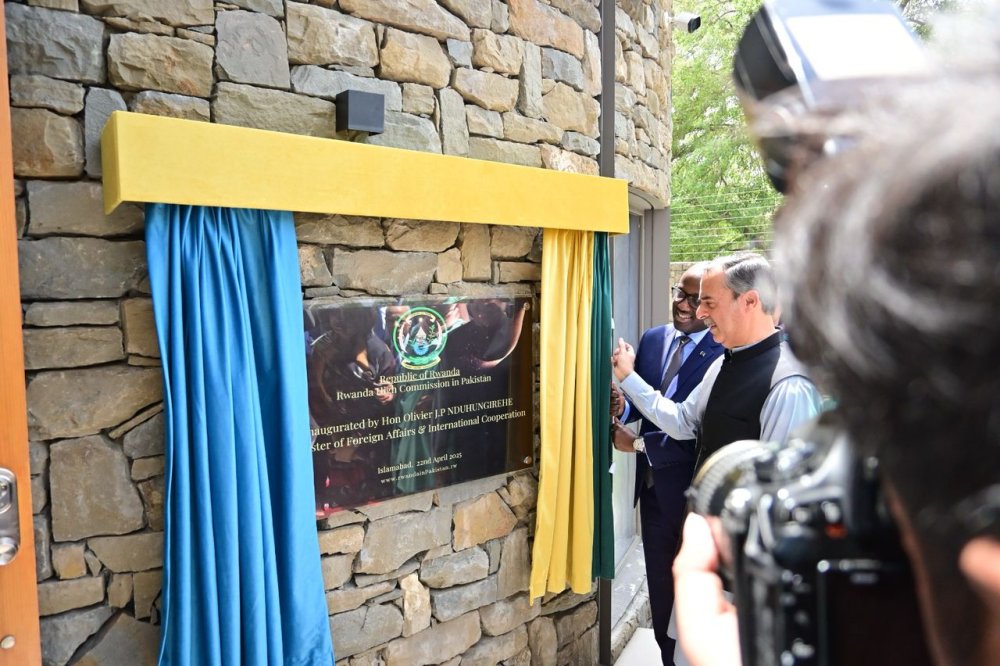
The High Commission, located in Islamabad, the capital of the Islamic Republic of Pakistan, was inaugurated on April 22, 2025, during an official ceremony led by Rwanda’s Minister of Foreign Affairs, Olivier Nduhungirehe, as part of his three-day visit to Pakistan.
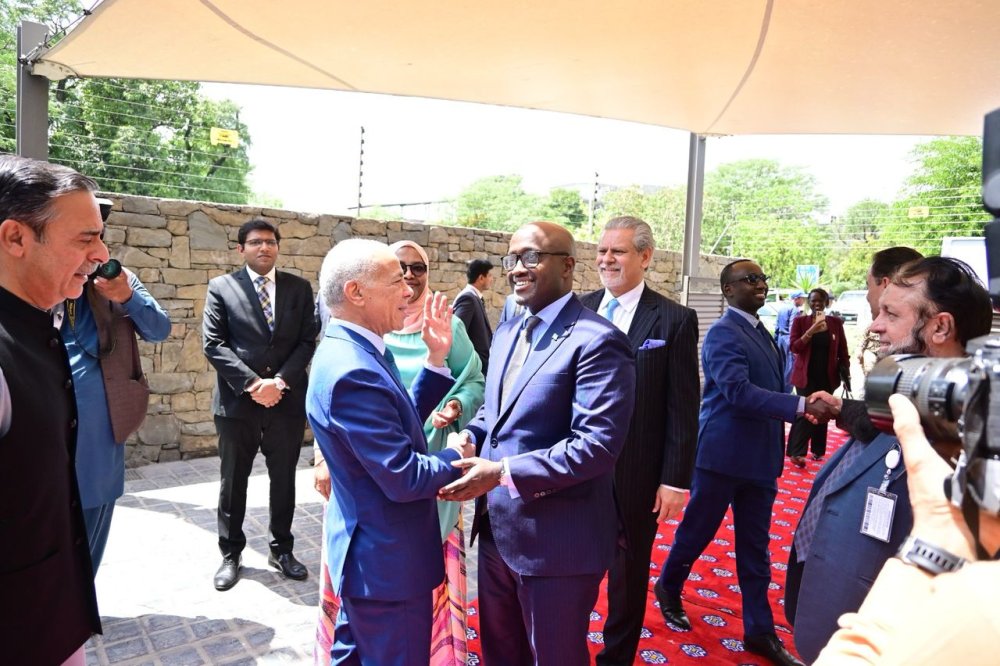
The event brought together senior government officials, diplomats, media representatives, and private sector leaders.
Initially opened in 2024, the diplomatic mission is part of Rwanda’s expanding global network, which now includes 49 diplomatic missions across five continents.
The new High Commission is expected to play a pivotal role in enhancing political cooperation, trade, and investment between the two nations.
Speaking at an earlier joint press conference with his Pakistani counterpart, Mohammad Ishaq Dar, Minister Nduhungirehe reaffirmed Rwanda’s commitment to deepening bilateral cooperation for the benefit of both peoples.
He also emphasized Rwanda’s openness to Pakistani investment and encouraged the business community in Pakistan to explore opportunities in Rwanda.
The visit is part of a series of high-level exchanges between both countries. Minister Nduhungirehe, affirmed Rwanda’s commitment to maintaining this momentum and expressed optimism about increasing trade volumes, which currently stand at around US$26 million.
On his part, Dar emphasized Pakistan’s readiness to collaborate with Rwanda in developing digital ecosystems, highlighting opportunities for joint ventures and knowledge exchange.
This inauguration follows Pakistan’s earlier decision to open its own High Commission in Kigali in 2021, further solidifying diplomatic engagement between the two nations.
Rwanda’s High Commissioner to Pakistan, Fatou Harerimana, formally presented her credentials to President Asif Ali Zardari on July 15, 2024.
Trade between the two countries continues to grow, with Pakistan ranking among the top importers of Rwandan tea, coffee, avocados, and other agricultural products.
Conversely, Rwanda imports medical supplies, rice, textiles, agricultural machinery, and industrial equipment from Pakistan.
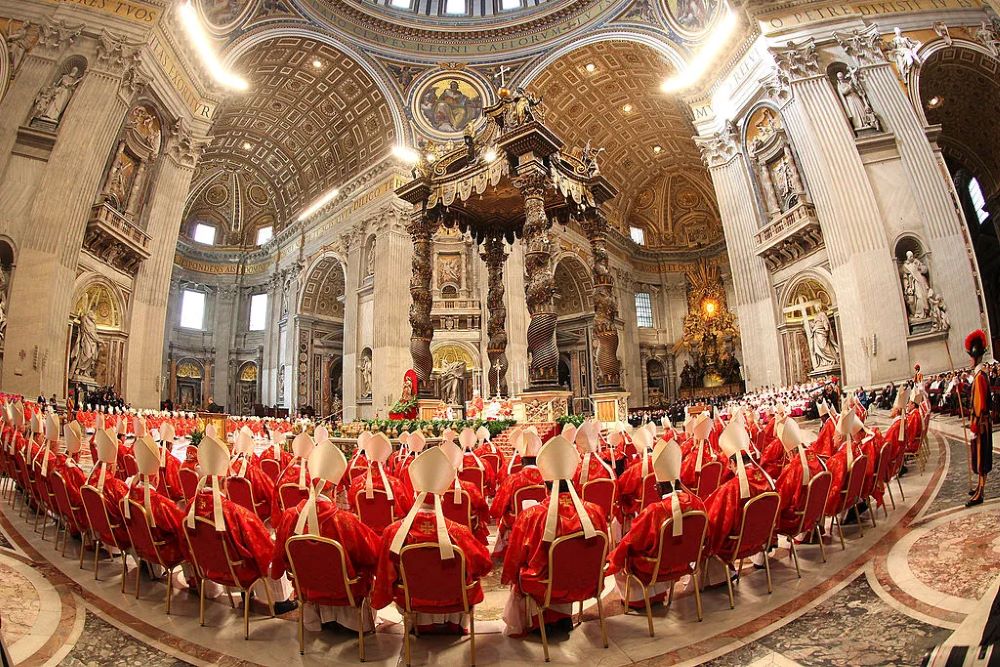
Authorities have two priorities; to protect the integrity of those attending the meeting, and to ensure that it proceeds in strict secrecy (under penalty of excommunication and imprisonment) until the final decision is made.
By 2025, the Gendarmerie corps guarding Vatican City faces unprecedented technological challenges compared to other conclaves.
Among them are artificial intelligence systems, drones, military satellites, microscopic microphones, a misinformation epidemic, and a world permanently connected and informed through social media.
The conclave is scheduled to take place approximately 20 days after the pope’s death. The Vatican and the Holy See are preparing for the arrival of the cardinals who will vote for the next leader of the Catholic faith.
Emergency and control bodies are also working on it with state-of-the-art technology. So far, they have not shared details about their security arrangements, but they are not inexperienced in the task of safeguarding the integrity of high-profile figures in the face of today’s technological risks.
In fact, the election in 2013 of Jorge Mario Bergoglio, the real name of Pope Francis, as supreme pontiff gives some indications of the rigorous security strategies that will be presented in the next conclave.
The Vatican has internet access, but within the areas where the cardinals will reside and vote for the new pope, there will be signal jammers. The technology prevents two devices from communicating with each other through radio frequency interference. The headquarters becomes an electronic bunker.
Thus, if someone were to manage to introduce a microphone, telephone, or computer, they would be unable to transmit information.
However, the possibility of administrative staff or the cardinals themselves introducing technology is remote. Authorities inspect the building for days in search of unauthorized microphones or cameras, check every permitted attendee, and double-check participants.
{{Privacy film in the windows}}
Contemporary satellites are capable of taking pictures of people’s faces from space, while AI can interpret lip movements. However, since there’s currently no technology to see through walls with such high resolution, the best strategy against espionage in the conclave is to close doors and windows.
During meetings and in the sleeping quarters, voters are not allowed to look outside. In addition, before the cardinals arrive, Vatican staff place opaque film over windows so that no journalist, satellite, or drone can take pictures of the interior.
{{Locked-down Vatican}}
The Vatican covers only 0.44 square kilometer in area. It is the smallest nation in the world. Until 2018, it had 650 cameras monitoring its streets from an underground command center.
In addition, the Vatican City Gendarmerie, which functions as a conventional police force, and the Pontifical Swiss Guard, which acts as an army, are located within the territory.
While in photographs they appear to be wearing antique costumes and carrying halberds, the latter group has highly trained personnel with heavy weapons, such as machine guns, rifles, and explosives.
An estimated 200,000 people are expected to be present in the small city-state once the conclave has determined the name of Pope Francis’ successor.
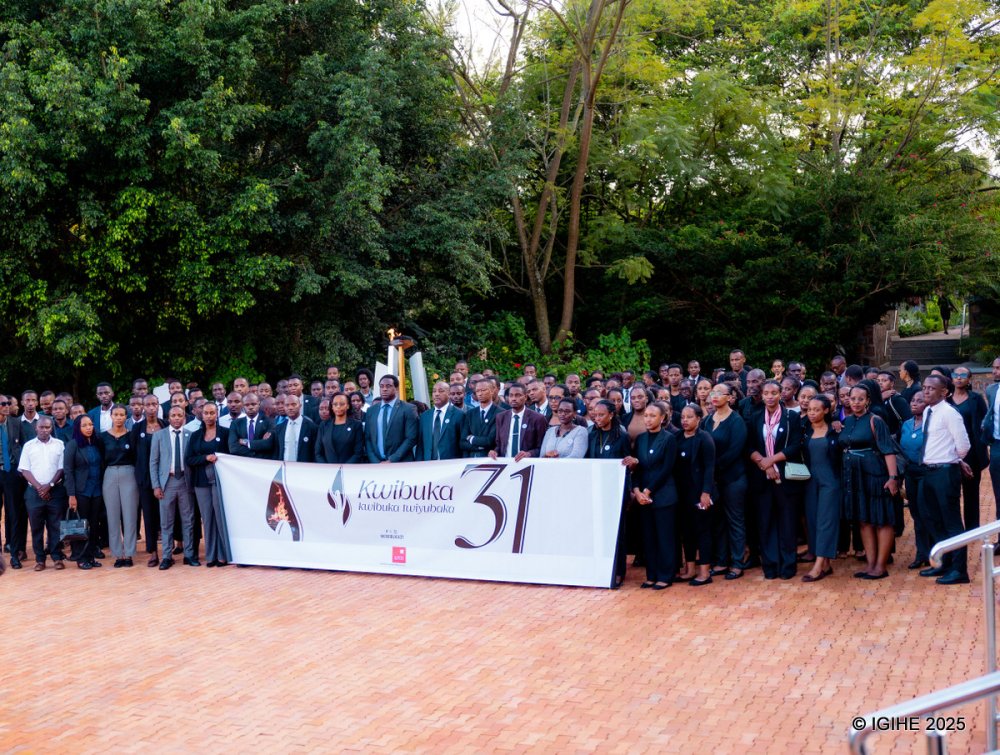
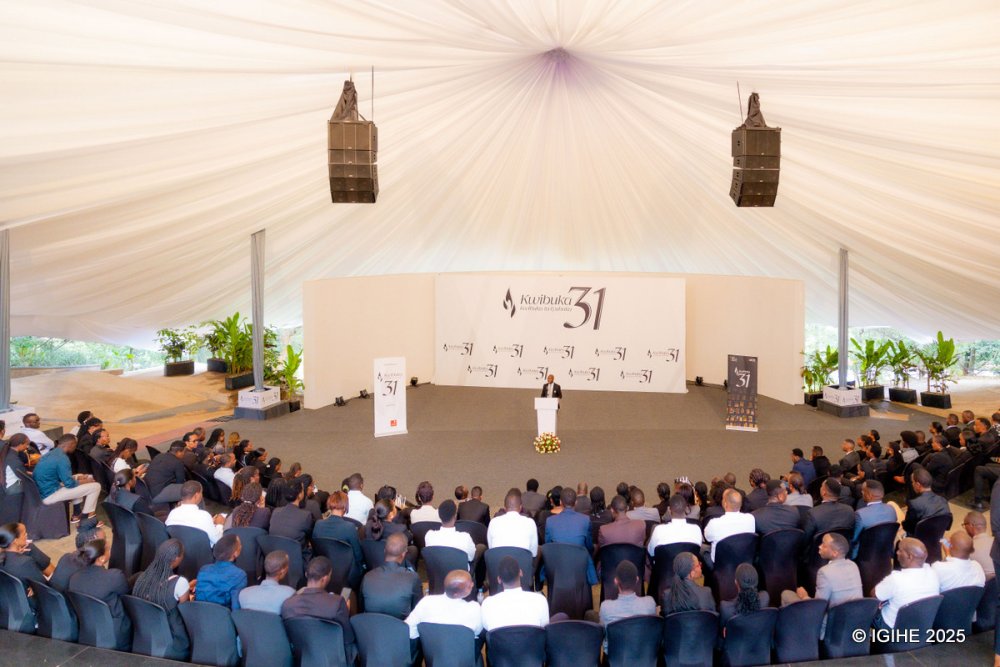
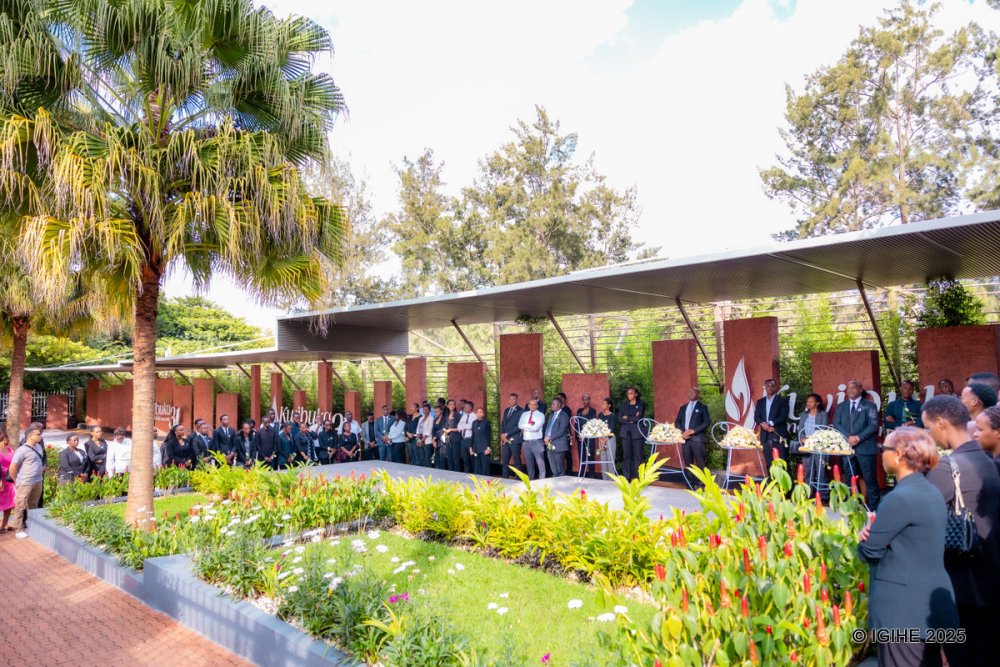
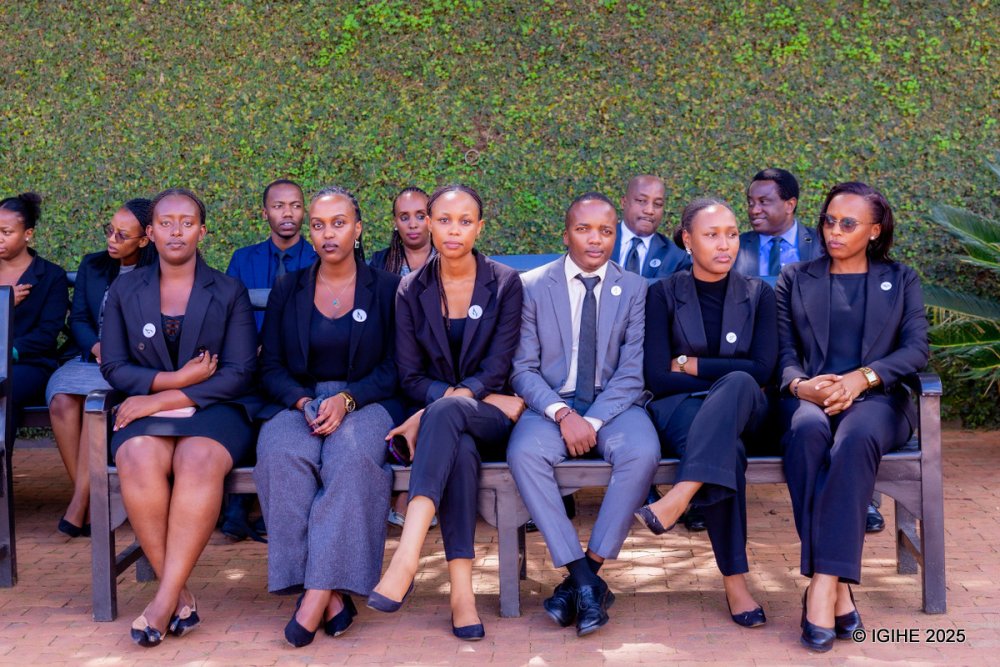
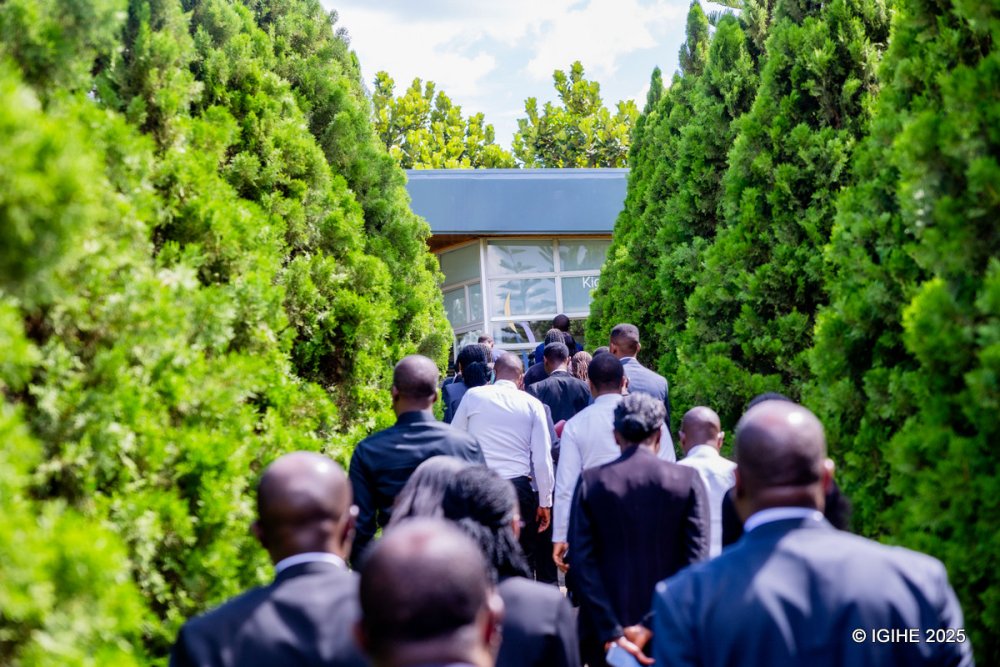
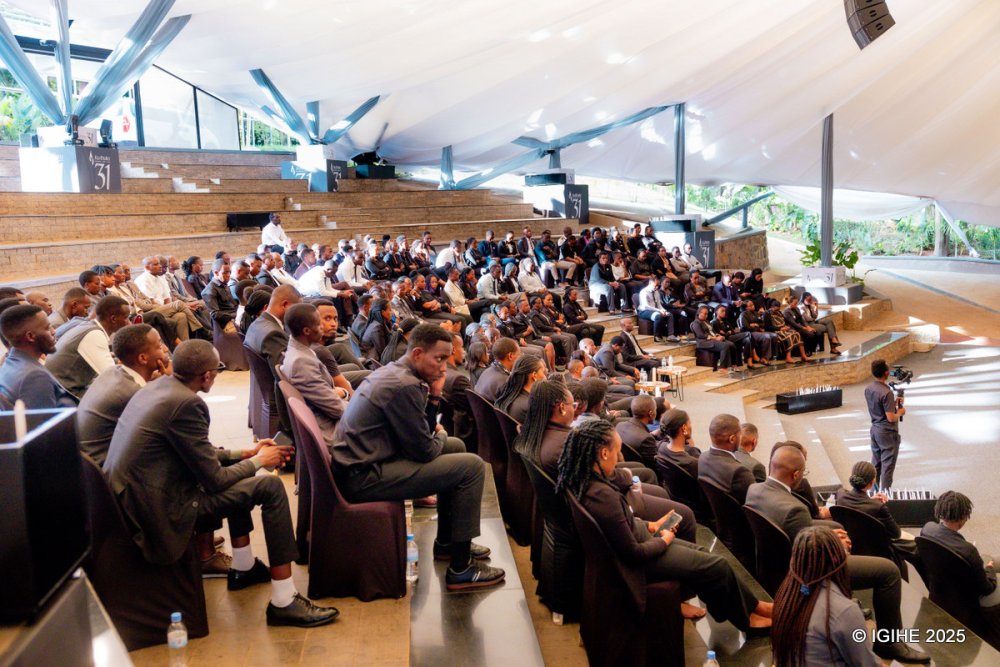
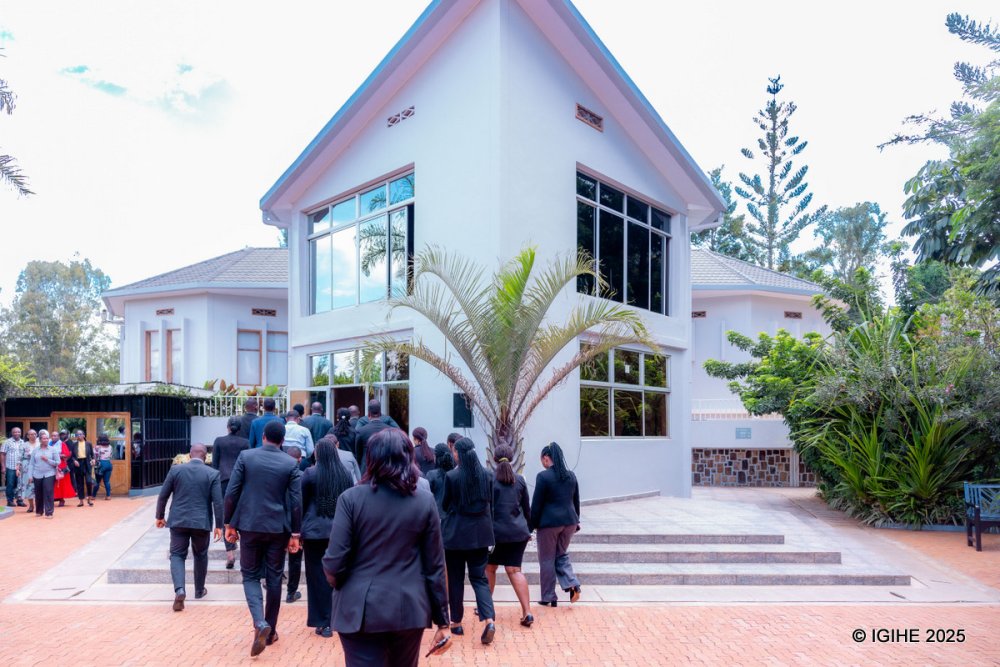
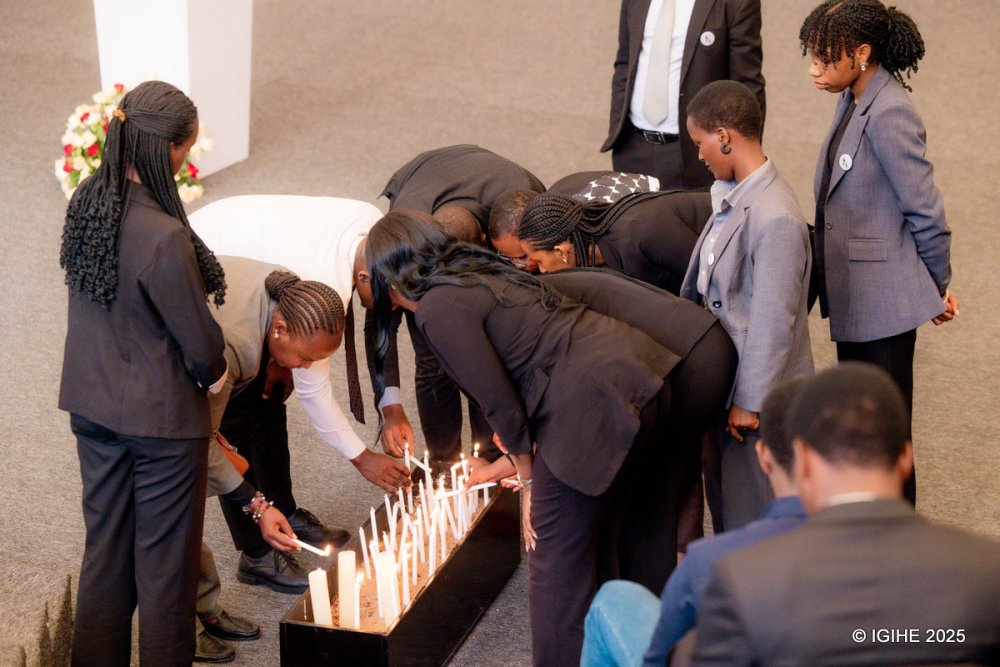
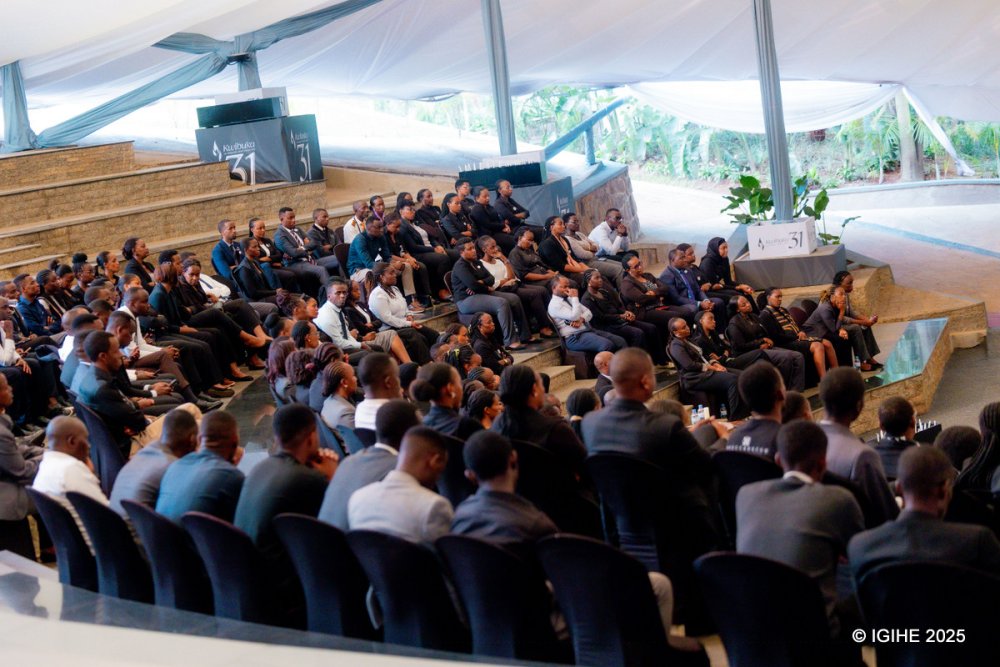
The event took place on April 22, 2025, beginning with a historical briefing on the roots of the Genocide against the Tutsi, which claimed over a million lives simply because of their identity.
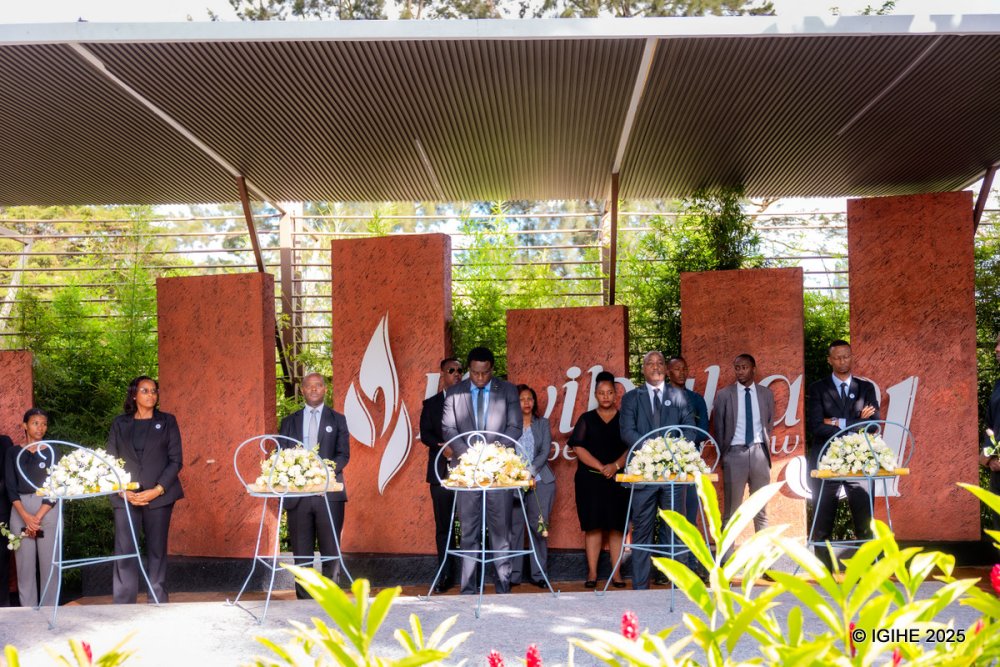
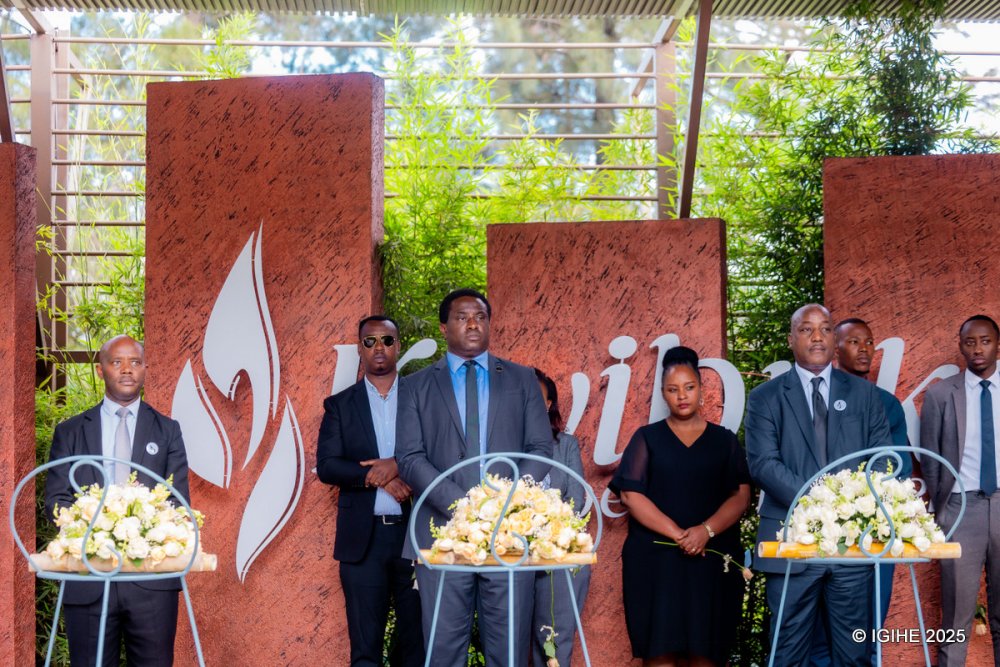
Following the briefing, the GTBank Rwanda team laid wreaths at the mass graves where more than 250,000 victims are buried, paying tribute to those whose dignity and lives were brutally taken.
Alphonse Munyentwali, Country Director of Aegis Trust Rwanda, highlighted that remembering the Genocide is an ongoing journey. He emphasized that since the majority of today’s Rwandans are youth, it’s essential for them to understand this history thoroughly to ensure such atrocities never happen again.
He also explained that despite Rwanda’s independence, colonial powers continued to influence its governance, which fostered the divisions that eventually led to genocide.
“We suffered greatly, but we are also fortunate because the Genocide against the Tutsi was not stopped by foreigners. Rwandan heroes stopped it. We stopped it ourselves, and we have the strength to prevent it from happening again. That is a great privilege, and it was largely done by the youth. Today, others look up to us,” Munyentwali said.
Sandrine Isheja, an employee at GTBank Rwanda’s Gisozi branch, shared her personal story, recounting how she was a child during the 1994 Genocide but still vividly remembers the difficult path she took to survive. Many of her relatives and fellow refugees now rest at the Kigali Genocide Memorial.
She expressed deep gratitude to the Rwandan Patriotic Army for saving lives, including her own, and for restoring hope in life.
GTBank Rwanda’s Managing Director, Emmanuel Ejizu, spoke about how ethnic divisions introduced by Western colonialists were for their own benefit. He emphasized that unity is now the most powerful tool in countering such divisions and continuing the country’s journey of rebuilding.
“We must not be overwhelmed by sorrow. We need to hold onto hope and strive for a Rwanda that is united,” he said. “This commitment to unity should not only be during commemoration periods—it must be constant, even for Rwandans in the diaspora. Do not tolerate division or those who spread hate or seek to turn people against each other.”
Ejizu concluded by noting that the Genocide against the Tutsi was a deliberately orchestrated campaign, built on years of cultivated hatred. Therefore, if today people come together with good intentions, the meaning behind the phrase ‘Never Again’ can be fully realized.
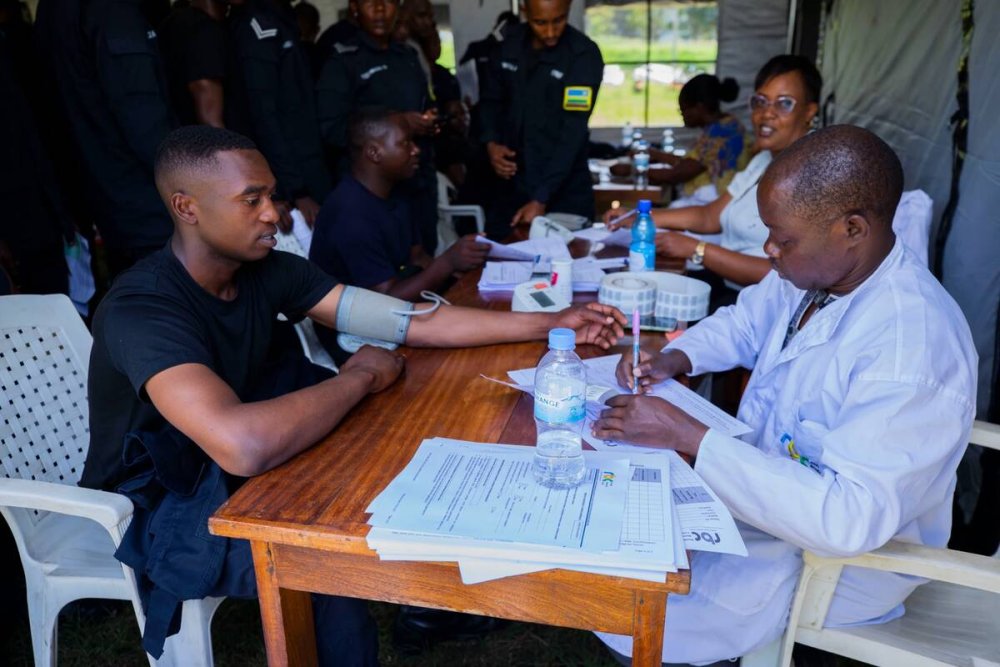
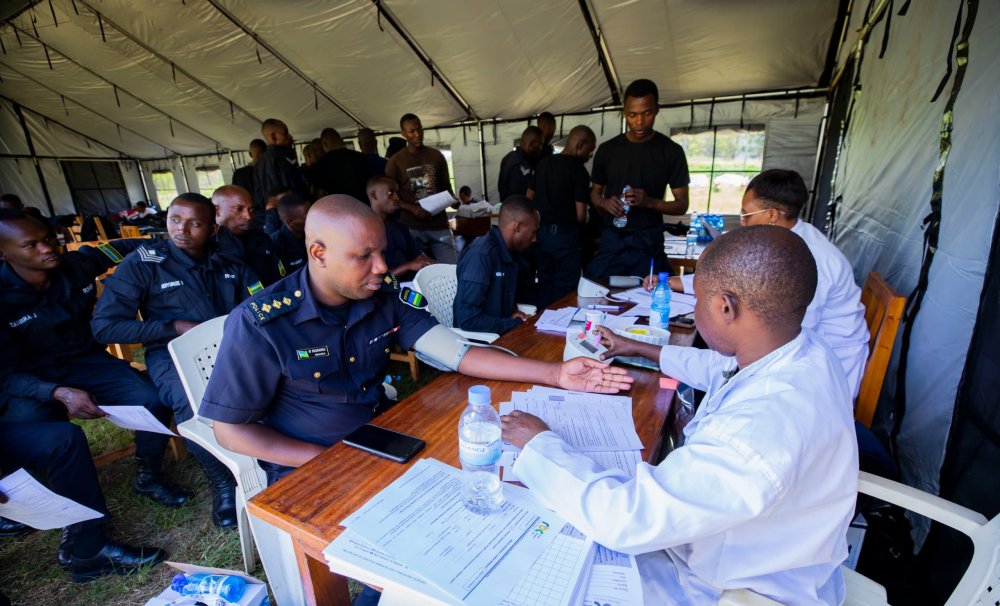
The RNP Spokesperson, Assistant Commissioner of Police (ACP) Boniface Rutikanga, said that as Police officers, donating blood is at the same time in line with the existing Memorandum of Understanding (MoU) between RNP and RBC and part of the force’s human security programme to promote the health of people it serves.
He said : “Donating blood by Police officers is part of the existing memorandum between RNP and RBC to contribute to the National blood bank. It is a periodic and voluntary action which also falls within the force’s initiative to support the human security programme in separate aspects of security and development including health because people cannot feel safe when they are not healthy.”
Dr. Andre Munyemana, from the RBC Blood Transfusion Division, in charge of donor selection, expressed gratitude to the Rwanda National Police for the ongoing partnership in the promotion of blood donation campaign.
He emphasized on the importance of the life-saving commitment exhibited by Police officers who donated blood.
“Donating blood is saving life of someone in need of blood. A person in need of blood has no other alternative. If he is not helped on time, he may lose life,” he added.
Dr. Munyemana urged the public to take blood donation as everyone’s responsibility and a reciprocal action because anyone or one of his/her relatives may also need it.
The initiative centres on the nationwide rollout of e-Ubuzima, a digital health platform that enables both doctors and patients to access medical records online. Already in use in 15 districts, e-Ubuzima is set to become the backbone of Rwanda’s health data management.
“We’ve set a target: by December this year, all health facilities in Rwanda should be fully digital and paperless,” said Muhammed Semakula, Head of Planning, Monitoring and Evaluation, and Health Financing at the Ministry of Health, in an interview with {The New Times}.
While the system is ready for full deployment, Semakula acknowledged that logistical hurdles remain.
“You need computers at every health facility. One facility needs a minimum of 25 computers to be fully digitalised,” he said, noting that larger hospitals may require even more due to multiple departments.
In addition to hardware, the ministry is focused on equipping healthcare workers with the skills needed to operate digital tools.
“We’re noticing that many from the older generation have lower computer literacy… This is why consistent training is needed,” Semakula explained.
Each health facility requires approximately two weeks of intensive work to fully transition to the digital system, which also relies heavily on stable internet access.
“We also need to ensure every facility has reliable internet,” he added.
Efforts are also underway to digitise community-level health services by mid-year. By June, the ministry aims to equip community health workers with internet-enabled smartphones to streamline data collection and service delivery.
The digitisation initiative is expected to improve efficiency, data accuracy, and continuity of care across the country’s health sector.
Earlier this month, Rwanda made another major leap in technology by rolling out a[ state-of-the-art Health Intelligence Center->https://en.igihe.com/health/article/rwanda-rolls-out-health-intelligence-hub-for-real-time-service-monitoring?var_mode=calcul] to enhance real-time monitoring of healthcare services, decision-making, and policy development.
The hub was launched on the sidelines of the Global AI Summit on Africa on April 3, 2025, by the Minister of Health, Dr. Sabin Nsanzimana, and the Minister of State, Dr. Yvan Butera. They were joined by fellow African health ministers and development partners.