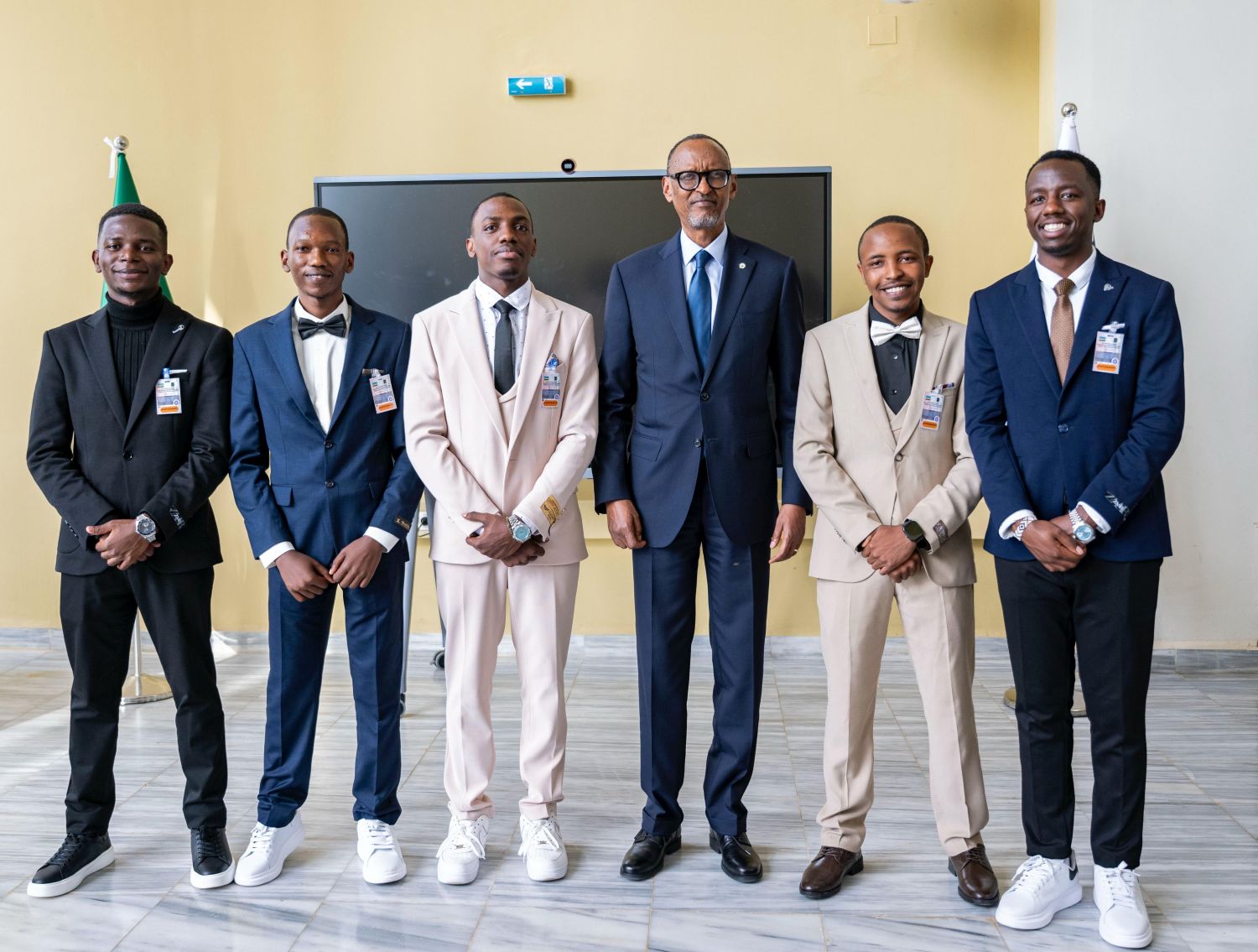
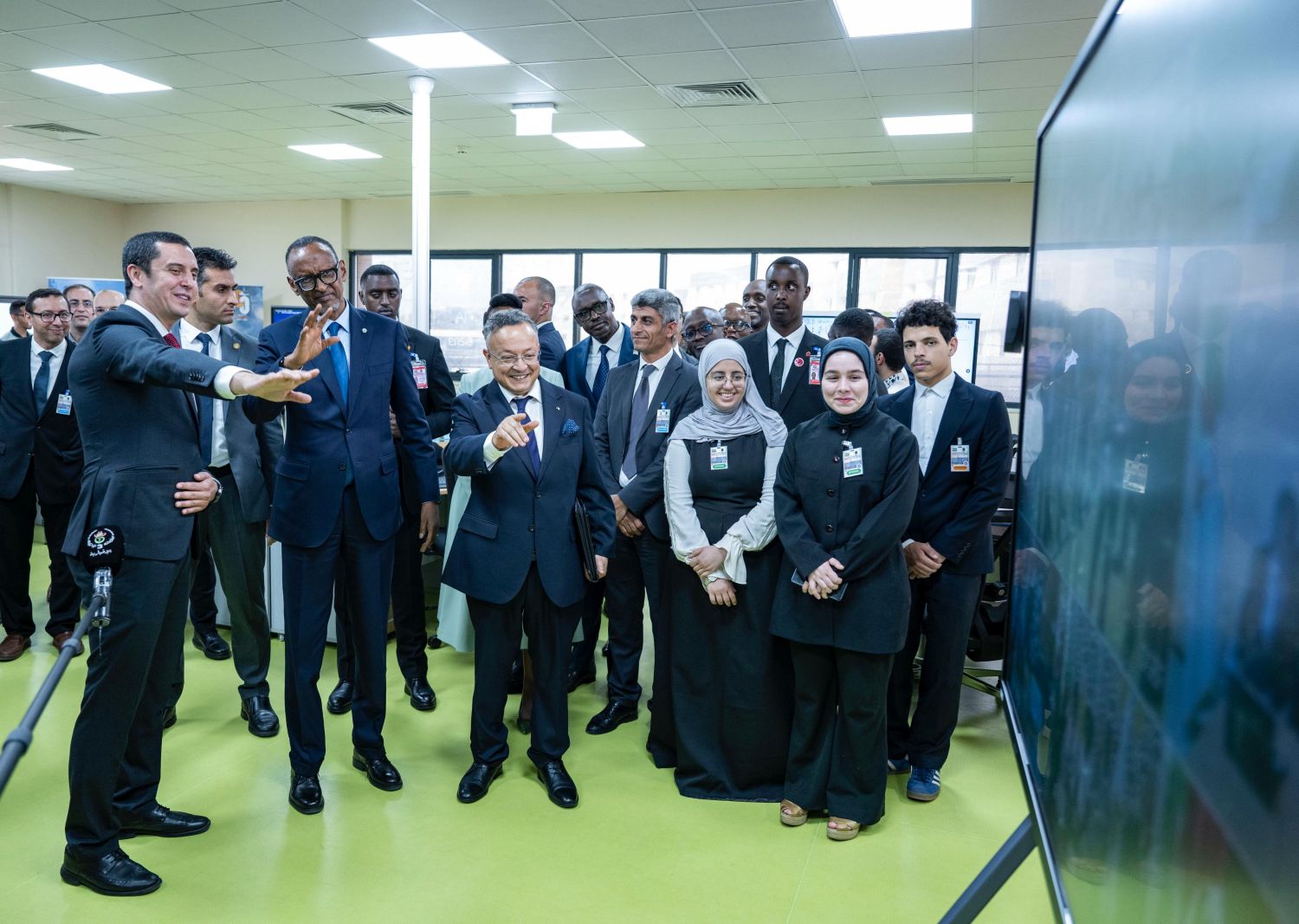
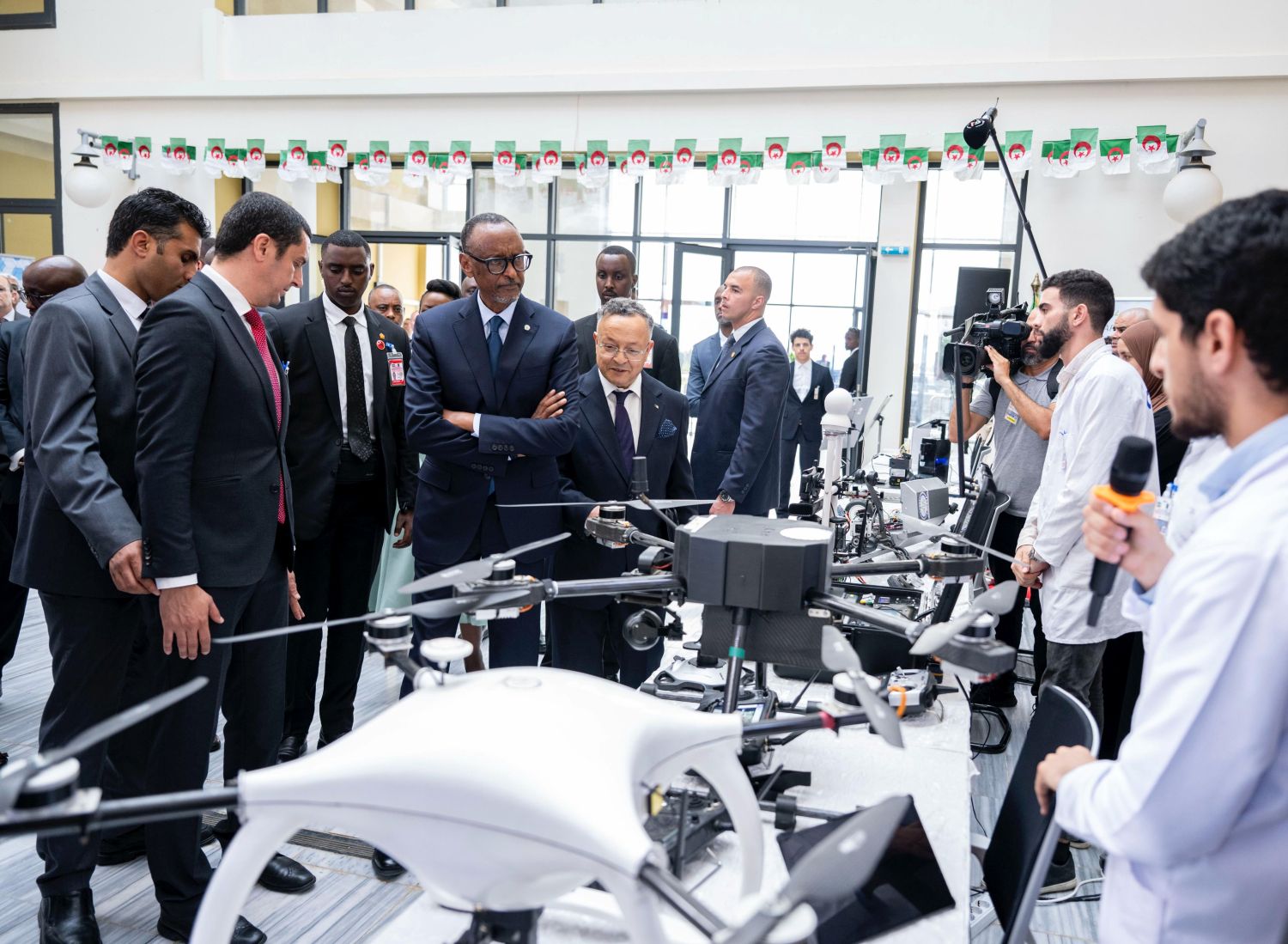
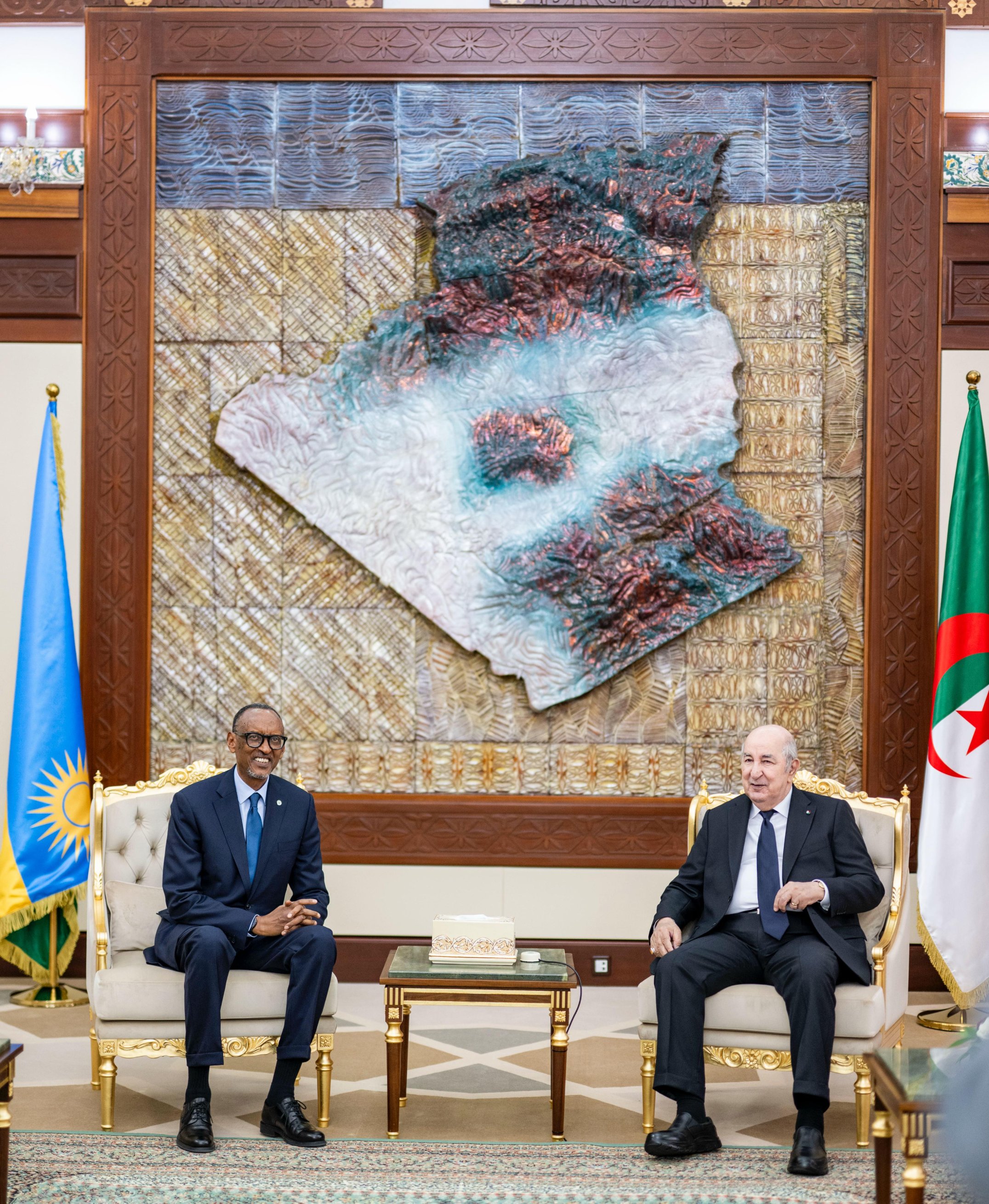
ENSIA, which offers an integrated Bachelor’s and Master’s program in Artificial Intelligence and Data Science, currently hosts five Rwandan students as part of a growing educational partnership between the two nations.
Speaking during a joint press conference with Algerian President Abdelmadjid Tebboune, President Kagame expressed gratitude for Algeria’s continued support in empowering Rwandan youth through advanced education.
“Algeria’s support for Rwandan students in cutting-edge fields like artificial intelligence and data science has been very successful,” President Kagame said.
“This reflects the forward-looking nature of our partnership and our shared interest in building the capacity of our people,” he added.
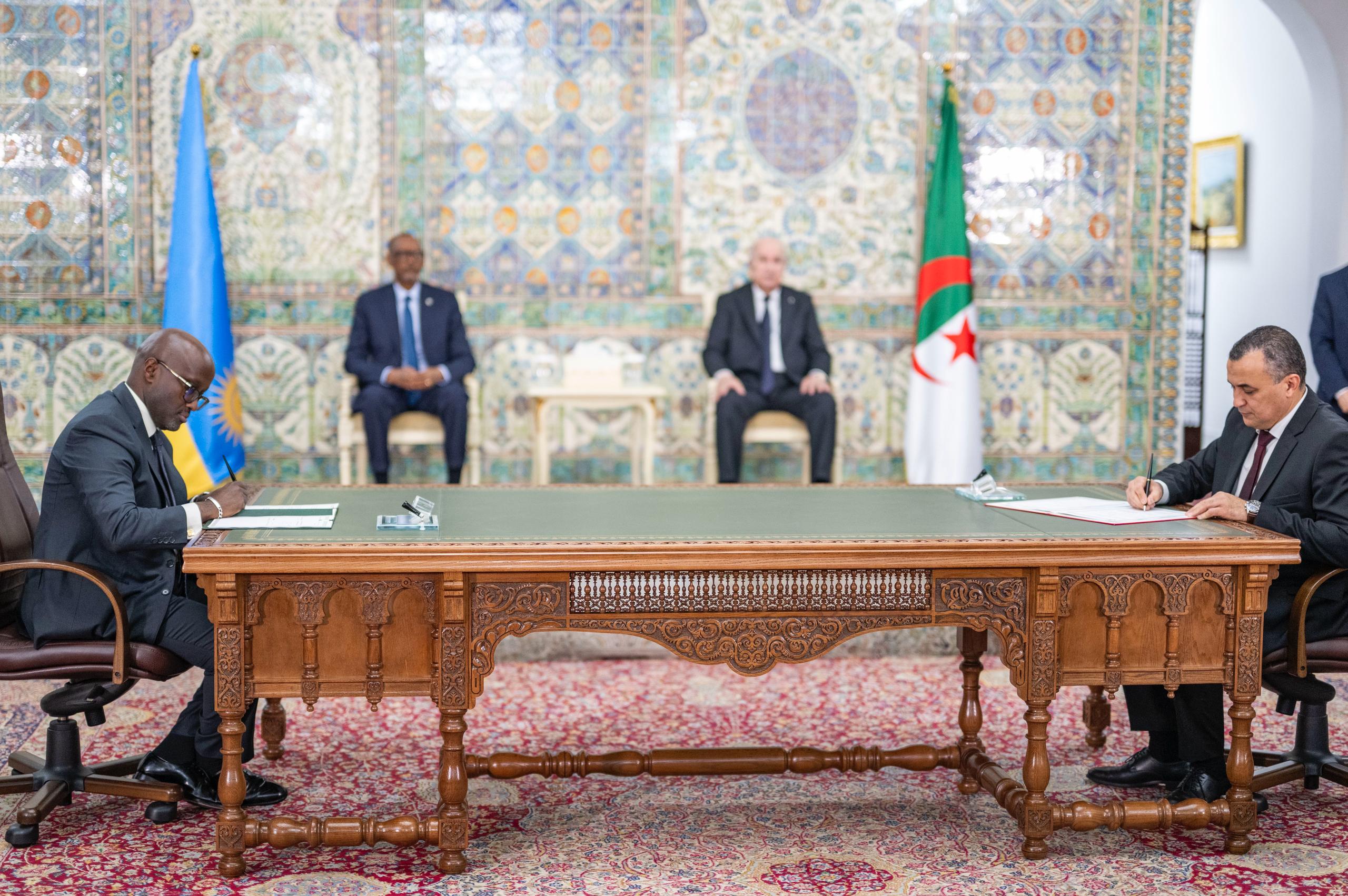
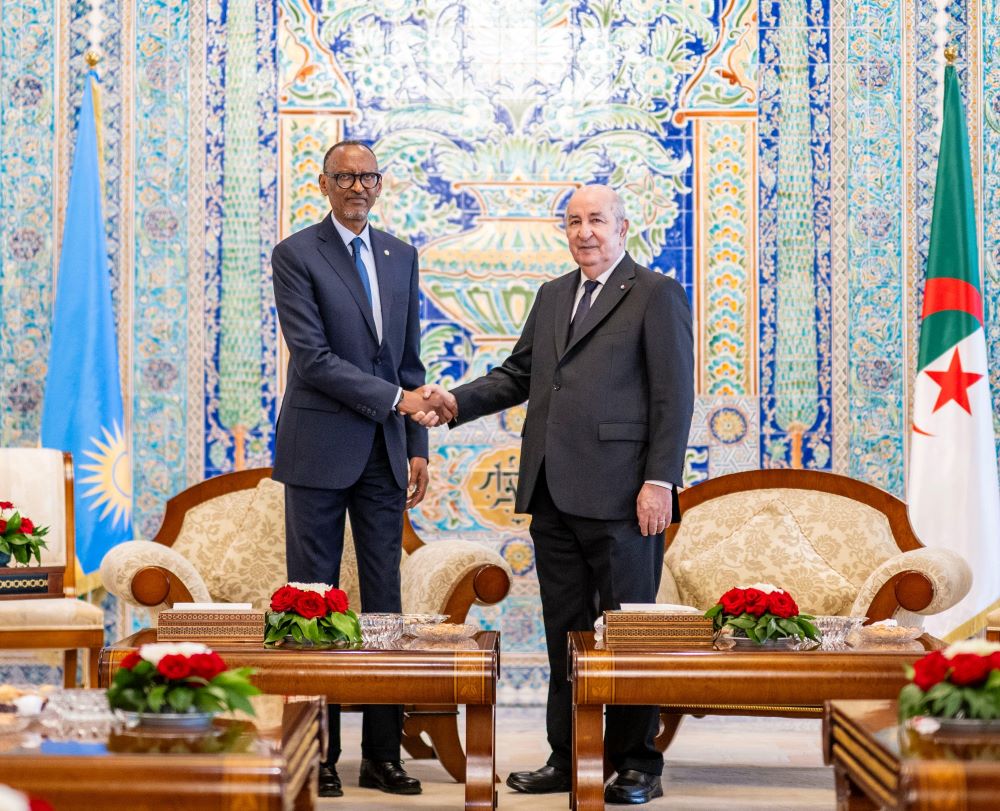
Earlier in the day, the two Heads of State presided over the signing of 12 bilateral agreements spanning a wide range of sectors, including higher education, air services, telecommunications, pharmaceuticals, agriculture, visa exemptions, professional training, police cooperation, justice, and investment promotion.
President Kagame also revealed Rwanda’s plans to open an embassy in Algiers, a move aimed at strengthening diplomatic ties and accelerating bilateral cooperation.
“A diplomatic presence of Rwanda in Algeria, which we hope to have soon, will create more opportunities to strengthen our economic ties and see more engagement between our private sectors,” he added.
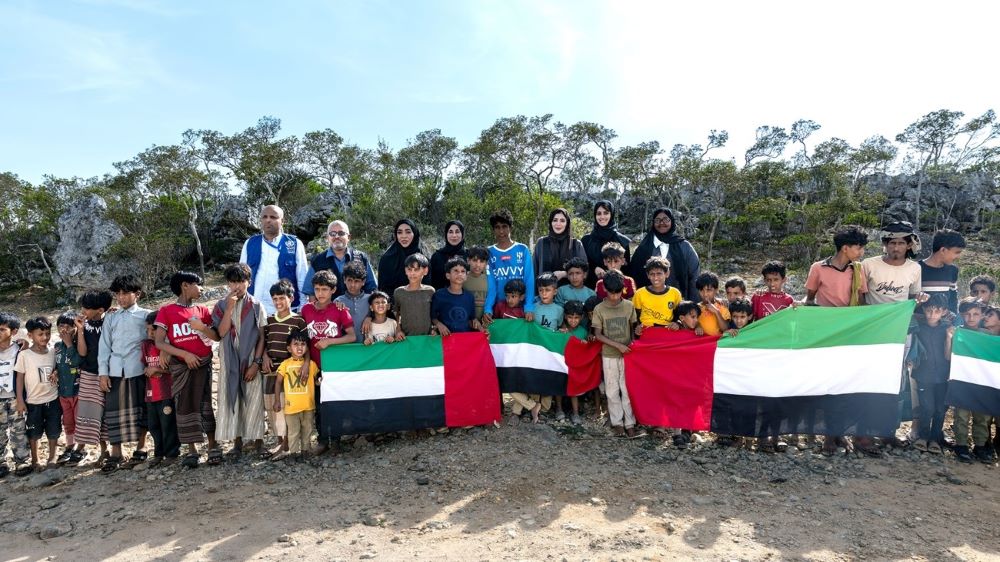
This initiative stems from the UAE’s civilized and humanitarian mission to achieve the aspirations of people and help them obtain basic health services, enhancing healthcare across the world.
This initiative reflects the UAE’s humanitarian and moral duty towards its Yemeni brothers and sisters, with the aim of overcoming urgent health challenges on Socotra Island in cooperation with the World Health Organization (WHO).
International reports indicate that the island’s population faces major nutritional challenges, especially among children, with the rate of acute malnutrition reaching 10.9%, and severe acute malnutrition reaching 1.6% among children under five. Global acute malnutrition rates ranging from 10% to 14% are internationally classified as critical, while severe acute malnutrition rates exceeding 1% are considered alarming.
In this context, Mohammed Haji Al Khouri, Director General of the Khalifa bin Zayed Al Nahyan Foundation, emphasized the UAE’s humanitarian and international responsibility in developing communities and enhancing essential health services. This follows the immortal humanitarian approach of the late Sheikh Zayed bin Sultan Al Nahyan, to help one another everywhere and at all times.
This also implements the inspiring vision of Sheikh Mohamed bin Zayed Al Nahyan, President of the UAE, to address such nutritional and health challenges facing the children and women of Socotra Island in the sisterly Republic of Yemen, in strategic partnership with the World Health Organization.
He explained that the Khalifa bin Zayed Al Nahyan Foundation, as an affiliate of the Zayed Humanitarian Legacy Foundation, will work with the World Health Organization to develop appropriate solutions to address these nutritional and health challenges by conducting a new survey based on current data.
This joint initiative seeks to reduce maternal and child deaths resulting from malnutrition by implementing a comprehensive approach to strengthening the health and nutritional system on Socotra Island over two consecutive years.
He stressed the importance of this in strengthening medical care services dedicated to maternal, infant, and child health, expanding emergency preparedness and epidemic control, and improving health and nutrition surveillance systems to ensure early detection of malnutrition and disease outbreaks.
Dr. Frema Coulibaly-Zerbo, Acting WHO Representative in Yemen, said that this joint effort reflects the shared vision of building sustainable health systems in Yemen. The organization is working with the United Arab Emirates and the Yemeni national authorities to meet urgent needs and lay the foundations for long-term health security on Socotra Island.
It is worth noting that this humanitarian initiative on Socotra Island is a form of official assistance between the UAE and the WHO office in Yemen, seeking to provide immediate food relief on the one hand, and mitigate nutritional and health deterioration among various groups and segments on the other.
This initiative will also enhance the healthcare infrastructure on Socotra Island by training staff, providing medicines, and establishing emergency preparedness mechanisms to ensure optimal response to health challenges.
It will also develop sustainable solutions to address malnutrition, raise community awareness, and improve disease surveillance to identify targeted medical interventions based on ongoing evaluation and study results.
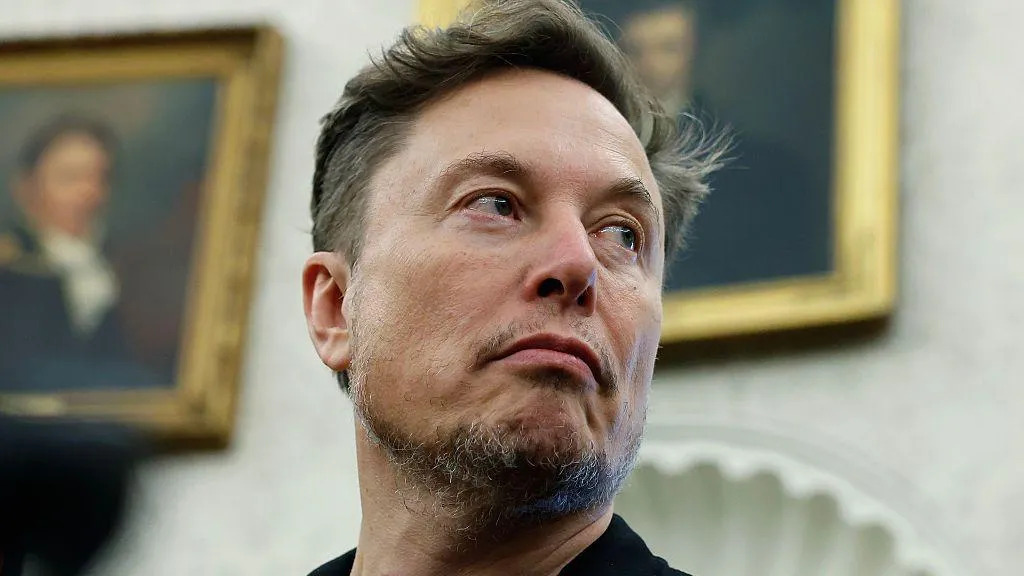
In a series of posts on his social media platform X, the tech billionaire sharply criticised the bill passed by the House of Representatives last month, which includes multi-trillion-dollar tax cuts and increased defence spending, while allowing for greater government borrowing.
The legislation forms a central part of Trump’s second-term economic agenda and is being promoted by the president as the “One Big Beautiful Bill.”
“I’m sorry, but I just can’t stand it anymore. This massive, outrageous, pork-filled Congressional spending bill is a disgusting abomination,” Musk posted.
“Shame on those who voted for it: you know you did wrong. You know it,” he added.
He estimated it would drive the U.S. budget deficit up to $2.5 trillion, calling it “crushingly unsustainable.”
The remarks mark Musk’s first public break with Trump since leaving his short-lived role in the administration on May 31. He had served for 129 days as the head of the Department of Government Efficiency (DOGE), tasked with cutting public spending.
Despite leaving government, Musk had until now remained publicly supportive of Trump’s policies. His recent comments, however, appear to signal a shift, with Musk warning of political consequences for lawmakers who supported the bill.
“In November next year, we fire all politicians who betrayed the American people,” he wrote.
The bill’s opponents within the Republican Party, particularly fiscal conservatives, have echoed Musk’s concerns.
Several senators, including Mike Lee and Ron Johnson, have voiced strong opposition to the bill’s projected impact on the national debt, which the nonpartisan Congressional Budget Office says could rise by $3.8 trillion under the proposal. Lee urged fellow Republicans to “use the Trump bill and future spending measures to reduce the deficit.”
Musk’s intervention has added fresh tension to internal Republican debates, with lawmakers now facing mounting pressure to amend the legislation before its expected passage in the Senate by July 4. Republicans currently hold a narrow 53-47 majority and can afford only limited defections.
Trump and his allies have downplayed Musk’s criticism. White House spokesperson Karoline Leavitt said the president was fully aware of Musk’s views and remained committed to the legislation. “This is one big, beautiful bill, and he’s sticking to it,” she told reporters.
Senate Majority Leader John Thune also dismissed Musk’s concerns.
“We have a job to do—the American people elected us to deliver on this agenda,” he said.
Still, divisions persist among Republican lawmakers. Some rural-state senators want protections for Medicaid and hospital reimbursements, while others are pushing for cuts to climate-related investments.
The fate of proposed tax breaks for overtime pay, tips, and Social Security remains uncertain and may be delayed to a separate bill.
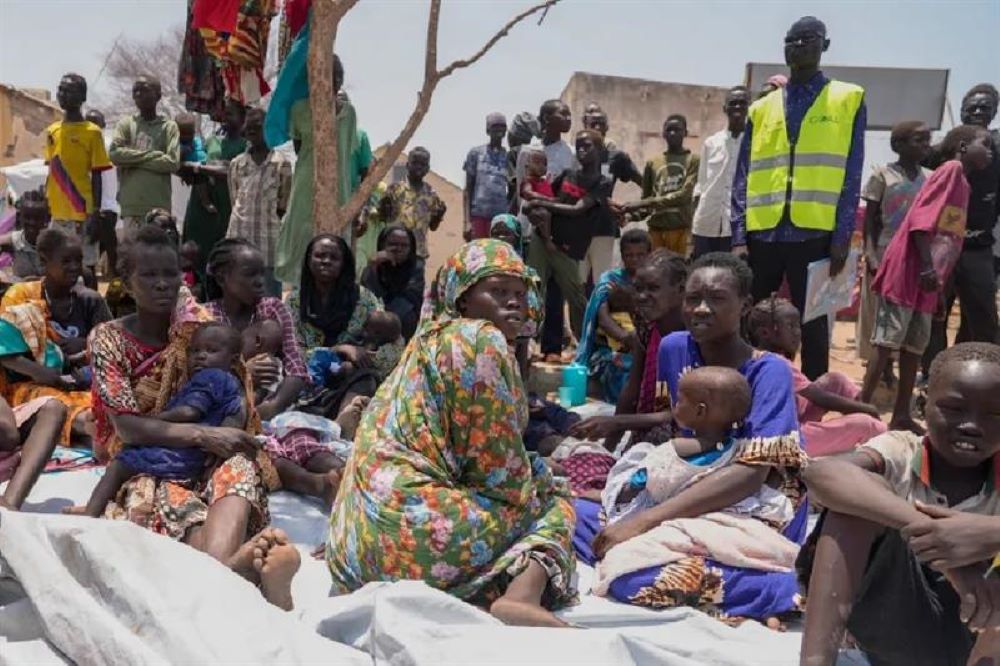
“South Sudan cannot afford yet another crisis. The world’s youngest country has received more than one million people who fled the ongoing war in Sudan, while millions of its citizens continue to recover from years of conflict and crisis at home,” Mamadou Dian Balde, UNHCR’s regional director for the East, Horn of Africa and Great Lakes region, said in a statement.
Political instability and rising hostilities since late February between armed groups have led to fresh clashes, particularly in Upper Nile state, but also other hot spots, devastating lives and damaging essential services.
The UN agency said that some 100,000 people seeking safety in the neighboring countries, such as the Democratic Republic of the Congo (DRC), Ethiopia, Sudan and Uganda, cited insecurity, intercommunal violence and deteriorating humanitarian conditions as the main reasons for flight.
According to the UNHCR, humanitarian access to an estimated 65,000 newly internally displaced people in affected communities remains significantly constrained due to fighting and movement restrictions in Upper Nile state and other areas.
Desperately needed aid, including medicine and health care to tackle an increase in cholera cases, has come to a halt, it said, noting that looming rains are likely to exacerbate the situation, with flooding making transport problematic and expensive.
The UNHCR said it requires 36 million U.S. dollars to support up to 343,000 internally displaced people in South Sudan and refugees arriving in neighboring countries over the next six months.
“We reiterate calls for an immediate cessation of hostilities and urge all parties to spare civilians more suffering and find a peaceful solution,” Balde stressed.
South Sudan remains one of the largest displacement crises in the region, with more than 2.3 million South Sudanese living as refugees in the DRC, Ethiopia, Kenya, Uganda and Sudan, the UNHCR said.
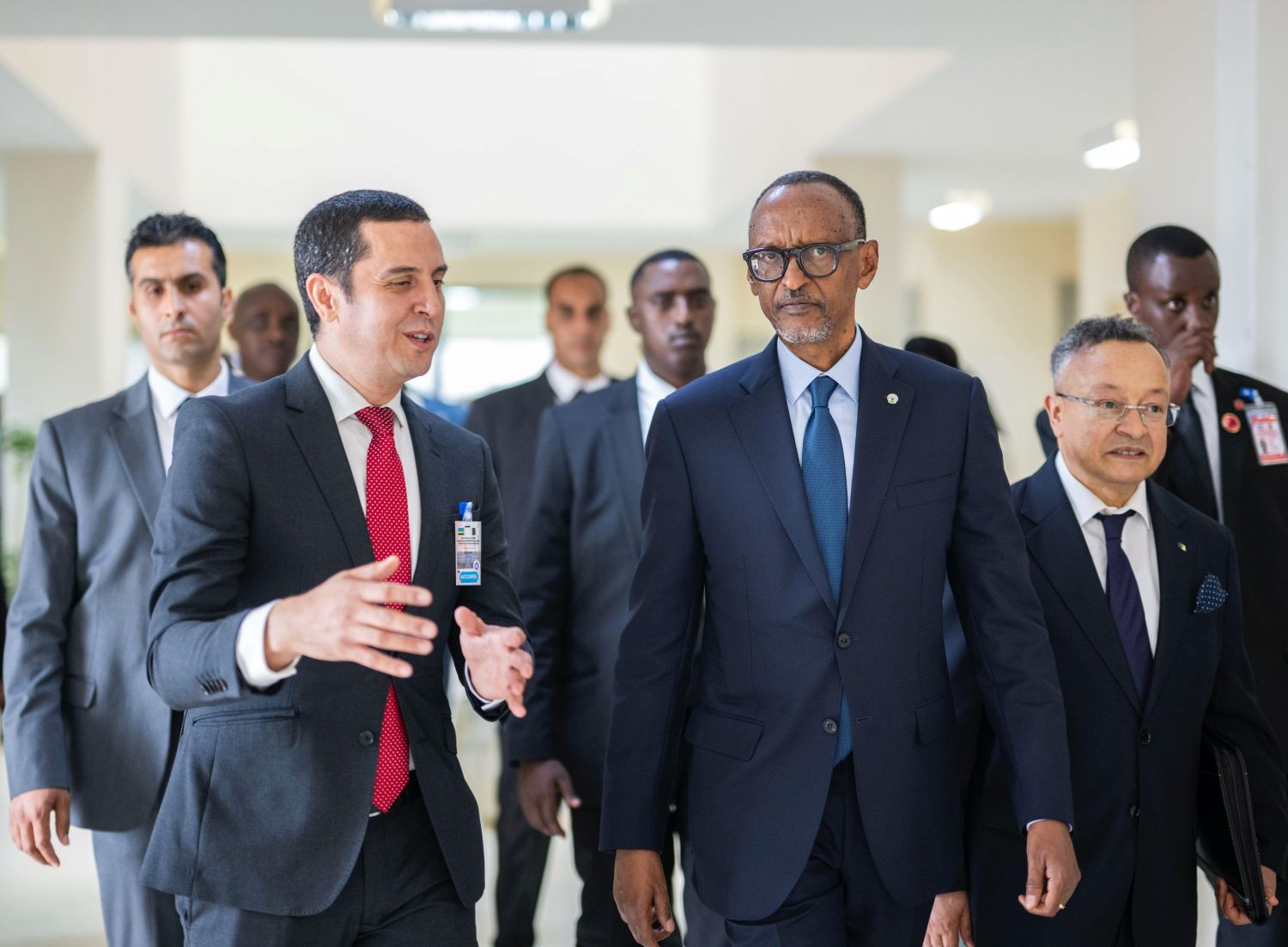
President Kagame arrived in Algiers earlier on Tuesday at the invitation of President Abdelmadjid Tebboune.
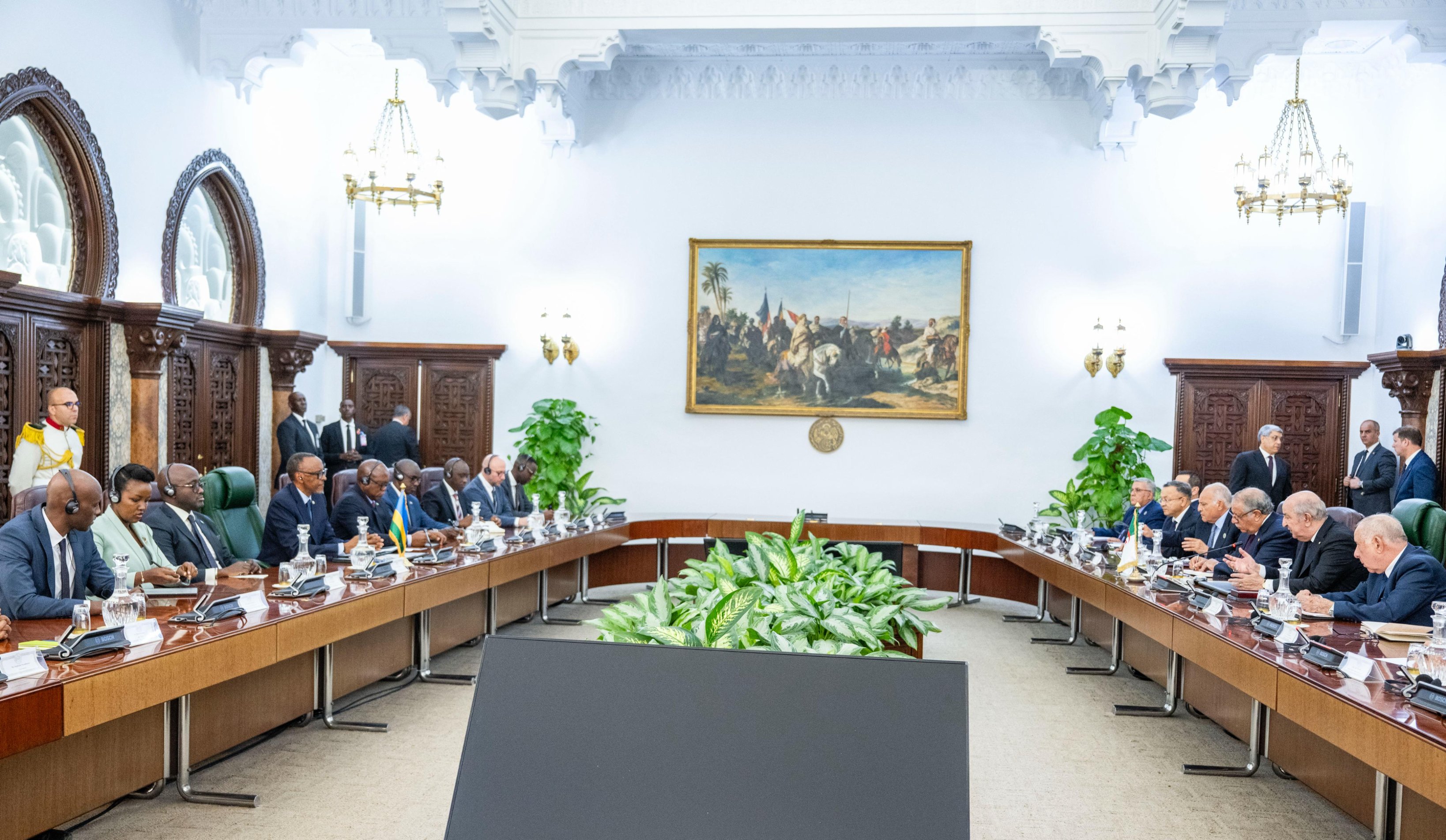
The two Heads of State presided over the signing of wide-ranging agreements covering areas such as air services, visa exemption, communication, police cooperation, pharmaceuticals, higher education, agriculture, entrepreneurship, telecommunications, justice, professional training, and investment promotion.
The signing followed bilateral discussions between the leaders and their respective delegations, reflecting a shared ambition to deepen economic, diplomatic, and institutional ties.
Speaking at a joint press conference, President Kagame and President Tebboune reaffirmed their commitment to strengthening the longstanding relationship between their countries.
President Kagame also announced that Rwanda would soon open an embassy in Algeria, a move expected to enhance diplomatic engagement and expand avenues for collaboration.
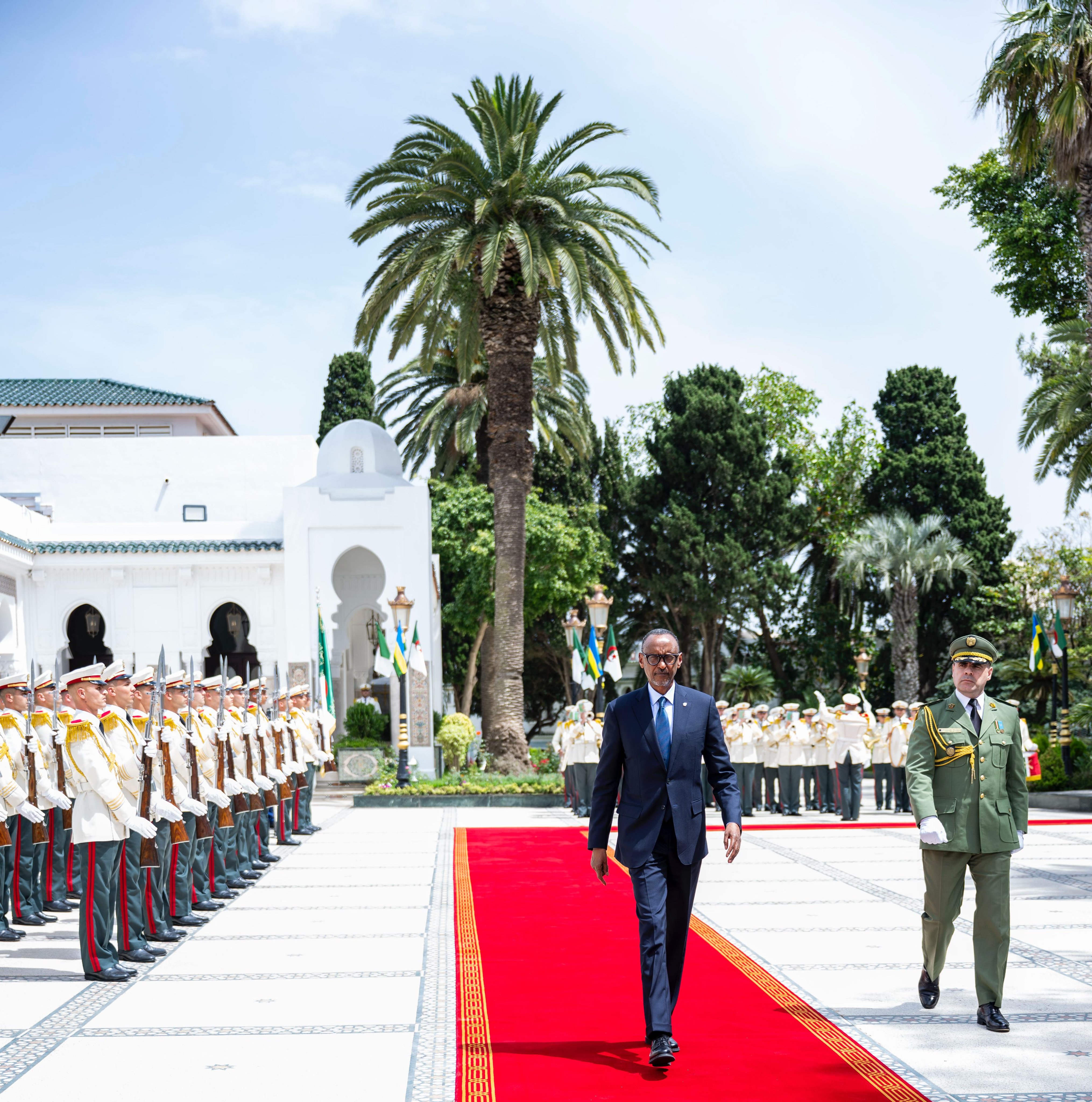
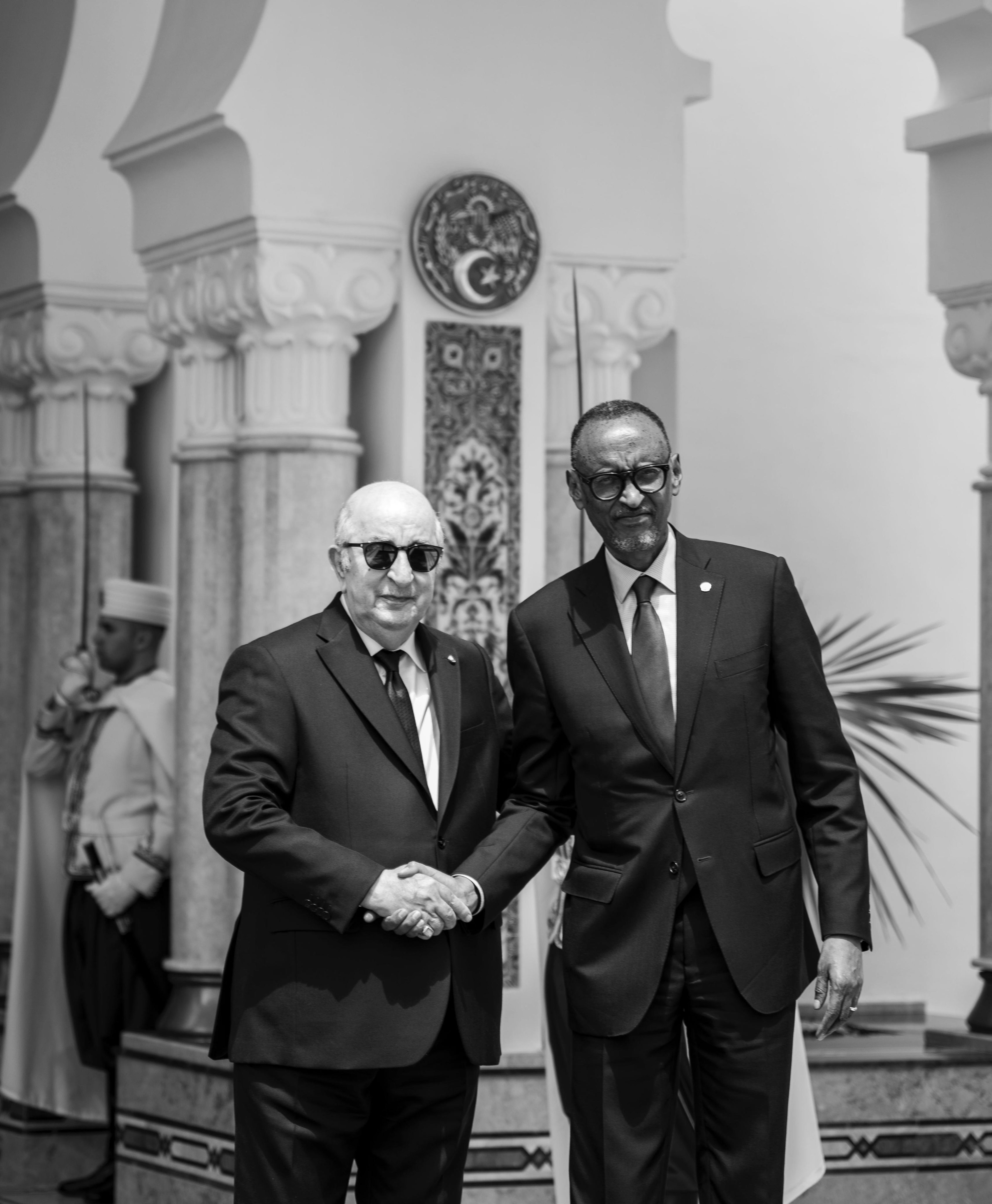
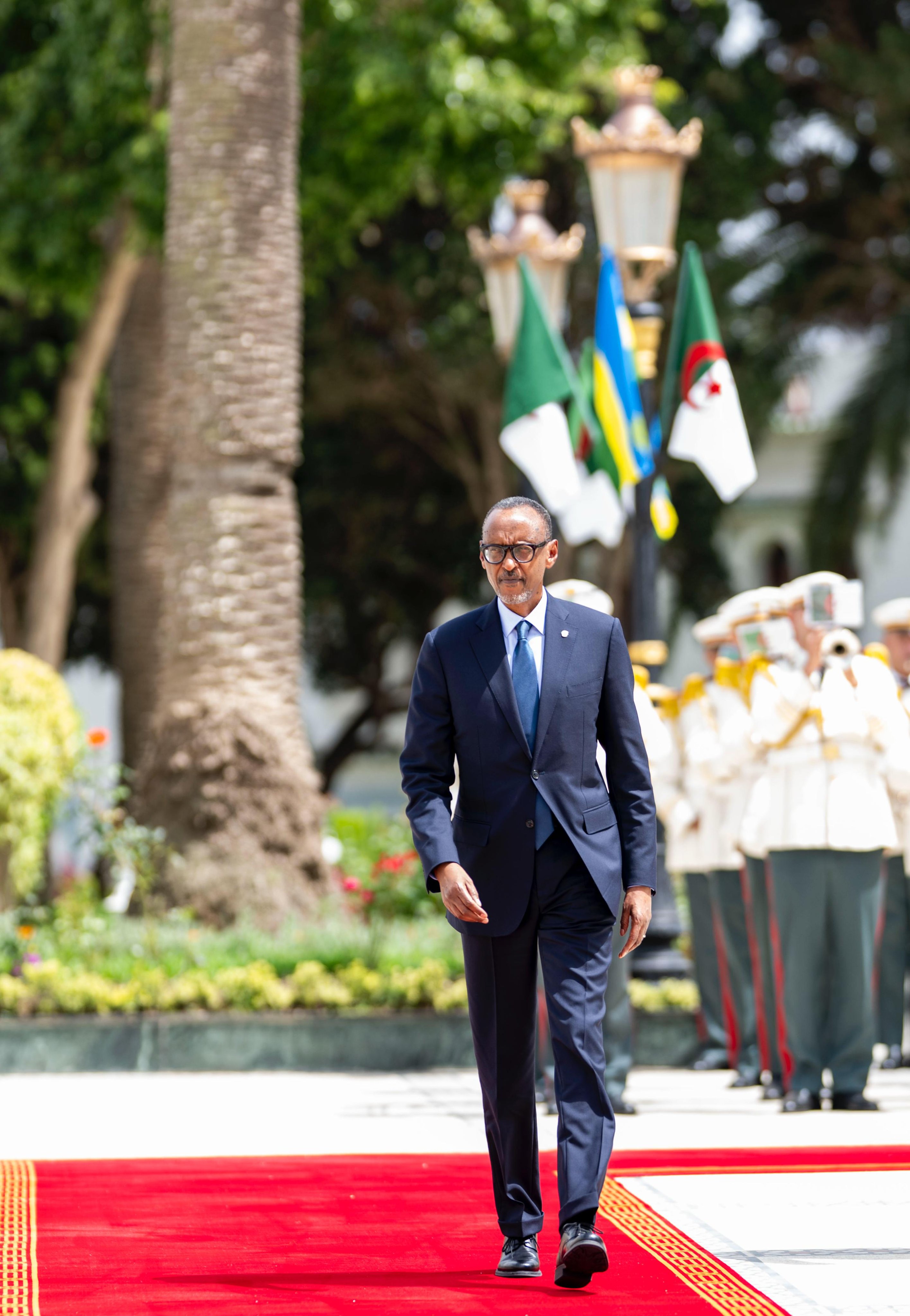
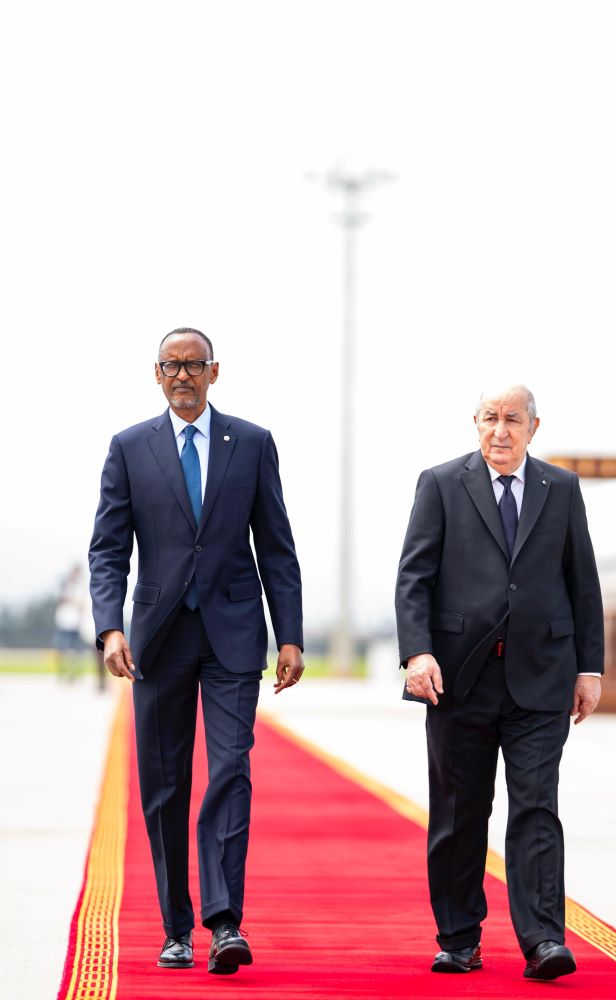
Earlier in the day, President Kagame was received with full honours in Algiers, where he held a private meeting with President Tebboune.
The two leaders discussed continental priorities, including the promotion of intra-African trade, capacity building, and the importance of sharing experiences in post-conflict recovery and nation-building.
President Kagame also visited the Maqam Echahid (Martyrs’ Memorial), where he laid a wreath in honour of those who died during Algeria’s war of independence.
As part of his visit, Kagame is expected to tour the National School of Artificial Intelligence (ENSIA), where five Rwandan students are currently enrolled in AI and Data Science programmes.
This marks Kagame’s second official visit to Algeria since 2015. The trip builds on growing momentum in Rwanda-Algeria relations, particularly following a meeting between the two leaders in December 2024 on the sidelines of the Continental Forum on Education and Youth Employability in Mauritania.
Algeria and Rwanda share a history of robust bilateral cooperation. In the 2016/2017 academic year, Algeria awarded scholarships to 25 Rwandan students, reflecting its commitment to educational partnerships.
Since 1982, the two countries have signed multiple agreements spanning economic development, cultural exchange, and institutional cooperation, with Algeria’s opening of its embassy in Kigali in December 2023 marking a significant step in deepening diplomatic ties.
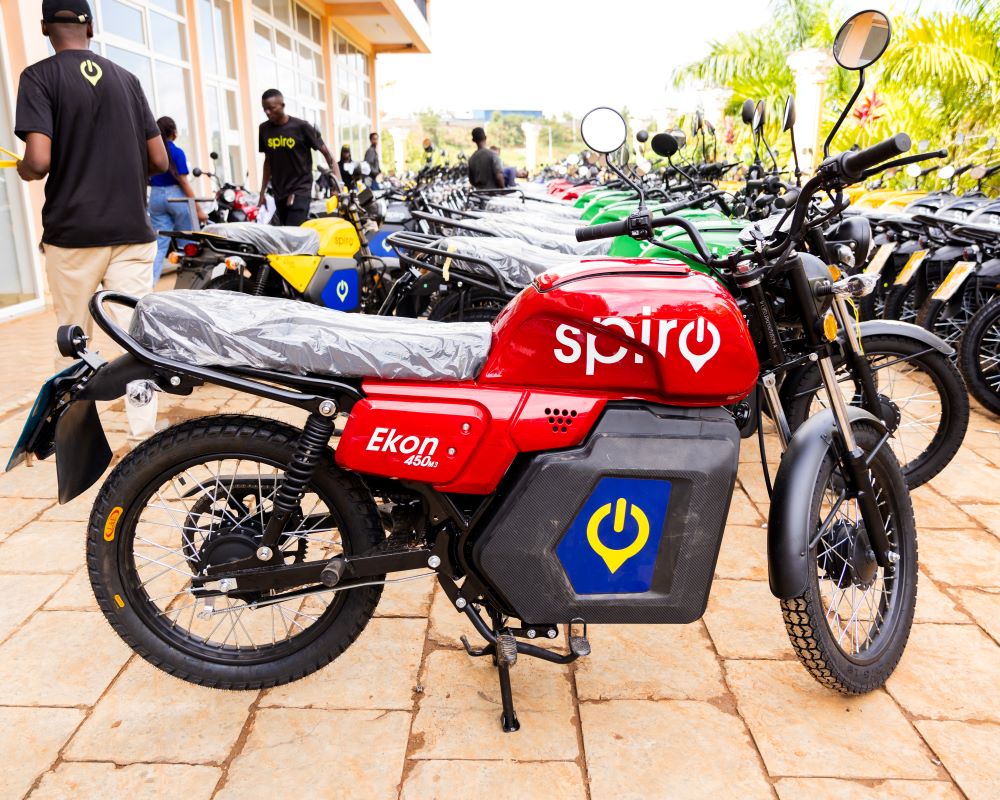
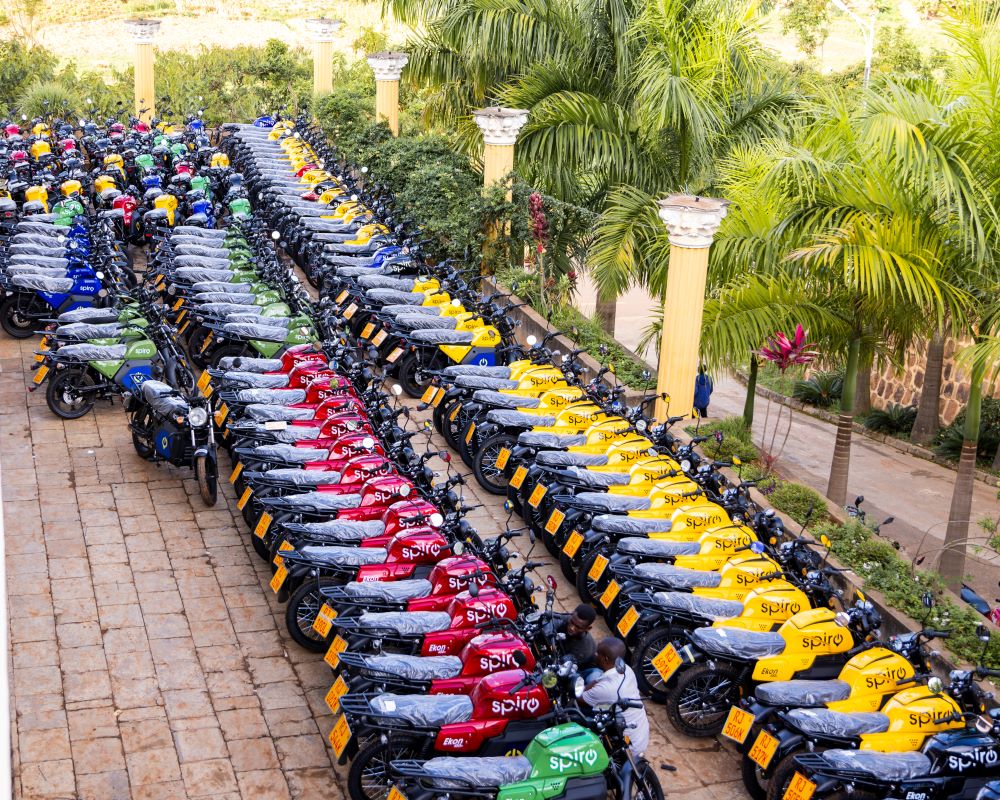
The company is now working diligently to deliver motorcycles to a large number of applicants, reassuring those awaiting their bikes that deliveries are ongoing.
The promotion, which saw the flagship EKON M3 electric bike’s price slashed from Frwf1.95 million to Frw750,000 with a Frw75,000 deposit to reserve, “has sparked remarkable interests in many riders,” according to a statement from Spiro management.
This interest is tangibly demonstrated by the numbers: to date, 3,500 Spiro bikes are already on Rwandan roads. The promotion alone has resulted in 3,515 new bookings, with 1,656 of these bikes fully paid for and 1,470 already successfully deployed to their new owners. Spiro describes this as “a clear sign of how riders are embracing the shift to electric.”
In response to the high demand, Spiro has been rolling out deliveries in batches since April. “As of today, many early applicants who signed up first have already received their motorcycles, and we continue to dispatch bikes daily,” the company stated. They emphasized their communication strategy, noting, “We’ve clearly communicated that this promotion was a first come, first served roll-out basis.”
Understanding that many are eagerly awaiting their new e-bikes, Spiro offered reassurance: “Please note that all riders who have received their motorcycles were contacted by phone and guided through the collection process. For those who haven’t been contacted yet, please rest assured that you will be contacted soon.”
To manage the increased volume, Spiro confirmed, “We’ve added more staff to manage customer service, make calls, and oversee physical delivery points.”
This surge in adoption comes as Rwanda prepares for a significant shift in its public transport sector. The Government of Rwanda announced that starting in January 2025, all new motorbike taxis registered for public transport in Kigali must be electric, an initiative aimed at curbing pollution.
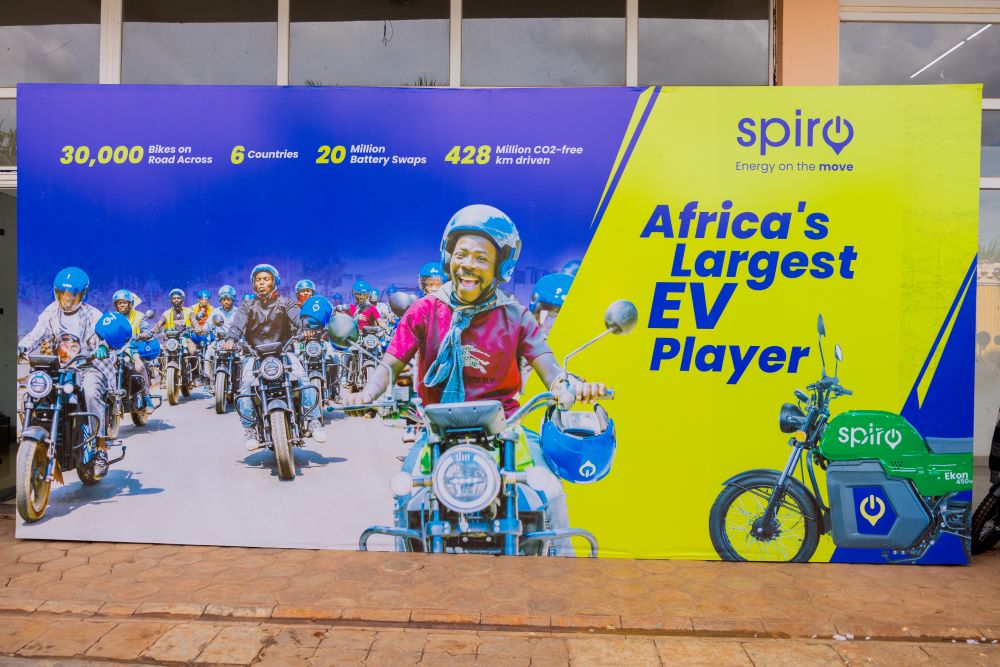
Spiro’s efforts align with this governmental push and its broader vision. “Spiro is on a mission to revolutionize mobility in Africa through the large-scale electrification of transportation, enhancing livelihoods and promoting sustainable development,” the company affirmed.
They aim to achieve this by providing affordable e-transport solutions and establishing a comprehensive EV ecosystem, including a wide network of charging infrastructure.
So far, Spiro has 70 active battery swapping stations, with 56 more underway to keep riders powered up and moving smoothly.
The company also thanked its clients for their patience and shared commitment to building a greener future. “You deserve better, and we are committed to delivering the very best,” it stated.
The article by Xi, also Chinese president and chairman of the Central Military Commission, will be published in this year’s 11th issue of the Qiushi Journal, a flagship magazine of the CPC Central Committee.
The article emphasizes that education serves as the cornerstone for building a strong country and realizing the rejuvenation of the Chinese nation, highlighting the strategic objective of establishing China as a leading country in education by 2035.
It urged steadfast efforts to carry out the fundamental task of fostering virtue through education, strengthening the supporting role of education in scientific and technological advancement and talent cultivation, and enhancing the quality of public education services and implementing a national education digitization strategy.
While emphasizing the importance of nurturing high-caliber teachers in the new era, the article also urges efforts to ensure teachers enjoy esteemed social recognition and be regarded as one of the most respected professions in society.
With an aim to build the country into a key education hub with global influence, the article calls for opening the education field wider to the outside world and continuously strengthening its influence, competitiveness, and voice on the world stage.
The article calls for optimizing the layout of higher education and building a contingent of personnel with expertise of strategic importance.
On the first day of his visit, President Kagame was received by his counterpart and laid a wreath at the Maqam Echahid (Martyrs’ Memorial) in honour of those who lost their lives during the Algerian War of Independence.
During the visit, the two Heads of State will hold a one-on-one meeting at El Mouradia Palace, followed by bilateral talks between their respective delegations. The leaders will also address members of the press during a joint press conference.
Several bilateral agreements between the Governments of Rwanda and the People’s Democratic Republic of Algeria are expected to be signed during the visit.
The Head of State is also expected to visit the National School of Artificial Intelligence (ENSIA), where five Rwandan students are currently enrolled in programs specialising in Artificial Intelligence and Data Science.
During the visit, a State Dinner will be held in honour of President Kagame. This is President Kagame’s second visit to the People’s Democratic Republic of Algeria, following his visit in 2015.
The visit builds on ongoing efforts to strengthen bilateral ties and cooperation. For example, on December 9, 2024, President Kagame held talks with Algerian President Abdelmadjid Tebboune to explore ways of deepening collaboration between Rwanda and Algeria.
The meeting, which took place on the sidelines of the Continental Forum on Education and Youth Employability in Nouakchott, Mauritania, focused on enhancing partnerships in key areas such as education, defence, and security.
The two Heads of State also discussed potential cooperation in agriculture and infrastructure development.
Algeria and Rwanda enjoy strong bilateral cooperation in key sectors such as security and education. This partnership includes a student exchange program, with Rwandan students traveling to Algeria for their studies.
In the 2016/2017 academic year, Algeria awarded scholarships to 25 Rwandan students, demonstrating its commitment to educational collaboration.
Since 1982, Rwanda and Algeria have signed several agreements covering areas such as economic development, social welfare, cultural exchange, and institutional cooperation.
The two nations have also committed to enhancing ties in key sectors like health, trade, investment, security, and education.
In December 2023, Algeria opened its embassy in Rwanda, a move that signaled its intention to deepen diplomatic and cooperative ties with Rwanda.
Meanwhile, President Kagame’s visit to Algeria coincides with the presence of Rwanda’s national football team, Amavubi, in the country for a friendly match against the Algerian national team.
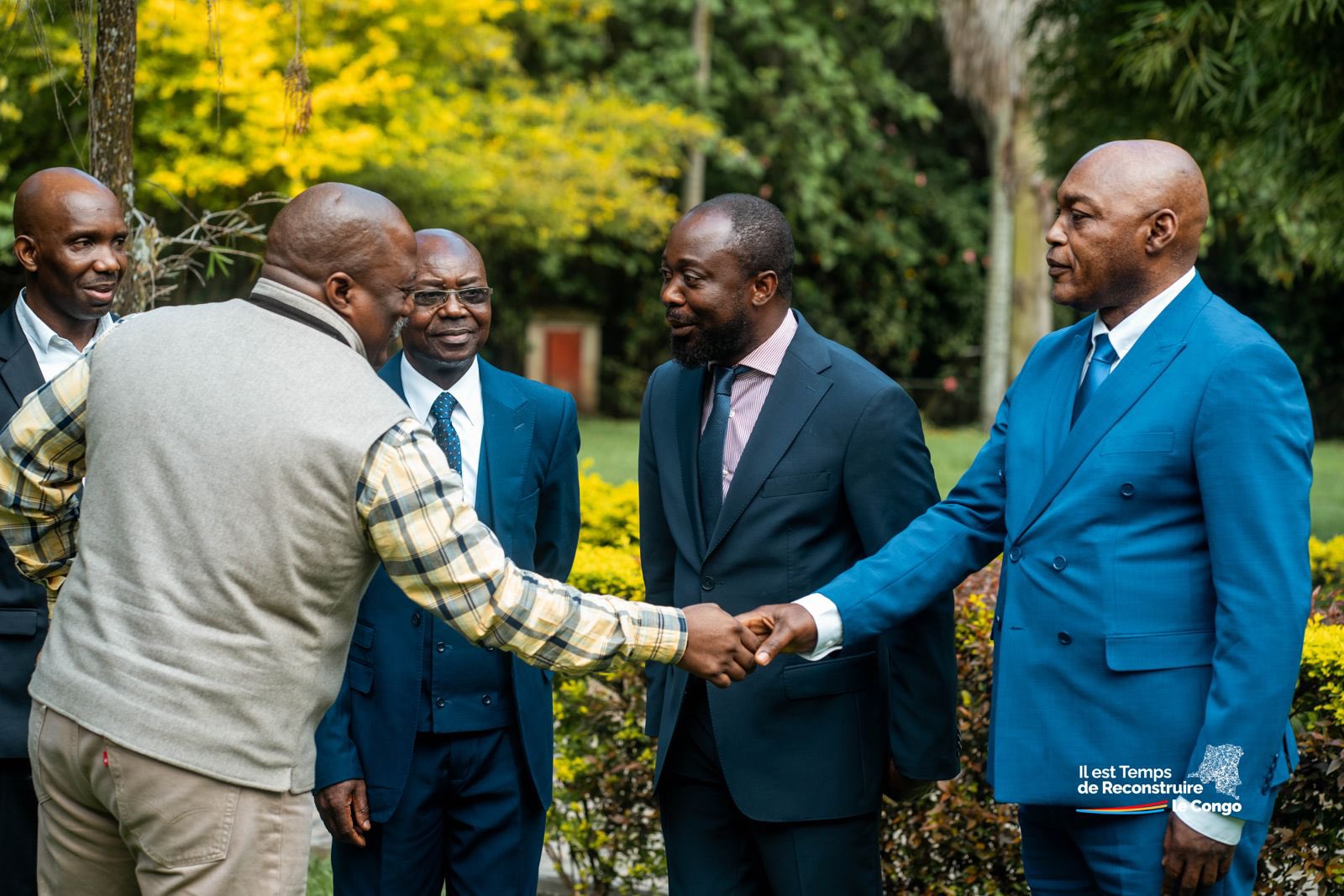
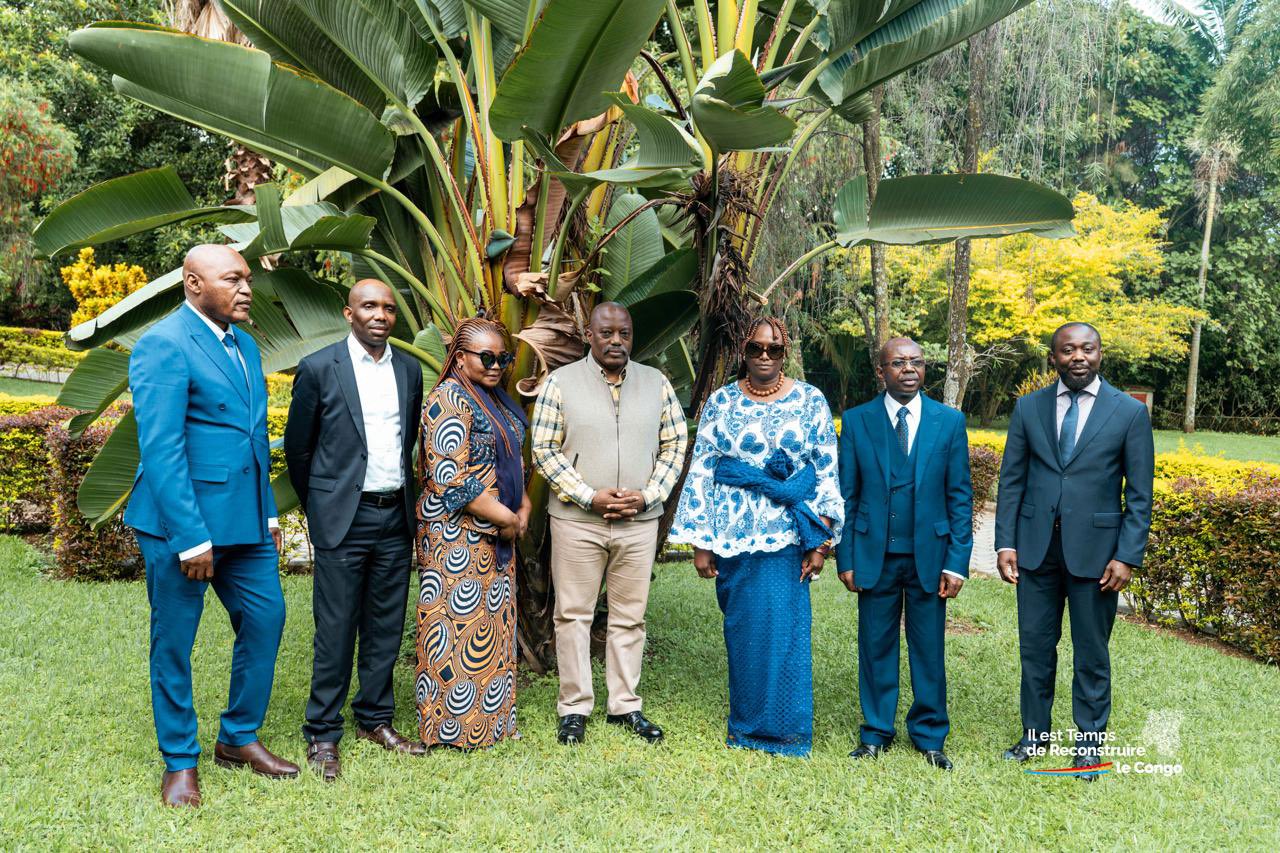
The delegation, comprising members of the Radical Movement for Change (MRC), arrived from several countries, including Belgium, Canada, the Netherlands, Germany, and Switzerland.
According to Reconstruire RDC (Rebuild DRC), a social media platform founded by Kabila, the delegation delivered a message from Diongo, affirming the MRC’s readiness to support national recovery and respond to Kabila’s call for unity.
“Carrying a message from the Honourable Franck Diongo, delegates of the Radical Movement for Change (MRC)… were received this afternoon in Goma by President Joseph Kabila,” the platform stated.
“The MRC is committed to playing its part, responding to the call made by President Kabila to all those who passionately love Congo to come to its aid.”
Diongo is a vocal critic of President Tshisekedi. He has in the past strongly criticised Tshisekedi’s regime, calling it ‘bloody’ and accusing it of human rights violations, terror, and corruption.
According to the politician, who obtained political asylum in Belgium in June 2024, Tshisekedi’s government threatens unity and the future of the DRC.
The Monday meeting adds to a growing list of political engagements by Kabila since his return to the DRC from South Africa in late May. In recent days, he has also met with leaders of religious organisations and officials of the M23 rebel movement, which has seized large swaths of territory in eastern DRC.
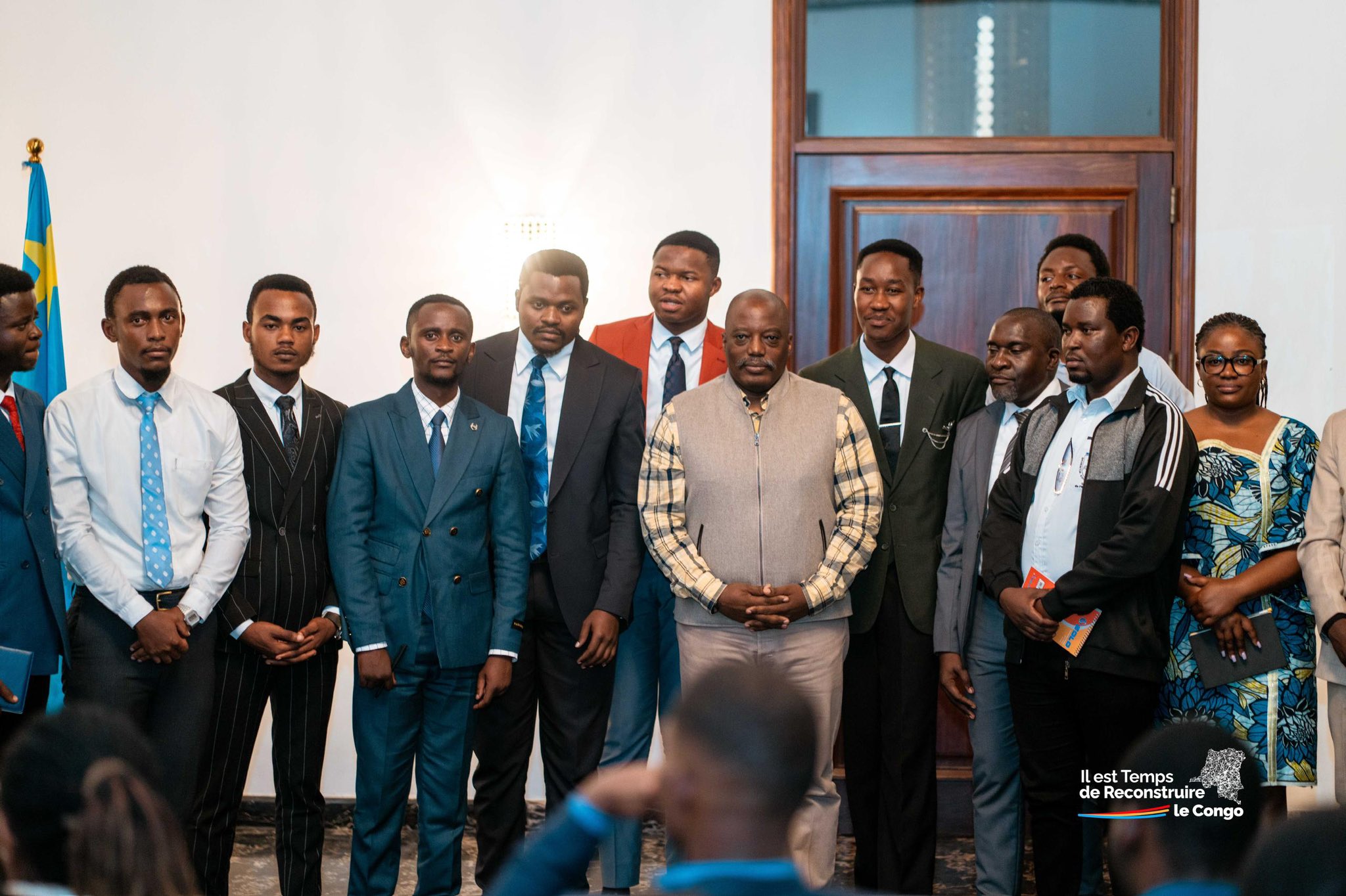
Kabila also received youth associations from Goma on the same day. Addressing the gathering, he emphasised the critical role of young people in preserving national unity and resisting division in the wake of the security situation in the DRC.
Youth representatives welcomed the message and expressed their desire to be actively involved in shaping the country’s future.
The series of meetings follows a national address delivered by Kabila on May 23, in which he proposed a 12-point roadmap to end violence and rebuild the DRC. His proposals include the withdrawal of foreign forces, disarmament of armed groups, and strengthening of regional cooperation.
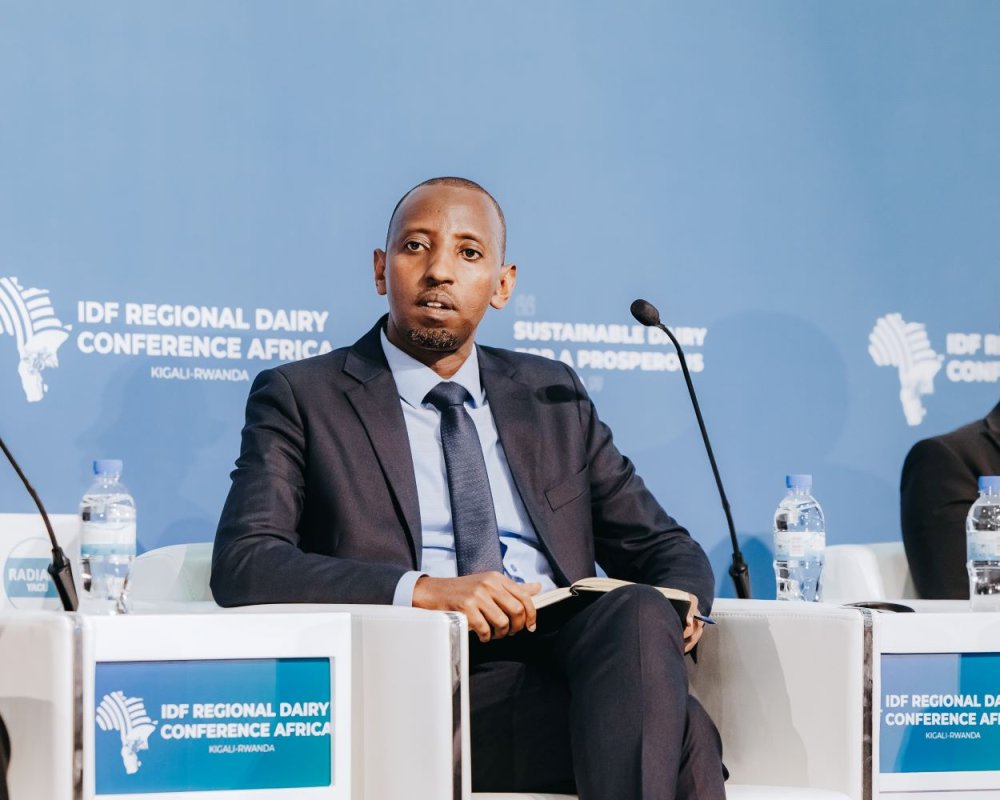
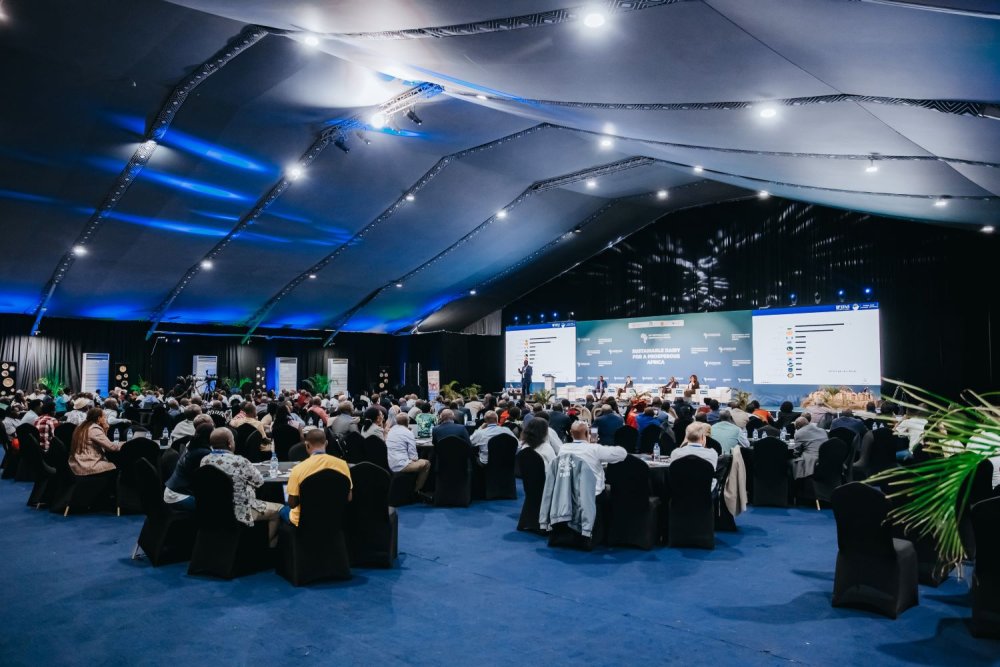
Speaking at the Regional Dairy Conference Africa 2025, which focused on topics such as livestock health, milk value addition, and improving market access for dairy products, BK Insurance reaffirmed its commitment to supporting farmers, especially those engaged in professional livestock farming.
Eric Ntaganira, Head of Agribusiness at BK Insurance, highlighted the importance of insurance in mitigating financial losses caused by disasters or unforeseen events.
“When you have insurance, you farm with confidence,” he said. “As livestock farming becomes more professional and capital-intensive, it’s essential that farmers protect their investments to ensure peace of mind and sustainable growth.”
Ntaganira noted that BK Insurance is actively working to expand access to insurance services for farmers while also raising awareness about how these services operate.
“We take time to explain what is covered and what is not. Whether a farmer owns one cow or many, they are eligible for coverage. This service is tailored for professional livestock farmers, and we’ve already registered over 20,000 clients,” he added.
BK Insurance provides a variety of insurance products, including vehicle, fire, construction, agriculture, and livestock insurance.
According to a nationwide survey, more than 50% of farmers and livestock keepers who insure with BK Insurance expressed high levels of satisfaction, with 98% reporting positive experiences.
Since the launch of the “Tekana Urishingiwe Muhinzi Mworozi” (Feel Secure, You are Insured) initiative, BK Insurance has disbursed over Frw2.5 billion in compensation to policyholders in the agriculture and livestock sectors.