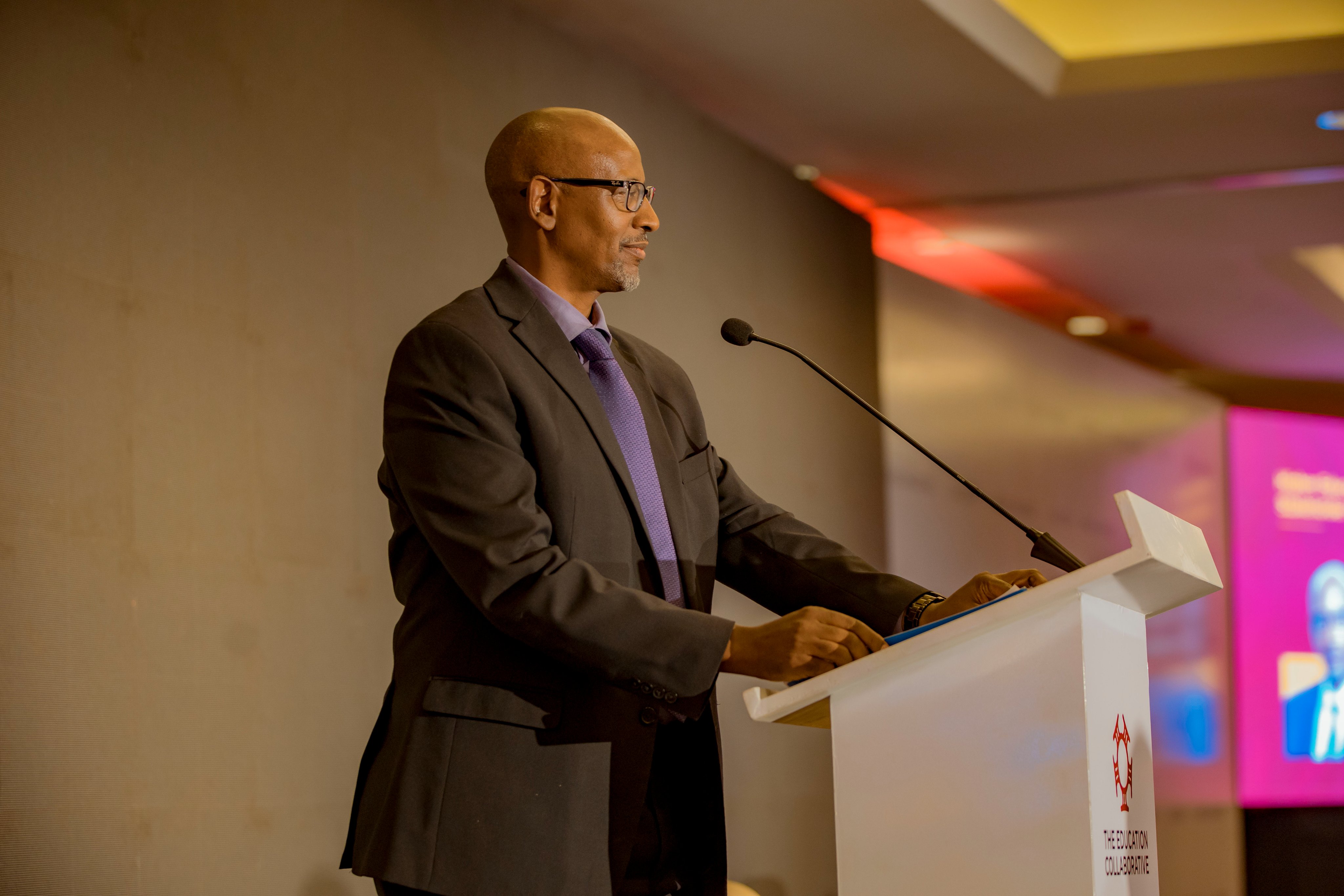
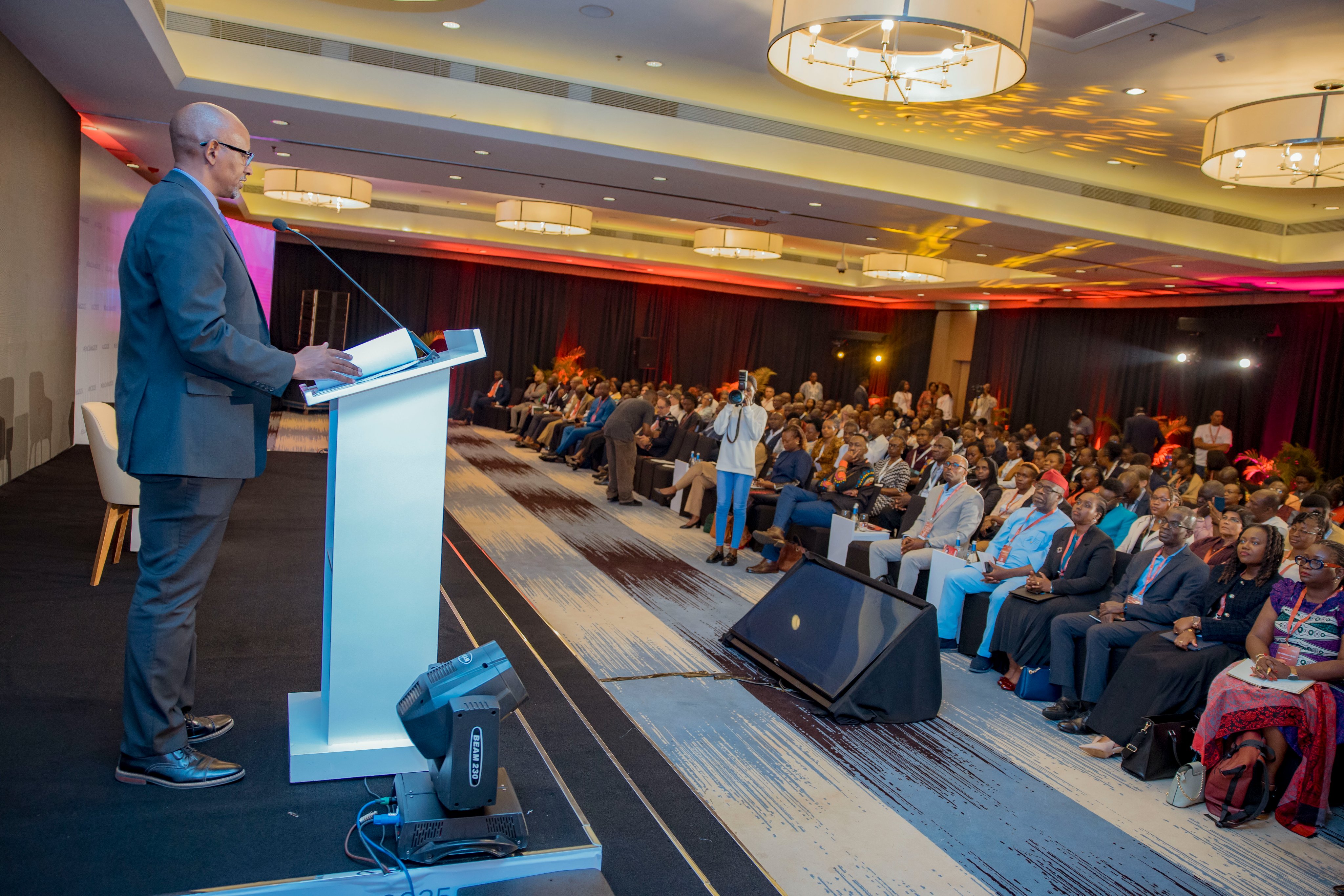
Hosted by the Education Collaborative in Kigali, the Rwandan capital, the symposium brought together higher education stakeholders, including education leaders, policymakers, and industry players from across Africa to explore and exchange innovative practices to improve student experiences and graduate outcomes.
The Education Collaborative is a continental initiative spearheading a collective engagement model aimed at improving higher education outcomes in sub-Saharan Africa.
“Within an increasingly interconnected global landscape, higher education must serve as a catalyst for deeper economic, social, and scientific integration,” Rwandan Minister of Education Joseph Nsengimana told delegates while opening the forum.
“This year’s theme challenges us to reflect, mobilize, and realign around one of the most urgent goals of our time: delivering meaningful, relevant, and transformational learning experiences for African students,” he said.
Running from Tuesday to Friday, the discussions will focus on four topics: recentering student development, reflecting on current practices and identifying areas for improvement, mobilizing resources and coordinating efforts for action, and adjusting national policies and strategies to better implement commitments that serve students’ development.
Rose Dodd, executive director of the Education Collaborative in Ghana, emphasized the need to ensure that every African student can access a university system that “sees them, serves them, and prepares them to lead.”
The event, co-organized by the Kingdom of Morocco, the United Nations Office on Genocide Prevention and the Responsibility to Protect, and their partners, focused on the critical intersection of hate speech and artificial intelligence (AI) in the digital age.
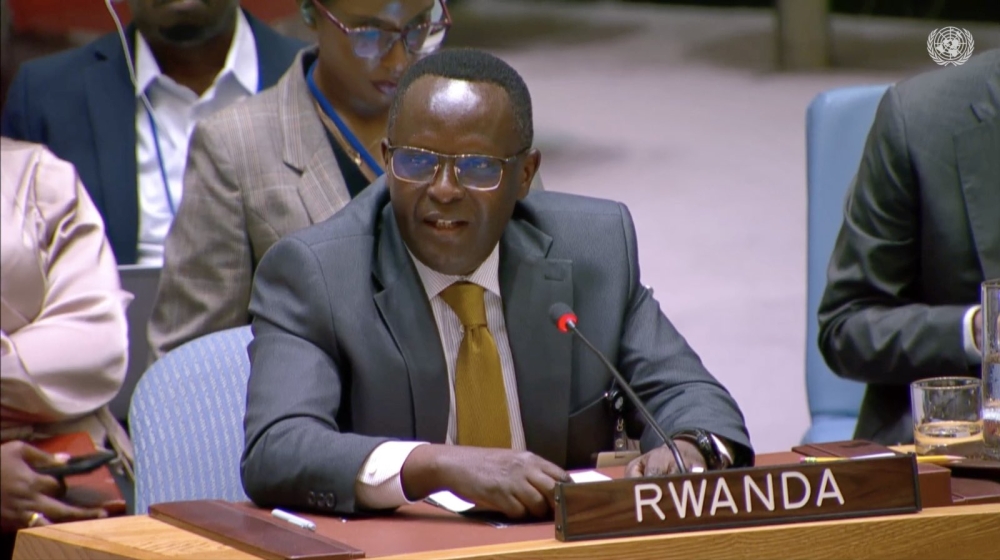
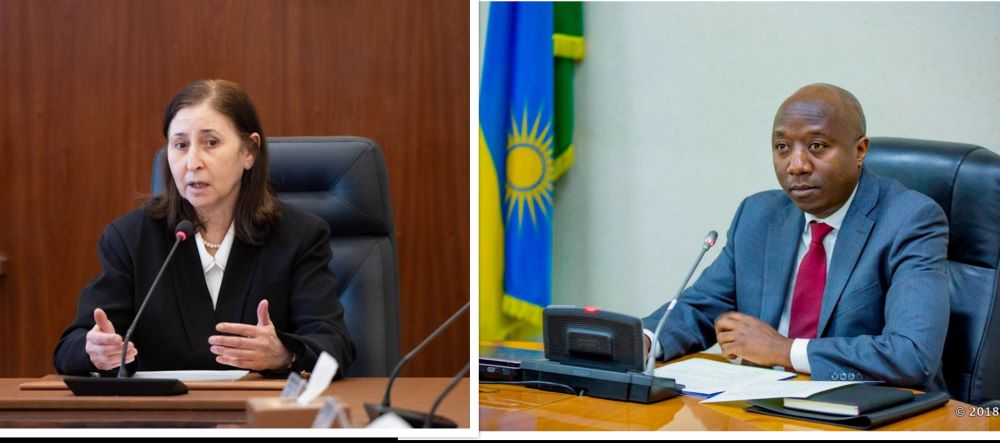
Amb. Ngoga began by expressing Rwanda’s gratitude to the organizers for their leadership in addressing the global rise of hate speech, emphasizing the urgency of countering its spread in an era where AI amplifies its reach.
“Rwanda strongly supports a coordinated global approach to regulating AI and digital platforms rooted in international human rights law,” Ngoga stated, highlighting the need for ethical safeguards to protect vulnerable communities, as outlined in the Global Digital Compact.
Drawing on Rwanda’s painful history, Ngoga underscored the devastating consequences of unchecked hate speech, referencing the 1994 Genocide against the Tutsi.
“Radio broadcasts, newspapers, and state rhetoric dehumanized the Tutsi, paving the way for one of the worst atrocities of the 20th century,” he said.
This experience fuels Rwanda’s deep conviction in the need for robust measures to combat hate speech and prevent its weaponization.
Ngoga also paid tribute to Professor Gregory Stanton for his influential work in genocide studies, which has shaped post-genocide jurisdictions, including Rwanda’s own legal efforts.
Reflecting on his tenure as Rwanda’s former Prosecutor General and his work with the International Criminal Tribunal for Rwanda (ICTR), Ngoga highlighted the landmark “media trial” of Ferdinand Nahimana, Hassan Ngeze, and Jean-Bosco Barayagwiza.
This trial, he explained, set a critical judicial precedent in distinguishing between protected free speech and criminal hate speech. “The Tribunal for Rwanda resolved that problem,” Ngoga said, urging tech companies and global actors to draw on this jurisprudence to address hate speech in the digital realm.
The ambassador emphasized the evolving nature of hate speech, now accelerated by AI-generated content and algorithmic amplification. “Online hate spreads faster than truth, radicalizes communities, and undermines the foundations of peace we have worked hard to build,” he warned, noting that behind every slur or viral image lie real consequences for real people.
The event aligns with the UN’s broader efforts to counter hate speech, as outlined in the 2019 UN Strategy and Plan of Action on Hate Speech and the 2021 UN General Assembly resolution proclaiming June 18 as the International Day for Countering Hate Speech. The resolution calls for increased efforts to address discrimination, xenophobia, and hate speech in line with international human rights law.
Echoing this sentiment, UN Secretary-General António Guterres remarked, “Today, hate speech travels faster and farther than ever, amplified by Artificial Intelligence. Let’s commit to using AI not as a tool of hate, but as a force for good. Let’s stand united in the pursuit of peace, mutual respect, and understanding for all.”
Rwanda’s Ambassador to Zimbabwe, James Musoni, has said that the people of Zimbabwe are grateful for President Paul Kagame’s role in helping the country raise its voice in the fight to have economic sanctions lifted.
In 2000, under the leadership of Robert Mugabe, Zimbabwe made the decision to repossess land that had been allocated to white settlers during colonial times, returning it to Black farmers.
The move sparked diplomatic tensions between Zimbabwe and countries such as the United States, the United Kingdom, Australia, Canada, and the European Union (EU).
These nations swiftly imposed sanctions on Zimbabwe, with the United States implementing economic sanctions in 2001, followed by the EU and other countries in 2002. These sanctions severely crippled Zimbabwe’s economy and remain in place to this day.
However, in 2017, during and after his tenure as Chairperson of the African Union, President Kagame actively advocated for the lifting of those sanctions, amplifying Zimbabwe’s voice on the global stage.
In a recent interview, Ambassador Musoni told RBA that President Kagame’s efforts had a significant impact, resulting in the removal of some sanctions, and that the remaining ones could also be lifted in the near future.
“They thank President Kagame for his efforts in advocating for the removal of the sanctions imposed on them. His voice has consistently stood out, calling for an end to these sanctions on Zimbabwe. Progress has already been made — some sanctions have been lifted and others are in the process,” he said.
“His role is deeply appreciated. You hear this in government circles, among private sector players, and from ordinary citizens,” he added.
Relations between Rwanda and Zimbabwe took a major step forward in 2019 when both countries opened embassies and began signing various cooperation agreements.
Since 2022, the two nations have signed trade agreements, with entrepreneurs from both sides commending the benefits that have emerged from their collaboration.
Zimbabwe has also sent over 150 teachers to Rwanda through bilateral agreements on workforce exchange, and Ambassador Musoni confirmed that more teachers are expected to arrive from Zimbabwe this September to contribute further to Rwanda’s education sector.
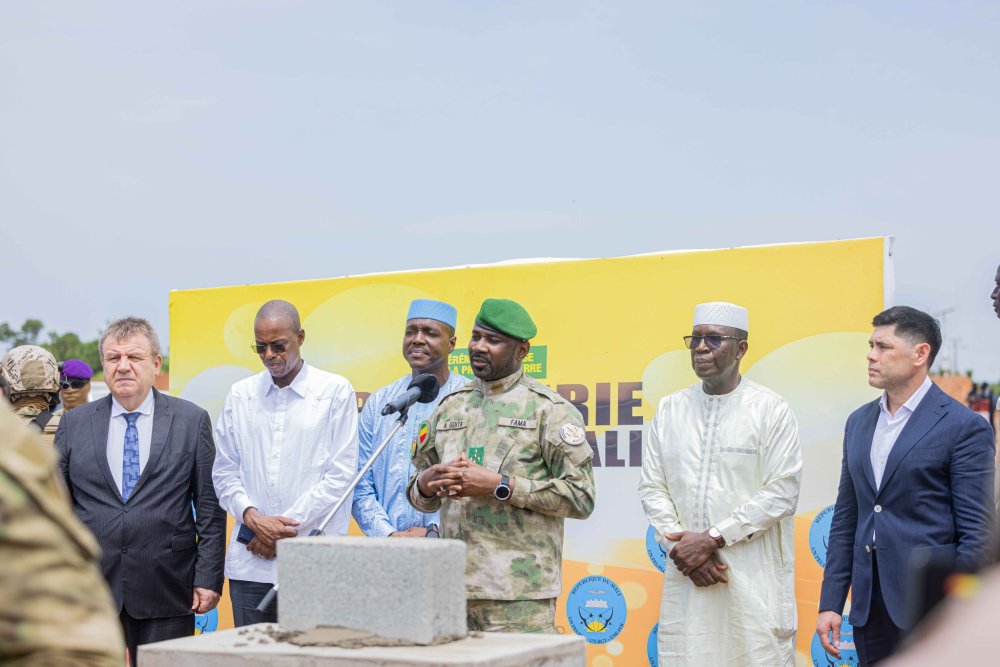
Reports indicate that this project is a key part of Mali’s broader mining reforms, led by President Assimi Goïta’s government, which aim to retain more value-added processing within the country.
By keeping more gold processing local, Mali hopes to develop its workforce and retain more economic benefits from its gold industry.
The state will hold a 62% stake in the refinery, while Yadran Group will own 38%. The refinery is set to become a regional hub, processing gold not only for Mali but eventually for neighboring countries like Burkina Faso as well.
This project aligns with a growing trend across the Sahel region, where countries are revising mining laws to ensure that more value-added processing takes place domestically.
Mali’s move reflects the urgent need for African countries to process their raw materials locally, rather than exporting them for others to reap the profits.
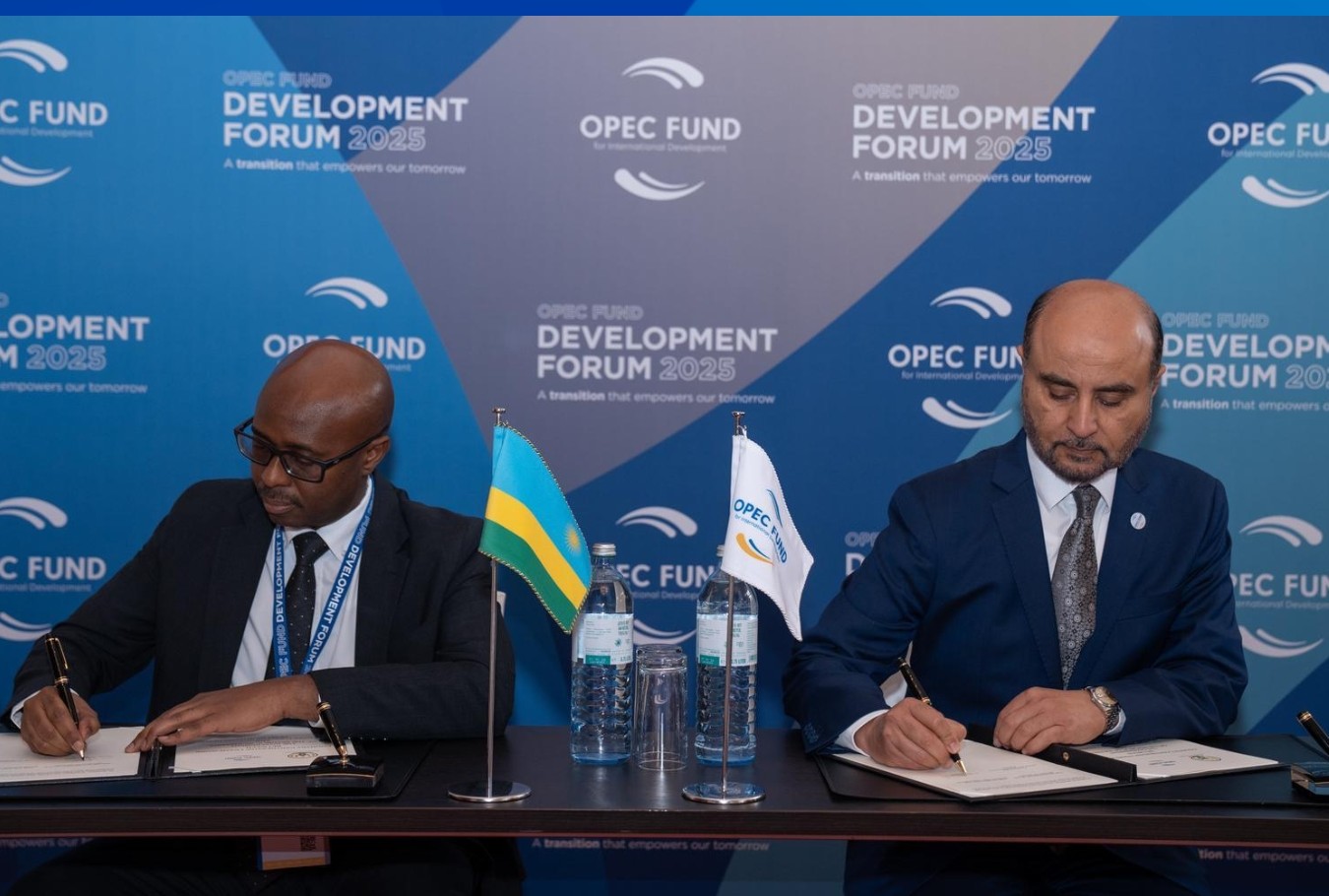
The agreement was formalised on Tuesday, June 17, at the OPEC Fund Development Forum 2025 in Vienna, Austria, where Rwanda’s Minister of Finance and Economic Planning, Yusuf Murangwa, and OPEC Fund President Abdulhamid Alkhalifa announced the deal.
The financing allocated for the 2025–2028 period will be channelled into key sectors identified as critical to Rwanda’s long-term growth. These include agriculture and food systems (with a focus on irrigation and post-harvest management), renewable energy—particularly solar power—transport (notably in the aviation sector), and environmental restoration.
The framework is designed to support Rwanda’s development priorities, including the expansion of quality infrastructure, improved access to essential basic services, and the promotion of entrepreneurship and private sector growth.
The agreement is part of a broader theme at this year’s forum, “A Transition That Empowers Our Tomorrow,” highlighting global commitments to inclusive and climate-resilient development pathways.
The OPEC Fund for International Development is a development finance institution established by OPEC member states in 1976. It provides financing to support the economic and social progress of developing countries.
On this occasion, both sides reaffirmed their commitment to working together to boost trade between Tunisia and Rwanda, particularly within the frameworks provided by the Common Market for Eastern and Southern Africa (COMESA) and the African Continental Free Trade Area (AfCFTA).
They also emphasised their commitment to enhancing bilateral economic exchanges, highlighting the importance of exploring cooperation opportunities in promising fields such as renewable energy and energy transition.
During the phone call, the Prime Minister highlighted the successful exchange of expertise between the two countries, citing as an example the fruitful cooperation in electricity and water distribution in Rwanda,a project led by two Tunisian companies: STEG International services (STEG-IS) and the National Exploitation and Distribution Utility (SONEDE) International.
The construction and public works sector was also discussed during the call.
For his part, the Rwandan Prime Minister expressed a desire to broaden the exchange of experience and skills between the two countries to include other fields, notably health.
The draft regulation, part of the Commission’s REPowerEU Roadmap, bans the conclusion of new contracts for Russian gas as of Jan. 1, 2026, and mandates the termination of existing short-term contracts by June 17, 2026.
Long-term pipeline gas and liquefied natural gas (LNG) contracts with Russian suppliers would be permitted to run only until the end of 2027.
EU member states are required to present diversification plans with precise measures and milestones for the gradual elimination of Russian gas and oil imports, said the Commission in the press release.
EU member states will also be required to report on Russian gas volumes and contractual obligations, including LNG shipments, to enhance transparency and enforceability.
The plan also targets Russian oil, setting a 2027 deadline for ending imports. While Russian oil has already dropped from 27 percent of EU imports in early 2022 to just 3 percent in 2024, the Commission argued that a complete cessation is necessary to eliminate residual risks.
The regulation still requires adoption by the European Parliament and the Council of the EU, with a qualified majority needed for approval.
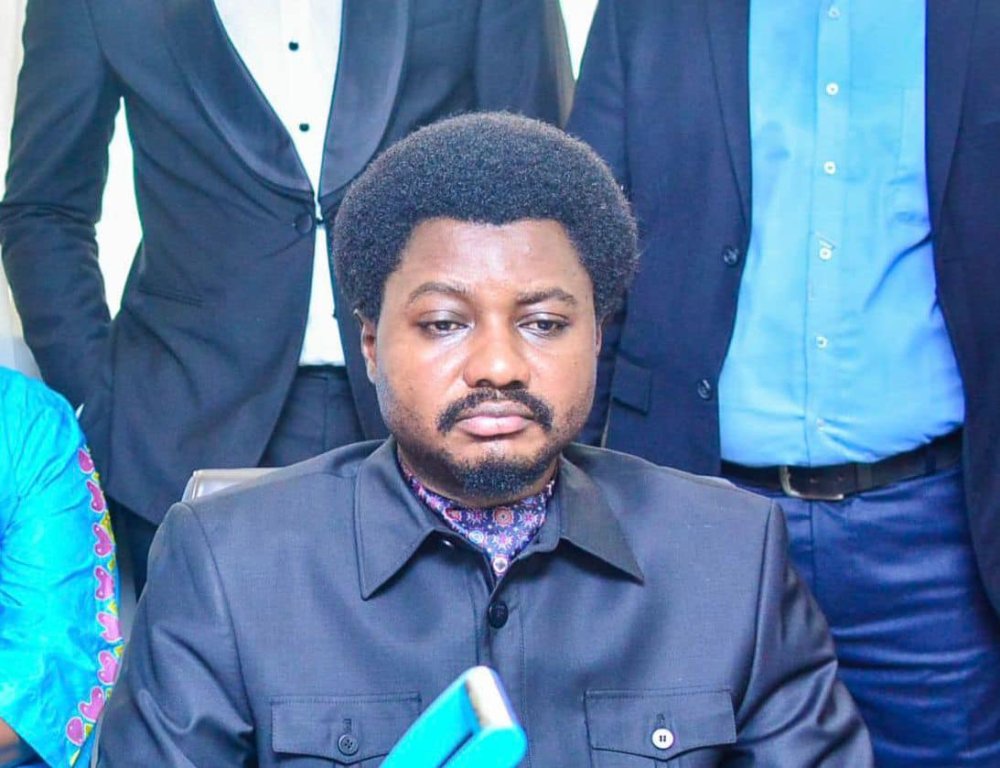
Media reports indicate that Mutamba submitted his resignation on Tuesday, May 17 and has since been accepted by President Félix Tshisekedi.
The resignation comes just days after the National Assembly voted overwhelmingly to authorise legal proceedings against Mutamba before the Court of Cassation.
The vote saw 322 of the 363 participating Members of Parliament support the move, with only 29 opposed and 12 abstaining.
Mutamba’s departure marks a dramatic fall for the young minister, who was appointed to the post in May 2024 with a mandate to reform what he had described as a “sick” judicial system.
However, Mutamba quickly found himself entangled in a scandal over the alleged diversion of funds meant for the construction of Kisangani Prison in Tshopo Province.
A parliamentary commission established to investigate the matter heard testimony from Mutamba in which he admitted that the $19 million had been misappropriated and transferred to the account of a fictitious company. He also issued a public apology during the hearing.
Despite admitting to the financial irregularities, Mutamba has insisted that the charges against him are politically motivated. He claims he is the victim of a personal vendetta led by Prosecutor General Firmin Mvonde, whom he accused of retaliating against his anti-corruption initiatives.
Mutamba also alleged that Mvonde himself is under scrutiny over the purchase of a €900,000 house in Belgium, raising questions about the prosecutor’s integrity.
The unfolding scandal has further exposed deep tensions within the DRC’s justice system and raises serious questions about the government’s ability to implement judicial reforms in the face of entrenched corruption and political infighting.
As the legal case moves forward, Mutamba’s resignation signals the beginning of what could be a lengthy and high-profile prosecution—one that may test the very system he had vowed to clean up.
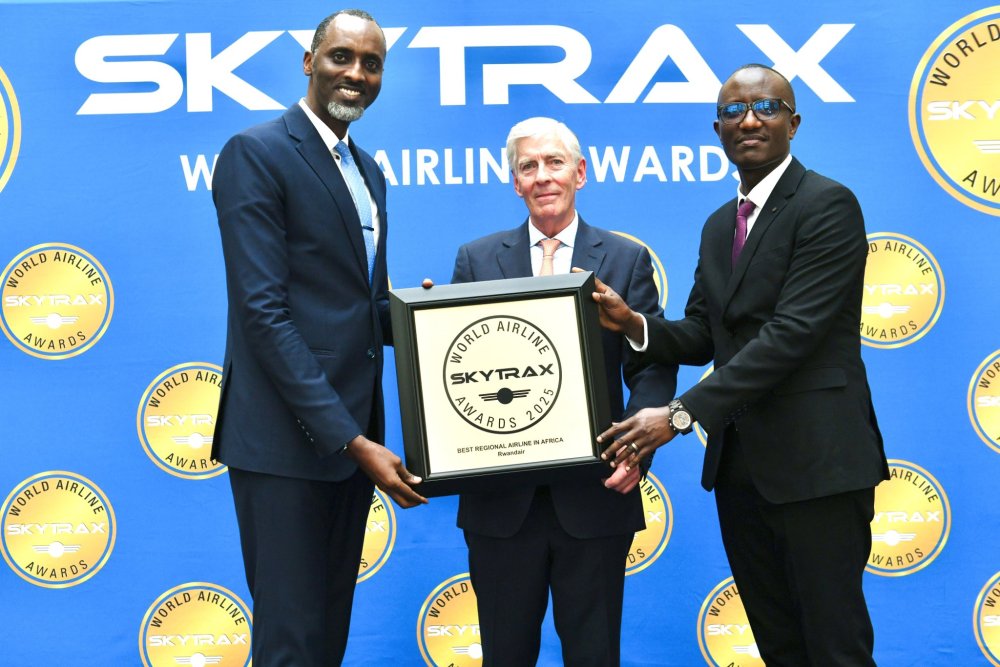
This accolade cements RwandAir’s growing reputation as a leader in African aviation, with passengers praising the airline’s meticulous attention to service across the entire travel experience.
The World Airline Awards, often dubbed “the Oscars of the aviation industry,” are based on a global customer satisfaction survey conducted by Skytrax, an international air transport rating organization.
Running from September 2024 to May 2025, the survey saw participation from over 100 nationalities, with 22.3 million eligible entries determining the winners. The awards remain independent, with no entry or registration fees for airlines, ensuring impartiality.
Edward Plaisted, CEO of Skytrax, commended RwandAir’s achievement, stating, “RwandAir continues to distinguish itself through a clear focus on service attention. The airline has created an experience that stands out in its category – professional, considered, and personal as it continues to evolve its regional product with confidence.”
RwandAir’s consistent presence at the awards reflects its rising prominence among regional travelers. In 2024, the airline ranked third among African carriers for exceptional service and customer care, signaling its upward trajectory in a rapidly growing African aviation market.
{{RwandAir’s journey and global partnerships}}
Established on December 1, 2002, as Rwandair Express, the airline rebranded to RwandAir in 2009 and has since become one of Africa’s fastest-growing carriers.
Operating a modern fleet that includes the Boeing 737-800NG, Boeing 737-700NG, Bombardier Q-400NG, and Airbus A330, RwandAir serves destinations across Africa, Asia, and Europe.
RwandAir’s partnership with Qatar Airways, which was named the world’s top airline at the 2025 awards, further enhances its global reach and service offerings.
Other global leaders in the awards included Singapore Airlines (second), Cathay Pacific (third), Emirates (fourth), ANA All Nippon Airways (fifth), and Turkish Airlines (sixth).
In Africa, Ethiopian Airways clinched the title of the best airline for the seventh consecutive year, recognized for its international operations, distinct from RwandAir’s focus on intra-Africa excellence.
As the airline continues to expand its network and refine its services, this recognition at the World Airline Awards highlights its pivotal role in shaping the future of regional air travel in Africa.
The agreement, first announced in May, includes tariff reductions on British car and aerospace exports, but several key sectors, notably steel, aluminium, and pharmaceuticals, remain unresolved.
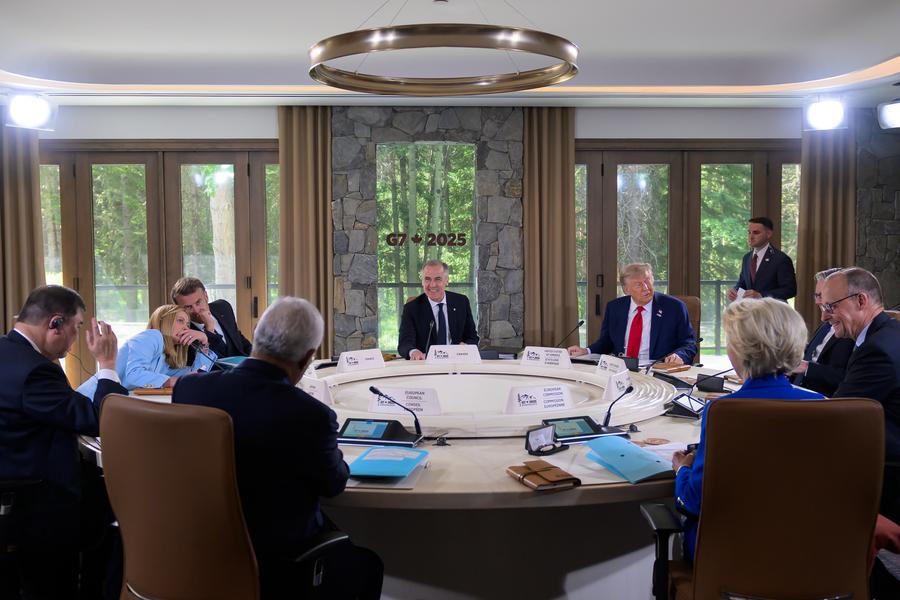
The deal came into effect after U.S. President Donald Trump signed an executive order to implement it. British Prime Minister Keir Starmer, who met with Trump at the summit, confirmed that the core tariff reduction measures would take effect “immediately.”
Under the agreement, the U.S. will reduce tariffs on up to 100,000 British-made cars per year from 27.5 percent to 10 percent. It also removes the 10 percent U.S. tariff on British aerospace products, including jet engines and aircraft components, a measure expected to take effect by the end of the month.
Britain has also agreed to a quota of 1.4 billion litres of tariff-free U.S. bioethanol imports, a volume roughly equivalent to the country’s total annual domestic demand. In return, the U.S. has committed to allowing limited British beef exports.
The British government said all American agricultural imports would still need to meet Britain’s food safety and animal welfare standards. However, British bioethanol producers and farming groups have expressed concern that the influx of U.S. products could undercut local industries.
Despite these developments, large parts of the agreement remain incomplete. According to reports by the Financial Times, both sides are still in negotiations over steel and aluminium tariffs.
Although Britain currently benefits from an exemption to the new 50 percent global steel duty announced by Trump, it continues to face a 25 percent tariff.
British officials said that final arrangements have been delayed due to “technical and legal” challenges, including U.S. rules requiring that steel must be “melted and poured” in its country of origin. Much of Britain’s steel is processed from imported material and may not qualify under that definition.
Pharmaceuticals represent another unresolved area. While the British government says both sides aim to secure “significantly preferential outcomes” for the British pharmaceutical industry, no binding provisions have been announced.
According to British media, Starmer has appointed his senior business adviser Varun Chandra to lead a delegation to Washington this week. The team, which includes embassy trade officials, is expected to focus on finalising the remaining elements of the agreement.
Industry analysts and trade experts have pointed out that the deal is limited in scope and relies on executive action rather than formal legislation. This raises questions about the long-term stability of the agreement, particularly if there is a change in U.S. leadership.