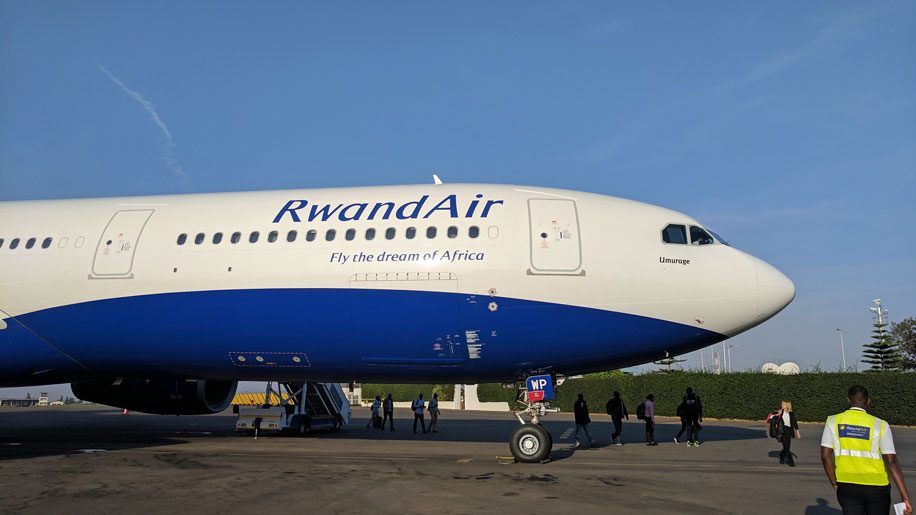
The airline’s proactive response aims to provide flexibility and support to travelers affected by the disruptions.
The waiver, coded “WBRIW1DFSME,” allows passengers to make one free change to their travel dates until September 30, 2025.
RwandAir encouraged affected customers to contact its reservations team at reservations@rwandair.com or their travel agent for assistance in rescheduling their journeys.
“We’re pleased to offer this complimentary rebooking waiver to all affected passengers,” the airline stated in its update, emphasizing its commitment to passenger convenience during the crisis.
The cancellations, announced on Monday night, affected flights WB300 and WB303 between Kigali and Doha, as well as all services to and from Dubai.
The decision followed Qatar and the United Arab Emirates’ closure of their airspace in response to a significant military escalation in the Gulf.
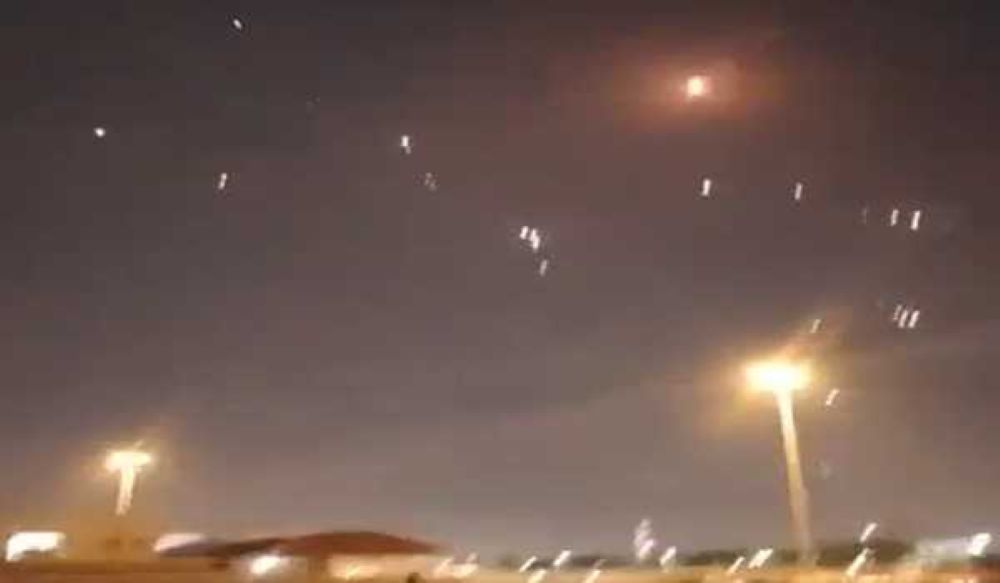
Qatar’s air defense systems intercepted multiple Iranian missiles over Doha, launched by Iran’s Islamic Revolutionary Guard Corps (IRGC) in a strike targeting U.S. forces at Al Udeid Air Base.
The IRGC described the operation as retaliation for alleged U.S. attacks on Iranian nuclear sites. Qatar reported no casualties, but the airspace closures disrupted air travel across the region.
Following a brief suspension, Qatar Airways and Dubai Airports have confirmed the resumption of operations.
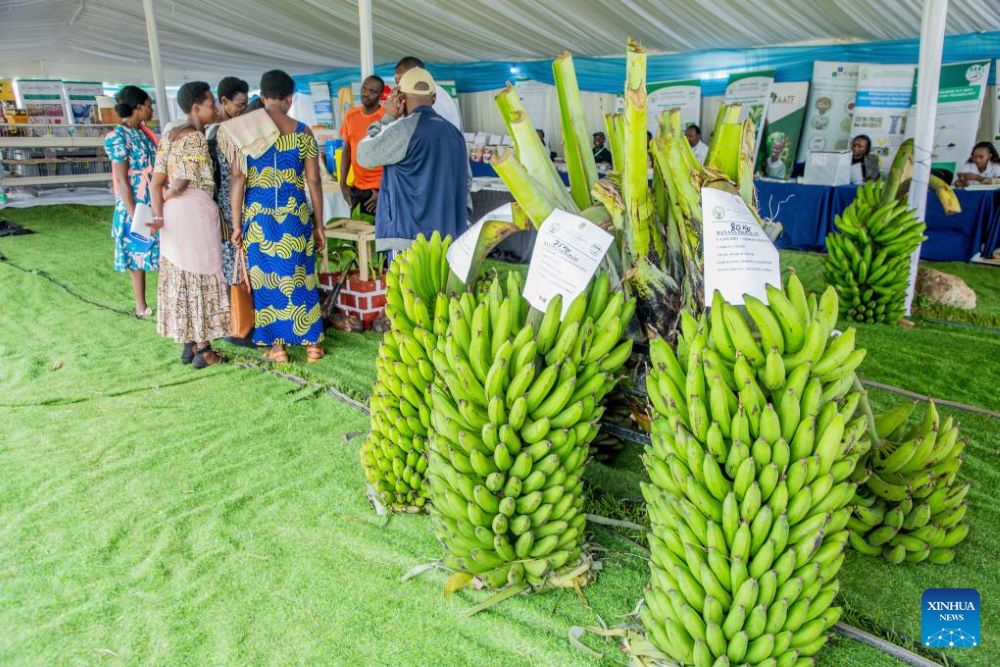
Running from June 18 to 27, the exhibition attracted about 500 exhibitors, according to Rwanda’s Ministry of Agriculture.
From smart irrigation systems and high-yield crop varieties to modern machinery, smart farming tools and climate-smart solutions, visitors can see real farming solutions in action which have been tested, proven, and ready to adopt.
Also on display are tractors, precision seeders, harvesters, and other impressive machines that showcase how mechanization is transforming agriculture in Rwanda.
Fredy Karegeya, head of seed production at a local seed company, said that the adoption of smart systems and innovation has enabled their seed production to thrive and make a real impact on food systems in the country.
“We work on three crops including maize, beans and soybeans, the major one being maize. In maize seed production, we have almost four varieties and others in the pipeline coming soon after the performance trial. One of the maize varieties we developed is suitable for dry lands, a variety that produces high yields ranging from nine metric tons to 12 metric tons per hectare,” Karegeya told Xinhua in a recent interview.
“This maize variety is new and has the capacity to withstand the changing climate with a shorter maturity period of three months. This variety plays a key role in ensuring sustainable food systems, whereby farmers get high quality production and get seeds in time,” he added.
Earlier, Minister of Agriculture and Animal Resources Mark Cyubahiro Bagabe said the annual event offers a platform for showcasing technologies, innovative practices, and partnerships that address the challenges in agriculture from climate change to post-harvest losses.
Shayeq Al-Hajri, deputy chief of Joint Operations, confirmed in a press conference that the missiles were launched in two separate waves. The intercepted missiles were destroyed over the sea after entering Qatari airspace.
“We received intelligence earlier in the day indicating a threat to several regional military installations, including Al Udeid,” Al-Hajri stated. He emphasized Qatar’s military readiness, noting that its capabilities “go beyond what has been demonstrated.”
The attack prompted a temporary suspension of all air traffic. The Qatar Civil Aviation Authority later announced the full resumption of flights, praising the coordination among government agencies to ensure aviation safety.
In a subsequent briefing, Foreign Ministry spokesman Majed Al Ansari said Qatar is weighing a “firm and wise” diplomatic response. He described the attack as a “surprise” given Doha’s significant diplomatic efforts to mediate regional conflicts.
Al Ansari confirmed that Iran had provided advance notice of the attack to both the United States and Qatar through diplomatic channels. He affirmed that the incident would not deter Qatar from its ongoing mediation role.
Lieutenant General Eyal Zamir, the Chief of the General Staff of the Israel Defense Forces (IDF), says the military will “respond with force” to what it calls Iran’s “severe violation”.
“In light of the severe violation of the ceasefire carried out by the Iranian regime, we will respond with force,” Eyal Zamir is quoted as saying in a post on X by the IDF.
But Iran’s General Staff of the Armed Forces Abdolrahim Mousavi has denied firing any missiles towards Israel in the last few hours, according to Iranian state media.
President Trump announced Monday that Israel and Iran had reached a formal agreement to implement a complete and total ceasefire, marking what he called the end of the “12-Day War.”
In a post on his Truth Social platform at 6:02 p.m. Monday, Trump congratulated both nations and revealed that the ceasefire will begin in approximately six hours, following the completion of each side’s ongoing military operations. The ceasefire will initially last 12 hours, during which the opposing side will maintain a posture of “peace and respect.”
According to Trump, Iran will initiate the ceasefire, followed by Israel 12 hours later, culminating in an official declaration of the war’s end at the 24-hour mark.
“On the assumption that everything works as it should, which it will,” Trump wrote, “I would like to congratulate both countries… on having the stamina, courage, and intelligence to end what should be called ‘THE 12 DAY WAR.’”
Calling the agreement a breakthrough that “could have saved the Middle East from years of destruction,” Trump ended his announcement with a sweeping message of unity: “God bless Israel, God bless Iran, God bless the Middle East, God bless the United States of America, and GOD BLESS THE WORLD!”
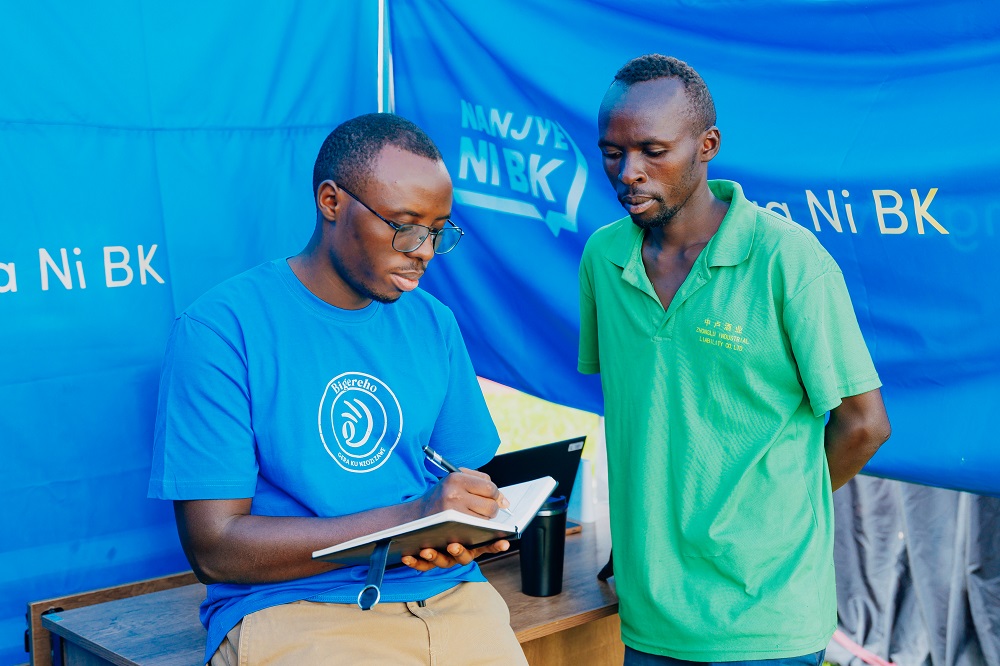
BKGI is one of the participants in the 18th edition of the Agricultural Show, held at Mulindi in Gasabo District. The event, which runs from June 18 to June 27, 2025, brings together individuals from various sectors related to agriculture and livestock farming.
The crop and livestock insurance program aims to protect farmers and livestock keepers from financial setbacks that could disrupt their projects, while also enhancing confidence among financial institutions that provide loans in the agriculture and livestock sectors.
Michael Benjamin Rusizanibakwe, Crop Insurance Manager at BK Insurance Ltd emphasized the company’s goal of supporting the growth of farmers and livestock keepers through insurance services and loans.
Since the launch of agribusiness insurance in 2021, BKGI has compensated farmers and livestock keepers for losses exceeding Frw 3 billion.
“Losses are related to various reasons. In agriculture, they are mostly due to climate change, while in livestock farming, losses are often caused by diseases or unexpected deaths like accidents,” Rusizanibakwe explained.
He urged farmers and livestock keepers to consider insurance services as their businesses are prone to sudden losses. BK Insurance offers a dependable solution to help mitigate these risks.
The insurance also protects the capital invested. For instance, if a farmer incurs a loss, BK Insurance reimburses the capital to allow them to replant.
“For livestock keepers, if they lose an animal due to death, we compensate them based on the value of the animal, enabling them to purchase a new one and continue their business,” he noted.
He further highlighted that BK Insurance not only provides coverage but also continues to assist clients by offering guidance, advice, and training on running profitable businesses.
Additionally, those insured by BK Insurance are granted easier access to loans from the Bank of Kigali.
Rusizanibakwe concluded by expressing gratitude to the government for organizing the exhibition, which benefits various sectors, particularly farmers, livestock keepers, and businesses, by showcasing their products.
In agriculture, BKGI insures crops such as rice, maize, potatoes, pepper, beans, soybeans, and cassava. In livestock, the company insures dairy cows, bulls, pigs, chickens, and fish.
The crop insurance covers the period from planting to harvest, while livestock insurance is valid for one year.
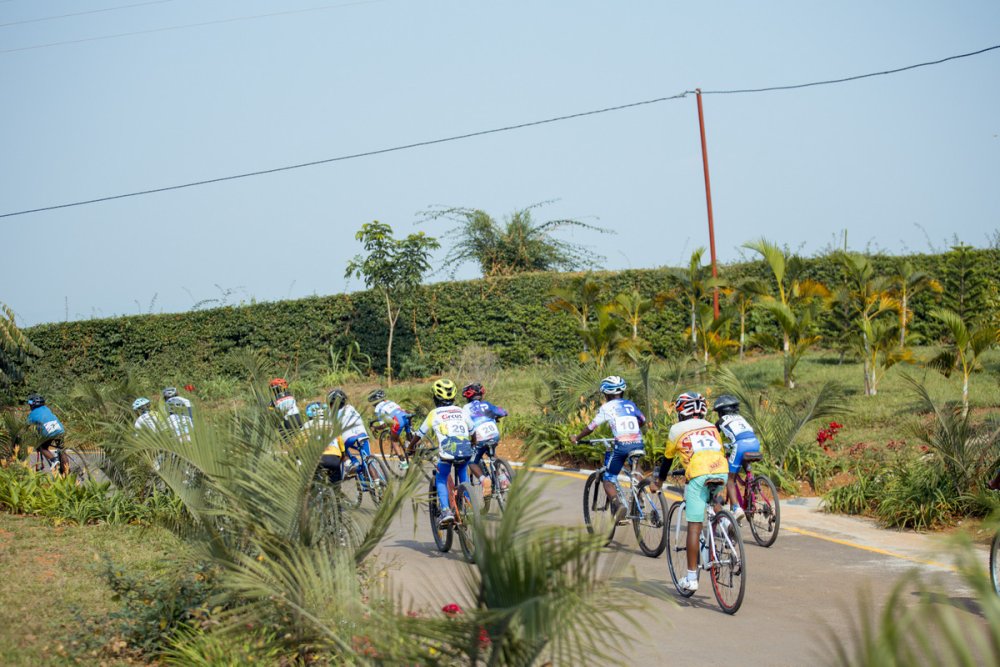
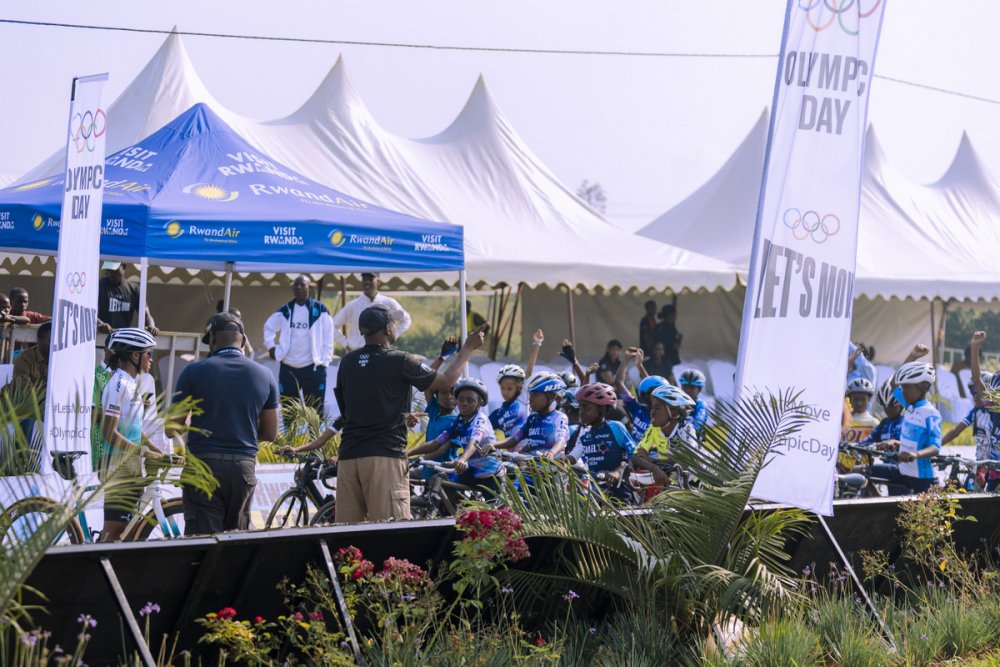
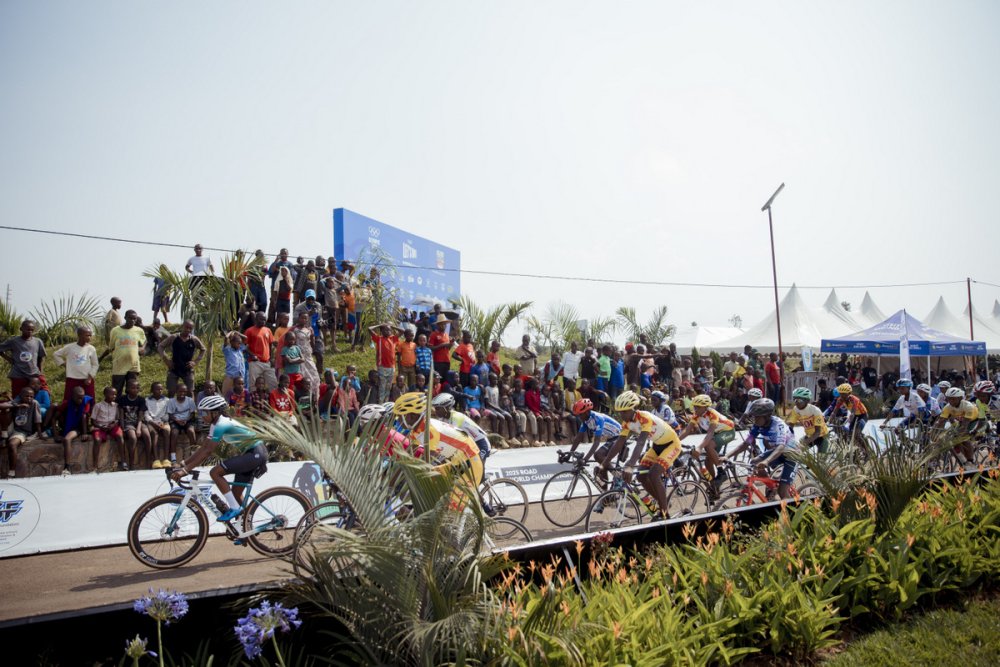
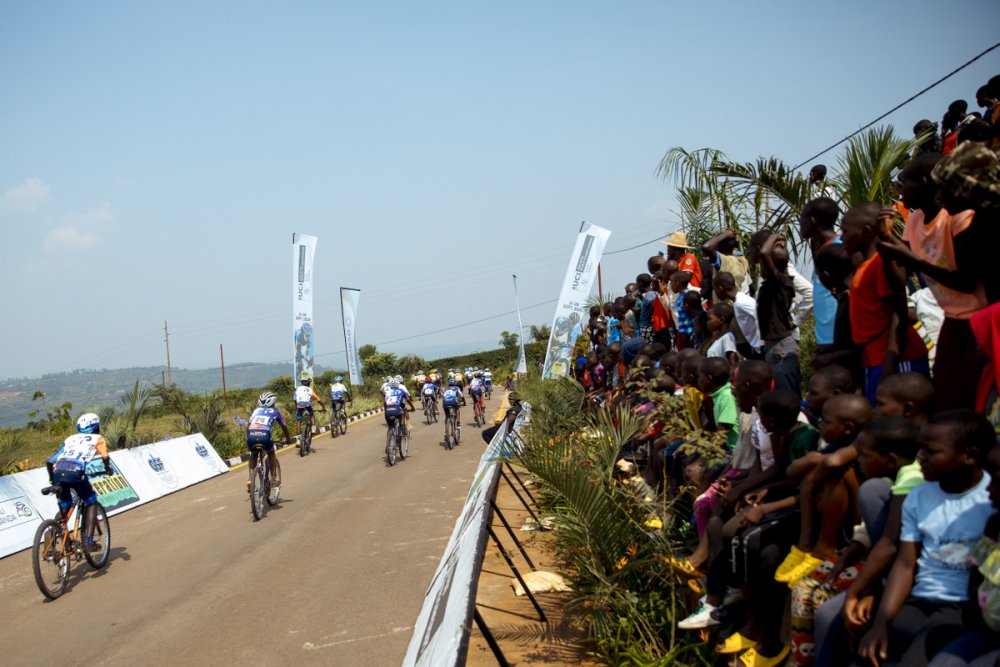
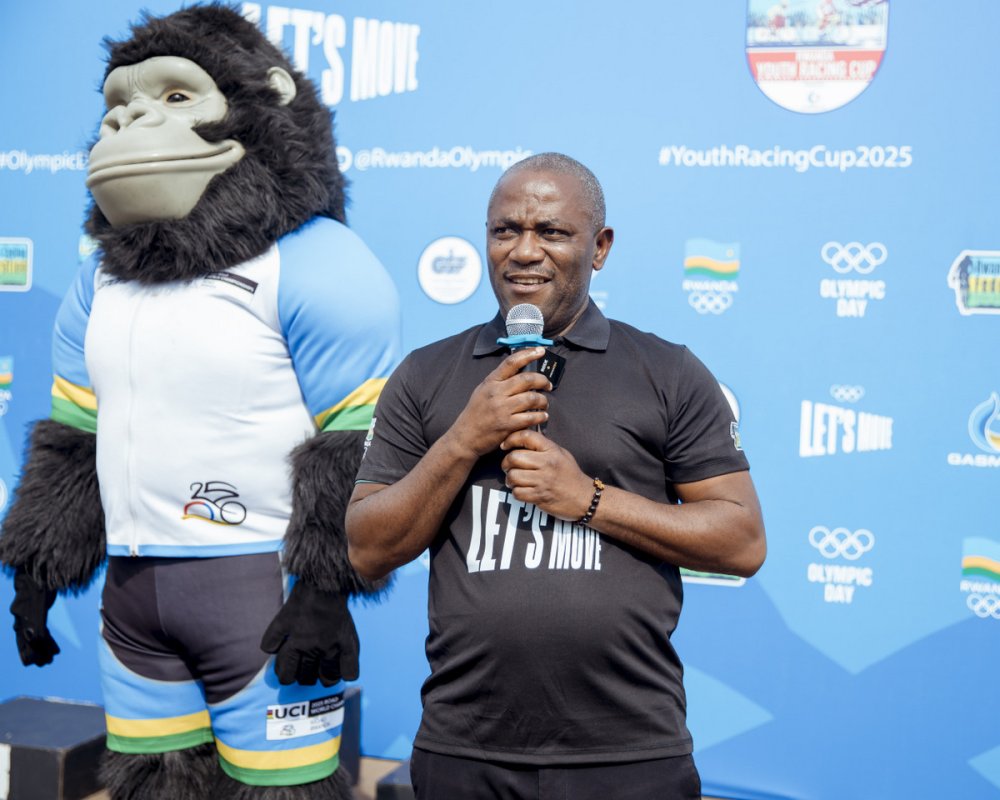
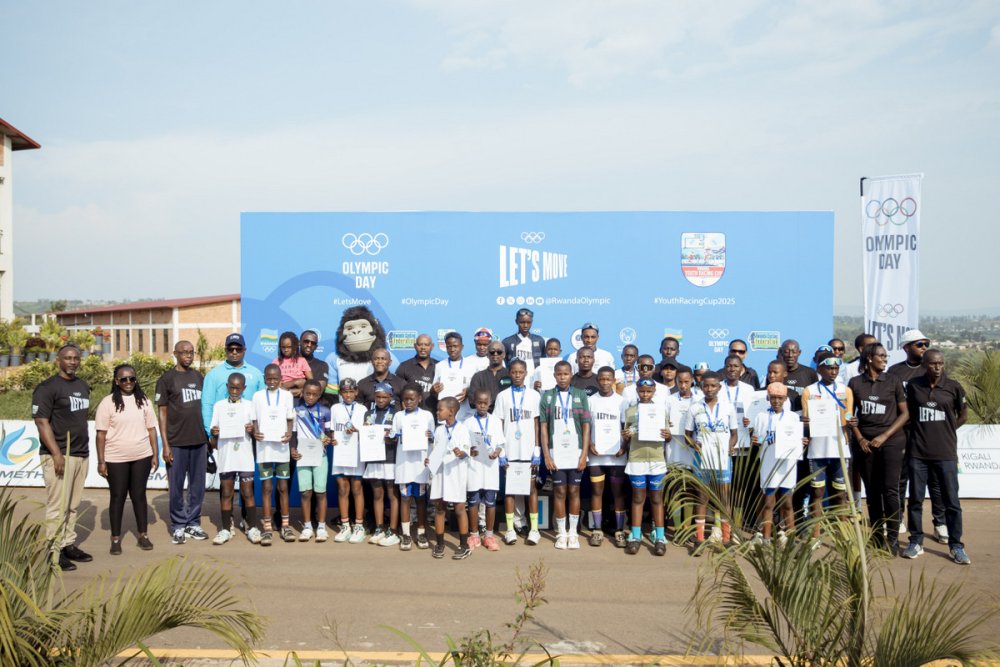
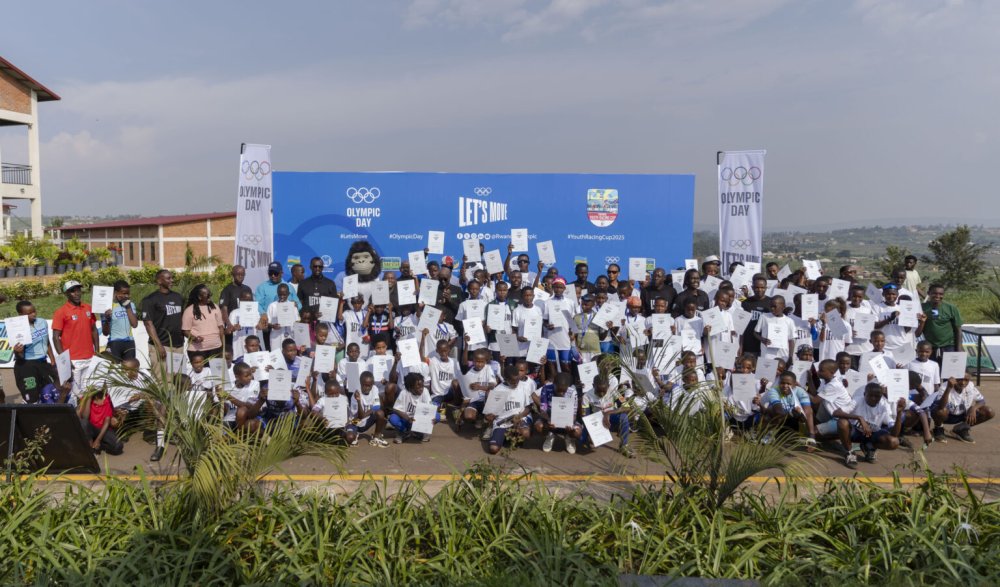
The event was combined with the “Rwanda Youth Racing Cup” cycling competition, where 154 young cyclists, aged between 11 and 19, participated in the sixth edition of the race.
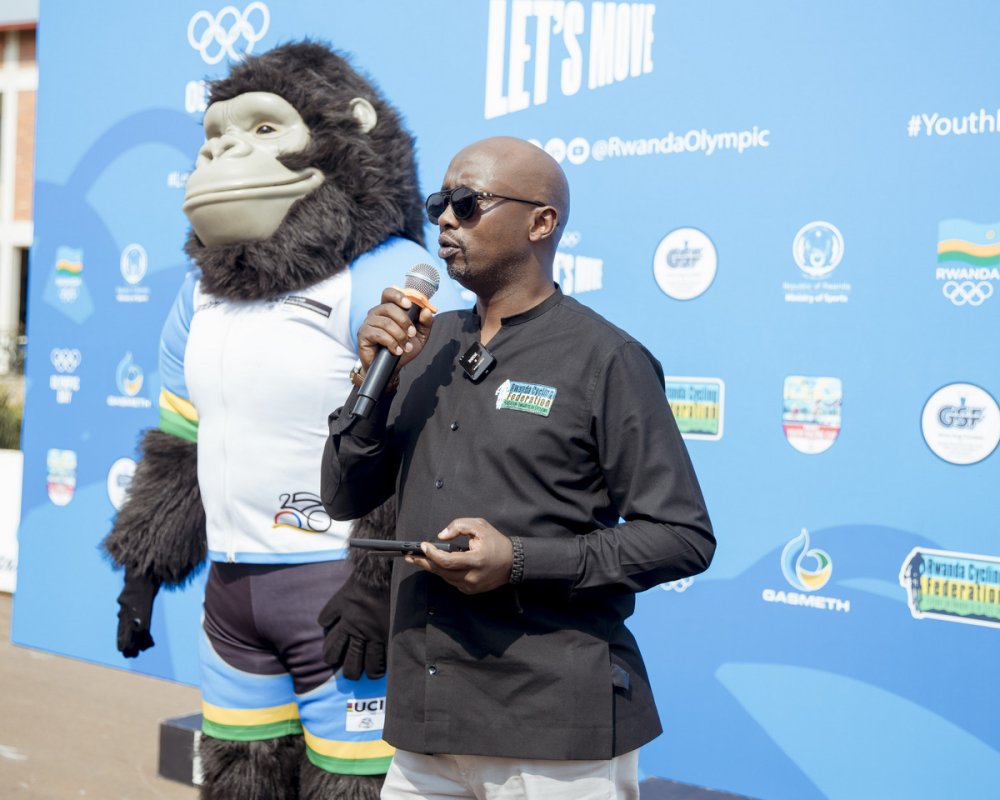
Officials from the Ministry of Sports, the Rwanda Olympic Committee, the Rwanda Cycling Federation (FERWACY), and other guests were also in attendance.
The celebration featured cycling races in different age categories: 11, 13, 15, 17, and 19-year-olds. After the races, the participants received key messages encouraging them to embrace the Olympic values of excellence, friendship, and respect.
This year’s global theme for Olympic Day was “Let’s Move,” which aims to inspire people to engage in sports and develop a passion for physical activity.
Alice Umulinga, President of the Rwanda Olympic Committee, thanked all the participants and organizers. She also highlighted the talent displayed by the young cyclists, which she believes shows great potential for Rwanda’s future representation in the Youth Olympic Games in Dakar, Senegal, in 2026.
She said, “Today, we celebrate the three Olympic values, which are also representative of the values we hold dear as Rwandans. We are preparing for youth competitions next year, and I am confident we will be well represented. And in two years, in Los Angeles, we will represent ourselves with pride.”
Florent Habyarimana, who represented the Ministry of Sports, expressed his appreciation to the event organizers and the young athletes. He emphasized that this event was a great opportunity to prepare those who will represent Rwanda in Dakar.
He added, “The Minister wants these games to be the beginning of progress and international success. This year and in the years ahead, the Ministry of Sports will prioritize these athletes. I assure you that we fully support you.”
All the children who participated in the event received certificates signed by both the President of the International Olympic Committee and the President of the Rwanda Olympic Committee.
Olympic Day marked every year on June 23, serves as a time to reflect on the founding of the International Olympic Committee by Pierre de Coubertin on June 23, 1894. It is also an opportunity to promote Olympic values, celebrate sports, and recognize the benefits of physical activity.
In a statement released on Monday night, the national carrier said flights WB300 and WB303 scheduled for June 23 and 24, 2025, between Kigali and Doha had been cancelled.
“In light of the evolving situation and for the safety of our passengers and crew, flights to and from Dubai have also been cancelled,” the statement read.
The cancellations come in the wake of a significant military development in the Gulf. Qatar confirmed that its air defense systems had intercepted multiple Iranian missiles over the capital, Doha, after Iran’s Islamic Revolutionary Guard Corps (IRGC) launched a military operation targeting U.S. forces stationed at Al Udeid Air Base.
The IRGC described the strike, dubbed “Annunciation of Victory,” as retaliation for alleged threats to Iranian sovereignty, linked to the U.S. attack on three nuclear sites on Sunday.
Majid bin Mohammed Al-Ansari, spokesperson for Qatar’s Ministry of Foreign Affairs, said the country’s defense forces successfully neutralised the incoming missiles, and no casualties were reported. Nonetheless, both Qatar and the United Arab Emirates closed their airspace ahead of the attack, forcing airlines across the region to suspend or reroute operations.
RwandAir has reassured affected passengers that they can reschedule their tickets for a later date.
“We will provide further updates as soon as there are changes to the situation,” the airline said, apologising for the inconvenience caused.
The airline also encouraged travellers needing assistance to contact its reservation team at [reservations@rwandair.com->reservations@rwandair.com] or reach out to their preferred travel agent.
Meanwhile, Qatar Airways has also confirmed the temporary suspension of its operations due to the ongoing closure of air traffic over Qatar. The airline said it is working closely with government stakeholders and relevant authorities to support impacted passengers and resume services once it is safe to do so.
The situation continues to evolve rapidly, with international observers monitoring for further developments in what is becoming a highly volatile region.
Majid bin Mohammed Al-Ansari, advisor to the Prime Minister and spokesperson for the Ministry of Foreign Affairs, said Qatar’s defenses successfully thwarted the attack and shot down the Iranian missiles.
In a statement, Iran’s Islamic Revolutionary Guard Corps (IRGC) said it had launched a missile campaign dubbed the “Annunciation of Victory,” targeting U.S. military bases in both Iraq and Qatar.
The IRGC described Al Udeid as “the headquarters of the U.S. Air Force and the largest strategic asset” of the U.S. Army in West Asia.
“Iran will not leave any attack on its territorial integrity, sovereignty, and national security unanswered under any circumstances,” the IRGC added in the statement.
Airspace over Qatar and the neighboring United Arab Emirates was closed ahead of the attacks.
Qatar says no casualties were caused in the Iranian attacks.
The list was compiled by British magazine Time Out.
Published at the end of last week, the ranking focused on buildings with remarkable history, exceptional architectural design, or unique features that make them stand out.
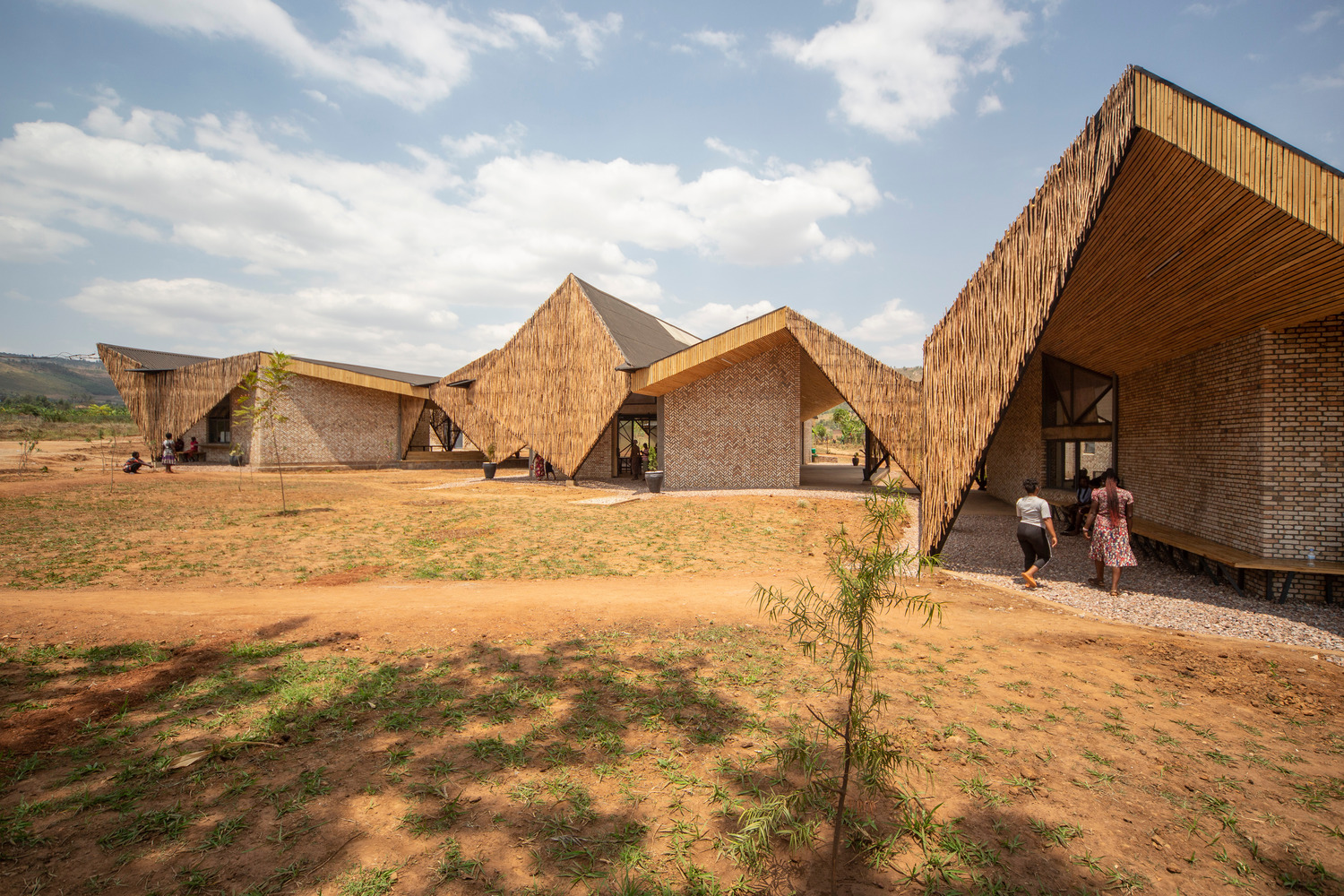
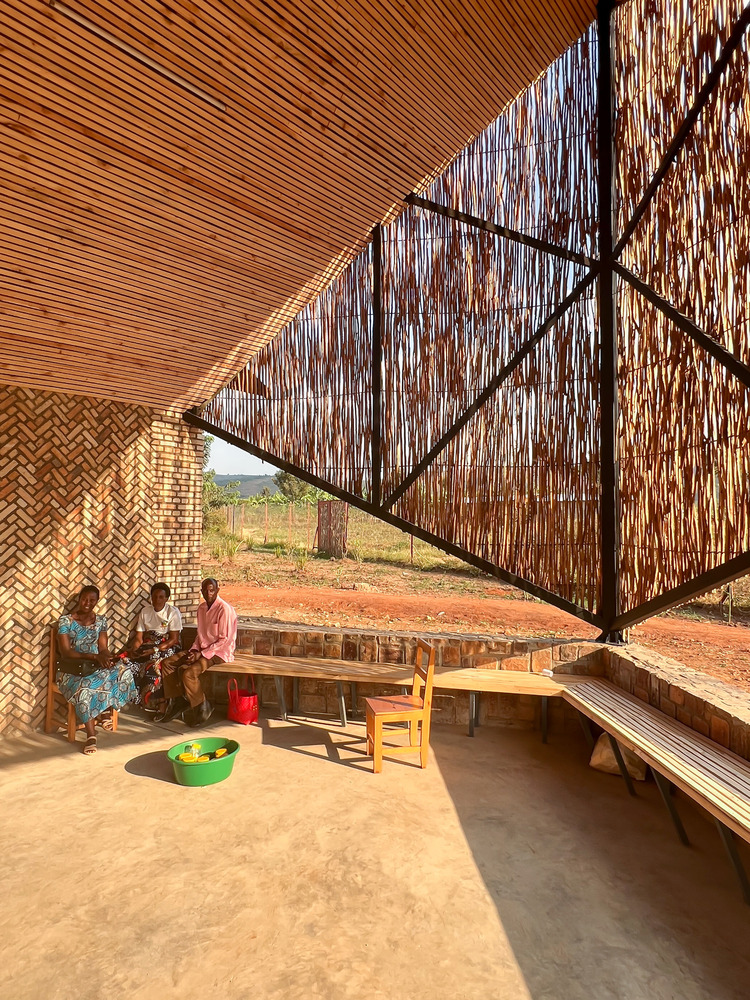
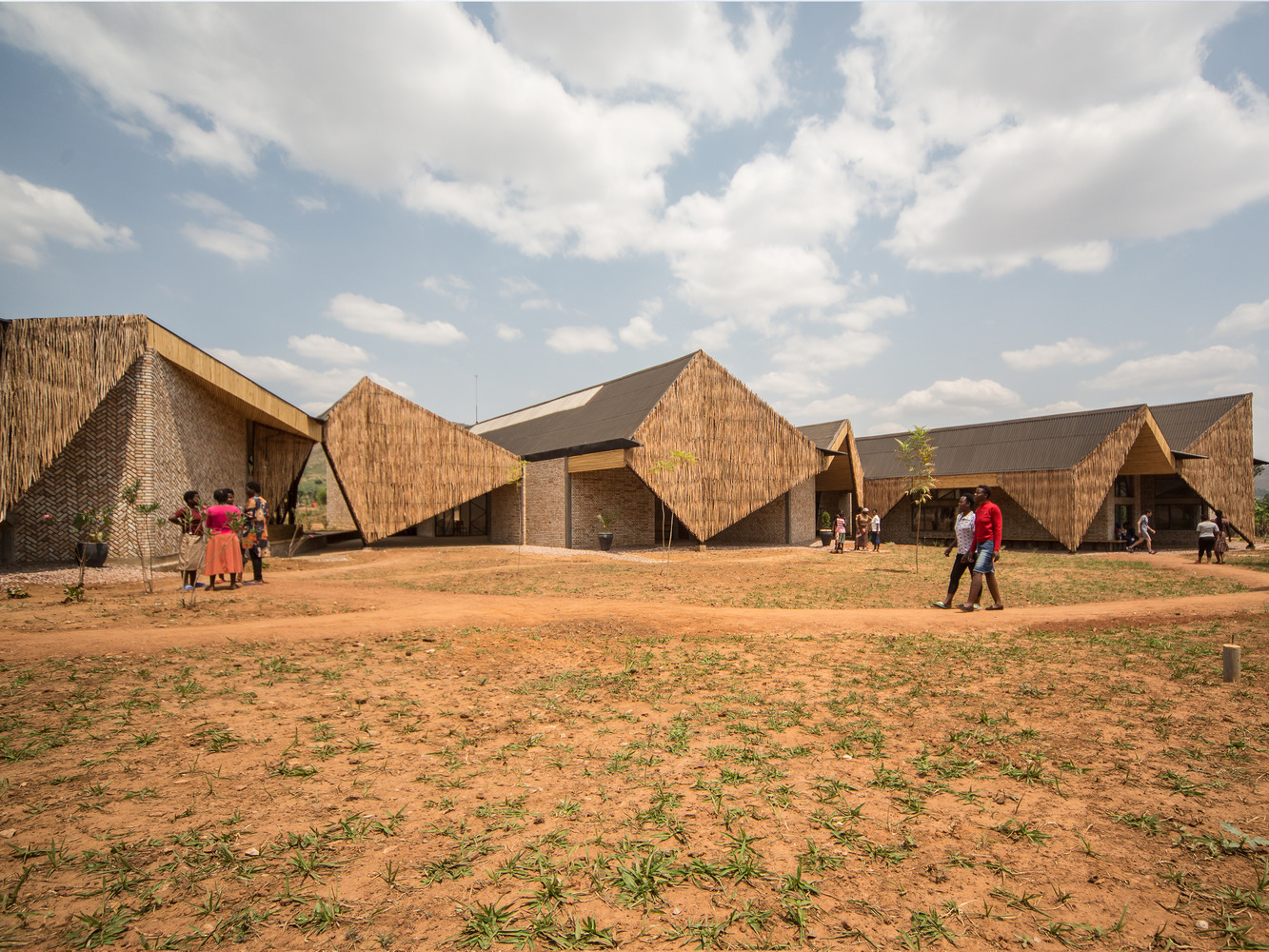
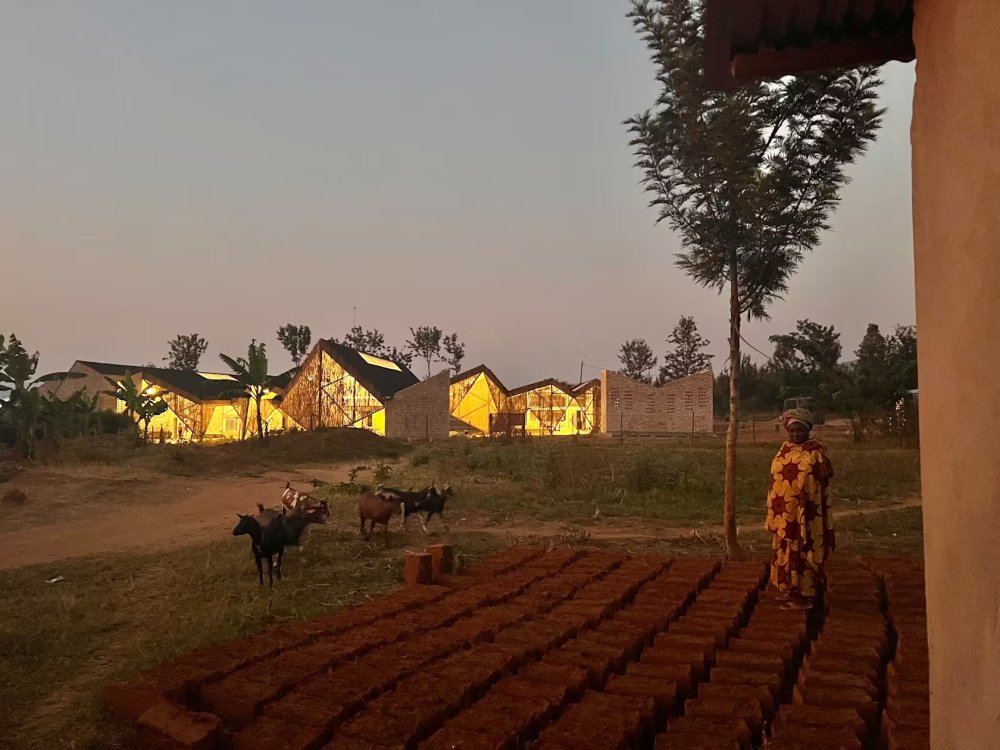
The Kayonza-based structure was ranked 22nd. It earned its spot due to its distinctive architectural style, particularly the way its bricks are arranged to form patterns inspired by Imigongo, a traditional Rwandan art form.
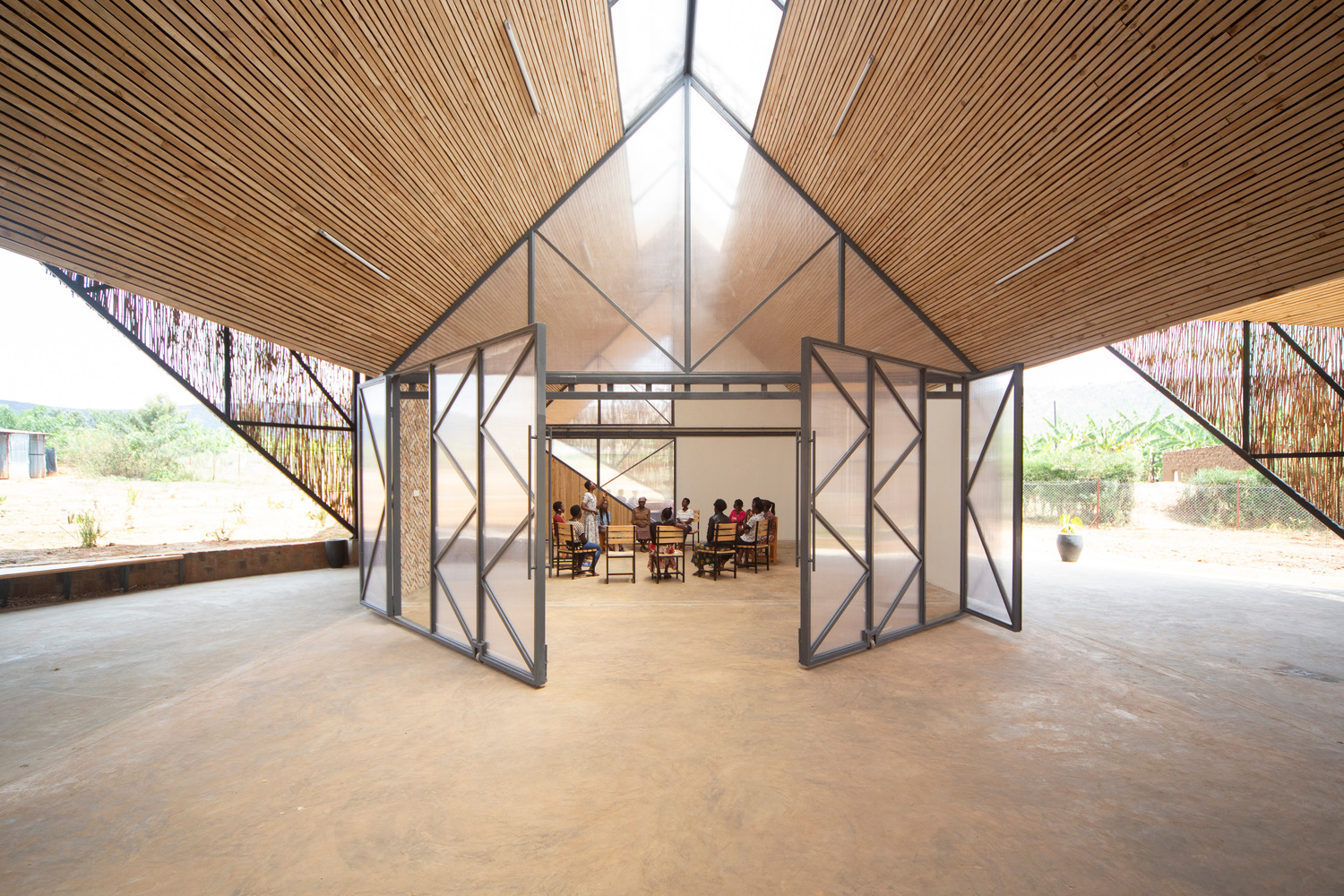
The building is also praised for its versatility. It includes a multi-purpose space that can easily be transformed into a meeting room, classroom, or auditorium—all with minimal adjustment.
Most of the materials used to construct the building were locally sourced in Rwanda, and women and girls made up 40% of the workforce involved in the construction.
The design of the centre was done by BE_Design, a New York-based firm. The building was inaugurated in September 2022.
This isn’t the first time the building has gained international recognition. In 2023, it was among the contenders for the prestigious Architizer A+Awards.
The Komera Leadership organisation, which built the centre, works to empower women and girls with skills and knowledge, aiming to improve their lives and impact their communities.
Topping the Time Out list is the world-renowned Taj Mahal in India. It is followed by Hallgrímskirkja in Iceland, and Egypt’s Pyramids in third place. Ad-Dayr in Petra, Jordan, ranks fifth.
The Fondation Louis Vuitton in France is in sixth place, while the Trinity College Library in Ireland comes in seventh.
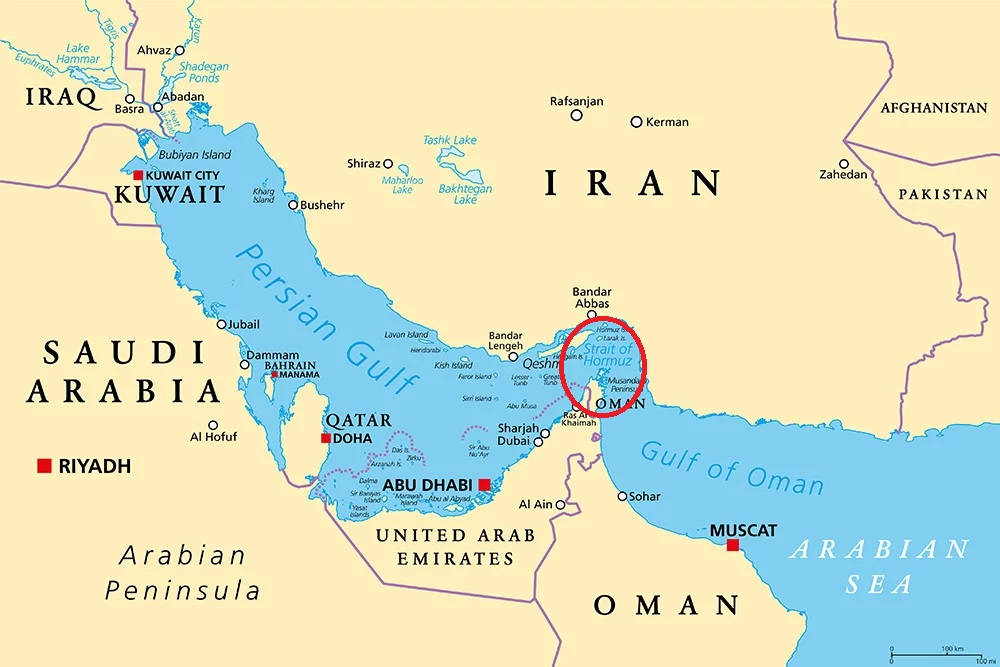
The decision to shut down this vital route is seen as a strategy by Iran to pressure Israel and the U.S. to cease their military actions.
The closure of the Hormuz Strait is linked to the U.S. strikes on Iranian targets. Iran intends to use the closure as leverage to influence its adversaries and halt military aggression.
After the Parliament’s decision, Iran’s Supreme National Security Council began discussing the implementation of the resolution.
The Hormuz Strait lies between Iran and Oman and sees the daily transit of between 16 million and 21 million barrels of oil, accounting for 20% of the global oil transport.
Oil-producing countries in the Organization of the Petroleum Exporting Countries (OPEC), including Iran, Saudi Arabia, the United Arab Emirates (UAE), and Kuwait, heavily rely on this route to export oil, primarily to Asia.
Countries allied with the U.S. also use the route for transporting oil. In response, the U.S. stationed warships in Bahrain to protect commercial vessels passing through the strait.
A closure of Hormuz would severely disrupt the economies of many countries as oil is a key energy source and an essential driver of economic development globally. Economic analysts predict that the price of crude oil could soar from $74 per barrel to between $120 and $130.
Although the closure would significantly harm Iran, which depends heavily on the route for its own oil exports, it would also impact its allies, including China, which imports around 90% of its oil from Iran.
The U.S. Energy Information Administration (EIA) reports that in the first quarter of 2025, Saudi Arabia transported 5.3 million barrels of oil per day through the Strait, Iraq 3.2 million barrels, and the UAE 1.8 million barrels. Iran itself exported 1.5 million barrels per day.
Vandana Hari, founder of energy intelligence firm Vanda Insights, told CNBC’s “Squawk Box Asia” that the possibility of closure remains “absolutely minimalistic.”
If Iran blocks the strait, the country risks turning its neighboring oil producing countries into enemies and risks hostilities with them, she said.
Furthermore, a closure would also provoke Iran’s market in Asia, particularly China, which accounts for a majority of Iranian oil exports.
“So very, very little to be achieved, and a lot of self inflicted harm that Iran could do” Hari said.
However, U.S. Secretary of State Marco Rubio called on China to use its influence with the Iranian government to discourage Tehran from closing the Strait of Hormuz.
“I encourage the Chinese government in Beijing to call them about that, because they heavily depend on the Straits of Hormuz for their oil,” Rubio, who also serves as national security adviser, told Fox News.
“If they do that, it will be another terrible mistake. It’s economic suicide for them if they do it. And we retain options to deal with that, but other countries should be looking at that as well. It would hurt other countries’ economies a lot worse than ours.”
In the past, Iran had threatened to close Hormuz in retaliation against the U.S., but never followed through. This time, attention is on Iran’s security council, which will make the final decision.
{{Rwanda stays alert}}
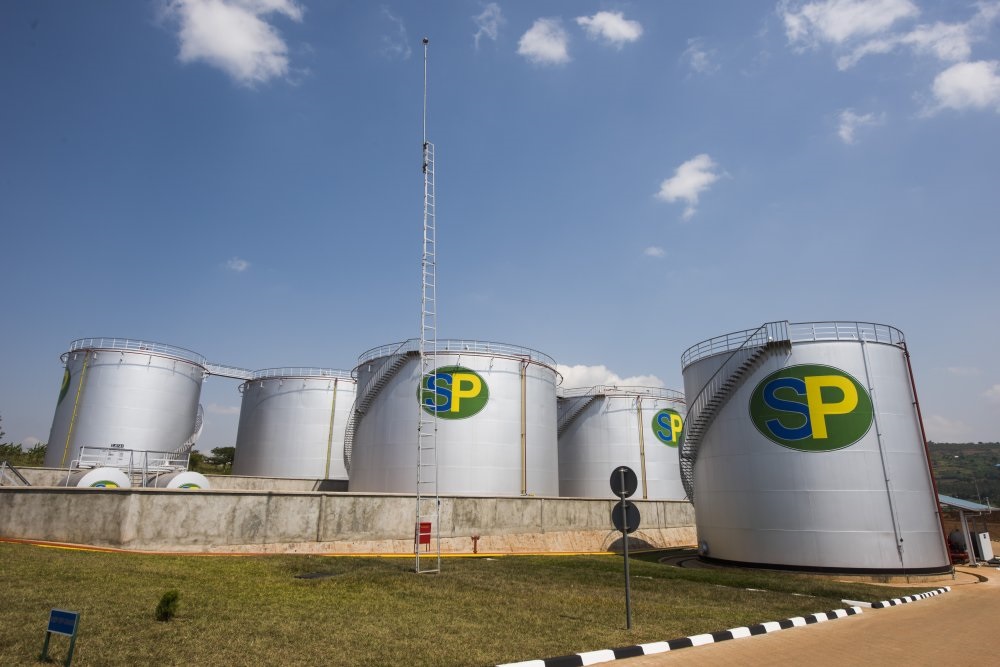
Rwanda is one of the countries that imports oil through the Hormuz Strait. For oil to reach Rwanda, it passes through the Arabian Gulf, then through the Indian Ocean to either Mombasa, Kenya, or Dar es Salaam, Tanzania.
During a discussion with parliamentarians on June 19, 2025, Rwanda’s Minister of Infrastructure, Dr. Jimmy Gasore, explained that disruptions in the Hormuz Strait could affect Rwanda due to potential price hikes.
“[…] A disruption there would impact the global market, and consequently, Rwanda. We would likely experience a price increase or reduced import volumes,” he said.
Rwanda’s Prime Minister, Dr. Edouard Ngirente, informed Parliament that since the emergence of conflict between Israel and Iran on June 13, Rwanda has set up a task force to assess potential impacts on the country.
“We are closely monitoring the situation with daily updates on oil prices, our national reserves, weekly imports, and how it affects shipments from Dar es Salaam or Mombasa,” he said.
Currently, Rwanda has seven oil reserves containing 117.2 million liters of petroleum products, including gasoline, diesel, and aviation fuel. The country has taken steps to build up its reserves to mitigate the effects of fluctuating prices due to international conflicts.