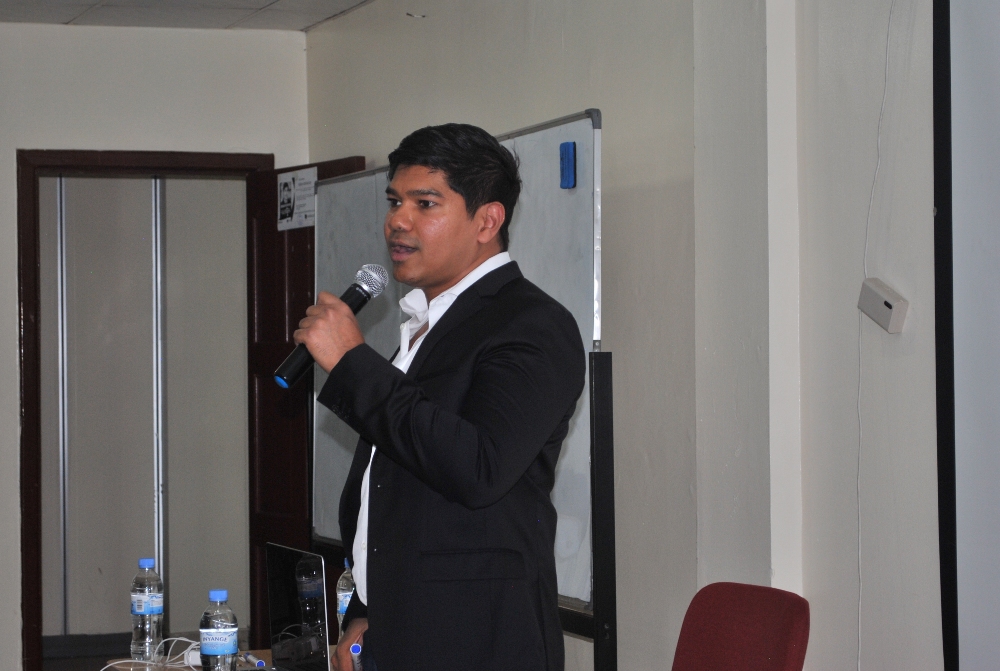
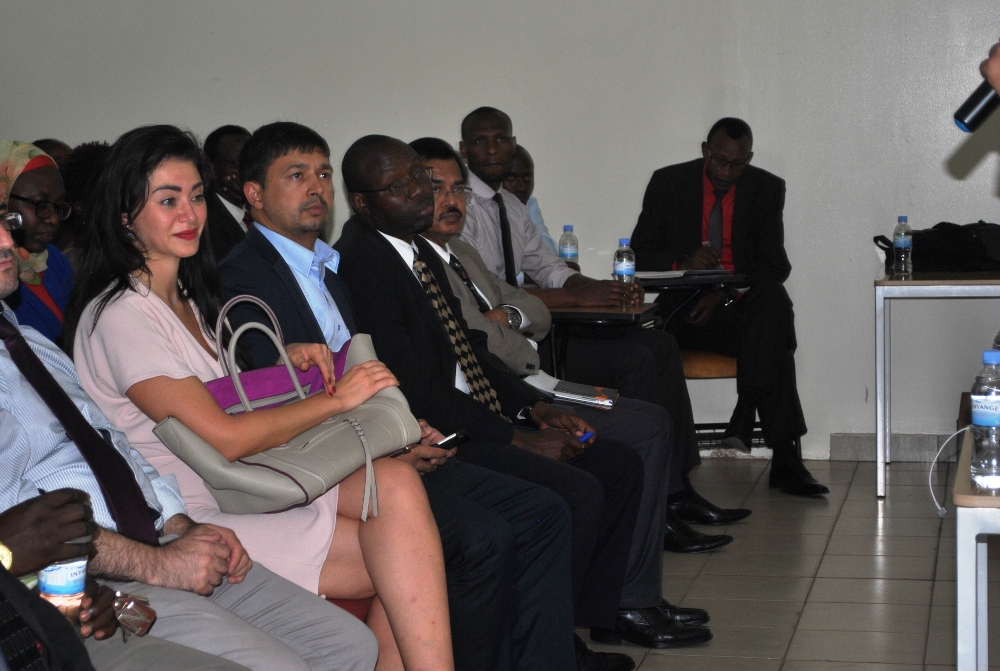
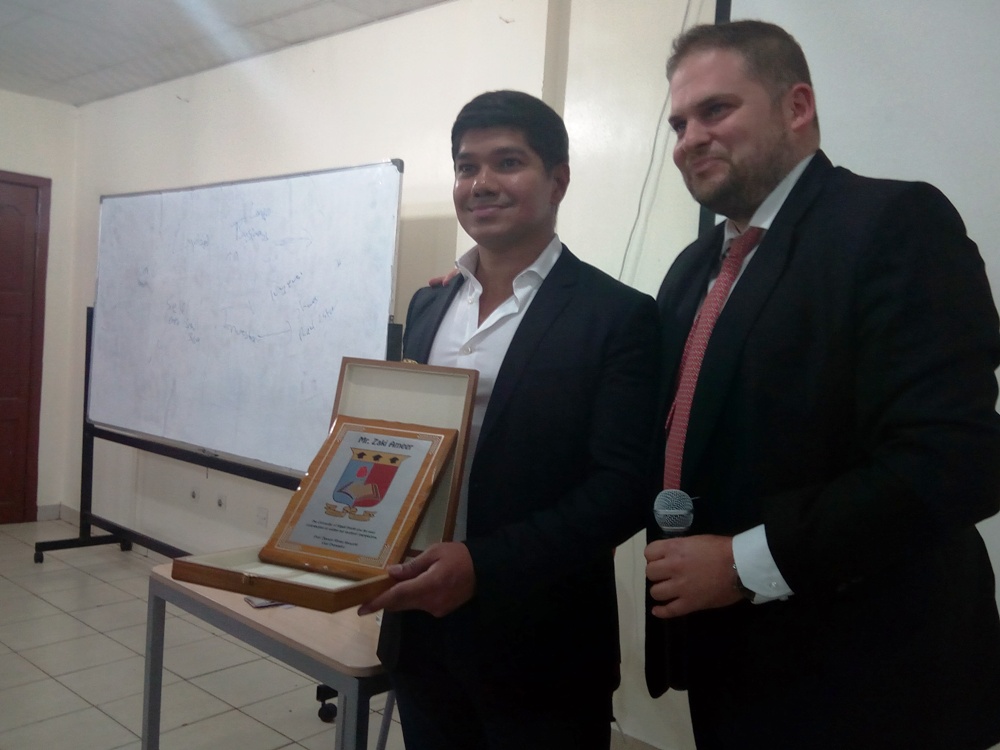
The founder of Dream Design Property who was speaking to UoK students on Friday said that youth should have business ideas as the first step towards being successful entrepreneurs.
“When you want to become rich, you start by thinking about what you want to achieve in your life. When you don’t know what you want, how could reach where you wish to be? Let your brain think about new things” he challenged students.
“When you have dreams, you should create opportunities. No official will finance you or implement your ideas, otherwise, you need to use your brains and get money from them” he said.
Zari Ameer is in Rwanda on the invitation of INTEch Investments Ltd, a business solutions focused company.
The OAG report released 3rd May 2017 shows that in the fiscal year that ended 30th July 2016, a total of Rwf1.6 billion was mismanaged,
Rwf590 million used without proper accountability and Rwf906million out-rightly embezzled.
A total of Rwf1.5 billion was not recovered.
Among heads of institutions that will appear before PAC are; Water and Sanitation Corporation (WASAC), Energy Development Corporation Ltd (EDCL), Energy Utilities Corporation Ltd (EUCL), Rwanda Transport Development Agency (RTDA), Rwanda Development Board (RDB), University of Rwanda (UR), Rwanda Education Board (REB), Workforce Development Authority (WDA), Rwanda Biomedical Center (RBC) and Rwanda Agricultural Board (RAB)
“Those are institutions that we shall invite to come here, but there are others which also have qualified audit reports that will explain to the committee through written details,” Nkusi said.
Districts that will appear before PAC include Gatsibo, Gasabo, Bugesera, Rusizi, Ngororero, Nyabihu, Rulindo, Gicumbi, Nyamagabe, Ruhango Rutsiro and Nyarugenge.
Most of the districts have issues with wrongful awarding and poor management of public tenders and poor supervision of infrastructure development projects.
The OAG report revealed that a total of 98 contracts worth Rwf 95.6 billion in 2016 were not fully executed as they were abandoned by tender winners leaving a big toll of financial losses to the government.
Activities for 75 contracts were delayed while 23 contractors abandoned the projects. Some of the implementers of the abandoned projects had already been paid colossal sums of money.
The complex owned by 22 cooperatives of Community Health Workers from different sectors of Karongi has been constructed from cooperatives members’ contributions where each cooperative provided a total of Rwf9.1 million.
At the inauguration ceremony in Karongion Friday, was the presence of Health Minister, Dr. Diane Gashumba and the minister of state for community development and social affairs, Dr. Alvera Mukabaramba among other officials.
Speaking at the ceremony, Gashumba commended the partnership that gave birth to such a facility.
“We are pleased to officially launch this house built without a bank loan; a symbol of dignity demonstrating that if you continue building meaningful partnerships such as with district leadership and hospitals, you will achieve much more,” she said.
She called on all community health workers to invest much effort in promoting healthcare programmes in the country.
During the celebrations open discussions were held and students were called upon to use the internet for education purposes and encouraged to exploit the innovation hub to give more life to their ideas, especially that the government has put emphasis on developing ICT infrastructure and spearheading the ICT agenda in the country.
Speaking at the event, Internet Society representative in Rwanda, Nicolas Berwa said, “we are glad to be celebrating our 25-year anniversary at the University of Rwanda. We are not celebrating only milestones but we are here to uplift student’s capacity by encouraging them to use internet to enhance their experience while they pursue their education”
Airtel Rwanda representative Micheline Umulisa also urged students to be adventurous when using the internet in order to rip big out of it education wise, emphasizing that the UR Innovation hub was put in place for them to be able to grow their ideas and provide home grown solutions.
“Internet is one of the most important networks to provide information and communication to ever have been invented. Information is before you by just a click of a finger and is capable of changing your life by enabling you with whatever knowledge you may wish to acquire, emphasized Jean De Dieu
Huye – UR students did also express the willingness to learn from the open discussions highlighting that the Innovation Hub launched early this year has been of great assistance as for as research for their studies is concerned.
“We lacked a great environment with fast internet to sit and research for our course works before Airtel came here to launch the innovation hub – now we can freely come to the hub and use the computers that are fully connected to fast internet. Research has been easier”, commented Vianney Jean Marie a second year student.
“I like this Innovation Hub because it’s such a convenient and comfortable place to sit and do your course works. The environment is calm with less distractions. We like the place”, Mukesha Sandrine, a student said.
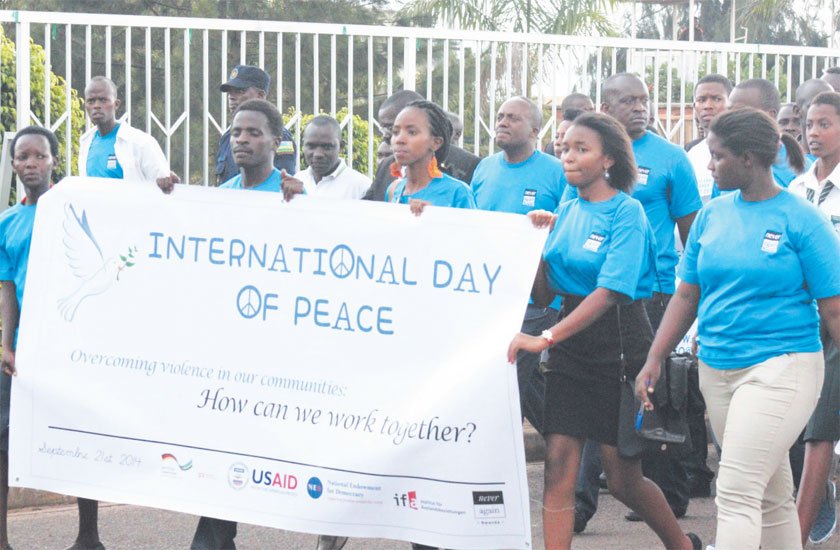
The United Nations themed this day: “Together for peace, respect, safety and dignity for all”, but Rwanda broadened the theme to: “Together for peace, promoting the values of respect and dignity through peaceful families.”
To mark the day, over 400 Rwandan youth from across the country convened at Parliamentary Buildings in Kimihurura, Kigali to deliberate on different interventions of promoting values of respect towards more peaceful families.
The National Unity and Reconciliation Commission (NURC) together with its partners aim to enhance citizens’ capacity to analyse the root causes of conflicts, facilitate dialogue, and appreciate diversity to ensure sustainable peace and development.
Speaking at the event, NURC President, Bishop John Rucyahana pointed out that the country’s tragic history has taught Rwandans to value peace above anything else.
“Having experienced the worst history, divisionism, violence, wars and the Genocide Against the Tutsi, Rwandans have a specific understanding of the value of peace. Rwandans overcame this traumatising situation, healed and rebuilt their nation,” Bishop Rucyahana said.
According to Fidèle Ndayisaba, the Executive Secretary of NURC, this year is dedicated to peace among families because the lack of peace in families is the reason behind many troubles across the world.
“When families do not embrace peace, that is when we start seeing people abandoning their own families. We intend to promote unity in the home and protect children against segregation and genocide ideology,” Ndayisaba said in a press conference last week.
The Speaker of the Lower Chamber of Parliament, Donatille Mukabalisa, senior government officials, One UN Rwanda Country Representative and other distinguished delegates, graced the occasion.
Yesterday’s discussions explored how peaceful families can promote peace values, respect, and dignity to ultimately contribute to a peaceful nation. Families that promote peaceful and positive values are likely to raise children with peaceful attributes.
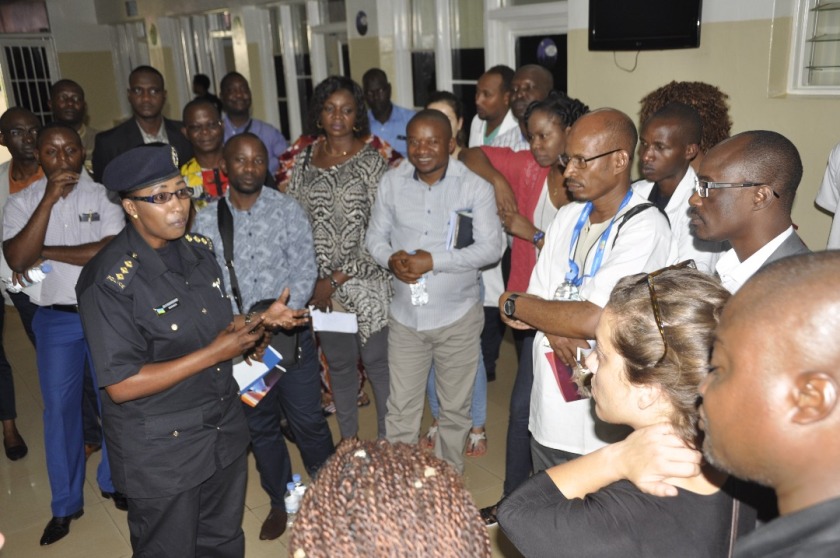
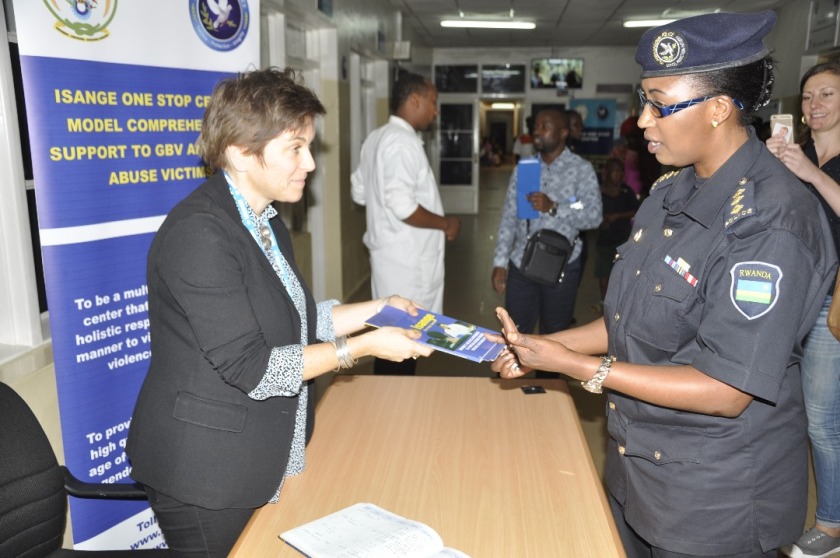
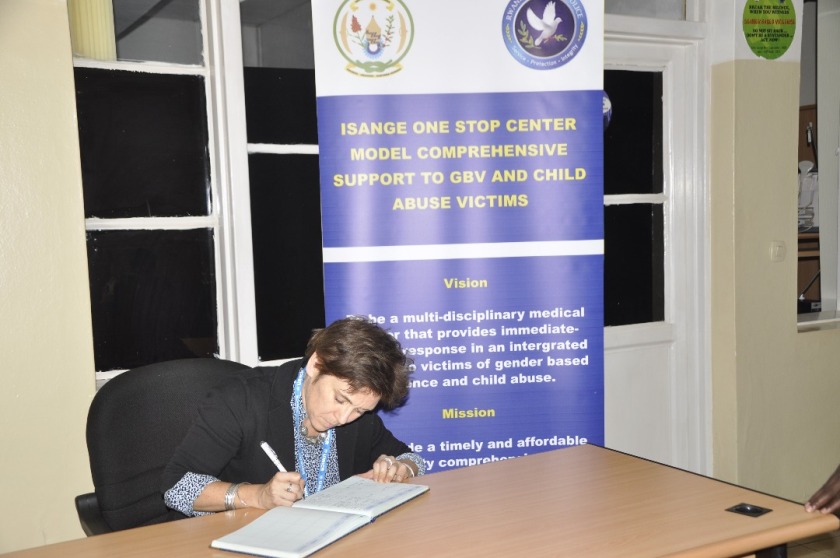
The officials from thirteen francophone African countries are in Rwanda for a five-day familiarization tour and to learn more about Rwanda’s progress in the field of child protection and anti-GBV initiatives.
According to Karen Whiting, the UNHCR senior advisor on child protection, the delegation opted to visit the centre to learn more about its operations while sharing knowledge with “best practices in the area of anti-GBV services and victims’ rehabilitations.”
“We believe and encouraged that the Isange one stop centre model should be duplicated by all countries especially in rehabilitating refuges affected by violence,” Whiting said.
Chief Inspector of Police (CIP) Jean D’arc Mukandahiro, the director of Isange centres, who received the delegation, gave them a guided tour to all sections of the facility while explaining its relevance in victims’ rehabilitation and legal support.
CIP Mukandahiro explained that the center also operates a free phone hotline for help, protection from further violence, investigation of crimes, medical and psycho-social care and support and collection of forensic evidence.
The Isange One Stop Center – which means feel welcome in Kinyarwanda – provides free services for victims of child domestic abuse and gender-based violence (GBV).
At the 3rd International Religious Leaders’ Conference, around 300 religious leaders who worked for interfaith dialogues gathered to promote harmony of religions. The participants shared the progress reports of interfaith meetings through HWPL’s WARP offices aiming to enhance mutual understanding and develop peacebuilding by religious leaders.
Rev. Acharya Prem Shankaranand Tirth, Hindu High Priest of Shree Geeta Ashram of Delhi, emphasized the value and importance of the interfaith dialogue based on the scriptures by mentioning, “The WARP Office taught us how to make religions one. The true discussion for harmony is not just comparing the knowledge of each other but it is a discussion in finding one complete truth.”
In addition, Mr. Man Hee Lee, Chairman of HWPL, stressed on the role of the religious leaders in the current global situation and the importance of their mission for world peace. He urged religious leaders to take the lead in realizing religious reconciliation and religious peace through communication. “Religious leaders have to become the just and righteous scale measuring all religious scriptures. They gather all religious scriptures and work to define the trustworthy scripture with a legitimate standard at the WARP Office. Everything that religious leaders discuss must clearly be based on what is written in the scripture, which needs to be comprehensively analyzed and studied for the true alliance of religions.”
At the Region-Specific Discussion for the Implementation of the Declaration of Peace and Cessation of War (DPCW), experts in various fields such as government officials, civil society leaders, and media discussed how implement the peace projects in each region.
The participants conceived peace projects in accordance with local conditions, such as implementing peace education and cultural programs, activating ‘Legislate Peace’ campaigns which are supportive signing campaigns for the DPCW, establishing a peace network, and setting up a road map for peace policy during the roundtable discussion by country or continent. Also, they wrote proposals and signed agreements to implement the projects systematically in their country.
The DPCW, drafted by HWPL advocating international cooperation for global peace, appealed to the participants in terms of inventing peace-specific policy making in countries for the legal foundation to promote peace. “The DPCW serves as a framework of a robust, global infrastructure built by sovereign states on a foundation of tolerance, mutual understanding, and dialogue developed to resist conflict. I believe that we will be able to find out ways to cooperate together with all stakeholders to work toward promoting peace in each of our respective country.” said H.E. Chin Malin, Undersecretary of State of Ministry of Justice.
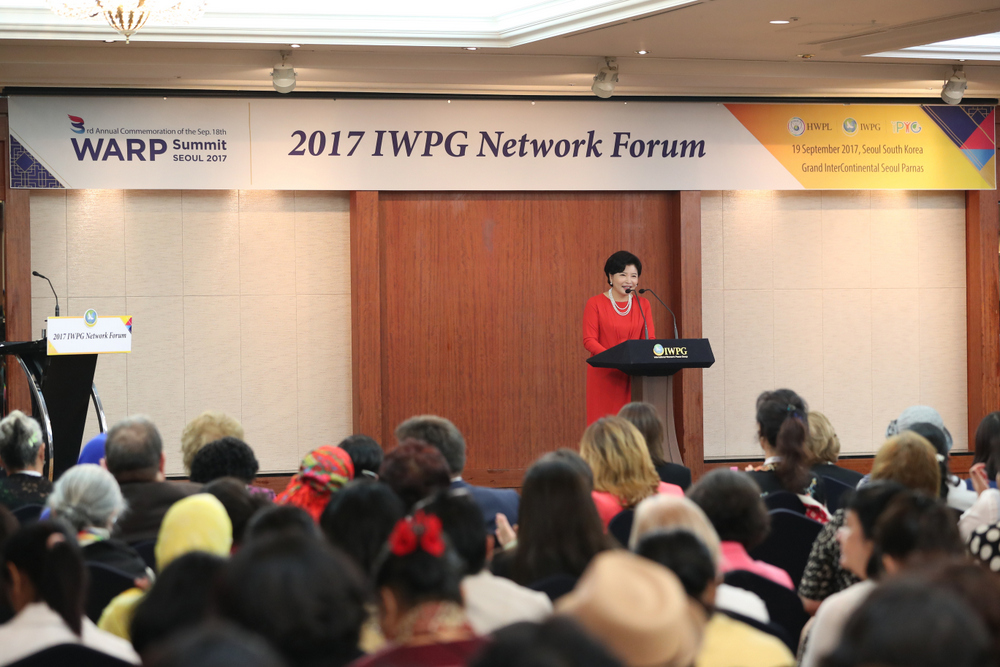
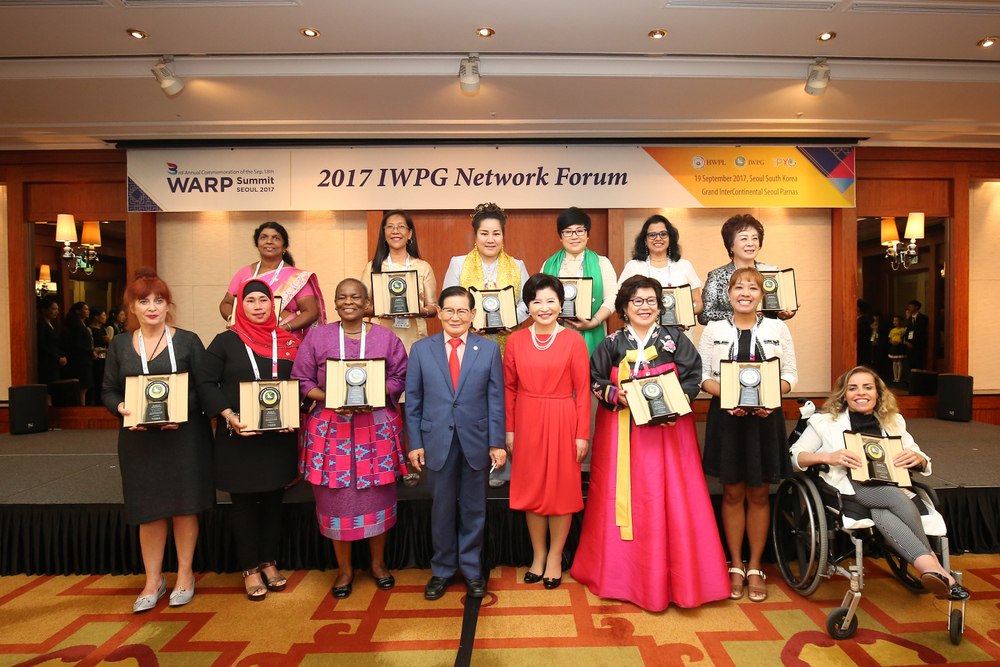
Representatives of women’s organizations carrying out active peace movement from 53 countries shared the role of women leaders in the enactment of the effective international law for peace and the importance of networking for urging the DPCW in cooperation with International Women‘s Peace Group (IWPG) at 2017 IWPG Network Forum.
Ms. Nam Hee Kim, Chairwoman of IWPG, said “Let us all support the implementation of an international law in order to protect our children from the suffering caused by violence and aggression and instead nurture them in an environment of peace. Peace education should start from within the family. We should become the mothers who can proudly say that we work hard to inherit the world of peace.” urging for the power of the world’s 3.6 billion women in achieving world peace and their role in each field for the purpose of international law enactment.
Speaking to IGIHE, Lwakabamba said that he submitted his resignation letter on Thursday
“It is one simple reason, I was employed to make sure the university grows and deliver quality education; unfortunately we put up a strategy which would save the institution but it was not approved,” Lwakabamba said.
He said that they have been negotiating to implement the strategy within two years but founders were not supportive.
“I’ve been running education business for many years, and unfortunately the owners of the institution do not approve, so why should you continue? I wanted to make a difference but they didn’t allow me to do so,” he added.
“When students leave your school, you lose money. We tried to solve this problem by seeking foreign aid but management did not agree, disagree or come up with another strategy” he explained.
Mukabalisa who was speaking on Thursday in the celebration of ‘International Day of Peace’ in Rwanda said that attained development in the country is a result of well sustained peace and that few pockets of domestic violence in different households hampers peace and development.
“Rwandans know better the value of peace; we have suffered a lot during insecurity periods that were caused by bad leadership. Through good leadership, we have restored our peace” she said.
She emphasized that disputes among partners, murders and suicides among others, still present challenges in creating harmony.
“We have good leadership and political will but I don’t understand why we still have domestic violence. Parents should remember to talk to children and inculcate love and spirit of work among them,” she advised.
Mukabalisa called on youth to avoid use of drugs and avoid bad behaviors which sometimes lead them into human trafficking and other related activities that destabilize security.
The president of National Unity and Reconciliation Commission (NURC), Bishop John Rucyahana said that parents need to behave properly in front of their children by training them to champion for peace.
This year’s International Day of Peace is celebrated under the theme “Together for Peace: Respect, Safety and Dignity for All”