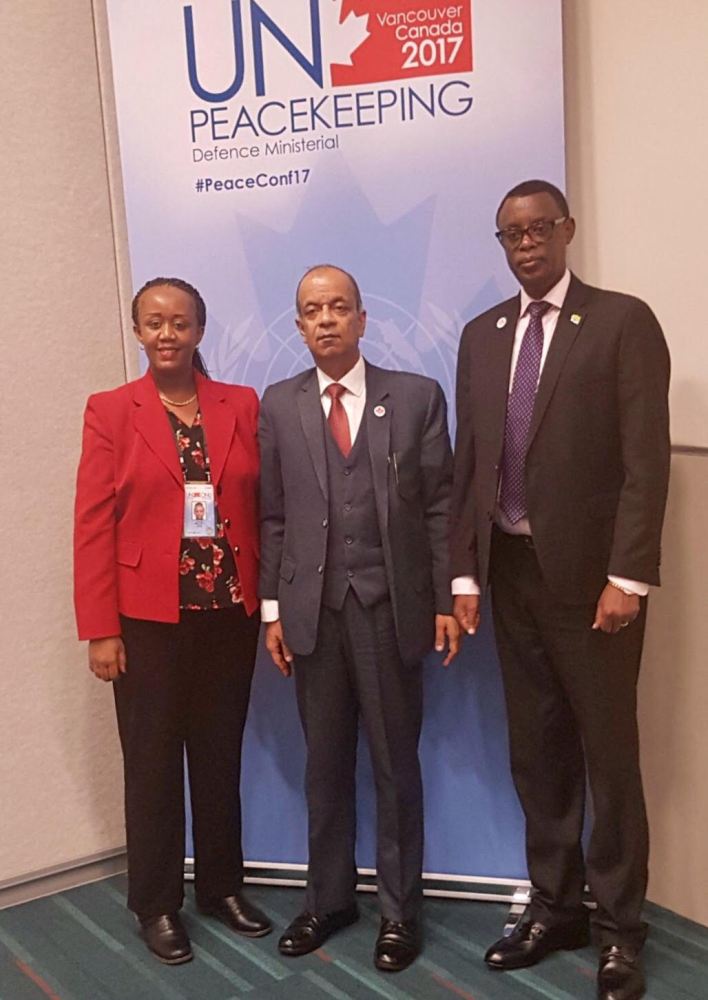
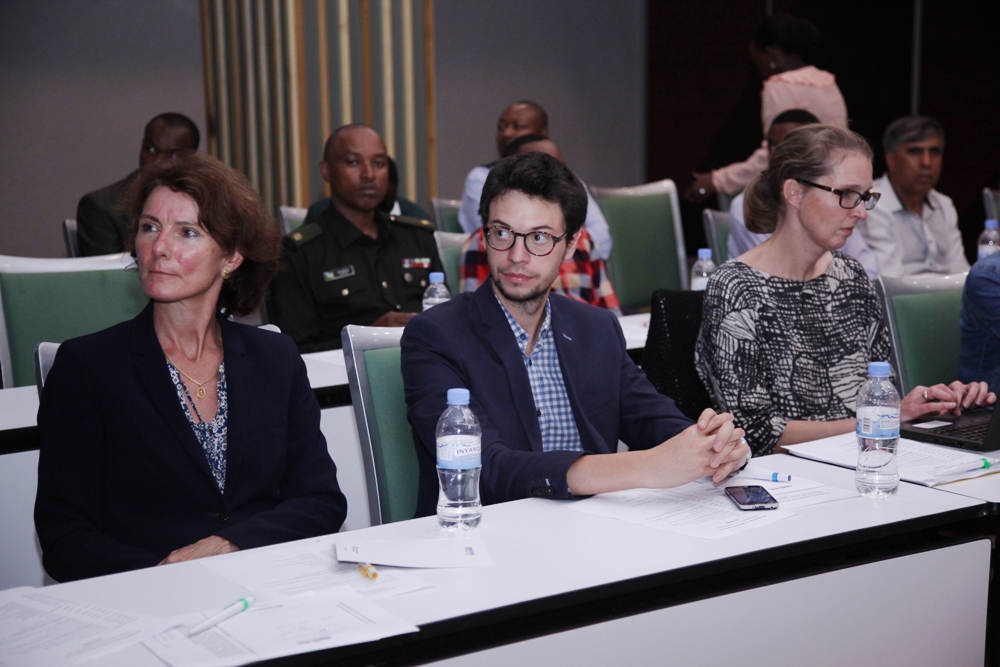
The two day conference started on 14th to 15th November and has been attended by 500 delegates from 70 countries and international organisations. Participants discussed improvements to UN peacekeeping operations.
The conference also focused on securing pledges from member states.
Rwanda is the 5th country in contributing at to the UN military peace keeping troops.
Rwandan troops’ activities are commendable in different countries like Sudan, South Sudan and Central African Republic.
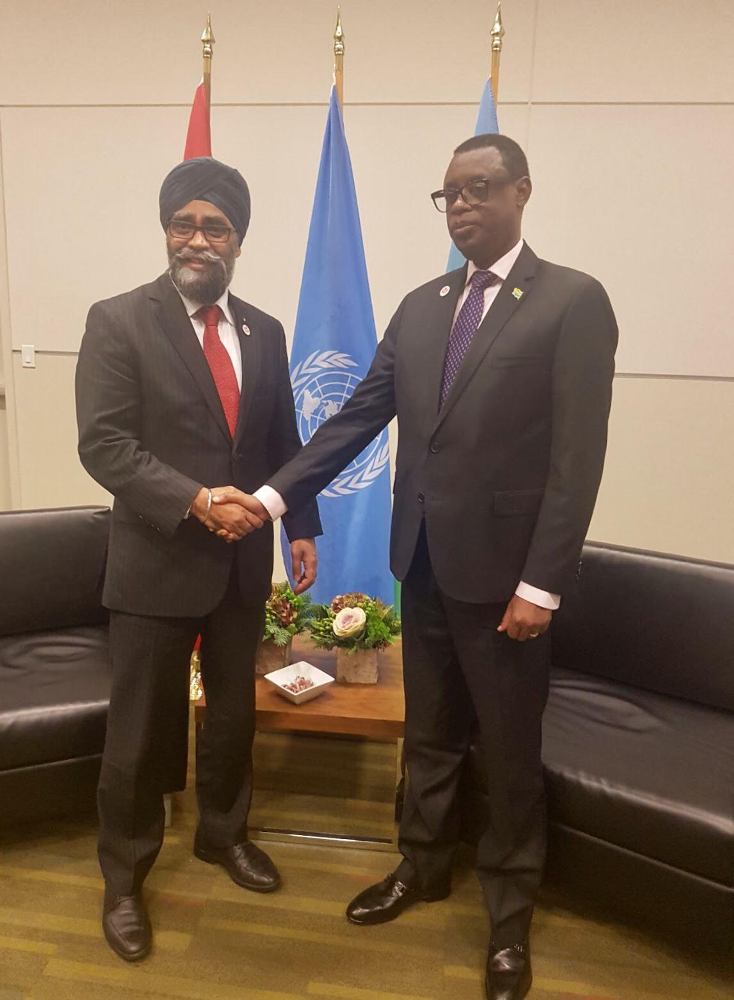
On the sidelines of the conference, on Tuesday, Kabarebe met his Canadian counterpart, Harjit Sajjan and discussed military cooperation of both countries.
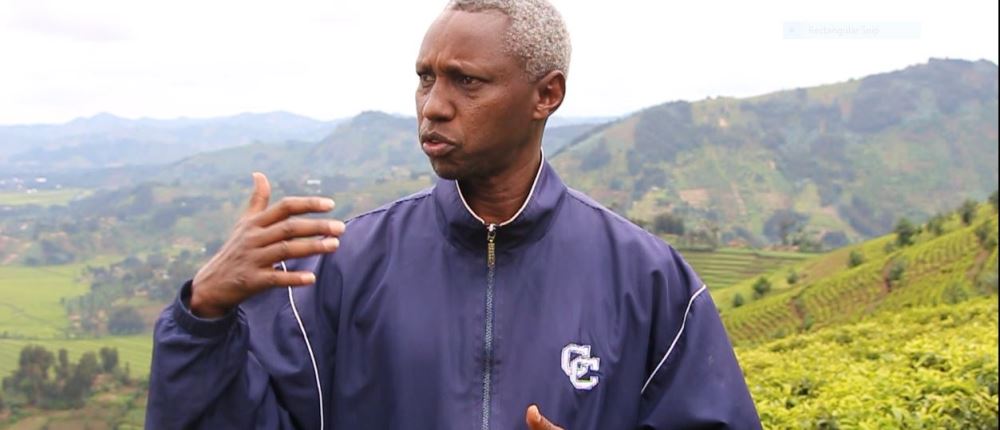
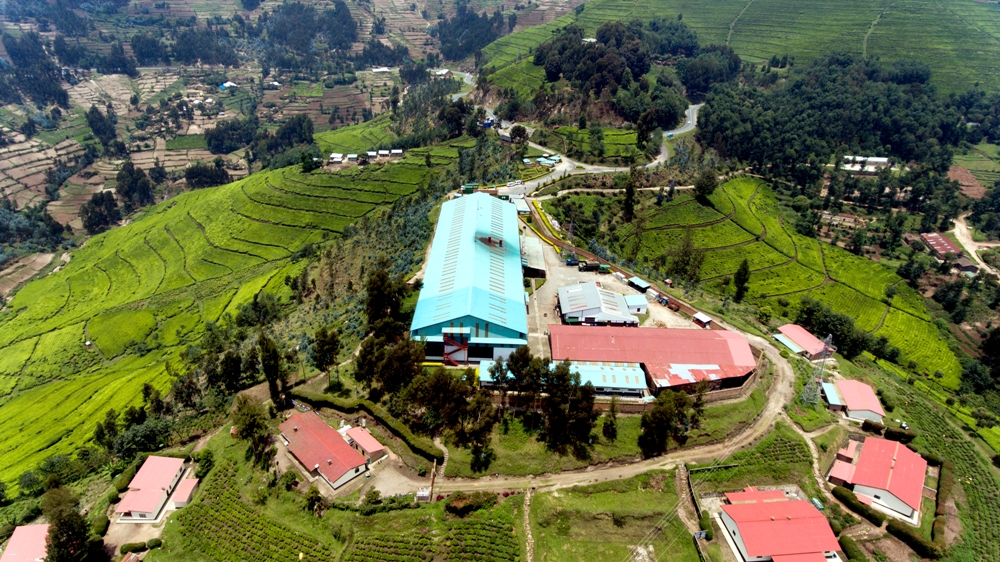
Since 2006, RMT undertook ambitious goals of expanding the existing tea plantations, increasing tea production per hectare and improving overall quality of harvested tea leaves. Furthermore, RMT rehabilitated the existing factory to triple its processing capacity to 70 metric tonnes of tea leaves daily as well said Jean Damascène Gasarabwe, the Managing Director of Nyabihu Tea Estate.
Located in Nyabihu District of Rwanda’s Western Province, the estate currently manages 1,239 hectares of tea plantation and a tea factory that has the capacity of processing 70 tonnes of tea leaves per day from the factory expansion made in 2010.
RMT has been encouraging village tea farmers, grouped in Copthega tea cooperative, to increase productivity of their tea plantations. To this effect they have increased their area under tea from 31 hectares in 2006 to 122 hectares in 2017. Tea farmers from Rubaya – Nyabihu Tea Company possess 10% shareholding in the estates.
Gasarabwe commends the government offer of an additional 288 hectares, which will contribute in next coming years to tea crop increase.
“We started planting new tea bushes in 2009 with the new area of Gitwa with 80 ha and Mugogo with 39 ha. In 2012 Nyabihu expanded further its area under tea to Mabenga (173 ha), Muremure with 31 ha and Giciye expansion with 7 ha.
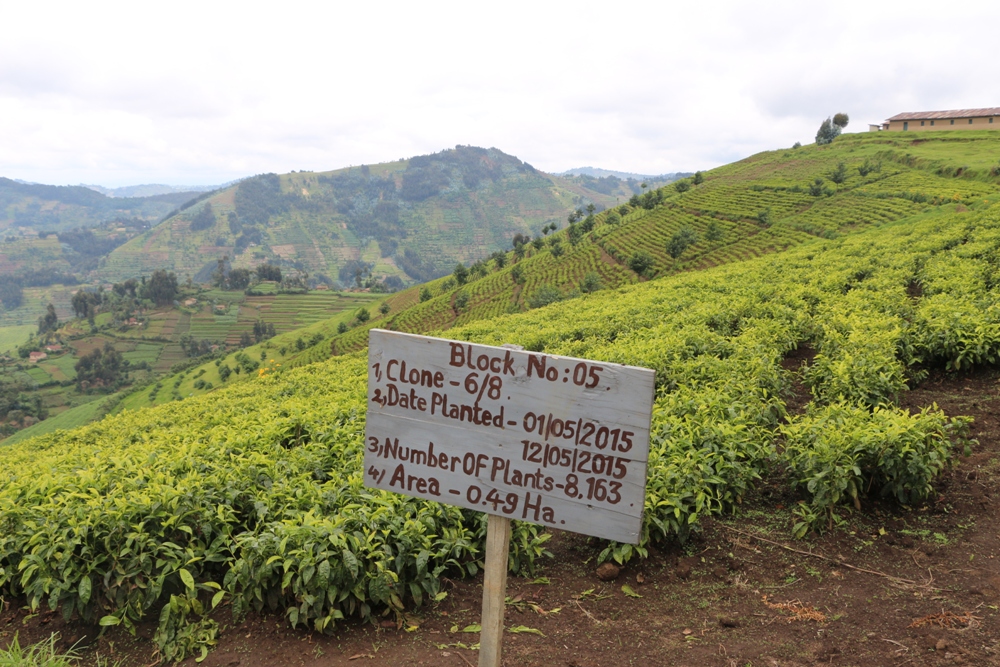
From April 2015 to May 2017, the new area of Gishwati with 288 ha was planted. We currently produce 5,700 tonnes of tea leaves annually and we want it increased to at least 7,500 tonnes in the next three years when the new plantations will enter into production,” he said.
Among other achievements, Nyabihu Tea Estate constructed the 15 kilometres feeder road that helps transport tea leaves to the factory.
Extension of the area under tea has provided employment to roughly 2,000 casual workers on a monthly basis, and permanent employment to 110 people, doubling the staff of 2006. The tea plantations have also helped fight soil erosion in the area because tea is grown on the hills while farmers grow other crops in the valleys.
The estate tea quality has also greatly improved since privatization the extent that Nyabihu scooped the award of the overall best black CTC tea at the 3rd East African Tea Convention and Exhibition held in Nairobi, Kenya in May 2017.
Nyabihu Tea Estate has received a number of international recognised certificates for compliance with international norms of food hygiene, sustainable agriculture, and clean farming that are ISO 22,000 Food safety and Rain Forest Alliance (RFA).
The decision was taken by the CoK Council that met yesterday following several warnings before his eventual removal.
Speaking to IGIHE the CoK Council Chairperson, Athanase Rutabingwa said the dismissal l was due to unprofessional behavior the engineer had demonstrated.
He added that Sagashya shredded some files of the city for unknown reasons, though, Rutabingwa didn’t explain the nature of files.
Eng. Sagashya’s duties will be taken over by the Corporate Services Manager as they await a substantial replacement.
The State Minister for Transport in MININFRA, Jean de Dieu Uwihanganye gave the statistics yesterday while launching the road safety campaign in Musanze District.
Uwihanganye urged all road users to take it as their responsibility to make roads safer.
“Statistics show that 162 people have died as a result of road accidents that happened between August and October, a total of 250 were injured, some of them sustaining serious injuries,” he explained.
Based on statistics, he said a total of 60 people die of accidents monthly or two perish on a daily basis.
He said that it is shocking to hear such avoidable deaths occurring and called everyone’s participation in preventing accidents.
“It is one thing to have good roads but it is another thing to make them safe. We are not constructing roads to claim our people’s lives; we are constructing roads to improve the livelihood of the people,” Uwihanganye added.
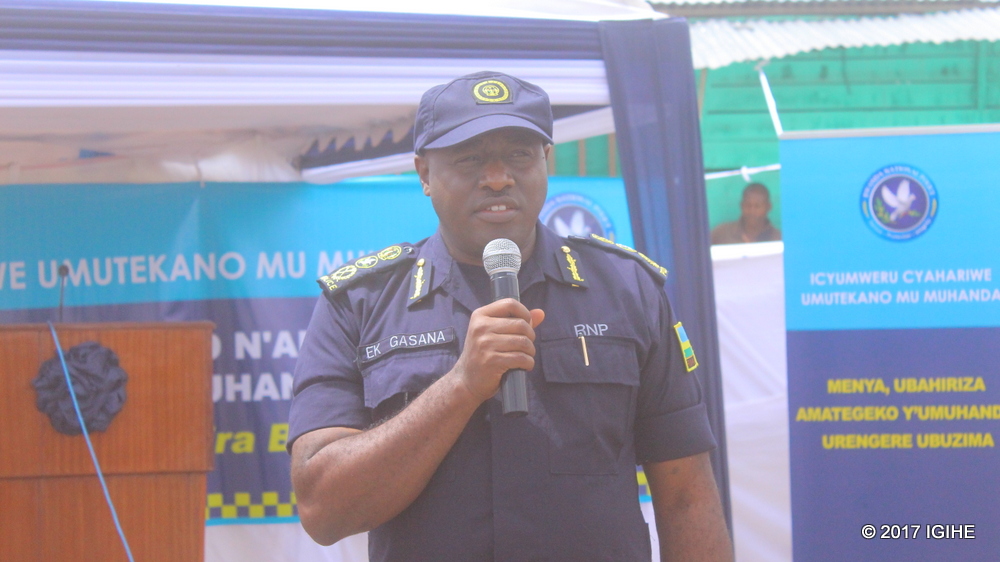
Inspector General of Police, Emmanuel Gasana said that it is disheartening to have more than 100 deaths in three months at the hands of accidents.
“Losing lives of more than 100 people in a single quarter, is unbearable. No disease is worse than this,” he said.
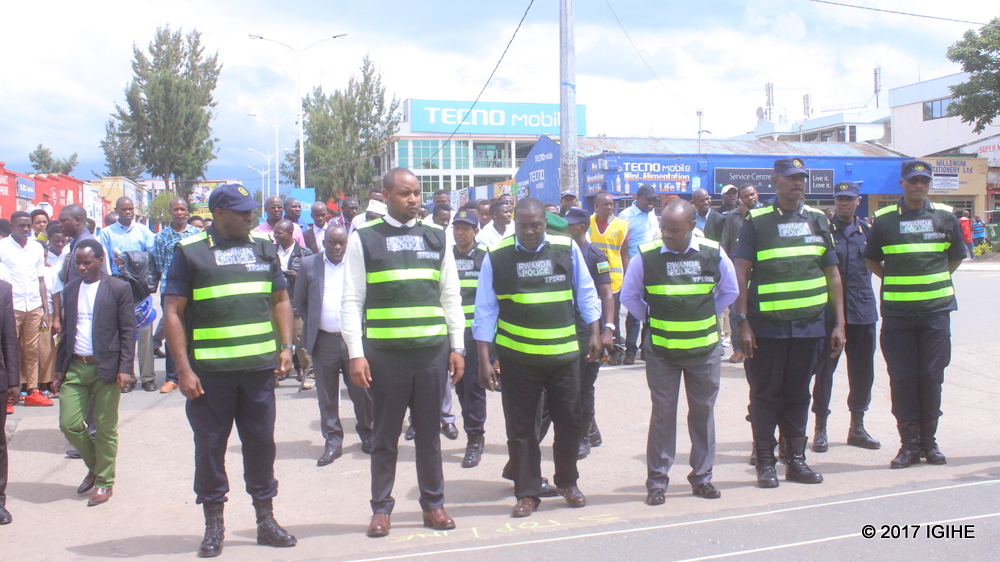
Gasana said that they have increased deployment of traffic police officers on the road to ensure road safety.
“Although we have put up measures, we still need to enhance our cooperation in ending accidents. Accidents are a threat and that is why we appeal to everyone to abide by traffic rules” he said.
The campaign was marked with placing signage posts and painting zebra crossings.
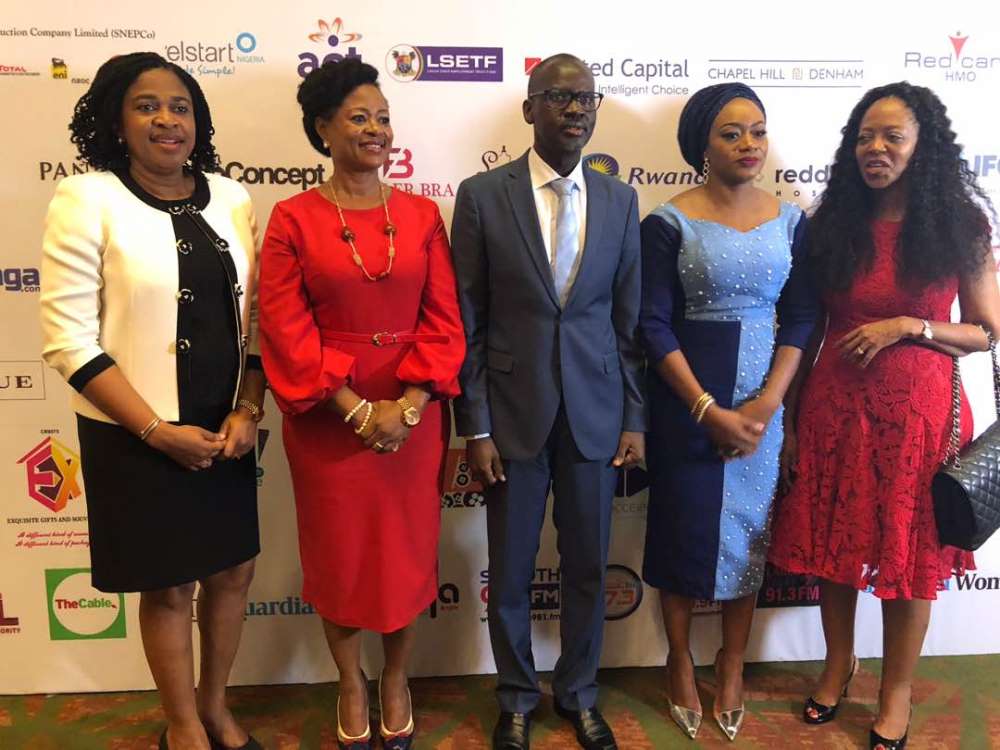
Kamanzi was speaking during the 16th edition of the Women in Management, Business and Public Service (WIMBIZ) Conference held on November 13th and 14th in Lagos State, Nigeria under the theme ‘The Future is Here’.
Wimbiz is a Nigerian non-profit organization established in 2001 which seeks to elevate the profile of professional women.
The Conference brought together over one thousand women from various areas of the corporate, business and public sectors including both local and international delegates.
Kamanzi said that women suffer the most, emotionally and physically from the throes of underdevelopment. He said, women are also incomparable agents and movers of transformation towards development.
He said Rwanda has witnessed antinomic evidence first hand two decades ago, during and in the aftermath of the perpetration of the genocide against the Tutsi
During the genocide, he said, women were exterminated in masses, in many cases after having been subjected to abject acts such as rape, deliberate HIV AIDS contamination, which resulted into acute trauma for those who survived, in addition to vulnerability caused by the loss of their family members.
“The socio-politically torn up and economically bankrupt Rwanda could only rely on the resilience, the selflessness of those brave women who willingly accepted to take part to the national reconciliation and reconstruction process” he said
“From the very beginning of this process women’s unmatched positive and instinctive attitude, their innate capability to understand and to withstand the challenges at hand, inspired the leadership of the Country to empower them further; to be able to play a more vital role in the transformation Rwanda needed” he said
He said women inclusion was so critical, as they made 52% of the population of Rwanda.
He cited constitutional provisions made to consecrate that inclusion, notably the compulsory representation of women by at least 30% of the constituency of the leadership of public decision-making institutions.
“Representation may be higher based on merit and competition. That explains why our parliament membership comprises 64% women. Current Cabinet counts more than 40% women. Strategic institutions like the Rwanda Development Board are headed by a woman” he said
He said, there exist specific programs dedicated to the promotion of the education of girls, such as the Promotion of Girls’ Education Campaign, championed by First Lady Jeannette Kagame through Imbuto Foundation, which among others rewards the best performing girls from different schools in Rwanda.
Programs to support the eradication of gender-based violence also are run across the country, with provision of Centres set up to educate communities in prevention, and to assist potential victims.
Such undertakings have earned Rwanda to rank among the best in the Global Parity Gap Index, whereby Rwanda ranked 5th after Iceland, Finland, Norway and Sweden, for 2016.
“Rwanda is a strong believer in the power women hold for our societies to transform substantially. Africa has, of recent, been profiled as being on a positive trajectory towards emerging as an at par economic player globally. successes achieved so far with little or mitigated inclusion of women can certainly increase exponentially, should our respective nations walk the talk of women empowerment and gender equality” he urged.
Financed by World Bank, the project will provide solar power systems in rural areas, most specifically in the districts of Nyaruguru, Gisagara, Nyamagabe, Gakenke and other parts of the country with small number of population that have no access to the national grid.
The fund will also support entrepreneurs who will wish to invest in projects that seek to improve access to energy in households.
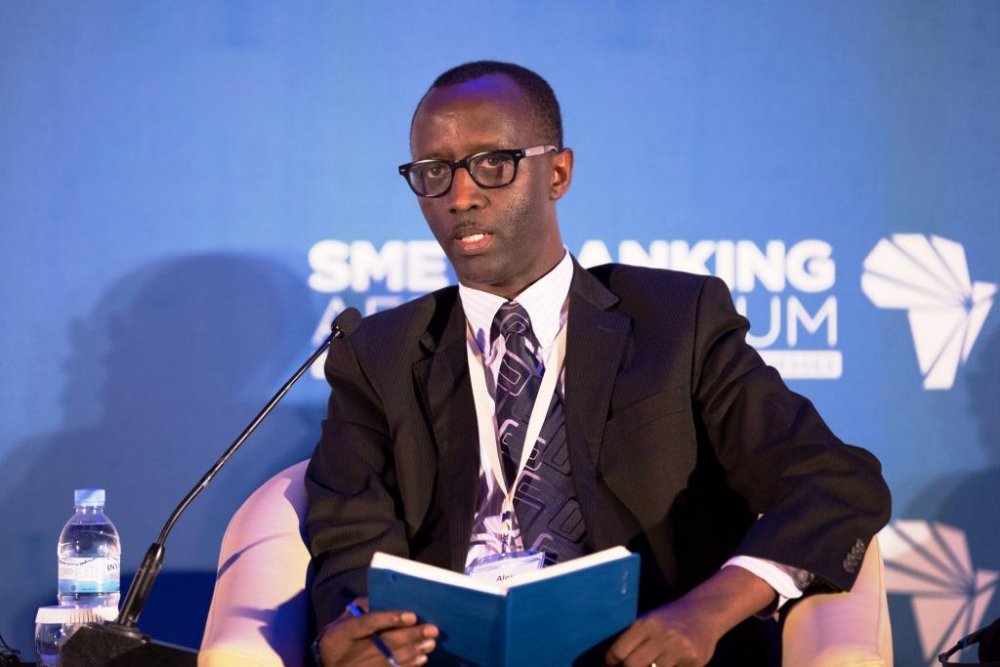
The Chief Executive Officer of BRD, Alex Kanyankore noted that his institution will fund and partner with financial institutions like banks, Microfinance institutions and SACCOs to ensure proximity and easy access.
He said BRD will provide loans to these institutions at the interest rate of below 10% which will in turn provide loans to citizens to be able to buy solar systems.
“Umurenge SACCO will be given ample opportunity as it is the institution close to beneficiaries. This is a good move from banks and private sector in contributing to access to electricity in the country,” he said.
Meanwhile, $44 million of the fund will go into electricity related activities while $4 million will go to support financial institutions.
The project is expected to add 19% to the current access to electricity status in the country.
The energy division manager at the Ministry of Infrastructure, Robert Nyamvumba said current access to electricity is at 40.8% and with new connections, the project will spur development among population.
“This project will enable the government achieve its target of having all households connected to electricity by 2024” he said.
The World Bank indicated that though 445,000 households will directly benefit from the fund, it could yield an indirect impact on more than a million people.
Moise Dusingizimana who was representing Nyamagabe District-based Kira Buruhukiro SACCO emphasized that the project will benefit people that would otherwise not afford electricity by providing with them loans to pay for accessories and connections.
“The National Order of Outstanding Friendship is awarded to distinguished individuals who performed specific outstanding acts in promoting friendship and cooperation between Rwanda and other countries, as well as acts that promoted the dignity and honor of the People and Nation of Rwanda, on the international scene,” the Minister of Culture, Julienne Uwacu has said.
This awarding ceremony, is governed by the Presidential Order determining the nature, awarding and declaration of national orders.
Besides Igihango, other National Orders are National Order Of Honour (Agaciro), National Order Of Performance (Indashyikirwa), National Order Of Culture (Indangamirwa) and National Order Of Bravery (Indengabaganizi).
Mrs. Kagame, the founder of Imbuto Foundation explained that the mission of the Foundation is to support the development of a healthy, educated and prosperous society.
While in London, the First Lady met with Bloomberg Philanthropies Founder, and former Mayor of New York City, Michael Bloomberg.
Bloomberg Philanthropies has been engaged in Rwanda since 2007, and has a special focus on programmes that promote Women’s Economic Development.
The organisations’ work scope has over the years, developed to also include a literacy programme for children and supporting innovations in tracking birth and death data systems, among other things.
Imbuto Foundation has for the past 16 years, implemented 15 diverse health, education, youth and economic empowerment programmes that target different segments of the Rwandan population.
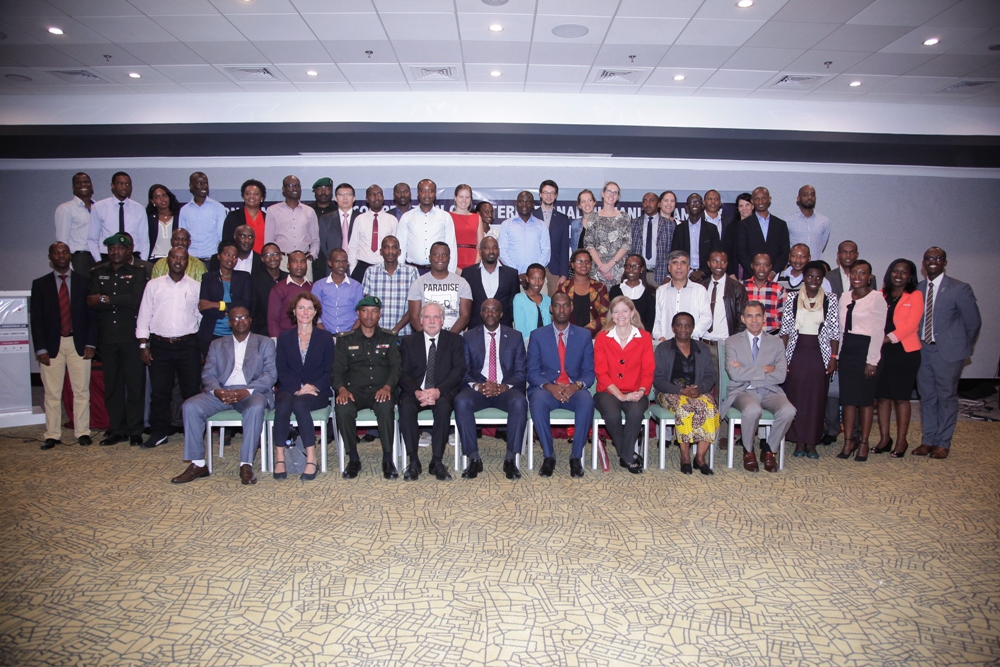
The competition consists of four teams each with three law students, and its format is a simulated war-crimes trial, in which the teams take turns playing the roles of both the prosecution and the defence.
The competition intends to develop an increased awareness and interest in IHL among academic circles in Rwanda.
The competing universities include the University of Rwanda, The University of Lay Adventists of Kigali, Kigali Independent University (ULK) and the University of Kigali.
The winning team will be fully sponsored by the International Committee of the Red Cross (ICRC) to represent Rwanda in the All Africa IHL moot court competition to be held from 18th to 25th November 2017 in Arusha, Tanzania.
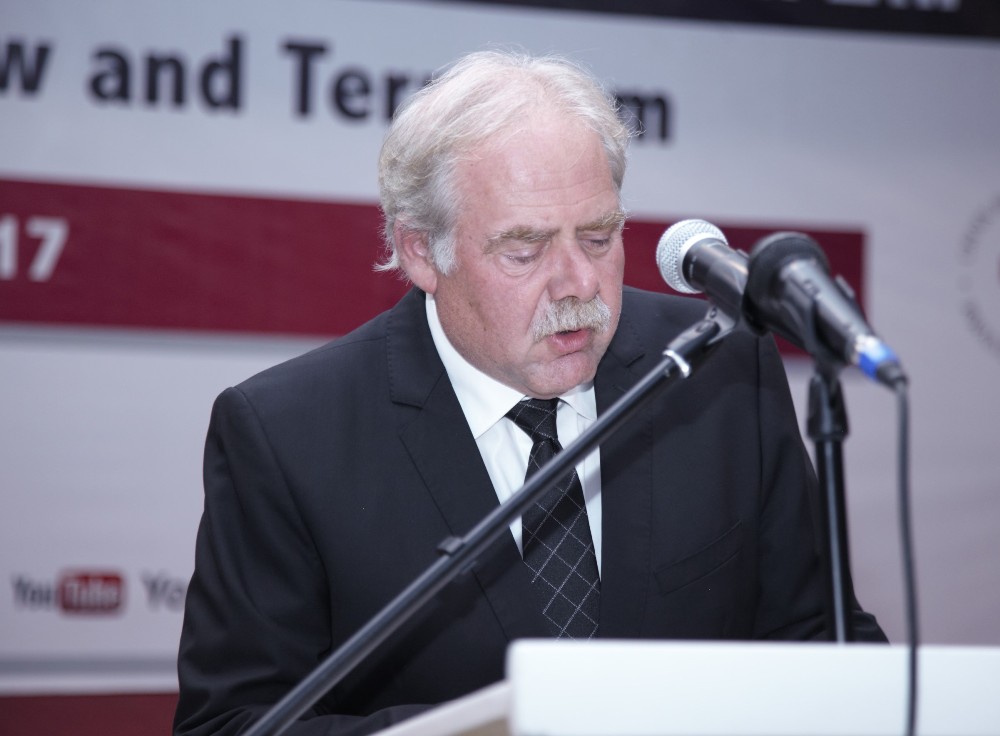
On the first day of the competition, a public lecture themed “IHL and Terrorism” shall be delivered to law students, law lecturers, law experts and practitioners, diplomats, public and military authorities.
This competition is part of a larger ICRC programme which aims to promote IHL in the country. It has been organized by the ICRC in partnership with the University Law Schools in Rwanda and the Rwanda Red Cross Society (RRCS).
The first national IHL moot court was held on 5th and 6thOctober 2016.
In the last session, ULK team emerged victorious.
The attack also left different Government and private buildings demolished.
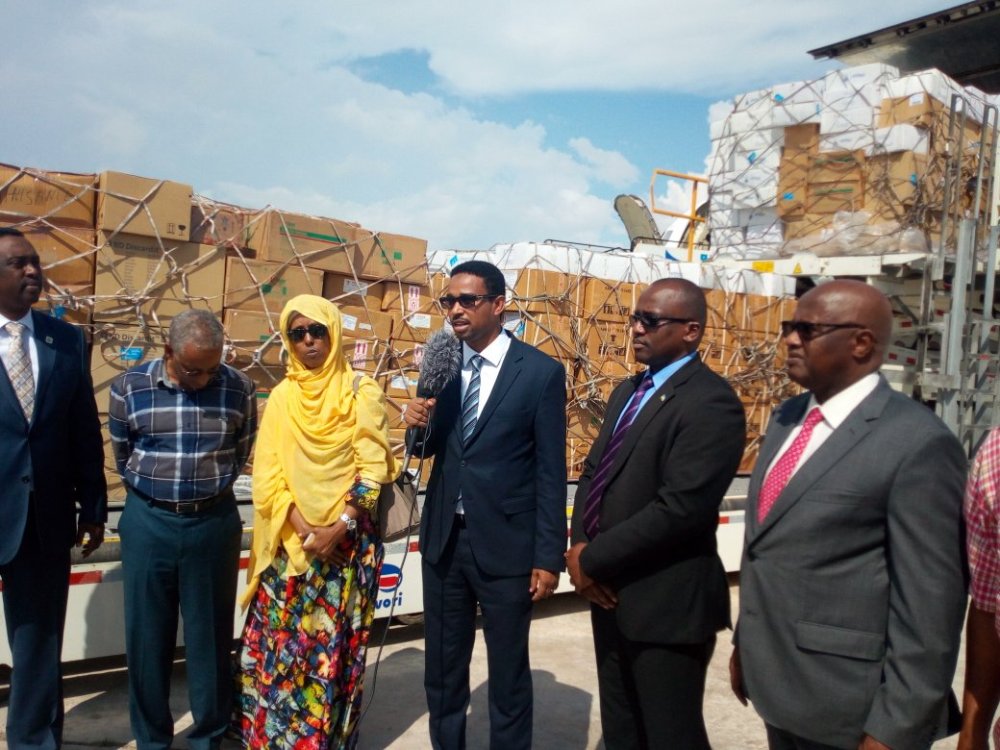
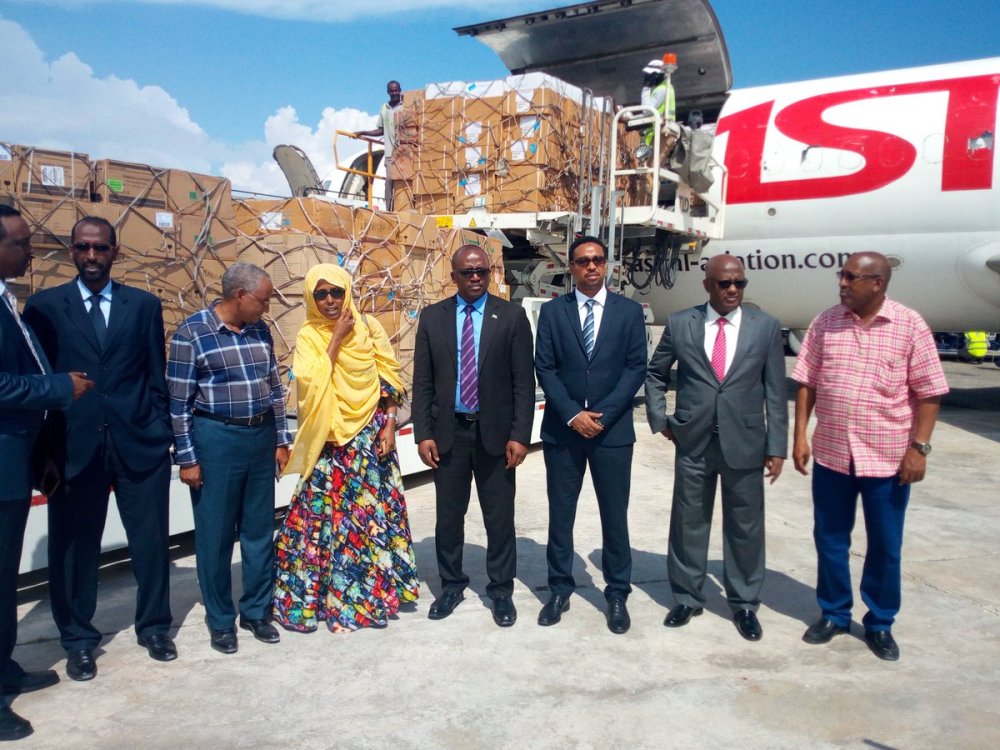
While handing over the support to the Somalia government yesterday, the Permanent Secretary in the Ministry of Foreign Affairs and East African Community, Claude Nikobisanzwe said Rwanda has been saddened and touched by the atrocities.
“We have been saddened and touched by the atrocity that happened two weeks ago in Zobe area of Mogadishu. The donation of medicines is a humble contribution from Rwanda to Somalia’s efforts to rebuild the health system” he said.
He said Rwanda is ready to share experience with Somalia in many areas including public order and health among others.
Receiving the supplies at Aden Ade International Airport in Mogadishu were different Somalia government officials including, MP AbdinasirSaeed Muse and Deputy Minister of Internal Security and Amb. Ali Mohamed Ali.
The Minister of Health of Somalia, Fawziya Abaikar Nur thanked Rwanda for the support saying it is a sign of brotherhood.
“On behalf of Somalia government and people of Somalia, I would like to thank government of Rwanda and their people for the brotherly hand of support,” Fawziya said.
“This support responds to the tragedy that happened on 14th October. I would also like to thank Minister of Foreign Affairs and East African Community, Louise Mushikiwaboand Minister of Health Dr. Diane Gashumbafor the efforts put in supporting Somalia till today,” Fawziya added.