The digital banking strategy “Coge mBank”, was launched on the occasion of the crowning Miss Rwanda 2018.
The app runs on both iOS and Android mobile devices.
Following the launch of the product, the Managing Director of the bank Mr. Cherno Gaye commented: “This development is in line with the bank’s digital aspirations and a manifestation of the bank’s commitment to bring banking services closer to the clients.”
As customers continue to embrace digital channels around the globe, Cogebanque continues to be an active pioneer of digital banking solutions, and provide digital financial services and solutions to customers, in line with the country’s drive to create a cashless economy. “This mobile wallet app provides simple, functional, and relevant ways of banking from anywhere at any time with the Cogebanque. With the app, all you need to transact is your smartphone”.
Yvon Gilbert Nishimwe the Head of E-Banking at Cogebanque said that with “Coge mBank” customers manage various accounts, paying bills transferring money, and conduct numerous other banking transactions.
Antoine Iyamuremye, the Marketing Manager at Cogebanque said; “We launched this product to keep making it simple and possible for Cogebanque customers. This is a means of taking control of your accounts whether you’re on the go or curled up on the couch at your home, day or night.”
COGEBANQUE (Compagnie Générale de Banque Limited) is a commercial bank licensed by the National Bank of Rwanda (BNR) in 1999. The bank’s performance for the last 5 years has been remarkable with year-on-year growth of more than 20% in assets and profitability.
The decision announced by RMC Executive Secretary Emmanuel Mugisha at a press conference on Tuesday, sparked outrage among media practitioners with some saying that they are not ready to renew the card every year.
“This is one of the recommendations from the recent retreat of RMC agents and its partners. The idea behind this decision is to be able to control those who call themselves media professionals when they are not,” he said.
RMC maintains the Rwf20,000 as cost for the card regardless the reduction of validity.
“It is easy to draw up a list of media professionals, to follow the journalists for one year instead of three, to establish the number of complaints against them on offenses committed,” said Mugisha adding that the offenses will decide on the temporary or permanent suspension of one’s press card.
Journalists expressed their disappointment in the RMC’ decision and wondered why the press card’s cost remains the same yet the validity has been reduced by three times.
“The recommendations issued are very unfortunate. We had made some progress so far but now you’re reversing things. You’re shortening the period and you’re not reducing the costs of this card. Few journalists will come to validate it yet others will also continue to work without it. There will be fewer members remaining with RMC, “said the City Radio’s Oswald Mutuyeyezu.
More journalists criticised the decision as inappropriate. There are 804 RMC members accredited and operating in Rwanda.
The team at NEXUS Academy considers training as one of the most critical aspects of Aircraft Operations in achieving safe and successful operations.
As a way to contribute to Rwandan aviation sector, NEXUS Academy started the first Aircraft Dispatcher class in Kigali in November 2015. The course was completed within only eight weeks and graduated 14 students. reflecting the dedication and hard work of this pioneering group.
Fourteen students with no aviation background enrolled in the course, and the professional NEXUS Aircraft Dispatcher instructor dedicated himself to the success of these students.
Demonstrating patience, professionalism and kindness, the instructor took the time
required to effectively prepare the students with the knowledge and skills required to pass the Aircraft Dispatcher examination and become licensed Dispatchers.
All the enrolled students completed the training course and passed the knowledge, oral and practical tests. They have since obtained their aircraft dispatchers’ licenses from Rwanda Civil Aviation Authority (RCAA) and are currently working as professional aircraft dispatchers.
Twelve of the students are currently working with RwandAir, one is with Akagera and one is with RCAA. They are competent aircraft dispatchers and are contributing immensely to air safety and the economic benefit to their various organisations.
“The success of this training has served as the model for further training to empower Rwandese in the aircraft dispatcher discipline to take operational control of aircraft as they fly around the world,” says Mr. Thierry Nzamurambaho, the Chief Executive for NEXUS Africa.
NEXUS Academy is an approved Aviation Training Organization (ATO) by RCAA. Their curriculum, training schedule and examination procedures were also approved by RCAA.
How NEXUS nurtured 14 Rwandan Aircraft Dispatchers in 8 weeks
NEXUS Academy has committed to creating competent aircraft dispatchers from both the local and international aviation sectors.
The team at NEXUS Academy considers training as one of the most critical aspects of Aircraft Operations in achieving safe and successful operations.
As a way to contribute to Rwandan aviation sector, NEXUS Academy started the first Aircraft Dispatcher class in Kigali in November 2015. The course was completed within only eight weeks and graduated 14 students. reflecting the dedication and hard work of this pioneering group.
Fourteen students with no aviation background enrolled in the course, and the professional NEXUS Aircraft Dispatcher instructor dedicated himself to the success of these students.
Demonstrating patience, professionalism and kindness, the instructor took the time
required to effectively prepare the students with the knowledge and skills required to pass the Aircraft Dispatcher examination and become licensed Dispatchers.
All the enrolled students completed the training course and passed the knowledge, oral and practical tests. They have since obtained their aircraft dispatchers’ licenses from Rwanda Civil Aviation Authority (RCAA) and are currently working as professional aircraft dispatchers.
Twelve of the students are currently working with RwandAir, one is with Akagera and one is with RCAA. They are competent aircraft dispatchers and are contributing immensely to air safety and the economic benefit to their various organisations.
“The success of this training has served as the model for further training to empower Rwandese in the aircraft dispatcher discipline to take operational control of aircraft as they fly around the world,” says Mr. Thierry Nzamurambaho, the Chief Executive for NEXUS Africa.
NEXUS Academy is an approved Aviation Training Organization (ATO) by RCAA. Their curriculum, training schedule and examination procedures were also approved by RCAA.
NEXUS provides professional aviation services globally for governments, corporations, operators, airlines and private individuals. The company was founded in 2010 and has grown rapidly by offering exceptional service and a premium customer experience to aircraft owners and operators worldwide.
NEXUS’ core business lines are flight operations and support services, aircraft management, professional aviation training, aviation risk management and aviation fuel sales. The company has operations across the globe with its headquarters in Jeddah-KSA and offices in Riyadh, Dubai, Manila, Kigali, Mumbai, Monaco, Shanghai, Chengdu, Urumqi, Yardley and Houston.
The NEXUS Academy provides professional aviation training in Saudi Arabia, Rwanda, China and India and offers courses across the core disciplines of piloting, maintenance engineering, aircraft dispatching, ground handling, customer service, safety, quality and risk management.
NEXUS owns Wyvern, the world’s leading third-party auditor of private, corporate and commercial flight departments and renowned safety advisor, and has engaged Wyvern to enhance safety across its operations globally. Wyvern also provides instructors and expertise for drone (UAS) operators and end-users through its program, EXACT.
NEXUS recently established Fuellink Services, an independent supplier of jet fuel across the globe. Fuellink leverages the buying power of NEXUS to offer competitive jet fuel prices to its clients no matter where they travel.
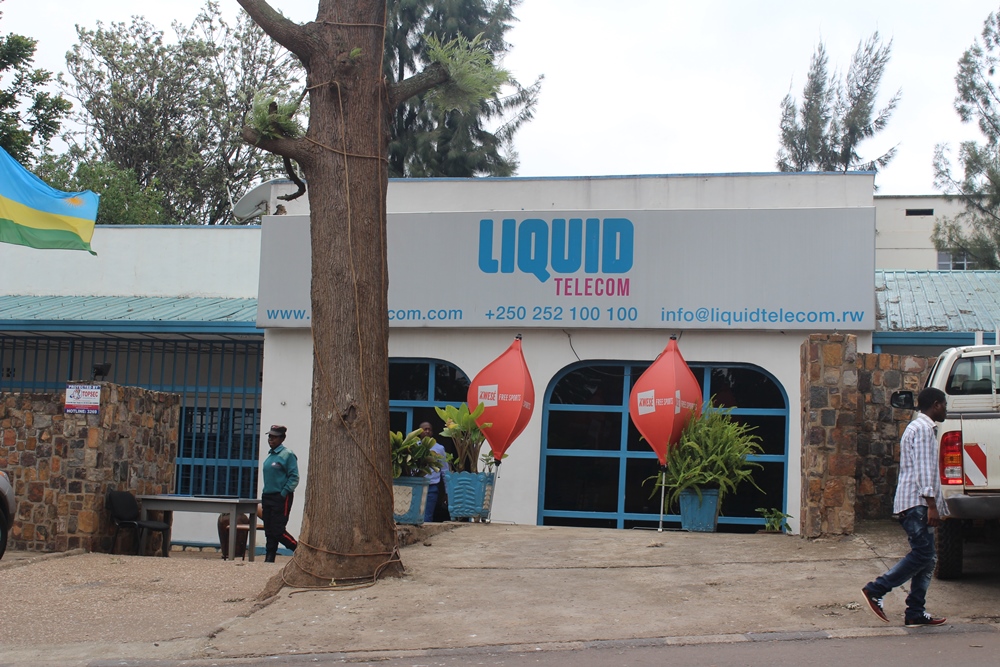
The full suite of Office 365 products is now available to customers in Rwanda enabling them to easily and securely work with colleagues, customers, partners and suppliers in real-time, from virtually any device.
Liquid Telecom Rwanda customers can now access business-class emails, shared calendars, IM, web conferencing, team sites, file storage in the cloud and private social networking, supported with built-in, enterprise-grade security features and extensive privacy and compliance controls.
Office 365 will be made available to Liquid Telecom Rwanda customers through their existing account.
In August 2017, Liquid Telecom partnered with Microsoft through the Cloud Solution Provider (CSP) programme and is now offering Microsoft Azure as a managed service to customers in the region, enabling them access to a growing collection of integrated cloud services that developers and IT professionals can use to build, deploy and manage applications.
“Cloud computing accelerates every aspect of your business but it only works as well as the infrastructure supporting it. As an official Microsoft CSP partner, Liquid Telecom Rwanda can combine the performance of Office 365 with an award-winning fibre network,” said Alexis Kabeja, the Chief Executive Officer of Liquid Telecom Rwanda.
“Not only can you get Office 365 installed within days, but you can now pay the monthly licence fee along with your Liquid Telecom monthly fee – here in Rwanda,” he added.
{{About Liquid Telecom }}
Liquid Telecom is a leading communications services and solutions provider across 13 countries in Eastern, Central and Southern Africa that serves carrier, enterprise and retail customers with high-speed, reliable connectivity and digital services.
It has built Africa’s largest independent fibre network, spanning over 50,000km, and operates state-of-the-art data centres in Johannesburg, Cape Town and Nairobi, with a combined 6,800 square metres of rack space.
This is in addition to leading cloud-based services, such as Microsoft Office365 and Microsoft Azure, and innovative digital content provision, including Netflix, NBA, TED and Kwese Play.
Through this combined offering, Liquid Telecom is enhancing customers’ experience on their digital journey.
For more information visit us on: www.liquidtelecom.com
Under the report presented to officials gathered in the 15th National Leaders Retreat on Monday, Ngirente said that 19 targets (37%) have been implemented at 75%; 19 targets (37%) have been implemented by 50% and six targets (12%) have been implemented by below 50%.
“Among achievements in economic cluster is that Gross Domestic Product (GDP) has developed. Since 2000 to 2016, it increased at an average of 8%, meaning it grew from Rwf676 billion to Rwf6,618 billion.
“GDP per capita is USD729 against USD1240 that was targeted. The statistics of population under poverty line has slightly reduced from 60.4% in 2000 to 39.1% in 2016,” he explained.
He said that child mortality has reduced from 107/1000 deaths in 2000 to 32/1000 currently whereas maternal death is 210/100,000 from 1,071/100,000 in 2000.
Ngirente said that factors that some targets are not well achieved include poor collaboration among local government institutions, poor implementation of master plan, misuse of resources and forgery in reporting.
Poor use of resources is seen in 2015/2016 national budget where among 139 institutions that have been audited by the Office of the Auditor General, 40% had genuine reports and 50% implemented Auditor General’s recommendations of the previous year.
In the same year, 98 infrastructure projects were delayed and the majority of the contractors had been paid.
He said that some sectors that still lag behind in implementation include export development, service delivery development and agriculture development among others.
Vision 2020 is a government development Programme that was launched back in 2000. Its main objective is transforming the country into a knowledge based middle-income country, hereby reducing poverty, health problems and making the nation united and democratic.
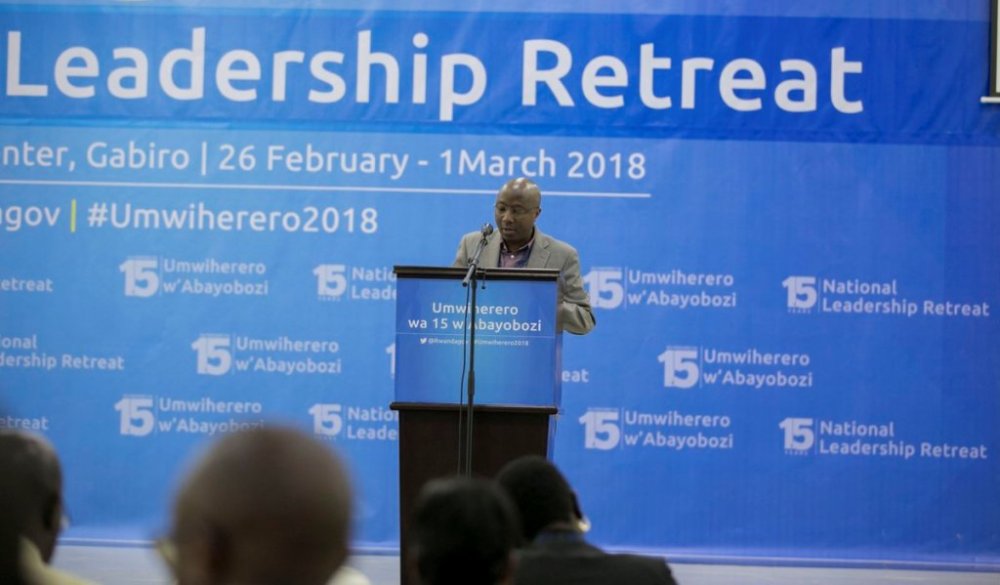
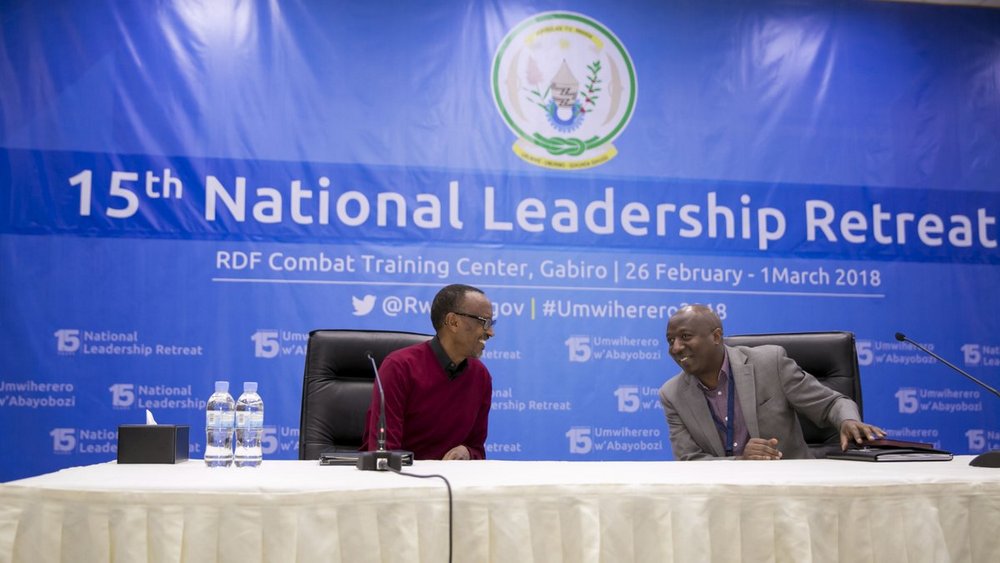
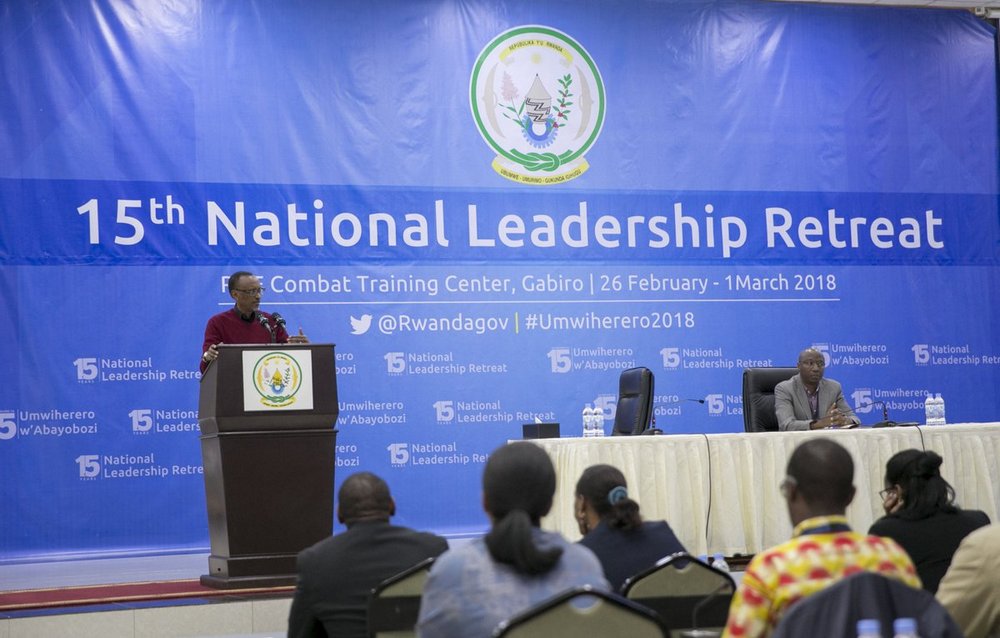
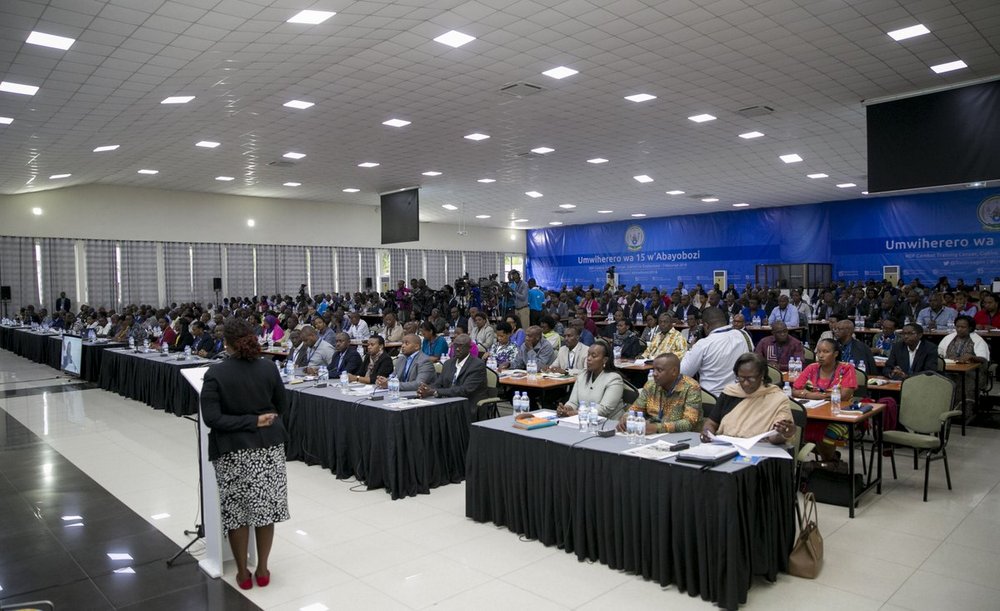
During his opening speech, President Kagame reminded that the retreat is an opportunity for leaders to ask themselves why some issues keep coming up even when they have been discussed several times, adding that the retreat should help devise strategies to improve how government does business and build on what has been done thus far.
“This is the 15th National Leadership Retreat. It is now part of our culture of self-assessment, to ensure that what we are doing helps us deliver our vision. This time of reflection and discussion helps us change what needs to be changed. Leaders must provide guidance working with whoever they need to work with to set the vision for the country”, said President Kagame.
The first day of the retreat also featured a presentation from Prime Minister Dr. Édouard Ngirente on the implementation status of 2017 Leadership Retreat recommendations.
During his presentation that also included the implementation of Rwanda 2020 Vision and EDPRS II, the Prime Minister underscored that the country has been steadily delivering on its vision but that more efforts are needed in some areas.
During the next four days, discussions will feature various sessions including: Where is Rwanda today in relation to the country’s development targets? Prerequisites for transformational growth; Transformation through enhanced urbanization and competitiveness, Education for a knowledge-based economy, Improving the quality of health services and Rwanda in Africa and Beyond.
The National Leadership Retreat commonly known as Umwiherero, meaning retreat, refers to a tradition in Rwandan culture whereby leaders would convene to reflect on issues affecting their communities. The objective of these meetings was to identify solutions and commit to achieving them. Today, Umwiherero has become a unique governance tool that allows Rwanda’s leaders to hold themselves accountable. It provides with them an opportunity to reflect on the country’s progress and identify strategies to accelerate delivery of national priorities while solving on-going challenges.
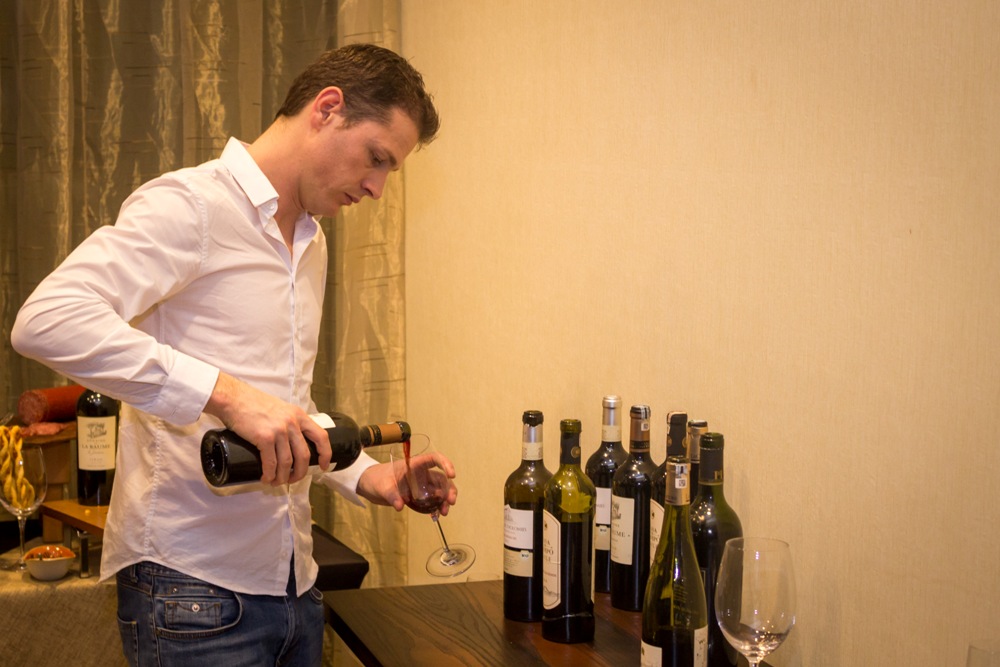
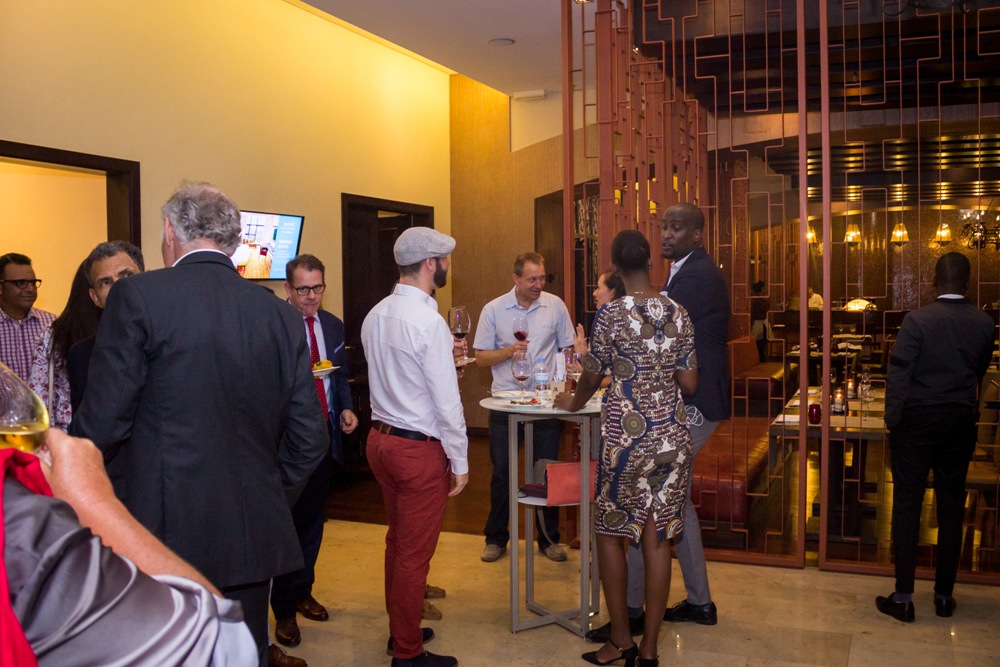
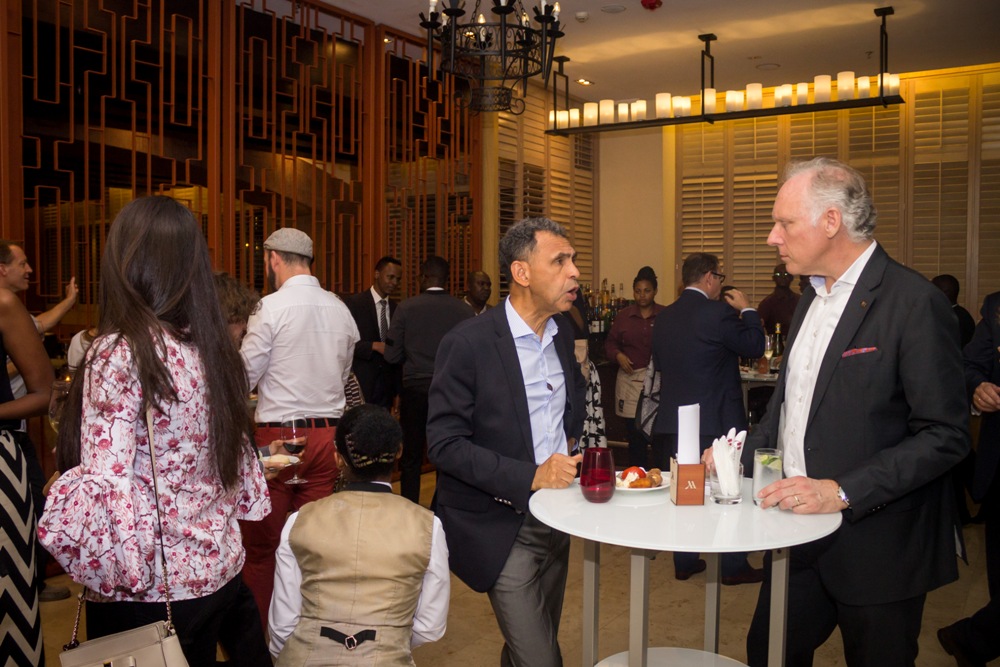
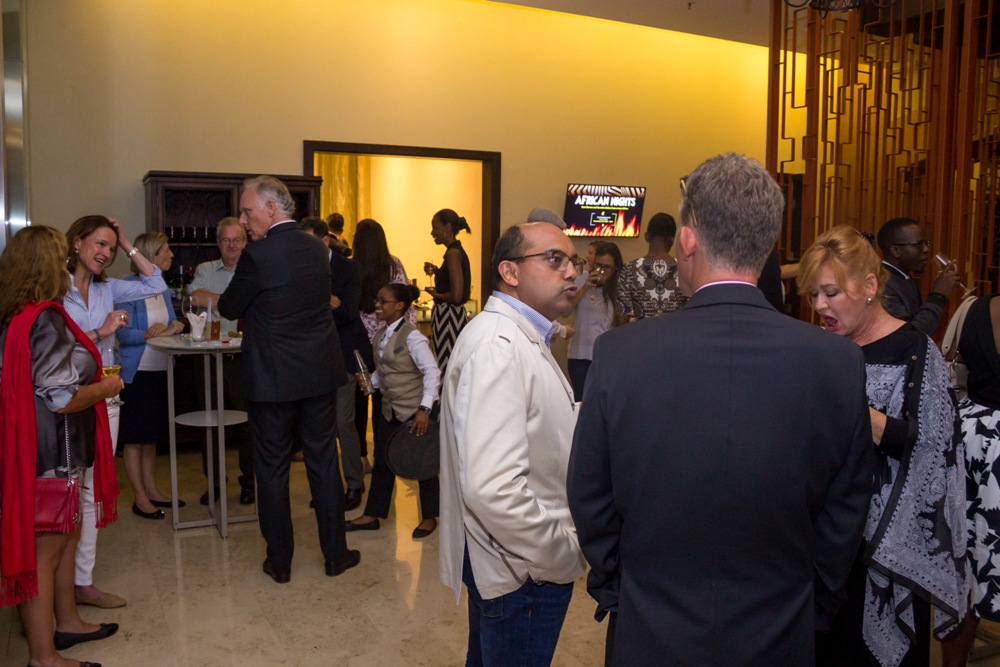
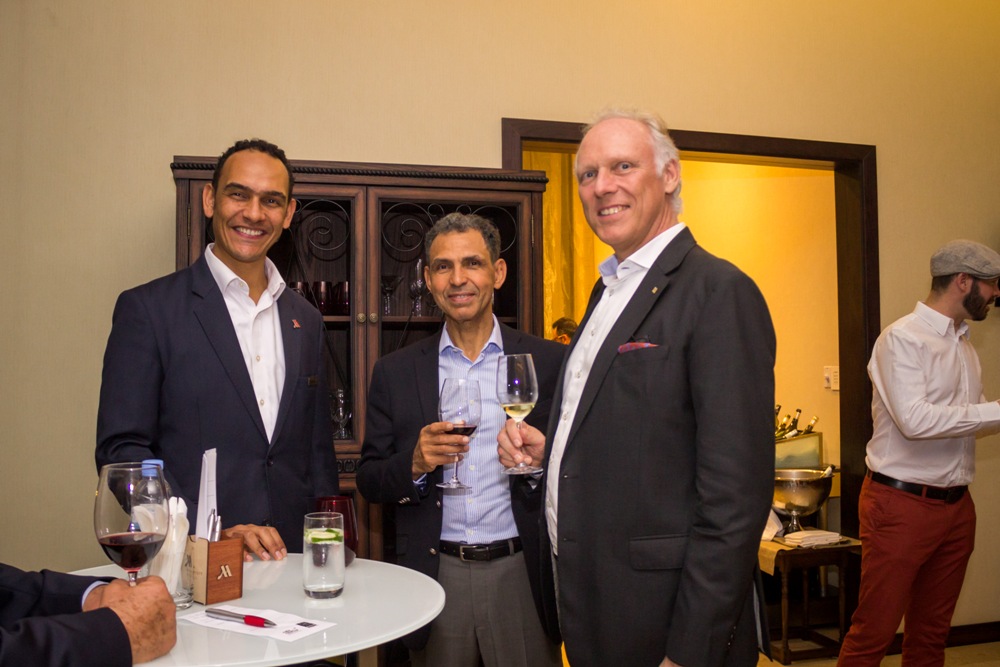
The warmly interactive event that the five-star hotel organised in partnership with its wine supplier, Akagera Business Group, attracted a number of business people, members of diplomatic corps, media practitioners and other categories of the Kigali community.
Hosted in the Marriott’s Cucina Restaurant, participants tasted over 10 neatly selected wine types as Marriott added new types like LaCheteau Vouvray from France and Chile’s Casa de Campo on its menu of over 50 wine types.
Wines were paired with a selection of delectable vegetables, cheese, snacks and more.
Kigali Marriott’s Food and Beverage Director, Simon Hodson said the toast is the first of a series of the monthly events that will see a good number of people tasting and experiencing a variety of wines.
“This has been a success. We have gotten positive feedback from all who have attended. It indicates that the culture of wine and fine foods is really developed in Rwanda. There is an appetite for it and Kigali Marriott is very delighted to be at the forefront of that. This is the first of a series of events we shall be hosting monthly and this will be open to the public to come and learn about different varieties of wines and enjoy them. We shall also be offering our fantastic foods to complement that,” he said.
Well over a couple of months now, Kigali Marriott has been introducing different cuisines including Italian, Turkish, Belgian and now Brazilian cuisine come Wednesday (February 28).
Having opened its doors in Kigali City centre in mid-2016, the five-star Kigali Marriott Hotel is part of Marriott International which is present in more than 110 countries with more than 6,000 properties globally.
Guillaume had been in Rwanda under the French-led military operation ‘Operation Turquoise’ under the mandate of the United Nations.
He has, for long, been saying that France supported the genocidal government, but it is the first time to reveal particular massacre that was committed by French soldiers.
On April 7, 2014, twenty years after the genocide against the Tutsi, Guillaume told Jeunafrique’s journalist Mehdi Ba that French soldiers who had been in Opération Turquoise supported the government that committed the genocide in terms of providing weapons which were also used during freeing period to the Democratic Republic of Congo (DRC) and reorganization to attack the country.
Guillaume was explaining the content in previous book dubbed ‘Vents sombres sur le lac Kivu’ loosely translated as ‘Dark Winds on Kivu Lake’ which has testimonies of what he witnessed while in Rwanda and his 2500 colleagues since June 1994.
The new book set for launch was dubbed ‘Rwanda, la fin du silence’, ‘The end of the Silence’
The book will be launched next month in the France-based publishing house, ‘Les Belles Lettres’.
Guillaume who was Captain in 1994, says that though ‘Opération Turqouise’ was masqueraded as was targeting to save lives of victims of the genocide and stop it from happening, he says the target was to support the genocidal government and fight the Rwanda Patriotic Army, which was fighting to stop the genocide.
He said that all actions by French Army were masterminded by political interests which are yet to be revealed due to inaccessibility of archives containing all information.
The preface of the book says that there is unrecorded information about the massacre done by French army whether in self-protection acts and organized ones.
In 2014, Guillaume urged France to reveal the truth, if they want to avoid the recurrence of similar mistakes.
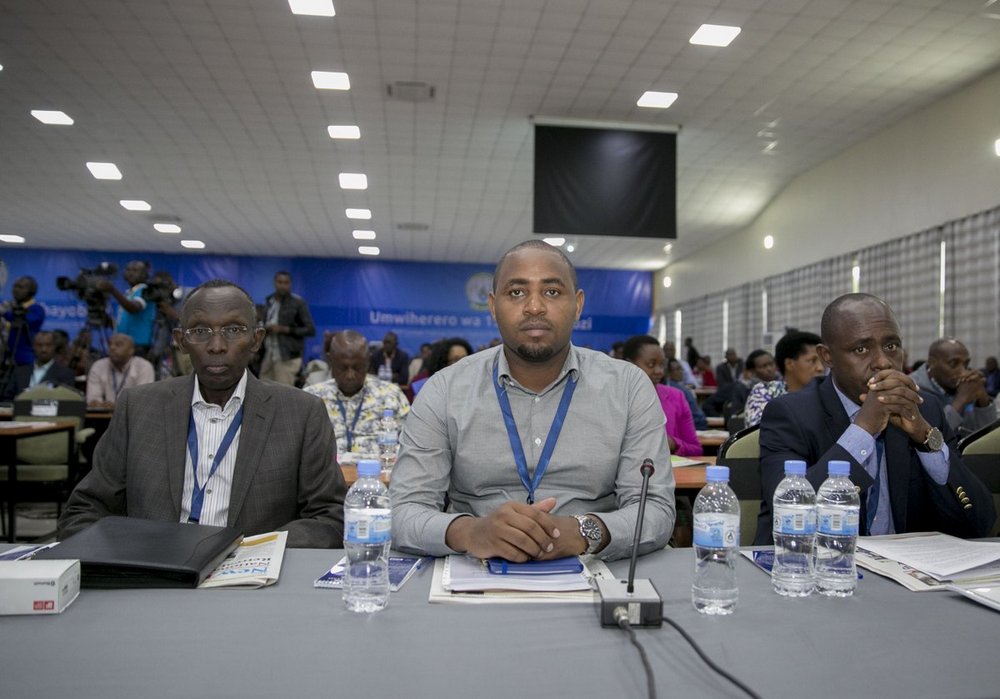
Convening for the 15th time, the retreat has attracted over 300 leaders that will discuss a range of issues.
Among the issues to be discussed are the assessment of progress towards sustainable development; foundations for sustainable development; industrial sector development; Urban development, economic development; education as the pillar of knowledge based economy, health services development and Rwanda’s position in Africa and International level.
Speaking to IGIHE, the State Minister in charge of Economic Planning in the Ministry of Finance and Economic Planning (MINECOFIN), Dr. Uzziel Ndagijimana said that the retreat comes at a time when stakeholders will be discussing the recently unveiled seven-year government programme.
This is the first retreat since the new cabinet was named following last year’s presidential election.
“When we observe different retreats in the past 14 years, good strides are being made towards implementing resolutions. Last year’s resolutions were implemented remarkably and the report will be discussed in this retreat,” he said.
“This retreat will assess economic development, people’s welfare, governance among others, but measures will be taken to fast-track the implementation of seven-year government programme,” Ndagijimana added.
The retreat will be chaired by President Paul Kagame. The Prime Minister Dr. Eduard Ngirente will present a report on implementation of last year’s retreat resolutions.
The retreat is a tradition in Rwandan culture where leaders convene in a secluded place in order to reflect on issues affecting their communities to get workable solutions.