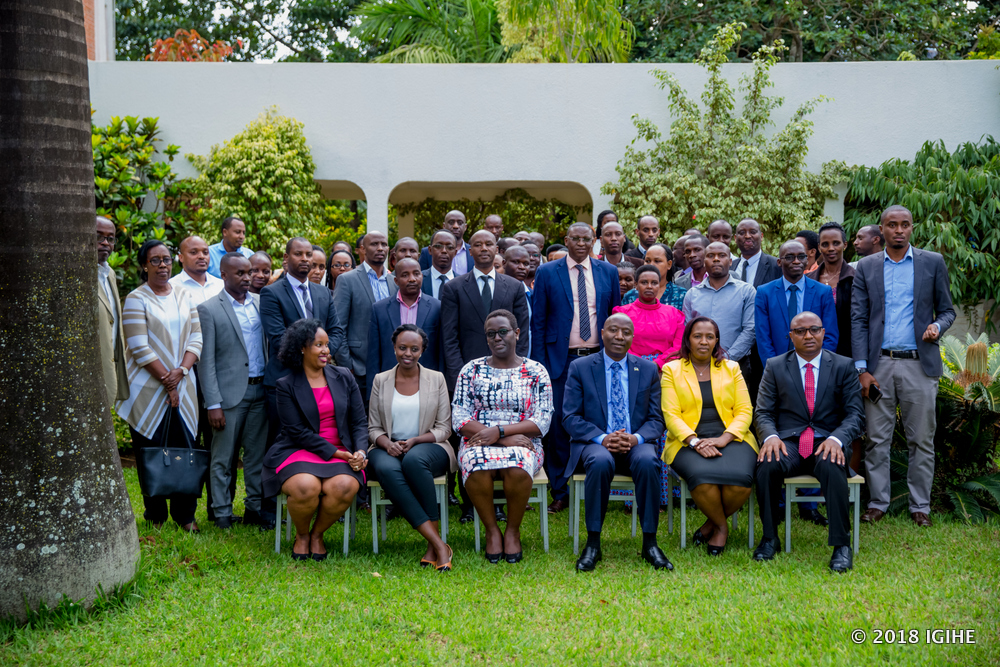
The heads of the new investigation bureau were announced yesterday in a statement released by the office of the Prime Minister.
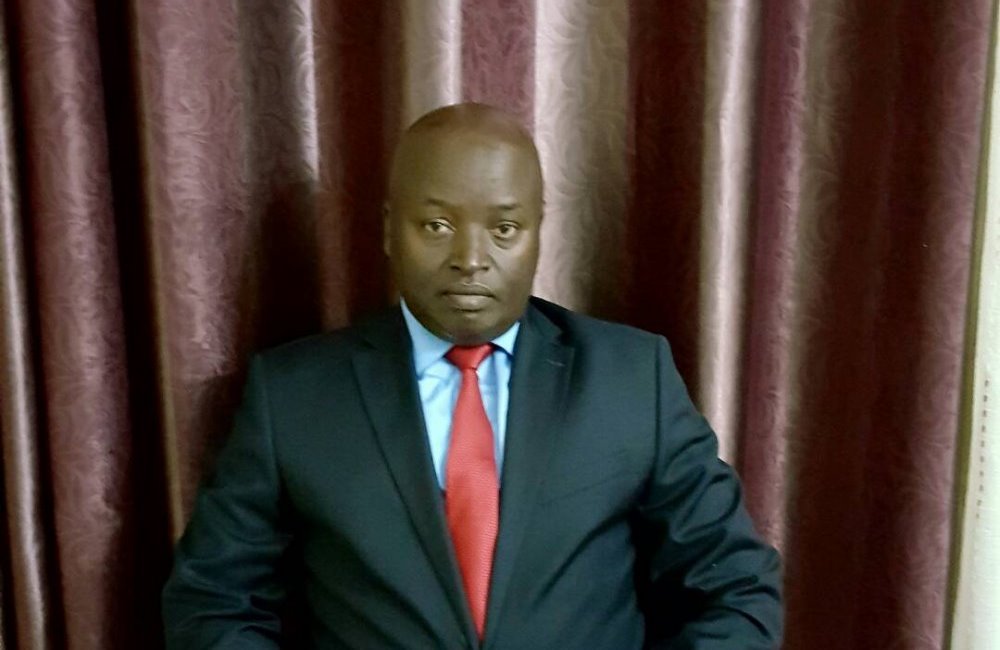
Ruhunga, a Rwanda Defence Forces (RDF) senior officer holds a Master’s degree of arts in International Studies from University of Nairobi, Kenya.
He also holds a Master of Arts in Governance and leadership acquired from Ghana Institute of Management and Public Administration (GIMPA) in 2011.
He attended different courses from different countries across the World where he got diplomas and certificates in Criminal Justice, Criminal Investigation, intelligence and Counter Terrorism.
Prior to new appointments, Ruhunga served in different positions including being Military Judge, Lecturer of Criminology at the Institute of Lay Adventists of Kigali (INILAK). He also served as the Director of Criminal Instigations (J2 RDF), and Commissioner of Intelligence at Rwanda National Police since 2005 to 2009.
Ruhunga also served as the Commanding Officer of Maintenance Battalion Acting Chief (J4 RDF); Directing Staff at RDF Command and Staff College- Nyakinama and the Directing Staff Kimaka Senior Command and Staff College (Uganda) on EAC Directing Staf Exchange Program.
Since 2015-2016, Ruhunga was the Chief Instructor at RDF Senior Command and Staff-Nyakinama.
Until new appointments, he was the Acting Chief J2 at RDF headquarters.
The Deputy Secretary General Kalihangabo had been the Permanent Secretary in the Ministry of Justice since 2014.
She served in different positions like Assistant Attorney General in charge of the Legal advisory services in the Ministry of Justice since 2007 to 2014.
Kalihangabo also served as Judge to the High Court of the Republic since 2004 to 2007, and Judge to the Supreme Court, in the Department of the GACACA Jurisdictions which are responsible of the trial of the 1994 genocide presumed perpetrators since 2000-20004.
She holds a Master’s Degree in International Business Law from Queen Mary University of London which she got in 2012
RIB will be supervised by the Ministry of Justice.
As stipulated by law, the body has the mission of preventing and pre-empting criminal acts by identifying and investigating all kinds of physical or cyber-attacks.
RIB will also conduct investigations intended to identify, stop and dismantle existing or emerging criminal acts and cartels whose activities threaten or may threaten the country, people and properties.
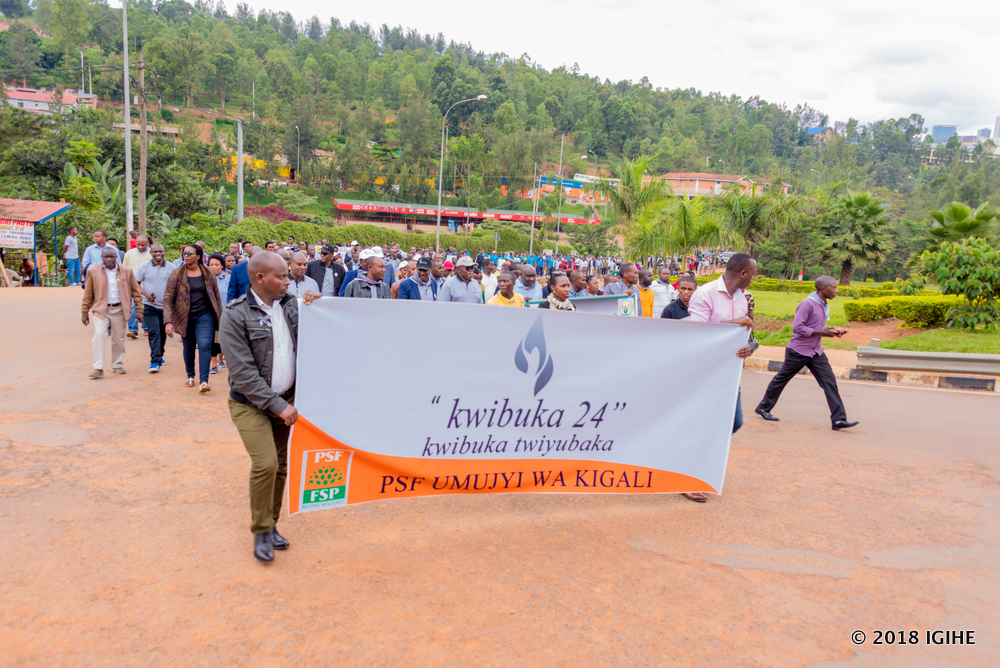
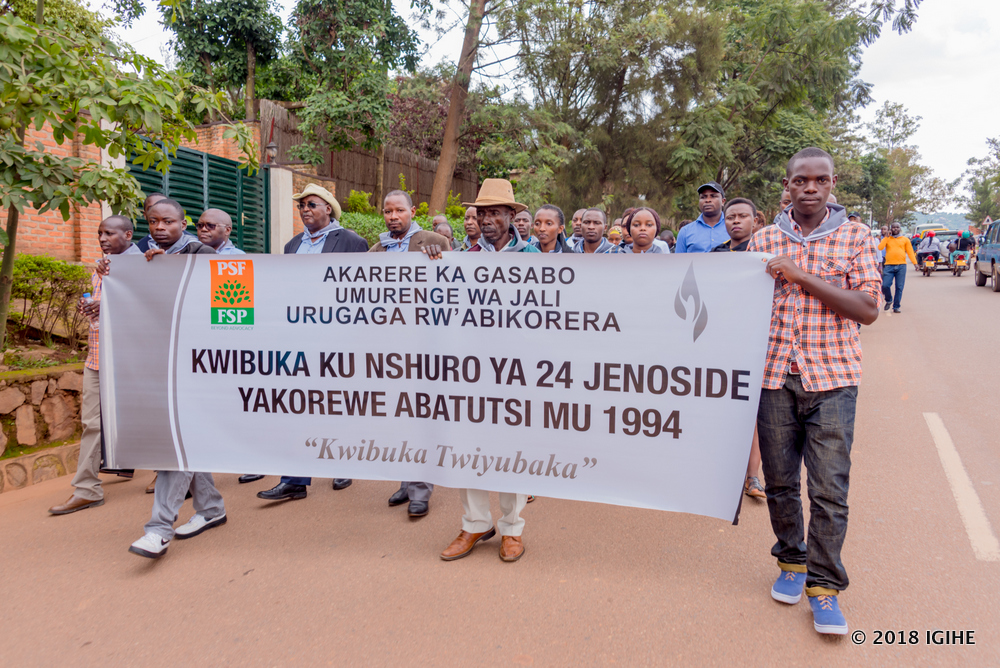
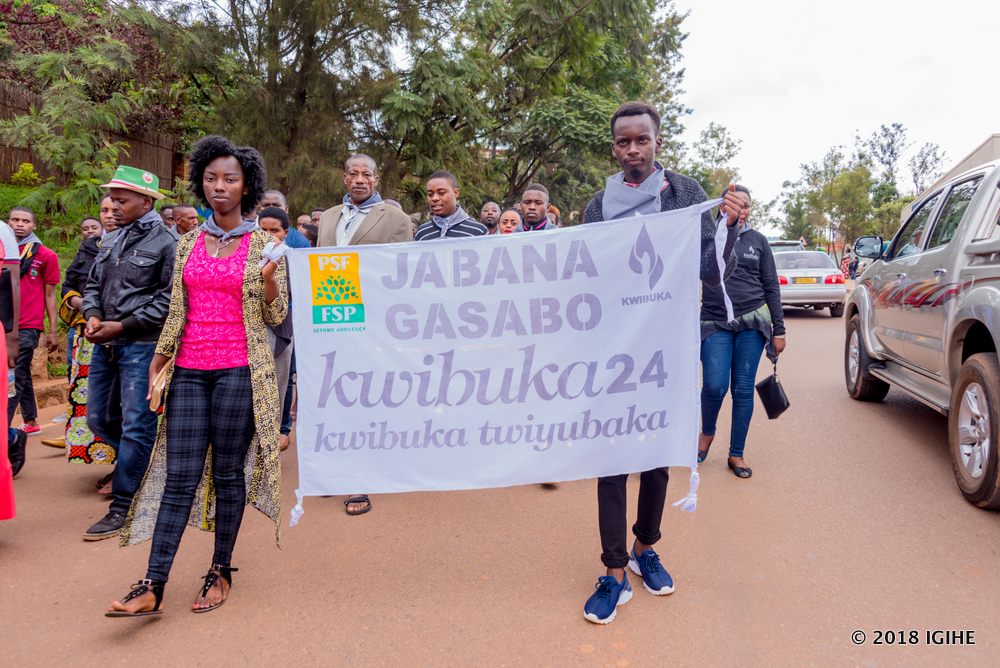
The ceremony took place at the Kigali Genocide memorial site where over 250,000 bodies of the Tutsi, including most of the members of PSF, all victims of the Genocide against the Tutsi, are buried.
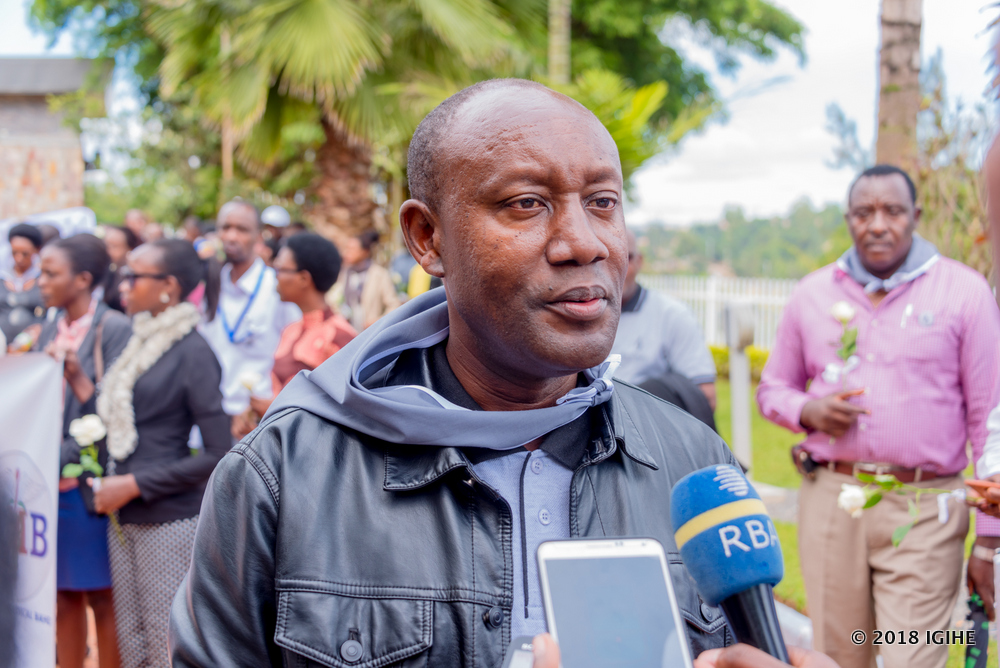
The Chairperson of PSF in Kigali City, Bitwayiki André, said that commemorating is an event aimed at rendering dignity and value to the victims of the 1994 Genocide against Tutsi.
“This is our way of honoring and paying tribute to what the victims of the 1994 Genocide against the Tutsi had begun and achieved in our city,” He said
The PSF Chairman Robert Bapfakurera called upon private sector members to actively engage in building the country as opposed to those who helped destroy the country and to make sure that genocide ideology doesn’t creep into their families.
“I thank you for your contribution to the society in supporting Genocide survivors. With the zeal and courage that you show, I am certain that our country will reach greater extents,”Bapfakurera said. .
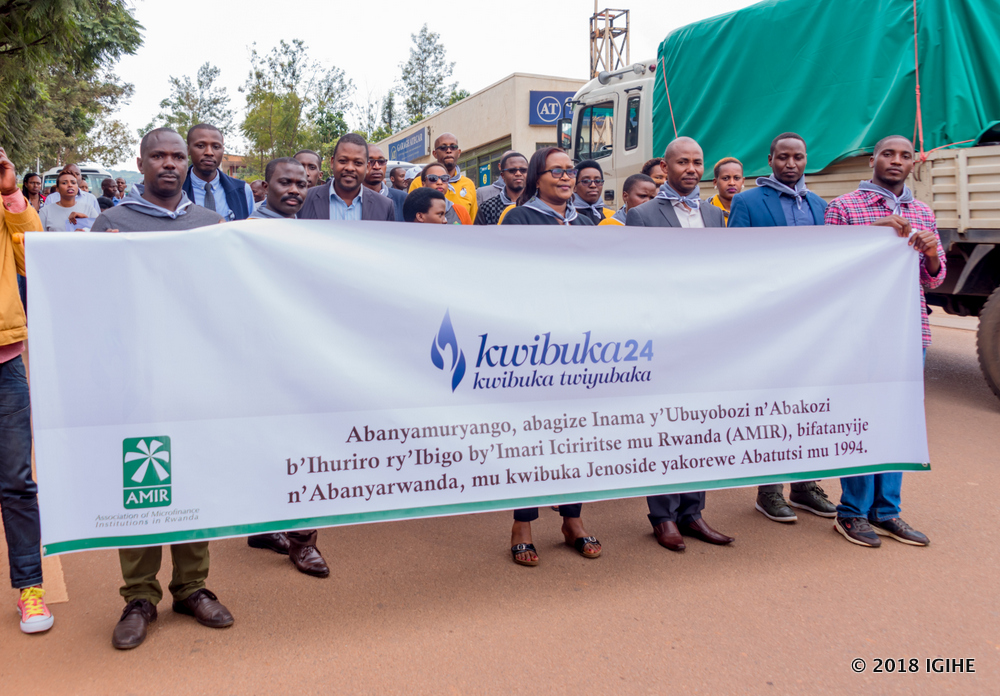
The Vice Chairman of the Association of Microfinance Institutions in Rwanda (AMIR), Kayumba Charles outlined the importance of commemoration to ensure that what took place 24 years ago never happens again.
“It is our responsibility to remember our fellow businesspersons who were killed in the 1994 Genocide against the Tutsi and to ensure it never happens again”, he said.
PSF is yet to publish statistics of its members who lost their lives in the 1994 Genocide against the Tutsi.
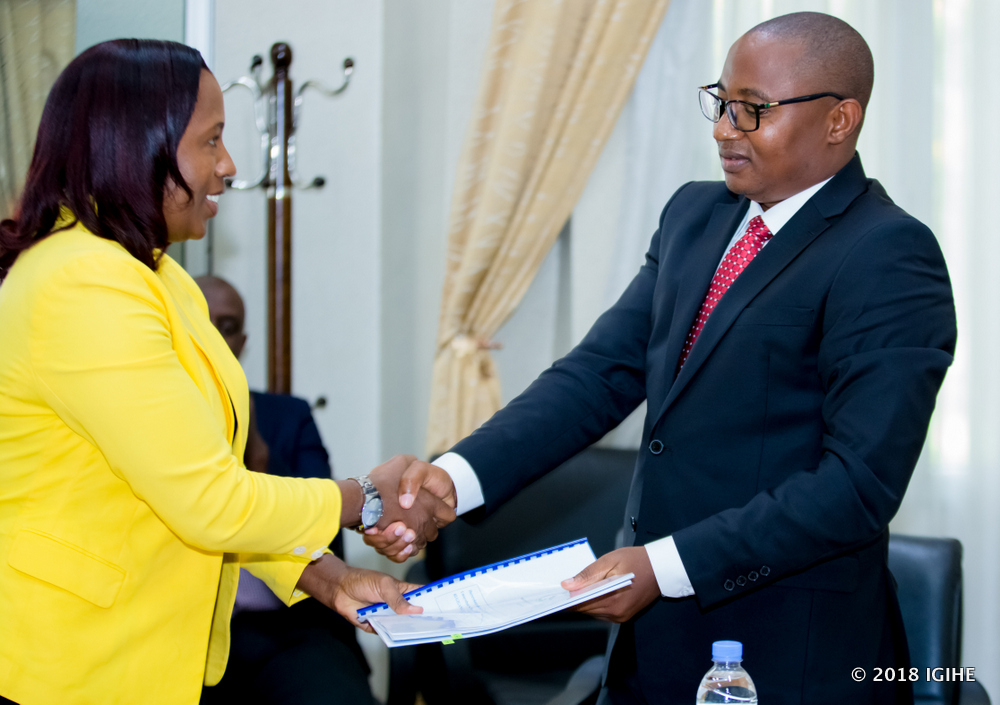
The handover ceremony took place at the Prime Minister’s Office between Evariste Rugigana the new Director of Cabinet in the Office of the Prime Minister and outgoing Odette Uwamariya.
Alphonsine Mirembe who had been the Permanent Secretary in the Ministry of Cabinet Affairs, replaced by Doreen Kagarama also handed over and will be taking on services of Permanent Secretary in the Ministry in the Office of the President.
The new officials were appointed by President Paul Kagame last week.
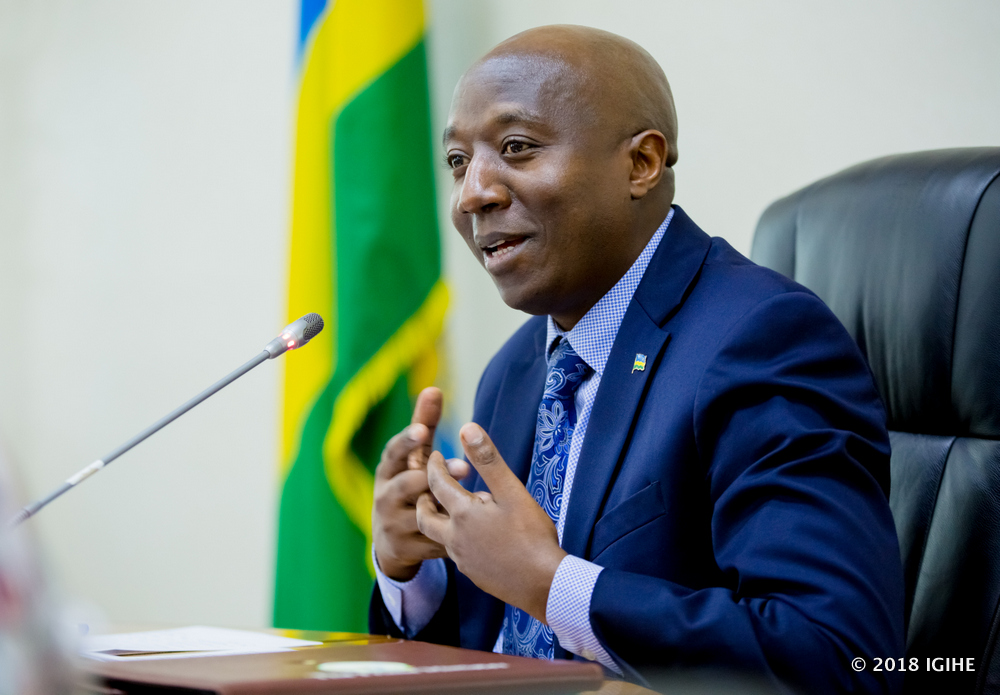
Ngirente thanked Uwamariya with who they entered in the Office of the Prime Minister together in August last year.
He said that in past seven months, they performed several tasks together and made great strides in their responsibilities.
“When the government appoints you to serve the country, you serve it with your heart and determination. I thank her commitment to the job. There were very many tasks accomplished including coordination of activities, coordination of government programmes, collaboration with Ministries and parastatals. I thank her for the good show of performance,” he said.
Ngirente also thanked Mirembe, the outgoing Permanent Secretary in the Ministry of Cabinet Affairs, who received and guided the Prime Minister, Uwamariya and the Minister of Cabinet Affairs, Marie Solange Kayisire that were new in their respective offices. He said that she guided them in new responsibilities.
“We used to ask her everything and told us the way business is conducted. All activities went well and we wish her success in new responsibilities,” he said.
Uwamariya thanked the partnership in the team saying that in short period she served in the position, they attained several milestones especially in coordinating government programmes among other activities.
She tasked her successor Rugigana to ensure follow up on the completion of new Ministerial complex that will house Prime Minister’s Office and other ministries among other activities.
Rugigana had been working in the Prime Minister’s Office as the Economic Advisor in the past ten years. He promised to use his experience to deliver.
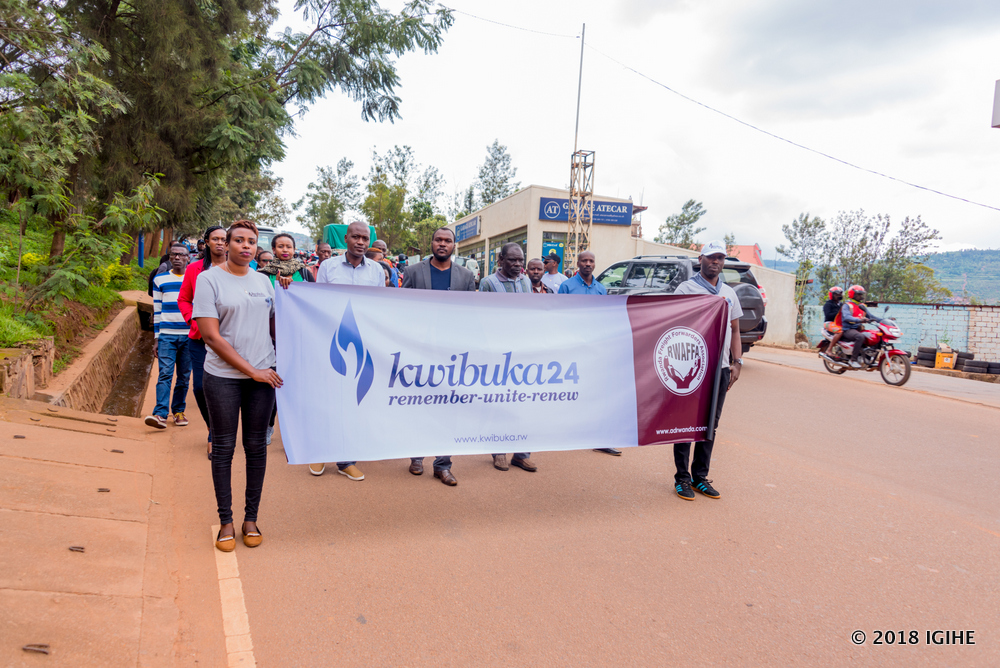
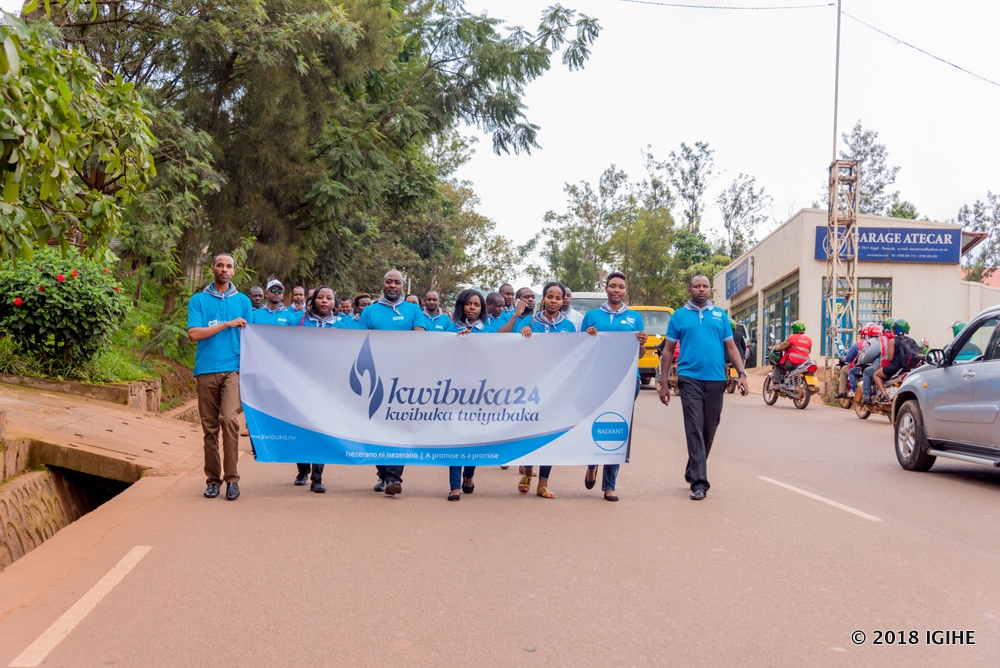
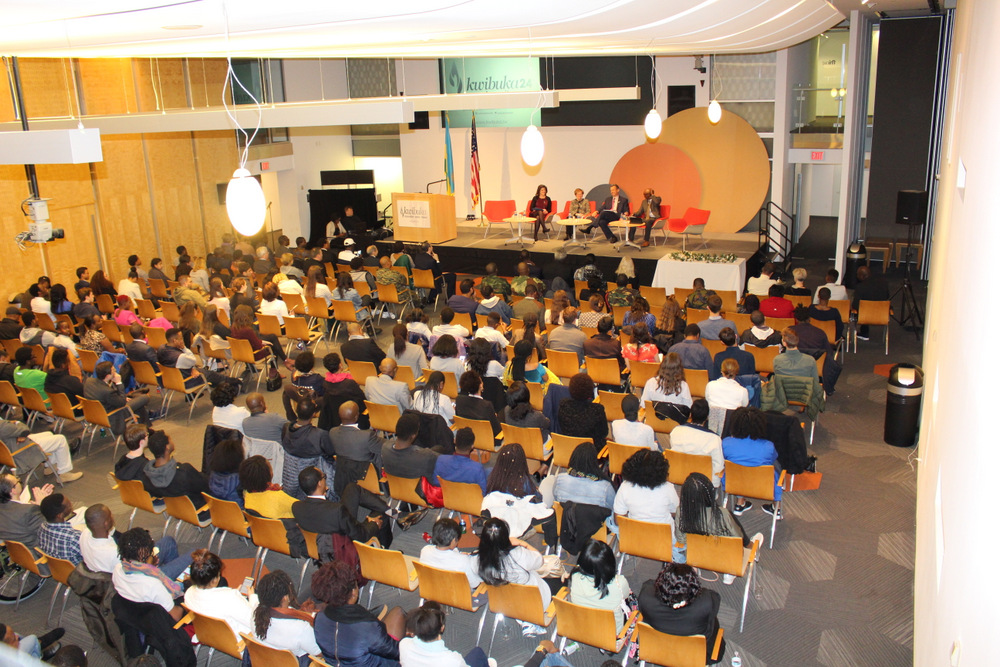
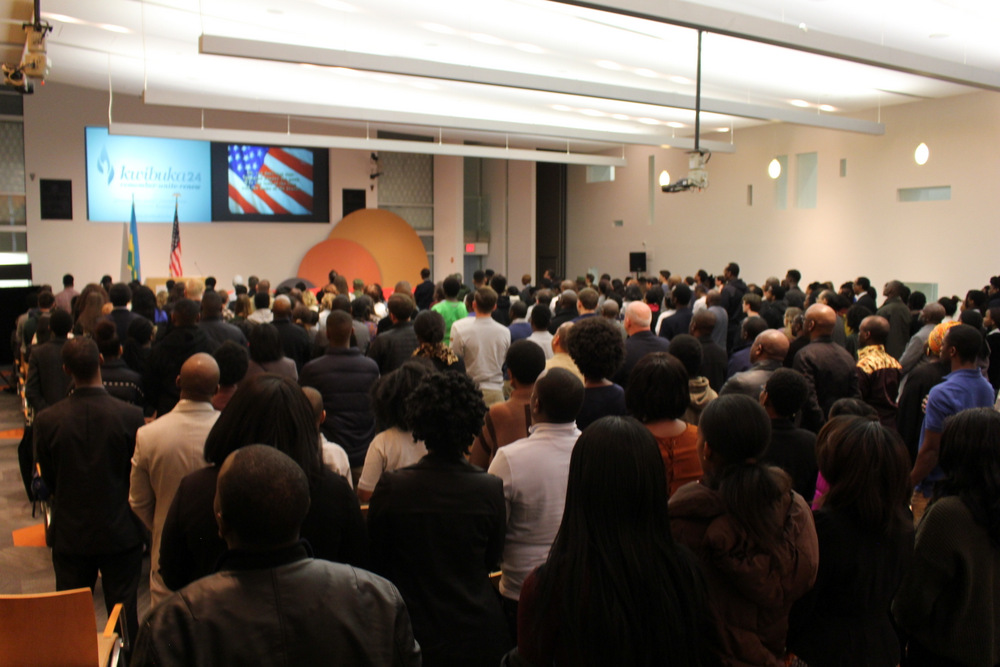
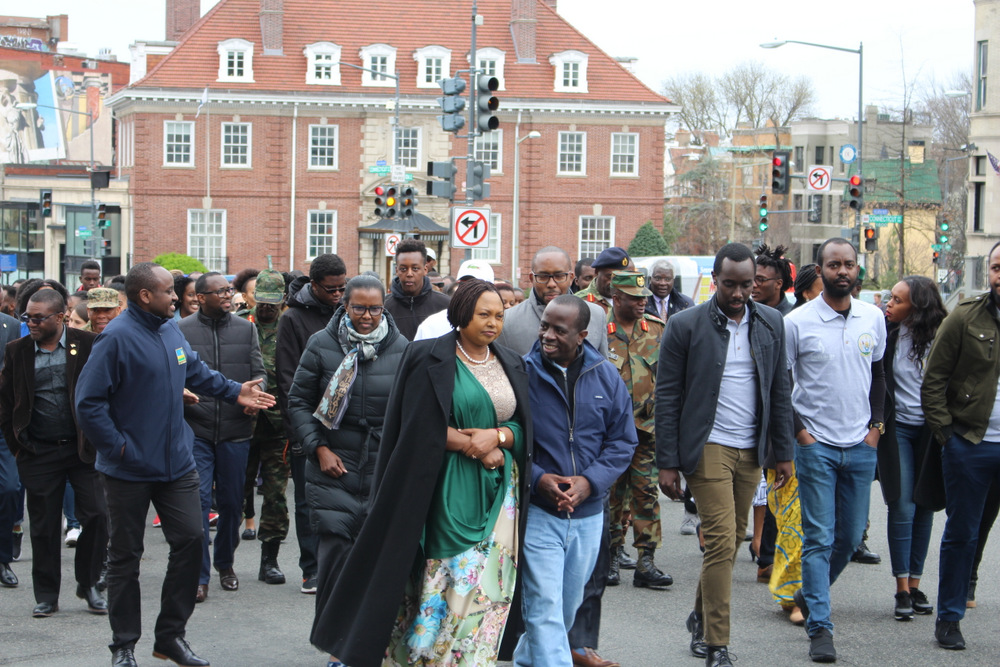
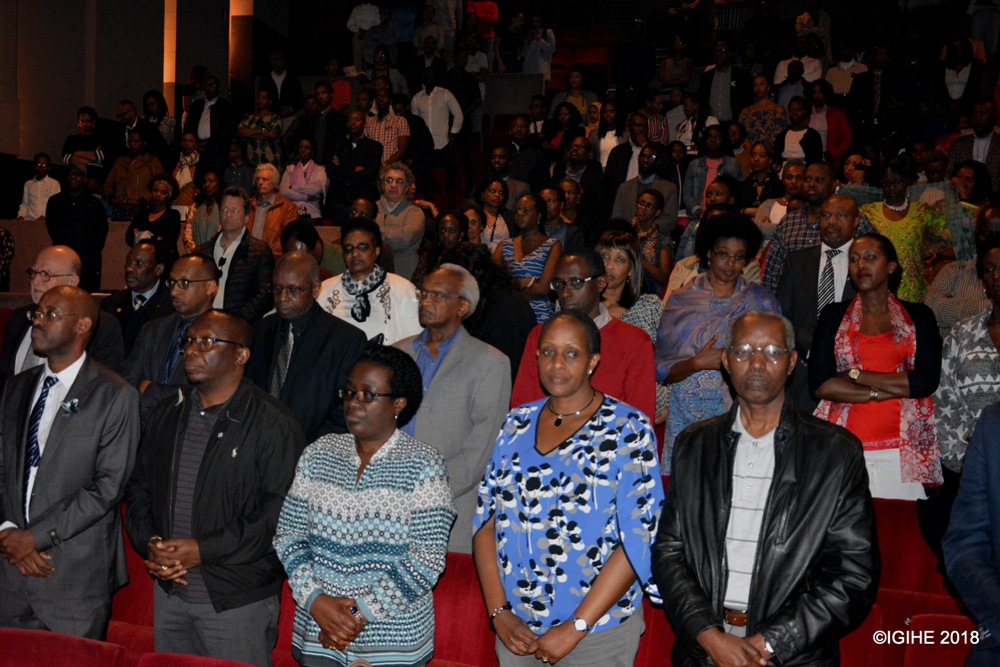
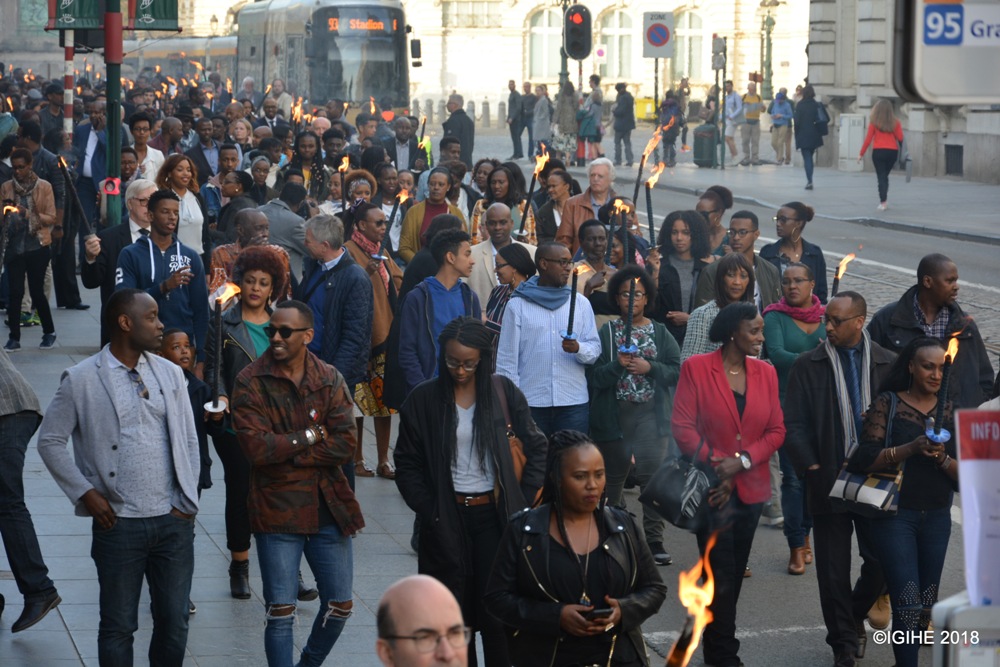
A walk to remember was held preceding the main event. Around 300 people gathered at the FHI 360 Conference Center to honor the lives of the victims, to comfort the survivors, but also to recommit to a resounding Never Again.
During his remarks and reflection on a tragedy that could have been prevented by the international community, the Deputy Assistant Secretary Donald Yamamoto, representing the U.S. government said, “Rwandans bear the scars of the genocide, we all bear the guilt of the inaction.”
A panel discussion was held, discussing the different components of the theme Remember-Unite-Renew.
In his reflection on the revisionism crisis that is ongoing as part of the genocide denial discourse, Dr. Drew Kahn, one of the panelist underlined that “there is nothing spontaneous about the genocide. It is planned, and the narrative is repeated.” He followed these remarks by observing how the current Rwandan leadership has made efforts to have Rwandans be the ones telling their own stories. “President Kagame is not a story-teller. He is a story giver. What he has done is that he has returned the story of the genocide to its rightful owners, the Rwandan people.” He insisted that it is important for the international community to not only listen to the stories of the genocide from Rwandans themselves, but also to learn from their reconciliation and forgiveness processes.
Dr. Margee Ensign, a longtime friend of Rwanda touched on the subject of education, underlining that “Sustainable prevention of genocide begins with education. We must make sure that the education of our young ones is built from tolerance.”
Dr. Mironko, also insisted on making an intentional effort to understand the history of our country in order to adequately prevent the genocide from ever happening again.
Consolee Nishimwe, a survivor of the genocide, author, and women’s rights champion shared her moving testimony, demonstrating that survivors can, and have overcome adversity to be active contributors to the rebuilding of the country, and to recount their ordeal, so that the memory of the genocide may never fade.
There were over 40 students from various universities on the East Coast attending the commemoration, some of whom led the solemn crowd in a candle lighting ceremony.
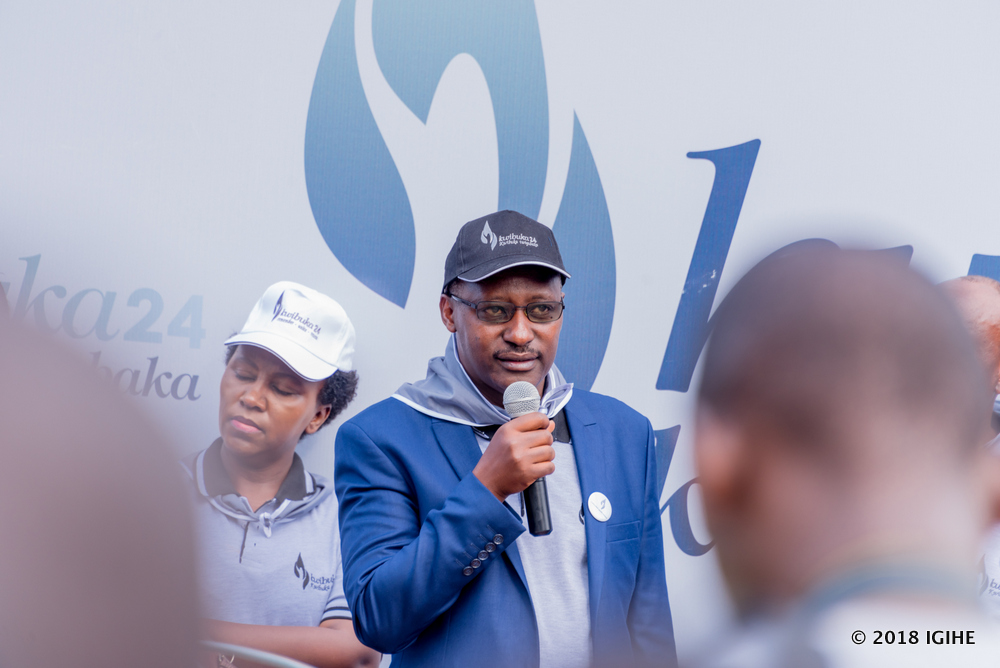
In her remarks, Ambassador Mathilde Mukantabana thanked those who joined Rwanda for this commemorative event, and thanked the speakers for shedding a light on different facets of genocide, its prevention, and the fight against genocide denial. Ambassador Mukantabana commended the recent resolution by the UN to modify the name and recognize April 7th as the International day of reflection on the 1994 genocide against the Tutsi in Rwanda. “The resistance to use the proper nomination of the Genocide against the Tutsi has lent strength to denial,” said Ambassador Mukantabana, designating this event as a step forward in the fight against genocide denial.
Amongst many distinguished guests were various Ambassadors, Ambassador Valentine Rugwabiza, the U.N Permanent Representative, and Defense Attaches from various countries.
The preliminary investigation leading to the trial was carried out during the weekend by Scotland Yard’s war crimes unit.
The investigation took place following the Rwanda’s request to prosecute in Britain, the men who have been described as ‘Masterminds’ of the genocide.
Last year, the government of Rwanda requested for their extradition but the process ended in failure, after the court ruled that in Rwanda they may not get fare justice.
In an interview with the Times, Justice Minister, Johnston Busingye accused Britain of acting as safe haven for criminals.
Busingye demanded that the five suspects should be tried in the UK.
“Some of the people responsible for these rapes and murders are on your soil. We’ve got people extradited from Sweden, Germany, Holland, Belgium, Norway, Denmark, Canada and the U.S. so, why does only the UK think we can’t give fair trial?” Busingye questioned.
“These are masterminds who somehow got UK citizenship paid by your tax-payers,” he added.
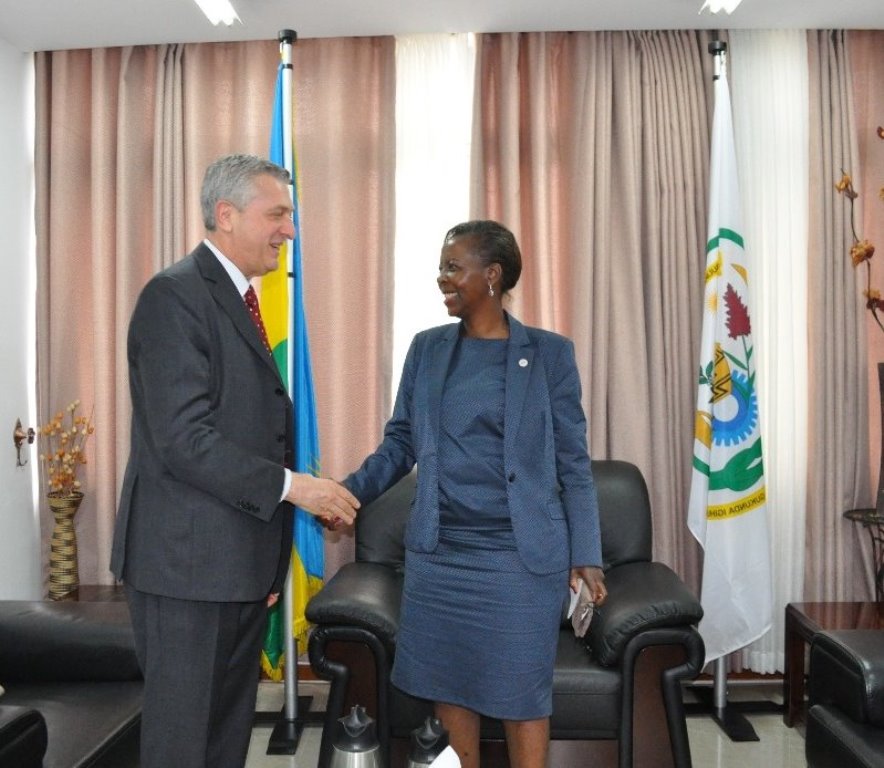
On his second day in Rwanda, Grandi met President Paul Kagame and the Minister of Foreign Affairs, Cooperation and East African Community Affairs, Louise Mushikiwabo.
Through his twitter account Grandi said “I have learned much from my refugee experience”: Africa has in President Paul Kagame a visionary leader who understands the importance of innovative solutions to forced displacement. Grateful for an inspiring discussion with him and Foreign Affairs Minister Louise Mushikiwabo.”
He also visited Kigali Genocide Memorial Center and paid tribute to over 250,000 victims of the 1994 genocide against the Tutsi laid to rest there.
“Profoundly humbled to be in Kigali during the commemoration of the genocide against the Tutsi. We must do everything in our power for this never to happen again anywhere in the world,” reads his twitter message.
{{Visit to Congolese Refugee camp}}
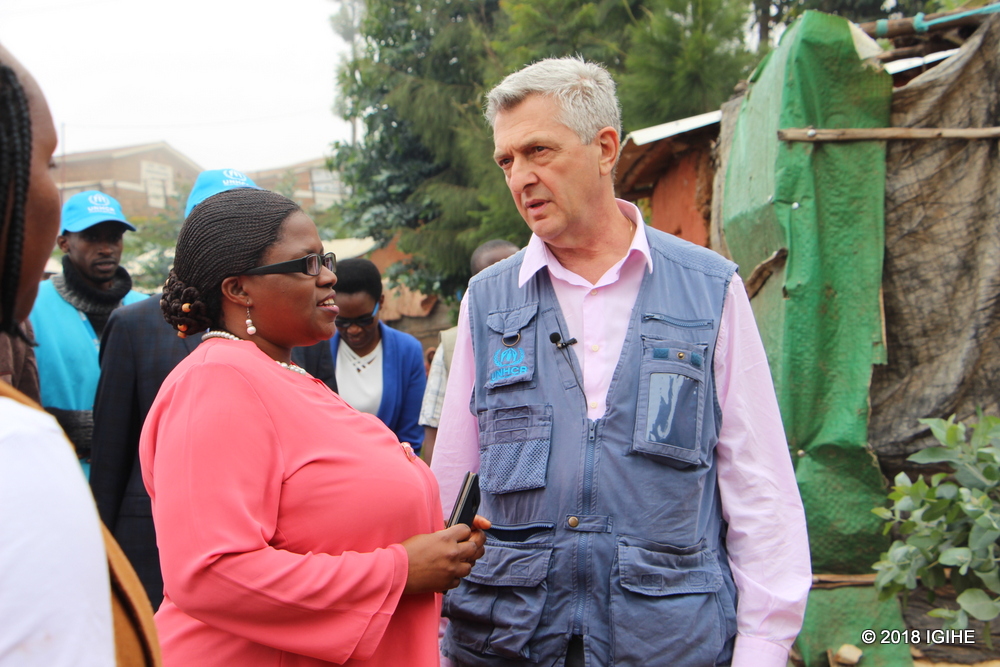
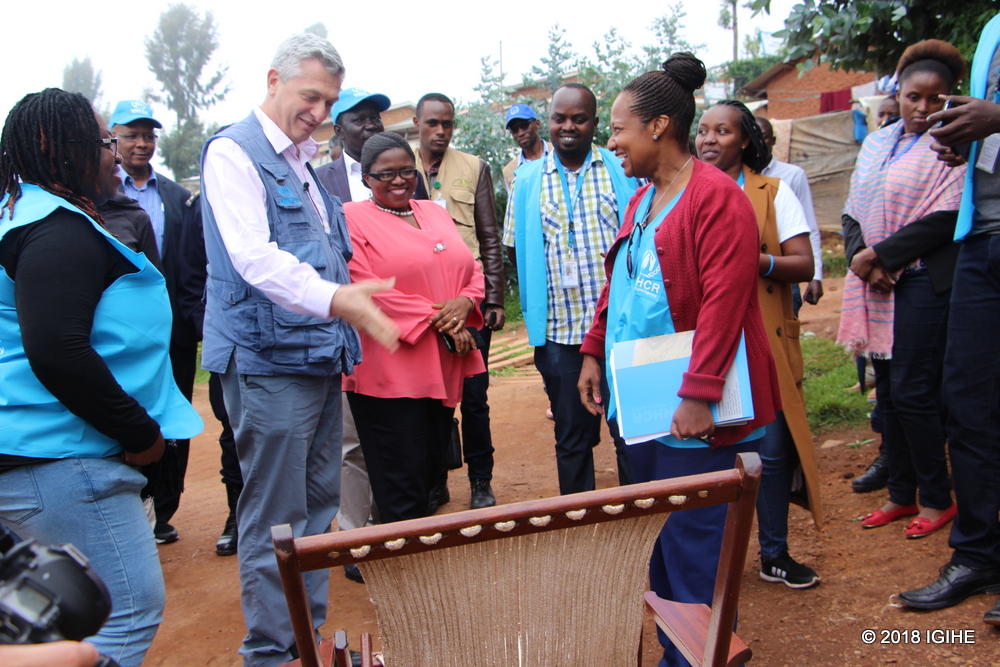
Yesterday, Grandi visited Gihembe Refugee camp in Gicumbi District. The camp hosts a number of Congolese Refugees.
Grandi who arrived in Rwanda from the Democratic Republic of Congo (DRC) is expected to visit Burundi.
Speaking to the media yesterday in Gicumbi, Grandi said that he is visiting the region to look at diverse refugee situations and see how they can better respond to their needs.
“I’m visiting this region to look at various refugee situations and see how we can better meet the needs of the refugees, but also of the host countries and most importantly how we can find solutions for the problems of refugees,” he said.
In Gihembe refugee camp, refugees raised different issues including insufficient food rations, poor access to medication, dilapidated houses and access to education among others.
The UNHCR boss said that they are going to experiment new approaches like talking to World Food Programme about food. He said that they think that there’s need to increase the capacity for refugees to be self-reliant.
“They have been in this country for more than 20 years, and I think the time has come for them to have access to employment and of course to national services,” he said.
“To do that we need to strengthen national services, it is unfair to ask Rwanda to host these people and not to give enough support to the country. So, this is another purpose for me to be here,” he added.
Grandi said that for these refugees to return in their home country (DRC), UNHCR need to discuss it with DRC and Rwanda.
While in Congo he said, he discussed the matter with DRC President, Joseph Kabila. He said that it is important for people to return in their country, not only these in Rwanda but also Congolese Refugees in Zambia, Angola, Burundi and Tanzania.
“I told them that they have to create conditions on the ground that is secured as there are many security problems in Eastern DRC. We need to address these problems so that the people abroad can go back, which is what many of them want to do,” he said.
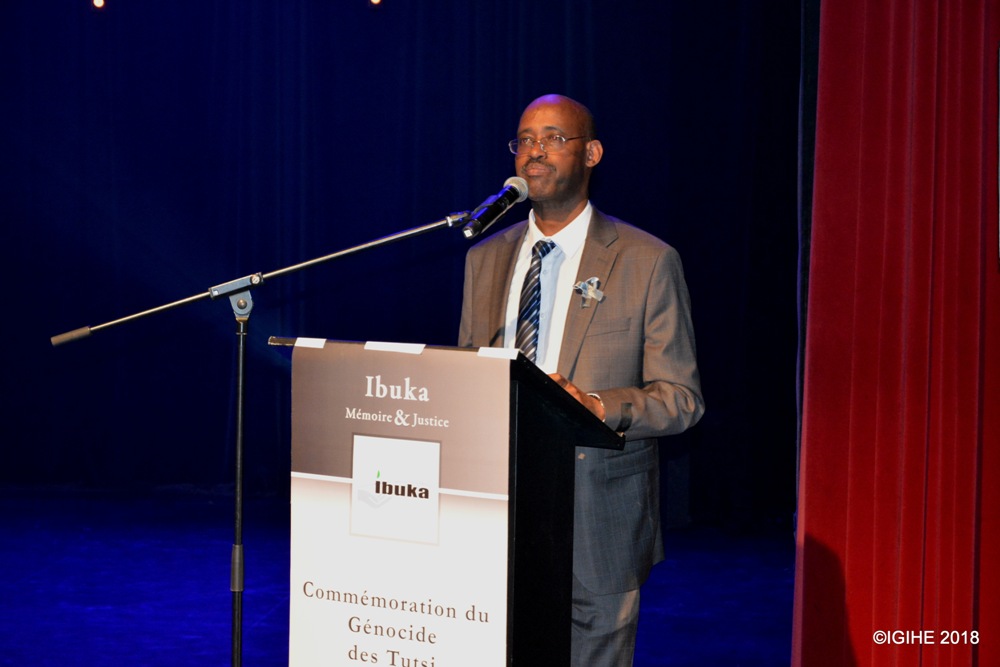
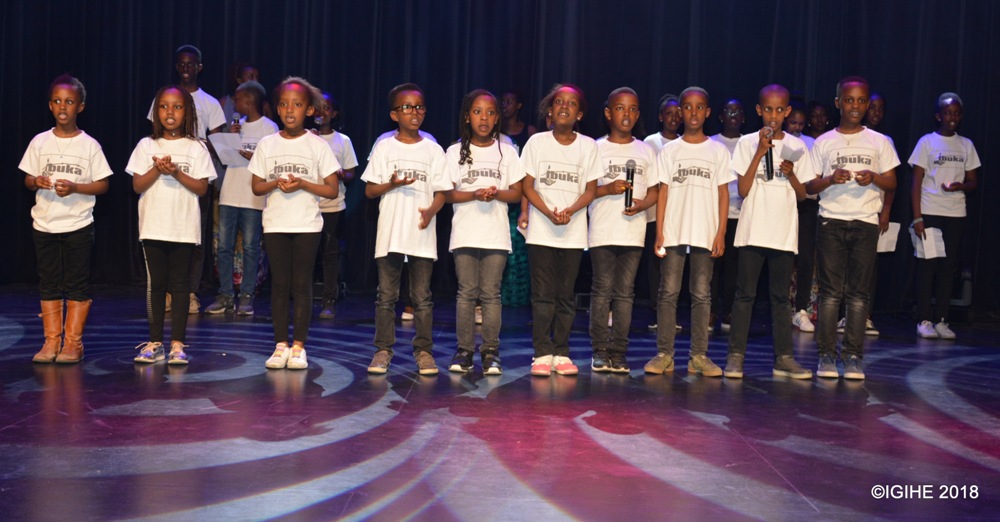
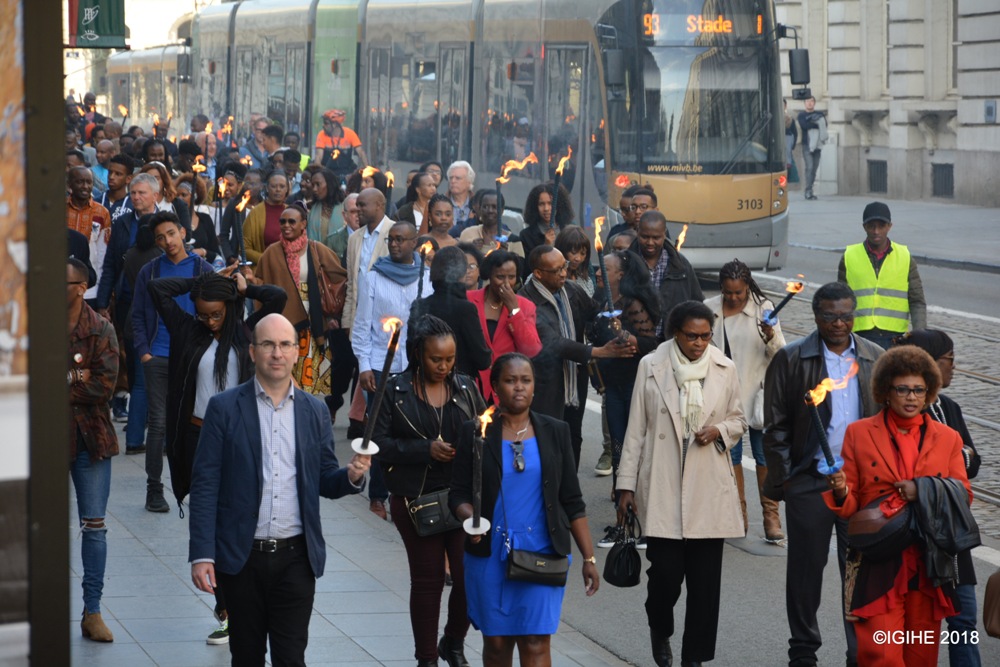
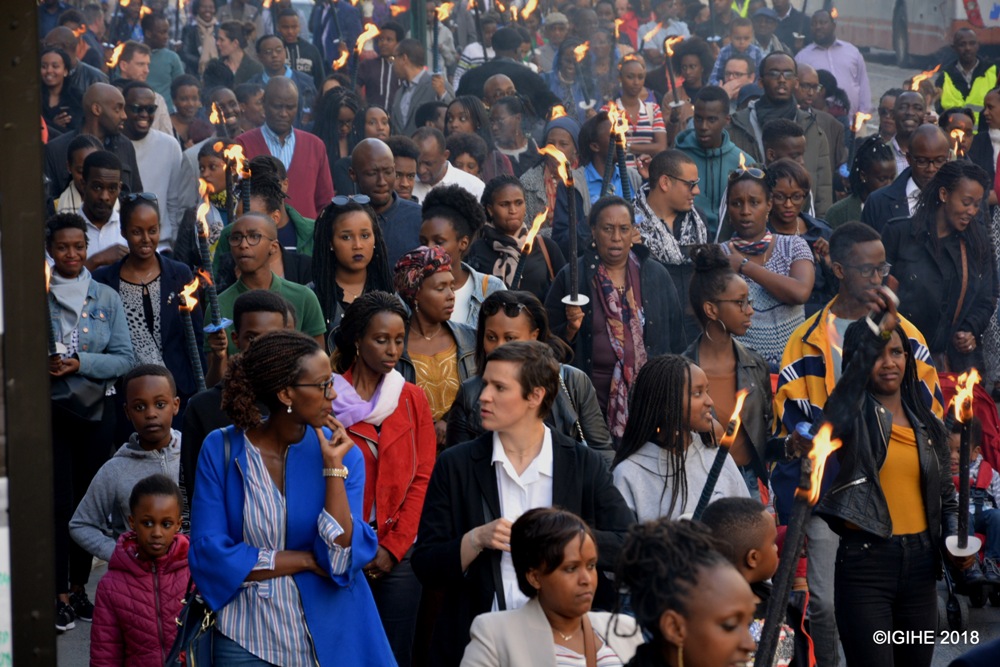
The event was attended by different officials including representatives of international organisations, ambassadors and representatives of Belgium government among others.
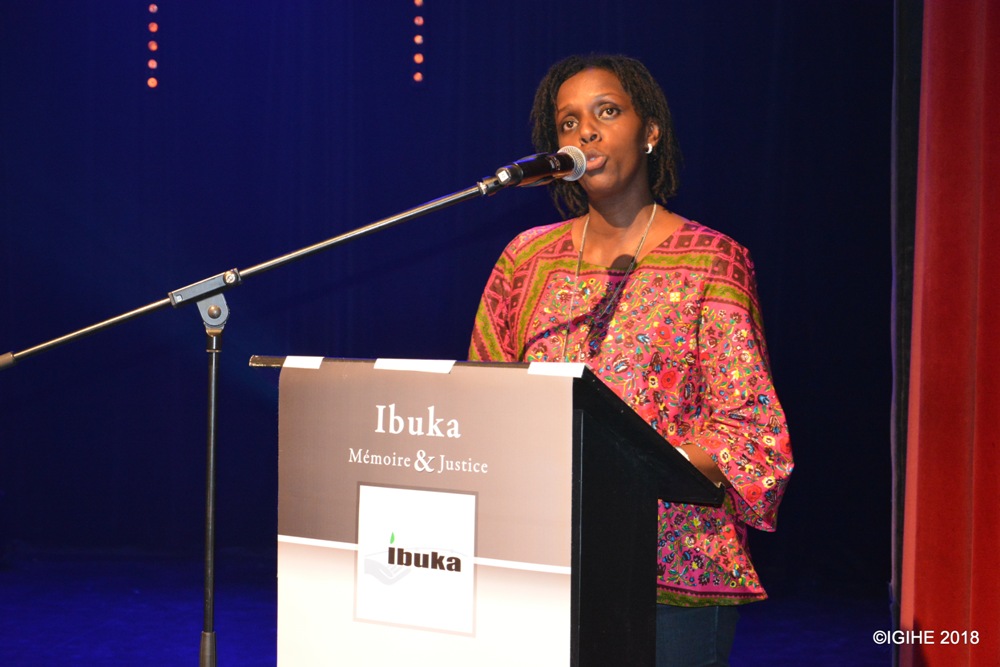
Speaking at the event, the ambassador of Rwanda in Belgium, Amb. Amandin Rugira told survivors that the government of Rwanda is doing all it can to support them in different aspects of life.
He hailed participants who attended the event saying that commemoration is part of national reconstruction.
“Commemoration is a good weapon towards reconstruction; it also helps to tell the truth about what happened,” he said.
Déo Mazina, the president of Ibuka (an Umbrella for Genocide survivors) in Belgium, reminded that commemoration strengthens unity among people and helps them not to be held with sorrow.
The 24th commemoration takes place after the United Nations Council approved appellation of the ‘genocide against the Tutsi’ and approved April 7th as the international day to commemorate victims of the 1994 genocide against the Tutsi in Rwanda.
{{Photos: Karirima A. Ngarambe & Rutayisire Jessica}}
This action comes from the school’s recent partnership with the Mastercard Foundation. The foundation, through its $50 million, five-year initiative Hanga Ahazaza — which means “creating the future”, plans to equip 30,000 Rwandans with skills to transition into the tourism industry.
According to the foundation’s website, the Rwandan students will “receive training in communications, customer service, ICT, and digital literacy skills, and receive on-the-job training and opportunities for employment.”
Apart from equipping students, Hanga Ahazaza will also help small businesses owners in the tourism and hospitality sector in Rwanda through “increased access to financial services and business development skills so that they can create more employment opportunities” the website further stated.
Cornell’s online teaching department, eCornell, will be part of the initiative and will provide students with online training and virtual access to the faculty for the students in the programme.
Cornell University Hanga Ahazaza assistant director Nickie Fredenburg said the Rwandan government is hoping to create 200,000 new jobs annually and the university, Fredenburg said plans to grow the tourism sector.
“By upskilling current managers, resulting in advancing careers and providing businesses the proper training to increase revenue and in turn, create more jobs,” Fredenburg told Cornell Sun.
Besides Cornell University, the Mastercard Foundation has teamed up with Dalberg, GIZ, GroFin, Harambee, Horwath HTL, I&M Bank Rwanda, Inkomoko, and Vatel Rwanda to roll out the initiative.
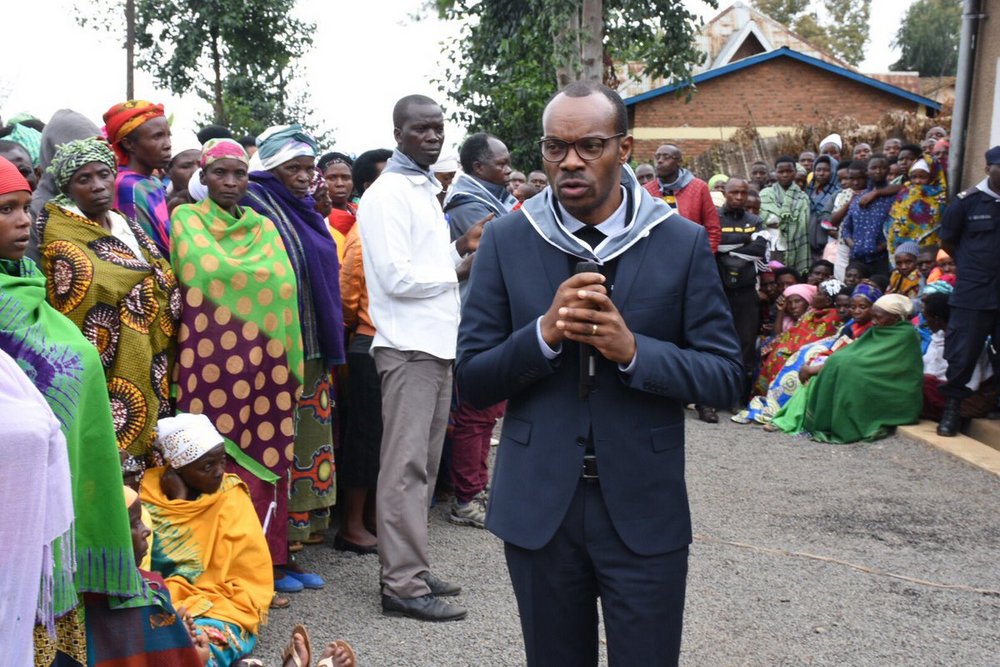
Harerimana was speaking Saturday while launching the remembrance week and 100 days of commemoration in the district.
“Let’s do our best to tell the truth because the 1994 genocide against the Tutsi is something that we could not stop speaking about in our life. But, this time should also be an opportunity to inculcate love, unity and fight against the genocide and its ideology,” he urged.
He requested residents to remember by continuing to contribute to national development, particularly to support and comfort genocide survivors.
Emmanuel Kageruka, a survivor in the district said that Tutsis in former Kayove commune were killed and thrown in Lake Kivu.
“Interahamwe Militia had formed barricades and Tutsi who were caught were killed and thrown in Lake Kivu,” he said.
Using examples, Kageruka said that the genocide was brutally executed in the district where children killed their parents.
“Genocide was cruelly executed in this region, for example a man called Gabriel Nzabandora threw his mother in Lake Kivu. Five more men threw their wives in Kivu,” he explained.
The 1994 genocide against the Tutsi took the lives of over one million.
The young wife, who lives in Gatebe Sector of Burera District in the Northern Province, dropped out from primary six about two years ago as a consequence of her parents’ incessant conflicts which often made the mother and children spend nights away from home, fleeing from their father’s beatings.
“I got married at 17 because of the conflicts at my parents’ home. I luckily got a man to save me from the bad situation and I decided to join him. My elder sister also got married at 16 years of age as she was also tired of the situation at home,” says Nyirambangutse in solemn face with tears lingering in the eyes.
“Conflicts between my mother and father kept persisting. We, as their children, tried to ease the tension but in vain. Families and neighbours intervened but our father became incorrigible. We fear our father will kill our mother as he is always saying.”
Her younger sister Thérèse Ushizimpumu, 15, also dropped out from senior one last year because her conflict-torn family was not paying her school fees and materials.
“I am currently doing farm activities alongside my mother but I wish I go back to school if I get ways. I reported my drop out to local leaders; they tried to reconcile our parents but their conflicts have become irresolvable. I need help to go back to school. I should be doing senior two now,” wishes Ushizimpumu.
Her elder brother left his parents’ miserable home in search for a better living in Uganda.
“He is working on tea plantation. He escaped from our family’s conflicts and harassment including beatings by his father,” the children’s mother Sylvanie Baziki tells IGIHE on the sidelines of a community debate held in Gatebe Sector on Wednesday.
The family’s fate is one of the horrible situations taking heavy toll on children in some of the families living in the area bordering with Uganda.
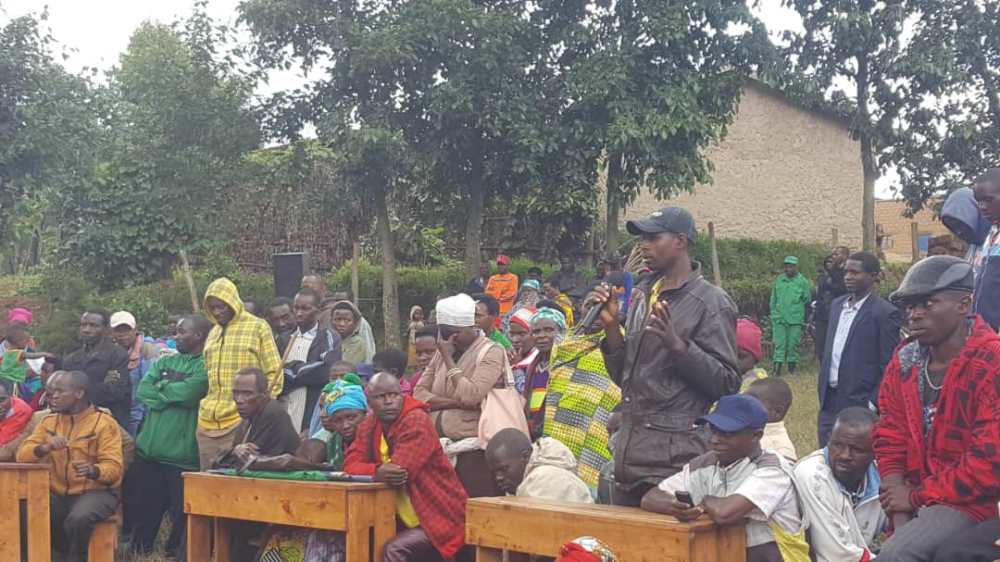
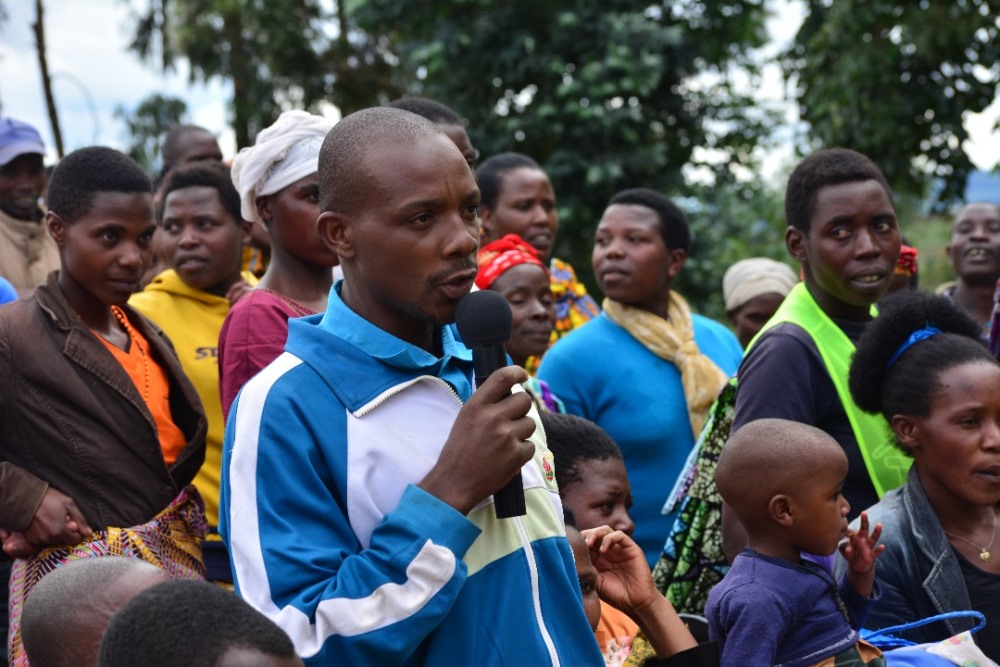
The debate that brought together citizens and local leaders was organised by the journalists’ network PAX PRESS in collaboration with Care International, Rwanda Men’s Resource Centre (RWAMREC) and Rwanda Women’s Network.
{{Parents in blame game}}
Baziki got married to Jean Népomuscène Karemye in 1979 and produced together eight children but their conflict erupted eight years ago when the wife sided with their son who accused the father of selling his assets, according to Baziki.
The couple briefly shared their story publicly during the debate with Karemye coming forward first to say that his wife developed a bad habit of taking away agricultural produces three years ago.
Baziki, who abandoned his husband last month to settle at her deceased parents’ home, said Karemye has become incorrigible and not responding to local leaders’ invitation for mediation as the audience clapped in agreement with Baziki’s expression.
Baziki said her husband has been selling away the farm yields without her consent and their standoff has now reached a deadlock because she cannot stay with a man who threatens of killing her. She was advised by local leaders to take her case to court last month but she was blocked by lack of court charges.
Baziki, currently living with her last born daughter, seeks justice for having her share from the property which is entirely in the hands of her husband while the husband insists all the property belongs to him.
Karemye’s views on property and family management are shared by a number of men in the area such as Félicien Kaboga who told the gathering that he must take 90% and leave his wife with 10% of the family’s management.
Some other women expressed their grief over misunderstandings with their husbands who wanted to misuse the family’s property but wives opposed them and ended up going to settle in Uganda where they married other wives, leaving heavy responsibilities to first wives for raising children alone.
The gathering was tipped on the law governing family relationship adopted in 2016 stating that both spouses – man and woman – are jointly responsible for the management of the household, including moral and material support as well as its maintenance.
Anastase Nteziryayo, the Executive Secretary of Gatebe Sector, said they had recently registered 30 families which have serious conflicts but some have settled disputes after intensive sensitisation on the benefits of getting rid of the couples’ conflicts
“There are still issues about family’s property management where men feel they can use it as they please but a number of people are increasingly changing. These family conflicts seriously affect children and some drop out. We often try to get parents keep their children in schools but when parents have no means, the district and different partners intervene to help us get a child back to school. We have so far helped three children in our sector. We regularly teach families to avoid conflicts,” he said.
Nteziryayo pledged to particularly follow up the case of Karemye and Baziki and make sure their last born gets back to school, saying the sector’s office will take up her education if the family fails to do it.