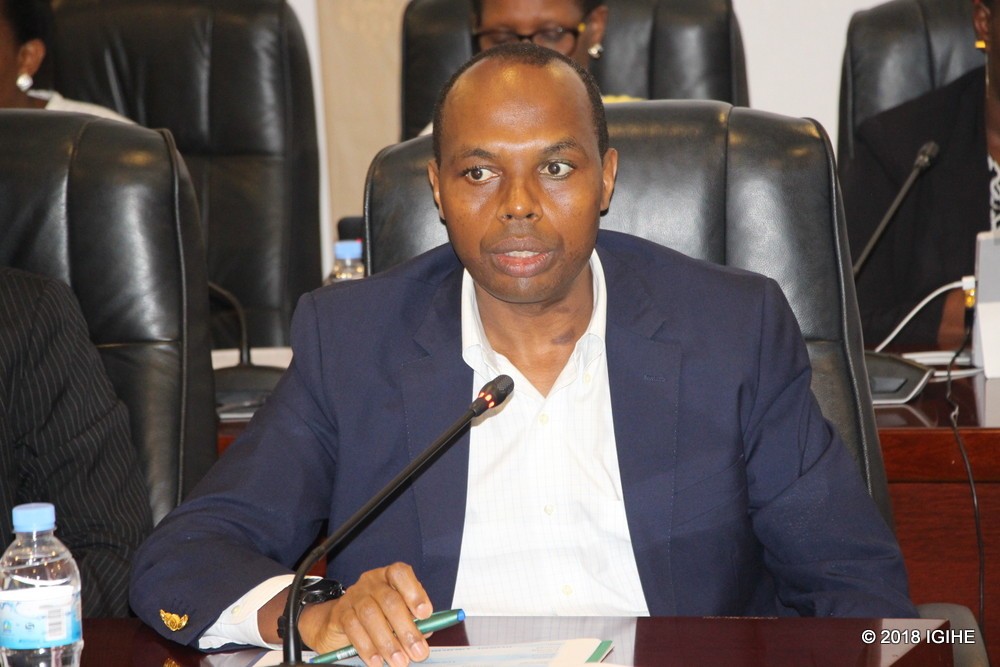
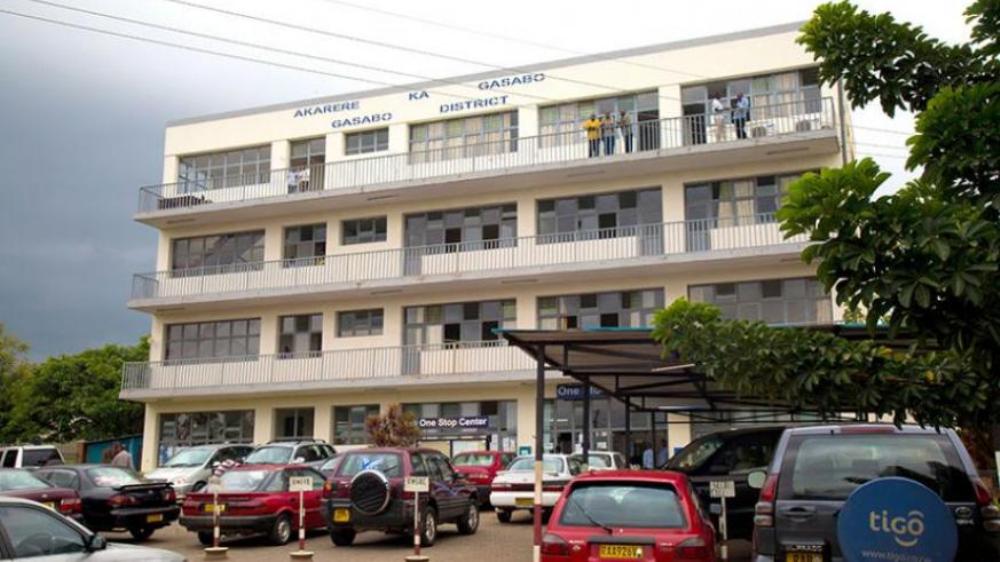
The duo’s resignation follows March resignation of Vice-mayor in charge of Finance and Economic Development, Antoine Mugwiza and April resignation of the District Executive Secretary, James Ngabo.
All leaders cite personal reasons.
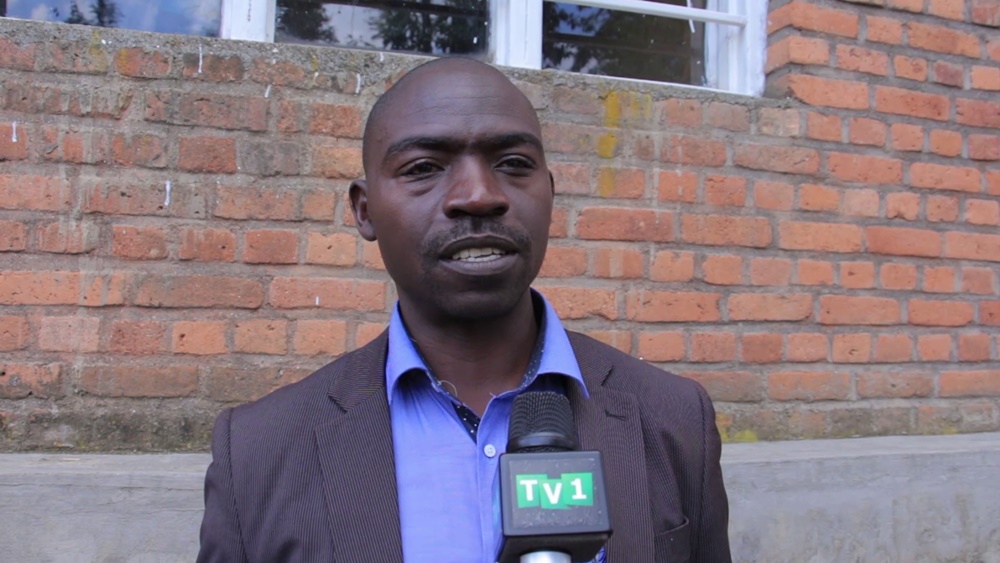
Uwanzwenuwe’s resignation news broke out Friday morning. Speaking to IGIHE, Uwanzwenuwe confirmed his resignation.
Nyabihu District Council President Jean Damascene Gasarabwe confirmed to IGIHE that he has received both resignation letters this morning with both officials citing personal reasons
On condition of anonymity, one official from Nyabihu District told IGIHE that the resignation is related to poor collaboration between the leadership.
“The Executive Committee has not been collaborating; everyone has been doing things alone. The resignations are also related with disputes in district’s offices construction and shoddy tenders in sand excavation,” a source said.
Efforts to talk to the Western Province Governor, Alphonse Munyentwali became futile by press time.
The law states that when there is no executive committee, the district council appoints interim leadership for the period not exceeding 90 days.
This was revealed yesterday as RMB officials discussed with Parliamentary National Budget and Patrimony Committee on the Budget for Fiscal Year 2018/2019 and Budget Framework Paper 2018/2019-2020/2021.
RMB Chief Executive Officer, Francis Gatare said that the board wants to promote mining sector for its increased contribution to the country’s economy.
Mining sector earned Rwanda a total of $373 million from 7,000 tonnes of minerals last year.
Gatare said they target to double the income next year through promoting professionalism in mining operations.
“We shall increase income from exported minerals up to $600 million and increase the quantity of production up to 10,000 tonnes,” he explained.
As a way to increase production, Gatare said that they will conduct research on 13 new concessions where they will extract minerals.
The board also targets to venture into decent mineral business by partnering with experienced business people. Gatare said that in line with the promotion of mining sector, the Government has banned flippant miners by denying them working permits.
The government targets to increase annual income from mineral exports to $800 million in 2020 and $1.5 billion in 2024.
In 2015, Rwanda registered the largest mining production in the Great Lakes Region with 840 tonnes from 815 quarries followed by the Democratic Republic of Congo.
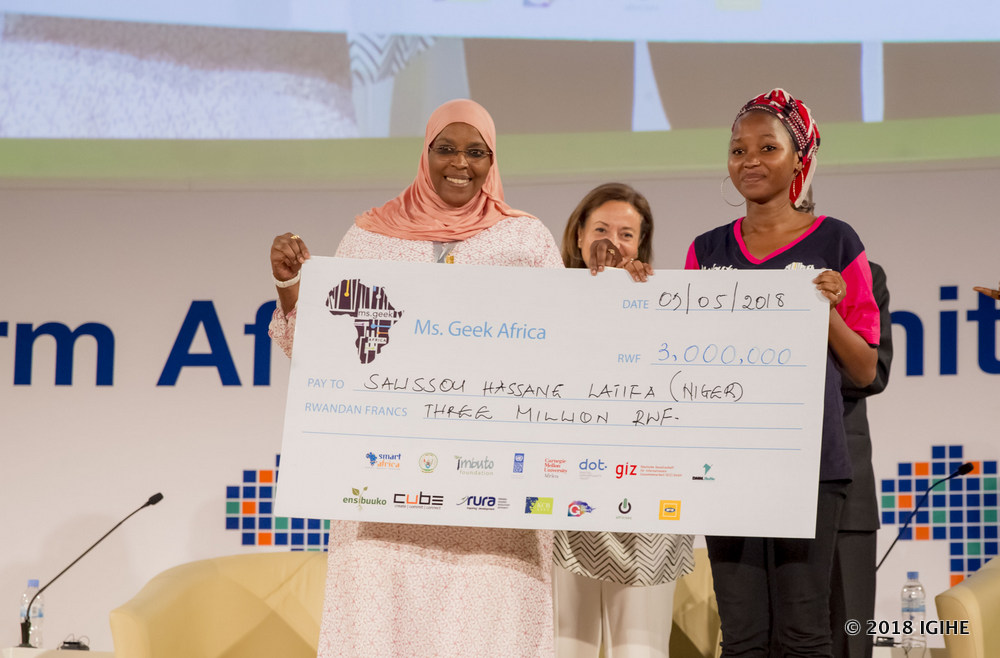
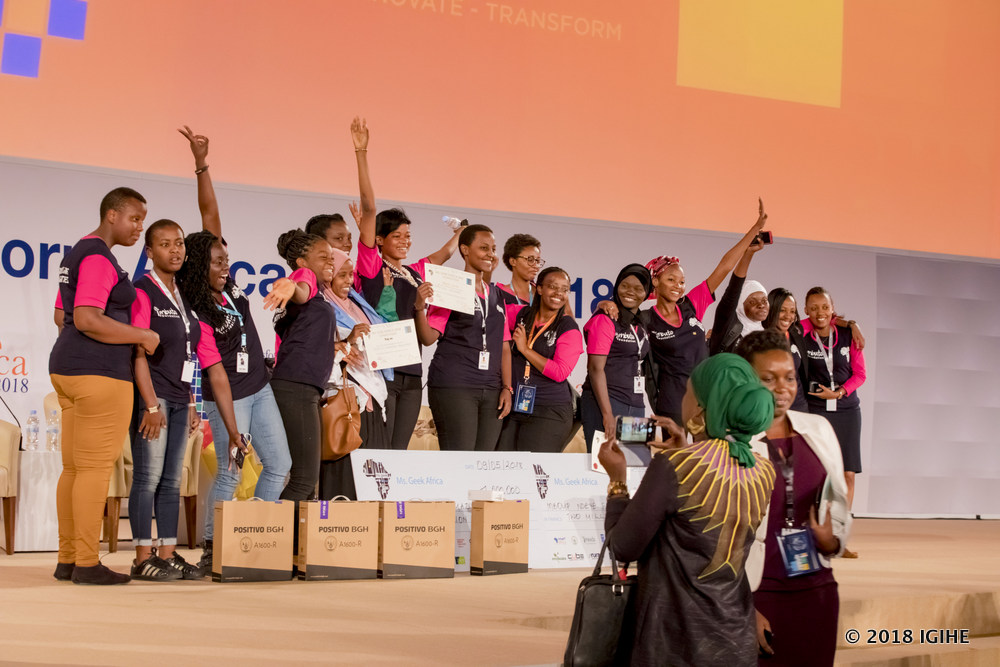
Latifa was one of the five finalists who presented their projects before the panel yesterday in Kigali, as part of the ongoing Transform Africa Summit.
This year’s problem for application was to identify opportunities in any sector and suggest solution that can allow Africans to collaborate, interact and trade.
Presenting her project, Latifa said that Niger counts 37% of road accidents in the region of Economic Community of West African States (ECOWAS).
She said that it is also difficult to provide first aid as people in charge do not easily establish where the accident took place or it takes long time to reach the scene of accident.
She said that it happens that locals reach the victims without having skills of how they could help to save their lives.
“Imagine being nearby a person who is in critical conditions due to injuries but you are unable to give them first aid. That is why I developed an app dubbed SARO which can be installed in a telephone or computer. The app is capable of taking a photo or video and sends it to people who can provide first aid. They can easily establish the scene of accident and provide first aid through people on the scene,” she explained.
Latifa explained that the app only allows a person to send a newly taken photo or video which are also original.
{{Top three awarded}}
Three girls who presented outstanding projects were awarded with different prizes.
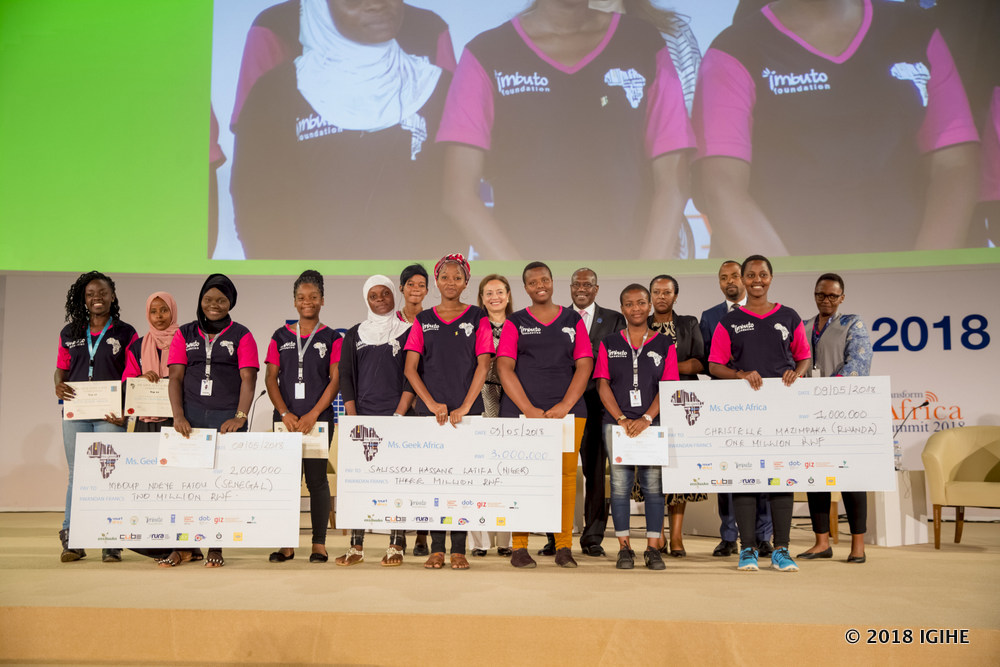
Latifa was awarded with Rwf3 million and will attend International Conference on the ticket of Smart Africa and will also attend the European Development Days 2018 Conference slated in June in Brussels, Belgium.
Among the awardees also include, Christelle Mazimpaka, the 2018 Ms Geek Rwanda and the third in Ms Geek Africa. She received Rwf1 million and allowed to attend one international conference on the ticket of Rwanda Utilities Regulatory Authority (RURA).
The second is Ndèye Fatou Mboup from Senegal who received Rwf2 million.
Among the five finalists were other two Rwandans Alida Umurungi and Sylvie Mahoro.
Speaking to IGIHE, the head of Girls in ICT which organised the competition, Lucy Mbabazi said that they had received 200 applications.
“We received 200 applications and selected 10 projects. Last week, we trained them on better organize their projects. Then, we selected five best projects,” she said.
Speaking at the event, the Minister of Youth, Rosemary Mbabazi said that the initiative aims to promote girls capabilities to generate solutions that can change lives of their communities.
She said it is very important to involve young people so that they can own their development agenda.
Mbabazi added that women are innovators and the platform is giving them opportunities to explore their potential beyond.
“Strategically and logically, we could not do anything much without involving women, especially girls because the future is in the hands of technology, and if we are talking that the future is in the hand of technology, you cannot leave out women,” she noted.
This year’s Ms Geek Africa is the second edition, but Girls in ICT in Rwanda are celebrating the 5th anniversary of Ms. Geek.
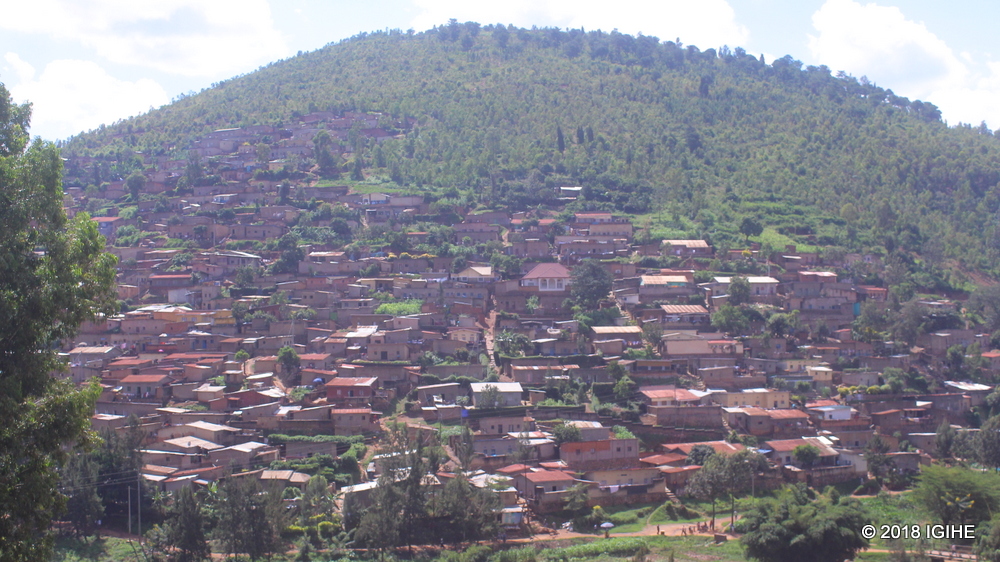
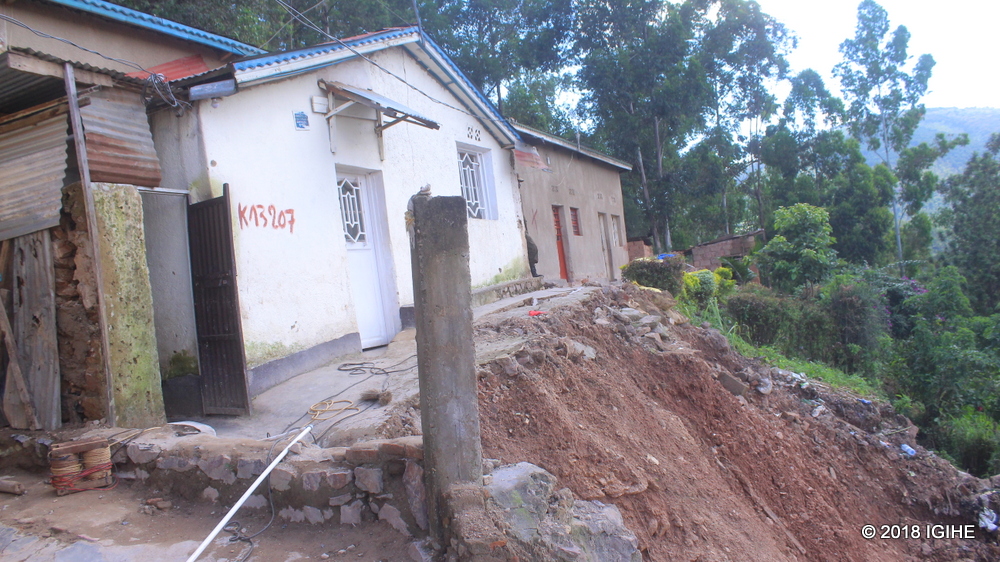
The families comprising 122 people were relocated and sheltered in a church in Birama village.
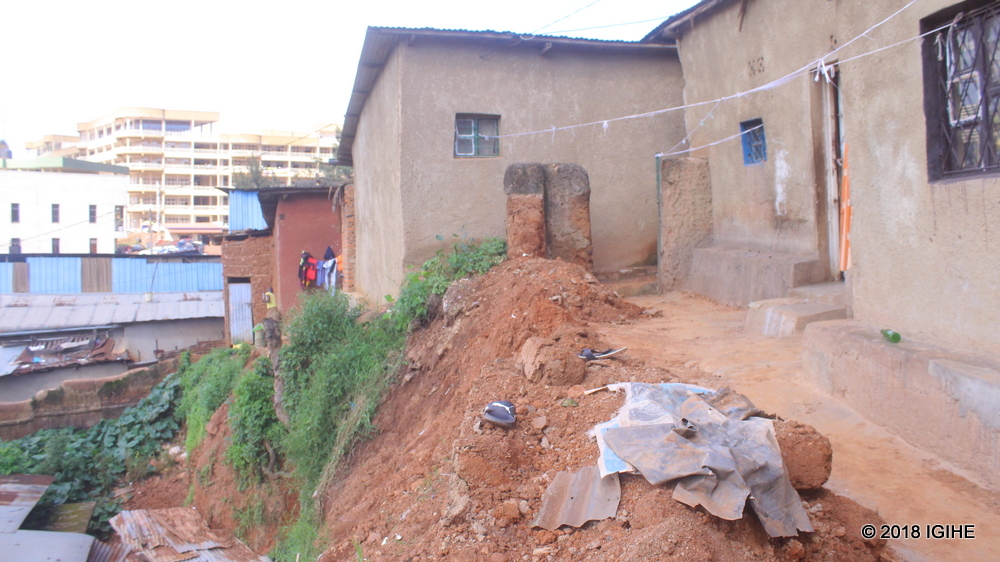
Kimisagara leaders say that they have registered over 9,000 houses in high risk zones and owners were told to relocate.
Unarguably, officials decided to forcibly relocate families who have been living in places which seemed to be highly affected by effects of heavy rains.
Most of relocated families had been living in rent.
Speaking to IGIHE, the Executive Secretary of Kimisagara Sector, Charles Havuguziga said that relocating them was the first help they were able to provide.
“It is true, we forcibly relocated them because it was the first help we could give them, to have them out of these houses. Some houses were putting lives of people in danger,” he explained.
He encouraged people living in high risk zones to approach other families for shelter and called for support from other institutions because the evicted are more disadvantaged to the extent that some families lack basic needs including meals.
Evictees cry foul
Different people who spoke to IGIHE expressed their concerns saying that they are unable to find new houses.
Sarafine Uwimana said that they cannot afford money to pay expensive rent in good places.
“We have nowhere to go, we cannot even put food on table now, my husband is a street vendor; the relocation is turning the matter worse,” she said.
Ten villages out of 49 in Kimisagara Sector are located in high risk zones but officials are sensitising people to leave the areas.
The Ministry of Disaster Management and Refugee Affairs announced recently that a total of 183 people were killed by disasters since January to April 30th and properties worth Rwf4 billion were damaged.
The last weekend downpours killed 26 people across the country, 18 among them were from Rwankuba Sector of Karongi District.
Satellite is one of Rwanda’s most awaited infrastructures along the ICT promotion journey.
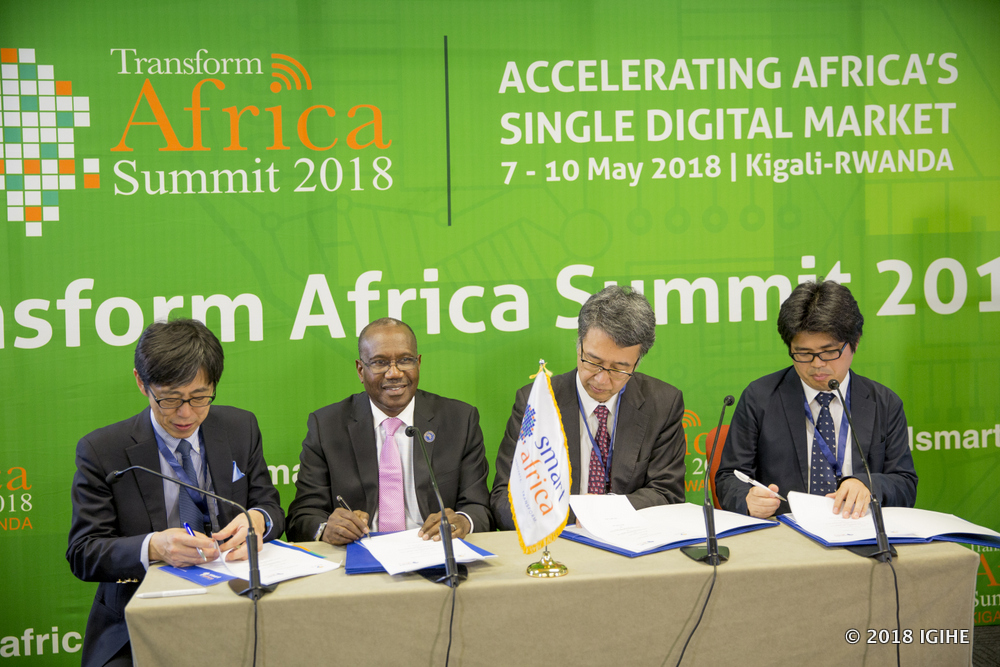
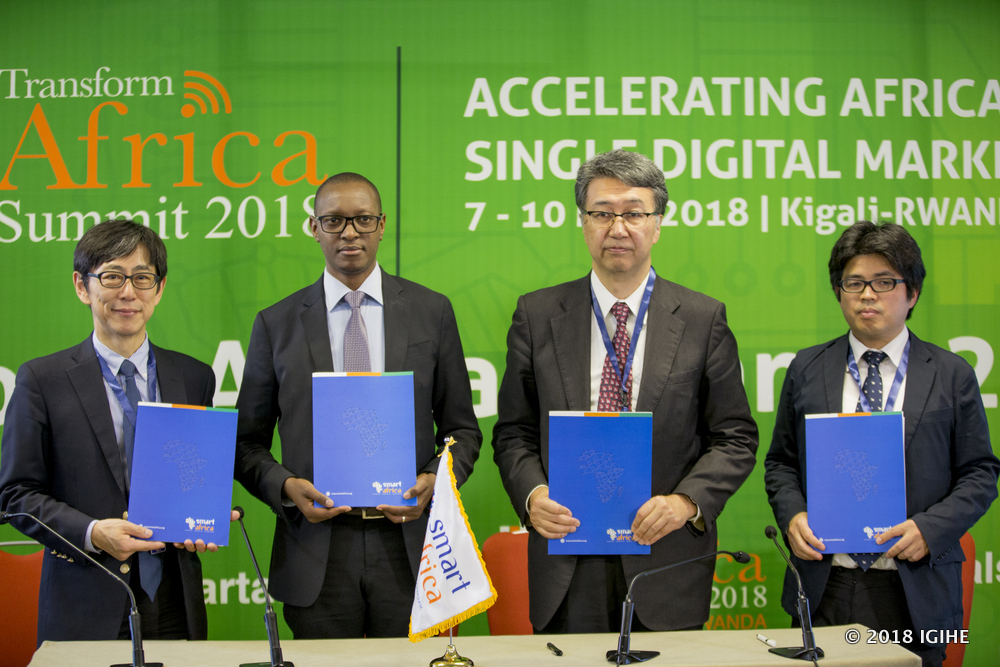
Speaking at the signing ceremony on the sidelines of the ongoing Transform Africa Summit in Kigali yesterday, Prof Shinichi Nakasuka from Tokyo University said that they build satellites since 2000 and they want to partner with Rwanda in making a small satellite which will not only be used in communication, but also a foundation to build more satellites.
He said that based on the trend of technology, it is not necessary to build a big satellite to be sent in the space. He said that they are using technologies which build satellites weighing below three kilograms.
On the budget of the satellite, Prof. Shinichi said that it will take around $200,000.
“Building such a satellite cost $200,000 (about Rwf173 million), while building the existing satellite could take at least $300 million (about Rwf260 billion),” he explained.
Before signing the agreement with RURA, Japanese companies signed the agreement with Smart Africa so that the satellite project can benefit member countries.
RURA Director General, Lt. Col. Patrick Nyirishema explained that Smart Africa has 22 member countries. On the side of Government of Rwanda, Nyirishema said that the project will be surely implemented.
“Rwanda wants to start the project with Japanese partners so that we can train people and build a satellite. By this period next year, we will present what we shall have completed. Great things are going to be done,” he explained.
The Executive Director of Smart Africa, Dr. Hamadoun Touré said that few Africans are skilled in satellite building, adding that many Africans are committed to joining the sector. He said that the training is necessary.
“Rwanda is committed to this project that will not only benefit Rwanda, but also the rest of the world,” he explained.
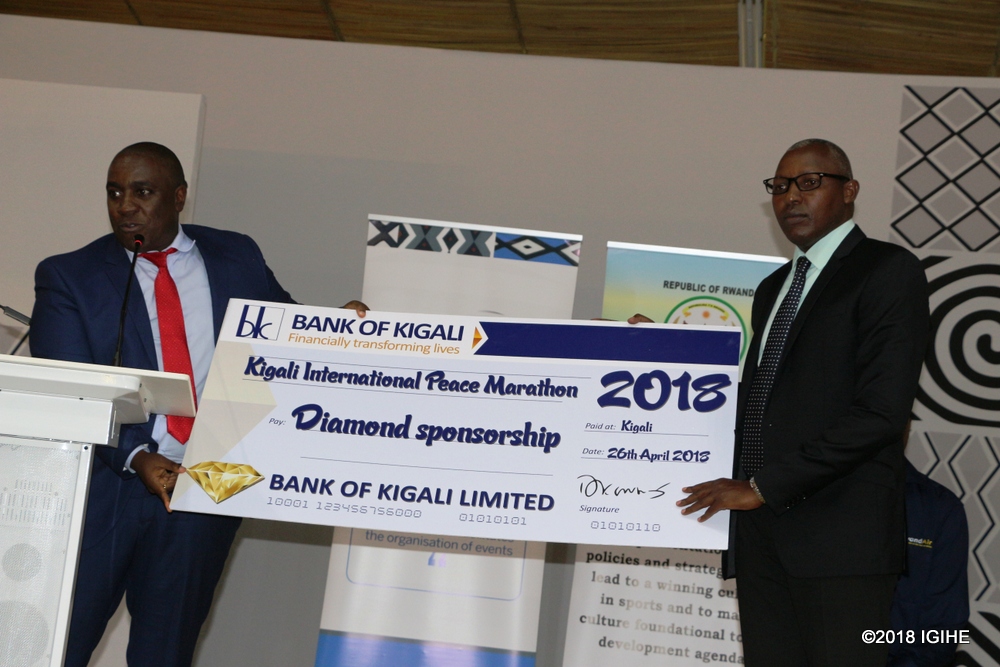
The 14th edition of the marathon is scheduled for May 20 at a tune of Rwf73 million, reflecting a decrease by Rwf17 million from the last year’s spending.
According to Jean-Pierre Ndacyayisenga, the technical director of the Rwanda Athletics Federation (RAF), over 8,000 athletes including amateurs and professionals are expected to participate in this year’s marathon.
The participants will either compete in full marathon in a 42.195km distance or run for fun in 10km.
During the launch of the registration that took place at Kigali Cultural Village, the local athletics governing body’s representative, Fidèle Mubirigi highlighted the progress made in preparations and success the marathon has registered over the past years.
During the ceremony, the roadmap of preparations and registration for local, regional and international participants, as well as courses of the two categories of competitions, run for fun and full-marathon races was successfully unveiled.
“In the past years, MTN Rwanda was our main supporter, other sponsors were not big enough, but now we are very excited about this year’s edition because we have been graced with some of the biggest sponsors in our country like Skol, RwandAir, BK and other sponsors. It is a great move for us because it will facilitate us in launching the best Kigali International Peace Marathon ever seen,” Mubirigi said.
Alain Numa, the Sponsorship and Promotion Coordinator at MTN Rwanda, expressed gladness for the new sponsors, saying that MTN Group is ready to work hand in hand with other sponsors to support the Kigali International Peace Marathon.
“This will be our fourth year supporting Kigali International Peace Marathon. Although we are investors, we also try to support the government in all ways possible. It is also a way to use sports in fostering good relations between countries,” he said.
Participants register with the payment of Rwf2000 via MTN line using the code *182*3*505050*2000#, or by visiting the nearest MTN branch.
RIB Spokesperson, Modeste Mbabazi told IGIHE on Wednesday that Ingabire is under National Public Prosecution Authority (NPPA) which also has more details about his charges.
IGIHE has learnt that Ingabire was arrested on Tuesday on allegations of awarding a tender without considering bidding procedures.
The tender is about online land titles registration portal which would have been renovated and filed in different documents.
It is said that the tender had the value of over Rwf19 million. The shoddy tender was recently revealed by the report of the Office of Auditor General.
The law states that the tender with the value above Rwf2 million should go into open competitive bidding.
The Article 632 of Rwanda’s Penal Code states that any person who awards a tender without open competitive bidding in disregard of the provisions of the law of public procurements shall be liable to a term of imprisonment of six (6) months to two (2) years and a fine of one million (1,000,000) to five million (5,000,000) Rwandan francs or one of these penalties.
Inspector General of Police, Emmanuel Gasana made the pledge when the residents of the village visited Rwanda National Police Headquarters in Kacyiru in February.
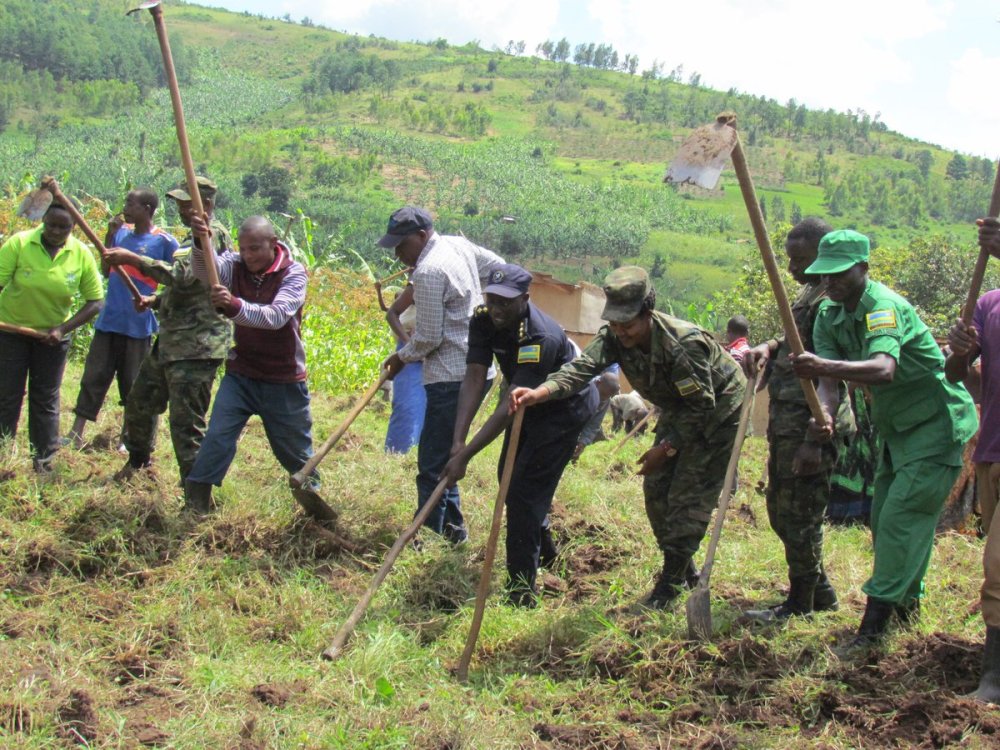
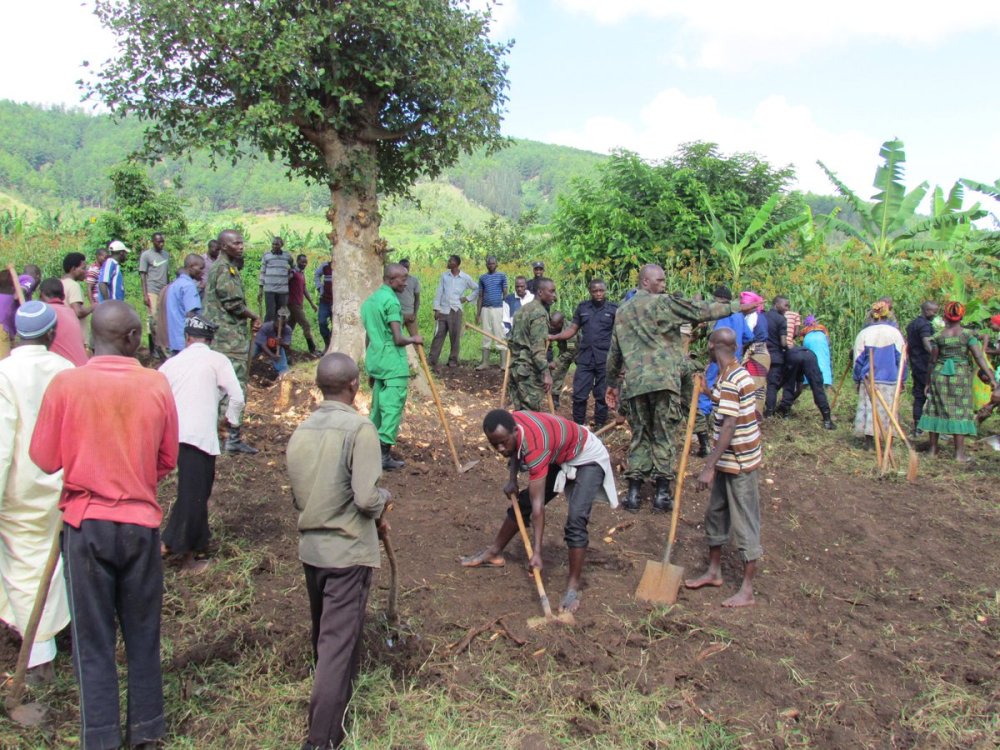
The construction works started yesterday under the residents’ partnership with Rwandan army under RDF Citizen Outreach Programme.
Kagarama Village leader Patrick Bimenyimana has told IGIHE that they welcome the construction of the office which is expected to help them improve service delivery.
“This is citizen development activity; it will help us to diligently solve their problems,” he said adding that the gesture shows that the government cares about the population.
He said that they had constructed the village office themselves but it doesn’t have enough space to accommodate all members of the village committee.
{{How the village became crime-free }}
Since 2013, no crime has been recorded in Kagarama village, a practice which enabled them earn different awards at the national level.
According to Bimenyimana, efforts that were invested in ending drugs paid-off and resulted into abundant security.
“On top was joint collaboration in uprooting drugs. We sensitized drug dealers to abandon them, for those who resisted, we used security forces. Currently, people are using local beer known as Urwagwa (from banana and sorghum) and Ikigage (made from sorghum) and those from industries that are legally recognised,” he explained.
Bimenyimana urges fellow leaders not to tolerate anything that could lead to security destabilisation if they want to end crimes.
“In some villages, people do night patrols when they are drunk or they receive bribes from traffickers. They should walk the talk, not just to say security as a word of mouth. Nothing can’t the heads of villages do if they are committed,” he urged.
While visiting Police Headquarters in February, IGP Gasana urged Kagarama residents to enhance collaboration despite challenges they might face.
The construction works for the Kagarama Village offices will take one month.
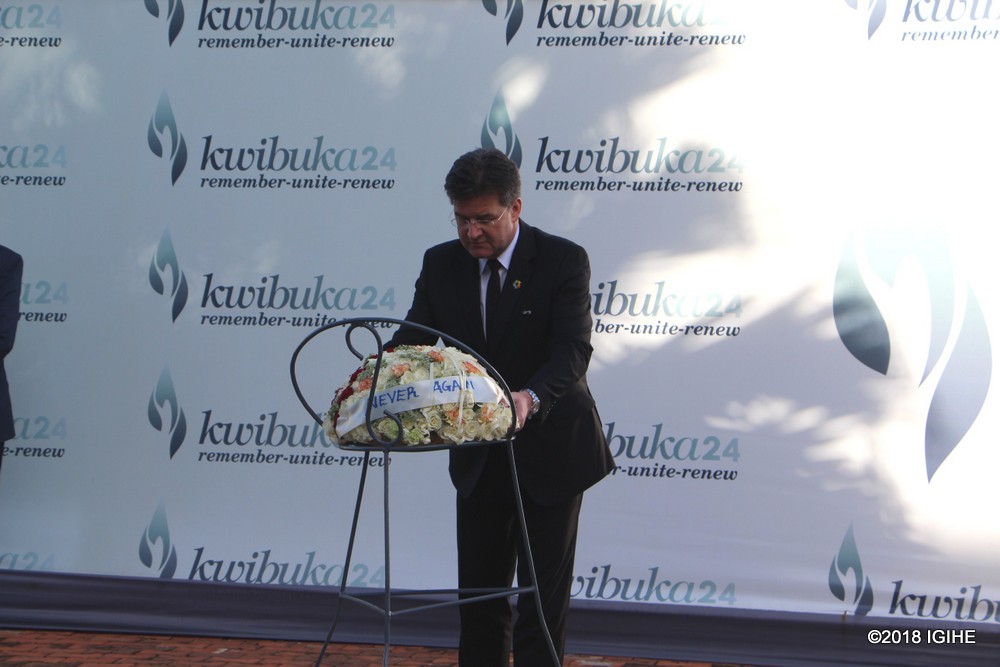
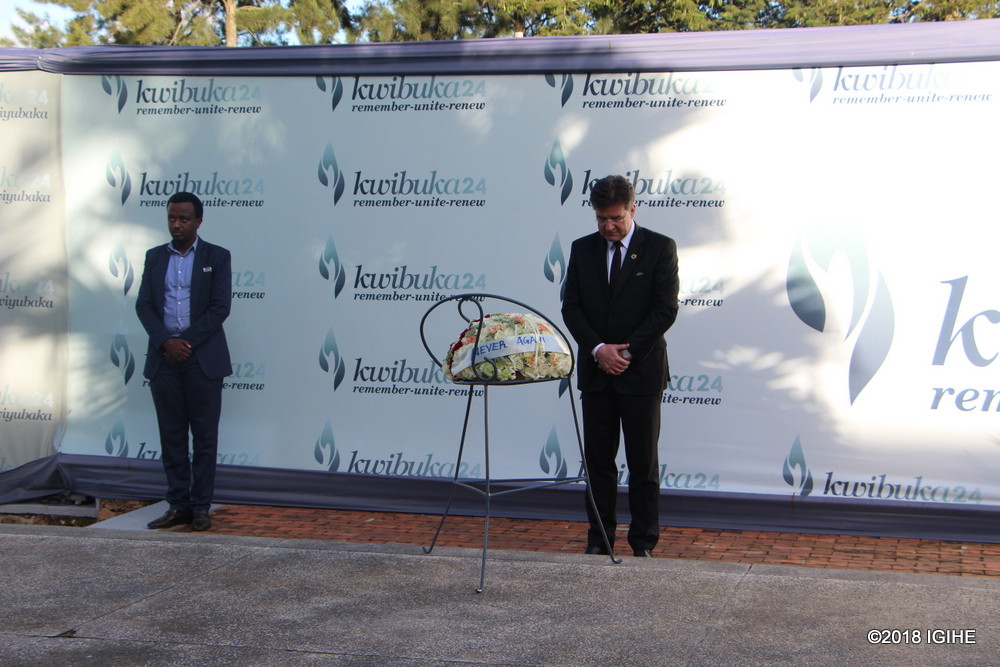
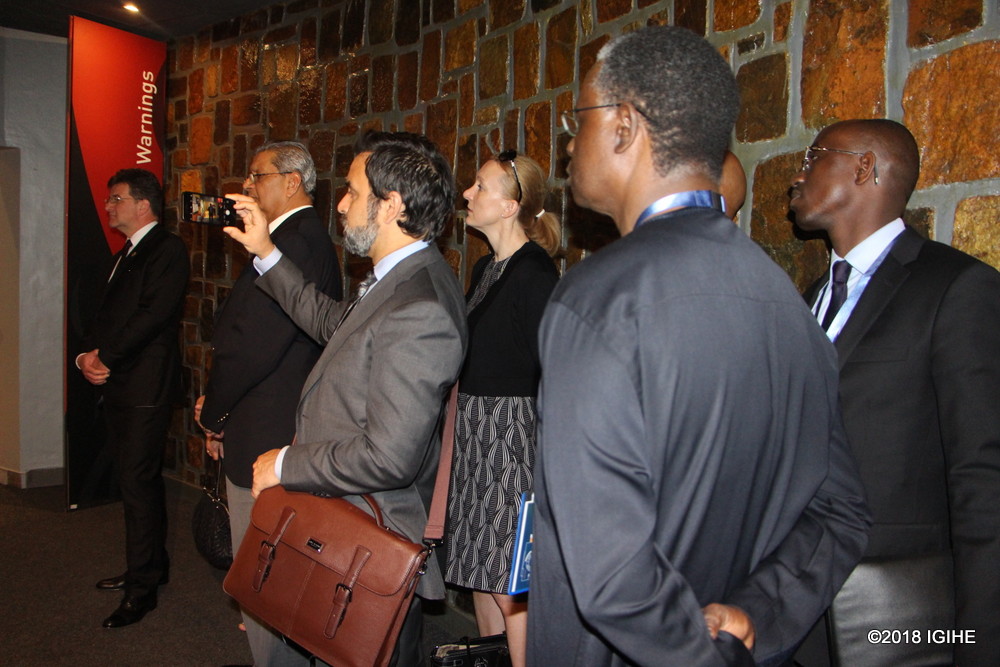
Miroslav Lajčák yesterday laid a wreath on mass graves containing the remains of more than 250,000 victims, and was given a tour through the different sections of the memorial explaining the history of divisionism in Rwanda, and the Genocide against the Tutsi and its consequences.
Lajčák who is a Slovak diplomat and the Minister of Foreign Affairs, expressed his shock at what he learnt during his guided tour. He expressed his chagrin at what happened in Rwanda and at the UN’s failure in preventing the Genocide.
“This is a very historic place that I wished to visit and pay my respects to those who lost their lives in the Genocide and to say once again that we failed the people of Rwanda and that it should never happen again,” he said.
Miroslav Lajčák added that violent conflicts are on the rise in many parts of the world today due to political leaders who favor decisions that are more prone to lead to wars rather than solve disputes.
“I wish the World could learn faster. If some political leaders could be brought here, they would see themselves the consequences of irresponsible political actions,” he remarked.
During a High-Level Meeting on Peacebuilding and Sustaining Peace that was held at the UN Headquarters earlier this year, Lajčák dedicated an article, titled “A New Approach to Peace”, to the meeting, where he noted that “the UN was founded for peace and that its success in preventing conflict should be the norm – not the exception”.
Miroslav Lajčák is President of the 72nd sessions of the UN General Assembly since september 2017.
The rankings, which were released by the ICCA on Monday are based on the number of association meetings taking place regularly (annually, biannually) rotating between at least three different countries and with at least 50 participants.
The association meetings organized by Rwanda included several high-level conferences such as Africa Organization for Research and Training in Cancer (AORTIC), Board Meeting of the Global Fund (BMGF), Annual Tourism Conference of the Africa Travel Association (ATA) and Annual General Assembly of the African Airlines Association (AFRAA) among others.
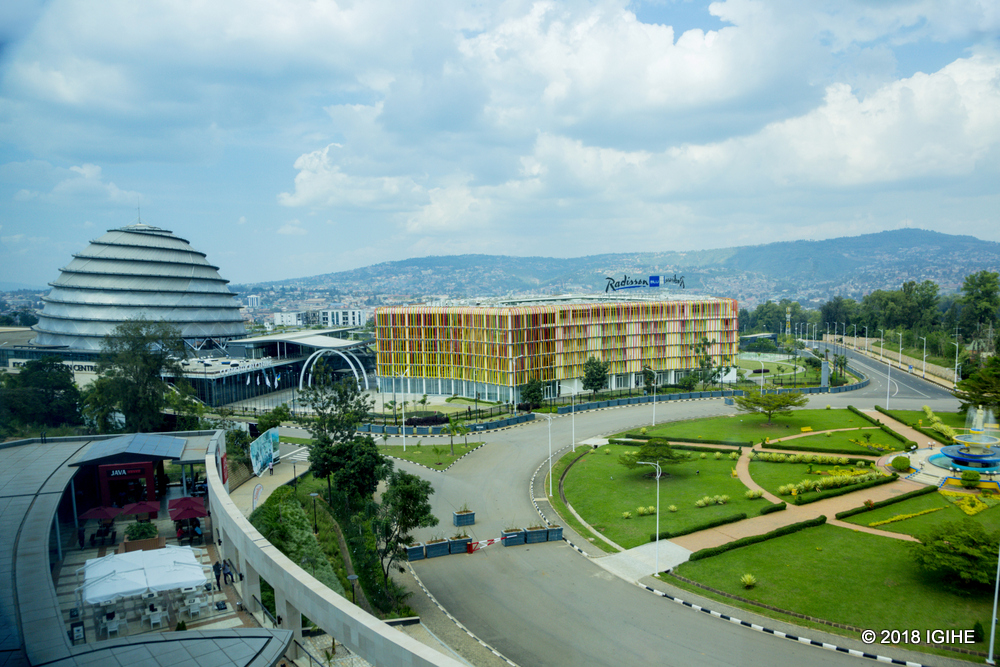
Rwanda is currently hosting over 4000 delegates attending the Transform Africa Summit 2018.
Commenting on the rankings, the Chief Executive Officer of Rwanda Convention Bureau (RCB), Denise B. Omany welcomed the position saying that they are working hard to attain more good position.
“These rankings are proof that our MICE (Meetings, incentives, conferences and exhibitions) strategy is creating value. Rwanda recorded 28,308 delegates in 2017, up from 23,804 in 2016. Tourism is the country’s largest foreign exchange earner and MICE is playing an important role in its growth, bringing in 15% of all tourism revenue,” Omany said.
MICE tourism contributed USD42 million in 2017 and they target to increase it to USD74 million this year.
“We are glad to retain the third position and we are working incredibly hard on attaining an even better position through hosting even more association meetings. With the support of the Government, as well as the private sector, Rwanda has been able to establish herself as a safe, secure MICE destination of choice due to the presence of world-class MICE venues, accommodation facilities, connectivity options and ease of service due to RCB support” Omany added.
According to Rwanda Convention Bureau, Rwanda is a preferred MICE destination due to its simplified visa process that allows nationals of every country in the world to get a visa on arrival for all visitors in addition to its easy accessibility due to the multitude of flight options offering connectivity to Kigali and the rest of Africa though the national carrier, Rwandair.
Rwanda Convention Bureau is the Africa’s latest International Congress and Convention Association (ICCA) Member.