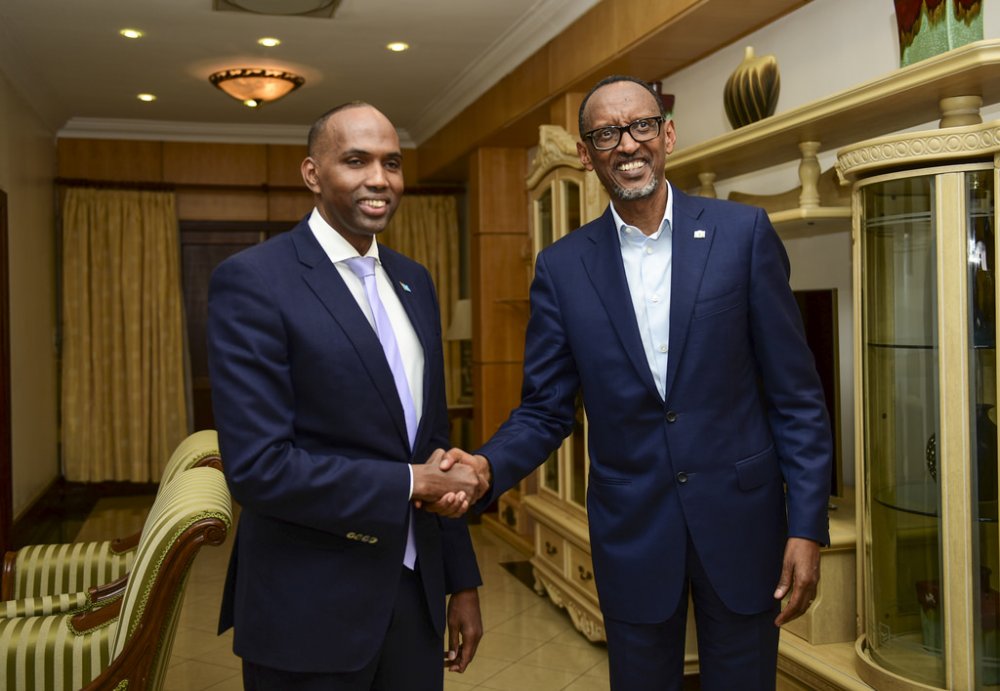
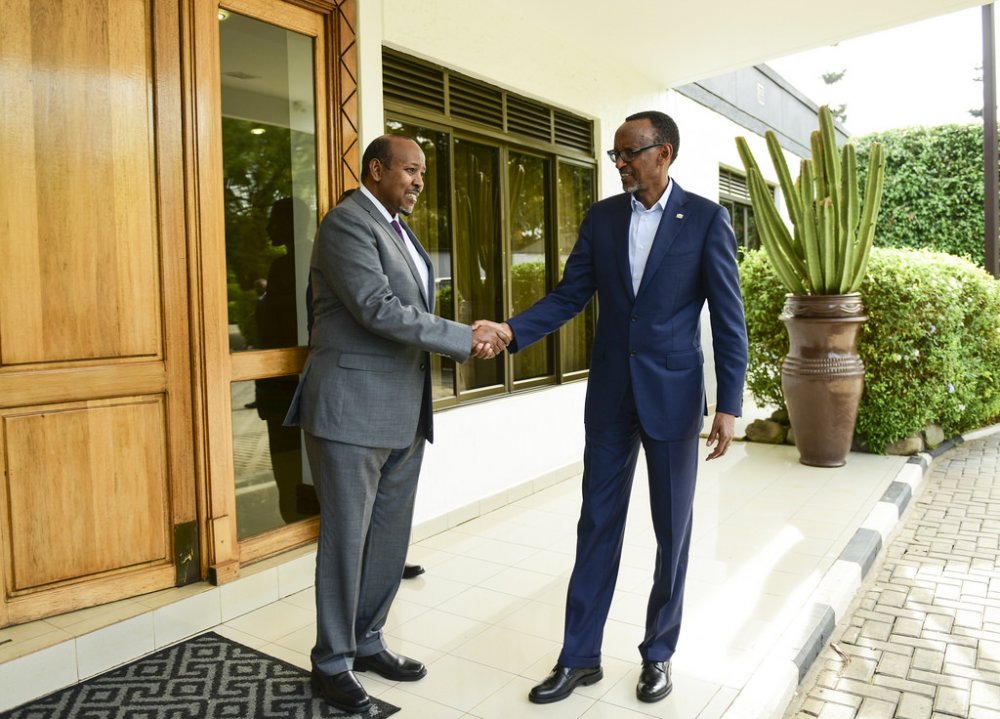
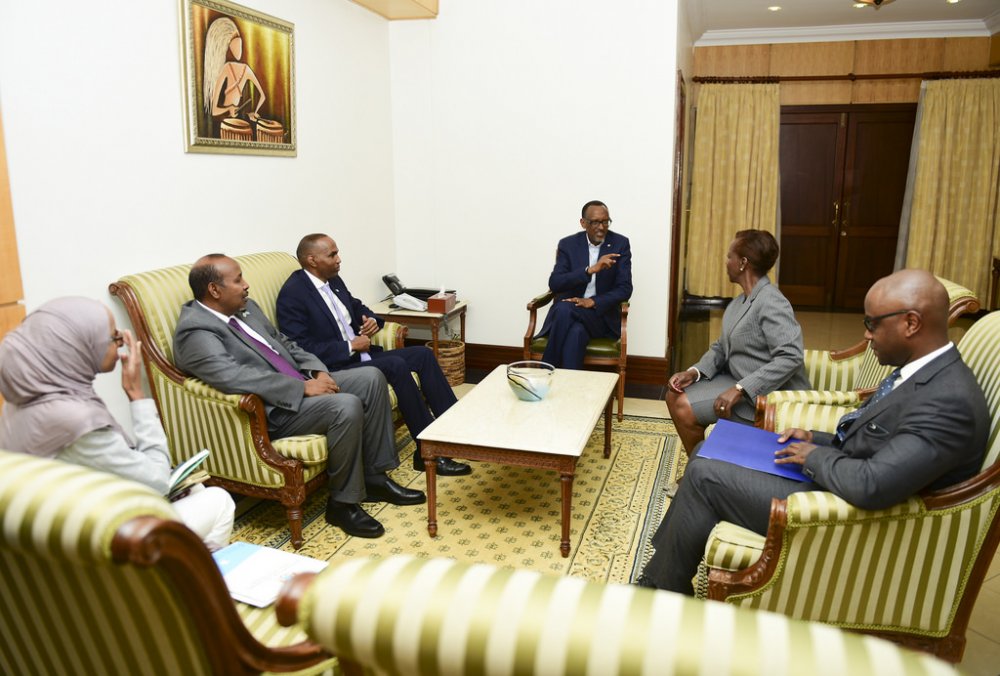
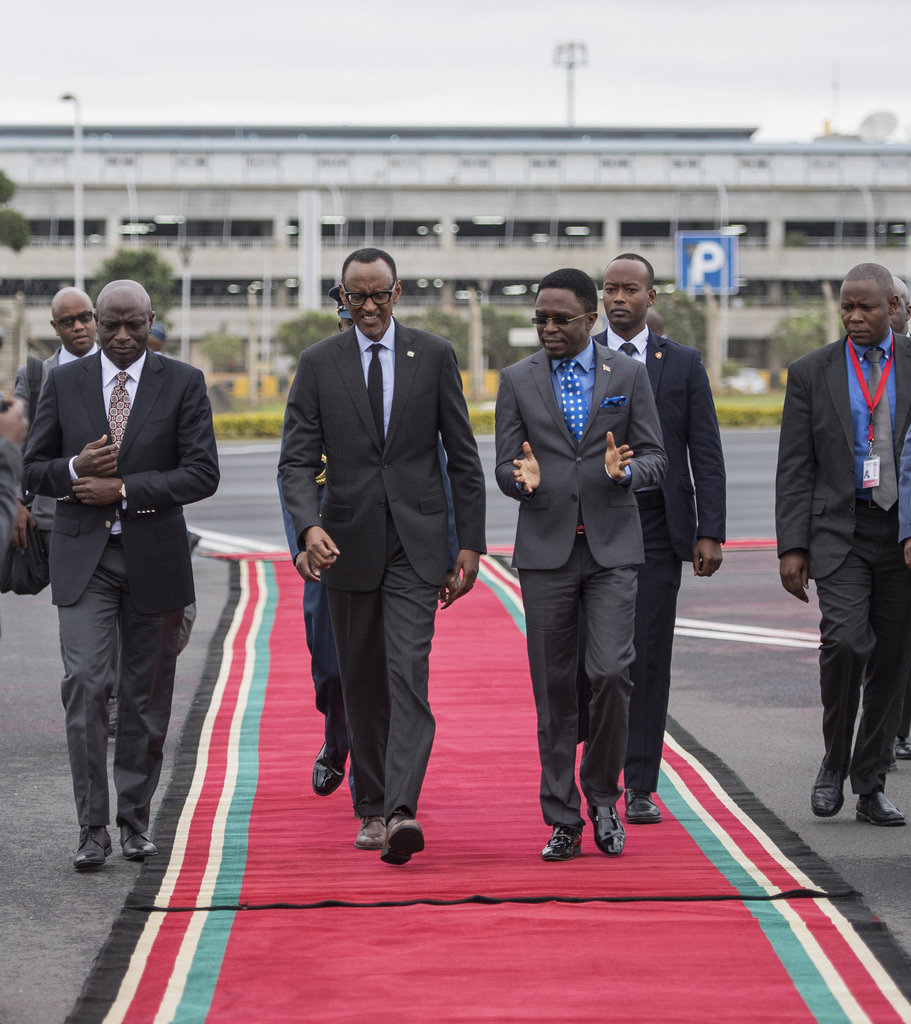
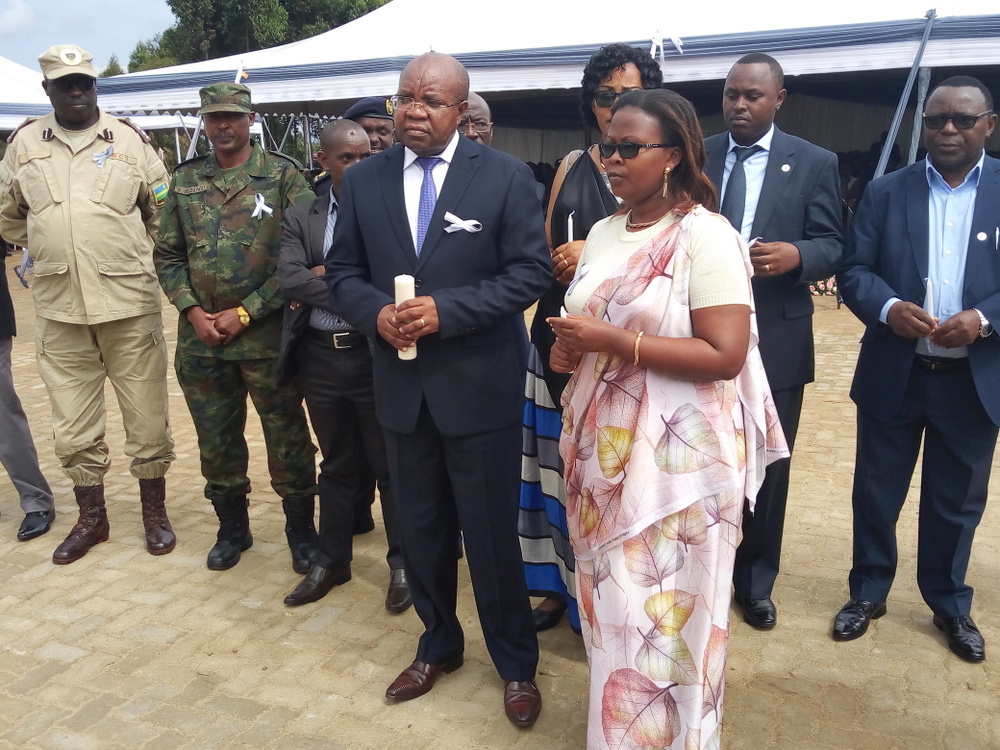
In a tweet, the Office of the President, Village Urugwiro announced that the Somalia leader has been in Kigali for a one day working visit.
“President Kagame today received Prime Minister Hassan Ali Khayre of Somalia during his one day visit to Kigali,” tweet reads.
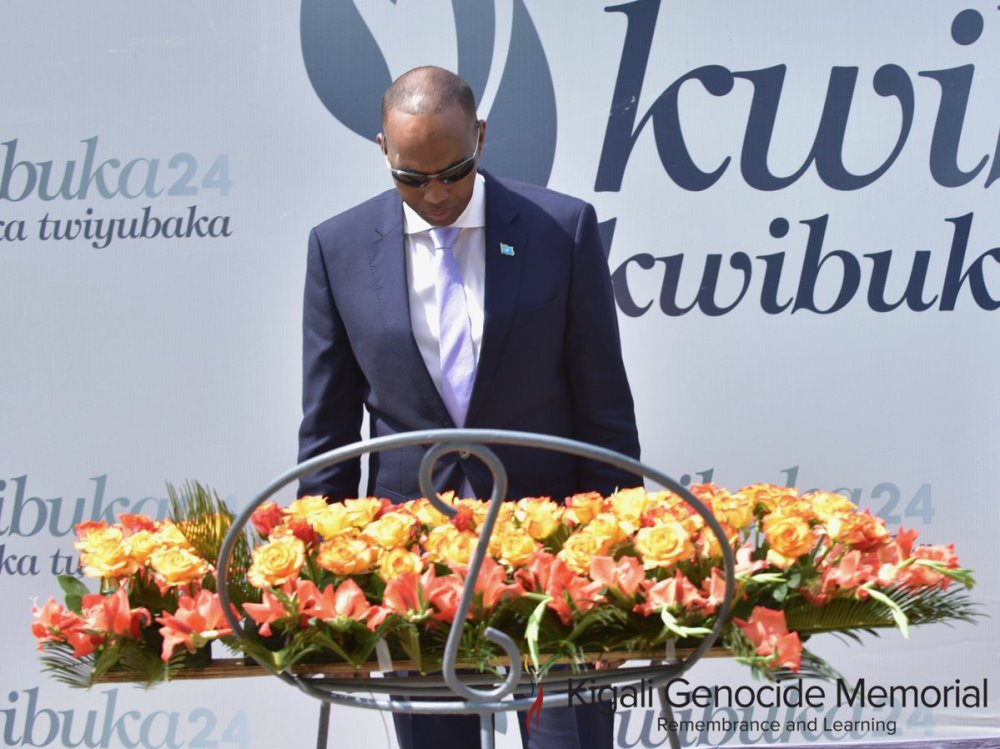
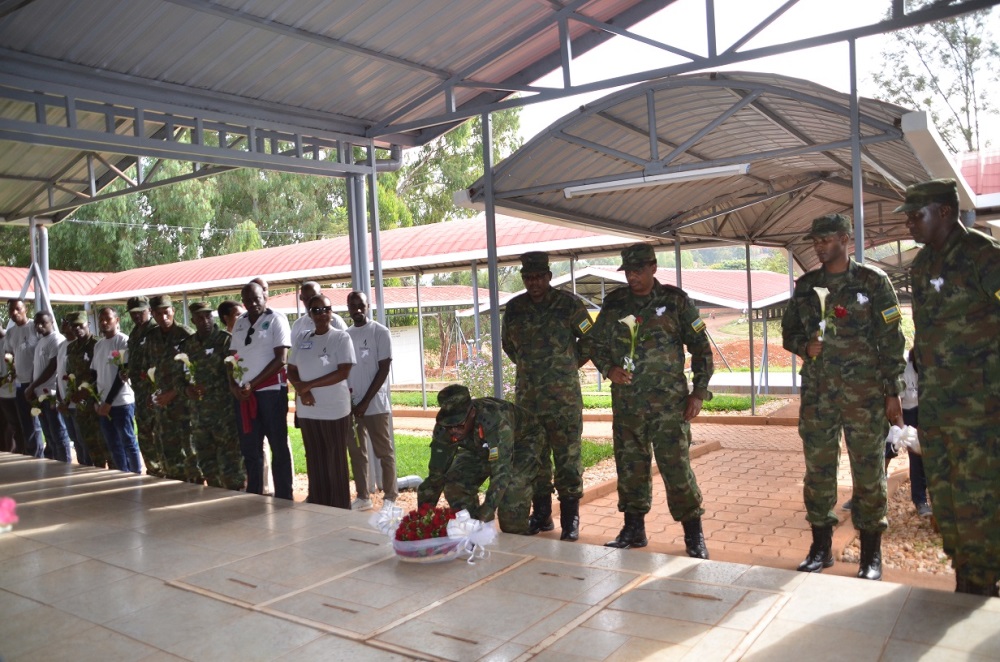
As part of his visit, Mr. Khayre also visited the Kigali Genocide Memorial Centre and paid tribute to victims of the 1994 Genocide Against the Tutsi laid to rest there.
Khayre toured the memorial’s exhibits to learn more about the history of the 1994 genocide perpetrated against the Tutsi.
In his message, Khayre said that he was delighted to learn from the way Rwanda overcame the tragic past.
“I am delighted to learn that Rwanda has managed to overcome those problems in a short period due to the leadership of President Kagame,” he wrote in the memorial’s guest book.
The Northern Corridor Integration Projects (NCIP) which is a multilateral development initiative established in 2013 is aimed at speeding up development in the region, particularly the improvement of infrastructure for ease of movement of people, goods and services in the East-African region.
In a statement issued in Nairobi, Kenya’s State House spokesman Manoah Esipisu said the regional summit will be attended by host, President Uhuru Kenyatta, and his counterparts Yoweri Museveni of Uganda and Rwanda’s Paul Kagame as well as a Special Envoy of President Salva Kiir of South Sudan.
“During the Nairobi meeting, the leaders are expected to review the progress made in the implementation of the various resolutions reached at during the 13th Summit held in Kampala, Uganda on April 23, 2016,” reads the statement.
The NCIP are designed to link the land locked countries of Uganda, Rwanda, South Sudan and Burundi to Kenya’s Indian Ocean Port of Mombasa. The corridor also serves the Democratic Republic of Congo and northern Tanzania.
Among the key projects expected to feature prominently during the meeting is the Standard Gauge Railway (SGR) where significant progress has been made with Kenya having successfully completed the Mombasa-Nairobi line and embarked on the Nairobi-Naivasha section which is now at 50 percent completion.
Leaders will assess and provide leadership on the progress being made in power generation, transmission and interconnectivity, and review progress on ICT and oil refinery.
The State House spokesman added that a commercial contract for the Naivasha-Kisumu-Malaba sections and a modern port at Kisumu has already been signed with the China Communication Construction Company.
He said preliminary engineering design of the new SGR line from Kampala to Kigali, Rwanda’s capital, was completed in January while in South Sudan, preparation for a bankable feasibility study for the Nimule-Juba SGR line is on-going and is expected to be complete by December this year.
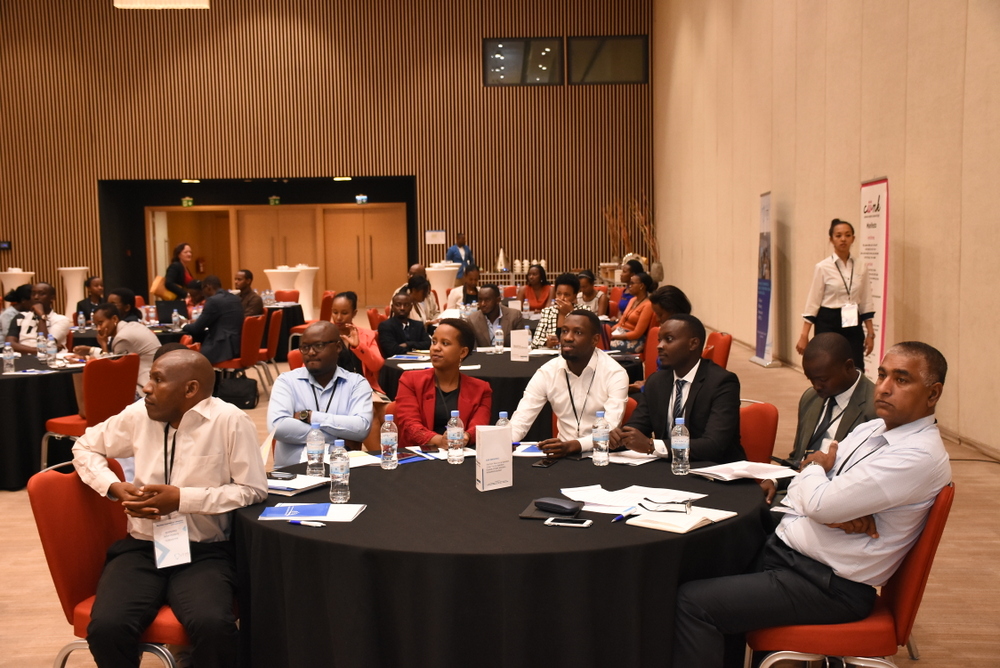
Started on June 21st in Kigali Convention Centre under the topic ‘Become a person of influence’, the training was organized under the partnership of ITM Africa and AB Leadership.
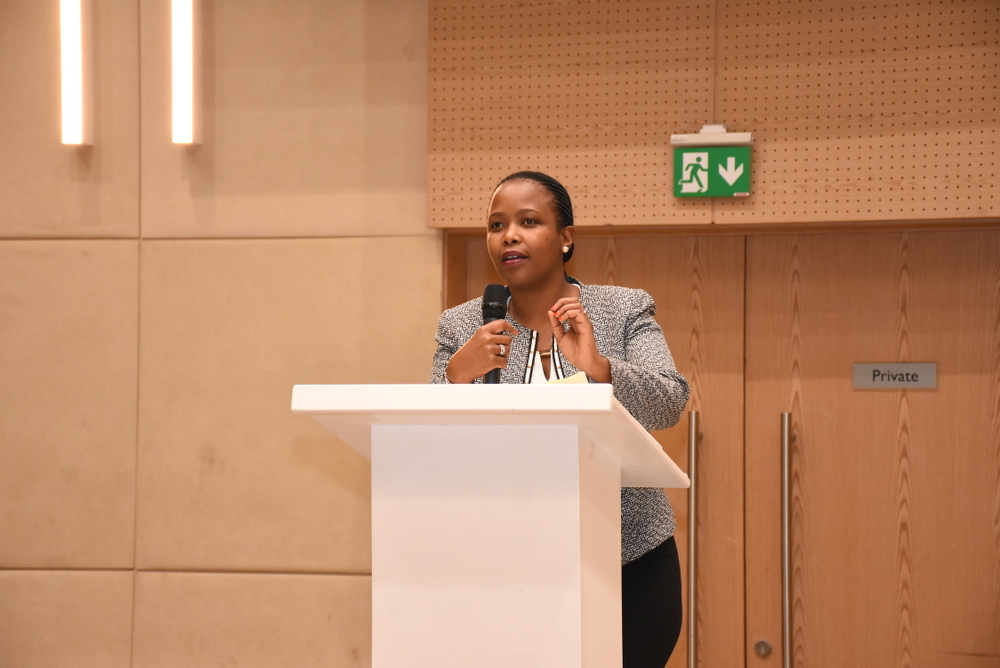
Annet Baingana, the Founder of AB Leadership and a certified coach member of JOHN MAXWELL team, told the managers present at the event that their position in the company isn’t what enables good leadership but rather their attitude.
“Many think that to be an exceptional leader, you must be well-positioned, but I came to learn that becoming a person of Influence did not depend on the position of a person in the company.” Annet Baingana said
She added that people could diligently follow the leader without him having to use fear or authority over others. She further advised that for one’s opinion to be heard and respected, it only depended on the attitude of the person.
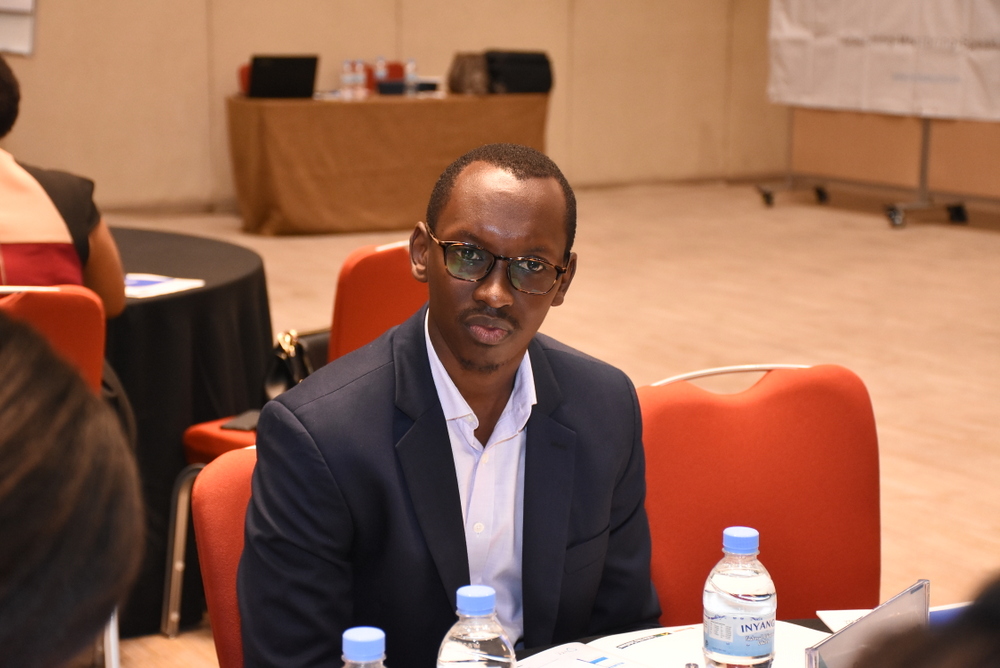
Johnson Rukundo, a coordinator at Smart Africa said that the training had equipped him with key leadership skills, and that he now had the confidence and support to apply lessons learned in their business context.
“I am going to learn to be patient and welcome everyone with great proffessionalism without taking notice of how they treat me.” Rukundo said
ITM Africa’s Representative in Rwanda, Mwiza Lys, said that the aim of the trainings was to show leaders and managers that to lead better implied setting a better example.
Among other officials speaking at the event were; Rwanda Development Board (RDB) CEO, Clare Akamanzi; Chairman of Gasabo Investment Company, Fabrice Shema; Engen Rwanda managing Director, Sarah Doukoure; the Chief Executive Officer of AC Group, Patrick Bucyana and the Special Advisor to Smart Africa Head, Jean Philbert Nsengimana.
Besides having the opportunity to interact and share ideas among themselves, participants were awarded with international certificates on learned skills.
ITM Africa Ltd is an international business solution company specializing in all Human Resources solutions and supply chain management. The body continues to invest in innovation development and seeking solutions leading to business development through skills development.
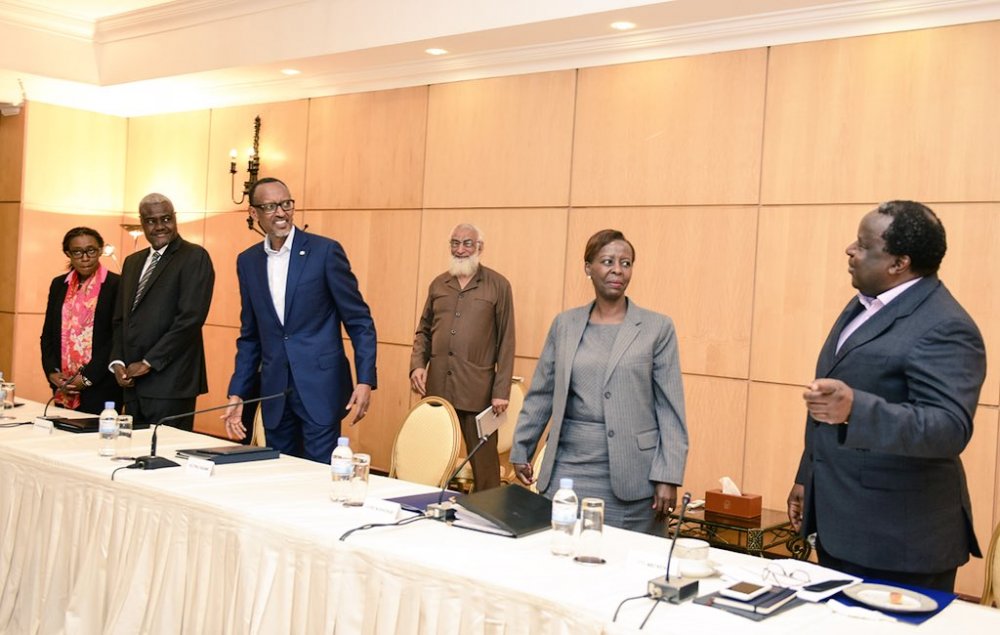
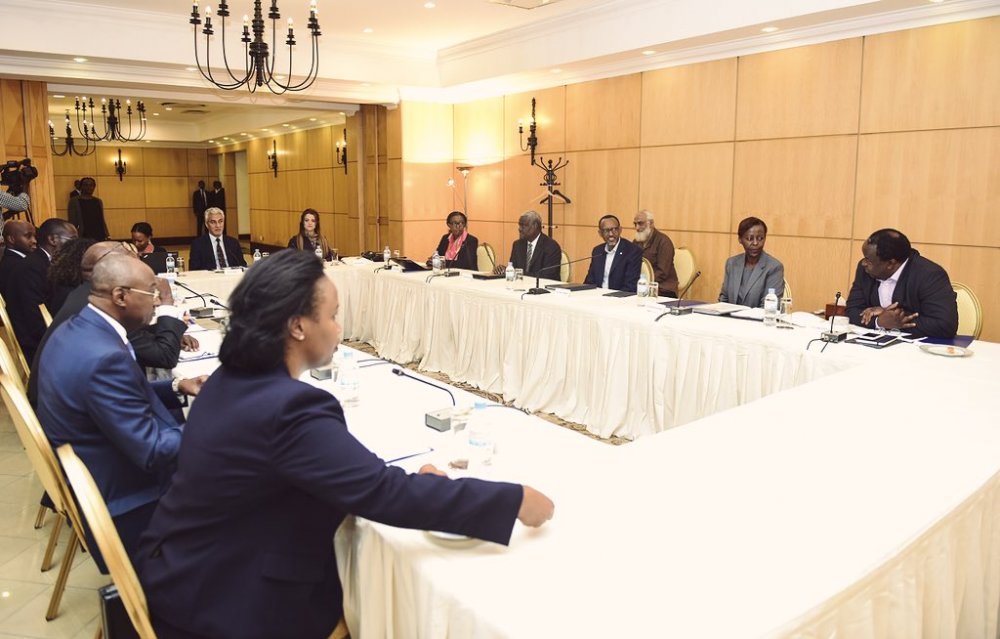
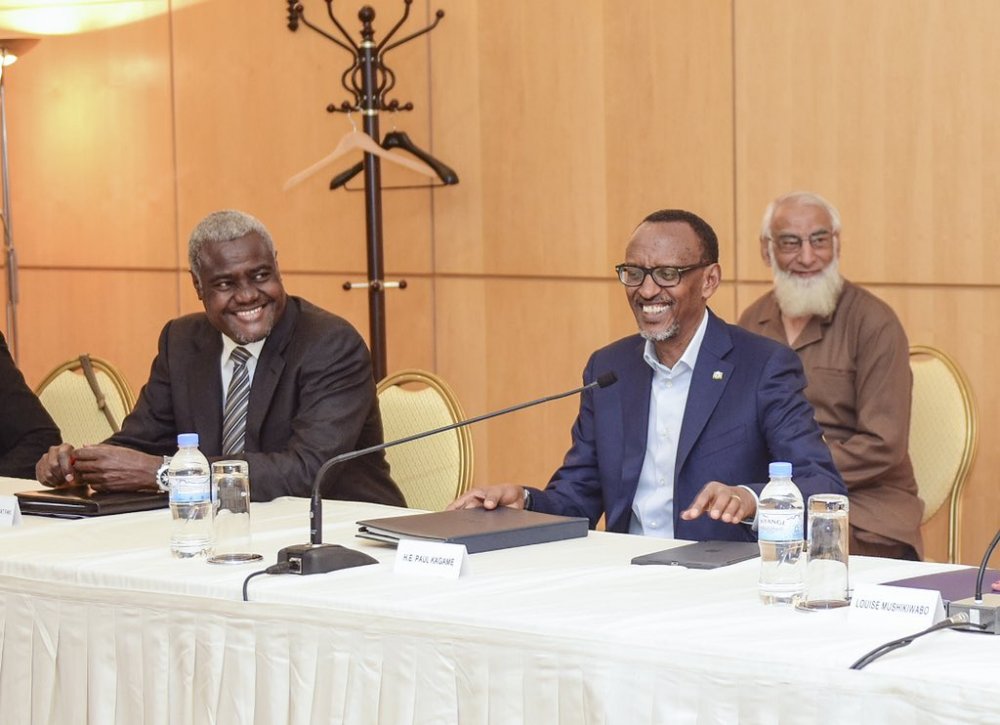
In a tweet, the Office of the President, Village Urugwiro announced that Kagame met the team before the African Union Summit takes place in Mauritania.
“This morning in Kigali, President Kagame is now meeting with the Chairperson of the African Union Commission Moussa Faki Mahamat and members of the AU reforms team ahead of the AU Summit to be held in Mauritania,” tweet reads.
According to AU, the 31st Ordinary Session of the Assembly of Heads of State and Government of the African Union (AU) will take place from 25th June to 2nd July 2018, under the theme “Winning the Fight against Corruption: A Sustainable Path to Africa’s Transformation”.
One of the main participants, Emmanuel Lobijo Justine, Founder of Junub Open Space said that “Arts heal internally, allowed us to imagine deeply. Working collaboratively in order to make one piece, makes us understand each other much better. The thing that I looked forward to this event was discover the hidden talents of the Students and support them. “
This peace event reminds people of harmony and coexistence in our global community, which are the core values that we as global citizens acquire through our life time. With the theme of ‘Arts to heal the scars of war and violence’, we seek peace building through developing peace as a culture, as designated in the Declaration of Peace and Cessation of War (DPCW).”
IPYG advocates the international network of and role of youth in peace building while recognizing civic participation and contribution to global peace. Designating respect on international law, religious and ethnic freedom, and developing a culture of peace by citizen participation, the DPCW addresses international cooperation for peacebuilding. Drafted by Heavenly Culture, World Peace, Restoration of Light (HWPL), a UN ECOSOC-affiliated NGO, the DPCW is currently gaining support from civil society organizations and intergovernmental organizations.
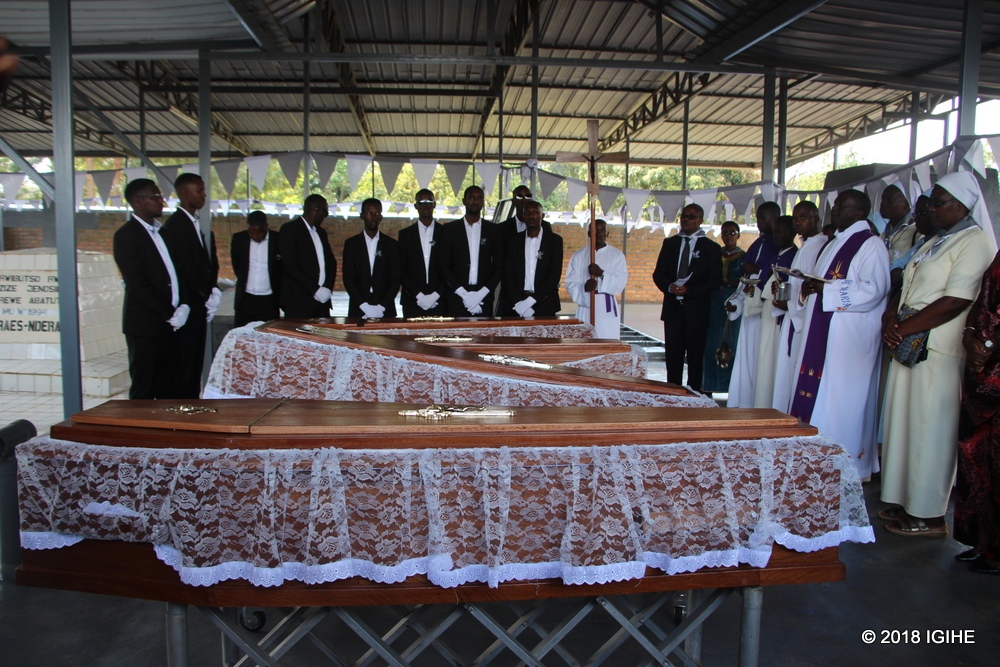
Bizimana was speaking Sunday in Kigali during a burial ceremony of remains of 359 victims which were recently exhumed in Ndera Sector of Gasabo District.
Speaking on behalf of survivor families whose relatives were buried on Sunday, Antoine Ruvebana said that it was difficult to know whereabouts of the remains because people who had enough information used to mislead them.
“This process shows us that some convicts who were released from bail and sought pardon for their role in the genocide were not changed. They were not repent because, they didn’t want to facilitate us by revealing whereabouts of our fallen families,” he said.
Reacting on Ruvebana’s concerns, CNLG’s Bizimana said that survivors would no longer beg convicts to reveal whereabouts of the remains after 24 years. He requested the use of technology in searching them as the system is applied to the Jewish Genocide.
“Continuing to beseech killers result in nothing, rather it encourages them to continue to gloat over survivors. Different institutions will continue to discuss it, and one of possible solution is use of technology. To use machines which can reveal where the remains of victims are located,” he said.
City of Kigali Mayor, Marie Chantal Rwakazina said that having people who still drug feet in revealing whereabouts of remains of genocide victims shows that there is a long way to go to end deniers and trivializers of the genocide.
“This opportunity should be there to remind us that we need to put in place new measures to fight against the genocide ideology, denial and trivialization of all forms, having people reluctant to reveal whereabouts of the remains inform us that there is a long journey in fighting denial,” she said.
Elected in February 2016, Uwiyoboye is the Coordinator of the National Youth Council (NYC) in Nyarubaka Sector of Kamonyi District. She had received no training until mid last year when Noyau de Paix opened a civic education camp meeting for 700 youth committee members from five districts.
Running from July 2017 to June 2018, the one-year project was funded by Rwanda Governance Board (RGB) and the United Nations Development Programme (UNDP) at a tune of Rwf25 million.
“We attended the training and learned of the importance of working closely with other authorities like local leaders in serving the country. We built up synergies to serve the country. We built 12 latrines and 12 vegetable gardens for 12 different vulnerable households in Kamonyi. We also encouraged our fellow youth to participate in the last year’s presidential elections,” said Uwiyoboye.
She said these activities have positively changed the image of the youth in their communities because adult especially elderly people are now looking at the youth as important members of the community, differently from the years back when they were considered as indifferent on the community’s activities.
“The demand for help is too high; people are asking us to do the same as we did in their neighbouring areas. We are commitment to reaching out to a bigger number of the disadvantaged,” she added.
Olivier Mahoro, the Coordinator of NYC in Bweramana Sector, Ruhango District, shared similar gains from the project, saying his peers have now understood their responsibilities towards the nation and working hard to meet them.
“We had our physical strengths for the work of construction but we needed some money to buy materials for the roof; so Noyau de Paix supported us with the skills and finances. This project has become a stimulus for us to do more; we are keeping on helping the vulnerable within our communities,” he said.
Hassan Jean-Aimé, the Coordinator of NYC in Cyanika Sector of Burera District, said “We have acquired to set targets as performance contracts (Imihigo). Youth are often indifferent about politics but we have got to know that politics affect our lives in one way or another whether we get involved or not. We have understood our role in our communities’ development. We were challenged by rainstorms during our concluded activities but we are now going to do more in this dry season. We have got courage and love for these activities.”
The youth were recounting achievements Friday during an event to close the project in Muhanga District.
According to Hyacinthe Kabalisa, the Projects’ Coordinator at Noyau de Paix, this is a platform of 25 local organisations but the concluded project saw the intervention of only three including Kabgayi Diocese of the Catholic Church for the project’s implementation in the districts of Kamonyi, Muhanga and Ruhango; Peace and Durable Development in Burera and Peace House in Bugesera District.
Kabalisa said the project intended to raise civic education among the youth and encourage them to help tackle the shortage of proper latrines and high rates of stunting among children, issues that are occurring in many communities around the country.
The project saw 700 youth members attend civic education training and went out to mobilise their peers who built 59 latrines, 58 vegetable gardens, renovated two residential houses, developed seven stoves and cemented three houses, among other activities targeting the vulnerable households in the five districts.
The event took place Saturday at the ceremony to commemorate the victims of 1994 genocide against the Tutsi in Rusizi.
Survivor, Vestine Utamuriza said that the remains of their families had been poorly buried as the rains and floods have been damaging them.
“We are pleased to see the remains of our beloved fallen families rested in safe place. Previously, they were buried in unsafe place where it used to rain on them,” she said.
It is anticipated that all remains of the genocide victims across Rusizi District will be moved to three District Genocide Memorial Centres which are Nyarushishi, Mibilizi and Kamembe.
Nyarushishi Genocide Memorial Centre is home to 4738 victims.
Speaking at the event, Senator Appolinaire Mushinzimana said that the memorial is well constructed so that more remains could be buried there.
According to Mushinzimana, the memorial is capable to receive remains of over 10,000.
The International Day of the African Child, observed annually on 16 June, was established in memory of the young boys and girls killed during the 1976 Soweto Student Uprising, on this date. This international day therefore reminds us of the need to safeguard the sanctity of children’s lives and rights, while recognizing institutions and causes that make sure that African children are able to reach their full potential. Furthermore, it is a call for action for the world to engage itself in making sure that these initiatives are spread, and can impact even more African children.
The theme for this year’s celebration is “To leave no child behind for Africa’s Development”, in line with the objectives of Agenda 2030, and this can be established by promoting every child rights to education and health, as the starting points to children’s development.
{{Understanding our context
}}
Africa’s population is increasing at a fast rate.
In 8 years, her population has gone from 1.04 billion to 1.28 billion people, and of these 1.28 billion, 580 million are children. Africa’s child population accounts for almost a quarter of the world child population and 42.9% of Rwanda’s population is under the age of 15. These exponential numbers already predict a continuous increase but also emphasize the need for these children to have even more access to quality health and education, to become the empowered and dignified people able to drive the sustainable development of this continent.
So to play its part in the realization of this vision, Imbuto Foundation, have built at the core of all socio-economic work, a holistic model following the growth of our citizens from childhood, to adolescence, youth and adulthood.
{{Healthy beginnings
}}
Imbuto Foundation’s first programme, Family Package, was launched in 2001 in response to the severe HIV and AIDS epidemic, heightened by mass rapes during the 1994 Genocide.
According to the National Centre for Biomedical Information, in 2001, the rate of mother to child transmission of HIV&AIDS Virus was 30.5%. Having observed these staggering statistics, Imbuto Foundation’s call for action through Family Package, was to engage these mothers in standard health care practices that would ensure that they are in good health, and for their children to be protected from infection.
Thus, Prevention of Mother to Child Transmission (PMTCT) services were made imperative in order to give these children a fair chance at life. Such initiatives have allowed Rwanda to spearhead the goal of reducing the rate of HIV prevalence among pregnant women to 0.8%. Other services offered in this programme include family planning, nutritional balance, psychosocial support and partner involvement.
To date, 26,647 HIV+ people are followed up the PMTCT component.
A nurtured and developed mind is important for a child to grow and compete within their environment. It has been widely recognized that children need this developmental stimulation at earlier stages of their childhood, in order to flourish in school. Having identified the need for a programme that would provide basic cognitive and language skills, Imbuto Foundation started the Early Childhood Development and Family (ECD&F) project in 2013. Currently implemented within 15 districts, this project supports children aged between 0-6 years with integrated health and nutrition services offered in ECD centres, but also through home visitations and home-based services. To date, 14,434 children and 12,856 parents have benefited from these integrated ECD services, and children like Kubaho Jabo from Rwamagana ECD centre are prime examples of the benefits of these integrated services.
Kubaho Jabo has since he completed this ECD programme, gone on to become top of his class in Primary 1, with an average of 90%. Thanks to the ludic interactions taught through these ECD services, it has been observed that children improve their social skills and have better communication with those around them.
{{Knowledge as a tool for empowerment
}}
According to the Statistical Yearbook 2017 published by the National Institute of Statistics of Rwanda, the dropout and repetition rates are 18.4% and 5.7% respectively. One of the reasons for these dropout rates were students being discouraged by their poor performance.
To answer this challenge, Imbuto Foundation focused on the need to reduce these dropout rates and launched the “Twige Neza Dutsinde” project, which translates to “Let us study well and succeed”. This project, still in its pilot phase, aims at improving access to remedial learning services by pairing students into learning clubs with teacher-mentors. The focus of this initiative is to help students improve their numeracy and literacy skills, and is currently operating in 10 districts with 5 primary schools in each district.
It is important for a child to be raised and educated with values and a mindset that leads to success and self-actualization. It is even more important for these values to be instilled in them at a young age to protect them from anything that could put them at a disadvantage.
Adolescent girls in Rwanda face numerous issues related to their Sexual Reproductive Health and Rights (SRH&R) because they sometimes lack adequate education on the notion. To ensure that these young girls are emancipated and allowed to evolve, Imbuto Foundation empowered them through the 12+ project, which equipped girls aged 10-12 years with Sexual Reproductive Health (SRH), financial fitness and leadership skills. These young girls also have mentors; young women aged 18-25 with whom they get to discuss the challenges they face, in a safe space.
{{Staging the course for a thriving future
}}
Africa has made tremendous efforts towards ending AIDS. According to UNAIDS, since 2010, there has been a 56% drop in new HIV infections among children. Though these numbers are promising, there is still a lot of work to be done. Empowering the youth with information on Adolescent Sexual Reproductive Health and Rights (ASRH&R) as well as HIV&AIDS is the first step towards this continuous fight. Imbuto Foundation’s contribution and response is communicated through the Adolescent Sexual Reproductive Health and Rights (ASRH&R) and Mountain Movers projects.
The Adolescent Sexual Reproductive Health & Rights project was started in 2010 and it links in and out of school youth with their health centres in order to access youth-friendly services availed at their nearest health centres. Campaign and sensitization events are also used as an approach to communicate the importance of Sexual Reproductive Health (SRH) in their lives and the need to communicate its importance to their peers.
The Mountain Movers project, equips the youth with knowledge on HIV and Tuberculosis (TB) prevention so that they can access the prevention and treatment services available at the health centres. Another component that is used in both these projects is the Parents-adolescents Communication (PAC) forums, which gather parents and their children to discuss SRH issues.
In an effort to facilitate the art of conversation between parent and child, a guide document in the format of a booklet, “Tuganire Mwana Wanjye” loosely translated to “Let us discuss together, my child”, was developed.
These forums help break down barriers between these two generations, and allow a safe environment for conversation. Initiatives like these do play a fundamental role in helping children access their rights to quality health and education, for a brighter future.
Thanks to various catalyzing collaborations, Imbuto Foundation continues its journey to fulfill its vision of a nation made of empowered and dignified Rwandans, starting with the protection and promotion of children’s rights, while observing every year, the International Day of the African Child, as a reminder that we all have a role to play in advocating for policies and programmes leaving no child behind.
Niyigena Jean de Dieu, one of the Orphans living in Niboyi Peace Village thanked Rwanda Patriotic Army that saved them from the hands of the killers. They also congratulated the Rwanda Military Hospital for its endless support in either medication or other various support, but mostly in its long-lasting comfort that gives them hope to live.
“We are very thankful for all what you did, your support when we were too young requesting for every needs but now we have become responsible, we can help others” Niyigena said.
The Commandant of Rwanda Military Hospital, Col Dr Jean Paul BITEGA promised an unwavering and continued support to the orphans in their long journey of rebuilding their lives. He reiterated that fighting the genocide and its ideology requires concerted efforts by maintaining what has been so far achieved. “Rwandan youth should be ready to contribute and support the visionary Rwandan leadership”, Col Bitega told the Niboye Peace Village Genocide Survivors before handing to the village the collected military hospital’s support to the orphans.
Every year, Rwanda Military Hospitals spares time to commemorate the 1994 Genocide against the Tutsi and comforts Niboye Peace Village Orphans, as a sign of showing them love, comfort and solidarity.