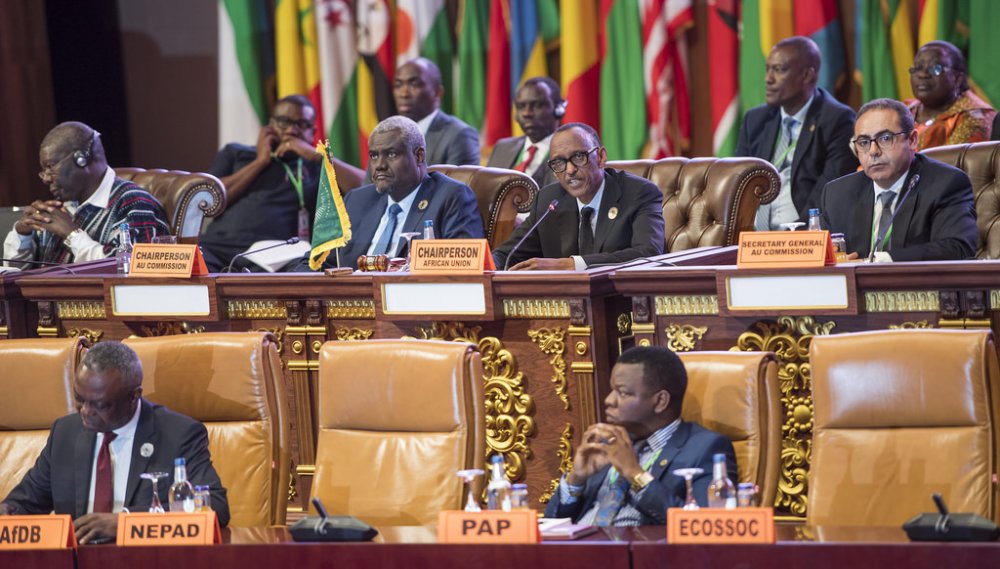
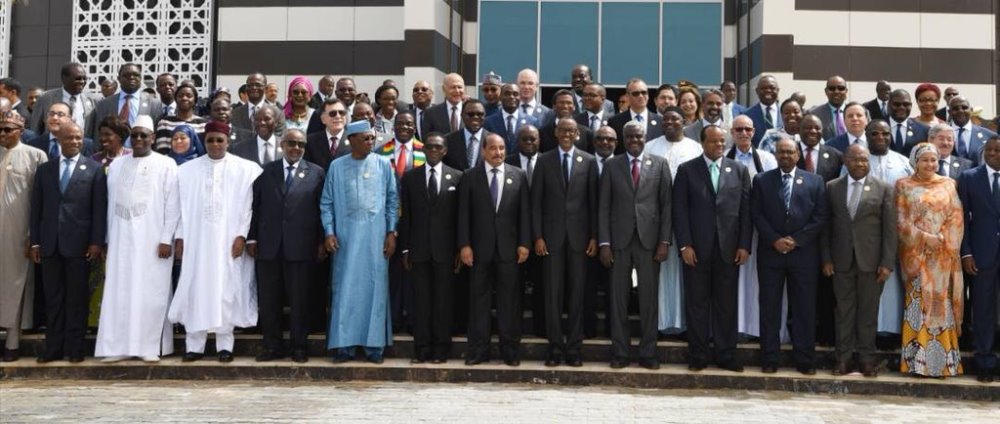
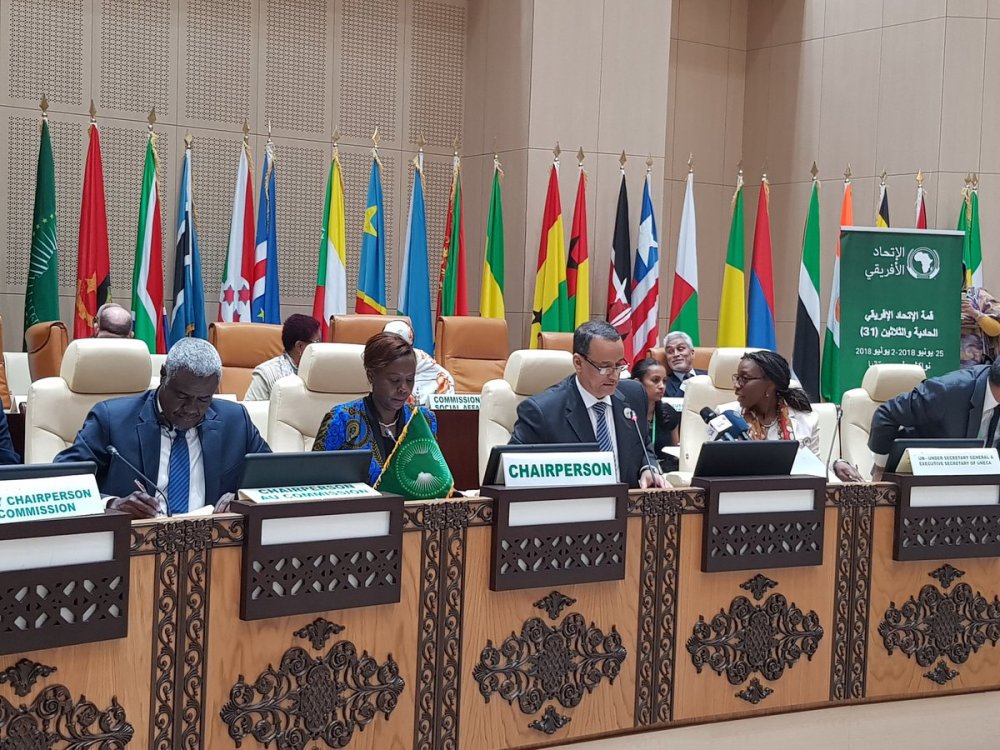
The signing exercise took place on the sidelines of the 31st African Union Heads of States and Government summit in Nouakchott, Mauritania that took place July 1st to July 2nd.
At the summit, two countries, Chad and eSwatini (former Swaziland) deposited their instrument of ratification while Guinea announced they will deposit their instrument of ratification next week.
President Paul Kagame and the Chairperson of African Union (AU) congratulated the five new signatories which are Burundi, Lesotho, Namibia, Sierra Leone and South Africa.
“Congratulations to the new signatories of AfCFTA,” Kagame said.
Meanwhile 49 member states have signed the AfCFTA and six have ratified it.
“This is significant progress and more is underway. It therefore signifies great progress towards the Africa we want and building it in the manner we have chosen,” Kagame added.
He said that the summit had been very productive and tackled the issues of highest priority for the continent.
“The Africa we want is being built before our eyes piece by piece. Let’s keep it up and do even more and better going forward,” Kagame noted.
The AfCFTA agreement is expected to boost intra Africa trade by 53% through eliminating import duties and non-tariff barriers. The agreement is potentially poised to create an African market of more than 1.2 billion people with an economy worth $2.5 trillion.
The project was born as a result of various challenges including increasing demand for sugar which leads to higher imports, shortage of suitable land available for sugarcane agriculture, severe flooding of the Nyabarongo River and water stagnation challenges hampering growing sugarcane, a need for better communication and clear understanding among stakeholders in the sugar value chain, and finally low crops monitoring and prediction capabilities resulting in lower sugarcane yields.
The IITI project’s main goal was to develop a more competitive, sustainable, and inclusive sugar value chain in Rwanda to address the above challenges. The initial objective of the IITI project was to increase the sugar production in Rwanda by reclaiming an area of approximately 1500 Ha in the Nyabarongo marshlands, optimizing the sugarcane yields and sugar recovery rate, generating employment opportunities to an extent of 3000 workmen directly and indirectly, improving the standard of living of the farming community along the Nyabarongo River and thus aligning with the goals of the Economic Development and Poverty Alleviation Strategy of the Government of Rwanda.
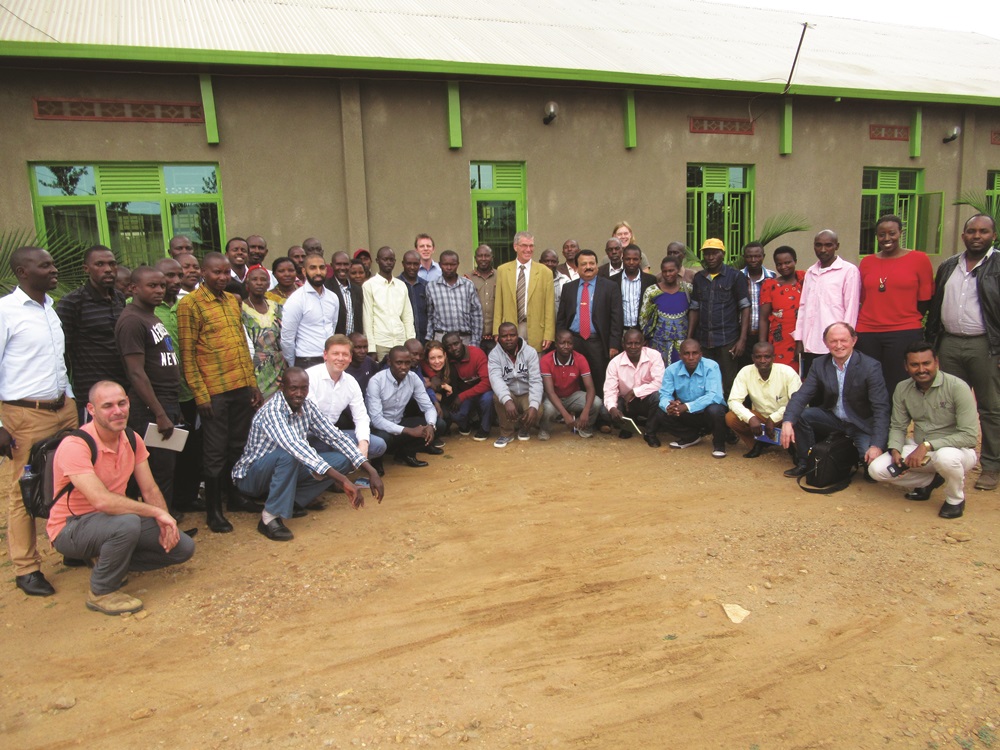
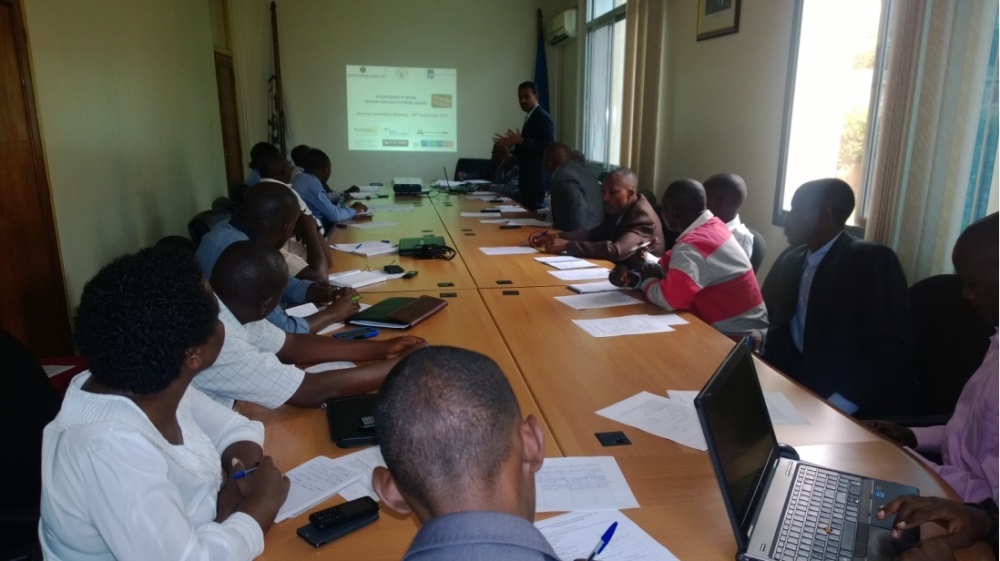
On the 15th of March 2018, the project partners held a meeting with outgrowers in Ntarama Sector, Bugesera District to officially conclude the activities of the project. Partners also had separate discussions during the same week to discuss the final evaluation results of project and the sustainability of the project after it ends. The five-year €8 Million project is expected to be officially concluded by end of June 2018 with final reporting activities undergoing. The IITI project has found immense success through the hard work of the project partners and outgrowers and this article discusses the major results of the IITI project and plans for sustainability.
{{Areas of Intervention}}
The principle goal of the IITI project was founded upon the belief that a competitive, sustainable, and inclusive value chain would be ideal, and could be achieved through water management, training and value chain improvement, precision agriculture, and institutional embedding. The IITI project focuses therefore on four key intervention strategies:
{ {{i. Water management: }} } Designing and installing improved water management infrastructure on approximately 1,500 Ha of marshland to alleviate water stagnation risks and drain flood plains more efficiently, with minimal impact on the environment and ongoing maintenance managed easily by local farmers and KSWL- a design philosophy known as “Building with Nature” and “Living with Water”.
{ {{ii. Value chain improvements:}} } Organization of small-holder farmers and increasing their knowledge of best farming practices through tailored training services and value chain engagement programs.
{ {{iii. Precision agriculture: }} } Incorporating remote sensing techniques for efficient crop monitoring through “under the clouds” image analysis and crop growth modeling that provides decision support to Kabuye Sugar Works by identifying crop stress, optimizing harvest timing, collection and transport logistics, all contributing to higher sugarcane yields.
{ {{iv. Institutional embedding: }} } Aligning Government of Rwanda policies and pertinent public agencies with the project interventions and developments to foster integration and collaboration amongst key public-Sector stakeholders.
{{Results Achieved}}
{{ { Water Management } }}
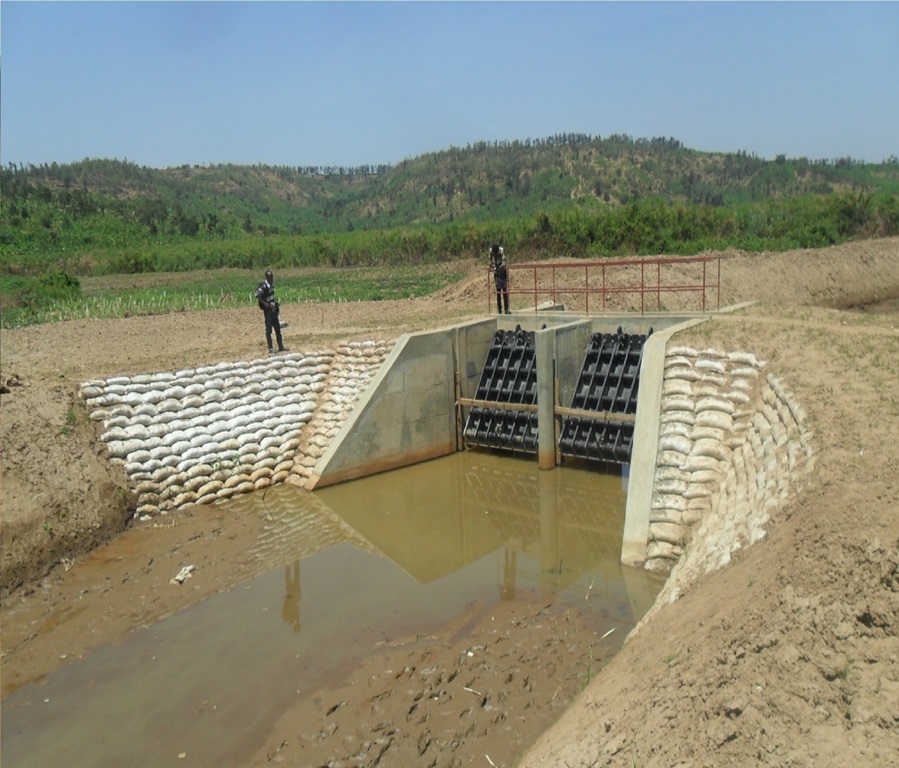
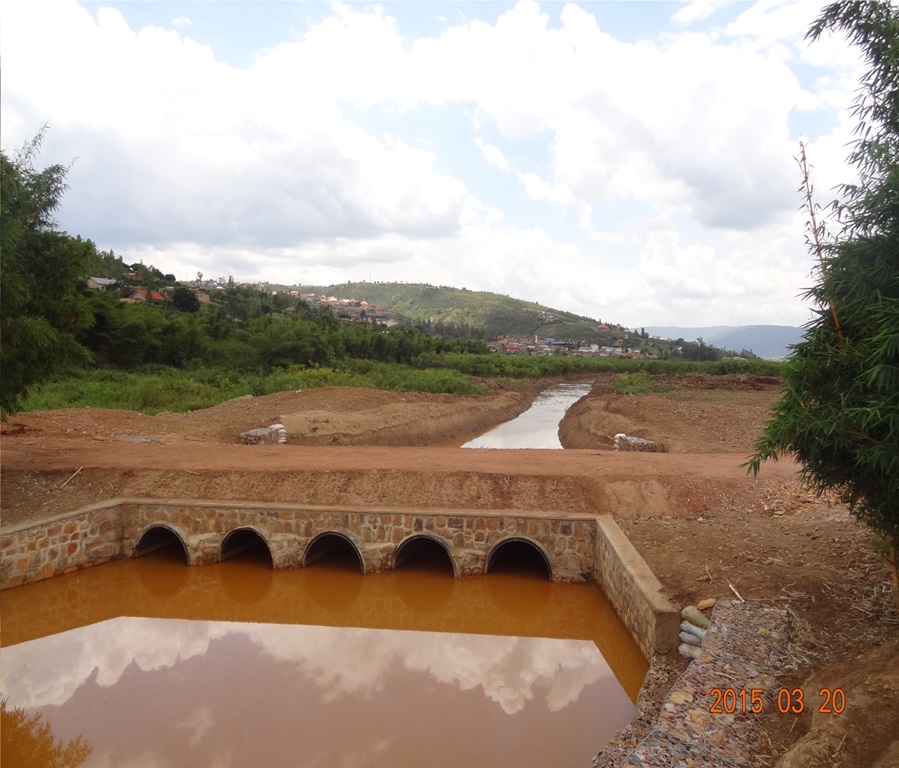
The IITI project constructed infrastructure including Primary drainage canals, culvert bridges, river outlet structures with flap gates, and riverbanks fortification on selected sites along the Nyabarongo River in Bugesera, Kamonyi, Kicukiro and Nyarugenge districts to alleviate water stagnation that was hampering sugarcane growth. Construction activities were soon followed by the clearing of papyrus and cultivation of sugarcane on newly reclaimed land.
Key achievements:
• 2,008 Ha of land reclaimed surpassing the initial target of 1,506Ha
• 100% of reclaimed land has been cultivated
• Infrastructure constructed includes drainage canals, culvert bridges, outlet structure with flap gates and riverbanks fortifications
• A 13.1% increase in the average yield per Ha. Current yield average yield is 68MT/Ha at the crop age of 16 months.
• A sharp increase in total sugarcane output and sugar production overall, with 136,000MT of cane and 12,000MT of sugar expected to be produced respectively by end of April 2018.
• Trainings have been given to farmers representatives and KSWL on operation and maintenance of the infrastructure
Plans for sustainability:
• Regular operations and maintenance works by outgrowers through water management organizations and KSWL
• Contribution of outgrowers from sugarcane revenues to water management organizations account that is used to maintain water management structures
{ {{Value Chain Improvement}} }
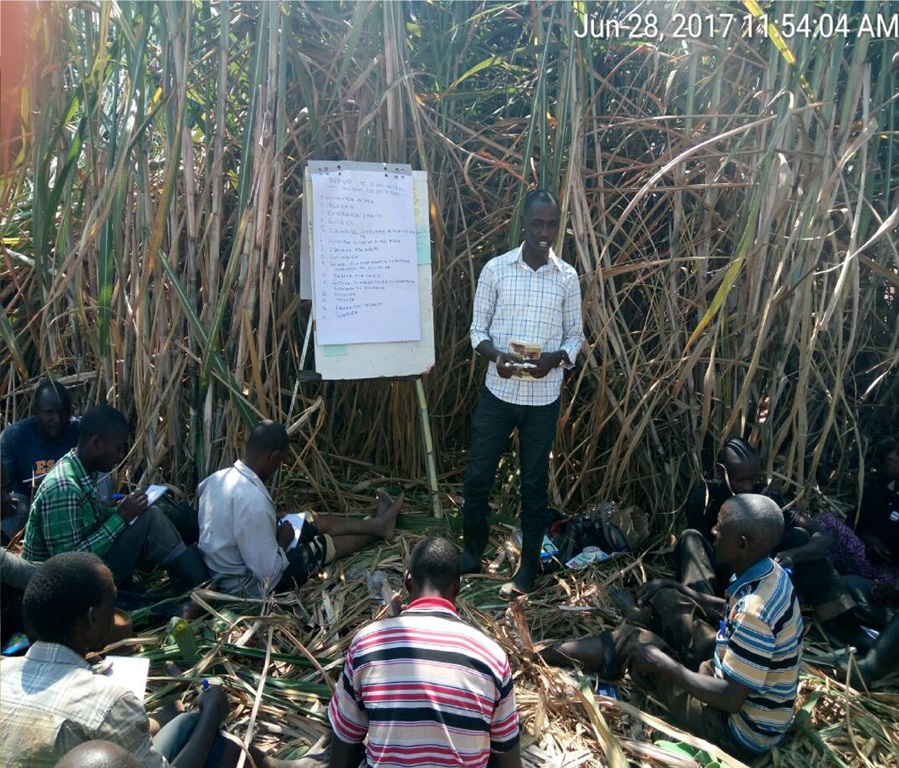
The major activities involved organizing outgrowers into groups, training them on best farming practices and enhancing relationships between outgrowers and KSWL. Outgrowers were organized in sugarcane cooperatives (SUFACOs) and water management organizations (WAMOs) and received trainings on leadership, entrepreneurship, financial management, and training on best farming practices for them to increase productivity and thereby increase their incomes. Additionally the project also enhanced relationships between outgrowers and KSWL through facilitating regular meetings of outgrowers and KSW which have resulted in increased collaboration and sugar production.
Key achievements:
• Nine cooperatives formed and registered in all nine sectors of the project
• Seven water management organization formed with six of them fully registered
• Increase of KSWL estate laborers from 2,254 in 2013 to 2,925 in 2018
• Number of outgrowers in the project grew from 1,624 in 2013 to 3,427 outgrowers organized and trained in 2018
• Improved relations between KSWL and farmers; KSWL has taken initiative to discuss with farmers on a quarterly basis on various topics. An important topic includes pricing trends and payment structure based on the local and international sugar market before announcing the cane price for the season
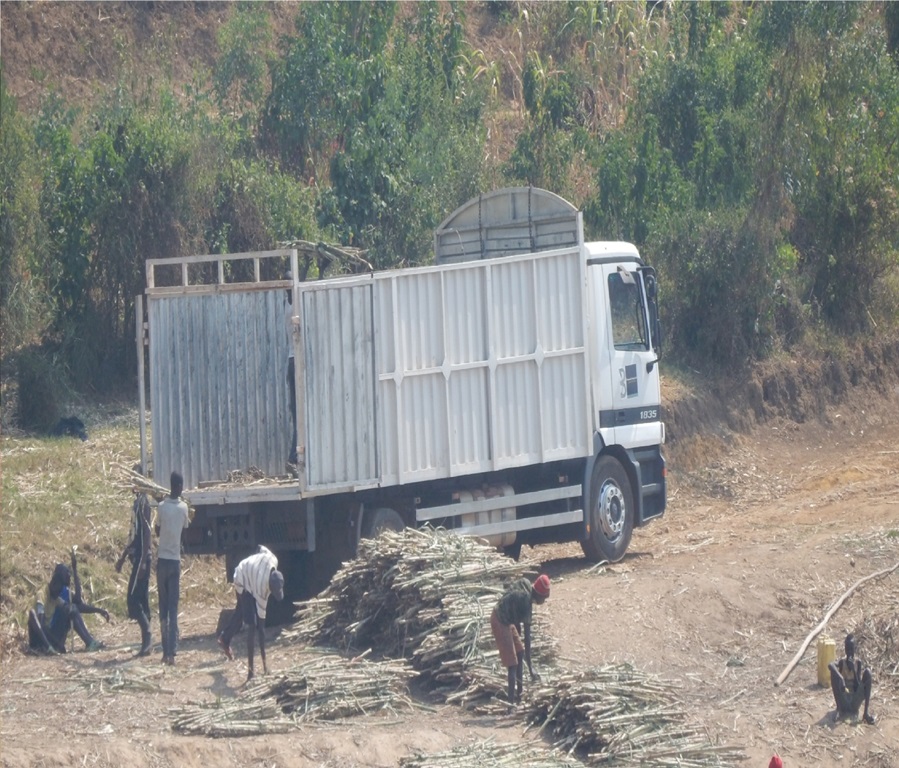
• Mageragere Sector outgrowers’ Cooperative acquired a truck worth 40million RWF for cane transportation through SUFACOs savings schemes and a bank loan and other sectors are expected to follow suit
Plans for sustainability:
• Organizational structures are in place to improve agricultural practices, maintain water management infrastructures and business development interests of outgrowers
• Farmers are paying water management and cooperative fees and becoming business oriented in searching for their own solutions to issues that arise
• Enhanced KSWL and outgrowers relationships and continued regular discussions on pricing trends and payment structure based on the local and international sugar market
{ {{Precision Agriculture}} }
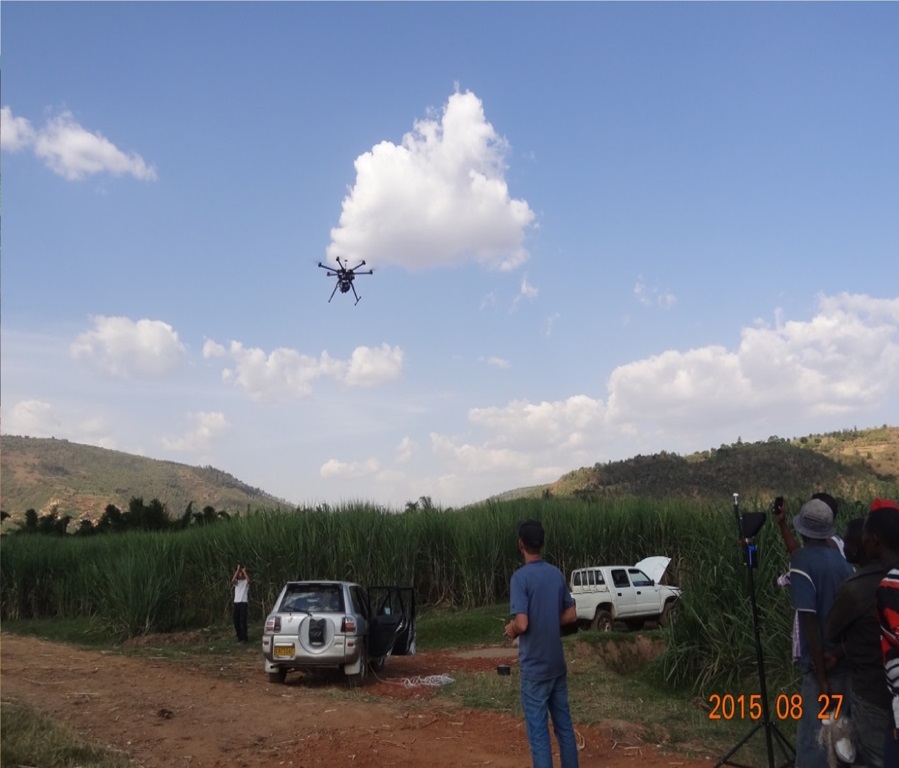
The main purpose of the precision agriculture component was to develop a yield prediction model that would, through remote sensing technology, provide KSWL with a decision support tool in crop management, yield forecast and harvest scheduling along with training on the long-term operation and maintenance of the technology. This remote sensing technology uses enhanced, cost effective and proven airborne sensor technology attached to small low flying drones that are flown over sugarcane plots to take pictures which are analyzed, interpreted and used to support crop monitoring decisions by KSWL. Spectral measurements have been taken and flight campaigns executed over the life of the project to monitor crop maturity and health, to provide yield prediction and harvesting scheduling for KSWL.
Key achievements:
• Customized remote sensing methodology was developed for acquiring and analyzing time series of spectral data and flight campaigns were conducted over an area of 300Ha
• A yield prediction model was developed which provides crop management, yield prediction and harvest scheduling services
Plans for sustainability:
• Project partners are set to have discussions on elaboration of the technology that could lead to a scale-up in other crops or regions to contribute to increased economic development
{ {{Institutional Embedding}} }
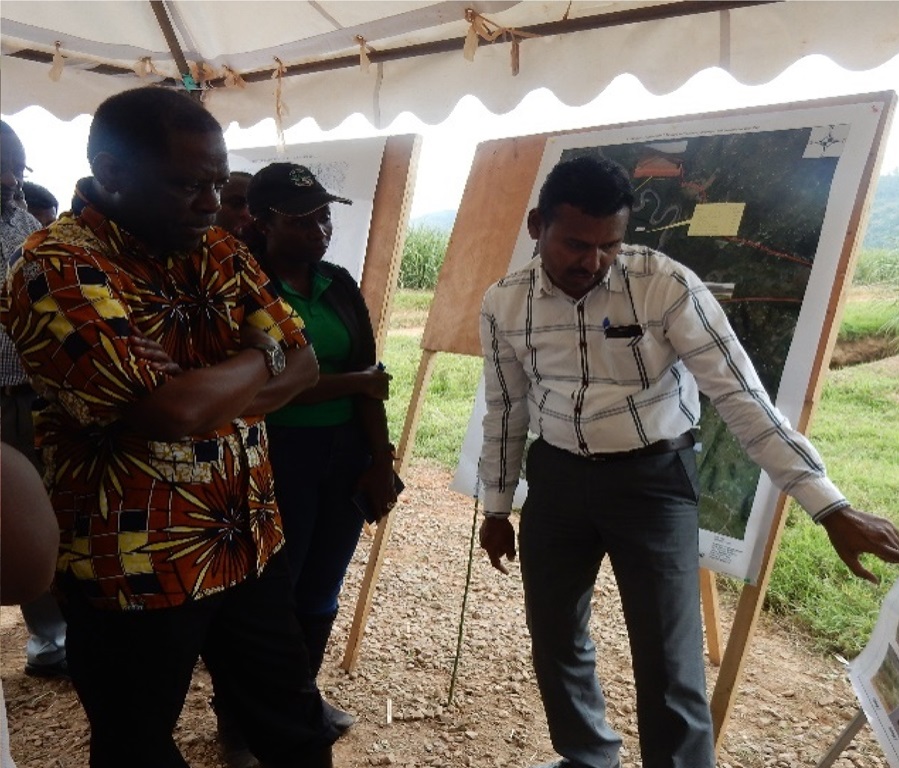
The IITI project sought to increase integration of local government and public institutions in the Project and value chain actors at large, to ensure that future policies were aligned with proposed interventions. A steering committee was established to hold regular meetings that would bring all project stakeholders together to align government policies with project interventions, facilitate better coordination and help solve problems hindering the project progress. The steering committee was led by the Ministry of Agriculture and Animal Resources. Meetings have been attended by project partners, outgrowers, The Ministry of Trade and Industry and EAC Affairs, The Ministry of Infrastructure, The Rwanda Agriculture Board, Rwanda Cooperative Agency, Rwanda Governance Board, Rwanda Water and Forestry Management Authority, Rwanda Land Management and Use Authority, Capacity Development & Employment department now in RDB, and Officials from the Districts of Bugesera, Kamonyi, Kicukiro and Nyarugenge.
Key achievements:
• Five steering committee meetings were held
• Two formal operations and maintenance workshops, multiple informal workshops and site visits were held and attended by project stakeholders
• Provisional land allocation of 1,104 Ha (55% of total reclaimed land belonging to outgrowers) of reclaimed land done in collaboration with outgrowers, local government authorities and KSW
• Procedure initiated for Ntarama Sector Bugesera District cooperative to acquire a land lease from the Ministry of Agriculture and Animal Resources
Plans for sustainability:
• Steering committee meetings to continue after the project ends
• Ongoing procedure to provide land lease documents to remaining eight sector cooperatives
The IITI project achieved great results by reclaiming 2,008 Ha of land that were previously stagnated with water in the Nyaborongo marshlands therefore unusable for sugarcane cultivation. This was achieved by constructing water management infrastructure, organizing outgrowers into SUFACOs and WAMOs, providing training in good agricultural practices, introducing innovative remote sensing technologies to facilitate crop monitoring and planning, and finally by brining together key stakeholders of the sugar industry for effective communication and collaboration. The IITI project provides a good example of the kind of success that can be achieved through Public Private Partnerships.
{{For more information:
Email: info@karisimbipartners.com
gm@kabuyesugar.com
plantation@kabuyesugar.com}}
{{Follow this link to read this article in pdf}} [Sugar Make It Work Project->http://en.igihe.com/IMG/pdf/sugar_make_it_work_report_final_20180606_tabloid_1_.pdf]
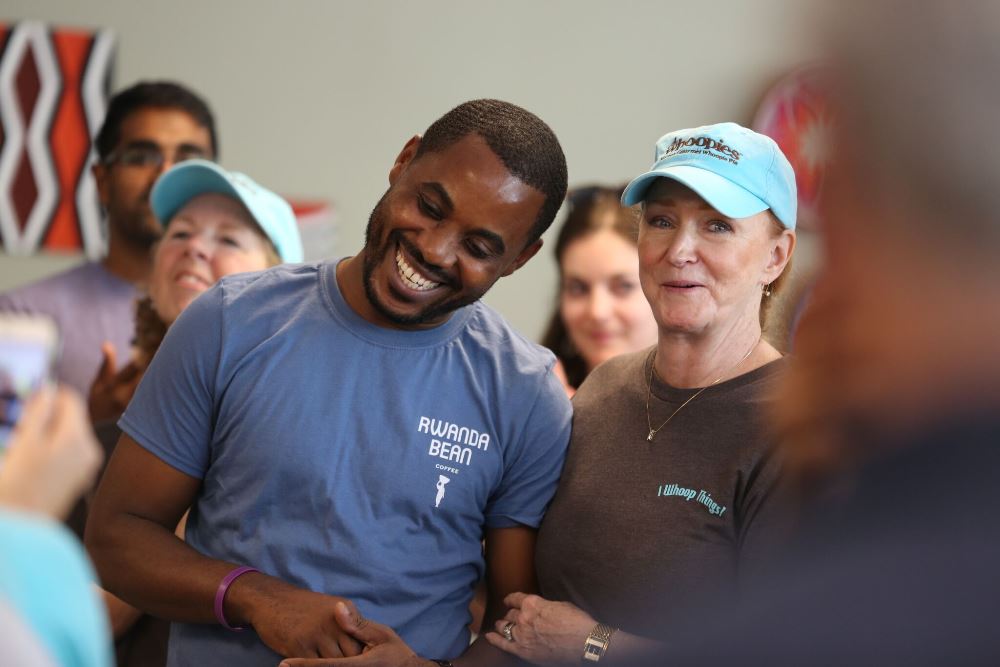
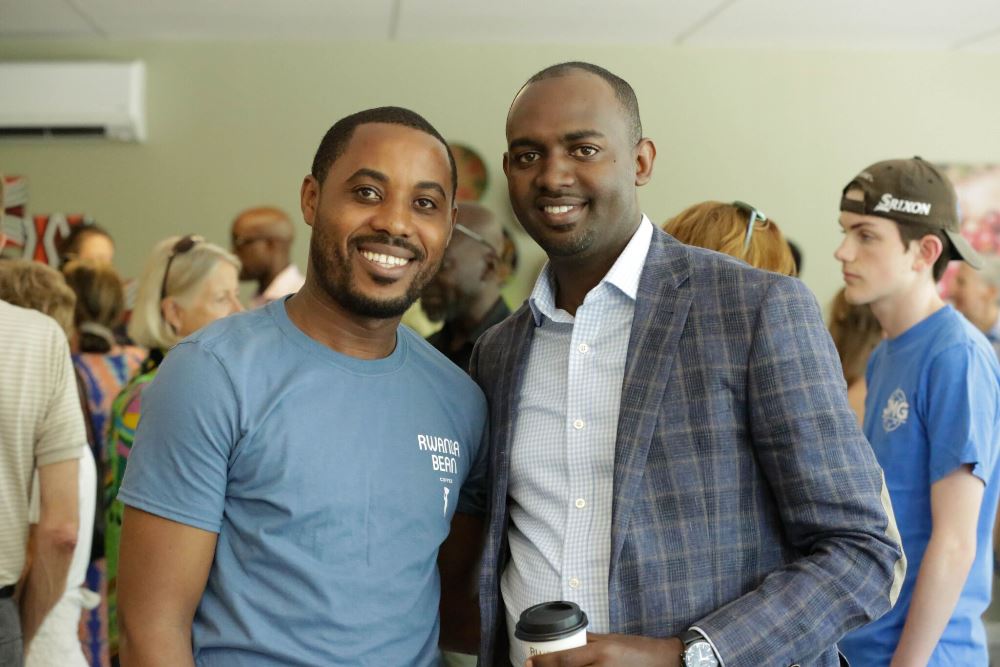
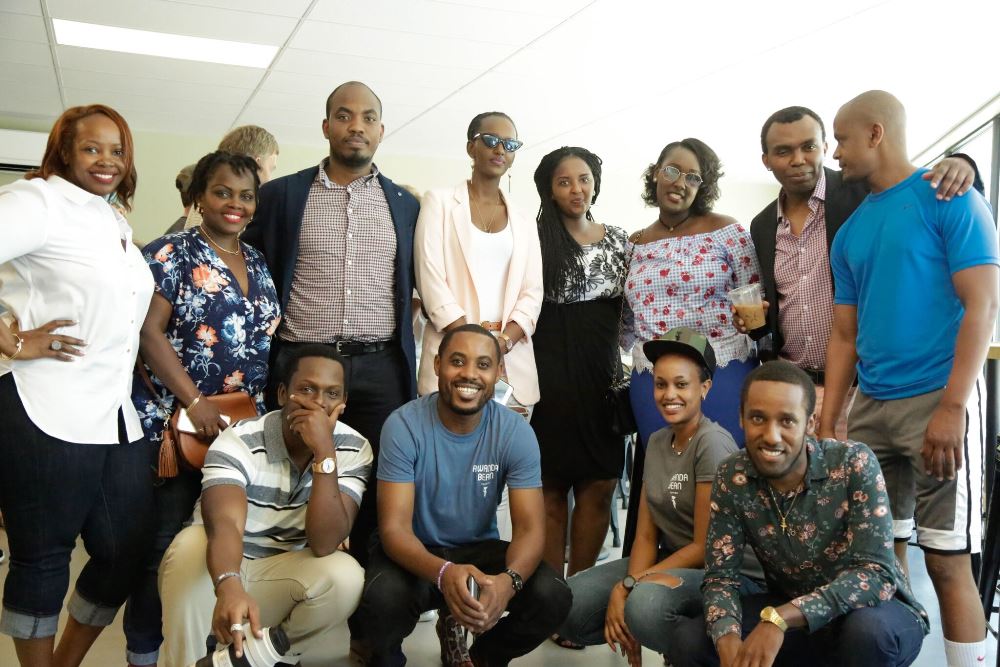
The event was held in the presence of Linda Cohen, the Mayor of the City of South Portland and Francis Bukuzagara, Second Counselor at the Embassy of the Republic of Rwanda in the US.
Mike Mwenedata, the founder and owner of Rwanda Bean Coffee, expressed his gratitude for the the Rwandan community and also from the City Officials present to support the launch event.
Rwanda Bean is a socially responsible business that sources directly from farmers, helping them to make the leap from subsistence farming to becoming skilled partners in the expert cultivation of Rwanda coffee. Bypassing coffee brokers is one aspect of the business that Mwenedata the founder finds most rewarding for his farmers because it has allowed for the farmers to earn a fair wage.
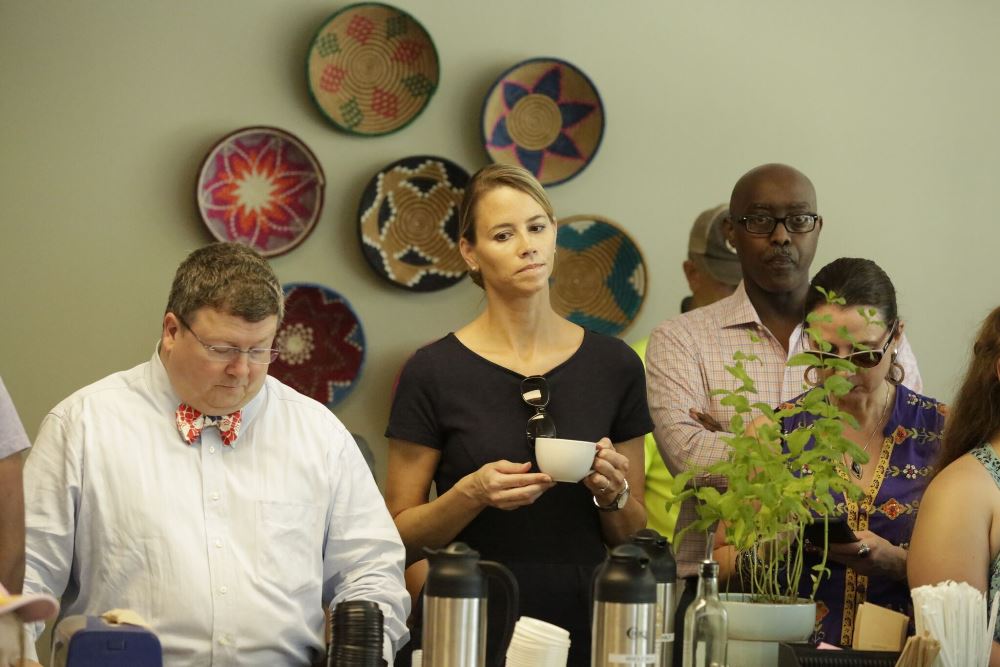
The store sells freshly brewed coffee straight from Rwanda and packaged coffee that has received accolade on grounds of the beans’ aromatic richness, complexity, balance, elegance and aroma intensity and strength.
In his remarks, Francis Bukuzagara, second counselor at the Embassy of Rwanda in the U.S. commended Mike Mwenedata for having launched a successful business, and reminded those present that such initiatives are made possible because of the favorable business environment that Rwanda’s leadership has achieved, allowing foreign investment to adequately do business with Rwanda.
“The state of Maine has the largest Rwandan diaspora in the U.S., and I take this opportunity to thank the Mayor for providing them with opportunities that have seen people like Mr. Mwenedata grow into successful entrepreneurs and good citizens. With such attachment, a sister city relationship between South Portland and a city in Rwanda would be mutually beneficial, and we are open to discuss how we can further this initiative,” said Mr. Bukuzagara in his short remarks.
The recruits are part of the group of 46 young men who were intercepted trying to cross at Kikagati, along the Uganda-Tanzania border, on December 11, 2017.
The young men appeared suspicious to Uganda immigration officers after the officers discovered that they were carrying fake travel documents. In addition to the fake documents, the stories about where they were going and the purpose of travel were not consistent.
The young men had been coached by officers of the Chieftaincy of Military Intelligence (CMI) that when they reach immigration they should say they are going for an evangelical mission in Tanzania. However, most of them failed to stay on the script. They couldn’t answer simple questions about the name of the church they were going to; neither could they recall the name of the pastor of the church. Some of them panicked and revealed that someone was waiting for them in Bujumbura to take them to the RNC training Center in Minembwe, DRC via Bujumbura.
The immigration officers immediately alerted the police. Efforts by Captain Charles Byaruhanga, the CMI officer attached to Kikagati border, to intervene with “orders from above” clearing the recruits to continue their journey proved fruitless; neither did those of Major Fred Mushambo, the UPDF 2nd Division Intelligence Officer (IO).
The police took the recruits to Isingiro police station. While there, they revealed that they had been recruited from different places in Uganda (Nyakivala, Kiboga, Kibale, and Mubende) to join the Rwanda National Congress (RNC), and revealed their recruiters as Musoni Jeffrey, Moses Bijura, Felix Mwizerwa, and Dr. Sam Ruvuma. Among the recruiters, only Musoni, a former Sgt deserter in the Rwanda Patriotic army (RPA), and Bijura, a pastor in Rubare, Ntungamo, were arrested at Kikagati.
Dr. Sam Ruvuma, a brother to Lt. Colonel Gideon Katinda of the military court, and Felix Mwizerwa, a son of Pastor Deo Nyirigira, also a known RNC coordinator in Mbarara, somehow managed to flee the scene at Kikagati, abandoning the young recruits there.
Dr. Sam Ruvuma was only arrested by police days later in Mbarara and kept for a few days before he was released following orders from “way” above. He is back to his RNC recruitment activities in, and around, Mbarara. As for Felix Mwizerwa, he has now relocated to Minembwe, DRC, where he is an RNC Commander.
{{Judge given a bribe
}}
The release of the 39 recruits last week was a result of a bribe that was given to the magistrate judge handling their case. This bribe, sources say, was negotiated on behalf of the RNC by Edgar Tabaro Muvunyi of the law firm Karuhanga, Tabaro, and Associates. Moreover, the remaining seven, including the recruiters Bijura and Musoni, whose case is at the High Court, are also expected to be released soon, according to testimony from those who have been set free and are now back to Nyakivale, Bubende, Kiboga, and Kampala. They have been told to prepare to continue with their journey to the RNC camp in the DRC in the coming weeks. Meanwhile, one of the recruits from Kibale, upon his release from jail, returned home angry because of the suffering he had been duped into by the person who recruited him. He reported the RNC recruiter in the area to the police, which promptly arrested him (the recruiter). However, it is expected that he will also be released like the rest of them.
On March 25 during a joint press conference between President Museveni and President Kagame, the Ugandan president acknowledged that, “When I met president Kagame in Addis Ababa he gave me some facts which I followed up. A group of Banyarwanda was being recruited through Tanzania and Burundi to go to Congo. They said they were going for church work but when they were interrogated it was found the work was not exactly religious. It was something else.”
Museveni’s own admission of a rebel group being recruited in his country with the support of his intelligence agencies ends up with the recruits being freed without charges brought against them, and are now free to proceed to the rebel training grounds in the DRC.
Significantly, the release of the recruits by the courts after such admission from the president himself does more than embolden the RNC and CMI in their scheme to destabilize Rwanda; it’s nothing short of an instruction of intent from the Commander in Chief.
Which leads to the questions: What message does Uganda send to Rwanda when rebels recruited to fight the latter are caught and set free? And has Uganda thought well and hard that this is the message it really wants to send to its neighbor?
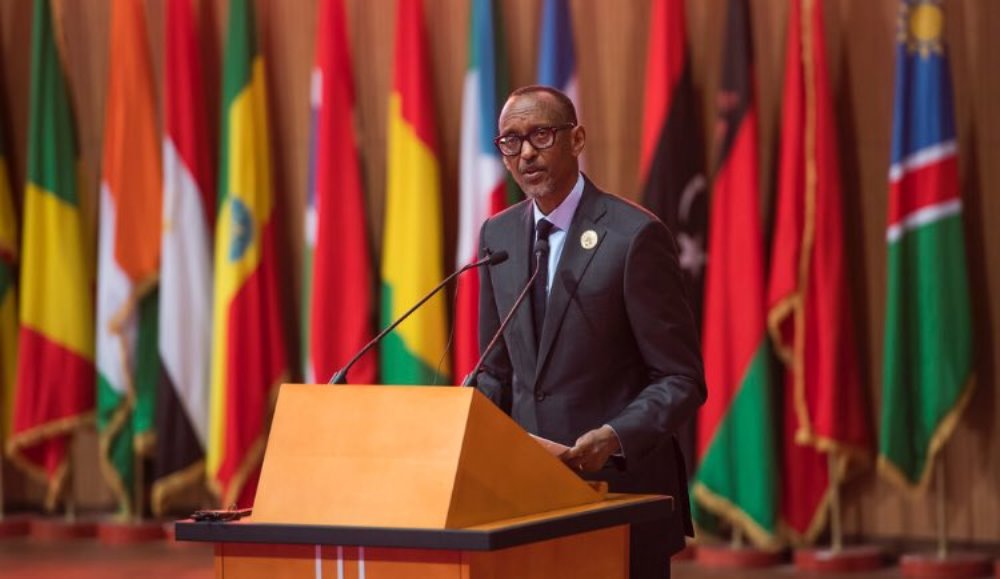
Kagame was speaking while introducing the AU Reforms report at the African Union Heads of State Summit yesterday in Mauritania.
The Chairperson of the African Union thanked for the contributions that countries continue to make to the success of the reforms.
“I am pleased to note that robust consultations have been conducted by the Commission in the manner directed by the Assembly,” he said.
He said that AU Member States, Regional Economic Communities and African Union Organs have been included in the process. He said that such effort has enriched the implementation process, deepened the consensus and allowed misunderstandings to be clarified.
“A good amount of the controversy surrounding the 0.2% levy has dissipated as Member States have come to appreciate the flexibility with which it can be applied. Also that they will not necessarily be paying more and certainly not more than their fair share,” Kagame said.
“The reform has always been about preparing Africa for future challenges. That future is now. Because of the changes that have already been implemented, we are stronger and more effective than ever before,” he noted.
Kagame said that the Continental Free Trade Agreement championed by President Mahamadou Issoufou of Niger is among the most historic achievements of the AU.
“An African Union capable of delivering a functional free trade area is actually the end point of reform,” he said.
Kagame said that the Continental Free Trade Area will not take long time to become reality
“44 countries signed in Kigali. Four more are signing here in Nouakchott. It is going to become a reality, before much longer,” he assured.
Kagame said that the reform’s emphasis of speaking with one voice as a continent will emerge as the most important provision of all.
“We need to present ourselves as a united front, and defend the interests of our people and our continent,” Kagame urged AU Member States.
He called upon continued support and engagement to bring the process to a successful conclusion as planned.
The attack took place in Cyumuzi Village, Ruhinga Cell of Nyabimata Sector.
A resident in Ruhinga cell has told IGIHE that on arrival, the attackers shot some bullets before they started looting property.
Ruhinga Cell Executive Secretary, Francois Xavier Rubumba told IGIHE that after looting different properties, they fled through Nyungwe forest.
“It was around 11:00pm, they shot some bullets but no casualties have been identified. They looted clothes, two goats and twelve sheep. They also entered different houses looting money. They had also taken nine people hostage for carrying looted stuffs, but they were freed. They immediately fled in Nyungwe forest,” he said.
He said that security personnel responded and followed the attackers.
The Nyaruguru District Vice-Mayor in charge of Social Affairs, Collette Kayitesi confirmed the attack to IGIHE but said that she could not reveal many details as security forces have intervened.
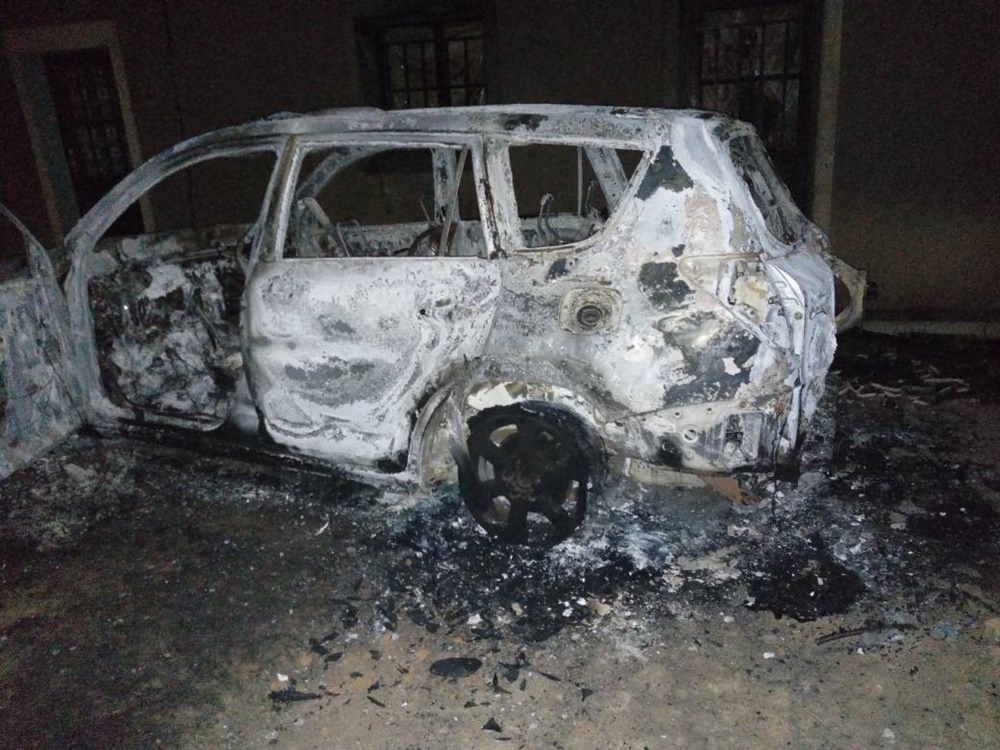
On June 19th midnight, unidentified gangs attacked the same sector, killed two people, injured six including the sector executive secretary, Vincent Nsengiyumva, setting his car on fire.
On June 10th, armed gang also attacked Ngera Sector in Nyaruguru Sector and looted different properties including money, televisions, shoes among others.
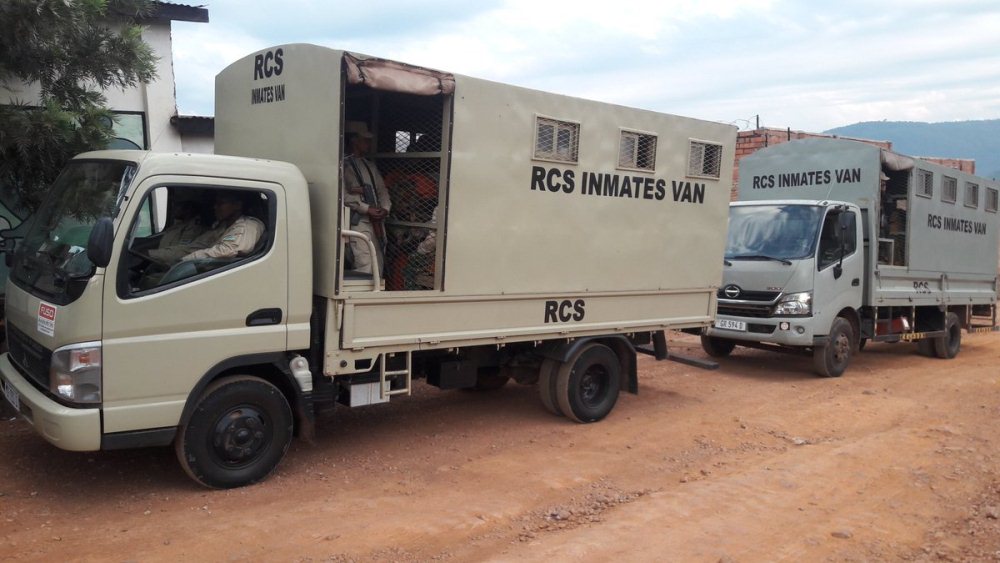
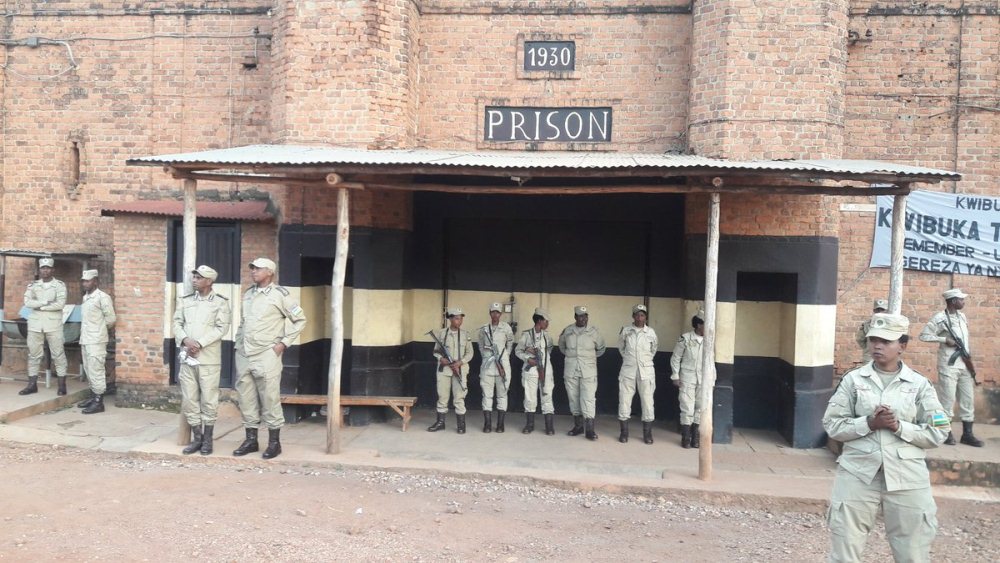
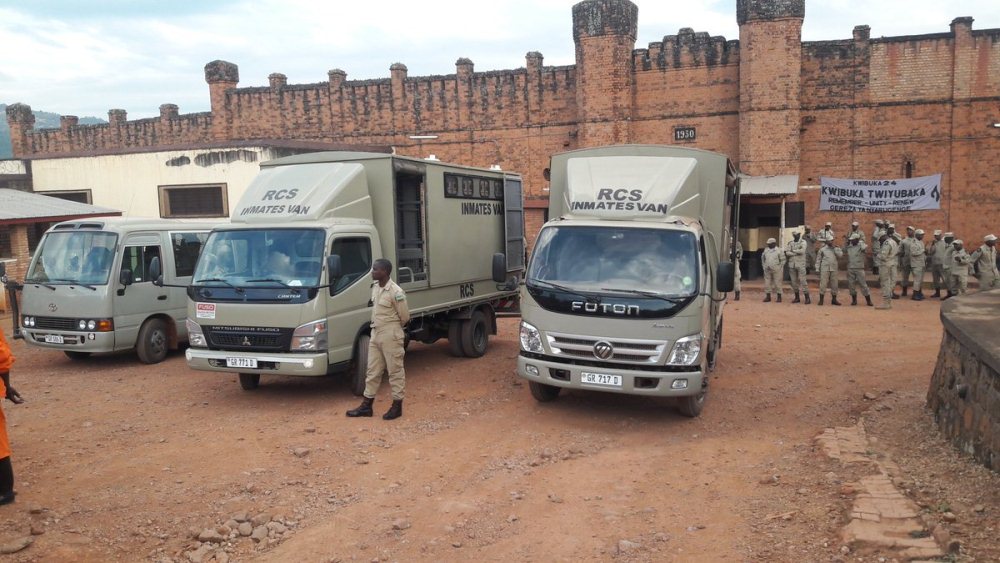
RCS spokesperson, SSP Hillary Sengabo told IGIHE that a total of 607 female inmates who had been in the now closed former prison were relocated Sunday.
“The exercise will be completed today, no more services are expected today, those who wish to visit their families will meet them Monday in Mageragere. Simply, no more services than relocation, and lawyers who want to meet their clients, will meet them Tomorrow,” he explained.
The former 1930 Prison surface will be redeveloped into real estates by Champion Investment Corporation (CHIC) under the programme to find affordable houses for city dwellers.
In February 2017, RCS had relocated a total of 3000 male inmates in its first phase of relocation.
The city master plan review budget was announced and approved Friday in the City Council meeting that was aimed at approving the 2018/2019 budget.
Speaking to IGIHE, CoK Vice-mayor in charge of Economic Development, Parfait Busabizwa said that their target is to review the master plan after every five years so that they address challenges faced.
He said that in the budget, they want to address challenges faced in the master plan that was designed in 2013.
“Every five years, we trace back and see whether we implemented the master plan, challenges faced, and what to address so that people of all categories continue to live in the city,” he said.
“Activities to be done have been identified. Among them, include changing where to create the road due to infrastructures that can be affected among others,” he said.
He said that some places were designed for establishment of infrastructure, but investors did not have interest in those places which made the city give them to people to construct residential houses.
The city master plan is also the priority of the new city mayor, Marie Chantal Rwakazina who said during the elections that she will prioritise its review.
The City of Kigali 2018/2019 budget is Rwf22.1 billion. A total of 68% will go to development activities including the construction 54-kilometer roads.
The candidature was approved yesterday at the Ordinary Session of the Executive Council that took place yesterday in Nouakchott, Mauritanian.
“The candidature of Louise Mushikiwabo, the Minister of Foreign Affairs of Rwanda to the post of La Francophonie Secretary General has just been officially approved by the Executive Council of the African Union,” reads a tweet by the Ministry of Foreign Affairs Rwanda.
Mushikiwabo candidature was also supported by France, the most influential country in the organization.
The elections of La Francophonie Secretary General are expected in October in Armenia at the General Assembly of the organization.
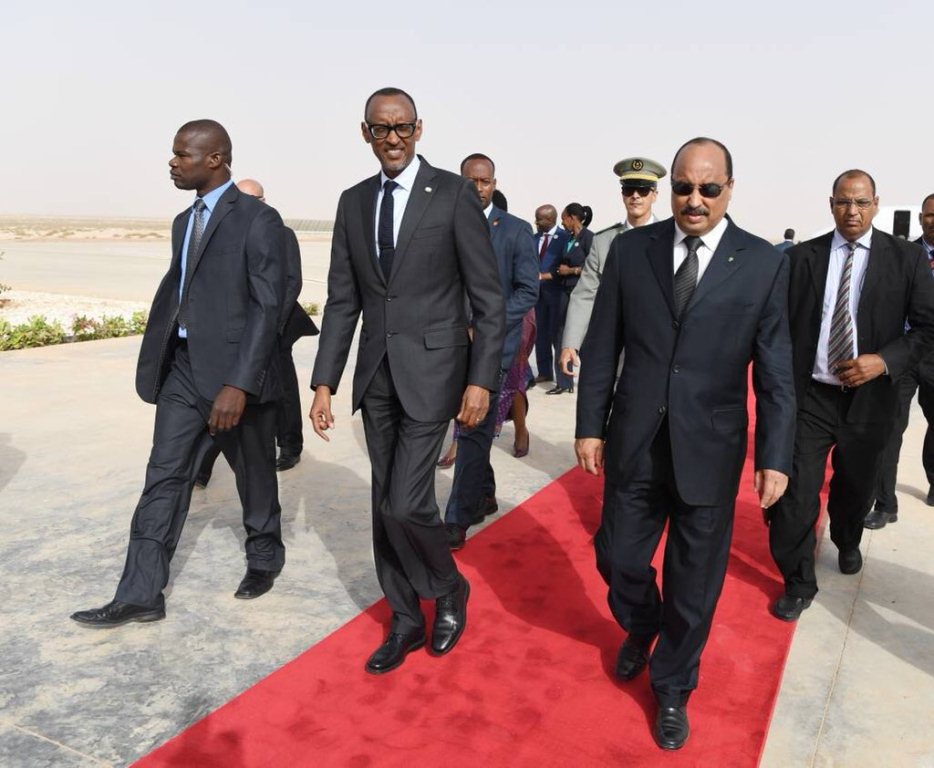
According to the Office of the President, Village Urugwiro, Kagame was received in Nouakchott by his Mauritanian counterpart, Mohamed Ould Abdel Aziz.
“President Mohamed Ould Abdel Aziz of Mauritania welcomes President Kagame to Nouakchott where he will chair the 31st Ordinary Session of the Assembly of Heads of State and Government of the African Union,” the Office of the President said in a tweet.
The AU Heads of State and Government Assembly was preceded by the Ordinary Session of the Executive Council which took place on 28th – 29th June 2018.
The 31st Ordinary Session of the Assembly of Heads of State and Government of the African Union takes place under the theme “Winning the Fight against Corruption: A Sustainable Path to Africa’s.