A Chinese president will visit Rwanda for the first time since the creation of relations between both countries 47 years ago.
Nduhungirehe was in China early this month as part of the visit preparations.
Speaking to IGIHE on Wednesday, Nduhungirehe said that many projects, mostly infrastructure related are being assessed so that they select those for which support will translate into signing agreements.
“They include road construction projects, Masaka Hospital expansion and tourism projects among others. Both parties are still under discussions. We shall identify those to sign,” he explained.
“Among expected agreements to be signed is the removal of visas to people possessing diplomatic and service passports for facilitating people-to-people exchanges between Rwandans and Chinese,” he added.
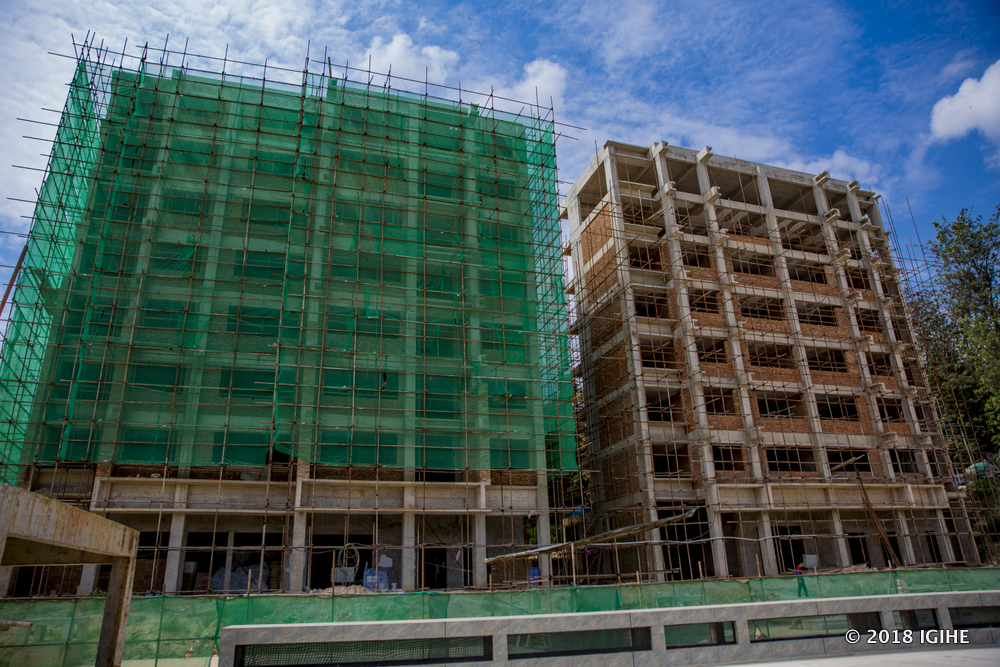
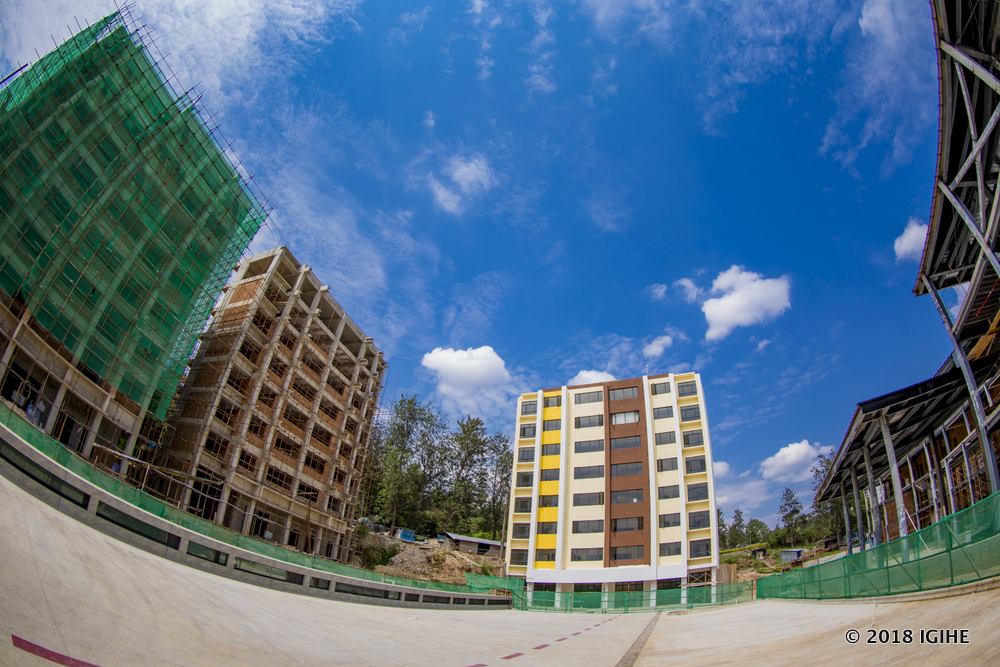
China finances many projects in Rwanda including the ongoing construction of multi-million ministerial complex that will house the Office of the Prime Minister among other ministries and parastatals.
He said that Rwanda-China relations have been existing for 47 years.
Jinping two-day state visit in Rwanda will start on July 22nd to 23rd. He will also visit Senegal, South Africa, the United Arab Emirates (UAE) and Mauritius.
Busingye was speaking yesterday in Kigali while launching a two-day workshop on forensic evidence, cybercrimes, electronic evidence and data protection.
The workshop was organized by Rwanda Bar Association and East Africa Law Society in partnership with Rwanda Investigation Bureau, Rwanda National Police, National Public Prosecution Authority and the Ministry of Justice.
It was organized to address challenges currently faced by lawyers, prosecutors, investigators and judicial officials among other justice players.
Speaking at the workshop, Busingye said that the rise of internet technology has increased cyber-crimes.
“The rise of internet technology and digitization of vast sectors of human activity have brought to the fore unprecedented challenges; a rise in cybercrime with its attendant difficulties in identifying perpetrators. The ability of men to hide heinous crimes behind layers of the dark web and the use of computer technology to aid complex financial crimes are all challenges that we must all strive to find solutions to,” he said.
Every year, Busingye said, African governments and businesses lose substantial economic resources to digital fraud. He said they are done through flawed technologies in procurement, falsification of digital data and concealment of pertinent information through technology.
“Financial institutions have witnessed rising cases of bank accounts being hacked into and substantial resources transferred away into unknown addresses using internet technology,” he said.
Busingye noted that governments continue to suffer from sabotage and theft of crucial and highly-classified information by criminal elements intent on achieving a variety of criminal objectives.
“Increased cyber-attacks on our security establishments and economic institutions pose a direct threat to our national security and to our collective existence,” he noted.
He went on to explain that use of social media to promote human development has brought the challenge of cyber-bullies and identity thieves. He said, the challenges pose some of the greatest threats to human enjoyment of the use of technology.
“Drug trafficking, illegal arms trade and human trafficking are now comfortably operated by criminals by a mere click of a mouse. Computers have made identification, investigation and prosecution of crimes a very difficult process,” he added.
“Cellphones, laptops, iphones, CCTV cameras and portable recorders have all become crucial tools in the administration of justice. Without understanding how best to make use of these tools, due process will continue to face hiccups,” he cautioned.
He warned that inattention to different factors sometimes leads to miscarriage of justice, with the possibility that criminals go scott-free for failure by investigators to secure unassailable evidence.
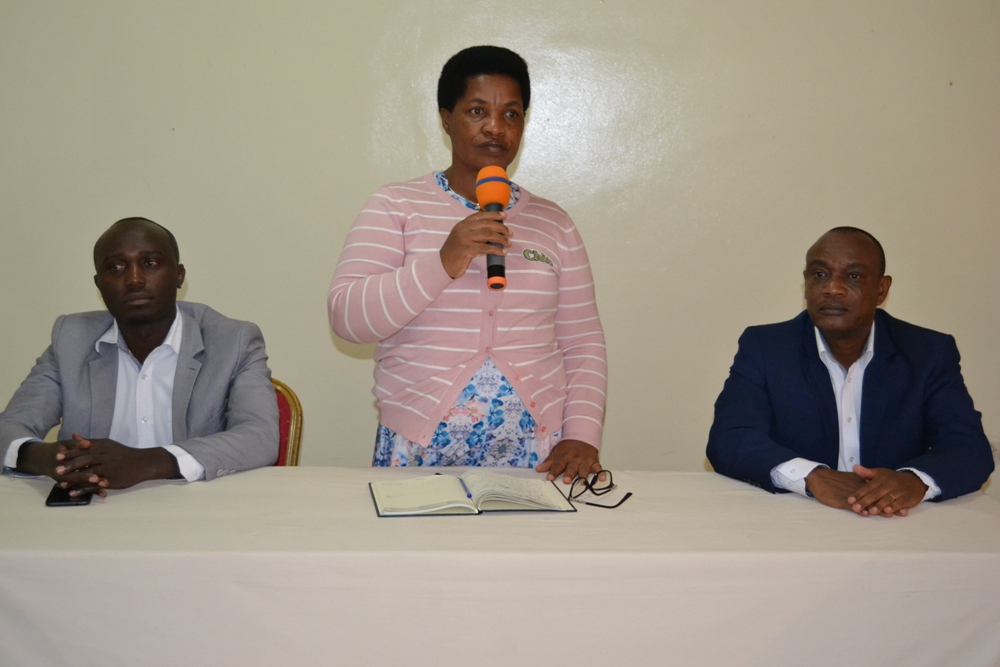
Mureshyankwano was speaking yesterday in Huye District at an event to link local officials and partners working in fight against malnutrition and stunting programmes.
The event was organized by an umbrella of Civil Society Organisations in Rwanda, Scaling Up Nutrition (SUN) Alliance whose vision is to promote sensitive and specific nutrition actions.
Speaking at the event, Governor Mureshyankwano urged the organisations and officials on collective efforts as the possible way towards attaining their goals.
“It happens that people start activity together but end up implementing separately. Partners in nutrition and local officials should work collectively starting from planning phase, setting targets, implementation process as well as time frame,” she urged.
SUN Alliance coordinator, Venuste Muhamyankaka said that they want to conduct shared plan for them to be able to eradicate malnutrition and stunting in Rwanda.
“We chose to link local authorities and actors to be able to find out where those cases take place in districts, sectors and villages for us to be able to organise a shared plan leading to a well-nourished child,” he said.
World Food Programme’s 2015 research indicates that in Rwanda 38% children were stunted urging that stunting maximum rates should not go above 20%.
In October 2016, BRD and the Ministry of Education signed a Memorandum of Understanding allowing the bank to pay tuition and living allowances to university students, recovering the same beneficiaries graduate and get employment.
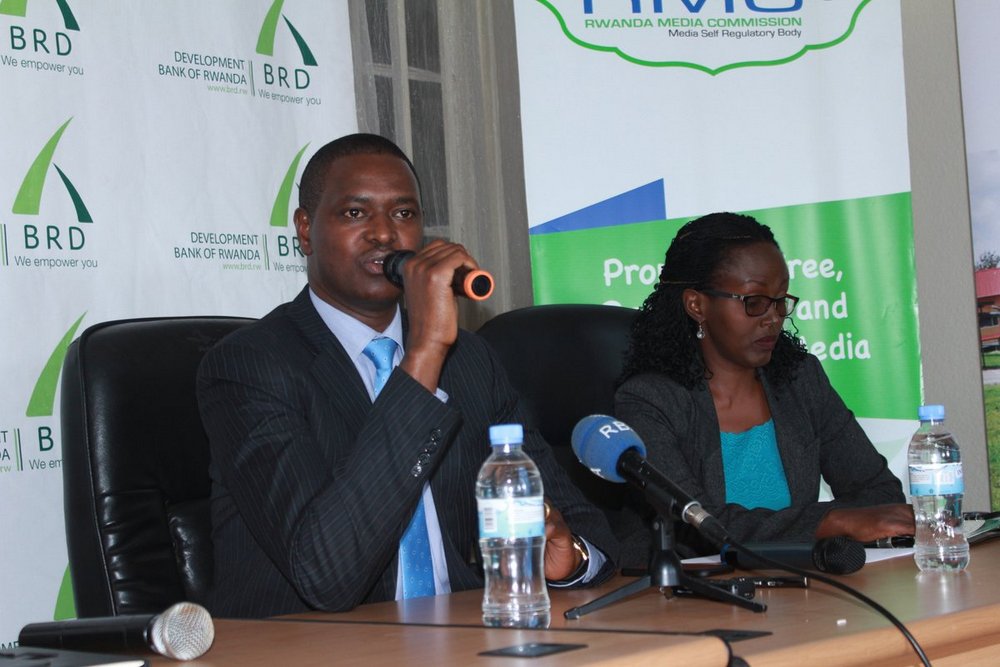
Speaking to the media yesterday in Kigali, BRD Chief Executive Officer, Eric Rutabana much as there is a big amount of money which is yet to be recovered, efforts have been invested in the recovery process.
The bank says that a total of Rwf80 billion has been distributed through scholarship programme and benefited over 70,000 students.
However, BRD took over the responsibilities after Rwf12 billion had been recovered.
“From 2016 to todate, we have recovered Rwf5.1 billion. Of the Rwf80 billion which was disbursed, a total of Rwf17 billion was recovered,” he explained.
He said that BRD faces challenges of graduates who do not get employment and delay recovering process.
Beneficiaries pay 8 percent of monthly salary.
BRD’s Head of Recovery Unit, Claudine Matata said that they have got the list of beneficiaries and are still tracking where they work from.
She encouraged beneficiaries who have got employment to start paying before they face legal fines.
“They should also come forward and facilitate us during the recovering process, if they ought to reimburse certain amount of money, they should start doing so. If they don’t, fines will be applied as determined by the law,” she added.
Currently, BRD pay scholarship fees for 28,500 students studying in the country and 365 studying abroad.
Under the MoU, Liquid Telecom will link its network from Sudan into Telecom Egypt’s network via a new cross border interconnection – bringing together a 60,000km network that runs from Cape Town, through all the Southern, Central, and Eastern African countries, and has now reached the border between Sudan and Egypt. The Cape to Cairo network – often referred to as “the One Africa” broadband network – has been in the making for over ten years and serves some of the largest global companies with some of the fastest network speeds on the continent.
“Completing our vision of building a single network running on land, all the way from Cape to Cairo is a historic moment for the company and for a more connected Africa. This network not only represents a remarkable engineering achievement that has overcome some of the most challenging distances and terrains on the continent, but it is also supporting the rise of Africa’s digital economies,” said Strive Masiyiwa, Founder and Executive Chairman of Econet.
Mr Masiyiwa also observed that: “Wherever the One Africa network has been completed we have seen dramatic increase of data traffic between nations connected to it. We expect to see a lot of traffic between Egypt and the rest of Africa. Where there is improved communications, improved trade follows as well. We need to see more trade between African countries.”
As part of the strategic partnership, Liquid Telecom and Telecom Egypt will share network infrastructure and explore further areas of collaboration, including joint network services, a peering arrangement and a voice interconnection agreement.
Telecom Egypt, which has served Egyptian customers for over 160 years, will offer Liquid Telecom unrivalled reach through interconnection services, while Egypt Telecom’s customers will benefit from access to Liquid Telecom’s pan-African fibre network
“This MoU is a great step in our strategy to penetrate the African market and avail Telecom Egypt’s most advanced technology and global infrastructure services to customers across Africa. We look forward to working alongside Liquid Telecom to develop new network services and products that will help stimulate intra-regional trade,” said Ahmed El Beheiry, Telecom Egypt’s Managing Director and Chief Executive Officer.
The 2018 Annual Meetings of the African Export-Import Bank (Afreximbank), which is the foremost pan-African multilateral financial institution devoted to financing and promoting intra- and extra-African trade, is being held this week from 11 to 14 July in Abuja, Nigeria. It brings together banking industry professionals, trade and trade finance practitioners and other parties involved in economic development from across Africa and beyond.
“The roll-out of infrastructure, particularly high-speed networks, is crucial for stimulating intraregional trade. The Cape to Cairo network sets a new standard for Africa and will open-up new trade opportunities across the region. Our congratulations to Telecom Egypt and Liquid Telecom for reaching an agreement to complete the Cape to Cairo network,” said Dr. Benedict Oramah, President of Afreximbank.
The exhibition, organized by the Private Sector Federation, is set from July 26 through August 15 at the Gikondo Expo Grounds.
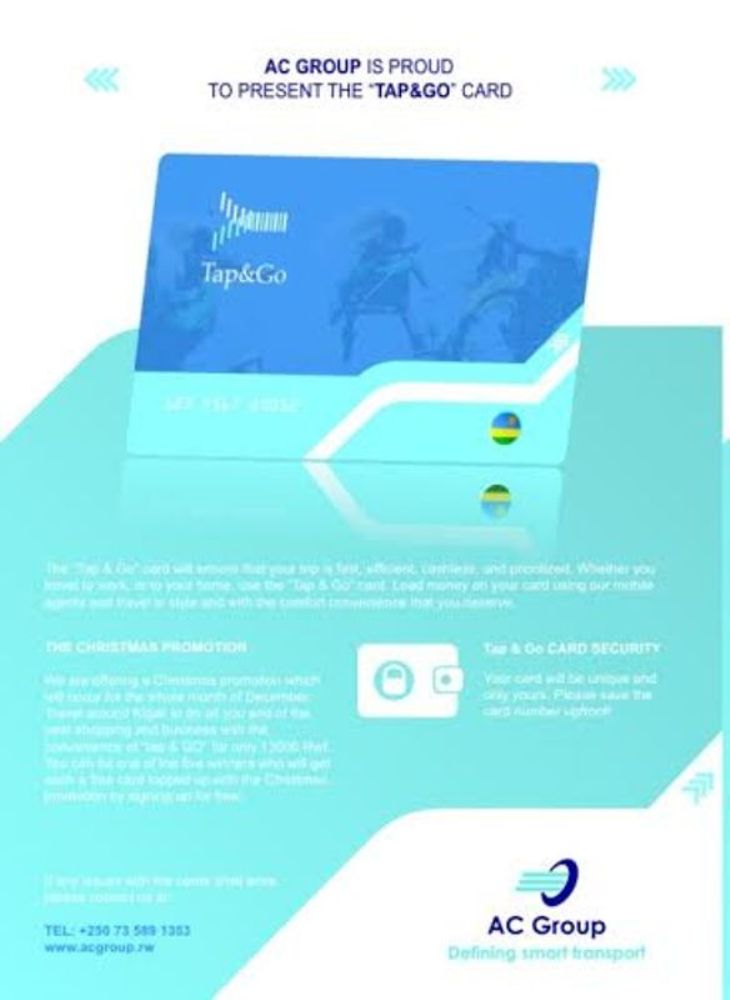
The Tap&Go card by AC Group is a local payment card which is used in public Buses. It is built with a chip that is read by a machine installed at the entrance of the bus. A passenger taps the card on the machine which deducts an amount of money equivalent to his/her trip. The electronic payment system came with a promise of putting a stop to long hours and long queues, and hassling out with bus conductors for change, among others.
Speaking with IGIHE, PSF Head of Communications and Marketing, Eric Kabera, said that among the innovations of this year’s annual fair, attendees would have to rely on their TAP&GO cards so to access the venue.Automatic word wrap
“In line with the promotion of cashless economy, people will be using Tap&Go cards to access the Venue for Rwanda International Trade Fair, at Gikondo Grounds. We want to harness the culture of buying goods/services using electronic means.” Kabera said
Kabera further explained that anyone owning a Tap&Go card will only be required to add RWF500 which will be the required entrance fee for the exhibition.
“It will now be easy for people to enter easily. We are now in the process of installing the machines and we expect that they will be done before this week ends. Another thing is that we’ve prepared agents who will be positioned at all 10 major Entrances of the Fair, so to decrease chances of long queues.” He added
According to PSF, the exhibition has over the years drawn a formidable impression among the locals and more importantly, has served as a platform to attract foreign companies to consider setting up a presence in the country.
Such companies include JKK International from Dubai, Mukwano & Movit from Uganda, ALINK Technologies from China, Yvonne Exclusive Design from the Fashion Industry, Roofing Rwanda Ltd, Dodoma Ltd, Egyptian House of Kitchen, Desire Products from Uganda, Azam from Tanzania, among others
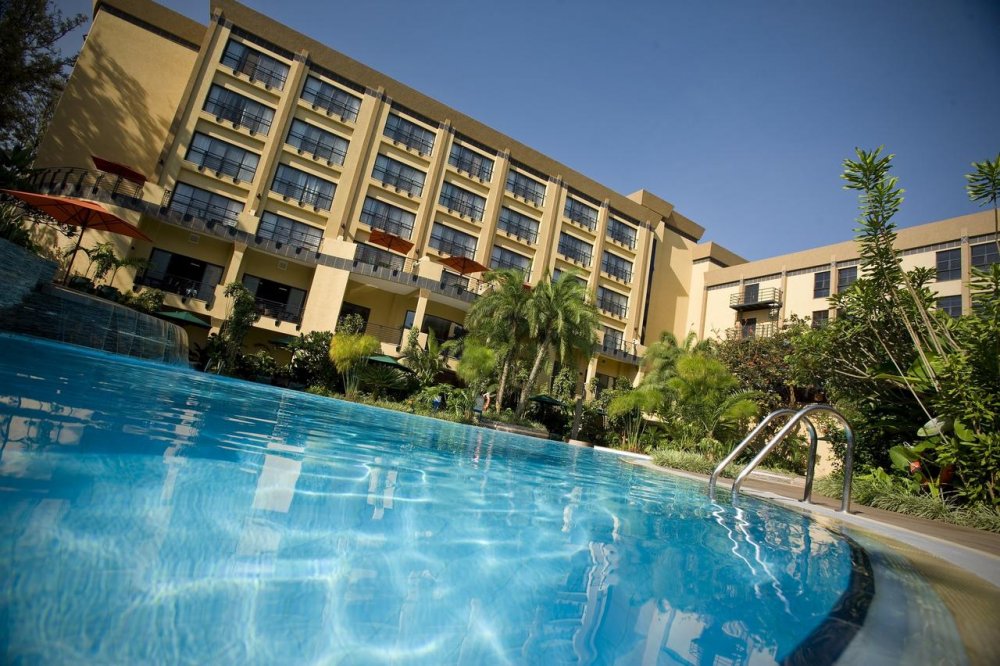
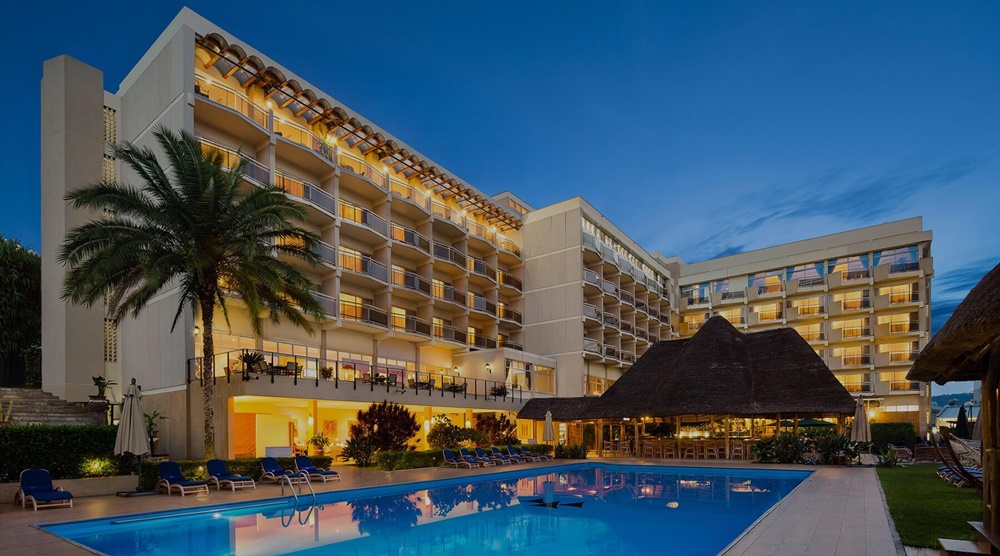
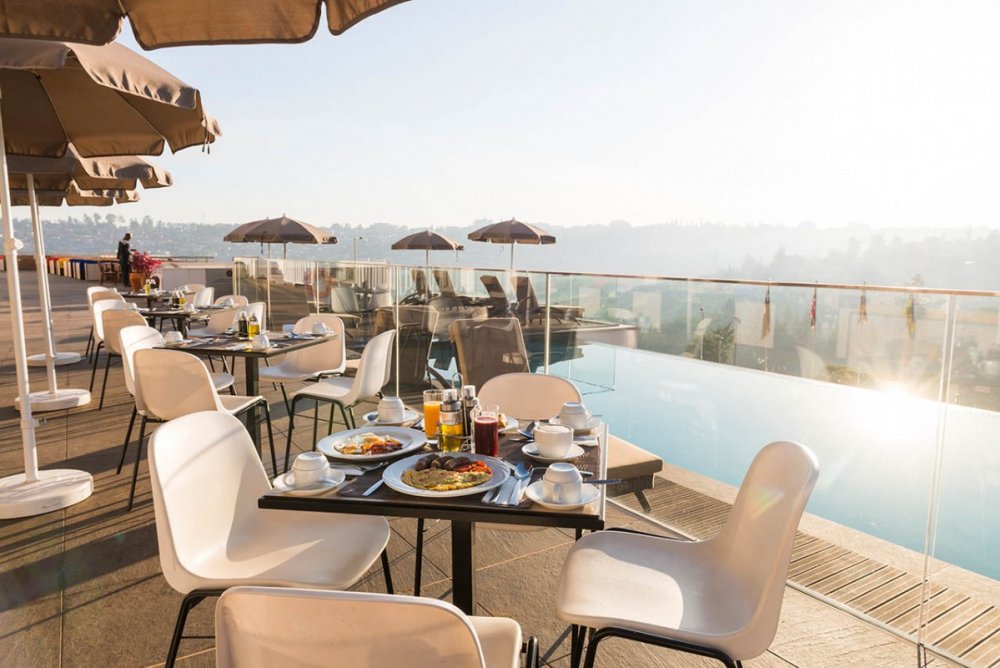
This is particularly true when one considers that in 2013, Kigali Serena Hotel was the only five-star facility in the hospitality industry. Since then, Rwanda has risen among the leading foreign direct investment (FDI) destinations in the region, and even beyond.
Five years ago, the government of Rwanda set out to establish foundations for the Meetings Incentives, Conferences and Exhibitions (MICE) promotion with the aim of becoming Africa’s newest darling in the sector.
Given the upward trajectory on the macro front, good governance, great policies for doing business and the fact that it is a growing MICE and conference destination, Rwanda quickly became the region’s leading choice of investment for a number of international hotel brands.
In 2016 Rwanda started reaping what it had so tediously sown in the MICE sector.
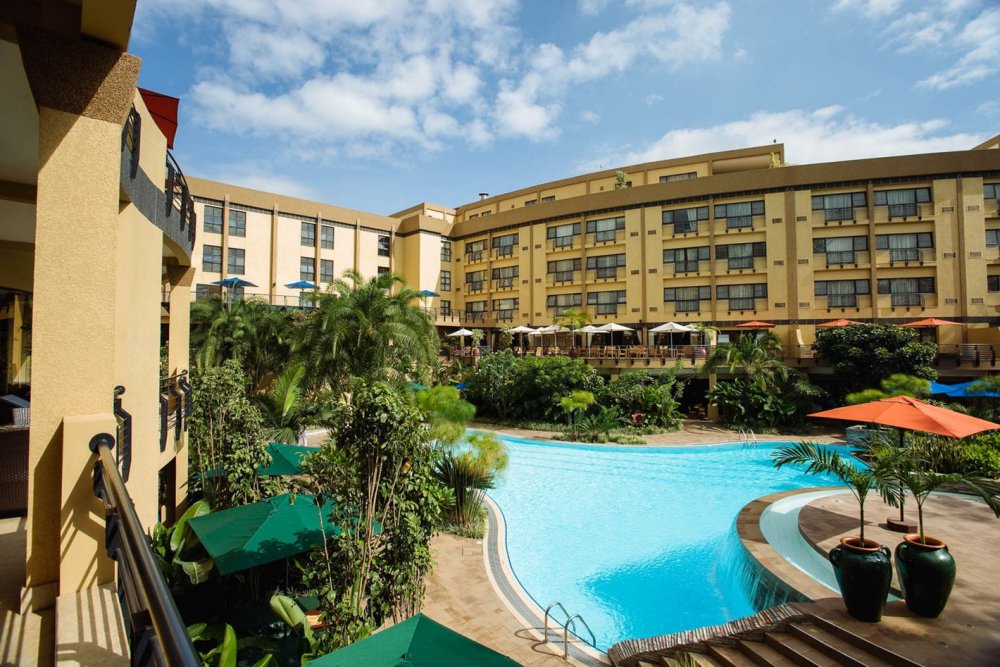
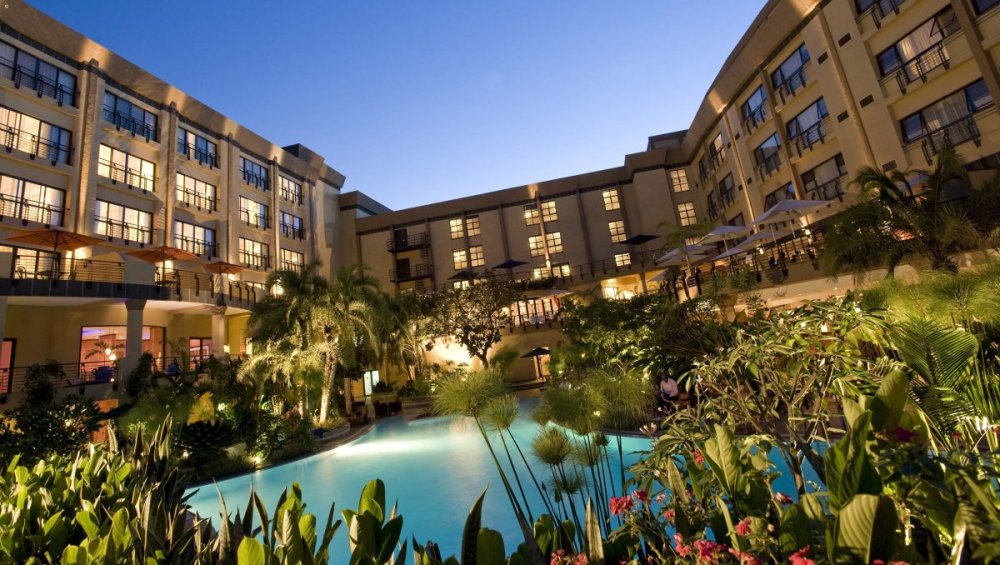
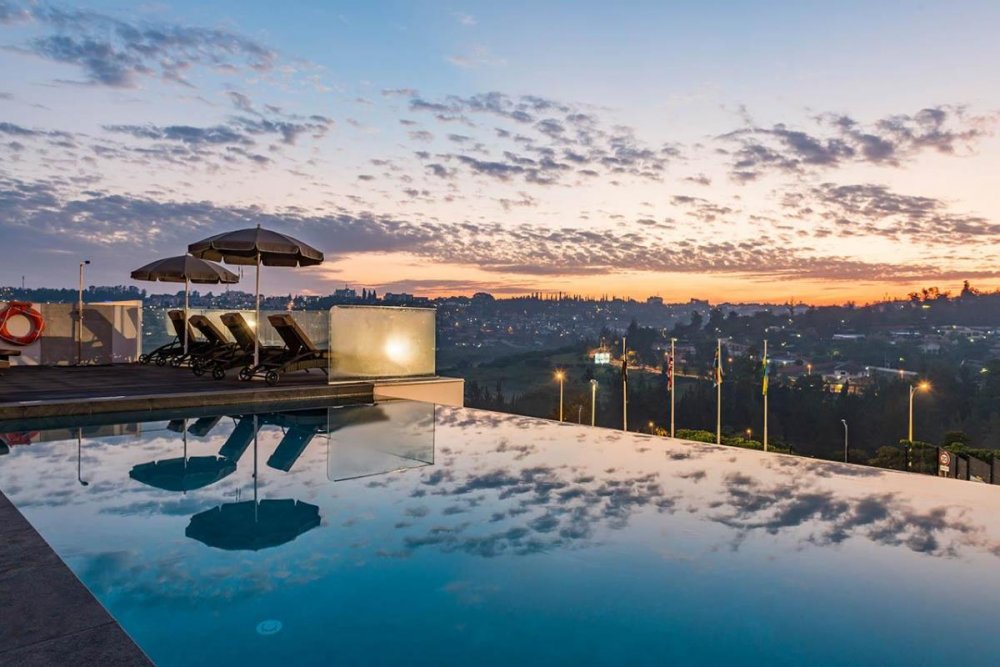
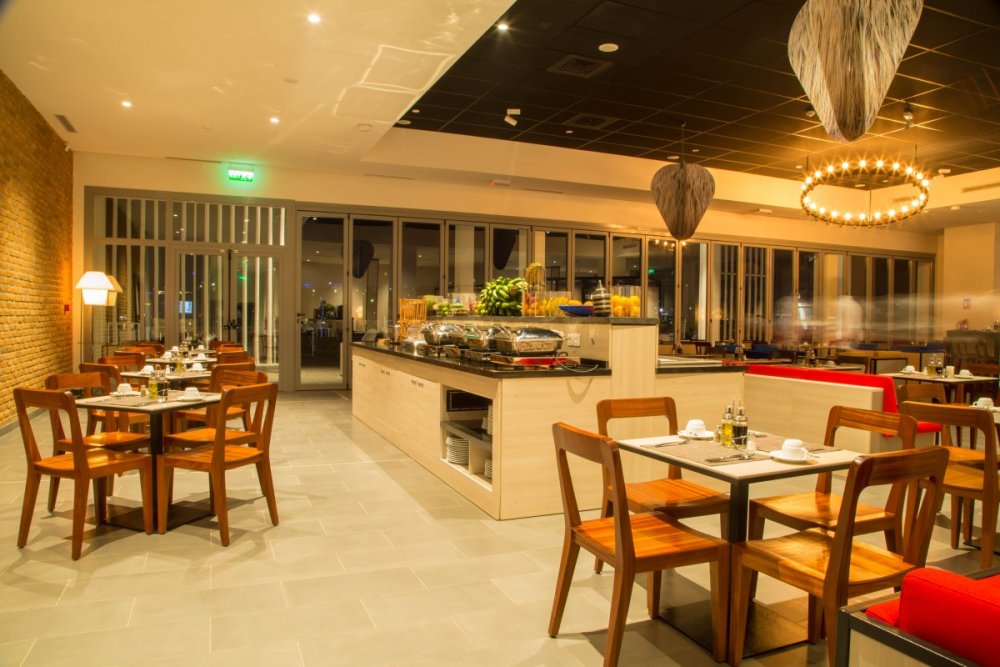
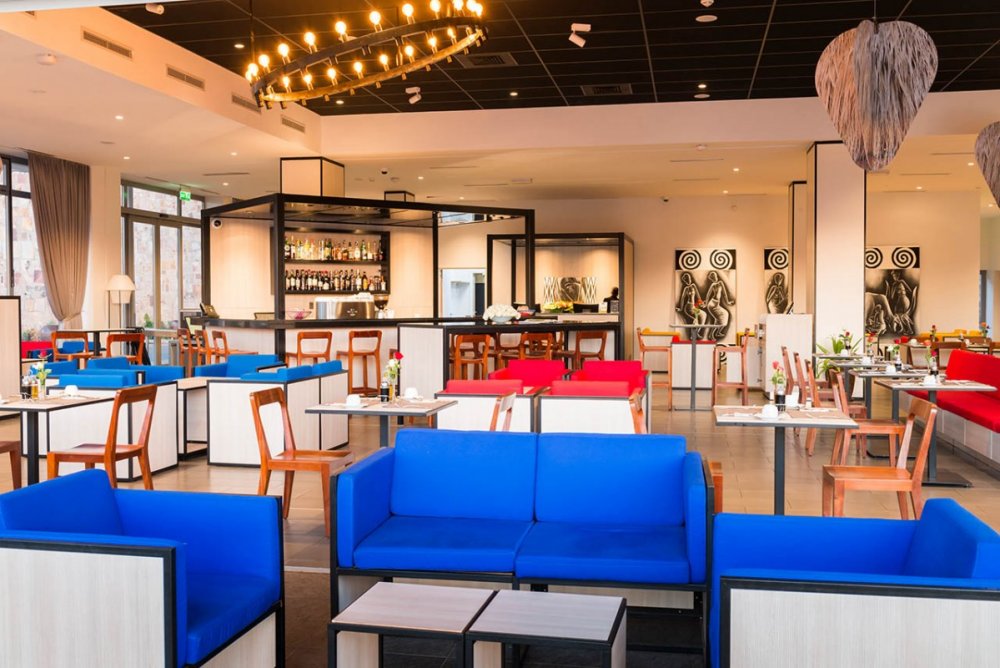
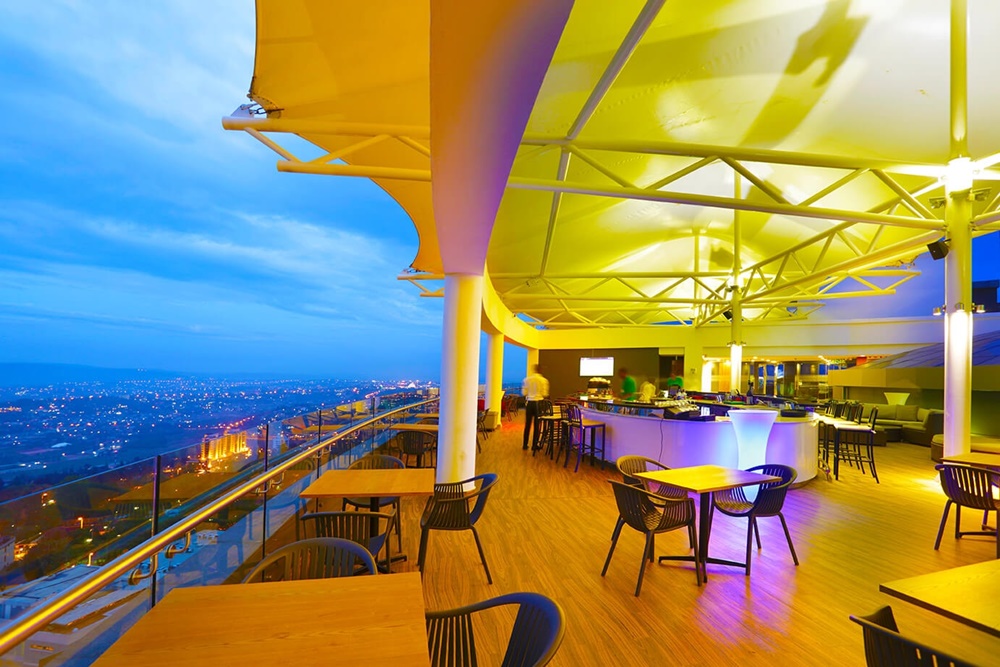
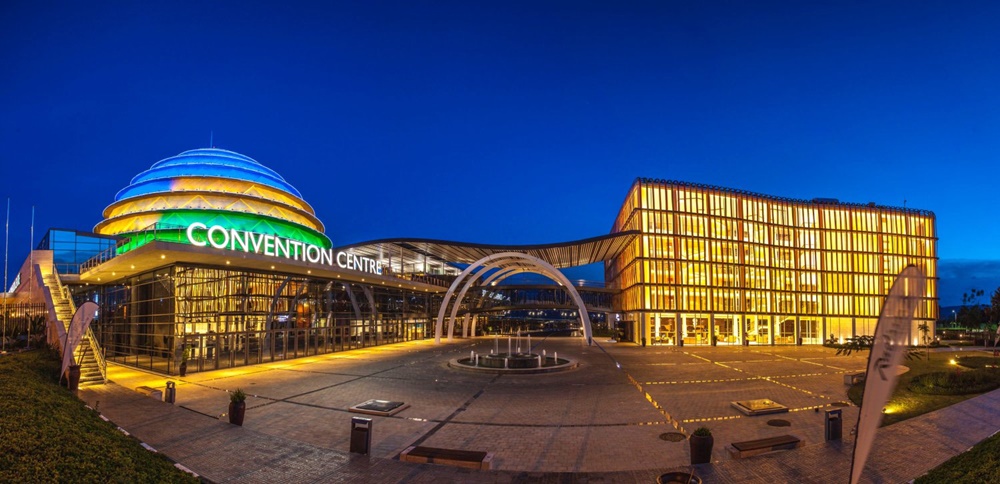
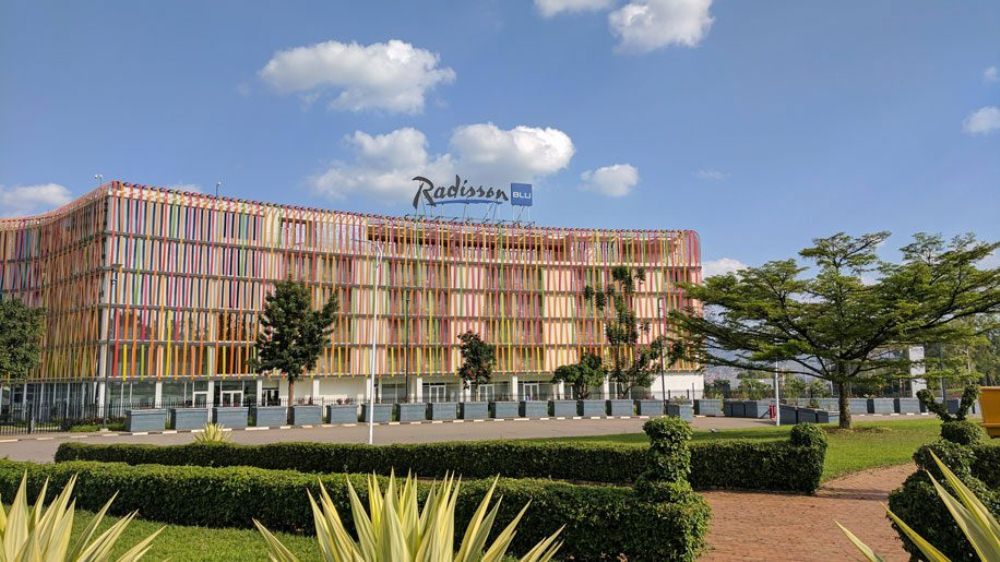
Radisson Blu launched a new Kigali complex in 2016, a 292-room luxury hotel together with Kigali Convention Center, which was unveiled just in time for the 2016 African Union Summit from which it earned $4.2 million, according to Rwanda Development Board.
The International brand joined a slew of other hotel chains that found in Rwanda, a new travel and conferences hotspot.
Rezidor Hotel Group’s Radisson Blu, a five star complex with 292 rooms and conference facilities that can host more than 5,000 guests opened shop, hosting several international meetings, attracting foreign exchange, boosting national pride and tourism.
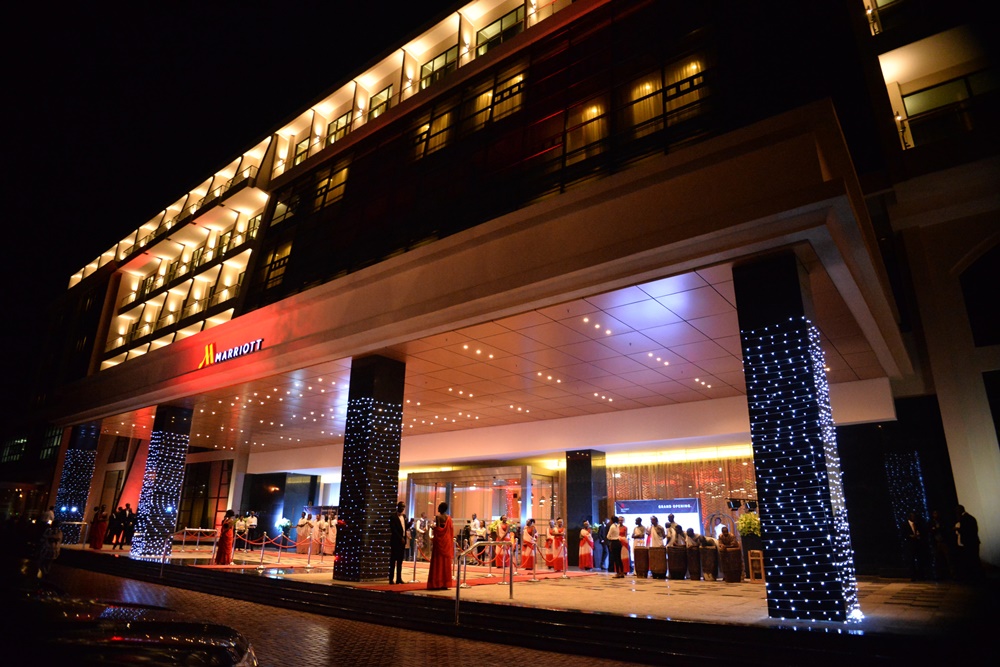
Kigali Marriott Hotel which is part of Marriot Hotels International chains followed suit. It is a five-star hotel and the first ground-up Marriott hotel in Sub-Saharan Africa with 254 rooms and suites spread across eight floors with the capacity to accommodate over 650 guests.
Park Inn by Radisson, a four-star hotel by Rezidor Hotel Group located in the cool shades of Kiyovu offers 161 rooms in different types including suites, superior and standard rooms.
Hilton Hotels and Resorts, another Global hotel chain took over Ubumwe Grande Hotel, which is located within the heart of Kigali. The facility that is currently undergoing some changes will be rebranded as DoubleTree by Hilton Kigali City Centre.
Africa’s largest hotel group, the Protea Hospitality Group is set to open a grand hotel in Rusizi District by name of ‘Protea Kivu Marina Resort Hotel’. The group has over 116 hotels in its portfolio, in several parts of the continent such as South-Africa, Zambia, Nigeria, Namibia, Malawi, Uganda and Tanzania.
Another International brand known as Starwood Hotels & Resort, more popular as Sheraton, announced its entry in Rwanda’s hospitality industry with a facility to be built in Gasabo District this year. It will be the fiftieth hotel of the group and will consist of 136 rooms.
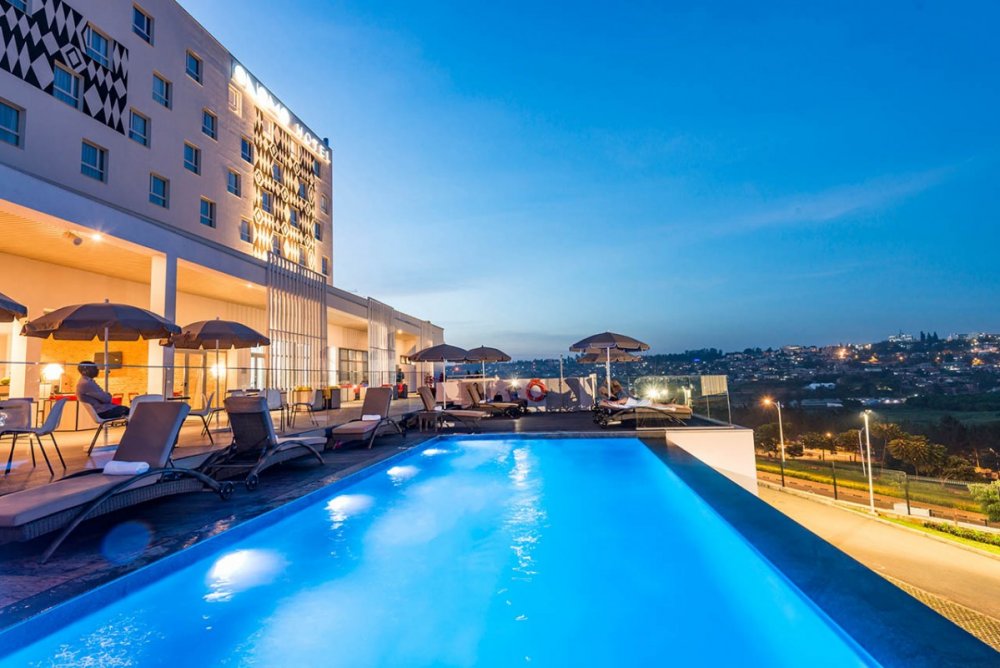
Other important international brands with a foot in Rwanda are Golden Tulip, Onomo Hotel, Serena Group of Hotels, Marasa and Swiss International Hotels & Resort, popular in Asia, Europe and America.
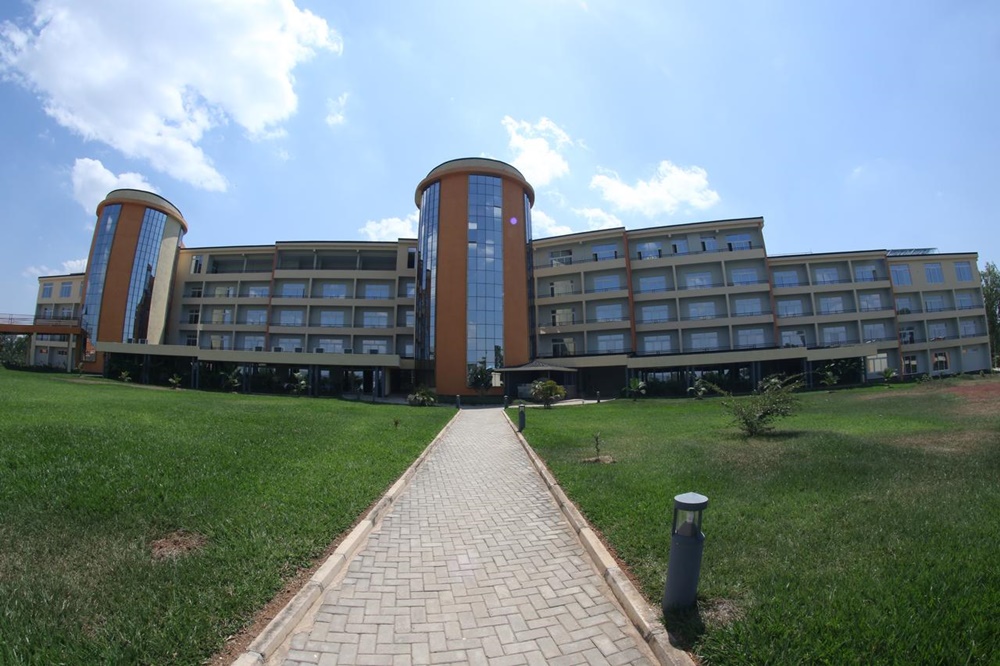
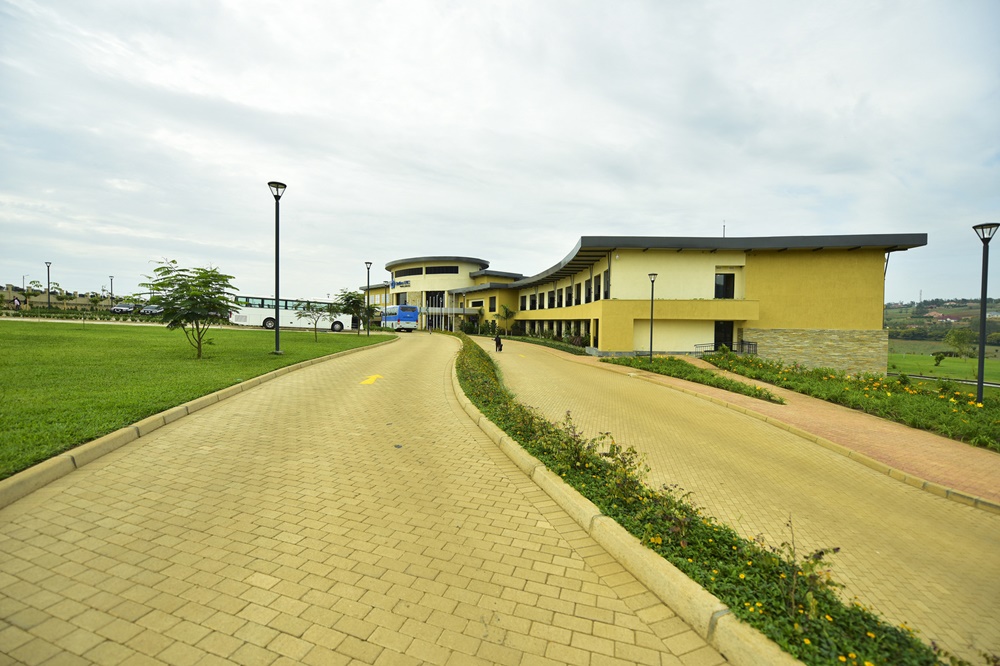
All these international hotel brands are establishing in Rwanda with the aim of grabbing a portion of the regional conferencing pie as the country progressively defined itself, making MICE the base of tourism industry.
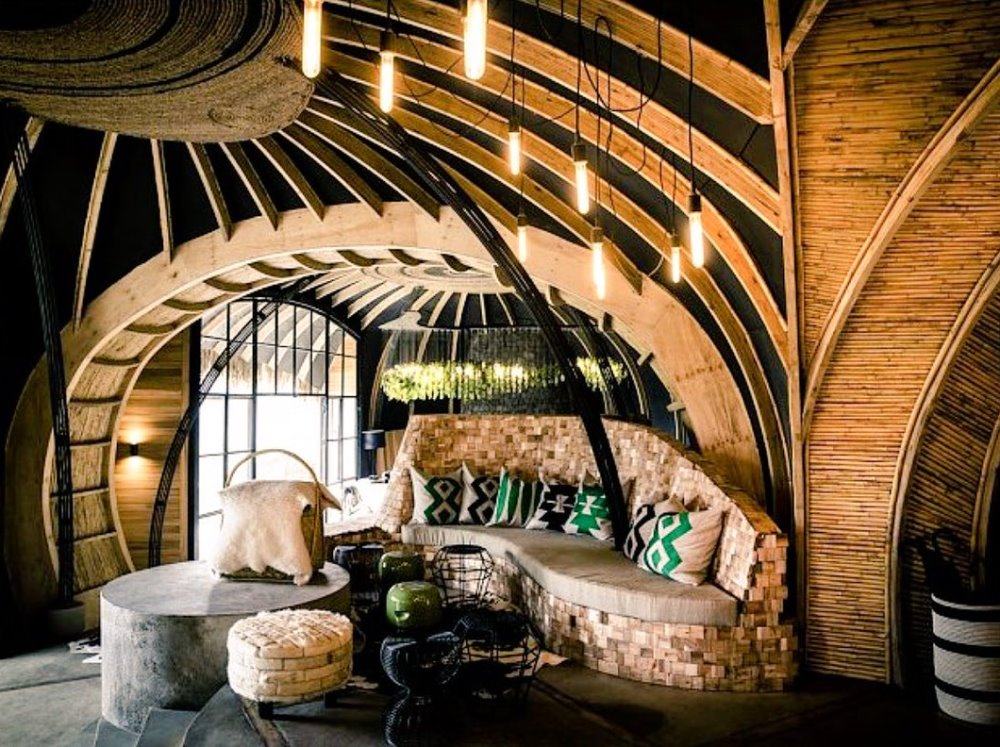
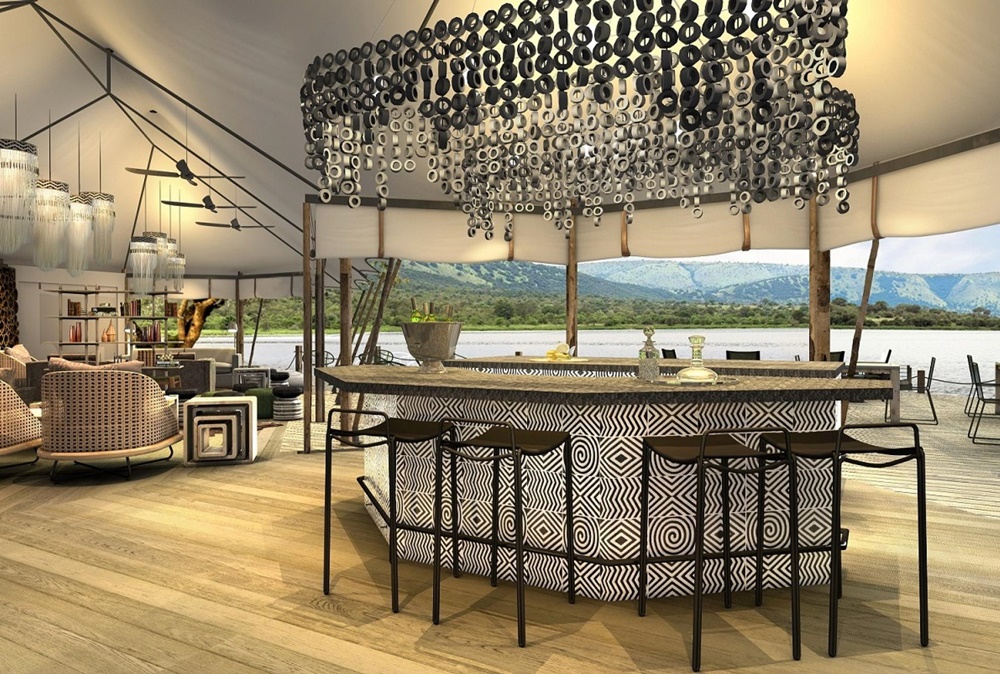
High-end luxurious facilities such as Fatima Hotel, Bisate Eco Lodge, Singita Kwitonda Lodge, Nyungwe Forest Lodge, CityBlu Epic Hotel are also hitting their marks in the country’s hospitality industry.
{{MICE tourism segment’s impact on Rwanda’s Development
}}
Since the launch of MICE in 2014, Rwanda has hosted tens of thousands of regional and international conference guests among who are many that visit several tourism destinations across the country.
According to Rwanda Development Board (RDB), Rwanda received 1,298,000 visitors in 2016, up from 666 000 visitors in 2010, indicating that the long-term outlook to the country’s MICE tourism segment is now very vibrant. Furthermore, in 2016 alone, the MICE tourism segment contributed to the $404 million Rwanda earned in revenues.
Last year (2017), Rwanda hosted over 169 international meetings, recording 28,308 delegates, hence an indirect support for the service providers such as hotels, lodges, restaurants and Rwanda Air.
The blooming MICE sector is an unmistakable vote of confidence in the reforms Rwanda has been undertaking over the years in its bid to revitalize an economy that almost everybody believed was in limbo after the 1994 genocide against Tutsi.
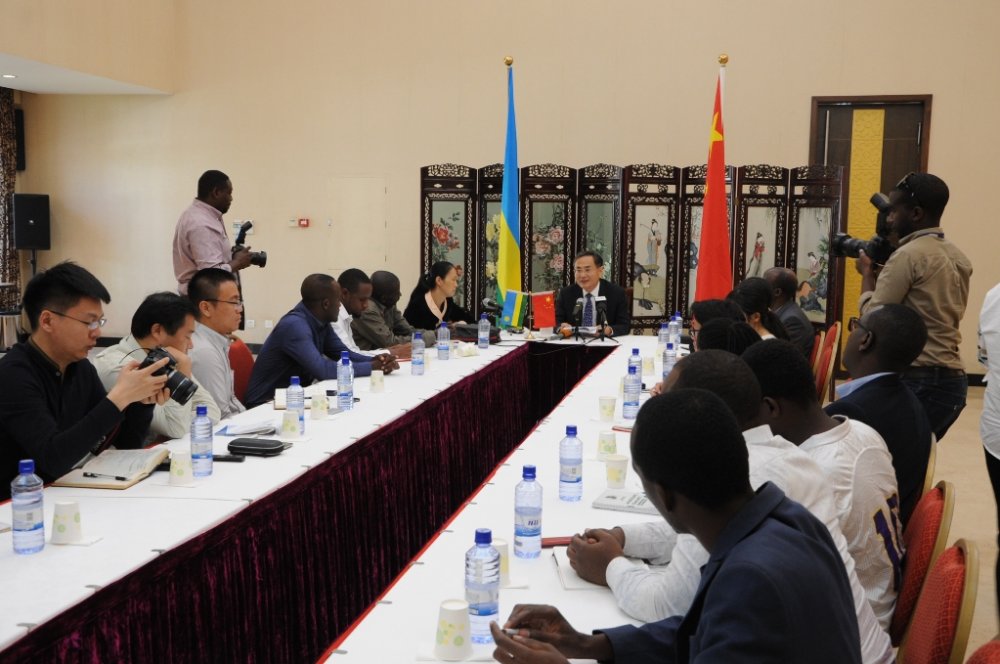
The Envoy was speaking yesterday in Kigali ahead of the president’s two-day state visit to Rwanda.
“As the Chinese Ambassador to Rwanda, I firmly believe President Xi’s upcoming visit will be of historic significance and will bring China-Rwanda relationship into a new era,” he said.
{{Deepening political trust}}
“Adhering to the principles of sincerity, practical results, affinity and good faith, and upholding the values of friendship, justice and shared interests, China will work with Rwanda and all other friendly African nations, carry out more exchanges on governance and guidelines of development, so as to pave a broader and more solid road of mutual benefit and common development for China and Africa,” Hongwei said.
He noted that the visit will increase programmatic cooperation where Jinping and President Paul Kagame are expected to witness the signing of a number of Memorandum of Understandings and agreements.
“These will enable China and Rwanda to further match our development strategies and seek to harvest more fruits across multiple areas, including the Belt and Road Initiative, public health, human resource training, mining and law enforcement cooperation among others,” he said.
The envoy said that the visit will broaden regional cooperation. He said that it remains a cornerstone of China’s foreign policy to consolidate China’s relations with Rwanda and other African nations.
“China values the important contribution to the solidarity and development of Africa that President Kagame has made after assuming the rotating chairman of the African Union and coordinator of the AU reform. China and Rwanda will further enhance collaboration in regional and international arena and uphold the legitimate rights and interests of developing countries,” he added.
China is the World’s second largest economy, largest industrial producer, largest trader in goods, and largest holder of foreign exchange reserves. Over the past four decades, thanks to the policies of reform and opening up, China’s economy has been growing an average annual rate of 9.5% and its foreign trade at 14.5%.
In recent years, China’s contribution to global growth has been exceeding 30%.
Jinping will start his visit to Rwanda from July 22nd to July 23rd 2018.
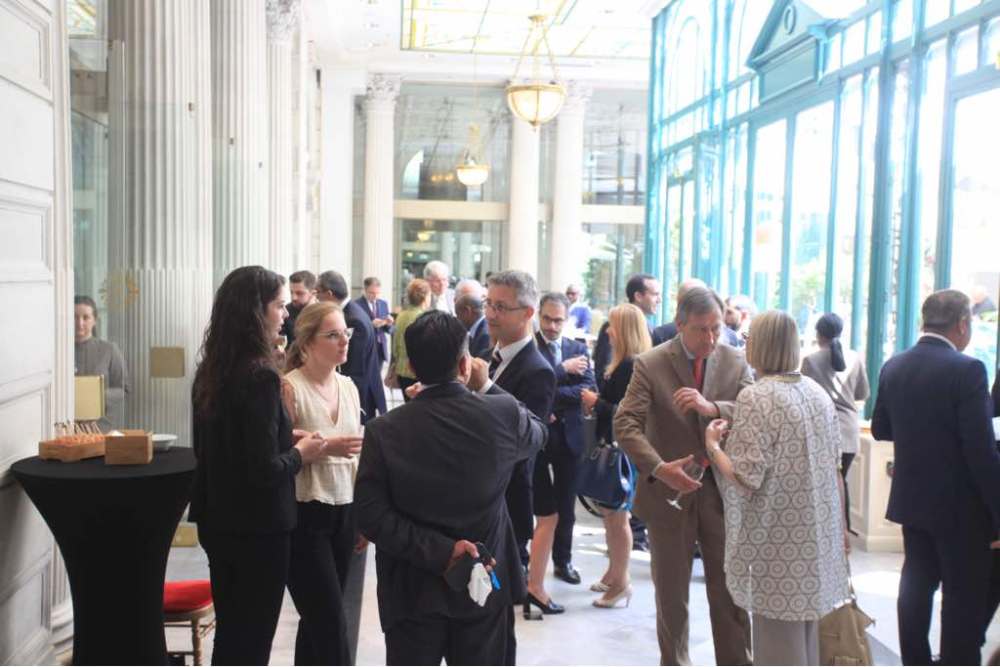
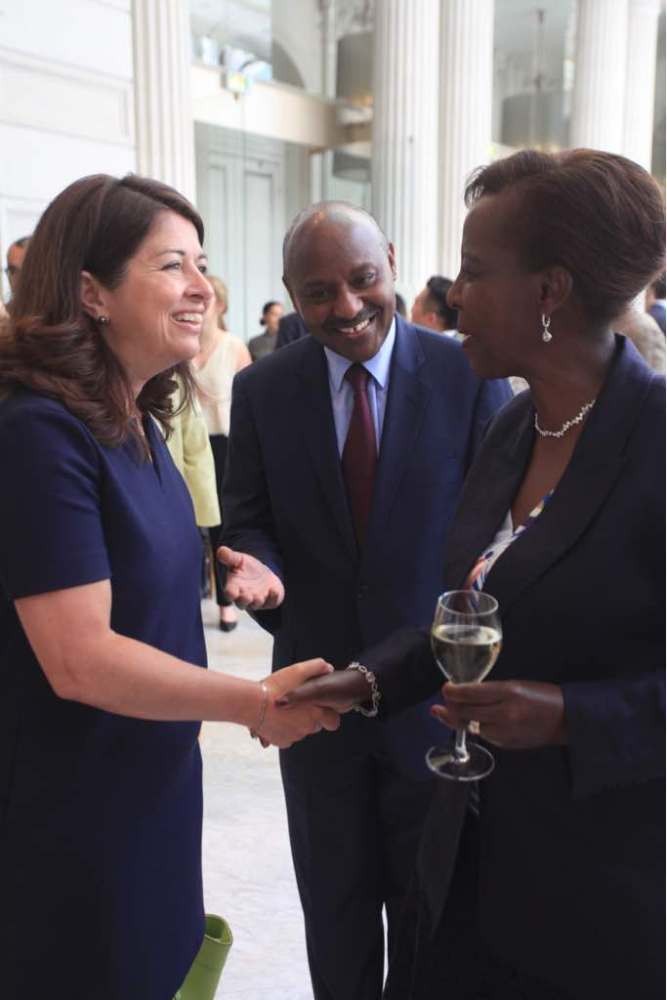
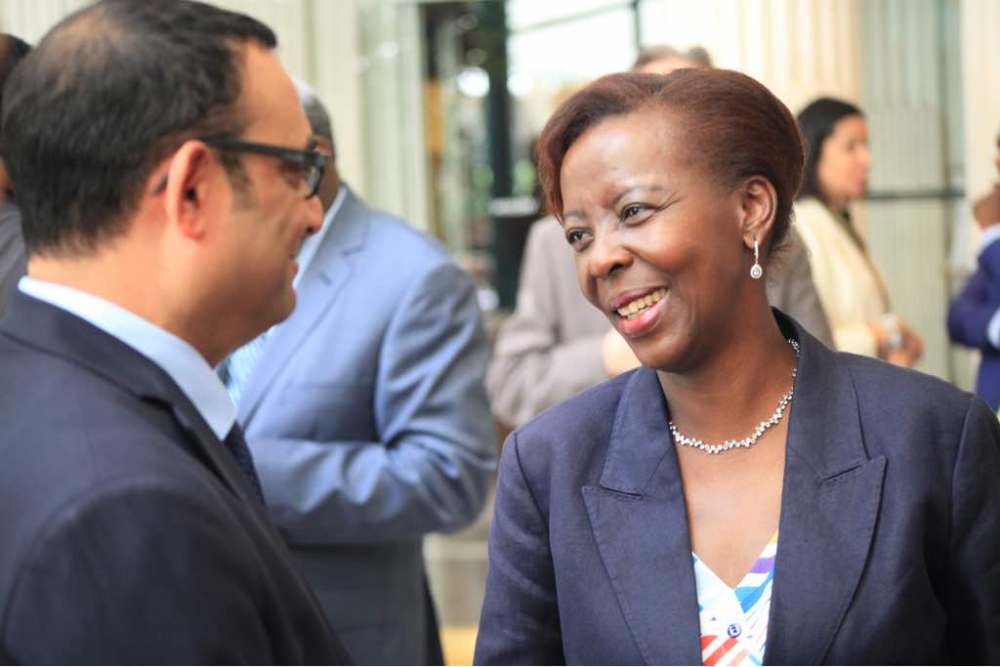
Mushikiwabo met the ambassadors at a luncheon yesterday in Paris, France.
According to official twitter of Mushikiwabo’s campaign at OIF also known as La Francophonie, at the meeting, she got opportunity to present her priorities to the ambassadors.
“Today, in Paris, Mushikiwabo met ambassadors to the OIF. A meeting rich in exchanges and the opportunity for the candidate to present herself, give an overview of her priorities and priority topics,” a tweet reads.
The group of ambassadors emphasized that Mushikiwabo presented her priorities and received many questions from the ambassadors.
Mushikiwabo recently in Antananarivo, Madagascar submitted her candidature to President Hery Rajaonarimampianina who is the sitting president of La Francophonie currently.
OIF Secretary General Elections will take place during the the organisation’s summit scheduled for October 11th -12th in Erevan, Armenia.