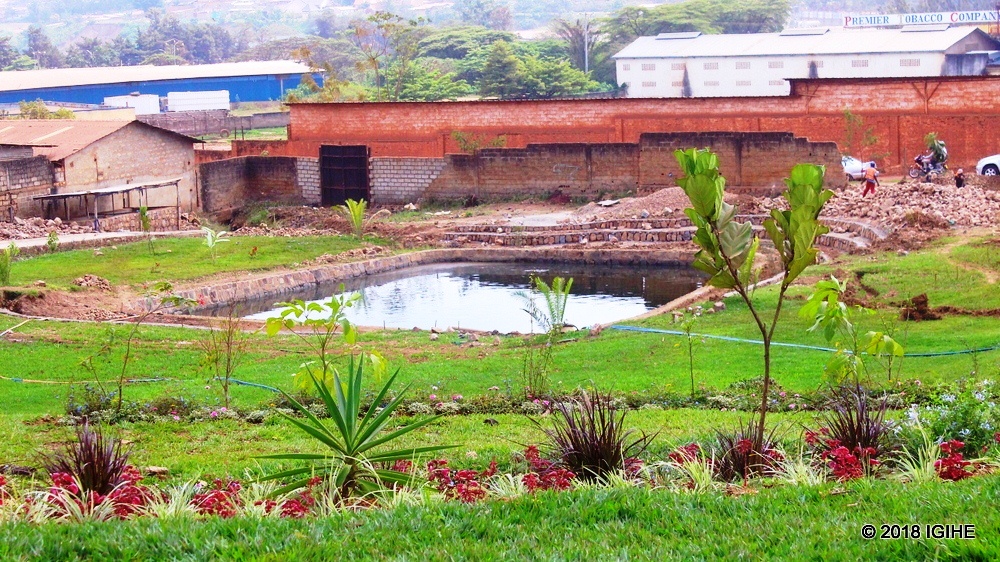
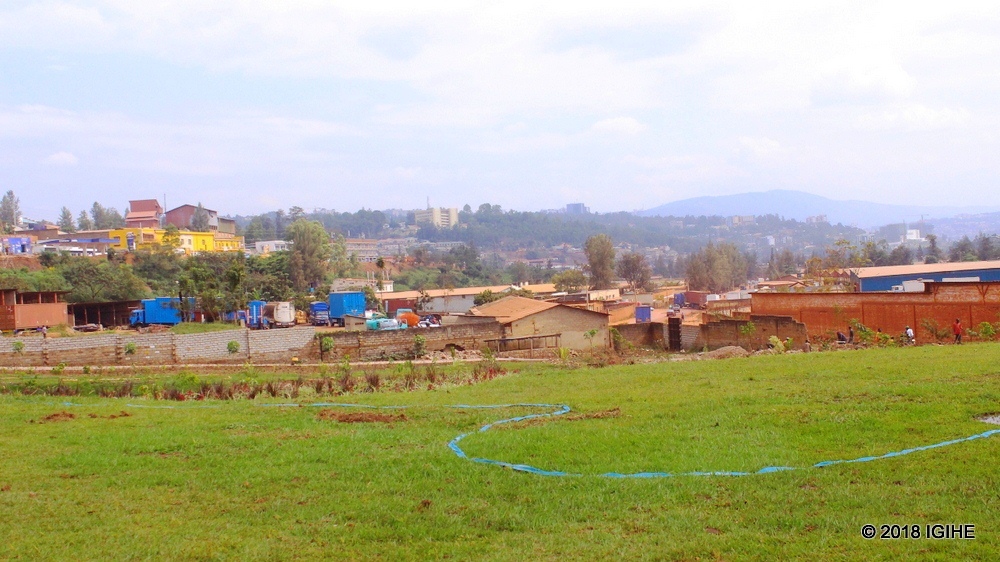
However, according to the Ministry of Trade and Industry (MINICOM), there still remain many activities which require funding for them to be relocated.
In 2018/2019 fiscal year, the government allocated Rwf9.8 billion for relocation of former industrial park where the government plans to create artificial lake.
According to MINICOM minister, Vincent Munyeshyaka, the budget for relocation is still low whereas there are many activities which need to be relocated.
Munyeshyaka said that relocating all remaining activities needs Rwf30 billion including Rwf9.8 billion that was availed in this year’s budget.
“Rwf9 billion will be used in 2018/2019 fiscal year by relocating industries and commercial activities. It requires big budget, over Rwf30 billion.” he explained.
He said that they want to start discussions with property owners so that they could be partly compensated with the full amount to be paid at a later date.
“If this process fails, we will use available budget and wait next year,” Munyeshyaka added.
Relocation activities for Gikondo Industrial Zone were expected to have been completed by 2016, but the process was hampered by insufficient budget.
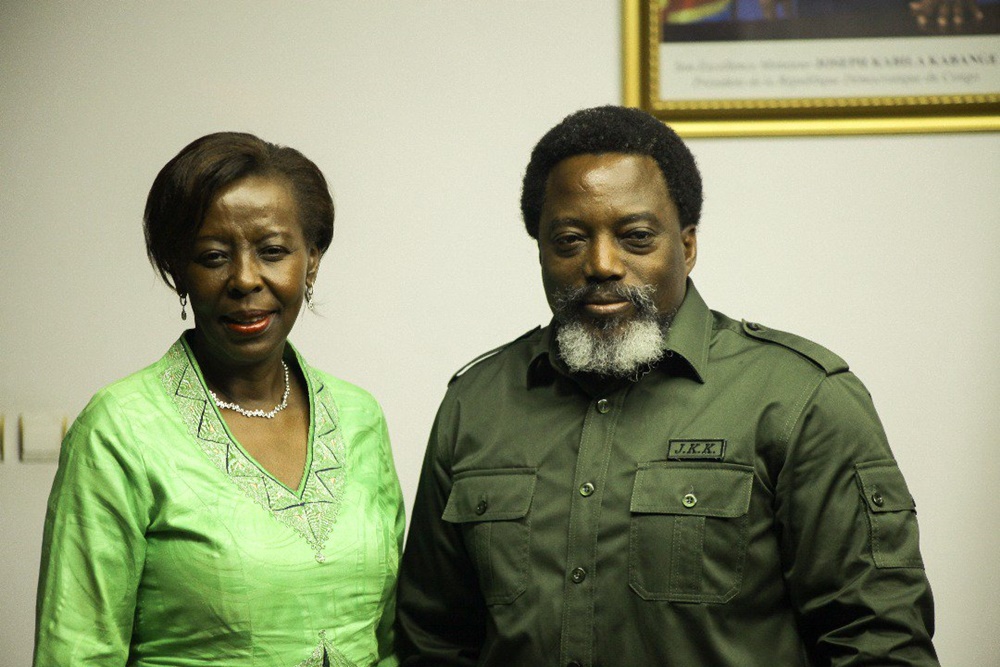
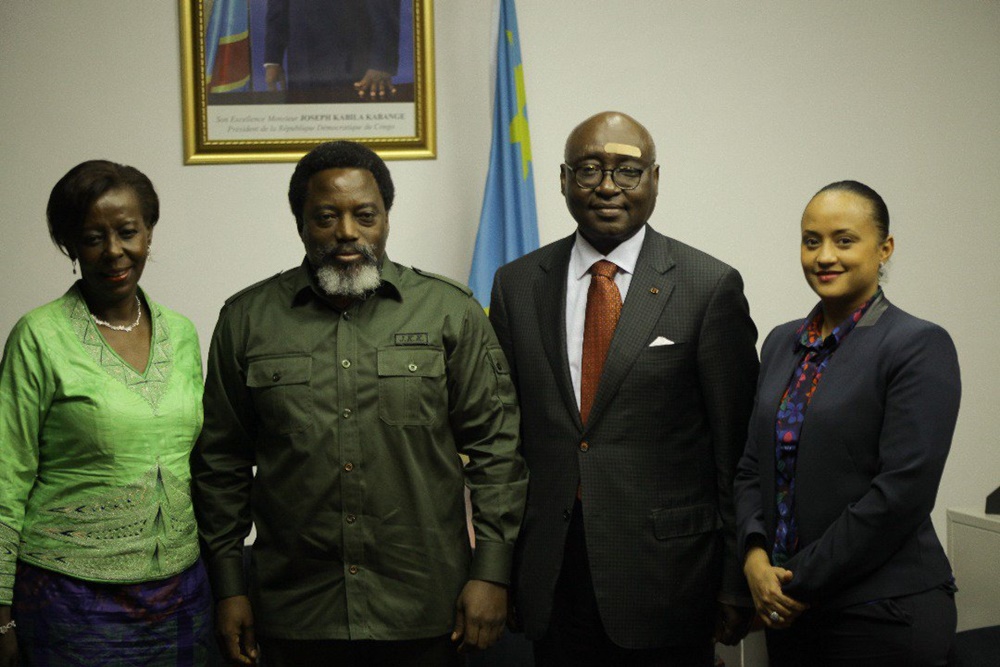
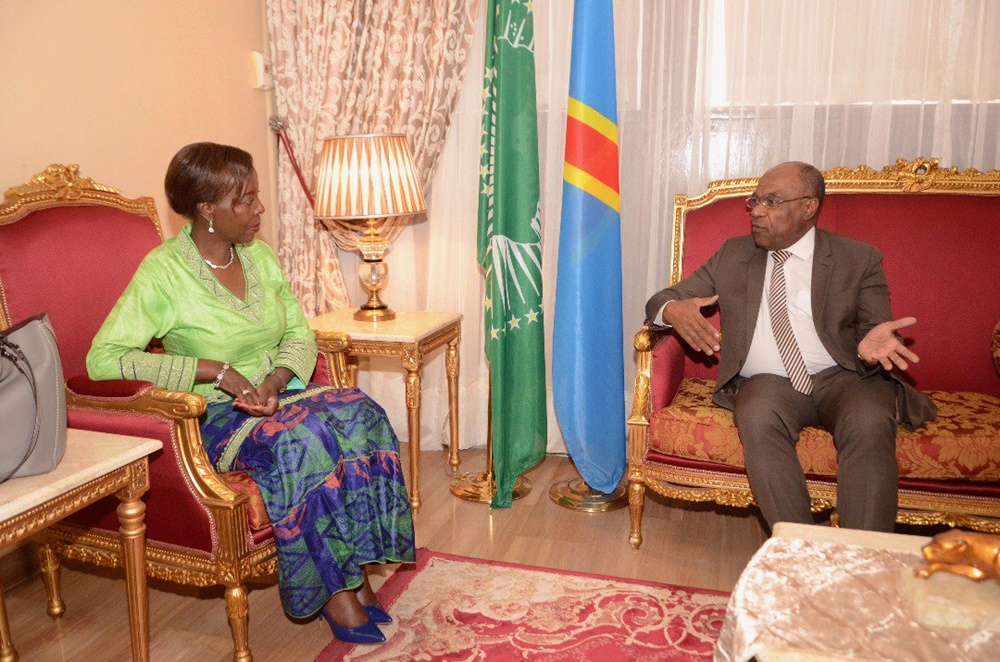
Accompanied by the AU high representative for Financing of the union and the peace fund at the Security council, Mushikiwabo arrived in DRC on Wednesday and welcomed by her Congolese counterpart, Léonard She Okitundu.
According to twitter handle for Mushikiwabo’s campaign activities, she discussed her candidacy with DRC President Joseph Kabila who expressed his full support.
Kabila emphasized the importance of having African countries united by La Francophonie in the upcoming elections in Erevan, Armenia.
“This visit in DRC (the biggest country in La Francophonie) is an essential stage is in her intention to reach a maximum of OIF member countries before the final in Erevan,” a tweet reads.
On July 11th, Mushikiwabo submitted her candidacy to Madagascar President, Hery Rajaonarimampianina who is also the sitting president of La Francophonie.
Early this month, the African Head of States and Governments expressed their support Mushikiwabo’s candidature.
Mushikiwabo’s Candidacy against a Canadian Michaëlle Jean who heads the organization since 2014, continues to get many supporters as it was openly supported by France President Emmanuel Macron in May when President Paul Kagame was visiting France.
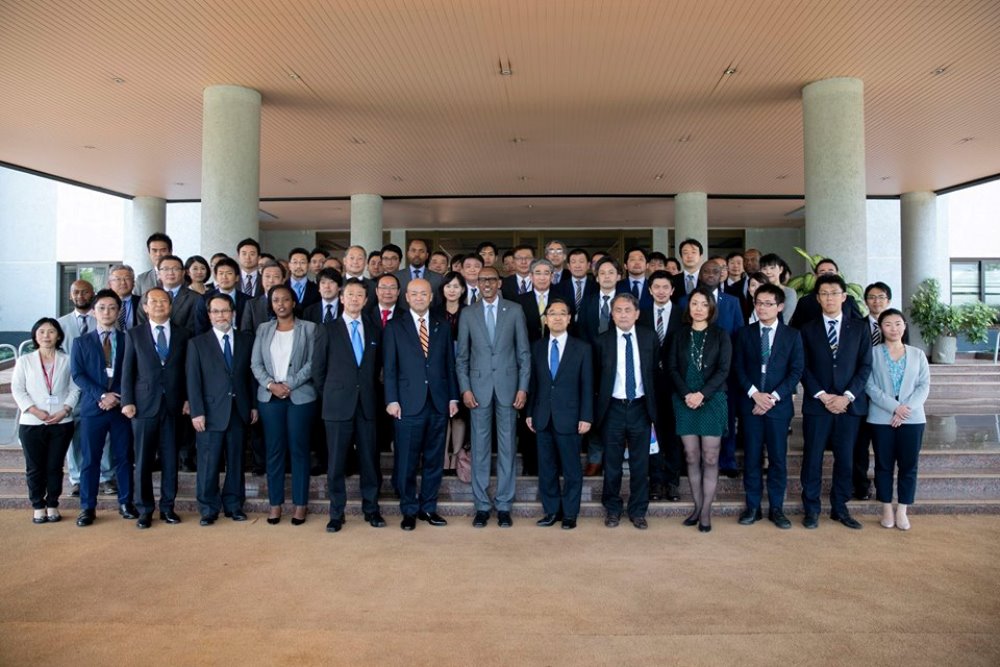
Led by Manabu Horii, Japanese Parliamentary Vice-Minister of Foreign Affairs met the president Wednesday in Kigali and was briefed about investment opportunities available in Rwanda.
“There has been a good relationship between Japan and Rwanda, we are trying to increase the private sector involvement to back the intentions of leaders and our people in achieving development objectives,” he said.
“We are not afraid of leapfrogging in Rwanda. We want to take advantage of technologies Japan has, where we can. We are not saying if we are not starting from the bottom and move slowly then we will not move. We do both. We try to narrow the gap as fast as we can,” Kagame noted.
Speaking to the press after the discussions, the Chief Executive Officer of Rwanda Development Board (RDB), Clare Akamanzi said that the investors were attracted by Rwanda being a fast-developing country.
In the discussions with President Kagame, Akamanzi said that they focused on ICT as priority area.
“The Japanese delegation is very strong in ICT and that is an area that we see Japan can contribute to Rwanda’s growth plan. ICT as you know is a very big priority for us in Rwanda, Japan has capacity and already they have demonstrated that capacity by one of the investor investing in the country. So, we have really focused on ICT as a key area,” Akamanzi said.
She added that they also discussed other infrastructure opportunities like urbanization, waste management and treatment among others.
Tuesday, RDB met the delegation where, according to Akamanzi, they discussed agriculture as an area of interest as well as presenting with them industrial parks as the places they can invest their money.
Japanese Manabu said that their government seeks to support the private sector in creating opportunities for investments.
“As you may know, Rwanda is one of the most attractive countries for Japanese companies and I think that we have already built good relationship based on trust; the government of Japan seeks to support the private sector to promote more opportunities for investment,” he said.
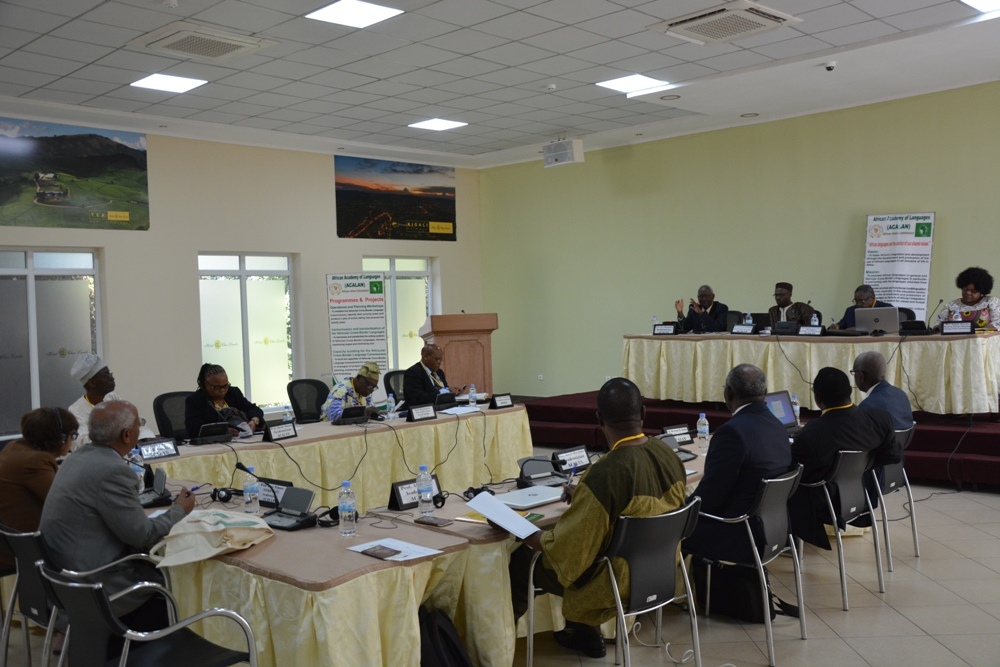
The meeting brought together experts from African Academy of Languages (ACALAN) and discusses the importance of African languages to people once they were used in communication.
According to the Executive Secretary of Rwanda Academy of Language and Culture (RALC), Dr. James Vuningoma, international languages are meant for businesses, diplomacy and people-to-people exchanges.
“It has been observed that for Africans to be self-reliant, they need to promote own languages. They should not leave them behind as it was done by colonizers. Colonizers did not want inter-communication between Africans. We want to see how African languages could be used in communication without interpreters,” he explained.
Vuningoma is optimistic that the target will be achieved, as for instance, people in regional countries are easily communicating.
The Executive Secretary of ACALAN, Dr. Lang Fafa Dampha said the organization’s function is to empower African languages by creating terminology and harmonizing their writing system so that they can be used in universities and be used as languages of instruction.
“ACALAN is instituting the school of interpretation and translation in which we are not going to translate from European language to another; we are going to translate from Kinyarwanda to Kiswahili or to Lingala. This is to empower our languages so that we can use them in meetings and offices among others,” he explained.
Africa has over 2000 languages among which few like Kiswahili, Yoruba and Amharic are popular.
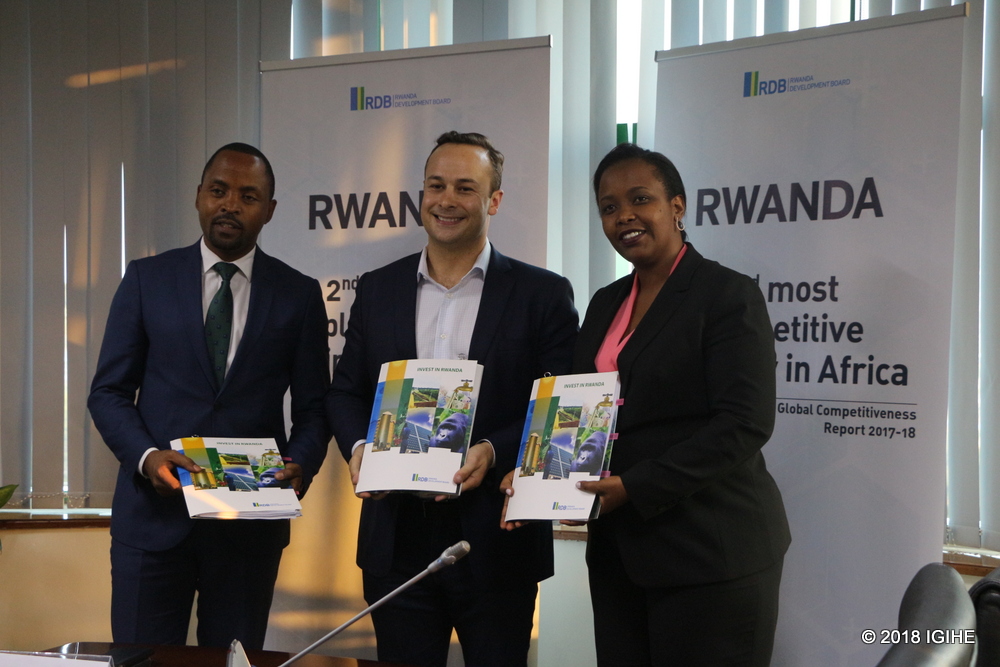
Through the partnership with RDB, Andela will support the country’s ICT goals by supporting the development of Rwandan and other talents from across the continent.
According to Andela co-founder and Chief Executive Officer, Jeremy Johnson, Kigali was chosen as Andela’s first Pan-African hub due to its strong existing infrastructure, technological excellence and ease of access for developers across the continent.
“Our partnership with the Government of Rwanda is a new model for Andela, and we are thrilled to have found a partner whose mission is so closely aligned with our own; to grow and sustain a Pan-African elite tech workforce. In Kigali, we have found a location that makes travel to-and-from other African countries seamless and also has the modern and connected infrastructure we require to collaborate with a global workforce,” he said.
In turn, RDB Chief Executive Officer, Clare Akamanzi, noted that Andela has an important role to play in ensuring that Rwanda’s ICT goals are met.
“We are delighted to partner with Andela to build the next generation of technology leaders who will lead innovation in Kigali and beyond. Through partnerships, such as the one we are announcing today, we are accelerating Kigali’s growth as a global technology hub while also advancing skills development and employment opportunities for young, talented Africans”, she said.
According to RDB, applications to the hub will be open to candidates from any African country looking to jumpstart a global career in software development.
Andela will open applications for the first developer cohort in August 2018 and open its Kigali tech campus in December 2018.
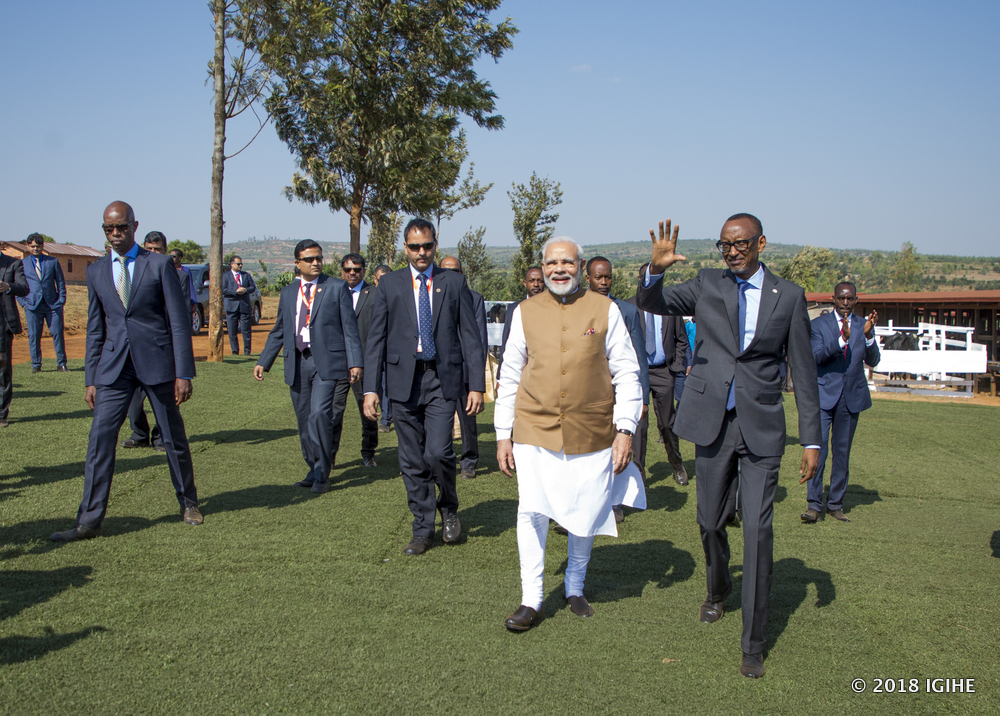
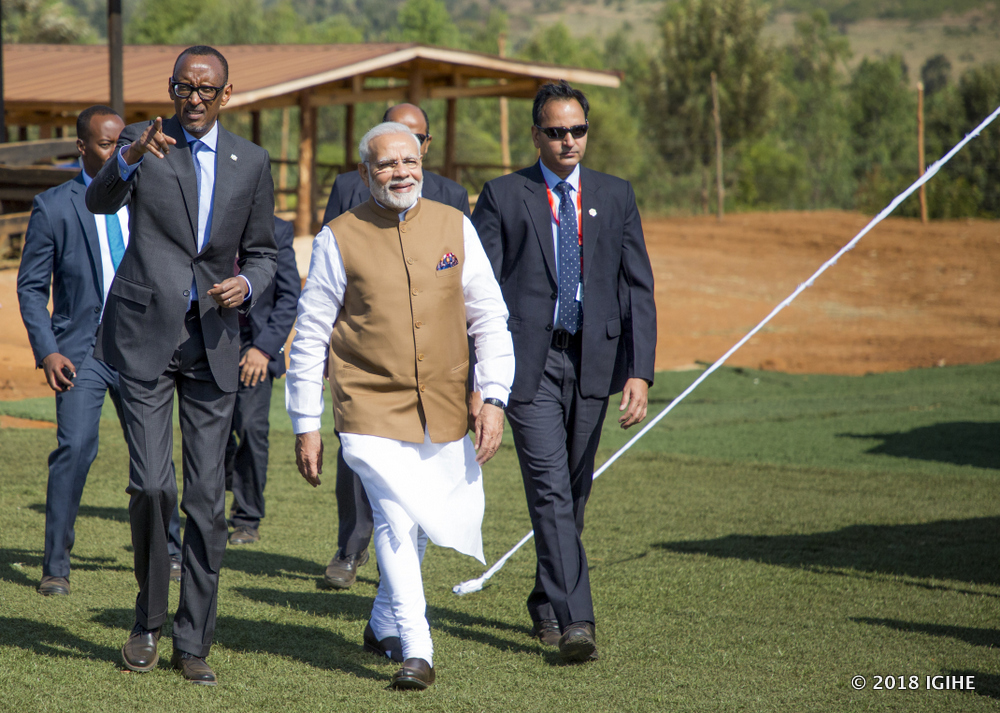
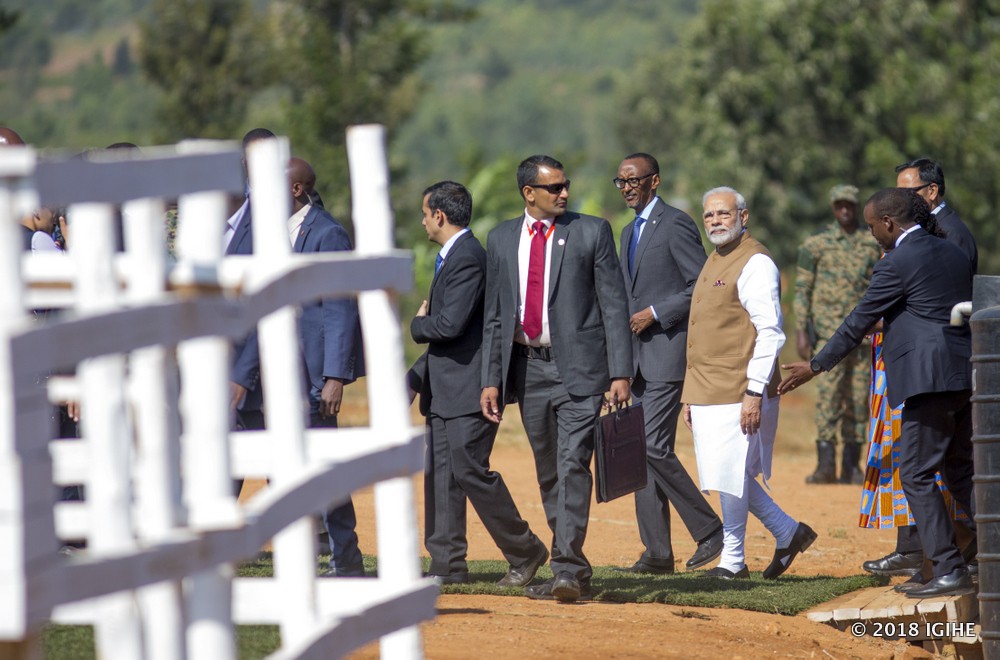
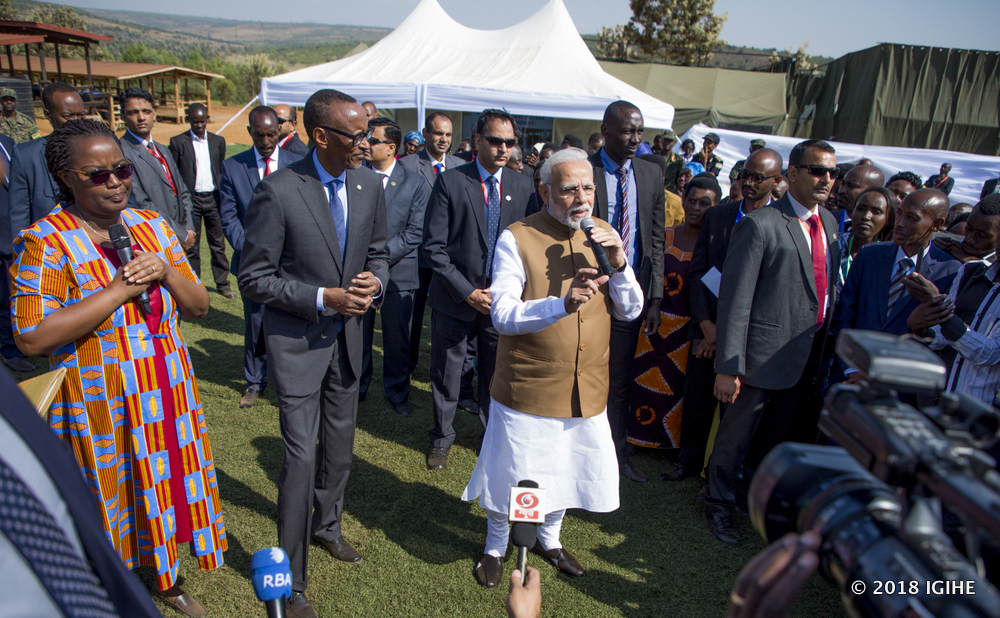
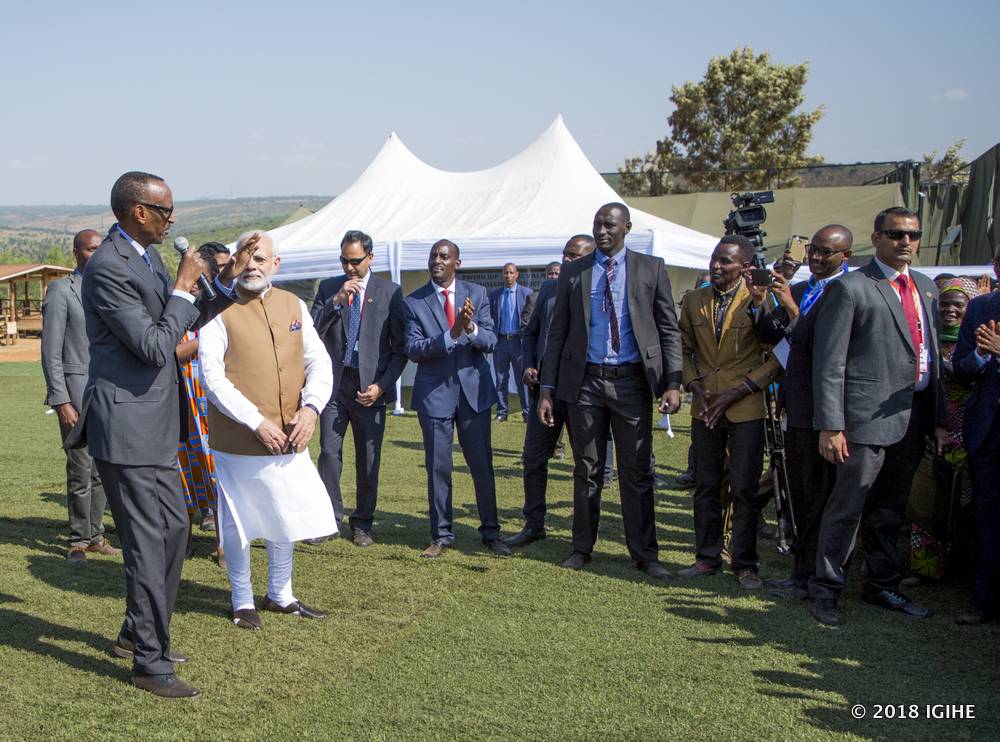
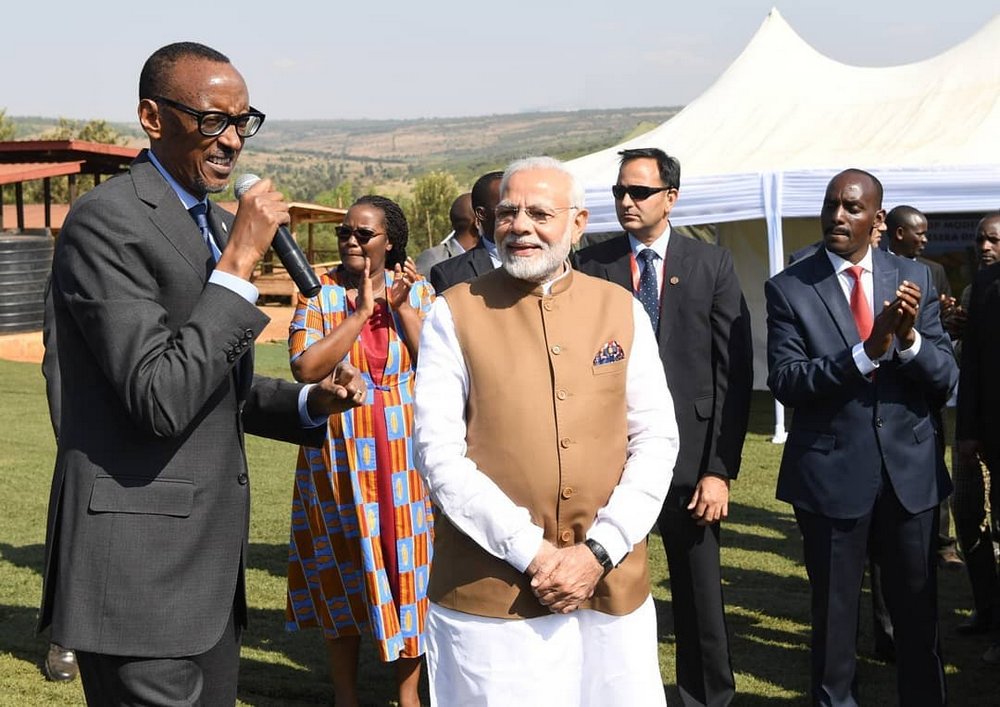
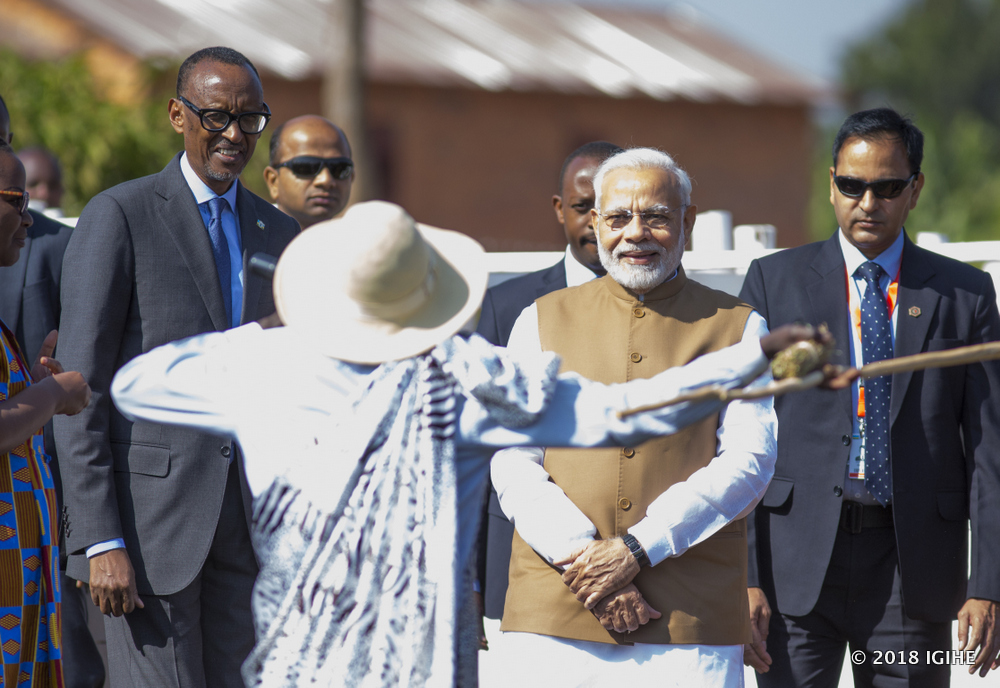
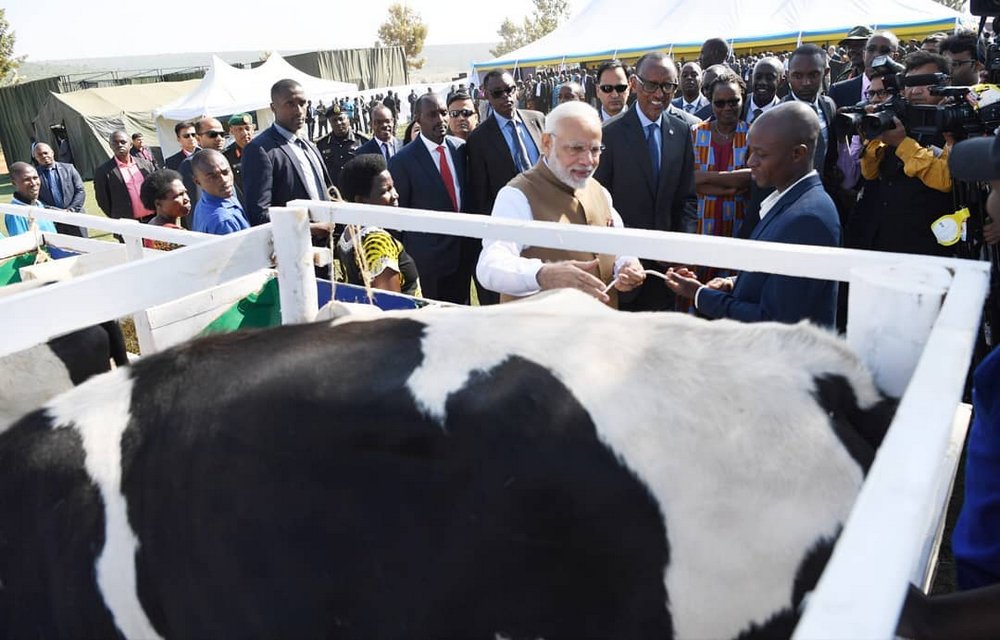
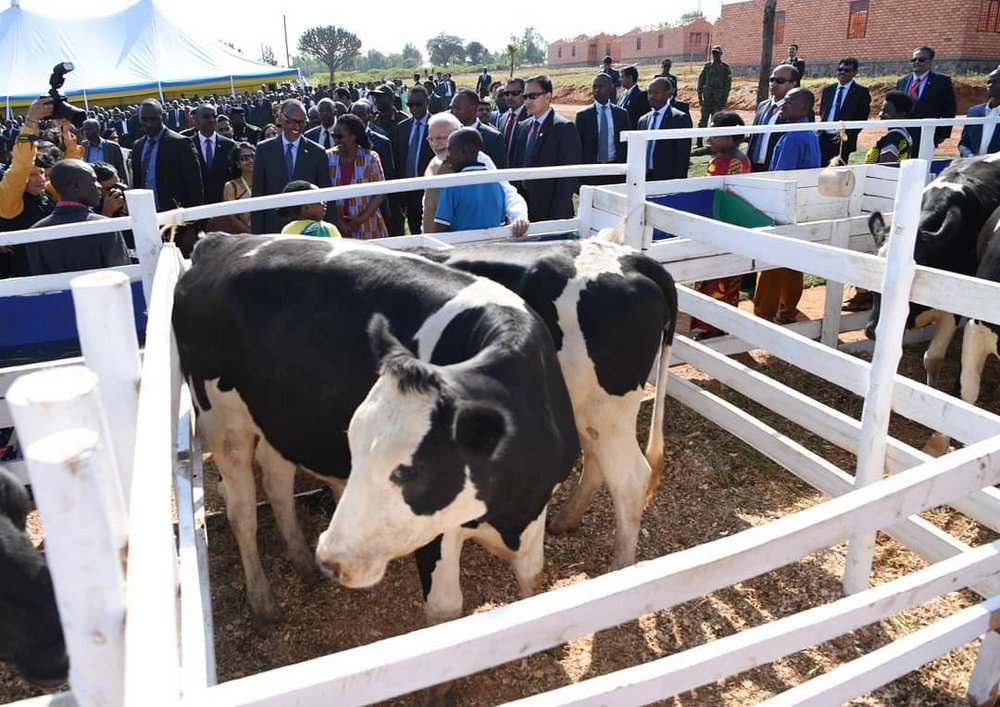
The activity took place in Bugesera Tuesday before Narendra concluded his two-day State Visit in Rwanda.
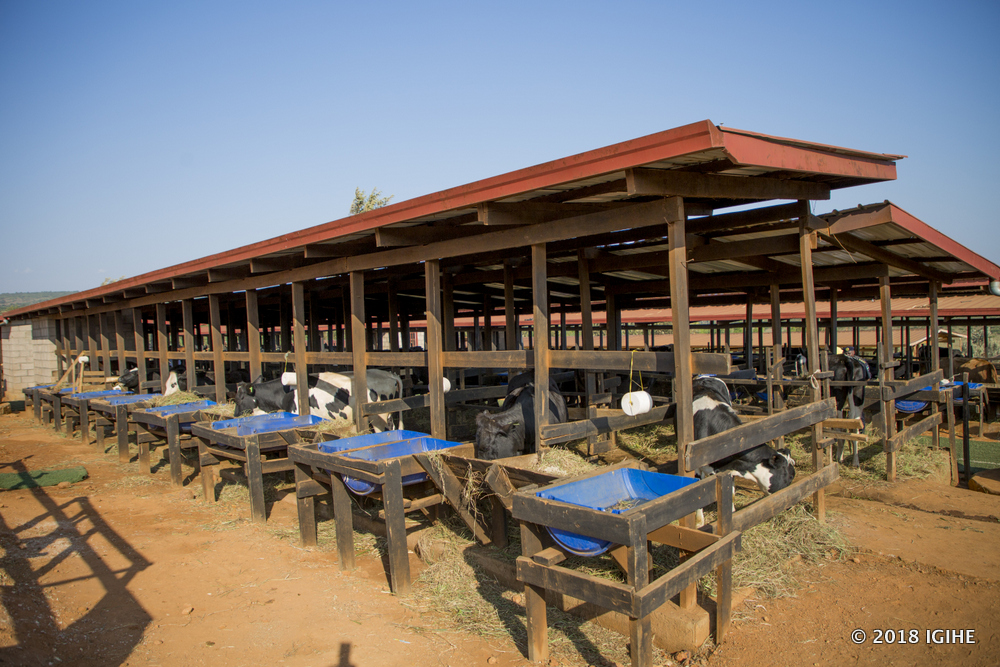
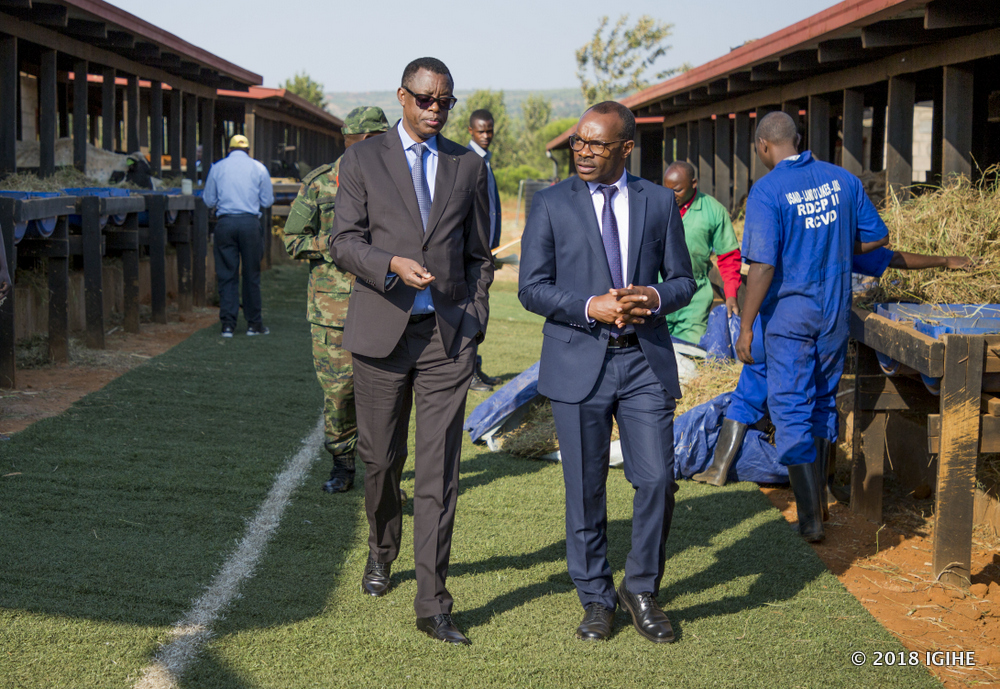
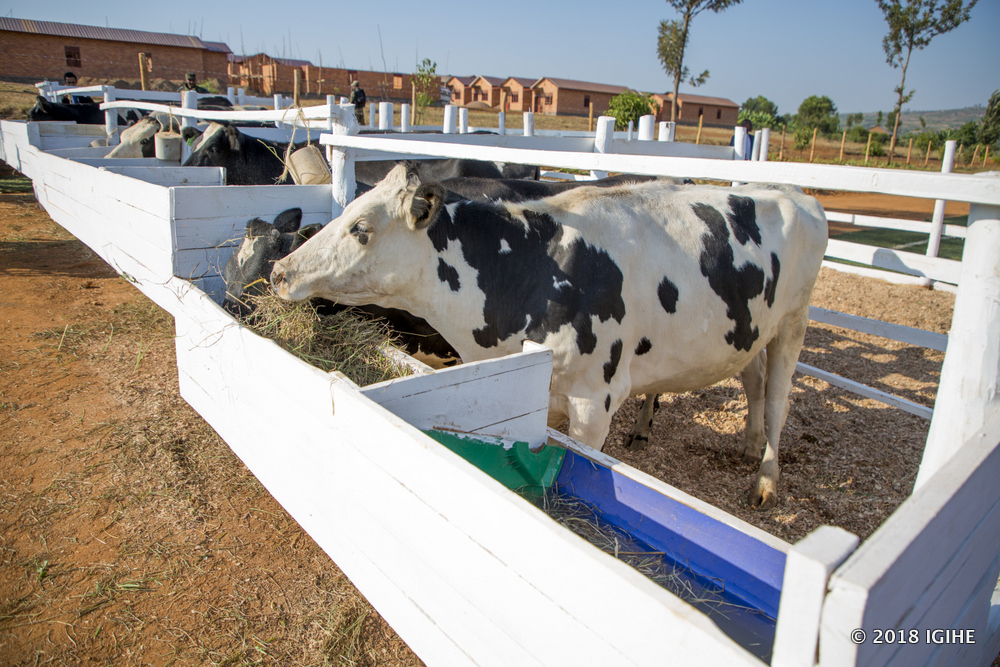
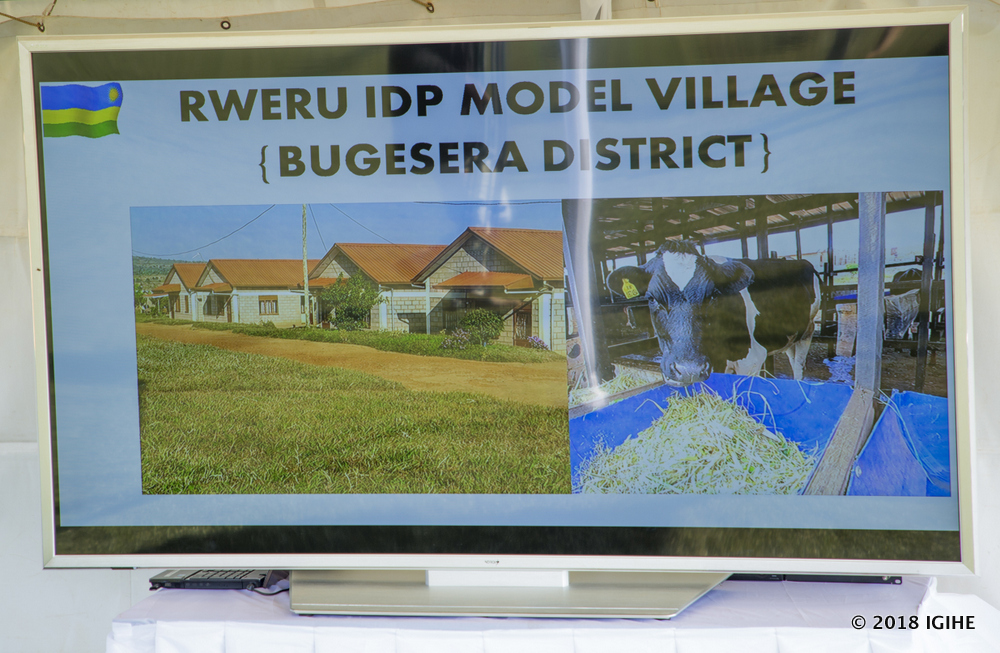
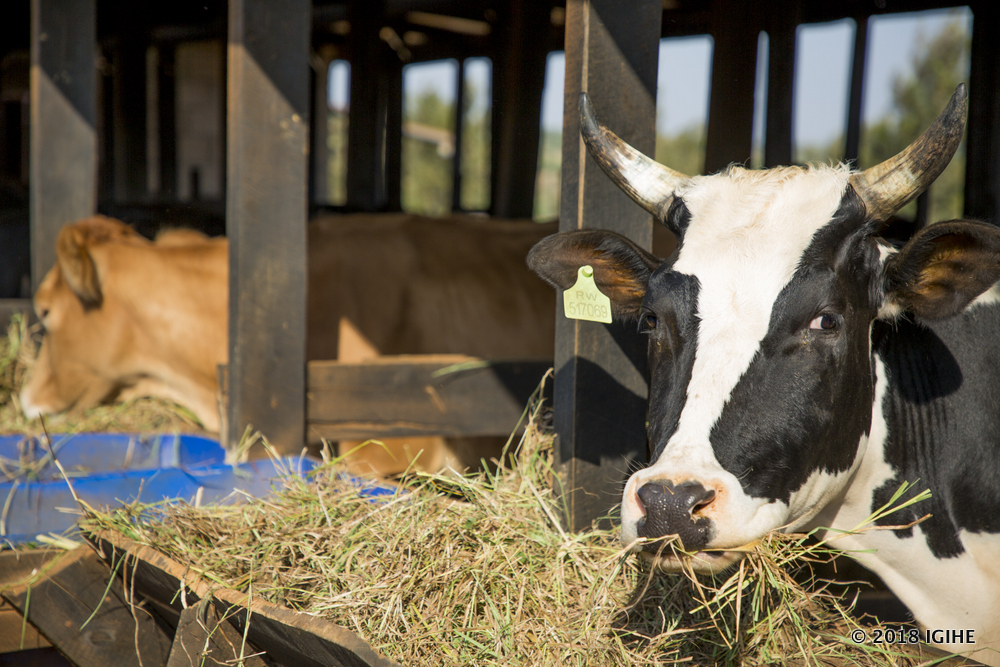
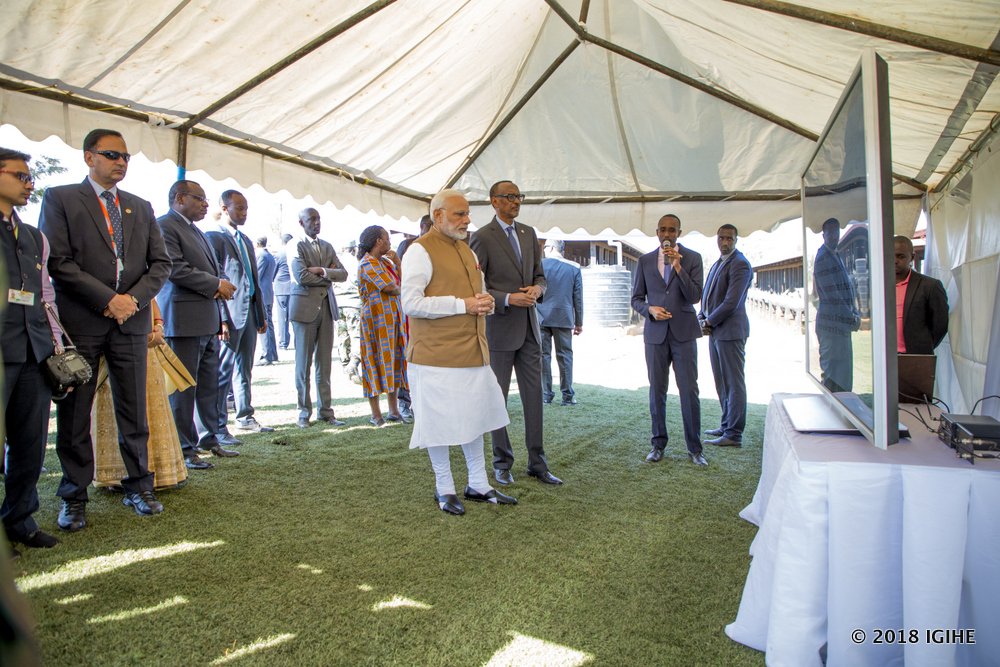
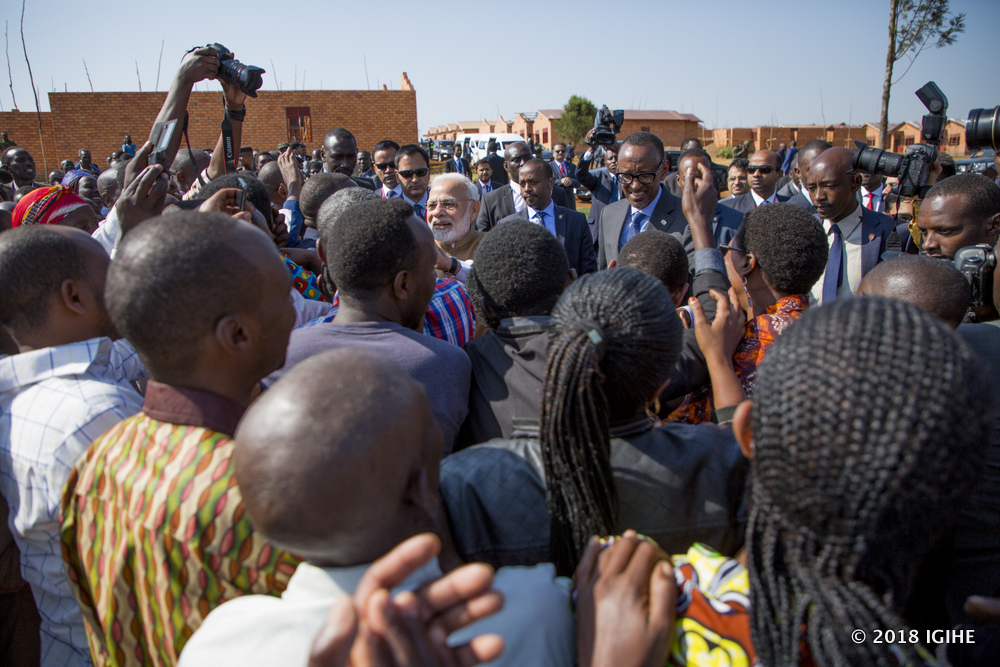
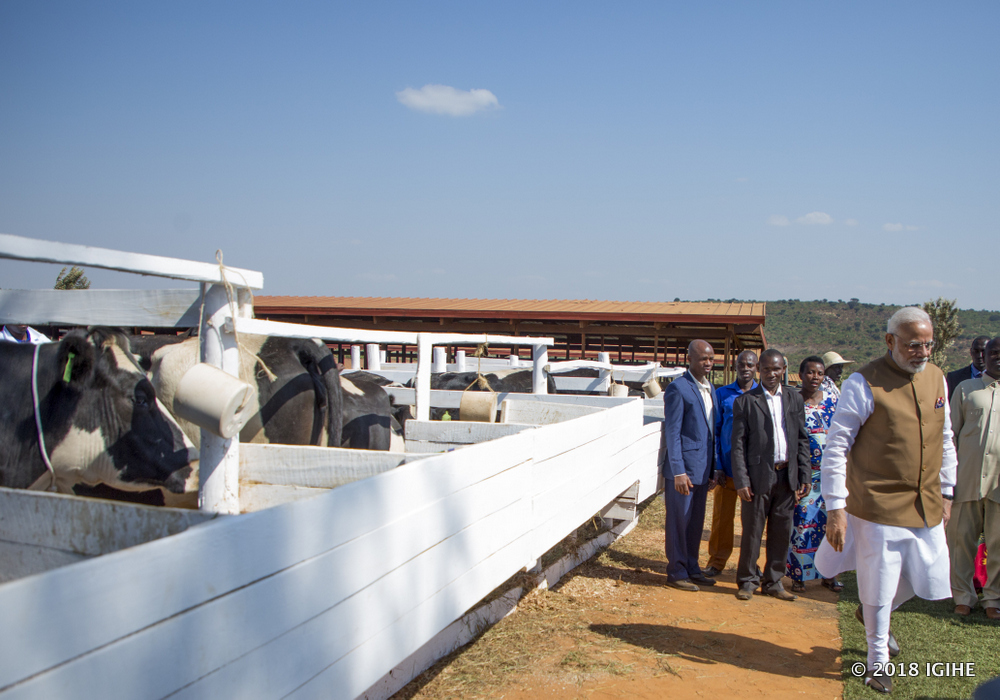
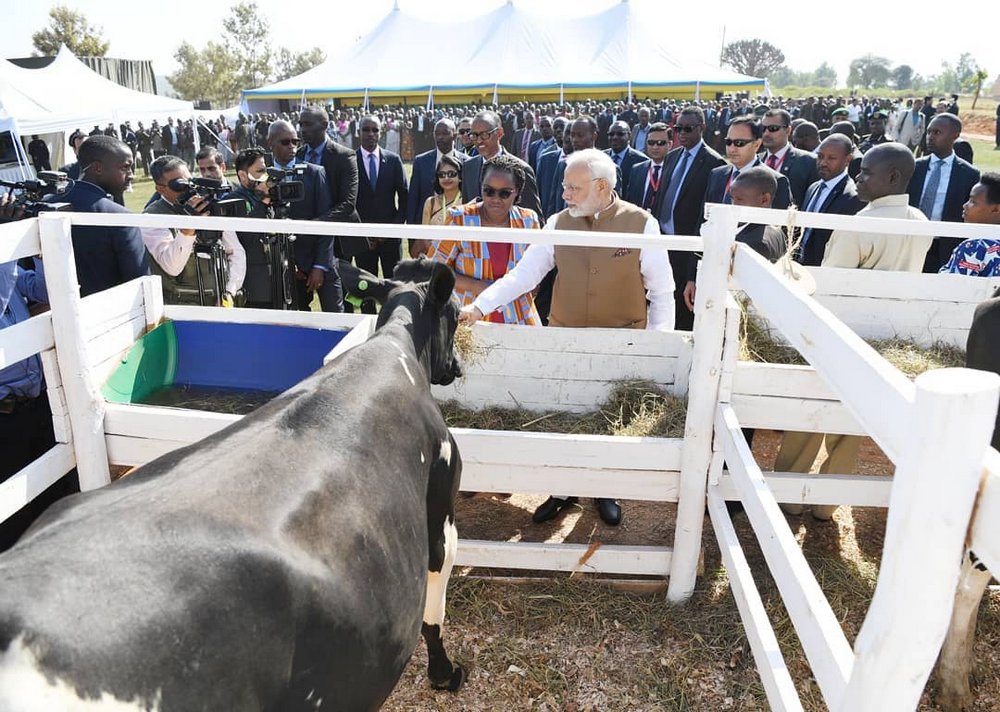
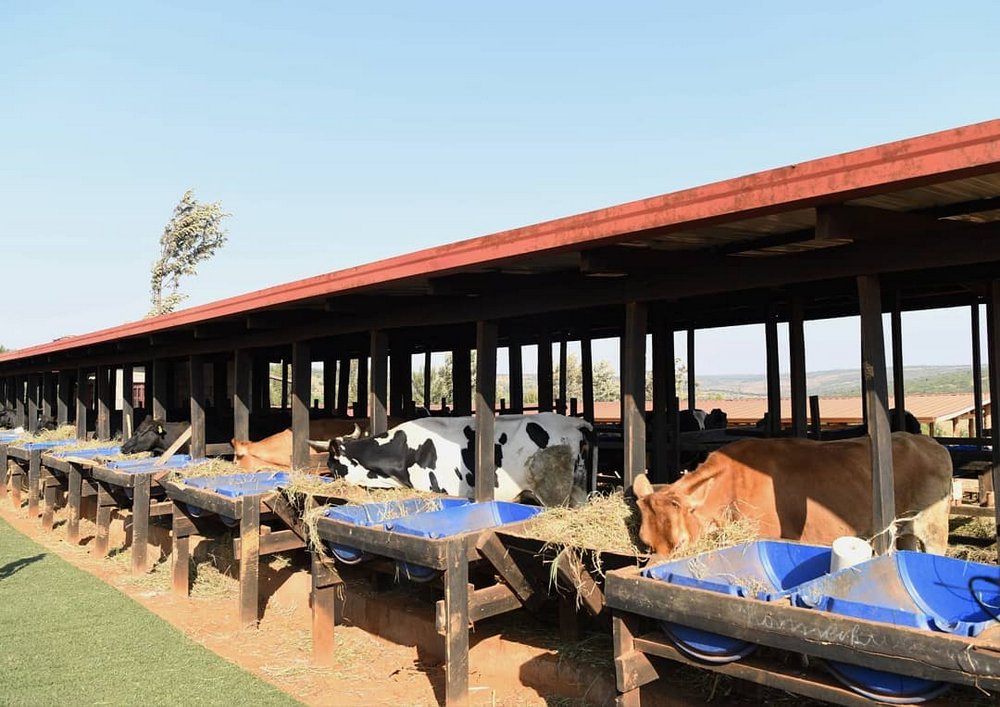
Accompanied by President Paul Kagame and other senior government officials, Narendra visited the village and donated the hybrid cows in line with supporting Rwanda Girinka (One cow per family programme).
“Got a glimpse of rural life in Rwanda during the memorable visit to Rweru Model Village. I thank President Paul Kagame for accompanying me. Gifted 200 cows to villagers who do not yet own one, as a part of the Rwandan Government’s Girinka Programme,” Narendra said on twitter.
He added “the Girinka Programme is helping transform the lives of people across rural Rwanda. I also told President Paul Kagame about the initiatives we are taking in India for the development of our villages.”
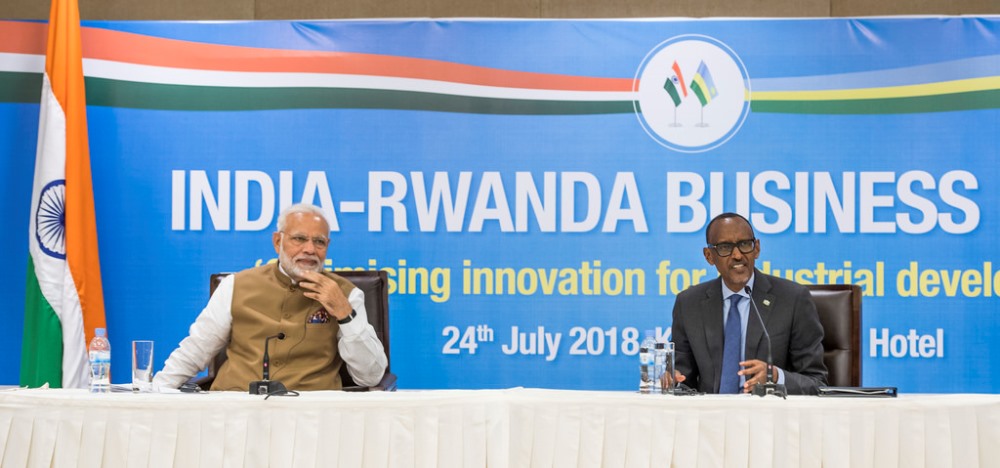
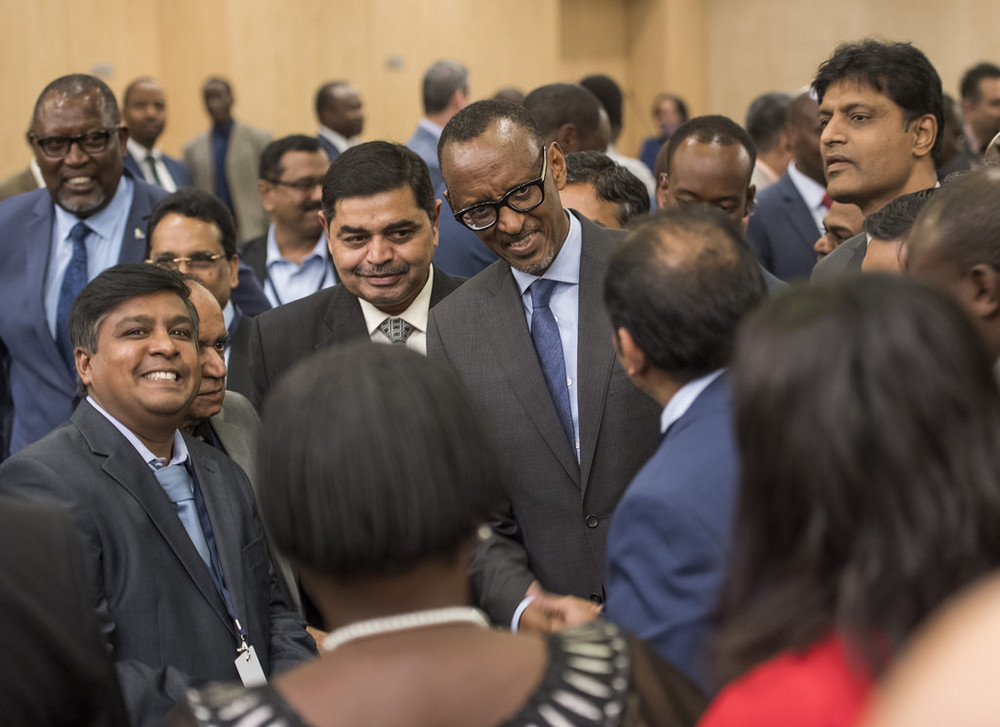
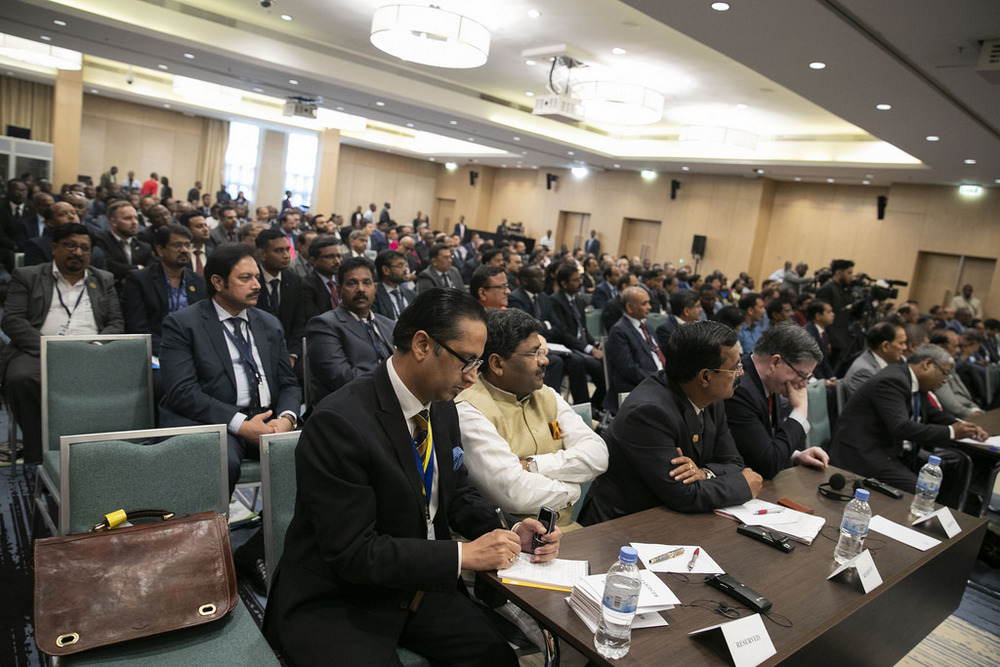
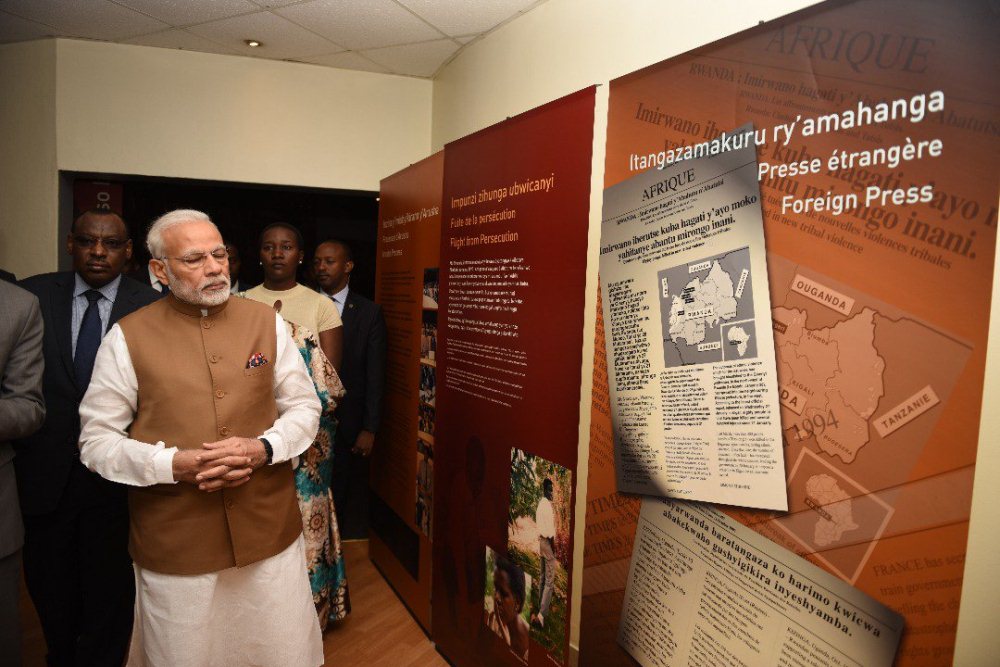
Before visiting Rweru Model Village, Narendra visited Kigali Genocide Memorial Centre and paid tribute to the victims of the 1994 genocide against the Tutsi. Before winding up his visit, Narendra joined Indian business leaders and their Rwandan counterparts at the India-Rwanda Business Forum.
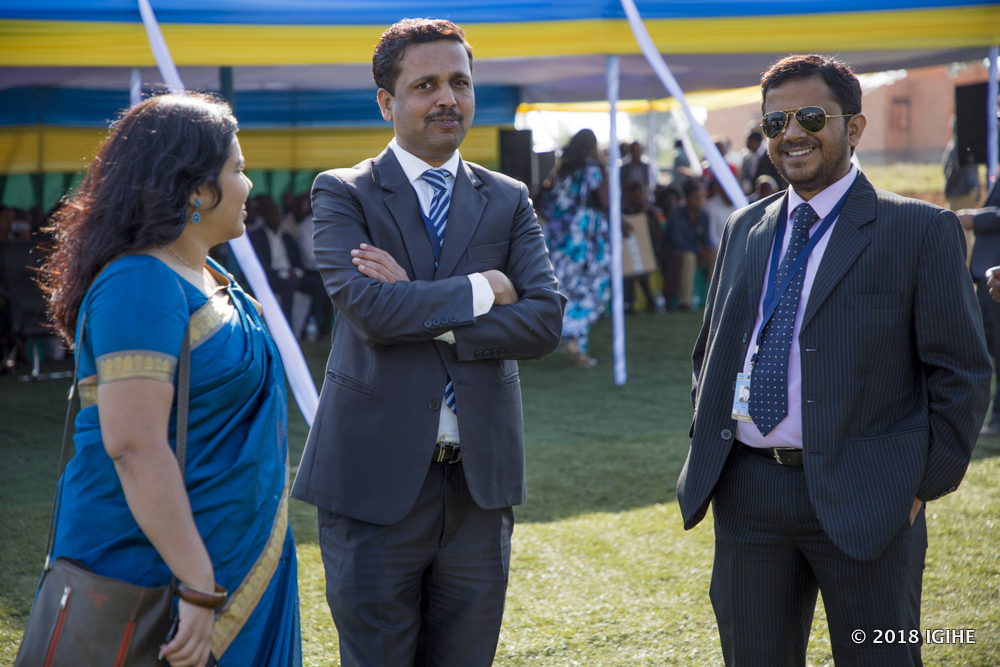
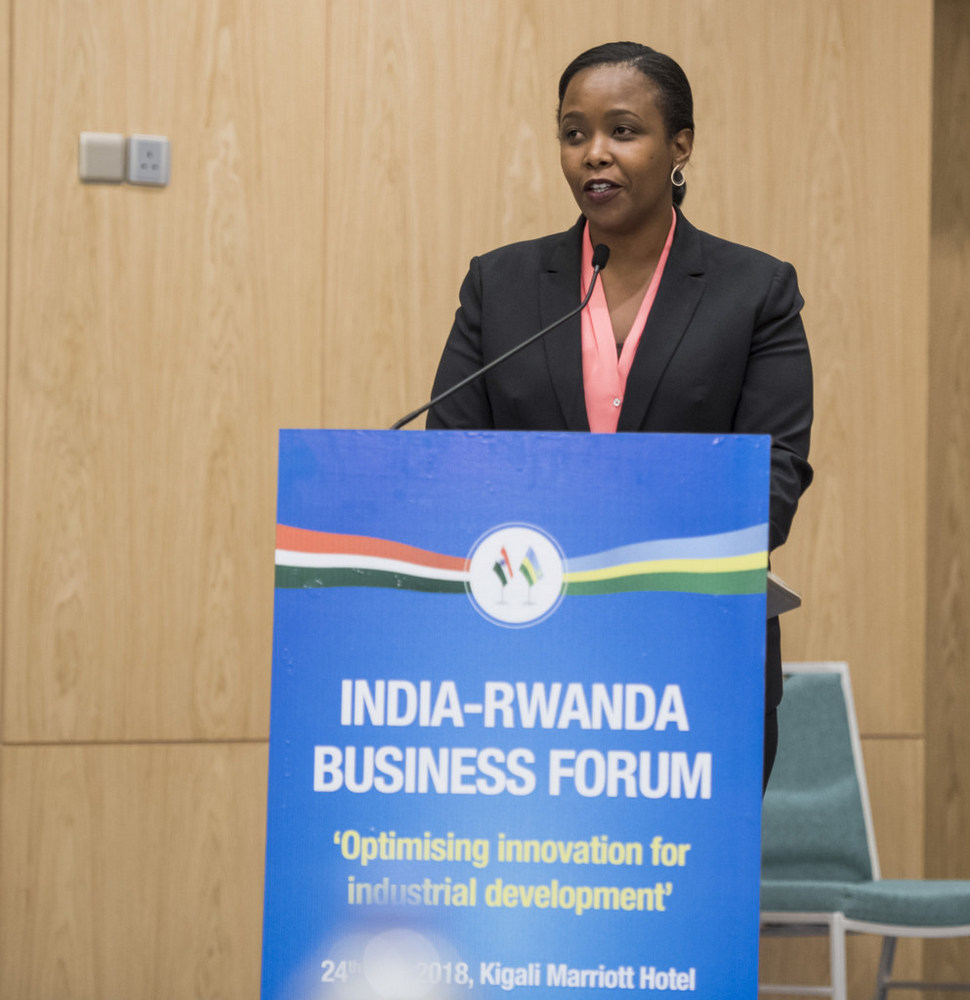
Organized by the Rwanda Development Board in partnership with the PHD Chamber of Commerce and FICCI- Federation of India Chambers of Commerce and Industry, the Forum’s aim is to further business ties between India and Rwanda.
The Business Forum, under the theme ‘Optimizing innovation for Industrial Development’, sought to examine how the synergies between industrial and innovation policy frameworks could be harnessed to enable both countries to attain economic transformation.
In his remarks, President Paul Kagame noted that there was many untapped business opportunities and lessons to learn from India
“Rwanda is keen to learn from the renowned “Make in India” experience, as we implement our own “Made in Rwanda” policy, particularly in the manufacturing, construction and ICT sectors. There are direct flights to Mumbai by our national carrier, RwandAir, and this is already facilitating travel and business. All Indian citizens are eligible to receive a visa on arrival in Rwanda. Should there be any obstacle in the way just let us know. We are eager to get going and to maximize these opportunities for the benefit of the people of our two countries and the rapid socio-economic transformation that we both seek”, President Kagame concluded.
Speaking directly to the Indian business community, Prime Minister Narendra Modi noted that Rwanda was the gateway for the rest of Africa. This was, according to the Prime Minister, due President Kagame’s focus; namely development, prosperity of the people and peace in society.
In her welcome note, the RDB Chief Executive Officer, Clare Akamanzi, noted that the visit of the Indian Prime Minister built on an already strong foundation of trade and investment in both Rwanda and India.
“There are close to 99 projects registered from India, which are worth an estimated $389 million USD. These projects have contributed to estimated 10,175 jobs ranging from telecommunications/ ICT, to agriculture, manufacturing and healthcare.
Examples include Airtel, Virunga Biotech Ltd, Marasa Holding; Accacia Property Development, Kabuye Sugar Works Sarl, Imana Steel Rwanda Ltd, Cardiac Specialty Rwanda, Rugabano Tea Company Ltd and Gisovu Tea Company Ltd”, she concluded.
Three MOU’s (Memorandum of Understanding) were signed during the Forum, including one between RDB and Avaada Power Private Limited (APPL) which aims at fostering cooperation between the two institutions towards APPL’s investment and support in the development of solar power projects in Rwanda. The other MOU was between RDB and FICCI, which aims to further strengthen their relation and promote economic and commercial cooperation between the two countries. The last MOU was between the Private Sector Federation and the PHD Chamber of Commerce to establish and develop commercial links between the business communities of both countries in general and their respective members in particular.
Narendra visited the memorial on Tuesday before travelling to Bugesera District, Eastern Province where he donated 200 cows to families living in Rweru Model Village.
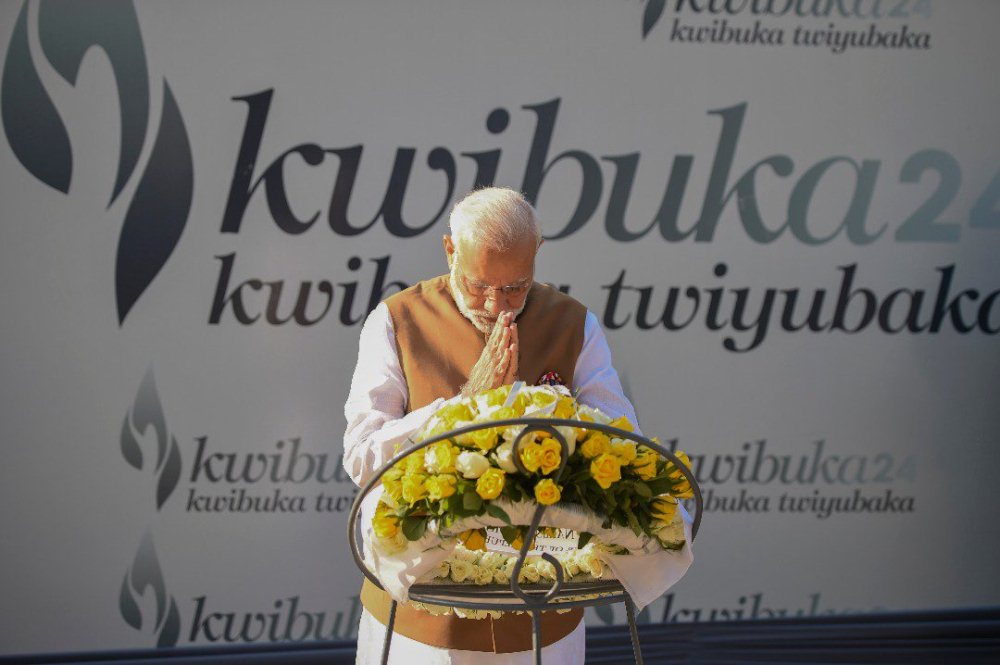
The Indian leader toured different parts of the memorial to thoroughly understand the history of the genocide in Rwanda. He also laid a wreath on the mass graves in honouring over 250,000 victims laid to rest in the memorial.
On his twitter handle, Narendra commended the path of peace that Rwandans embarked on after the genocide.
“Visited the Kigali Genocide Memorial. The path of peace and brotherhood embraced by Rwanda after the unfortunate genocide of 1994 is commendable,” Narendra said.
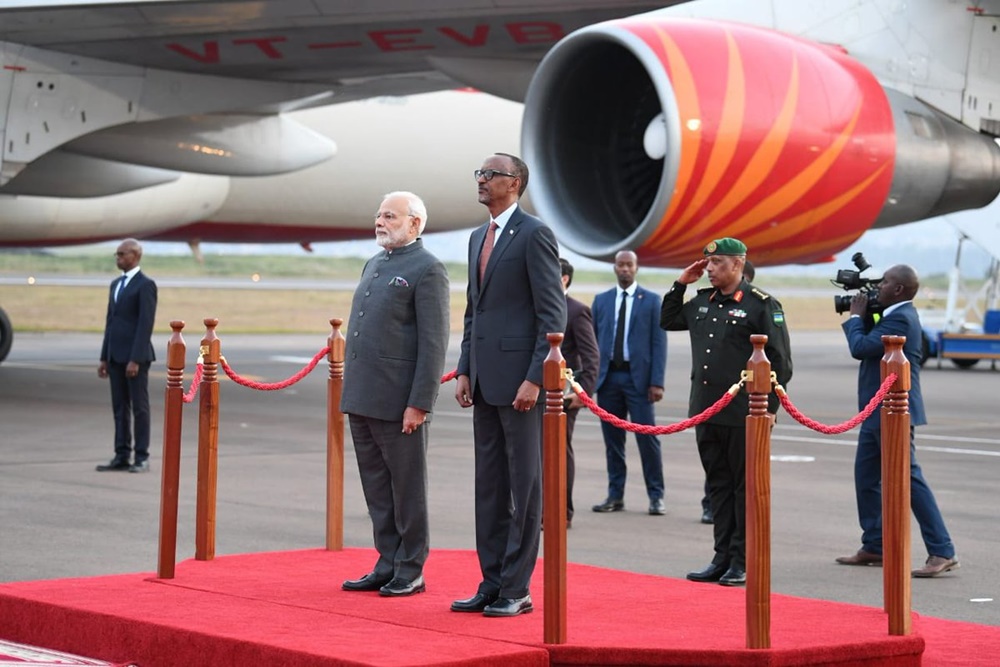
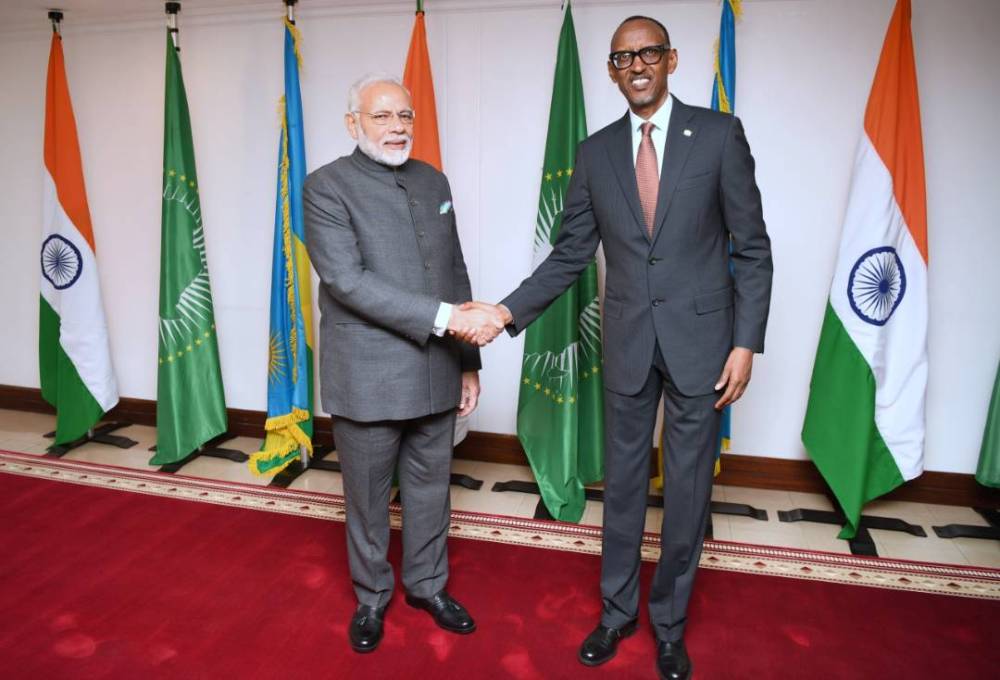
Starting his visit yesterday, Narendra held discussions with President Paul Kagame in Village Urugwiro and witnessed the signing of seven agreements between Rwanda and India.
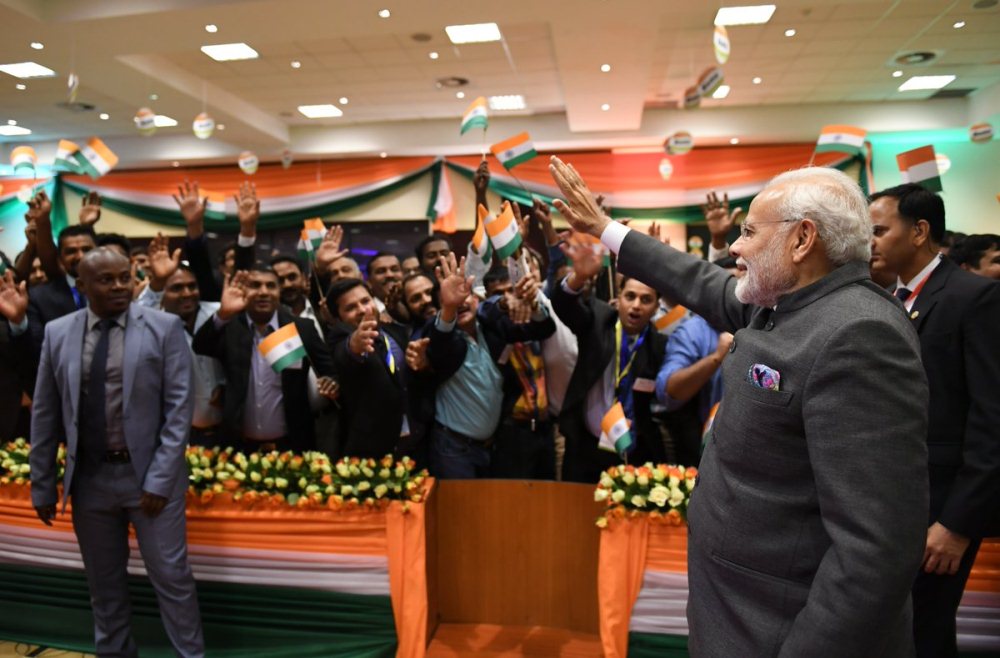
He also met Indian community in Rwanda where he hailed their contribution to Rwanda-India relations.
“Wonderful interaction with the Indian diaspora in Rwanda. In every part of the world, the Indian diaspora is distinguishing itself and making us proud of their accomplishments. Rwanda’s Indian community is a very positive influence on the India-Rwanda friendship,” Narendra said on twitter.
Narendra visit is considered as historical visit as is the first Indian Prime Minister to visit Rwanda.
The change was announced yesterday in Kigali when REB was presenting certificates to students who completed high school in 2016 academic year to school head teachers.
In 2005, the Government of Rwanda had restructured the calendar and academic year was set to start in January instead of September.
The move was aimed at linking the calendar with that of the East African Community member countries.
However, the calendar was continually criticized by parents, students and the Catholic Church saying that it affects concentration of students during the dry season.
In an interview with IGIHE, REB Director General, Dr Irénée Ndayambaje said that the government has taken into consideration the concerns of people and decided to review the calendar.
“The Government of Rwanda took the matter into consideration and the assessment has revealed that Primary and Secondary School year calendar would be corresponding to that of University. The year starting from January has different challenges, like in July and August, children are affected by sunny period,” he explained.
He said that academic calendar review requires carefulness, a reason why they set long period to avoid consequences that may follow.
“As you know, it may affect our curriculum. We are considering how we could implement it steadily by reducing holidays. In 2019, first term may commence at January 7th, while it used to commence in the third week. This means that holidays will take short period,” he explained.
He said that 2019 academic year is likely to end in October for them to secure ample period for national examinations, marking and orientation of primary and secondary school’s ordinary level students.
Collège George Fox de Kagarama Head Teacher, Aaron Mupende welcomed the move saying that it favors people’s financial means.
“Take an example, this year, the dry season started at the end of May, students are not well focused due to sunny period. Another advantage is that the dry spell is harvesting season, enabling farmers afford school fees and requirements,” he explained.
Academic year calendar review is one of the resolutions made in the 2017 national dialogue in line with promoting education in Rwanda.
The agreement was signed yesterday between different officials from the Government of Rwanda and that of India and was witnessed by President Paul Kagame and India Prime Minister, Narendra Modi.
The signing ceremony took place at Village Urugwiro before both Heads of States held a joint press conference.
$100 million of the loan will go to construct infrastructure activities in Bugesera and Rwamagana Special Economic Zones as well as expansion of Kigali Special Economic Zone.
The rest $100 million will go to three irrigation projects. The two countries also signed agreements in defence and trade cooperation, memorandum of understanding in agricultural and animal resources among others.
Addressing the media, President Kagame said that the signed agreements will focus on collaboration in priority areas.
“Our two countries have similar ambitions for the prosperity and well-being of our citizens. We appreciate India’s support to Rwanda’s development agenda. The agreements signed today will serve to further focus collaboration on priority area,” Kagame said.
Kagame hailed Indian business delegation which accompanied Prime Minister, saying that both countries’ private sectors will discuss the prospects for collaboration at a business summit that is scheduled Tuesday (today).
“The African Continental Free Trade Area will provide even greater opportunities for investment and trade between Africa and India in the years ahead,” Kagame said.
India’s Narendra said hailed Rwanda’s development journey 24 years after the Genocide that was perpetrated against the Tutsi. He promised India’s contribution to Rwanda’s continued development journey.
India looks to open an embassy in Rwanda and High Commissioner based in Kigali. Narendra said that the move will ease services.
“The proposed opening of the Indian High Commission in Rwanda augurs well for our countries. The bond will deepen and various consular services will also be easily available,” he said.