Conferences on the prosperity and security of Africa based on peace, will take place at Addis Ababa, the capital of Ethiopia, on August 15th to 16th. This series of peace conferences is organized by an international peace NGO called HWPL (Heavenly Culture, World Peace, Restoration of Light) under the UN ECOSOC along with representatives from various sectors and organizations in Ethiopia.
On the 15th, groups of youth and women will talk about the ethnic or regional conflicts that have been continuing until recently and discuss the legalization of peace necessary for harmony and reconciliation among nations. The host organization, HWPL, is proposing the Declaration of Peace and Cessation of War(DPCW) as a resolution for establishing a legally binding law for peace that can fundamentally prevent war and conflict.
On the 16th, there will be a forum for interfaith dialogue to promote a network among Christian denominations to be one under the meaning of the scripture and the 2018 Addis Ababa Summit to strengthen a cooperative partnership for regional stability and peace by reaffirming the importance of the implementation of an international/internal law for peace.
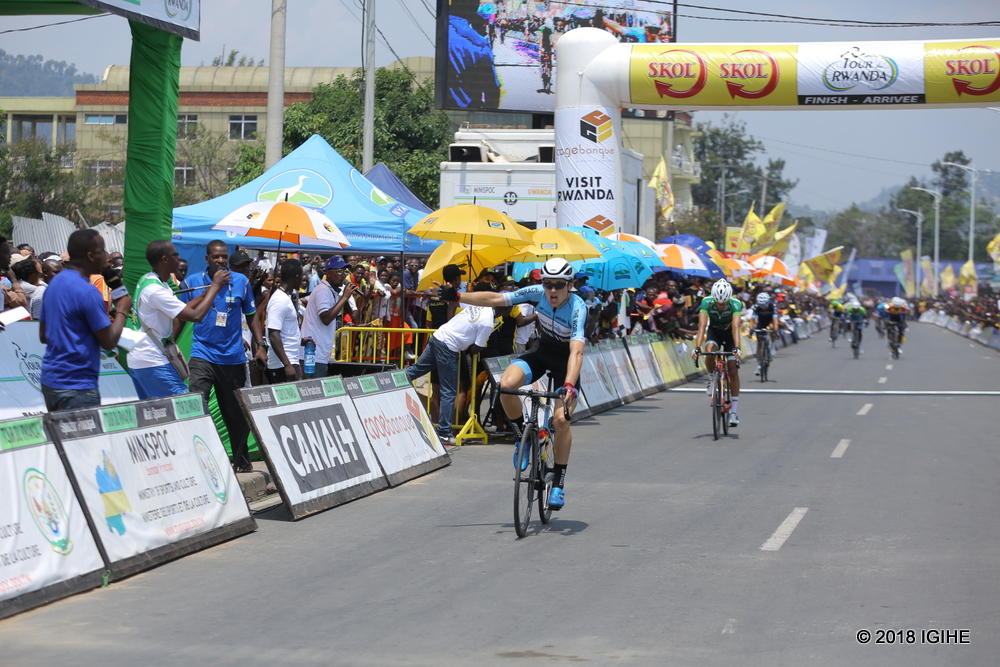
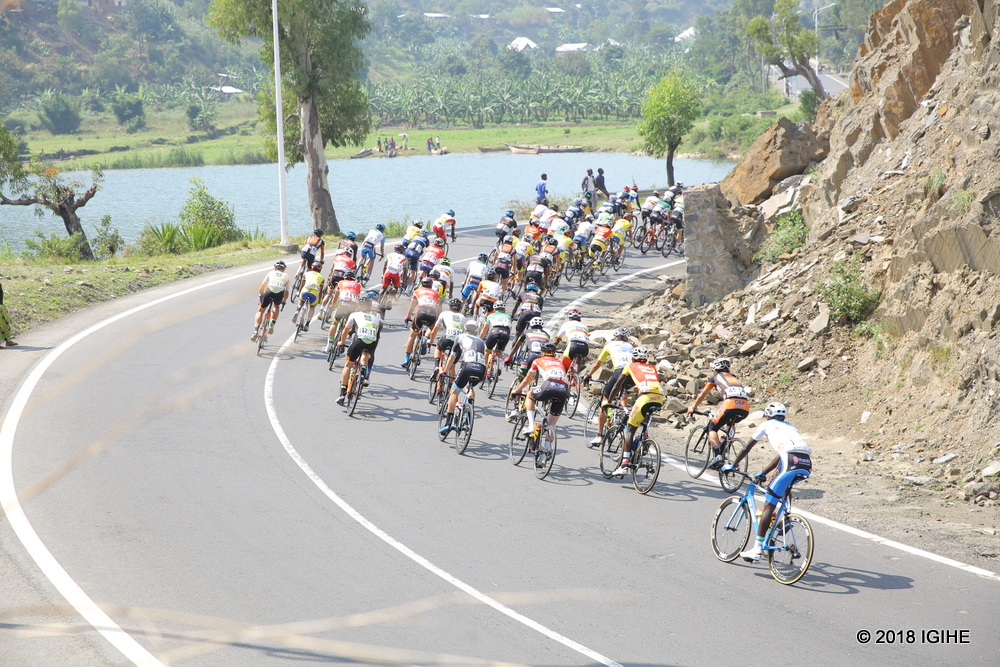
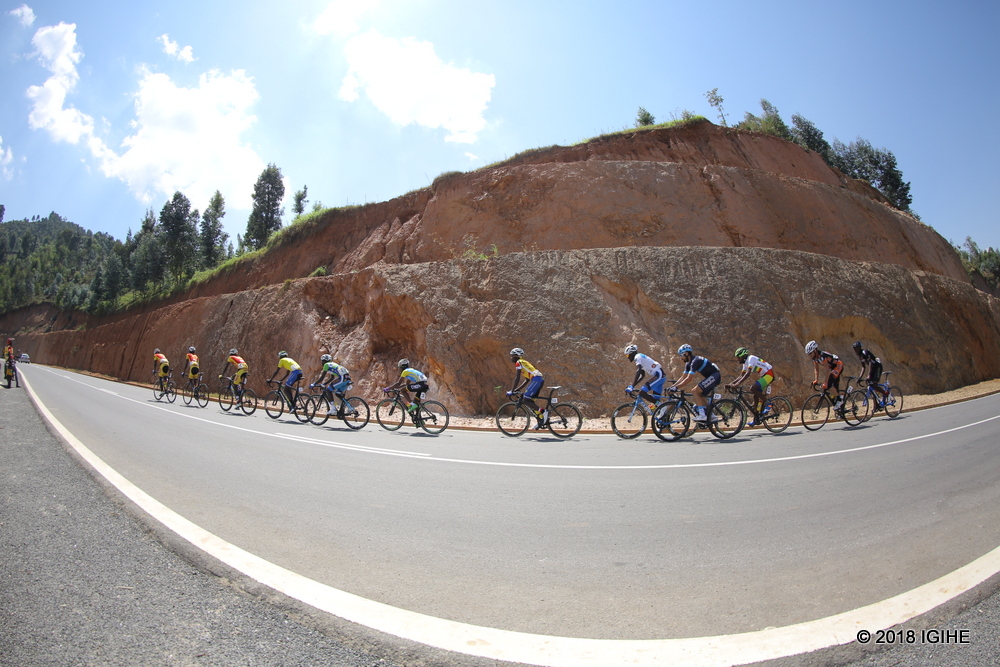
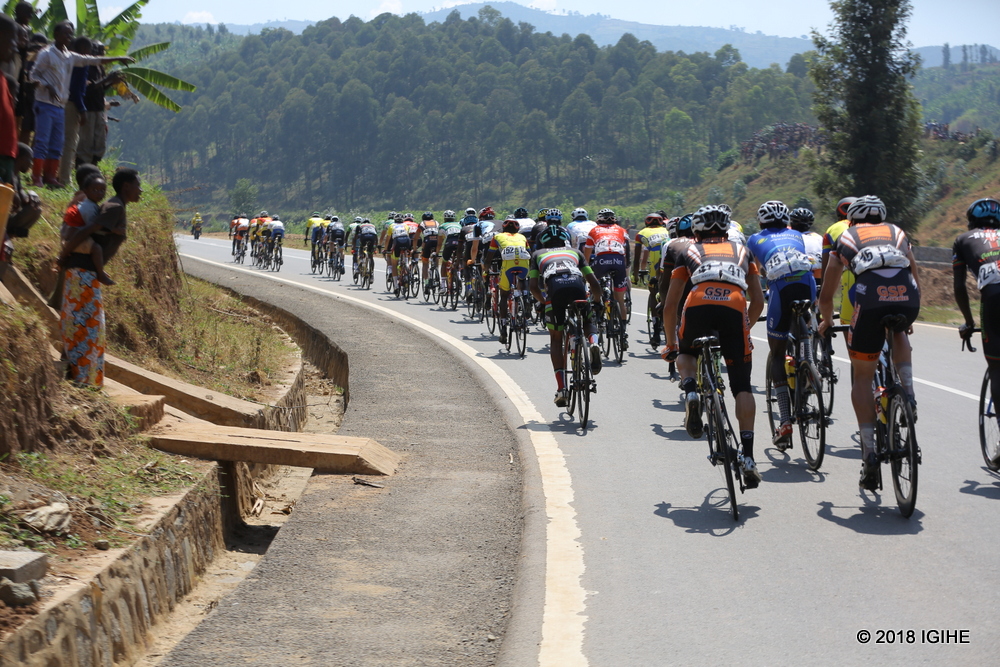
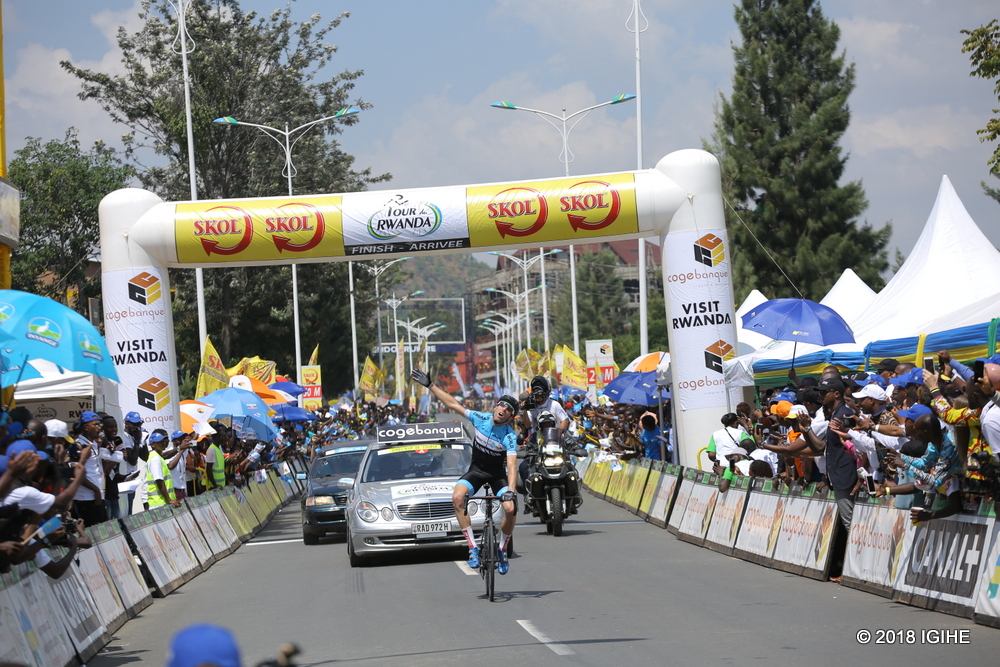
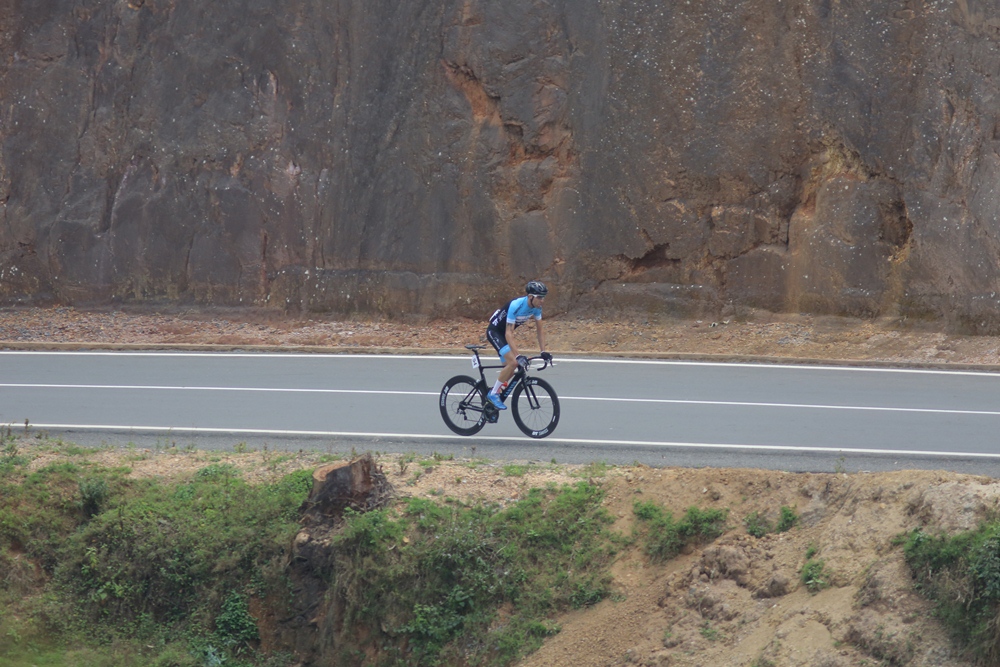
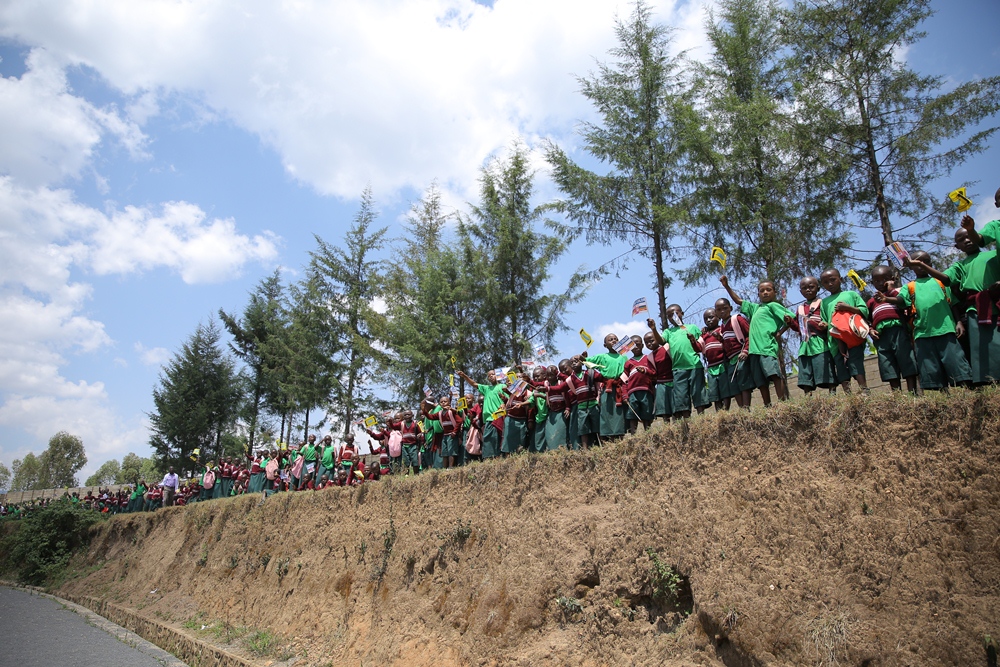
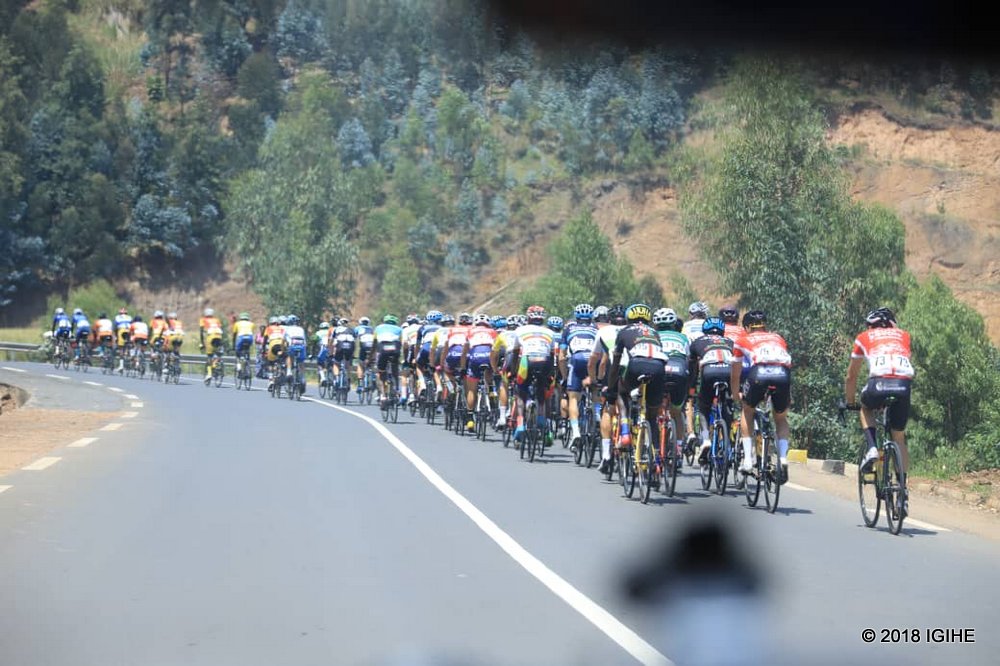
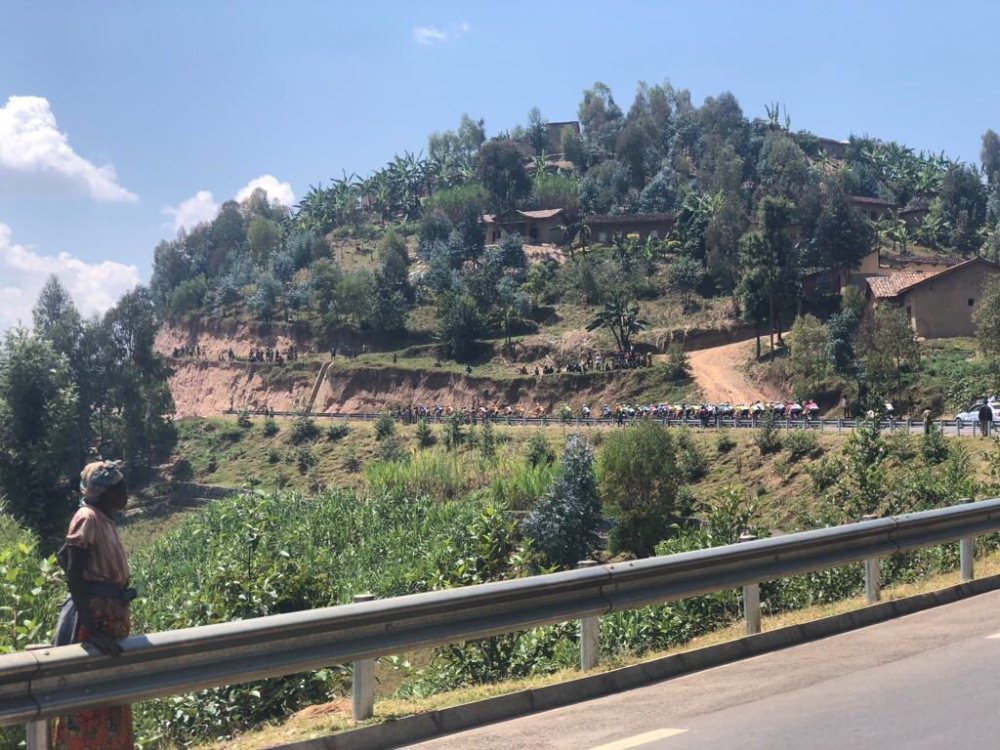
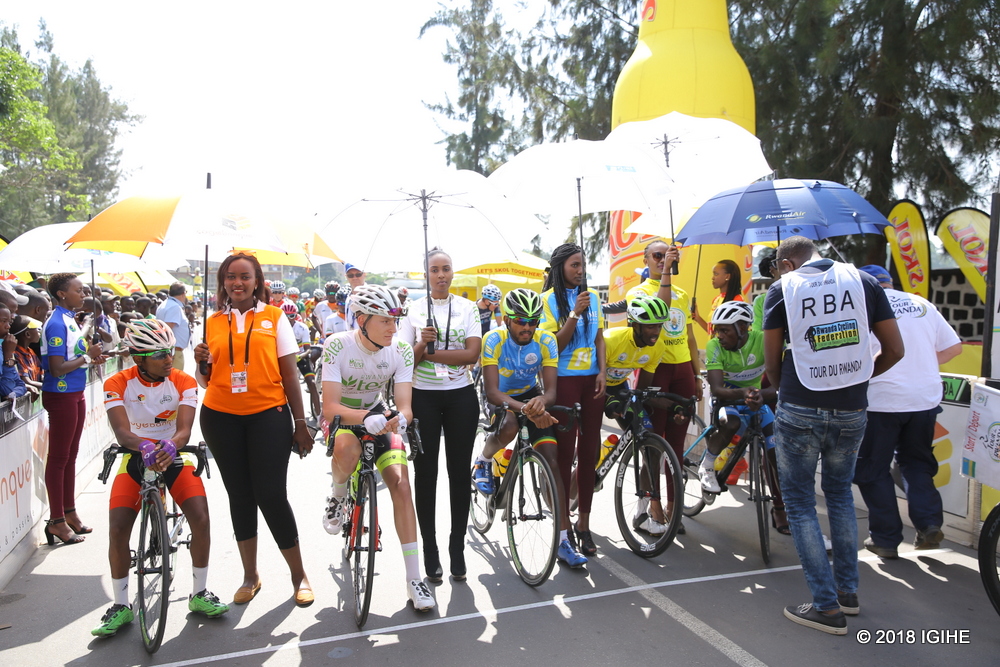
For stage five, players set off from Karongi District of Western Province to Rubavu District at the distance of 95 kilometers.
It is the second stage the Germany national playing for Team Embrace The World won as he also won the stage four from Huye District to Musanze District at the distance of 199.7 kilometers.
At this stage Hellmann used 2 hours 27 minutes and 34 seconds with only three seconds ahead of Mugisha who finished the 7th.
Mugisha continues to lead the general classification with 21 seconds ahead of the second, Rwandan Jean Claude Uwizeye.
Tomorrow the competition continues with players setting off from Rubavu District to Kinigi in Musanze District.
{{Stage five top ten }}
1. HELLMANN Julian for Team Embrace the World: 02h27’34’’
2. JULIUS Jayde for South Africa: 02h27’34’’
3. LOZANO RIBA David for Team Novo Nordisk ESP: 02h27’36’’
4. MUNYANEZA Didier for Team Rwanda: 02h27’37’’
5. UWIZEYE Jean Claude for POC Cote de Lumière: 02h27’37’’
6. FAVRE TEYLAZ Benjamin for Haute Savoie Auvergne Rhône: 02h27’37’’
7. MUGISHA Samuel for Team Rwanda: 02h27’37’’
8. VOSS Arnaud for POC Cote de Lumière: 02h27’40’’
9. DORING Jonas for Team Descartes Romandie: 02h27’40’’
10. HAILEMICHAEL Mulu for Ethiopia: 02h27’40’’
{{General classification top ten}}
1. MUGISHA Samuel for Team Rwanda: 16h35’30’’
2. UWIZEYE Jean Claude for POC Cote de Lumière: 16h35’51’’
3. HAILEMICHAEL Mulu for Ethiopia: 16h35’54’’
4. LOZANO RIBA David for Team Novo Nordisk: 16h37’20’’
5. DORING Jonas for Team Descartes Romandie: 16h37’43’’
6. NDAYISENGA Valens for POC Cote de Lumière: 16h37’46’’
7. HELLMANN Julian for Team Embrace the World: 16h38’01’’
8. MUNYANEZA Didier for Team Rwanda: 16h38’32’’
9. LAGAB Azzedine for Groupement Sportif Des Petroliers: 16h38’34’’
10. TEMALEW Bereket Desalegn for Ethiopia: 16h40’08’’
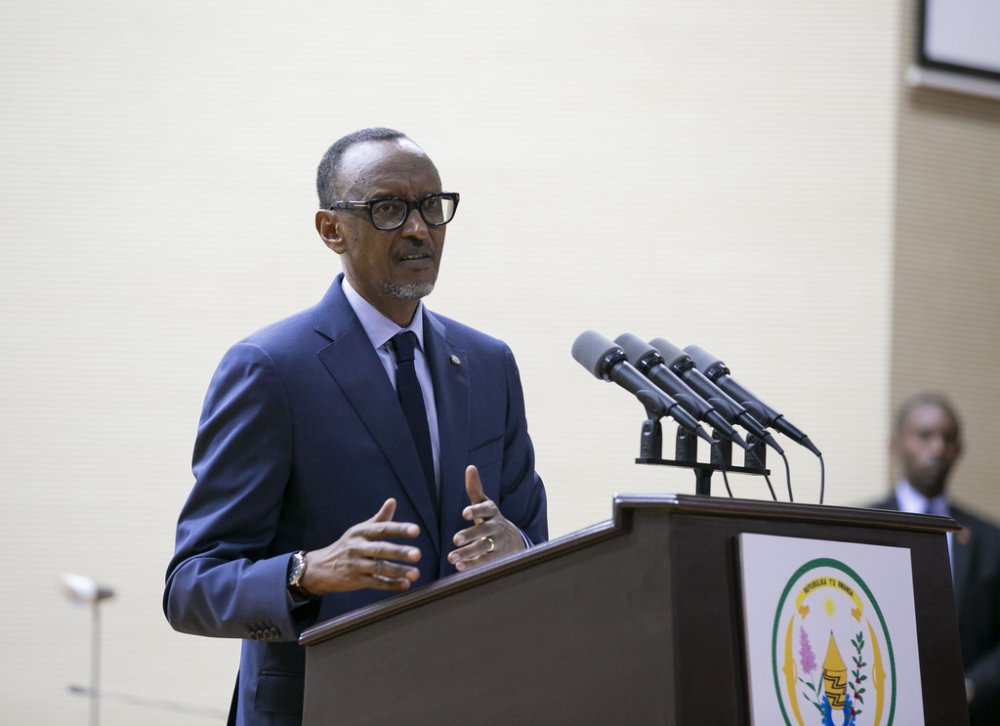
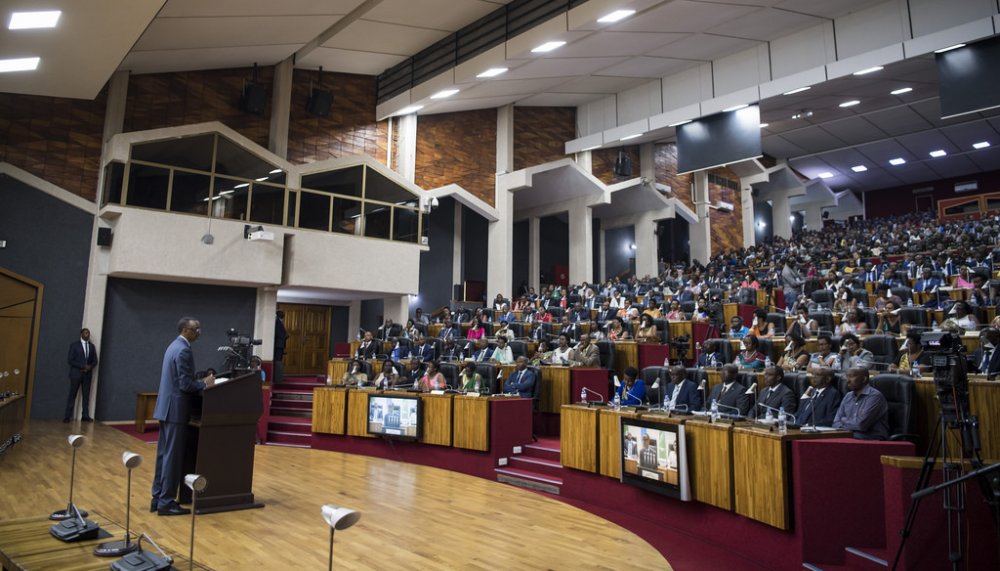
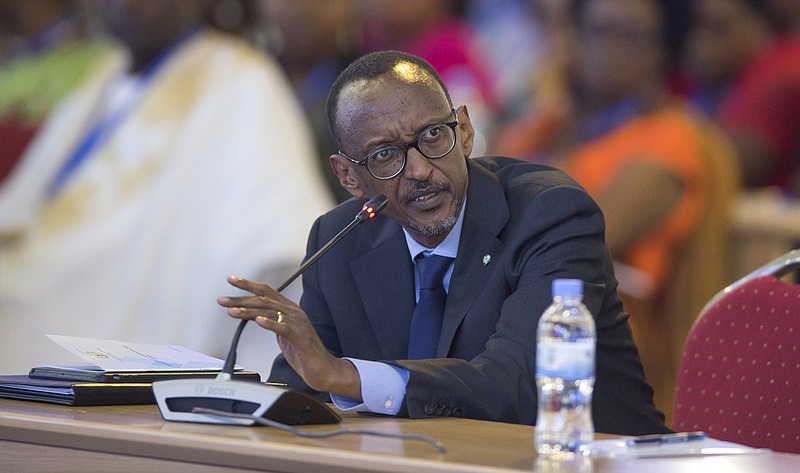
The Head of State was speaking Thursday in Kigali at the presentation and signing of 2017/18 and 2018/2019 performance Contracts (Imihigo) respectively, and dissolving the Parliament’s Chamber of Deputies.
Kagame said that through Performance Contracts, leaders assess the way they can leverage the available means to achieve set targets, a system which helps understand the reason leaders fall short on certain goals even when they have the means.
“In 2017/18 Imihigo, we have seen how our different districts performed. Those who scored 80% and above fell short on the remaining 10%. Why did that happen? This results from lack of coordination and collaboration. For those lagging behind, the issue is even worse,” he said.
“For those who performed poorly, it’s an issue of leadership. Leaders who spend their time in unnecessary wrangles instead of fulfilling their responsibilities. Lack of communication, common understanding, and coordination results in such poor performances,” he added.
Kagame urged leaders to separate personal conflicts from the institutions they head.
“Focus your attention on resolving issues that affect your communities. Using your position to solve personal issues and for personal gain is wrong,” he said.
“What does it require for us to understand that we must work with each other? What does it take to deliver on our promises? Should we ask somebody else to teach us that too? Aren’t we human like anybody else?” Kagame questioned.
Kagame reminded leaders on citizen outreach and solving community issues.
“We are always emphasizing the need to improve on citizen outreach and understand their needs and do what is necessary to solve these issues but what we see instead is leaders who travel upcountry for a mere photo-op to prove they were there. Our development partners are better at citizen outreach than we are. Have we been adopted in our own country? Is this our philosophy? Is this our politics?” Kagame wondered.
{{Impact of poor performance}}
Kagame said that poor performance of some districts cause huge impacts on people including malnutrition among children.
“For districts that performed poorly, this has a huge impact on the lives of our citizens. This is the reason why we still find stunted and malnourished children in our villages.”
He reminded leaders to put much attention on fighting malnutrition and consider it as an urgent task.
“Most of our children are malnourished not because we don’t have nutritious food to give them but due to the fact that there is no one on their side to follow-up,” he said.
The Head of State urged leaders on exemplary work and clear vision.
“We should all aspire to become exemplary leaders. Leaders who are willing to do all that is necessary to take our country where it deserves to be. Leaders with a clear vision of what needs to be done,” he added.
{{To the Members of Parliament}}
As Rwandans prepare for Parliamentary elections next month, Kagame said that their job should not be business as usual.
“We will elect new MPs next month. This should not be ‘business as usual’. They will have to build on what their predecessors have achieved and put more efforts where we still have noticeable gaps,” he said.
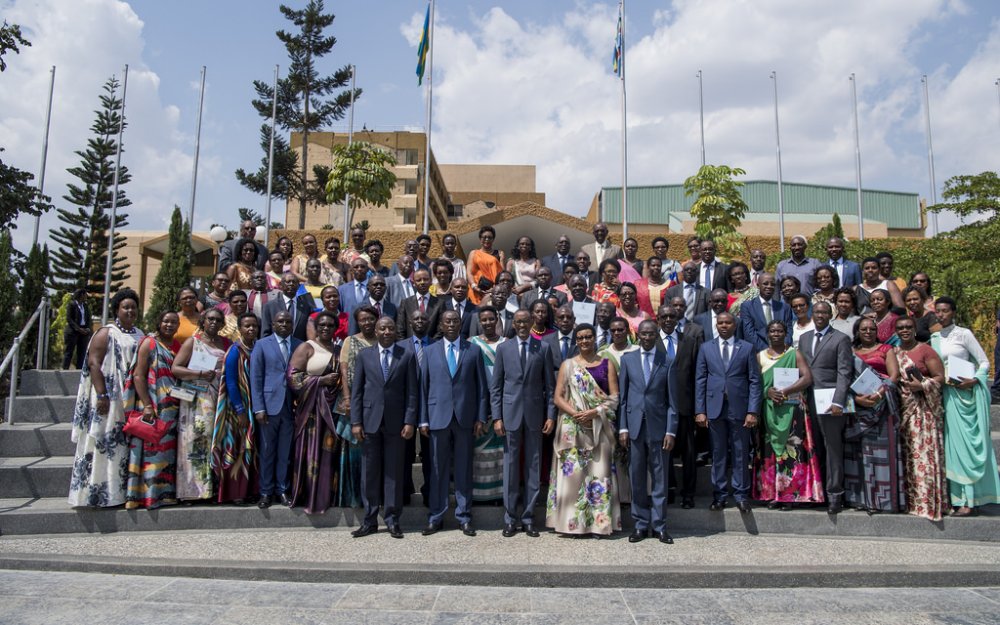
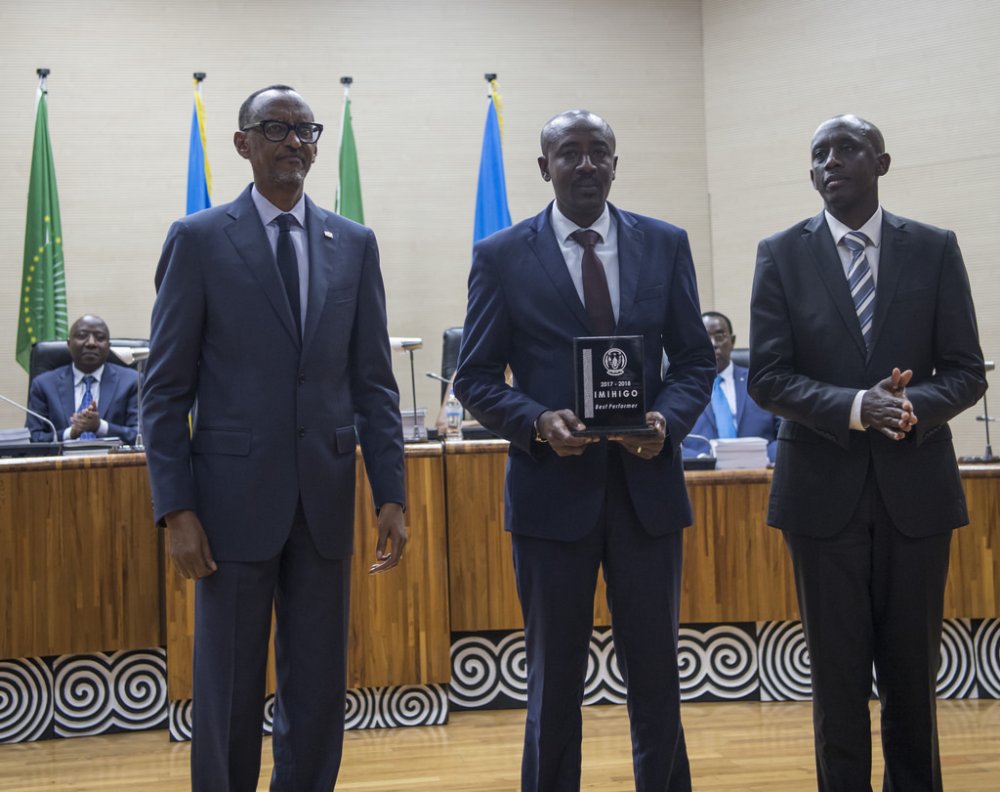
This was announced Thursday in Kigali at the presentation of outcomes from the 2017/2018 and signing the 2018/2019 performance contracts.
At the ceremony in Parliament, President Paul Kagame dissolved the parliament to pave way for the forthcoming elections of new Members of Parliament due next month.
Last year, Rwamagana also emerged the leading district in good performance.
Statistics indicate that last year, Rwamagana had 82.2% and this year has 84.5%.
Speaking while presenting the outcomes, Prime Minister, Dr. Edouard Ngirente said that evaluation process considered assessing whether the contracts contributed in fast-tracking the development of the country.
He said that evaluation process was facilitated by the National Institute of Statistics of Rwanda.
The Minister of Local Governance, Francis Kaboneka said that last year was challenged by disasters which affected production in different districts.
“The institutions which properly implemented their targets considered corresponding their performance contracts with development activities. All concerned individuals were aware of their role in performance contracts implementation as well as understanding and monitoring implementation process of planned activities,” he explained.
On way forward, Ngirente said that they want to harmonize performance contracts planning with national priorities, collaboration among different institutions in implementation of performance contracts as well as good planning of projects before embarking on implementation process.
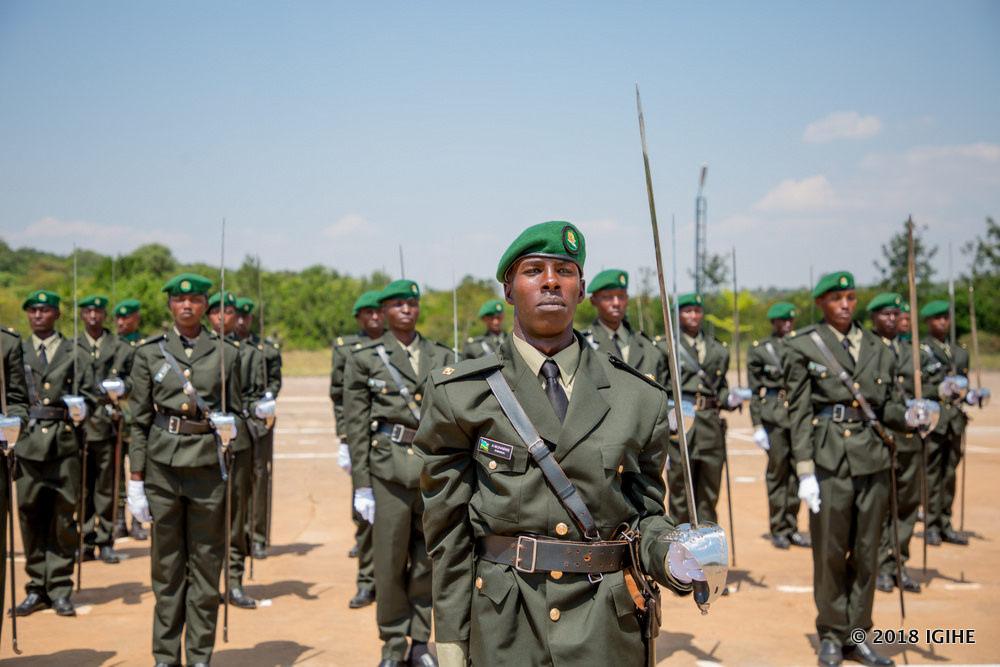
Chaired by President Paul Kagame who is also the Commandant-in-Chief of RDF, the cabinet approved the Presidential Order promoting all the officers as well as a Presidential Order dismissing ten officers from Rwanda Defence Force.
Speaking in an interview with IGIHE, RDF Spokesperson Lt Col Innocent Munyengango said that promotion in ranks is a routine in professional army as well dismissal among other sanctions when officers have defied the code of conduct.
“Those promoted are all officers from second-Lieutenant to Lieutenant, those commissioned recently and others who have been on the rank before. For those who were dismissed, they defied the rules,” he explained.
Yesterday, Cabinet meeting also approved the presidential order promoting Lt. Col. Andrew Nyamvumba to the rank of Colonel. Recently, Nyamvumba was appointed the Head of Defence Intelligence Department.
The cabinet also approved the presidential order determining the organization and responsibilities of the military services of Rwanda Defence Force.
The cabinet approved the ministerial order dismissing 57 non-commissioned officers and enlisted personnel from Rwanda Defence Force.
Chaired by President Paul Kagame, the cabinet decision takes immediate effect.
“The Cabinet meeting removed from duties, with immediate effect, the following staff for gross misconduct; Mr. Théogène Namahungu who was Director of Health Technology and Infrastructure Planning Unit in Rwanda Biomedical Centre (RBC) and Mr. Baligira Hamad who was Director of Human Resource and Administration Unit in the Ministry of Health,” the cabinet meeting decision reads.
Cabinet also suspended all the staff from the Medical Technology and Infrastructure Division due to inefficiencies affecting the performance of the health sector.
The Cabinet meeting also approved Presidential Order dismissing ten Officers from Rwanda Defence Force and Ministerial Order dismissing 57 Non-Commissioned Officers and enlisted personnel from Rwanda Defence Force.
Among others, the Cabinet appointed Mr. Guy M. Baron, the Chief Investment Officer in the Rwanda Development Board (RDB).
The cabinet also appointed officials in the National Unity and Reconciliation Commission. Those are, Bishop John Rucyahana, Chairman; Ms Xavérine Uwimana, Vice Chairperson; Father Consolateur Innocent, Commissioner; Bishop Déo Gashagaza, Commissioner; Ms Umubyeyi M. Médiatrice, Commissioner; Mr. Innocent Rukinda, Commissioner; Mr. Gérard Ruvunabagabo, Commissioner and Ms Théopista Mukabizoza.
In the Ministry of Lands and Forestry (MINILAF), Mr. Benon Kaka Rutaro was appointed the Director of Planning Unit.
In the Ministry of Sports and Culture (MINISPOC) Ms. Rose Musanabera was appointed the Director of Finance and Administration Unit.
In the Rwanda Information Society Authority (RISA), Mr. Emmanuel Tumusiime was appointed the Director of Human Resource and Administration Unit and Mr. Prosper Kamurase, Director of Finance Unit.
Cabinet also appointed Mr. Servillien Bizimana, the Director of Training and Programs Unit in the National Rehabilitation Services (NRS).
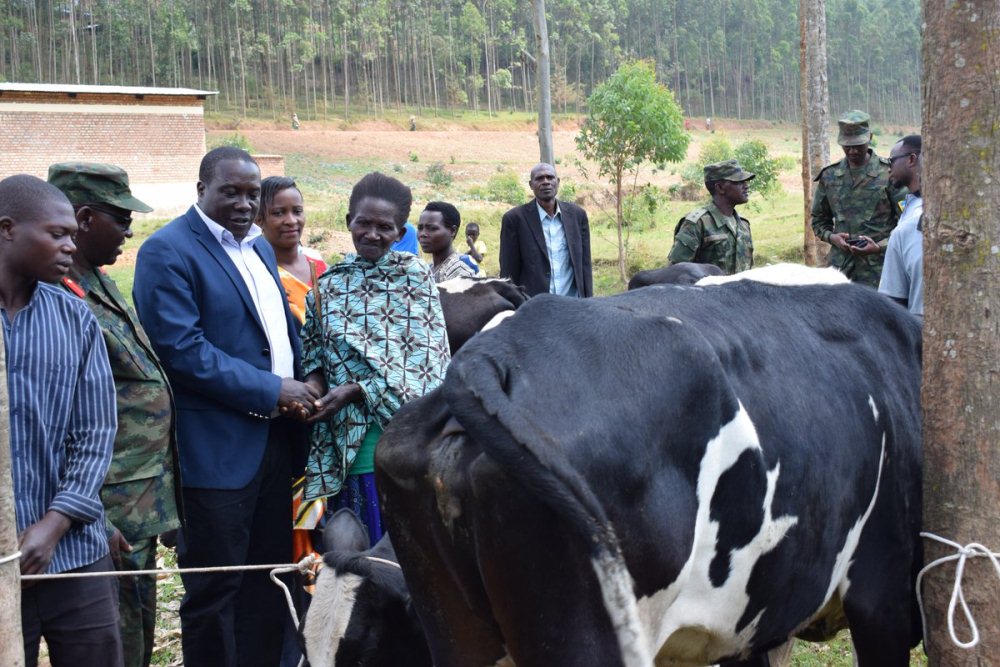
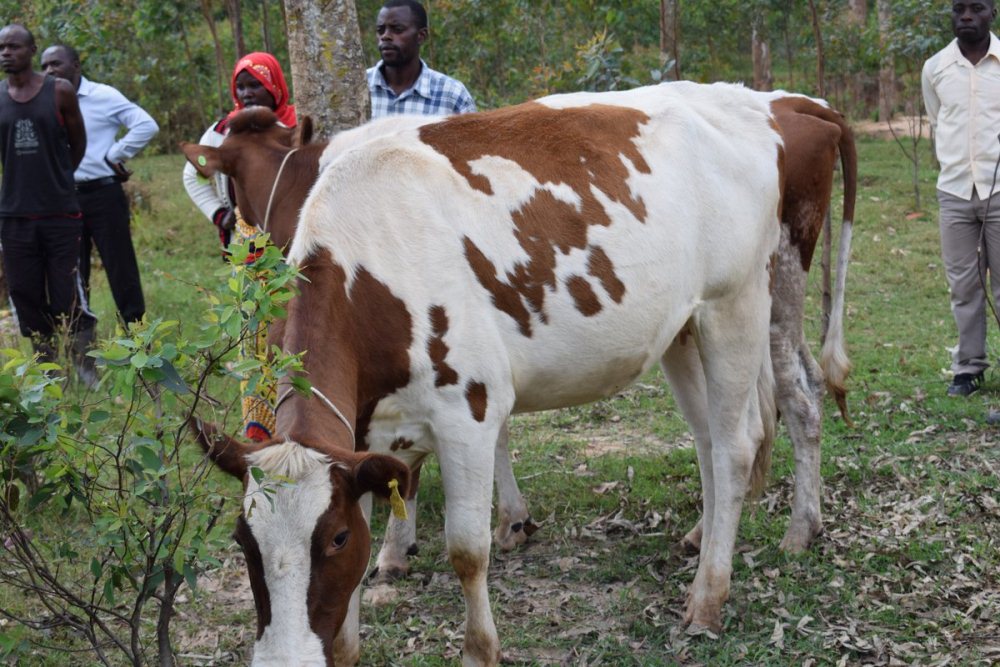
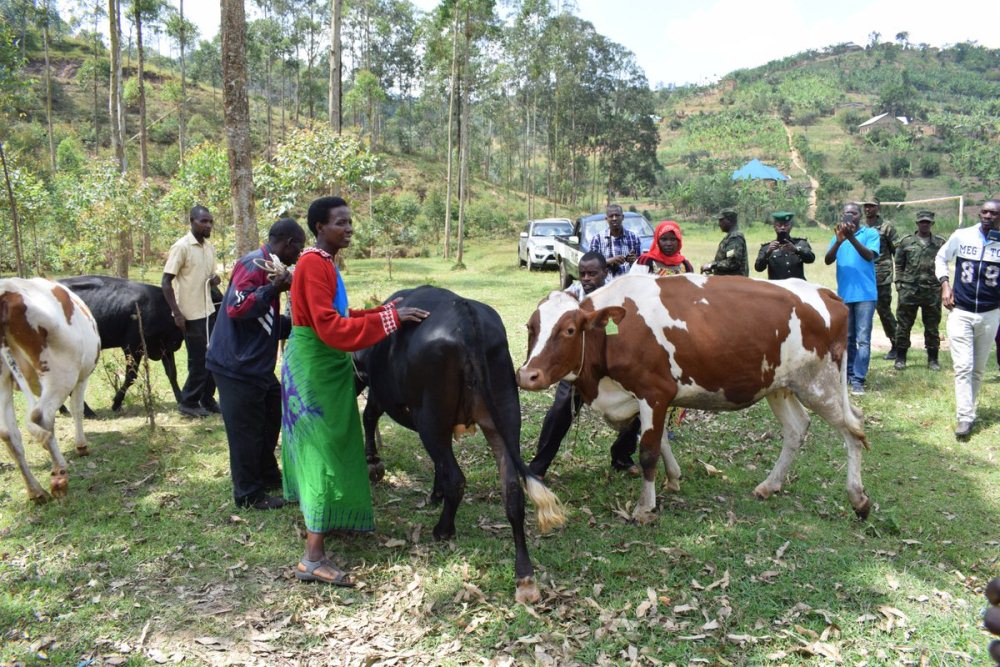
The cattle handover ceremony took place yesterday. The cows were handed over to beneficiaries by Northern Province Governor, Jean Marie Vianney Gatabazi.
Mrs. Kagame donated the cows in June while she was participating in the celebration of International Day of African Child, an event that took place in Nemba Sector of Gakenke District.
The donation supports Government of Rwanda’s efforts to fight against malnutrition and stunting among children.
Speaking to IGIHE, Governor Gatabazi said that the cows will help people graduate from poverty as well as fighting malnutrition in their families.
“Those are hybrid cows which will produce enough milk, people will earn money and neighbors will benefit from them,” he said.
Speaking in Gakenke in June, First Lady called all districts to include fight against malnutrition and stunting programmes in district planning.
Beneficiaries welcomed the donation saying that they will enable them raise living standards and spur economic development.
Gakenke District comes second in high rate of stunting nationally with 46 per cent.
The Mastercard Foundation and The Resolution Project received 272 applications for the 2018 competition but 30 teams bringing together 71 scholars are moving forward to the semi-final of the competition tomorrow while the winners will be announced on Saturday, according to Shona Bezanson, Associate Director for Scholars Programme.
Ms. Bezanson was speaking at a media roundtable in Kigali on Wednesday.
The third edition of the challenge’s finalists include scholars who are pursuing impactful projects in Malawi, Gambia, Kenya, Zambia, South Africa, Ghana, Uganda, Lebanon, Sudan, Zimbabwe, Cameroon, Tanzania, Nigeria, and Somaliland.
Rwanda is not featuring on this year’s lists but a trio of Rwandan graduates, from EARTH University in Costa Rica, won the Resolution Social Venture Challenge at the Mastercard Foundation Baobab Summit in Johannesburg, South Africa, last year.
The trio of Annet Mukamurenzi, Gerard Ndayishimiye and Yvette Abizeyimana had put forward their Rwanda Youth Initiative for Agricultural Transformation (RYIAT) at the competition that rewards compelling leadership and promising social ventures led by the youth.
Winning teams earn a fellowship that includes seed funding, mentorship and access to a network of young global changemakers to pursue impactful projects in their communities.
The Mastercard Foundation first partnered with The Resolution Project in 2016. In the first two years, the Foundation and The Resolution Project have offered 34 scholars working on 17 social ventures fellowships with seed funding, mentorship and the opportunity to pursue their aspirations and increase their appetite for leadership.
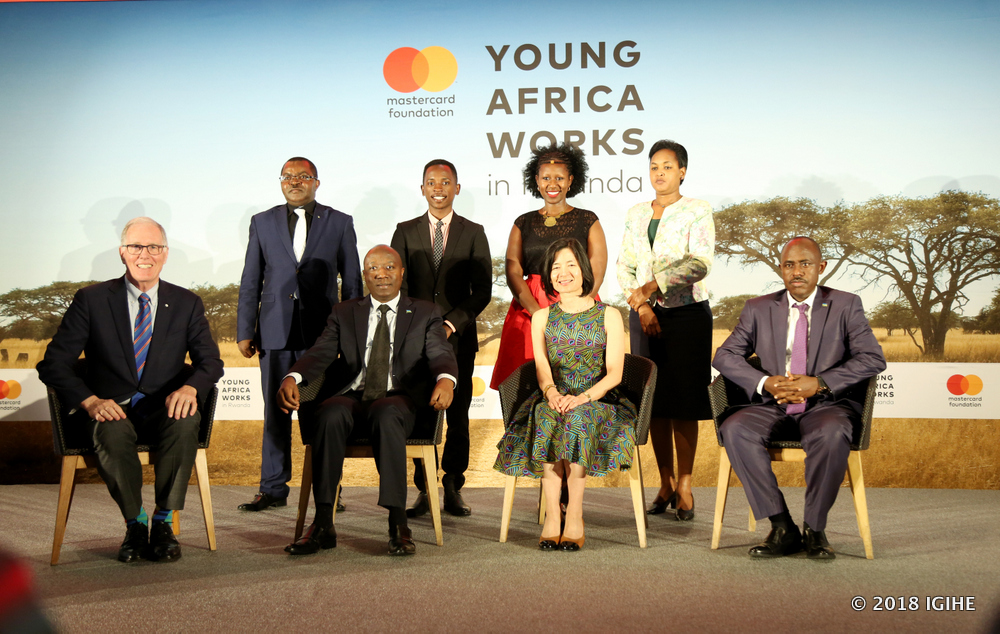
Mastercard Foundation is implementing various projects in Rwanda including Hanga Ahazaza (Create the Future) and Scholars Programme.
At the media roundtable, James McIntyre, the Education and Learning Programme Manager in Rwanda said Rwanda has been chosen to host one of the three Mastercard Foundation’s centres of excellence for education and technology in Africa, adding that details about the timing and functions of the centres are yet to be established.
Rica Rwigamba, the Youth Livelihoods Programme Manager said the $50 million initiative dubbed Hanga Ahazaza will equip 30,000 young Rwandan men and women with the skills they need to transition into jobs in the tourism and hospitality sectors in the next five years.
Alemayehu Konde Koira, the Country Representative for Mastercard Foundation, said Rwanda was chosen for the charity’s projects because of the the country’s enabling environment in many areas.
Created in 2006 by Mastercard International, the Canada-based Mastercard Foundation is one of the world’s largest foundations which strives to advance learning and promote financial inclusion for people living in poverty and works almost exclusively in Africa.
Government of Rwanda and MasterCard Foundation officials in a group photo after the launch of $100 million project to increase economic opportunities for youth and enhance access to financial services for small businesses in the tourism and hospitality sector in March 2018 – Government of Rwanda and MasterCard Foundation officials in a group photo after the launch of $100 million project to increase economic opportunities for youth and enhance access to financial services for small businesses in the tourism and hospitality sector in March 2018
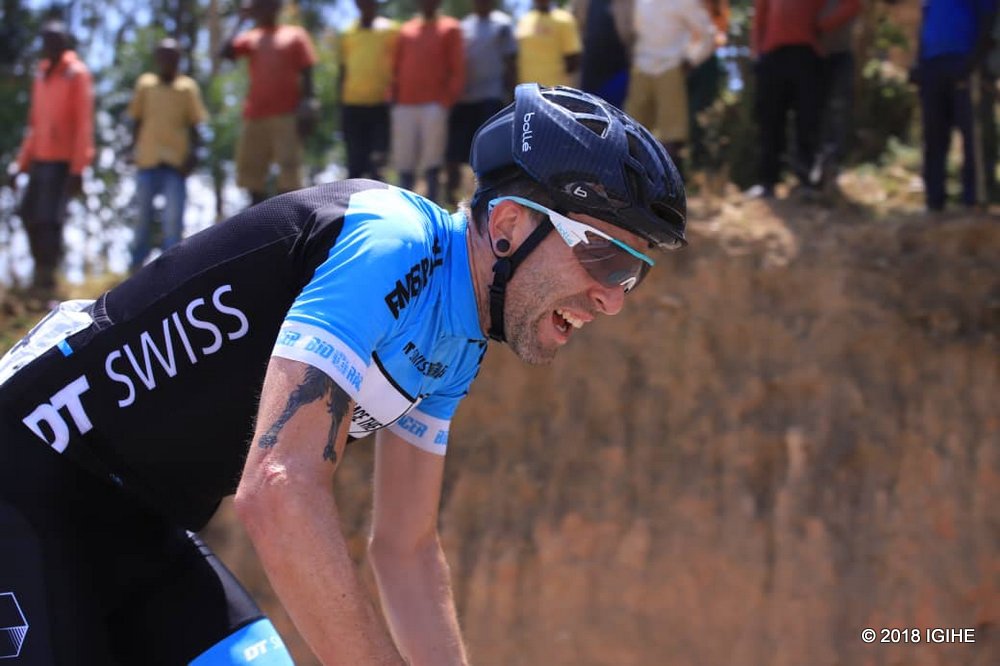
The stage from Musanze District in Northern Province to Karongi District in Western Province was 135.8 kilometers.
Timothy advanced the 70 players at an early solo breakaway that made him win the stage using 3 hours 31 minutes and 25 seconds with a record of 2 minutes and 10 seconds ahead of the second.
The 32-year-old Timothy was followed by Samuel Hakiruwizeye, Didier Munyaneza, Lozano Riba David and Jean Claude Uwizeye.
However, the stage did not affect the top five on general list as Rwandan Samuel Mugisha retained the yellow jersey.
{{Stage four top five }}
1. Timothy Rugg : 03h31’24”
2. Samuel Hakiruwizeye: 03h33’35”
3. Didier Munyaneza: 03h33’49”
4. Lozano Riba: 03h33’49”
5. Jean Claude Uwizeye:03h33’53”
{{General Classification top five}}
1. Samuel Mugisha: 14h07’53”
2. Jean Claude Uwizeye: 14h08’14”
3. Hailemichael Mulu: 14h08’14”
4. Lozano Riba David: 14h09’44”
5. Doring Jonas: 14h10’03”
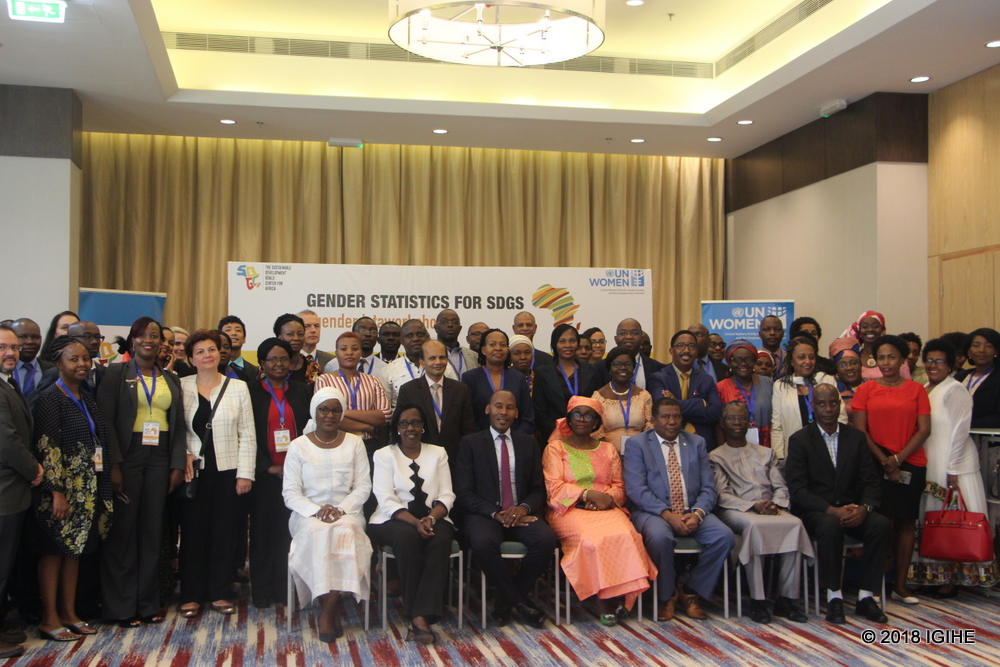
The appeal was made Wednesday in Kigali in a three-day Gender Data Workshop that brought together participants from ten African countries.
The workshop was organized by UN for Women in partnership with the Sustainable Development Goals Center for Africa.
According to UN Women Africa, only 13% of countries allocate a budget to gender statistics and only 15% of countries have legislation that mandates specialized gender-based surveys.
The UN Women Regional Director for East Africa and Southern, Africa Dr. Izeduwa Derex-Briggs said that the greater percentage of women live in rural areas and their activities are not nationally captured.
“The works that women do are not captured by National Statistics offices. National Statistics offices capture national data, data on health surveys, house surveys and census, but they don’t capture data of Community Based organization do at community level,” she said.
She said that the data are not captured because they are not reliable, a fact that they are pushing for change.
“So, we are saying how we can make the data reliable so that the contribution of women and girls to the development of every country is also captured, so that is one of the challenges that we want to address through looking at the alternative data in addition to official data,” she explained.
Izeduwa said that data collection require resources and countries leave behind gender data.
“To collect data is very expensive and whoever makes choices on which data to collect have to understand that there is a need to collect gender data, and if you don’t have gender data, you can’t plan effectively for men different from women,” she emphasized.
The Permanent Secretary in the Ministry of Finance and Economic Planning, Caleb Rwamuganza said that Rwanda is among few countries that capture women data in all sectors of the countries.
However, Rwamuganza said that the exercise require extra means.
“Among the statistics by National Institute of Statistics of Rwanda, we are among countries that capture statistics of women to the grassroots level. Sustainable Development Goals require reliable data, a reason why there is need for capacity building in people accumulating the data,” he explained.
He said that in the budget allocated in different sectors like education, health, agriculture among others, they also consider women activities as men.