The campaign dubbed Free To Shine was recently initiated by the Organisation of African First Ladies against HIV/AIDS aiming at ending mother to child transmission of HIV by 2030.
Launching the drive in Kigali Monday, First Lady Jeannette Kagame urged parents and health workers to embrace the fight to ensure that no single child acquires HIV at birth.
She especially encouraged all pregnant women to routinely go for antenatal care in health facilities and make sure they give birth from there.
Acknowledging the contribution of partners over the years, Mrs Kagame said, Rwanda is on track to zero new infections by 2020 and to the eradication of HIV by 2030.
“Indeed, the interventions and resources poured into initiatives geared towards reducing new infections have helped reduce the national prevalence rate from a double digit number, to a 3% national average. It is imperative that we keep the momentum,” she said.
The gathering of about 2500 at Petit Stade in Remera also received messages on HIV transmission, ending pediatric HIV/AIDS, family planning methods, condoms distribution and HIV testing services.
Minister of Health Dr. Diane Gashumba efforts invested have led to a drop in mother-to-child infections from 4.3% in 2011 to 1.5% currently.
Free To Shine campaign is supported by the African Union in its goals for equitable development.
In the hearing on Monday, the judges’ jury announced the appeal case was withdrawn pursuant to the defendants’ request dated August 26, without clarifying on the request letter’s content.
The defendants didn’t explain anything about their request either.
Kizito was arrested in April 2014 with three accomplices. He was charged with complicity in acts against the state security.
In February 2015, the High Court in Kigali sentenced Kizito to 10 years in jail after convicting him with conspiracy to murder and formation of a criminal gang.
The co-accused, former Amazing Grace Radio reporter Cassien Ntamuhanga was sentenced to 25 years in prison after finding him guilty of formation of a criminal gang, conspiracy against the established government and complicity in a terrorist act.
Ntamuhanga broke the prison last year and was later heard on Voice of America radio speaking reportedly from abroad without revealing his hideout.
Former combatant Jean Paul Dukuzumuremyi was sentenced to 30 years in prison, but, the court acquitted Agnès Niyibizi after they found her not guilty of any charge.
The two districts were recognised at the launch of the three-month ‘Free To Shine Rwanda’ campaign aiming at ending new HIV infections in children and keeping their mothers alive.
The Catalytic Framework developed in 2015 at the continental level seeks to provide a framework and guide AIDS response efforts, with an emphasis on the elimination of mother to child transmission. Moreover, the national campaign for the elimination of mother-to-child transmission launched in 2011 set up the ambitious targets to reduce mother-to-child transmission in Rwanda from 4.3% in 2011, to less than 2.0% in 2015.
In constant improvement, Rwanda’s national HIV response has offered a comprehensive care package including HIV screening during antenatal care, HIV screening in the postpartum period for both mothers and HIV exposed children, nutritional support for mothers and infants and paediatric treatment protocols. Furthermore, increased decentralisation of HIV prevention and treatment services to the lowest level of health service delivery has enabled greater uptake, adherence and engagement.
Through the extension and improvement of prevention initiatives, treatment protocols and guidelines, and attention to equity, Rwanda’s current MTCT rate is 1.5% (2018).
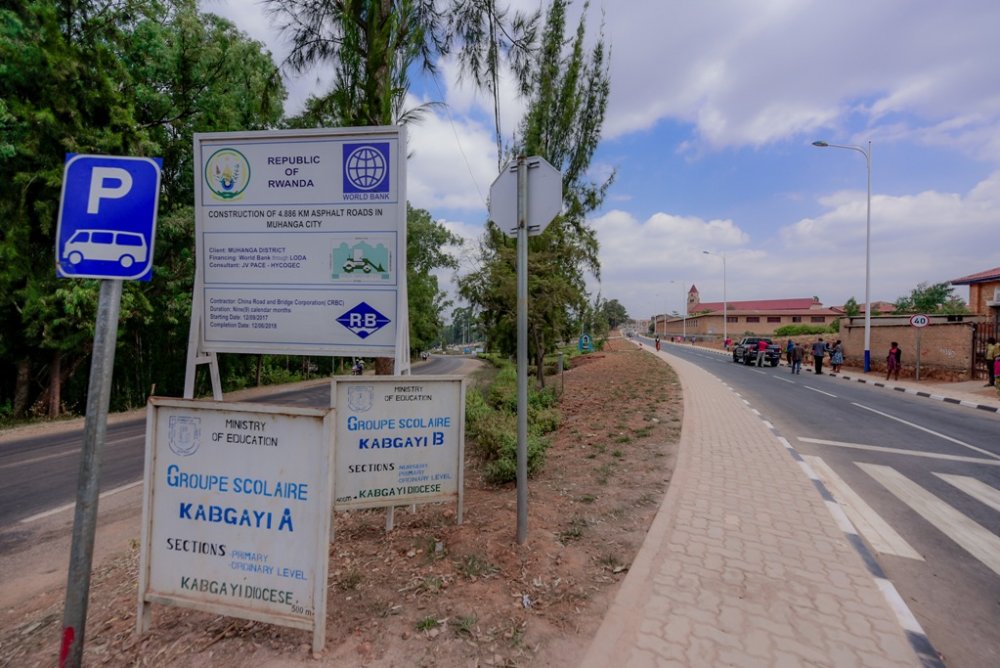
Rwanda’s secondary cities include Rubavu, Musanze, Huye, Rusizi, Nyagatare, and Muhanga. To develop the basis for good urban and rural settlement management at all levels of governance, it was planned that in 2024, 30% of all Rwandans would be residing in secondary cities.
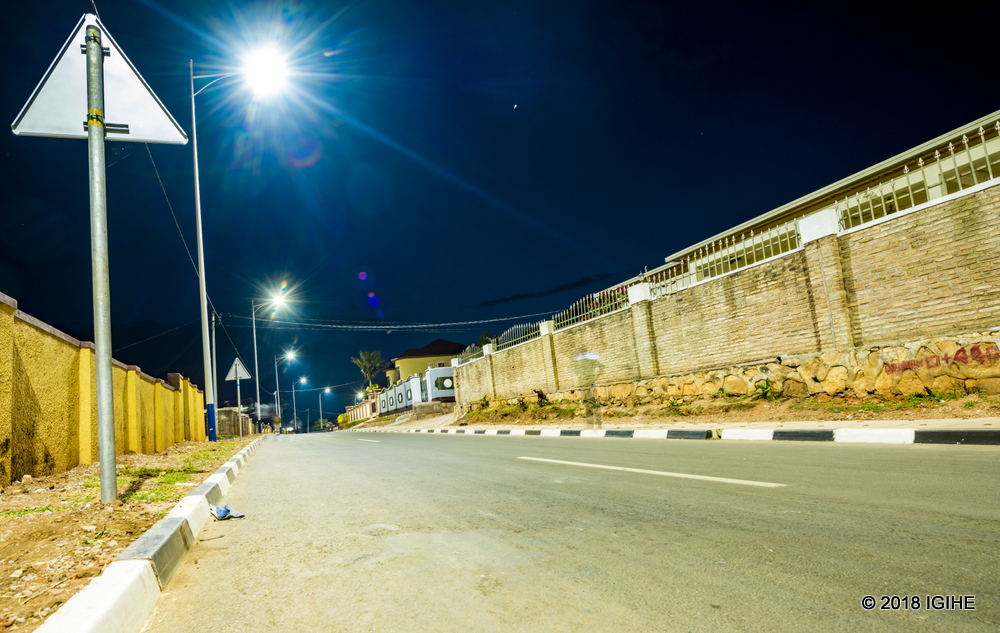
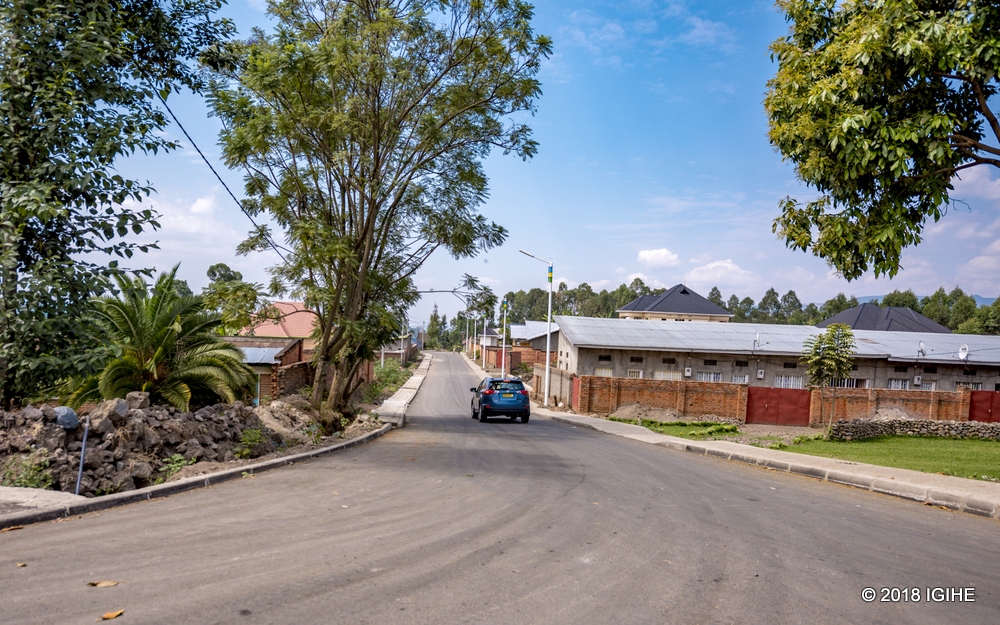
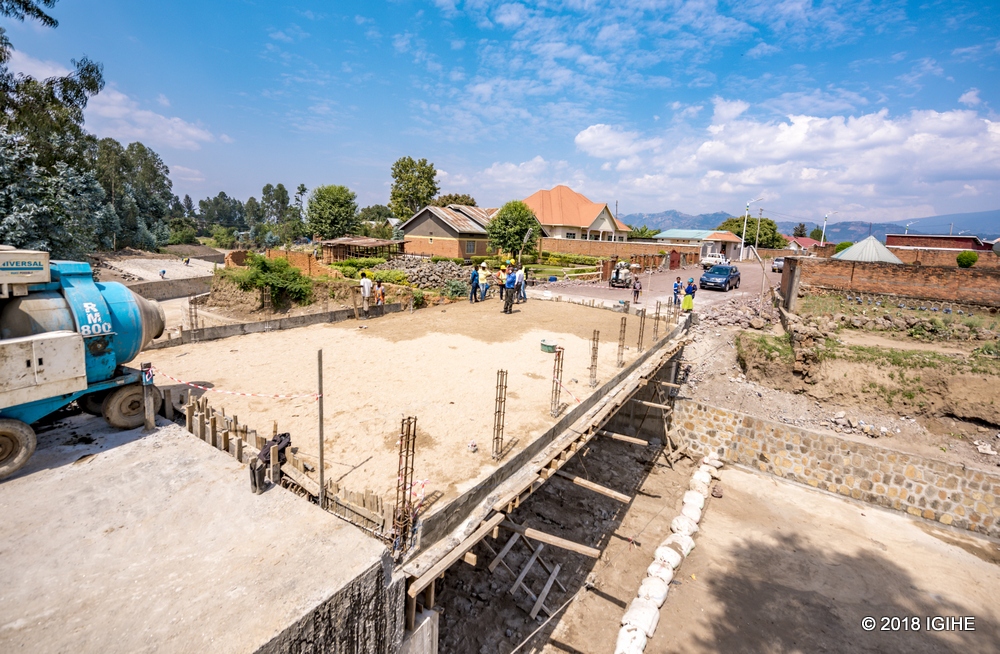
So to support attainment of the target, World Bank through the Rwanda Urban Development Project, granted $95 million to fund that project that would provide new infrastructures to the said secondary towns including roads, drainage systems , electricity, among others.
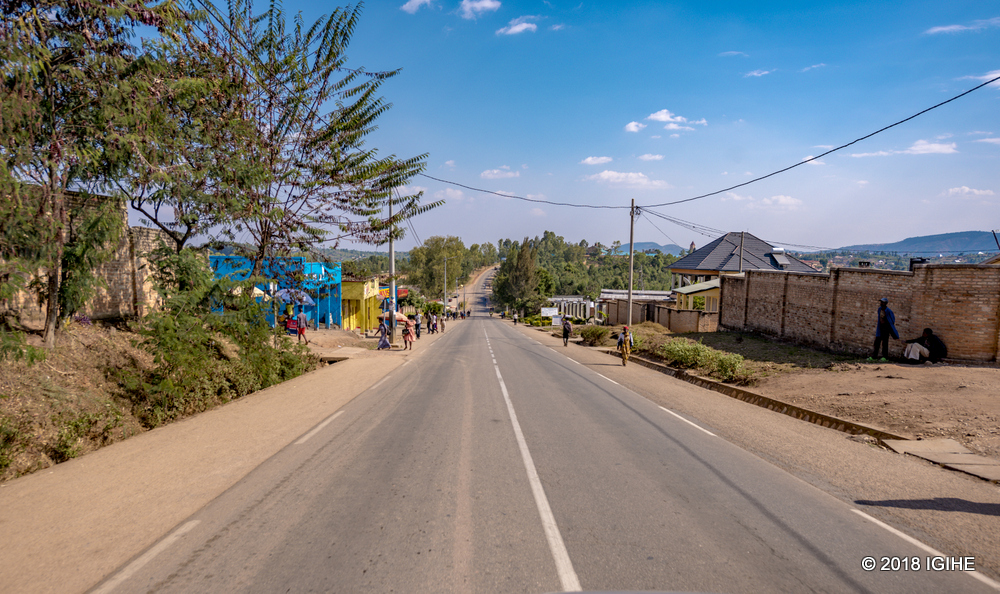
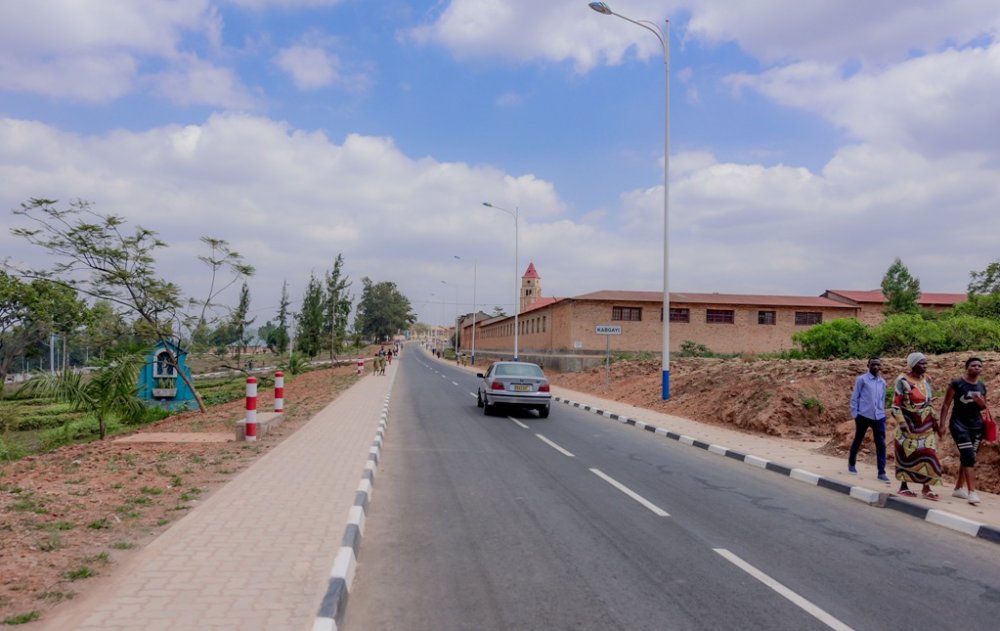
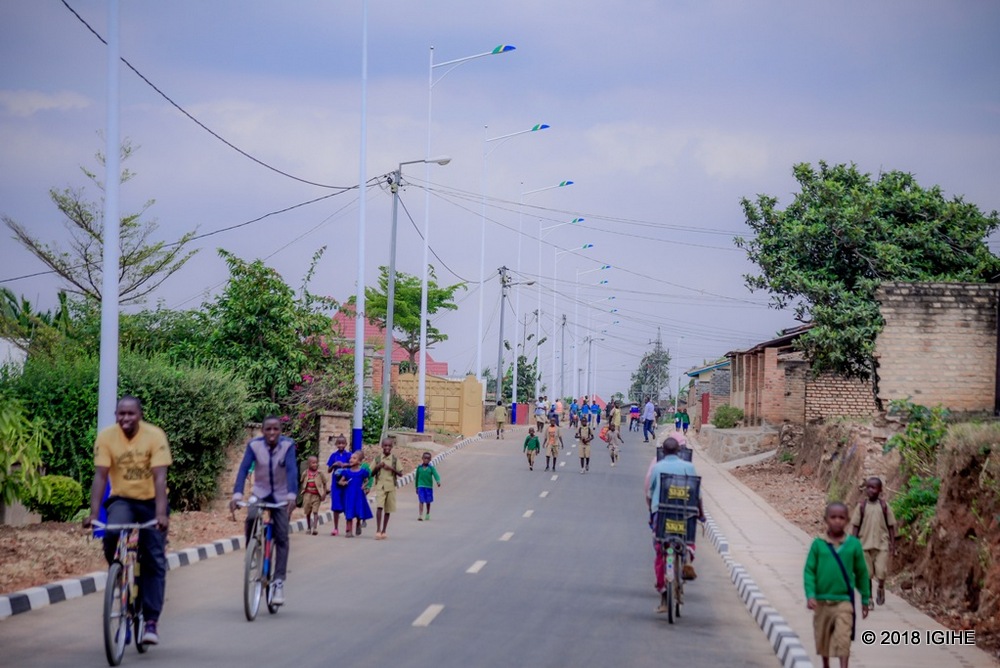
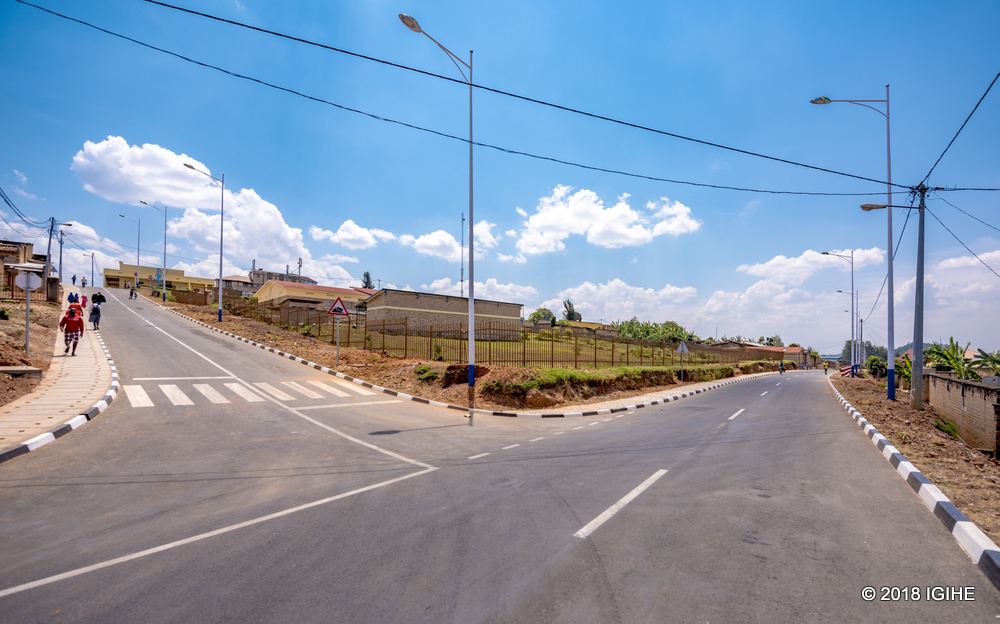
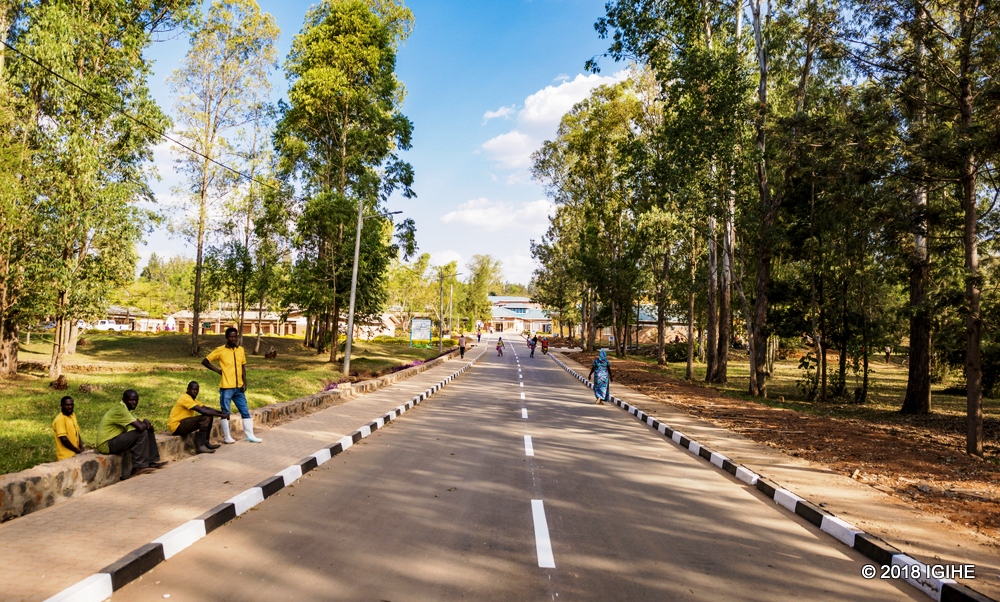
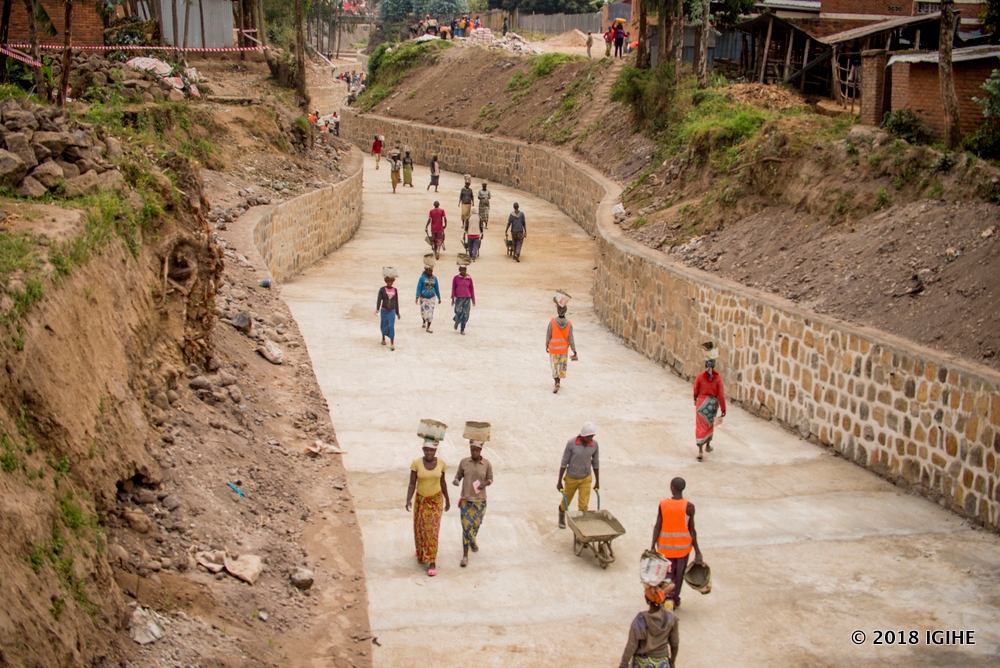
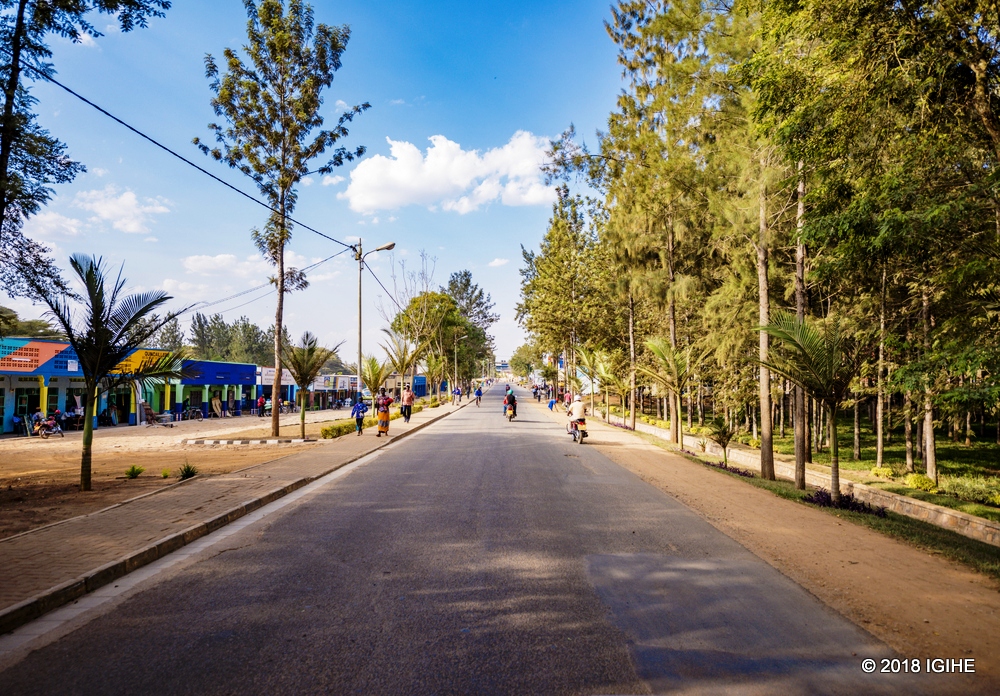
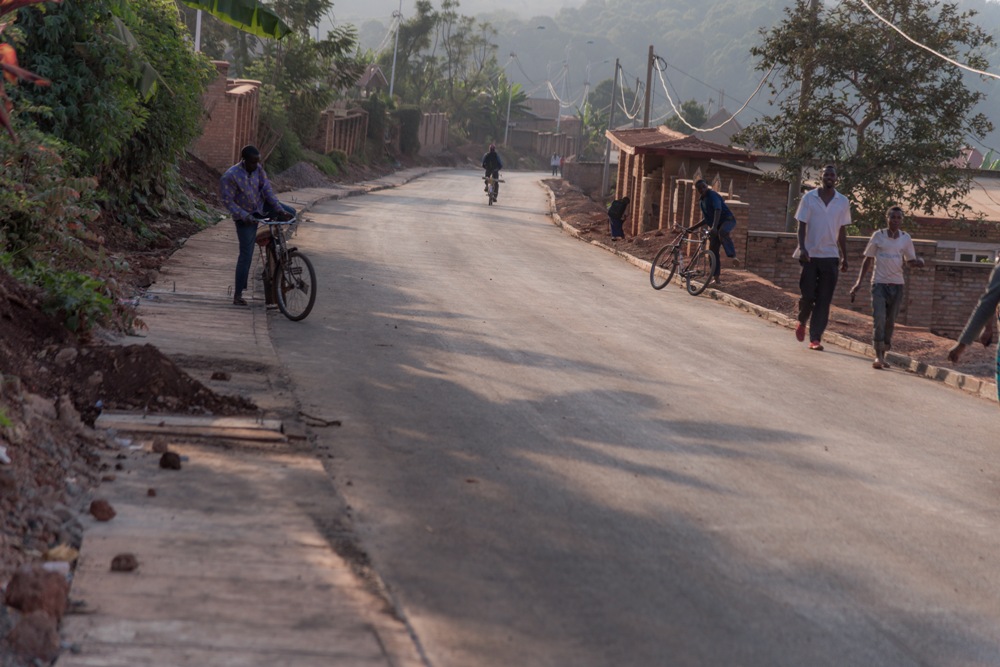
In the first phase of the project, 29Km-long roads and drainage channels of 44 Km were constructed in Muhanga, Huye, Rusizi, Rubavu, and Nyagatare at a cost of $28 million.
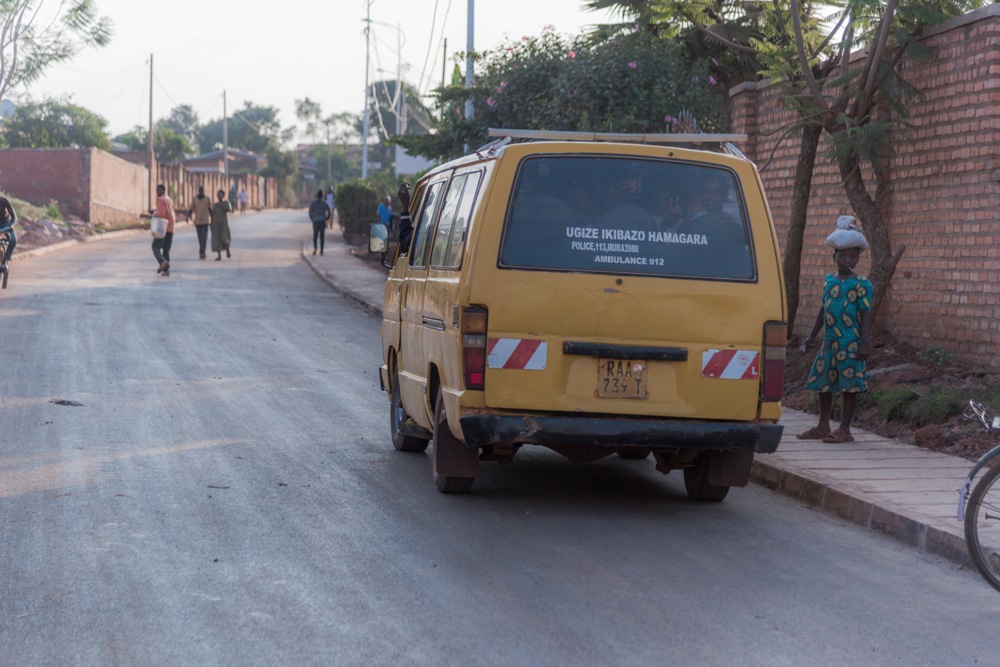
Residents from secondary cities welcomed the construction of new tarmac roads and other development projects such as hotels, health centers, schools, that have contributed to changing and bettering their lives.
In every city, new roads were constructed to link people and ease business and trade.
Azarie Muhizi, a trader based in Kibiligi sector, Muhanga, said the project has facilitated their businesses and contributing to the development of the city in general.
“We were in the darkness, struggling, but we are now having better lives. We have now easy excess to hospitals because at any time you can get a car to drop you there, while before it was nearly impossible.”
Huye residents also welcomed the fact that land value has increased. Locals from Karubanda and officials from Huye told IGIHE that all land plots near the 20-30 KM roads were now worth 2-4 million.
Apart from land value, and reduced accidents, the new roads enhanced urbanization, creating new business opportunities
{{Investors explore business opportunities
}}
With the urbanization in roll, all the secondary cities started seeing interested investors in all sectors ranging from Hotel industry, Industrial sector and many others.
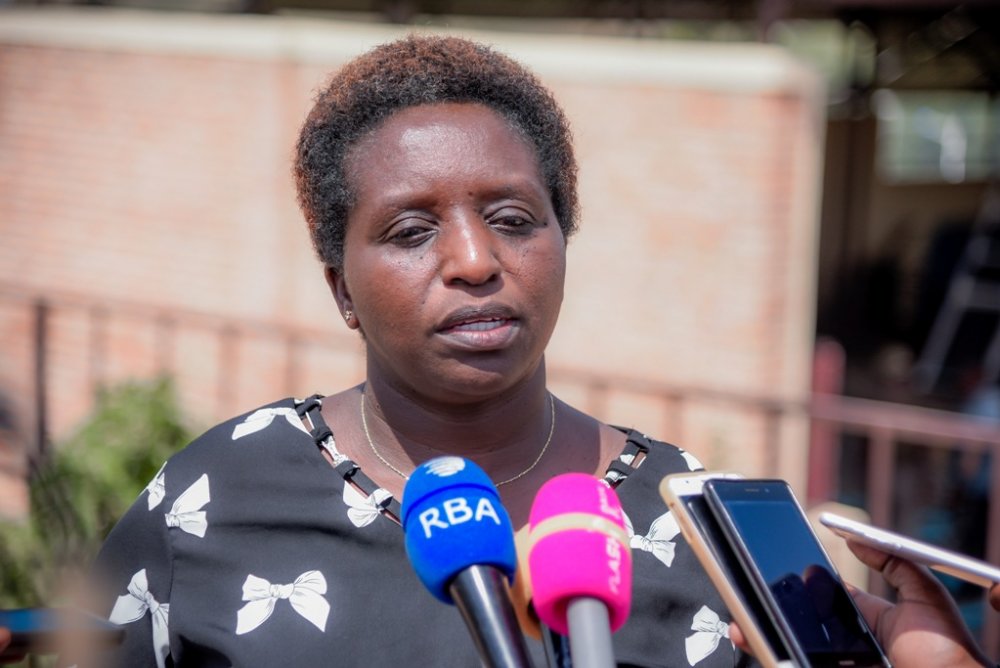
Speaking to IGIHE, Muhanga Mayor, Beatrice Uwamahoro said that new investors had proposed new industrial projects which include a Pharmaceutical plant and many others.
“We want investors to feel welcome in working in our region and that it is why we are working on roads, infrastructure projects to provide a better working environment,” Uwamahoro said.
The East African Granite Industries (EAGI) management in Rutaraka Cell, Nyagatare District, Eastern Province attest that with the construction of roads, exporting and importing products from the country has become faster, cheaper and efficient.
Nyagatare is among the secondary cities that are evolving. Its residents observe that infrastructure projects are boosting business, mainly in the agricultural sector.
Rubavu and Rusizi both share the fact that they are on the border with the DR Congo, near Kivu Lake, where business opportunities abound.
Rubavu District Mayor, Gilbert Habyarimana, told IGIHE that they wished to transform into the best commercial city for business.
“After seeing the change that the project brought up, we started preparing trading zones that were in line with the city’s master plan. As industries anchor branches in Rubavu, we are doing all that is possible to facilitate them.”
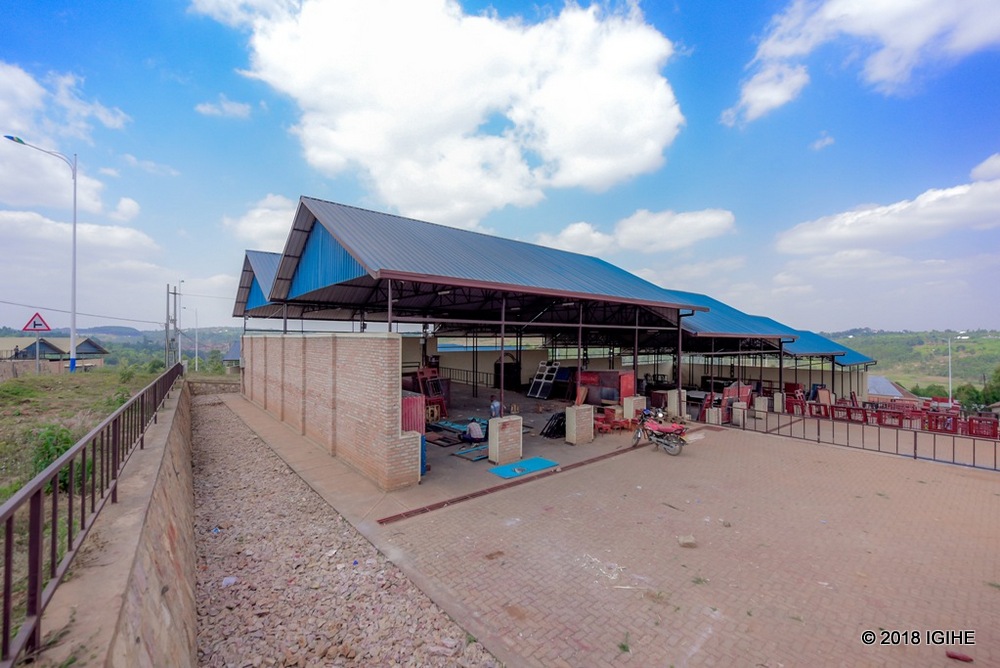
Musanze District also saw streaming in of investors who were drawn to the town’s potential, including Gorilla Investment Company (GOICO), an organization that contributed to the construction of a modern Market.
{{Construction of new drainage networks and channels
}}
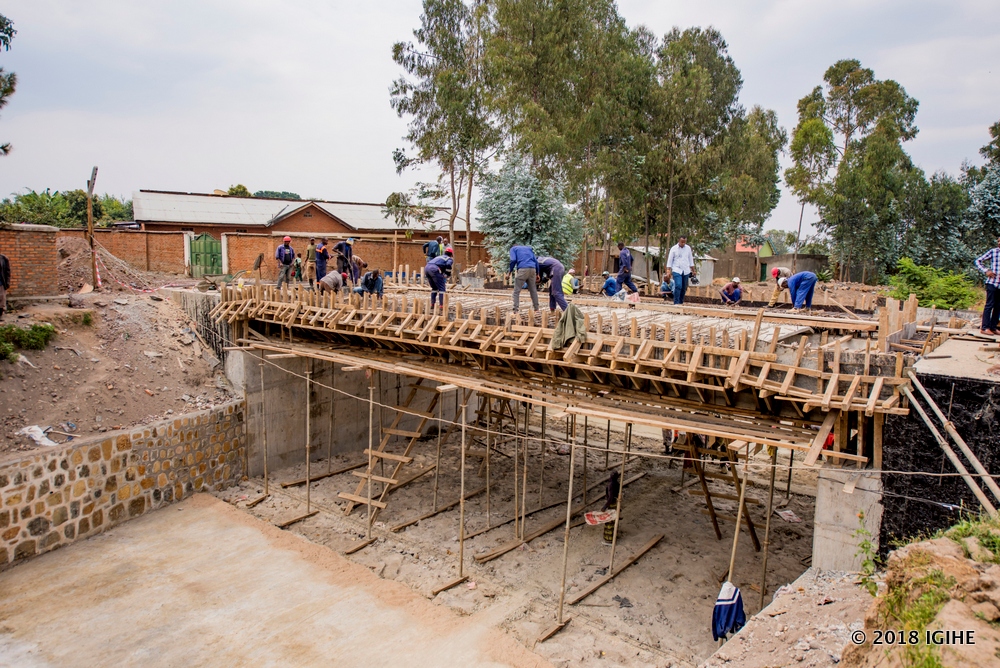
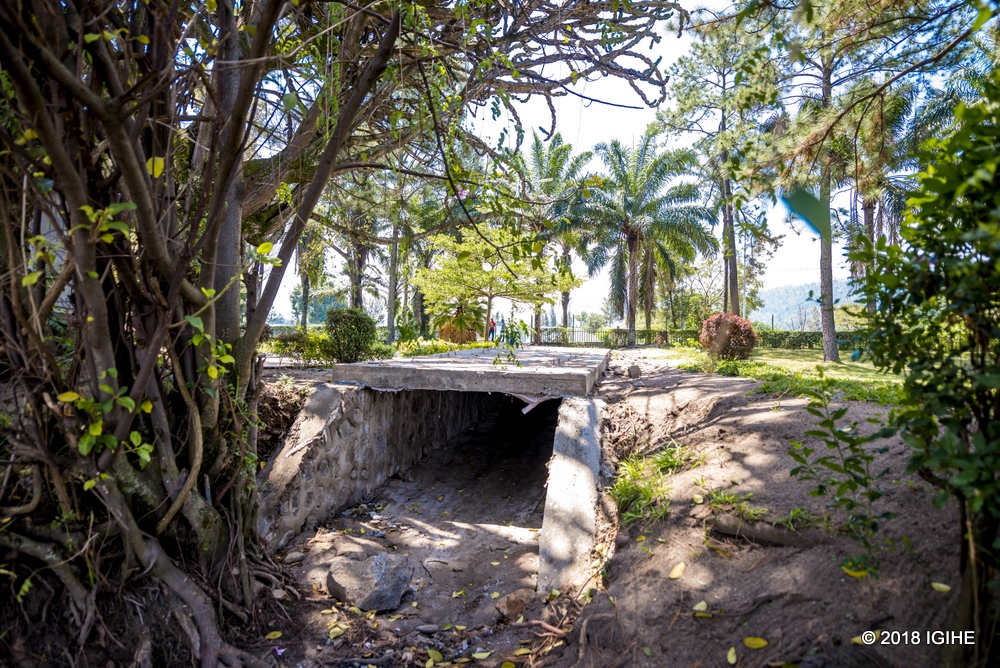
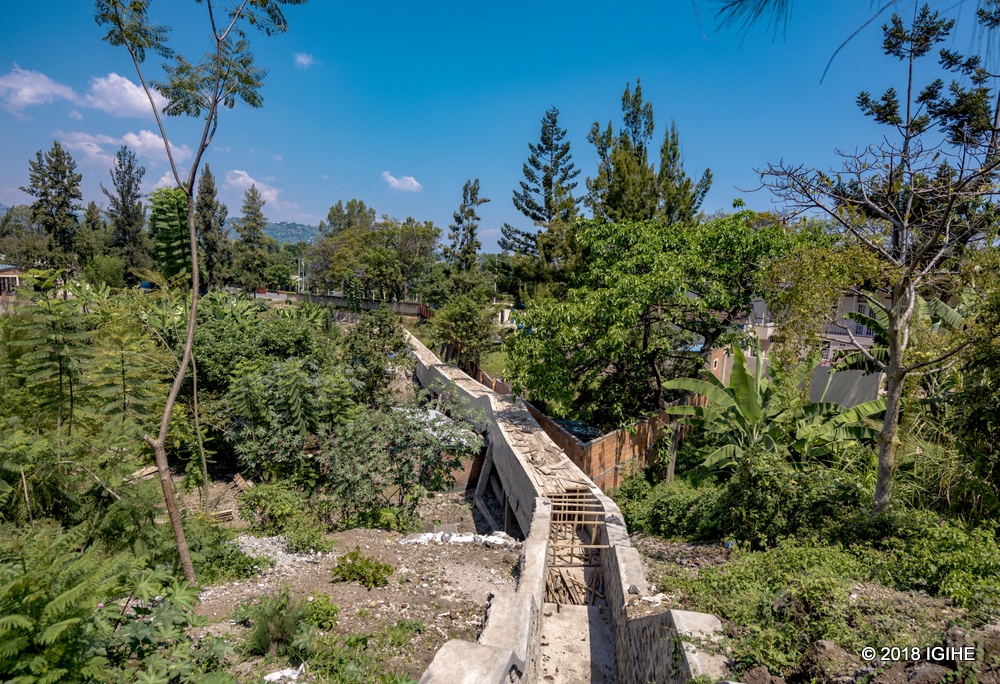
Two drainage systems of 922 meters worth RWF949.9M were constructed to diminish the flood of water that was hitherto threatening residents.
A member of parliament, Emmanuel Mpumuro, who lives near Rwebeya drainage channel (720 meters long) applauded the move saying that many of his neighbors had moved out because of the issue.
The $95 million World Bank-funded project to provide drainage systems and roads was launched in June 2016 and will end in July 2021. Currently, preparations are for the second phases of the project are in final stages and will see the construction of 40 kilometers of roads designed for a future industrial zone.
RIB Spokesperson Modeste Mbabazi told IGIHE on Friday evening that they had received a complaint from a woman who claimed that her minor daughter was defiled and her 19-year old impregnated.
He said Mugabe often nicknamed Bob was under interrogation as RIB prepares the file to be submitted to the prosecution.
“It’s true Mugabe has been summoned. RIB has received an accusation against Mugabe for defiling two siblings. He allegedly impregnated one and gave her pills for abortion and defiled the 17-year old,” said Mbabazi.
It is also alleged that Mugabe also infected the two with an undisclosed disease.
Mugabe is the Managing Director of the Voice Ltd, which publishes Great Lakes Voice and Ibiyaga Bigari.
He claimed himself in October 2016 that security operatives grabbed his cell phones and tried to kidnap him. He was later interrogated at former Criminal Investigation Department (CID) which was later replaced by RIB.
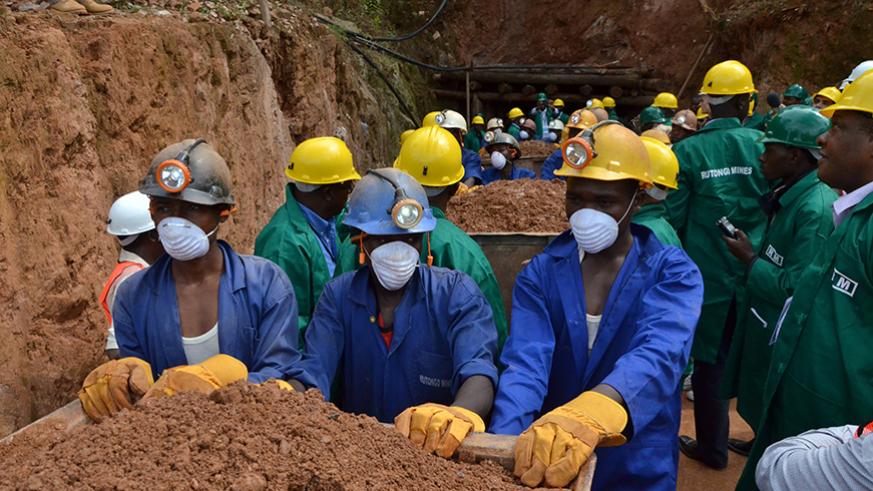
Law on mining and quarry operations published last month institutes penalties including revoking the license from any employer who defaults on measures for safety of miners.
Francis Gatare, the CEO for Rwanda Mines, Petrol and Gas (RMB), told the media last week that mining operations take place in hazardous conditions which call for special measures to protect workers.
He said that accidents do happen but the law seeks to hold accountable anyone who causes an accident.
Gatare, who is also a member of the cabinet, said the government is seriously concerned with the mining incidents and wants to mitigate the risks.
The law stipulates that anyone who defaults mineral operations to the extent of causing human death will face, upon conviction, imprisonment of between seven and 10 years and a fine of between Rwf5 million and Rwf10 million.
If the incident causes human injury and disease or environmental destruction, the responsible will face between six months and one year imprisonment and a fine between Rwf1 million and Rwf3 million.
Article 55 reads that in case the accident causes human disability or incurable disease, the standards’ defaulter will face one to three years in jail and a fine between Rwf3 million and Rwf5 million.
RMB reports over 80 mining accidents between November 2017 and June 2018
The new law states that, despite the mining privatisation for the last 10 years, government can play role in mining sector in accordance with the law governing the government and private partnership.
Mining sector earned $373 million last year and target is at $600 million this year.
RMB projects the revenues to stand at $800 million annually by 2020 and $1.5 billion by 2024.
“A Ministerial Order (of Llabour) determines minimum wage,” reads article 68 of the new labour law.
The current minimum wage was fixed 44 years ago at Rwf100 but workers and trade unions have in the recent years complained about it as not matching with the market rates.
Gaspard Musonera, the Permanent Secretary at the Ministry of Labour, has told IGIHE that the Minister’s Order determining minimum wages is the final stages for publication.
He said the draft bill with soon be tabled before the cabinet, adding that they had to do massive consultations with the concerned organs for the draft as the previous law provided for minimum wage for registered jobs or formal sector only.
The survey by the trade unions published in December 2017 indicated that current market rates call for a minimum wage of Rwf87,285 and Rwf126,260 for rural and urban workers respectively.
Contrary to the previous labour law of 2009 which protected salary for workers in formal sector only, the new law protects salary for all categories of workers including informal sector employees.
It also provides for informal sector employees’ minimum wage and right to a leave, among other rights that were in the previous law like the right to social security, occupational safety, and the right to form trade unions and employers’ associations.
The new law also protects salaries for employees executing public or private tenders by giving powers to the procuring entity to retain the amount equivalent to employees’ salaries, until the successful bidder proves that he/she has paid the employees.
“However, if the payment is not effected by the successful bidder in a period of forty-five (45) days, the procuring entity pays the concerned employees the salaries equivalent to the amount retained,” reads part of article 122.
Contrary to the previous law which prohibited to employ a child even as apprentice before the age of 16, another change is that now a child aged between 13 and 15 years is allowed to perform light works in the context of apprenticeship while the minimum age for admission to employment remains at 16 years.
The project being implemented by Solektra Int. is a joint venture of the Senegalese-American singer Alioune Badara Thiam aka Akon, his fellow Senegalese-American Thione Niang and Malian entrepreneur Samba Bathily.
Unveiling Saturday the street lighting units, a village water pump and three ambulances Ndego, Solektra Int CEO Samba Bathily said the $250,000 worth facilities constitute the first phase of the project.
The facilities were developed in collaboration with Rwanda Development Board in its revenue sharing programme with the communities neighbouring with the national game parks.
The beneficiaries are neighbours with Akagera National Park.
Bathily said the second phase will offer irrigation systems, solar systems for primary and secondary schools, and a smart village centre in Ndego and Rwinkwavu sectors.
It is expected to be completed in the next three months at a tune of $500,000.
Bathily also participated in gorilla naming Friday in Musanze District where 23 gorilla infants received names. The Malian philanthropist named one ‘Ineza’ meaning charity.
Germaine Kamayirese, Minister of State in charge of Energy and Water at the Ministry of Infrastructure, urged Ndego residents to preserve the facilities and use them to improve their living.
Innocent Shingiro, a resident of Ndego, said the ambulances, water and power will help them live better.
During his visit to Rwanda in July 2015, Akon had promised to fast-track his project in six months but nothing was done until May 2017 as Kamayirese’s advisor Alexis Karani told IGIHE.
With the budget of $1 billion, Akon Lighting Africa seeks to provide solar energy to 600 million rural residents in 30 African countries.
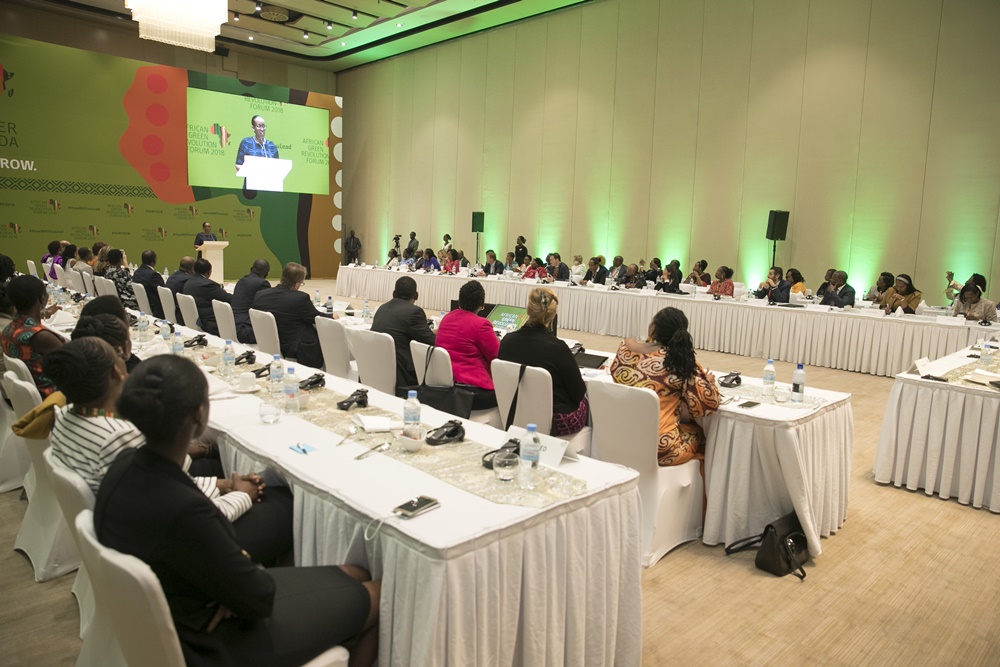
She made the remarks Saturday in Kigali at the breakfast meeting on women in agri-business that was organised on the sidelines of the 8th African Green Revolution Forum (AGRF) 2018.
Mrs. Kagame said African agriculture cannot develop while leaving women behind.
“I would like us to first envision an entire year without food production. A year, during which those women in Africa decided to lay down their tools. The consequences of their refusal to work anymore will be many,” she said.
“We would lose out on the fight against hunger, we would lose out on holistic diets for our infants, with the risk of nutritional stunting in African children in years to come. We would lose out on overall health; we would lose out on the economic gains made thus far from agriculture; we would also lose out on the much-needed foreign exchange as a result of greater food importation.”
The First Lady said the AGRF 2018 binds everyone to consider the role women farmers play in African development in addition to the heavy burden they often carry as sole breadwinners in female-headed households.
“We are doing a disservice to women by not acknowledging their hard labor in agriculture, by taking for granted the fact that they feed our continent and by under-valuing their contribution to socio-economic growth,” she remarked.
“As leaders, and experts concerned with the advancement of agriculture and on increasing its productivity in Africa, I am certain that you can identify, even more consequences of not investing more heavily in women in agriculture.”
She added that all the concerned people should chart lasting solutions to ensure better livelihoods for the most vulnerable and turning subsistence agriculture into viable agri-business.
Major challenges that women farmers face include having no rights on their family’s land and lack of access to finances.
Mrs. Kagame said that, as an advocate for gender equality and a firm believer in women capacity to create sustainable wealth for themselves and the future generations, she believes that real agriculture transformation must include more robust investment in women.
World Bank reports that agriculture accounts for 32% of African GDP and employs around 70% of the population.
Women represent over 60% of the farmers on the continent.
He said Africa exports unprocessed agricultural produce and imports processed products at a much higher price.
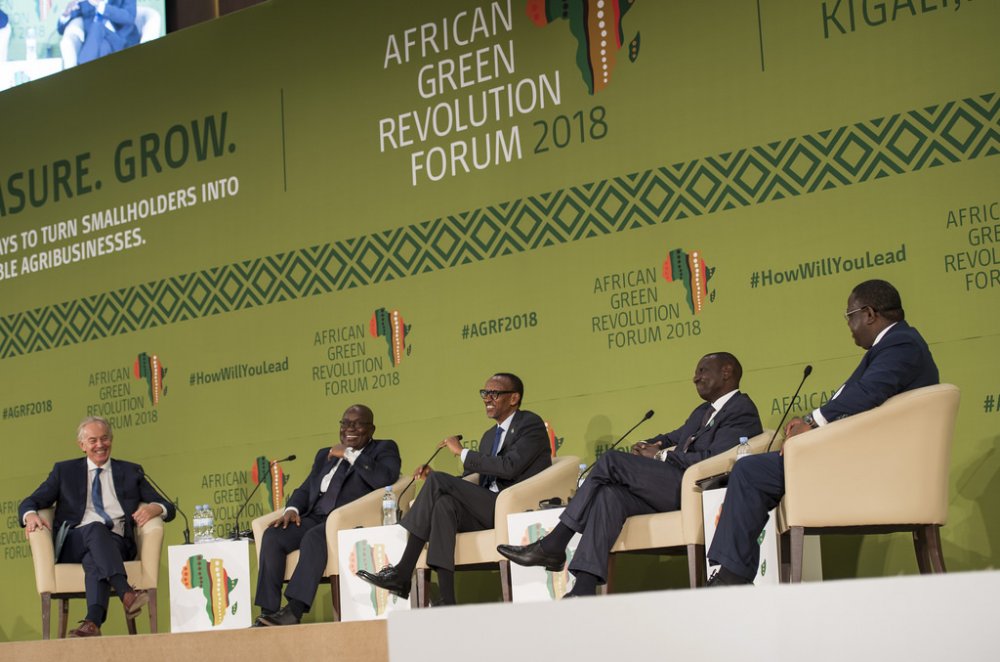
Kagame made the remarks Saturday in Kigali at the 8th African Green Revolution Forum (AGRF) 2018.
“We transport our coffee and tea to Europe. You give it some blessing, then send it back to us and we pay ten times more,” he says, seemingly pointing at the former British Prime Minister Tony Blair in attendance.
“We have been shipping value for free and we pay heavily. It just doesn’t make sense and we all know it. How can we blame anybody else for some of these shortcomings, how can we blame anybody else for Rwanda importing coffee from Europe when we produce coffee but we don’t process it?”
In attendance was also Ghanaian President Addo Dankwa Akufo-Addo, Kenyan Vice President William Ruto and Gabonese Prime Minister Emmanuel Issoze-Ngondet, among other dignitaries.
One example cited is that chocolate sales stood at $100 billion in 2016 but major African cocoa producers, Ghana and Côte d’Ivoire, together recorded 5% of the earnings yet they exported 65% of all the cocoa used to produce chocolate worldwide.
Kagame said that the knowledge, experience and goodwill in evidence at AGRF show that Africa has everything it needs to succeed.
“It is up to us working together to drive the necessary change in our respective communities and organisations… Between Kenya, Ghana, Gabon, our minds on this panel are very well aligned. The main task for us is to make sure that what we are aligned on, is actually put into practice.”
Remarking that the majority of Africans still earn their livelihood directly or indirectly from the land, Kagame said that agriculture deserves the concentrated attention of Africa’s policy-makers, scientists and entrepreneurs.
William Ruto said that African countries must come together and ensure they stop exporting unprocessed goods.
He said Africa should only import tractors and other equipments but export the processed agricultural produces.
President Akufo-Addo said Africa has to address its problems without expecting anyone from outside to do it.
The officials observed that trade among African countries is harder that importing food items from Europe.
They reiterated the importance of the recently signed Continental Free Trade Area (AfCFTA) in addressing the challenges.
AfCFTA was signed by 44 countries in Kigali in March 2018 at the 10th Extra-Ordinary African Union Summit of Heads of State and Governments.
The number of signatories has so far reached 50 countries in the process to set the trade area operational.
AfCFTA is expected to create a common African market for over 1.2 billion African population and improve trade among the continent’s countries.
African countries trade among themselves at the rate of 16% while the rate stands at 60% between Africa and Europe.