The 1994 Genocide against Tutsi took lives of over 1 million Tutsi in 100 days and left both physical and psychological wounds to survivors over passing through bitter life being hunt day and night.
“Rwandan Daughters” Pictures and interviews in the book were taken by two German journalists Antje Stahl and Andrea Jeska.
Many women were raped by Interahamwe and defeated militia during the 100 days of genocide.
Figures from AVEGA-Agahozo, the umbrella of widows of the 1994 Genocide against Tutsi indicates that it has 20,000 members of whom 1599 were contaminated with HIV/AIDS after rape and have 1122 children born of rape.
Part of witnesses from the book indicates that widowers used to hate own children in the very first days as it a reflection of hard times passed through but became strong overtime.
“If I hate my daughter; I would not be different from killers who wanted to kill us and destroy our country because of their hatred,” said one of the witnesses.
One of the children born of rape said he was hurt when the teacher his father’s names yet ‘I never knew him’.
‘I am the only one who survived in my family. I never married again. I live with my child and life goes on,” said another rape victim.
Heine said taking the pictures was difficult and would raise emotions as he heard tragedies these victims passed through. “I often met women bursting into tears but everyone tried to calm down emotions during that situation. I didn’t want to guide the way pictures had to be taken. I was careful of the behavior of the child and mother in front of the camera,” he said.
“Rwandan Daughters” Heine will be published by German book publisher, Hatje Cantz Verlag based in Stuttgart and Berlin cities.
Pictures featured in “Rwandan Daughters” shows mothers with their children at places where they were raped.
The project of taking the pictures was taken between 2016-2018 and funded by charitable organizations including Ora Kinderhilfe and Solace Ministries which takes care of genocide widows.
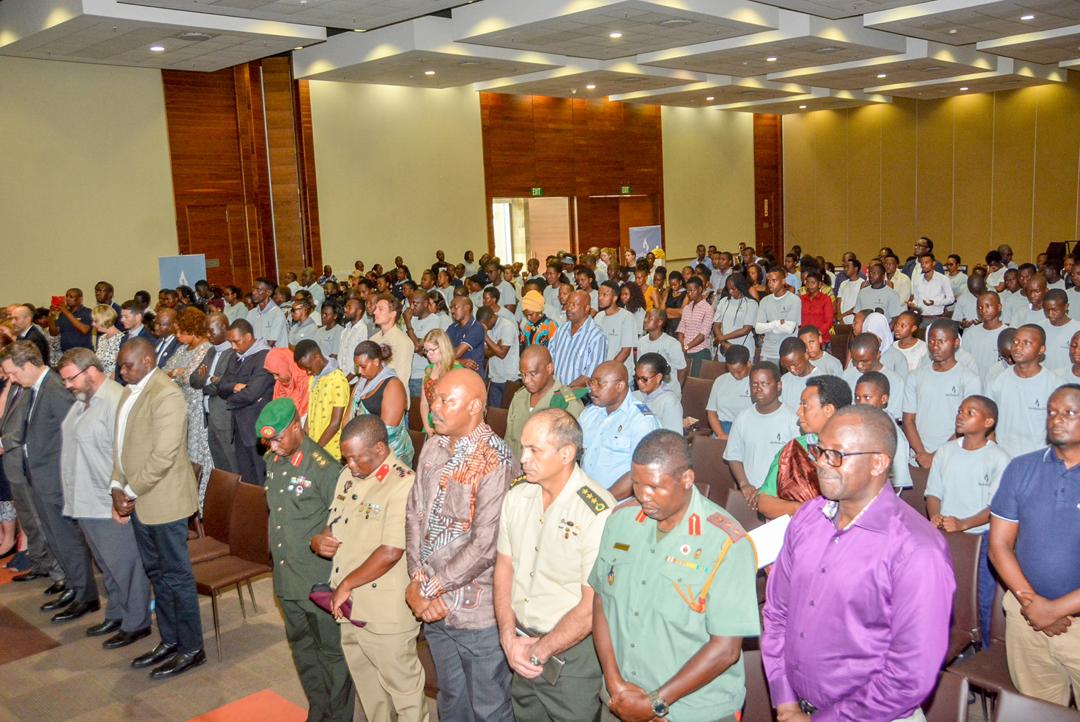
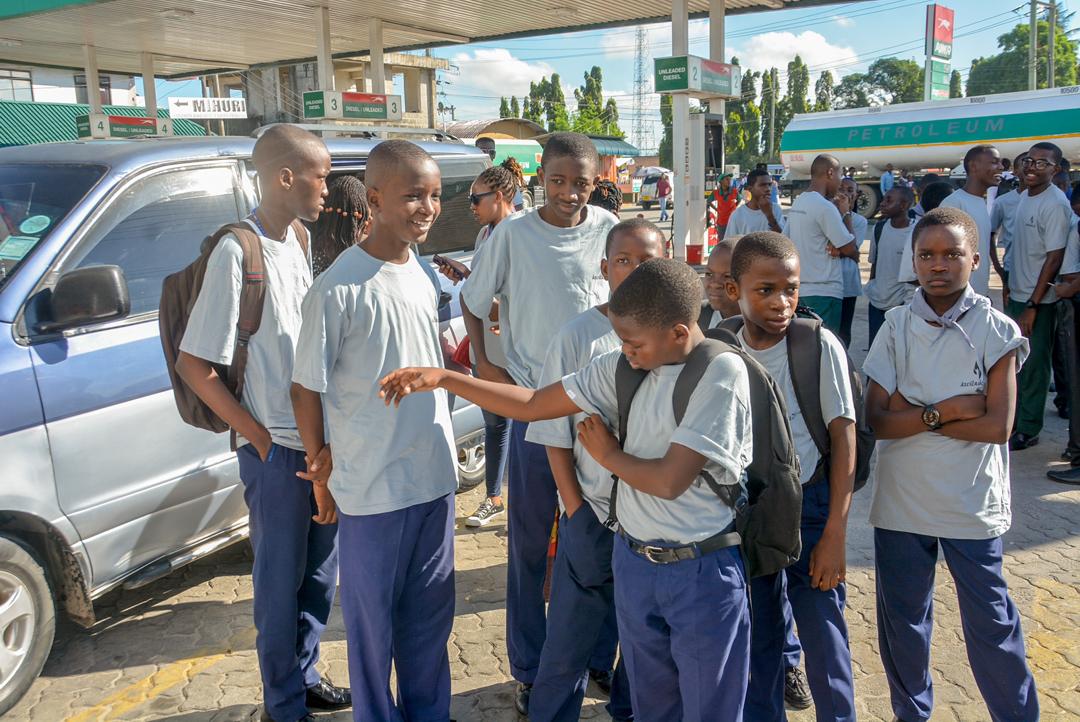
The commemoration event held yesterday was organized by Rwanda’s embassy in Tanzania in partnership with the United Nations.
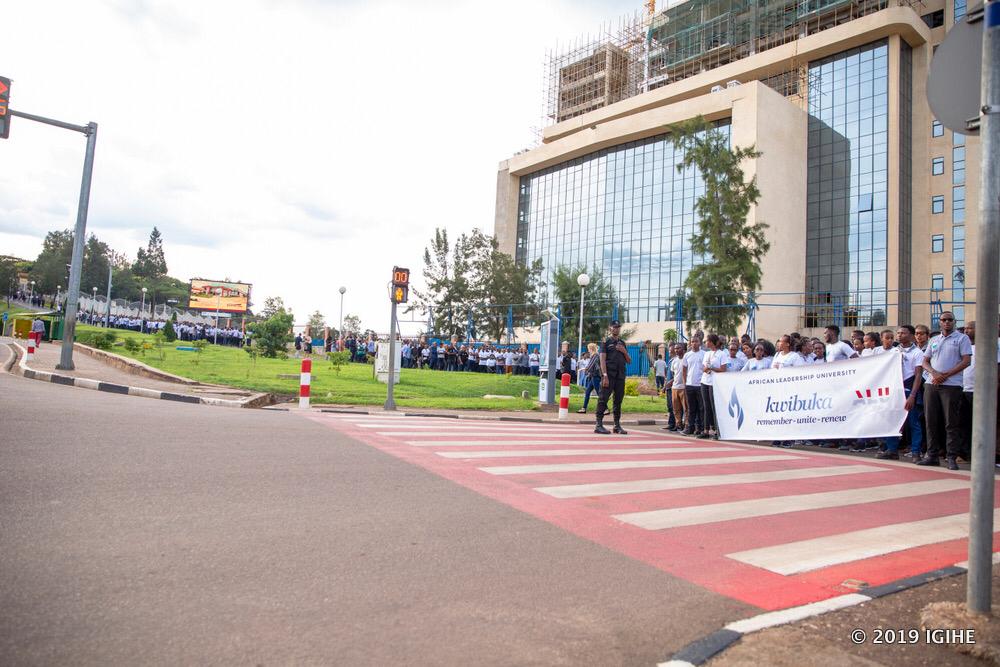
It was characterized by a walk to remember of 1.7 km that started form Mwanza heading for Mwenge where commemoration talks took place.
It was attended by people from different walks including Tanzania’s Ministry of Information, Culture, Arts and Sports who was the guest of honor, envoys representing their countries to Tanzania, dignitaries, Rwandans and their friends form different regions of Tanzania.
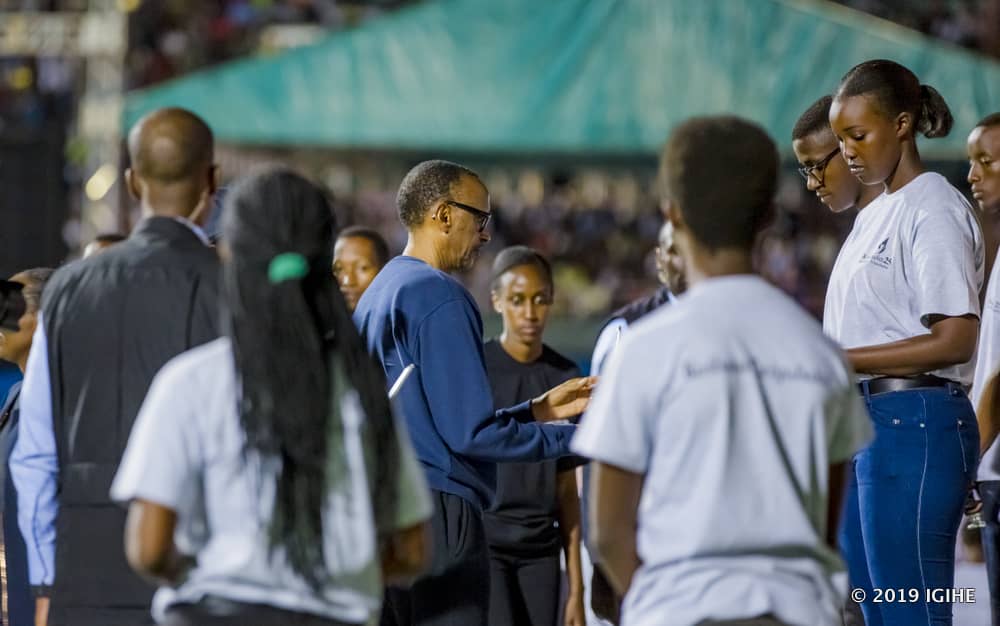
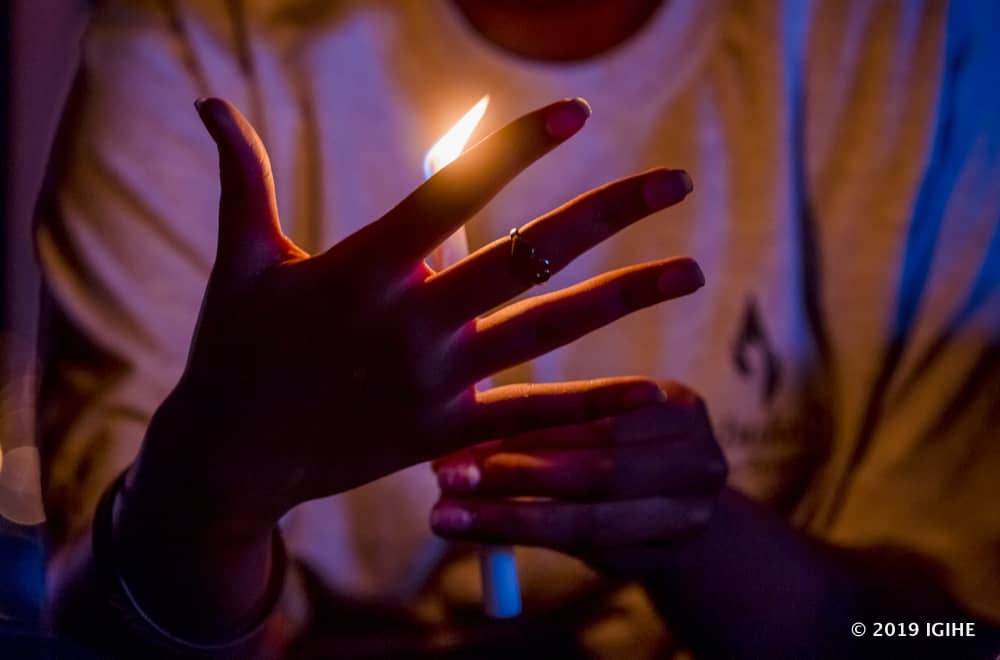
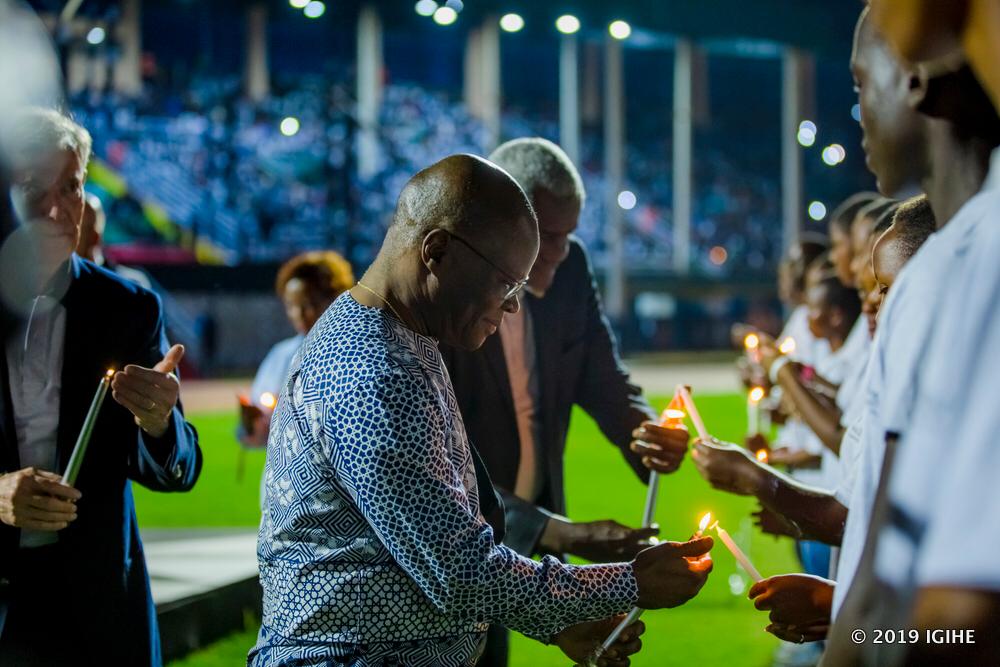
Rwanda’s and Tanzania national hymns were sung at the beginning of the ceremony, followed by the speech of Rwanda’s envoy to Tanzania, prayers, lighting the flame of hope, and observing a moment of silence in honor of genocide victims.
Two documentaries with witnesses of genocide survivors were watched and gave the floor to poems, songs with remembrance message.
The head of diplomatic corps and ambassador of Comores to Tanzania, and Dr. Ahamada Elbadaoui Mohamed Fakihi expressed solidarity with Rwandans on behalf of his fellows and called for concerted efforts to fight and prevent reoccurrence of genocide across the world.
Rwanda’s ambassador to Tanzania, Eugene Kayihura lauded participants of the event especially the representative of the United Nations in Tanzania for advancing milestone and efforts valuing remembrance activities and joining Rwandans for to join Rwandans for the commemoration of the 1994 Genocide against Tutsi.
He also commended Tanzania for participating in commemoration events in Rwanda represented by Tanzania’s Prime Minister Kasimu Majaliwa and former president Benjamin Mkapa
Tanzania’s Ministry of Information, Culture, Arts and Sport, Dr. Harrison Mwakyembe said the event is an opportunity to think about how to shape a better future free of heinous crimes.
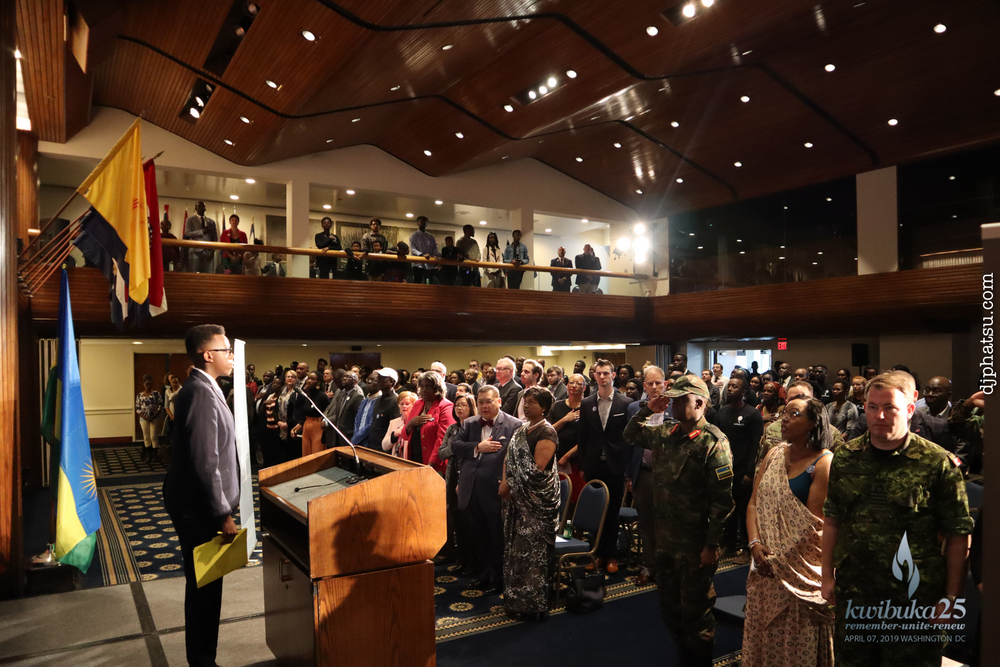
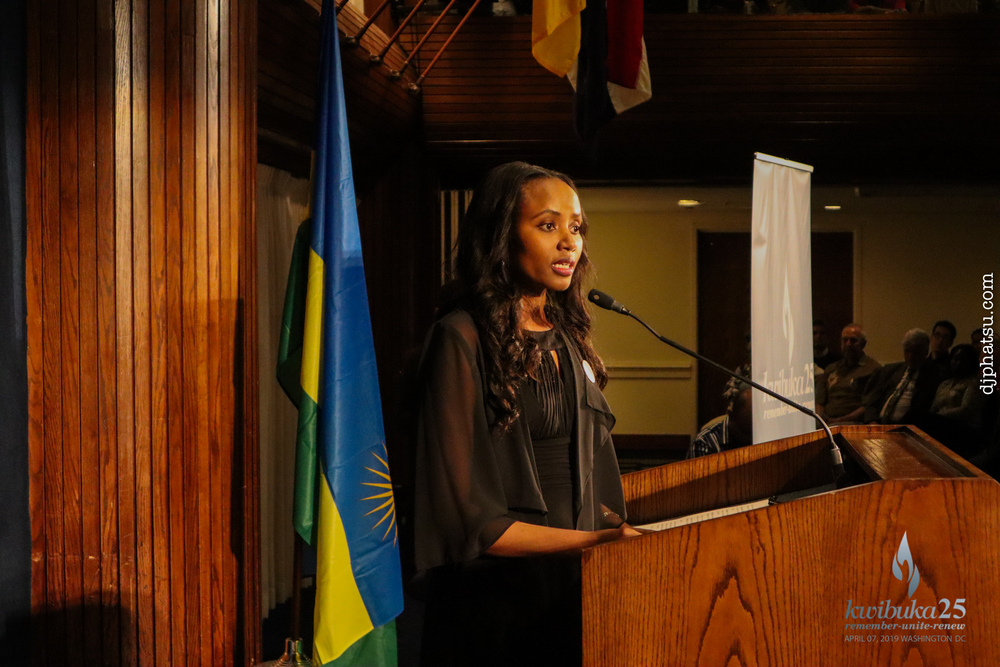
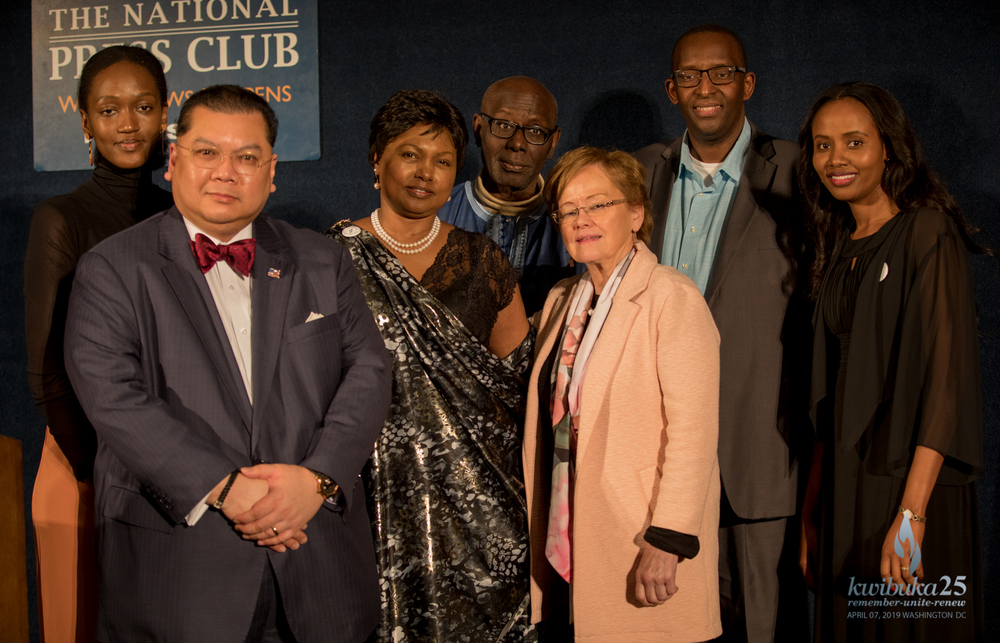
This event was hosted by the Embassy of Rwanda in Washington D.C. and was widely attended by members of the Diplomatic Corps, various Defense Attachés, representatives of Think Tanks in the Greater Washington area, friends of Rwanda, and the Rwandan community members.
The wide array of topics covered by speakers of the day were “Upholding the Memory of Genocide” by Ms. Zilfa Irakoze, Rwandan Youth Representative; “Origin of the Genocide Against the Tutsi, Confronting Revisionism” by Dr. Jean Pierre Karegeye, a Visiting International Scholar, Dickinson College; “Personal Experience During the 1994 Genocide Against the Tutsi” by Ms. Linda Thomas-Greenfield, Senior Counselor, Albright Stonebridge Group; “25 Years of Reconstruction, Progress and Future Prospects” by Dr. Margee Ensign, President, Dickinson College and “The Role of Writers In Responding To The Genocide Against the Tutsi” by Dr. Boubacar Boris Diop, Award-Winning Journalist & Novelist.
This year’s commemoration focuses on the call to the new generation to uphold the legacy of strength, resilience, and unity of all Rwandans.
During the ceremony, Professor Mathilde Mukantabana, Ambassador of the Republic of Rwanda to the United States, passed on the remembrance flame, a symbol of remembrance, resilience, and courage, to young Rwandans who were present at the event.
“The people of the United States of America join their Rwandan friends—and, indeed, all men and women of good will—in recalling the tragic events that unfolded over the course of the one hundred days that followed. We remember the hundreds of thousands of Rwandans who lost their lives, the men, women, and children systematically slaughtered—in many cases by their own neighbors—because of a genocidal regime’s organized and intentional campaign of violence against the Tutsi population,” said Ambassador Mukantabana
Various speakers expressed their regard for what Rwanda has accomplished in the last 25 years post-genocide.
U.S. Special Envoy for the Great Lakes Region of Africa, Dr. J. Peter Pham who delivered official remarks from the Department of State, pointed out several markers of unprecedented developments in Education, health, security, and women empowerment.
“The people of the United States of America join their Rwandan friends—and, indeed, all men and women of good will—in recalling the tragic events that unfolded over the course of the one hundred days that followed. We remember the hundreds of thousands of Rwandans who lost their lives, the men, women, and children systematically slaughtered—in many cases by their own neighbors—because of a genocidal regime’s organized and intentional campaign of violence against the Tutsi population,” said Dr. Peter Pham
Dr. J. Peter Pham further stressed that the Rwandan people and government, under President Paul Kagame’s leadership is serving as an example to many African nations, and beyond, of what accountability and dedication to excellence can lead to. “The indomitable will of the Rwandan people proved the world wrong, “said Dr. Pham as he recalled the projections many made on the country 25 years ago.
Dr. Margee Ensign, a long-time friend of Rwanda who has closely followed the development of Rwanda, shared her insight on how the country was empowered.
“Rwanda is a country with vision, with honest and capable leaders, focused on the future, developing new models of development, dealing with its history, caring for survivors, and empowering hope,” said Dr. Ensign.
Ms. Zilfa Irakoze, a young Rwandan currently pursuing her studies in the U.S. delivered remarks offering the perspective of young people in upholding the memory of Genocide and Fighting Genocide Denial.
“We are the present and the future of Rwanda; it is required of us to understand our history because it is for us to make sure we uphold the memory of the 1994 genocide against the Tutsi, today and in the future, everywhere we are so that Never Again may be a reality. We have the responsibility to fight denial and revisionism. This story is ours to tell,” said Ms. Irakoze as she cautioned the youth.
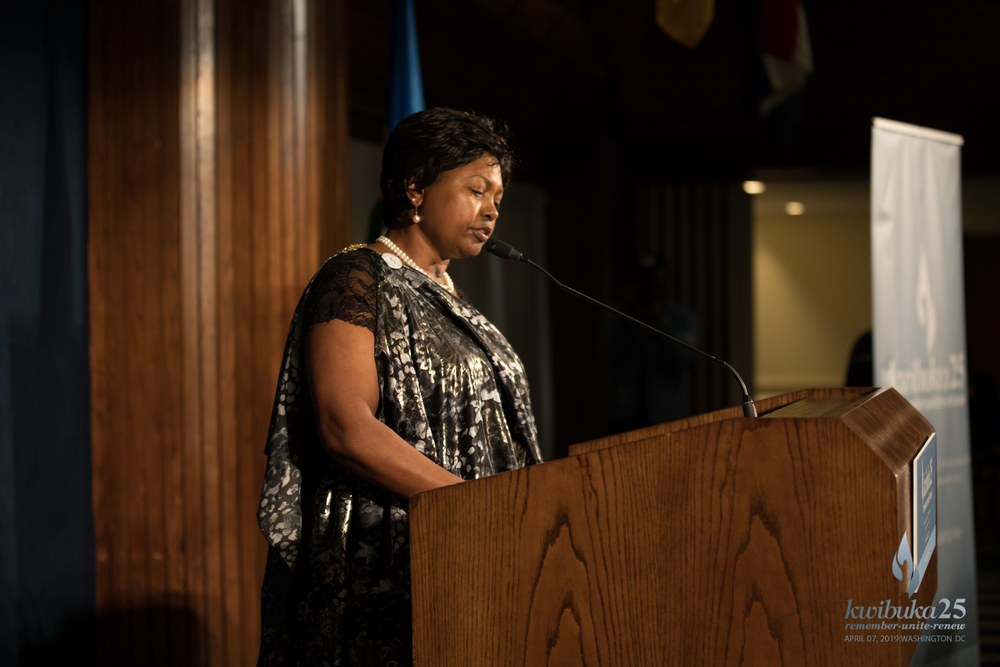
Ms. Jeanne Celestine Lakin, a survivor of the 1994 genocide gave her first account story of what she experienced during the genocide at the age of nine, delivering a riveting, heartbreaking, yet inspiring account of her story of survival and how she continues to lead a life that seeks to tell the truth about what happened during the 1994 genocide against the Tutsi. As she concluded her testimony she left those present with the following: “My parents and siblings were killed, I was raped, I was homeless, I was broken, and suffering from PTSD. In the wake of the genocide, I had a choice to make. I chose love, compassion, and giving. I chose forgiveness too because it was also about letting go of a weight that was not mine to carry. Forgiveness is as much for the perpetrator as it is for the victim.”
Ms. Lakin’s testimony was followed by a Minute of Silence to honor the lives of the victims, and a candle-lighting ceremony to symbolize hope for the future and the eternal memory of those who passed.
In her keynote address, Ambassador Mathilde Mukantabana, Ambassador of the Republic of Rwanda to the U.S. thanked those who attended for standing with Rwanda on this solemn occasion and stressed the importance of remembrance. “We remember, not to dwell on the past, but to inform the future. By remembering with clear-eyed honesty what happened in the lead-up to, and during the genocide, we lay the groundwork for a sustainable recovery. This is the foundational role of memory in our national history,” said Ambassador Mukantabana.
The event was brought to a closing with a sendoff blessing and participants proceeded to a Night Vigil that was organized at the Chancery.
At a juncture like this, world media descends on Rwanda to cover the bad, the ugly and the unacceptable that befell humanity as the world looked the other side. A few journalists, however, deliberately take time to visit communities and mingle with individuals, people who survived the wrath of genocide and document how they have picked pieces, held together and moved on, living with others confirmed to have visited that vindictive anger on them and their families.
In my deliberation today, I only wish to reflect on how institutions in Rwanda, just like individuals, are getting their act together in the midst of a plethora of challenges.
Bad as our history has been, culminating into the 1994 pogrom, Rwandans have refused to be hostages of that dark history. Under the visionary leadership of president Paul Kagame, we have instead mobilized our inner strengths, rediscovered our energy towards building the foundations that had been so much shaken by the hate-governments and we are, eventually, building the walls that bind us as a people, focusing more on what benefits and unites us than what divides us.
It begins with restoring our dignity. The Rwanda despotic regimes of yester-years, prior to1994, were bent on keeping a section of Rwandan people ostracized. Kagame’s leadership has reversed all that and, instead, has succeeded in taking good where it had never stepped before, talking to all people with one mellifluous educated voice of looking to the future with steadfast focus, empowering and actually giving them (all) the torch to light in the darkest of corners so that they do not stumble, nay, fall again.
Kagame has been leading from the front, telling and showing the followers, Rwandans, how possible it is – to live, to school, to work, to play and to develop together.
The Rwanda government is now using poverty alleviation as a creative path towards the destruction of genocide ideology and hopelessness. The Girinka, for example, where one gives a calf to a neighbor (even when one is a former enemy) with contagious passion is something that ignites love. It is, of course, a direct agent against poverty, but an indelible and underlying symbol of reconciliation.
Some of the practices that Rwanda has come to be ubiquitously known for, including zero tolerance to corruption, are deliberately crafted and followed to the dot, to demonstrate to the world that even when, prior to 1994, individual leaders’ inner parts of the hearts were corroded by corruption and hatred, we in this generation, are building an incorruptible breed of servants, servants that are standing tall, serving our country with dignity, commitment and love.
On the surface, one may think that the Rwandan Government intolerance to corruption stops at that per se. No, it is more than that. A mind built to be incorruptible, resisting to be tempted by a few dollars to deviate from the norm for personal gains; such a mind can hardly be tempted to betray the cause, the nation, and humanity. These are the foundations of patriotism that we, in this generation, wish to consume and nurture.
These have been spread, and should be deepened, in other areas as; universal medical insurance, through which the government is telling every Rwandan, that you can be treated socially and medically with all the dignity that you deserve; universal access to good farming practices, physical and soft infrastructures and a host of other .
For individuals, near and far, that have been trying to tell Rwanda’s story with bigotry mendacity, we do not wish them luck, that’s why we’re committed to continuing hardworking, telling our story, as it is; for we are experiencing it, and we can tell it all.
Your slipshod perception of Rwandan issues is neither disappointing nor discouraging us; instead, it is giving us reason and energy to commit to changing things for the better of every Rwandan and prove you and your ilk wrong. We have overcome imbecility, there is no way we can fail to triumph and flourish in the midst of tranquility.
The government of Rwanda has got its priorities. Today, the killers live in the same villages as the survivors, they go to the same churches, fetch water from the same springs, attend the same village meetings. Reconciliation has been a strong RPF tenet. And, mind you, here is a very sensitive issue. Bringing the killers and survivors (orphan s, widows, widowers) back together is not something you easily attain in 25 years. The delicate balance between justice and healing, remembering and ‘moving on’ is supposed to give effective reconciliation.
To you, the friends by our side on this heavy day, including the different leaders present, we say thank you. Many of you have been with us all along, and we cherish you for contributing to the healing and re-building of Rwanda.
I also thank my fellow Rwandans, who joined hands to recreate this country. In 1994, there was no hope, only darkness. Today, light radiates from this place.
How did it happen?
Rwanda became a family, once again. The arms of our people, intertwined, constitute the pillars of our nation. We hold each other up. Our bodies and minds bear amputations and scars, but none of us is alone. Together, we have woven the tattered threads of our unity into a new tapestry.
Sisters became mothers. Neighbours became uncles. Strangers became friends. Our culture naturally creates new bonds of solidarity, which both console and renew.
Rwanda is a family. That is why we still exist, despite all we have gone through.
There is no way to fully comprehend the loneliness and anger of survivors. And yet, over and over again, we have asked them to make the sacrifices necessary to give our nation new life. Emotions had to be put in a box.
Someone once asked me why we keep burdening survivors with the responsibility for our healing. It was a painful question, but I realised the answer was obvious. Survivors are the only ones with something left to give: their forgiveness.
Our people have carried an immense weight with little or no complaint. This has made us better and more united than ever before.
At a memorial event some years ago, a girl brought us to tears with a poem. She said, “There is a saying that God spends the day elsewhere, but returns to sleep in Rwanda.”
“Where was God on those dark nights of genocide?”, she asked.
Looking at Rwanda today, it is clear that God has come back home to stay.
To survivors, I say thank you. Your resilience and bravery represent the triumph of the Rwandan character in its purest form.
Joining us today are families from other countries, whose husbands, fathers, sisters, and aunts were claimed by the same deadly ideology.
The Belgian peacekeepers, murdered twenty-five years ago this morning.
Captain Mbaye Diagne from Senegal, who saved so many lives.
Tonia Locatelli, killed in 1992 for telling the truth of what was to come.
The only comfort we can offer is the commonality of sorrow, and the respect owed to those who had the courage to do the right thing.
Other people around the world also stood up and made a difference.
Ambassador Karel Kovanda from the Czech Republic joined colleagues from New Zealand and Nigeria to call for action to stop the Genocide, despite the indifference of more powerful states.
And my brother, Prime Minister Abiy Ahmed, knows where Rwanda is coming from, having served in an Ethiopian peacekeeping contingent after the Genocide, together with troops from elsewhere in Africa and beyond.
Thank you all for your presence.
Those among us who perpetrated the Genocide, or stood by passively, are also part of our nation. The willingness, in a number of cases, to tell the truth, pay the price, and re-join the community, is an important contribution.
The witness of perpetrators is irrefutable proof, if any was still needed, that genocide happened.
Genocide hibernates as denial.
Both before the killing and after, there is a long chain of events which are interconnected. Revisionism is not merely demeaning, but profoundly dangerous.
The genocide did not begin on one specific day. It has a history.
Why were refugees Rwanda’s biggest export, for decades? Why were the same people repeatedly targeted for persecution and massacre, from the late 1950s to the 1990s? Why were bodies dumped into rivers, to send them back up the Nile, where they supposedly came from? Why did some parents even kill their own children, who looked a certain way?
None of that started with a plane crash. So where did it come from?
Through it all, we had guardians of virtue, Abarinzi b’Igihango, and other righteous citizens. Our rebirth was seeded by their actions.
The young girl, portrayed in the play we just saw, who took it upon herself to care for a baby survivor despite the objections of her family. That is a true story and today both women are home and fine.
The Nyange students who refused to be separated into Hutu on one side, Tutsi on the other. They never betrayed each other. Six were killed. Forty were wounded. All are heroes.
These are examples of the Rwandans who kept us from losing everything.
But most of us are neither survivors nor perpetrators. Three-quarters of Rwandans are under age thirty. Almost 60 per cent were born after the Genocide.
Our children enjoy the innocence of peace. They know trauma and violence only from stories. Our aspirations rest in this new generation.
Mature trees can no longer be moulded, but seeds contain endless possibility. Rwanda’s young people have everything needed to transform our country. They have the responsibility to take charge more and more, and participate fully in securing the Rwanda we want and deserve.
We are far better Rwandans than we were. But we can be even better still.
We are the last people in the world who should succumb to complacency. The suffering we have endured should be enough to keep our fighting spirit alive.
Our country cannot afford to live by twists of fate. We must be deliberate and decisive, guided by humility and the content of our hearts. Rwanda has to stay one step ahead. Otherwise, we are insignificant.
The facts are stubborn, but so are we. We really have to be.
Our nation has turned a corner. Fear and anger have been replaced by the energy and purpose that drives us forward, young and old.
Rwanda is a very good friend to its friends. We seek peace, we turn the page. But no adversary should underestimate what a formidable force Rwandans have become, as a result of our circumstances.
Nothing has the power to turn Rwandans against each other, ever again. This history will not repeat. That is our firm commitment.
Nothing is required from those who wronged us, except an open mind. Every day we learn to forgive. But we do not want to forget. After all, before asking others to repent, we first have to forgive ourselves.
As for the dishonourable who remain impervious to regret, it is not our problem. It does not stop Rwanda from making progress, even for one moment.
The decimation of Rwanda was more absolute than any known weapon of mass destruction. Not only bodies were destroyed, but the very idea of Rwanda itself. That shows the ferocious power of human sentiments and designs.
Our prayer is for no other people to ever endure the same tribulations, especially our brothers and sisters in Africa.
Never accept it. Confront the apostles of division and hatred who masquerade as saviours and democrats. Our commonalities are always infinitely greater than our differences. No society is above any other, much less immune to fragility.
In the end, the only conclusion to draw from Rwanda’s story is profound hope for our world. No community is beyond repair, and the dignity of a people is never fully extinguished.
Twenty-five years later, here we are. All of us. Wounded and heartbroken, yes. But unvanquished.
We Rwandans have granted ourselves a new beginning. We exist in a state of permanent commemoration, every day, in all that we do, in order to remain faithful to that choice.
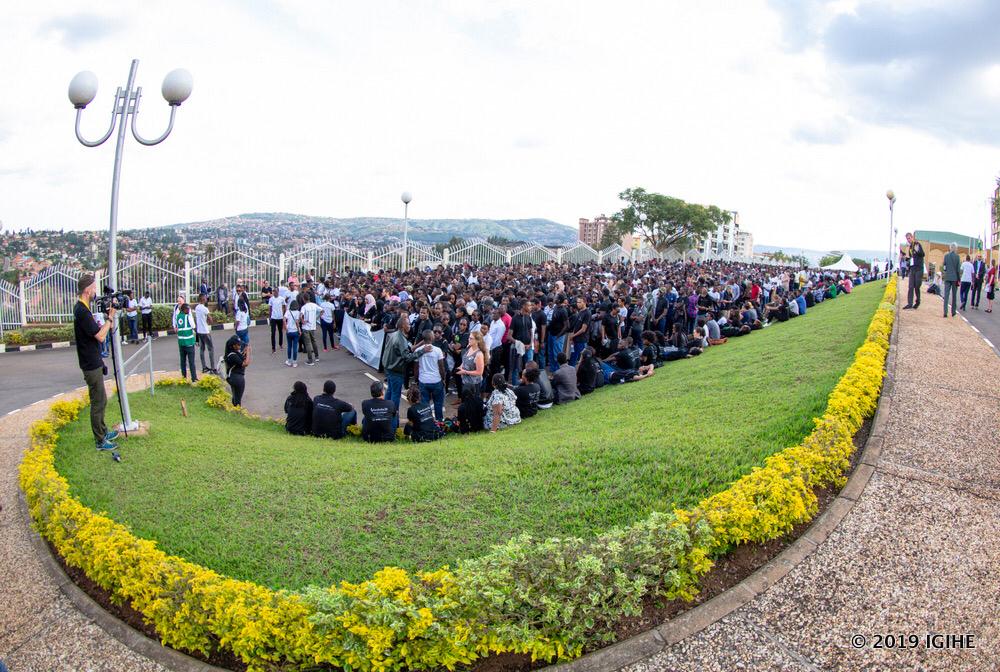
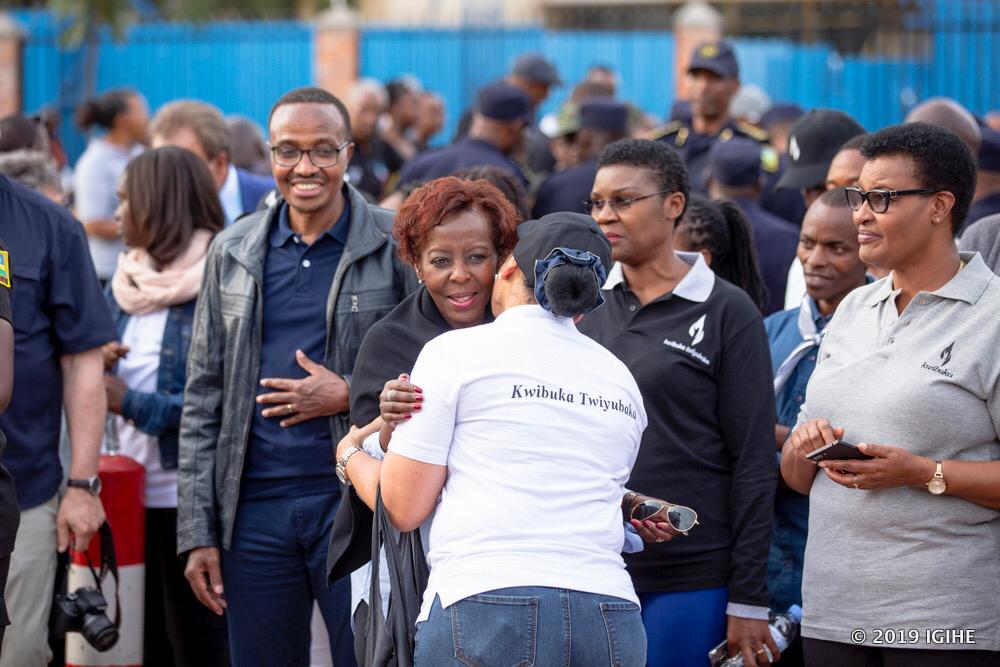
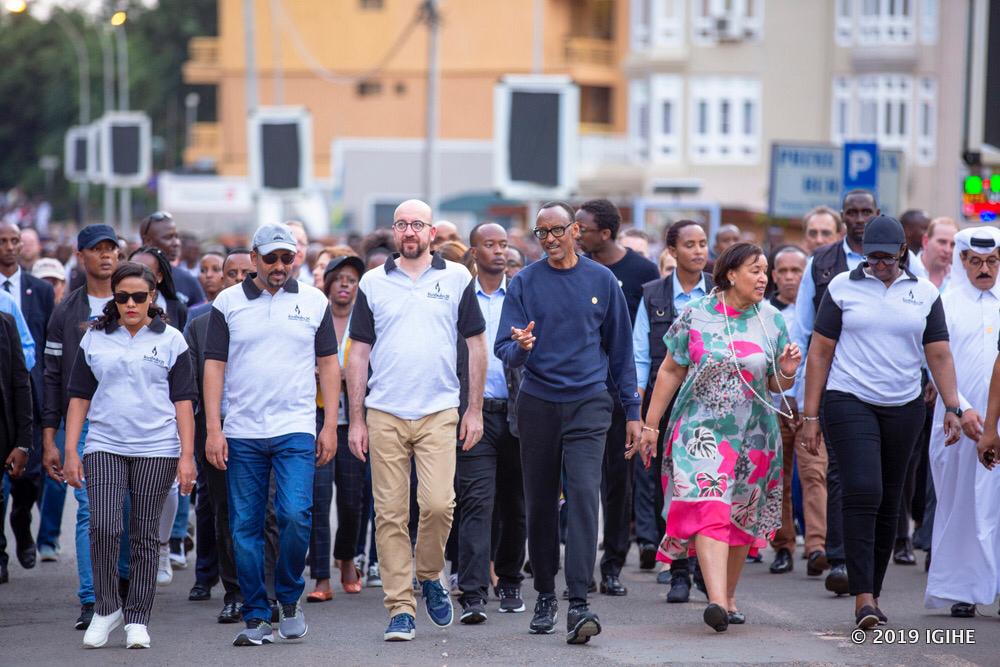
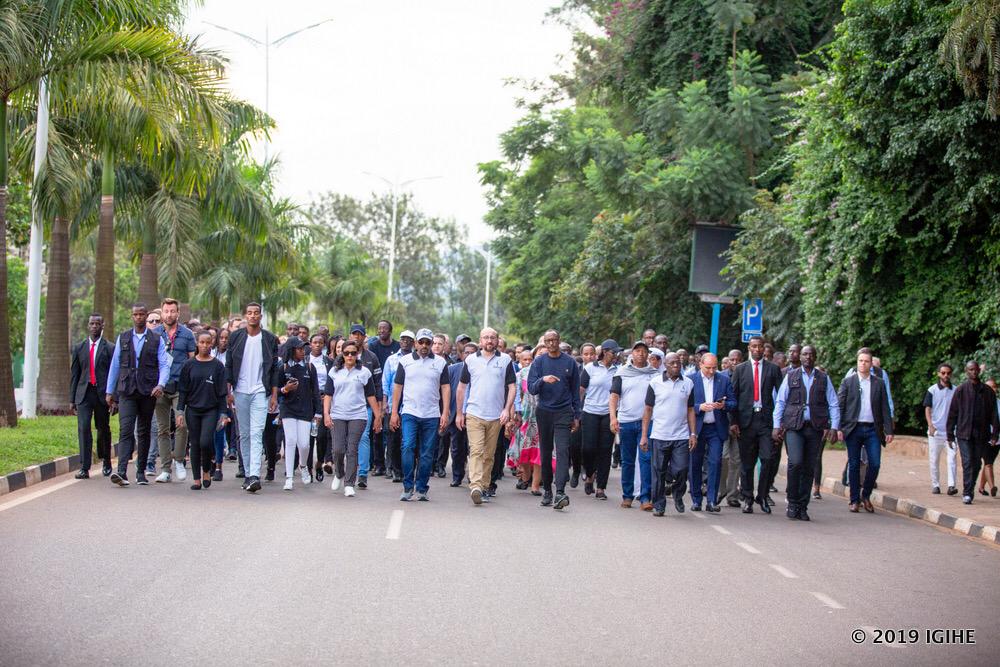
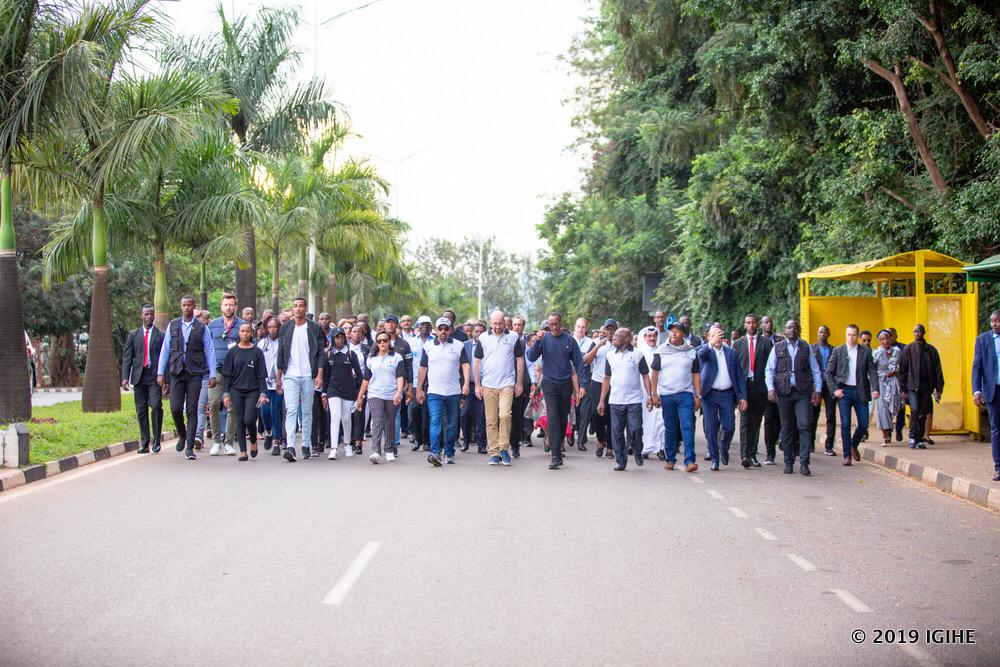
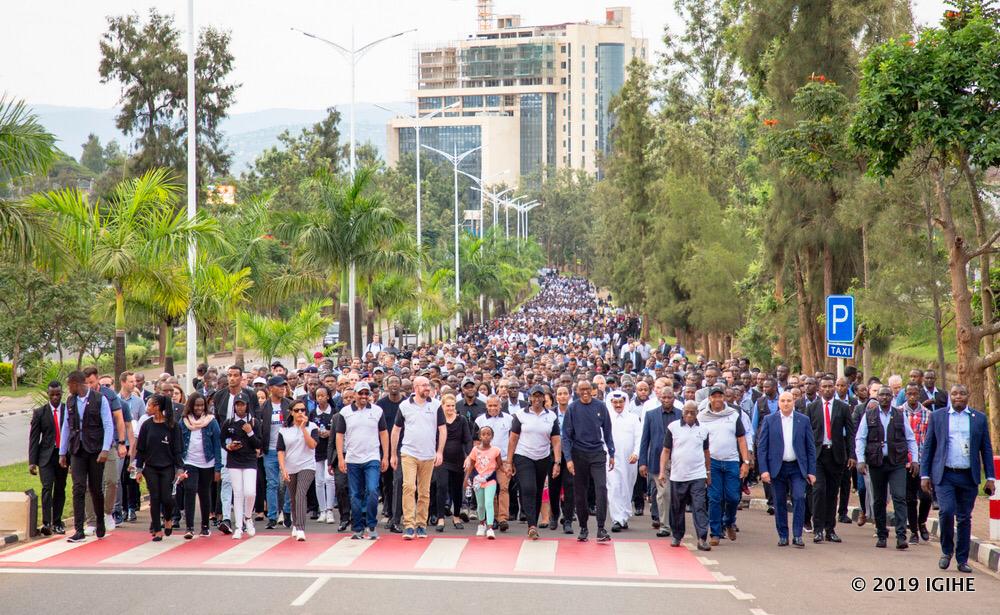
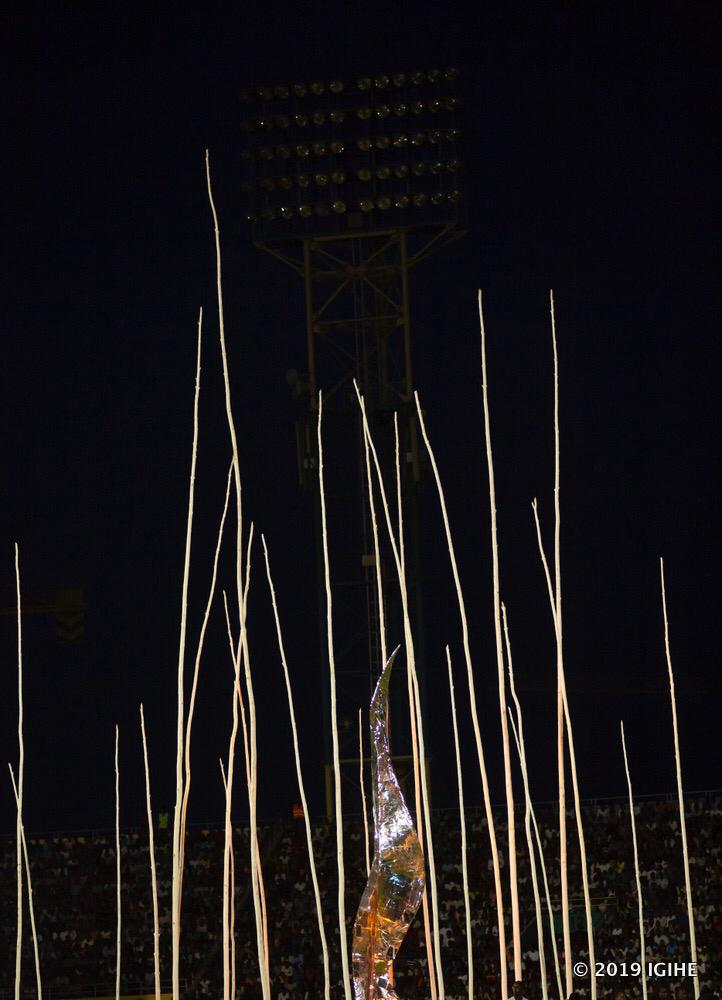
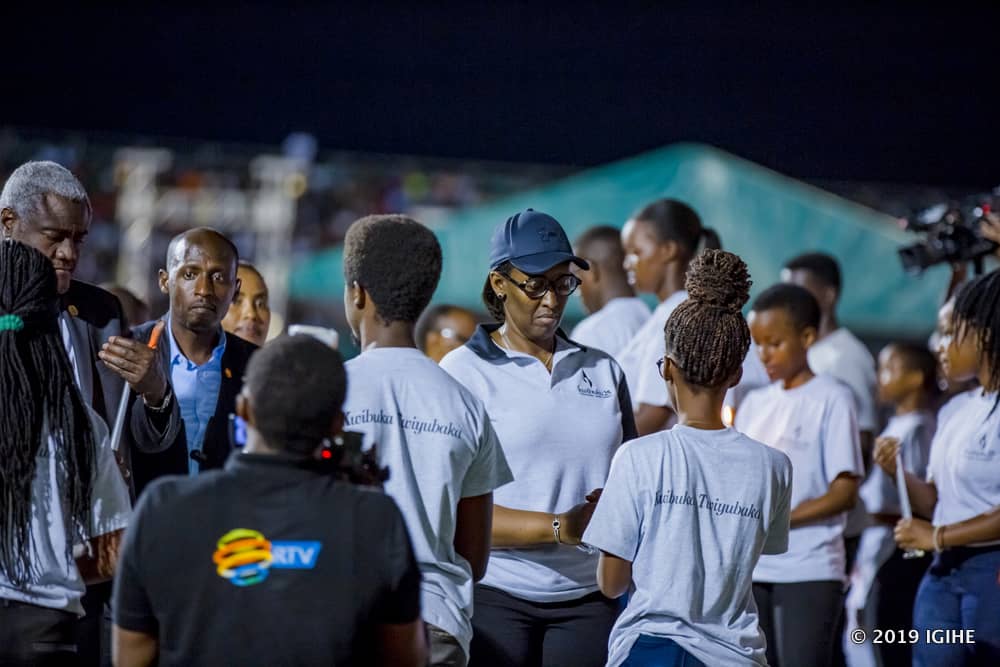
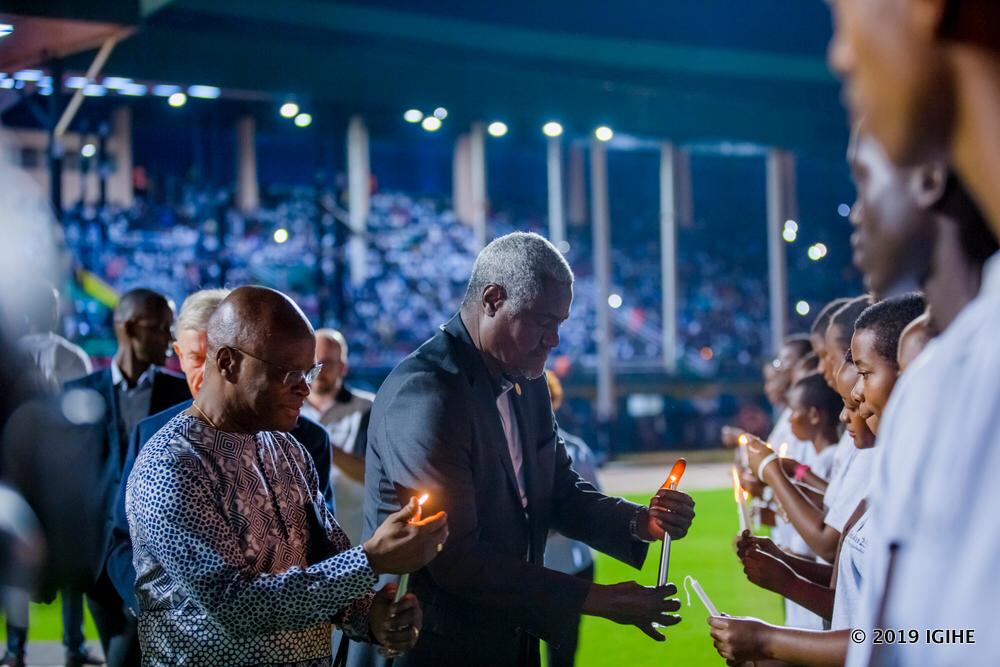
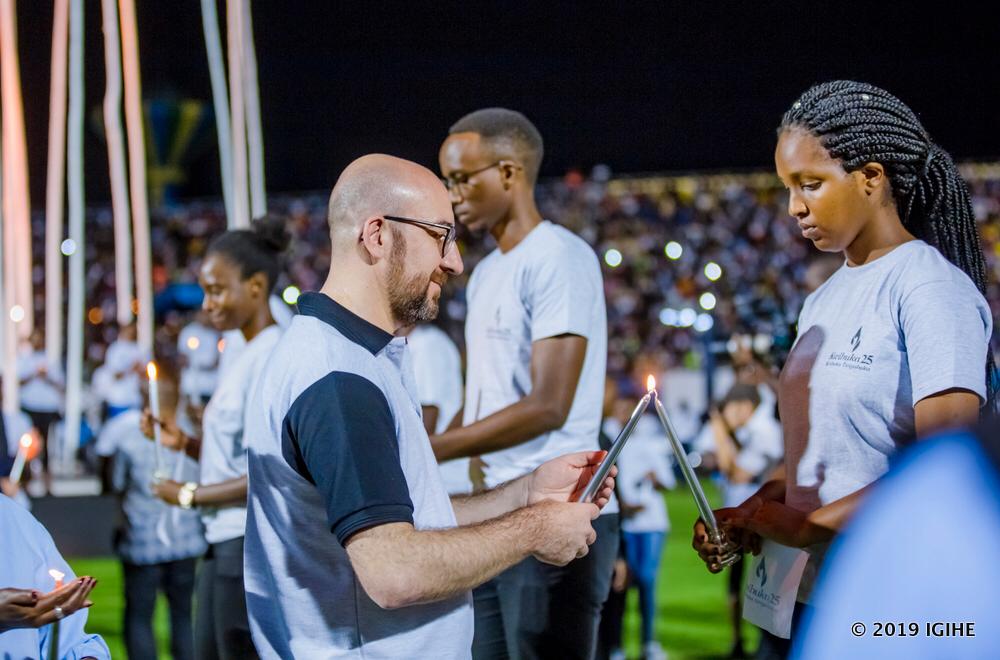
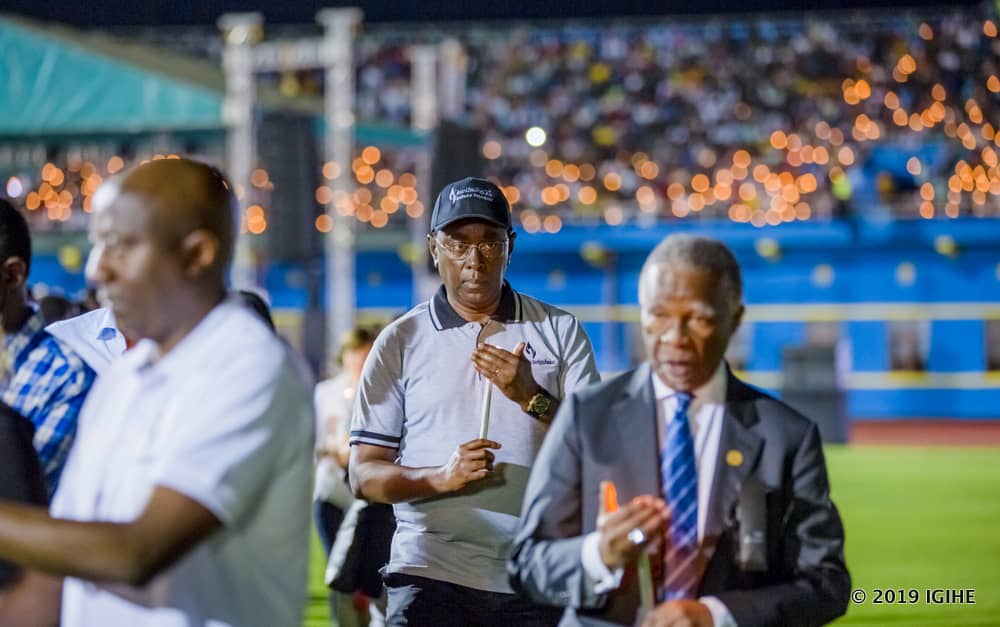
Present during the walk to remember was Belgium Prime Minister Charles Michel; Ethiopian Prime Minister, Dr. Abiy Ahmed; African Union Chairperson, Moussa Faki Mahamat; and the Secretary-General of La Francophonie Louise Mushikiwabo.
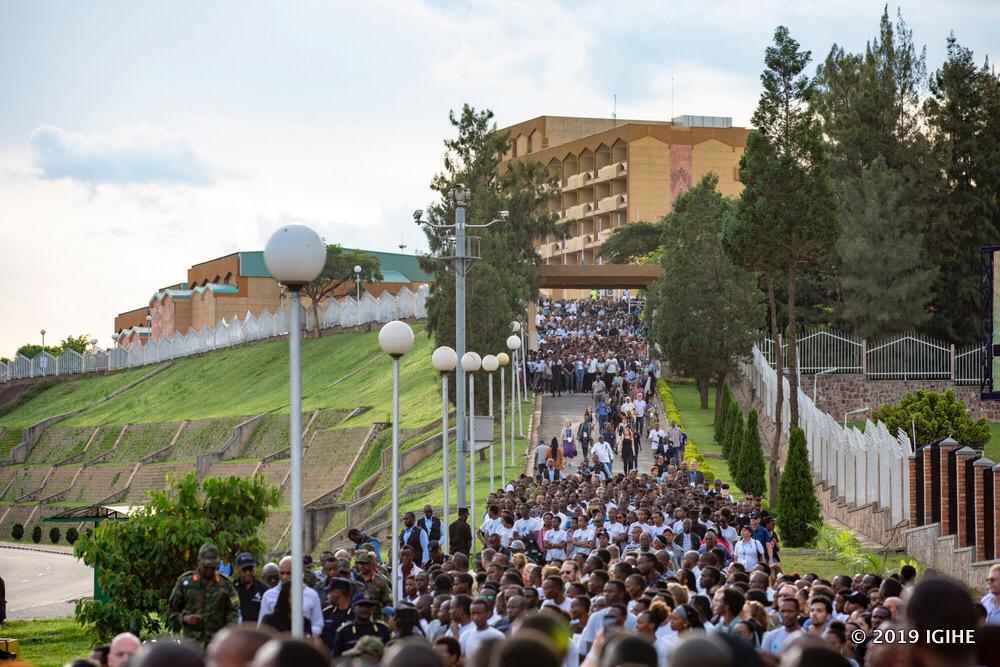
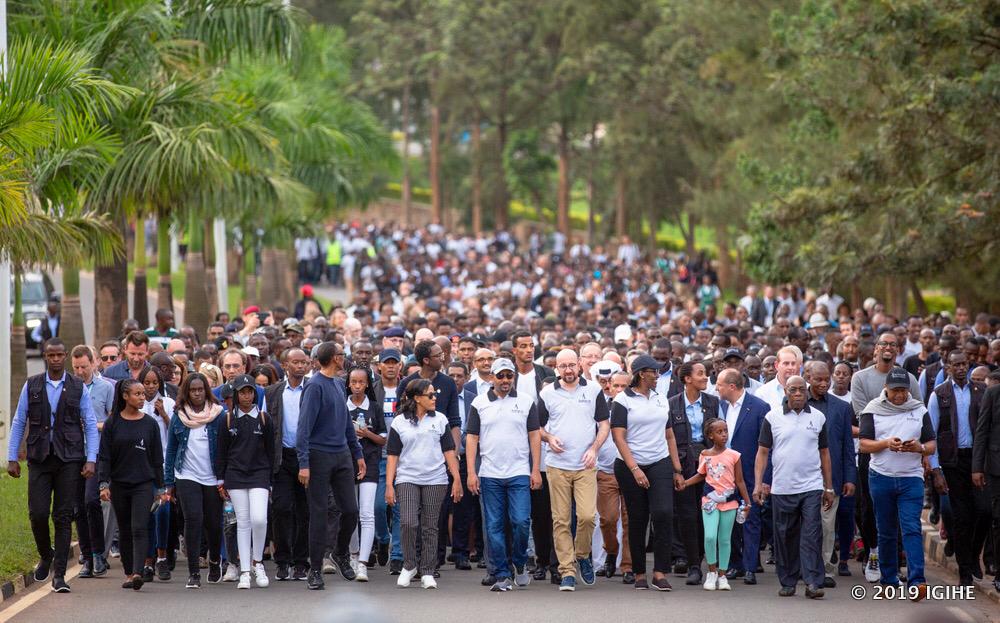
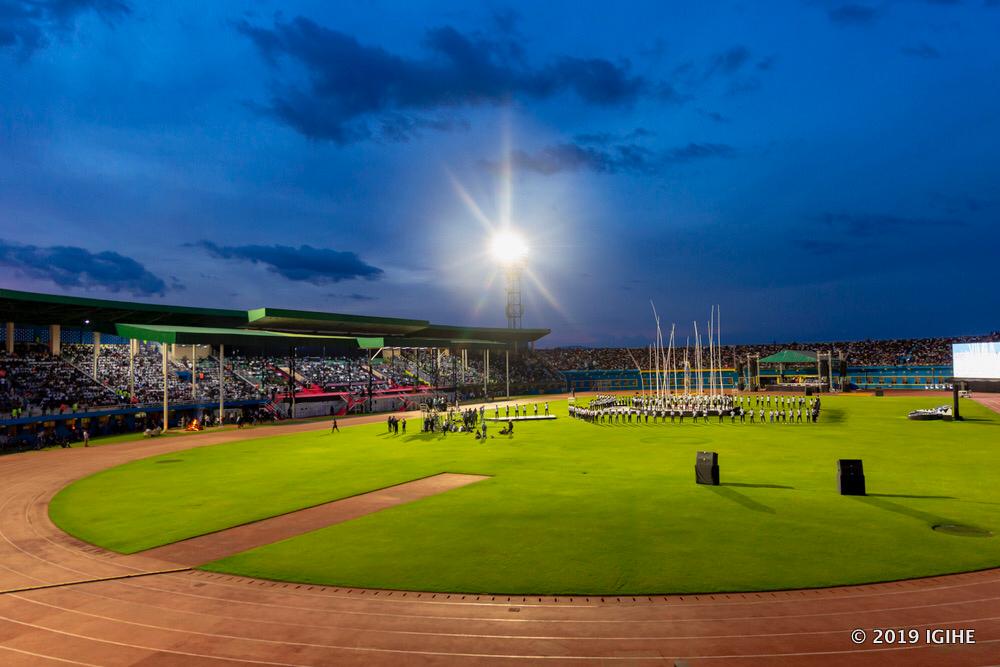
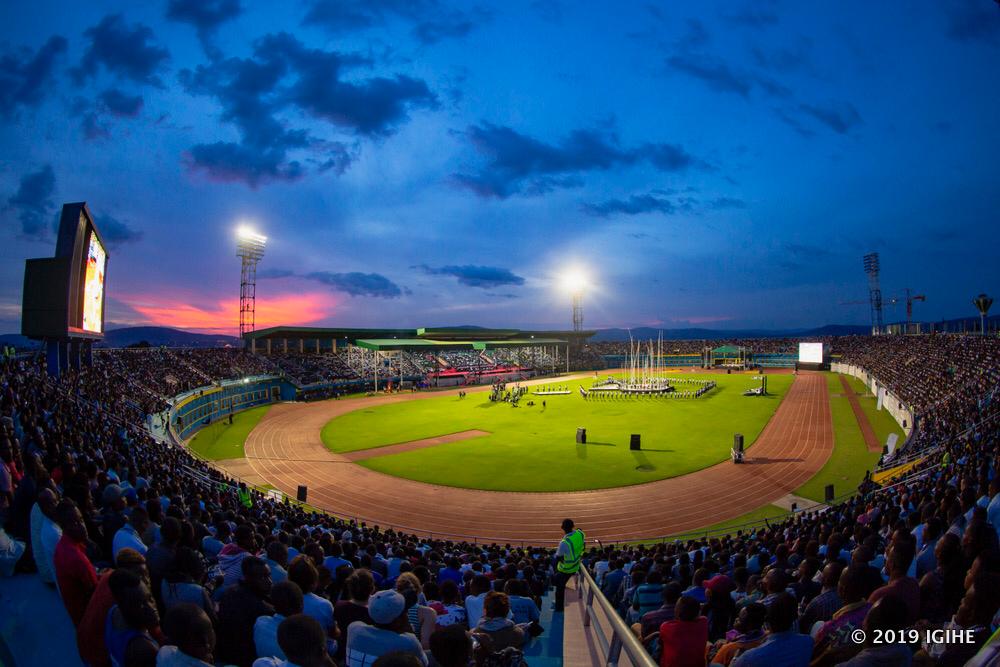
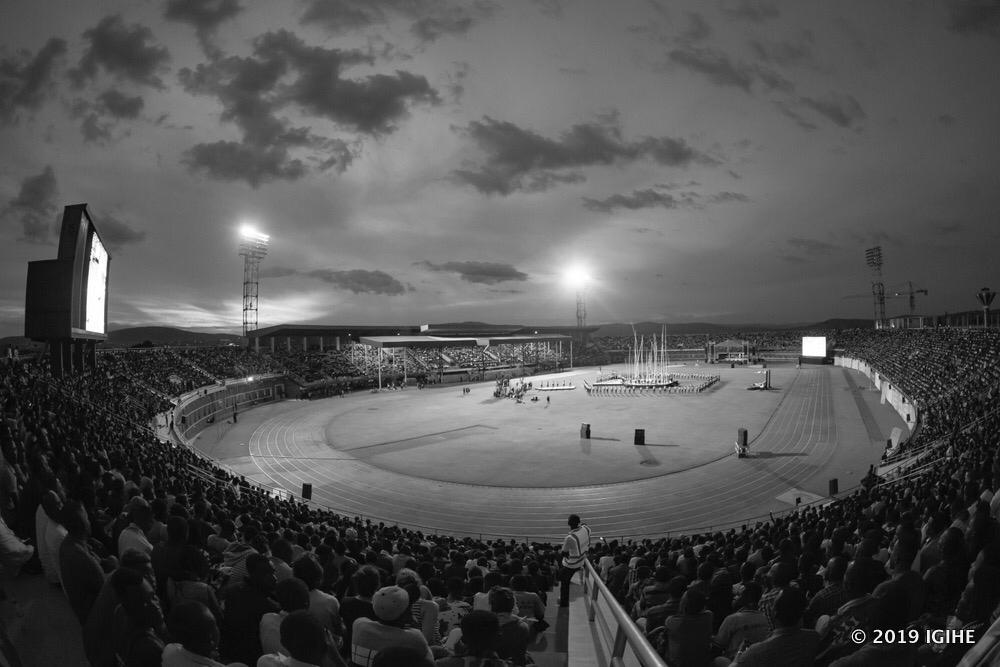
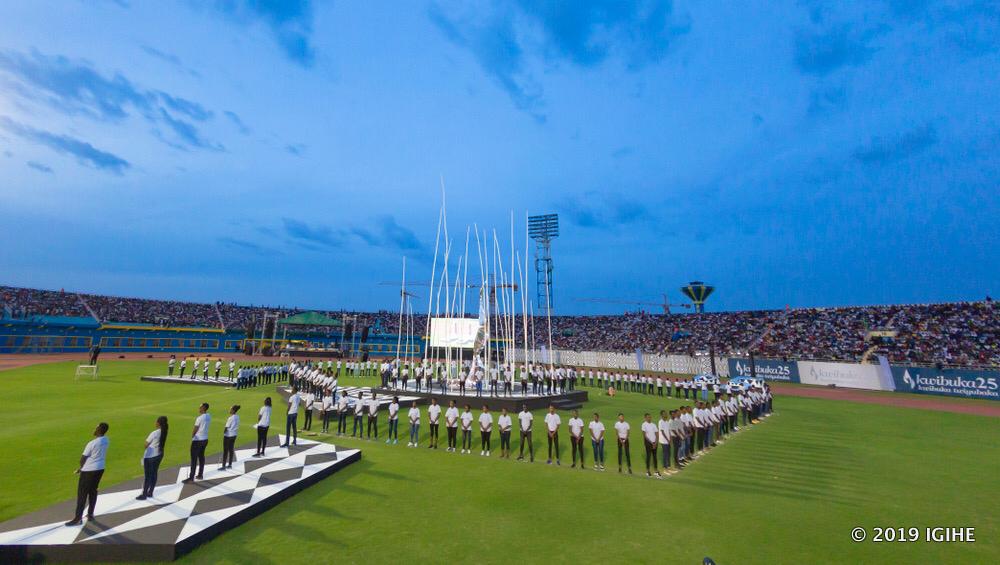
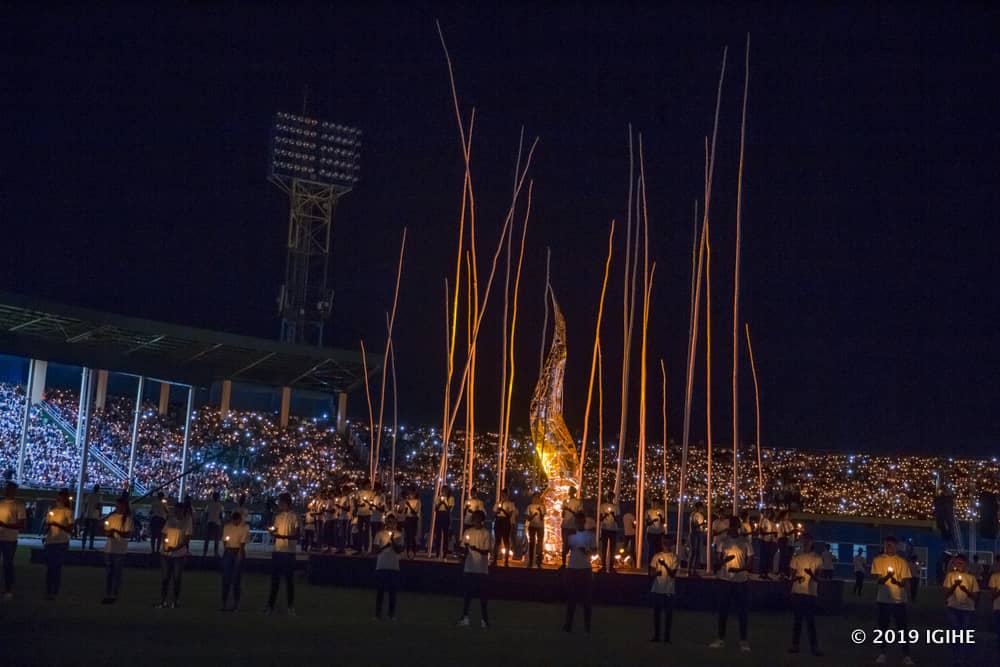
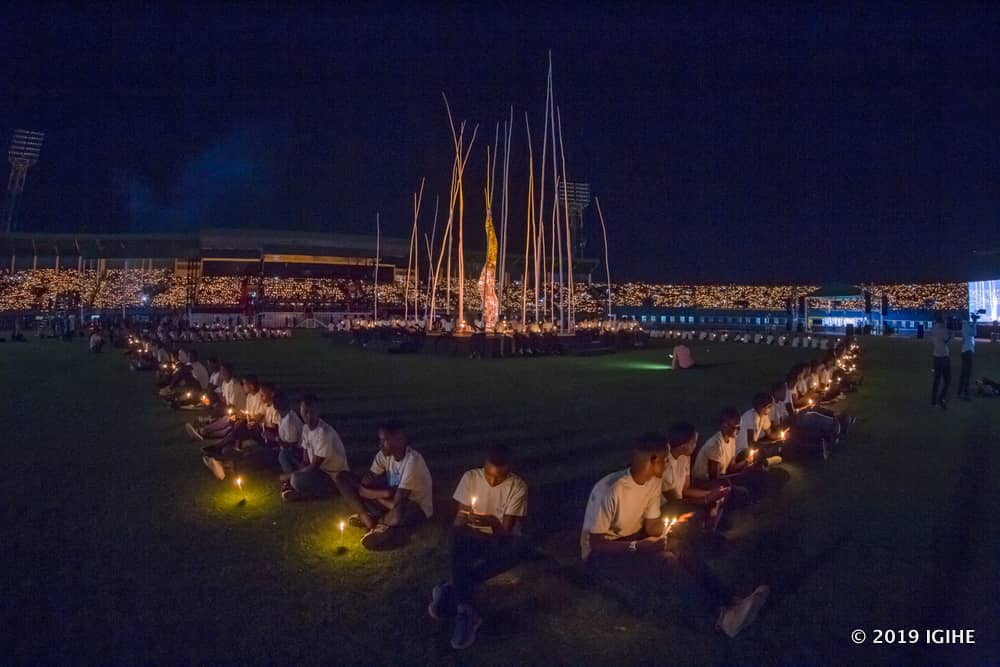
The walk to remember started at the parliamentary buildings in Kimihurura around 4 pm heading for Amahoro Stadium where the night to remember was held yesterday.
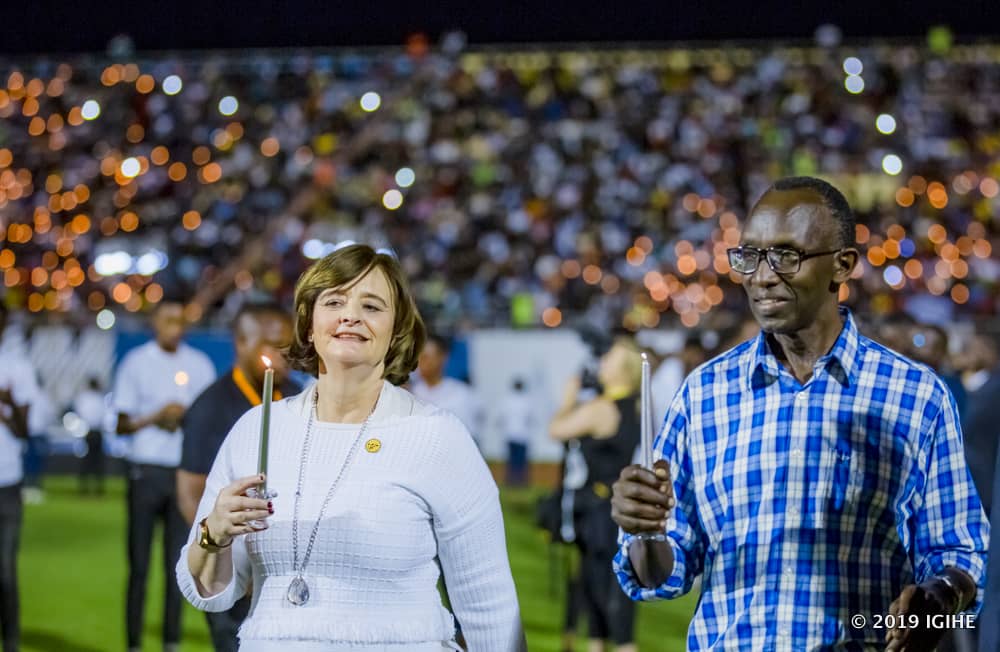
Over 25,000 Rwandans of whom the majority is the youth were present at the event.
The Minister of Justice and State Attorney, Johnston Busingye hailed all who joined Rwanda in commemoration activities.
He explained that paying homage to a deceased is part of Rwandan culture rituals designed to keep solidarity with the bereaved family.
“We remember the heinous crime committed by neighbors where people killed fellow workers, colleagues, killed fathers and mothers in law, killed intimate friends supported of the government to exterminate targeted people,” he said.
“We got the luck that Rwandan children stood to stop genocide. We will always be grateful for their bravery and paying homage to those who sacrificed themselves to save targeted people,” added Busingye.
The president of Ibuka, Prof Jean Pierre Dusingizemungu commended commitment and perseverance of genocide survivors over the 25 years.
He explained that through the journey; they identified where about killed relatives were thrown to be accorded decent burial, arose unity and reconciliation while genocide perpetrators were sued.
“We experienced day to day life hardships. Genocide left orphans and widows. Perpetrators robbed properties and destroyed the rest. They destroyed houses, and trust among people. They offended Tutsi whose souls and bodies were killed. However; His Excellency President Paul Kagame paved the way that enabled genocide survivors to rebuild strength and chose life amidst the dark past,” said Dusingizemungu.
He called on international community to take to court errand perpetrators and warned neighboring countries collaborating with perpetrators to destabilize Rwanda’s security.
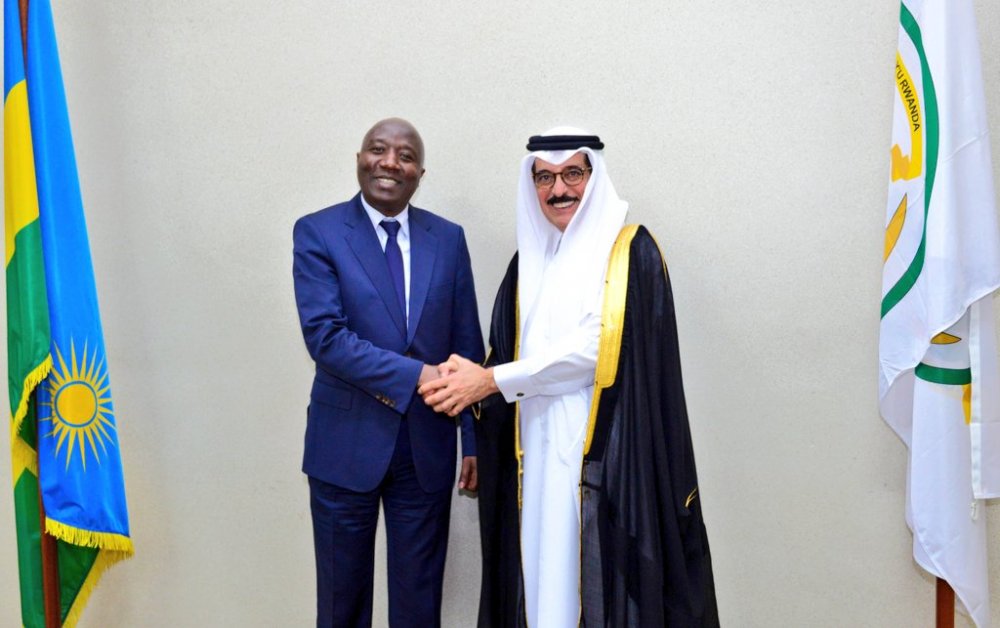
Both countries have existing vibrant relationships in different areas. Last year in November, President Paul Kagame paid a two-day working visit in Qatar where he held talks with the Emir of Qatar Sheikh Tamim bin Hamad Al Thani.
They discussed expanding economic cooperation. They also witnessed the signing of three agreements between Rwanda and Qatar focusing on air transport services, promoting joint investment and trade among others.
In May 2017, Rwanda and Qatar signed diplomatic cooperation. Qatar Airways conducts flights connecting Doha and Kigali among other destinations.
Dr. Hamad, 71, was among other guests who joined Rwanda to commemorate and pay homage to over 1 million innocent victims killed during the 1994 Genocide against Tutsi.
Other guests at the launch of commemoration activities include Congo Brazzaville President Denis Sassou-Nguesso; Niger president Mahamadou Issoufou of Niger, Djibouti President Ismaïl Omar Guelleh, Tchad president Idriss Déby Itno; Ethiopian Prime Minister Dr Abiy Ahmed; Belgium Prime Minister Charles Michel, The Governor of Canada Julie Payette; Nigeria Vice President, Yemi Osinbajo; African Union Commission Chairperson, Moussa Faki Mahamat among others.
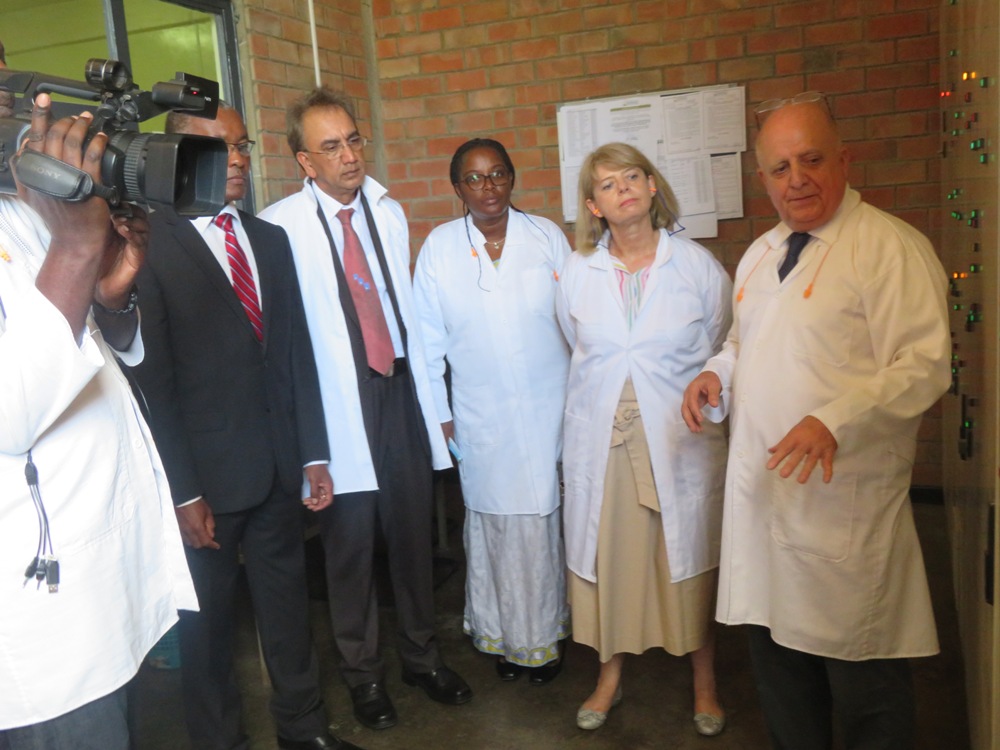
The event which took place on this last Saturday, at Minimex’s HQ, saw the visit of the British Minister for African Affairs, Harriet Baldwin, with the Rwandan Minister of Agriculture, Géraldine Mukeshimana.
The two ministers were joined by Chris Isaac, Director of the British AgDevCo Fund, a fund, supported by the UK Aid Agency UK Aid, who in turn, invested $3 million in Minimex, for the company to restructure its business and reach new heights in production.
“We appreciate the funding given to Minimex. With this fund, the plant will be able to increase its production, which will contribute to more food security for Rwandans,” said Minister Géraldine Mukeshimana.
“We highly appreciate the quality of Minimex products, which show its commitment to meeting the required standards in the production chain,” added the Minister, inviting other corn flour producers to follow the example of Minimex.
British Minister for African Affairs, Harriet Baldwin, and Minimex’s guest of honor, also praised Minimex’s funding by AgDevCo.
“UK Aid (British Aid Department) has established a stronger partnership with AgDevCo. UK Aid is proud to see AgDevCo making its third investment in Rwanda with MINIMEX, “said Minister Harriet, referring to the fact that AgDevCo also provided $ 1 million in funding to Kigali Farms, which specializes in mushroom base and $ 1.5 million to UZIMA, another local chicken and egg company.
“We are committed to supporting the efforts of food companies. If they show sufficient financial health, they will attract other businessmen and investments in the sector, “said AgDevCo CEO Chris, pledging to invest more than $ 10 million in this business for next ten years.
“We are here for a long time and we will continue expanding to meet Rwandans’ food,” he said, proud of the economic health of this corn flour plant that began in 2002 with a capital of 500 million francs and which, as it acquired new shareholders including MMI (Military Medical Insurance) and the BRD (Rwanda Development Bank), grew to see his business and his stature reach a capital of 6 billion francs.
“The key to the success of all this is just having a patriotic spirit. We must know and want to meet the basic needs of citizens. Food is one. We offer fortified products. We are very meticulous about the process of manufacturing our products to meet international consumer standards, “said Félicien Mutalikanwa, the company’s main shareholder and CEO.
“Our products are scientifically verified. They can be a bit expensive on the market, which is understandable because the flour we produce is fortified to meet the health needs of our consumers. Said Mutalikanwa.
Minimex Ltd is a Maize processing plant located on the Kigali-Kabuga road. It produces over 144 tons of corn flour per day, i.e, 6 tons per hour, according to Moise Ndayisenga, the Quality Control Officer of the Factory. The current production of this plant is up to 40,000 tons of flour per year. It should be noted that the plant produces a livestock feed (BRAN).
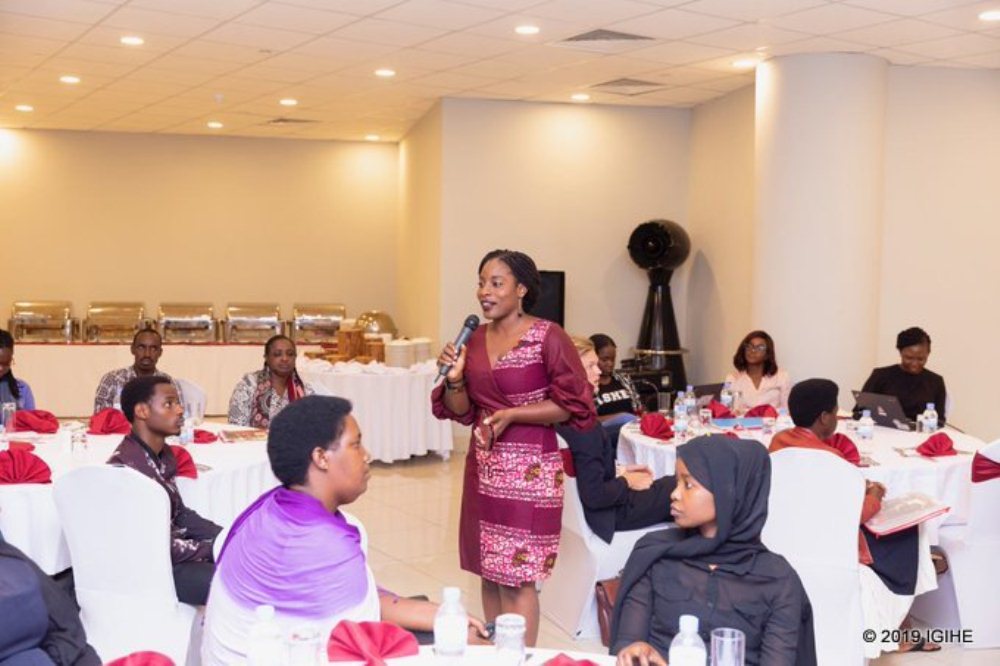
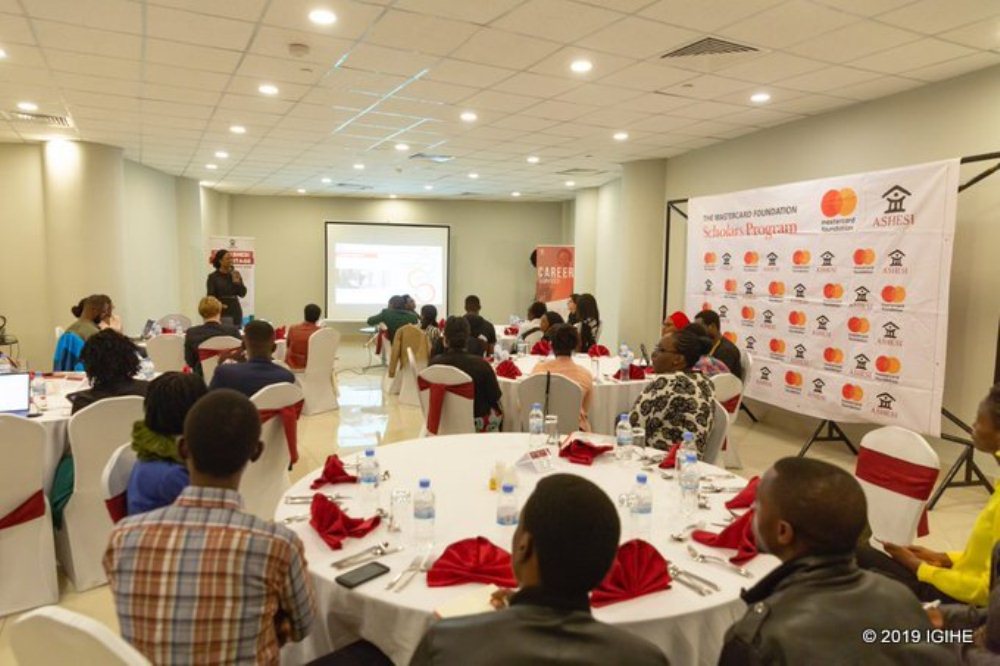
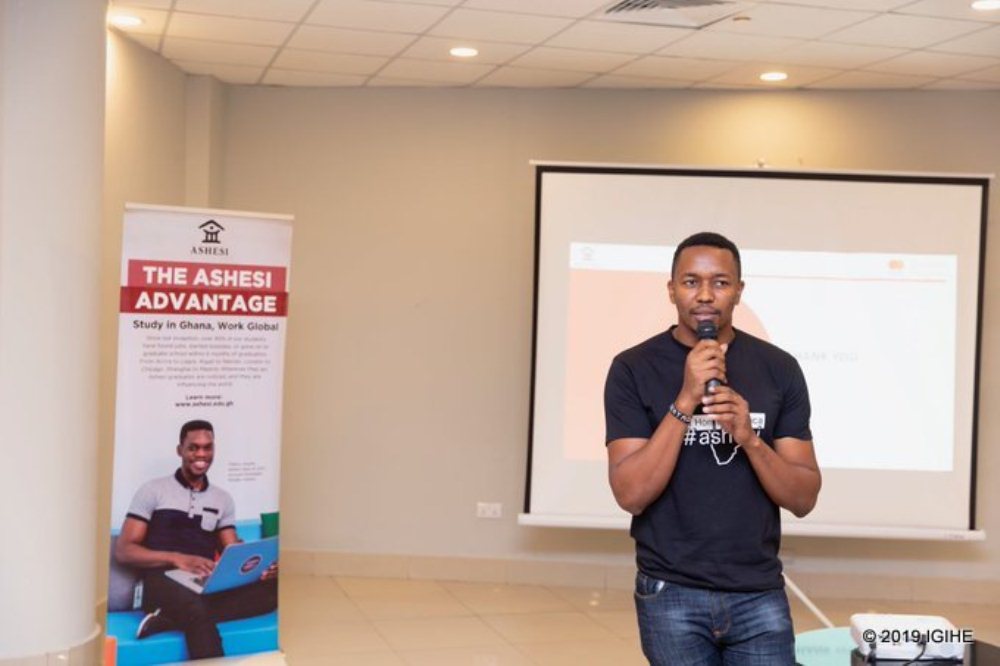
Representatives of Ashesi University are in Rwanda since Friday to meet interested applicants and to assess the progress of alumnus in Rwanda.
Ashesi University was founded in 2002 by Patrick Awuah, an expert and entrepreneur from the USA with Ghanaian origin.
Araba Botchway, director of Admissions and Financial Aid at Ashesi University said the university is unique as it integrates courses with leadership skills.
He explained that individual intellectual capacity, self-determination established screening examination are among considerations to admit candidates.
“There are some students having no projections of what they can do. When you talk to them you discover hidden potential they didn’t know,” said Botchway.
He unveiled that the university acquaints students with moral values and entrepreneurial skills.
“You know that our continent has a large number of unemployed people. 94% of graduates at our university within four years are employed; while 96% of graduates in the previous two years also have jobs. This gives us confidence and pride that our investment is meeting goals,” said Botchway.
{{Competence in the labor market
}}
Araba Botchway explained that graduates from this university have been getting employed worldwide in giant corporate firms like Microsoft, Google and American Bank among others.
“Giant corporates usually come to recruit employees at our university. This means our students are not solely meant to work on this continent but can compete at the international labor market,” he said.
On the support of MasterCard Foundation, Ashesi has been paying tuition fees for vulnerable brighter students on the African continent since 2012.
Talking to IGIHE; Patrick Ndabarasa Tumusime highlighted that he is among five Rwandans who graduated at the university in 2018 and have been already hired. The latter joined the university for a course in Finance and Administration after completing secondary education at Lycee de Kigali in 2014.
“After applying to study at Ashesi and passing the entrance exam, I was admitted at the university. From my experience, it is unique for its competent education sharpening skills needed in the labor market. Two Rwandans we went together with have been hired; One is in charge of human resource at Red Cross, and I work at RwandAir while the 5th one continued for a Masters at Carnegie Mellon University. ” he said.
Ashesi began with 30 students but currently has 1008 students from over 20 countries.
For more details on application and registration visit: [www.ashesi.edu.gh->www.ashesi.edu.gh]
Present at the event were, Rwandans and friends of Rwanda all over the world, heads of states and governments among other diplomats who observed a moment of silence to honor victims of the 1994 Genocide against Tutsi.
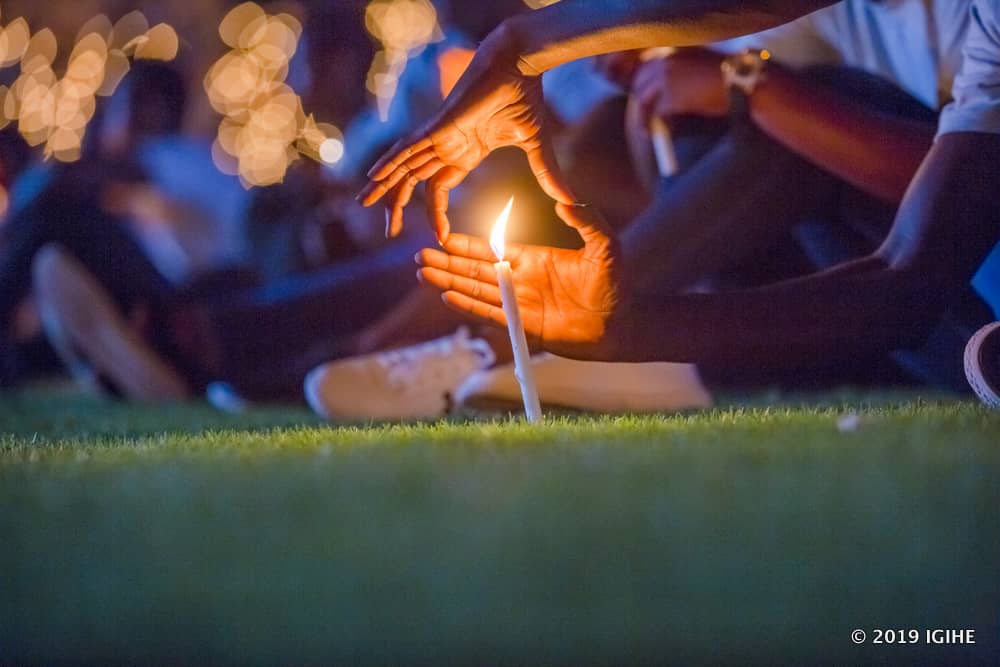
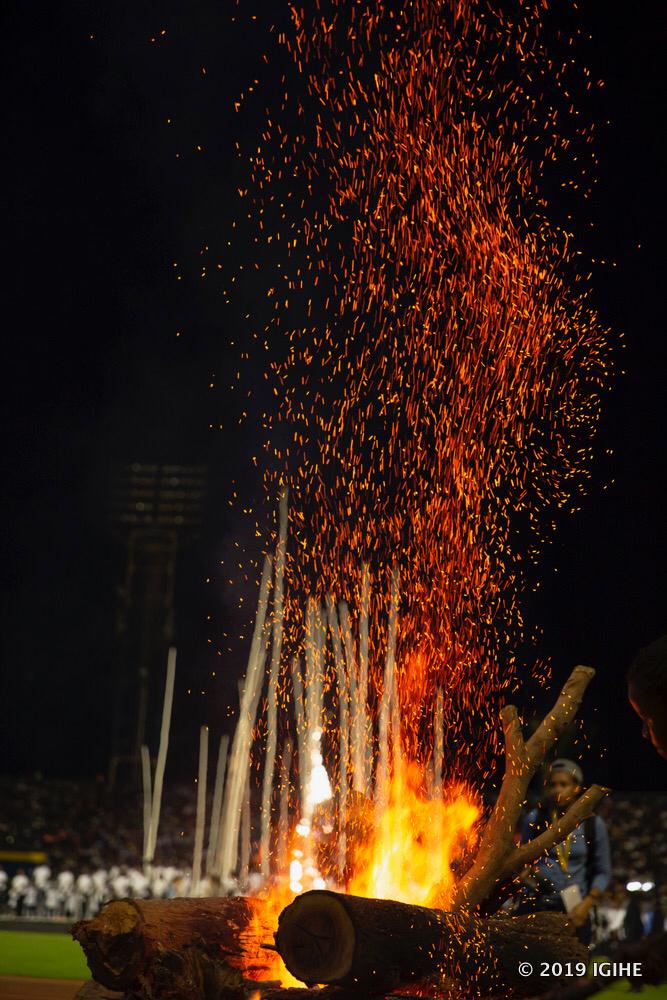
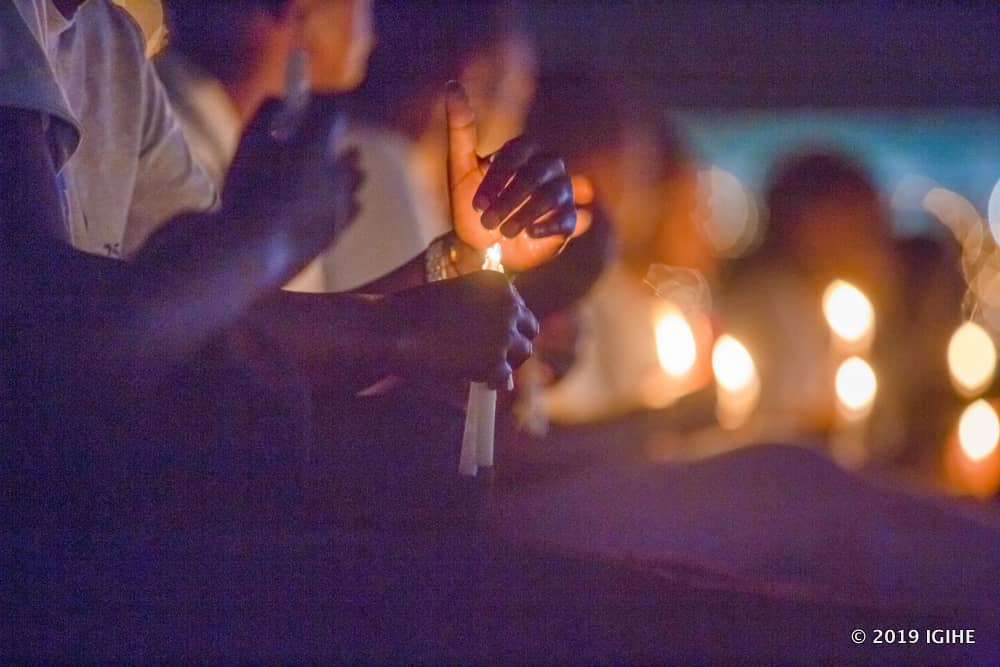
The flame of remembrance will burn for 100 days marking three-month-long mourning of the victims of the 1994 genocide against Tutsi until July 4 when the genocide was stopped by the Rwanda Patriotic Army (RPA) now Rwanda Defence Forces (RDF).
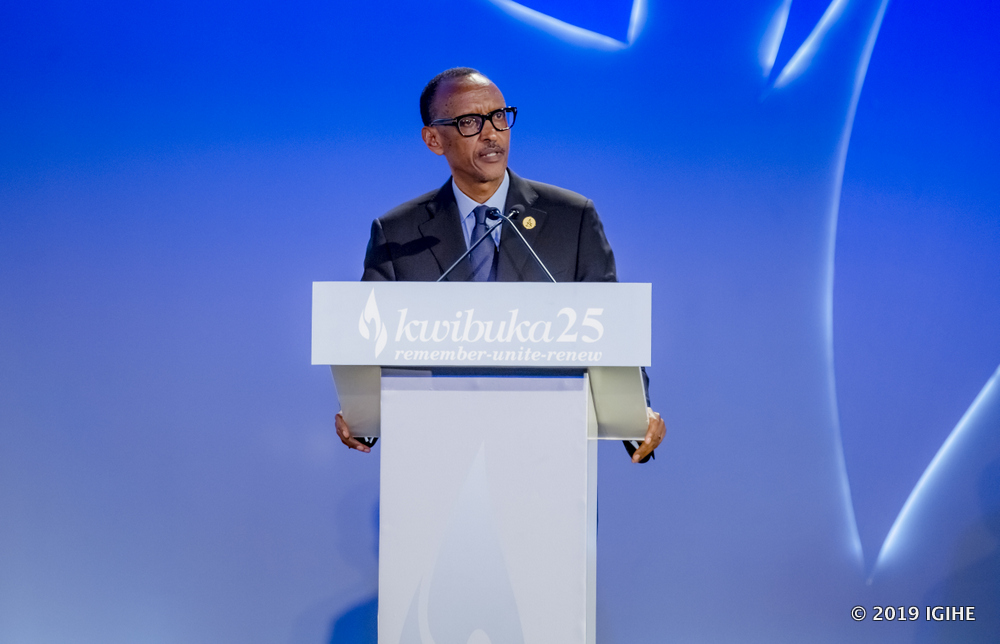
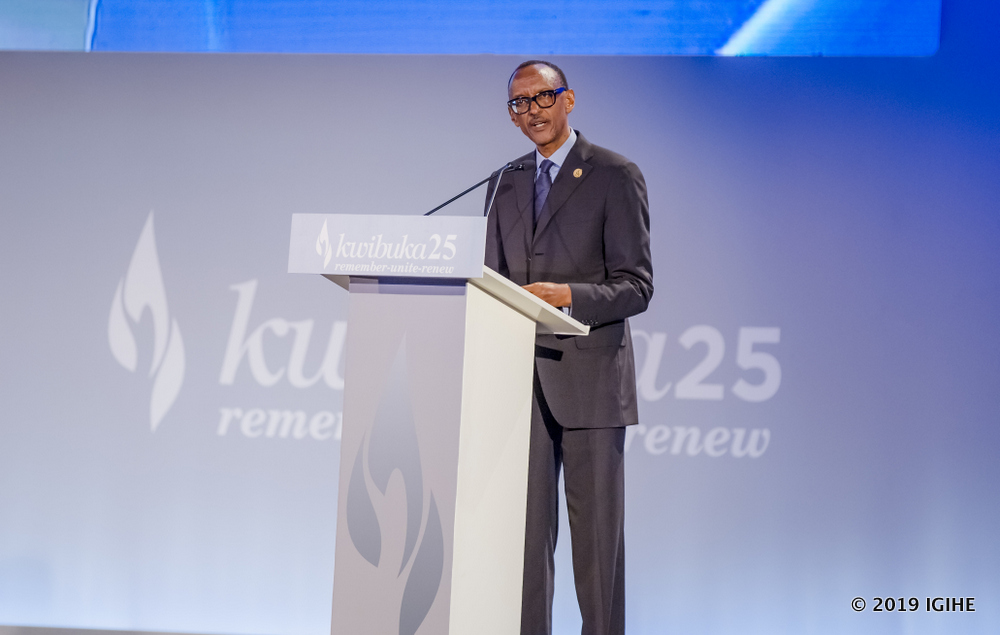
Delivering his remarks at the opening of the 100 days mourning; President Paul Kagame thanked guests for joining Rwanda to pay homage to genocide victims and their contribution to healing and rebuilding of the country. He also thanked Rwandans, who joined hands to recreate the country from the dark past observing that genocide won’t happen again.
“To you, the friends by our side on this heavy day, including the different leaders present, we say thank you. Many of you have been with us all along, and we cherish you for contributing to the healing and re-building of Rwanda. I also thank my fellow Rwandans, who joined hands to recreate this country. In 1994, there was no hope, only darkness. Today, light radiates from this place,” he said.
“In 1994, there was no hope, only darkness. Nothing has the power to turn Rwandans against each other, ever again. This history will not repeat. That is our firm commitment,” revealed Kagame.
{{Full speech: Remarks by President Kagame at the beginning of the 25th commemoration of the 1994 Genocide against Tutsi
}}
I begin by thanking you. On a day like this, when language fails, the first words that come, are words of gratitude.
To you, the friends by our side on this heavy day, including the different leaders present, we say thank you. Many of you have been with us all along, and we cherish you for contributing to the healing and re-building of Rwanda.
I also thank my fellow Rwandans, who joined hands to recreate this country. In 1994, there was no hope, only darkness. Today, light radiates from this place.
How did it happen?
Rwanda became a family, once again. The arms of our people, intertwined, constitute the pillars of our nation. We hold each other up. Our bodies and minds bear amputations and scars, but none of us is alone. Together, we have woven the tattered threads of our unity into a new tapestry.
Sisters became mothers. Neighbors became uncles. Strangers became friends. Our culture naturally creates new bonds of solidarity, which both console and renew.
Rwanda is a family. That is why we still exist, despite all we have gone through.
There is no way to fully comprehend the loneliness and anger of survivors. And yet, over and over again, we have asked them to make the sacrifices necessary to give our nation a new life. Emotions had to be put in a box.
Someone once asked me why we keep burdening survivors with the responsibility for our healing. It was a painful question, but I realized the answer was obvious. Survivors are the only ones with something left to give: their forgiveness.
Our people have carried an immense weight with little or no complaint. This has made us better and more united than ever before.
At a memorial event some years ago, a girl brought us to tears with a poem. She said, “There is a saying that God spends the day elsewhere, but returns to sleep in Rwanda.”
“Where was God on those dark nights of genocide?”, she asked.
Looking at Rwanda today, it is clear that God has come back home to stay.
To survivors, I say thank you. Your resilience and bravery represent the triumph of the Rwandan character in its purest form.
Joining us today are families from other countries, whose husbands, fathers, sisters, and aunts were claimed by the same deadly ideology.
The Belgian peacekeepers, murdered twenty-five years ago this morning.
Captain Mbaye Diagne from Senegal, who saved so many lives.
Tonia Locatelli, killed in 1992 for telling the truth of what was to come.
The only comfort we can offer is the commonality of sorrow, and the respect owed to those who had the courage to do the right thing.
Other people around the world also stood up and made a difference.
Ambassador Karel Kovanda from the Czech Republic joined colleagues from New Zealand and Nigeria to call for action to stop the Genocide, despite the indifference of more powerful states.
And my brother, Prime Minister Abiy Ahmed, knows where Rwanda is coming from, having served in an Ethiopian peacekeeping contingent after the Genocide, together with troops from elsewhere in Africa and beyond.
Thank you all for your presence.
Those among us who perpetrated the Genocide, or stood by passively, are also part of our nation. The willingness, in a number of cases, to tell the truth, pay the price, and re-join the community, is an important contribution.
The witness of perpetrators is irrefutable proof if any was still needed, that genocide happened.
Genocide hibernates as denial.
Both before the killing and after, there is a long chain of events which are interconnected. Revisionism is not merely demeaning, but profoundly dangerous.
The genocide did not begin on one specific day. It has a history.
Why were refugees Rwanda’s biggest export, for decades? Why were the same people repeatedly targeted for persecution and massacre, from the late 1950s to the 1990s? Why were bodies dumped into rivers, to send them back up the Nile, where they supposedly came from? Why did some parents even kill their own children, who looked a certain way?
None of that started with a plane crash. So where did it come from?
Through it all, we had guardians of virtue, Abarinzi b’Igihango, and other righteous citizens. Our rebirth was seeded by their actions.
The young girl, portrayed in the play we just saw, who took it upon herself to care for a baby survivor despite the objections of her family. That is a true story and today both women are home and fine.
The Nyange students who refused to be separated into Hutu on one side, Tutsi on the other. They never betrayed each other. Six were killed. Forty were wounded. All are heroes.
These are examples of the Rwandans who kept us from losing everything.
But most of us are neither survivors nor perpetrators. Three-quarters of Rwandans are under age thirty. Almost 60 percent were born after the Genocide.
Our children enjoy the innocence of peace. They know trauma and violence only from stories. Our aspirations rest in this new generation.
Mature trees can no longer be molded, but seeds contain endless possibility. Rwanda’s young people have everything needed to transform our country. They have the responsibility to take charge more and more and participate fully in securing the Rwanda we want and deserve.
We are far better Rwandans than we were. But we can be even better still.
We are the last people in the world who should succumb to complacency. The suffering we have endured should be enough to keep our fighting spirit alive.
Our country cannot afford to live by twists of fate. We must be deliberate and decisive, guided by humility and the content of our hearts. Rwanda has to stay one step ahead. Otherwise, we are insignificant.
The facts are stubborn, but so are we. We really have to be.
Our nation has turned a corner. Fear and anger have been replaced by the energy and purpose that drives us forward, young and old.
Rwanda is a very good friend to its friends. We seek peace, we turn the page. But no adversary should underestimate what a formidable force Rwandans have become, as a result of our circumstances.
Nothing has the power to turn Rwandans against each other, ever again. This history will not repeat. That is our firm commitment.
Nothing is required from those who wronged us, except an open mind. Every day we learn to forgive. But we do not want to forget. After all, before asking others to repent, we first have to forgive ourselves.
As for the dishonorable who remain impervious to regret, it is not our problem. It does not stop Rwanda from making progress, even for one moment.
The decimation of Rwanda was more absolute than any known weapon of mass destruction. Not only bodies were destroyed, but the very idea of Rwanda itself. That shows the ferocious power of human sentiments and designs.
Our prayer is for no other people to ever endure the same tribulations, especially our brothers and sisters in Africa.
Never accept it. Confront the apostles of division and hatred who masquerade as saviors and Democrats. Our commonalities are always infinitely greater than our differences. No society is above any other, much less immune to fragility.
In the end, the only conclusion to draw from Rwanda’s story is a profound hope for our world. No community is beyond repair, and the dignity of a people is never fully extinguished.
Twenty-five years later, here we are. All of us. Wounded and heartbroken, yes. But unvanquished.
We Rwandans have granted ourselves a new beginning. We exist in a state of permanent commemoration, every day, in all that we do, in order to remain faithful to that choice.