It is the first commemoration song Kizito produces featuring names of victims and remembered families.
Kizito has said he has received many people’s request to produce songs to remember their family members.
“I receive many requests to make such songs remembering particular families killed during Genocide against the Tutsi. I cannot afford to produce a song for every family but I will try to do it to the best of my ability. I draw much attention to songs about the current period in general,” he revealed.
Kizito explained that he produced the song for Rwandans living in USA to help them associate with people inside the country in this period.
In the new song, Kizito remembers his father Buguzi Augustin killed in Kibeho during the 1994 Genocide against the Tutsi.
“Bari beza” song lasts 14 minutes and 23 seconds. It is the third song Kizito Mihigo releases during the 25th commemoration of the 1994 Genocide against the Tutsi.
Other similar songs released previously include “Kubabarira ntibivuga Kwibagirwa” and “Abarinzi b’amateka”.
The audio of the new song was produced by Producer Bob while the video was made by producer Faith Fefe.
With over 10 years’ experience, 600 employees and a turnover of about 35 million USD in 2018, VSONE is currently providing a variety of products and services in the public sector (E-Government), Banking, Financial and Insurance solutions, E-health and hospitality E-services as well as automation of manufacturing across various countries in Asia.
VSONE AFRICA being a tier one partner of HP and other major IT companies such as Oracle, SAP, and others will leverage its parent company broad experience, expertise, products and services to create Made in Africa, by African Solutions.
“Our strategy is to build an African company using our learning from Asia to boost the continent huge talents through strong local partnerships. I am a strong believer on the continent potential”, said VSONE Chairman, Mr. Prabodha Sumanasekera.
He further indicated that VSONE sees Rwanda as a central location from which the company will cover the continent as plans to expand to Kenya, Mozambique, Angola, and DRC are underway. By the end of the year, VSONE will also be operational in the South and West of Africa.
Rwanda has been a leader in the deployment of IT solutions for development, education, and health. It is now building a modern regional airport hub and a strong airline with constant economic growth of over 6%. Therefore, establishing VSONE Africa Headquarters in Rwanda will enable the company to benefit from all these positive factors.
Nkubito Manzi Bakuramutsa, the Africa CEO, mentioned that it is an exciting time for the continent. Africa has 1.2 billion population, 60% of whom are young, full of creativity and talent. We are Inspired by President Kagame quote at the Transform Africa 2019:
“Everything we need for transformation is in the room or represented in the room. VSONE is looking to participate in moving the continent from a consumer of content to a producer of content and a key player in the 4th Industrial revolution. We want to align our business strategy, to the AU and Smart Africa visions.
Kanyankole is accused of soliciting for and receiving illegal benefits in order to offer a service and favoritism when he was the CEO of BRD between July 2013 and December 2017.
The prosecution launched an investigation against him in 2017 leading to his arrest on 2nd October 2018 when his file was sent to court.
Kanyankole and co-accused Kalema Juvenal have appeared in Nyarugenge High Court for trial on alleged crimes.
Kanyankore appeared in court with his three defense lawyers including Butare Godfrey, Umulisa Alice, and Rukangira Emmanuel while the co-accused Kalema was represented by Gariyo Eric.
The trial started around 9 am when the judge asked Kanyankole and his defense lawyer to provide explanations on favoritism related to the loan worth USD $ 3,433, 200 offered to Trust Industries in 2017.
Kanyankole explained that by the time he joined BRD in 2013, the bank had 25% shares in the plant which had received loan three times.
It is said that the previous loans were used by the plant to buy machinery. When Trust Industries sought another loan, credit analysts said the plant was not qualified.
BRD as one of the shareholders with responsibilities to advice partners requested the bank to seek the loan from other banks which also denied offering the loan for various challenges. Following the failure, BRD offered the loan.
The prosecution alleged that it was illegally approved by Kanyankole.
Kanyankole has explained that there was no favor for the plant because he offered a loan that has to be refunded and done to protect the interests of the bank as a shareholder.
The prosecution explained that according to the bank’s regulations, a loan beyond Rwf 600 million has to be offered after its assessment by a team of credit analysts and handing it to the CEO of BRD. The CEO also has to present the proposal to board members for approval.
The prosecution alleged that the procedure was not respected because Kanyankole never presented the report to board members but rather released the loan immediately. The prosecution said this serves as evidence pinning Kanyankole for favoritism charges because he offered services that are not shared to other clients seeking loans.
Me Rukangira said that the prosecution doesn’t explain clearly if failure to comply with regulations of loan delivery relates to favoritism.
He asked the court to acquit his client that there was no favoritism while offering the loan because the case didn’t implicate two plants competing for the loan. Me Rukangira said the prosecution doesn’t show the loss incurred by the loan offered to Trust Industries.
On the other hand, Karema co-accused with Kanyankole for receiving illegal benefits in order to offer a loan to Good Harvest and Primary School denied receiving gifts saying they are forged accusations.
Karema’s defense lawyer, Gariyo Eric said his client should not be a victim of forged accusations and requested his acquittal.
The prosecution said provided explanations are enough to pin Kanyankole and requested the court to hand Kanyankole seven years sentence and pay Rwf 100 million fine. The prosecution also requested that Karema be handed five-year sentence and pay Rwf 100 million fines.
After hearing both sides, the court announced that the ruling will be read on 13th June 2019 in Nyarugenge High Court.
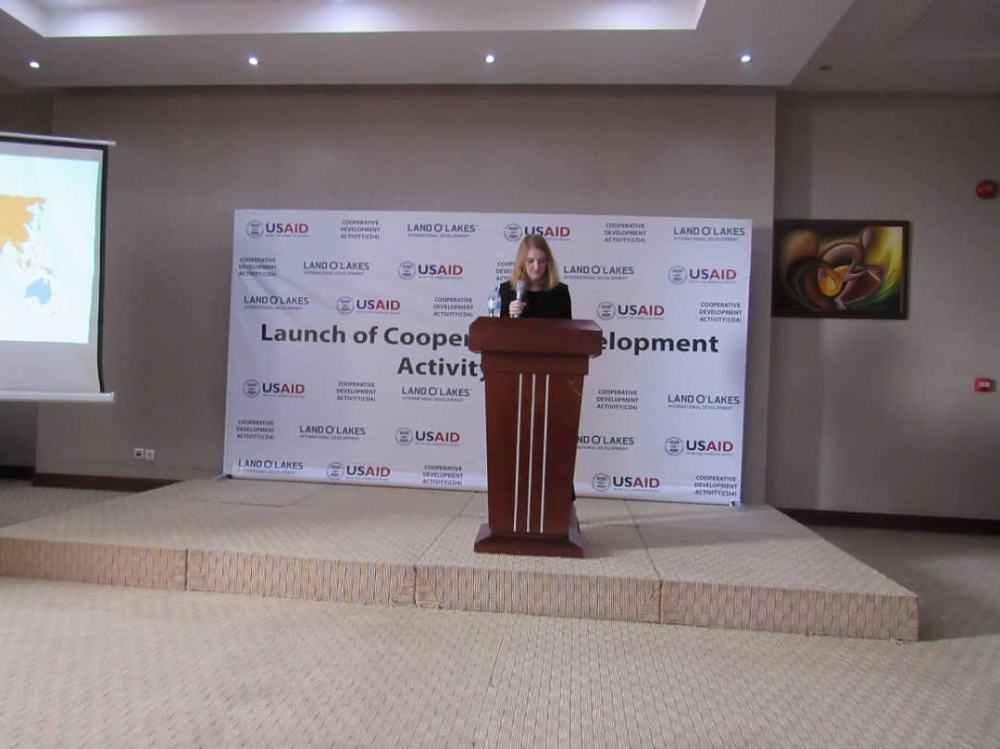
CD4 shall support livestock farmers grouped in different cooperatives in Rwanda through training on cooperative management to acquaint them with local and international competencies.
The project will be funded by the United States Agency for International Development (USAID).
During the launch of the project; CD4 project manager, Willy Nyirigira revealed that the project strives for the development of cooperatives. The latter began operations towards the end of 2018 and will be implemented until 2023.
She explained that CD4 project training will start with maize cooperatives in Rwamagana district, Horticulture cooperatives in Bugesera district, both in Eastern province districts and Dairy cooperatives in Gicumbi district- Northern Province.
Nyirigira emphasized that Land O’Lakes specializes in dairy processing and animal nutrition.
She revealed that Land O’Lakes has been in Rwanda since 2007 where they have implemented various projects including dairy one.
Nyirigira said that Land O’Lakes and partners are aware that a large number of cooperatives already received Government support like the provision of equipment and building milk collection centers among others. She, however, explained that cooperative members can’t get good yields to reap from those businesses without proper management.
“Under this five-year program, we will draw emphasis on building the capacity of cooperatives in terms of leadership, financial and resources management, building competencies at the market, and working with financial institutions among others,” said Nyirigira.
The support will be provided in areas of priority based on outcomes of discussions with cooperative members.
Nyirigira unveiled that they will assess the performance and capacity of each beneficiary cooperative annually to ensure it emulates best practices.
“During the assessment, we first identify the area of priority in need of support and do it annually. This will help us to identify whether a cooperative has matured or not to expand the support to others,” she stressed.
CD4 project will also support cooperative agencies in Rwanda to improve the quality of service delivery.
Hakizimana Pierre Celestin, the president of IAKIB cooperative that brings together farmers in Gicumbi district involved in the dairy business said they expect increased income after acquiring training.
He said the training will enable members to realize their dreams of transforming the cooperative into a well-managed company.
“We have already benefited from Land O’Lakes support to meet standards of supplied milk,” revealed Hakizimana.
The Managing Director of Rwanda Cooperatives Agency (RCA), Prof. Harelimana Jean Bosco said the project of Land O’Lakes is expected to enhance cooperatives’ management and improve productivity.
“This five-year project is promising to bring transformations in the cooperative. You have seen that livestock owners in Gicumbi district have started demonstrating good performance. We want Cooperatives to catalyzing economy,” he highlighted.
The five-year project will support 220 Cooperatives.
According to figures from RCA, Rwanda accounts to over 9,000 cooperatives with more than 5 million members.
The Vice Chancellor at UTB, Dr Kabera Callixte said that the MoU is putting emphasis on knowledge sharing in areas of their expertize, job creation, and innovations, among others.
“The MoU will enable us strengthen cooperation between both institutions with mutual sharing of knowledge. The cooperation opens doors for students to carry out research on both sides and getting deeper insights about Government’s programs,” he said.
Gasamagera Wellars, RMI Director General said that it is part of agreements the institution has with different universities.
“We chose partnership with this university because it offers courses and imparts specific skills needed at the labor market. We will especially collaborate in research,” he said.
UTB was established in 2008. It has over 6000 students of who the majority are based in its Kigali campus while 1900 attend courses from the Rubavu campus.
The agreement was signed yesterday at Rwanda Development Board (RDB).
Planned to be operational in less than two years, the high-tech multi-million euro factory will directly employ over 100 people in the district and indirectly employ over 300. In the first phase of production, 9,000 square meters of tiles will be produced daily and this will be doubled in the second phase targeting both the domestic and regional market. Subsequent phases will focus on other ceramic products on demand.
Speaking at the signing, Francesco De Martino, Group CEO, Milbridge Holdings the parent company of Africeramics Ltd expressed special thanks to RDB, the Ministry of Trade and Industry and Nyanza District for the support given us to achieve the important milestone.
“We were extremely impressed by the quick, proactive partnership that we received from all government institutions. We chose Nyanza as the base of our plant because it is strategically located where we can source high-quality inputs such as clay, granite and other alloys needed for ceramics,” he said.
The Mayor of Nyanza District, Erasme Ntazinda noted that the district is excited to attract the mega investment and has high expectations for this project.
“This accelerated process showed that all the parties were interested in ensuring the successful commencement of the project. I thank Africeramics Ltd for investing in our district a boost to our local economy. We commit our support to this project,” he said.
In his remarks, Deputy Chief Executive Officer and Chief Operating Officer at Rwanda Development Board, Emmanuel Hategeka said that this investment fully aligns with our domestic market recapturing strategy and will go along the way ‘to reduce our import bill on construction materials, generate exports while at the same time generating jobs.’
“Being located in Nyanza district presents an added advantage of distributed development uplifting the rural economy. Today, all ceramic tiles in the country are imported yet studies show that we have some of the best quality clay for ceramics in the world. We applaud Africeramics Ltd for spotting the opportunity in the district”, he added.
The suspects; Patrick Ntakirutimana, 24, and Callixte Nshimiyimana, 27, were caught red-handed mining wolfram on Thursday.
They had already mined at least 17kgs of Wolfram, which they were caught with during the operation.
Chief Inspector of Police (CIP) Alex Rugigana, the Police spokesperson for the Northern region said that the two men who are employees of a Wolfram mining firm in Rulindo committed the offense overnight.
“When the company ended its daily mining activities on Thursday evening, the two men went back later in the night and started mining illegally,” CIP Rugigana said.
“First of all, they put their lives at risk by going into the mining concession at night, although what they were doing is also unlawful,” he added.
Rugigana warned against such risky acts which in some cases result in fatal consequences.
At least 33 cases of illegal mining in Rulindo district since last year ended fatal.
“It is suicidal to go into a mining concession at night or without safety gears. Mining is done by authorised professionals with professional tools. People should consider safety in whatever they do. We have had many cases of landslides caused by illegal mining, and in some cases rescuing them becomes impossible,” he added.
CIP Rugigana urged the public to always provide timely information on such illegal and dangerous acts.
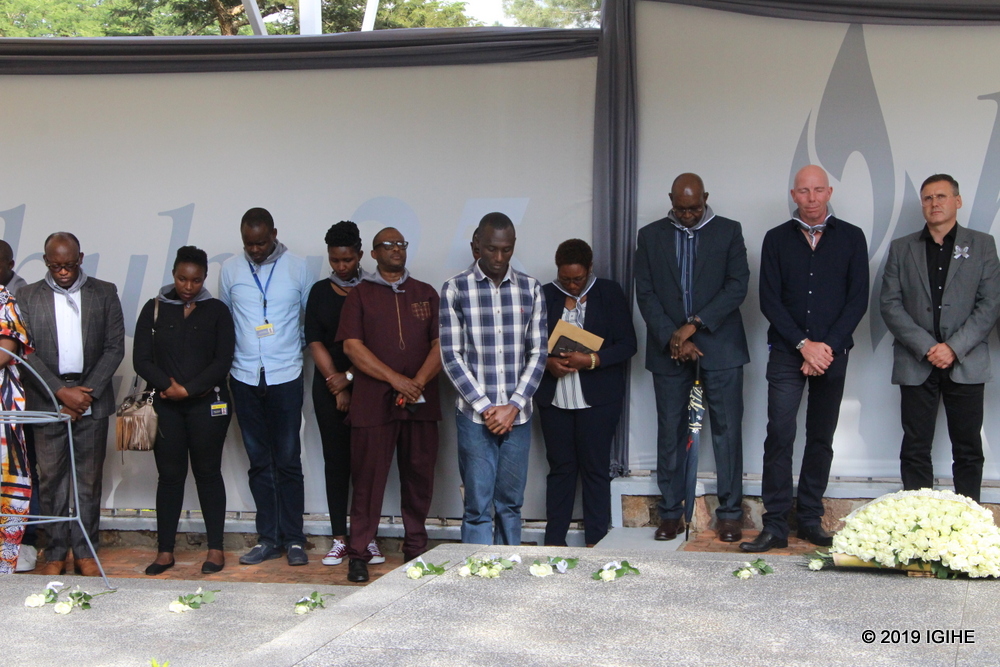
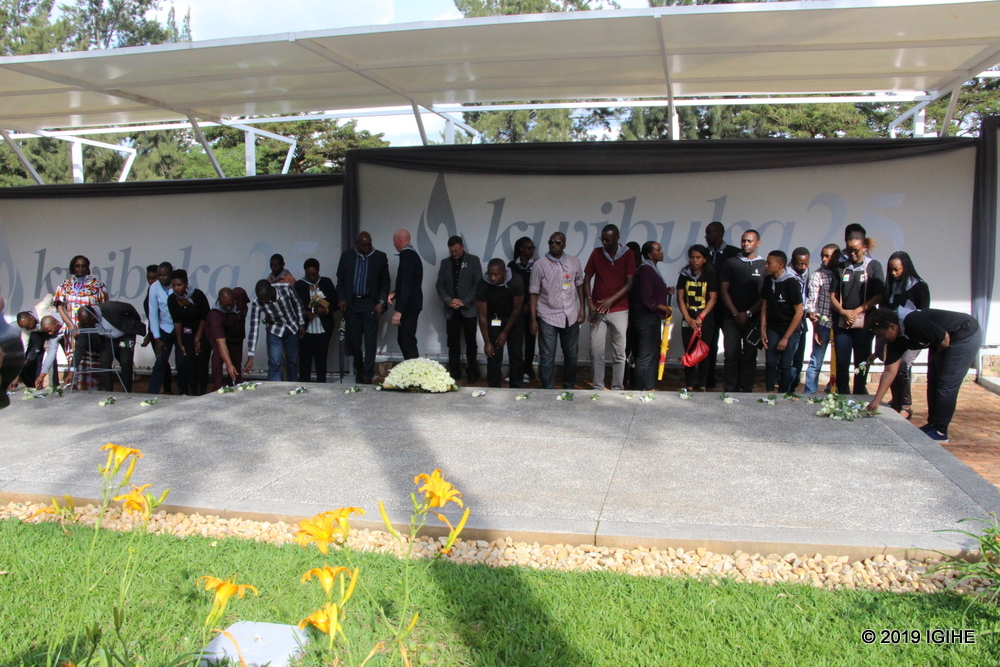
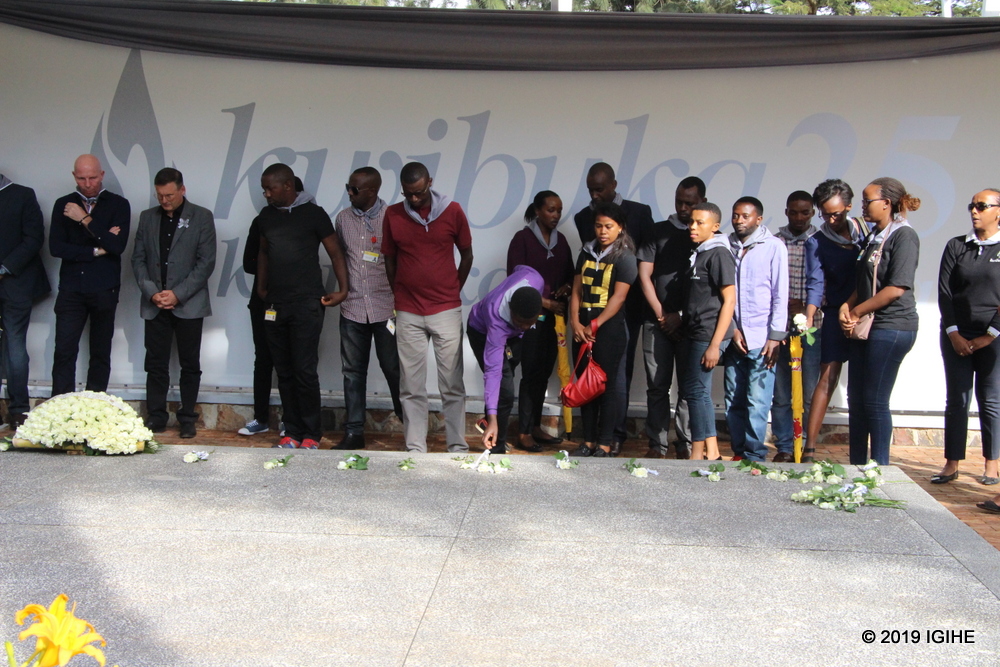
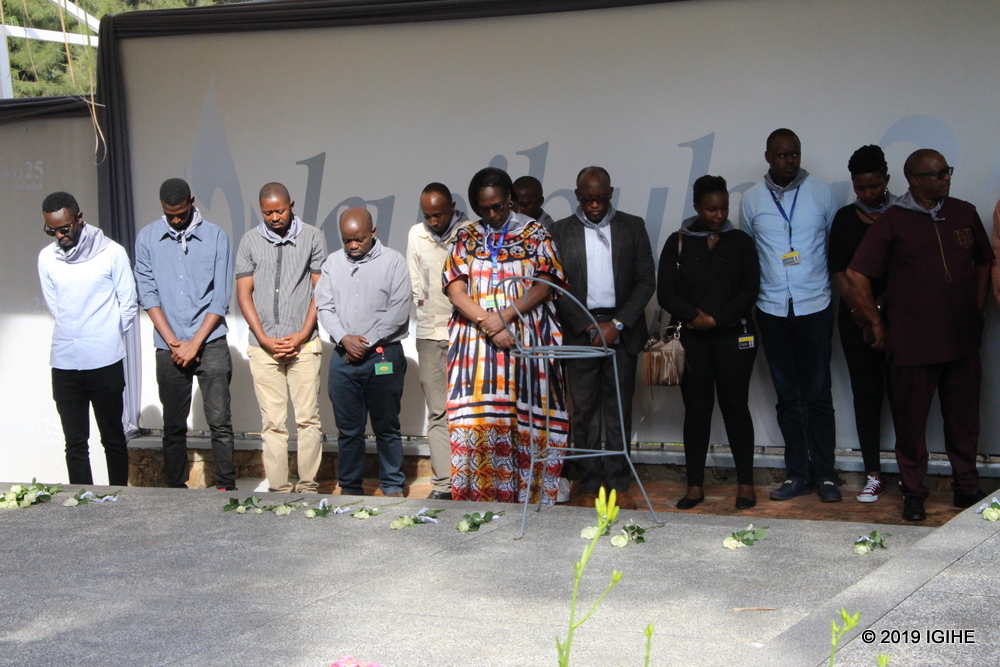
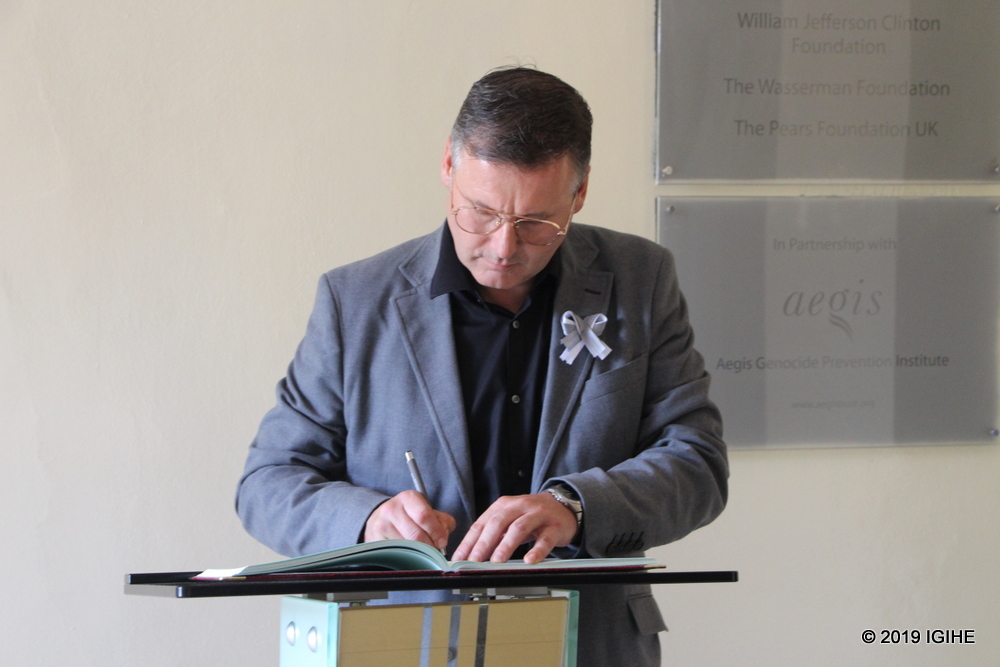
Skol Brewery Ltd Rwanda staff led by the management visited the memorial and donated Rwf 1 million to support the maintenance of the memorial.
They were explained the history of the 1994 Genocide against the Tutsi, toured different facilities making Kigali genocide memorial and concluded the visit honoring victims laid at the memorial mass graves.
SKOL Brewery Limited Rwanda General Manager, Ivan Wulffaert said that what happened in Rwanda should be a lesson to the rest of the world that Rwandans should be characterized by unity than inflaming discrimination.
“Let the memorial be a reflection enabling us to look back and learn from the past so that genocide never happens again. We should be more inclined to seeking harmony than fuelling divisionism. We honor victims of genocide and console with survivors who lost relatives and friends,” he said.
Skol Brewery Ltd Rwanda makes drinks including Skol Panache and alcoholic drinks like Skol Lager, Skol Malt, Skol 5, Virunga Mist, Virunga Gold, Skol Canette among others.
The extension of remand had been requested by the prosecution which appealed following the release of the duo in April 2019.
The court said yesterday around 3:40 pm that the judge who presided the previous had a hospitalized child and was discharged on Thursday hence announcing the postponement of the ruling to 24th May 2019.
No one of the suspects were present in court except few relatives.
On 21st March 2019, the prosecution announced the arrest of Rutayisire and Gasana on account of misallocating public funds.
As they appeared in Gasabo intermediary court of lower instance for hearing on bail or remand at the beginning of April 2019, the duo was released on bail. The court ordered their immediate release after finding no evidence pinning them.
They are alleged of complicity in the misuse of funds worth Rwf 249 million in One Laptop Per Child Project that is under REB.
John Rutayisire was the first director of REB when the institution was created in 2011, out of merger of different institutions under the education sector including Rwanda National Examinations Council (RNEC), Teacher’s Service Commission (TSC), The National Curriculum Development Centre (NCDC) and Student Financing Agency for Rwanda (SFAR).
He served until 2015 when he handed over to Gasana who served until 2017.
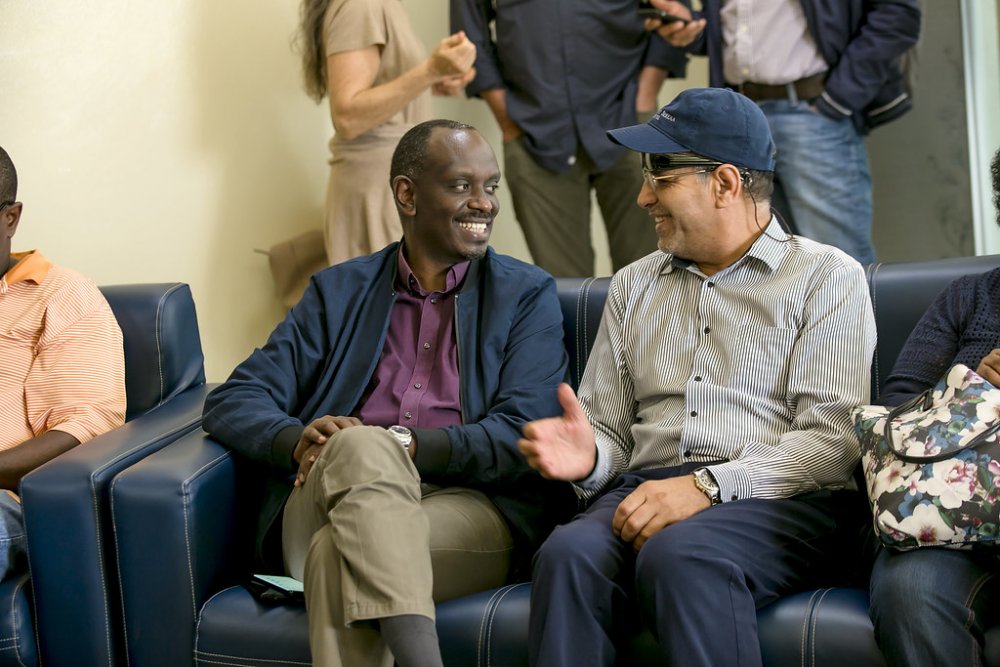
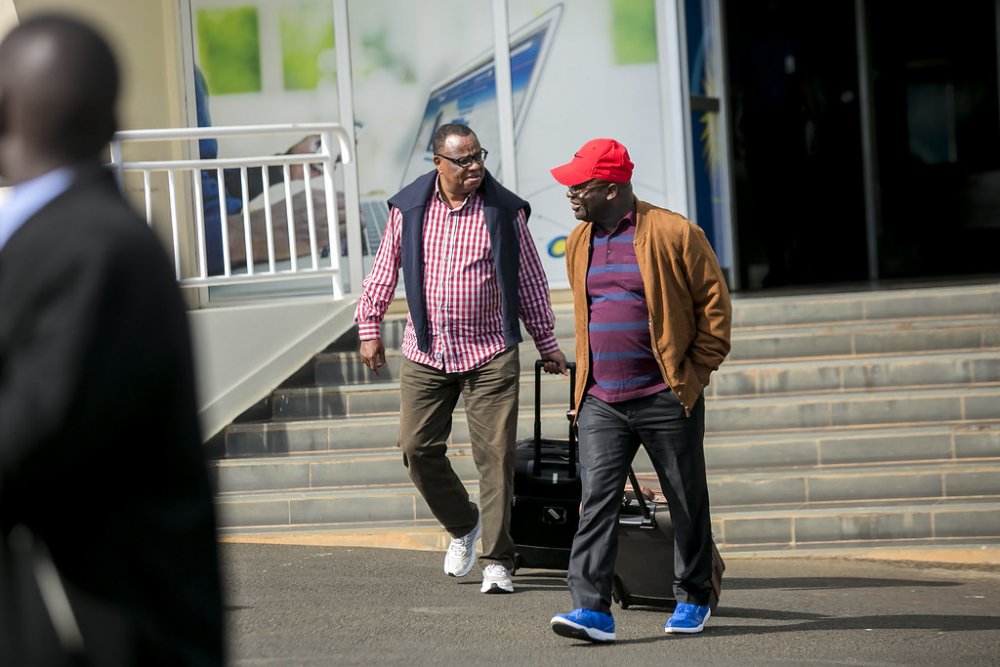
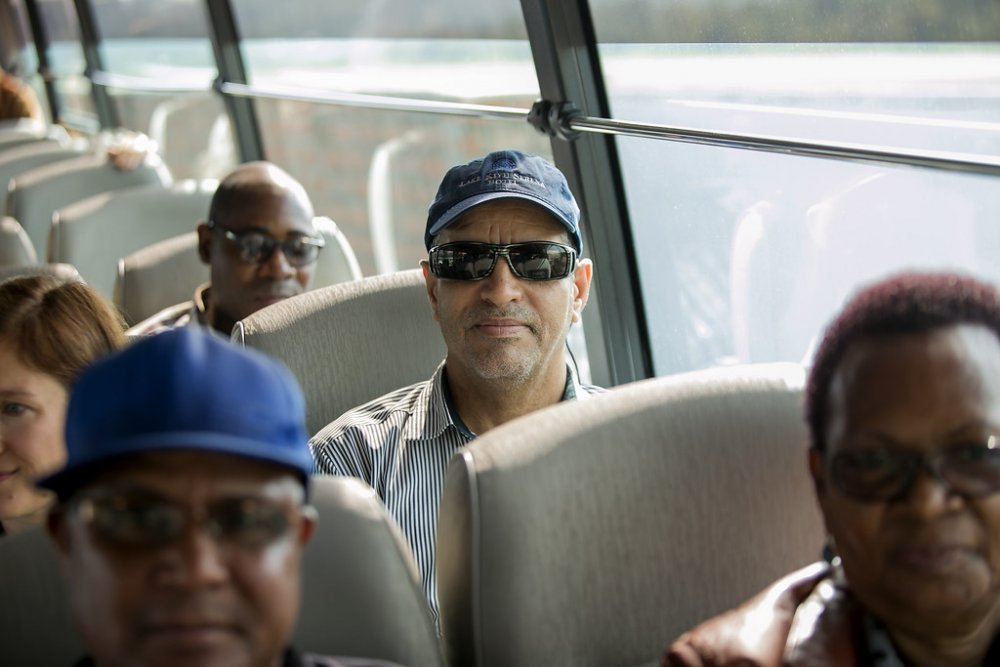
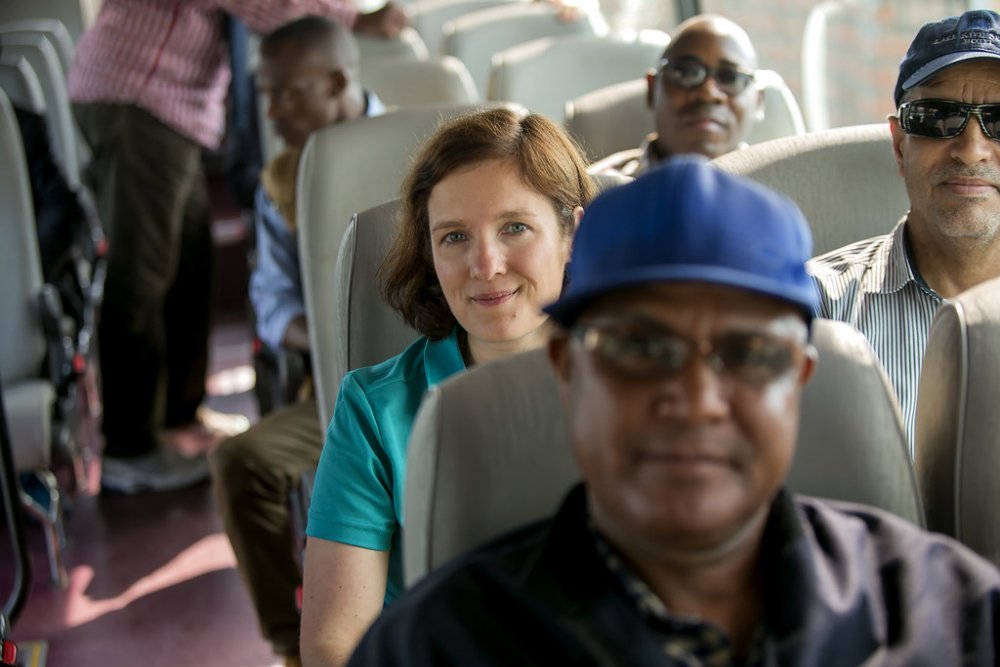
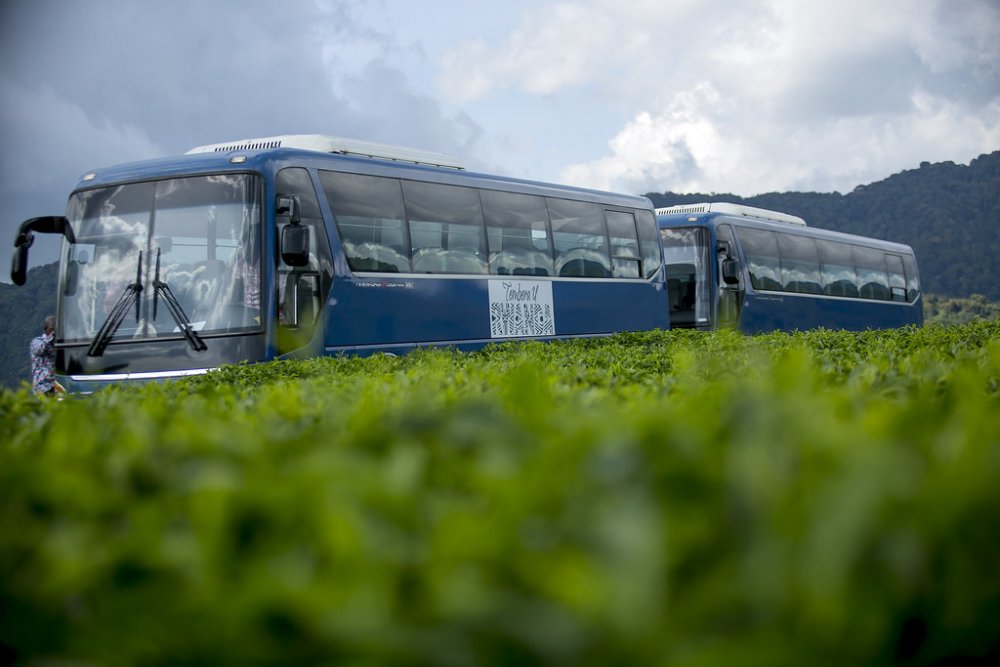
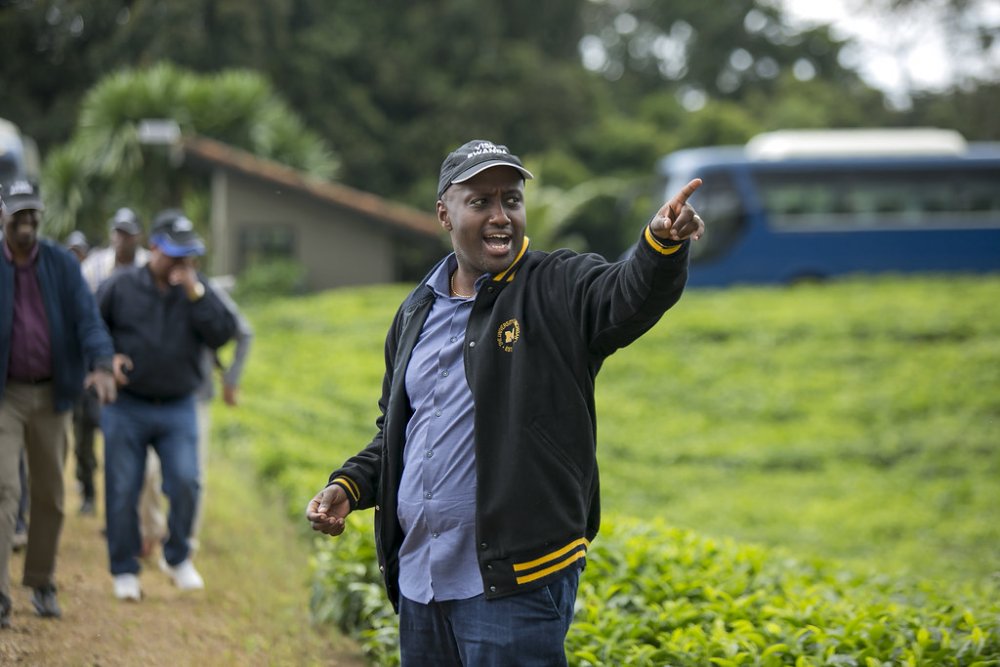
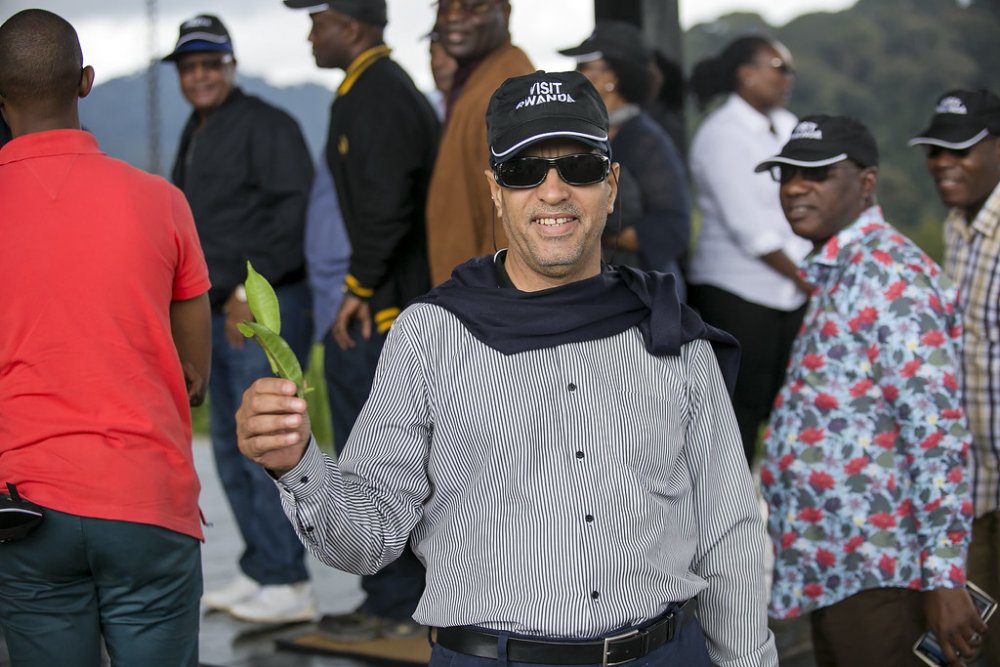
The Ministry of Foreign Affairs has announced that the visit is part of Diplomatic Up-Country Excursion organized for the 4th time to be held from 17 to19 May 2019.
According to the ministry, the excursion aims at giving Heads of Mission the opportunity to explore the diverse splendors of Rwanda, through educational and physical approaches to extend and enrich their knowledge and experience.
This year’s program takes place in the Western and Northern Provinces of Rwanda, from 17th to 19th May 2019 with a focus on Wildlife Health, Environmental Sustainability, Tourism, and Community Education.
It is an occasion for Heads of Mission to get firsthand information on the progress achieved by local entities, and a way of building and developing cooperation between Provinces and countries, Regional and International Organizations accredited to Rwanda.
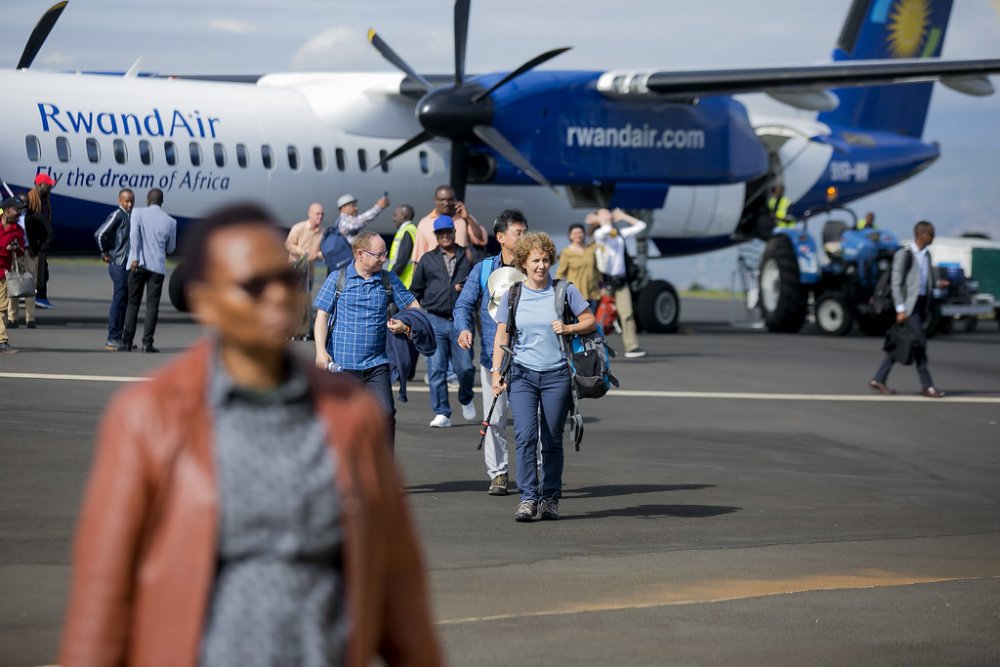
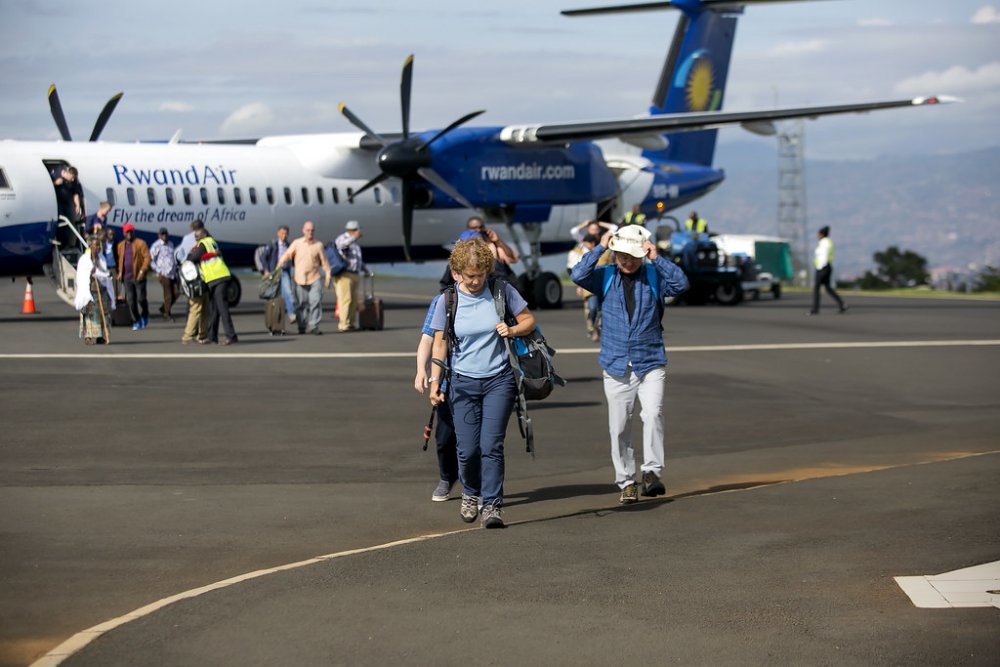
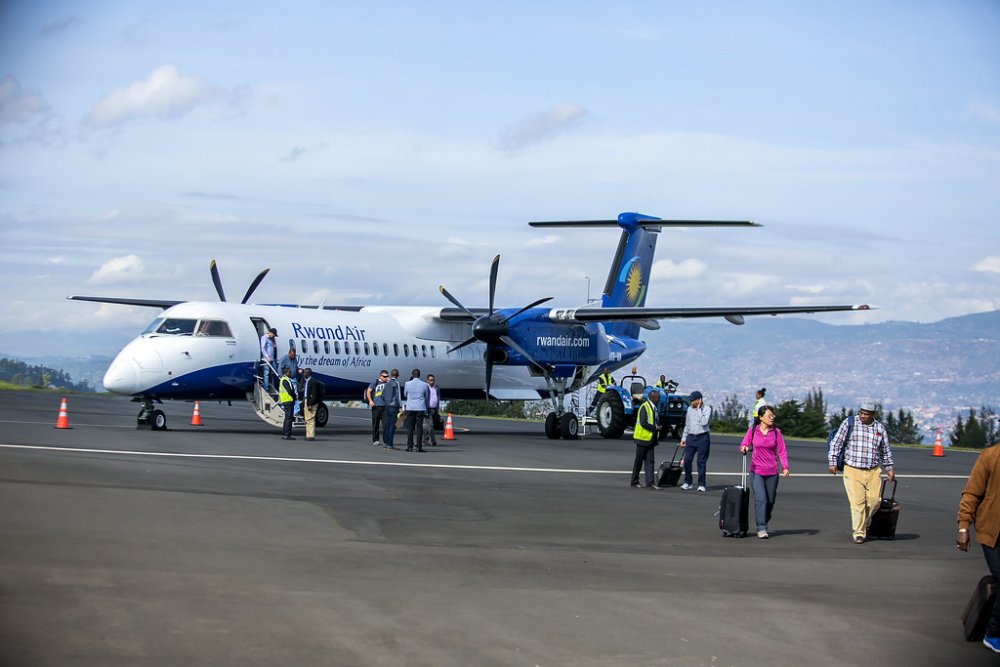
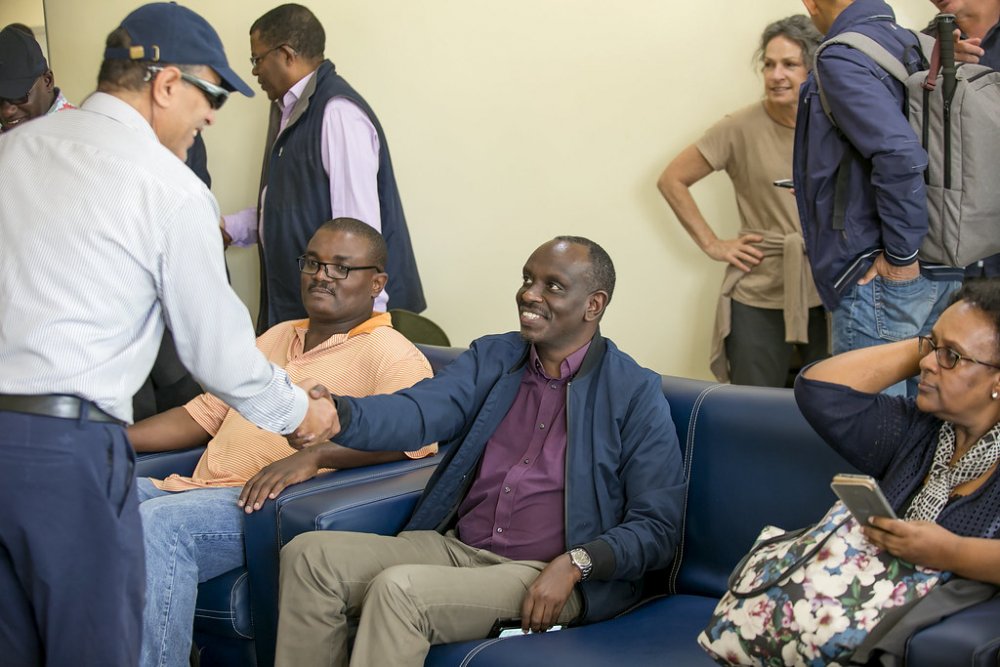
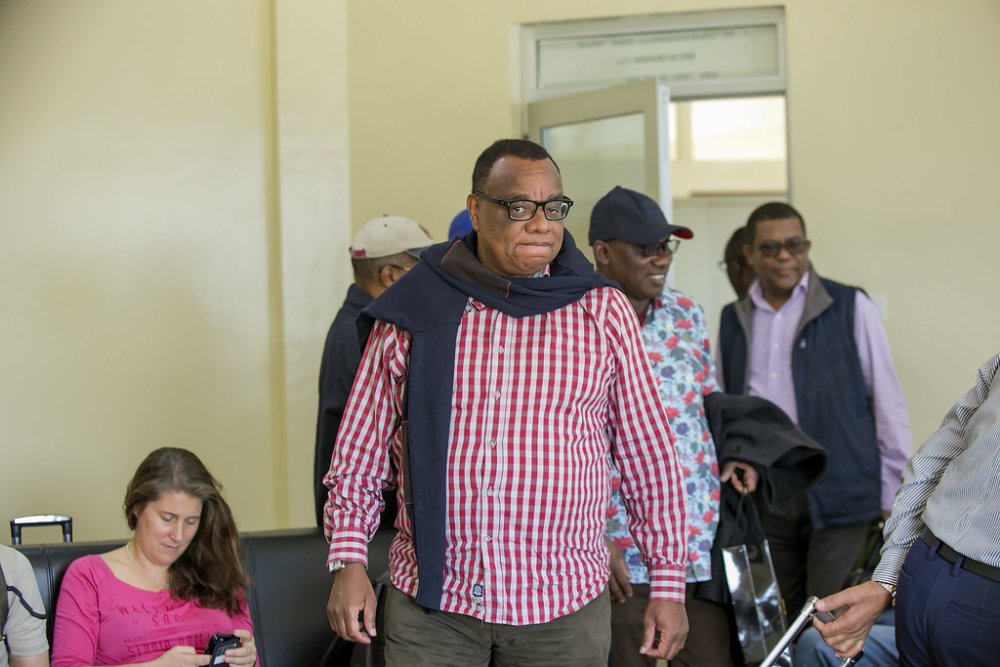
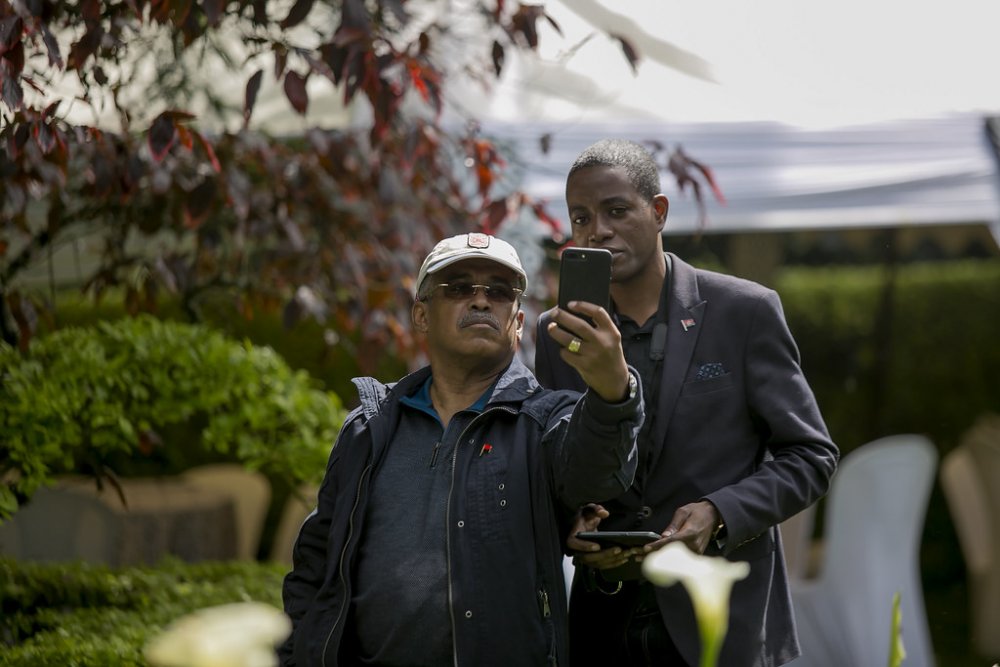
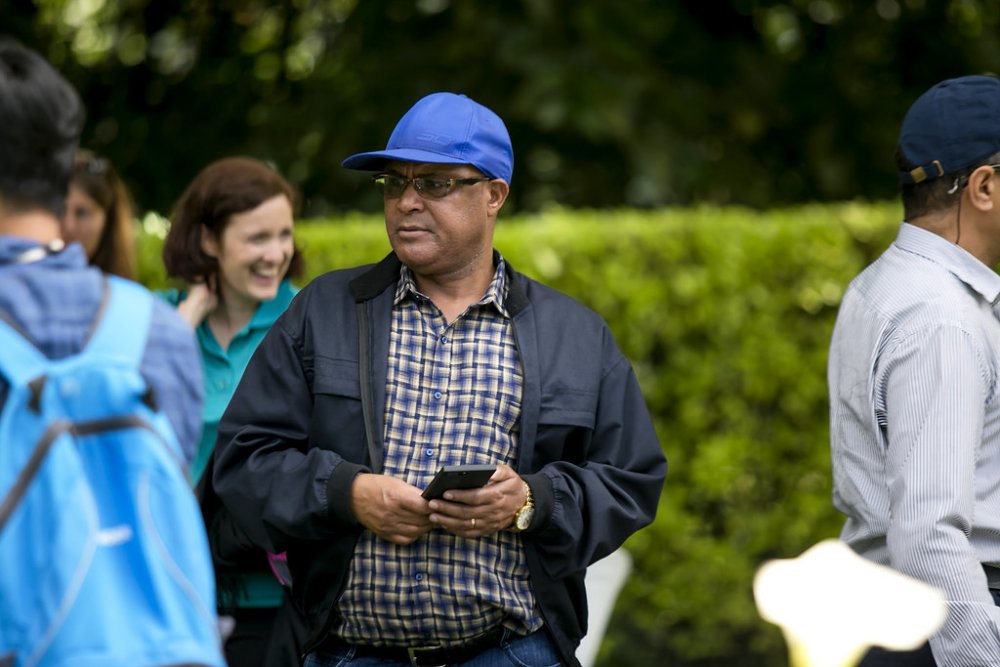
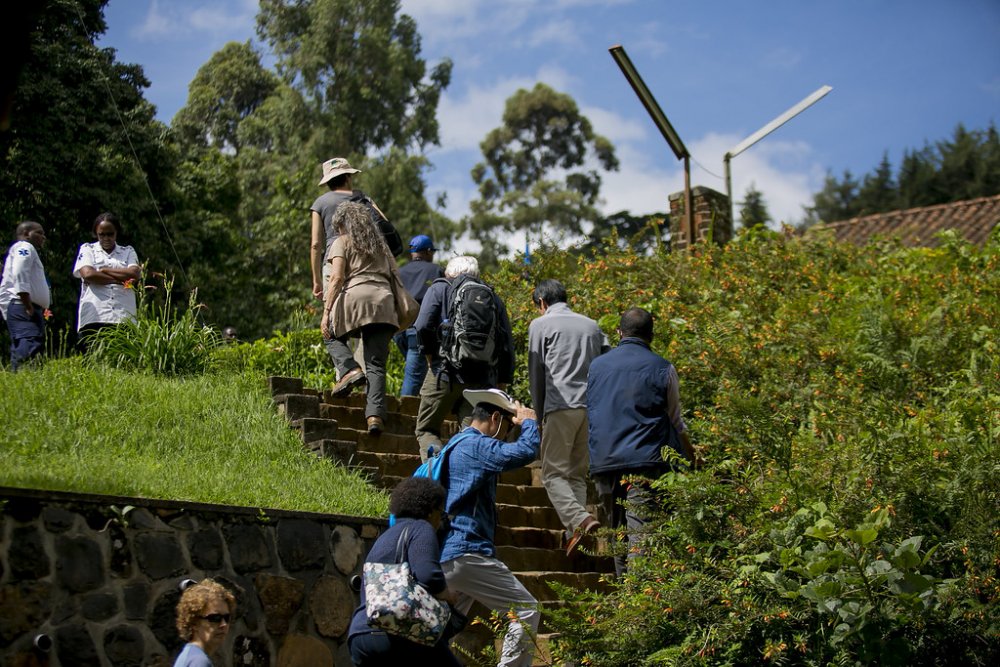
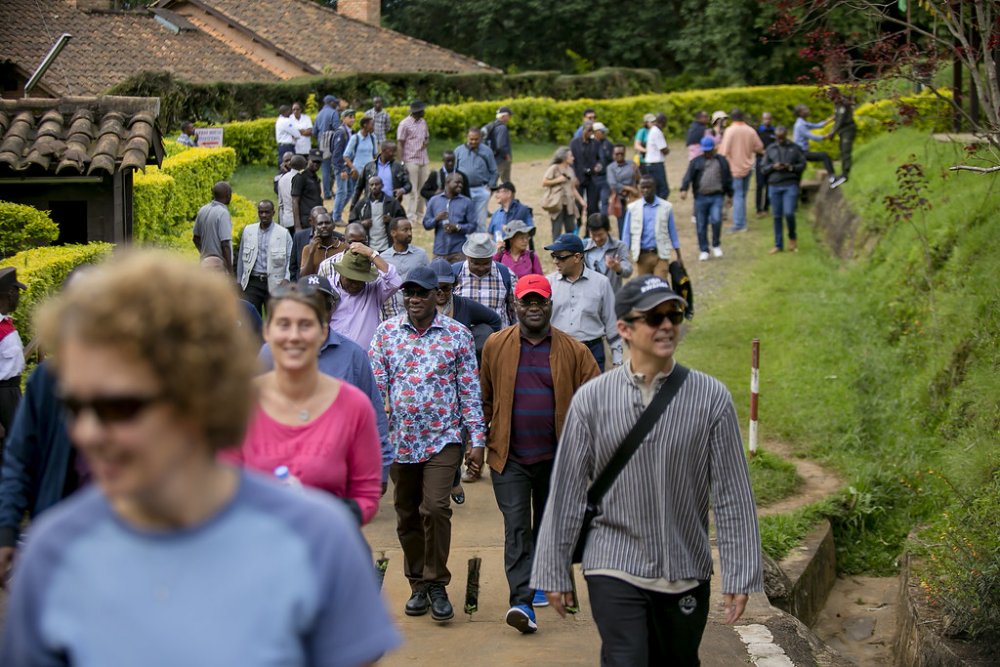
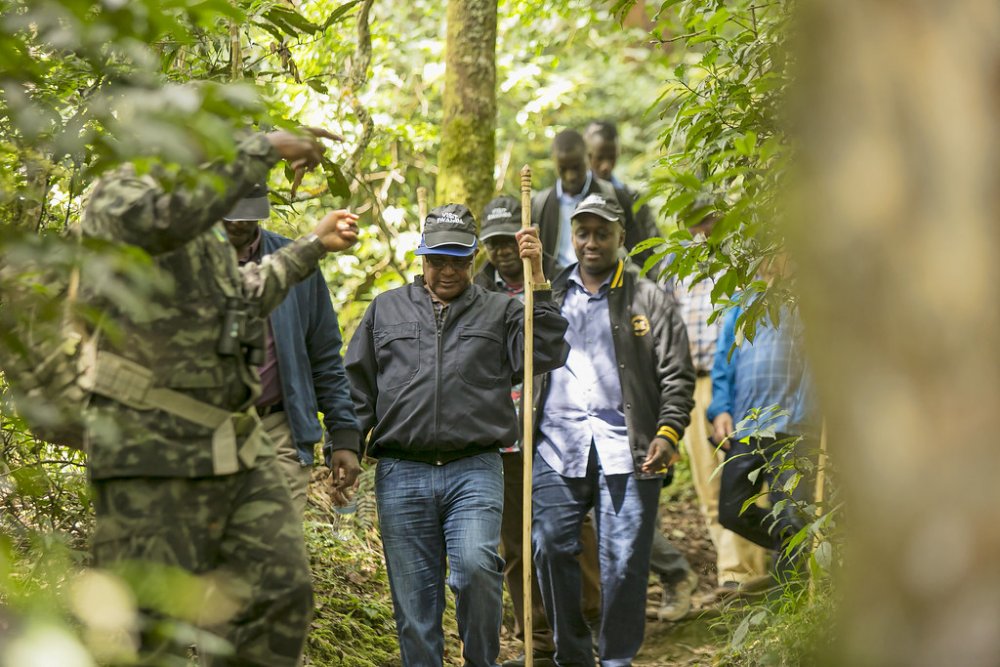
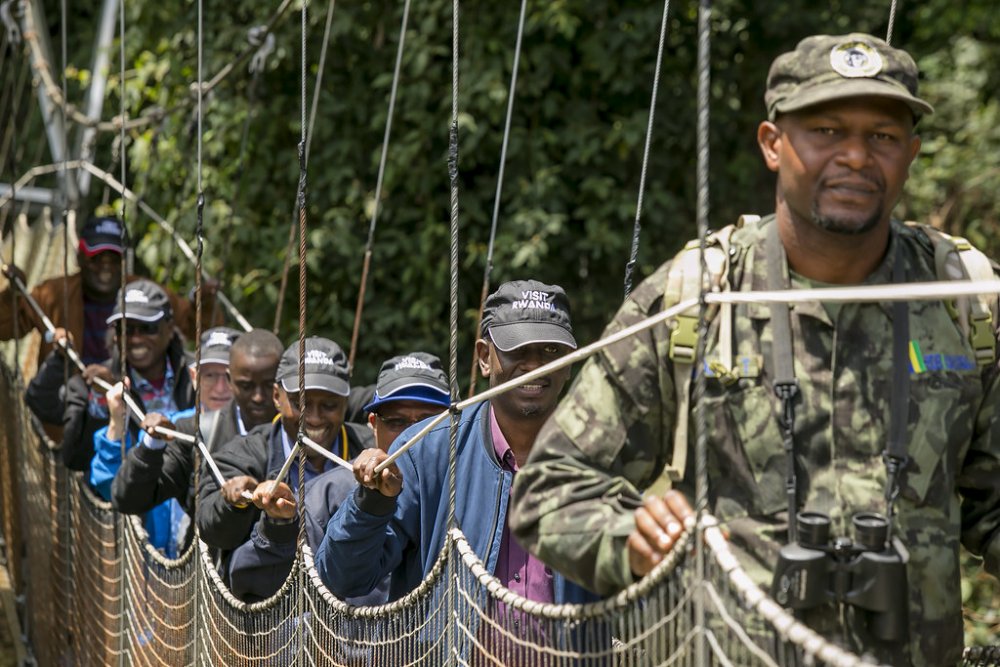
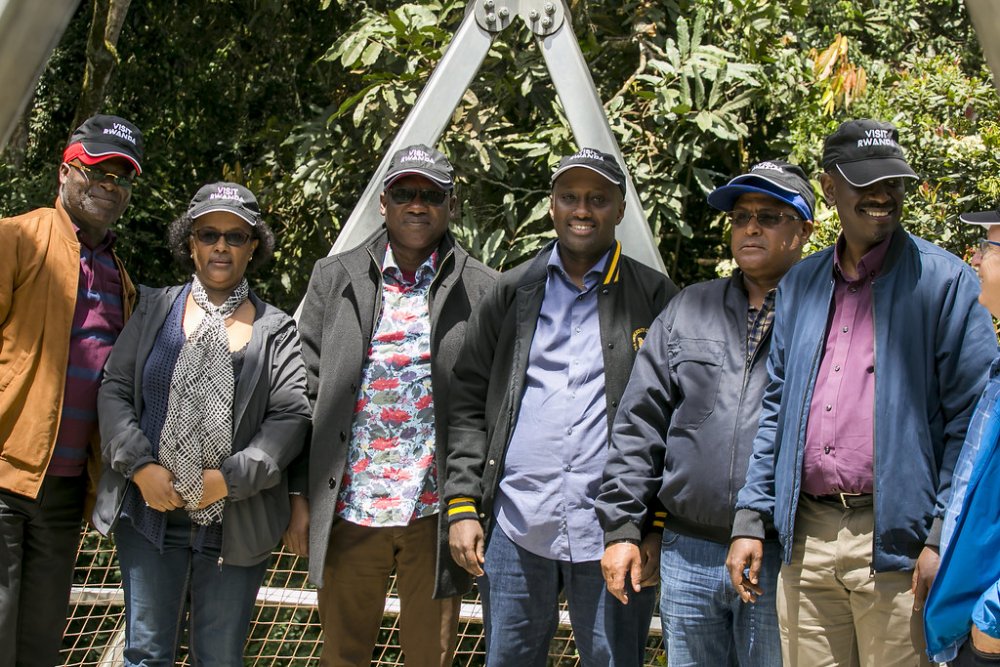
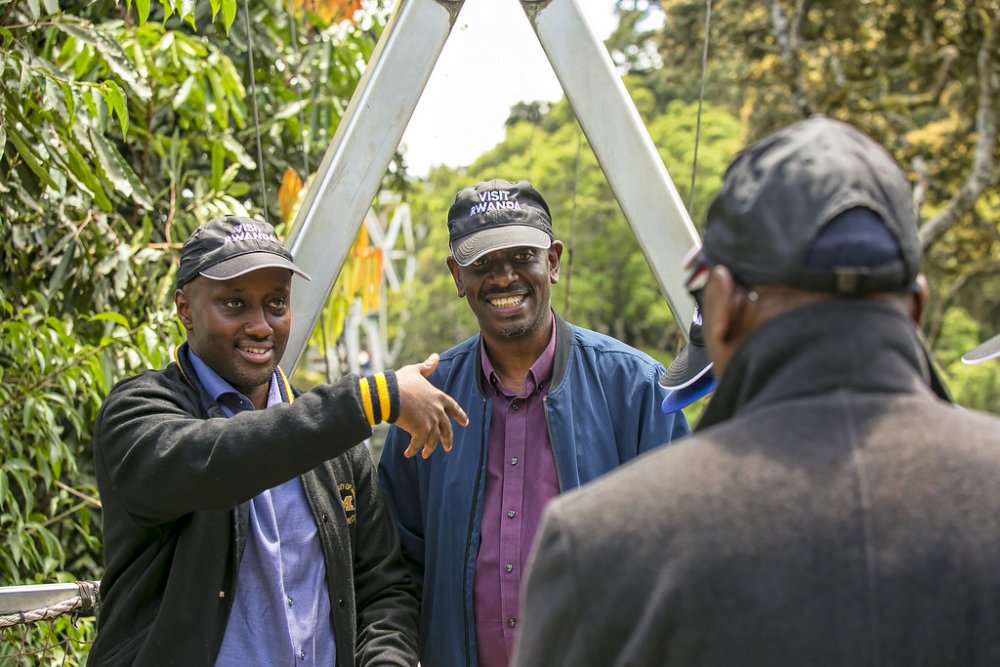
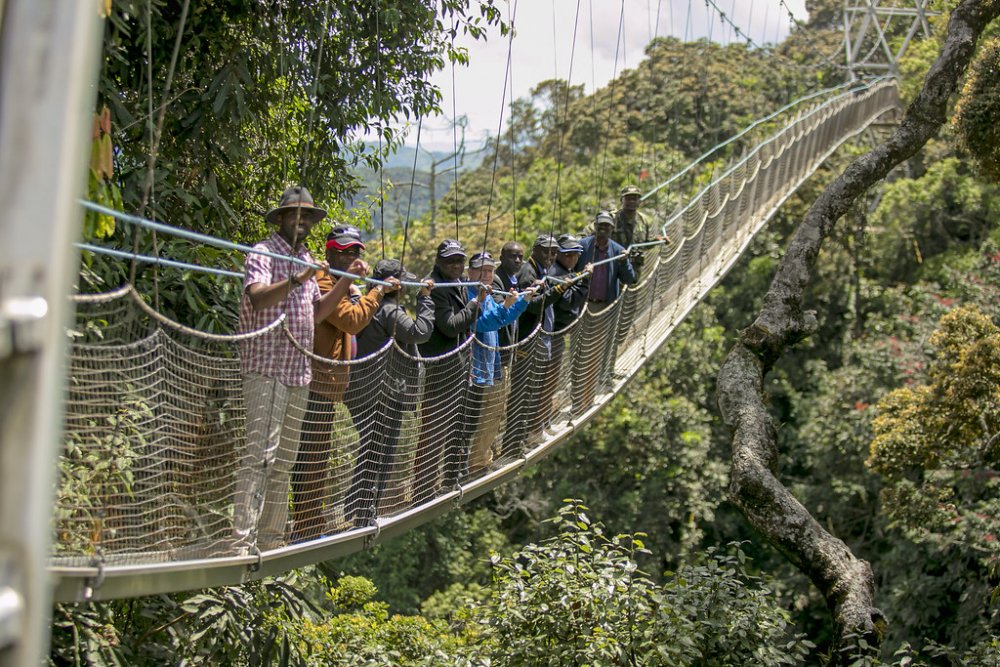
The excursion that kicked off yesterday saw the group of head of missions accredited to Rwanda with Rwanda’s delegation led by the Minister of Foreign Affairs, Dr. Richard Sezibera departing from Kigali heading for Western Province to Nyungwe National Park.
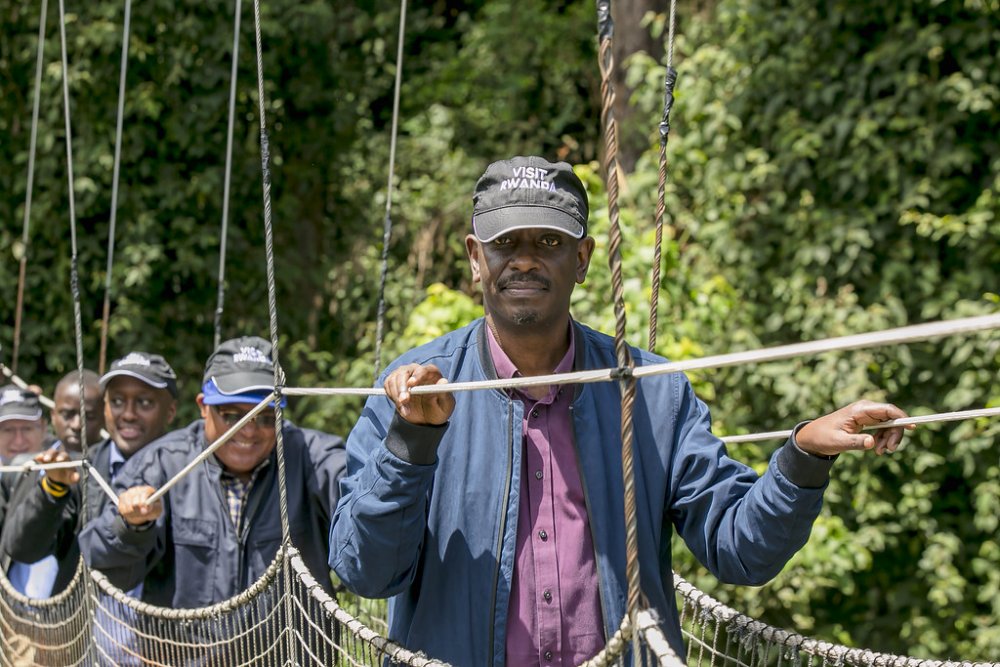
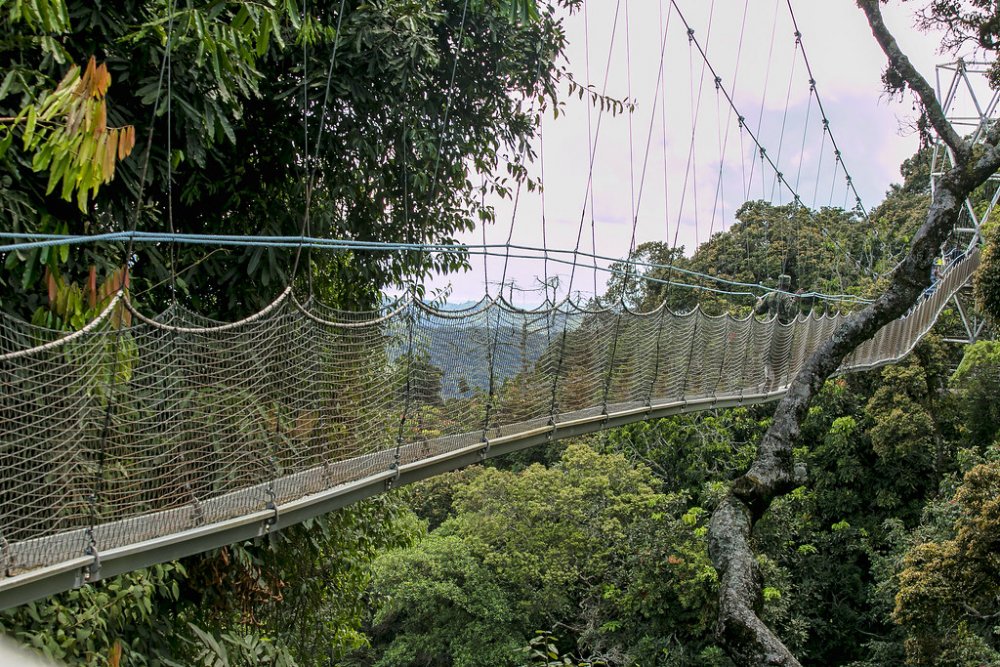
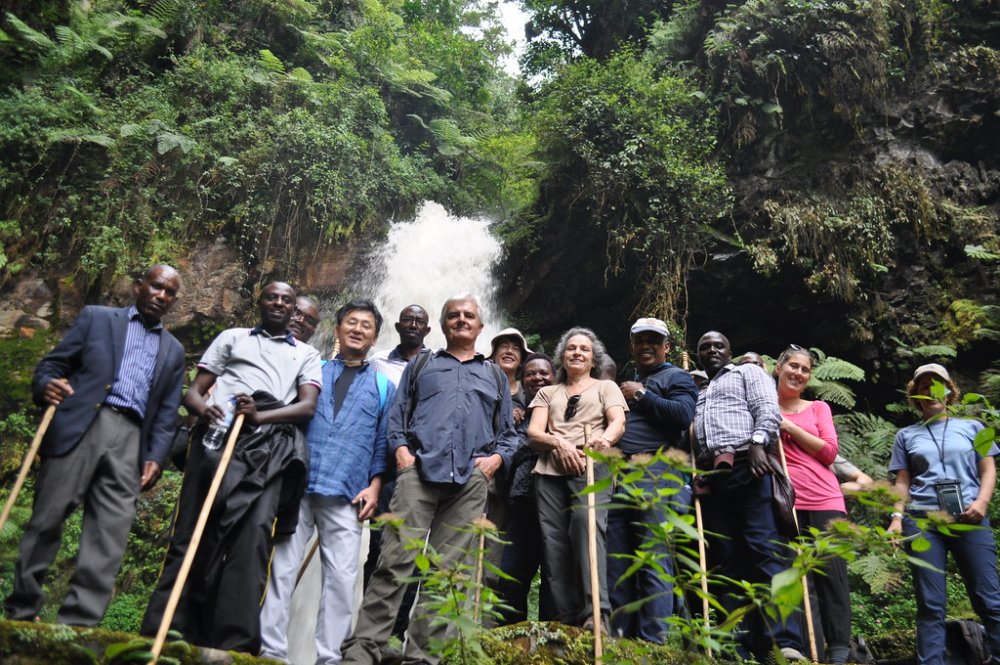
After a fun walk to the Canopy in the park, members of the Diplomatic Corps discovered the magnificence of Kamiranzovu waterfalls.
The visit to Nyungwe National Park comes as an opportunity to demystify rumors from foreign countries that the area is not safe.
Recently some countries are said to have advised their citizens to be watchful when visiting Rwanda and warning them against visits to some parts of the country like Nyungwe National Park and some areas in the neighborhood borders for their security.
Rwanda Minister of Foreign Affairs, Richard Sezibera responded by calling on people to ignore alarmists issuing travel advisories against Rwanda through online publications.
“Friendly advice…ignore alarmist reporting from online publications from a neighboring country on travel advisories. They are incorrect. Example, Canada made no significant change to her advisory for several weeks…. Same risk level as France and the UK,” Dr. Sezibera said in a tweet.