The company continues to record very good performance where it earned Rwf 690 million profit in the first quarter of 2019 up from Rwf 79 million last year equivalent to the growth of 701%.
At the beginning of this year, South Africa’s insurance company, Sanlam acquired shares in SORAS and Saham merging them under one insurance company.
The development was attained after SAHAM also acquired shares in CORAR.
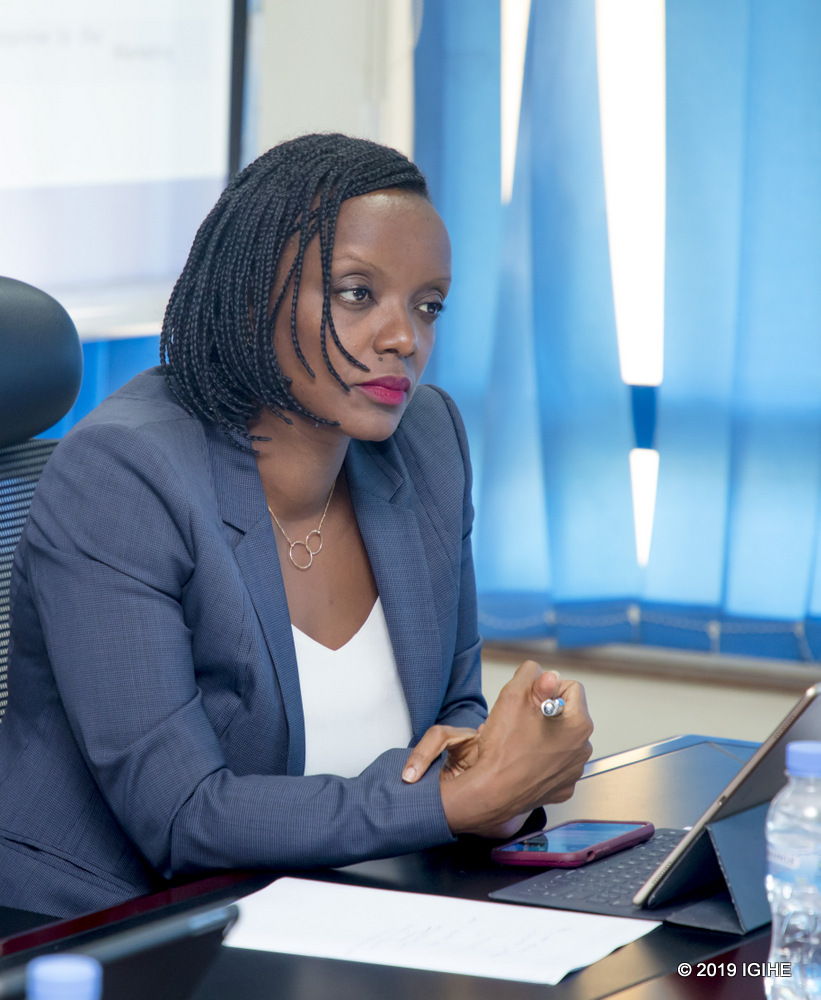
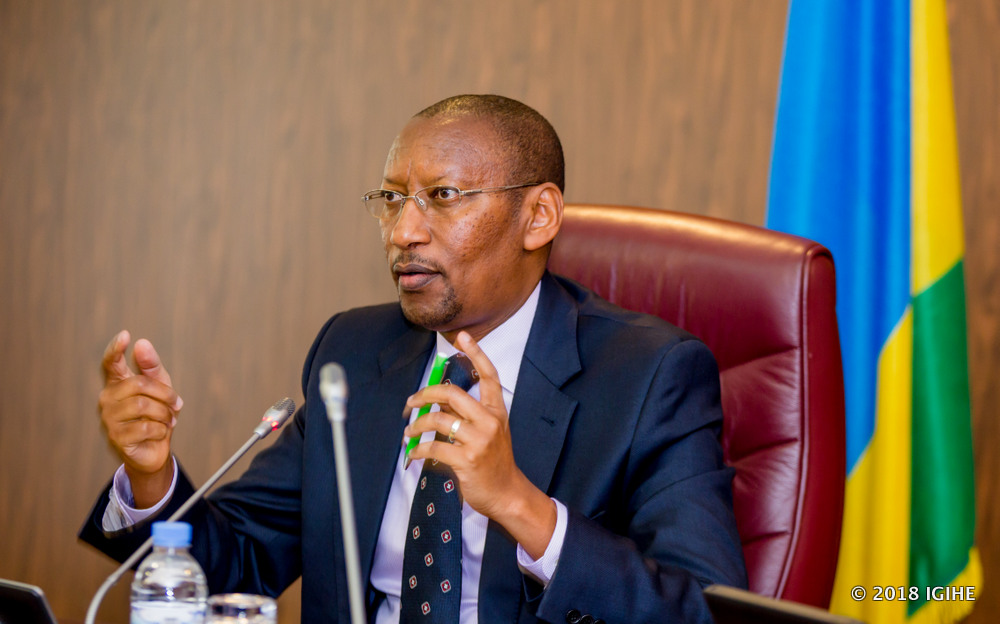
The CEO of BK Group Plc, Dr Diane Karusisi has told IGIHE that BK General Insurance performance over the past three years is very impressive noting that it is not enough for it to become the leading insurance company in Rwanda.
Commenting on the merger with Sonarwa she said: “When you look at the insurance sector, SORAS and SAHAM have already been merged. Today we are ranked the 3rd insurance company yet. We also want to be leading in insurance services in the country. That is why we look at how to partner with others to expand our activities to take the lead in insurance sector.”
“ We want to see how to make one insurance company. We will let you know this year because we want to finalize discussions before merging operations to create one big insurance company in Rwanda,” added Dr Karusisi.
BK General Insurance has total assent of Rwf 8.6 billion.
Sonarwa was the first insurance company in Rwanda established in 1975 by the Government of Rwanda. It offers diverse insurance products including motor insurance, fire insurance, life insurance, children education insurance and money insurance.
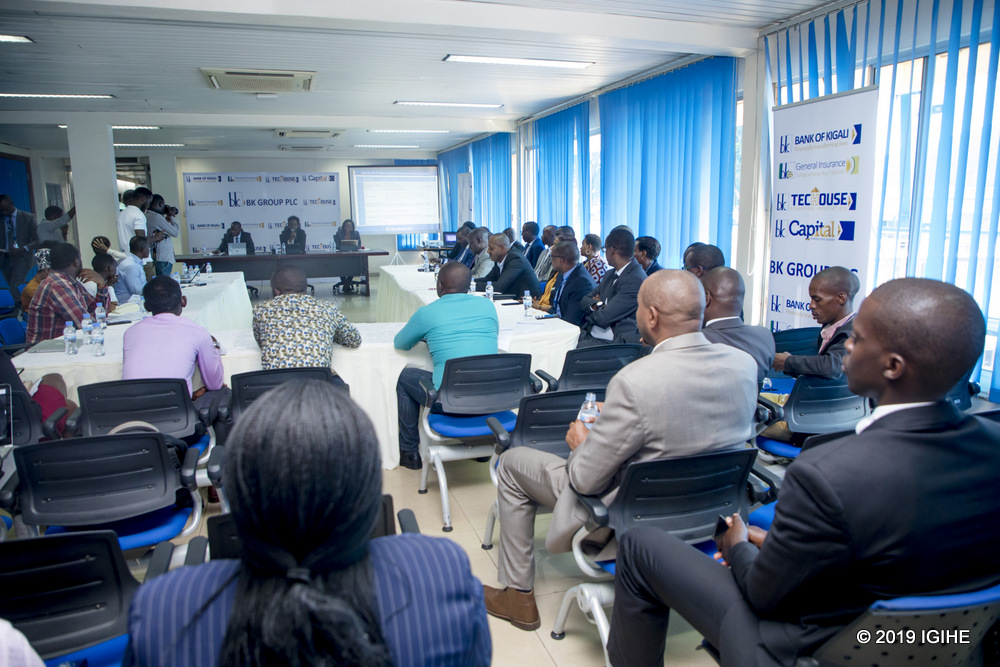
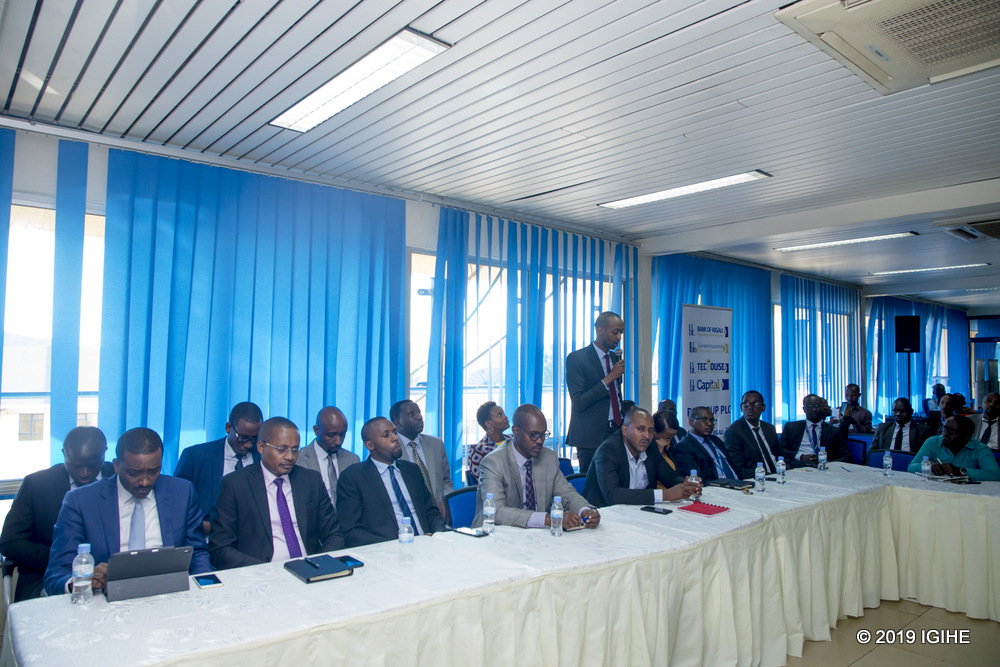
This has been revealed as BK Group Plc announced Financial Results.
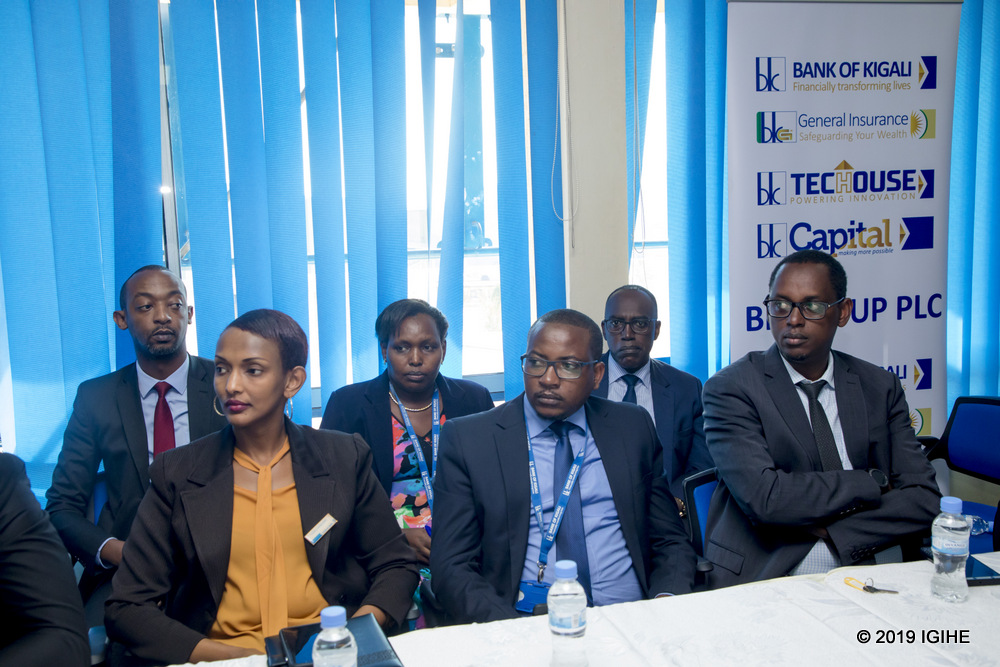
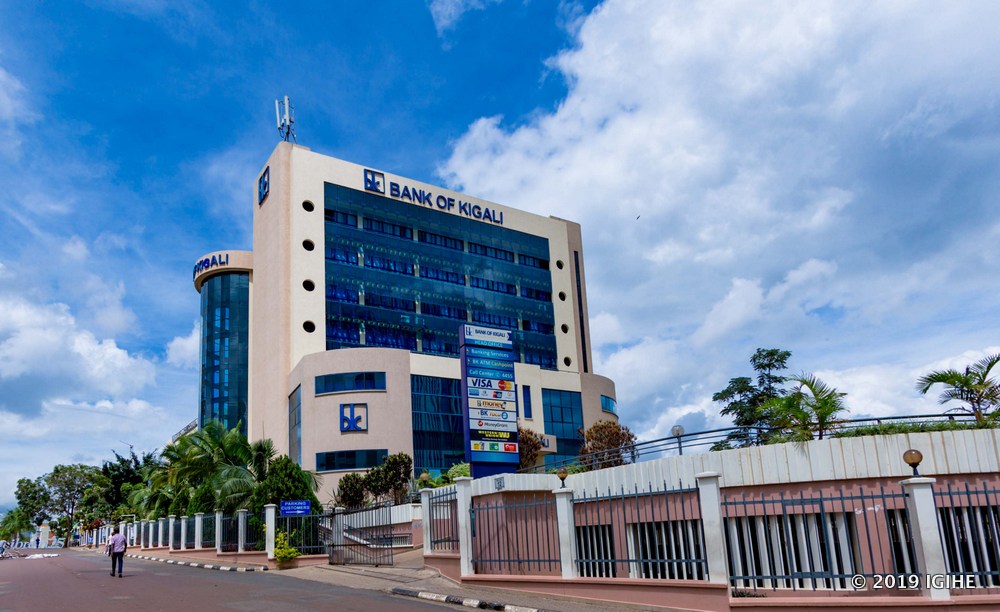
BK Group Plc comprises of Bank of Kigali, BK TecHouse, BK General Insurance and BK Capital.
The company saw a record high net loan growth of 6.2% and total assets growth of 20.2 % (up to Rwf 907.8 billion) compared to previous year.
The CEO of BK Group, Dr Diane Karusisi said: “We attribute this growth to the innovative products we continue to roll out, and one of those new products is an unsecured personal loan of up to Rwf 30 million that our clients receive very favorably.”
She also mentioned that BK General Insurance recorded an impressive performance that shareholders were last year given chance to increase the initial capital to expand investment.
Nathalie Mpaka the Chief Financial Officer of BK Group Plc said the company continues to grow in terms of service delivery and asset.
During the first quarter, client balances & deposits increased by 5.7% quarter on quarter (q-o-q) and 19.6% year on year (y-o-y) to Rwf 562.4 billion (US$ 625.7 million) as at 31 March 2019.
Net loans and advances increased by 6.2% q-o-q and 26.4% y-o-y to Rwf 603.3 billion (US$ 671.2 million).
Shareholders’ equity increased by 2.2% q-o-q and 54.5% y-o-y to Rwf 199 billion (US$ 221.4 million) as at 31 March 2019.
Of the net profit in the first quarter of 2019, BK General Insurance earned Rwf 690 million up from Rwf 79 million increasing by 701%.
BK TecHouse earned Rwf 247 million up from Rwf 136 million increasing by 81%.
The warning has been issued today in a statement released by BNR. “The National Bank of Rwanda has been alerted of the existence of investment scam activities operating in Rwanda (through locally registered businesses or from abroad through online platforms).These scams take the form of active pyramid schemes, multiple level marketing or cryptocurrency issuance through fake initial coin offering (cryptoscam),” reads the statement in part.
Some of these schemes that have come to the attention of BNR include Supermakertings Global Ltd, 3 Friends System Group Ltd , Onecoin or Kwakoo among others.
These scams require a client (recruit) to pay a fixed amount of money to the scheme promoters as membership fee or initial investment and promise to pay a certain amount of money for the recruitment of new participants into the scheme, plus high interest in the invested amount.
These schemes may be either product/service based where there is a mandatory purchase of goods (such as medicines), services (travel packages) or intangible property (such as digital coins) operated through multilevel or network marketing.
The schemes could however be based on payment of a mandatory minimum entry fee with no product or service consumption required (naked pyramid schemes). The common factor with those schemes is the promise to make the participant rich in a short period and with minimum effort.
“Having noted the dangers of the above mentioned scams, the National Bank of Rwanda reminds the general public that these are illegal in Rwanda and investors in such schemes are highly likely to lose their money,” reads BNR statement.
BNR also advised the public to exercise caution and ensure that their investments are with credible and duly licensed deposit-taking financial institutions, assets managers as well as securities brokers.
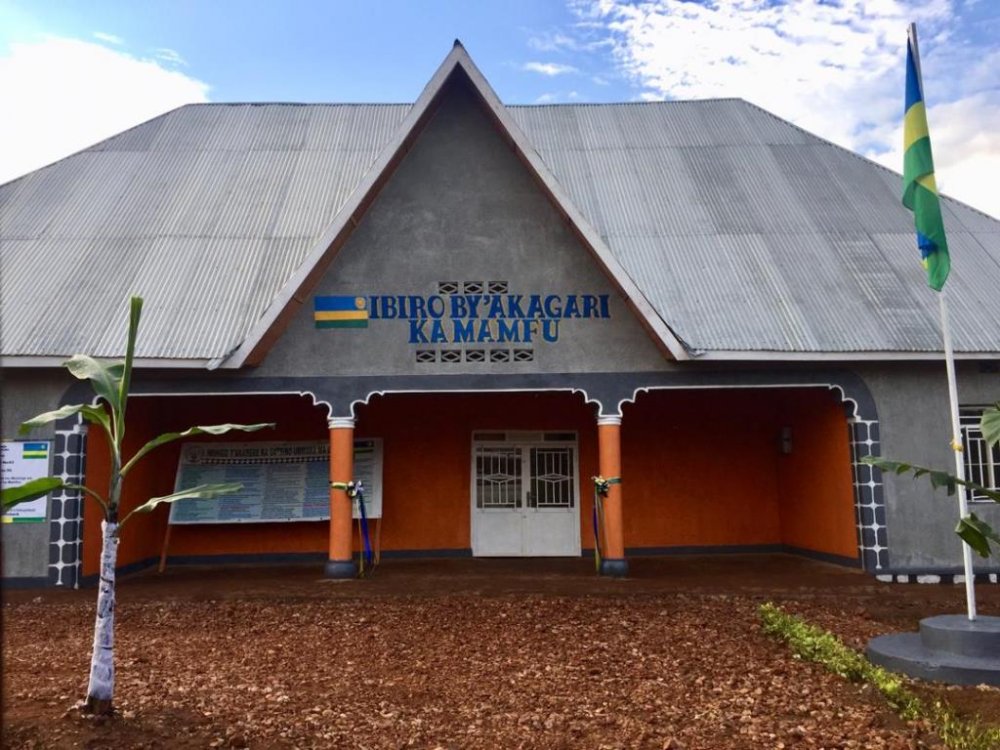
The idea was part of residents to create own solutions following 25 years working in rented office of one room.
The new office was inaugurated on 28th May 2019.
Thacien Bizimuremyi, one of the residents said that having one office building would result into queuing outside the building exposed under hot sun or rain.
“I once returned home without getting served because there was a long queue standing outside,” he said.
Another resident Rose Mukamusana said: “We decided to create own solutions raising funds to build our own cell office to seek services in a decent building.”
The executive secretary of Muhura sector, Steven Rugengamanzi has told IGIHE that residents supported the construction for five years within their means.
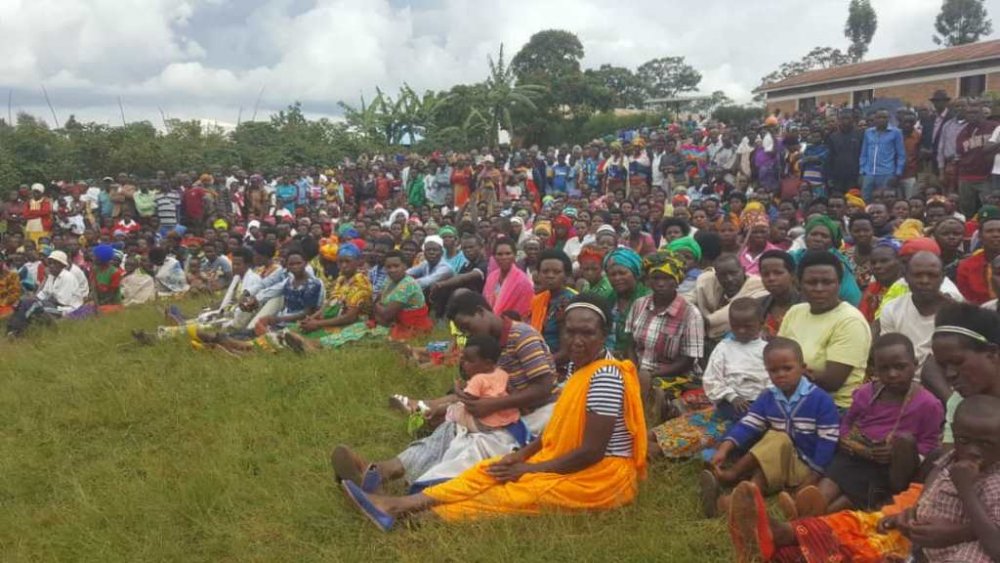
“Construction works began in 2014. It required a lot of energy but residents decided to seek own solutions than expecting external support. Those owning vehicles helped in transporting sand, stones and bricks; others gave their hand for construction activities among others,” he said.
Mamfu was the only among five cells of Muhura sector without decent office building.
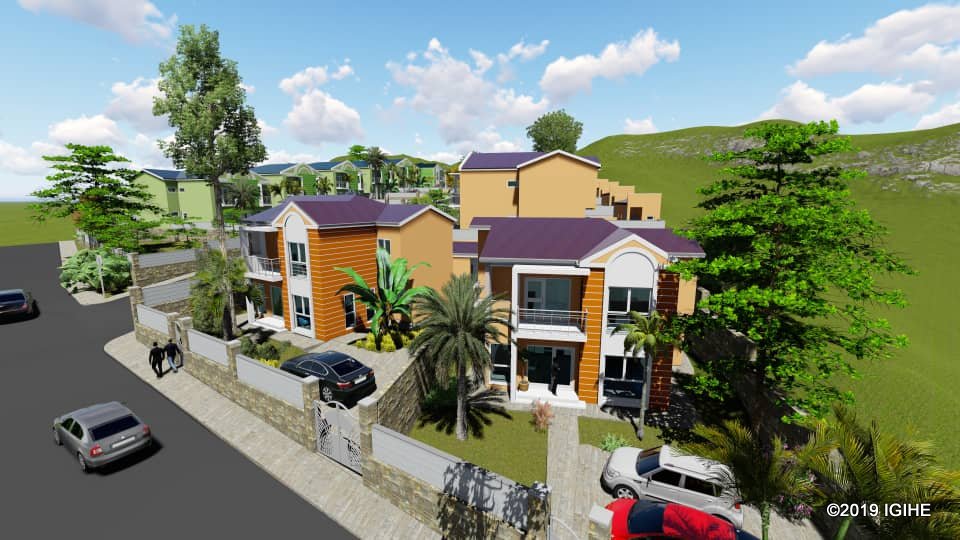
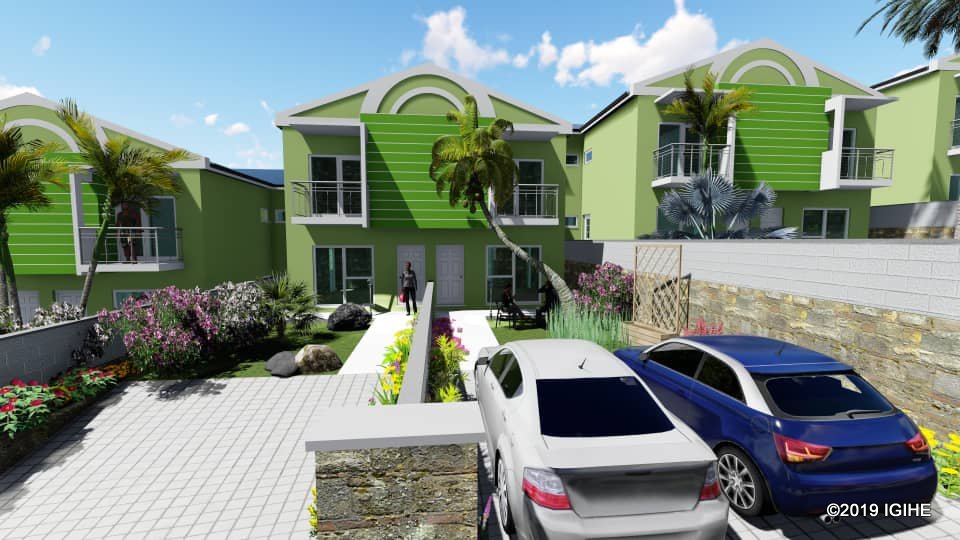
Under the new partnership, DHM will be managing DND apartments on behalf of owners and link them to tenants.
DND is a Rwandan based real estate company that started in 2015. It is an emerging force in the domestic real estate industry.
DND was founded with the simple notion that a single developer with grand ambitions, clear vision, and well-coordinated strategy can change the trajectory of an industry and the market’s belief of what is possible.
The company has so far built numerous affordable apartments in Nyarutarama, Gasabo district compared to other buildings in the area.
DND has successfully completed apartments in the first two phases which were all bought and is currently working on the 3rd phase.
The new apartments under construction align with the current vision and are structured to suit environment-friendly methods.
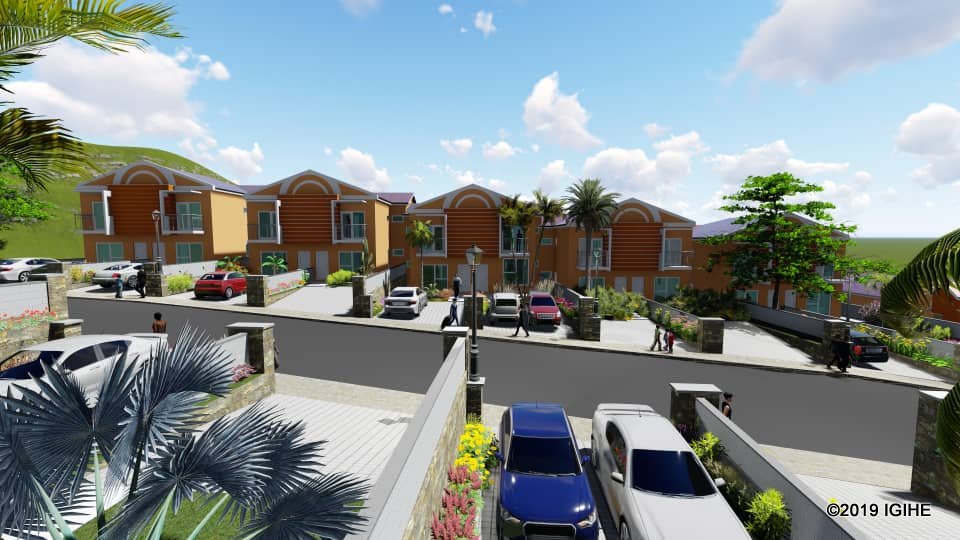
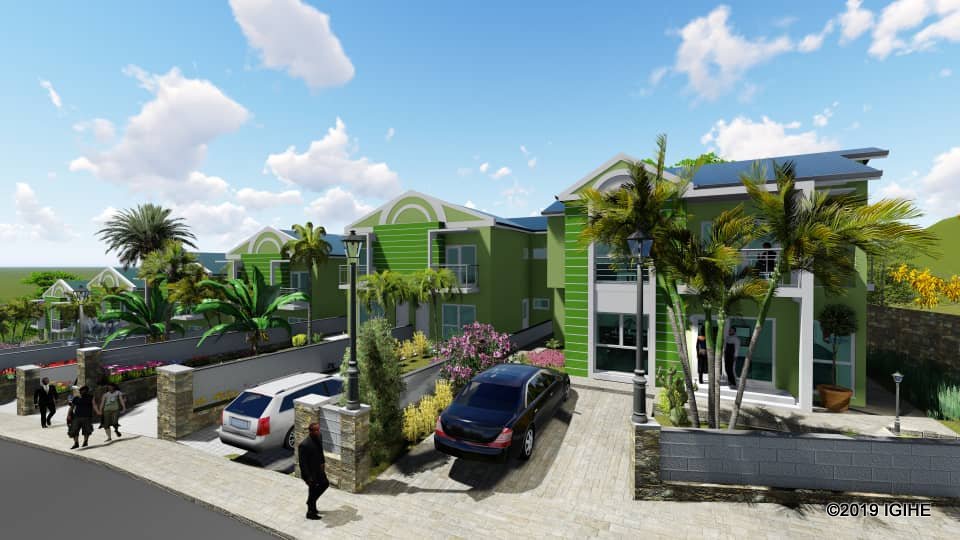
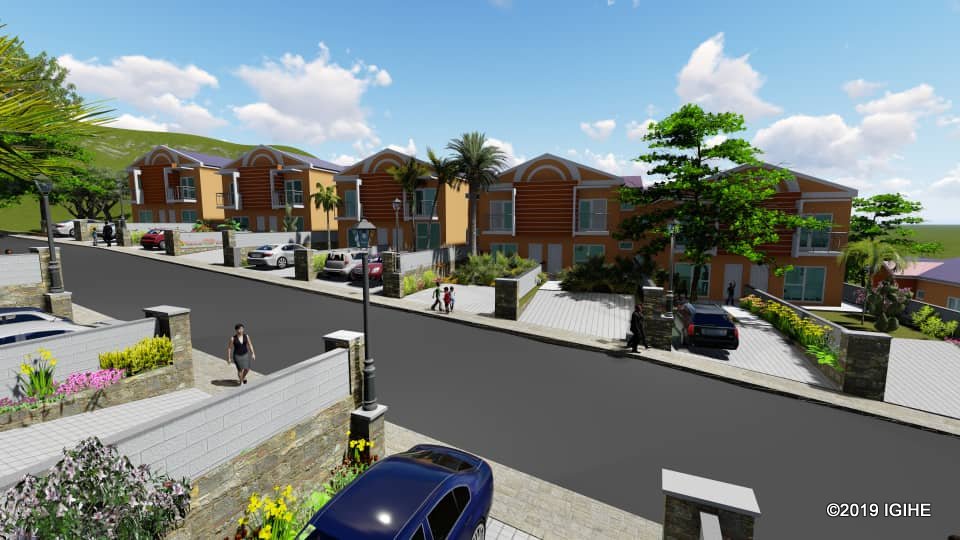
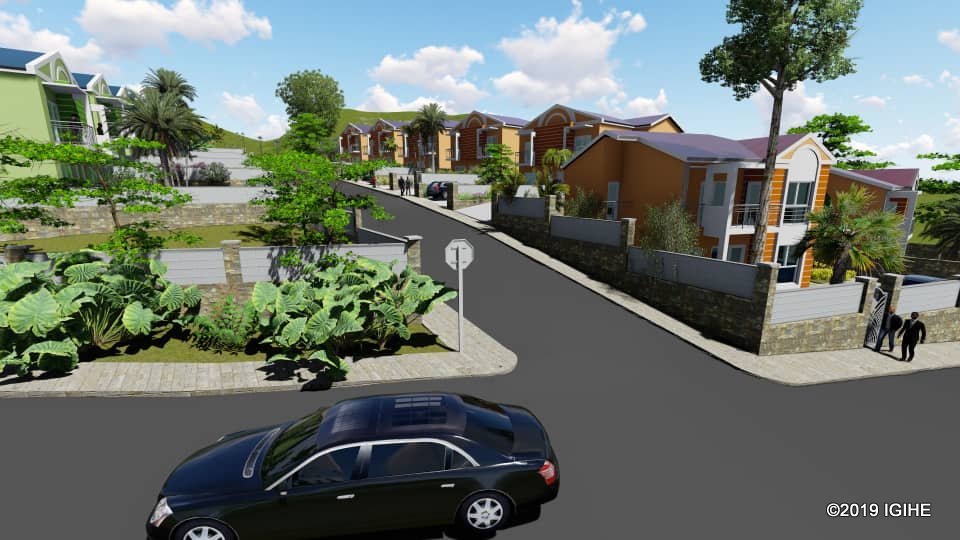
Those buildings under construction include 22 apartments of three rooms, four standalone buildings known as ‘Villas’ having own gardens, small market, and entertainment sections among others.
The Project Officer at Diaspora Home Management (DHM) Ltd, Marie Bernice Umuraza Rutaganda has said that any Rwandan buying a DND apartment, especially Rwandans living abroad will get different support including six months managing the building on behalf of the owner and seeking tenants among others.
Diaspora Home Management is a company of experts guiding Rwandans from abroad on where to seek proper services in Rwanda.
DHM offers services related to investment and property management. It was launched to maximize opportunities from the strength of Rwandans in the diaspora.
The company also helps interested parties in identifying the right insurance companies, and Banking services to work within Rwanda.
{{For more details, an interested buyer may call the number +250787035707 which is also available on WhatsApp, send an email to info@dhm.rw or visit the website [www.dhm.rw->www.dhm.rw]}}
According to engineers supervising construction works at the border post on Rwandan side, the progress of the project is at 96% and will have been completed by next month.
In March this year, Rwanda closed Gatuna border to heavy vehicles that were directed to cross through Kagitumba and Cyabika corders as construction activities are underway.
The border is expected to improve cross border trade upon completion and reduce the time spent at the border during clearance processes.
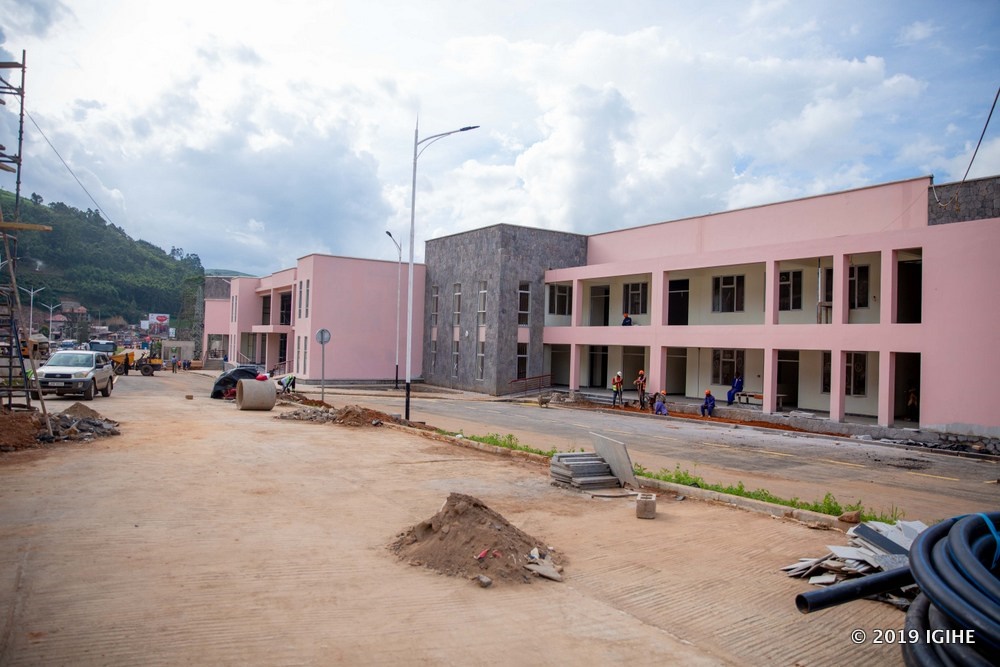
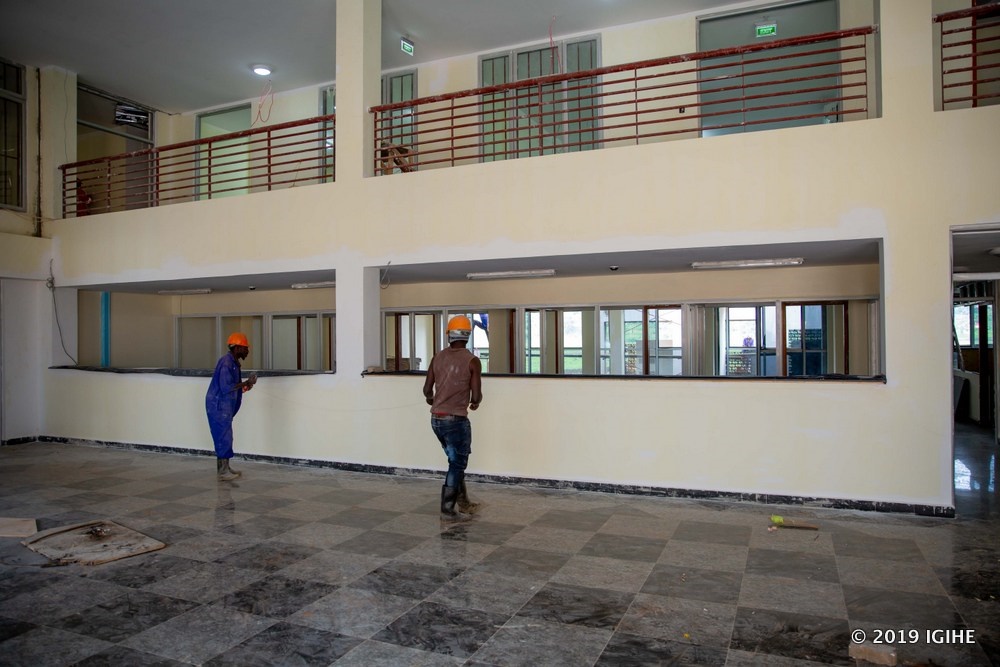
As IGIHE visited the construction site, workers on the Rwandan side were working tirelessly to have it completed the soonest possible.
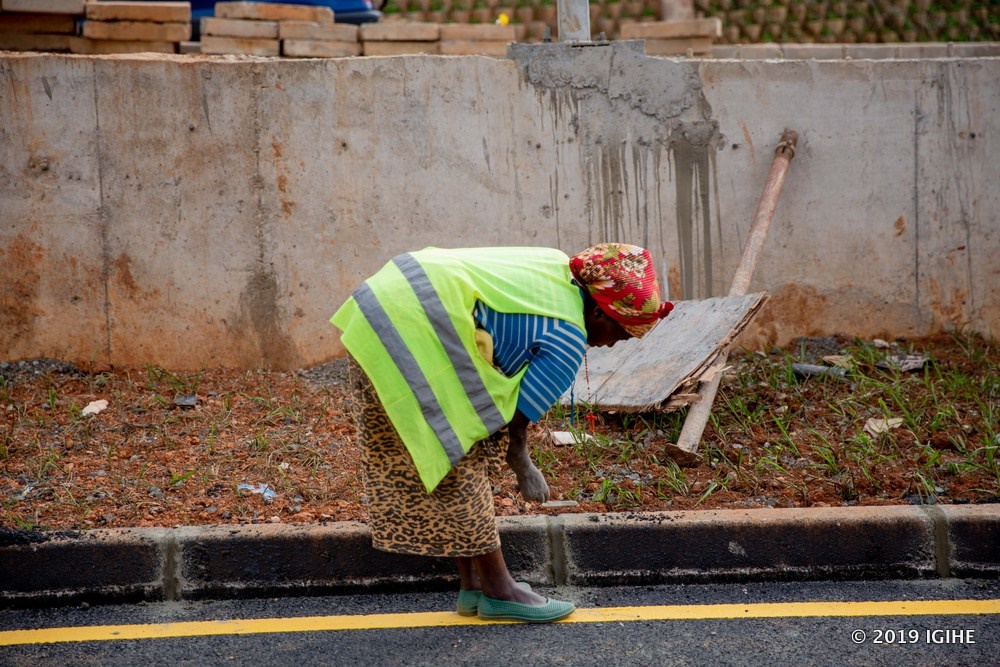
Tarmac roads on Rwanda side have already been completed as efforts to make them green, planting grasses along the road sides are underway.
Buildings are also in final phases as workers are currently painting and doing other light works.
“Construction works stands at 96% on Rwanda side. This means activities will be completed within two weeks. By then, the remaining thing will be relocating equipment from old to new buildings and installing internet,” one of engineers supervising the project has told IGIHE.
Gatuna border post project is expected to be completed at a cost of Rwf 15 billion.
Even though construction works nears completion on the Rwandan side, Uganda is not putting in much effort in the project.
By the time IGIHE visited the border recently, no works were being executed on the side of Uganda expect cattle seen grazing around the project’s premises with the presence of old structures.
The construction of some buildings has also stalled while no tarmac road has been built.
The stalling on Ugandan side worried members of East African Legislative Assembly (EALA) as they visited the site in 2018 after the World Bank stopped the funding.
The exercise conducted in Gasaka Sector on Monday was witnessed by the mayor of Nyamagabe, Bonaventure Uwamahoro, the district Police Commander, Supt. Gaston Karagire, district prosecutor as well as hundreds of local residents.
The destroyed illicit drinks include Kanyanga, a banned crude gin and 27 boxes of assorted contraband. 270 kilograms of cannabis were also destroyed.
Mayor Uwamahoro warned residents against distilling, trafficking, selling and consuming narcotic drugs and psychotropic substances.
He urged them to venture into legitimate jobs.
“Drugs are dangerous to your lives; they cause extreme poverty and make people commit crimes, they pose threat to the country’s development. We urge you to stop abusing drugs because the end is imprisonment, destroying you future especially your children,” Uwamahoro told the residents.
“Abstain from drugs, instead invest in economic and development activities, which will be beneficial to your families and to the country as well,” he added.
Supt. Karagire said that the seizure of the substances was due to the partnership with residents who shared credible information on suspects.
He also said that after getting information they conducted targeted operations in various parts of the district in past few months to arrest dealers and seized the drugs.
“Those individuals that are connected to these illicit drugs we have destroyed were apprehended and prosecuted. We urge to desist from such criminal acts that destroy the health of users,” Supt. Karagire said.
He called upon residents to strengthen partnership with security organs in order to fight and prevent narcotic drugs and arrest dealers.
The public destruction of drugs, he said, is aimed at showing the public that the fight against such psychotropic substances should be everyone’s concern.
He was intercepted on Monday at about 7pm in Ntarabana Sector, Mahaza Cell in Burambi Village.
The Police spokesperson for the Northern region, Chief Inspector of Police (CIP) Alexis Rugigana, said that the targeted operation was conducted by Ntarabana Police station after learning that Muhozi was either working with drug traffickers to transport their narcotics or a dealer himself.
“On Monday, the Police station of Ntarabana received credible information that Muhozi would be transporting a consignment of cannabis, an operation was launched in partnership with the local administrative security organ and Muhozi was indeed intercepted with a consignment of cannabis,” he said.
CIP Rugigana attributed the successful operation to “good partnership with the general public through which traffickers are identified.”
The motorcycle, registration number RE 416Q, was also impounded to Ntarabana Police station, where the suspect is also detained.
Taxi-moto operators have been blamed for facilitating drug trafficking rings.
According to Police, motorcyclists are used as informers on the whereabouts of security organs during the trafficking process or to transport the narcotics.
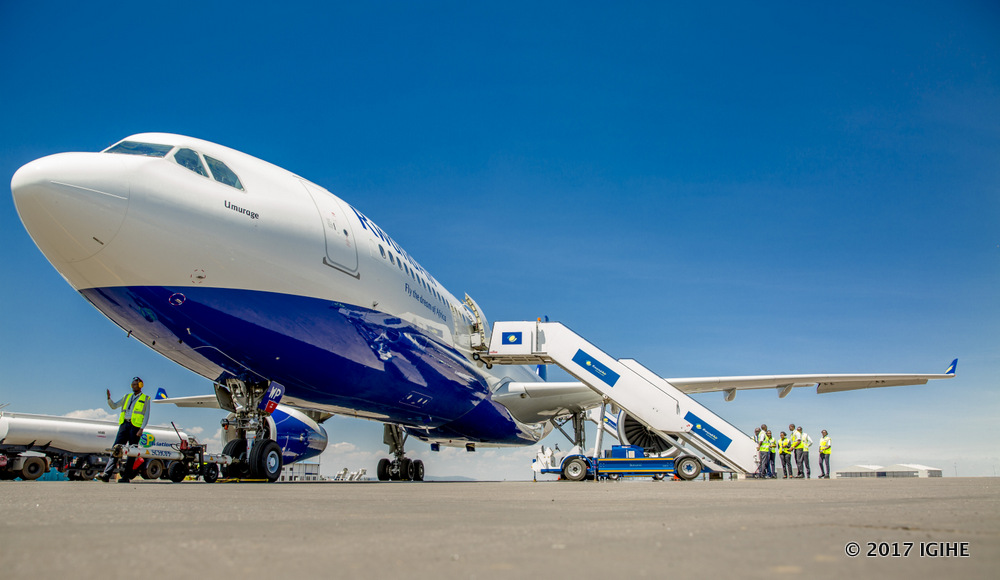
As announced by the airline yesterday, the new route will begin with three weekly flights on Tuesday, Thursday and Saturday operated by a Boeing 737-800NG offering 16 seats in business class and 138 seats in economy class to land on Ben Gurion International Airport.
RwandAir’s Chief Executive, Yvonne Manzi Makolo said “Adding Tel Aviv to our network is part of the carrier’s long term plan to link Rwanda to the rest of the world. Tel Aviv is one of the world’s leading tech hubs and we look forward to flying business travelers as well as pilgrims visiting the Holy Land, to and from our network on this new route.”
She explained that it will also be a great opportunity to ease travel and strengthen diplomatic ties between Rwanda and Israël.
Tickets are now available for sale through RwandAir website, sales offices and travel agencies.
This will be the airline’s 29th destination and second destination in the Middle East, after United Arab Emirates.
The new flights comes at a time when Rwanda, Israël are enjoying vibrant relationships following the opening of Israël embassy to Rwanda on 1st May 2019 represented by the first ambassador with residence in Kigali.
On 17th April 2019, RwandAir launched flights to the Democratic Republic of Congo’s capital, Kinshasa.
It is expected that RwandAir will have launched new flights to Addis Ababa, Ethiopia and Luanda in Angola by the end of this year. The new destinations will be additional to Guangzhou flights to commence on 18th June 2019.
RwandAir also plans to conduct flights to USA starting with New York destinations.
The annual activity is very important in the sense that it gives the President an opportunity to meet and interact with citizens first hand, and get to see what has worked and what hasn’t, as well as seeking solutions to the challenges the respective communities face.
The message during the three-day tour evolved around consolidating what the country has built over the past 25 years, finding solutions from within ourselves, self-worth, ownership and inculcating the belief that Rwandans can solve any problem they face without looking elsewhere.
As someone who grew up from a background of being a refugee and then returning home to witness how Rwanda as a country has been able to defy odds and turn things around even when others have written us off, I can’t help but agree that there is no challenge that is insurmountable for a determined people and nation.
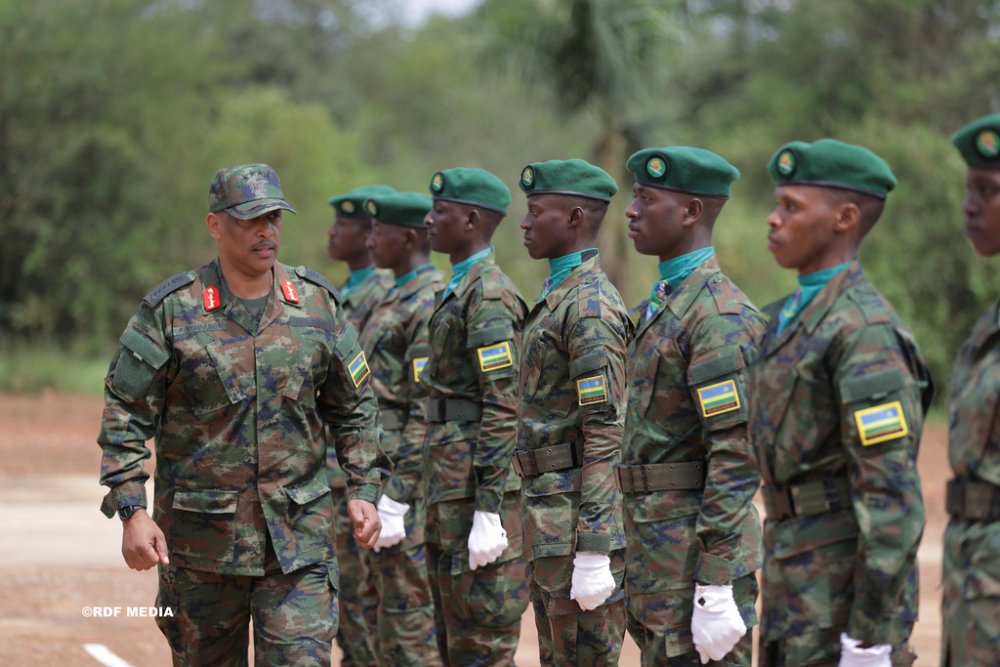
To affirm this, I want to reflect on the work Rwanda Defence Force (RDF) has been doing over the last 25 years to confirm indeed that when people are determined, there is a lot they can do together, not only to seek solutions to seemingly insurmountable challenges but to also rebuild a country with the dignity it deserves.
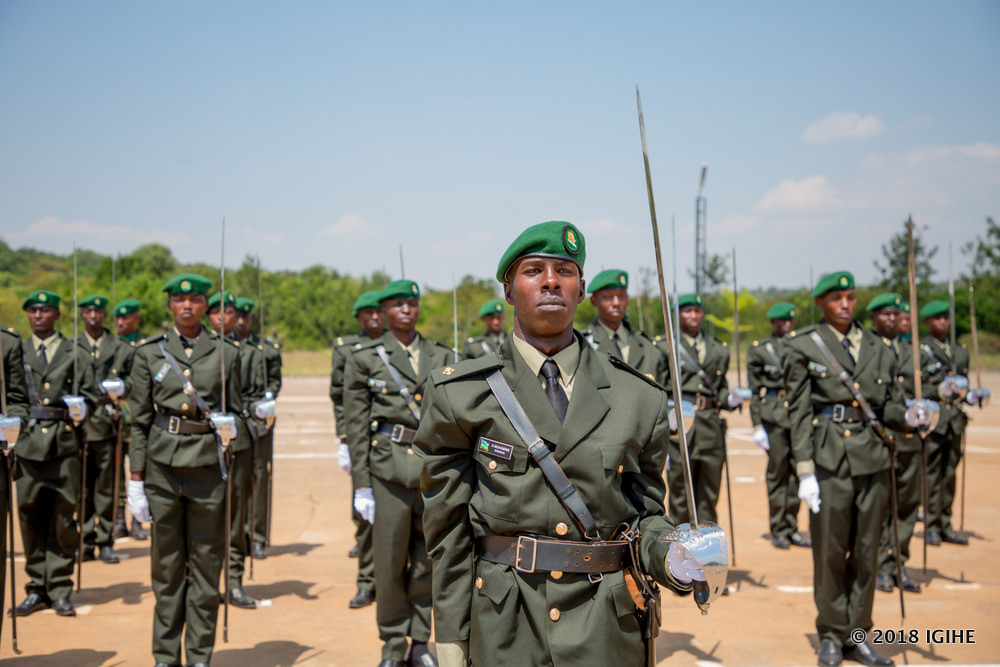
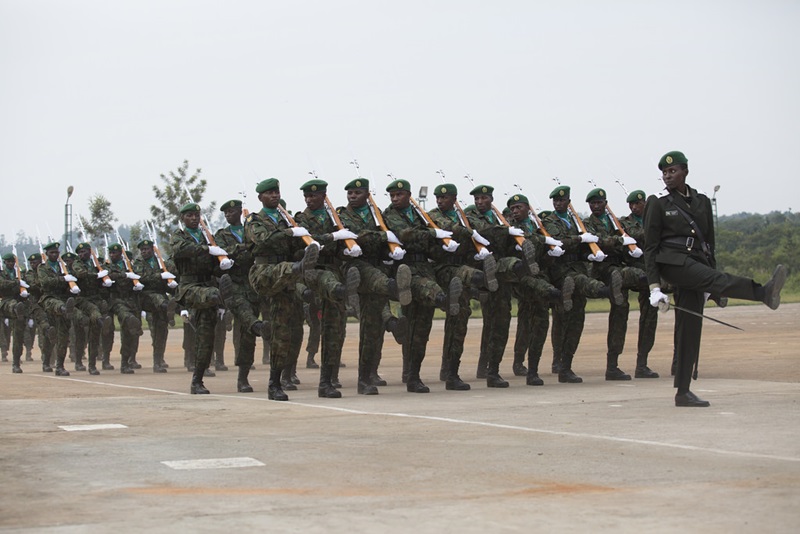
When what was the Rwandese Patriotic Army (RPA), the armed wing of the Rwandan Patriotic Front (RPF-Inkotanyi), evolved into what is RDF today, the men and women in uniform did not forget the same principles that guided them during the Liberation struggle.
Rather than being comfortable in their role of safeguarding the sovereignty and securing the borders of the country, RDF knew that there was no one else to look up to, to rebuild a country which has limited resources, for it to attain its development goals.
Rather than letting the country be at the mercy of well-wishers and donors, the RDF took it upon itself to be part and parcel of the developing process, by going beyond the core mandate of the armed forces, to aggressively engage in development activities.
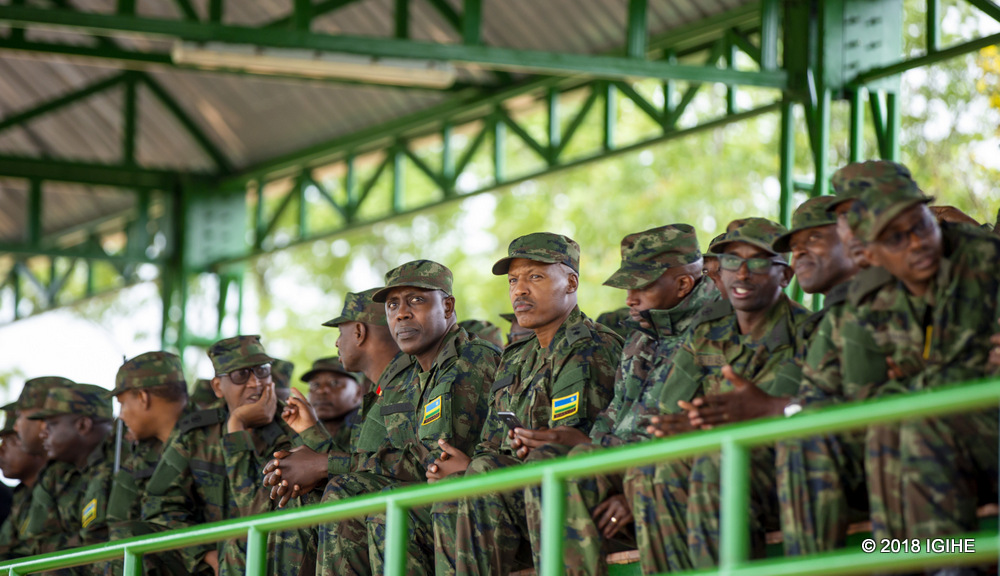
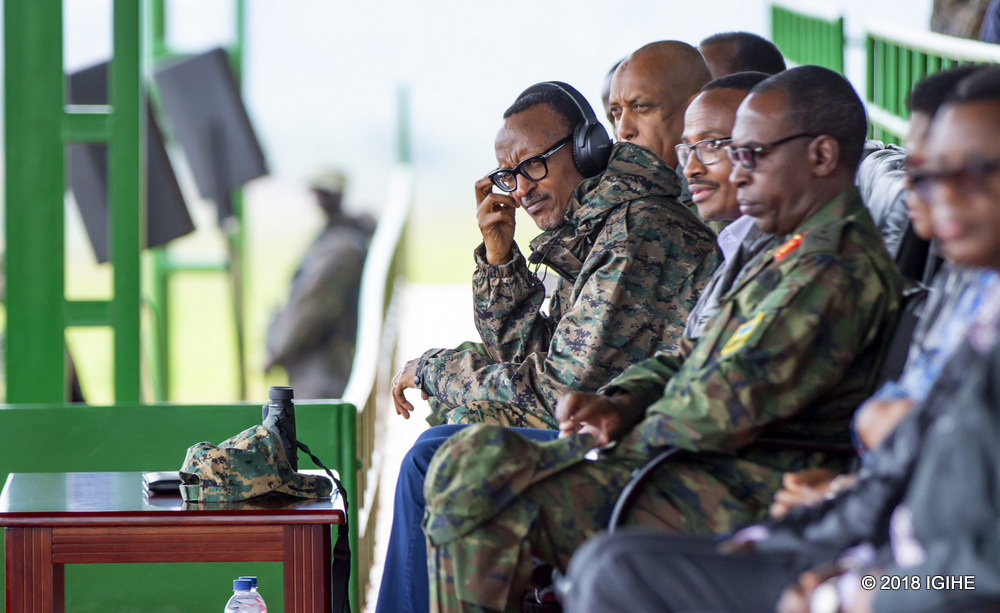
I recently followed the launch of the RDF Citizen Outreach Programme, the armed forces own version of citizen outreach, to support socio-economic development in the country.
There is no doubt that the RDF borrows this kind of approach from the Commander-in-Chief himself, who believes that the fate of Rwandans is in their own hands and that they have what it takes to solve any kind of problem they face.
When you see what goes on during the RDF Citizen Outreach, right from the time it was called the RDF Army Week, you notice a trend of activities and discipline with which the RDF has been involving itself in development activities and you are simply left in awe.
Whereas elsewhere we are used to the military terrorizing citizens and creating a barrier between the people and the army, RDF has changed this notion. I can’t count how many times I open a newspaper and see high ranking RDF officers together with citizens building a school, a road, a hospital or army medical doctors treating hundreds of patients for free.
This is something you can’t take for granted. Where else will you find military personnel building a dam to serve communities often affected by drought, restoring marshlands, planting trees or even growing food to feed populations?
Where else will you find the army giving away a part of their small salary to buy hundreds of cattle to be given to the needy under the One Cow per Family programme? It is not because they earn a lot or they ‘loot’ from the public as some armies we know.
It is also not because the army has such a huge budget that they use the surplus to support development. In recent years, we have seen cases where the army or the RDF reserve force has saved government billions by taking on vital infrastructure projects such as hospitals, roads and bridges which would have otherwise cost government much more if they were implemented by other contractors.
For a country that is still on the development path with many priorities compared to the available resources, one cannot emphasise what RDF’s contribution has been over the last 25 years. It can’t be quantified in real terms and neither can we estimate how much RDF has saved for the government by taking on otherwise costly ventures.
These resources saved are channeled into other priorities.
To understand what role RDF has played, one has to look back at President Kagame’s tales of the liberation struggle, where the soldiers had to work within very limited resources to achieve a lot. One has to understand that to achieve more, it doesn’t take a lot of resources alone, but rather the will and determination.
Over the years, RDF has proved that Rwandan armed forces are driven by sacrifice, determination and a desire to see the country develop, even with the meager resources. For a force with a background of accounting for every bullet during the liberation struggle, it is not surprising therefore that accountability remains a key factor in RDF’s traditions and principles.
Indeed as Gen. Jacques Musemakweli, the Reserve Force Chief of Staff, put it, RDF learned from the Commander-in-Chief to be selfless and put country above everything else and also to believe that creating a wealthy and healthy nation is the best way to ensure stability.
From 2009 when the Army Week was launched, we have seen a steady increase in numbers, right from the patients treated, acres of land reclaimed, trees planted, schools, hospitals and roads built, among other things, RDF has been involved in.
It is believed that the third phase of actual liberation is development, which at this point involves no guns but rather actual development activities. One can comfortably say that 25 years on RDF has mastered the art of being part of the development process.
Rwandans have in the past never experienced this kind of thing. The army under previous governments was seen as brutal agents of torture and repression, unlike today where men and women in uniform are harmoniously seen working together with citizens to develop the country.
This year alone, RDF will provide free medical services that will benefit at least 137,900 patients and construct 1,141 houses for vulnerable families. The army also planned to build soil erosion control terraces on 453 hectares and reclaim some 1,114 hectares of land for agriculture production among other things.
There have been numerous attempts by western human rights watchdog to soil RDF’s image with unfounded reports and allegations but the truth on the ground, speaking as a Rwandan, is that there is no better relationship between armed forces and the people you can find elsewhere as there is in Rwanda.
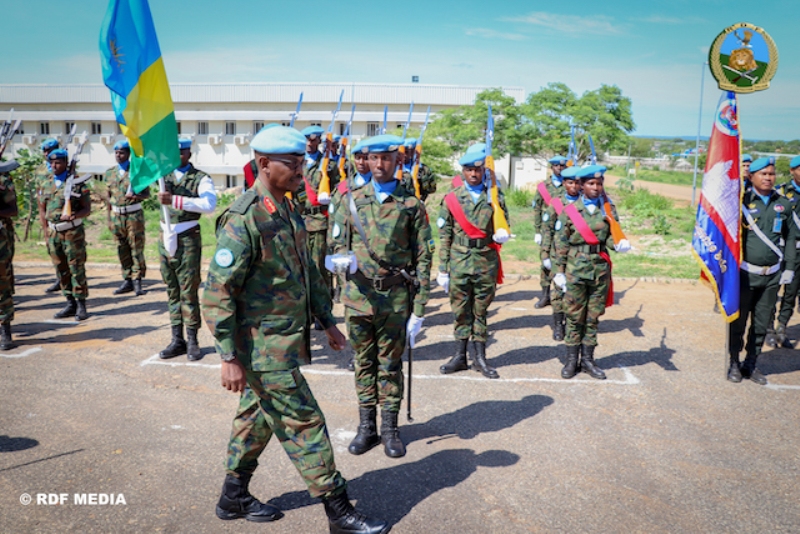
For an army that does less talking and manifests itself more in actions, it is fair to say that the last 25 years have seen RDF evolve from what was then referred to as a ‘rebel force’, to one of Africa’s most professional forces. This can be attested by RDF’s peacekeeping record.
As RDF Chief of Defence Staff (CDS), Gen Patrick Nyamvumba put it to citizens while launching the citizen outreach programme, the well-being of the people is one of the key priorities of the military.
It is fair to say that the last 25 years have seen RDF immensely contribute to the development of the country and they are not seeking medals for it because it is in their philosophy but one has to at least recognize the efforts of the army. Well done! 25 years stronger!
{{The author is a publisher and commentator on socio-political affairs
The views expressed in this article are for the author}}