The duo arrested on Thursday last week was at the time found with US$200 in the denominations of US$100, all forged.
Chief Inspector of Police (CIP) Marie Gorrette Umutesi, the Police spokesperson for the City of Kigali, said that the fake dollar notes were identified by the bar manager when the duo was trying to clear a bill.
“Kanamugire and Kagame were having drinks at a bar located in Kacyiru Sector, tried to exchange a dollar note of US$100 in order to clear the bill, but the bar manager later realized that the note was fake,” CIP Umutesi said.
“They called the Police and when they searched the two suspects they recovered another counterfeit bill of US$100 on them,” she added.
The two-dollar notes had similar serial numbers, CIP Umutesi said.
The suspects said they got the fake notes from someone in Kimisagara, Nyarugenge District, and the spokesperson said that law enforcement agencies are working together to apprehend the alleged accomplices.
CIP Umutesi advised people especially the business community to be cautious against such fraudsters.
She also advised them to acquire gadgets that help to detect forged money, and always share information on people they suspect to be engaged in such financial criminal acts.
According to the article 269 of Rwanda penal code, any person who, fraudulently counterfeits, falsifies coins or banknotes which are legal tender in Rwanda or one who introduces or issues in Rwanda such effects or notes with the knowledge that they are forged or falsified, commits an offense.
Upon conviction, he or she is liable to imprisonment for a term of not less than five years and not more than seven years.
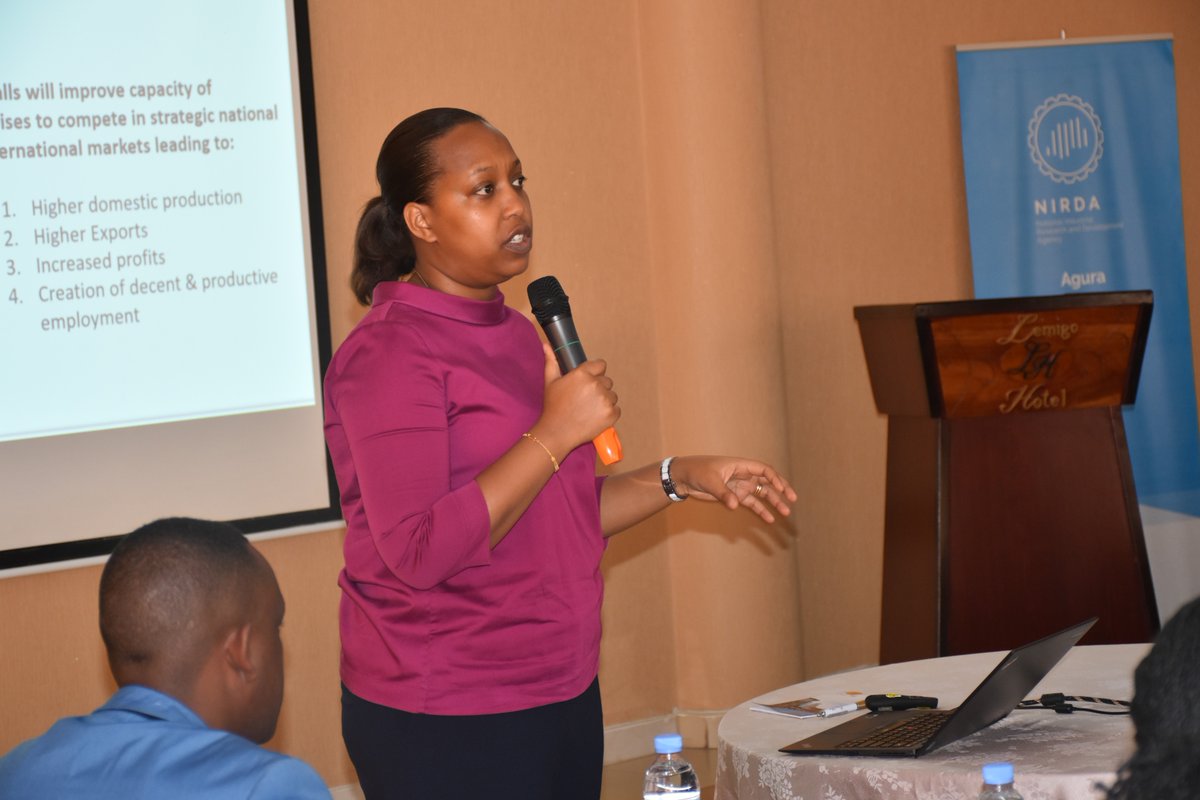
The research carried out by NIRDA between February and June 2019 on Small and Medium Enterprises (SMEs) established that many entrepreneurs owning SMEs processing horticulture produce have inadequate means to integrate technology into their operations.
The research results were released on Friday with a call to adopt advanced measures to revitalize the agriculture sector.
According to the research, the country has 77 enterprises processing horticulture produce. The research was conducted in 56 enterprises while 7 others denied participation in the research.
The research focused on applied technology, market accessibility, compliance with instituted standards and seeking how challenges can be tackled.
NIRDA indicates that 11 (19%) of 56 firms can at least export one of their products to the international market.
The institution also reveals that only 18.3% of planted fruits are processed appropriately while only 1.5% of vegetables are processed.
Other challenges pointed out in the horticulture sector are related to damage of harvest before reaching consumers, inadequate cars transporting the harvest to the market and lack of marketing strategies of products among others. The Director-General of NIRDA, Kampeta Sayinzoga said that the research aimed at promoting value addition among these enterprises and seeking how technology can be integrated into their operations.
“We cannot trust that our enterprises can make competent quality products without embracing the latest technology,” she said.
“There have been losses in the past which were not experienced last year because we mobilized them to process the harvest. NIRDA comes in to build capacities in the area of technology because the harvest is in some cases taken to the market without value addition,” added Kampeta.
Following the report, NIRDA revealed that horticulture processing enterprises will participate in a competition in which winners shall receive the latest equipment through the Business Development Fund (BDF) and attend incubation programs.
Sayinzoga said that NIRDA is ready to keep supporting research initiatives among firms and helping them to acquire technology equipment.
The suspect identified as Theophile Iyakaremye is currently detained at Remera Police station and was taken into custody on Wednesday following information provided by one of the would-be victims.
It is said that the suspect would linger around the Motor-vehicle Inspection Centre (MIC) in Remera targeting those whose automobiles failed the test, introduce himself to them as a Police officer and ask for money in order to help them get mechanical certificate even without fixing the identified mechanical fault.
Iyakaremye, who spoke to the media this Friday, admitted to the crime. He said that he had already given the same unlawful service to five people in the past one month, paying him between Rwf15, 000 and Rwf30, 000 for the service.
“Last Friday I helped one driver acquire a mechanical certificate after, together with other mechanics, found a way to cheat the MIC system on vehicle emission, which he had been told to fix. He was supposed to pay me Rwf30, 000, but said that he would pay me at once after I help him get an inspection certificate for all his other vehicles,” Iyakaremye narrated.
“On Monday he came back with another vehicle which failed the mechanical test due to faults in brakes… he wanted me to help him again but I demanded to be paid for the previous service (Rwf30, 000), but I was arrested on Wednesday at about 2 pm at a kiosk in Kimironko where I was trying to withdraw the money he had sent me,” he added.
Rwanda National Police (RNP) spokesperson, Commissioner of Police (CP) John Bosco Kabera commended the role of the public in reporting such fraudsters.
“MIC services have been eased. The services can be accessed 48 hours after booking, down from three days previously, inspection lanes were increased to five and we have a mobile lane that serves vehicle owners in other provinces on a rotational basis; working hours were increased up to midnight and the center is open even on public holidays,” CP Kabera said, urging vehicle owners to utilize the eased services instead of taking “short and criminal channels.”
“MIC services are meant to prevent accidents that may be caused by mechanical faults, and taking such shortcuts means putting lives of people either in that vehicle or using the same road at risk, which is unacceptable,” CP Kabera said.
He disclosed that Motor-vehicle inspection centers are being constructed in Huye, Musanze and Rwamagana districts to extend services closer to the people and further ease access to vehicle inspection services.
The penal code in its article 279, states that “any person who, without title usurps public, civil or military functions or poses the acts of one of these functions or falsely attributes to himself/herself the quality of a public official or publicly wears a costume, a uniform, badge or an emblem with an intention to mislead the public, commits an offence.”
Upon conviction, the offender is liable to imprisonment for a term of not less than two years and not more than three years, with a fine of not less than Rwf300, 000 and not more than Rwf500, 000.
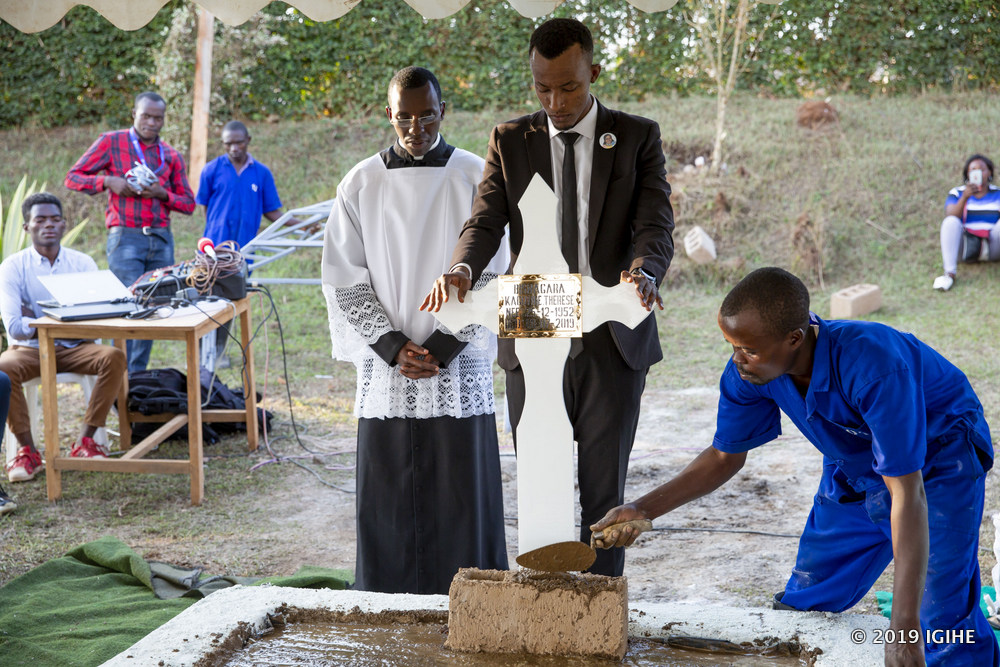
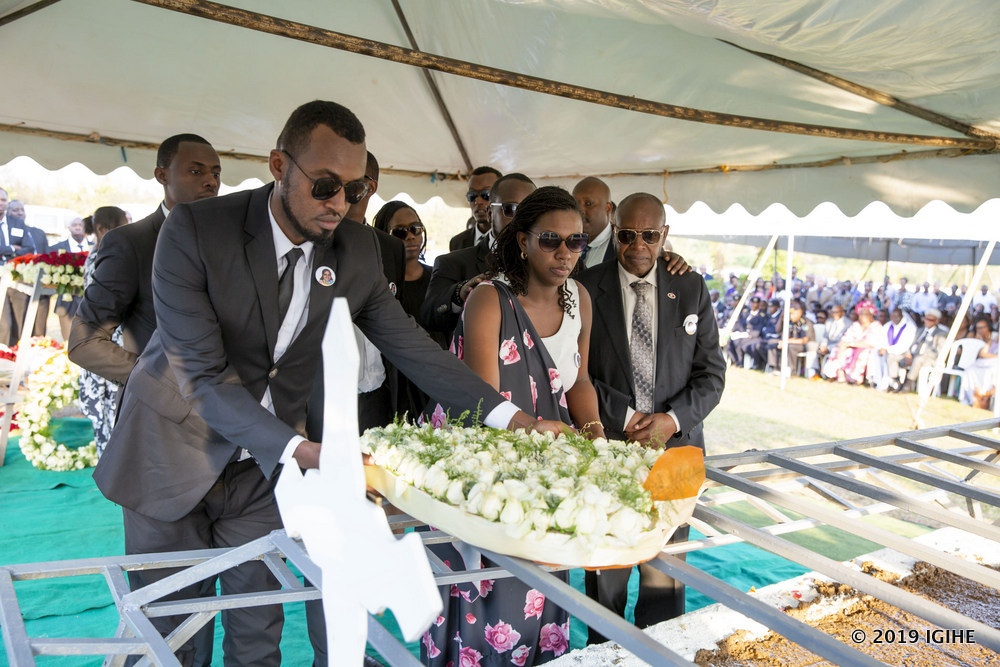
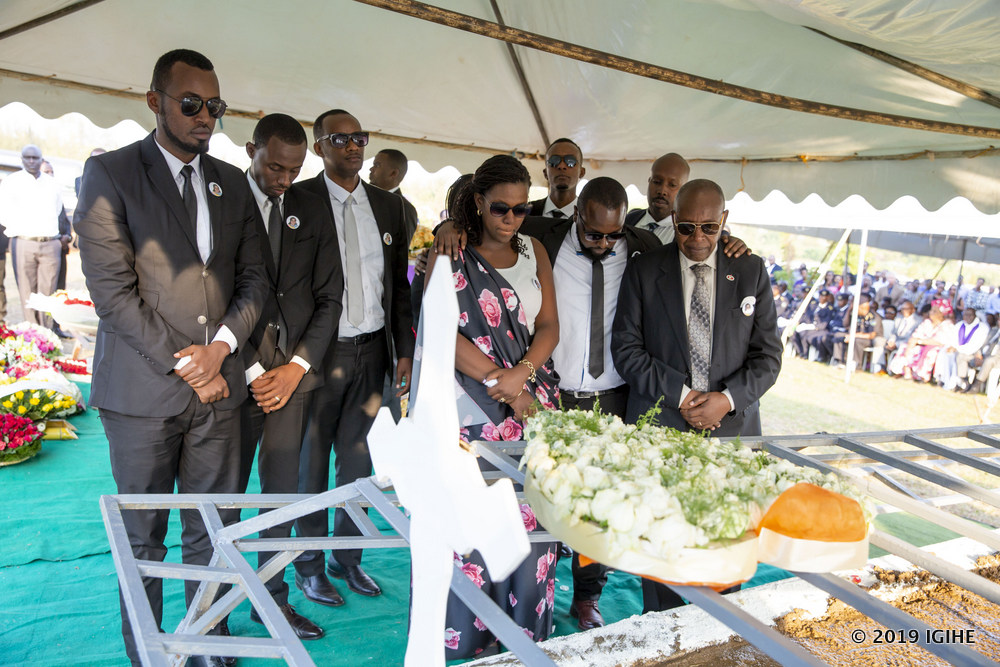
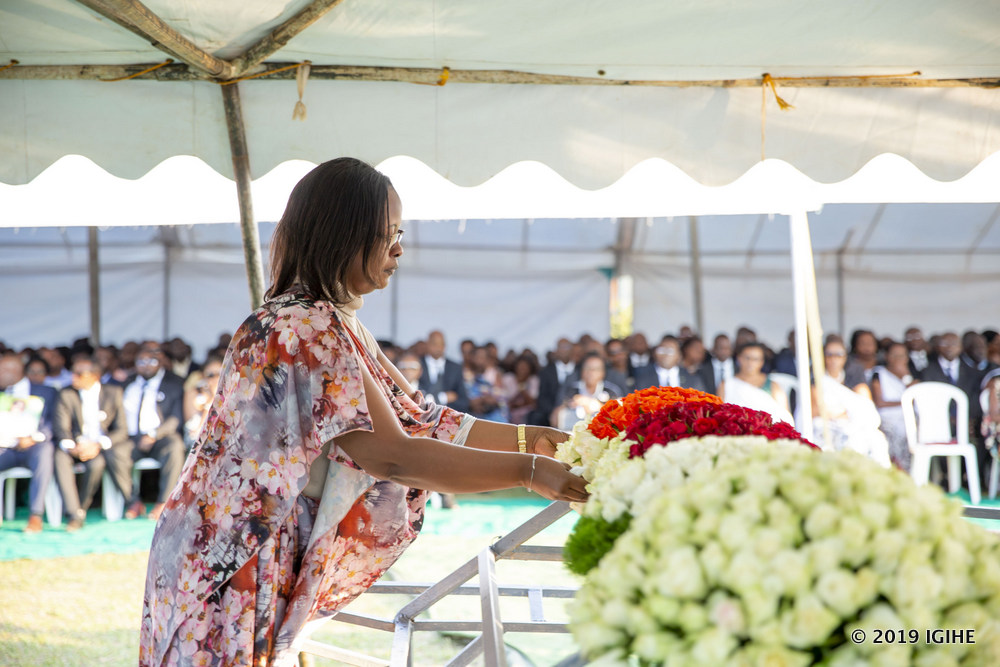
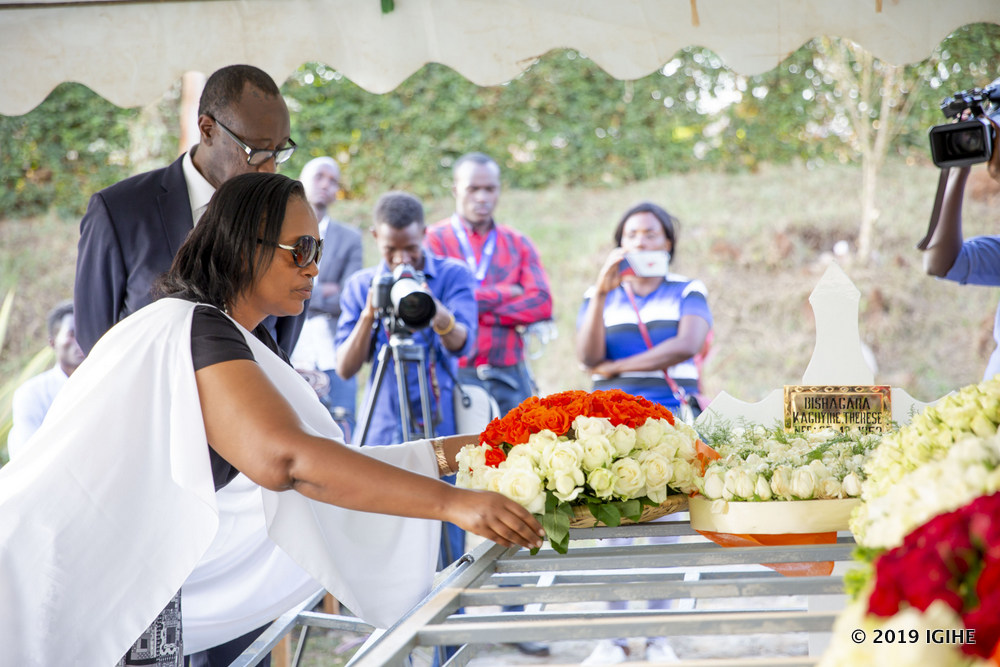
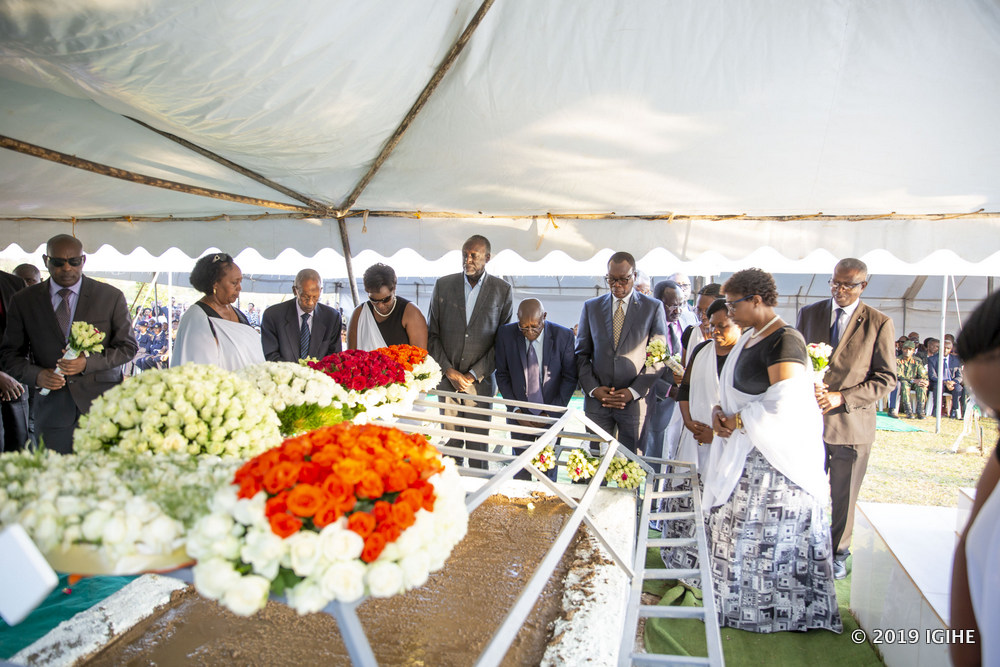
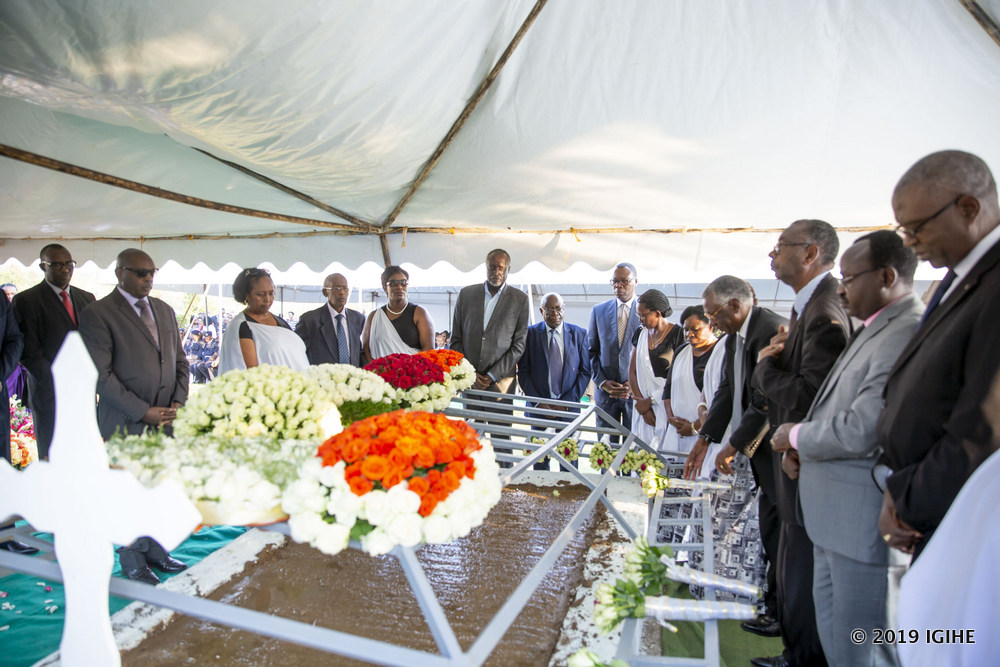
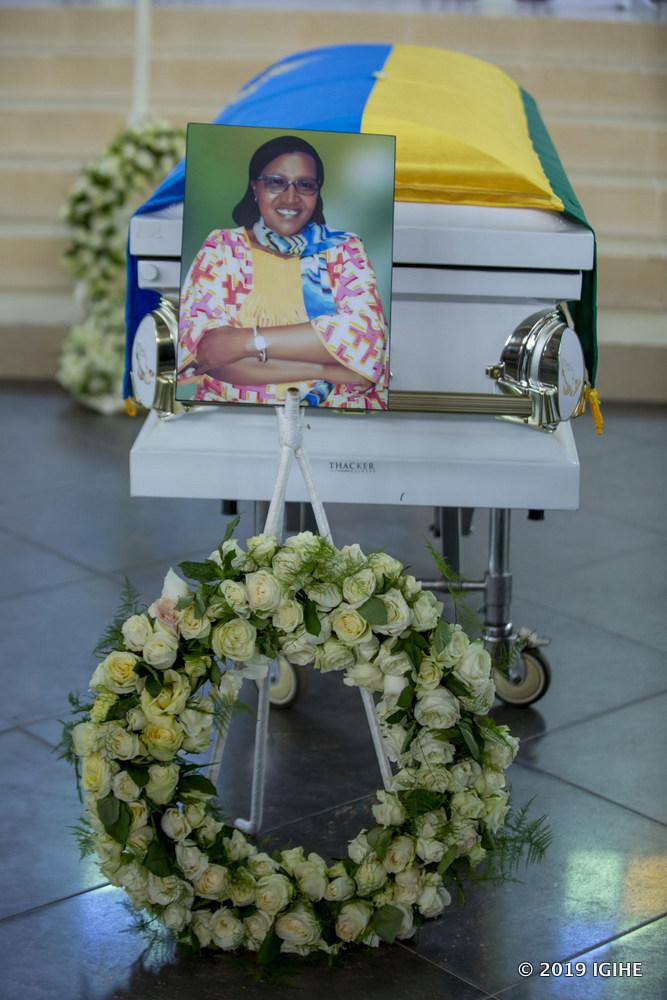
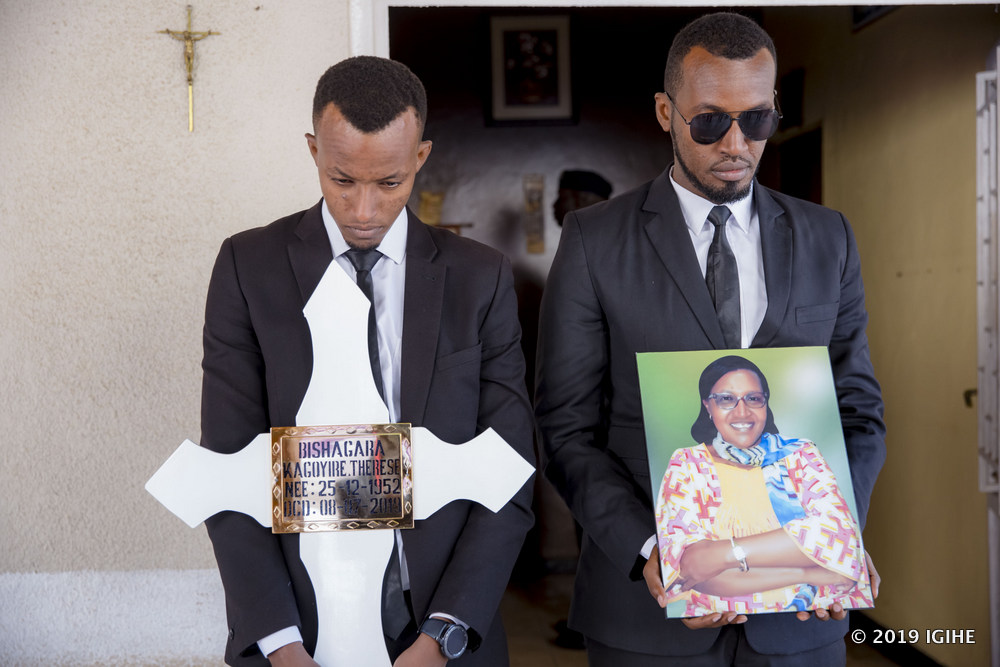
Bishagara, 67, passed on last week on Monday at John Hopkins Hospital in Baltimore-Maryland in the USA. She had fallen sick of liver complications since March 2019 until her last breath.
Her body was returned on Tuesday this week from the USA and welcomed by friends and relatives at Kigali International Airport.
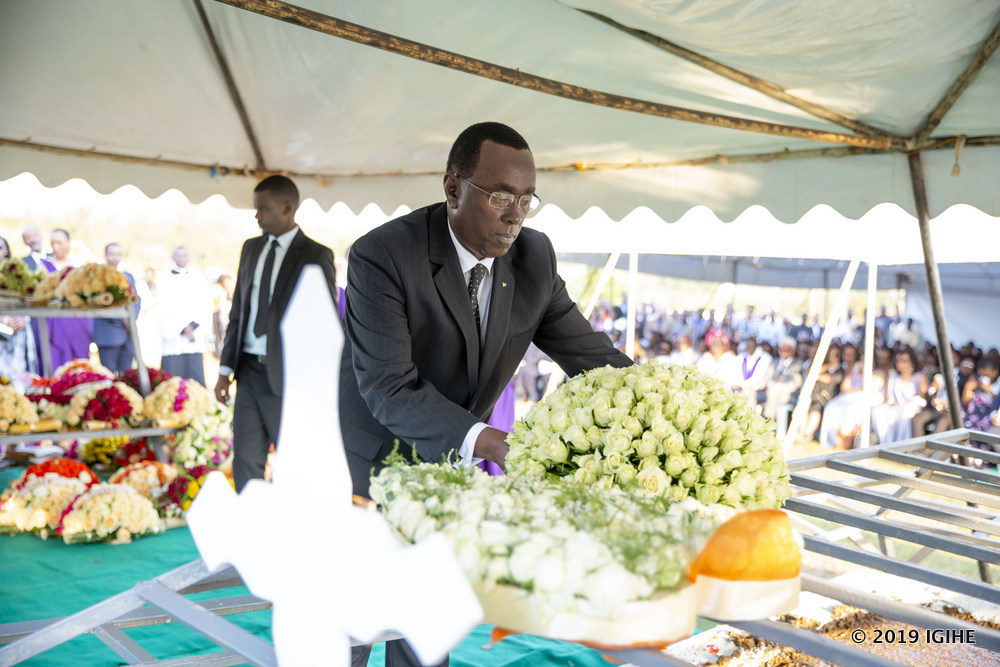
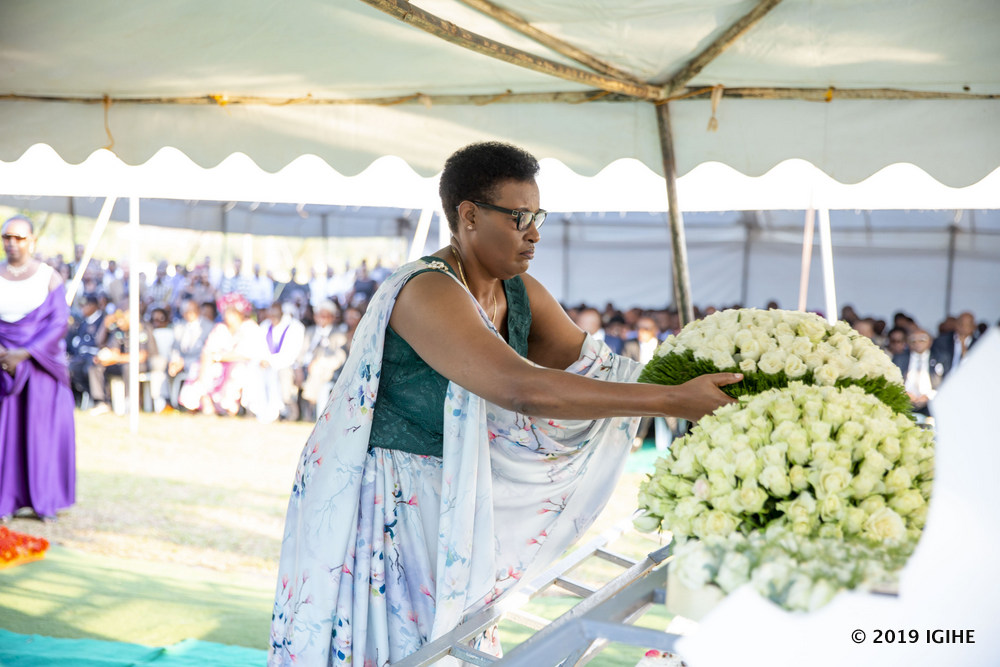
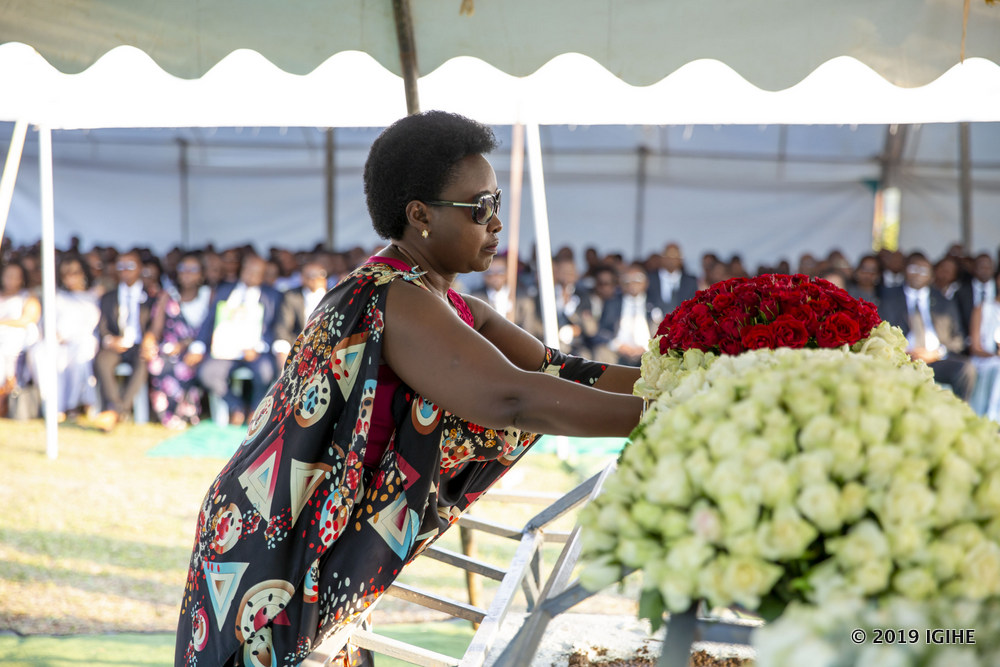
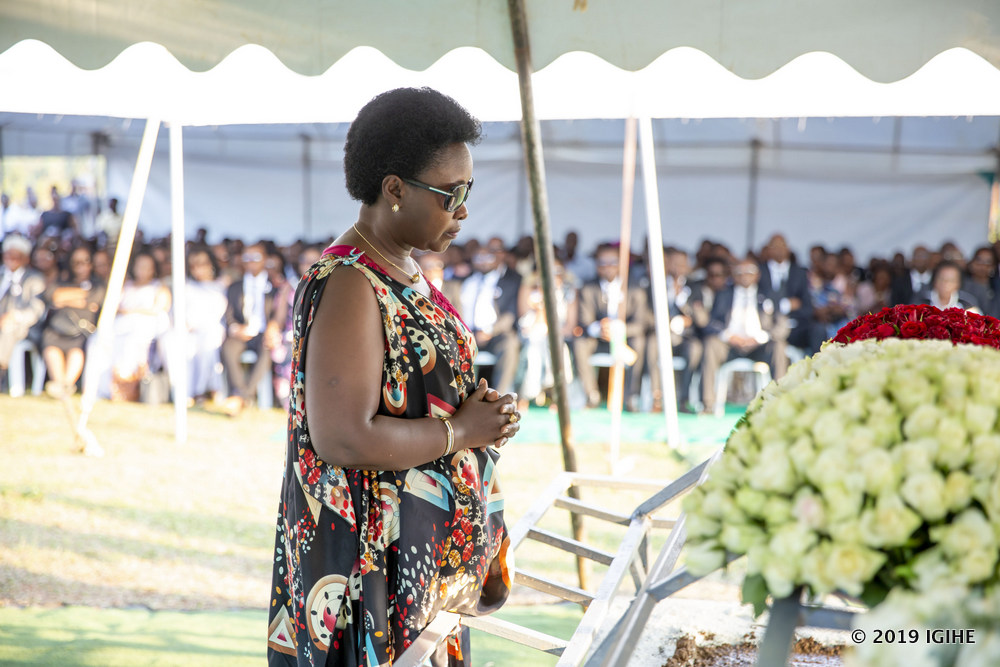
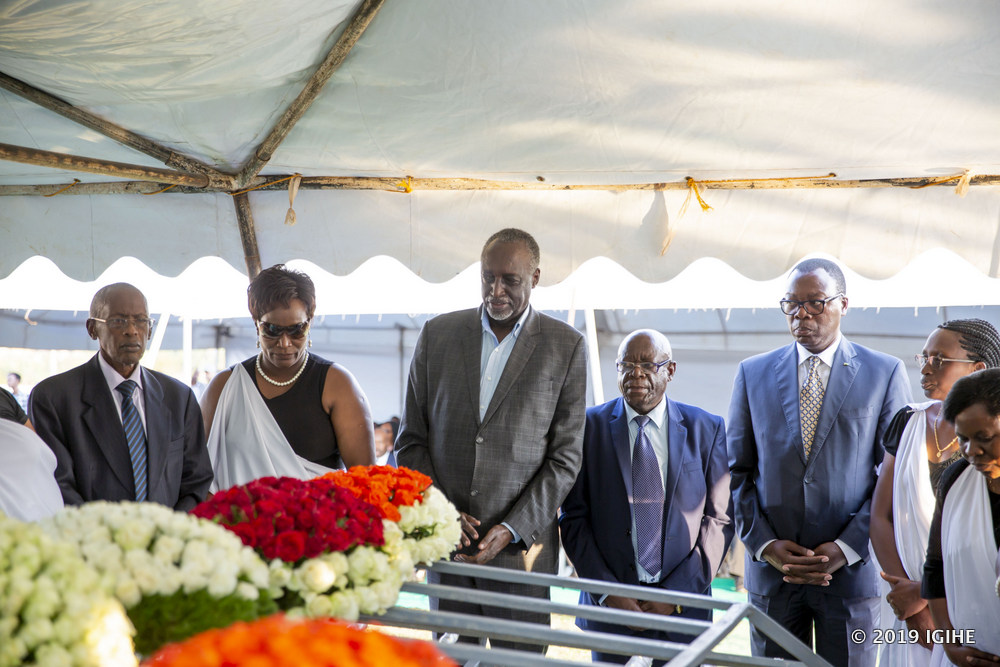
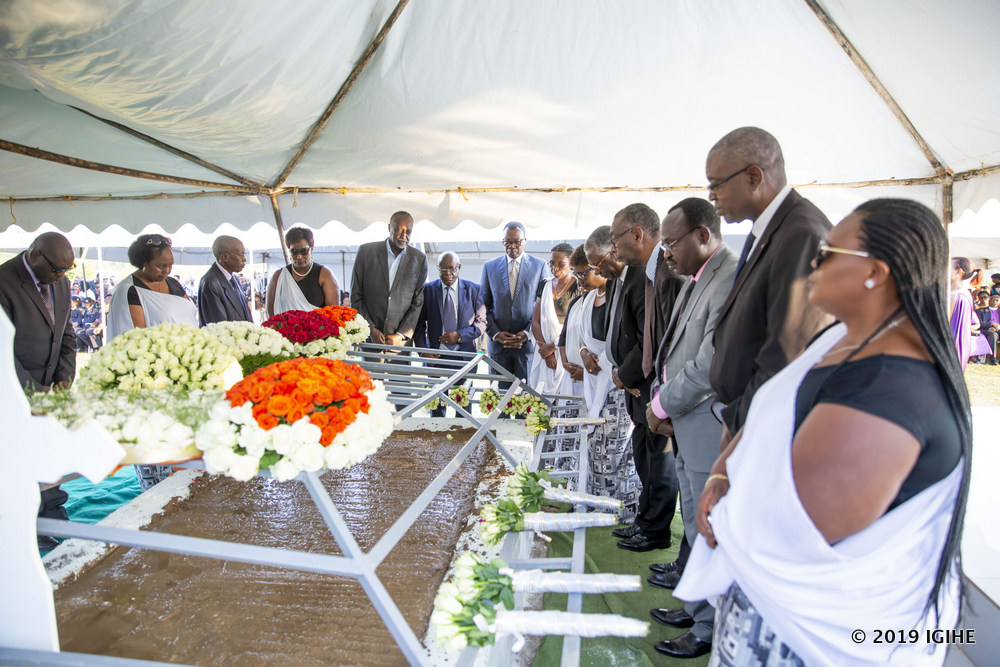
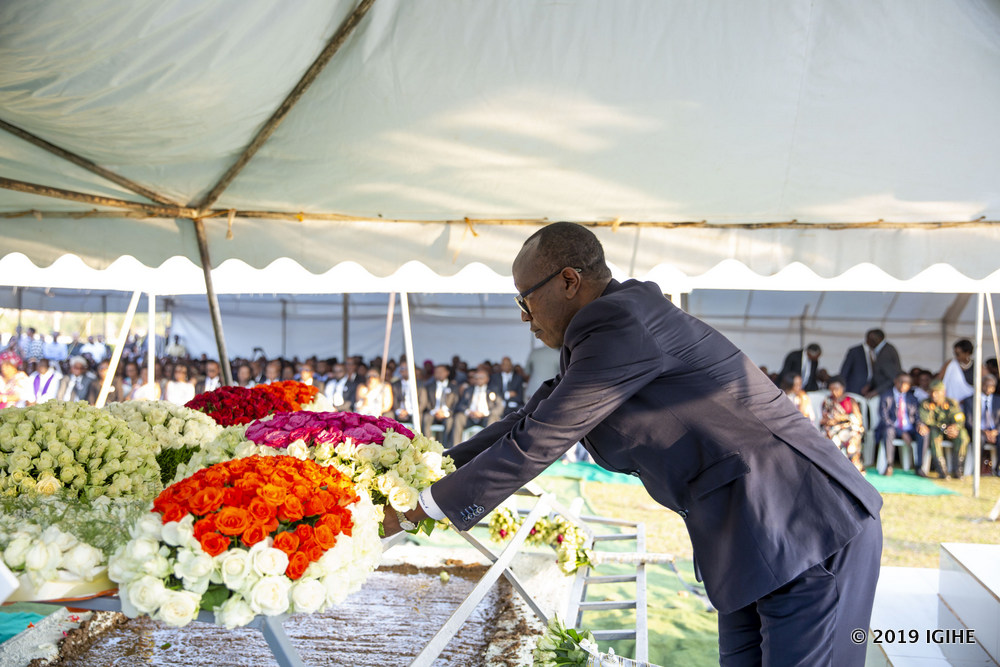
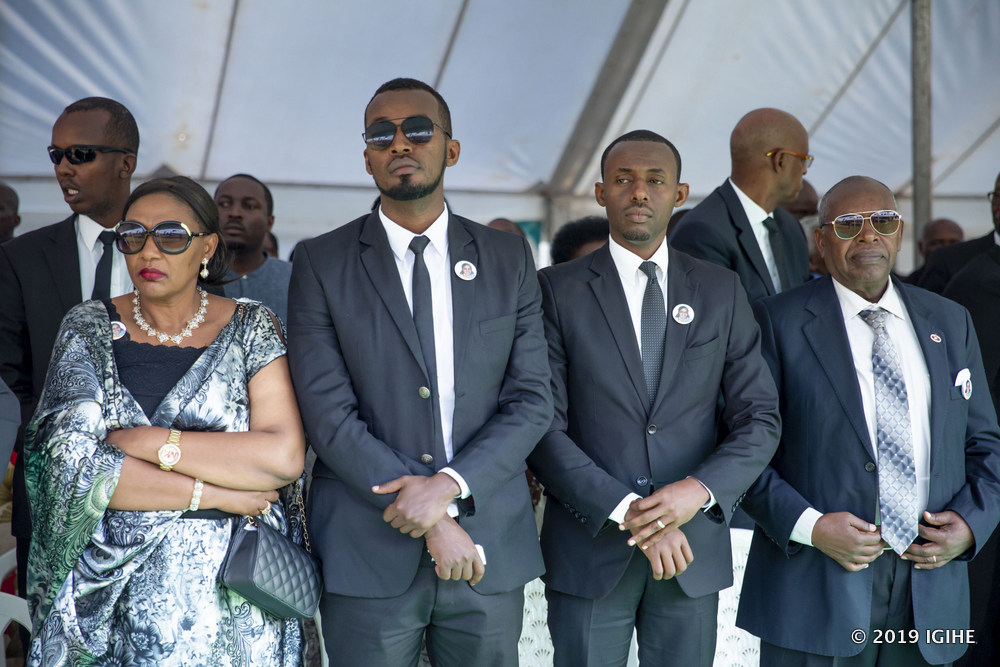
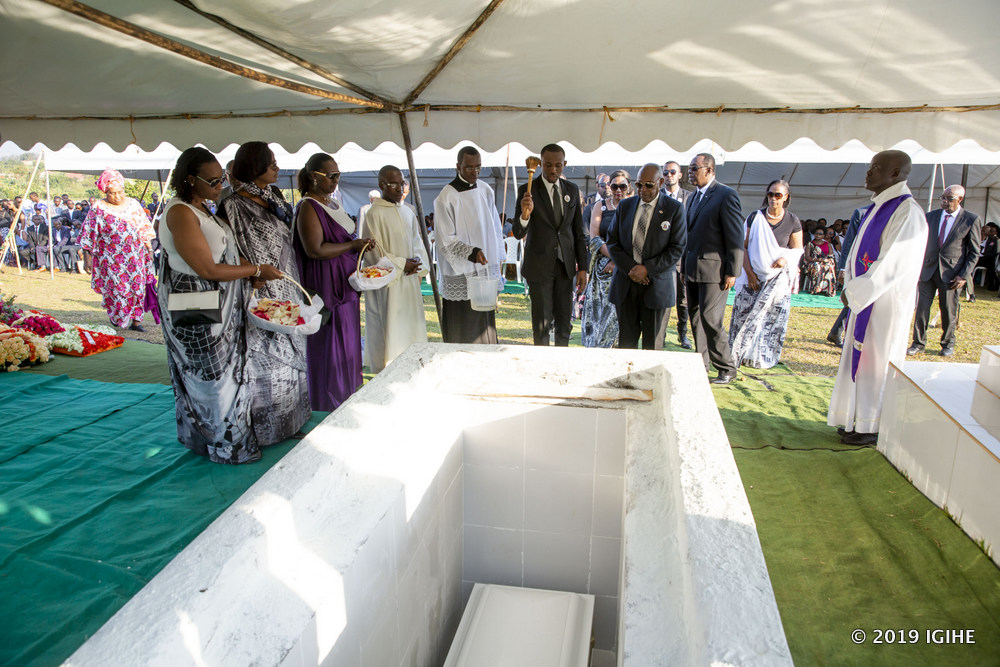
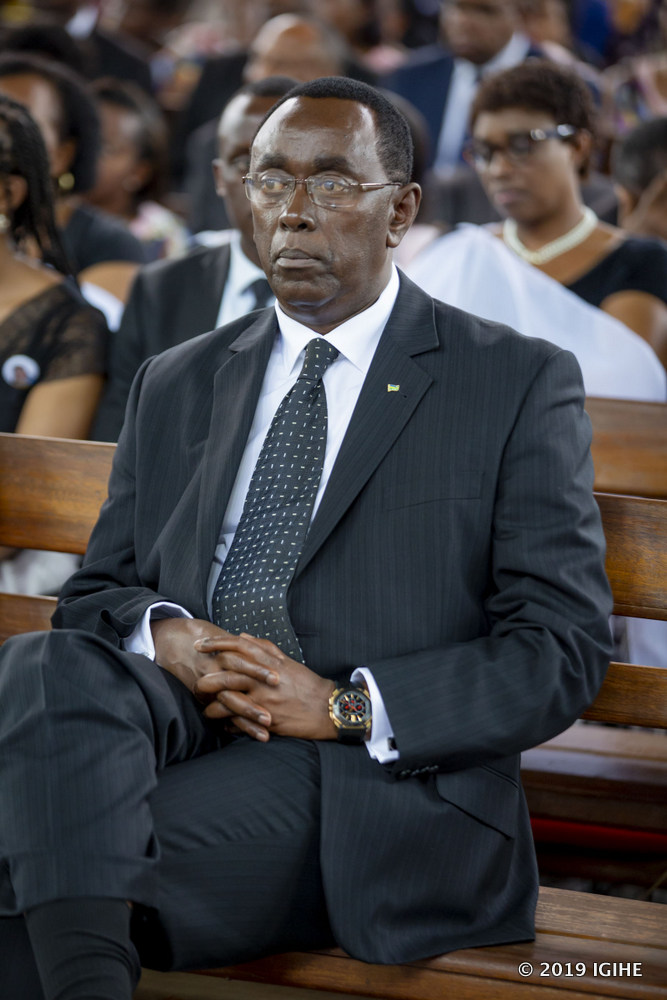
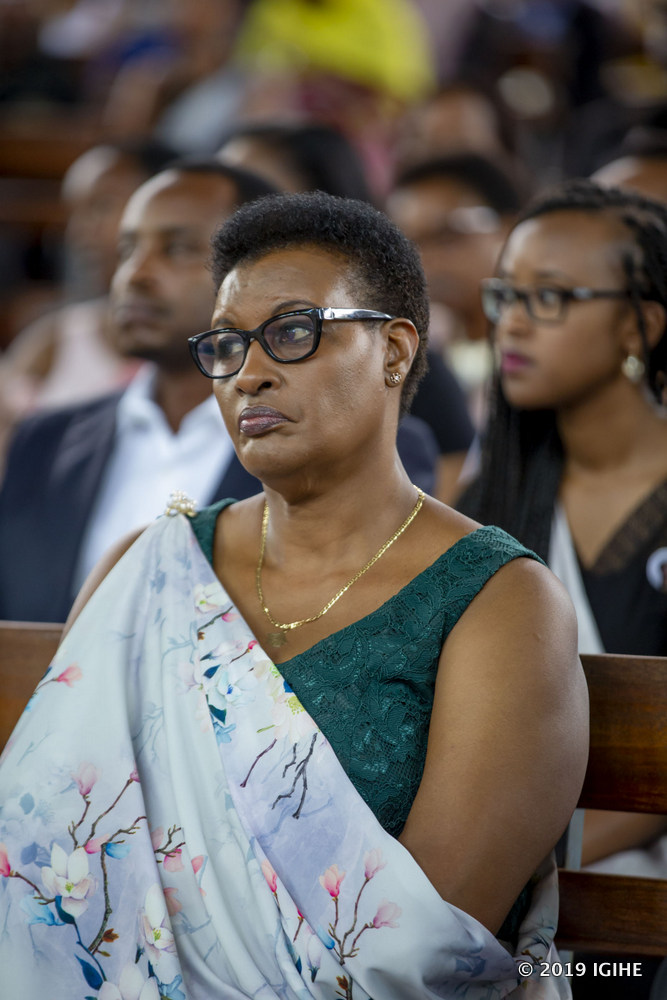
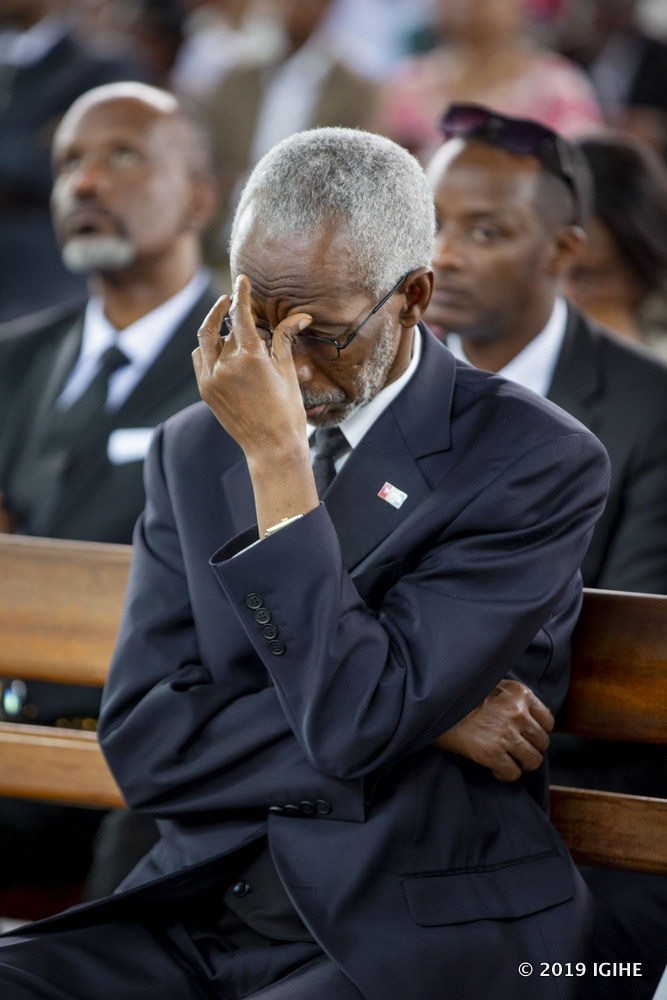
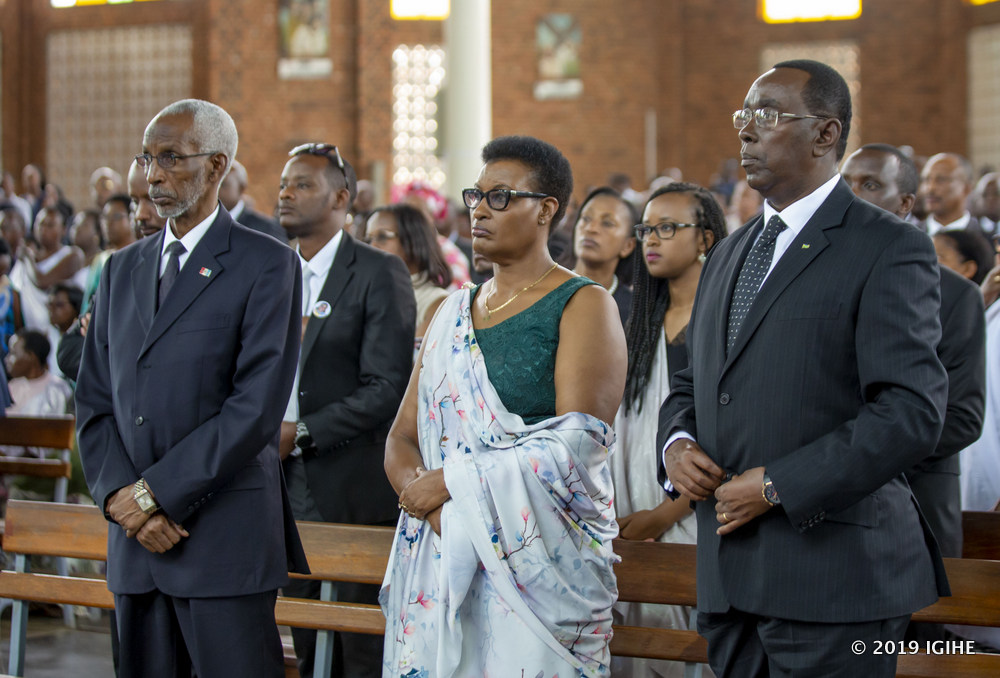
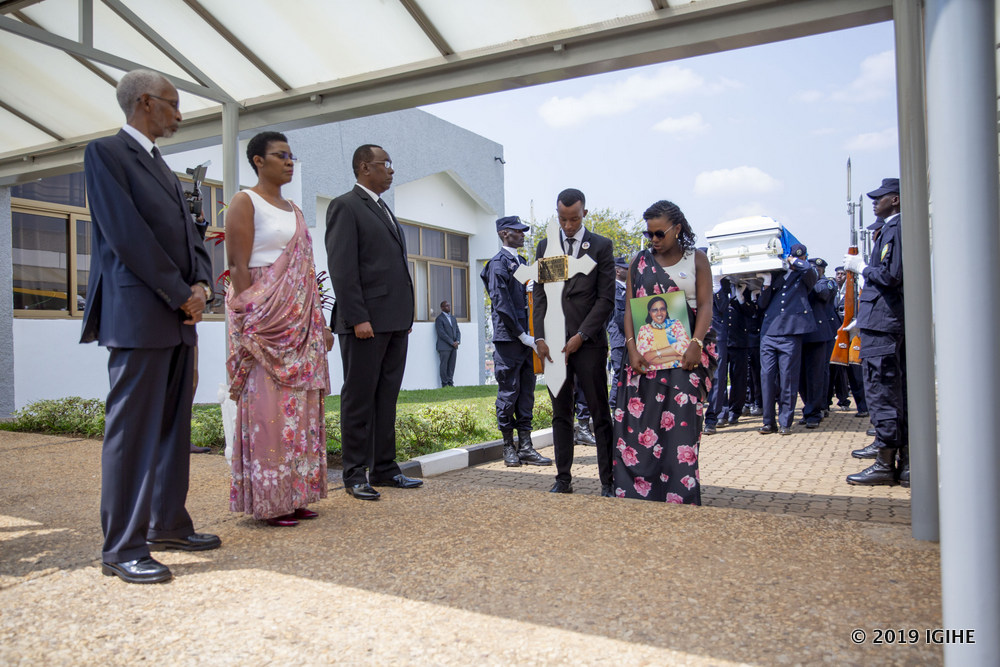
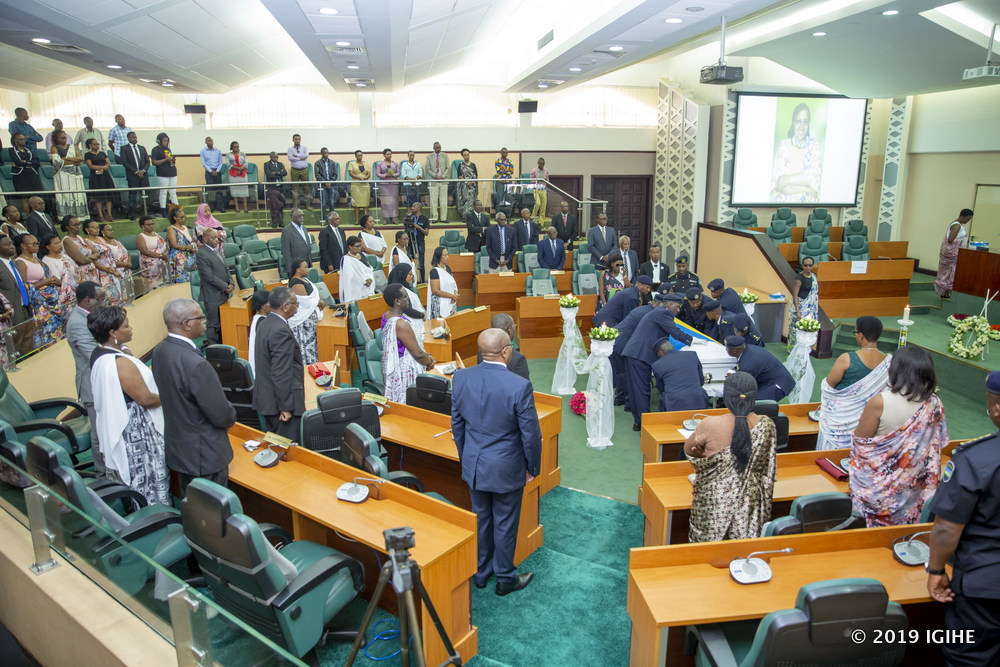
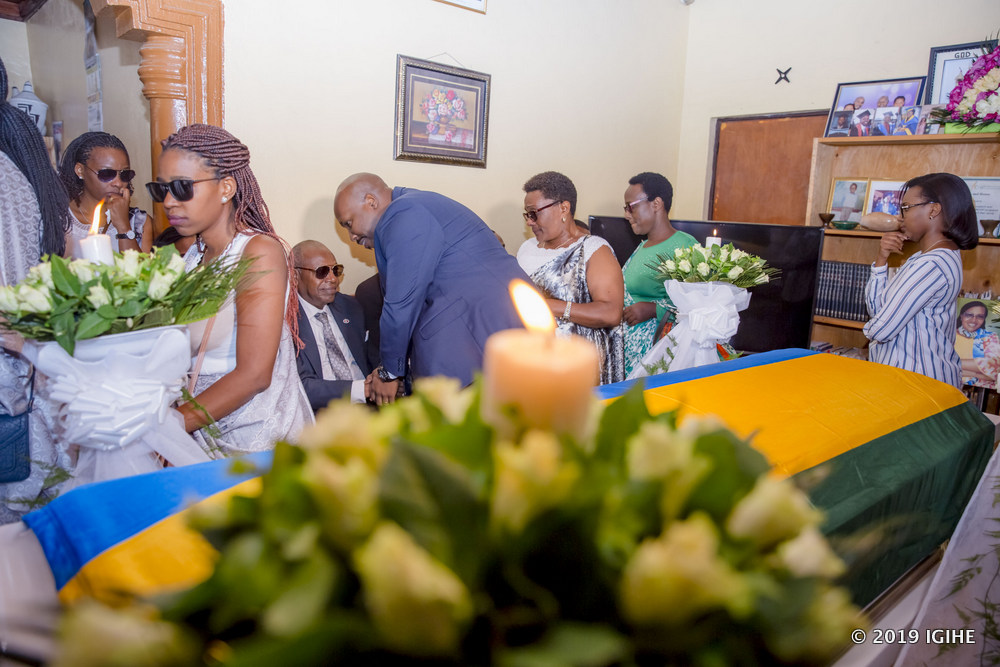
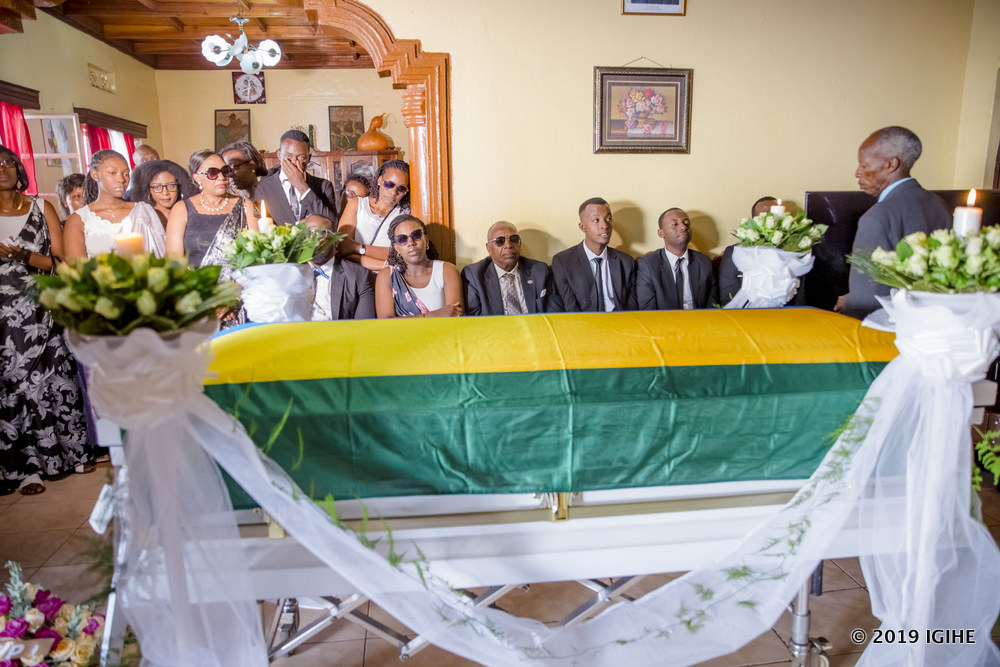
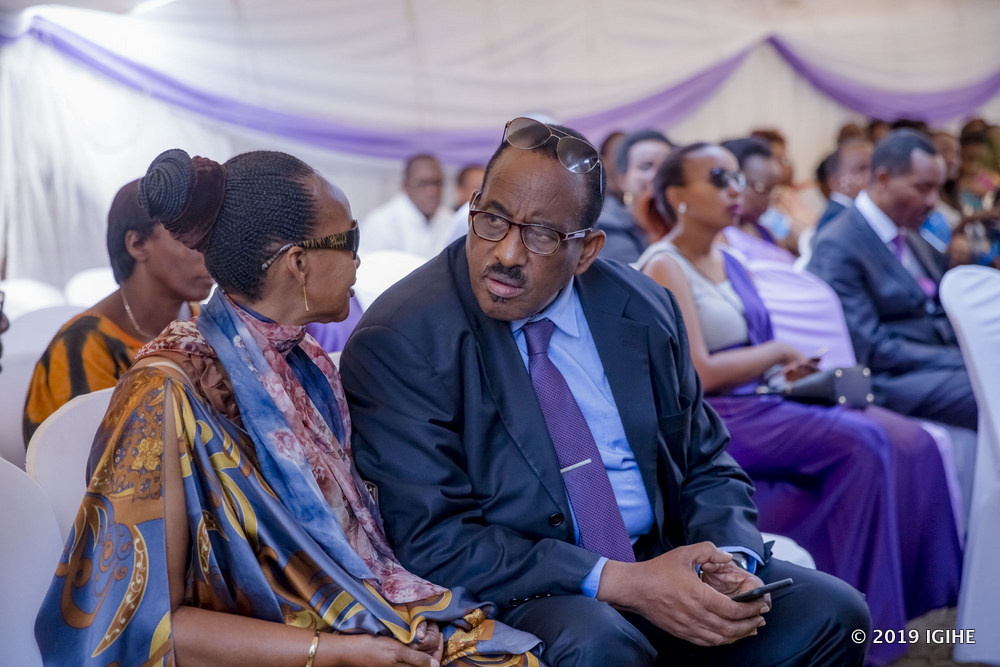
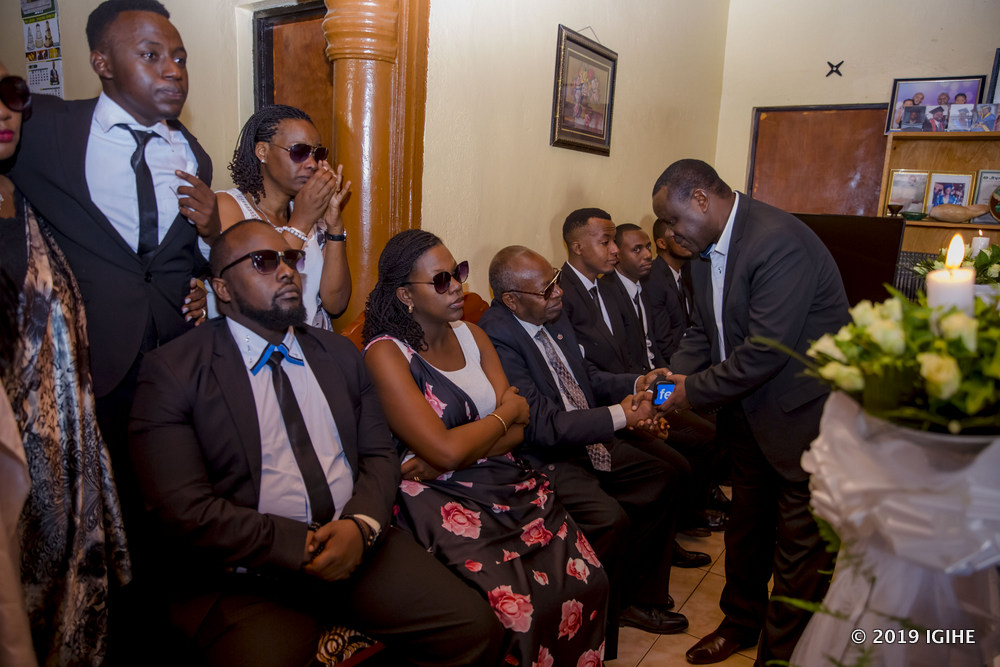
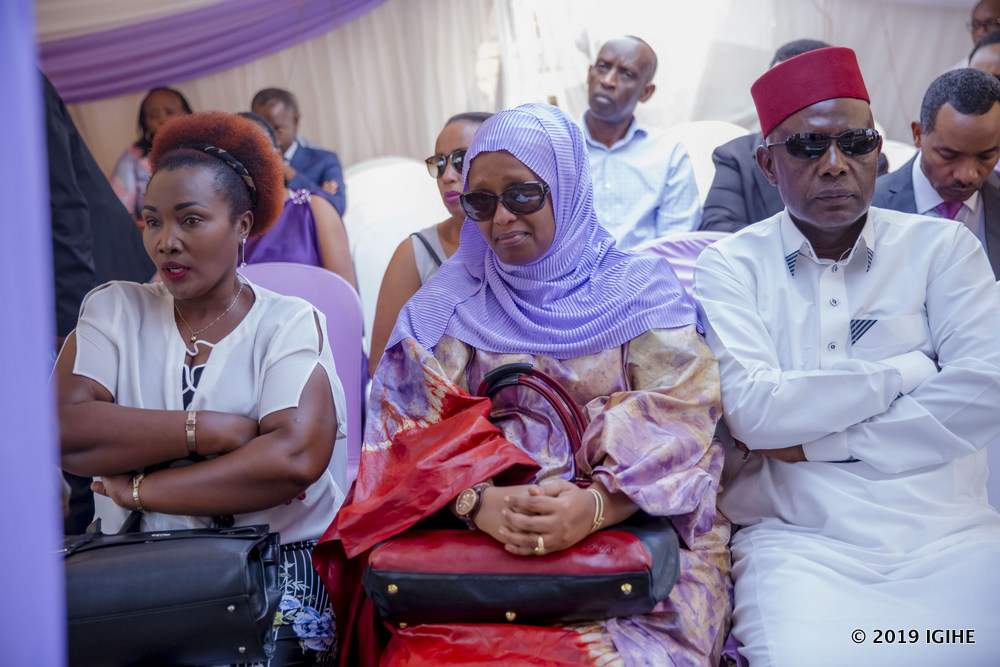
Bidding farewell ceremonies to late Kagoyire started on Friday morning at her home in Kigali and later to the parliament at the Chamber of Senate where former colleagues and other former co-workers in various functions gathered to bid their last farewell.
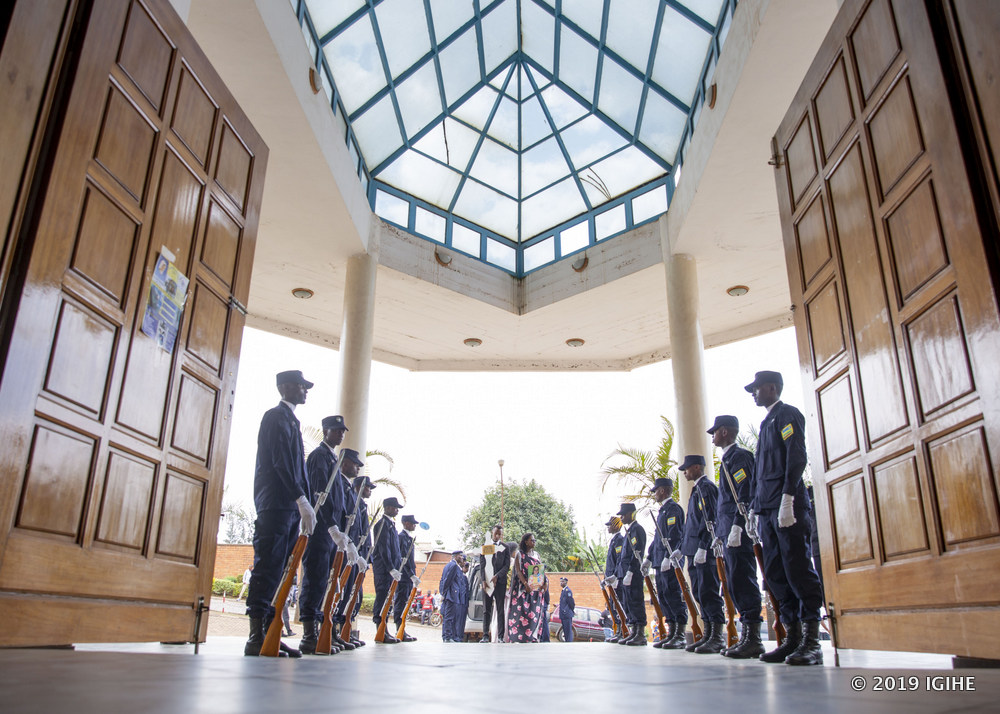
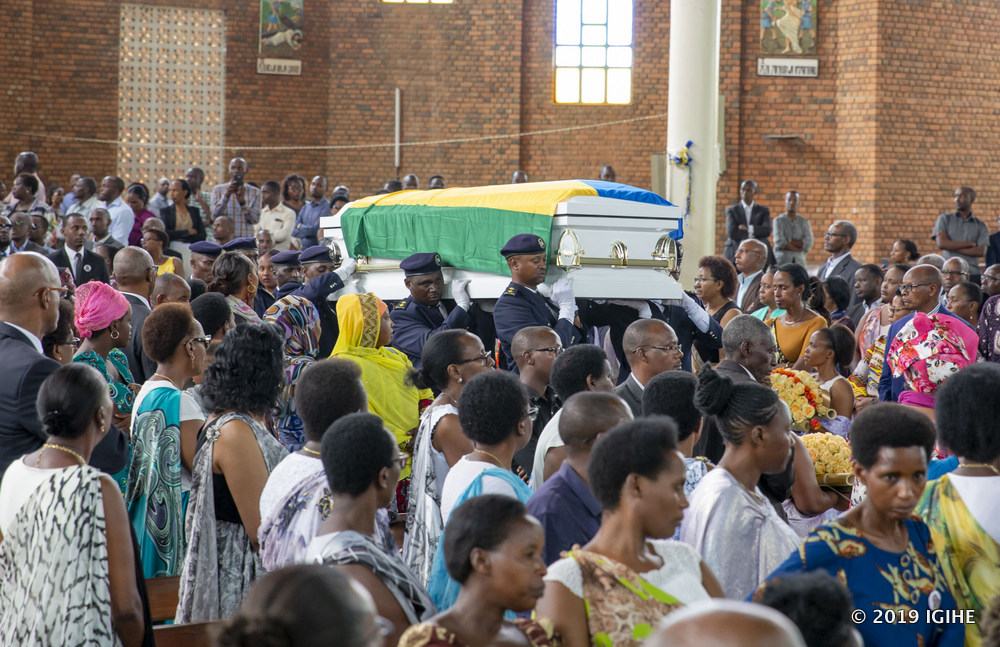
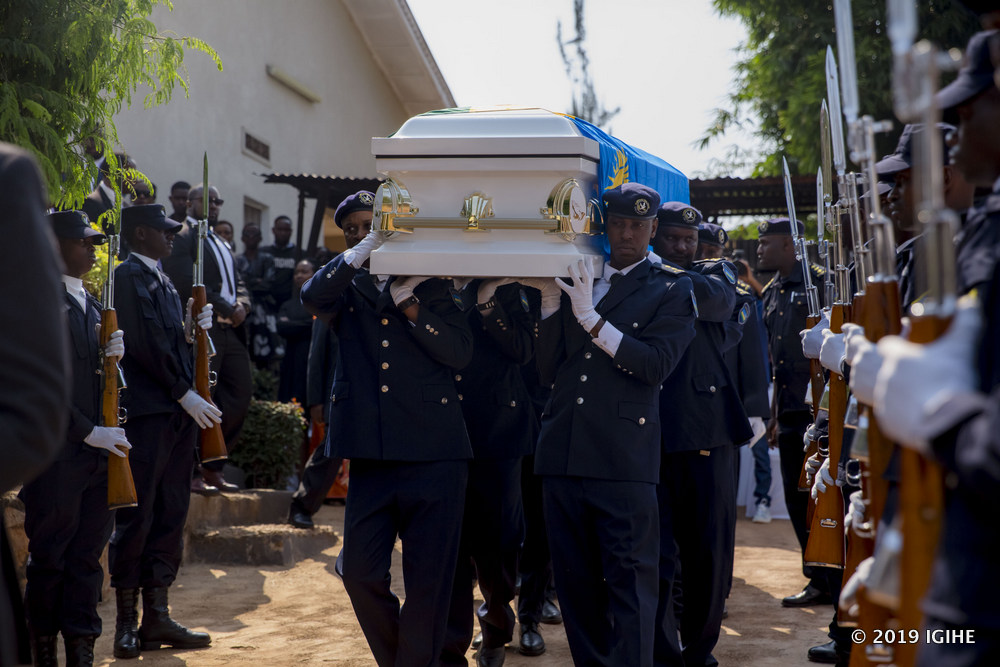
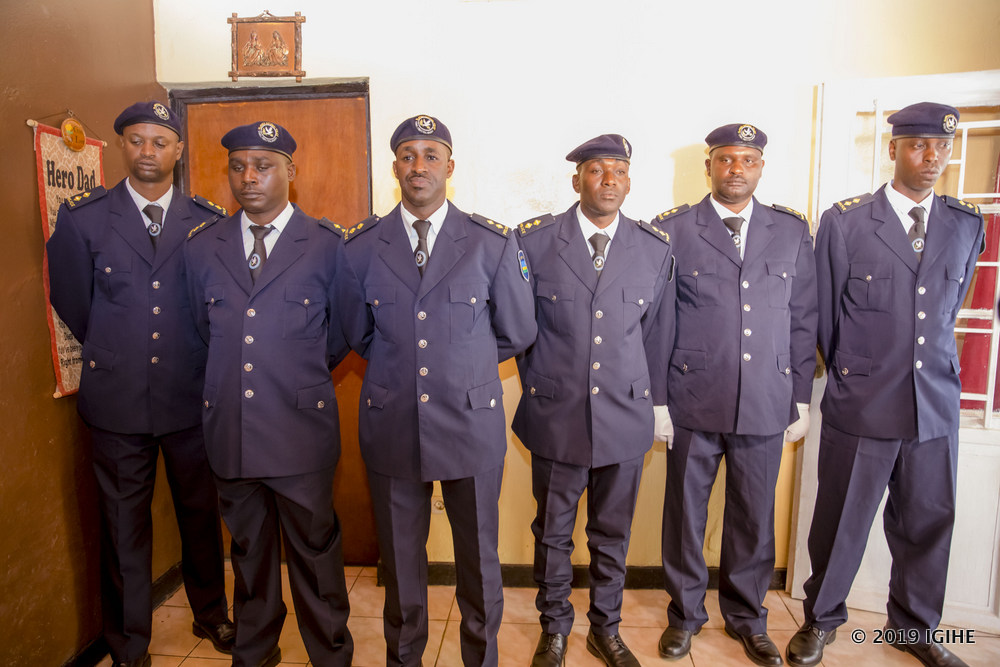
The casket containing the body of the former politician was carried to parliament by police officers and draped in the national flag, in recognition of her service to the nation.
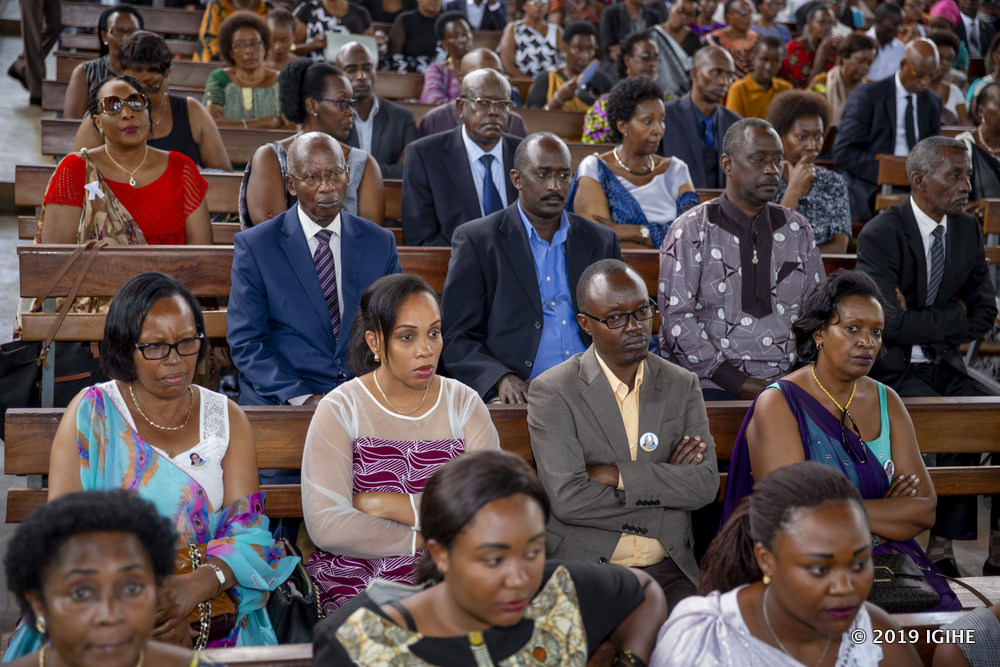
Later on, ceremonies continued with a Mass at Regina Pacis Catholic Church in Remera, Kigali city before proceeding with funerals in Rusororo graveyard.
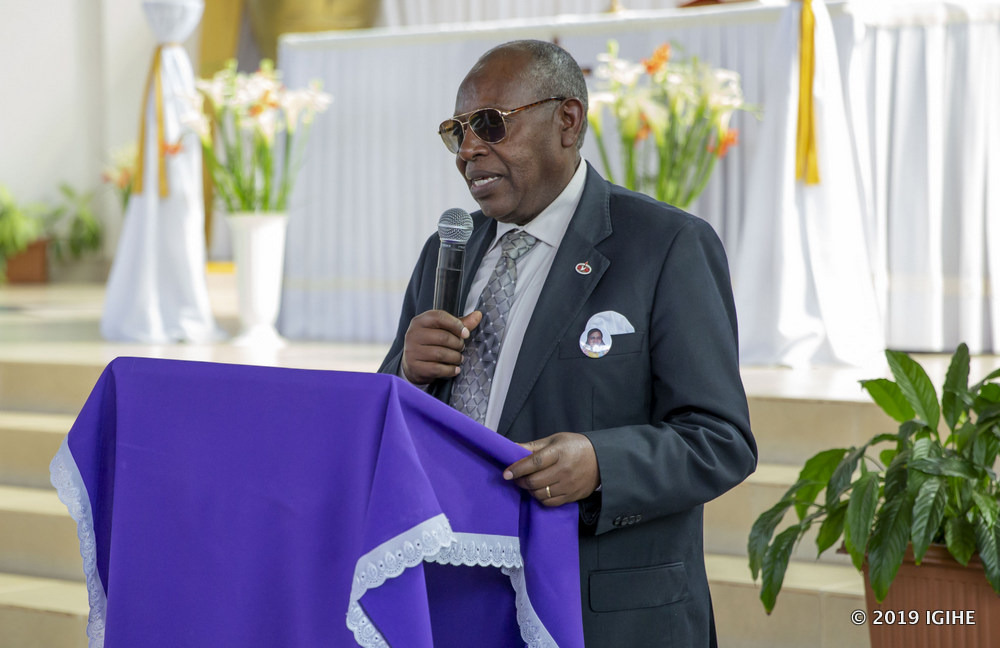
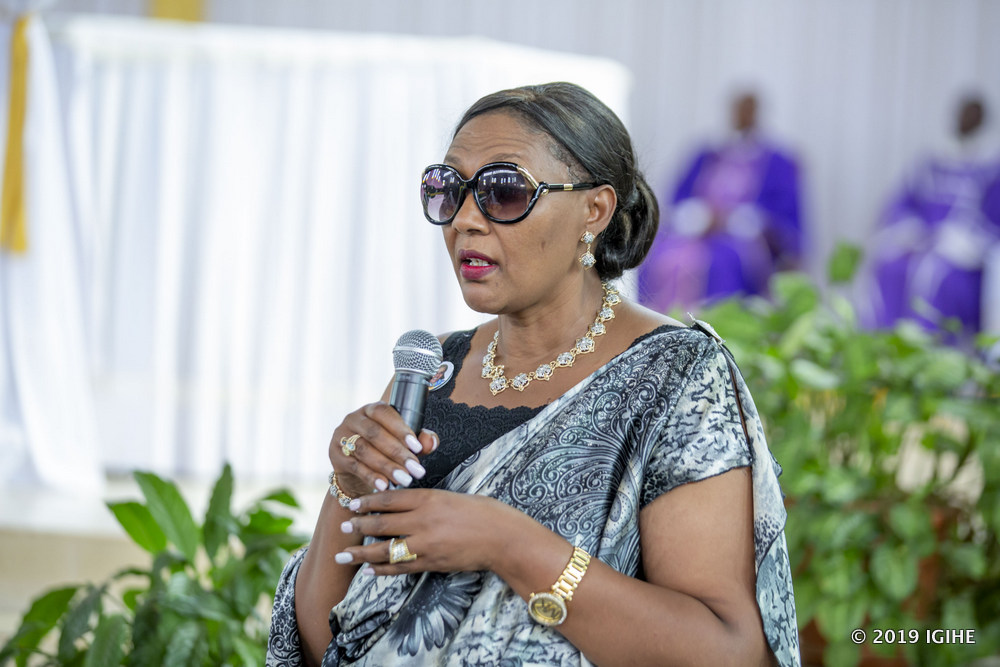
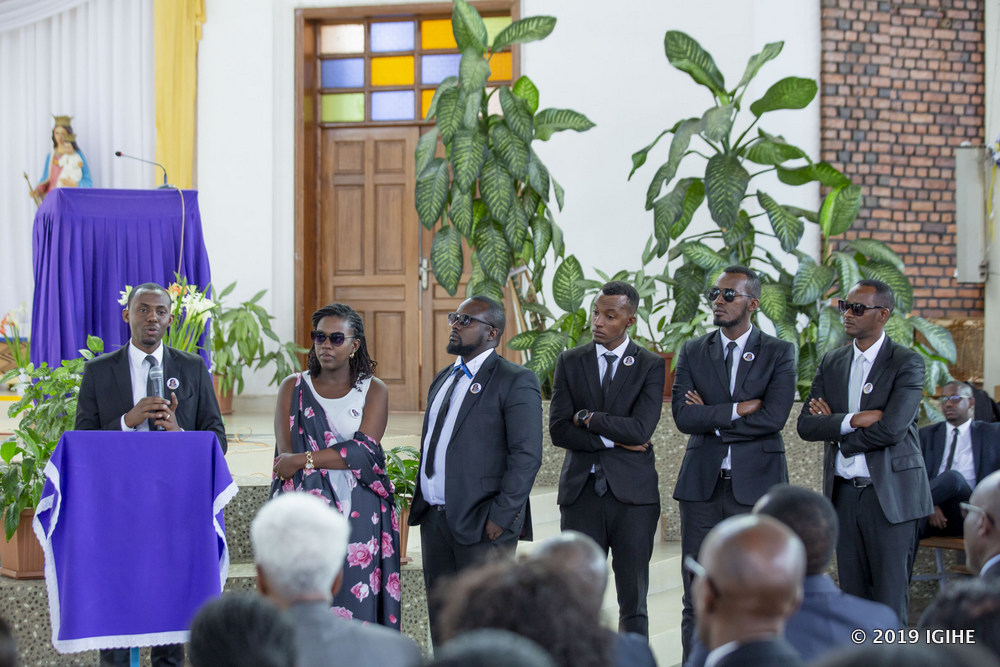
Relatives and former colleagues described late Kagoyire as an honest person, dedicated to working, who always reported at work on time, lived right moral values.
The husband of late Bishagara described her wife as a patriotic person who always strived to leave a good legacy encouraging others to pray and being kind to all.
Former co-workers at KHI said late Bishagara doesn’t leave a tale but a legacy of living moral values.
Senator Bishagara was born on 25th December 1952.
She joined the Senate of Rwanda as a representative of the Western Province in October 2011 but, prior to this, she served the country in different capacities in the wake of the 1994 Genocide against Tutsi.
She had a Master’s degree in Molecular Biology Sciences.
She assumed various functions including Team Research in PNLS /CNLS HIV/AIDS Center (1995-1996); Director of Kigali Health Institute (1996-2004); Part-Time Lecturer in NUR (1999-2003); National Program Manager JHPIEGO /MCHIP International NGO an affiliate to Johns Hopkins University (USAID) (2008-2011); Resident Advisor Features group International /Measure Evaluation /USAID (2006-2007) ; Technical Advisor PSI -Features for VIH prevention (2005-2006) and Technical Advisor in SAVE THE CHILDREN -UK 2006.
Among others she served as the President of Profemmes Twese -Hamwe and COCAFEM /Great Lakes (2007-2011); Board of Rwanda Local Development Support Funds (2007-2011);Board Member of ASSETIF (Association d’Execution des travaux d’interet public) (2008-2011); Board Member of ULK (2007-2011); Founder Member and Board Member of FAWE Rwanda Chapter (1997 to date) and Board Member of White Ribbon Alliance for Saving lives of Women and Children(2008-2011).
From 2011 until her demise, Bishagara was a member of the Senate Standing Committee on Foreign Affairs, Cooperation and Security.
Rwanda’s Liberation Day was locally celebrated on 4th July 2019 but Rwandans abroad have been organizing separate events to mark the historic day.
The event will take place today 20th July 2019 in Hague city, Netherlands where Rwandans will be joined by their friends to celebrate 25 years since Rwanda was liberated from bad leadership that prepared and executed the 1994 Genocide against the Tutsi.
Kitoko, currently living in the United States, will grace the event to entertain Rwandans along with DJ Princess Flor.
Kitoko has told IGIHE that he is pleased to perform in the Netherlands for the first time especially in a great ceremony marking the 25th anniversary of Rwanda’s Liberation Day.
“I am delighted to be invited to the event to celebrate together the Liberation Day. I am ready for performance 100%,” he said.
After gracing the Liberation Day, Kitoko will perform in the United Kingdom in Birmingham city on 21st July in an event dubbed Summer Retreat and later on 30th July 2019 perform in Portland town- Maine State in the United States of America.
Gashumba made the statement yesterday at Maison de Jeunes in Kimisagara sector as she attended 15 year anniversary since President Emergency Plan for AIDS Relief (PEPFAR) was introduced in Rwanda.
The ceremony was also attended by the United States Ambassador, Peter Vrooman among other dignitaries.
The Minister said before attending the event, she was following up on the origin of circulated rumors that Ebola has spread to Rwanda.
“I came late because I have been dealing with rumors some of you might have heard from foreign media of which intentions are unknown. I wanted to bring it to you as stakeholders in the prevention of Ebola outbreak in our country,” she said.
“Some of you might have had time to read it. There is a woman from Congo who crossed into Uganda to sell fish and died after returning to Congo. We have seen a communiqué from a news medium from abroad mentioning that the woman crossed through Congo and Uganda but conclude with an ambiguous statement that she probably crossed into Rwanda,” added Gashumba.
The report explained that the woman might have crossed into Rwanda to attend a market in Gisenyi but didn’t give a precise location.
Gashumba requested people to disregard such news that Ebola has spread to Rwanda. “I would like to request you to strengthen prevention measures against Ebola, maintain hygiene, wash hands in villages and report any suspected case on time,” she said.
Rumors started circulating after of Ebola Virus Disease was confirmed on Sunday 14th July 2019 in Goma, North-Kivu Province in the Democratic Republic of Congo bordering with Rwanda.
At least 1,676 people have died from the virus since the current outbreak started in DR Congo in August 2018 translating to more than two-thirds of those who had contracted the virus.
Gashumba reminded residents not to travel to Ebola prone areas, seek medical treatment in case they have suspected Ebola symptoms.
Ebola virus disease (EVD), also known as Ebola hemorrhagic fever (EHF) or simply
Ebola is a viral hemorrhagic fever of humans and other primates caused by Ebola viruses.
Signs and symptoms typically start between two days and three weeks after contracting the virus with a fever, sore throat, muscular pain, and headaches.
Vomiting, diarrhea, and rash usually follow, along with the decreased function of the liver and kidneys.
At this time, some people begin to bleed both internally and externally. The disease has a high risk of death, killing between 25 and 90 percent of those infected, with an average of about 50 percent. This is often due to low blood pressure from fluid loss and typically follows six to sixteen days after symptoms appear.
The virus spreads through direct contact with body fluids, such as blood from infected humans or other animals. Spread may also occur from contact with items recently contaminated with bodily fluids.
Rwanda has not yet recorded any Ebola cases.
Rwanda has in recent past stepped up efforts to prevent Ebola from spreading to the country, including scaling up screenings at all points of entry, surveillance, vaccinating frontline workers including health and immigration officers, public sensitization, among other measures.
The Kigeme Refugee Camp, the second largest nationally, is home to over 20,000 refugees, most of them Congolese who fled the political unrest in their country in 2012.
61% of the refugees above 18 years old are women, and many of them fled the war carrying their children, often without a companion.
As a result, researches show that working-age refugee women are less likely to be economically active in comparison with both local women and refugee men, a situation which may foster a higher vulnerability of women in the refugee camps, and particularly for female heads of households.
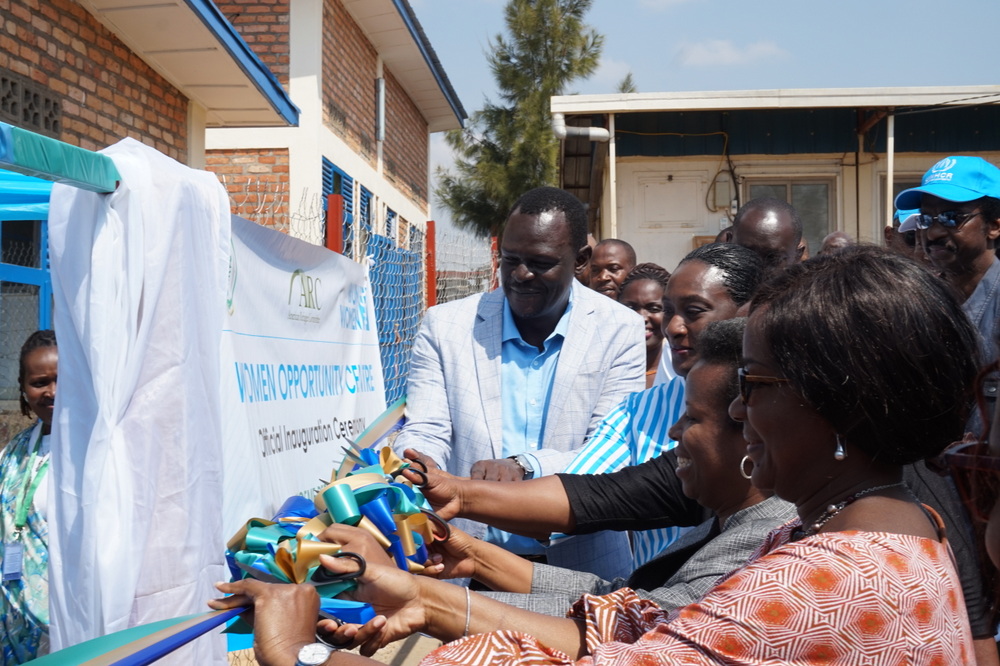
The newly-inaugurated Women Opportunity Center, funded by UN Women, aims to address this challenge, as explained by the UN Women Representative in Rwanda, Ms. Fatou Lo: “Today UN Women inaugurated a women’s opportunity center in Kigeme Refugee camp to follow up on the findings and recommendations of the 2017 gender needs assessment of refugee camps conducted together with the Government of Rwanda, the One UN family and all the humanitarian actors in Rwanda. The study found that women refugees needed further support for livelihoods, reduction of SGBV and participation in camp management”.
The Center is an integrated facility that provides women in the Kigeme Refugee Camp a safe space, training and working rooms, a showroom for their products and a nursing area in a bid to enhance their livelihoods at the Camp and beyond. As part of the One UN family, UN Women is also contributing to empower women refugees to rebuild their lives, through training them in basket weaving, and selling their products around the world in collaboration with Indego Africa, a US-based nonprofit social enterprise that supports women through economic empowerment and trainings, as well as linking them to markets.
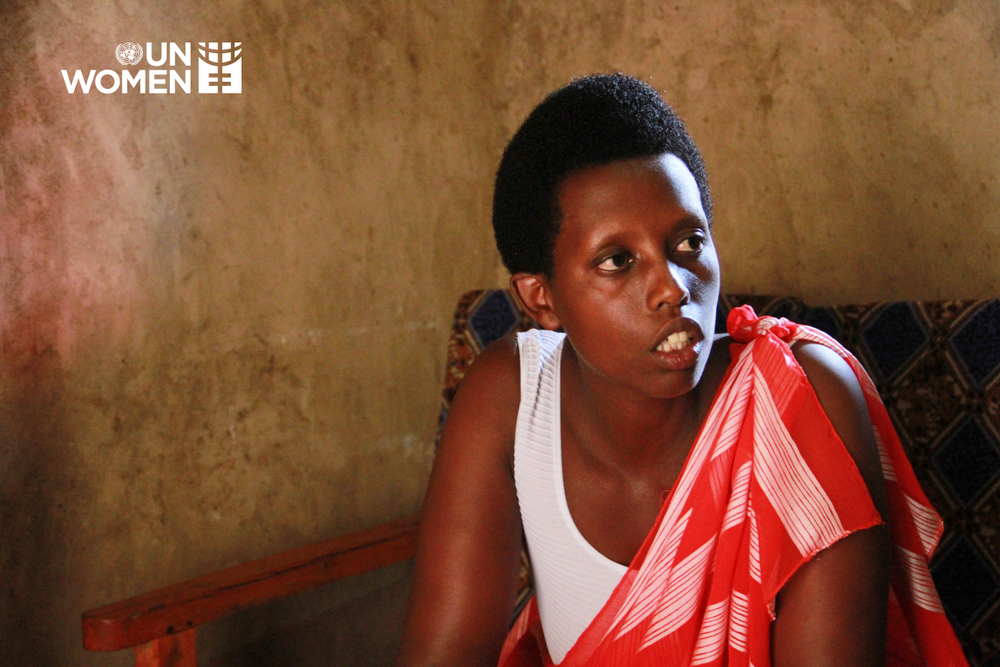
“Seeing the Center was a joy for us, before we sometimes had to weave our baskets outside in the sun, which deteriorates them. The room we were renting before was quite far from our houses and it was a challenge for us to come back home and feed our children on time, but the Center is close to our homes which will make it much easier to take care of our homes while working. And the baby room is a great space to take care of our kids without interrupting our work.”
This is Nadine Umuhoza, 29 years old, she is the Secretary of the Igisubizo Cooperative and one of the 50 women refugees from the Cooperative who received vocational training since December 2018. After a few weeks fulfilling orders made by customers around the world, through Indego Africa, the Cooperative has already earned over 1,800,000 RWF in benefits and counting, as they are starting the last module of the training.
“When I started learning basket weaving, I didn’t even know how to hold the needle, but now I weave baskets that I am proud of, and since I am earning money and contributing to the expenses at home, my husband supports the work that I do here”.
Nadine Umuhoza isn’t the only one who attests of the gained skills, Yves Nshimiyimana, the trainer from Indego Africa explained that despite the many initial challenges, including the lack of interpersonal skills among the women refugees, these women have come a long way and are setting up for a brighter future.
“The key achievement of the Project is the financial independence it has given the women refugees. The training covered basket weaving, business, and cooperative management and how to approach financial institutions, as well as mindsets, change. When we were starting some women couldn’t read nor write, had little understanding skills and couldn’t speak in public. A few months down the line, these women have changed and acquired critical skills that they will use even after they leave the camp.”
Going further, the Women Opportunity Center will strengthen the economic empowerment activities that UN Women and partners are implementing in the camp, offer sustainable avenues for the cooperative to become economically secure, and offer its members resilience and enhanced livelihoods. The Women in Igisubizo Cooperative are also ready to train other women and girls in the Kigeme refugee camp, thus creating a multiplier effect within the women refugees in Kigeme.
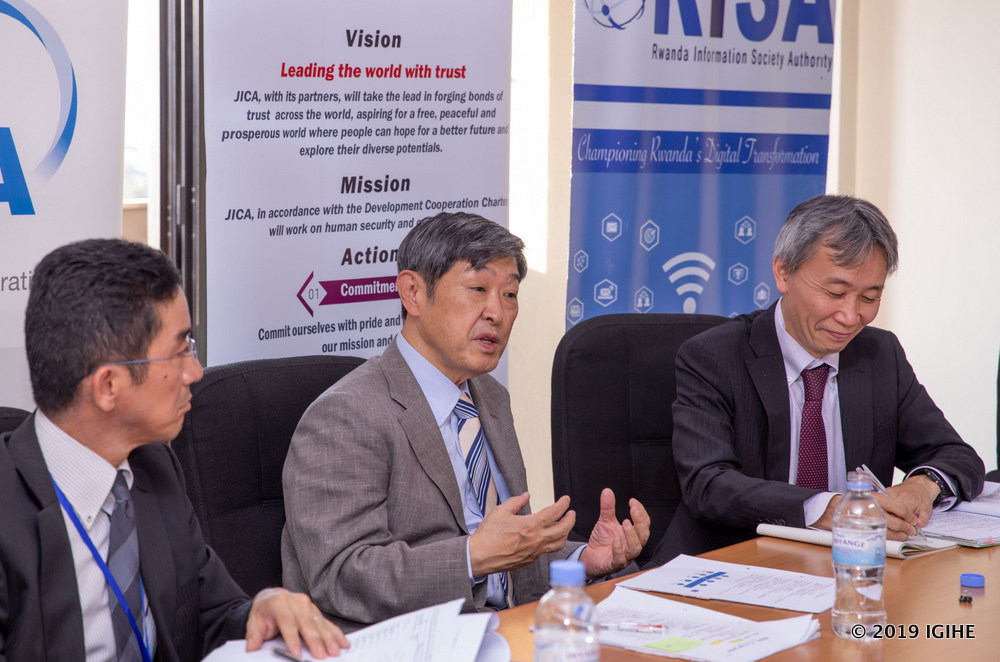
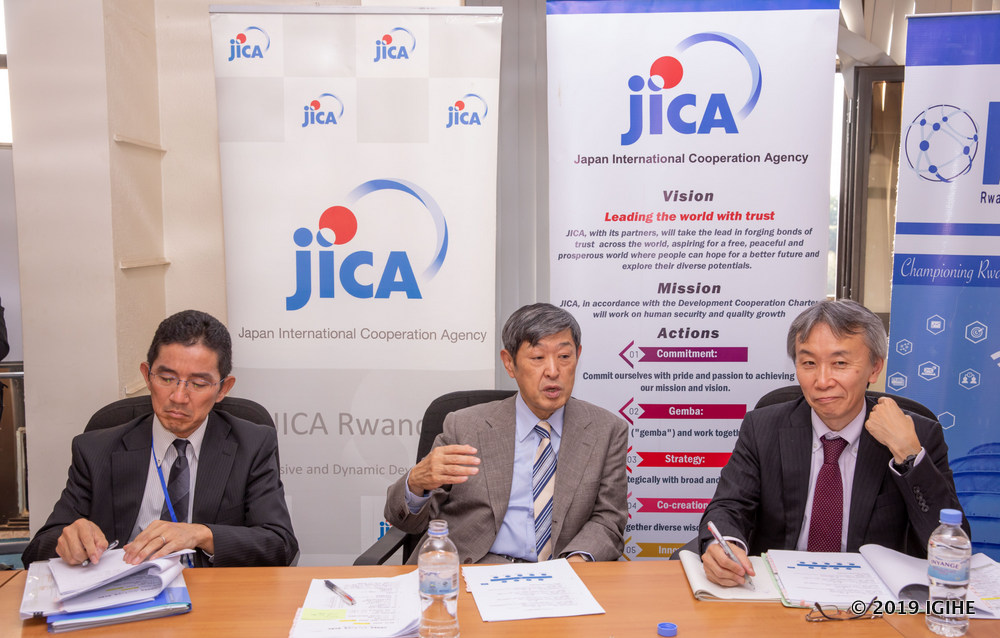
Kitaoka is visiting Rwanda from 17th to 21st July 2019.
After learning from the history of the 1994 Genocide against the Tutsi yesterday, he has visited K-Lab and Fab-Lab projects supported by JICA in Rwanda.
Kitaoka and accompanying delegation also held discussions with Rwandans who completed a Master’s degree in Japan through African Business Education (ABE).
K-Lab and Fab-Lab are firms helping the youth to develop digital solutions, carry out research, creating projects and developing software promising to boost their welfare and country’s socio-economic transformation in general.
Ildephonse Musafiri, the founder of HINGANEZA Ltd which has software with agriculture solutions has told IGIHE that knowledge he acquired training at K-Lab for four years was of great relevance to his project.
“It is a comfortable space where you meet talented youth from different walks assisting each other to solve particular challenges. K-Lab helps the youth with promising projects and link them to institutions in need of their expertise,” he said.
The President of JICA, Kitaoka appreciated the way technology projects supported by Japan help youth through different programs.
“Talking about K-Lab, it is a great project giving opportunities to the youth to train in basic digital skills enabling them to grow experts and magnates of the future,” he said.
Kitaoka said that Japan and Rwanda are both small countries but with the privileges of having visionary leadership.
He came to Rwanda following the visit of President Paul Kagame to Japan in January 2019 and held discussions on different areas supporting Rwanda’s development programs.
He is also expected to visit various projects support by JICA in Rwanda including Rusumo International Bridge and One-Stop Border Post (OSBP) as well as holding talks with President Kagame.
The Mayor of Rulindo district, Emmanuel Kayiranga has told IGIHE that Nsimiyimana went home on Wednesday to change clothes after work and headed to a trading center in the area.
It is suspected that he was killed on his way back home from the center.
Nshimiyimana’s body was found with injuries on the head.
Mayor Kayiranga said that investigations are underway to establish the cause of his death and urged residents to collaborate with local leaders providing information that might lead to suspects behind his death.
One of the drug dealers identified as John Munyaneza was arrested in Kabarore Sector in Gatsibo transporting 2400 bottles of a locally distilled illicit brew called Gubwaneza.
Munyaneza was at the time transporting the illicit drinks in-vehicle UBB 857N, which was also impounded to Kabarore RIB station where the suspect is also detained, Chief Inspector of Police (CIP) Hamdun Twizeyimana, the Police spokesperson for the Eastern region, said.
“The drinks did not have the required standard specifications and legal documents as recommended by Rwanda Standards Board,” said CIP Twizeyimana.
Standard requirements include labeling (name of the products, physical and postal address of manufacturer); net contents in milliliters or liters; ethyl alcohol content; date of manufacture and expiry date; storage instruction; statutory warnings; and list of ingredients in descending order.
In Rusizi, Emmanuel Hakizimana and Deny Urwinkunda were arrested in the Kamembe sector, Kamashangi Cell, Rushakamba Village in possession of 290 pellets of cannabis.
Article 263 of the new law determining offenses and penalties in general, states that any person who, unlawfully produces, transforms, transports, stores, gives to another or who sells narcotic drugs and psychotropic substances commits an offense and faces a sentence of between 20 years and life in prison.
The arrest of the trio comes at a time when the Rwanda National Police (RNP) and partners are actively engaged in countrywide awareness campaigns against narcotic drugs and psychotropic substances in the first week of the Police Month.