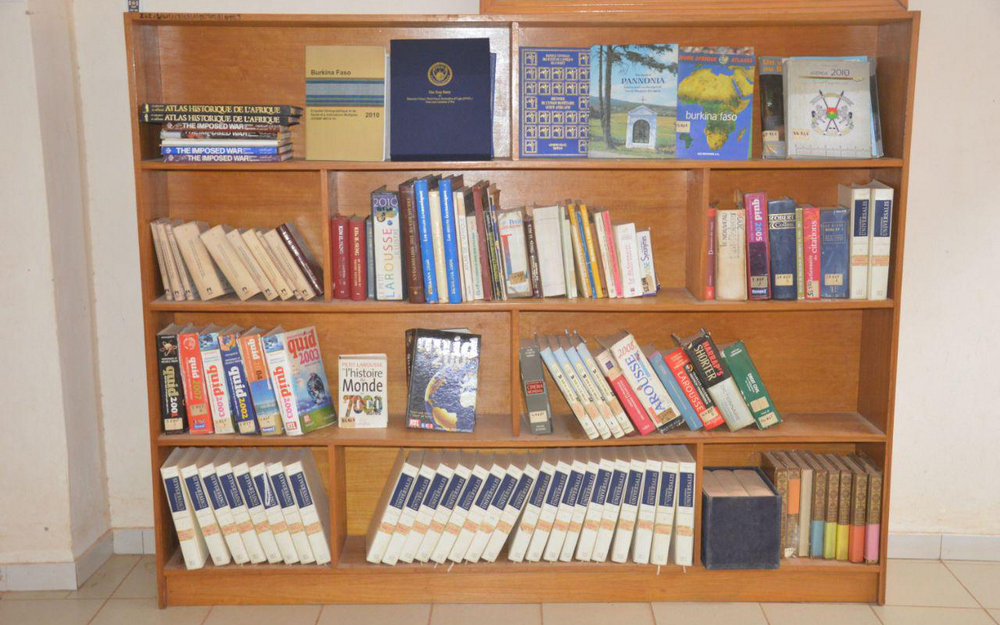
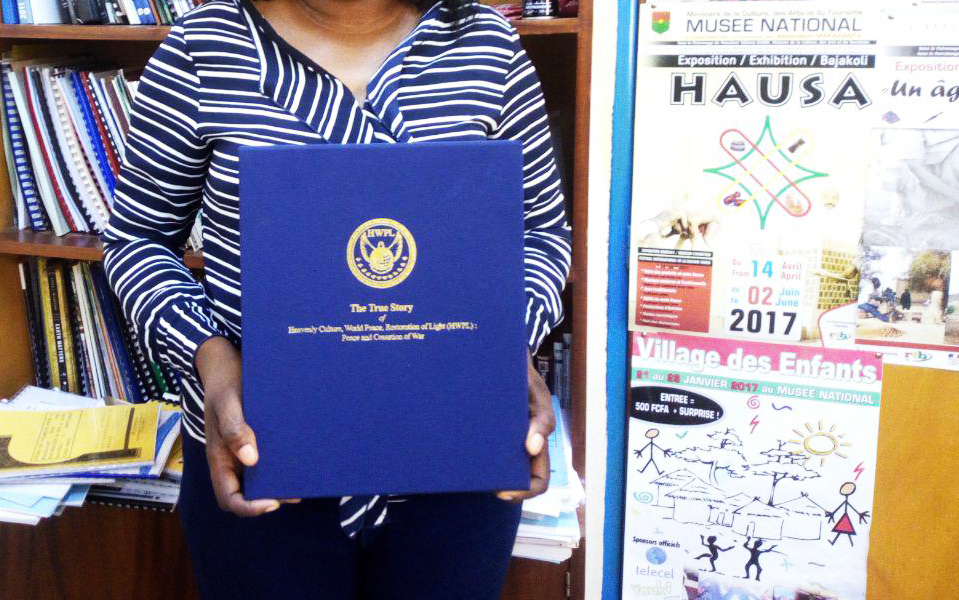
In particular, the public institutions in Burkina Faso that have contributed thematic topics to the book, “True Story of HWPL: Peace and Cessation of War” will be expected to support the event. The book introduces the Declaration of Peace and Cessation of War (DPCW) of 10 articles and 38 clauses drafted by renowned international law experts, as a practical approach to sustainable peace through conflict prevention, mediation and resolution.
The DPCW that clarifies the role of the members of international society to prevent and resolve conflicts is in the process of being introduced to the UN as a draft resolution. As a part of the process, HWPL promoted worldwide Legislate Peace project has gained 1.5 million different types of supports from 195 countries through supporting signatures and peace letters written to their respective national leaders.
2019 HWPL World Peace Summit will be hosted in over 150 locations in 110 countries including South Korea, France, Australia, Russia, India, Zambia, and the United States of America in cooperation between HWPL and international actors – civil society organizations and governments.
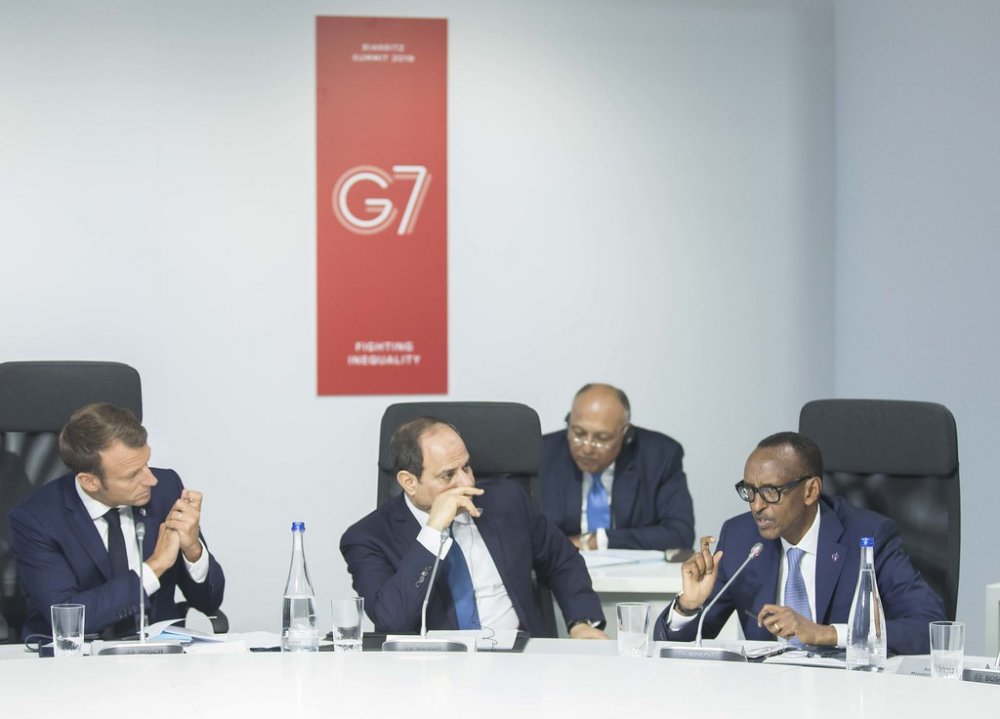
The G7 is made up of the United States, United Kingdom, France, Italy, Germany, Japan, and Canada.
President Kagame attended the G7 summit after receiving a special invitation as the immediate past chairperson of the African Union.
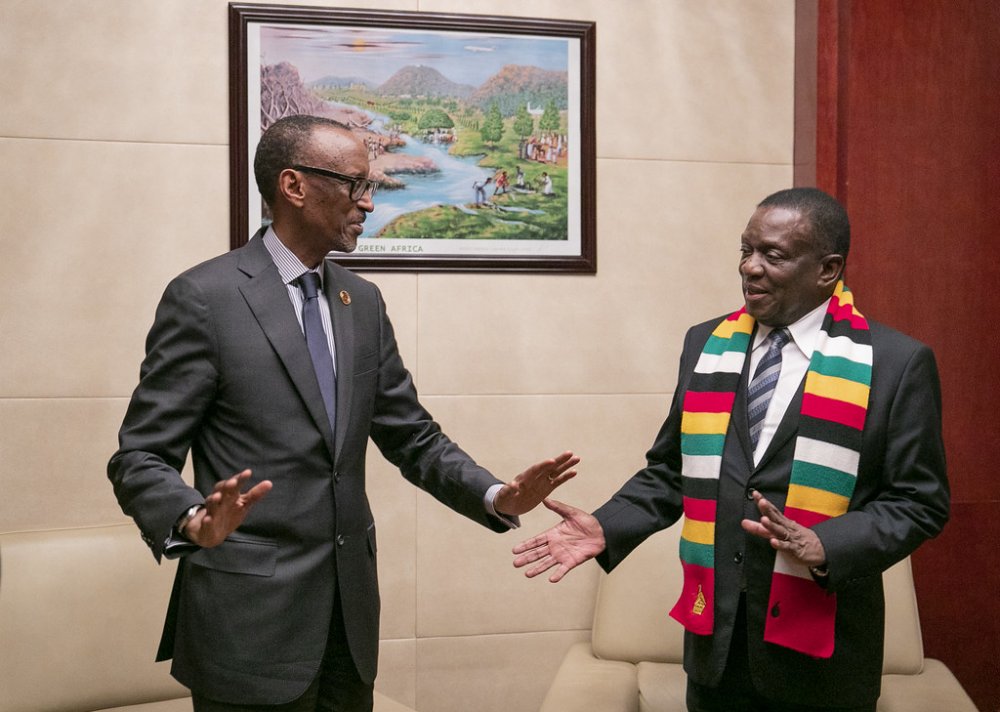
According to the Sunday Mail news medium from Zimbabwe, President Mnangagwa and President Kagame met for bilateral talks on the sidelines of the Tokyo International Conference on African Development (TICAD) summit in Japan.
In an interview with journalists on Friday, President Mnangagwa said President Kagame had briefed him that he had “pleaded” with the G7 countries on the need to lift sanctions against Zimbabwe.
“In particular, with President Kagame, we were discussing strategies to deal with the question of sanctions. At the last SADC meeting in Dar es Salaam, a resolution was made to appeal to AU so that when AU goes to the United Nations, they speak about the removal of sanctions,” said the President.
“Sadc secretariat must also again appeal for the removal of sanctions. But individual African countries such as Kagame’s Rwanda are lobbying. They did lobby for Zimbabwe during the G7 meeting. President Kagame attended the G7 meeting and he was able to meet with the G7 leaders and he pleaded with them over the removal of sanctions on Zimbabwe.”
According to Sunday Mail, President Mnangagwa said that his Rwandan counterpart is a worthy ally in Zimbabwe’s fight against the embargo.
“These are the areas we were discussing and the possibilities of success and attitudes of every single leader in G7 and how they look at Zimbabwe.”
President Mnangagwa said he shares a brotherly bond with President Kagame.
“With my brother Paul Kagame, it is a continuous exchange of views with regards to our respective situations in Africa,” he said.
President Mnangagwa told Japanese media on Friday, that Zimbabwe will continue the international fight against sanctions, which are limiting the country’s ability to access credit from international markets.
He said: “ZDERA constrains us. For the past 20 years, we cannot access support from the IMF, World Bank, IFIs (international finance institutions). Those Bretton Woods institutions cannot extend any lines of credit to Zimbabwe. So, we are surviving through our own domestic means. We are doing our best. We cannot bury our heads in the sand and blame the Bretton Woods institutions for not giving us credit.”
The anti-sanctions lobby continues to gain traction, as Sadc leaders recently resolved to reserve October 25, 2019, as a day when the 16-member states would conduct activities to jointly call for the “immediate” lifting of the embargo.
The position was communicated at the regional body’s 39th Ordinary Summit of the Sadc Heads of State and Government in Dar es Salaam, Tanzania.
Relations between Harare and Kigali continue to deepen, especially under the new political administration.
Of late, there have been reciprocal visits between senior officials from the two countries.
The country recently invited the chief executive officer of Rwanda Development Board (RDB), Ms. Clare Akamanzi, to share experiences on how Zimbabwe can sustainably attract investments.
Earlier this year, Ambassador James Musoni became Rwanda’s full-time envoy based in Harare.
Previously, Rwanda’s South African embassy also covered Zimbabwe.
Similarly, Professor Charity Manyeruke was also recently appointed Zimbabwe’s Ambassador to Rwanda.
Kigali used to be under the orbit of Zimbabwe’s embassy in Tanzania.
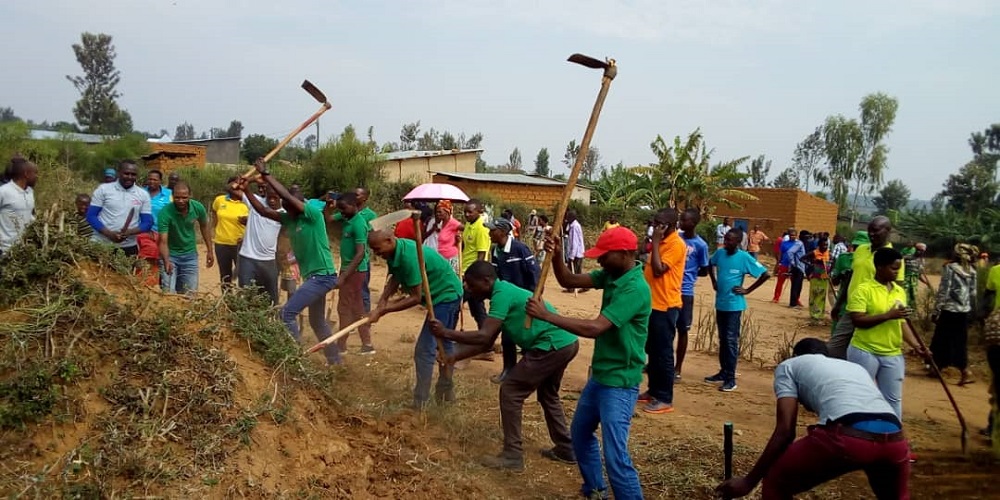
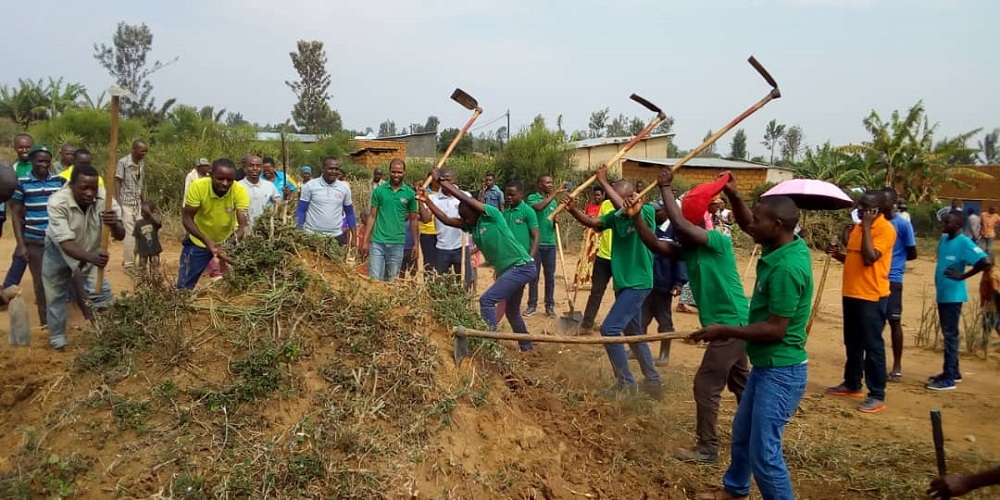
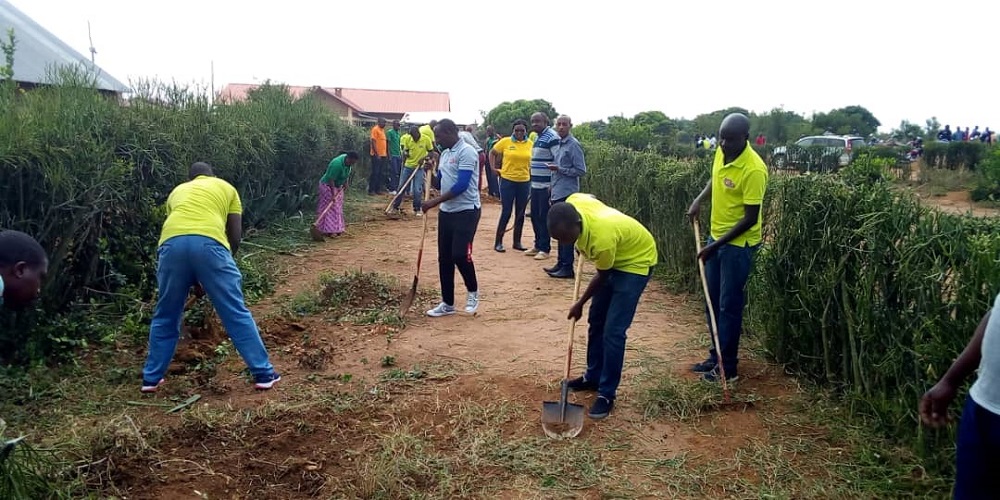
The community work conducted on Saturday in the area was characterized by clearing bushes along roads in the village of survivors of the 1994 Genocide against the Tutsi.
After the community work, KBS Ltd donated a cheque to subscribe to Mutuelle de Santé for100 vulnerable residents in the second Ubudehe category.
The Managing Director of KBS Ltd, Emmanuel Habanabakize said the gesture is part of ongoing initiatives to contribute to national development.
“This means Rwandans especially KBS staff have to raise funds internally to vulnerable residents to walk together along the journey towards rebuilding the nation and achieving self-reliance,” he said.
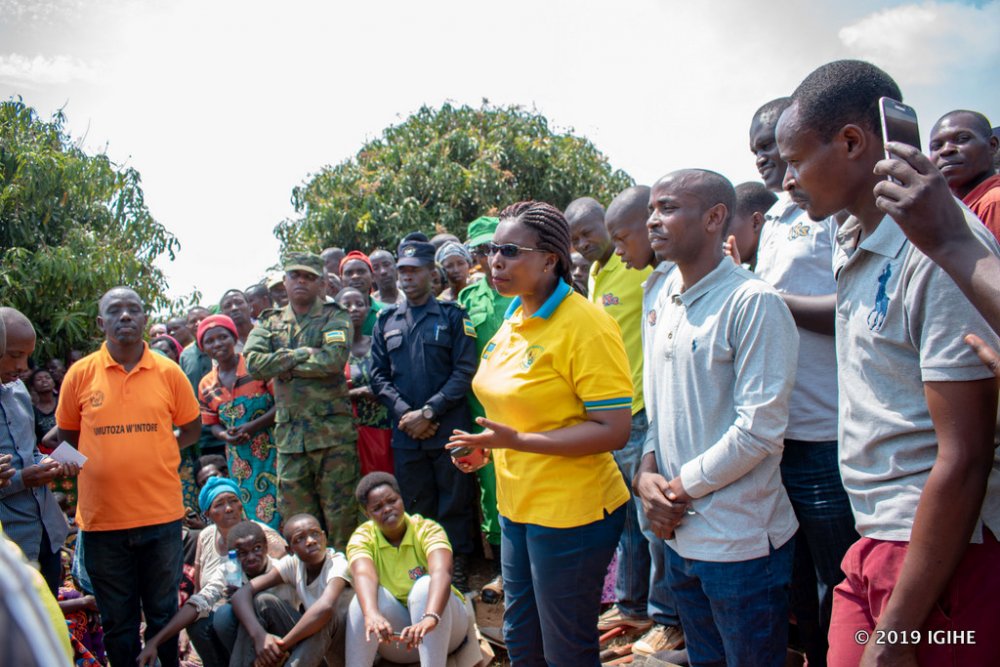
The Director of Good Governance in Bugesera district, Sebatware Magellan thanked KBS Ltd the gesture reflecting the willingness to strive for common progress, dignified life and resilient nation.
“These are brothers who joined us for community work and subscribed 100 residents for Mutuelle de Santé. We warmly welcomed the great support. These are among homegrown solutions inducing self-dignity aligning with the vision of the President of the Republic where Rwandans need to build their nation themselves. We appreciated their kind act traveling from Kigali to bringing the support,” he said.
Figures from the Gashora sector reveal that only 56% of residents including supported locals from the first Ubudehe category have already paid Mutuelle de Santé.
Beneficiaries told IGIHE that KBS Ltd said the support will boost wellbeing as they can afford medical care whenever.
Beatrice Bamurange, a mother of five from Kagasa II village, Ramiro sector of the Gashora sector was hit hard and would not access health care because she had no medical insurance subscription. With the support, she said, no family member critically sick will stay at home over inadequate means.
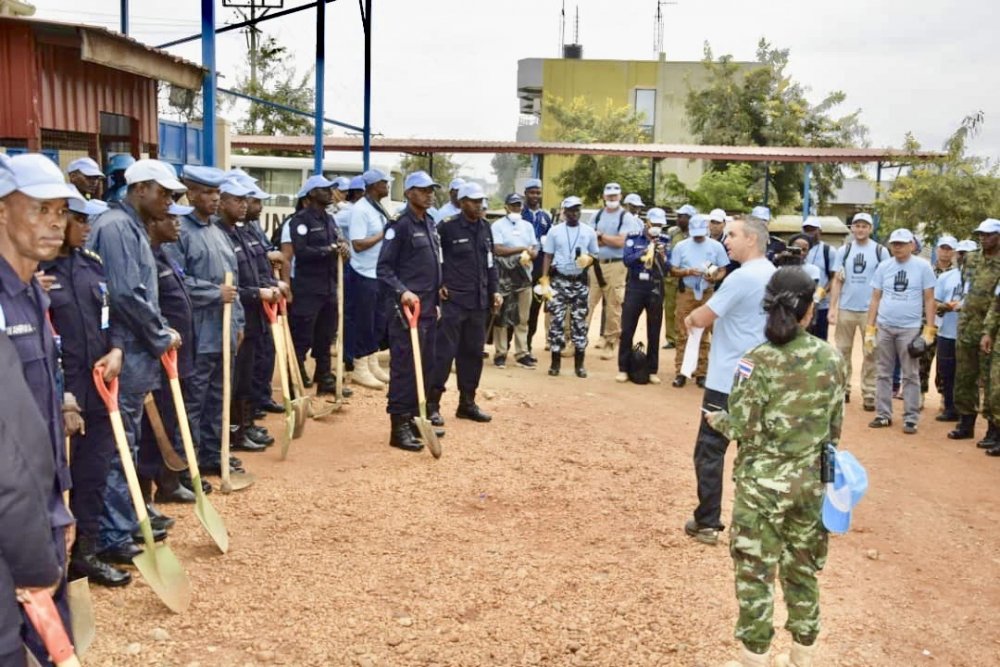
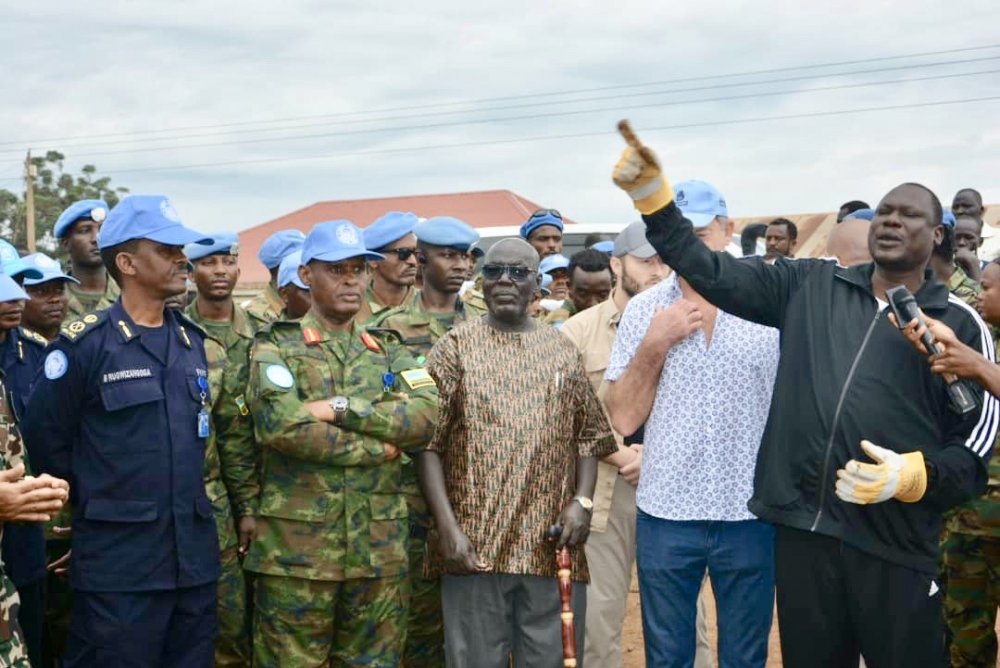
The peacekeepers included those serving as Formed Police Units (FPUs), Individual Police Officers (IPOs) and Rwandan military battalions deployed in Juba.
Umuganda was organized in partnership with Juba Town Council under the theme: “Make Juba clean, safe, healthy and preserve natural ecosystem.”
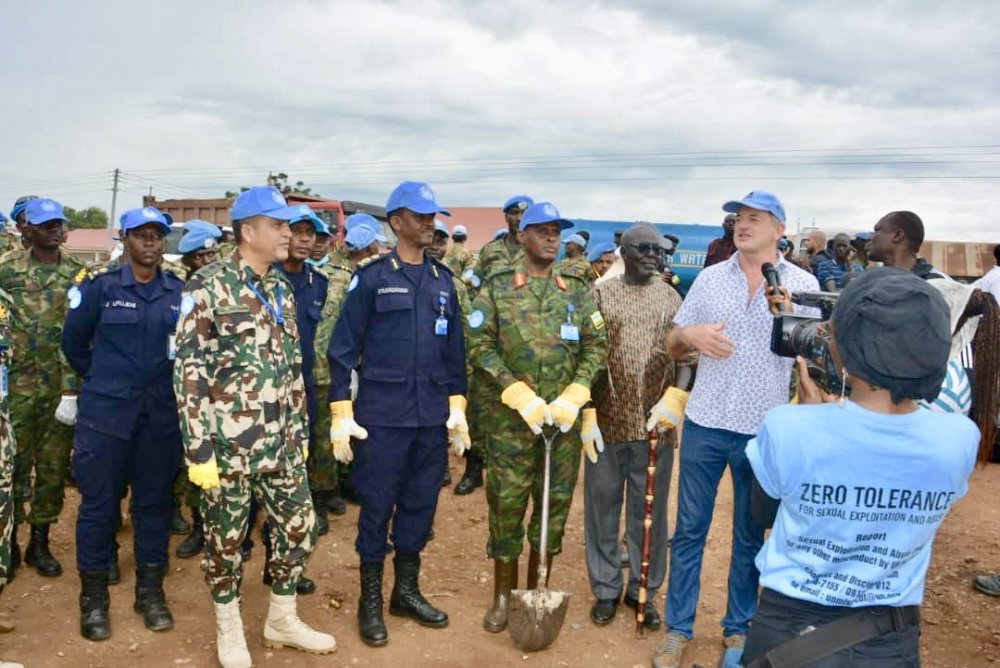
The communal work was also attended by the Special Representative of the Secretary General to UNMISS, David Shearer and the Mayor of Juba, Shemir Khamis.
Other officials present included UNMISS Sector Commander for Central Equatorial, Brig. Gen Eugene Nkubito and United Nations Police (UNPOL) Chief of Staff, Assistant Commissioner of Police (ACP) Bartheremy Rugwizangoga.
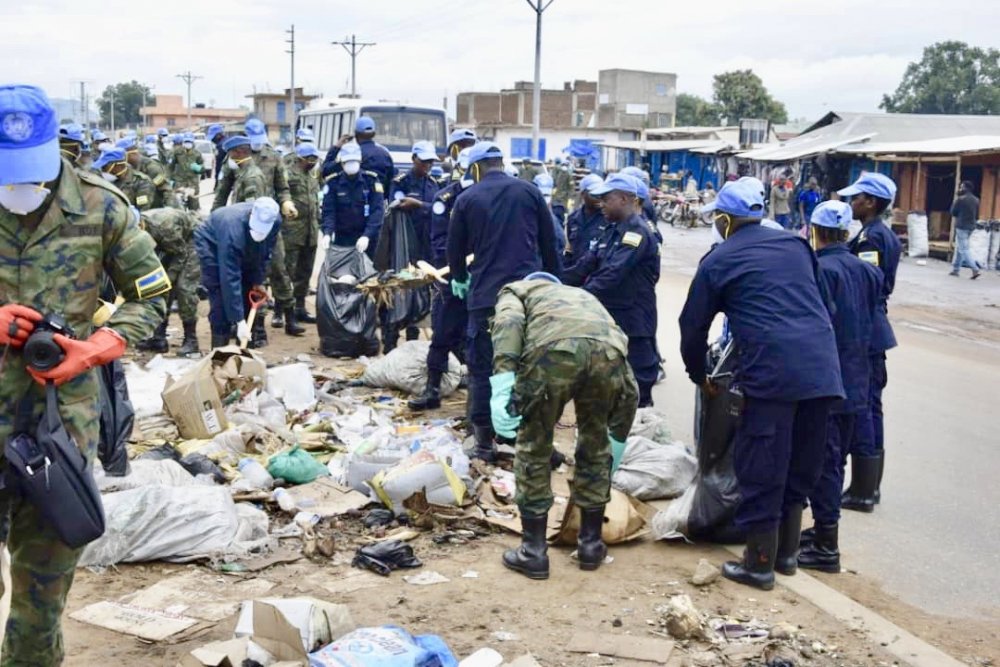
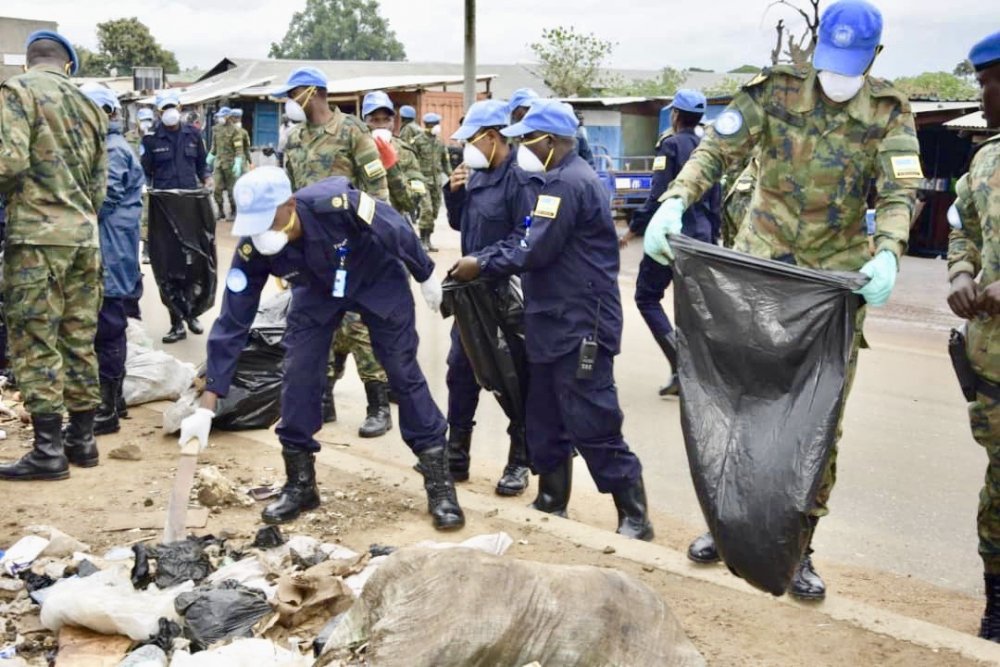
The exercise involved collecting littered wastes on streets and trenches for proper disposal and slashing bushes.
Mr. Shearer commended the big turn-up for Umuganda and thanked the Rwandan peacekeepers for instilling the spirit of volunteerism among the local communities in South Sudan.
He paid tribute to former UNMISS Force Commander, Lt. Gen. Frank Mushyo Kamanzi, who introduced Umuganda in South Sudan and appealed to the host country to “maintain it to keep this country clean.”
Umuganda, a Rwandan traditional communal exercise conducted every last Saturday of the month, has since become a practice in South Sudan as well.
Rwanda maintains three FPU contingents in South Sudan; two of 160 officers each, deployed in the capital Juba and a hybrid of 240 operating in Malakal, Upper Nile.
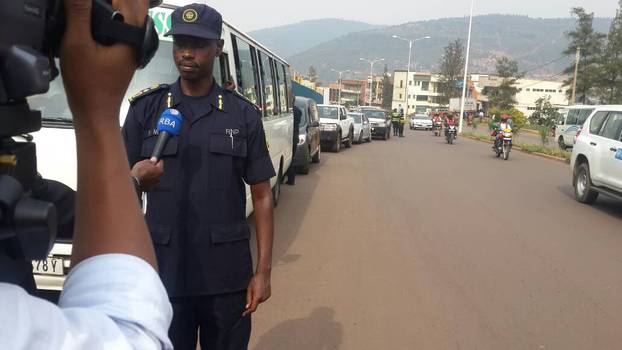
Commissioner of Police (CP) Rafiki Mujiji, commissioner for TRS said that the “continuous operations across the country” are part of the year-long national road safety campaign dubbed ‘Gerayo Amahoro’ launched in May this year.
CP Mujiji said that impaired judgment, especially under the influence of alcohol, is one of the major causes of fatal accidents.
He explained that the alcoholic content for all the arrested drivers was way above the recommended 0.8 maximum while their state-defined higher chances of crashing.
“The public should take caution and be responsible even when they are enjoying. A drunk driver is a risk not only to their lives but to other road users and property. Therefore, individual responsibility is very crucial in ensuring personal and road safety,” CP Mujiji emphasized.
He advised members of the public to make sure they have a sober person who will drive them if they intend to drink lest they become a security threat for themselves and other road users.
“Alcohol inhibits a driver’s judgment. A drunk driver is more likely to over-speed or drives on the wrong side of the road. We urge people to share information whenever they see a drunk driver. We call upon bar owners and attendants to also be part of this campaign to advise customers with cars not to go on the wheel when they’re drunk; it’s a collective responsibility,” CP Mujiji said.
He said that operations are continuous against such “intolerable dangerous human behaviors” to prevent accidents caused by drunkenness.
“Drunk driving is an offense punishable with a fine of Rwf150, 000, imprisonment, confiscation of driver’s license and impounding the vehicle; this is something avoidable,” said CP Mujiji.
Gerayo Amahoro campaign is designed to use different approaches to reach all categories of road users through road safety education, enforcement of road traffic rules and regulations to ensure safer roads for all.
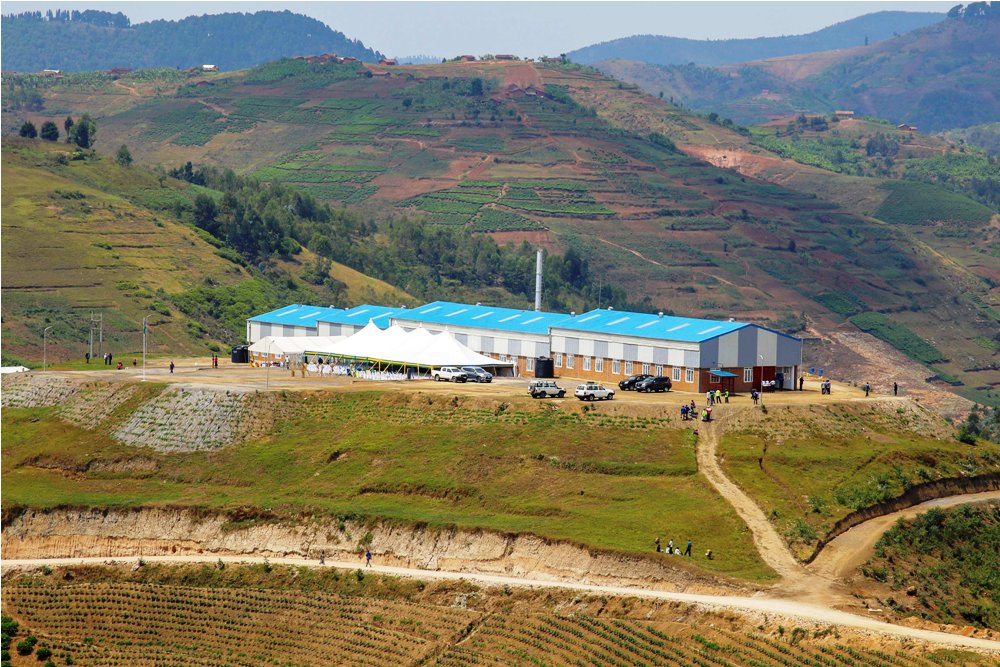
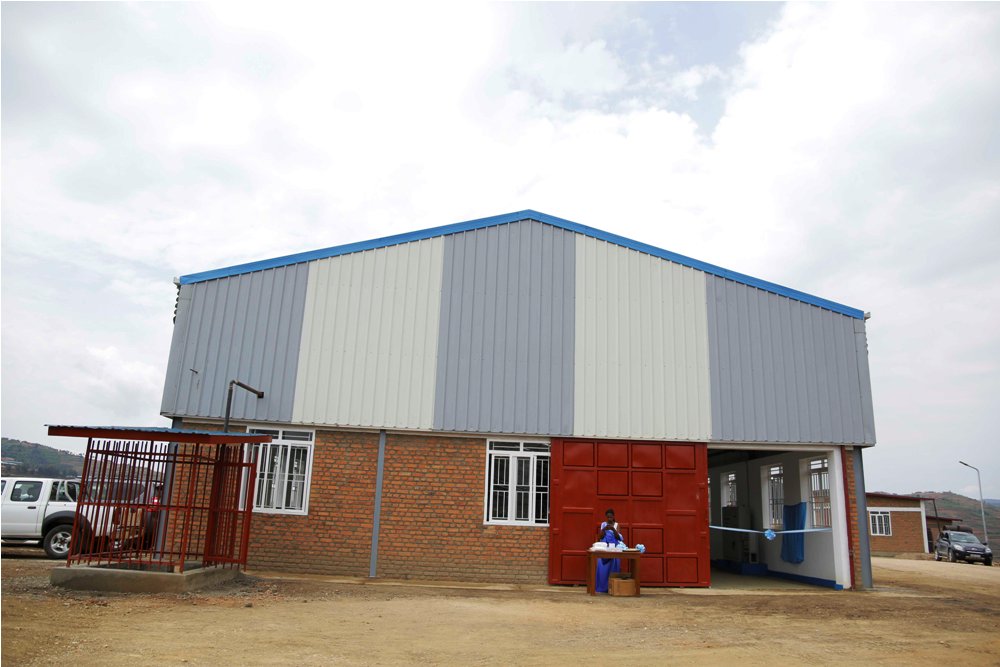
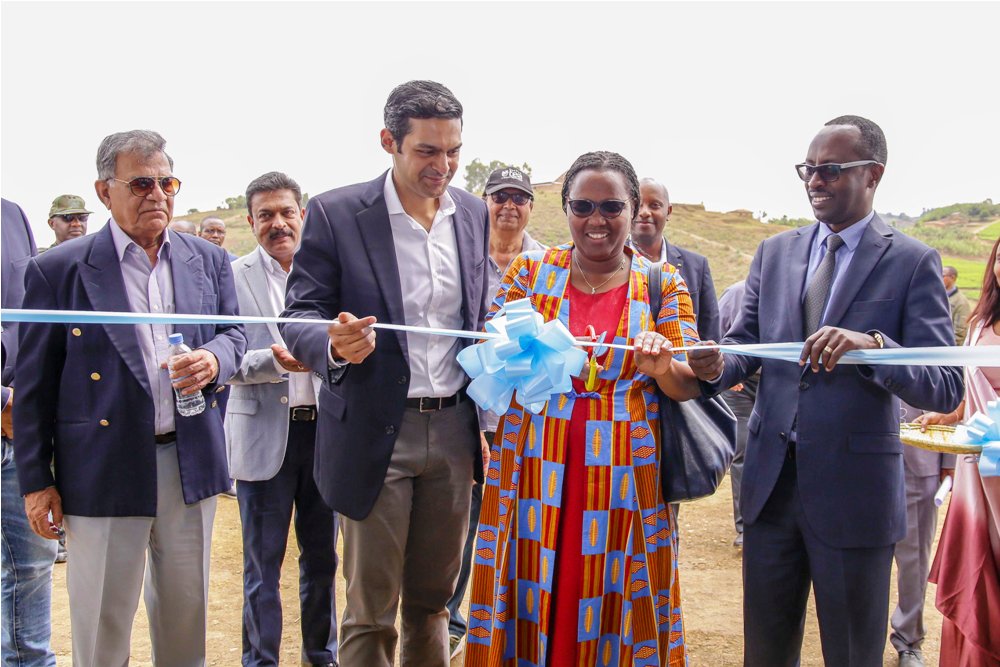
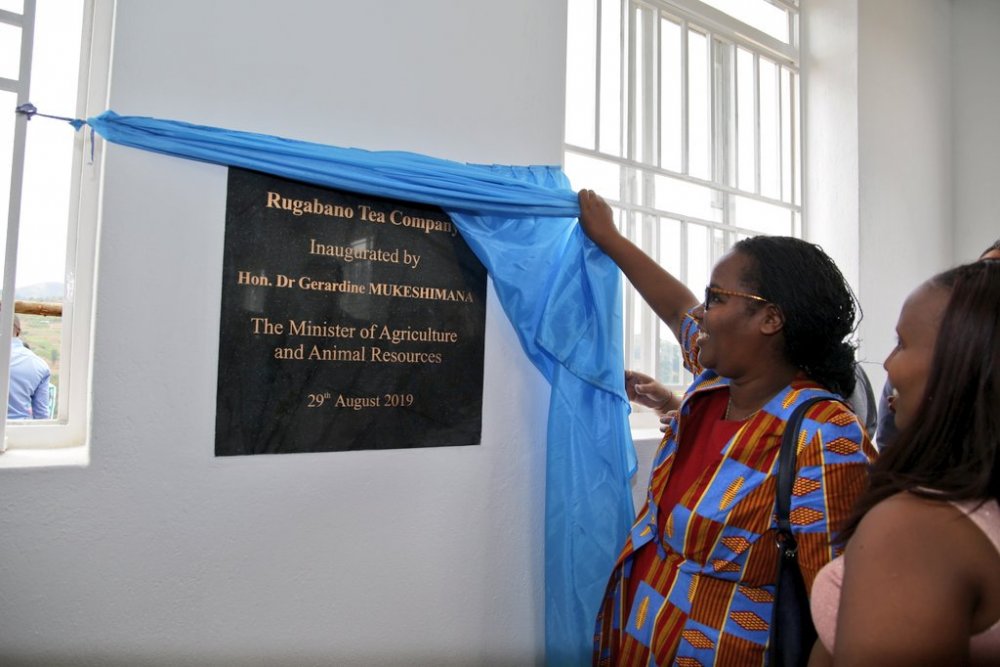
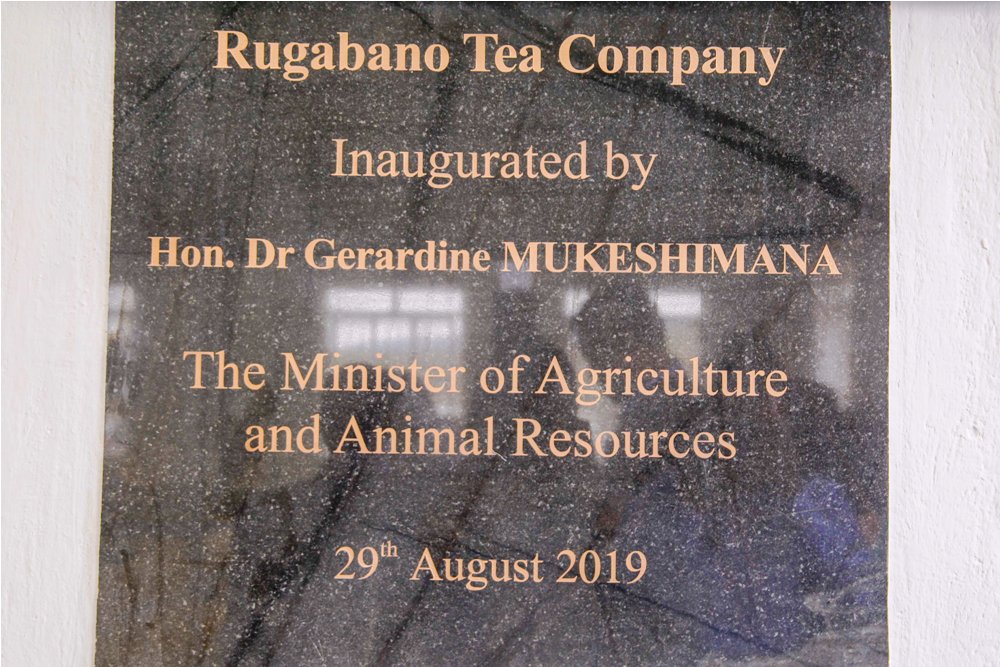
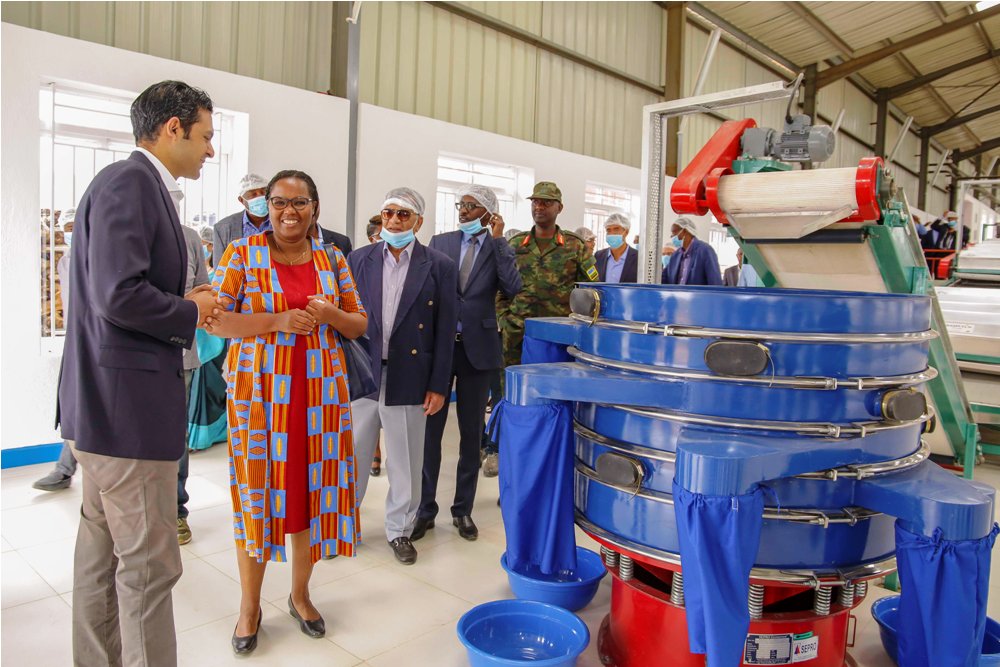
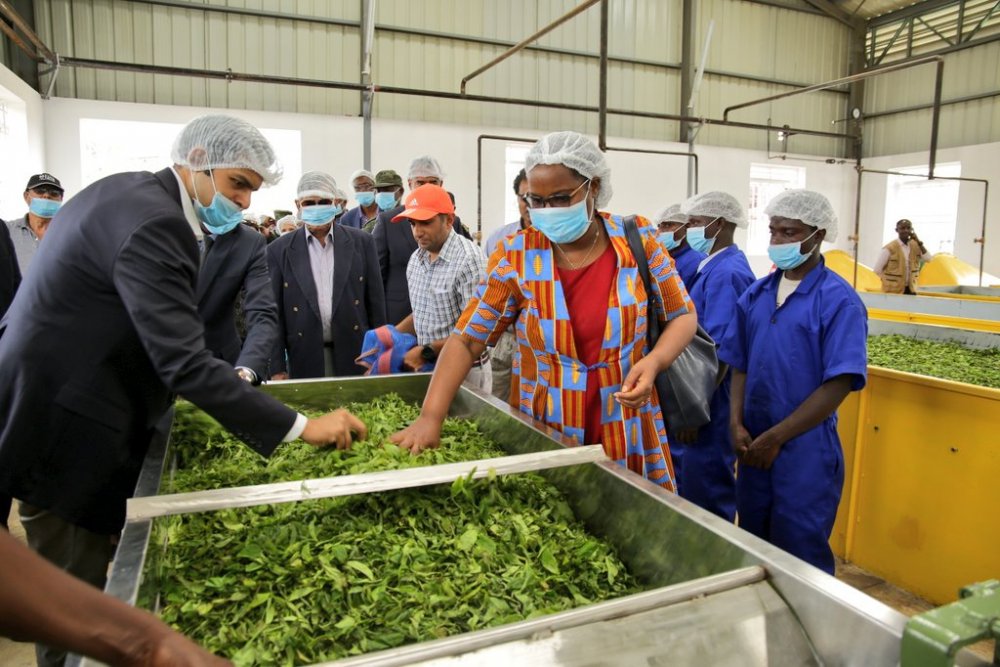
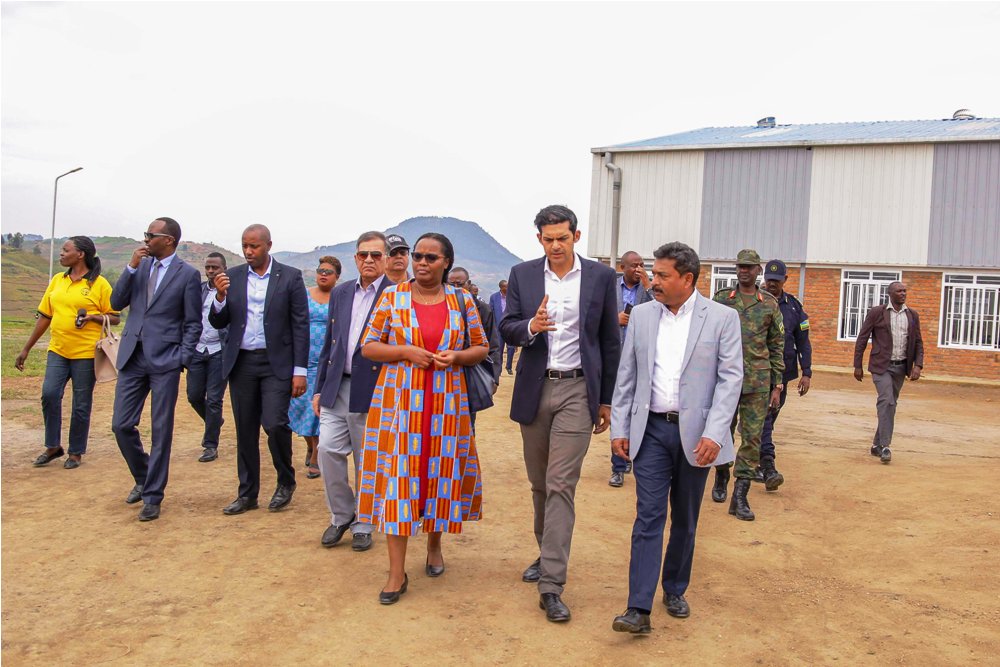
Inaugurated on Thursday, the plant is an addition to 17 existing tea factories in Rwanda and targets to process 4000 tons per year within ten years.
Luxmi Group from India, the mother company of Rugabano Tea Factory committed to investing between the US $28 to $30 million in tea farming.
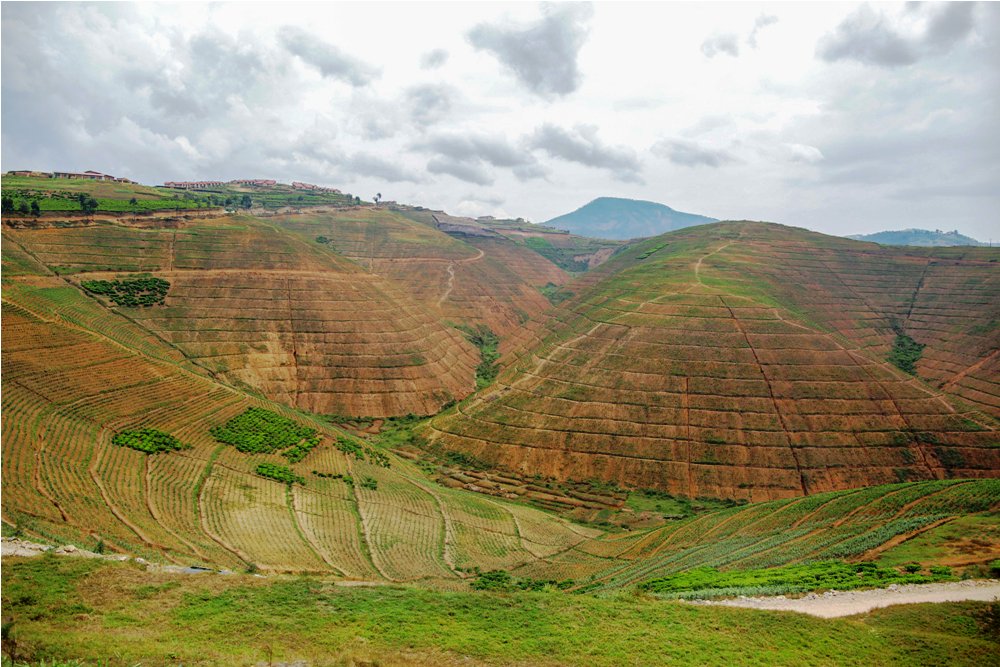
The plant was given 438 hectares on which it runs operations and farms tea on 4000 hectares.
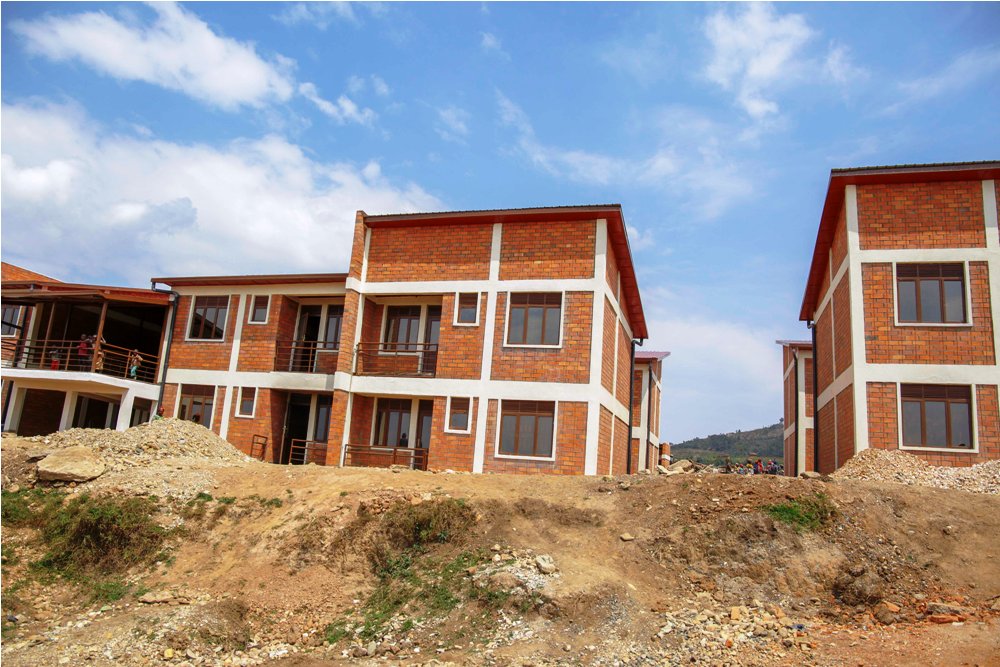
The Governor of Western Province, Alphonse Munyantwari said that apart from 1000 residents who have got jobs at the plant, the project also built houses for residents each at a cost of Rwf 12 million.
Minister Mukeshimana said that the factory will increase Rwanda’s exports.
“This will be among the first factories processing large quantities of tea inside the country. It will process 4000 tons per year and contribute to increased tea exports by 3% within two years,” she explained.
Luxmi and The Wood Foundation are biggest shareholders in Pfunda and Gisovu tea factories with 50% shares and 90% in Pfunda and Gisovu respectively.
The Director-General of Luxmi Group, Rudra Chatterjee said that they plan to expand investment in tea planation so that the plant can produce the finest tea in Rwanda.
Figures from Rwanda Agriculture Export Board (NAEB) indicate that 25,128 tons of tea were exported in 2016-2017 and earned US$74.5 million while 27 824 tons were exported in 2017-2018 netting US $88 million.
The fire broke out yesterday evening around 6 pm. Mattresses, beds are among other equipment that were burnt.
The Head Teacher of Groupe Scolaire Muganza, Innocent Kimenyi has told RBA that the cause of the fire has not yet been established.
“We are waiting for investigations to establish the cause of the fire. Following the fire, we have temporarily relocated students to the multipurpose hall,” he said.
Kimenyi thanked the police, the military and the CIMERWA staff who rushed to extinguish the fire.
The dormitory that caught fire accommodated 120 male students from different classes.
The victim was not legally married to Mahangayiko with whom they shared five children.
The spouses were ensnared in wrangles and divided properties assisted by local government officials.
The sugar cane garden was given to the wife but the husband stopped from harvesting the canes and as she went to plantation yesterday as she prepared for buyers of the sugar canes, the husband followed stabbed her with a machete, killing her instantly.
Police spokesperson for Western Province, CIP Emmanuel Kayigi has confirmed that the man was shot dead attempting to escape from security officials taking him to correction services facility.
“They brought the culprit to the detention center but he jumped over the vehicle along with the Rugerero sector. Police shot at and was then taken for treatment but died before reaching the hospital,” he said.
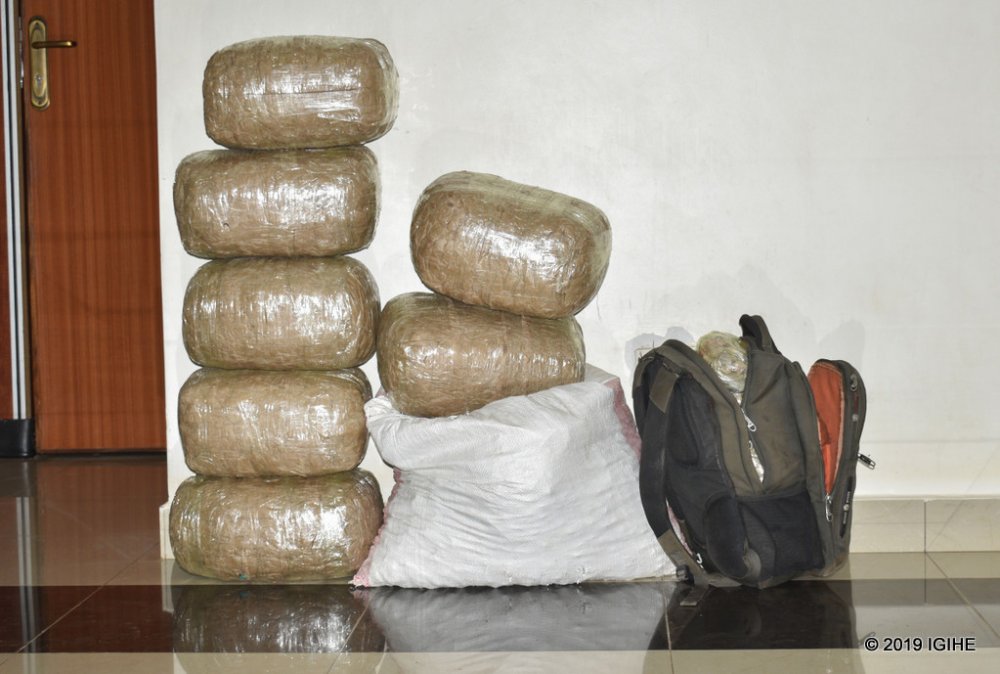
The men identified as Gerald Munyangabe, 46, Patient Shukran Ramadhan, 23, and Mustafa Tuyizere, 19, were all arrested in the Muhima Sector, Nyarugenge district with over 18,000 pellets of cannabis.
The trio was paraded to the media later in the day as Rwanda National Police (RNP) continued to send a strong message in breaking the chain of supply.
The seized narcotics were trafficked in a transit truck from the Democratic Republic of Congo (DRC), which was also carrying other goods.
Munyangabe, the truck driver and his two co-drivers were trailed to Kigali following information from their accomplices, who were arrested in the Rubavu district.
One of the suspects, Tuyizere admitted to the crime but said that he knew only 1000 pellets.
“I had a deal with someone in DRC to transport only 1000 to Rwanda for Rwf30, 000, to my surprise I saw many others when Police arrested us,” Tuyizere narrated.
He added: “This deal is really bad, I accepted because I needed more money but now I am going to lose more than what I originally had. I advise young to be satisfied with what they have if they need more money they should work hard but not dealing in narcotic drugs,” the teenager advised.
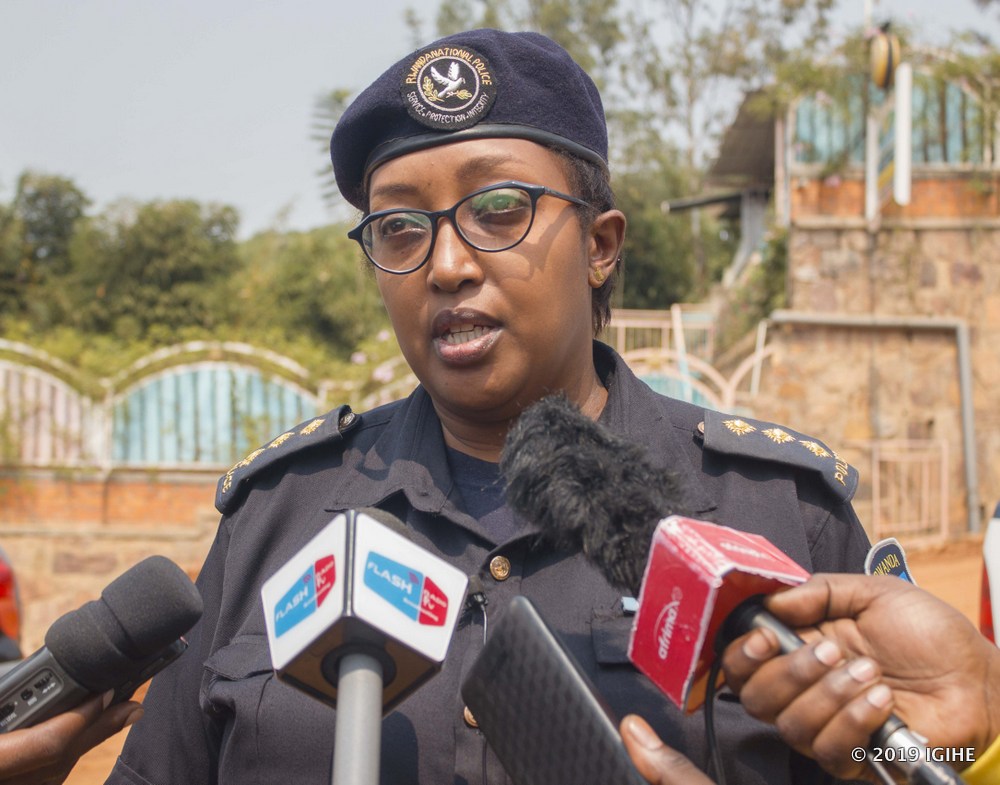
Chief Inspector of Police (CIP) Marie-Gorette Umutesi, the Central region Police spokesperson said that efforts against narcotic drugs continue to gain momentum, a reason as to why more drug dealers continue to be arrested and substances seized.
“Police had reliable information on their criminal dealings. When you see where that cannabis was hidden, there’s no way you can know it if you don’t have a credible source and strong partnership with the public,” he said.
“We are happy that the public has owned it and they are the main source of information on suppliers in their communities, which is a big step forward,” added CIP Umutesi.
The spokesperson observed that although drug-related crimes are on the decline, partly due to vigorous community policing measures adopted, there are people who are still involved in drug dealings, who must be brought to justice.
“This is a criminal act that goes further to cause insecurity in communities, destroys families and young people, no one should tolerate it. We urge people to always share information so as to break such chains to ensure a drug-free society,” she emphasized.
Article 263 of the new penal code partly states that, any person who, unlawfully produces, transforms, transports, stores, gives to another or who sells narcotic drugs and psychotropic substances commits an offence, with a sentence ranging from seven years to life in prison, upon conviction, and a fine of between twenty (20) million Rwandan Francs (Frw) and thirty (30) million Rwandan Francs (Frw). The men identified as Gerald Munyangabe, 46, Patient Shukran Ramadhan, 23, and Mustafa Tuyizere, 19, were all arrested in the Muhima Sector, Nyarugenge district with over 18,000 pellets of cannabis.
The trio was paraded to the media later in the day as Rwanda National Police (RNP) continued to send a strong message in breaking the chain of supply.
The seized narcotics were trafficked in a transit truck from the Democratic Republic of Congo (DRC), which was also carrying other goods.
Munyangabe, the truck driver and his two co-drivers were trailed to Kigali following information from their accomplices, who were arrested in the Rubavu district.
One of the suspects, Tuyizere admitted to the crime but said that he knew only 1000 pellets.
“I had a deal with someone in DRC to transport only 1000 to Rwanda for Rwf30, 000, to my surprise I saw many others when Police arrested us,” Tuyizere narrated.
He added: “This deal is really bad, I accepted because I needed more money but now I am going to lose more than what I originally had. I advise young to be satisfied with what they have if they need more money they should work hard but not dealing in narcotic drugs,” the teenager advised.
Chief Inspector of Police (CIP) Marie-Gorette Umutesi, the Central region Police spokesperson said that efforts against narcotic drugs continue to gain momentum, a reason as to why more drug dealers continue to be arrested and substances seized.
“Police had reliable information on their criminal dealings. When you see where that cannabis was hidden, there’s no way you can know it if you don’t have a credible source and strong partnership with the public,” he said.
“We are happy that the public has owned it and they are the main source of information on suppliers in their communities, which is a big step forward,” added CIP Umutesi.
The spokesperson observed that although drug-related crimes are on the decline, partly due to vigorous community policing measures adopted, there are people who are still involved in drug dealings, who must be brought to justice.
“This is a criminal act that goes further to cause insecurity in communities, destroys families and young people, no one should tolerate it. We urge people to always share information so as to break such chains to ensure a drug-free society,” she emphasized.
Article 263 of the new penal code partly states that, any person who, unlawfully produces, transforms, transports, stores, gives to another or who sells narcotic drugs and psychotropic substances commits an offence, with a sentence ranging from seven years to life in prison, upon conviction, and a fine of between twenty (20) million Rwandan Francs (Frw) and thirty (30) million Rwandan Francs (Frw).
“The family of late Louis Baziga(spouse and children) is on their way to Kigali and they will arrive at 24h45,” reads an announcement that was shared by organizers of the funeral arrangements late Friday.
According to the same announcement, the body will arrive on a different flight on Saturday at 23h45.
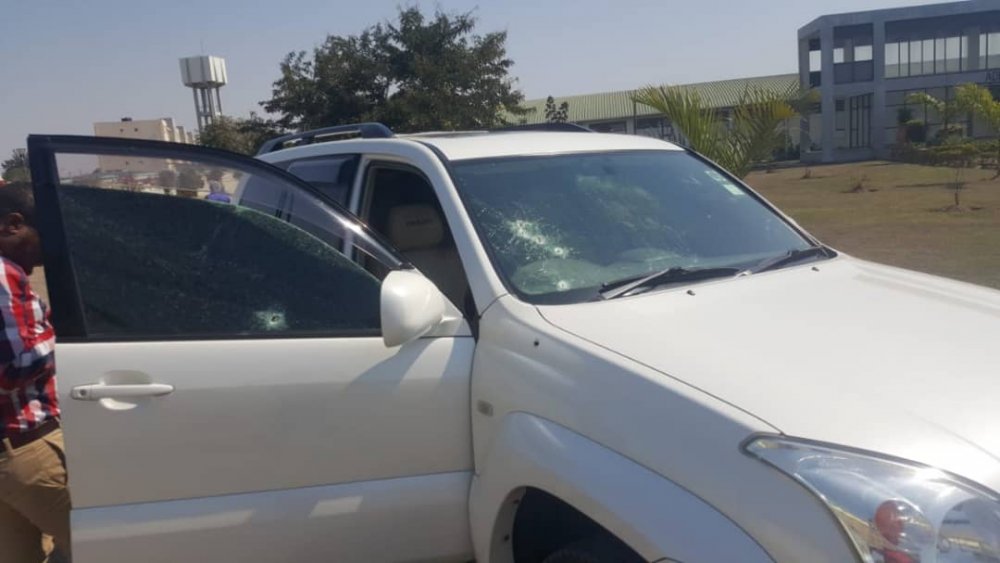
The chairman of the Rwandan diaspora community in Mozambique, Baziga was shot dead in Matola, a suburb of Maputo around 11 am by assailants while heading to the garage. They blocked him and sprayed his Toyota Prado with bullets.
The family and friends of late Baziga met at Hospital Provincial da Matola in Maputo yesterday at 8h00 to take the body from the mortuary and to bid farewell to the deceased.
Testimonies about the life of Baziga were also scheduled to be shared by close relatives and people who know him.
On September 2, 2019, the funerals will include a requiem mass at Kabuga Pentecostal church in Gasabo district – Kigali city at 10h00 while the burial will take place at Rusororo cemetery at 2:00 pm.