Sindikubwabo, 34, was arrested Thursday in Kinyinya Sector, Gasharu Cell following information that he was conning unsuspecting members of the public assuring of getting them driver’s license.
One of the victims disclosed that Sindikubwabo conned her of Rwf500, 000.
Apparently, the victim was trying to secure a driver’s license for her daughter.
“I paid him [Sindikubwabo] Rwf500, 000 in February; he had told me that he works with the Police and would get me the permit if I paid him the money,” the victim narrated.
Sindikubwabo also admitted taking the money from the victim and pleaded to be forgiven to go and refund the victim. He advised the young people against such unscrupulous and criminal acts.
“I lied to her so that I could get money from her,” he said.
Chief Inspector of Police (CIP) Marie Gorette Umutesi, the Police spokesperson for the Central region said that Police are working with other law enforcement organs to know if there are other people Sindikubwabo conned.
“He is saying that he defrauded only this woman but there might be other victims. There is also the likelihood that he is connected to other people engaged in such criminal acts, defrauding people or giving them fake driver’s licenses,” CIP Umutesi.
CIP Umutesi appealed to the general public to be aware of such individuals, who use several tricks to con them of their hard-earned money.
“We are reminding people that police services are available to everyone, Police has no intermediaries and particularly the whole process of acquiring a driver’s license is done individually. Anyone, who solicit or give money in order to receive a driver’s license will be breaking the law and will be arrested,” CIP Umutesi warned.
Article 174 of the new penal code states that “Any person who, by deception, obtains another person’s property, whole or part of his/her finance by use of false names or qualifications, or who offers positive promises or who threatens of future misfortunes, commits an offense.
Upon conviction, he/she is liable to imprisonment for a term of not less than two (2) years and not more than three (3) years, and a fine of not less than three million Rwandan francs (FRW 3,000,000) and not more than five million Rwandan francs (FRW 5,000,000).”
Kwiza Izina: Kagame commends citizens’ cooperation towards environmental conservation efforts
President Paul Kagame has hailed citizens’ collaboration to scale up environmental conservation efforts.
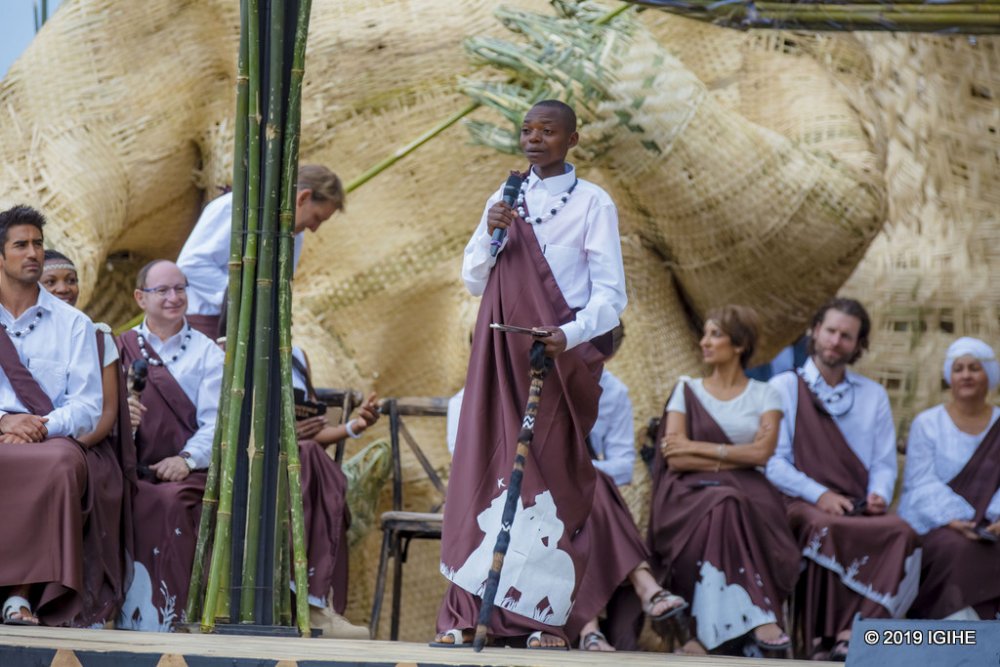
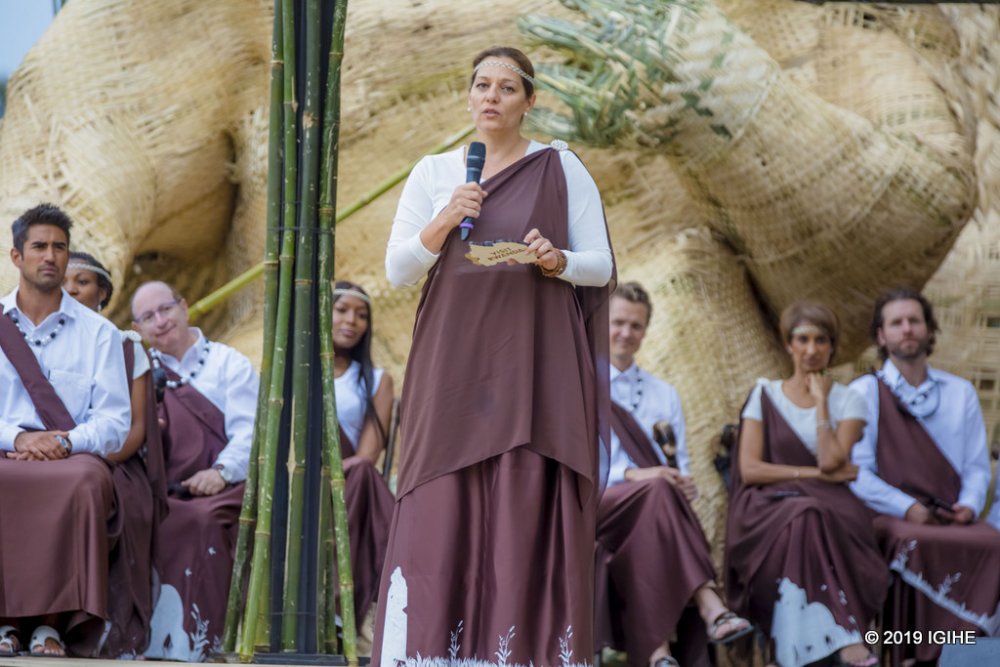
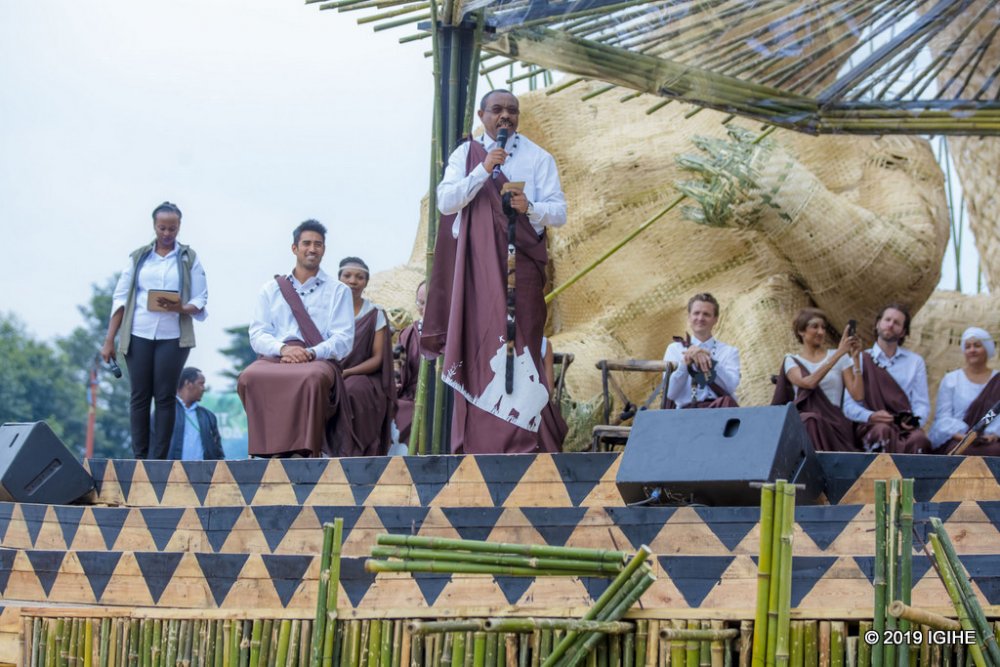
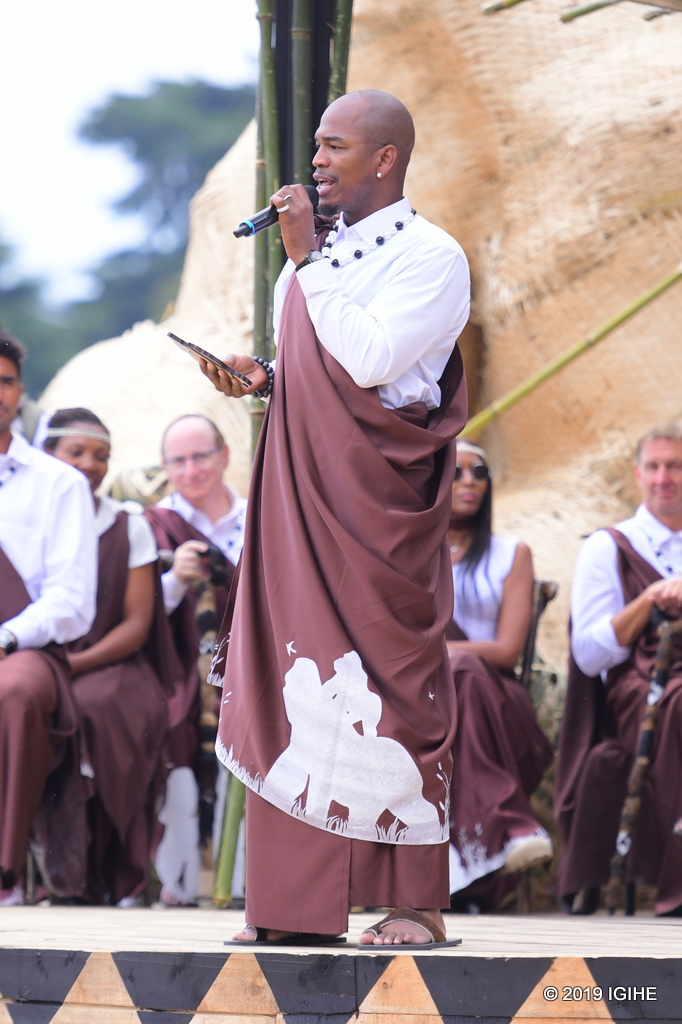
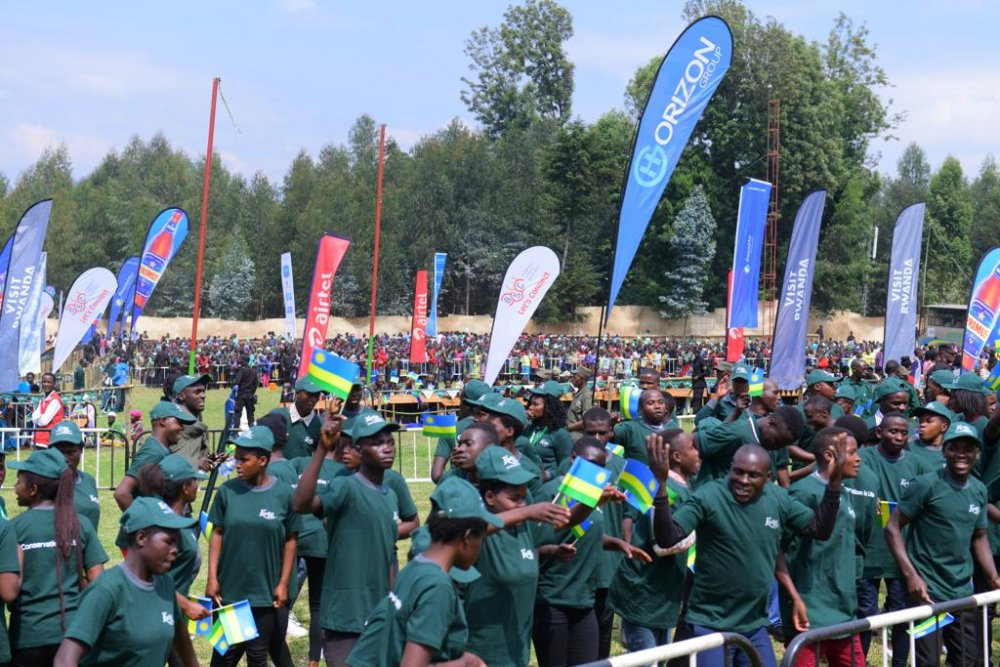
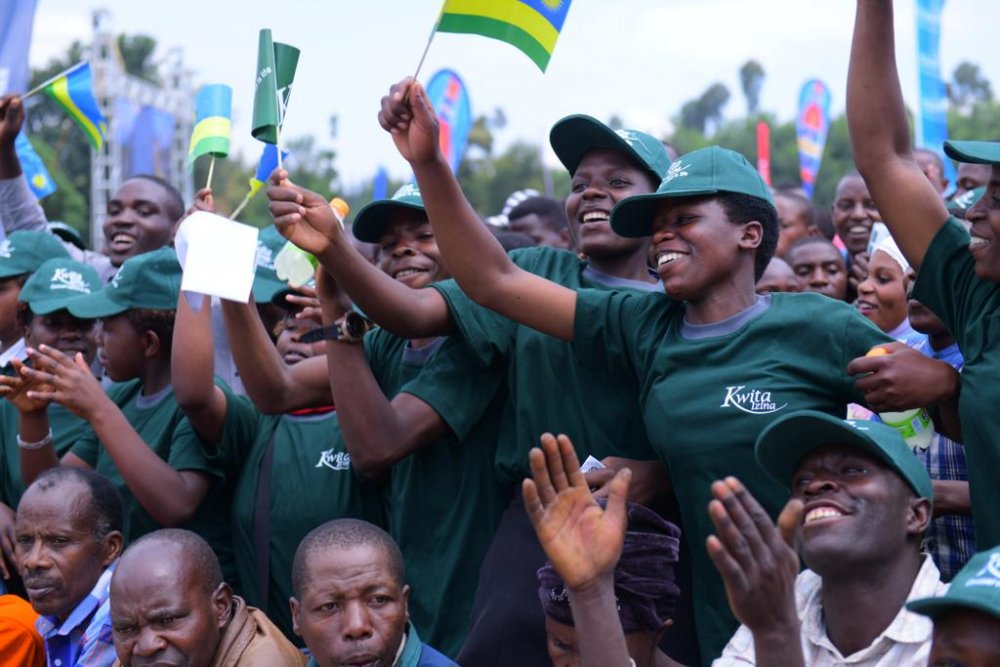
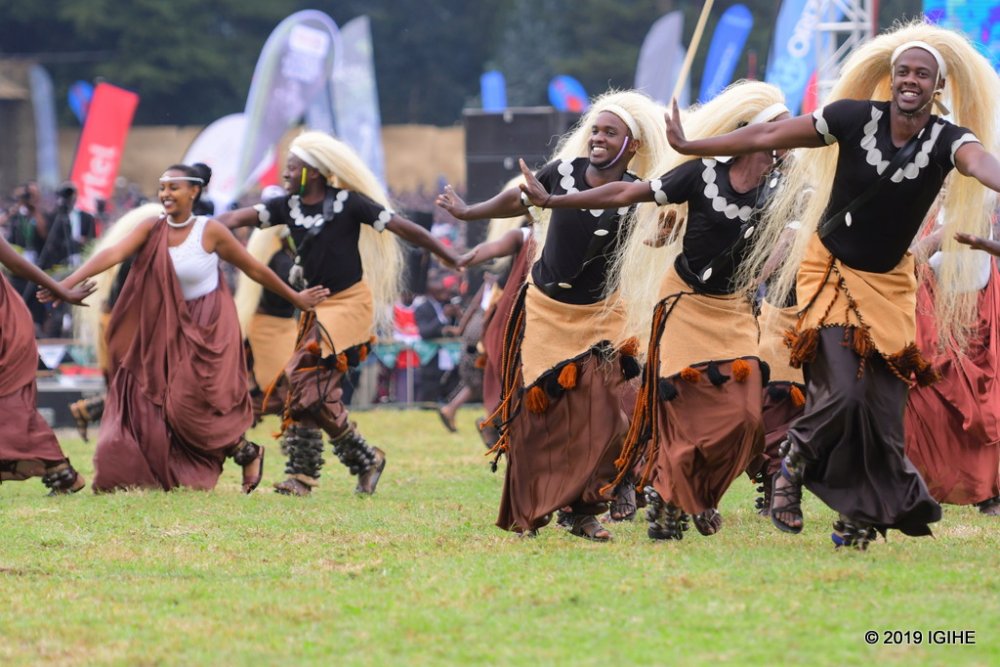
He made the appreciation today as he attended the 15th Baby Gorilla Naming Ceremony (Kwita Izina 2019) held in the Kinigi sector, Musanze district at the foothills of Volcanoes National Park. where 25 baby gorillas were named.
The event attracted thousands of Rwandans and prominent personalities from different countries across the world that turned up for the ceremony.
The baby gorillas named today were born between 1st July 2018 and 11th May 2019.
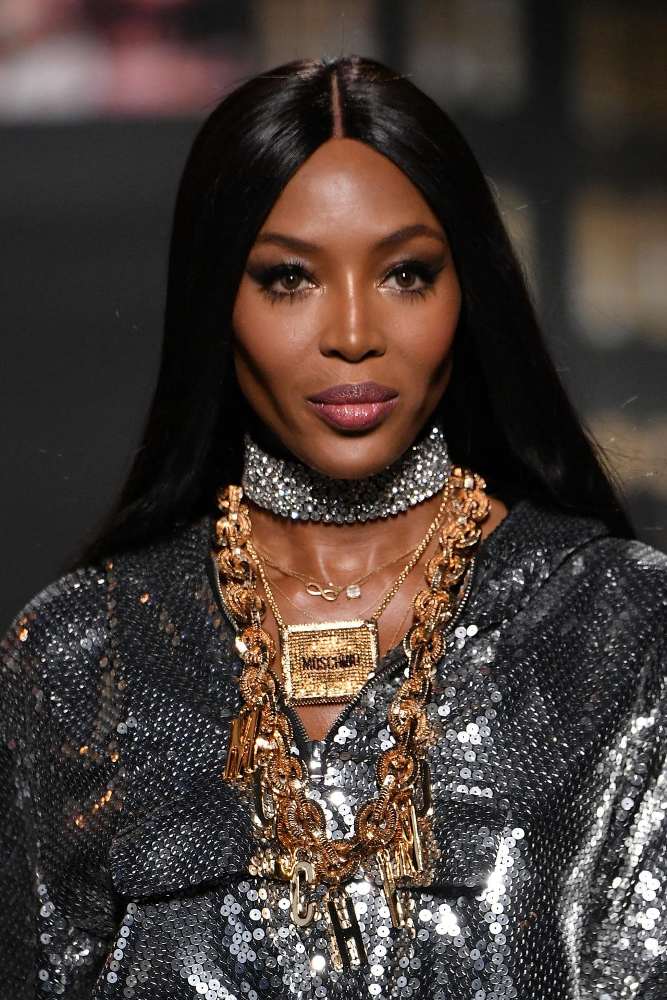
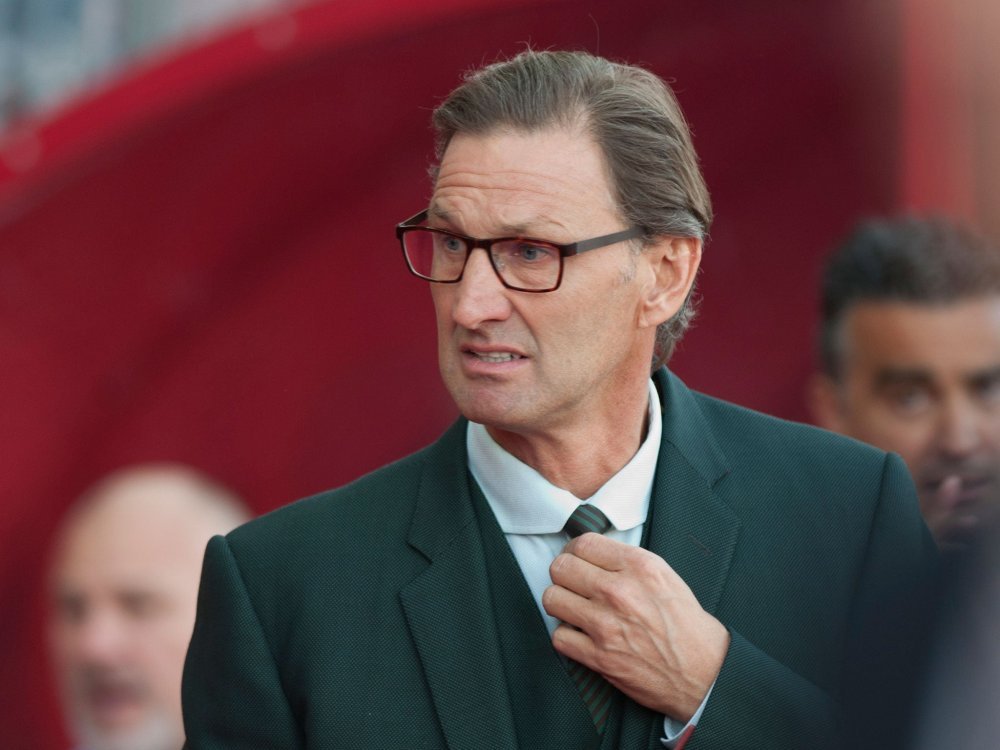
Naomi Campbell: English supermodel, actress, and businesswoman, Tony Adams, an English football legend who played for Arsenal and England and American RnB singer Ne-Yo and Tony Adams are among prominent figures that graced the event.
Named baby gorillas are from The 25 baby gorillas named are members of the Amahoro, Umubano, Hirwa, Igisha, Isimbi, Muhoza, Kwitonda, Sabyinyo, Susa, Pablo, Kuryama, Mafunzo, Kureba, Musirikali and Ntambara families.
A baby gorilla named today includes Ingando, Isanzure, Igihango, Sura u Rwanda, Irembo, Inkoramutima, Kira, Indongozi, Umukuru, Intego, uhiriwe, Nimugwire mu Rwanda among others.
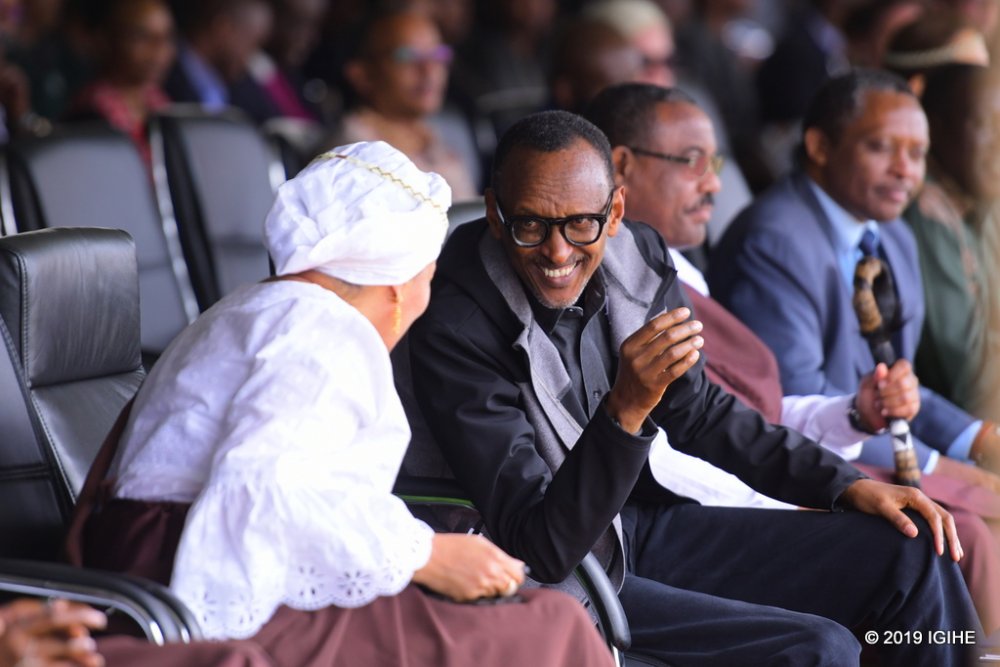
So far 281 baby gorillas were named since the ceremony launched in 2005. As he addressed participants, Kagame said: “I thank citizens for good characters and protecting environment which is beneficial to all of us. Sometimes, people don’t recognize it, hence missing possible advantages,” he said.
In 2005, the Government of Rwanda introduced Tourism Revenue Sharing Programme.
This program aims to guide investment in the areas surrounding the various national parks in Rwanda by ensuring that 10 percent of all park revenues are given back to the communities.
Over Rwf 5.2 billion has been distributed by Rwanda Development Board to 647 community-based projects since 2005.
These projects have availed clean drinking water, milk, health centers, classrooms and housing to members of the communities living around the three national parks; Akagera National Park, Nyungwe National Park, and Volcanoes National Park.
As he addressed participants, Kagame said: “I thank citizens for good characters and protecting environment beneficial to all of us. Sometimes, people don’t recognize it, hence missing possible advantages,” he said.
Reminiscing on today’s agenda ‘Kwita Izina’, Kagame said he was lucky to name twin baby gorillas 15 years ago and kept a close eye on their lives.
“As you have heard, I was a responsible parent. I took care of them; paid school fees and did my best to speak to them. We have the internet in this area. So we talk to each other. One of these babies is called Byishimo. He grew into a mature and powerful family member. He is now a happy Silverback,” he illustrated.
President Kagame emphasized that “The great milestone achieved as mentioned by the CEO of RDB (Clare Akamanzi) could not be possible without collaboration with citizens and making sure they benefit from it. The collaboration dating back many years ago was beneficial to the country, gorillas and tourists satisfied to live here, satisfied with security resulting from that fruitful collaboration.”
Kwita Izina is a time-honored tradition in which Rwandan families hold a ceremony to name a newborn baby. For three decades prior to the first official gorilla naming ceremony, park rangers and researchers named Rwanda’s mountain gorilla babies as part of monitoring each gorilla in their family and habitat.
The Government of Rwanda, through the Rwanda Development Board and in collaboration with conservation partners, the private sector and local communities, has achieved remarkable success in protecting and growing the endangered mountain gorilla population and conserving its habitat.
Rwanda’s traditional naming ceremony was adapted to celebrate this success as a national flagship event now known as Kwita Izina.
As a result of conservation efforts such as Kwita Izina, the population of the endangered mountain gorilla increased to 604 in 2016 in the Virunga Massif compared to 480 in 2010.
The Virunga Massif is comprised of Mikeno Sector of Virunga National Park in the Democratic Republic of Congo, Volcanoes National Park in Rwanda and Mgahinga Gorilla National Park in Uganda. Mountain gorilla numbers in the entire region had fallen as low as 242 in 1981.
He made the appreciation yesterday as he received the delegation of Germany parliamentarians who are on a visit aimed at strengthening bilateral relations.
Makuza said that both countries’ parliaments enjoy longstanding relations.
He explained that Germany was the first country to open an embassy in Rwanda after the 1994 Genocide against the Tutsi while other countries were not willing.
“Since 1994, Germany has proven strong cooperation commitment and was the first country to open an embassy on 25th July 1994 when the international community, European countries among others had relenting efforts. Fruitful relationships started that time followed by technical and economic cooperation among others,” he said.
“We also commended the country for cooperation in the judicial sector. The country tried through its own courts Ignace Murwanashyaka, former FDLR chief for a role in the 1994 Genocide against the Tutsi,” added Makuza.
Makuza explained that Rwanda is among the four countries that Germany selected for special cooperation and boost funding to different areas of development including infrastructure because they are aware that Rwanda is a reliable country with efficient utilization of funds.
Andreas Mattfeldt, the head of the delegation saluted Rwanda’s resilience that German investors eyes Rwanda as a potential investment hub in Africa.
“We have discussed the bright vision of this country because we share many things in common. German investors perceive Rwanda as the right investment country,” he said.
To date, Germany funds Rwanda in TVET, construction of health centers, markets, schools and roads, provision of electricity, building terraces and technology among others.
Germany has 25 companies running operations in Rwanda including Strawtec and Mobisol among others.
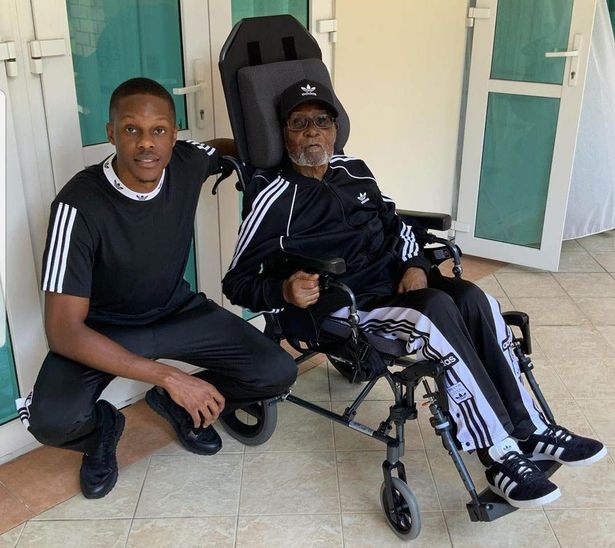
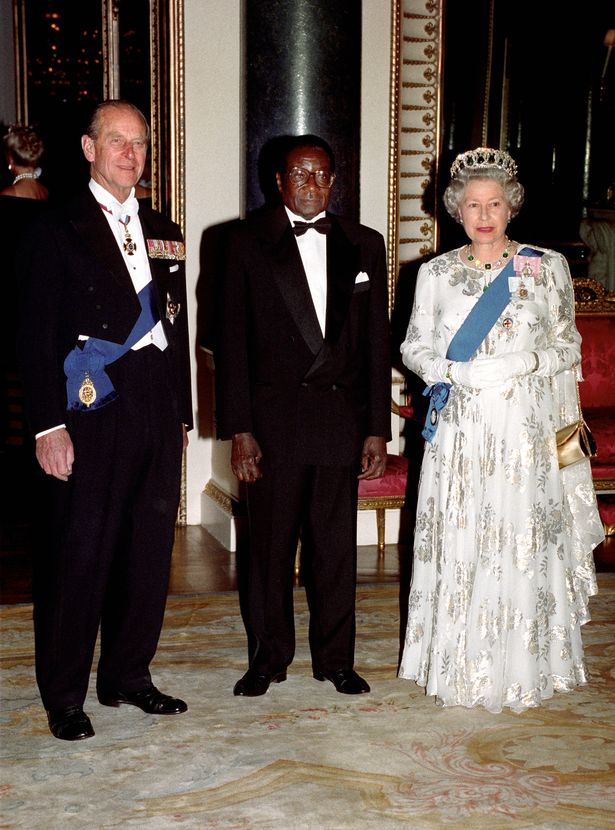
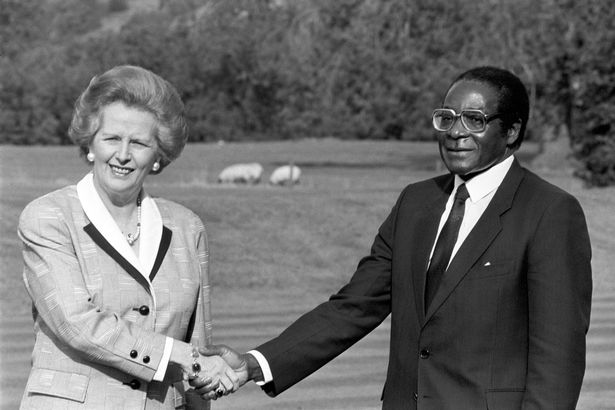
Robert Mugabe, a hero of Africa’s independence struggle whose long rule in Zimbabwe descended into tyranny, corruption, and incompetence, has died at the age of 95, president Emmerson Mnangagwa has said.
In a statement early on Friday, Mnangagwa called Mugabe “an icon of liberation, a pan-Africanist who dedicated his life to the emancipation and empowerment of his people. His contribution to the history of our nation and continent will never be forgotten. May his soul rest in eternal peace.”
Monica Mutsvangwa, the minister of information, confirmed the death, saying: “Yes it is really saddening. Some of us were like his children to him. We can never write our history without mentioning him.”
The passing of the former president, who ruled Zimbabwe for close to four decades before being ousted in a military takeover in November 2017, marks the definitive end of an era in the history of the former British colony.
Mugabe is believed to have died in Singapore, where he made frequent visits to receive medical care in recent months as his health deteriorated. As far back as November 2018, Mnangagwa, who took over from him as president, told members of the ruling Zanu-PF party that Mugabe could no longer walk.
Though once widely celebrated for his role in fighting the white supremacist regime in his homeland, Mugabe had long become a deeply divisive figure in his own country and across the continent.
His final years in power were characterized by financial collapse, surges of violent intimidation and a vicious internal power struggle pitting his wife Grace, 41 years younger, against Mnangagwa, his former righthand man.
The rivalry was resolved when Mnangagwa, a Zanu-PF stalwart, took power when Mugabe reluctantly resigned after a military takeover. The news of his decision prompted widespread rejoicing.
In the decades since Zimbabwe gained independence from Britain in 1980, power had concentrated in Mugabe’s hands. Before Mnangagwa took over, an entire generation of Zimbabweans knew no other leader.
After his fall, Mugabe was granted the status of a respected father of the nation and a generous pension by the new government. The move angered his many opponents and upset many of the victims of his regime.
But Mugabe’s own frustration and sense of humiliation over his ousting were clear, however, and voiced with typical rhetorical force at an extraordinary press conference on the grounds of his residence in Harare, the capital, days before elections in July 2018.
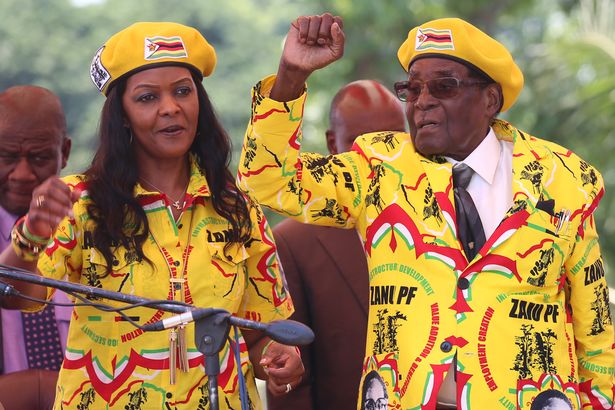
Mugabe, flanked by his wife, suggested he would vote for the opposition Movement for Democratic Change, a party he had brutally suppressed before co-opting it in 2008 to form a supposed unity government that he still dominated.
Until the end, he retained friends on the African continent but increasingly became an international pariah. Mugabe was stripped of an honorary knighthood by the British government in 2008.
Educated at Catholic missionary schools, Mugabe became a teacher in Ghana then returned to Rhodesia in 1960 to fight white minority rule. He was jailed for 10 years and fled to neighboring Mozambique, where he became one of the leaders of the guerrilla forces fighting Ian Smith’s regime.
Eventually, freedom was won and Mugabe promised to embrace the country’s white population. He led the country through a golden period of economic growth and educational development that was the envy of Africa.
The international community turned a blind eye, however, to human rights abuses, most notably the 1980s ethnic cleansing of at least 20,000 people in Matabeleland province that crushed opposition from his rival Joshua Nkomo, the leader of the rival Zapu.
Opposition rose again in 1999 as the economy floundered and trade unions organized around the Movement for Democratic Change. Mugabe rigged elections and began a program of land reform in which white farmers were forcibly evicted to make way for Zanu-PF party cronies or black Zimbabweans who lacked the skills and capital to farm.
This helped throw the economy into disarray, leaving Zimbabweans to rely on foreign food aid to avoid starvation. Hyperinflation ran riot and supermarket shelves were empty. The once-proud school and health systems began to crumble.
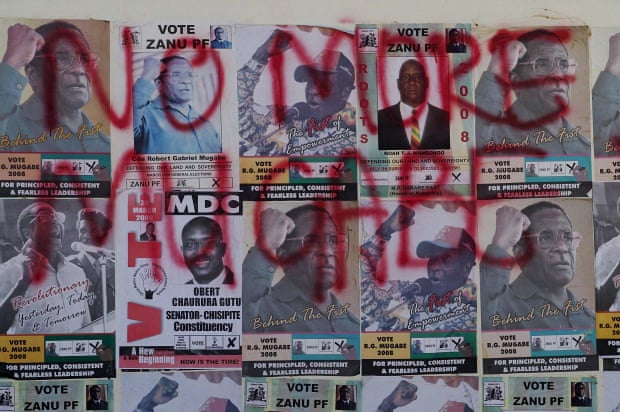
The political environment also became increasingly hostile, with activists and journalists persecuted, jailed or murdered. More than 200 people died in political violence around the 2008 election, which Mugabe was widely seen as having stolen from the MDC’s Morgan Tsvangirai.
The late John Makumbe, a politics professor at the University of Zimbabwe, said: “He’ll be remembered as a villain. His legacy was destroyed by his staying, his violence, his imposing his own political allies and rivals.
“Robert Mugabe always had the seed of bad governance, cruelty, selfishness: ‘It’s only me who matters.’ He came in 1980 and donors flooded in; Mugabe looked angelic, he took on the color of his surroundings. But by 2000 he had to rig elections and the rot had set in.
“The chameleon has its own color: when it’s frightening, it takes on its original color, and it’s ugly. He showed his true colors. His true color is a killer. He killed his enemies.”
Mugabe’s second wife, Grace, became known for her lavish lifestyle and joined the Zanu-PF politburo by virtue of her leadership of the party’s influential Women’s League in 2014.
She became a political liability for the aging autocrat, however, and her outspoken criticism of Mnangagwa was one of the triggers for the military takeover that ousted her husband.
Mugabe remained devoted to his wife, calling her “my Grace” in his last press conference and demanding better treatment for his spouse from Zimbabwe’s new rulers.
The 25 baby gorillas named are members of the Amahoro, Umubano, Hirwa, Igisha, Isimbi, Muhoza, Kwitonda, Sabyinyo, Susa, Pablo, Kuryama, Mafunzo, Kureba, Musirikali and Ntambara families.
{{The 2019 Kwita Izina Gorilla Baby Namers}}
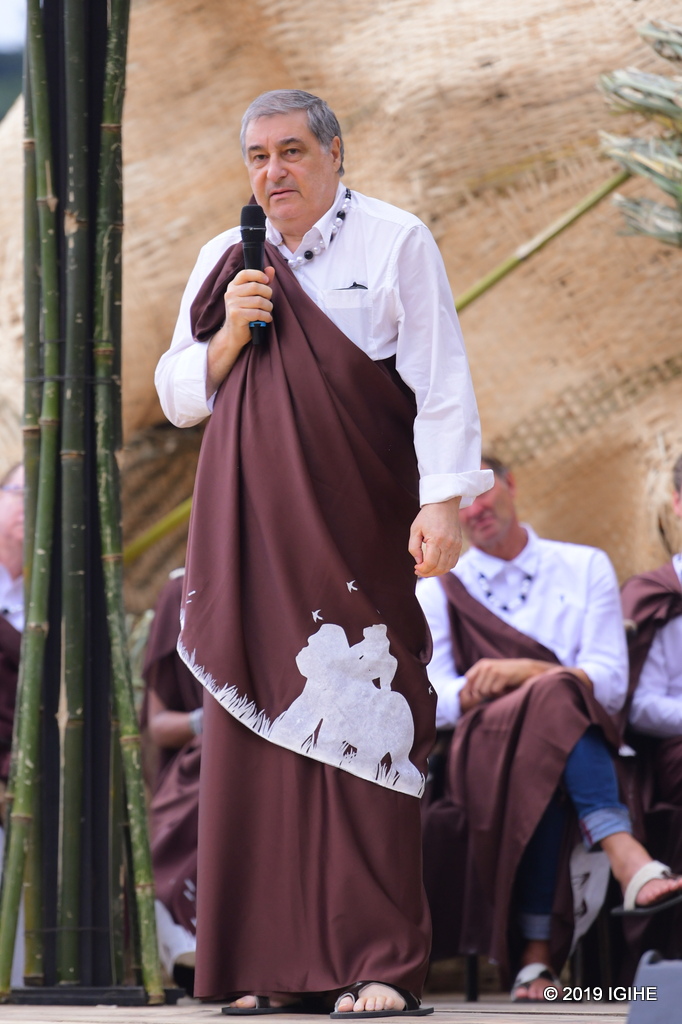
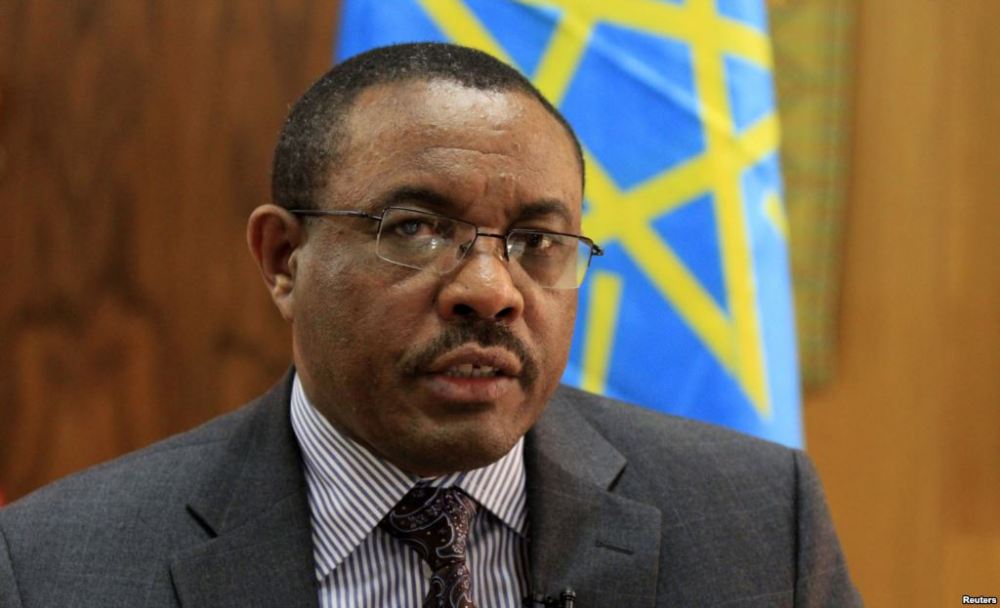
{{His Excellency Hailemariam Desalegn Boshe}}: Former Prime Minister of Ethiopia
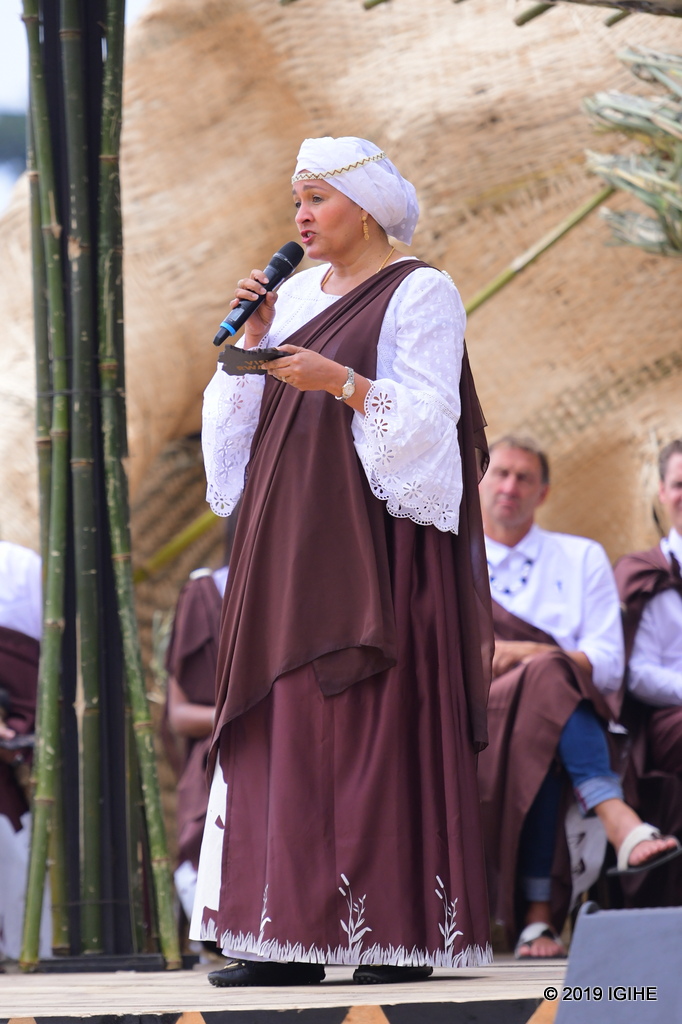
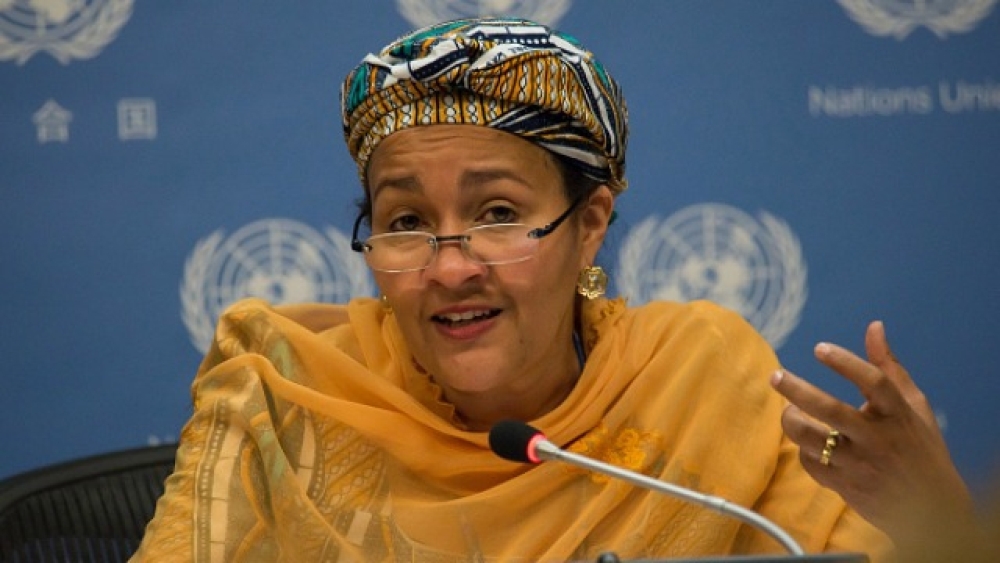
{{Amina Mohammed}}: Deputy Secretary-General of the United Nations. She was formerly the Federal Minister of the Environment of Nigeria.
{{Paul Milton & Luke Bailes}}: Founder of Milton Group who developed the Singita Kwitonda Lodge on behalf of investors Mr. Paul Tudor Jones and Mr. Anders Povlsen. Paul is a conservationist and has been working in Rwanda for the past 5 years.
The Founder and Executive Chairman of Singita, Luke Bailes, has been a pioneer in tourism conservation on the continent for decades. Singita’s model of combining luxury eco-friendly lodges with conservation projects has led to operations in South Africa, Zimbabwe, and Tanzania and in August this year, here in Rwanda, on the edge of Volcanoes National Park.
{{HRH Princess Basma Bint Al}}i: Princess Basma bint Ali is an advocate of biodiversity conservation and sustainable agriculture in Jordan; she is the founder of many non-government environmental organizations like the Royal Botanic Garden of Jordan (RBG) and the Royal Marine Conservation Society of Jordan.
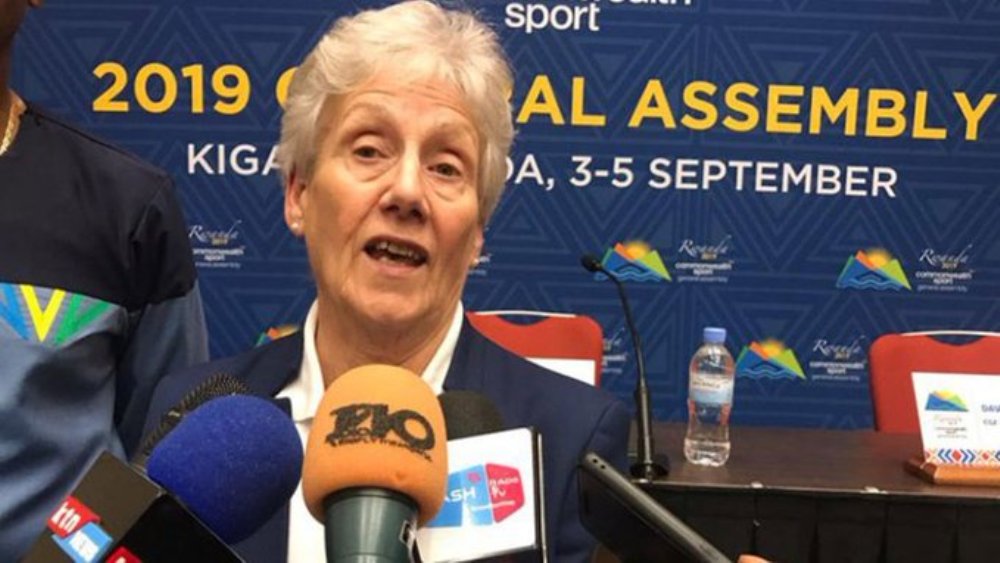
{{Dame Louise Martin, DBE}}: She is President of the Commonwealth Games Federation, which oversees one of the world’s biggest sporting events – the Commonwealth Games and Commonwealth Youth Games.
{{Tony Adams}}: Tony Alexander Adams MBE is an English football legend. As a player, Adams played for Arsenal and England, captaining both teams.
{{Amb. Ron Adams}}: He is the Ambassador of the State of Israel in Rwanda.
{{Niklas Adalberth:}} Swedish entrepreneur and founder of Norrsken.
{{Jeremy Jauncey}}: Founder & CEO of Beautiful Destinations, an award-winning nation branding agency.
{{Otara Gunewardene}}: Sri Lankan businessperson and philanthropist.
{{Ronan Donovan}}: National Geographic photographer and filmmaker.
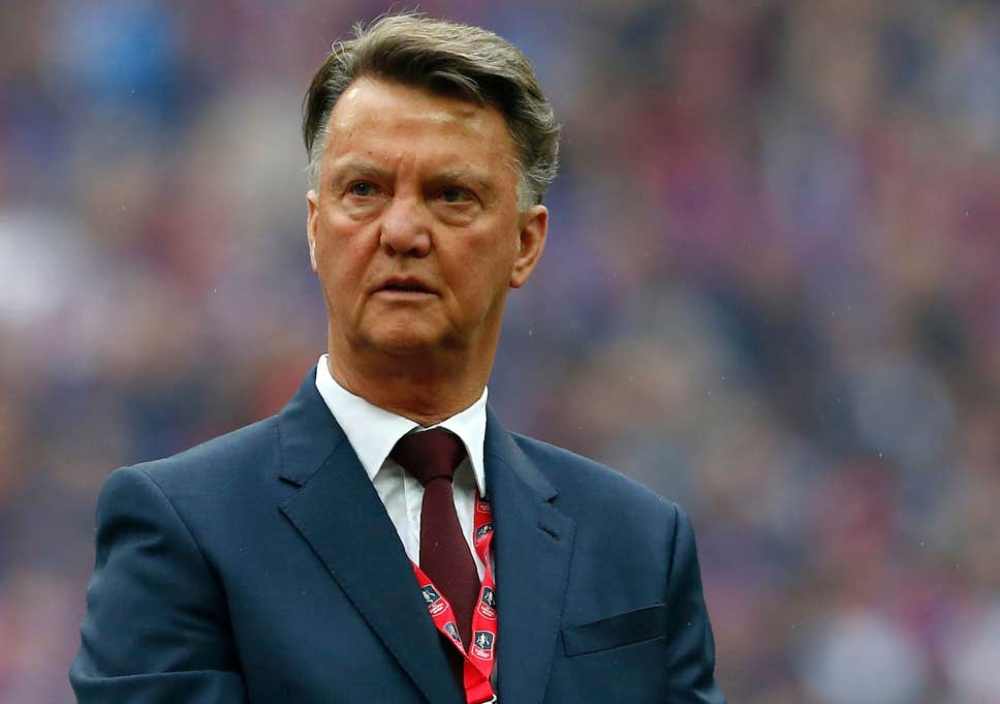
{{Louis Van Gaal}}: Dutch former football manager and player. At the club level, he served as manager of Ajax, Barcelona, AZ Alkmaar, Bayern Munich, and Manchester United, as well as having two spells in charge of the Netherlands national team.
{{Naomi Campbell:}} English supermodel, actress, and businesswoman.
{{Madeleine Nyiratuza}}: Programme Specialist, Sustainable Growth Unit, UNDP Rwanda. She is also responsible for the conservation and restoration of the Gishwati Forest Reserve which led to the creation of Gishwati Mukura National Park.
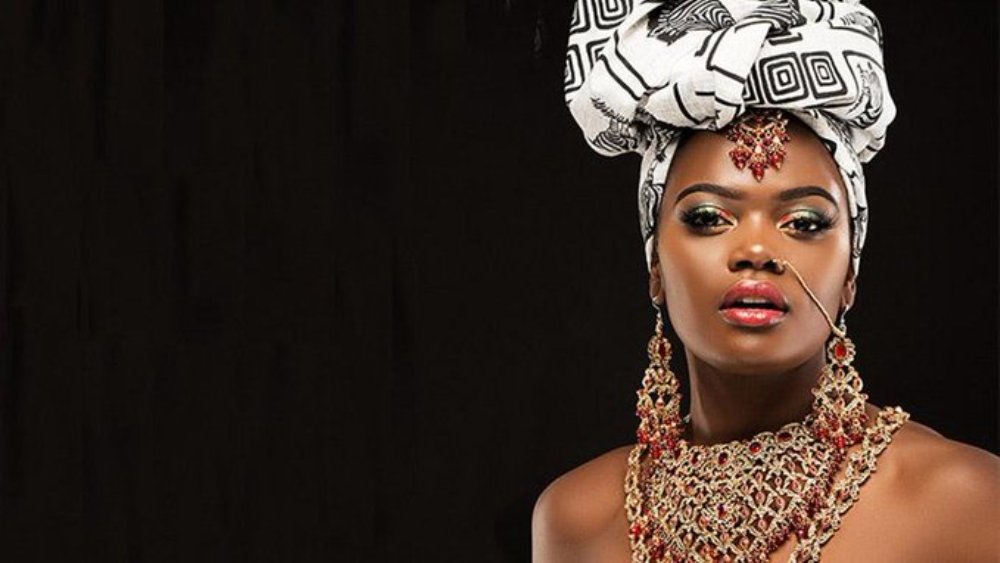
{{Sherrie Silver}}: Actress and choreographer. She won an MTV VMA Award for Best Choreography for choreographing Childish Gambino’s ‘This Is America’.
{{Marco Lambertini}}: Director-General, World Wildlife Fund International (WWF).
{{Emmanuel Niringiyimana}}: Young Rwandan who built a road on his own to facilitate the movement of people and goods in his village in Karongi District.
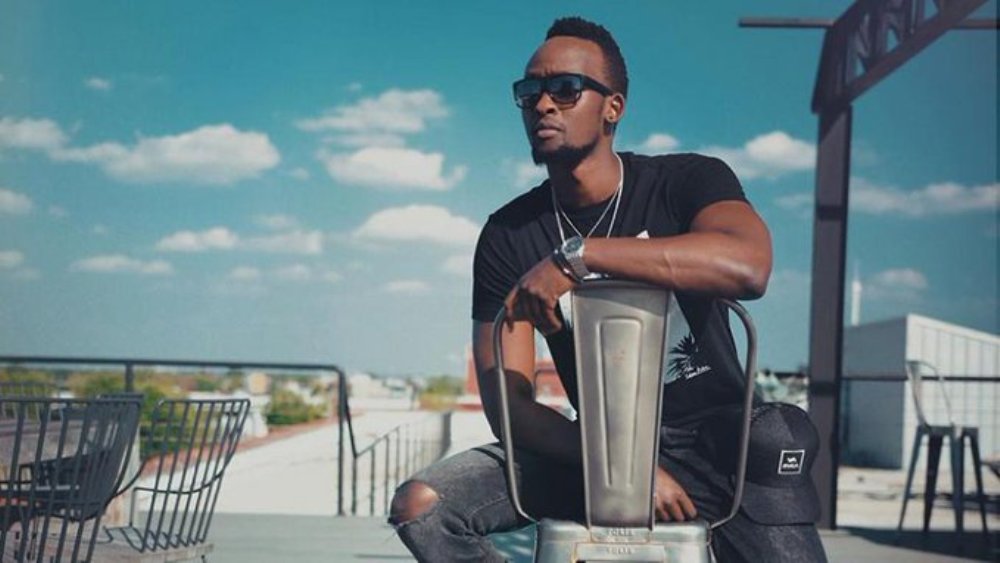
{{Shaffer Chimere Smith}}: Better known by his stage name Ne-Yo, he is an American singer, songwriter, record producer, actor, and dancer.
{{Ngabo Médard Jobert}}: Better known as Meddy, he is a Rwandan RnB and pop artist.
{{Anthony Nzuki:}} Ranger Post Leader at Akagera National Park, Rwanda
According to RDB Chief Executive Officer, Clare Akamanzi, the increasing gorilla population in the Volcanoes National Park is proof of the strides that Rwanda has made in gorilla conservation.
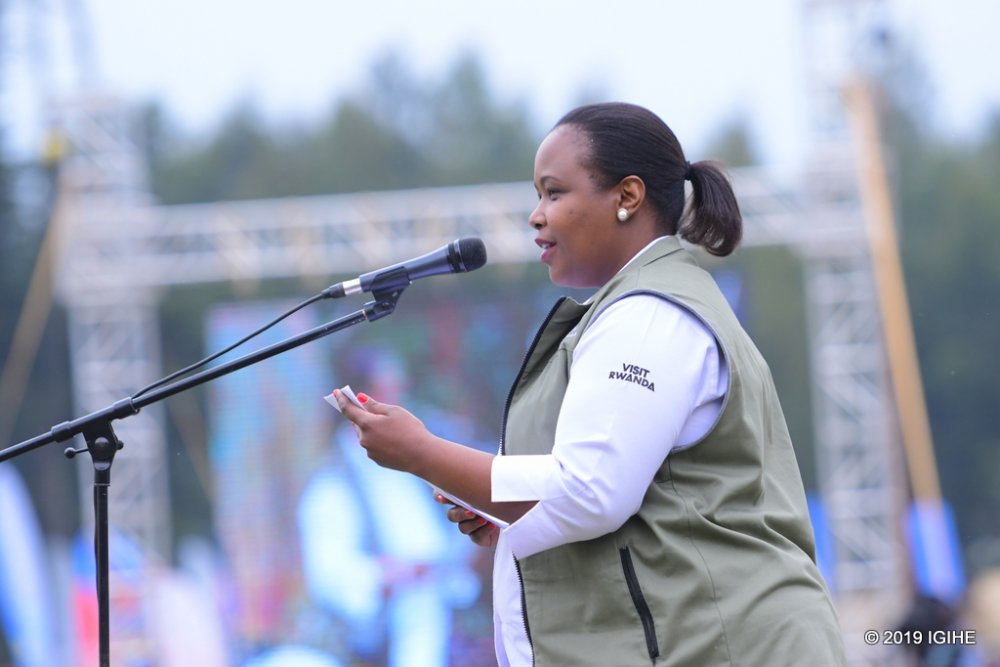
“This could have not happened without the support and collaboration of our conservation partners as well as the cooperation of the members of the community surrounding the park. Initiatives such as the Kwita Izina gorilla naming ceremony play a major role in conserving gorillas. Thanks to the conservation efforts, we have been able to improve the gorilla trekking experience for our visitors and also increase the amount of support we have given to the local communities through the revenue sharing program,” she says.
“Rwanda’s overall tourism strategy has always focused on two important areas, sustainability through responsible tourism and conservation and community involvement. It has always been about protecting our natural heritage, providing world-class experiences that highlight the diverse natural beauty of Rwanda while ensuring that Rwandans benefit from this tourism and conservation. No one has been left behind,” adds Akamanzi.
{{About Kwita Izina}}
Kwita Izina is a time-honoured tradition in which Rwandan families hold a ceremony to name a newborn baby. For three decades prior to the first official gorilla naming ceremony, park rangers and researchers named Rwanda’s mountain gorilla babies as part of monitoring each gorilla in their family and habitat.
The Government of Rwanda, through the Rwanda Development Board and in collaboration with conservation partners, the private sector and local communities, has achieved remarkable success in protecting and growing the endangered mountain gorilla population and conserving its habitat. Rwanda’s traditional naming ceremony was adapted to celebrate this success as a national flagship event now known as Kwita Izina.
Kwita Izina was introduced in 2005 to raise awareness of conservation efforts and to thank communities for their on-going and invaluable participation and support of these initiatives. It is now the most important event on Rwanda’s conservation calendar and is attended by national, regional and international participants.
281 baby mountain gorillas have been named since Kwita Izina began. Alongside the naming ceremony, a weeklong celebration of activities is hosted to share the importance of conservation and the role of tourism in protecting rare and iconic species. Today, Kwita Izina is fast becoming Africa’s leading dialogue on conservation and sustainable tourism.
As a result of conservation efforts such as Kwita Izina, the population of the endangered mountain gorilla increased to 604 in 2016 in the Virunga Massif compared to 480 in 2010. The Virunga Massif is comprised of Mikeno Sector of Virunga National Park in the Democratic Republic of Congo, Volcanoes National Park in Rwanda and Mgahinga Gorilla National Park in Uganda. Mountain gorilla numbers in the entire region had fallen as low as 242 in 1981.
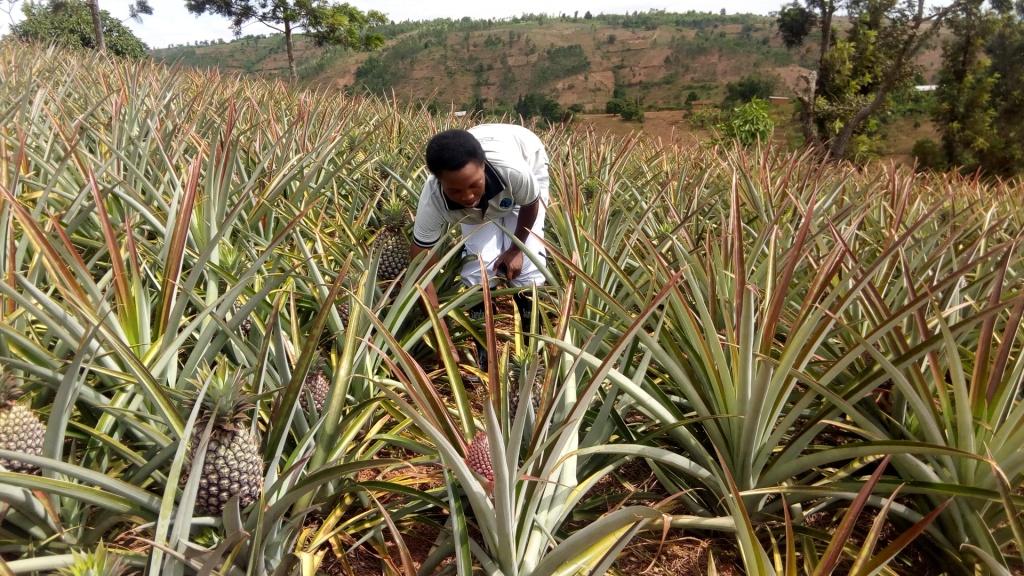
Since November 2016, Duterimbere ONG is part of implementing partners of {{“Strengthening the Competitiveness of Women Organic Pineapple Growers in rural areas of Rwanda”}} project funded by Oxfam Rwanda in Kirehe and Nyagatare Districts in four Sectors (Gahara, Gatore of Kirehe; Mukama and Karama of Nyagatare).
{{AIM}}
To support the country’s vision of transforming the agriculture sector into a profitable industry that benefits poor communities by sustainably increasing the income of 600 smallholder women farmers and influencing key stakeholders to adopt positive policies and practices.
{{OBJECTIVES}}
-# Increase the volume and quality of pineapples produced by 600 smallholder women farmers through the adoption of organic farming.
-# Improve access to high-value pineapple markets for 600 smallholder women farmers.
-# Enable 600 smallholder women, farmers, to be more active in cooperative management and leadership, increasing their participation in communities and enhancing gender equality.
-# Influence systems at national and local levels to promote transformational programming and ensure long-term wider impact.
The project is working with individual pineapple farmers, groups of framers, cooperatives and processing plants who have a local and international market.
Those are Tuzamurane cooperative in Kirehe District, Sahara sector and Natural Fruit Drier Company in Nyagatare District, Musheri Sector.
{{1. WHAT IS ORGANIC FARMING?}}
In general, many people think “organic farming” is an agricultural system that uses products of herbal or animal origin i.e. herbal fertilizers and herbal products.
Another definition of “organic farming” is agriculture that follows the principles and logic of a living organism, in which all elements (soil, plant, farm animals, insects, the farmer, and local conditions) are closely linked to each other.
International organic agriculture principles fix fundamental organic farming but do not determine how those principles will be implemented. Thus, farmers themselves fix the practical principles to implement the basic international organic farming based on soil types and what they do on such soils
{{2. THE IMPORTANCE OF ORGANIC AGRICULTURE/FARMING}}
-* Improve and maintain the natural landscape and agro-ecosystem;
-* Help improve and recycle soil humus;
-* Maintain and increase the long-term fertility of the soil;
-* Maintain soil structures;
-* Maintain ecosystems;
-* Protect plant farm ecosystems;
-* Enhance biological cycles within the farm, especially Nutrient cycles.
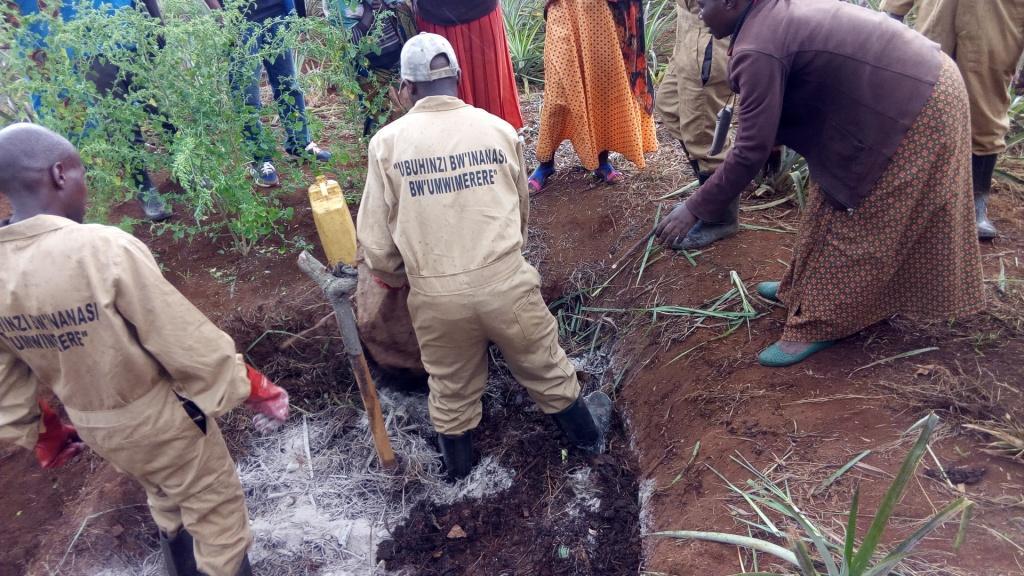
{{3. ORGANIC FERTILIZATION}}
{{In organic farming, there are three trusted sources of fertilizers:}}
In order to produce quality crops, it is essential to control various pests and diseases. Organic farming emphasizes providing crops the necessary ingredients which help them to have stronger health before fighting diseases. {{“prevention is better than cure.”}}
{{Disease Control}}
N.B: Always remember that you are an organic farmer:
Do not use any chemical inputs.
{{5. HARVESTING OF PINEAPPLE}}
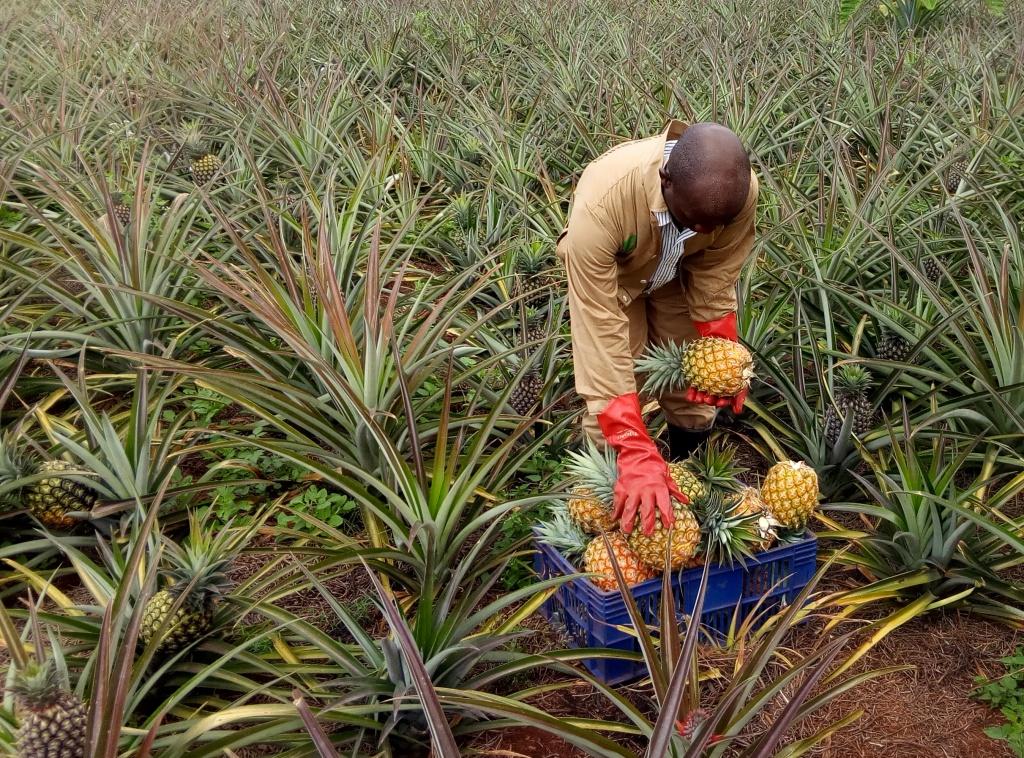
-* The fruits should be harvested green-ripe or half-ripe depending on the appropriate market time.
-* Harvest into your crates (wooden or plastic) to minimize bruising and ensure quality fruits for processing.
-* During harvesting, ensure that your organic fruits are not mixed with any other fruits.
{{6. POST-HARVEST HANDLING}}
-* After harvesting, clean the fruits and cut the stalks to 2 cm.
-* Sort out the fruits to make sure that only half-ripe or green-ripe fruits, which are free from damage and pest and disease, are presented for sale.
-* When handling pineapple, avoid scratching or touching the ear, nose, mouth or other body orifices of pineapples.
-* Personnel must not smoke, eat or drink while working with produce, whether in the field or in the collection shed.
-* No Personnel must work with produce if suffering from infectious sickness. Always make sure that your harvested pineapples are packed in the crates (wooden or plastic) for ease of transportation and for quality assurance.
{{7. QUALITY ASSURANCE}}
Basic principles to consider daily:
-* Your farming practices and management decisions influence the organic supply chain.
-* Collaborate with your Internal Control System (ICS) staff and inform them of your activities and plans (planting, farm sanitation, and management, post-harvest handling, etc.)
This will help us to complete good records, and hence we will be assisting in maintaining your organic certification.
You have a role to play:
-* Supply only organic fruits
-* Do not mix organic and conventional fruits
-* Document all your activities
-* Cooperate with your ICS staff who manages your organic certificate
{{CONCLUSION}}
Organic farming once is done properly, facilitates farmers to access the International market. But this requires an organic certificate which is basically costly compared to the smallholder farmer’s capacity. We, therefore, call upon everyone engaged in agriculture to support farmers to plan for the support of farmers in getting those certificates. There will contribute to country development and household in particular.
Twagirayezu was a member of Karongi district advisory council representing Mubuga sector.
On 2nd September 2019, the mayor of Karongi district, Francois Ndayisaba and his two deputies including Esperance Bagwire, the vice mayor for economic development and Drocella Mukashema, the vice mayor for social affairs submitted resignations letters citing personal reasons.
Karongi district advisory council will convene in no more than 90 days to elect the new executive committee as granted by laws.
The appointment of the new leader follows the wave of resignations among district’s high profile officials countrywide that started on Tuesday.
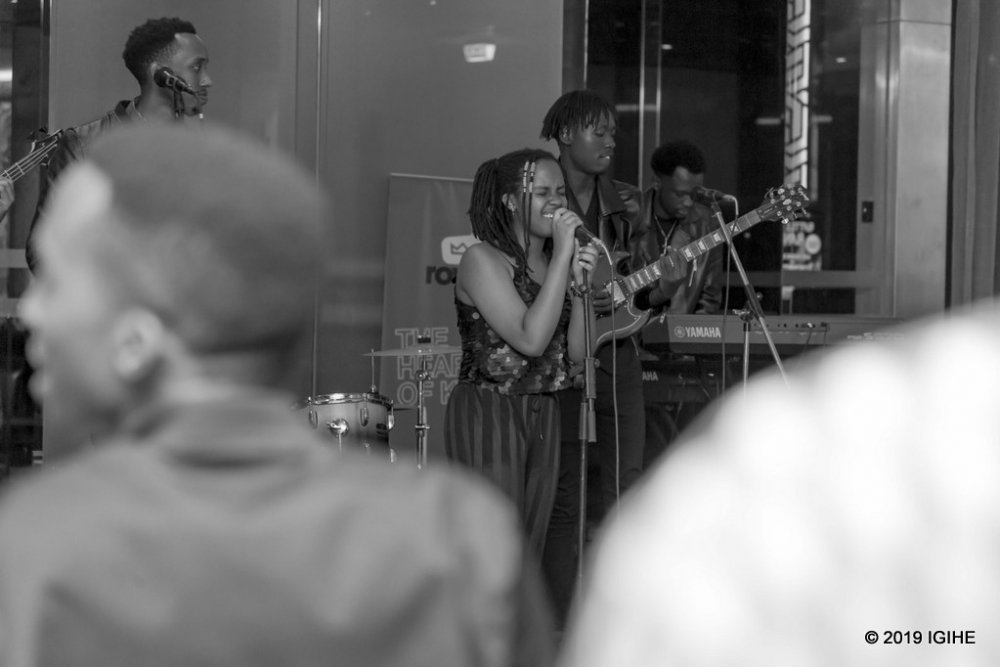
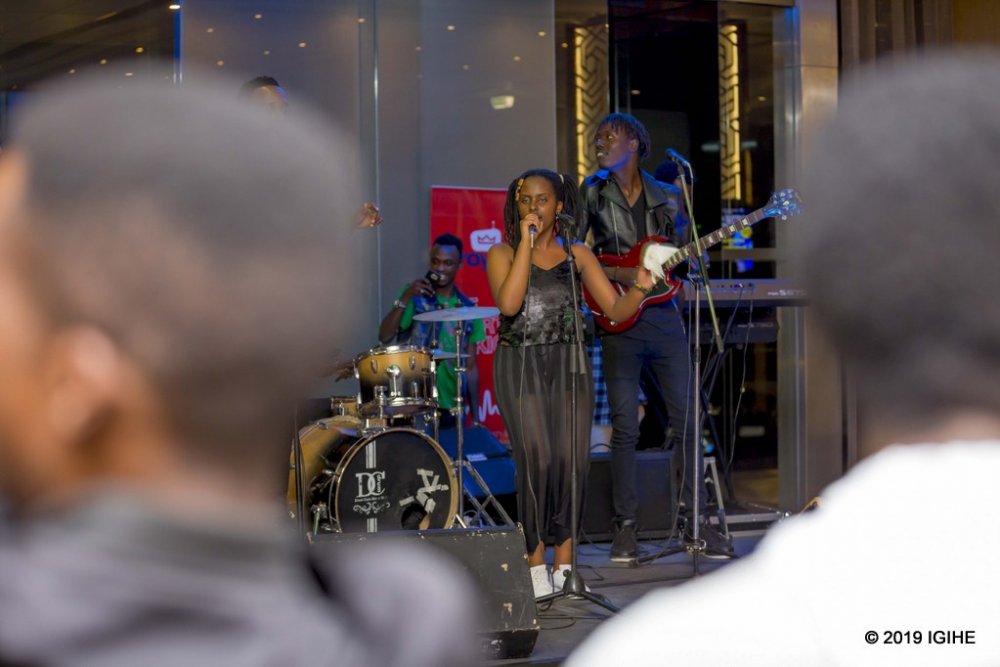
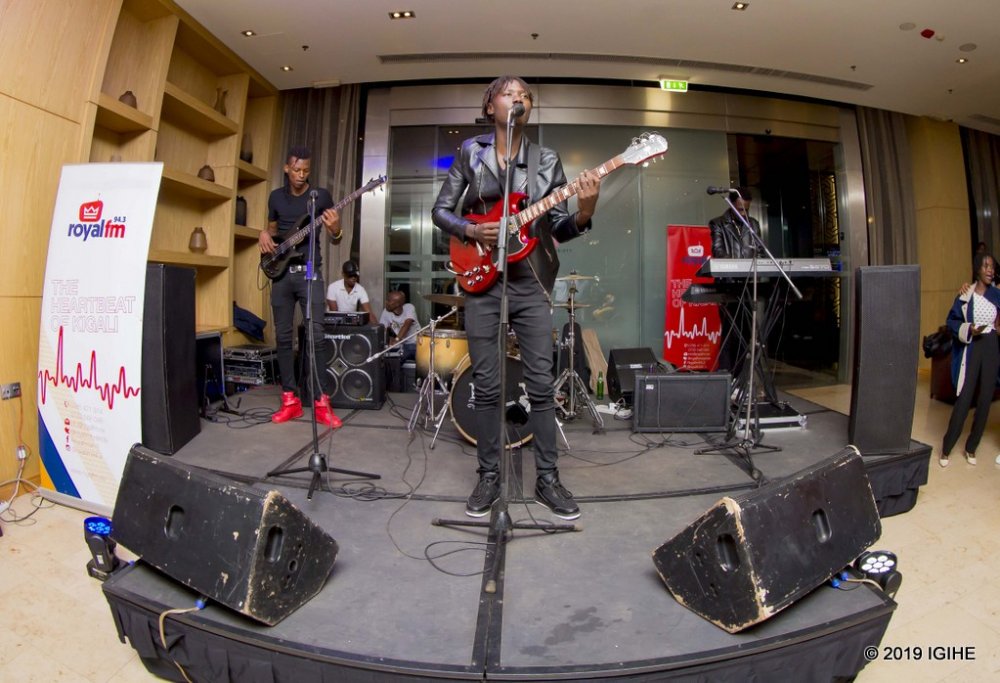
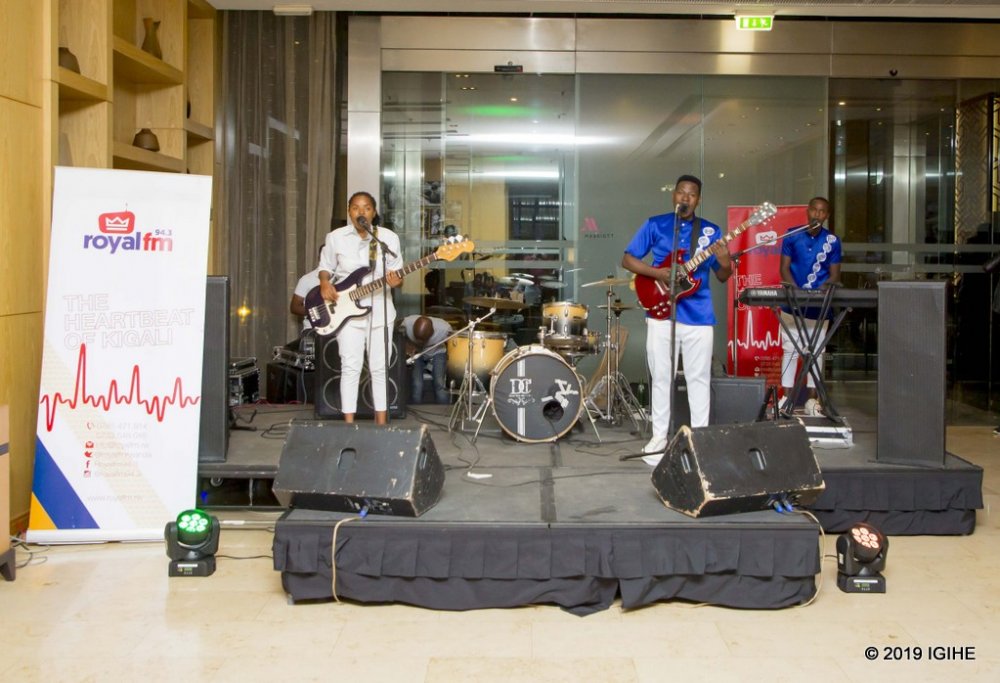
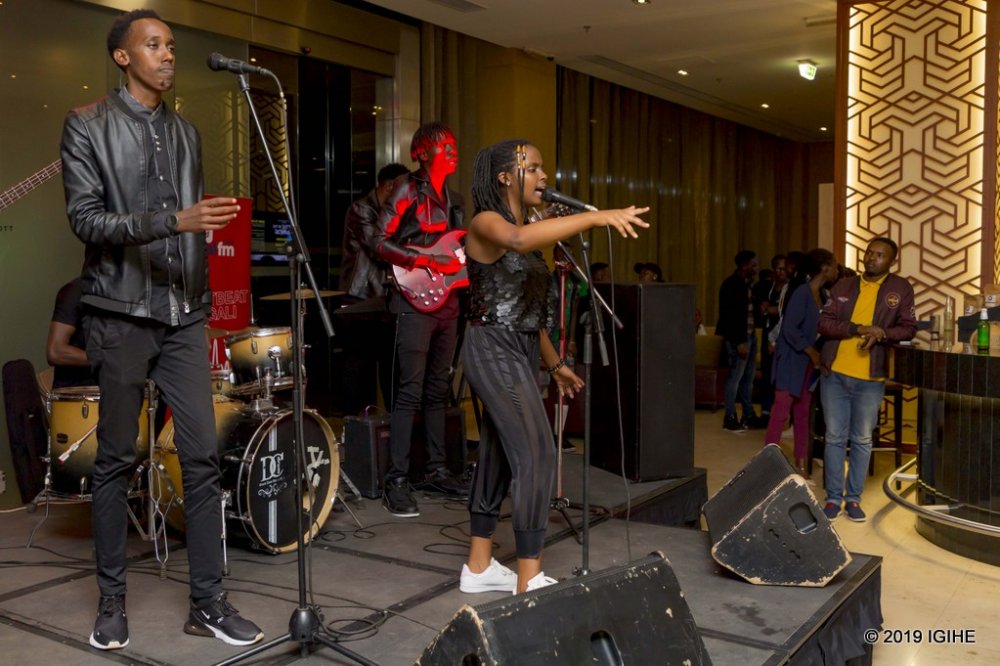
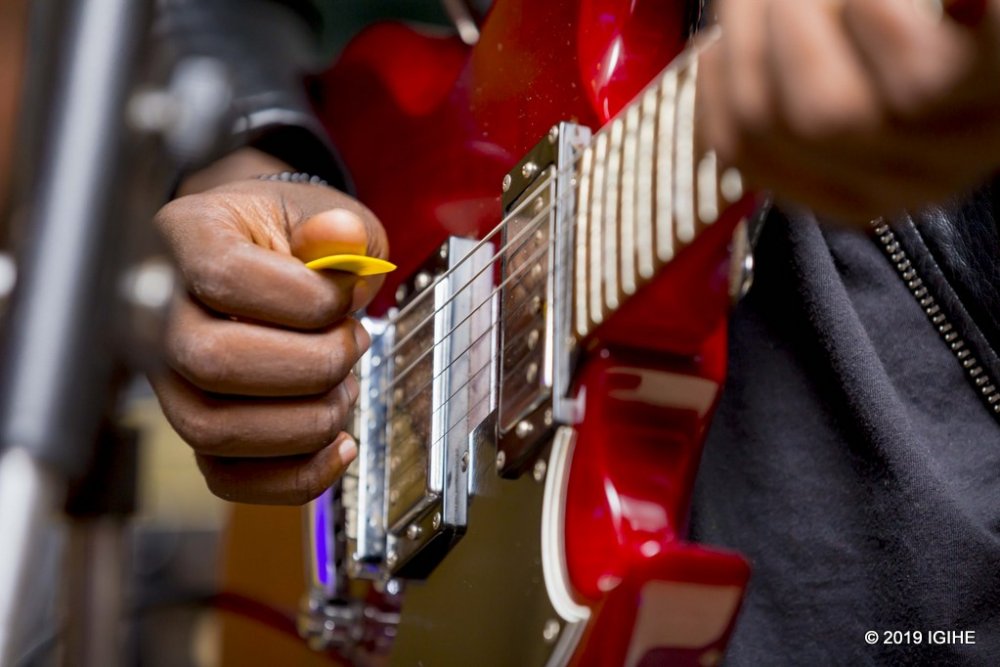
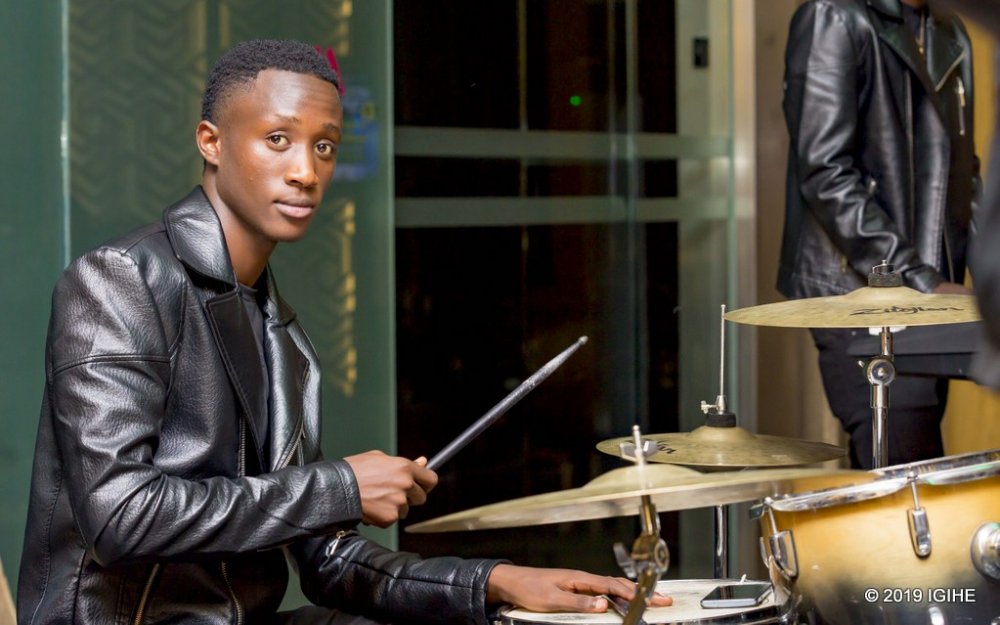
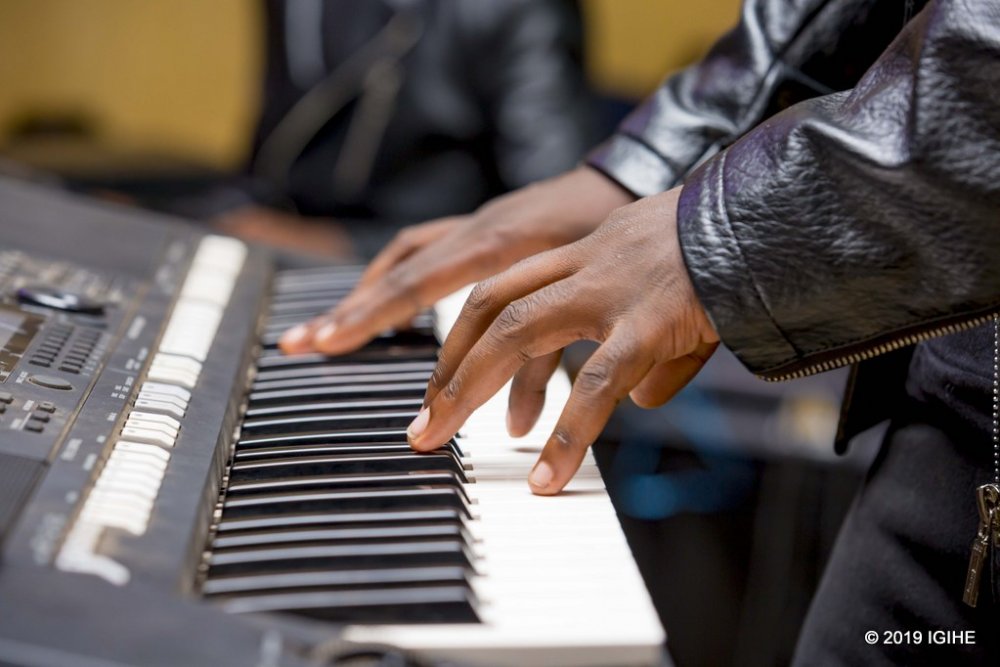
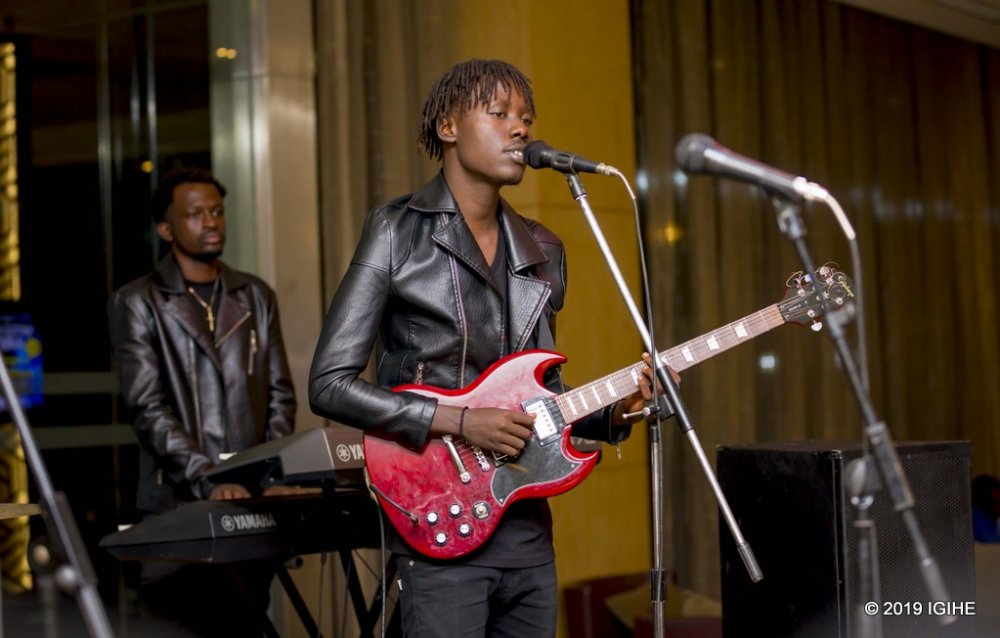
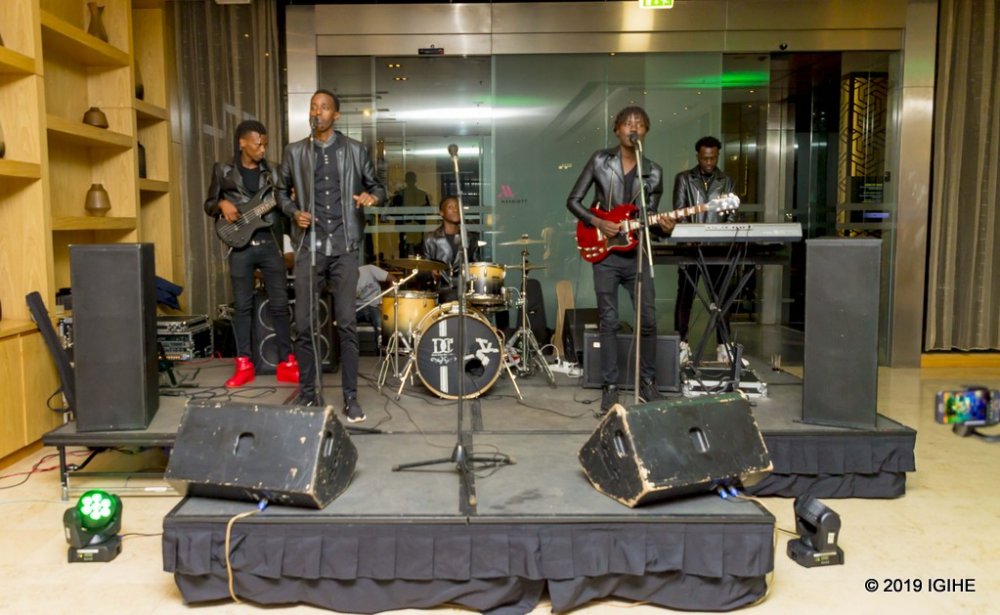
The band was competing with His Voice Band Tuesday 3rd September 2019 which it outperformed, qualifying to the next phase of the competition.
The competition which attracted 10 bands will be held on a weekly basis until October 2019 when the winner will be announced.
Six have already contested within three stages.
The winning band is voted through social media platforms like Twitter and Facebook page of the Marriott Hotel.
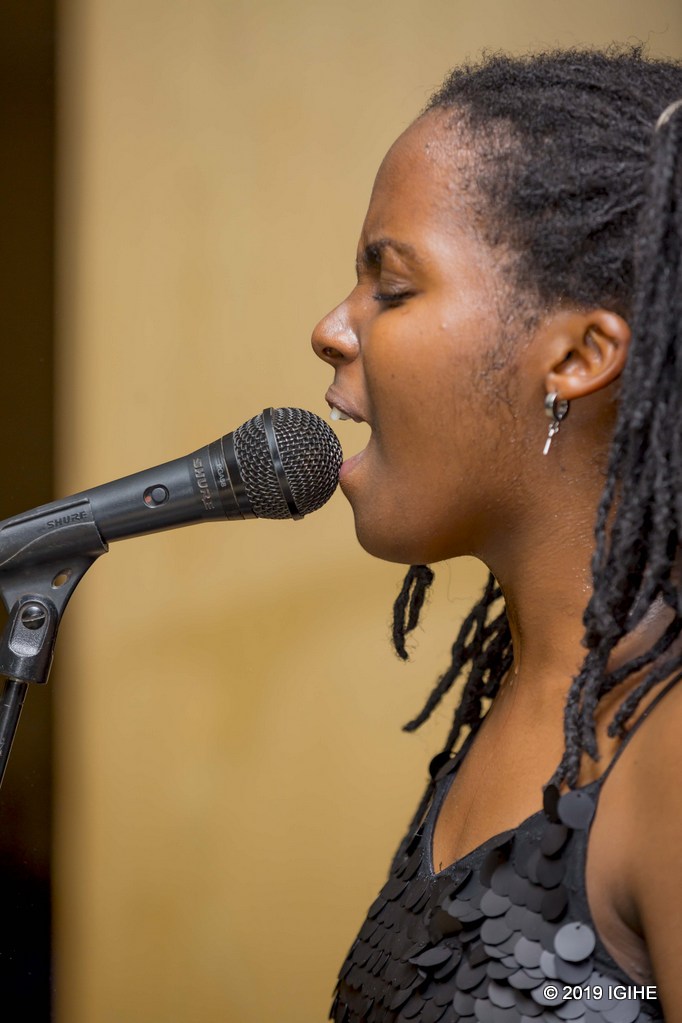
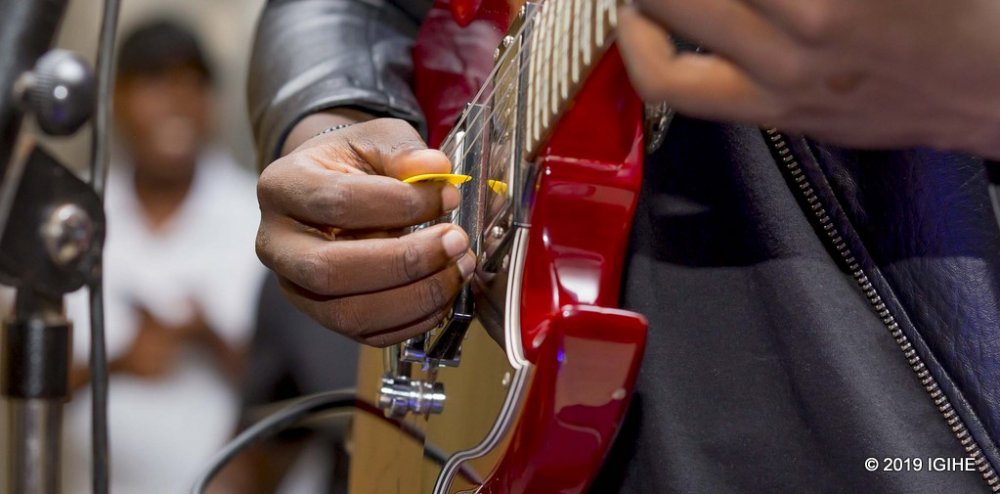
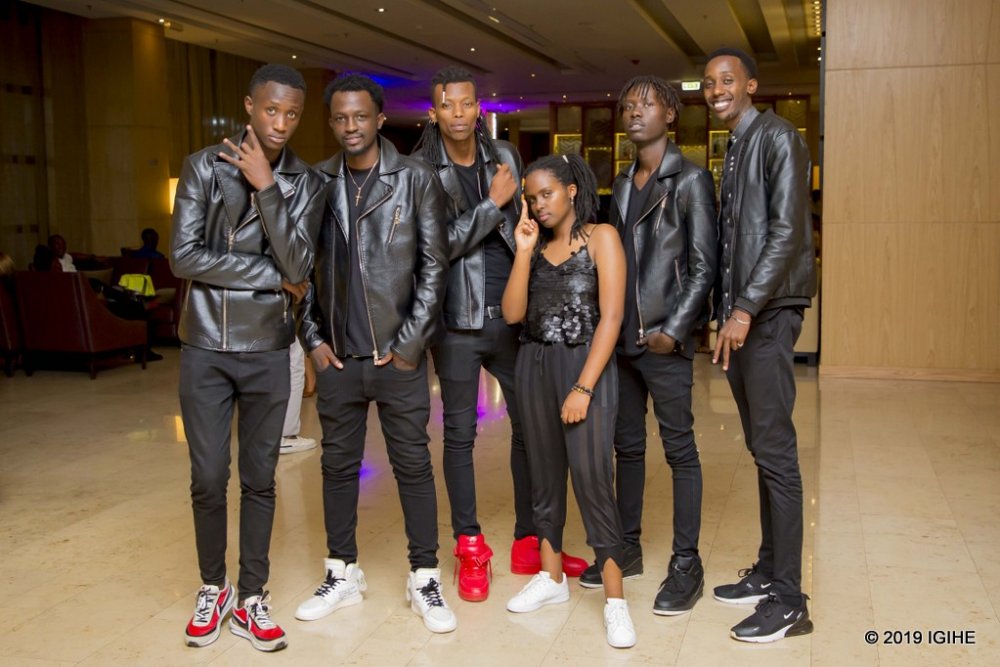
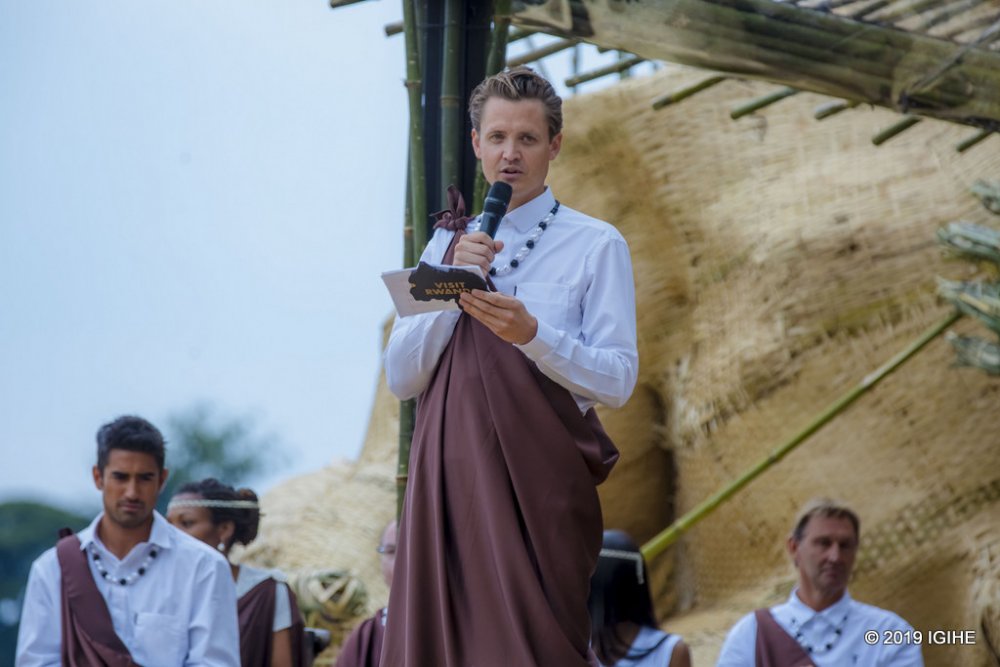
Symphony, a six-member band, was the first on stage with enthralling performances of songs like “Avec Elle”, “African Queen” by Innocent Ujah Idibia [2Baba] and Vanessa Mdee, “A Natural Woman” by Aretha Franklin, “If I Ain’t Got You” by Alicia Keys, and Sway by Michael Bublé.
They also performed local popular songs like “Kungola’’ by Sunny and Bruce Melodie, rap songs like “Ku Gasima” and “Nituebue” igniting great excitement among revelers.
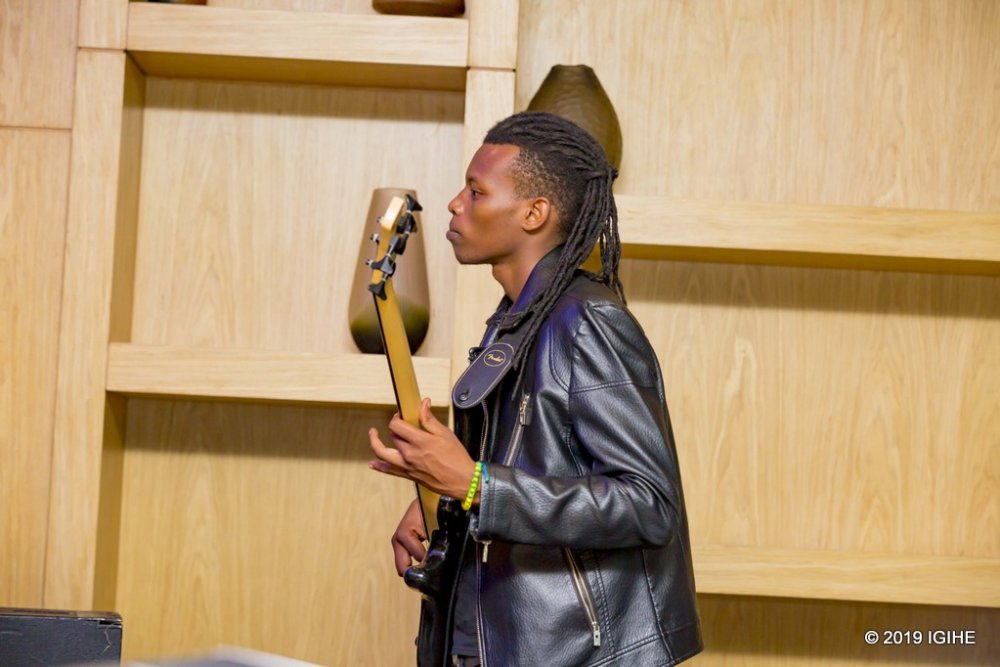
His Voice Band was comprised of three crew members.
They also entertained fans with songs like “Wanyeretse urukundo” by Makanyaga Abdul, “Laurette” by Kamaliza, “Umwari wanze umwarimu” by Mwitenawe Augustin, and “Dore Ishyano” by Orchestre Abamararungu.
Joachim Mugengakamere, a member of Symphony Band, told IGIHE that they entered the competition with a goal of winning the grand prize.
“When we stir our audience, it echoes back into boosting our next performance. We want to start working on our own compositions this year,” he said.
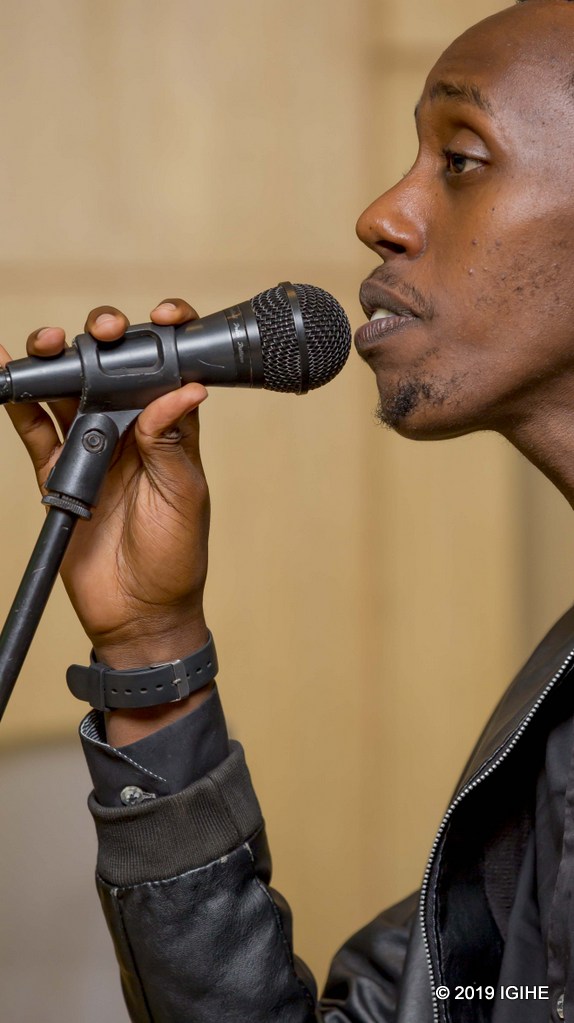
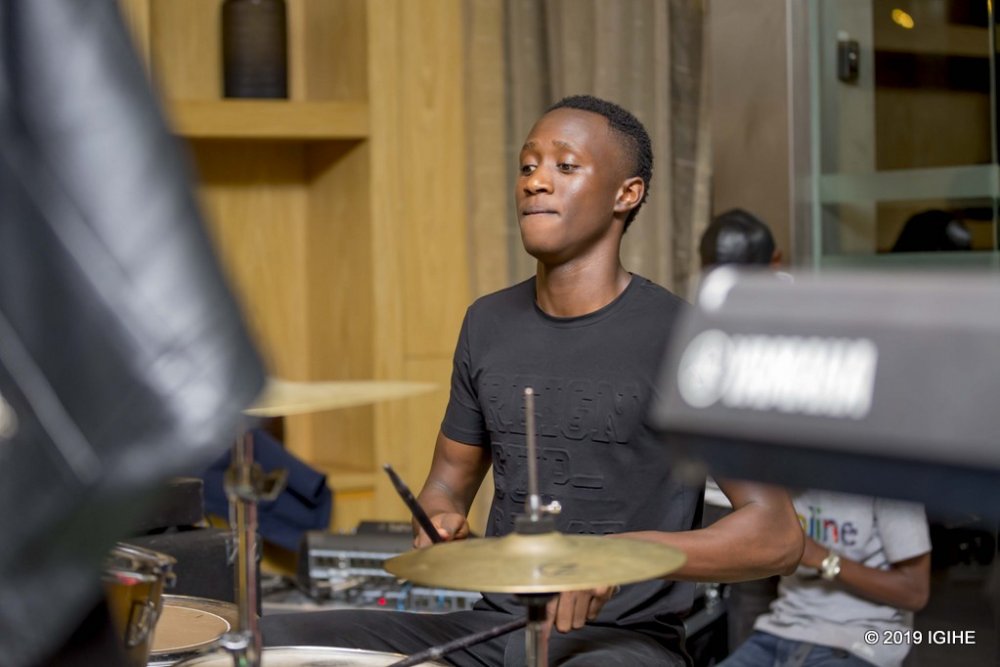
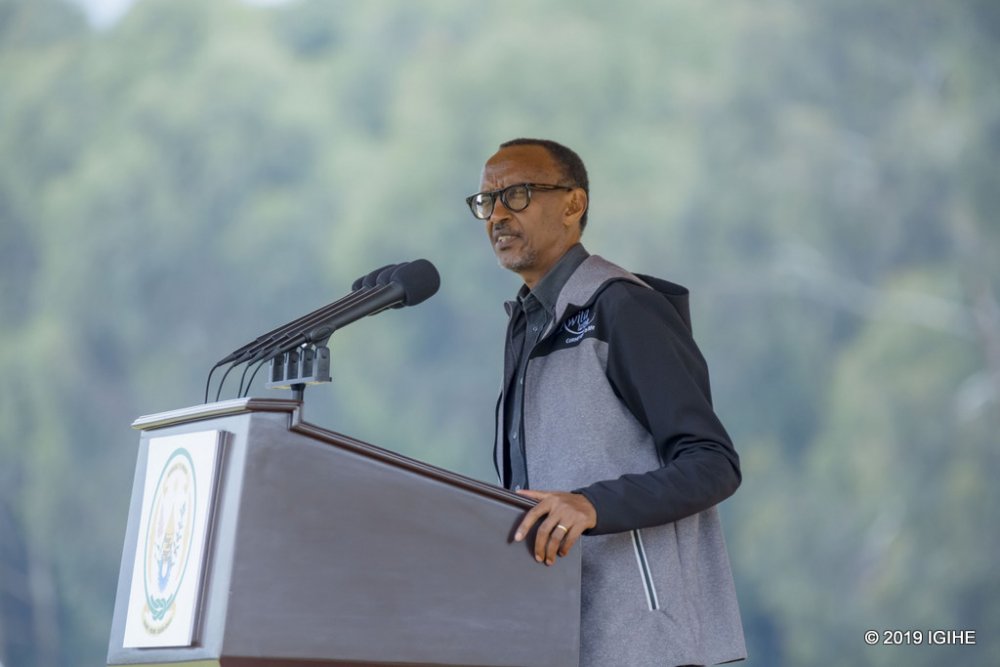
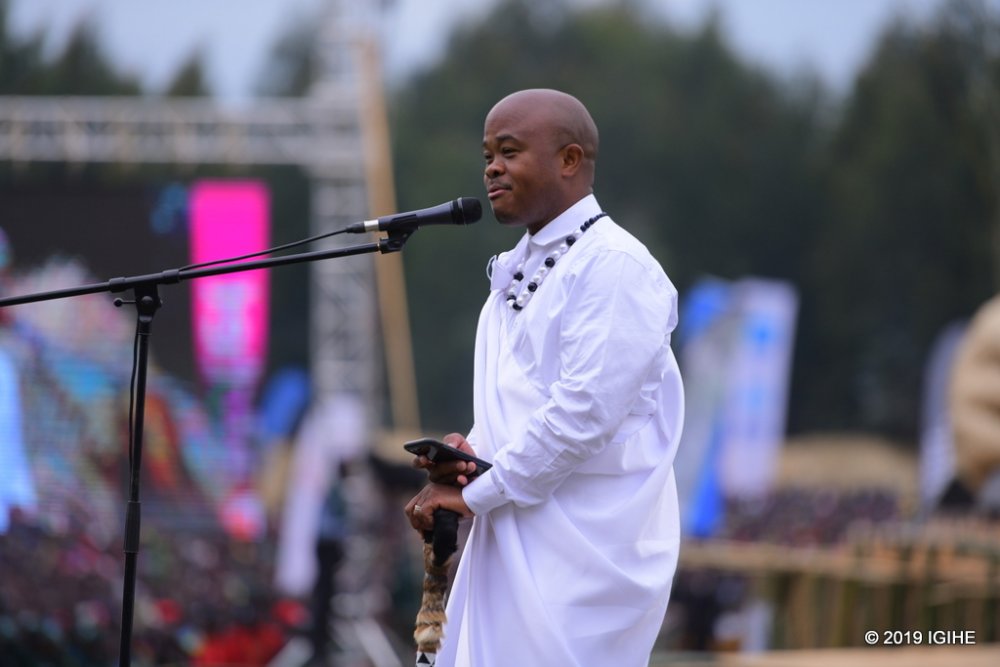
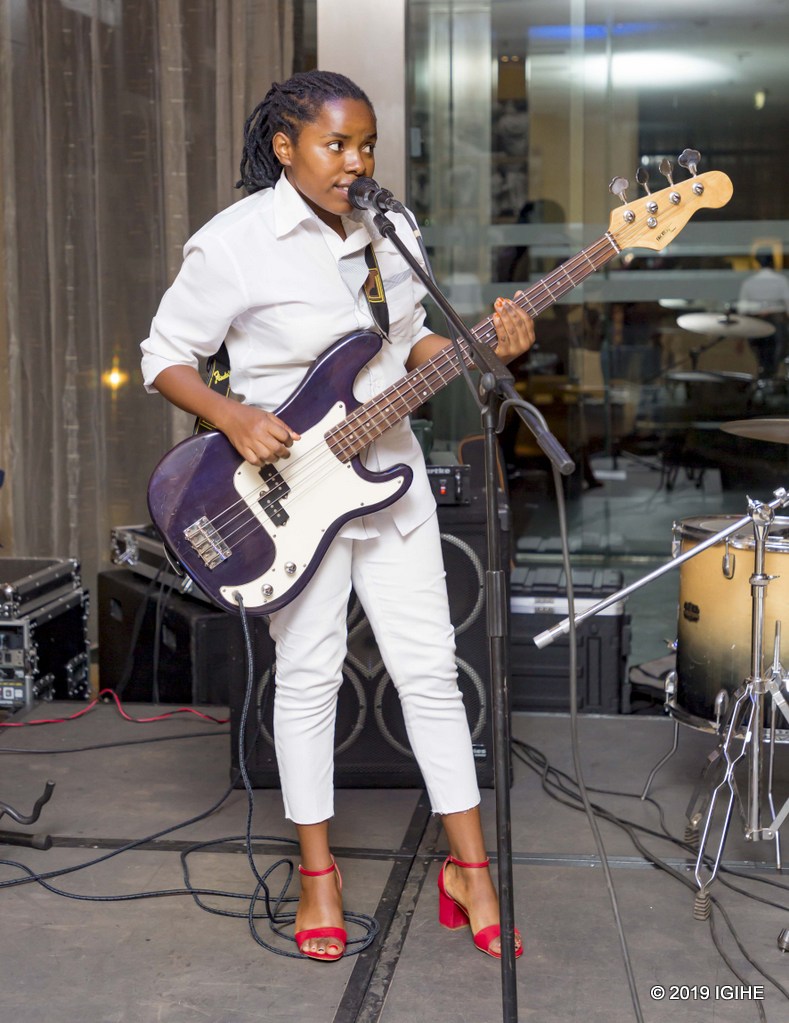
Wenceslas Iyakare [Rickson], the head of His Voice Band said that they are going to assess themselves to hone their competences.
“We want to see areas of improvements to lift our standard to the international market,” he said
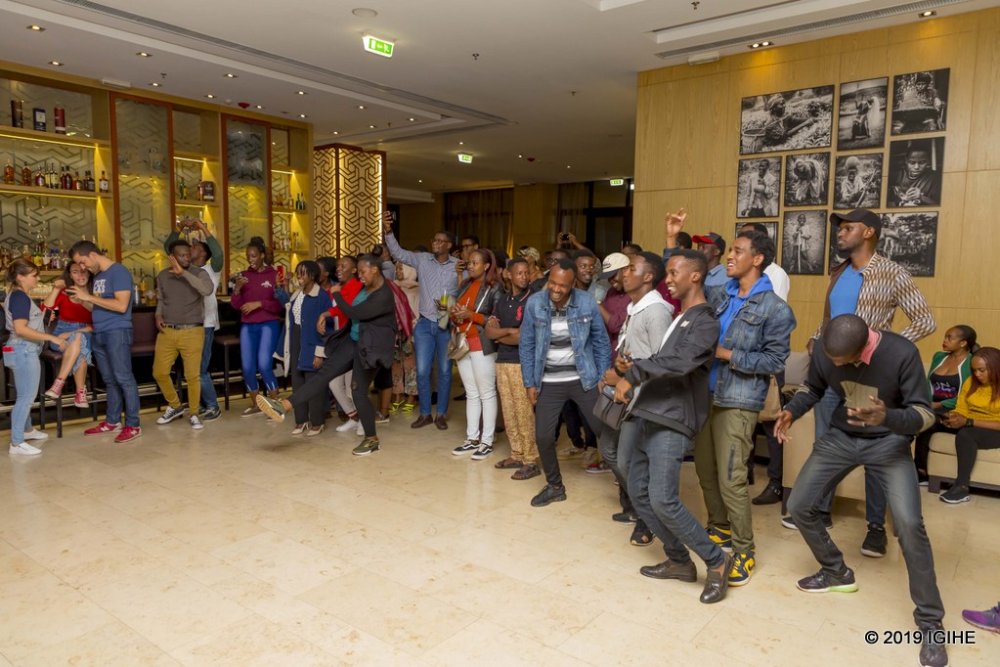
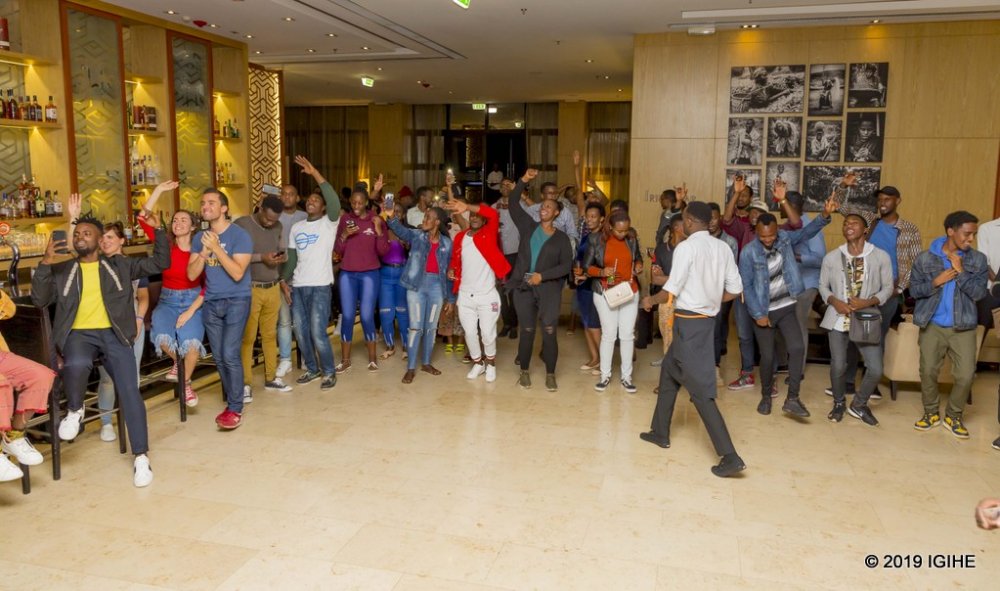
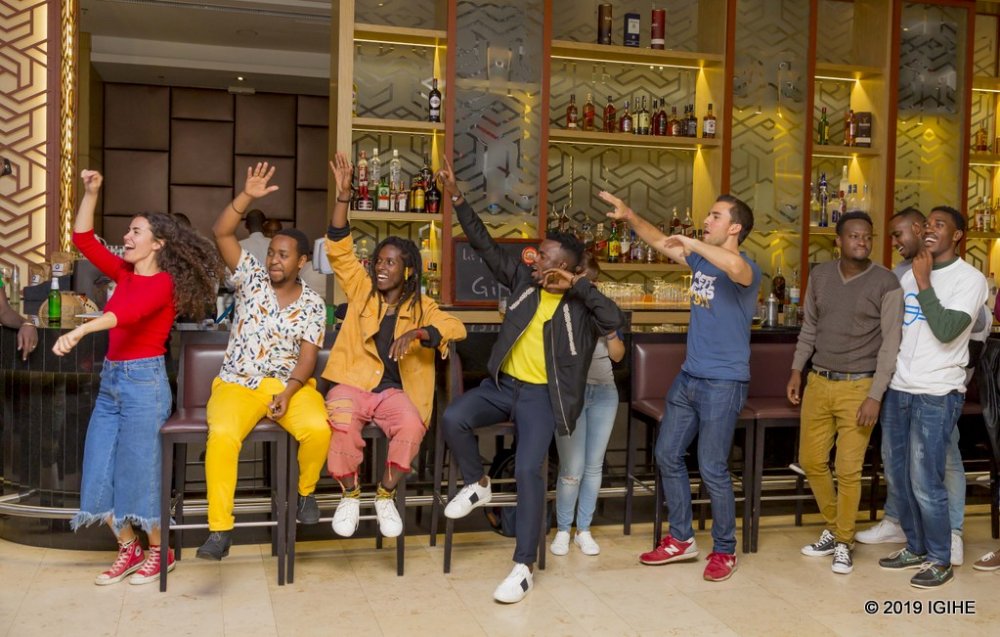
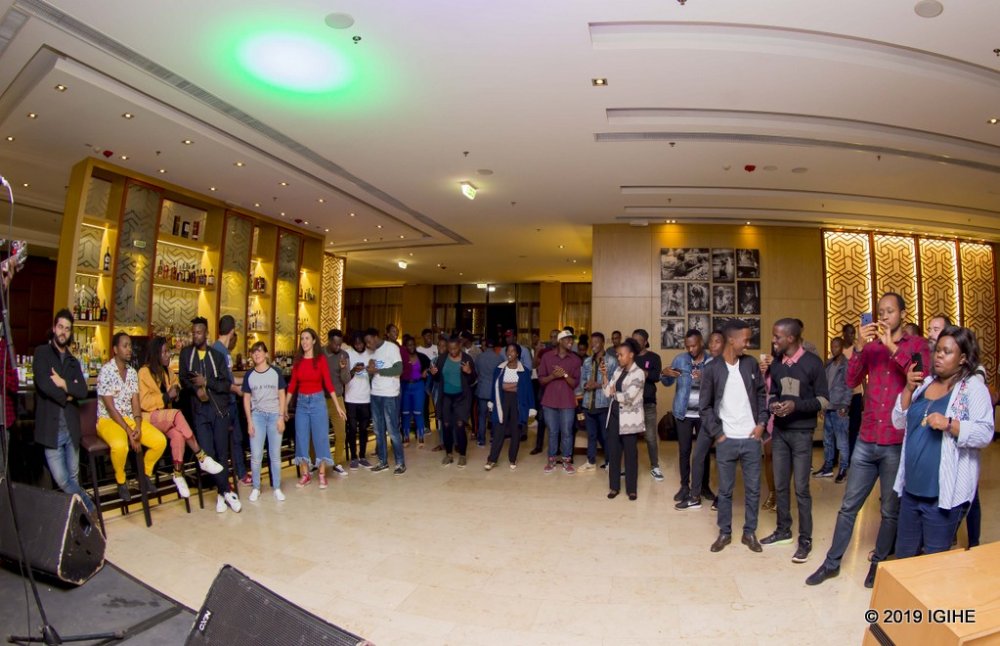
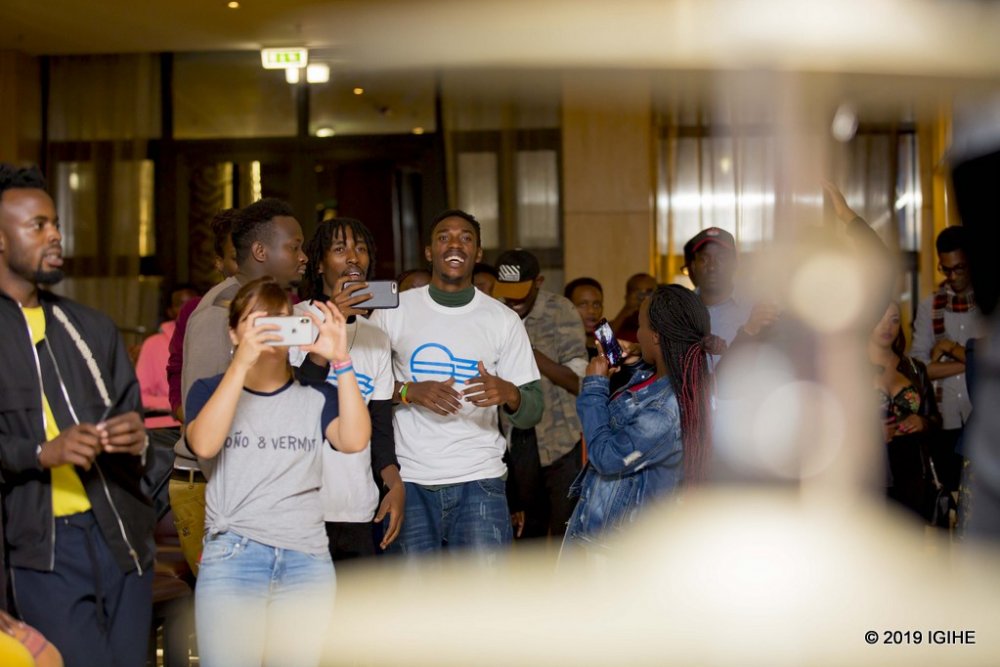
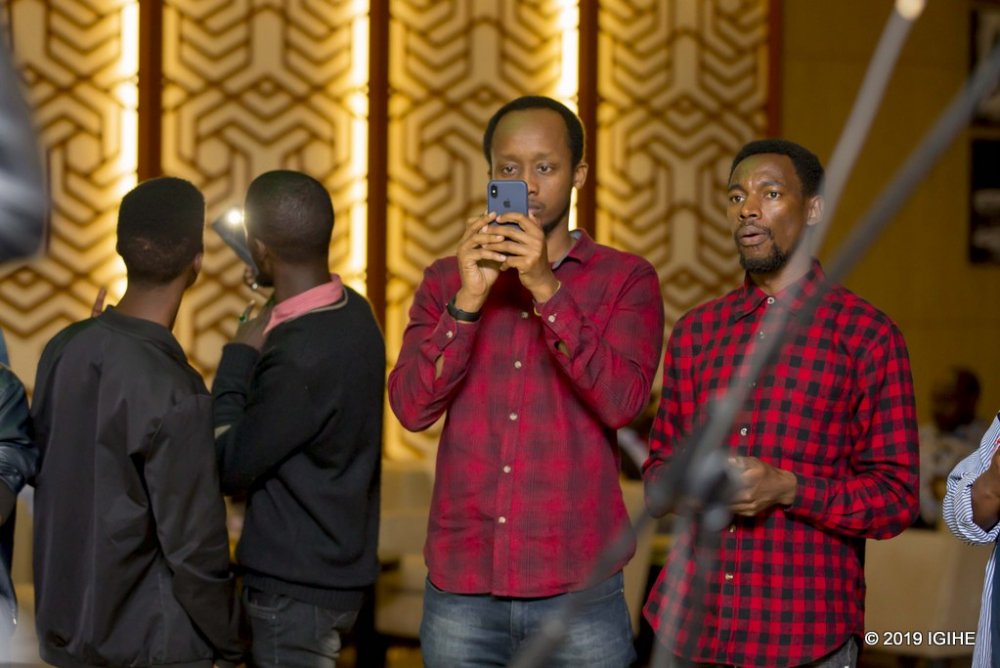
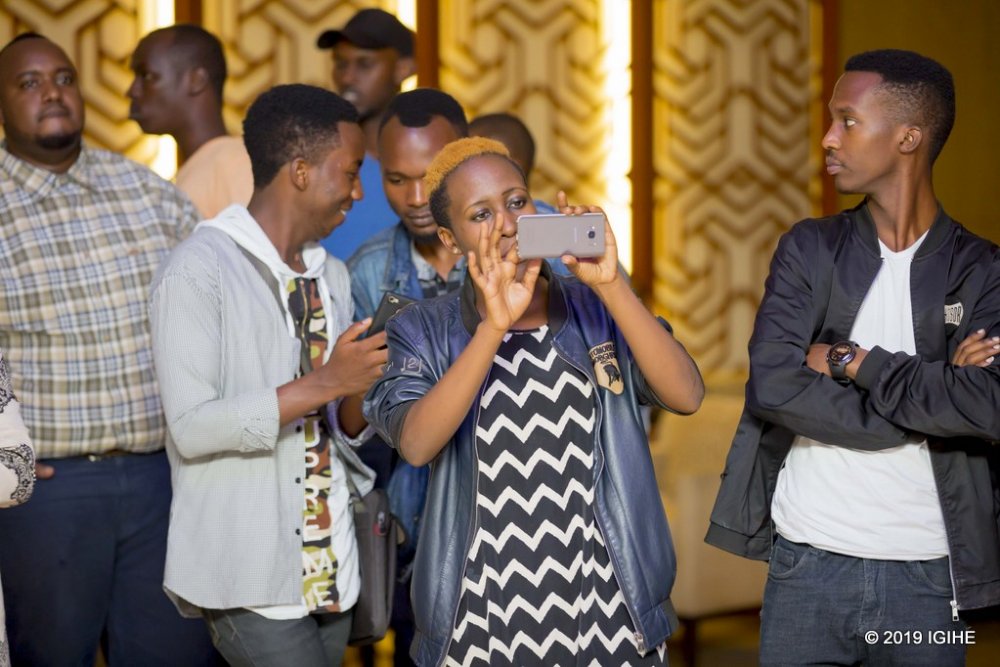
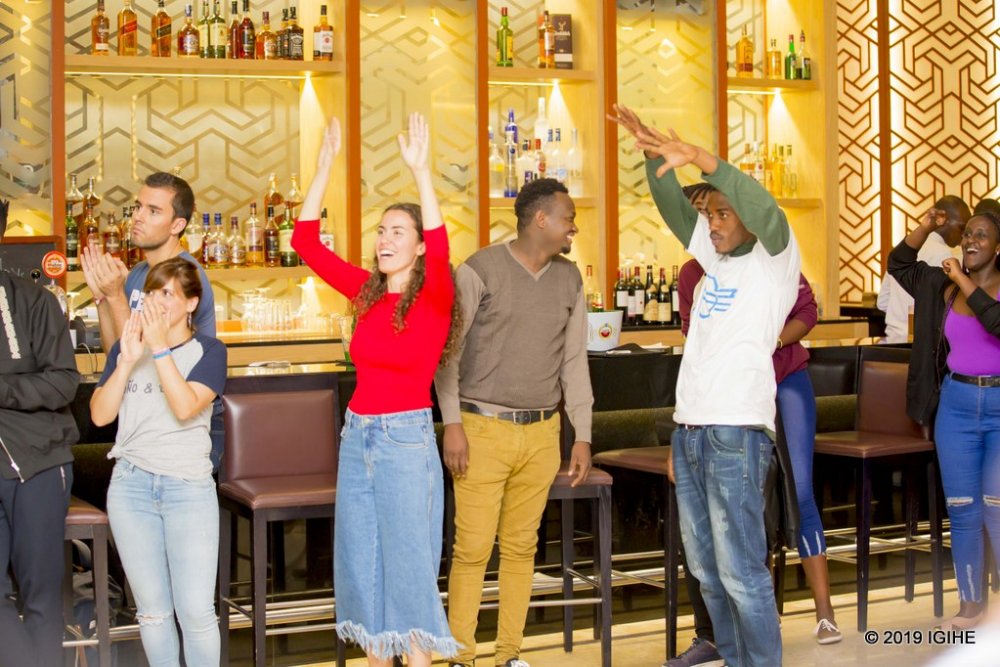
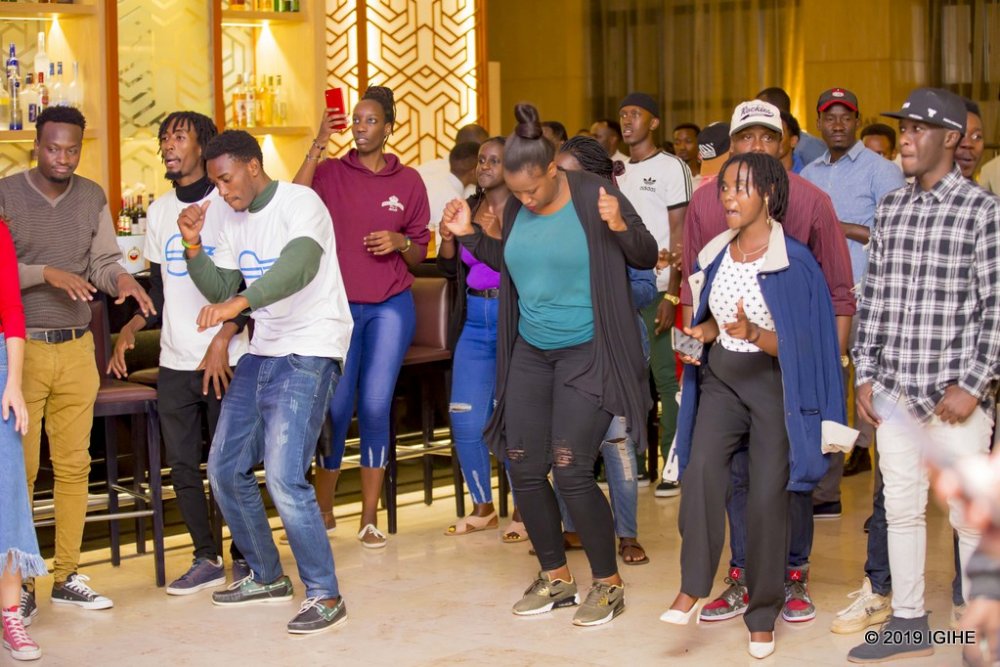
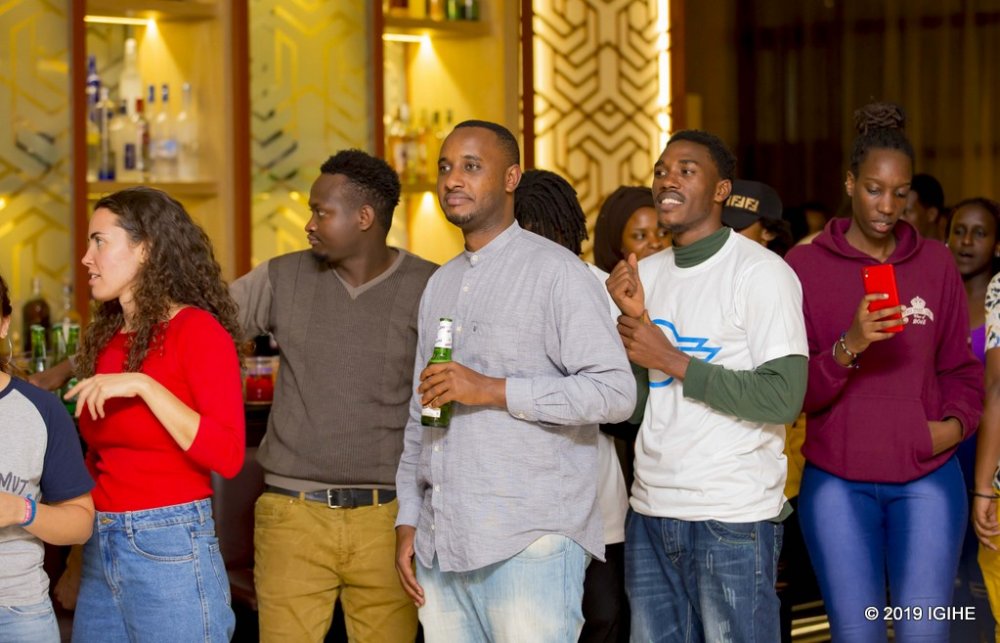
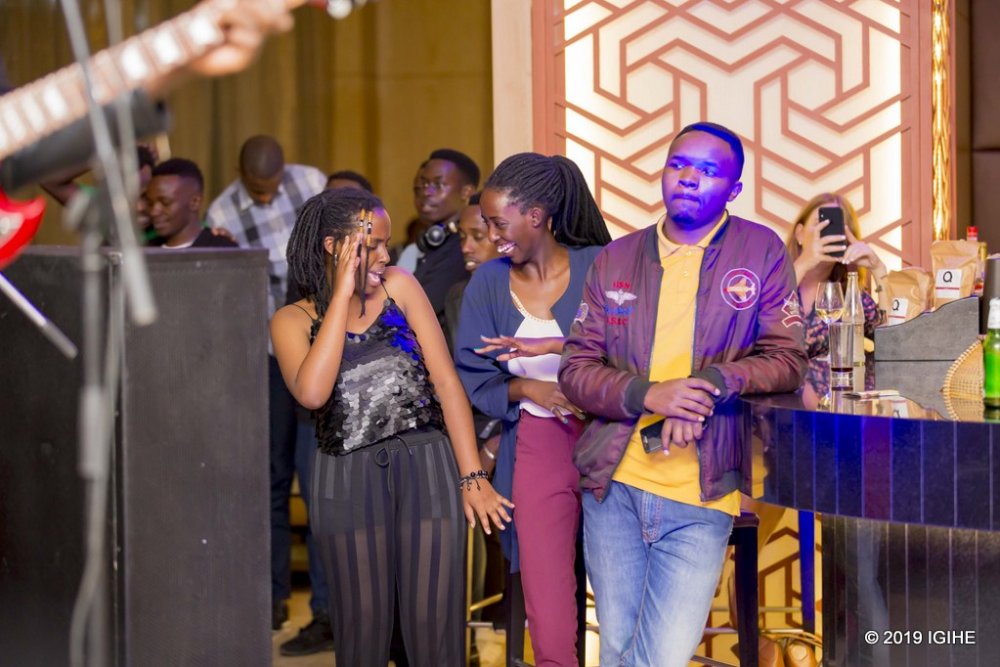
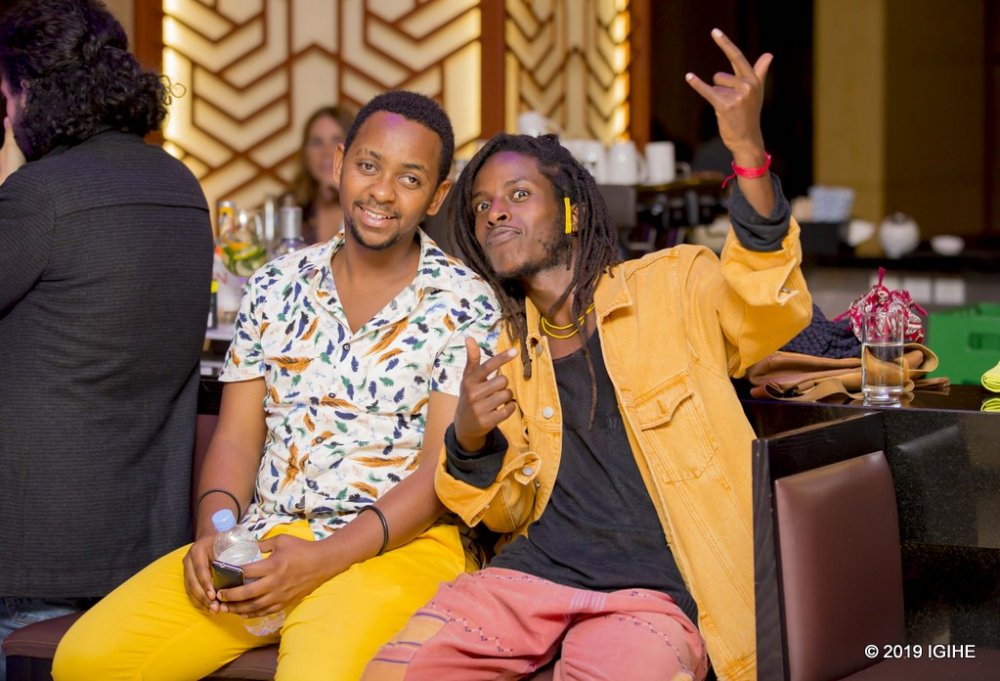
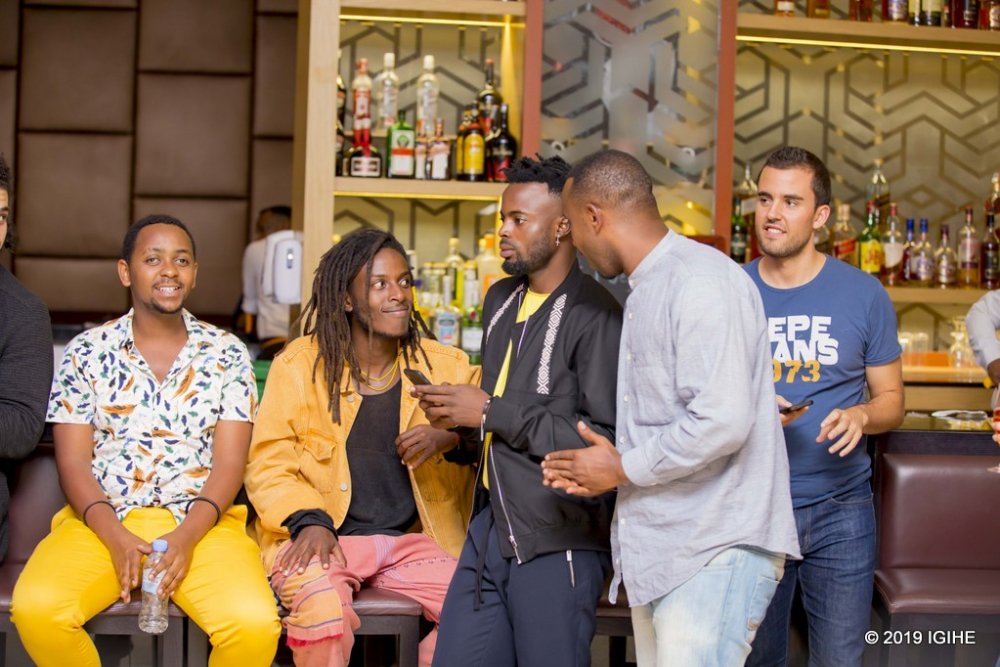
Revelers also enjoyed the pomp and spectacle that came with the competition.
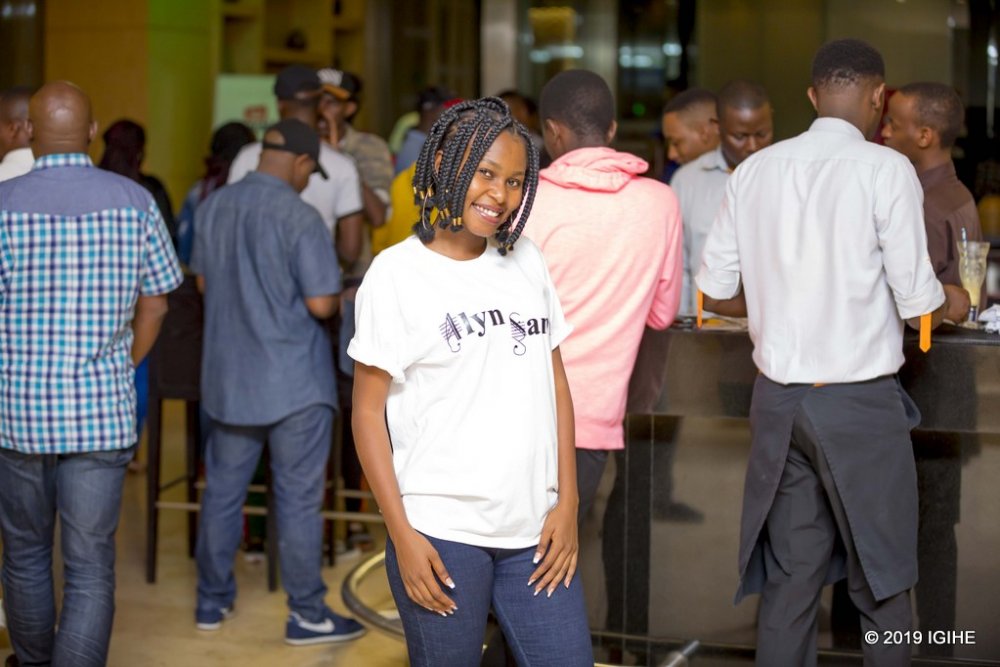
Michaella, from Germany, has told IGIHE that she was greatly excited by the show, the first one she attended in Rwanda.
“They both did great. One is playing a lot of international songs. It was easier for me to understand. I also loved the traditional music. I am here for the first time in Rwanda and both bands have made my night. It was great,’’ she enthused.
The winner of the competition will get a one year paid contract with Marriott Hotel, to be its resident band and to open the performance of the New Year’s Eve celebrations.
The winning band will also be offered a recording contract with Made Beats, a Kigali-based music recording label.
Ian Ferrao has more than 12 years of experience in senior management telecommunications roles in Africa. Prior to joining Airtel Africa, he was the CEO of Vodacom Tanzania PLC, the CEO of Vodacom Lesotho and Chief Commercial Officer at Vodacom Business Africa. He holds a First Class Honours Degree in BSc Management Sciences from the Warwick Business School.
Commenting on this appointment, Raghunath Mandava, Airtel Africa’s Chief Executive Officer, said: “We are excited to welcome Ian as Regional Director for East Africa, which includes Kenya, Uganda, Tanzania, Malawi, Zambia, and Rwanda. He brings a wealth of relevant telecommunications and mobile money experience within the region and will be an asset to the business. He will be part of the Africa Executive Committee based in Nairobi and will focus on driving growth across voice, data and mobile money in East Africa.”
{{About Airtel Africa}}
Airtel Africa is a leading provider of telecommunications and mobile money services, with a presence in 14 countries in Africa, primarily in East Africa and Central and West Africa.
Airtel Africa offers an integrated suite of telecommunications solutions to its subscribers, including mobile voice and data services as well as mobile money services both nationally and internationally. The Group aims to continue providing a simple and intuitive customer experience through streamlined customer journeys.
The resignation letter of Rwiririza of which IGIHE has a copy reads: “I am pleased to request your confirmation to stop my duties as Ngoma district’s vice mayor for economic development and member of Rukira sector advisory council.”
Rwiririza was also the Chairman of RPF Inkotanyi at the district level.
Ngoma district advisory committee is expected to confirm the resignation of Rwiririza Jean Marie Vianney on Friday.
Hakizimana Elie, the executive secretary of Bugesera district also submitted a resignation letter to exit the position held for three years.
“After realizing that I no longer have enough to fast track the development of Bugesera district, I am submitting a letter requesting confirmation to stop duties,” reads part of his resignation letter.






![Wenceslas Iyakare [Rickson], the head of His Voice Band said that they are going to assess themselves to further their competences.](https://en-images.igihe.com/IMG/jpg/_gih0062-1ebfc_1_.jpg)