On September 23rd, 2019, Nyarugenge High Court was provisionally released Dr. Francis Habumugisha, the proprietor of Goodrich TV channel after being accused of assaulting Kamali Diane on July 15th.
While his case was being processed in court, the prosecution applied for a remand to allow for thorough investigations.
However, a few days after he was placed in detention, the court provisionally released him because after analysis his alibi was plausible and the witnesses he provided, were trustworthy individuals.
After he was acquitted, the prosecution filed the same charges for a second time because they were not satisfied with the final verdict.
They demanded that he should be placed under detention again. However, the decision has not yet been applied since Habumugisha fled the country.
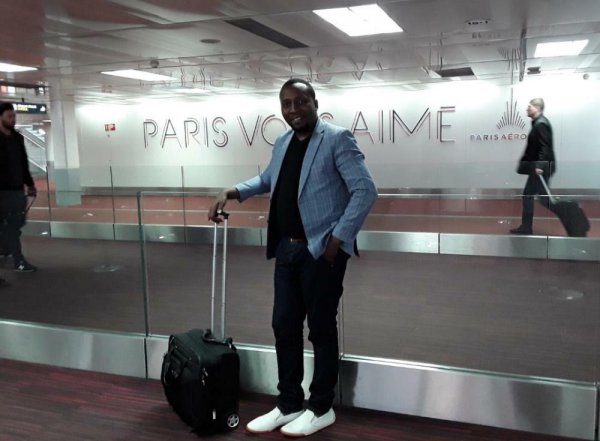
On Thursday, December 5th, 2019, through his twitter account, Dr. Francis Habumugisha posted a picture of himself showing he was at an airport in France.
— Dr.Francis HABUMUGISHA Goodrich (@DrHabumugisha) December 5, 2019
News that Dr. Habumugisha assaulted Kamali in public were publicized on September 5th, 2019 when Kamali posted a video depicting the assault.
Rwanda Investigation Bureau (RIB) apprehended him on September 6th, 2019 while his case was being investigated and waiting for trial for assault charges.
The following day, his dossier was submitted to the prosecution.
Article 121 in the Rwandan Constitution states that anyone who is found guilty of assault, inflicting injuries or beating another person should be prosecuted.
Punishments include imprisonment between 3 and 5 years and a penalty between Rwf 500,00 and Rwf 1,000,000.
When the assault is done on a child, mother or any vulnerable person, the punishment is imprisonment between 5 and 8 years and a penalty of Rwf 1-2 million.
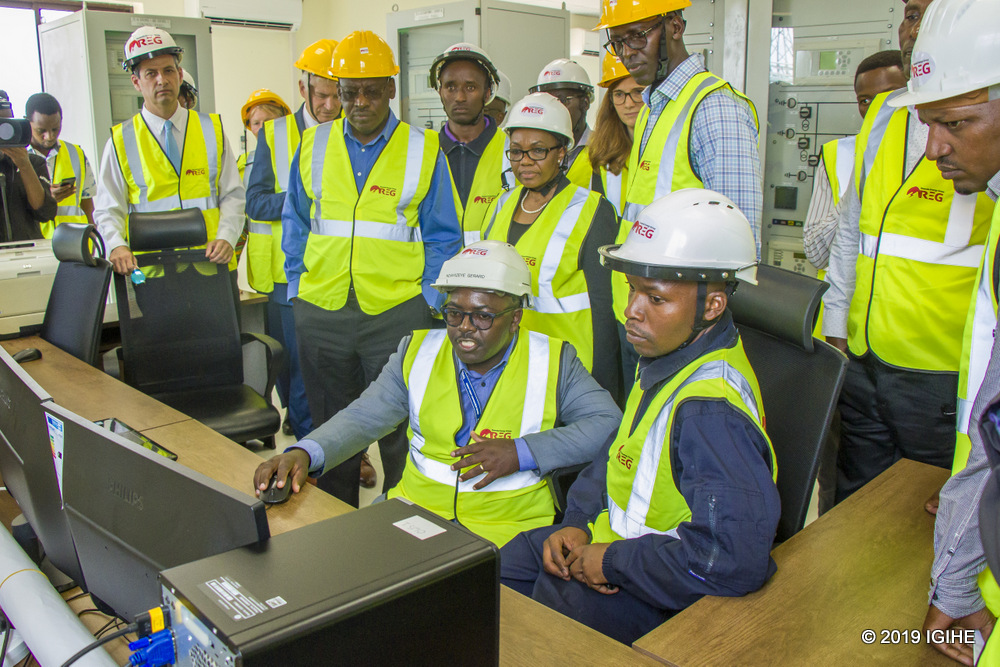
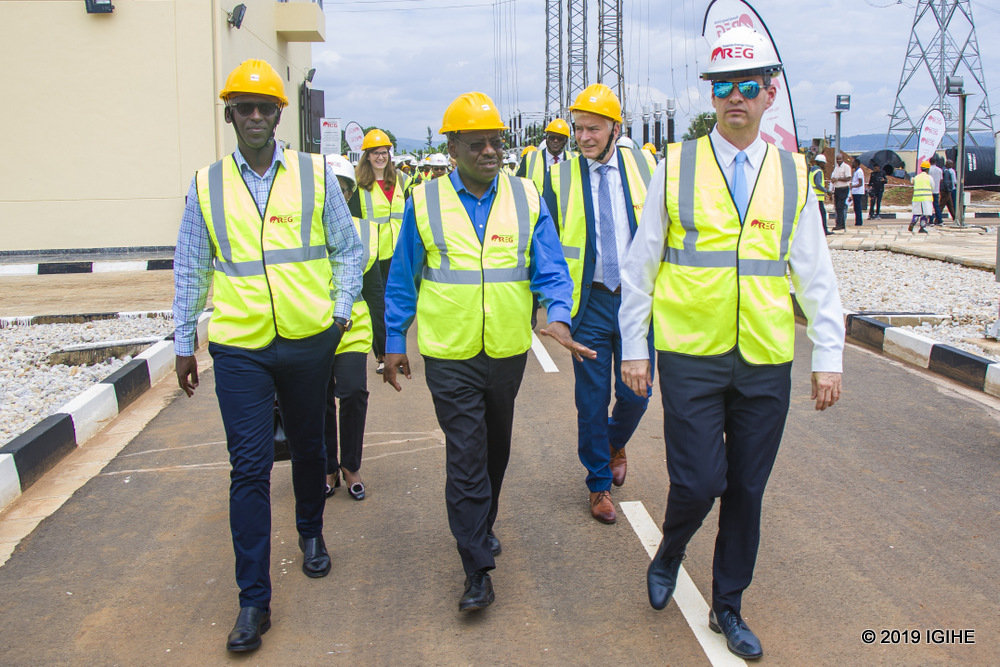
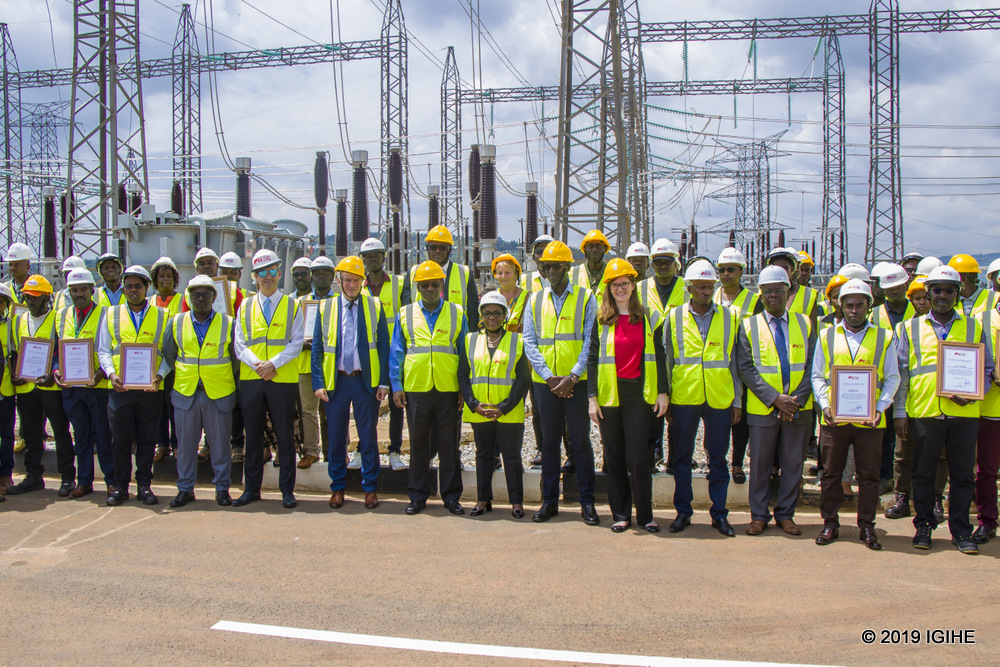
The station will allow Rwanda to expand its power production capacity and reach the international market.
The station will also allow Rwanda to receive and share power with neighboring countries including Burundi, Uganda and the Democratic Republic of Congo.
The project is part of Rwanda’s agenda to protect the environment by cutting on the energy lost during transmission and will allow easier access to power between countries at a relatively lower cost.
Shango station has transmission lines that connect with Uganda, DRC, Burundi, and Tanzania.
The interconnected transmission line will allow the above-mentioned countries to receive and share power.
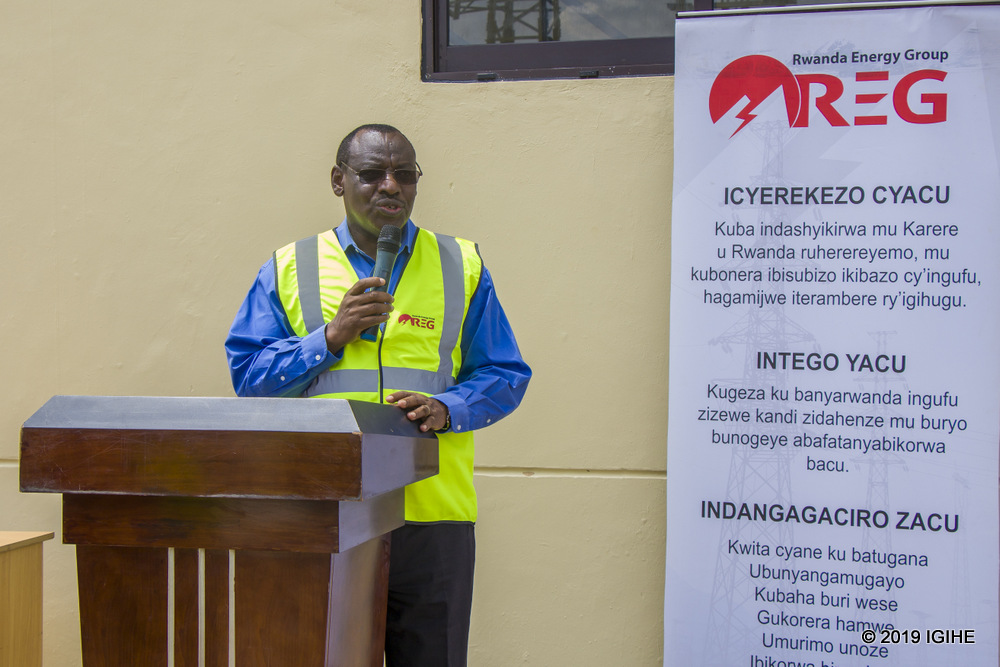
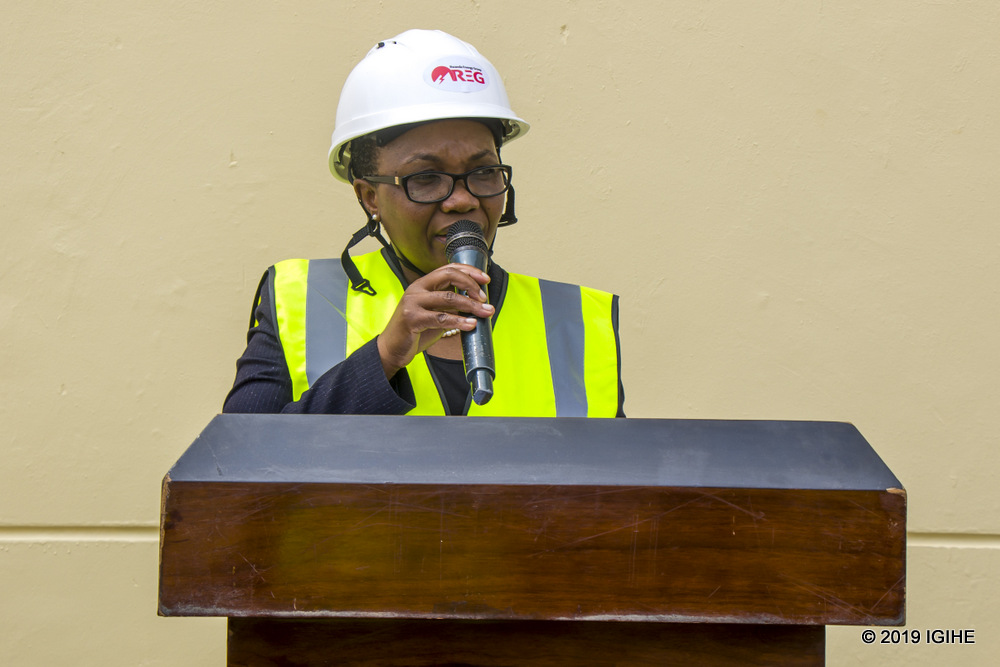
Gatete says that a project like this one in a country that has the goal of providing power to all its citizens by 2024 is an important milestone.
“The station comes at an opportune moment as it has high voltage transmission lines that will deliver electricity over long distances. It has a transmission capacity of 220 Kilovolts and will allow Rwanda to receive and share power with neighboring countries.”
Shango construction project was sponsored by the African Development Bank (Afbd) and German government-owned KfW development bank. It will cost $14.8 billion.
Apart from reducing the cost of electricity for EAC citizens, the project has attracted the sponsorship of Afdb in various other power supply activities.
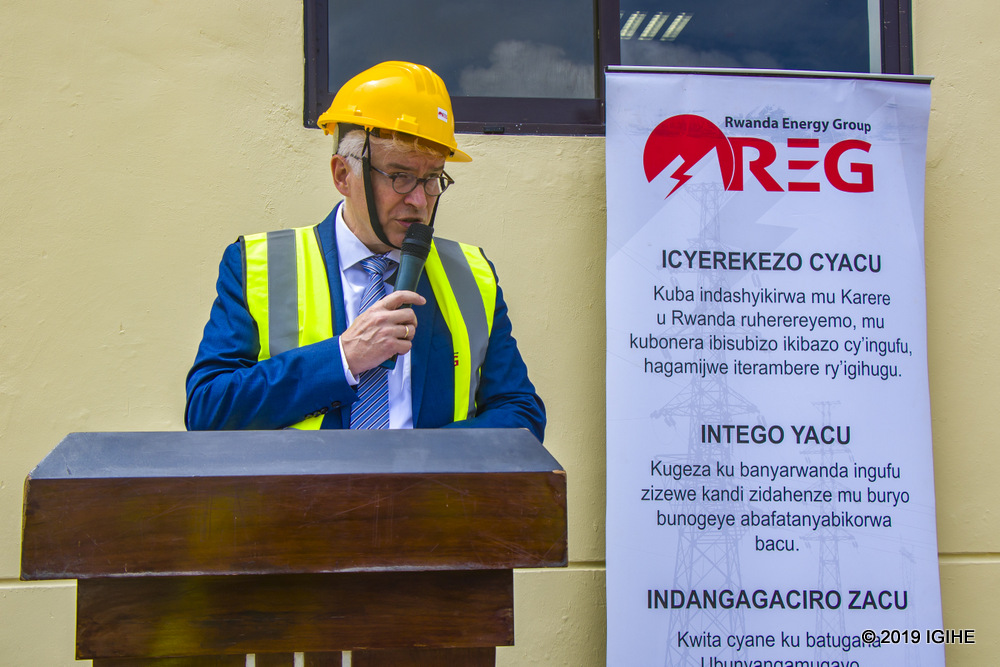
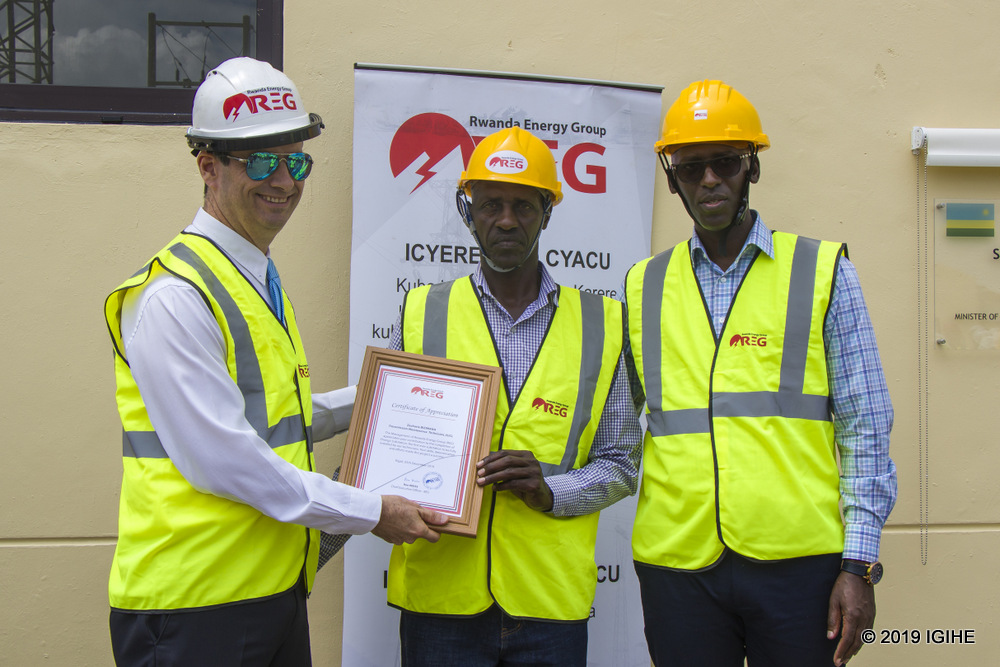
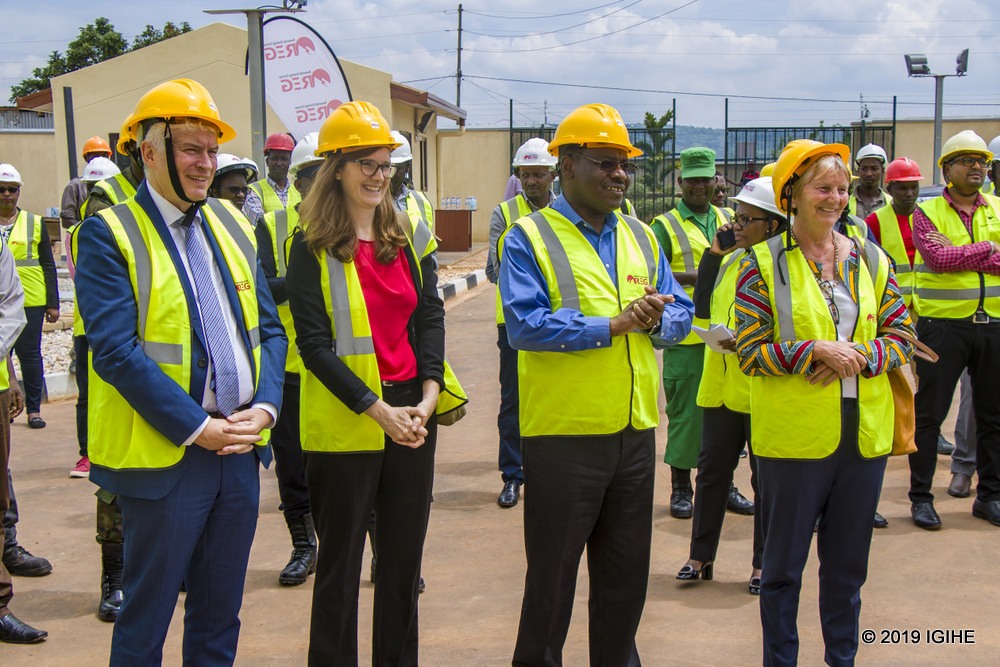
Martha Phiri, AfDB Country Director commended the efforts of the Government of Rwanda throughout the construction and completion of Shango Power station.
“All this is a collective gain by Rwandans and their government. This is all we have been waiting for to provide opportunities to the Rwandan youth to apply their knowledge.”
Gatete added that Rwanda and the neighboring countries involved in this project are finalizing agreements so that the station can be put to use.
The station will provide job opportunities to more than 800 Rwandan and add to the 70 Megawatts expected from Gisagara Peat Power Plant in July 2020.
It is expected that in March 2020, there will be an additional 56 Megawatts produced from Kivu Lake and 43 Megawatts from Nyabarongo II.
Residents say they have lost sleep and are afraid to go for work as most of them use a path through a forest where the said leopard has been seen several times.
“We were horrified to see how this beast left the cow’s Carcass; our children are on holidays, any of them could be the next victim as they collect firewood. We can’t sleep, can’t go to work, we live in constant fear,” said one of the villagers in the area.
“We call upon our leaders to do something to contain the leopard before it hurts anyone else.”
Residents say they have seen the beast in nights roaming the village. This has been going on for a while now as in March this year it killed a goat; on 21 November, it attacked night watchers as they were doing their round but escaped by diving in Lake Kivu.
On the night of 26th November, the leopard attacked a cow in a kraal at the home of Aphrodis Ndekezi, 65, in Rwamatamu village.
Jean Paul Harindintwali, the Gihombo sector executive secretary has called for immediate government intervention.
“We are calling upon the security authorities to capture the leopard before something worse happens. We are concerned that it can attack residents any time.”
The suspects identified as Jean Baptiste Maniriho, 29, and Frederick Sindayigaya, 33, were intercepted in Byangabo trading center in Musanze en route from Rubavu District.
Chief Inspector of Police (CIP) Alexis Rugigana, the Police spokesperson for the Northern region said that the duo was caught red-handed with equipment and raw materials they were using to counterfeit money.
“Information about Maniriho and Sindayigaya’s criminal activities was given by one of the would-be victims, to whom they wanted to sell fake currency notes,” said CIP Rugigana.
“The two suspects tried to manipulate the would-be victim to believe that they can make genuine money, but which can only be circulated within six months. They counterfeited four notes to try to win him to circulate the fake money, but he did the right thing to desist and report the criminal acts,” he explained.
“At the time of their arrest, they were found in possession of counterfeit currencies; Rwf4, 000, US$1, 300 and 50 Euros,” said CIP Rugigana and called upon the general public to report people engaged in such financial crimes.
Under article 269 of the Penal Code, any person, who fraudulently counterfeits, falsifies or alters coins or banknotes which are legal tender in Rwanda or abroad, notes issued by the Treasury with its stamp or brand, either banknotes or alike that have legal tender in Rwanda or abroad, or one who introduces or issues in Rwanda such effects or notes with knowledge that they are forged or falsified, commits an offence.
Upon conviction, he/she is liable to imprisonment for a term of not less than five years and not more than seven years.
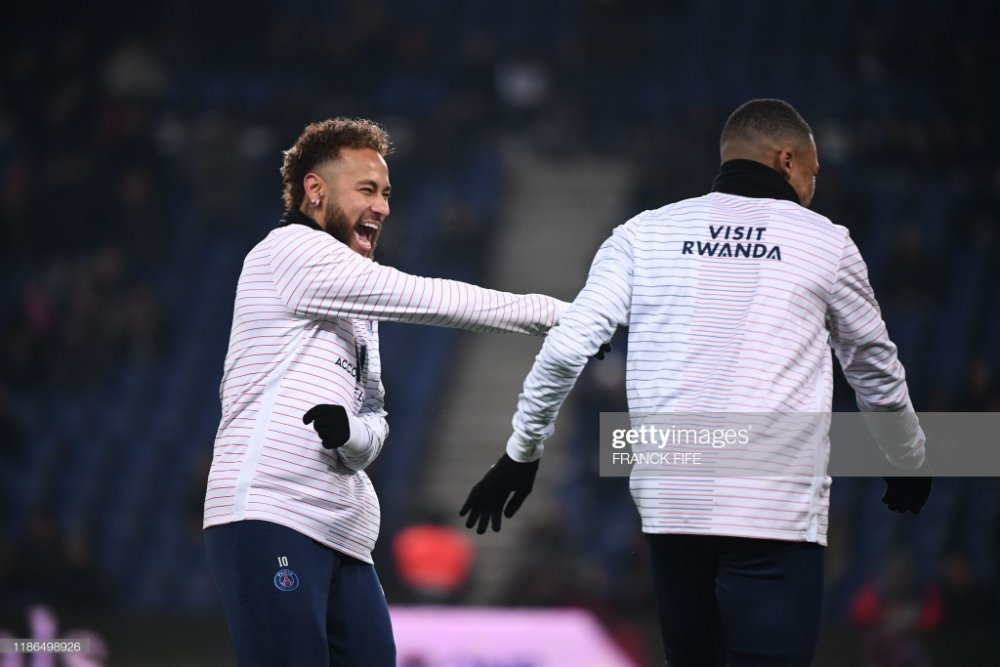
The partnership deal is the second with a football club following a three year deal with Arsenal FC in May 2018.
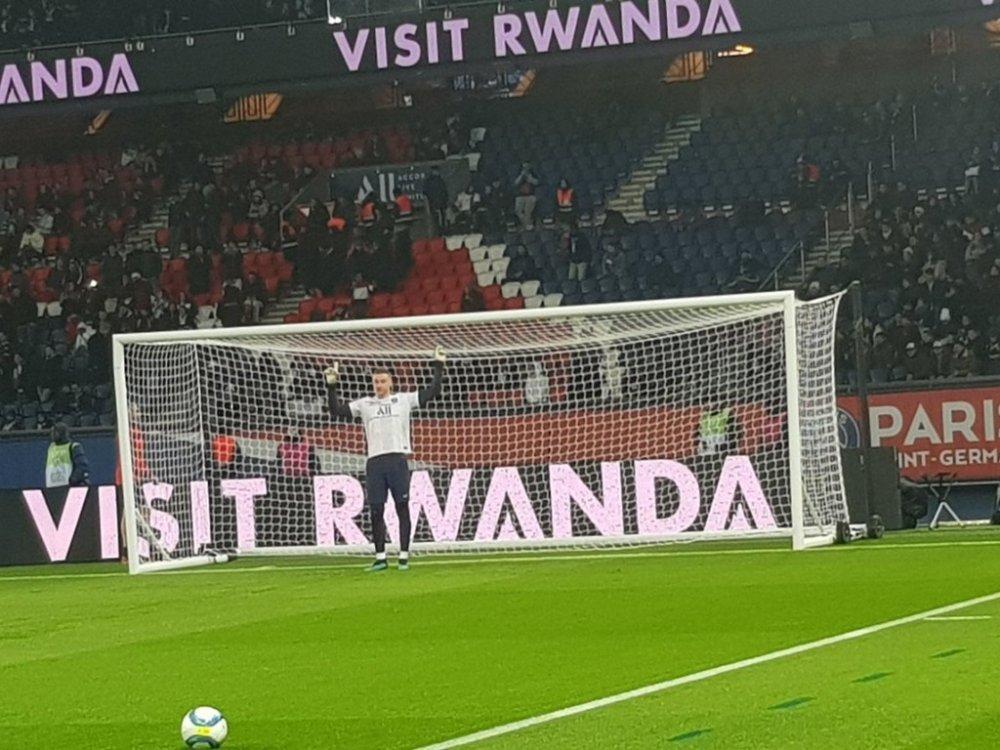
So, for now, it is a done deal, ink on paper, PSG is to advertise Rwanda’s tourism through the “Visit Rwanda” brand. The partnership started Wednesday, in Paris Saint Germain’s match with Nantes. The brand appeared for the first time on the sports jerseys of the substitutes.
For this partnership to come into existence, it took a long journey to reach an agreement with a team that started way back in 1970 in France.
The club was, in 2011, acquired by the State of Qatar, through its shareholding organization Qatar Sports Investments (QSI).
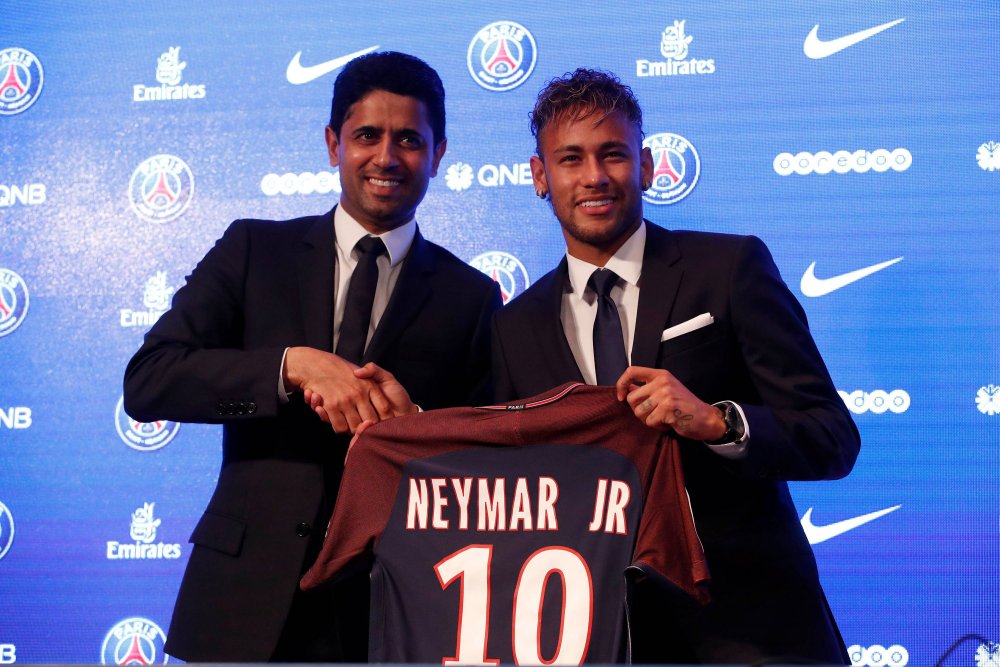
This organization, founded in 2005, has headquarters in Doha, Qatar. It invests in entertainment and sports industries. Nasser Ghanim Al-Khelaifi is the president of both the QSI and PSG.
According to information available to IGIHE, the PSG-Rwanda advertising partnership was made easy by the good relations between Rwanda and Qatar.
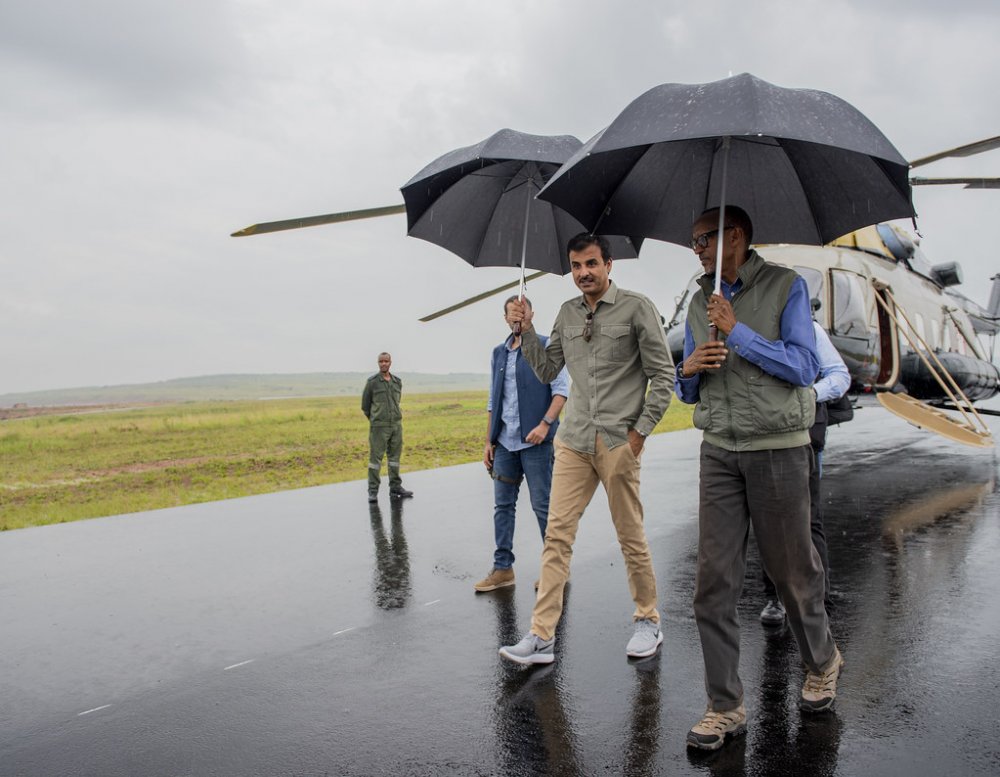
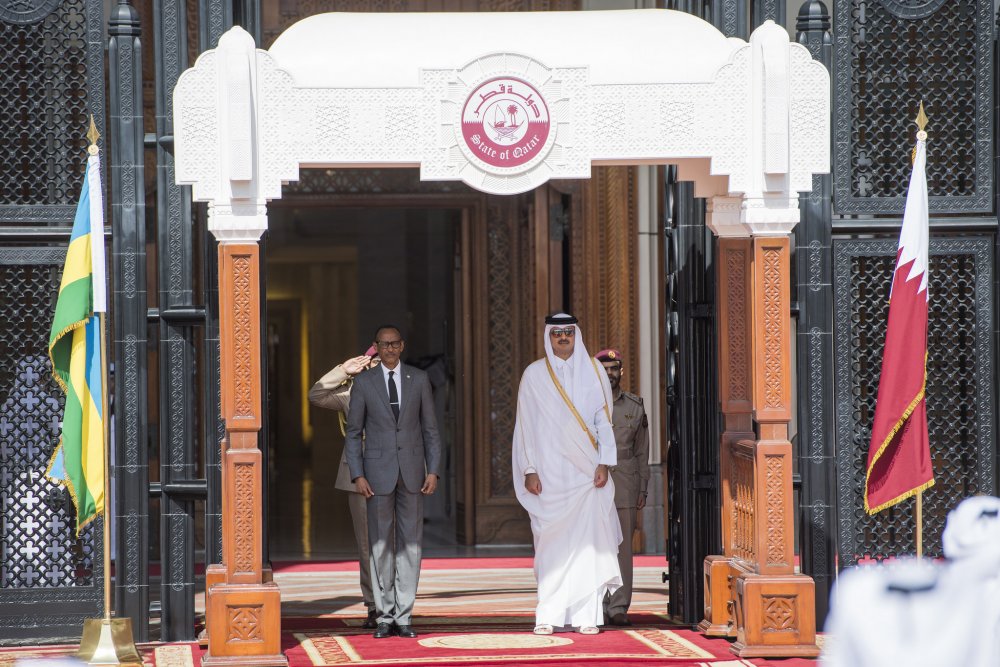
The Emir of Qatar, Sheikh Tamim bin Hamad Al Thani, made a state visit to Rwanda in April 2019 where he also visited the Akagera National Park together with President Paul Kagame during which occasion, the two countries signed deals in sectors of culture, sports, tourism, trade, and aviation.
As Rwanda positions to export its beauty to the world, one of its targets is France, especially, Paris which is considered the cultural capital city of the world. Most people consider Paris as a city of tourism, fashion, and fine dining and wining.
Starting from next year only tea and coffee from Rwanda will be sold at the Parc des Princes, PSG’s stadium, opening great opportunities for Rwandan farmers and industries.
The information available indicates that Rwanda wanted the “Visit Rwanda” brand to be on the kits players wear during main games but it could not sail through as other sponsors had already taken the slots.
Currently, PSG has about 30 sponsors with Nike and Accor being the major partners under a deal valued at $165 million.
Pundits have come to give snapp insights into how Rwanda is bound to immensely gain from the partnership.
One analyst has given his view on the beauty of the deal. “The Arsenal deal got Rwanda to another level is different from this [PSG deal], but the good thing about this one is that the income reaches the citizen.”
Pie Ntwari, the NAEB communications manager, told IGIHE that farmers have to increase production.
He said, “It is good to see our market expand. What is amazing is that we will be the only ones allowed to trade [in the stadium] tea and coffee. We expect an increase in foreign currency earnings. This gives farmers another reason to increase production and quality. We expect a stable market for three years.”
There will also be a talent show between Rwandans and the French that will last a week. That week was called “Semaine du Rwanda à Paris” to be organized by PSG to market what is done in Rwanda.
This will also add value and opportunities in the fashion industry, whose involvement will start in a few months’ time.
PSG will also promote talents of Rwandans through a football school that will start in Kigali from where they will share experience with Rwandan coaches and young footballers.
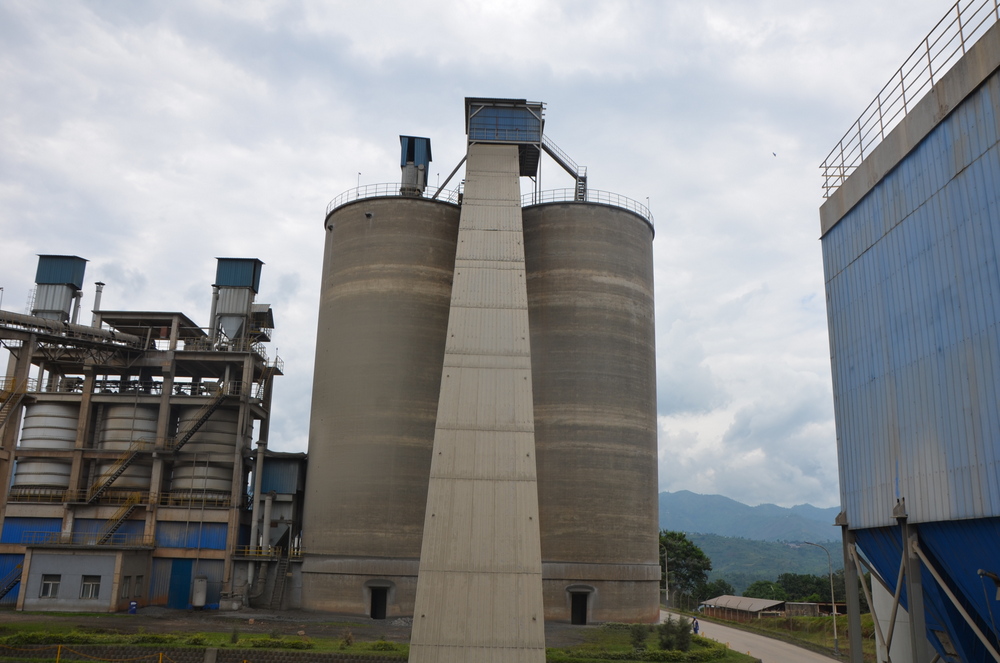
The report was published on December 5th, 2019 when CIMERWA was announcing its financial results.
The report also shows that the cement industry produced 357,736 tons of cement in 2018 and increased to 429,730 tons in 2019 meaning there has been a 20% increase in production equal to 71, 994 tons.
The increase in cement production made Rwf 12 billion profit to CIMERWA given that between September 2017 and September 2018, they recorded Rwf 50.2 billion in profit while between September 2018 and September 2019, they recorded Rwf 62.2 billion profit. There was an increase in profit of 24%
Bheki Mthembu, CIMERWA Chief Executive Officer says that the increase in profit was brought about by the industry stopping its activities in April this year for renovation and work on some of the hindrances that impacted the industry’s activities.
Mthembu says that apart from the increase in production and profit, the company engaged in CSR activities to support the communities they operate within, in particular, those who live near the premises of the industry.
Those activities aimed at developing infrastructures and contributing to the health, education and business sectors.
John Bugunya, CIMERWA Chief Finance Officer says that the increase in profit was due to the projects CIMERWA invested in, including the construction of Kigali Arena, Bugesera Airport, the office of the Prime Minister and Gasabo District office among others.
CIMERWA has a production capacity of 600,000 tons of cement per year but it has not yet achieved this number since it only produces 80% of it.
The average amount of cement that is needed in the country per year is 640,455 tons. CIMERWA intends to reach 90% of its production capacity by 2020 and 100% by 2021.
The warning comes after several people have been arrested in illegal fishing activities including use of banned nets.
The latest operation was conducted on Tuesday in part of the lake on the side of Gihombo Sector in Nyamasheke District, where quantities of indiscriminate nets were seized from illegal fishermen some of who were arrested.
The seized illegal nets were disposed of in presence of local residents, who were warned against such unlawful practices and urged to report those involved.
Chief Inspector of Police (CIP) Emmanuel Kayigi, the Police spokesperson for the Western region, said that Police and the Marine Unit, in particular, have strengthened operations on the lake and educating communities residing near the water body on dangers of illegal fishing activities.
“These operations and awareness campaigns are aimed at fighting common illegal fishing practices such and the use of substandard nets and illegal snares, which capture fish eggs and juvenile fish hurting the survival of fish stocks,” said CIP Kayigi.
Illegal fishing and the use of unregulated and destructive gears cause depletion of fish stock.
“We urge those living near water bodies and other people to desist from these illegal practices, to form and legalize their groups and cooperatives to conduct legal fishing business; respect government policies and rules on restocking period when fishing is suspended, use modern fishing gears; farmers to respect the 50 meters buffer zone from the protected water bodies.”
The buffer zone is only reserved for permanent vegetation including trees to prevent soil erosion, which affects aquaculture and quality of water bodies.
CIP Kayigi called upon communities near waters and fishing cooperatives to stop children from fishing and swimming in dangerous water banks, which is one of the causes of drowning.
On Monday 9th December, Rwanda will host for the fourth time, the International Anti-Corruption Excellence Award (ECE), 2019 in partnership with the Government of Qatar.
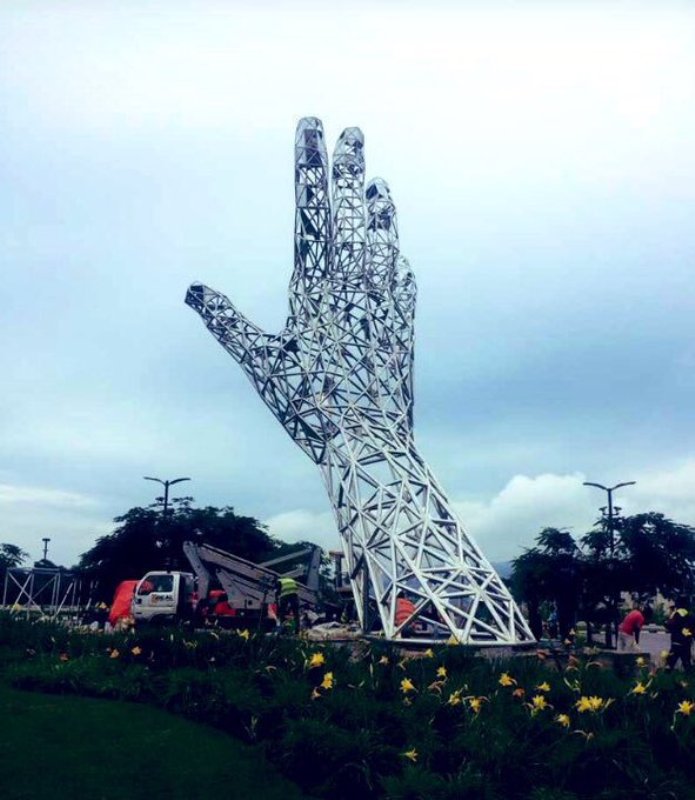
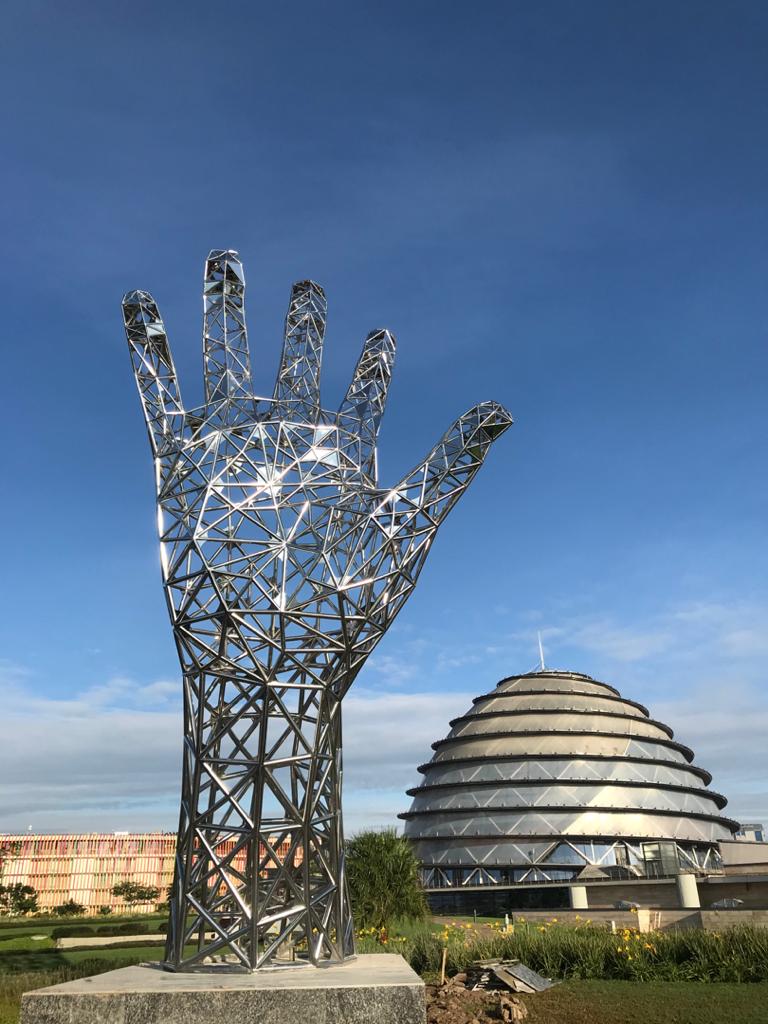
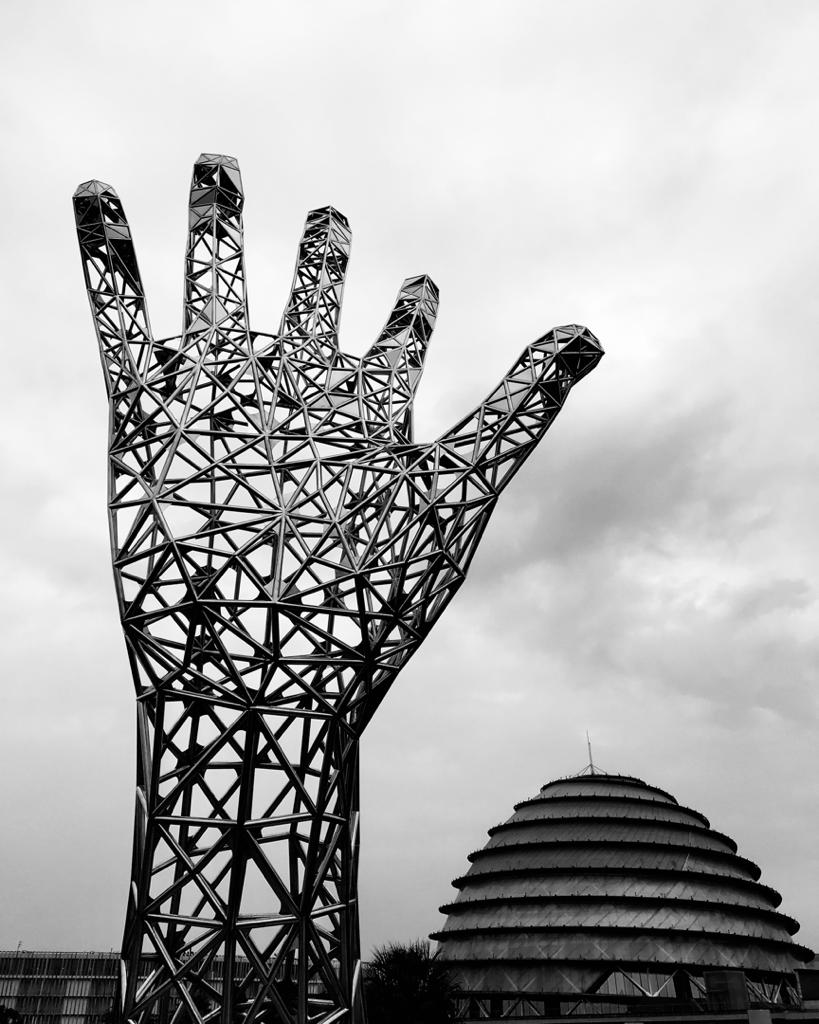
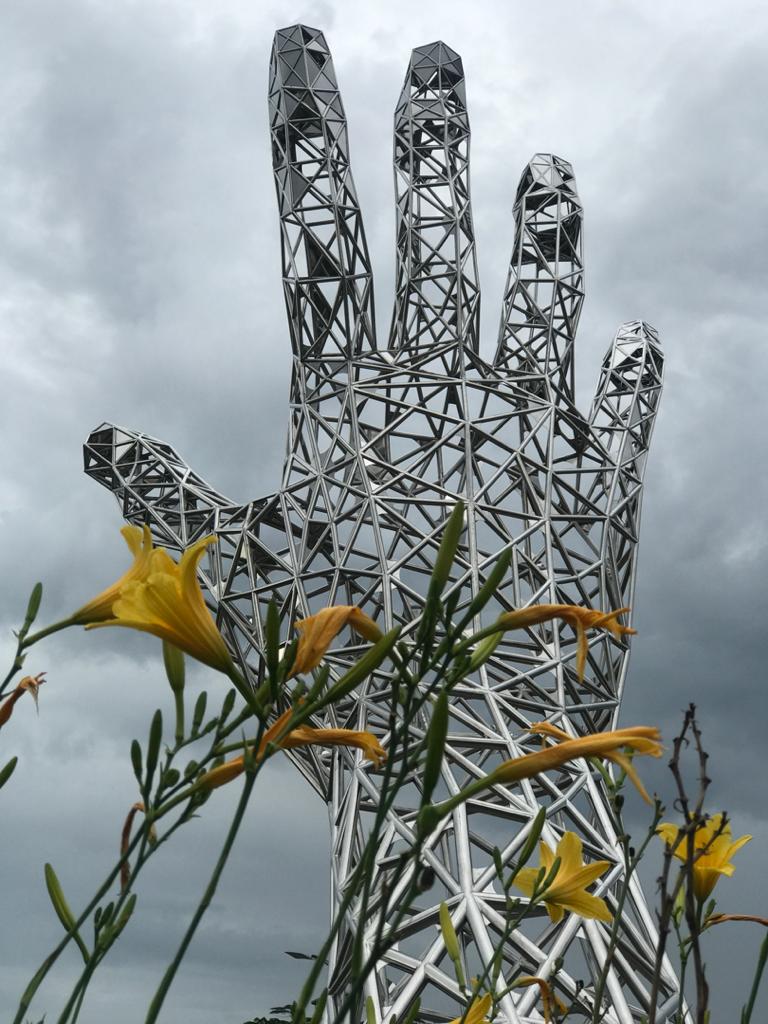
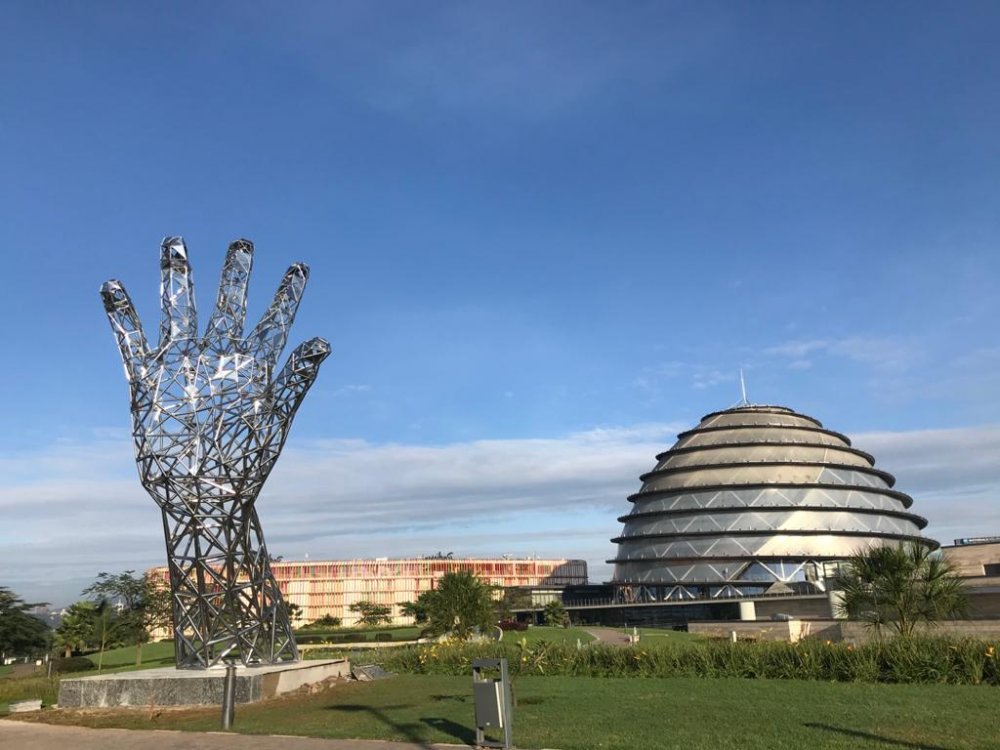
The steel hand symbolizes the pressing necessity of tackling corruption and saying ‘NO’ to the crime.
Johnston Busingye, the Minister of Justice and Attorney General told the media that the monument will be inaugurated on Monday, 9th December as the world will be marking International Anti-Corruption day.
“This monument was seen circulating on social media and people wondered what it meant. It is a daily reminder of embracing transparency and corruption-free practices. It is an open palm showing that there is nothing to hide as long as transparency is observed in society.”
Every year, during the International Anti-Corruption Excellence Awards, The Rule of Law and Anti-Corruption Center (ROLACC) that was established in Doha, Qatar places the hand monument in the city that will host the ceremony. The monument was designed by Ahmed Al Bahrani, an Iraqi sculptor.
Such monuments have already been placed in different countries around the world including Malaysia, Switzerland, and at the United Nations headquarter in, Vienna, Austria where the Anti-Corruption Excellence Awards were held in the past three years.
The ceremony will bring together more than 600 guests including award nominees and winners and the organizing committee of the award.
President Paul Kagame and Sheikh Tamim Bin Hamad Al-Thani, the Emir of Qatar will be among the chief guests.
Minister Busingye says that Rwanda was chosen to host the ceremony because of the reputation President Paul Kagame has built in fighting corruption.
The Global Corruption Perception Index published by Transparency International last year placed Rwanda at the fourth place of countries leading the fight against corruption in Africa after Seychelles, Botswana and Cabo Verde.
Under the agreement, Rwanda becomes the exclusive supplier of tea and coffee at Parc des Princes stadium where PSG hosts its games, starting next season. Besides, the ‘Visit Rwanda’ logo will be showcased on the team’s training kits and jerseys during friendship matches and in Ligue 1.
The partnership was announced a year and a half after Rwanda Development Board started working with Arsenal, a professional football club in England. The agreement with Arsenal allowed Rwanda to showcase its brand on the team’s jerseys in order to promote tourism.
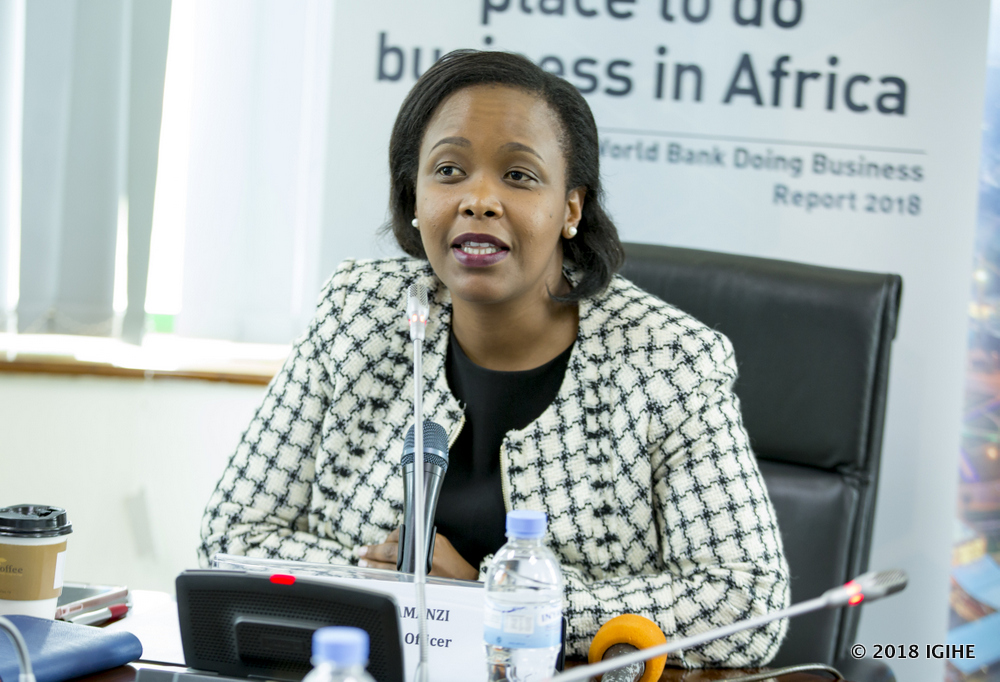
In an interview with RTV, Clare Akamanzi, the Chief Executive Officer of the Rwanda Development Board (RDB), said that Rwanda chose PSG partnership because the agreement transcends tourism and football interests as it covers commercial interests as well, giving Rwandans an opening to promote their products and services.
“In a bid to promote the economy of our country and the wellbeing of Rwandans, we strive to find ways to market the Rwandan brand inside and outside the country. We signed this three-year sponsorship deal with PSG but it is not only a way to promote Rwanda as a tourist destination through ‘Visit Rwanda’, but we will also be able to promote businesses including cloth brands, tea, and coffee.”
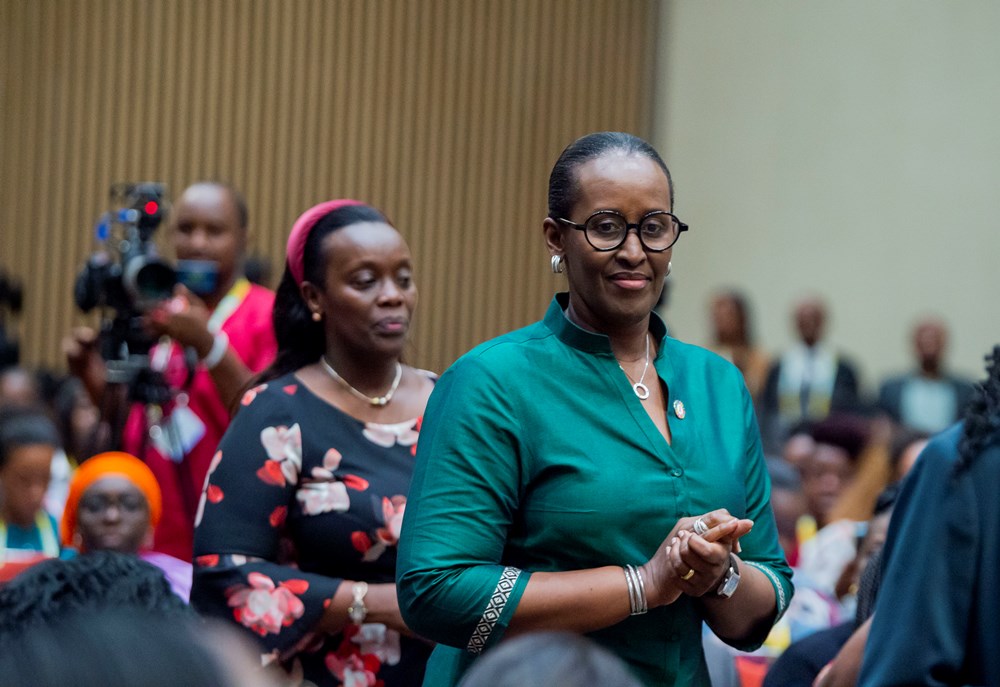
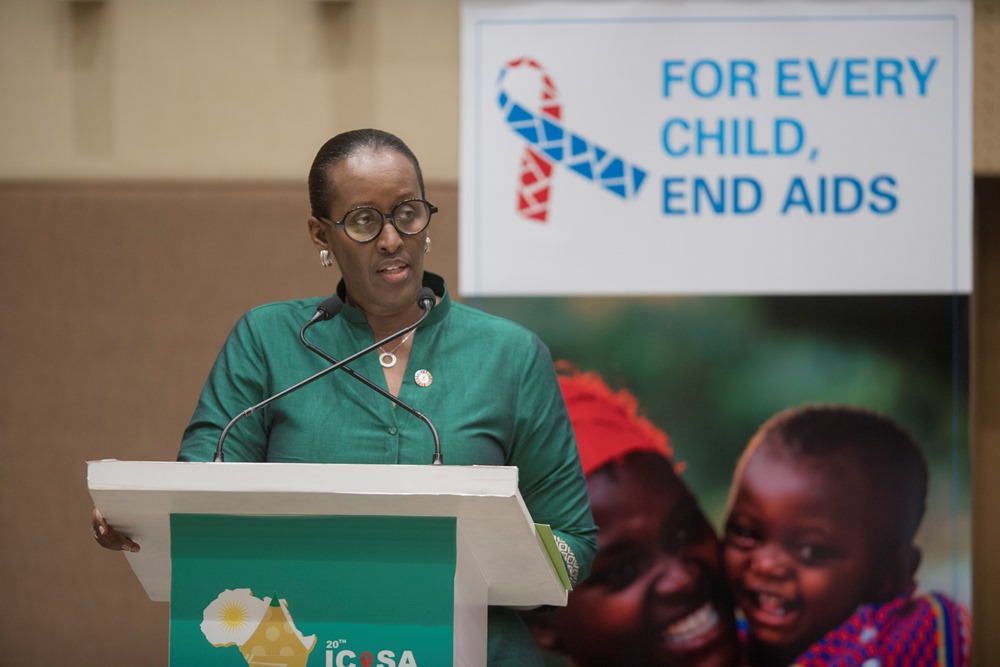
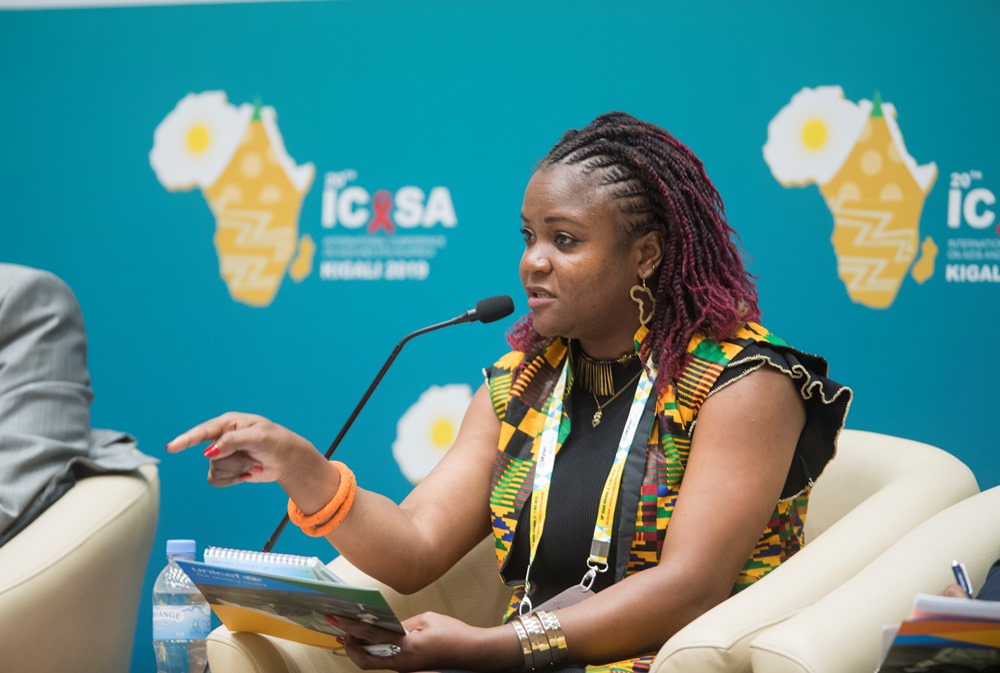
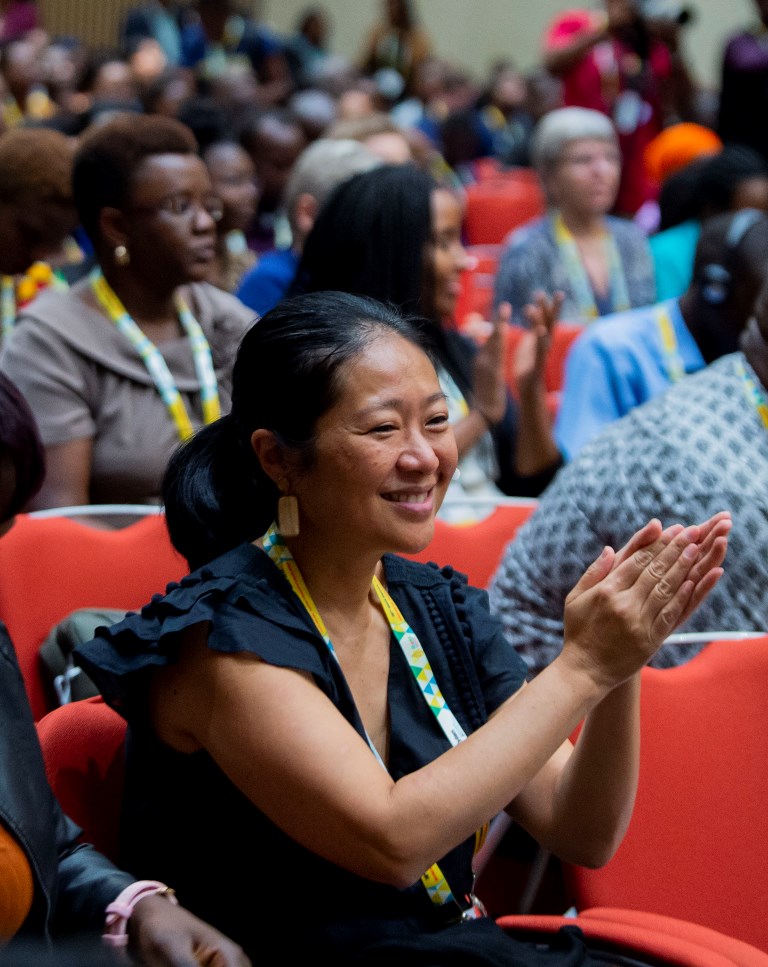
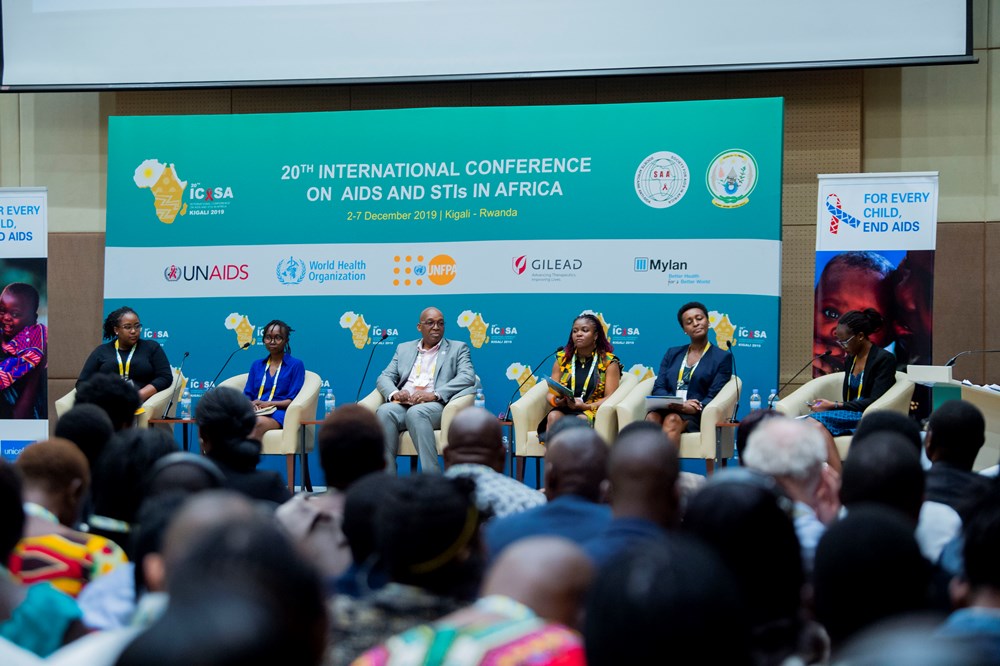
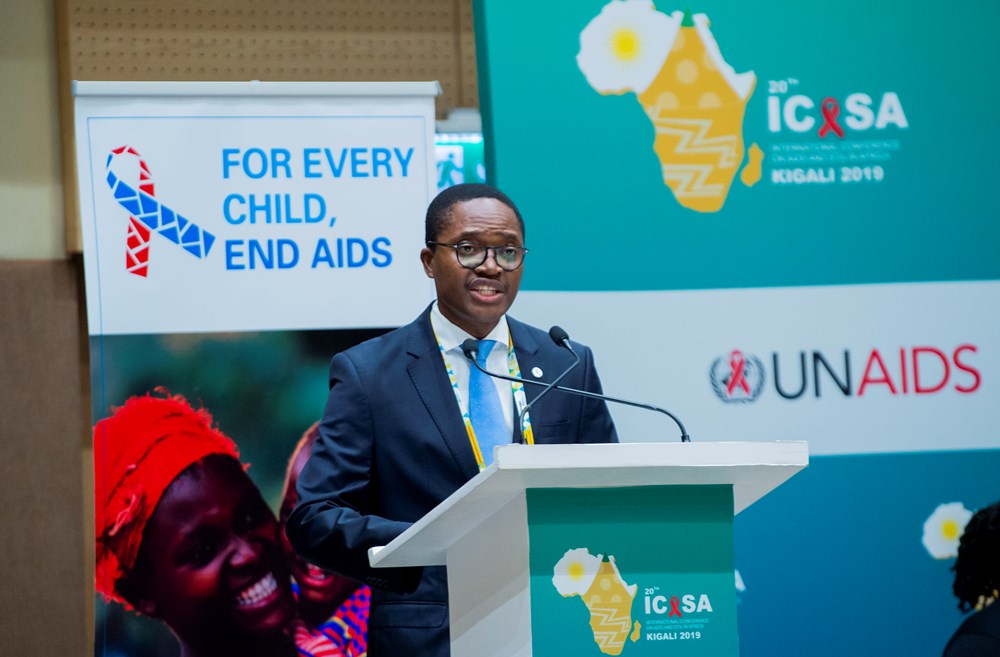
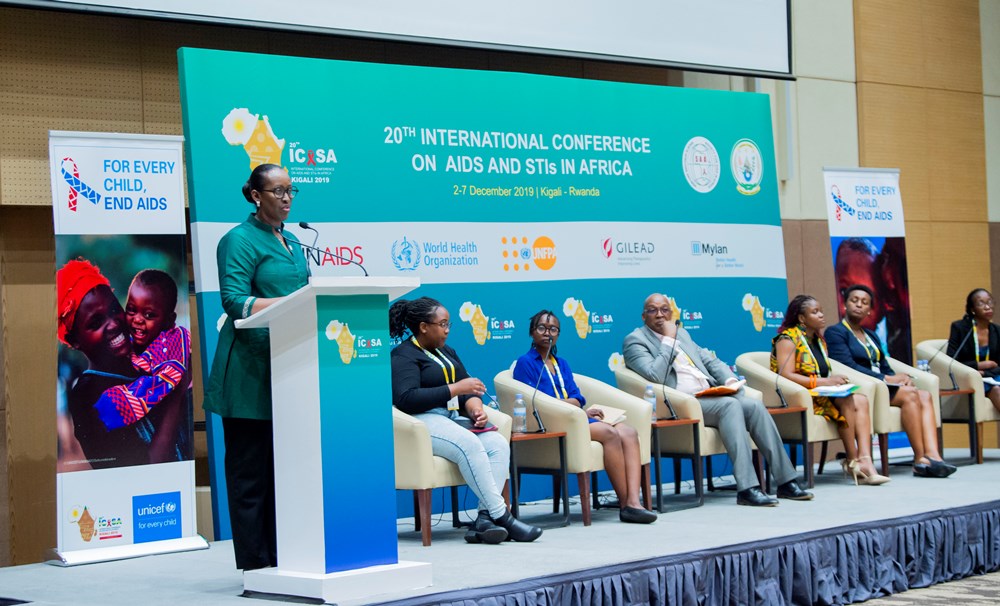
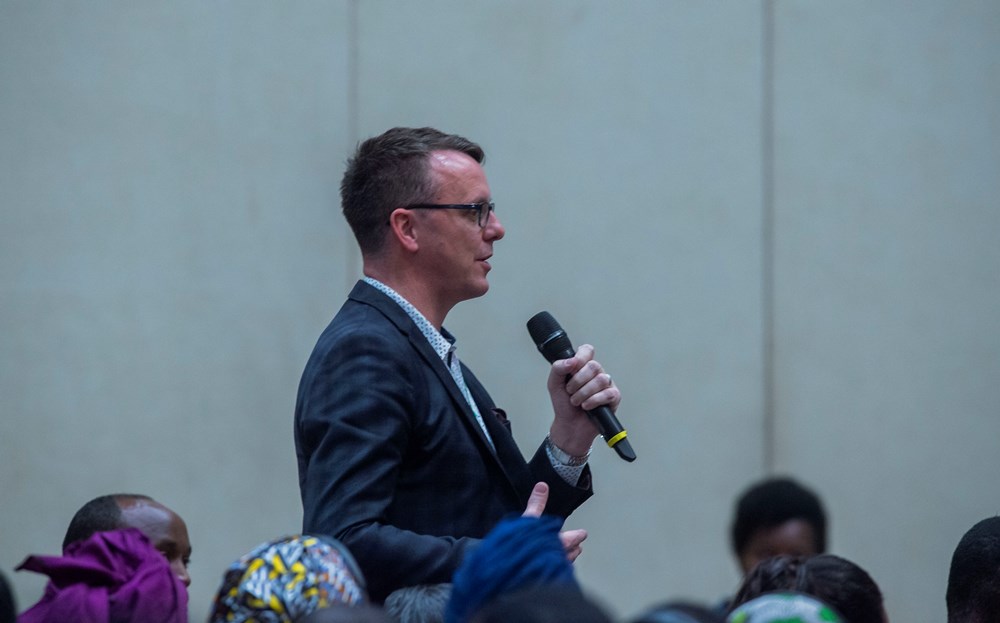
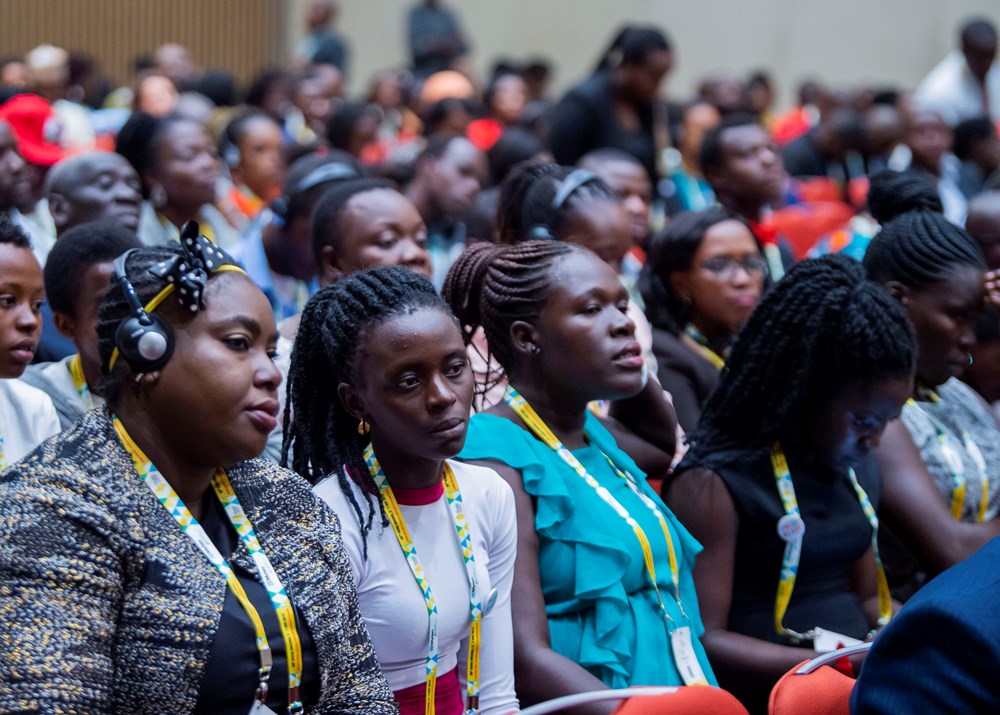
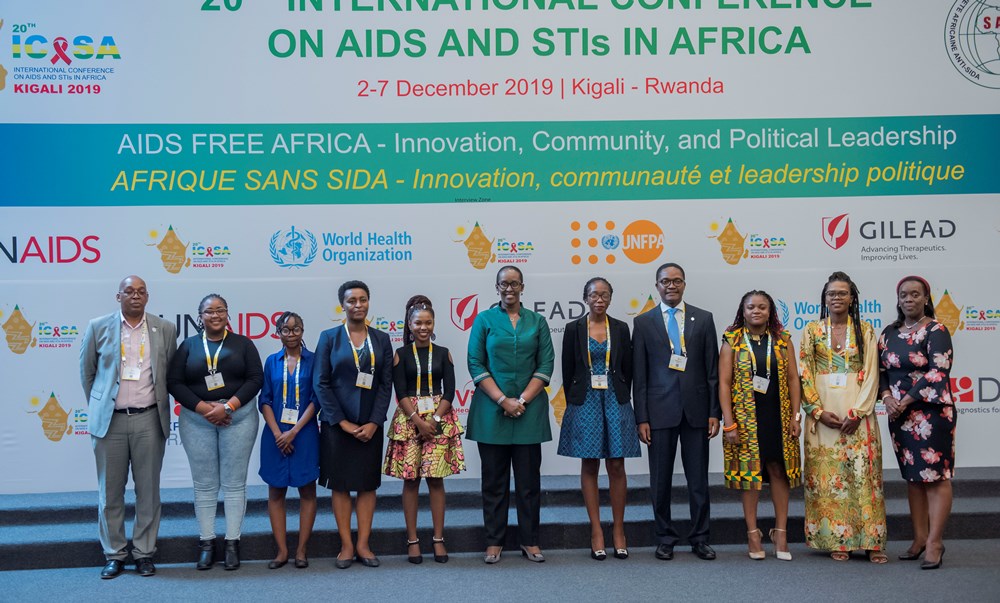
She made the call on Wednesday, 4th December during discussions aimed at finding a permanent solution to the prevalence of HIV/AIDS among teenage girls in Africa. The talks were part of the ongoing International Conference on AIDS and STIs in Africa that will end on December 7th, 2019.
A research conducted in October, 2019 in partnership with the Government of Rwanda, The U.S. President’s Emergency Plan for AIDS Relief (PEPFAR), The Centers for Disease Control and Prevention (CDC) and ICAP at Columbia University reported that new infections among women aged between 55-59 is at 6.5% and men aged between 50-59 is on 7.4%.
New infections among teenagers are relatively worrying particularly among teenagers in their 20s. Research shows that young girls aged between 20 and 24 get infected with HIV at a 1.8% rate which is three times higher than young boys who are infected at a 0.6% rate.
Around the world, HIV infection among teenagers is very worrying especially in Sub-Saharan countries where at least 6000 teenagers get infected daily.
Her Excellency Jeannette Kagame says that they should be responsible for choosing the right path for their life and a future they will be proud of.
“What will it take for you to know the power you possess? You are the pillars of our society and you have the ability to change your life for the better and positively impact the lives of those around you.”
She added that even though teenagers have this power, they are still the most vulnerable group in society and are still at a high risk of being HIV infected.
Teenage girls and young women who are HIV positive are double the numbers of men the same age.
“Despite these numbers, we still have hope for a better future given that the number of newly HIV infected teenagers reduced by 43% between 2009 and 2013. In Rwanda, the number of HIV victims reduced by 82% in the past 20 years.”
However, Jeannette Kagame says that there is still a long way to go and that it cannot be tolerated that HIV claims so many young lives who could have been future leaders.
“We are still striving for a better life for every citizen, but teenage girls and young women need help in particular. I have a question for the youth in this room. What contribution are you giving to fight HIV? What kind of help are you expecting from adults? What are you waiting for to fight for your lives? This battle will only be won if we join forces.”
She mentioned that the ICASA conference will serve as a platform for teenagers to learn about their reproductive rights and everything about human anatomy.
{{Imbuto Foundation role in fighting HIV epidemic}}
The First Lady says that Imbuto Foundation created programs to educate teenagers between 10 and 12 years of age so that they can be aware of their reproductive rights.
The programs also sensitize teenagers to embrace the culture of saving and contributing to uprooting poverty.
“Imbuto Foundation has helped more than 30,000 learn about reproduction, get free HIV testing and educated about how to fight rape and sexual abuse.”
“We reconcile teenage girls who were impregnated with their families and sensitize parents to teach their children about reproduction.”
She urged everyone to contribute to stopping the prevalence of HIV/AIDS among teenage girls and young women.
Joyce Amondi Ouma, an HIV positive Kenyan woman called African government to support financially teenagers who drop out of school because she sees this as the main cause many get infected with HIV.
In her testimony, she said she knew she was HIV positive when she was 17 years old and that she has been living with it for five years now.
“When I learned that I was infected, all my friends started stigmatizing me and I thought I was going to die.”
Amondi says that she was later accepted in her society and that she founded an association called ‘Sauti Skika’ that supports HIV positive people.
She said that poverty is a common problem in Africa that affects young girls more, making it imperative for African governments to adopt measures designed to reduce poverty and financially support teenagers who drop out of school.
Dr. Landry Isague from UNICEF says that the problem of teenagers who are infected with HIV is global but more rampant in Sub-Saharan Africa.
“Teenagers should be aware of their reproductive rights and hence eliminate the risk of getting infected.”
He commended the Government of Rwanda’s effort in fighting against the epidemic and promised that other countries are going to follow this path as well.