Tanzanian and Rwanda governments signed agreements to build the railroad that will connect Tanzania’s dry port of Isaka and Kigali on March 9, 2018. The project was formerly a 532-kilometer railway, budgeted to cost USD 3.6 billion.
On the side of Rwanda, the railway will be from Rusumo to Kigali, having a short jut to Bugesera International Airport, 138 km long at a cost of USD 1.3 million.
In a recent press conference, the Minister of Infrastructure, Amb. Gatete Claver announced that DRC has joined the project.
“DRC has expressed commitment to join the railway project from Tanzania, through Rwanda to RDC. That is our new plan.”
Gatete said that the three countries and the African Development Bank are in negotiations that are slated to have been completed by March 2020.
He added that many private companies are willing to invest in the project.
In June 2019, President Magufuli announced that he had held talks with his DRC counterpart President, Felix Tshisekedi with whom the discussed extending the railway to east DRC.
“I told him about our project to construct a railway that passes from Isaka, through Rusumo, to Kigali. He liked the project and asked that the railway could reach the east of DRC..”
Every year, 1.76 billion worth of goods pass via the Dar es Salaam port from or to DRC. DRC touches the Atlantic Ocean, so it also uses the Port of Matadi for goods coming from or going to the Americas.
It is costly for DRC to import or export goods to Asia.
The railway will help Rwanda reduce transport costs of imports and exports by 40%
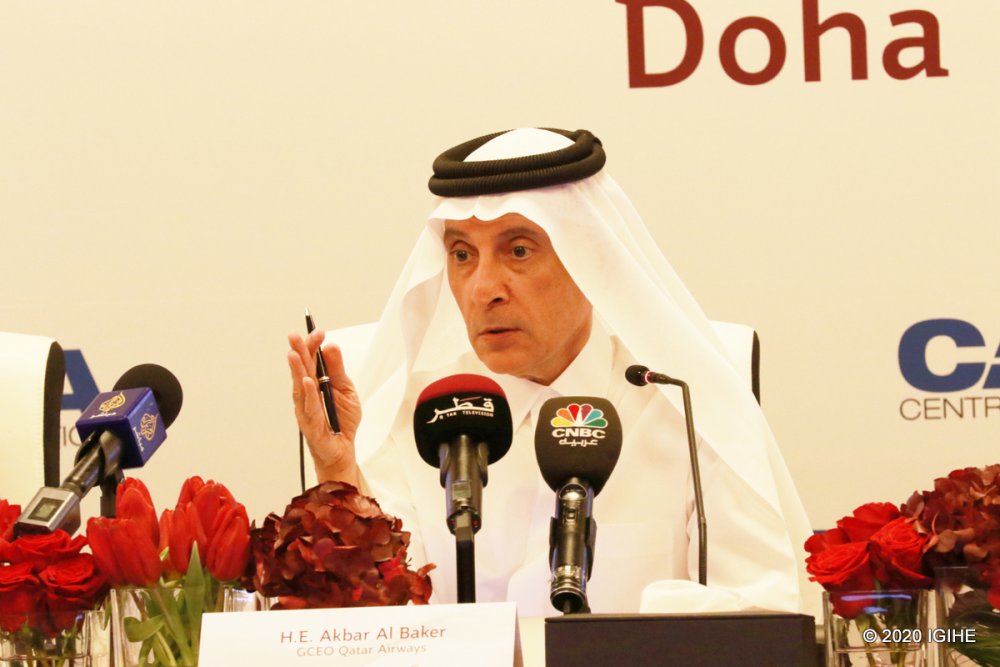
Al Baker said that apart from the 49% stake in Rwanda that both parties are negotiating, there are several projects in which Qatar has interest, including the New Bugesera International Airport being built by Qatar Sovereign Wealth Fund.
“We are attracted to Kigali because of its location, the stability of the country and the very favorable business environment that exists. Besides, in Africa there’s a big demand for air travel which today Africa is very poorly connected with. So we always look at the opportunities in our field to do investments,” Akbar Al Baker considered.
The development comes after December last year where the Government of Rwanda and Qatar Airways concluded an investment partnership for New Bugesera International Airport, with three agreements to build, own, and operate the state-of-the-art facility.
Qatar Airways has agreed to take a 60% stake in the project, which as a whole is valued at around $1.3 billion. The new airport will have a throughput of seven million passengers per year, during the first phase. It will be completed and become operational by 2022.
Passenger capacity is set to increase in subsequent phases of the airport expansion.
Rwanda has been tipped as one of the best touristic destinations in the world, apart from positioning itself as the conference hub of meetings, incentives, conferences, and exhibitions.
This is good news for RwandAir and its passengers, as Qatar Airways holds the ‘World’s Best Airline’ in the 2019 Skytrax World Airline Awards. It is the only airline in the competition’s history to win it five times; 2011, 2012, 2015, 2017 and 2019.
With a fleet of twelve aircraft including two wide-body, Airbus A330 acquired last year, RwandAir currently reaches out to 29 destinations across East, Central, West and Southern Africa, the Middle East, Europe, and Asia.
Rwanda and Qatar enjoy very fruitful bilateral relations. The Emir of Qatar, Tamim bin Hamad Al Thani was in Rwanda last December for International Anti-Corruption Excellence Awards named after him.
Among the 13 arrested are 11 from Musebeya Sector while 2 were arrested in Kibumbwe Sector, Gakanka Cell.
The accused are now in custody at Rwanda Investigation Bureau, Musebeya Station as further investigations get underway.
The Southern Province police, Chief Inspector of Police (CIP) Sylvestre Twajamahoro said that the arrest followed a tip-off from local residents that saw them carry wood and timber from the forest.
CIP Twajamahoro cautioned people to desist from illegally exploiting government forests as it is illegal and punishable by law.
“Cutting down trees or harvesting from public forests is damaging to the environment, negatively impacting economic activities and lives. Whoever is caught in the act of damaging public forests will be punished by law.”
He added that even before cutting down trees from one’s own forest, he or she must seek permission from the local authorities. He asked all Rwandans to share information with the police about those who illegally cut down trees.
Law N°48/2018 of 13/08/2018 of the national gazette on environment, article 44, states prohibits all activities that are detrimental to the environment.
The120-kilometer Liberation History Tourism Trail is a new tourism product consisting of a collection of sites and trails in 29 sites in six districts of the country that were significant in the War on National Liberation that commenced in 1st October 1990 and ended on 4th July 1994. The trail was opened to the public in August 2019.
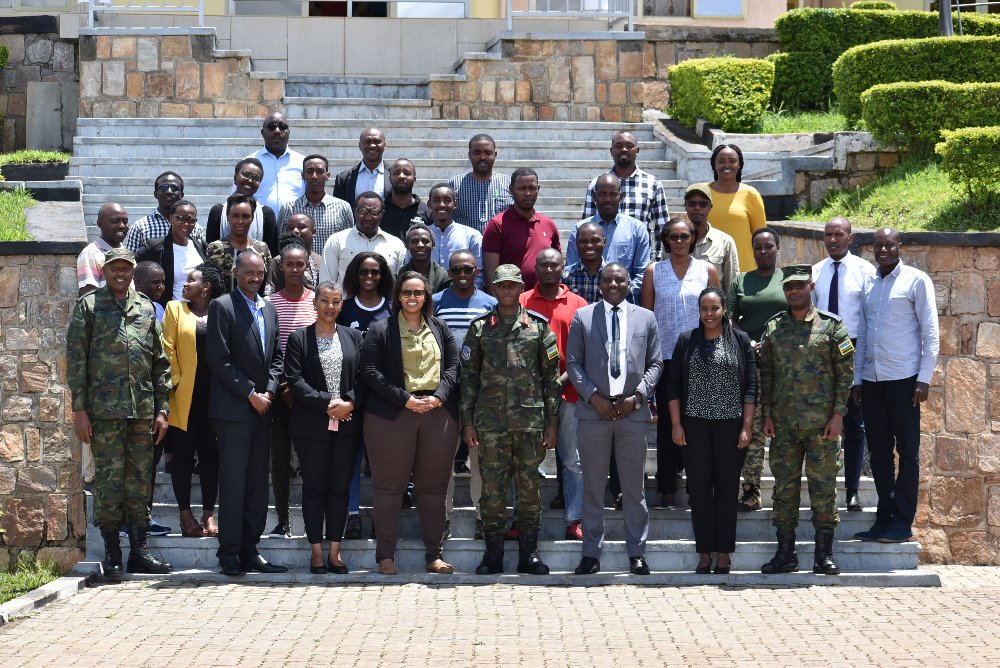
The training will give the tour guides and partner institutions the ability to contextualize and accurately narrate the facts and history of the trail.
Speaking during the kick off of the training, the Head of Tourism Regulation Department, Emmanuel Nsabimana said:
“The Liberation History Tourism Trail is a monumental part of Rwanda’s history and heritage with potential to grow tourism revenues. We organised the training for the tour guides to improve their knowledge about the trail as it involves both the theoretical part and field visits that will equip them with the knowledge to guide tourists satisfactorily.”
Speaking while officially opening the training, the Rwanda Defence Force, Air Force Chief of Staff, Major General Emmanuel Bayingana said:
“We are happy to work with tour guides to improve their knowledge on the Rwanda Liberation History Tourism trail and help educate the future generation to uphold the cause of the struggle.”
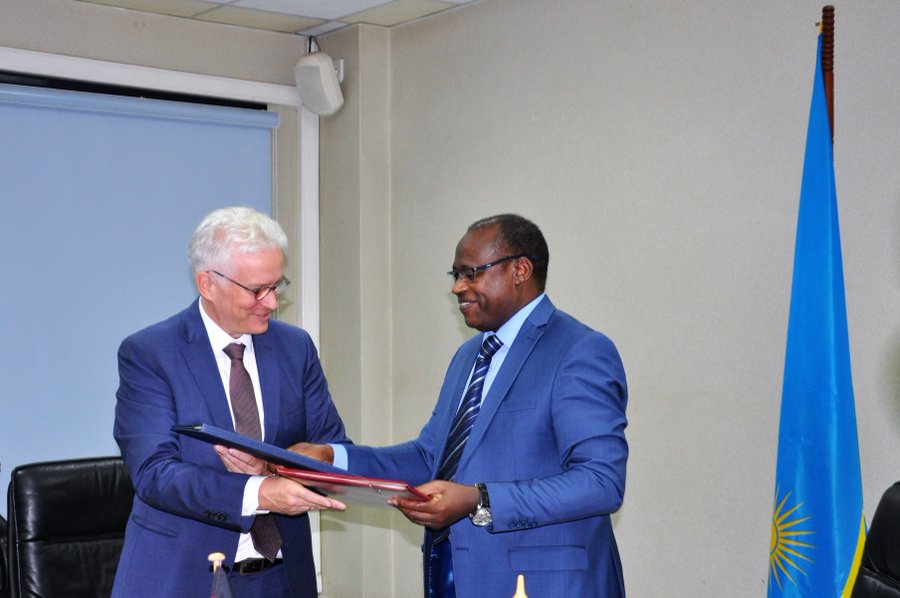
The agreement was signed on Friday, 31 January 2020 by Minister of Finance and Economic Planning Dr. Uzziel Ndagijimana and the Ambassador of the Federal Republic of Germany to Rwanda Dr. Thomas Kurz.
The Green City Kigali, is a flagship project that will be developed on 600 Ha in Kinyinya sector, Gasabo District estimated at USD 1.5 billion. The Green City Kigali Pilot project is an innovative initiative to enhance a paradigm shift in green urbanisation and create a model community.
The project will demonstrate the viability of green cities in Rwanda, and relevant for replicability for the development of Green Secondary Cities at the national level. Phase I of the Green City Kigali City will pilot the construction of 1,749 house units on 18 hectares with an estimated cost of US$ 103.8 million for five years.
Speaking after the signing event, Minister Ndagijimana said the financing signed today (EUR 10 Million) and subsequent EUR 20 Million to be signed later with Government of Germany will contribute to the financing of the enabling environment/infrastructure part of the pilot phase of the city.
This will include mainly the construction of roads, electricity and water and sanitation supply network to not only leverage and catalyze the private sector investment but also increase the affordability of houses in the Green city.
“Rwanda has decided to fundamentally change the way cities are built by following a holistic and integrated approach to green planning that builds on innovate and future-oriented technologies just as much as on home grown solutions, Minister Ndagijimana said.
The German Ambassador expressed his appreciation of Rwanda’s development results in the past and encouraged them to continue staying ambitious in implementing the new National Strategy for Transformation in partnership with the private sector and civil society.
He emphasized that the strong partnership in planning and implementing this new sustainable and innovative neighborhood in Kigali, offering affordable housing for about 14.000 persons, was essential for the success of the endeavor.
The Division of Labor allows Germany development cooperation programme to be active in Education (including TVET); Decentralization and Good Governance, Private Sector Development and Youth; Public Financial Management (PFM); Financial Development. Germany also supports Regional Projects: Centre of Excellence for Health, Improvement of the Investment Climate, Microfinance sector-MIFSSA, ICGLR and Energy.
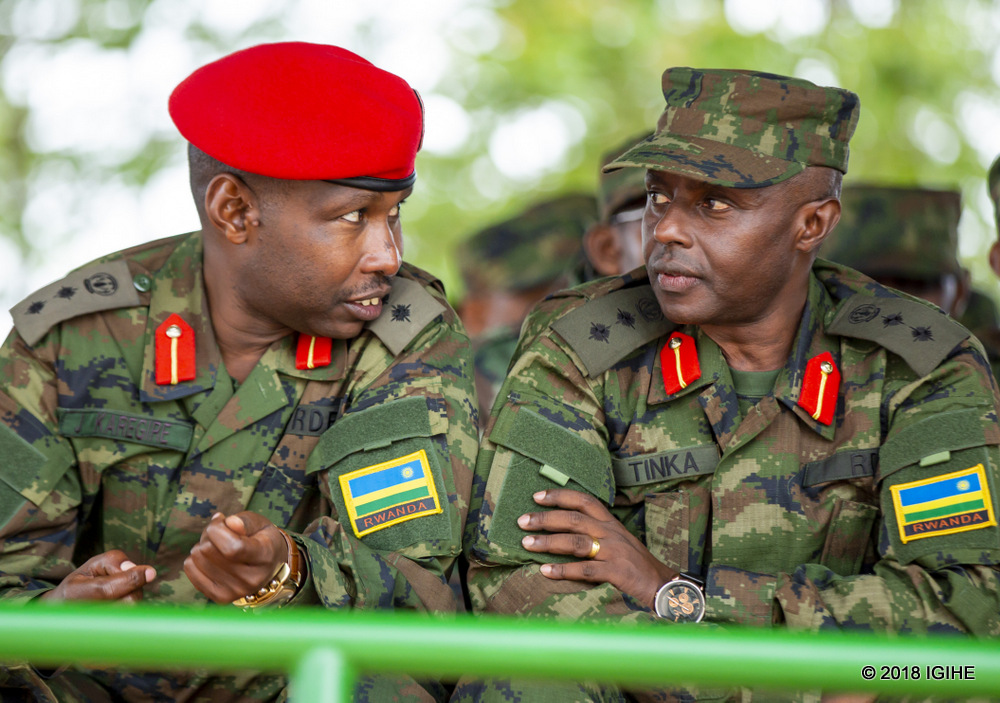
Col Faustin Tinka has been appointed Deputy Commander of the Mechanized Division.
Col Joseph Karegire was made the 211 Brigade Commander while Lt Col Geoffrey Gasana was promoted to Col and appointed Deputy Air Force Commander.
Among others promoted in ranks are Lt Col Kitoko Kadida and Lt Col Louis Kanobayire, both of whom were promoted to Col. Colonel Kitoko Kadida was appointed RG Commander while Col Louis Kanobayire was appointed Chief J3.
Lt Col Richard Ndamage was appointed to OPS Officer 1 Division, and Lt Col Ignace Tuyisenge was appointed Deputy Military Police Regiment Commander.
Capt. Danny Gatsinzi was promoted to Lt Col and appointed Chief of OPS in Air Force.
President Kagame assigned Col Karegire new responsibilities after appointing him Chief J3 last November, in 2019.
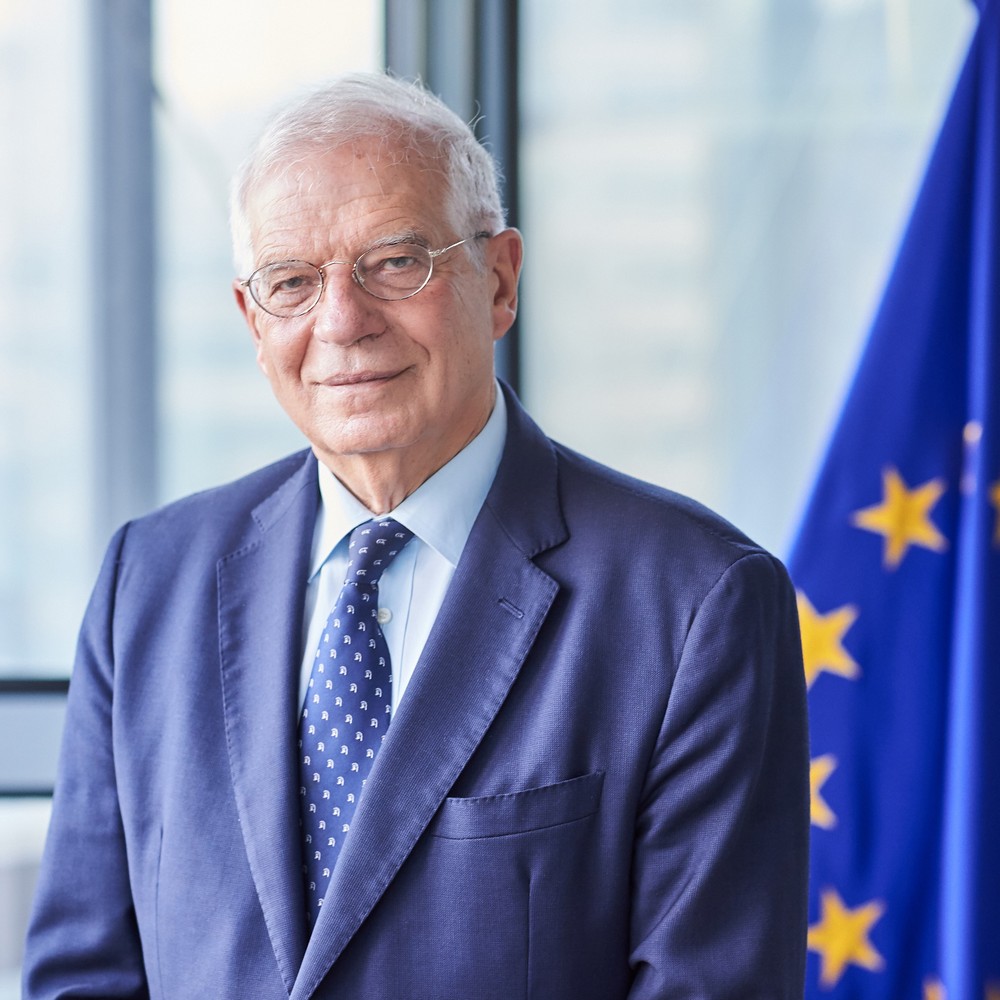
Nevertheless, we have always respected the sovereign decision of 52% of the British electorate, and we now look forward to starting a new chapter in our relations.
Emotions aside, 1 February turned out to be historic but also undramatic. This is largely thanks to the Withdrawal Agreement that we negotiated with the UK, which enabled us to secure ‘an orderly Brexit’. One that – at least for now – minimises disruption for our citizens, businesses, public administrations – as well as for our international partners.
Under this agreement, the EU and the UK agreed on a transition period, until the end of 2020 at least, during which the UK will continue to participate in the EU’s Customs Union and Single Market, and to apply EU law, even if it is no longer a Member State. During this period, the UK will also continue to abide by the international agreements of the EU, as we made clear in a note verbale to our international partners.
So, with the transition period in place, there is a degree of continuity. This was not easy given the magnitude of the task. By leaving the Union, the UK automatically, mechanically, legally, leaves hundreds of international agreements concluded by or on behalf of the Union, to the benefit of its Member States, on topics as different as trade, aviation, fisheries or civil nuclear cooperation.
We now have to build a new partnership between the EU and the UK. That work will start in a few weeks, as soon as the EU27 have approved the negotiating mandate proposed by the European Commission, setting out our terms and ambitions for achieving the closest possible partnership with a country which will remain our ally, our partner and our friend.
The EU and the UK are bound by history, by geography, culture, shared values and principles and a strong belief in rules-based multilateralism. Our future partnership will reflect these links and shared beliefs. We want to go well beyond trade and keep working together on security and defence, areas where the UK has experiences and assets that are best used as part of a common effort. In a world of big challenges and change, of turmoil and transition, we must consult each other and cooperate, bilaterally and in key regional and global fora, such as the United Nations, the World Trade Organization, NATO or the G20.
It is perhaps a cliché but the basic truth is that today’s global challenges – from climate change, to cybercrime, terrorism or inequality – require collective responses. The more the UK is able to work in lockstep with the EU and together with partners around the world, the greater our chances of addressing these challenges effectively.
At the very core of the EU project is the idea that we are stronger together; that pooling our resources and initiatives is the best way of achieving common goals. Brexit does not change this, and we will continue to take this project forward as 27.
Together, the 27 Member States will continue to form a single market of 450 million citizens and more than 20 million businesses.
Together, we remain the largest trading bloc in the world.
Together, at 27, we are still the world’s largest development aid donor.
Our partners can be sure that we will stay true to an ambitious, outward-looking agenda – be it on trade and investment, on climate action and digital, on connectivity, on security and counter-terrorism, on human rights and democracy, or on defence and foreign policy.
We will continue to live up to our commitments. We will continue to stand by the agreements that link us to our international partners and we will continue to develop multilateral cooperation frameworks around the world.
The European Union will continue to be a partner you can trust. A steadfast defender of rules-based multilateralism, working with our partners to make the world more secure and fair.
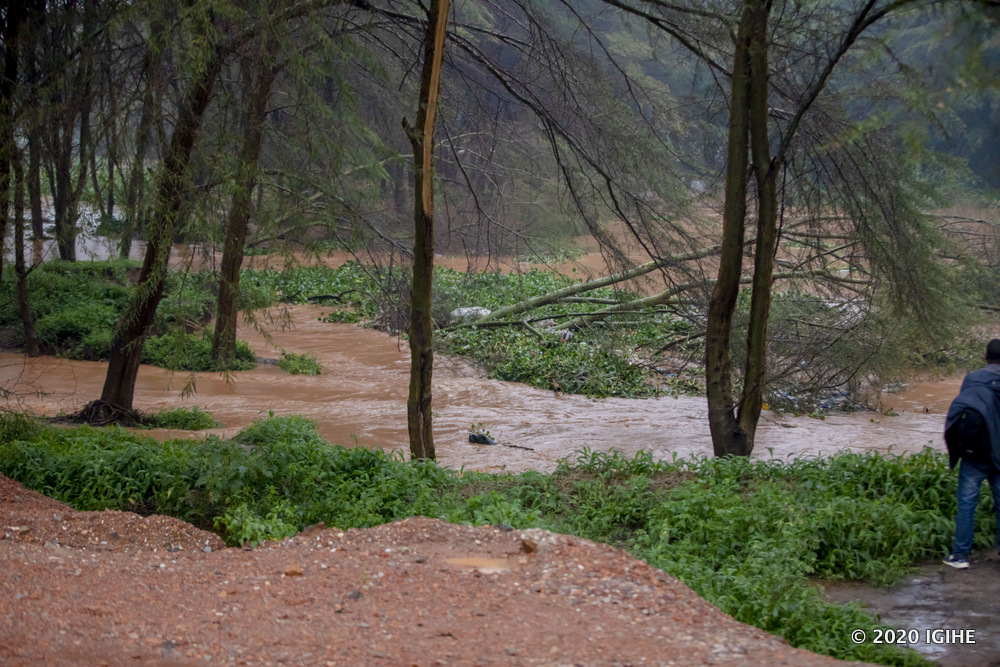
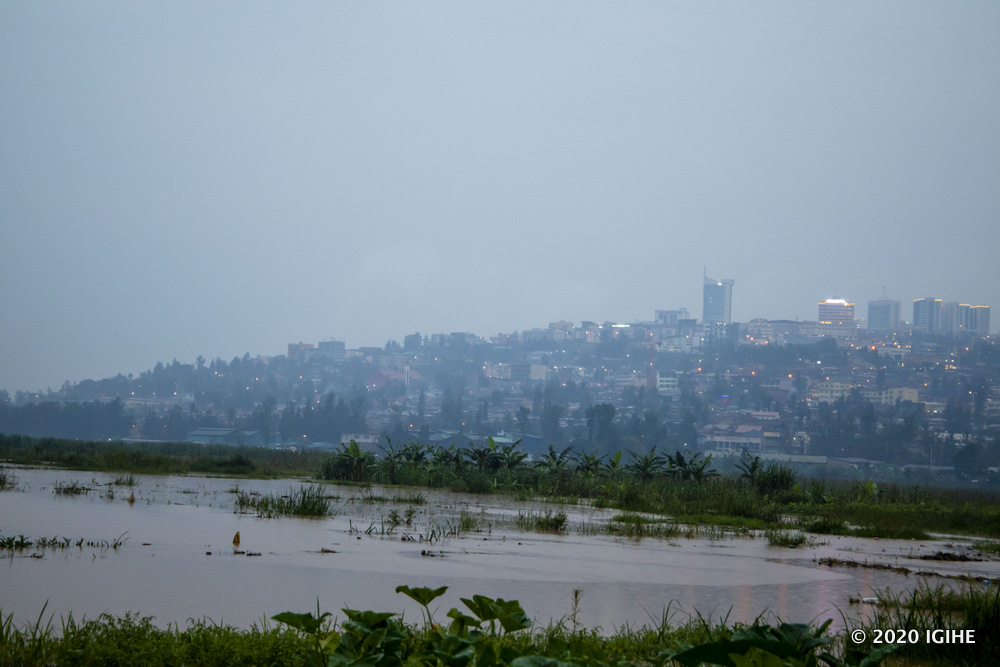
MINEMA says the rain was characterized by hailstorms, lightning, and hailstones which largely led to loss of lives and property.
Most damages were identified in Kicukiro and Gatsibo districts.
In Gasabo district, a house collapsed and swept away by floods, killing all seven members of the household, but by press time only four bodies had been recovered.
One person in Rulindo was struck by lightning and is in critical condition. Houses that were razed down include; one in Bwishyura Sector, Karongi district, one in Rusiga sector, Rulindo , 12 in Nyarugenge sector, Nyarugenge district.
However, Meteo Rwanda shows that January usually gets between 51.6-1.7 mm.
The Southern, Western provinces and the City of Kigali had the highest amount of rainfall.
Meteo Rwanda stated, “In comparison to the rain from past years, the third part of January experienced the biggest amount of rain.”
Due to the rain, soil moisture in the last ten days of January 2020 increased, especially in Southern Province, south of Western Province as well as Kigali City.
“Comparing it to the third season of January, the first season of February will see a decrease in rainfall. The rain will be between 30 and 125 millimeters. The Southern Province and the south of Western Province will have the highest amount of rainfall than elsewhere,” Meteo Rwanda added.
The weather monitoring agency called upon farmers to prepare their fields for the season. It also advises farmers to follow meteorology news so as to take informed decisions.
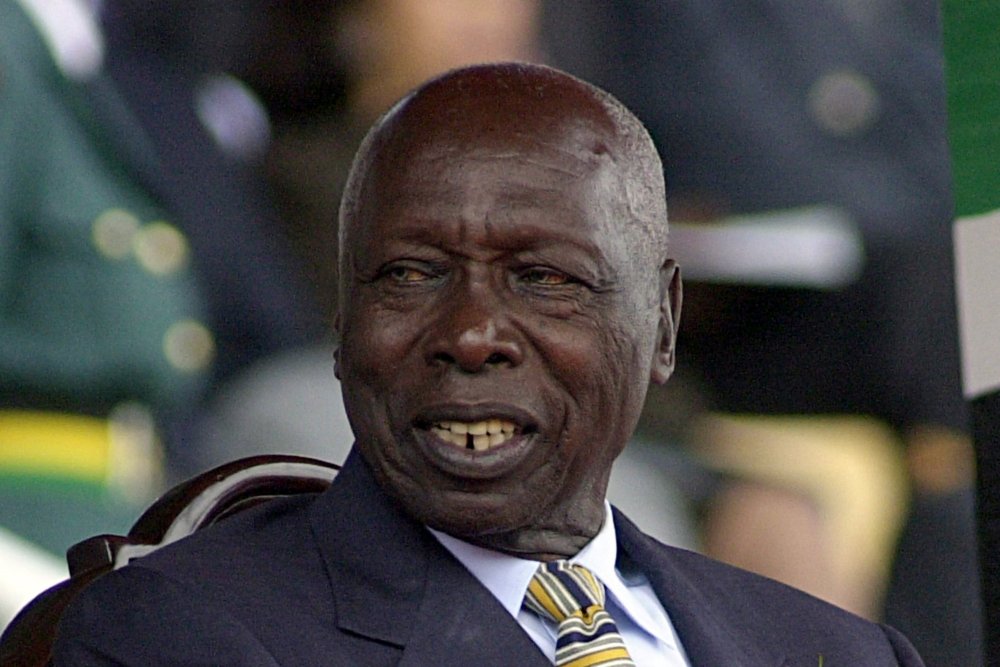
Moi’s death was announced by President Uhuru Kenyatta in a statement on the state broadcaster on Tuesday.
“It is with profound sadness and sorrow that I announce the passing of a Great African Statesman, H.E. Daniel Toroitich Arap Moi, the Second President of the Republic of Kenya,” the announcement said.
“His Excellency the Former President passed on at the Nairobi Hospital on the early morning of this 4th February 2020, in the presence of his family,” it said.
Moi, a former schoolteacher, ruled Kenya between 1978 and 2002. He had been in the hospital for over a month.