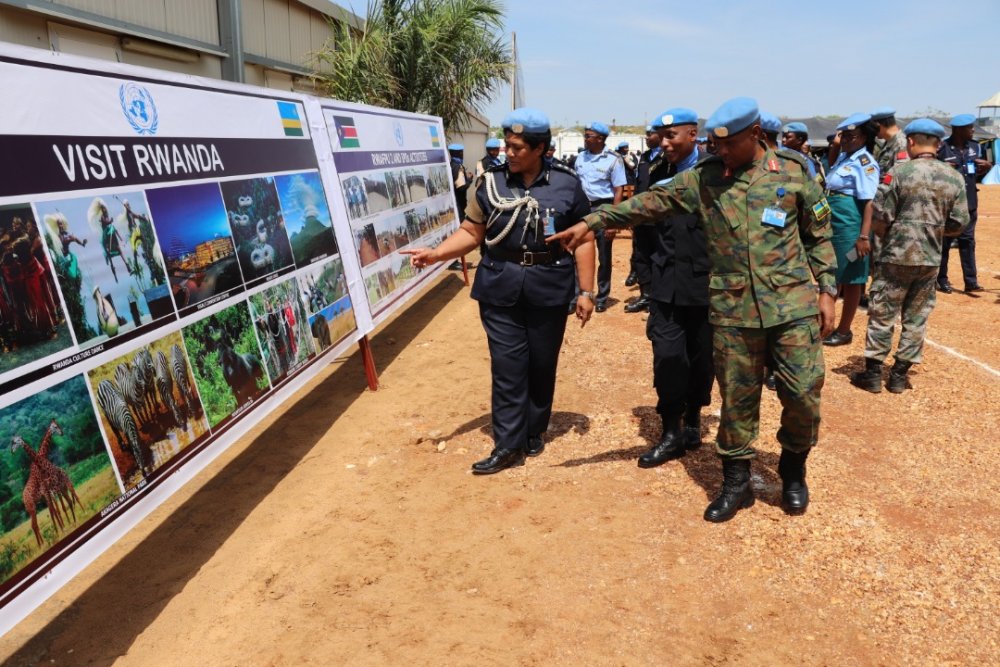
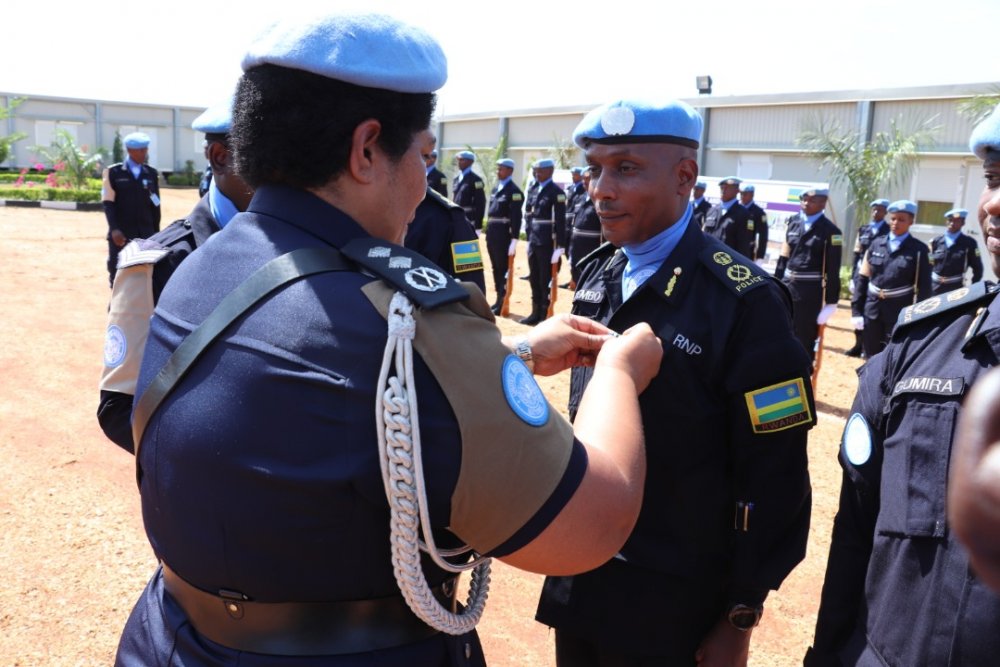
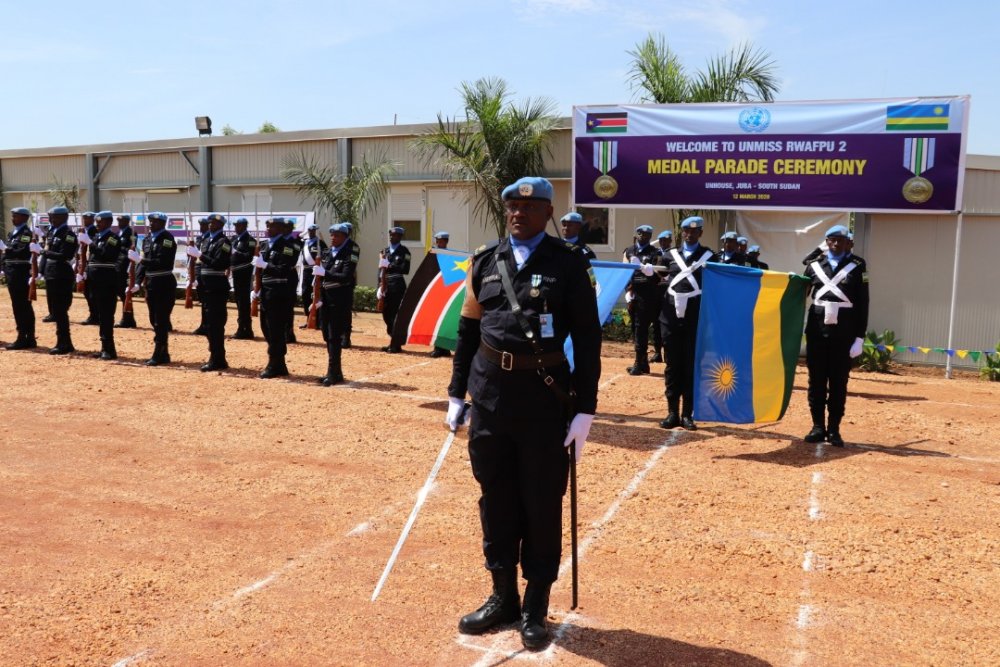
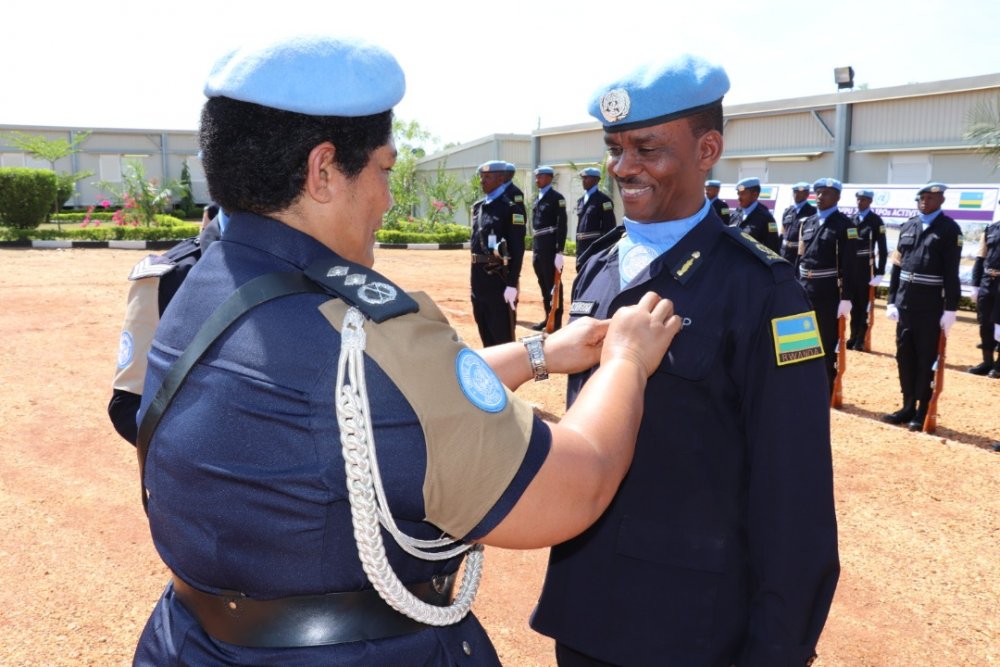
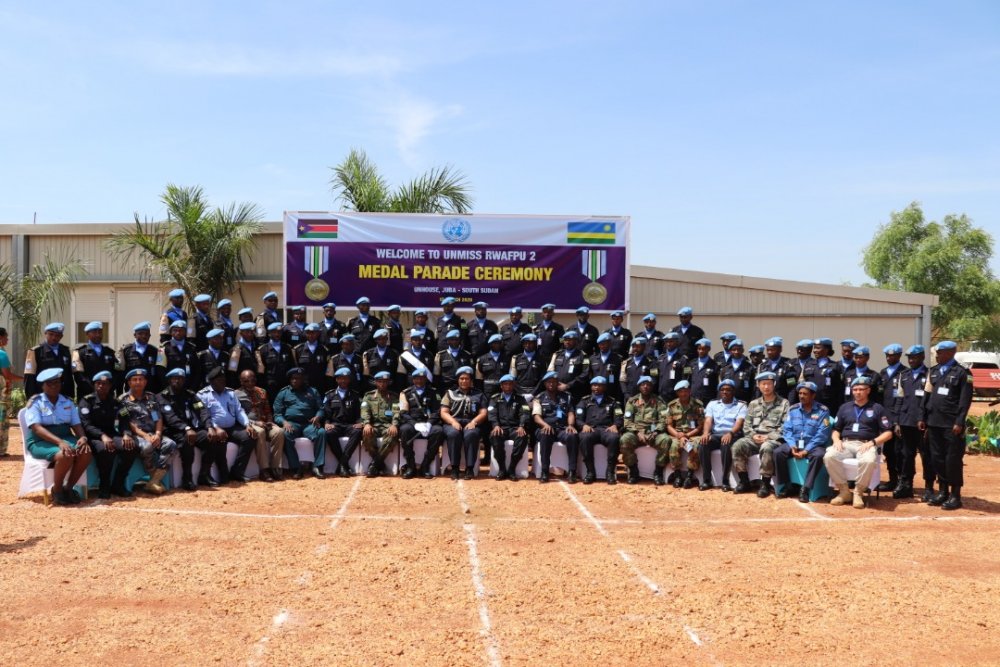
The UN medals were awarded to RNP officers along Assistant Commissioner of Police (ACP) Barthelemy Rugwizangoga, the commander of Rwanda police peacekeepers, during a ceremony held at Rwanda Formed Police Unit-Two (RWAPFU-2) in Juba, South Sudan. The first ceremony was chaired by Unaisi Lutu Vuniwaqa, UNMISS Police Commissioner.
RNP peacekeepers in South Sudan are in charge of protecting government officials and civilians, actively prevent conflict, reduce violence and strengthen security through patrols.
The award ceremony was graced by the presence of high-ranking commissioners of police in South Sudan and Brig. Gen Eugène Nkubito, Rwanda Sector Commander in Juba.
Vuniwaqa commended the bravery, courage, and professionalism of Rwandan peacekeepers and expressed how proud the UN and citizens in South Sudan feel for being under the protection of Rwandan peacekeepers. ” You are a great addition to the UN taskforce and together we can support South Sudan transition from conflict to peace.”
As the first-ever female police commissioner in the UN, Vuniwaqa particularly thanked female peacekeepers and emphasized the role of women in UNPOL in making a difference in the lives of the people they protect. “To the 14 Rwandan female peacekeepers, you are appreciated for your efforts. It is your time to especially help fight gender-based violence as one of the striking vices in war-ridden regions.”
ACP Claude Tembo, FPU 3 commander said that the UN Mission in South Sudan taught them a lot of valuable lessons they will apply once they get home. He thanked Rwandan peacekeepers for their bravery and relentlessness and the people of South Sudan for their collaboration without which the mission they came for wouldn’t have been possible.
Decorated Rwandan peacekeepers started their mission in South Sudan in April 2019. Currently, Rwanda has 3 cohorts in peacekeeping missions in South Sudan made of 560 police officers. Two of the three cohorts were decorated yesterday, one led by ACP Claude Tembo and other by Senior Superintendent of Police (SSP) Jackline Urujeni.
Rather than creating products and services that even the poorest person can afford, most innovations target the persons who can pay the most which in a long run may actually not yield the most growth results.
When Tap&Go was first introduced in Kigali in 2015, sure everyone was questioning it and suggesting that “this kind” of innovation would never work in Rwanda where the majority of the population could barely afford three meals a day, let alone buy a smart card for transportation.
As true as it was and the basis for doubt was legitimate, the critics missed something – Tap&Go was an innovation that was here to create markets that would create growth which meant making their products affordable and accessible to even the lowest income earner. And that’s exactly what Tap&Go did when it came to the market.
{{What does it take to create-market innovations}}
Recently, AC Group, the parent company that championed Tap&Go was hosting an event with a theme: “Starting Local and Going Global.”
During the discussions, one of the speakers made a comment and said, “ to go global as a company, you must have speed.” What this meant was that for a company to create a product/service that impacts not just the local market, they must have the speed to take their products to other markets.
While this is true especially in the case of Tap&Go’s expansion to other African countries, there is a fundamental truth that has been left out and that is the fact that Tap&Go is a market-creating innovation.
{{How Tap&Go has created new markets}}
The unserved market: When AC Group set out to solve inefficiencies that were in the public transport sector, they automatically tapped into the market that had been ignored by other innovators.
The majority of the public transport users are low-income earners who because of their low purchasing power are not the target market for innovations. By introducing the Tap&Go card, AC Group targeted this market segment. Today, even the poorest person, previously left behind by banks can use the Tap&Go card to pay for their daily commute.
Creating local & global jobs: Any market-creating innovation does not only create jobs locally but also globally. These jobs can range from software development to hardware and so forth. When Tap&Go started, jobs ranging from tech to marketing, operations, and administration were created locally to help get the company up and running.
These were not the only jobs created, globally, people were being employed to manufacture hardware (POS and Bus Validators), transport them from wherever they were being manufactured to Kigali. These types of jobs have not only impacted and lifted communities in Rwanda but beyond and will continue to do so.
This is what creating innovations that create markets and bring economic growth is all about. It is about creating innovations that create job opportunities both locally and globally.
Finally, apply enabling technology: Companies that set out to disrupt the economy and change lives use technology as an enabler.
They know from the very beginning that they want to lift people from poverty, enhance processes and do it all within a limited time. Using technology as an enabler makes a company like AC Group not use people to improve technology but instead use technology to improve people’s lives. People become the center of innovation.
Conclusively, it is true that not all innovations are meant to serve the same purpose, some are meant to create sustainability, others to increase efficiency while others are meant to create new market opportunities.
There is no one innovation better than the other, but it is key to understand that they each serve different purposes. My advice is that before creating any innovation, one should ask themselves what the purpose of that innovation is going to be, is it going to sustain the already existing markets, create efficiency or create new markets?
Rwanda needs all three but for it to grow and achieve its goals of being a middle income country, we need more innovations that target people who are often left behind, create job opportunities both locally and globally, and use technology to improve and empower communities.
This is the 4th consular representation inaugurated in Dakhla, in 2020, after the Consulate General of Djibouti, which opened on February 28, the Consulate General of the Gambia, which opened on January 7, and the Consulate General of Guinea, which started offering its services on the 17th of the same month.
This consular representation opened in the Southern Provinces of the Kingdom of Morocco is the tenth in less than three months.
‘’Liberia supports Morocco’s territorial integrity and rights’’, said the Liberian Minister during a joint press briefing with his Moroccan counterpart Mr. Nasser Bourita, adding that ‘’the inauguration of this diplomatic representation will strengthen relations with Morocco, it will serve the Liberian community in the region and will contribute to the consolidation of cooperation between the two countries’’.
This inauguration reflects the constant positions expressed by Liberia vis-a-vis the Moroccan Sahara issue, said Mr. Bourita, recalling that “Liberia has always supported the positions of Morocco in regional and international forums, and was alongside with the Kingdom in all its diplomatic battles within the United Nations and the African Union “.
In this regard, Mr. Bourita emphasized the solidity of the ties that unite the Kingdom of Morocco and the Republic of Liberia, ties based on the principle of absolute solidarity, recalling that Liberia has always expressed its gratitude to H.M King Mohammed VI for His positions at the time when Liberia was suffering as a result of the Ebola epidemic “, alongside with a number of countries in the region.
He also highlighted the firm position of the Sovereign to support these countries in the health field instead of isolating them, through the continuation of air services provided by ” Royal Air Maroc ”, the only airline to have maintained its flights in the region, adding that this initiative had a very positive impact on the spirit of the Liberians.
Mr. Bourita indicated also that, during the Joint Commission, held last March in Marrakech, Morocco and Liberia agreed to strengthen bilateral cooperation in various fields, stressing that, under the Royal High instructions, the Kingdom has expressed its readiness to support the efforts made by Liberia to revive its economy.
The Minister also expressed confidence that the opening of this Consulate General will play a role in strengthening technical cooperation and humanitarian ties between Morocco and Liberia, adding that “a road map will be established, by mutual agreement, to strengthen cooperation, in general, and consolidate the role of the Consulate General in Dakhla, in particular .”
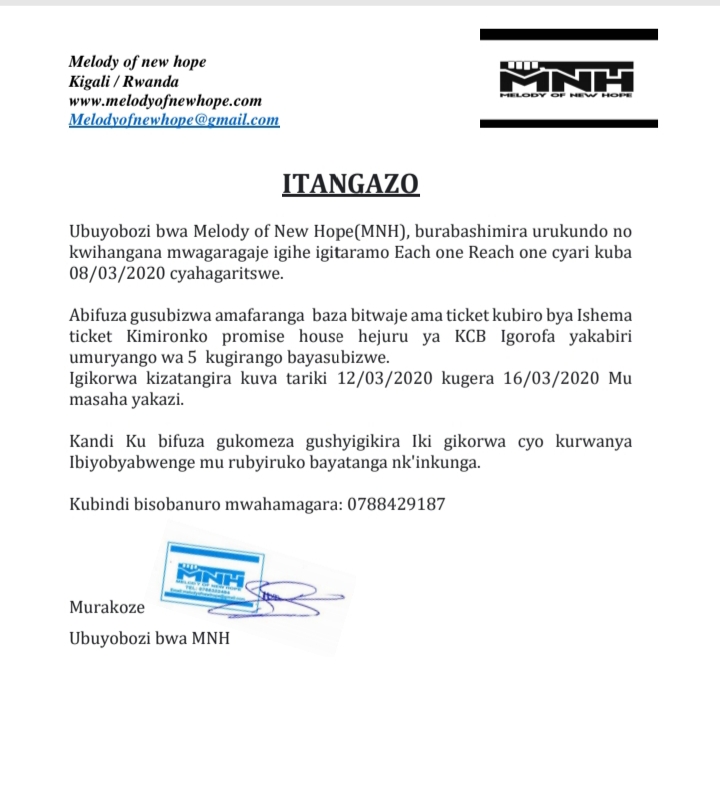
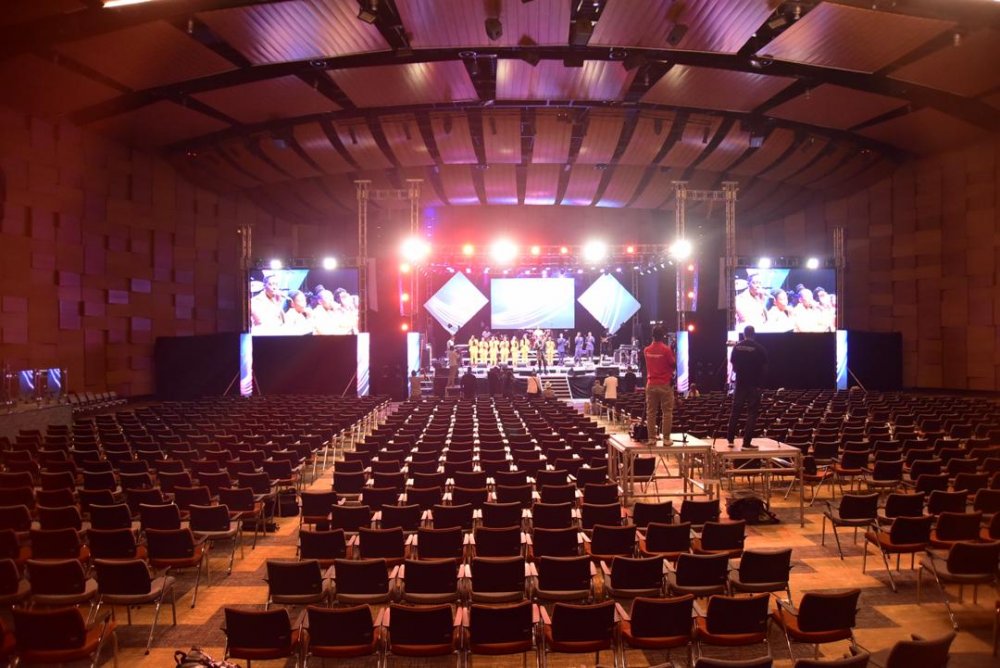
The gospel concert which was supposed to take place March 8, 2020, was to feature big name artists including Adrien Misigaro, Gentil Misigaro, Israel Mbonyi, and others.
Now Melody of New Hope (MNH) founded by Adrian Misigiro, in an announcement is calling the ticket buyers who want to get their money back to go for it from Kimironko at in Shema Ticket office in the “Promise House” building.
Refunding will run from March 12-16, 2020 during working hours.
However, the announcement requests ticket buyers who want to support Melody of New Hope family that they can as well leave it and will be accepted as a donation.
In a recent interview with IGIHE, Adrien Misigaro said if the coronavirus epidemic goes away, they will do their best to re-organize the concert as they had planned.
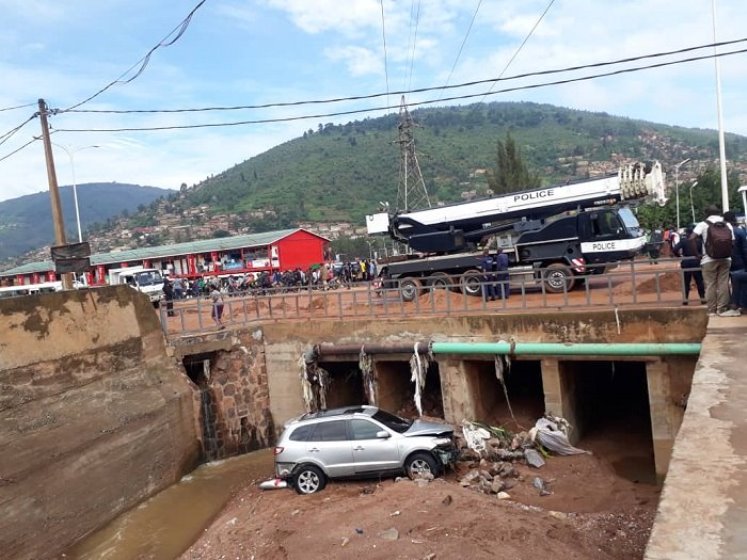
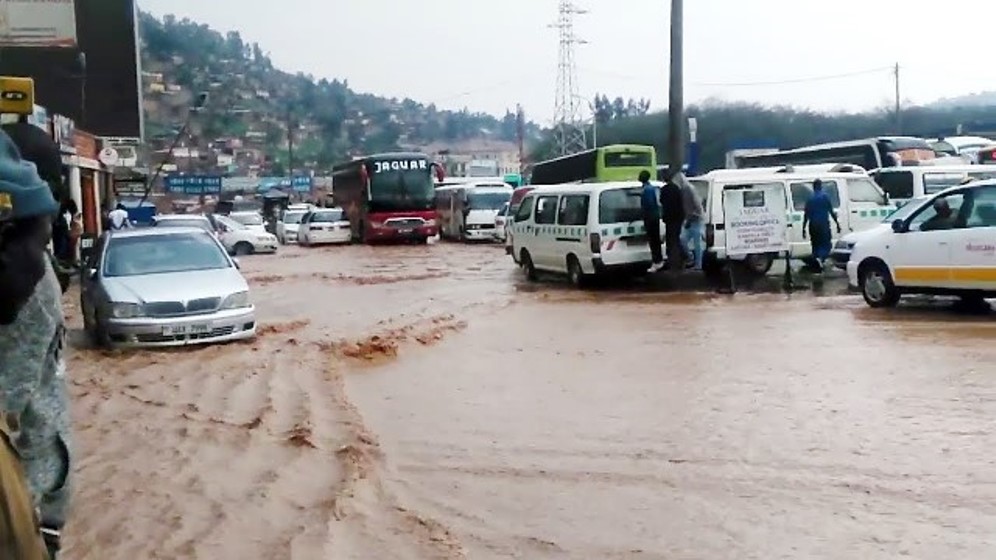
Following the predictions, Rwanda National Police (RNP) has via Twitter urged the public to be vigilant and avoid any action that might endanger their lives such as finding shelter under trees, bridges or electric transmission lines.
Vehicle owners were recommended to avoid driving through puddles, reducing speed and if necessary, park their cars and wait for when the rain is over to resume their activities.
Any incident can be reported to the police by dialing 112, RNP toll-free number
Meteo Rwanda predicted torrential rains in March, April, and May. The heavy rainfalls are attributed to the change in the distribution of heat and wind across the Pacific which alter rainfall patterns.
In Kigali, parts of the Western Province, Nyamagabe and Nyaruguru, the rain will be heavier than other parts of the country.
On Monday, March 9th, 2020, Prof Shyaka Anastase, Minister of Local Government urged citizens who still live in high-risk zones to move for the remainder of the rainy season to avoid endangering their lives.
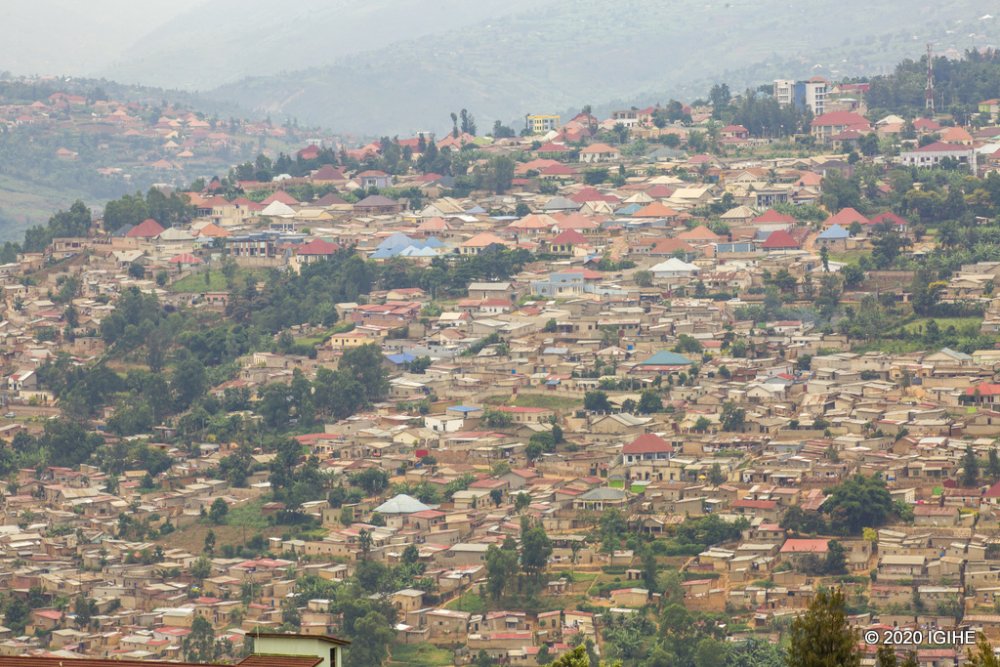
The City of Kigali recently announced it will relocate 1100 families who live in high-risk zones. Relocation activities started last year with wetland settlers who were relocated to safer places.
Since the beginning of the rainy season this year, 60 people died due to heavy rains while 90 were injured. 900 houses were destroyed and many hectares of land was eroded.
Each year, WEF identifies young promising leaders across the globe who are under 40 years of age. Young leaders are selected from various sectors including civil society, arts, culture, government, and business. WEF allows them to join, connect with each other and invests further in their leadership abilities.
On WEF ‘Young Global Leaders for 2020’ are 115 influential leaders under 40 years of age, dedicated to changing the world for the better. Some young global leaders named this year are Megan Rapinoe, co-captain of the US women’s soccer team who has gained popularity for being an advocate for gender equality, equal pay and speaking out on inclusion and diversity.
There is also Sanna Marin, Finland Prime Minister who started her political career at 27. At 34 years, she is among the most influential young leaders in the world. Since her appointment as Prime Minister, she made impressive reforms including increasing maternity and paternity leave to 14 months.
Larry Madowo, BBC Africa Business Editor was also named for launching 6 business TV shows for English, Swahili and French speakers and being an on-air correspondent for BBC Radio and Television in more than 40 countries.
There is also, Alicia Garza, co-founder of Black Lives Matter, a US-based movement fighting against police brutality, racism, violence on black people. Other influential young leaders on the list are Yetnebersh Nigussie, an Ethiopian human rights lawyer and Jesus Cepeda, CEO of OneSmart City, an artificial intelligence and blockchain company.
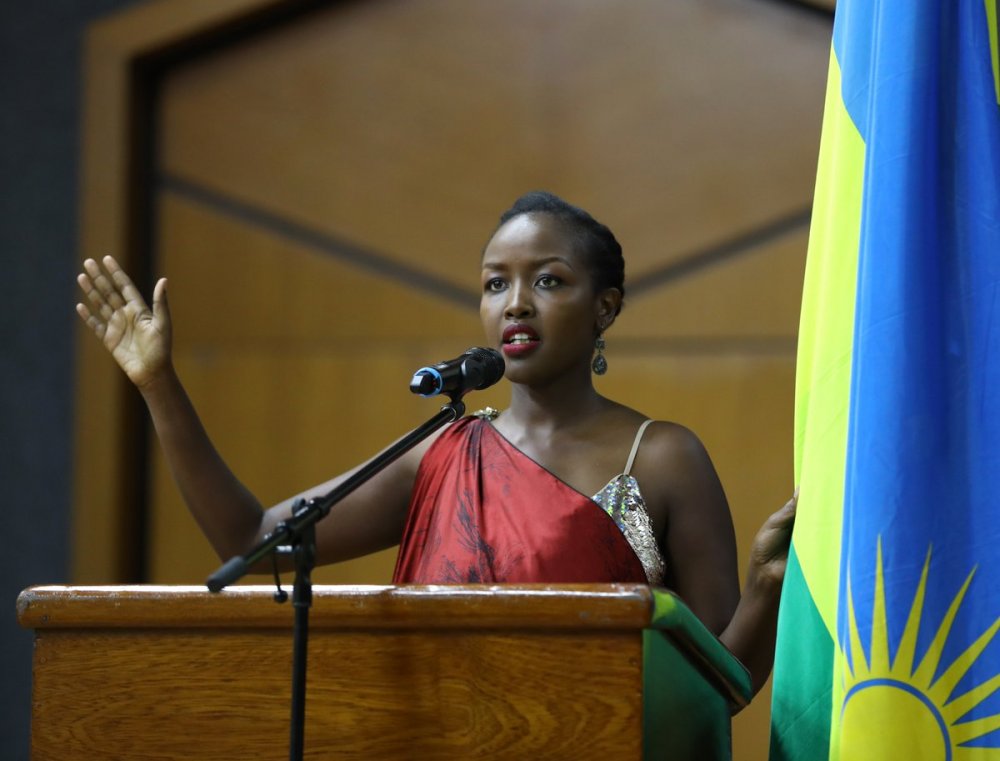
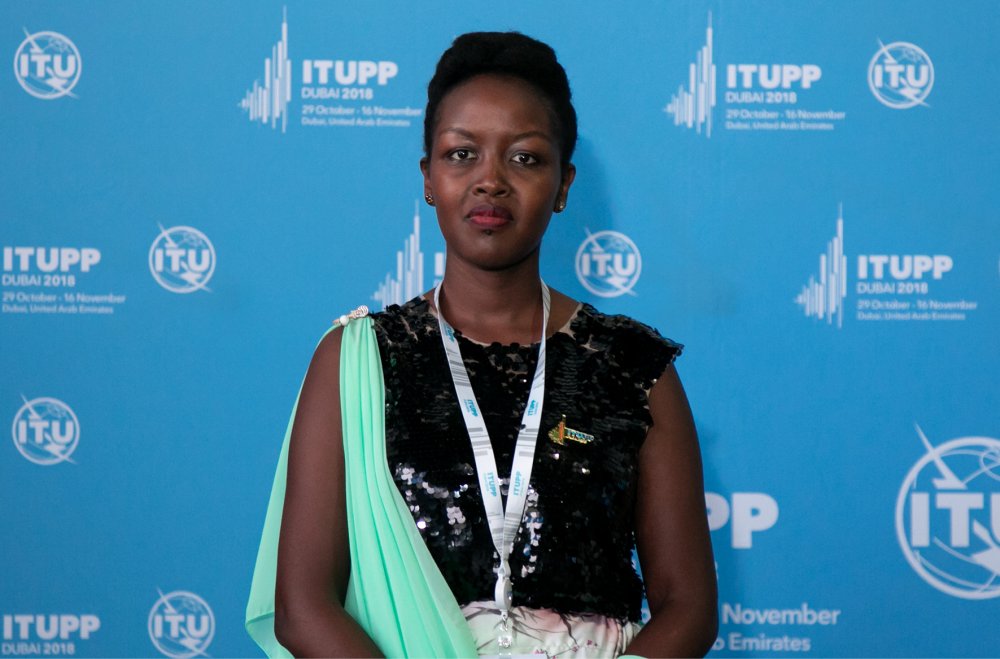
Ingabire was appointed as Minister of ICT and Innovation in October 2018. She holds a high school diploma in Maths and Physics and holds a Bachelor’s degree in Computer Science from the University of Rwanda, former KIST. She also graduated in 2018 with a Master’s degree from Massachusetts Institute of Technology (MIT).
Prior to her appointment as Minister of ICT and innovation, Ingabire served as head of the ICT department at the Rwanda Development Board (RDB).
The portal also significantly reduced costs related to transport and printing documents.
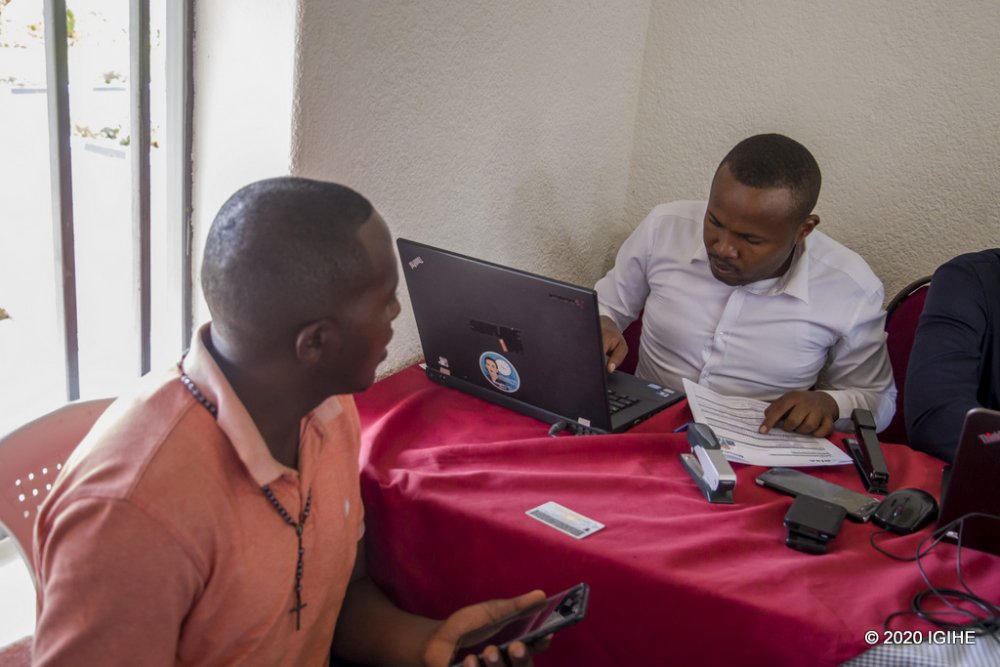
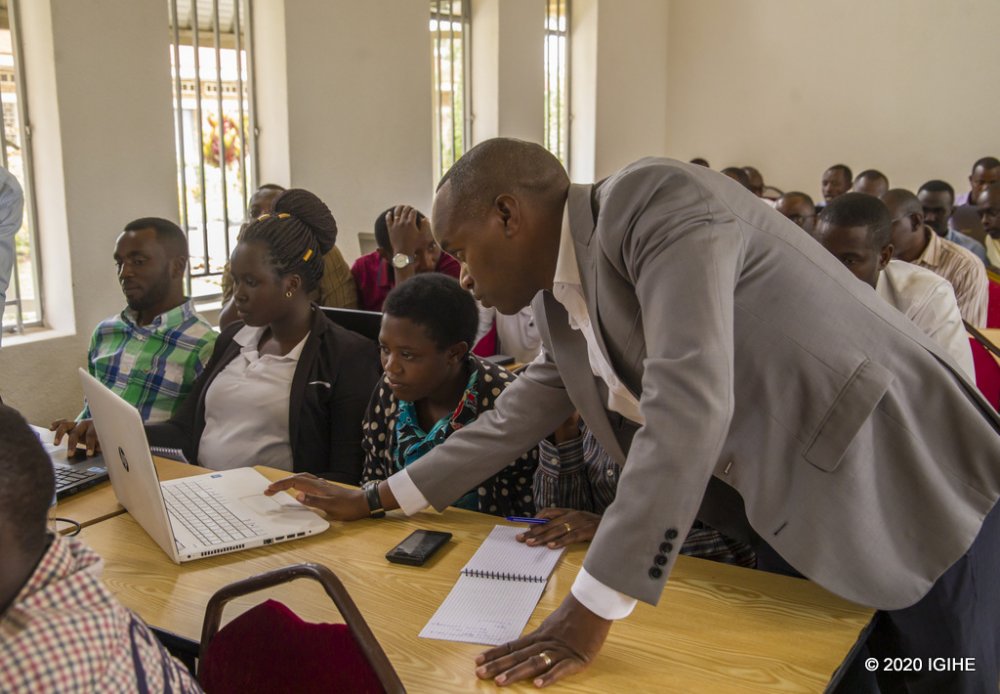
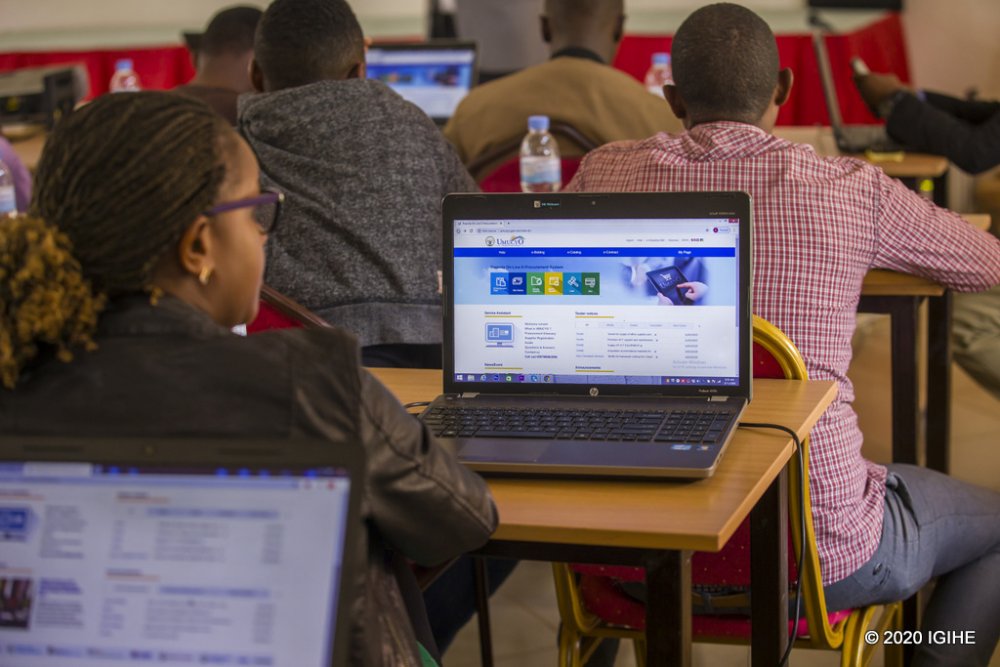
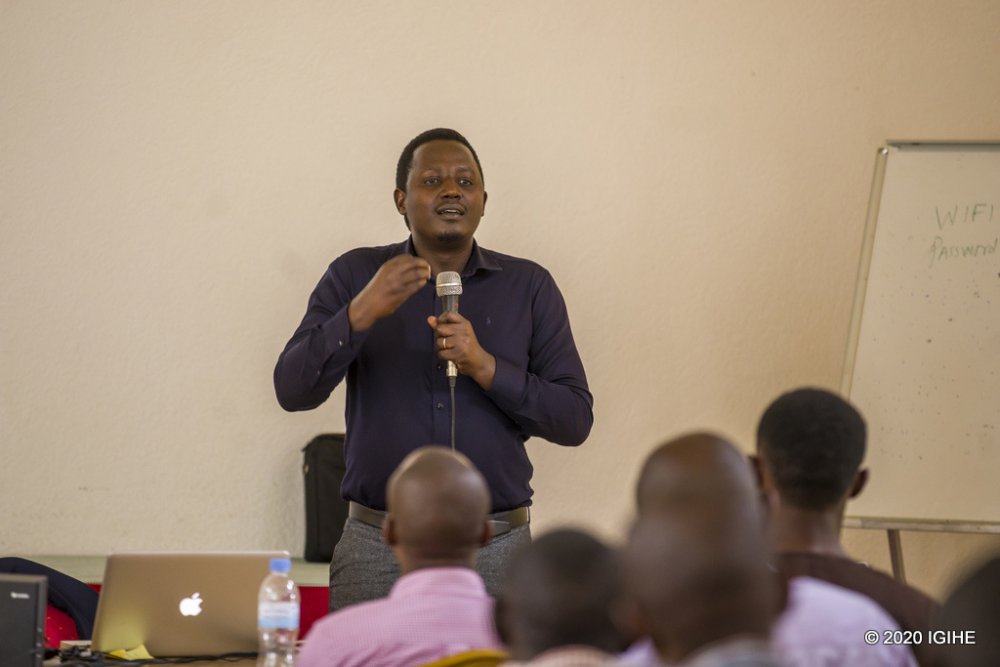
Bidders expressed gratitude for the e-procurement services during a seminar organized by the Rwanda Public Procurement Authority (RPPA) on the functionality of the portal.
The 2-day seminar was held from March 11th to March 12th, 2020 in Huye District and brought together business owners across various sectors such as hotels, restaurants, private institutions and heads of cooperatives from Huye, Nyaruguru and Gisagara Districts.
The seminar aimed at sensitizing bidders who have not yet registered in the portal to do so and coach first-time users through the process of registering and submitting bids online.
Egide Kayitasire, a businessman and Private Sector Federation (PSF) representative in Huye District said that UMUCYO e-procurement portal solved many challenges including costs incurred during the procurement process.
“Through the portal, bid notices and tenders are published and bidders can apply without physically presenting themselves to a procurement office. The former procurement process was lenghty, costly and complex but now you can buy internet and place a bid using a laptop.”
The portal increased transparency in the procurement process given that before its introduction, corruption was a common practice.
Mahoro Vanessa, Light Hotel representative said that the procurement process is far more transparent than before as the portal was designed to comply with RPPA’s regulations and procurement policies.
Munezero Lydia who works at Emmaus Hostel in Huye said that the portal eases the procurement process and allows bidders to obtain documents such as technical specifications on contracts and learn about terms and conditions of public contracts.
“This seminar will allow us to learn about different functions of the portal because you cannot really say you have mastered the process a hundred percent.”
New subscribers told IGIHE that the system is easy to navigate and that bidders can see details on transactions including bidders, bid prices, contracts, and evaluation reports.
Nsengiyumva Vital, Jyambere Muhinzi Cooperative treasurer said that the cooperative runs a flour processing plant but that until today they did not know how to apply for bids.
Nayigiziki Boniface, a maize farmer in Nyaruguru district emphasized on the importance of the portal saying that they did not know how to register and submits bids online before they attended the seminar.
Richard Migambi, e-procurement manager at RPPA said that UMUCYO portal encouraged bidders to register on the portal and request assistance to the RPPA whenever they will meet difficulties.
“The online portal provides all documents and information required by bidders and eliminates the need for in-person visits and costs incurred in printing.”
The 2-day seminar which was organized by the RPPA will educate about 7490 contractors on the functions of UMUCYO e-procurement portal.
UMUCYO pilot portal was launched in 2016 and availed e-procurement services nationwide by 2017.
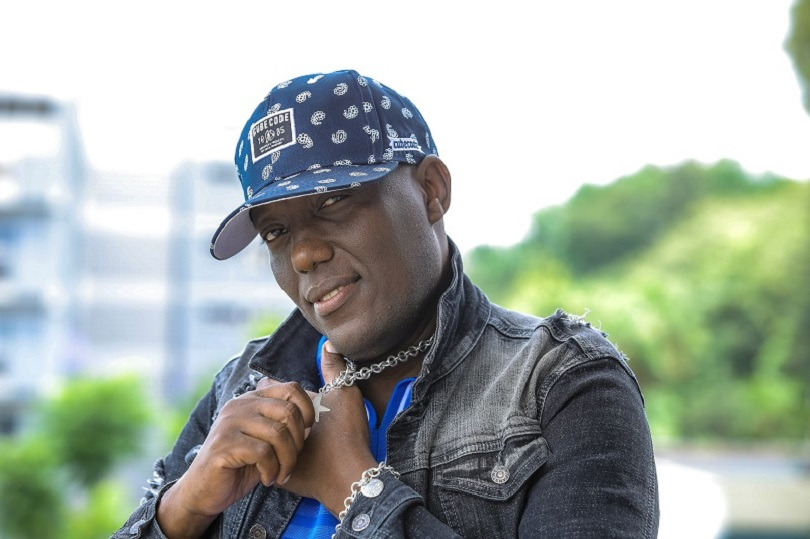
In the song, ‘Abagore ni Beza’ [Women are Beautiful], the singer pours his heart out praising women as loving, and where there are women there is happiness, opportunities and mothers of the nation.
Senderi has told IGIHE that he composed and dedicated the song to women because 75% of his fans are women and wished to celebrate with them in their month, March.
“Most of my fans are women; 75%, so I have a reason to compose for them, to keep them in mind since it’s their month. I know they are my biggest fans basing on the messages I receive every day.”
The “Umuco Wacu Turawugaruye” singer was on February 27, 2020 recognized by district authorities of Kirehe in the Eastern Province where he comes from for composing music that appeals to the people of his homeland and that give insight into the importance of supporting the country’s development programs.
The hit maker started singing shortly before 1994. His music mostly gives educative messages about national development policy, hygiene, prevention of epidemics such as AIDS and Malaria, economics, love, security, and more.
From soldier to musician, Senderi started his musical career when he was still serving in the Rwanda Defense Force (RDF) and is also known for fighting genocide ideology through music.
Some of his songs include ‘Abanyarwanda twaribohoye’ and many genocide tribute songs, like, ‘Intimba y’intore y’Imana.’ In 2016, he composed and released ‘Je suis là’, a French song, and ‘Mapenzi ni somo’, a Swahili Song.
Senderi other songs give out messages of comfort and encouragement to the survivors of the 1994 Genocide against the Tutsi.
MINEDUC executed the preventive measure following a notice from the Prime Minister’s office published on March 6th, 2020 advising Rwandans on COVID-19 prevention.
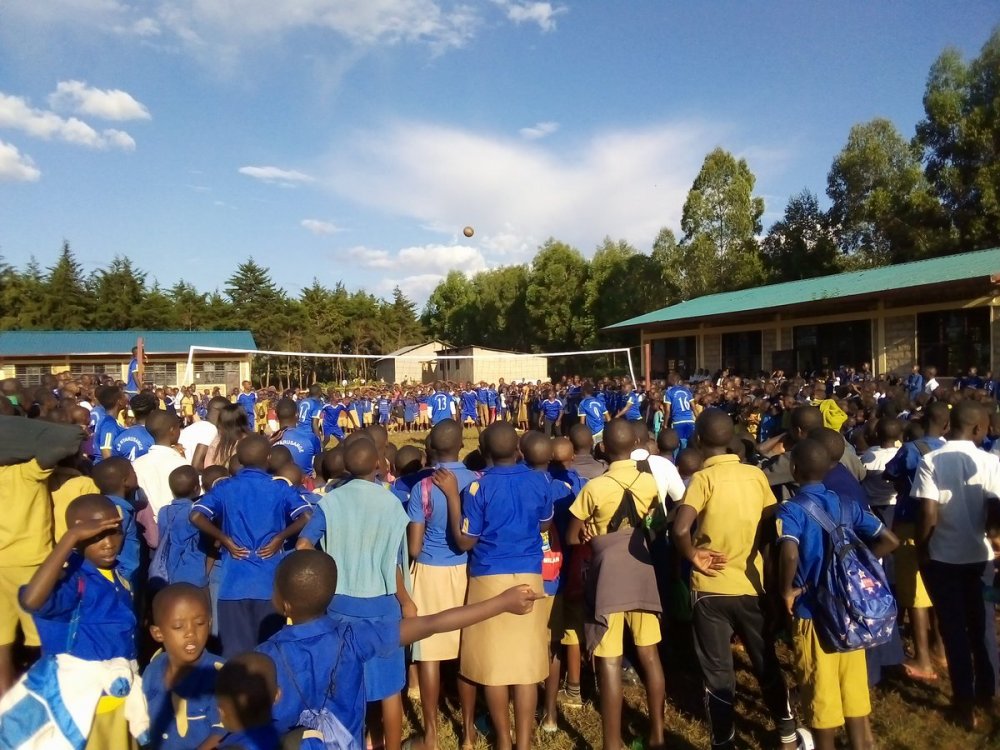
Dr. Uwamariya Valentine, Minister of Education requested all schools to avail soap and clean water for students to wash their hands before entering class and other common spaces and before meals. “Moving forward, announcing special programs or communicating information to students will be done in classes instead of at the assembly.”
MINEDUC advised teachers, students, and other personnel in schools to immediately seek medical care if they have been in contact with a person coming from COVID-19 pandemic countries and have symptoms including fever, flu or cough.
School leaders were reminded to alert authorities if any student, teacher or personnel shows symptoms of the virus.
Even though no case of COVID-19 has been identified in Rwanda, the government has taken proactive measures to prevent the disease and treat it in case it spreads to Rwanda.
Some preventive measures already in place include cancellation of all public events and gatherings and the distribution of soap and clean water or hand sanitizers in all public institutions and places.
The government of Rwanda advised citizens to avoid unnecessary travels especially in countries where the virus prevails.
The first case of COVID-19 was identified towards the end of 2019 in Wuhan, China. Statistics show that 115,000 were diagnosed with the virus across the globe while 4200 died from it.
On March 10th, 2020, the first case of COVID-19 was identified in the neighboring Democratic Republic of Congo (DRC).
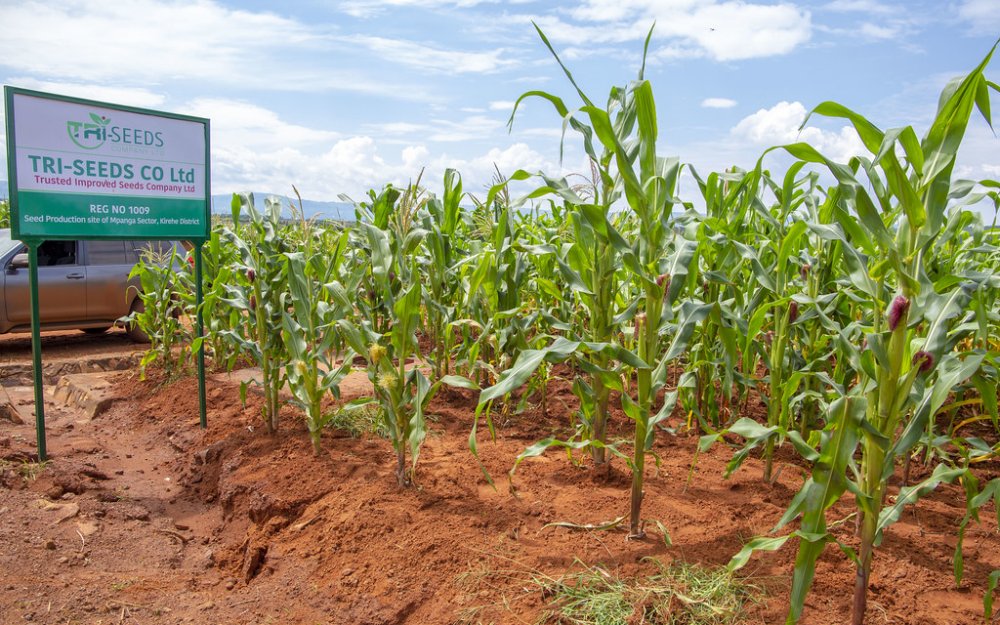
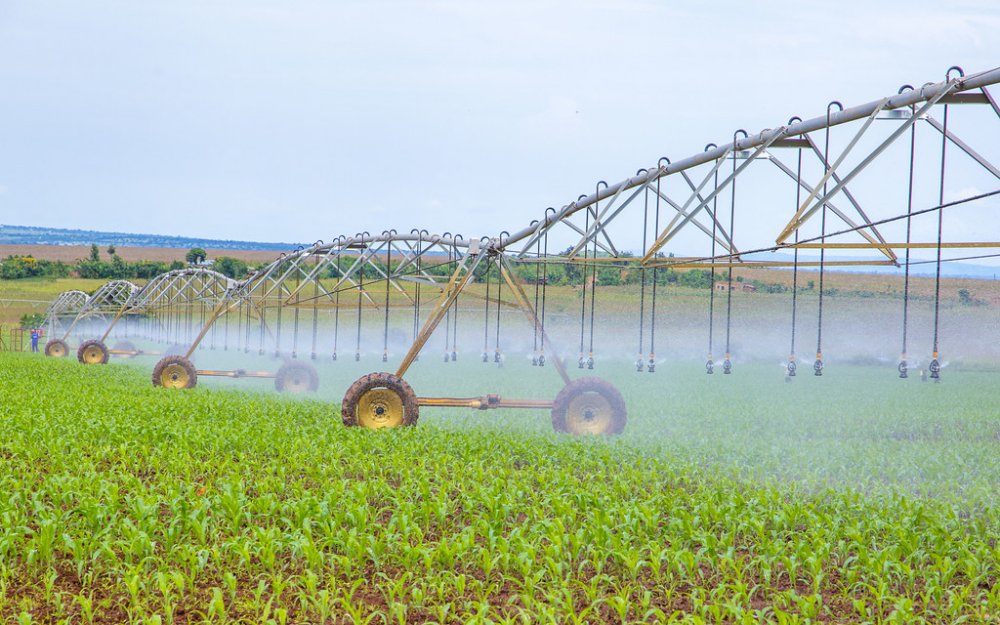
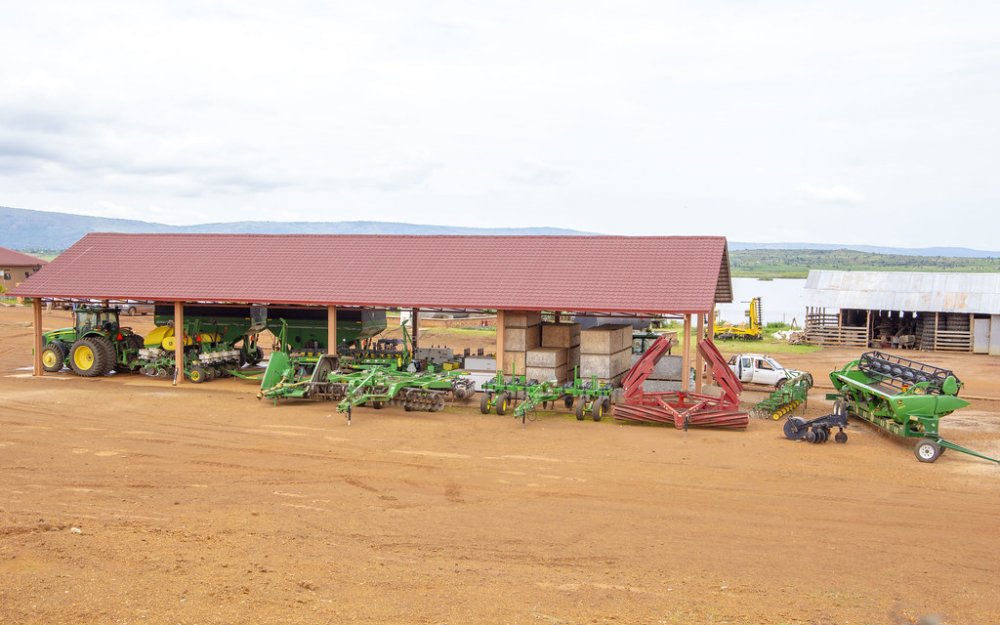
The irrigation project solved the challenges of aridity and land that was too barren to support crops. In 2017, Buffet invested $54 million through relocating 143 families which lived on arable land to public housing and preparing 1100 hectares for cultivation.
Prepared land is currently used for maize, beans, and soybeans cultivation. Yields are sold back to Buffet who exports it or sells it in local markets. A part of the 1100 prepared Hectares is used for fruits growing which are given to children in Kirehe to promote Early Childhood Development.
Dr. Ndambe Nzaramba Magnifique who coordinates irrigation activities in Nasho valley said that before the project was initiated, farmers had low yields. After adding compost and irrigation, farmers can now earn Rwf 650,000 per hectare of yield.
Kansangire Violette, a farmer, and resident of the Nasho sector said that before the irrigation scheme was introduced, she reaped only a ton per hectare but currently she reaps at least 12 tons per Hectare.
“Over the past 3 years, we have seen a significant increase in yields. Before the irrigation project was introduced, we only reaped once in three years due to aridity but currently, our yields and earnings have tripled. Some of us managed to save enough and built houses and we can afford to pay medical insurance on time among other benefits.”
Kanyarwanda Daniel, a farmer and resident of Cyambwe cell in Kirehe told IGIHE that he reaps 10 tons of maize and 3 tons of beans per hectare.
“Before our land was irrigated, we suffered due to aridity and our crops would wither year after year. We are doing very well today. I bought an Rwf 7 million house and a motorcycle and my children are healthy.”
Despite the impressive shift to modern agriculture, there still is a challenge of farmers who receive fertilizers to put in their fields but turn around to sell them. However, the farmers continuously support each other to increase yields.
Statistics show that farmers in Nasho and Mpanga sectors earned Rwf 800 million in total during the last growing season. In a bid to further support farmers in Nasho and Mpanga, Buffet plans on building a 10-km road to facilitate transportation of crops from fields to local markets and beyond.