Starting March 19th, 2020, BNR announced that mobile network operators and banks will allow zero charge transfers on all payments between bank accounts and mobile wallets, zero charges on Mobile Money transfers and zero merchant fees on all POS payments.
While many Rwandans received the news enthusiastically, Mobile Money agents addressed concerns that they will suffer loss because they made a profit from charges on money transfers.
In an interview with Rutagengwa Arthur, MTN Rwanda Mobile Financial Services Senior Manager, he told Radio Rwanda that mobile money agents are safe as charges were waived only for customers but that they will keep receiving commission for all money transfers made.
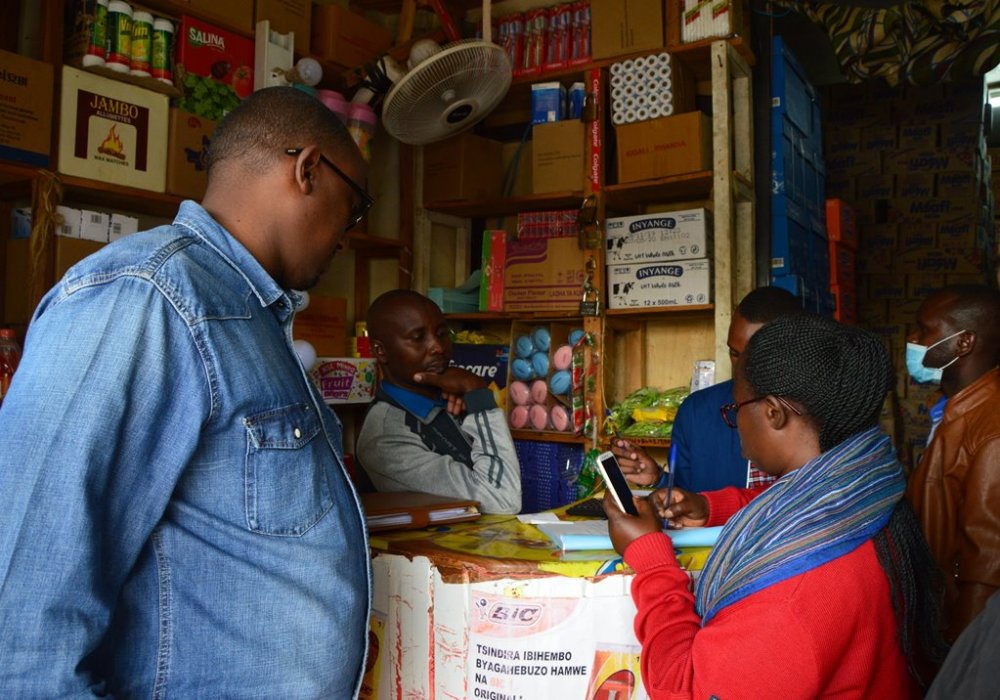
Mobile money agents told IGIHE that the transfer fees came in handy since commission money was provided only by the end of the month.
BNR waived mobile money charges to prevent physical contact during the coronavirus pandemic.
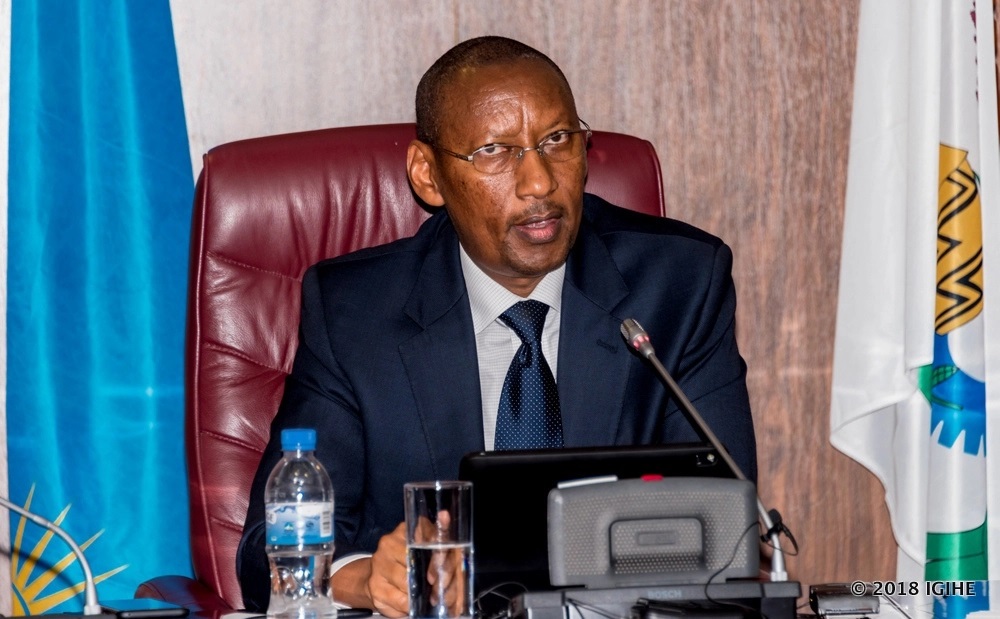
John Rwangobwa, BNR Governor said that safety comes first during the coronavirus outbreak and that the decision to waive transfer fees was driven by the need to protect Rwandans during the pandemic by promoting cashless transactions. “BNR encourages using digital channels and contactless mobile payments to curb the transmission of coronavirus.”
BNR will follow up closely on the implementation of the aforementioned measures.
Since the first coronavirus patient was identified in Rwanda, the government has taken various initiatives to counter further spread including closing public and private schools, higher education institutions, prohibiting public gatherings, imposing a complete air travel ban and postponing court hearings and prison visits.
Rwandans are advised to be careful not to believe scammers who pretend to be RIB officers and collect money from prisoners’ families “to put their names on the list of prisoners who will be released as a preventive measure against coronavirus.”
RIB also advises Rwandans not to welcome into their homes, scammers who pretend they work with the ministry of health and who lie they were sent to spray houses with “coronavirus repellent”.
Currently, 11 patients tested positive with coronavirus and are receiving appropriate medical care.
RIB urged Rwandans to call the toll-free line 166 to report any suspected scamming activity.
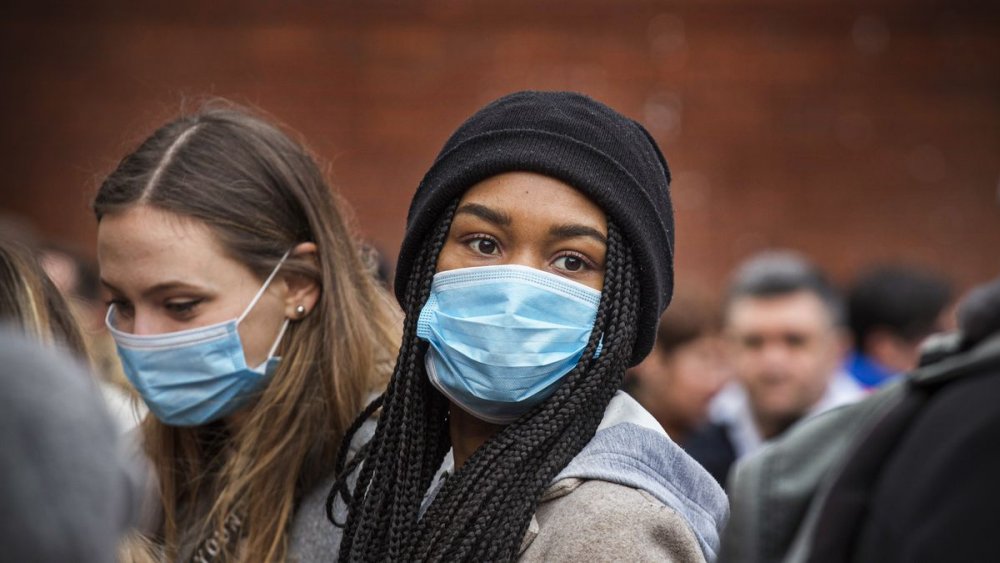
COVID-19 spreads through direct contact with the infected person, sneezing and coughing. To prevent the spread of the virus, regular hand washing with alcohol-based hand sanitizers or clean water and soap is advised, covering mouth and nose when coughing or sneezing and avoiding large gatherings. In addition, it is important to avoid close contact with anyone showing symptoms of respiratory illness such as coughing and sneezing
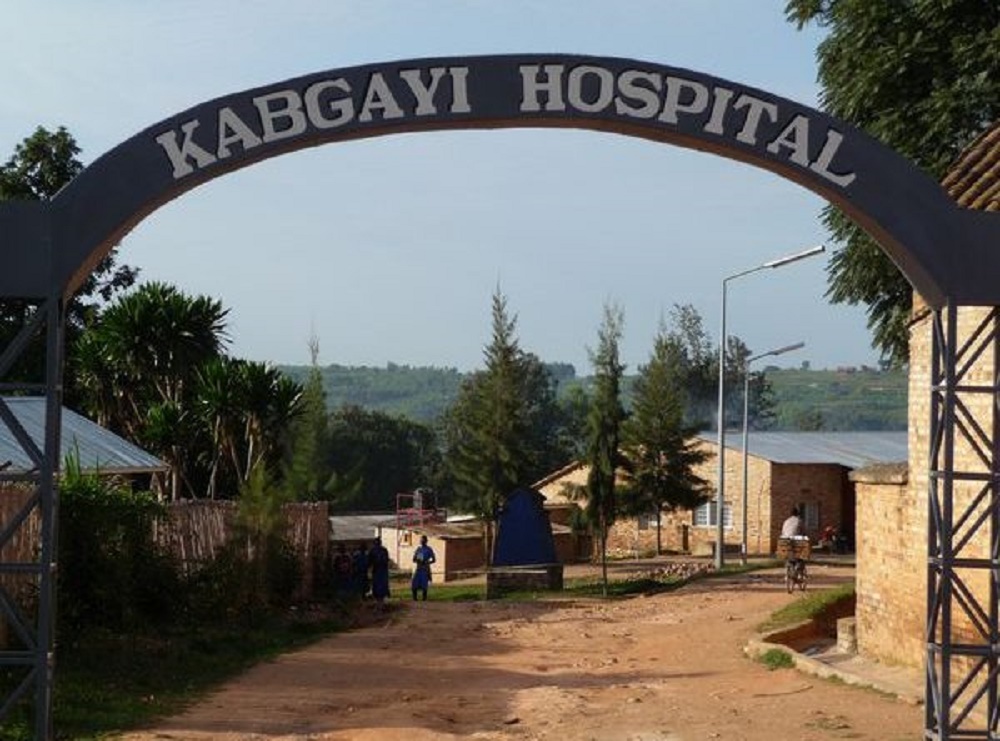
On Thursday, March 19th, 2020, the two patients developed symptoms including fever and cough and were immediately put in quarantine while further tests were being conducted.
Dr. Nteziryayo told IGIHE “We have tested the two patients and sent blood samples for results but in the meantime, we will be providing adequate care to them. Symptoms such as fever and cough cannot be taken lightly especially during the coronavirus outbreak.”
Dr. Nteziryayo said that although one of the patients has Chinese employers, it is not an important factor given that they haven’t been to China recently.
On March 19th, 2020, the ministry of health announced that no new infection was identified and that the number of coronavirus patients remain at 11 in Rwanda. All the patients are currently in quarantine and receiving appropriate medical care.
The ministry of health advises Rwandans to keep observing preventive measures to counter further spread of the virus and to call the toll-free number 114 to report any symptoms.
COVID-19 spreads through direct contact with the infected person, sneezing and coughing. To prevent the spread of the virus, regular hand washing with alcohol-based hand sanitizers or clean water and soap is advised, covering mouth and nose when coughing or sneezing and avoiding large gatherings. In addition, it is important to avoid close contact with anyone showing symptoms of respiratory illness such as coughing and sneezing.
Other measures taken by the ministry of health to counter coronavirus are closing all public and private schools as well as higher education institutions, banning public gatherings and advising citizens to work from home.
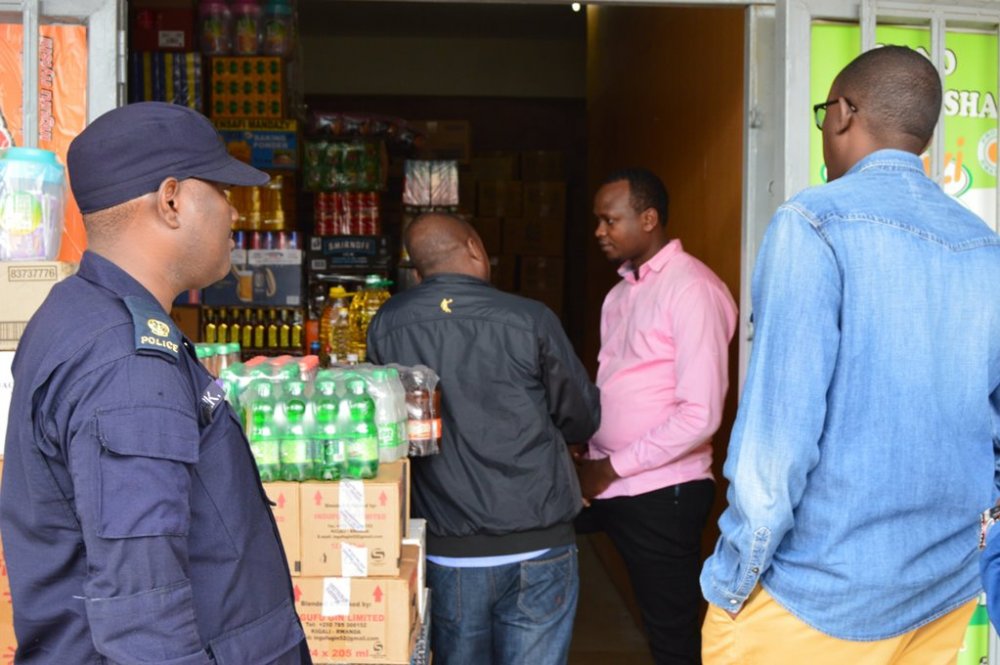
On March 19th, 2020, following inspections in the city of Kigali which found an abnormal increase in prices of some food products, intentional use of unapproved weighing scales and issuance of illegal invoice, MINICOM reiterated law 35 relating to competition and consumer protection. Businesses were advised to avoid hiking prices.
After inspections, MINICOM fined 24 companies in Kigali which increased prices on maize, rice, maize flour, sugar and cooking oil.
The announcement posted on Twitter on Thursday, March 19th, indicated a number of business people were fined during inspections made on March 18th, 2020 at different Kigali markets and trade centers.
Article 27 and 29 governing internal trade states that “businesses which are found guilty of imposing high prices can be imposed an administrative fine, require the culprit to repay the profit unduly benefited from the buyer and suspend the culprit’s activities for a maximum period of 3 months.”
President Donald Trump said he had directed the Food and Drug Administration to investigate whether chloroquine, which is available by prescription only, should be given to patients with the virus. Bayer, the international drugmaker, then noted in a press release that it would donate 3 million tablets of the drug Resochin, or chloroquine phosphate, to U.S. patients. Trump also pointed to another existing drug, remdesivir, an anti-viral developed by drugmaker Gilead, which is already being used in China to treat COVID-19.
Neither drug is currently approved by the FDA to treat the coronavirus. So it is important “not to provide false hope,” FDA Commissioner Stephen Hahn said at the White House’s daily press briefing. But Trump has “asked us to be aggressive” and “break through exciting, lifesaving treatment, and we’re doing that at the FDA,” he added.
Early promising data
So what is chloroquine, and why is it considered so promising by the scientific community?
The drug has been around since the 1940s and is known for being generally safe and well tolerated in mild to moderate doses, although it can be toxic in high doses. It has been used to treat malaria, in addition to some autoimmune disorders. It is available as a generic, which means it could be a scalable and potentially affordable treatment.
“Nothing is definitive yet, but chloroquine is a drug used for more than 70 years with minimal side effects at a modest dosage,” said Pellini.
Malaria is caused by a parasite, not a virus. But some studies have found that chloroquine has been effective at treating a virus that causes severe acute respiratory syndrome, or SARS, a close relative of COVID-19. It is also being studied at research labs throughout the world as a way to alleviate symptoms for patients diagnosed with COVID-19.
“It has been found in mice to be effective to treat a variety of viruses,” noted Dr. Kristian Olson, an associate professor at Harvard Medical School and internal medicine physician at Massachusetts General Hospital. “It also appears it’s active in vitro (via test tube experiments) against COVID-19.”
Some of the early data is promising. A group of researchers in France are testing a less toxic derivative of the chloroquine drug called hydroxychloroquine on a few dozen patients with COVID-19, and early reports of the trial indicate that the drug might help shorten the amount of time that people with the disease are infectious.
Because of these early signs, some biotech experts say it’s worth putting more research dollars into studying the drug.
“I don’t see Trump’s willingness to jump into humans quickly (to test the drug) as a panicked response,” said Vas Bailey, a life sciences-focused investor at Artis with a Ph.D. in biomedical engineering from the Johns Hopkins School of Medicine. “It could be a potentially efficient way of using real-world evidence to help us triage which of these safe drugs will work in alleviating symptoms and treating COVID-19.”
Lack of concrete evidence and lots of unknowns
But we’re still far from having an approved treatment for COVID-19, and the evidence behind chloroquine is not firm.
As Bailey points out, there is no data yet from a randomized clinical trial, which is considered the gold standard to minimize the possibility of bias in the findings. One of the biggest problems, scientists say, is that the tests have not been blinded. If physicians have prior knowledge of the intervention, that might influence how to treat the patient. That introduces other variables that are hard to separate from the effect of the drug.
There’s also further work needed to understand whether the drug reduces hospital time and mortality rates, and whether it impacts ventilation use. There are also some big unknowns about when, how and to whom the drug should be administered.
“What I don’t know, and I don’t think anyone knows is the degree of anti-viral activity and if it can be used to treat the most critical patients,” said Olson.
“We still also don’t understand the optimal dose treatment for covid-19, and whether it might be used at a lower dose for prophylaxis (meaning to take preventatively) than for treatment.”
As Olson points out, there are still side effects, like nausea and vision issues, and it remains to be seen whether the drug will be tolerated well in very sick patients. Furthermore, overdosing on the drug in high doses can cause serious health outcomes.
Because of these gaps in understanding, the World Health Organization said last month that there is “no proof” the drug is effective in treating the coronavirus.
Overall, however, some biotech experts say there’s some reason for optimism that the drug can help. “You wouldn’t see qualified medical professionals from China, France, and Korea looking into this if there wasn’t something to it,” Bailey said.
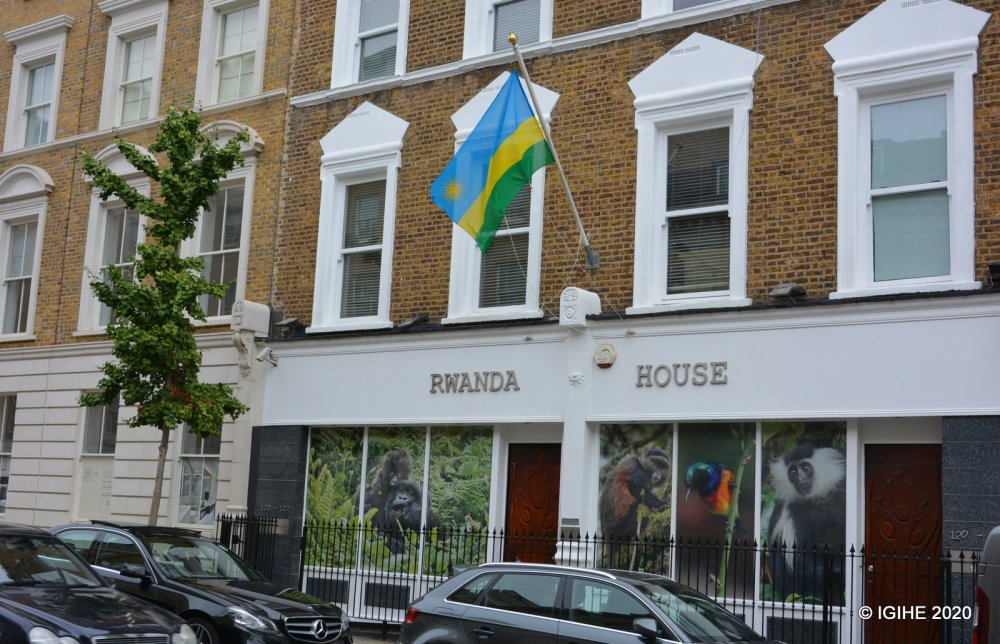
The High Commissioner of Rwanda to the UK, Yamina Karitanyi, has told IGIHE that the embassy was not closed but some staff have been advised to stay at home, noting that all services are now delivered online, including the use of; telephone calls and E-mails. The high commission also attends to those who make prior appointments, all in a bid to avoid coronavirus spread.
State Minister in the Ministry of Foreign affairs and regional cooperation, Olivier Nduhungirehe, said that Rwanda tasked her foreign diplomats to observe directives given in host countries.
The first secretary in the Rwandan Embassy in Berlin, Germany, Nshimiyimana Benedicto, said work goes on. The directives are like those of the UK Embassy.
Rwandan Embassy in Belgium announced temporary closure following the directive of the Belgian government. Only essential services can be accessed.
Rwanda Embassy in the Netherlands according to the directives of the host country, from 16th March to 31 March, will be closed and all staff will be working from residencies.
Celebrating the International Women’s Day in Rwanda that was slated for 21 March and commemoration of Genocide against the Tutsi slated for 11 April are bound to be postponed to dates yet to be communicated.
Nkulikiyinka Christine, Rwandan Ambassador to the Scandinavian countries said they are working closely with Rwandans in those countries to observe the directives in host countries. No Rwandan yet is infected by coronavirus there.
The Rwanda Ministry of foreign affairs and regional cooperation, this Thursday, informed Rwandans in foreign countries to inform Rwanda Embassies close to them or call +250788125043 in case of travel problems.
The National Commission for the Fight Against Genocide (CNLG) has said during the 26th commemoration, instead of getting people together, commemoration testimonies and talk shows will be delivered through the media.
Group visits to Kigali Genocide Memorial and other commemoration sites have also been discouraged.
CNLG Executive Secretary Dr. Bizimana Jean Damascène has told the media that special discussions highlighting how specific genocide preparations were executed on particular dates will be communicated.
“We will use the media in all forms, television, radio, social media so that the message is delivered in every way possible.”
“Let’s say on the 11th, we can do a special media talk show through which we explain the history of the April 11, the events in Nyanza Kicukiro and other places where the Tutsis were killed on that date so that we can go on and on about the history as it happened so that people would feel they are in the commemoration season.”
Workers who had arrears include casual workers, masons, and foremen who, after a long time of demanding their pay, reported to President Paul Kagame in December 2019 during the National Dialogue Council meeting.
A contractor, one Eric Nteziryayo won the tender of building the Nyamagabe district office but failed to complete the conditions of the contract, passing over to a third party who later on failed to pay casual workers and technicians.
The Mayor of Nyamagabe District, Uwamahoro Bonaventure, said they have so far paid Rwf 15,371,150.
“In the first phase we paid 48 people Rwf 8,895,050; in the second phase, we paid 28 people Rwf 608,900 and in the third phase we paid 12 people Rwf1,804,200. Altogether we have paid 88 people and paid 15,371,150 Frw.”
Uwamahoro added that about 33 other files are being scrutinized.
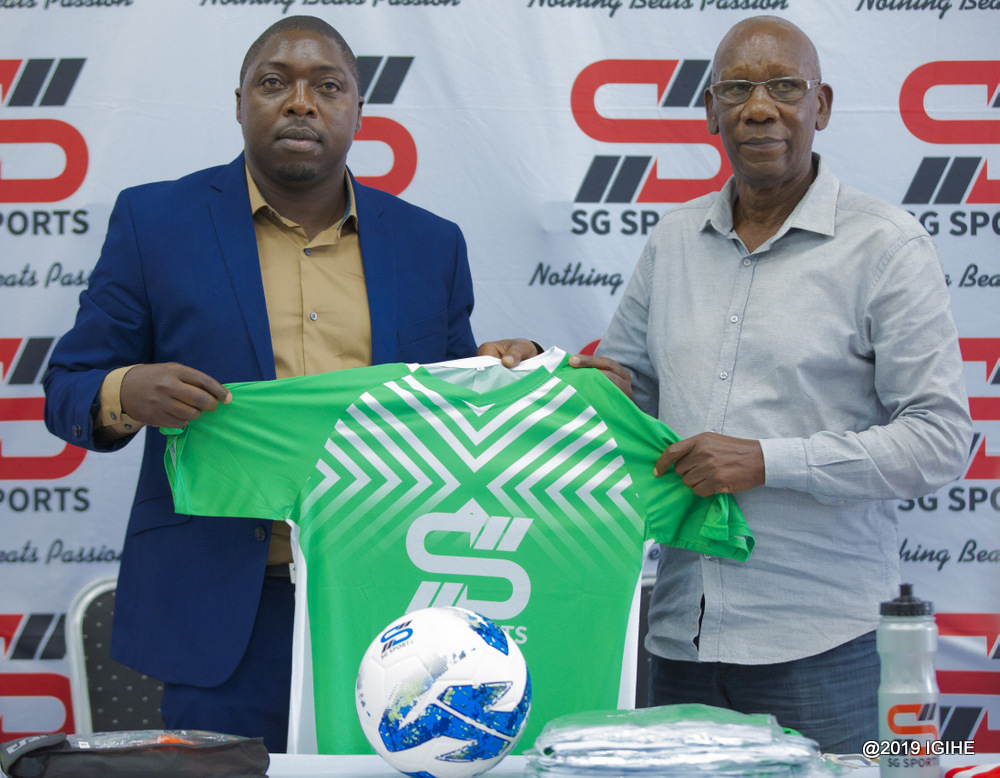
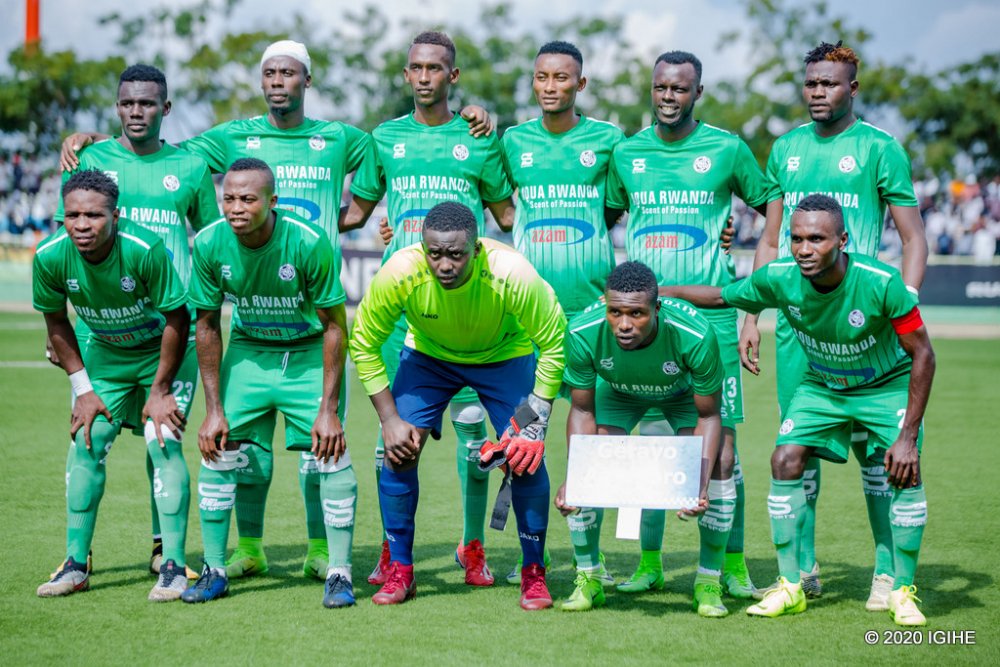
SG Sports signed contracts with various football teams in Rwanda including Kiyovu Sports, Bugesera FC, AS Muhanga and Musanze FC.
Sources say that after Kiyovu Sports failed to abide by the initial agreements with SG Sports to pay for the items on time, the Tanzanian company has threatened to sue it in courts.
Kiyovu Sports owes Rwf 5 million for 500 sports kits provide by SG Sports.
SG Sports expected to be paid back by November, 2019 but until now no move has been made on the part of Kiyovu Sports.
Simon Sanga, SG Sports Director General told IGIHE that Kiyovu Sports has failed to respect initial agreements and further resorted to printing other brands’ logos including Azam Group and UAP Insurance on the sports kits they provided.
“Besides not respecting our agreements, Kiyovu Sports has not shown any willingness to resolve the situation. They crossed the line when they printed Azam Group and UAP logos on the T-shirts we provided before they paid us.”
After Kiyovu Sports received a 4-year sponsorship worth Rwf 132 million from Azam Group, the team’s administration was obliged to adding their logo on V SG Sports T-Shirts.
Ntalindwa Théodore, Kiyovu Sports Executive Director told IGIHE that they have not delayed to pay because they lack means but that there are some clauses in the agreement which were not agreed upon and the two organizations have failed to find time to resolve the issue.
Sources say SG Sports is preparing to take Kiyovu Sports to court after an ultimatum was given 5 days to pay back to no avail.
In November 2019, SG Sports provided sports kits and fan gears to Kiyovu Sports with the expectation of receiving payment within 30 days.