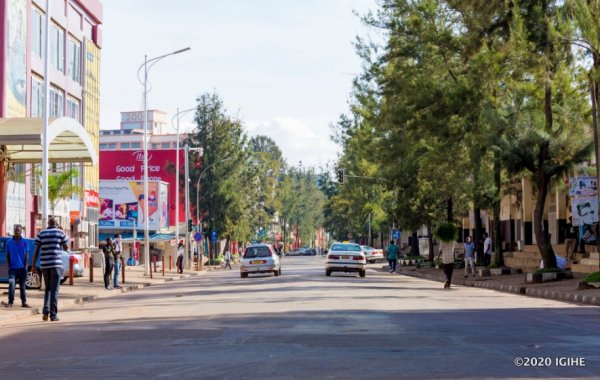
The warning follows orders issued by the Government through the Prime Minister’s Office two days ago, where all residents were ordered to stay home, close shops, avoid unnecessary movements among others, save for individuals and companies involved in vending foods, pharmaceuticals, and other commodities deemed essential in the fight against coronavirus.
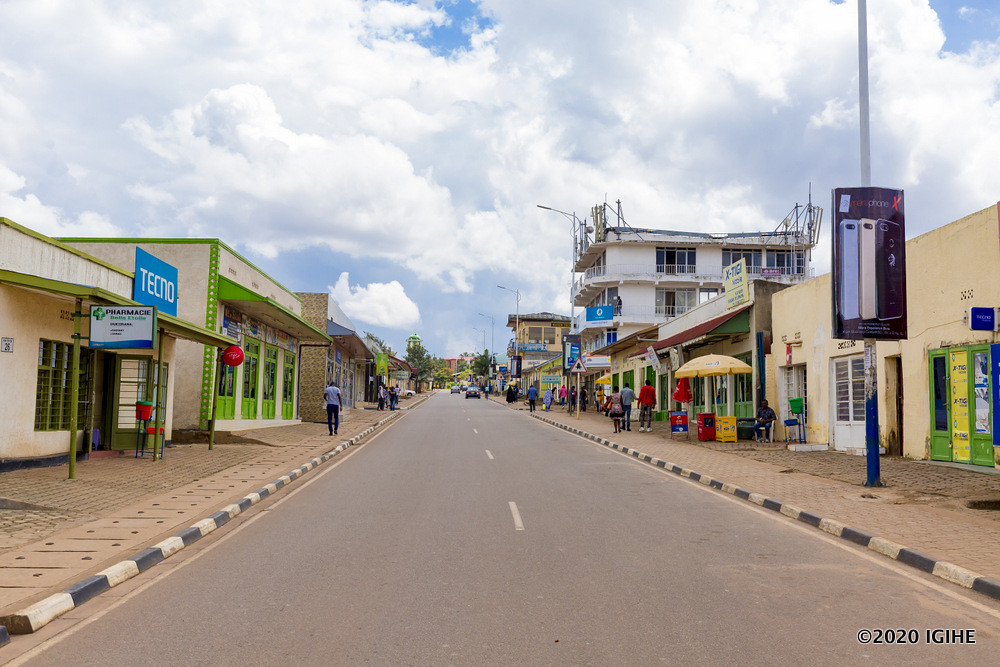
On Monday, in various parts of the country, people were stopped from making unnecessary journeys.
Rwanda National Police spokesperson CP John Kabera said it was clear that some people did not respect guidelines issued to fight the epidemic, saying that a person who cannot protect his or her life and of others becomes a problem and should be kept away from the society.
He said there were emergency services approved under the regulations such as shopping, getting medical care, buying pharmaceutical items, among others, but there are people who just wander without due respect to the social distance guidelines.
“We have put in place a monitoring system; when it is discovered that you are touting lies, saying you are going to see a doctor when you are not, you will be arrested and imprisoned, and fined.”
As of March 20, 2020, StarTimes has included the “StarTimes Daily COVID-19 Report” in its programs, as part of the news about coronavirus, which will be broadcast on Channel 12 and the StarTimes app over the phone.
StarTimes has announced that the news program will be available in a variety of languages including; English, French, Portuguese and foreign languages in the countries where it operates.
The program aims to provide urban and rural residents in Africa with skills as a powerful weapon against the epidemic. StarTimes communications director, Lily Meng, said it would cut all the information about coronavirus, educate people on prevention and show them what is happening elsewhere to make them more aware of the truth.
“The StarTimes Daily COVID-19 Report will show people the latest information and coronavirus statistics in Africa and around the world. It will share with people prevention strategies, lessons learned from other countries and make them more self-reliant with their families.”
She said people who still have a lot of questions are still wondering about the coronavirus, but rumors are circulating that may cover the truth. In this information, they tell people the truth and also express the hope of winning the epidemic.
The directive was issued yesterday March 23, 2020, as Rwanda continues to suspend a number of activities in a bid to avoid the spread of coronavirus.
The directive reads in part: “Apart from the food, beverage, water, pharmaceutical, sanitation, electrical as well as the basic equipment manufacturing industries, others are required to suspend their operations for two weeks to prevent the spread of coronavirus. ”
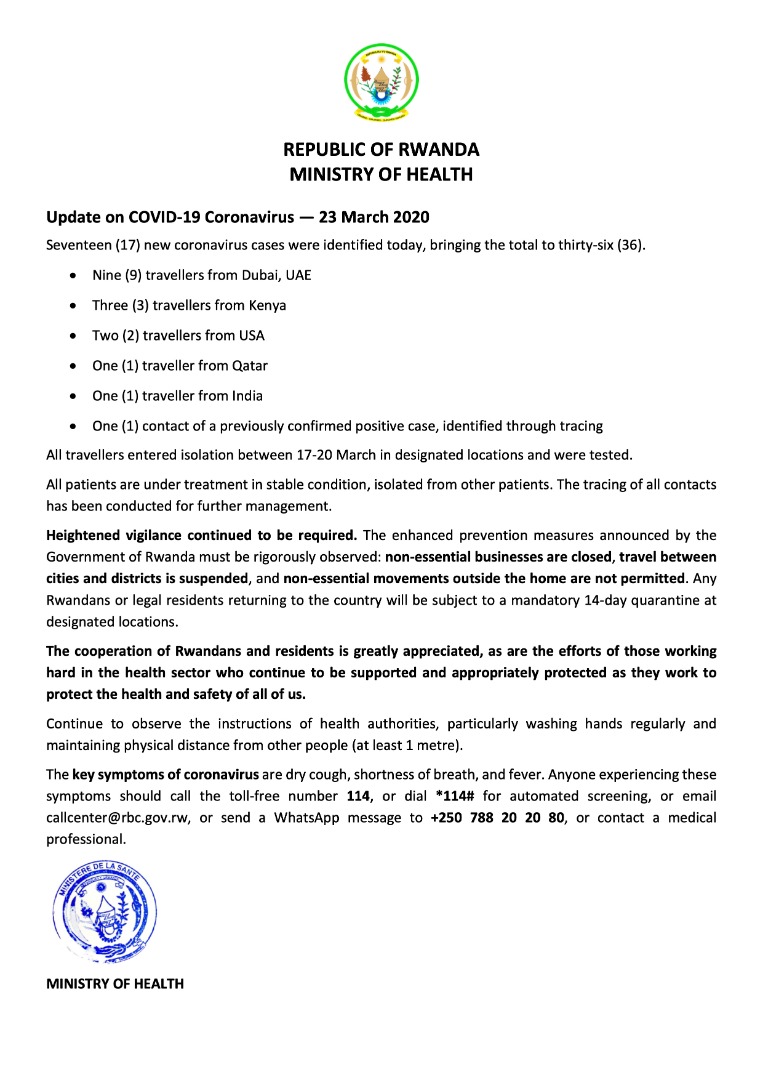
As of yesterday, the number of COVID-19 patients stood at 36.
The new victims include nine people who arrived in Rwanda from Dubai, three from Kenya, two from the United States, one from Qatar, one from India and one person who has been diagnosed with Coronavirus in Rwanda.
The Ministry further directs that:
-* Only basic workers in the factory are to go to work as others work online from their homes
-* Have all the necessary equipment to protect their employees and clients from coronavirus infection, and to maintain a distance of at least one meter between one person and another.
-* Avoid raising the cost of what they produce
-* Determine the number of employees who will be working in these two weeks and give them travel passes.
The Ministry of Health advises that a person who shows COVID-19 symptoms should call the toll-free number 114, get help without leaving his/her home and email to callcenter@rbc.gov.rw, or WhatsApp message +250788202080 or call nearest health center.
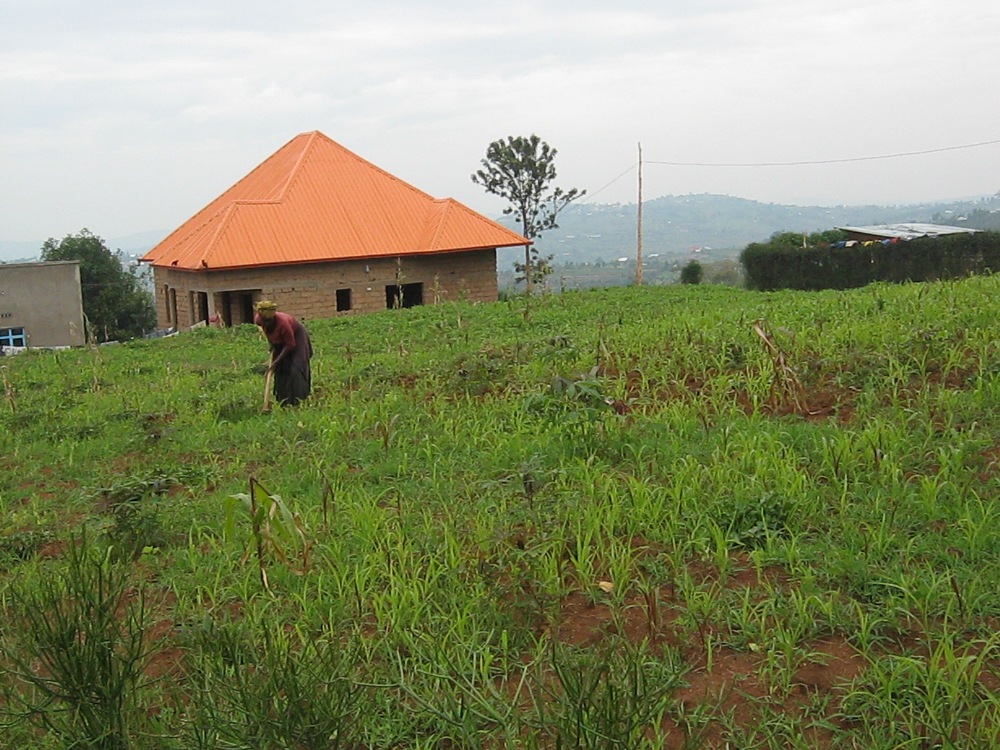
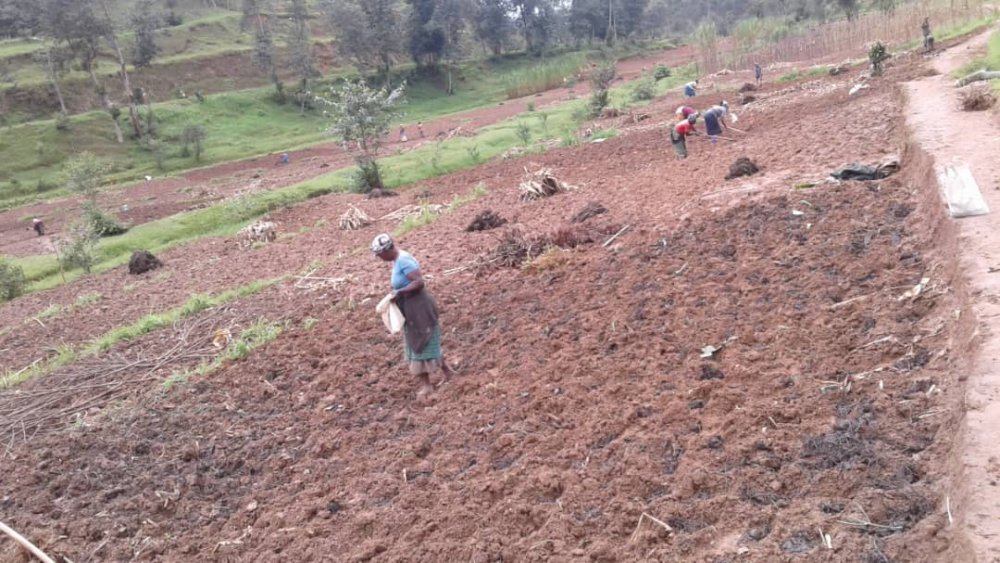
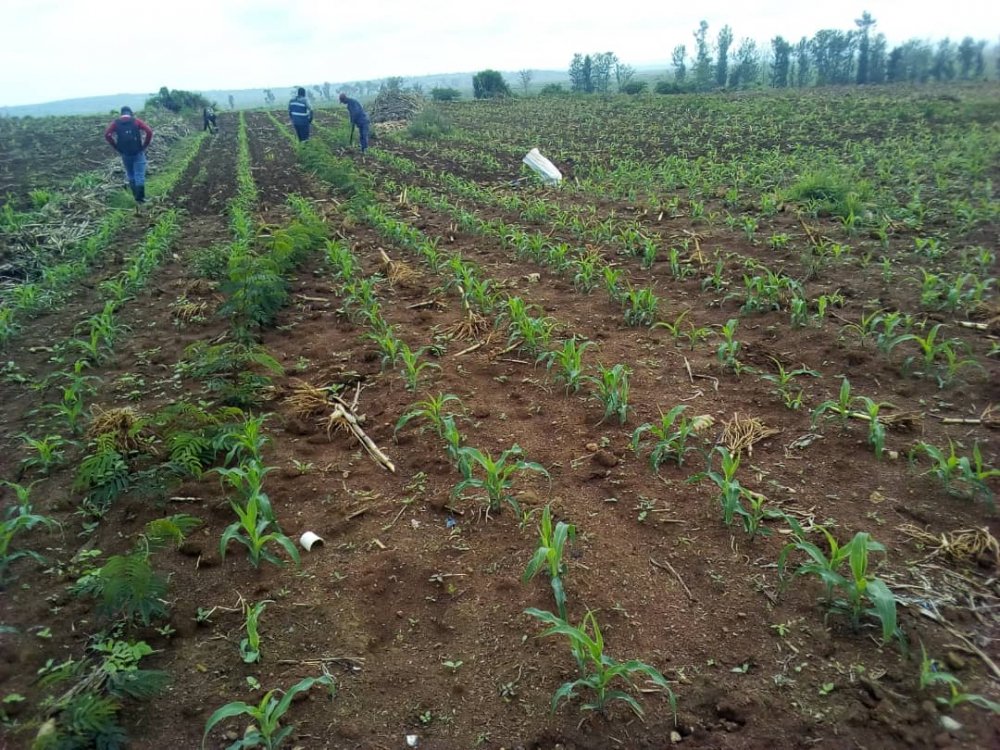
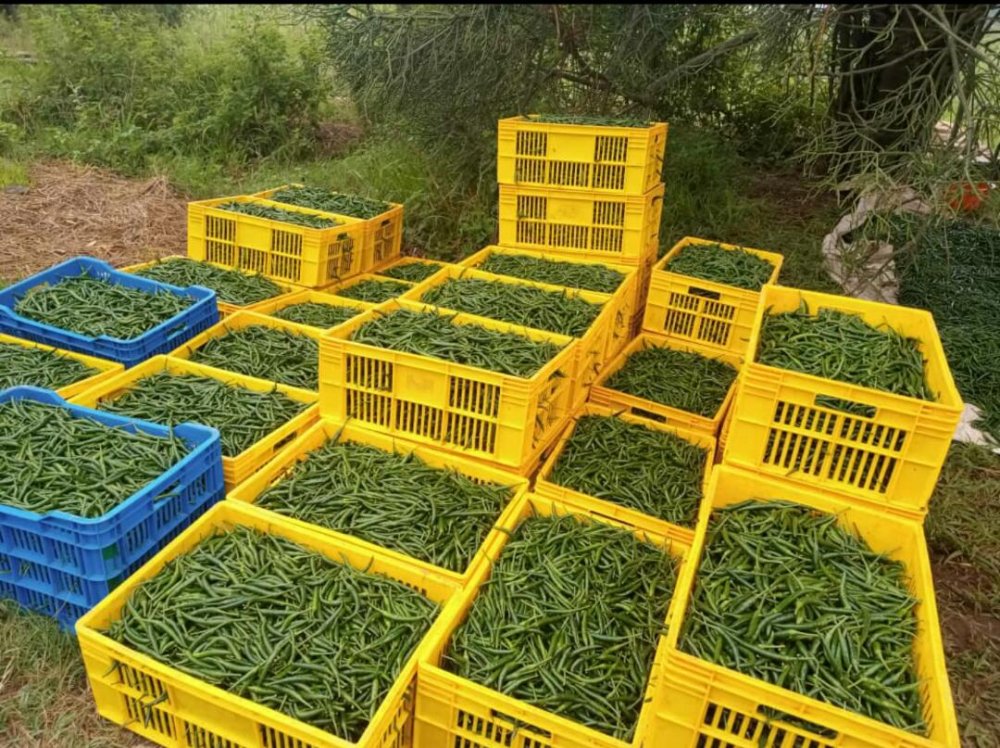
In an announcement published on March 23rd, 2020 via Twitter, MINAGRI explained that farming activities must continue to avoid a shortage of food and animal products during the coronavirus outbreak.
Veterinary services, shops selling animal feed, fertilizers and food industries will continue to operate.
Owners of veterinary pharmacies who order medications from Kigali are advised to request for a permit in their respective sectors.
Industries that manufacture animal feed were advised to use limited personnel to curb further spread of coronavirus but keep the supply to farmers flowing.
To guarantee feed safety whilst minimizing risks for infection for customers, suppliers, and employees, feed manufacturers, and ingredient suppliers will request a transportation permit for each delivery.
Fertilizer suppliers are requested to wear protective masks and gloves while serving customers and keep a meter distance between each other.
Trucks carrying fertilizers and liquid nitrogen for animal sperm preservation are instructed not to carry more than two people.
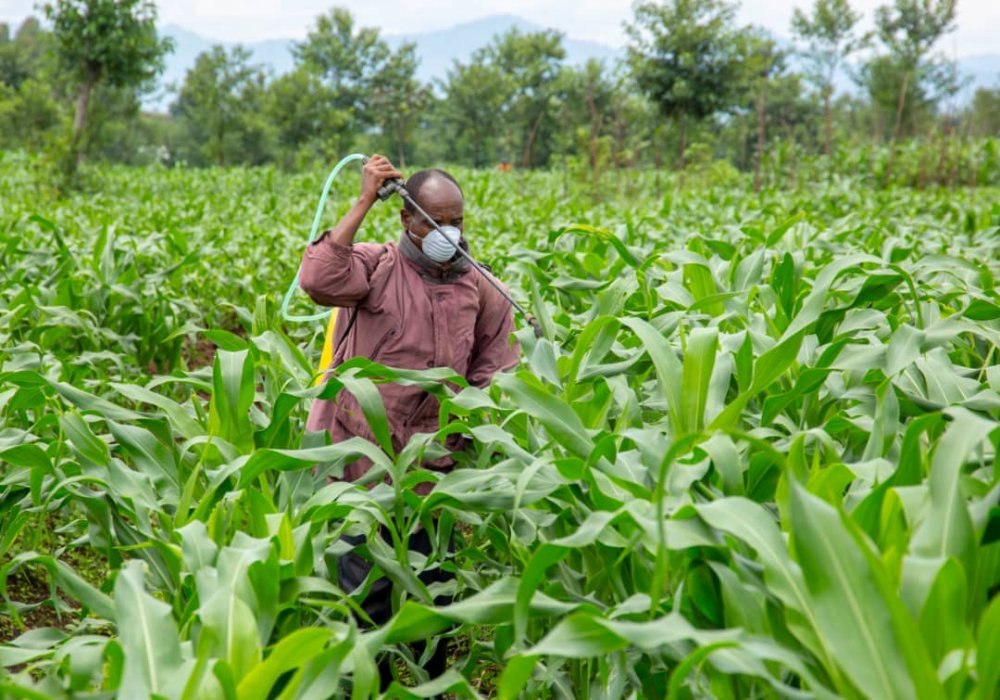
Although farmers will keep working, they were advised to implement hygiene measures and abide by health authorities’ guidance to prevent the spread of coronavirus.
Large industries, institutions, and cooperatives which produce tea, sugar, milk, rice, coffee, and flour are advised to limit the number of workers.
Patient zero was identified in Rwanda on March 14th, 2020. He is an Indian citizen who arrived in Rwanda from Mumbai, India.
Four days after the first patient was identified, his wife also tested positive for the virus, was quarantined and started receiving medical care.
Currently, the number of COVID-19 patients in Rwanda has reached 36. Most of them are predominantly people with recent travel history.
Dr. Daniel Ngamije, Minister of Health said the patients are in stable conditions and the first to be admitted at Kanyinya Health Center will soon be discharged.
“We are confident that by the end of this week, the Indian citizen who was the first to test positive for COVID-19 in Rwanda and his wife will return home.”
Ngamije said that all the 17 patients who tested positive for coronavirus on March 23rd, 2020, entered quarantine between March 17th-20th, 2020 and were isolated from other patients.
The ministry of health advised for heightened vigilance and cooperation from Rwandans and abiding by certain regulations to stop the spread of coronavirus. All non-essential businesses are closed, travel between cities and districts is prohibited as well as non-essential movements from home.
In addition, Rwandans are recommended to practice social distancing and quarantine for 14 days renewable.

The World Health Organization(WHO) declared the coronavirus a pandemic on March 11th, 2020 following the increasingly big number of patients since it was identified in Wuhan, China.
Up to 378,000 patients have tested positive for coronavirus, 16,000 died from it while 101,600 recovered from the virus.
The ministry of health advises Rwandans to keep observing preventive measures to counter further spread of the virus and to call the toll-free number 114, send an email on callcenter@rbc.gov.rw, or a WhatsApp message on +25088202080 to report any symptoms.
COVID-19 spreads through direct contact with the infected person, sneezing and coughing. To prevent the spread of the virus, regular hand washing with alcohol-based hand sanitizers or clean water and soap is advised, covering mouth and nose when coughing or sneezing and avoiding large gatherings. In addition, it is important to avoid close contact with anyone showing symptoms of respiratory illness such as coughing and sneezing.
Statistics show that globally, 380,000 people contracted coronavirus while 16,000 died from it.
The announcement published by MINISANTE on March 23rd, 2020 states the 17 newly infected patients add on 19 prior patients identified since March 14th when patient zero was identified.
MINISANTE stated that the 17 newly infected patients are:
-# 9 travelers from Dubai, United Arab Emirates
-# 3 travelers from Kenya
-# 2 travelers from the U.S
-# 1 traveler from Qatar
-# 1 traveler from India
-# 1 contact of a previously confirmed case of coronavirus
The ministry of health announced that all the 17 patients entered isolation between March 17th-20th, 2020 and were isolated.
Dr. Daniel Ngamije, Ministry of Health recently announced that 17 patients who were identified last week had contact with 680 individuals in Rwanda. All of them have been tracked and tests were conducted to counter further spread.
With the increase in the number of coronavirus patients, more preventive measures have been adopted including a complete air travel ban and mandatory quarantine for all Rwandans except those who provide essential services.
The ministry of health advised for heightened vigilance and cooperation from Rwandans and abiding by certain regulations to stop the spread of coronavirus. All non-essential businesses are closed, travel between cities and districts is prohibited as well as non-essential movements from home.
In addition, Rwandans are recommended to practice social distancing and quarantine for 14 days renewable.
The World Health Organization(WHO) declared the coronavirus a pandemic on March 11th, 2020 following the increasingly big number of patients since it was identified in Wuhan, China.
Up to 378,000 patients have tested positive for coronavirus, 16,000 died from it while 101,600 recovered from the virus.
The ministry of health advises Rwandans to keep observing preventive measures to counter further spread of the virus and to call the toll-free number 114, send an email on callcenter@rbc.gov.rw, or a WhatsApp message on +25088202080 to report any symptoms.
COVID-19 spreads through direct contact with the infected person, sneezing and coughing. To prevent the spread of the virus, regular hand washing with alcohol-based hand sanitizers or clean water and soap is advised, covering mouth and nose when coughing or sneezing and avoiding large gatherings. In addition, it is important to avoid close contact with anyone showing symptoms of respiratory illness such as coughing and sneezing.
The taxi-moto riders have now appealed to stakeholders and authorities to advocate for them so that companies that gave them motorcycles on loan can either revise or lax the repayment regimes to enable them to cope with coronavirus hard times.
Following the implementation of measures to prevent the spread of coronavirus epidemic in Rwanda, various activities have been suspended including taxi-motorcycle operations except when they are carrying essential goods.
Government officials that appeared at RBA to interact with citizens on a number of pertinent issues relating to coronavirus, led by Minister of Local Government Prof. Anastase Shyaka, tackled different questions from listeners and viewers.
Habinshuti Damien, a taxi-motor rider and resident of Kicukiro district, said that the Bajaj motorcycle dealers had told them that they would continue to ask for ‘payments’ in these difficult times which also affected their operations and income
“I would like to ask you to advocate for the people who took the ‘Bajaj’ motorcycles on debt. They should suspend demanding for daily payments in these bad days that we are not working,” he appealed.
Prof Shyaka Anastase promised to spearhead dialogue between the relevant authorities so that motorcyclists are not subjected to further economic depression.
A statement from BNR reassures customers of all financial institutions that there is no need to panic as banks, SACCOs and MFIs will continue to provide normal services but with a little change in working hours as they will open from 8:00 a.m to 3:00 p.m.
In a statement issued by BNR over the weekend, customers are advised to embrace the use of digital currencies since all banks and telecommunications companies have removed all-digital transaction costs to make it easier for the public to use the system,” it said.
It also states that a person who will be paid by check will not be allowed to withdraw money from the cashier but will be credited to his or her account.
“While the check belongs to the Bank’s customer and he uses it to withdraw it from his account, the amount of cash on hand at the cashier cannot exceed one million per day,” the statement reads in part.
BNR recently advised banks to revise loan agreements with customers, to make it easier for borrowers to pay in extended installments to enable mitigation of coronavirus effects.
New preventive measures include closing borders and mandatory quarantine for Rwandans who do not provide essential services.
Given that most people in Kigali earn daily income, mandatory quarantine posed a significant challenge for family heads to feed their families.
However, mandatory quarantine was imposed for the greater good and it is primordial that Rwandans adhere to it by staying at home.
For taxi-moto drivers, small scale retailers, carpenters or street sweepers, mandatory quarantine has been challenging since they were deprived of their only source of income.
To prevent further spread of coronavirus, Rwandans must learn at all costs to practice social distancing and work with the available means to cover needs for the entire quarantine period. Since no one knows when life will get back to normal, Rwandans are advised to avoid spending money on unnecessary purchases such as alcohol or other drugs but rather spend on essential needs such as food, hygiene products, electricity, and water.
In an interview with RTV on the challenges posed by coronavirus preventive measures, Prof Shyaka Anastase observed that the government of Rwanda is currently brainstorming ways to support citizens in need especially those who were affected by mandatory quarantine measures.
Time and again, the government of Rwanda has financially assisted Rwandans by building affordable housing for the poor and providing food to families of farmers whose yield was affected by climate change among others.
While the coronavirus outbreak was unpredicted and was not included on Rwanda National Budget for this fiscal year, it is important to remember that Rwandans have always found their way around challenging financial situations.
A remarkable example is the Agaciro Development Fund, Rwanda’s sovereign wealth fund that was initiated by Rwandans to build up public savings, achieve self-reliance, maintain stability in times of national economic shocks and accelerate Rwanda’s socio-economic development goals.
Fighting coronavirus demands a joint effort between citizens and the government of Rwanda. Rwandans should respect established preventive measures such as regularly washing hands, staying at home and practicing social distancing. There is no doubt whatsoever that if Rwandans abide by those measures, coronavirus will be eradicated and life will go back to normal.
The Ministry of Health said one is a Rwandan man, 32 years, who arrived on 19th, March from Dubai, UAE; while the other is a Rwandan man 34-year-old who arrived on 20th, March coming from Dubai, UAE.
The government of Rwanda has adopted new cautionary measures, including temporary closure of borders for two weeks to curb the spread of coronavirus. Rwandans have been urged to abide by all cautionary measures to prevent the spread of the epidemic.




![The National Bank of Rwanda [BNR] has encouraged Rwandans to make better use of digital currency in making transactions](https://en-images.igihe.com/IMG/jpg/arton131967-252ba.jpg)