In his address during a police graduation ceremony in eastern Cairo, President Sisi invited US President Donald Trump to attend the signing ceremony of the ceasefire agreement, should the talks reach a successful conclusion.
Sisi stated, “I invite US President Donald Trump to attend the signing of the ceasefire agreement in Egypt if it is reached. It would be wonderful to have you here.”
According to media reports, the talks have seen high-level involvement, with US envoy Steve Witkoff, Trump’s son-in-law Jared Kushner, and Qatari Prime Minister Sheikh Mohammed bin Abdulrahman actively participating.
Turkish intelligence chief Ibrahim Kalin and Israeli Strategic Affairs Minister Ron Dermer are also expected to join the negotiations.
On September 29, Trump unveiled a 20-point proposal that includes the release of Israeli captives in exchange for Palestinian prisoners, a ceasefire, the disarmament of Hamas, and the rebuilding of Gaza. Hamas has agreed to the plan in principle.
The ongoing conflict has devastated Gaza, with over 67,000 Palestinians, primarily women and children, killed since October 2023.
According to the WTO’s latest Global Trade Outlook and Statistics report, global GDP is projected to grow by 2.7 percent in 2025 and 2.6 percent in 2026.
The report said the volume of world merchandise trade, as measured by the average of exports and imports, expanded by 4.9 percent year-on-year in the first half of this year.
The WTO attributed the strong performance to several factors, including frontloading of imports in North America ahead of expected higher U.S. tariffs, disinflation and supportive fiscal policies, solid growth in emerging markets, and a surge in trade of AI-related goods.
Trade among developing economies also saw a notable rise. The value of South-South trade climbed 8 percent year-on-year in the first half of 2025, outpacing the 6 percent growth in overall global trade value.
AI-related goods, including semiconductors, servers, and telecommunications equipment, played a particularly significant role, accounting for nearly half of total trade growth during the same six-month period. The trade value of such products surged 20 percent year-on-year.
At a press conference, WTO Director-General Ngozi Okonjo-Iweala said that despite the “stiff headwinds” from the U.S. unilateral actions and unprecedented rise in trade policy uncertainty, trade has shown resilience. She stressed that such resilience underscores that there is a core in the multilateral trading system that continues to work well.
The report said the main downside risk to the outlook is the spread of trade-restrictive measures and policy uncertainty to more economies and sectors.
It warned that rising import prices and slower trade shipments could signal higher inflation later this year, as inventories decline in sectors heavily affected by tariffs.
According to the report, trade performance varies widely across regions. Asia and Africa are expected to record the fastest export growth in 2025, while Europe will likely see slower growth and North America will face declining exports.
The report also noted that the growth of services exports, though indirectly affected by tariffs, is set to slow from 6.8 percent in 2024 to 4.6 percent in 2025, and further to 4.4 percent in 2026.
Europe is projected to lead services export growth in 2025, followed by Asia, the Middle East, and the Commonwealth of Independent States (CIS), it added.
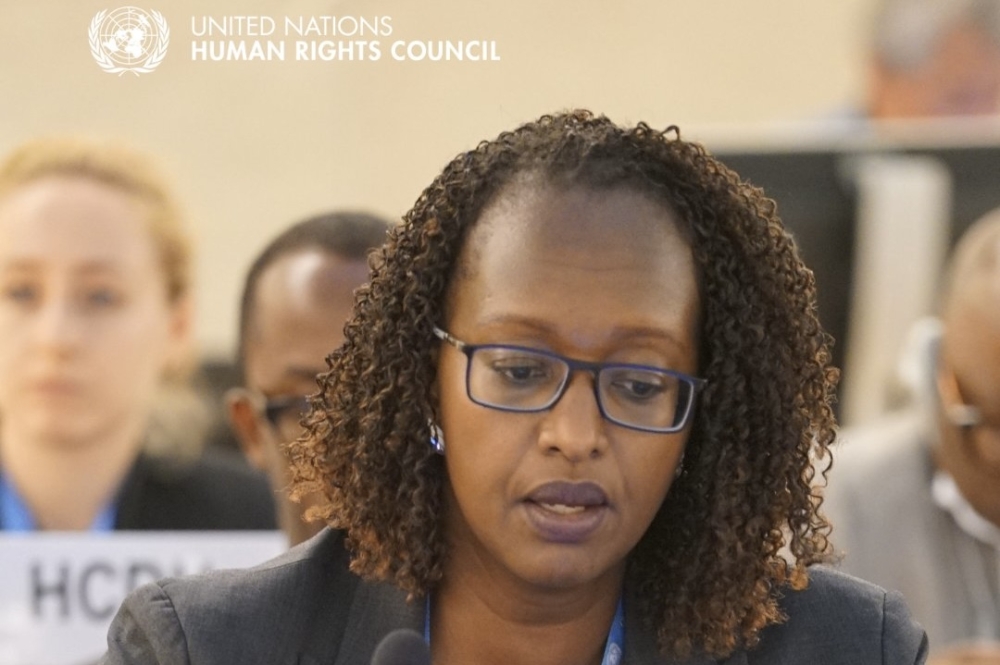
She was speaking on October 7, 2025, at the 60th session of the UN Human Rights Council, during an intervention on the draft resolution No. A/HRC/60/L32.Rev1 concerning the human rights situation in eastern DRC.
Ambassador Bakuramutsa said, “Insanity is doing the same thing over and over again and expecting a different result. Continuing to repeat the same accusatory narratives while ignoring the root causes of the conflict will not bring peace, neither to the people of the DRC nor to our region.”
“Rwanda rejects the unfounded accusations made against it; nevertheless, it will continue to engage constructively to ensure that security, accountability, and the protection of civilians remain at the core of all initiatives aimed at restoring peace and dignity to the populations of the Great Lakes region,” she added.
In June 2025, Rwanda and the DRC signed peace agreements aimed at restoring security in eastern DRC.
The accord includes four key components: the dismantling of the FDLR rebel group, the lifting of Rwanda’s defensive measures, economic cooperation between the two countries, and a political section that commits both governments to support ongoing talks between the DRC and the M23/AFC, as well as facilitation for the voluntary repatriation of refugees.
However, Rwanda has consistently highlighted that President Tshisekedi’s government has been slow in implementing these agreements.
In August 2025, Rwanda’s Minister of Foreign Affairs and International Cooperation, Amb. Olivier Nduhungirehe, told Senators that while Rwanda is hopeful the signed peace agreement with the Democratic Republic of Congo will bear fruit, it still has serious concerns about its actual implementation as agreed upon by both parties.
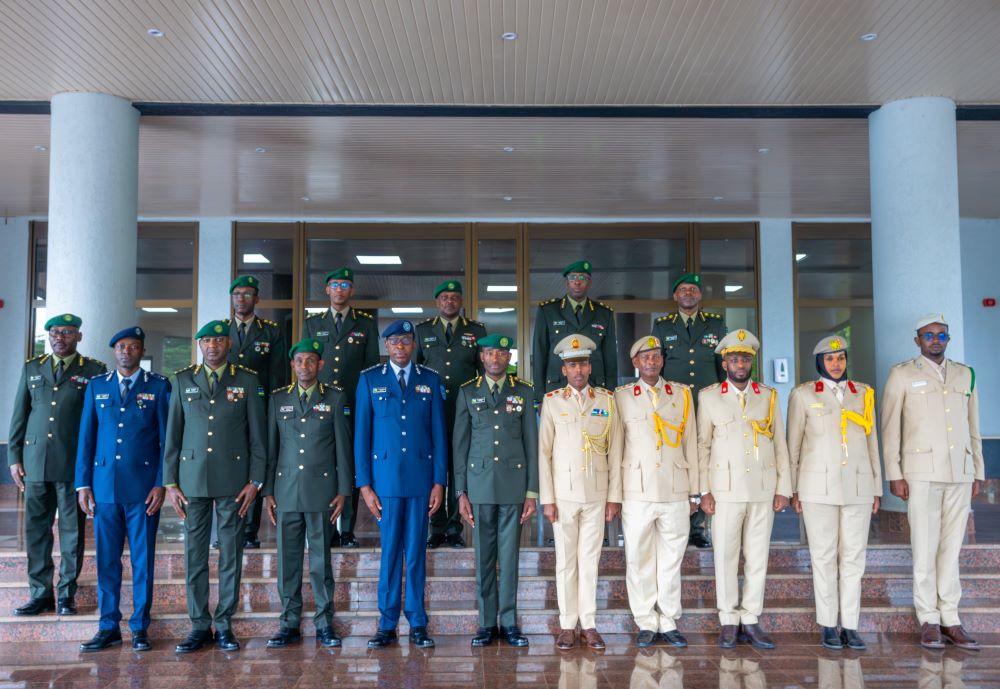
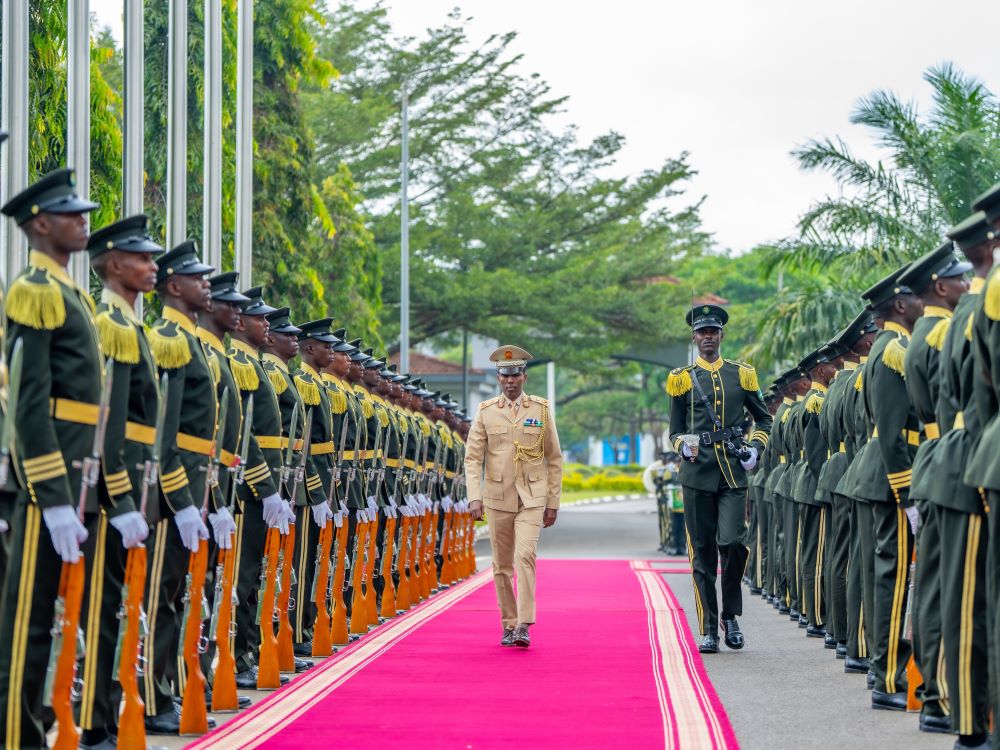
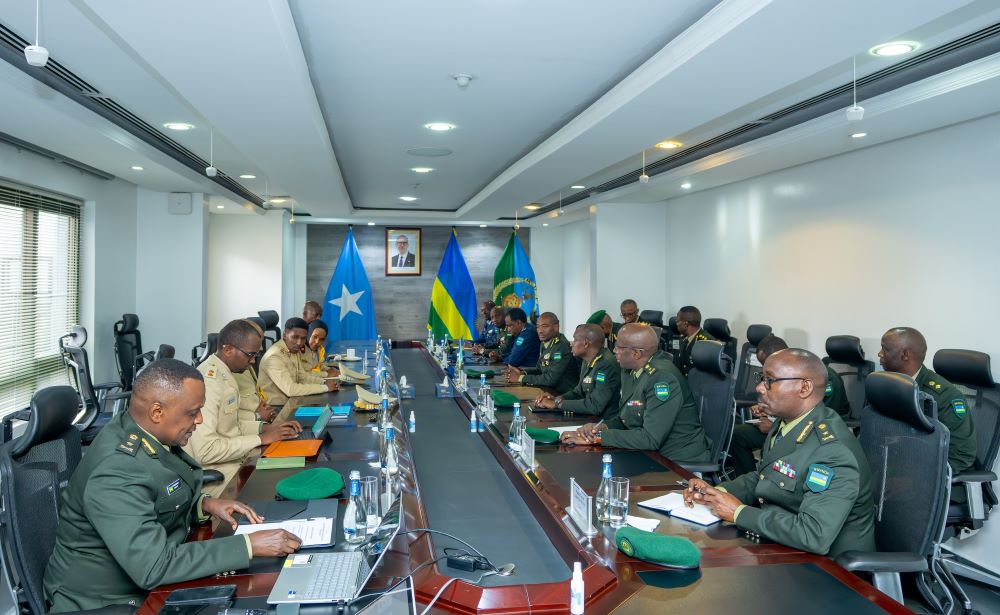
The visit aims to strengthen the existing defence cooperation between the two countries’ armed forces.
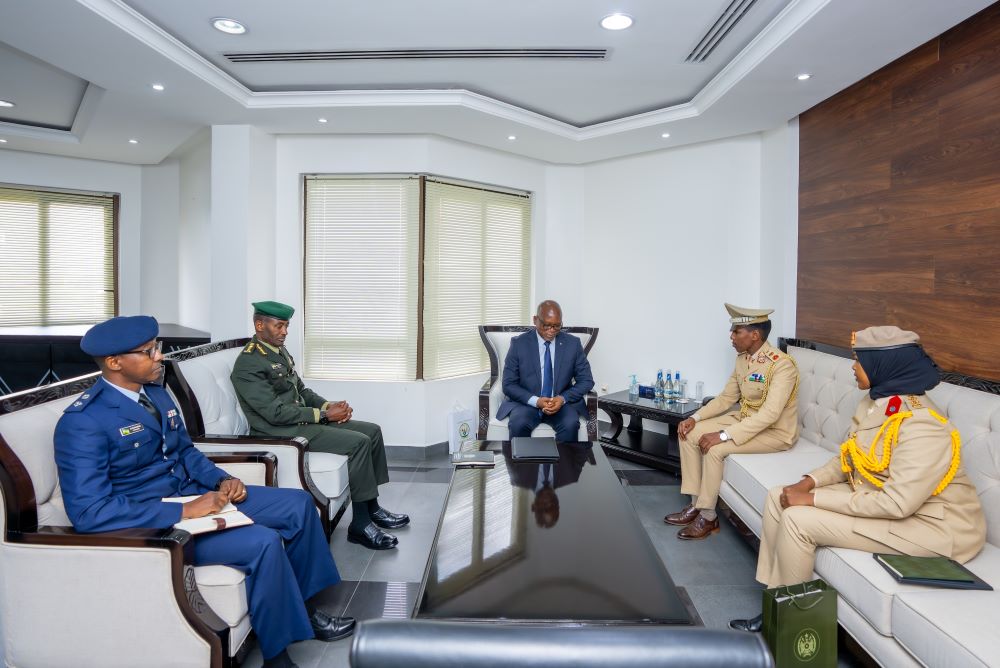
During the visit, Major General Odawa Yusuf Rage held a meeting with the Rwandan Minister of Defence, Juvenal Marizamunda, and the RDF Chief of Defence Staff, General MK Mubarakh.
The visit by the Chief of Defence Forces of the Somali National Armed Forces aligns with the SNAF’s strategic plan to strengthen defence cooperation and mutual support among East African partners, which is considered as a critical factor in transforming security gains into sustainable peace and long-term regional stability.
During the meeting, the Somali National Armed Forces delegation was briefed on regional security dynamics, including Rwanda’s contribution to Peace and Security in Africa.
The Somali National Armed Forces delegation also visited the Kigali Genocide Memorial, where they paid tribute to the victims of the 1994 Genocide against the Tutsi.
The delegation will also visit the MoD/RDF-affiliated agencies, as well as the Campaign against Genocide Museum.
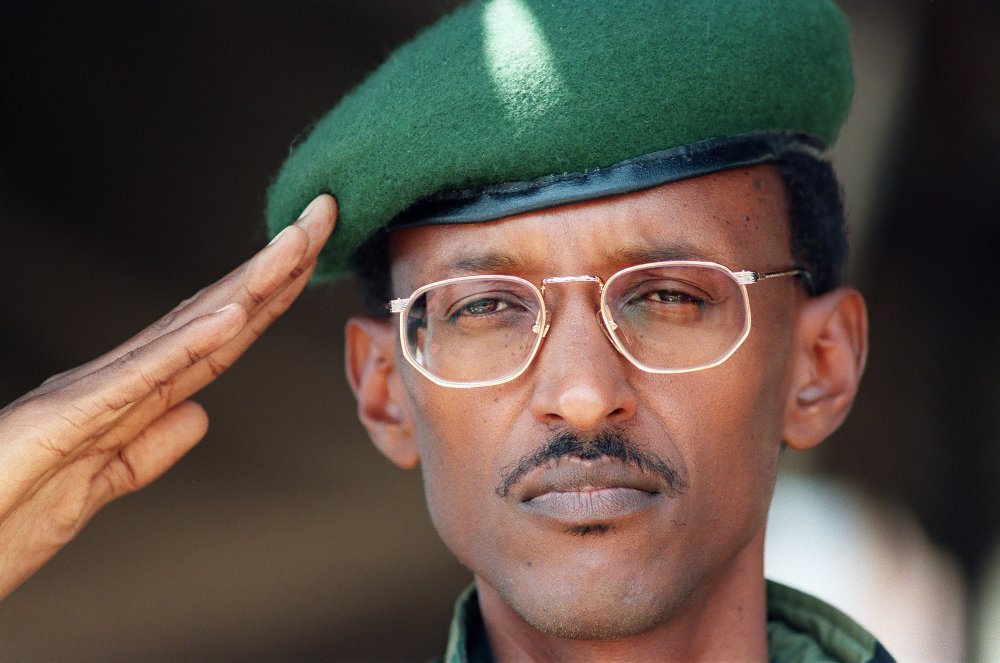
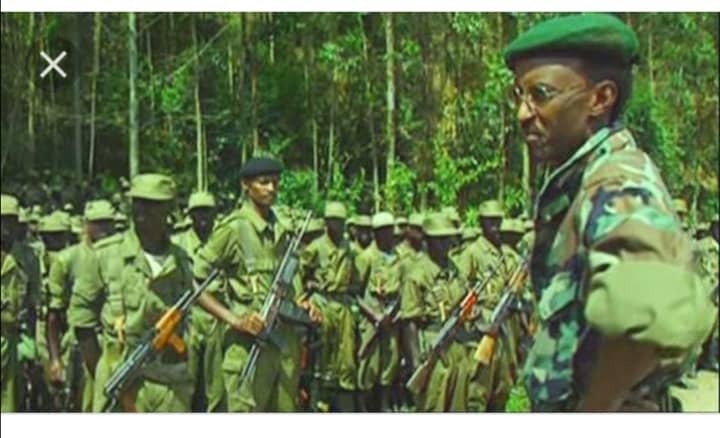
Gen (Rtd) James Kabarebe once recalled that had President Paul Kagame not stepped in at that critical moment, the liberation struggle might have ended entirely, as the army had just lost its commander.
Reflecting on those early days, Gen (Rtd) Fred Ibingira also emphasized that Kagame’s decision to take command became a turning point that ultimately led them to victory.
“The man found us in Kagitumba, each of us looking for a way to flee again […] the war had overwhelmed us. Soon, he arrived and found everyone wide-eyed, discouraged, and demoralized,” he noted.
President Kagame himself, also reflected on the situation described by Gen (Rtd) James Kabarebe and Gen (Rtd) Fred Ibingira.
He highlighted that the state in which he found the soldiers may have been among the worst things he has ever witnessed in his life, alongside the Genocide against the Tutsi.
In the book A Thousand Hills: Rwanda’s Rebirth and the Man Who Dreamed It by Stephen Kinzer, it is noted that Kagame was deeply shaken by what he saw when he arrived at the battlefield.
In a series of interviews the author held with President Kagame in 2006 and 2007, he said: “It was totally disorganized. The first sight was probably the worst I have ever seen, that and the genocide; things that have made a mark in my life, my mind, things that probably changed my life forever.These two things never go away. I live with them. . . .,” he said.
At that time, President Kagame said he immediately called commanders for a meeting to decide how the war could continue.
“They were terribly demoralized, even that was an understatement. They were not even thinking. It was a devastation,” he said.
The book titled,The Struggle for Liberation: War and Militarism in African History by John Burton Kegel, shows that there were many reasons proving Kagame was the only one capable of restoring the army’s confidence and keeping the liberation struggle alive.
Beyond that, his experience working in military intelligence within the Ugandan army gave him exceptional access to information that others could not obtain, a critical advantage for the campaign launched by the Rwandan Patriotic Front (RPF-Inkotanyi) and its army wing, RPA.
{{Admiration in the Ugandan army}}
Besides being known in the RPA as a man who did not tolerate mistakes and as someone with deep military knowledge, Lt Gen (Rtd) Caesar Kayizari once said Kagame had already built a strong reputation in Uganda’s National Resistance Army (NRA).
His track record on the battlefield was so solid that whenever there was a problem, people trusted things would be resolved if he showed up.
He said, “Even in the NRA they used to say, ‘If Kagame has come, everything will be solved.’”
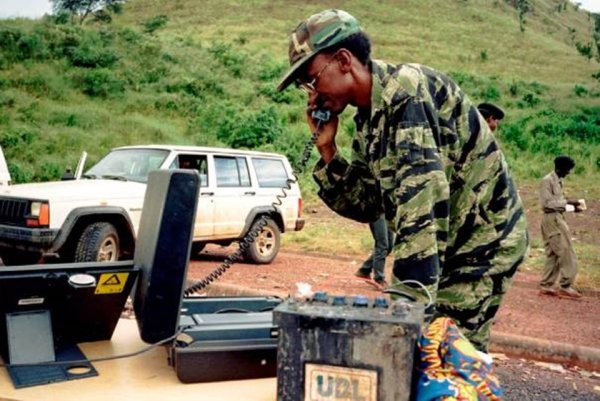
Kagame’s return from the United States brought a turning point in the liberation struggle. The RPA shifted from conventional warfare to guerrilla and mobile warfare.
Gen (Rtd) Kabarebe once explained it clearly: “At first, we engaged in conventional warfare, fighting almost like terrorists. Habyarimana’s forces would take positions on hills with anti-aircraft guns, machine guns, tanks, ambushes and air support, while we advanced with our small arms confidently, until we reached their heavy weapons. Many died. This was in Mutara, a wide-open area, where you could be targeted from three to four kilometers away before even getting close.”
“That’s why the Zairians said the RPA were terrorists […] and frankly, it was true at the time. The Commander-in-Chief changed the tactics from conventional warfare to guerrilla and mobile warfare, hit-and-run attacks, striking the enemy where he least expects, firing from where he cannot see you, hitting at night, at dawn, on the move, confusing the enemy.”
The first operation under this new tactic was the attack on Gatuna in early November, led by Col (Rtd) Twahirwa Ludovic, known as Dodo.
It was a highly organized assault that greatly boosted morale among the troops, especially those who were just entering the battle and had not witnessed the chaos of the early days.
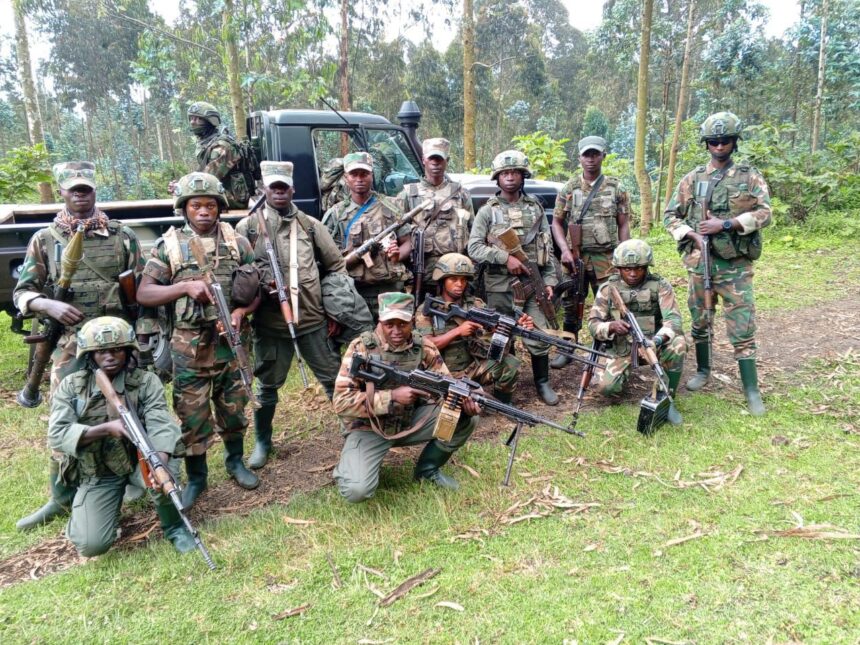
The fighting began early in the morning in Luke, where residents reported hearing mortar fire as M23 attempted to retake positions it had abandoned a month earlier.
“We have nowhere to go. This morning we heard the sound of mortars, that’s how it started. It’s M23 and Wazalendo fighting,” a resident told reporters.
After being forced out of Luke, Wazalendo fighters retreated south to Ngululu but also lost Mulema. Both areas fall within Nyamaboko 1 groupement.
Clashes the same day were also reported in Kazinga, near the border between Masisi and Walikale territories, and in Kibandamangobo forest in Shabunda territory, South Kivu. In Shabunda, M23 fought Wazalendo forces backed by the Congolese army (FARDC). Observers say the towns of Shabunda and Mwenga could be affected by the ongoing fighting.
The escalation comes as Qatar pushes to mediate between the Congolese government and the AFC/M23 coalition, under peace principles signed on July 29, 2025. Negotiations are expected this week in Doha, with delegations set to discuss measures including prisoner releases.
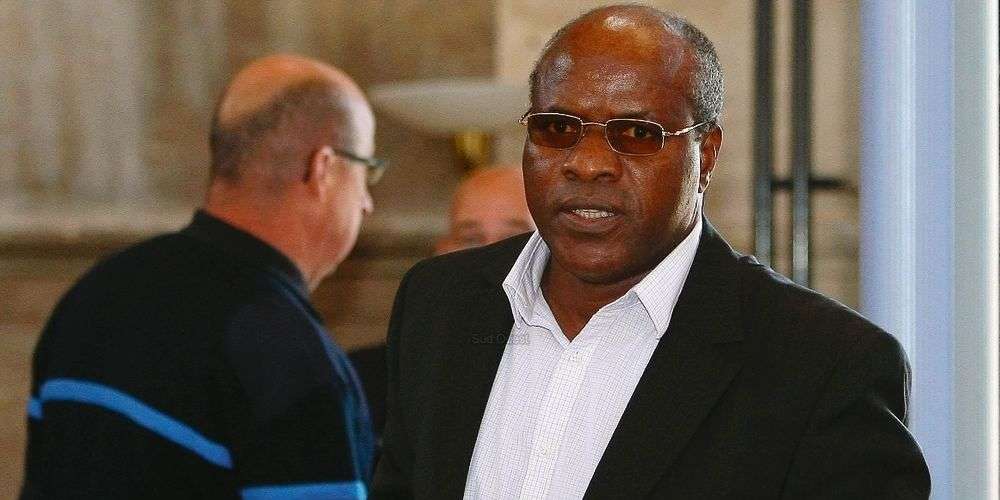
The witness made the request during an appeal trial on October 6, 2025, before the Court of Assizes on appeal in France.
The witness, presented by the civil parties, appeared via video conference from Kigali, accompanied by an interpreter.
The woman, born in 1953, recounted that during the genocide, her husband was arrested and imprisoned in a place known as “Maison 60” for one day before being transferred to the Tumba sector office where other Tutsi were detained.
She said Dr. Munyemana was the one responsible for keeping the keys to the detention site after he had replaced the sector leader, Bwanakeye.
Later, a vehicle belonging to the commune, nicknamed “Ruhumbangegera,” came and transported those detained at the sector office to the office of the then-prosecutor, Sebushishi.
According to the witness, they were subsequently taken to the local gendarmerie where they were severely beaten before being moved to an unknown execution site.
“I don’t know the location. On this matter, I would ask Munyemana to tell us where the bodies of our loved ones were taken so we can bury them decently. I am sure he knows where they are because he played a major role in what happened there,” she said.
The witness explained that during the genocide, her national ID card identified her as Hutu because she was born to a Hutu father and Tutsi mother. She and her husband had eight children, but one died after the genocide.
When asked by Dr. Munyemana’s defense lawyers if she knew him personally before the genocide, she said she had only heard his name frequently at the time but came to know more about him later during the Gacaca courts.
Other witnesses have continued to testify, linking Dr. Munyemana to the killings of Tutsi detained at the Tumba sector office.
In December 2023, the Paris Assize Court found Dr. Munyemana guilty of genocide charges, crimes against humanity and participation in a conspiracy to prepare those crimes, sentencing him to 24 years in prison. He appealed the verdict.
His appeal trial began on September 16, 2025, and is expected to conclude on October 24.
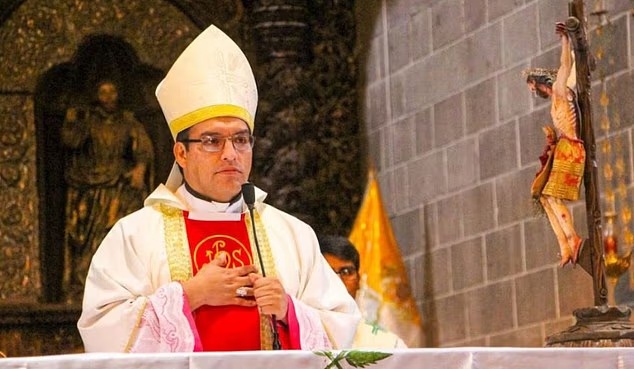
Ciro Quispe López, 51, the bishop of Juli, stepped down following an investigation that revealed some of his alleged lovers had nearly come to blows upon discovering each other’s involvement.
Paola Ugaz, a Peruvian journalist, described the situation as “a real soap opera” in an interview with The Times.
She explained that a nun who was one of López’s lovers became jealous of a lawyer he was also seeing, sending information about the bishop’s affairs to a third woman, which resulted in a physical confrontation. Ugaz added that many of the 17 women were too frightened to come forward due to fear of López.
The scandal came to light after López reportedly sent photos and videos intended for his mistresses to his cleaning lady, who filed a complaint with the Catholic Church. The Vatican subsequently reviewed voice notes, photos, and videos linked to the bishop.
López has denied the allegations, claiming they are part of a defamation campaign orchestrated by “dark hands.”
In addition to the sexual misconduct allegations, López was reportedly under investigation for embezzling church funds. He is said to have taken chairs from church property to furnish a chicken restaurant chain, Patas Arriba, in which he reportedly held a financial stake.
The Vatican accepted López’s resignation early last month, more than 20 years before the mandatory retirement age of 75 for bishops.
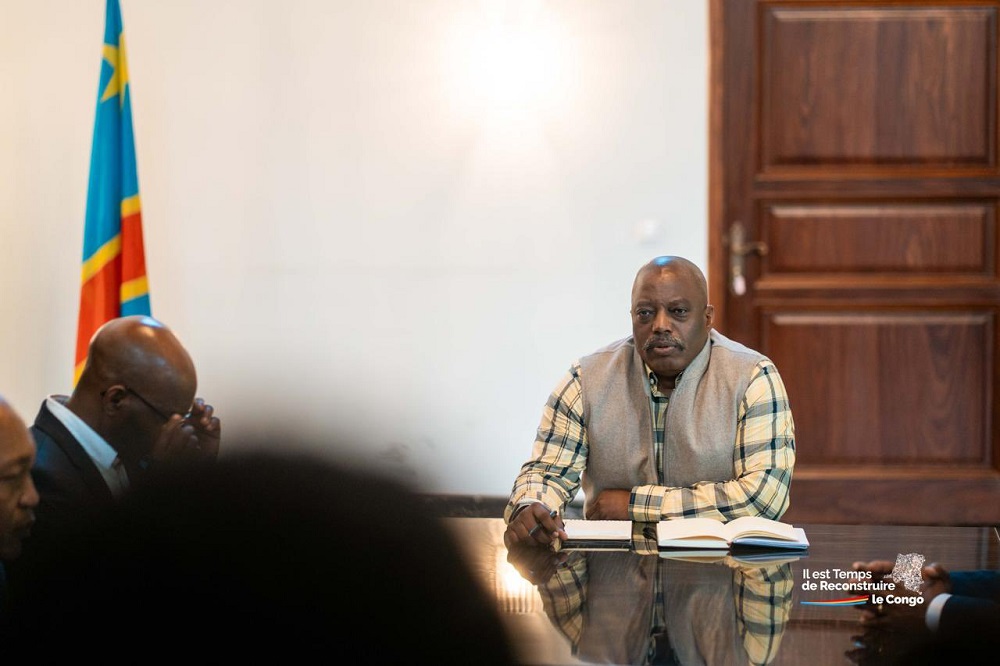
The High Military Court sentenced Kabila to death in absentia on September 30, 2025, after finding him guilty of treason, war crimes, crimes against humanity, and leading an unauthorised armed group.
The court stated that Kabila is the leader of the AFC/M23 rebel coalition, which it claims controls large parts of North Kivu and South Kivu provinces, and that the alleged crimes were committed under his command in those regions.
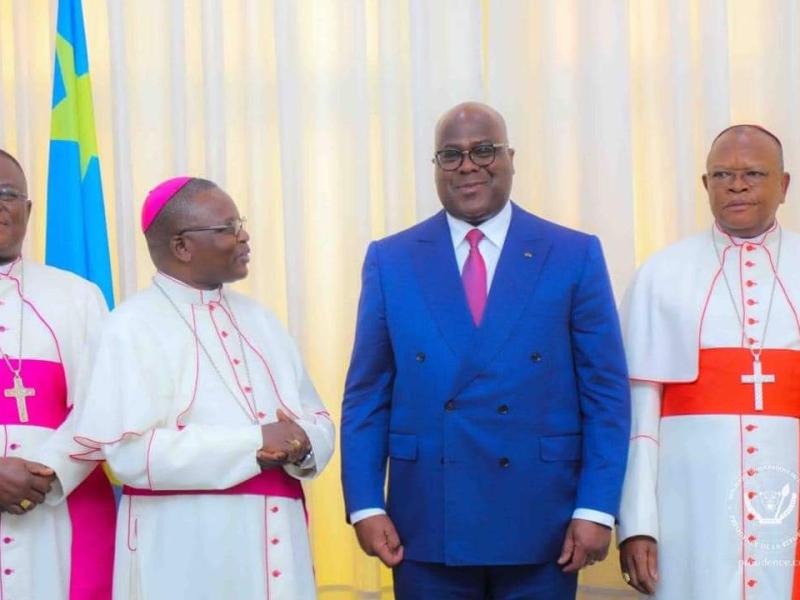
Monsignor Fulgence Muteba Mugalu, President of the National Episcopal Conference of Congo (CENCO), speaking on behalf of the Catholic bishops on October 6, invoked scripture to remind the country’s leadership that only God has the authority to end a human life.
“We were deeply alarmed by the decision of the High Military Court of Kinshasa following the rushed criminal trial of Joseph Kabila, a former president who has now been sentenced to death,” said Monsignor Muteba.
He argued that the case is politically motivated and urged the DRC government to address the country’s crises through inclusive political dialogue.
“For our part, while our country is in the midst of war and insecurity, we continue to affirm that inclusive dialogue is the best path to resolve the root causes of these challenges and to restore unity, peace, coexistence, and the sovereignty of our nation,” he said.
He added that such dialogue is urgently needed given the seriousness of the situation and its impact on the Congolese people.
The Catholic Church emphasised that for a sustainable solution to the DRC’s long-standing problems, political dialogue must involve all key actors, including those who have taken up arms and those who have not.
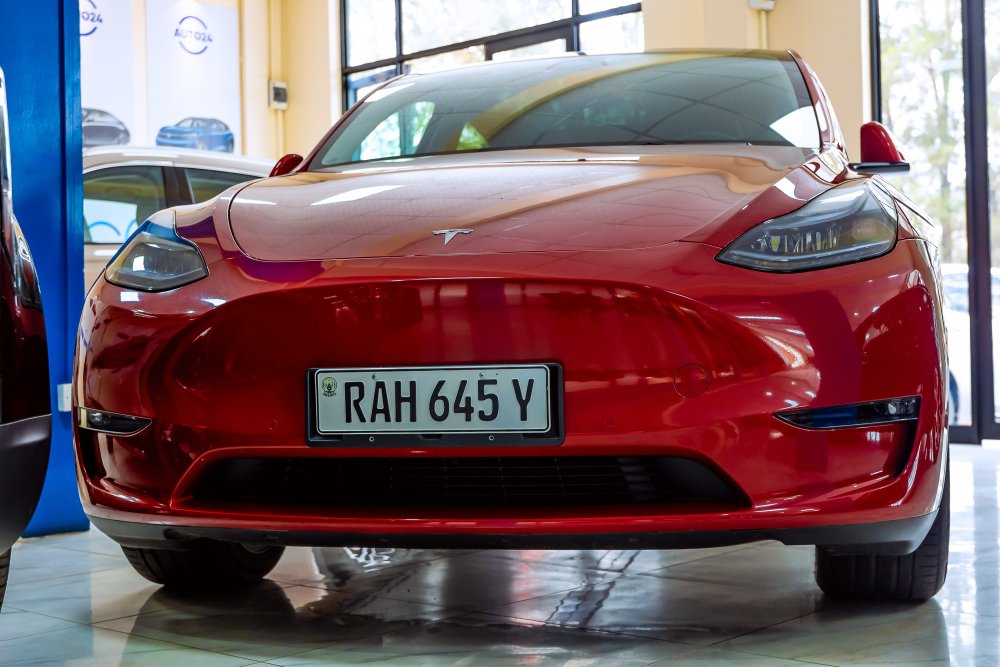
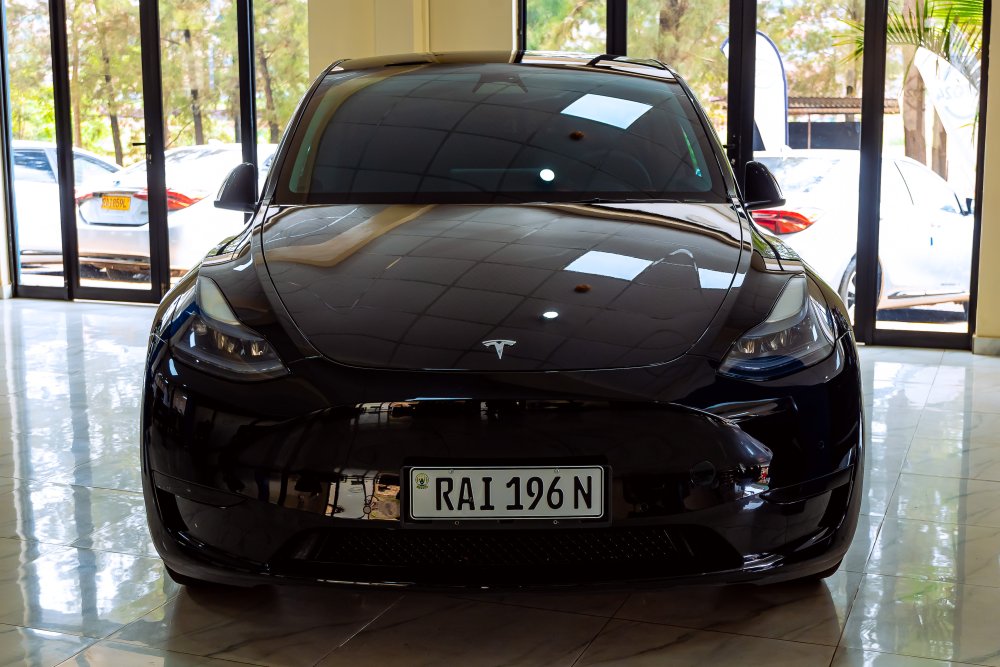
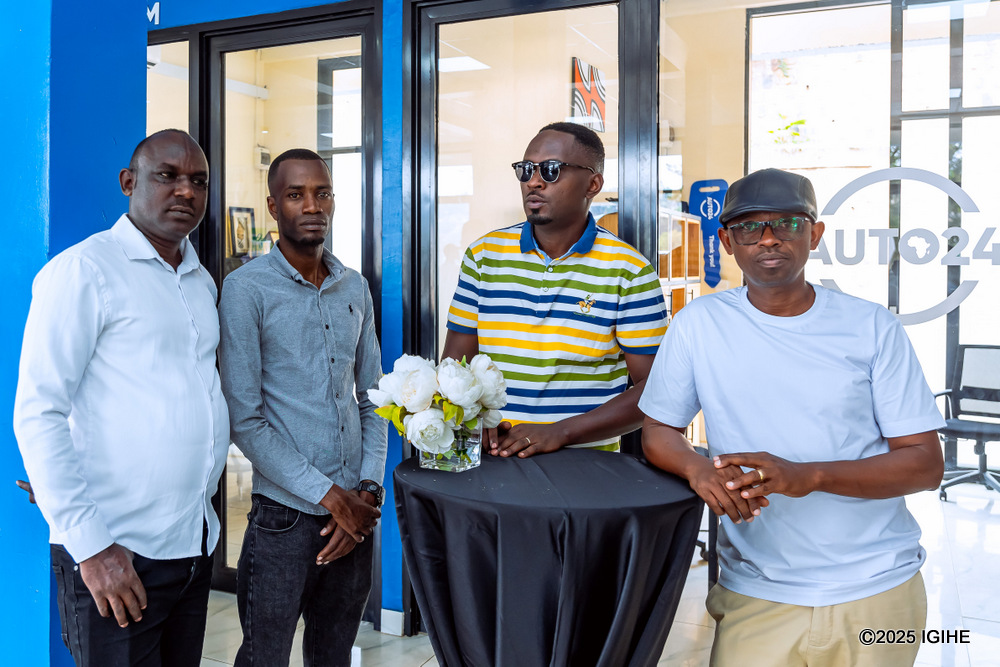
Vehicle emissions contribute heavily to air pollution in Rwanda, accounting for about 40% of pollutants, according to the Rwanda Environment Management Authority (REMA). To address this, Auto24, known for promoting eco-friendly vehicles, partnered with Kimu Transport to provide hybrid cars, with payment arranged in instalments.
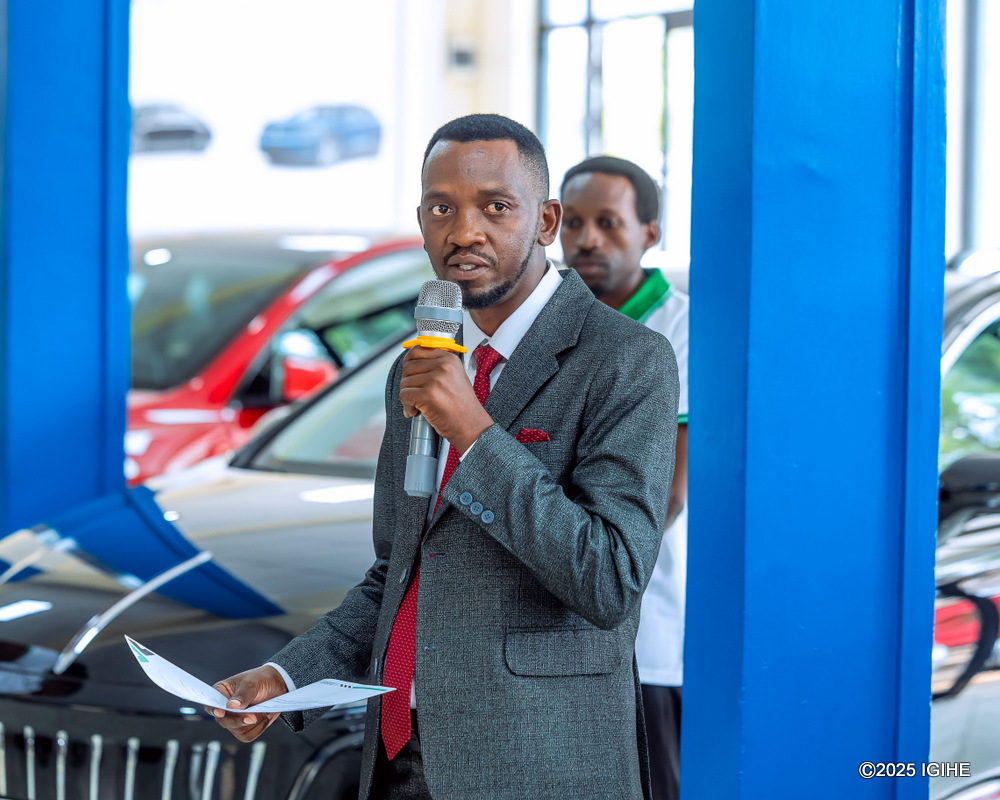
Ivan Ruzibiza, Country Manager at Auto24, said the partnership was driven by a shared commitment to supporting the government’s policy to reduce polluting vehicles.
“We partnered with Kimu Transport because they share our mission to promote the use of electric and hybrid vehicles in Rwanda, in line with the government’s vision,” Ruzibiza said.
He added that the vehicles delivered are part of the first phase, with plans to supply fully electric vehicles in the next phase. The hybrid models are expected to reduce fuel consumption, saving money for drivers.
“Typically, a passenger car consumes about 10 to 12 litres of petrol, but these Toyota vehicles will use only 4 to 5 litres. This allows drivers to save money, which they can reinvest in improving their livelihoods and supporting their families,” Ruzibiza explained.
Jean Pierre Nkunziryayo, CEO of Kimu Transport, welcomed the partnership, highlighting both financial and environmental benefits.
“We are delighted to receive these vehicles that align with the government’s push for cleaner transport and will also help us reduce fuel costs,” Nkunziryayo said.
The vehicles provided are Toyota Corolla Levin Plug-in Hybrids. The World Health Organisation (WHO) notes that air pollution poses significant health risks, particularly to pregnant women, children, and people with chronic illnesses, and is linked to lung cancer, heart disease, asthma, and other respiratory conditions.
Kimu Transport drivers expressed enthusiasm about operating the new hybrid vehicles. The handover ceremony also included an exchange of gifts between both parties.