Eric Tuyizere, 20, and Manase Ishimwe, 23, were arrested in the act at about 11 am in Bibare Cell, Intashyo Village, where they were stealing items in the house of one Rama Krishan.
Gasabo District Police Commander, Senior Superintendent of Police (SSP) Pierre Tebuka said that neighbours to the would-be victim called the Police after seeing the two men breaking into the house.
“Police officers were immediately deployed but local residents had already exercised their community policing rights to apprehend them by the time officers arrived,” SSP Tebuka said.
“They were caught with a flat television set, computer, clothes and foodstuffs, which they had already taken out of the house,” he added.
He explained that it’s not the first time the same individuals have been implicated in theft-related crimes.
“We had information that these two suspects were behind another recent house break-in in Gasabo.”
The suspects also admitted to be behind separate house break-ins.
“We understand this criminal ring is composed of four members, we are still searching for two others, who are still at large but their identities known.”
The DPC thanked the residents for the spirit of neighbourhood watch and timely information sharing.
The suspects were handed over to RIB in Kimironko.
Theft under article 166 of the law relating to offences and penalties in Rwanda, is punishable with an imprisonment of between one and two years and a fine of between Rwf1 million and Rwf2 million, a community service of six months or one of these penalties.
The Independent Review Panel was set up by the Bureau of Governors of the Bank, following a complaint by the United States, to review the process by which two previous organs of the Bank – the Ethics Committee of the Board, and the Bureau of the Board of Governors – had previously exonerated Adesina.
The distinguished three-member Independent Review Panel include Mary Robinson, who is a former President of the Republic of Ireland, a former United Nations High Commissioner for Human Rights, and the Chairperson of the Elders, a global body of wise persons concerned with the world’s wellbeing; the Chief Justice of the Supreme Court of Gambia, Mr. Hassan B. Jallow; and Mr. Leonard F. McCarthy, a former Director of Public Prosecutions, a former Director for the Office of Serious Economic Offences, and a former Head of the Directorate of Special Operations of South Africa. He also served as the Vice President of Integrity for the World Bank for nine years.
In January 2020, sixteen allegations of ethical misconduct were levelled against Adesina by a group of whistleblowers. The allegations which were reviewed by the Bank’s Ethics Committee of the Board of Directors in March, were described as “frivolous and without merit.” The findings and rulings of the Ethics Committee were subsequently upheld by the apex Bureau of the Board of Governors in May, which cleared Adesina of any wrongdoing.
The report of the Independent Review Panel states that it “concurs with the (Ethics) Committee in its findings in respect of all the allegations against the President and finds that they were properly considered and dismissed by the Committee.”
The Panel once again vindicates Adesina and states, “It has considered the President’s submissions on their face and finds them consistent with his innocence and to be persuasive.”
The conclusions of the Independent Review Panel are decisive and now clear the way for Governors of the Bank to re-elect Adesina to a second five-year term as President during annual meetings of the Bank scheduled for August 25-27.
Adesina is a highly decorated and distinguished technocrat and globally-respected development economist. He was awarded the prestigious World Food Prize in 2017 and the Sunhak Peace Prize in 2019 for global leadership in agriculture and for good governance.
Since taking over the reigns of the Bank in 2015, he has introduced several innovative reforms including a High5 development strategy; a restructuring of the bank including setting up offices in several African nations to get closer to its clients; an Africa Investment Forum that has attracted $79 billion in investment interests into projects in Africa between 2018 and 2019. He successfully led a historic General Capital Increase campaign that culminated in the Bank’s shareholders raising the institution’s capital from $93 billion to $208 billion, in October 2019.
In June and July respectively, global credit ratings agencies Standard and Poors and Fitch Ratings both affirmed the ‘AAA’ rating of the Bank, with stable outlook.
Under Adesina’s leadership the African Development Bank launched a $10 billion crisis response facility to boost African nations’ ability to tackle the health and economic effects of COVID-19.
Several Governors of the Bank speaking off the record, say it is now time to put recent events in the past; provide the Bank’s President with full support; and bolster the Bank’s efforts on Africa’s critical development issues.
RNP spokesperson, CP John Bosco Kabera said that although the rate of compliance to COVID-19 directives and guidelines remains high, there are some people, who engage in prohibited practices.
“Most violators are witnessed and intercepted in weekends. The number is high for those found holding birthday parties or turning their homes into bars.
These unnecessary and risky events bring together many people from different places and one infected person can easily infect everyone who is there without forgetting how many will be infected when the latter go back to their homes, communities and work places,” CP Kabera said.
He observed that such inappropriate behaviors and actions can lead the country back into lockdown.
“If you want to hold a birthday party, do it from your home, inviting relatives and friends is prohibited; if you want to drink, do so in authorized places or at your home but inviting friends and relatives at home for such social gathering is not allowed. Home visits are not allowed.
It is a traffic offence to drive or ride while drunk and worse still to violate the directives.”
CP Kabera observed that there are some people who still shake hands and hug each other, which are risky traditional practice in this period.
The spokesperson advised the public to plan their journeys and day-to-day activities adding that there should be no excuse to violate the curfew.
“In this period when prayer services are permitted to churches that fulfilled the requirement, Police appeals to religious leaders that in order to win the fight against this pandemic, their ownership in spreading safety messages of #NtabeAriNjye is paramount,” he said.
He disclosed that RNP is currently developing messages that will be distributed in churches and mosques for their followers to further influence positive actions among Rwandans.
To those holding weddings and related parties, he said, an assessment indicated violations especially social distancing, wearing facemasks, shaking hands, hugging and exchanging gifts, among others.
He warned that facilities holding such authorized gatherings will be closed if found violating the safety guidelines.
“For those still in lockdown in Rusizi District and in some cells of Nyamasheke, Nyamagabe, Kicukiro and Nyarugenge districts, we urge them to be patient and comply with directives so that they can soon resume their movements. Disobeying set safety measures will make them stay in isolation longer.”
He further warned of legal actions to all those, who violated the curfew and disregarded the Police instructions to go to allocated centers.
RNP published lists of about 570 motorists, who violated the curfew since April and worse still refused to heed the Police orders to park to allocated lots and go to centres where they were directed. The force urged them to voluntarily come forward or further action would be taken against them.
Cabinet meeting on April 30, 2020, to curb the Coronavirus pandemic, decided that schools would remain closed until September, prompting many private schools to suspend contracts with teachers.
It is a decision that has made lives of the teachers worse because since March they haven’t received a salary. As a result, some teachers were chased from the rented houses, and others looked for other opportunities to survive.
In June this year, Umwarimu Sacco launched a loan scheme called ‘Iramiro’, through which private schools will be given loans so that they can continue to pay teachers who are currently affected by the Coronavirus pandemic.
Teachers in private schools, however, say that the private schools’ managers have chosen not to take out the loan, and so in a way, the affected teachers will not benefit from the scheme.
The Prime Minister, Dr. Ngirente, when addressing members of Parliament on Strategies for Preventing and Combating the Covid-19, said that the issue of private institutions ignoring the loan opportunity to enable them pay teachers will be responded to with an actionable intervention.
“We have encouraged private institutions to take out loans from the teachers’ Sacco but we have already noted that some schools are reluctant to take the offer, so we shall take another intervention,” he said.
Prime Minister Dr. Ngirente said there is a plan to provide food to private school teachers who haven’t been paid for a while.
“Some have asked us to provide them with food regularly and we are doing it. There is a plan to help them because there are some who have not been paid for a long time. Those who fall in the category of people who have not been able to earn anything since Covid-19 started will be supported so that they don’t sleep without eating”.
On the issue of schools refusing to pay teachers’ salaries, the Minister of Education, Dr. Uwamariya Valentine, said that they could not force private schools to take a loan to pay teachers’ salaries since they will not help them to pay back the debts.
The funding will take the form of an African Development Fund loan, which the Bank is providing the under its COVID-19 Response Facility.
Rwanda mounted a swift and decisive response to counter the effects of the pandemic that included social distancing, suspension of domestic and international travel, remote working, and on 21 March, a total lockdown of the country. However, since 4 May 2020, the government has partially reopened the country.
Under the Crisis Response Budget Support Program, the Rwandan government will use the funding to strengthen the health system to contain the spread of COVID-19; safeguard economic resilience; and mitigate the pandemic’s impact on vulnerable sectors of the population.
Health sector measures entail bolstering surveillance, infection prevention and control capacity so the health authorities can better monitor, track and identify hotspots; enhance laboratory capacity for testing; and treatment of the severely ill.
Another element is risk communication and community engagement on the disease.
The government will work to shore up economic resilience by clearing arrears to domestic suppliers, enabling the private sector to continue to invest, pay taxes and repay loans. Through an approved Economic Recovery Fund (ERF), the government will support hard-hit businesses and sustain employment and promote domestic production of medical equipment, masks, gloves and sanitizers.
The COVID-19 containment measures combined with weaker global demand and disruptions in the global supply chain have mainly impacted the hospitality, education, services, agriculture and trading sectors. This has led to losses in revenues and jobs, especially those related to causal workers, informal sector including micro small and medium enterprises, and those laid off in the formal economy. This loss of income is threatening to push households into poverty, especially those that were living at the poverty margin before the pandemic.
In response, government has approved the Economic Recovery Program which will scale up existing social protection and healthcare programs to these vulnerable segments of the population.
“We are pleased to provide this crisis response budget operation to support the Government of Rwanda in their efforts to contain the negative impact of the COVID-19 on the people of Rwanda and the government fiscal space,” said Nnenna
Nwabufo, the Bank’s Acting Director General for East Africa, “We are confident that the government will execute the planned programs with great efficiency and diligence.”
Under a worst-case scenario, Rwanda’s real GDP in 2020 is forecast to contract by 2.0 %. Further, as 90% of the workforce is employed in the private sector, mostly in small and informal enterprises, shutdown measures can be expected to sharply raise unemployment.
The proposed budget support program is aligned with the Government of Rwanda’s National Preparedness and Response Plan and Economic Recovery Plan. It also aligns with the Bank Group’s Ten-Year Strategy and the High 5 priority “improve the quality of life of the people of Africa”.
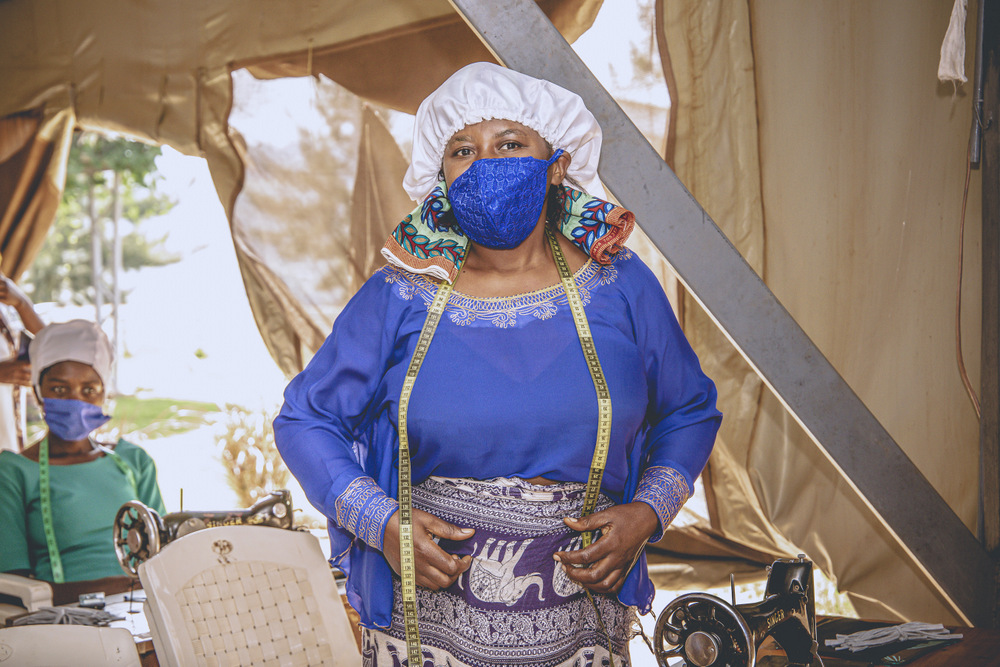
Through this partnership, Gahaya Links has worked with its vast network of women cooperatives to protect its members against the health risks of the pandemic.
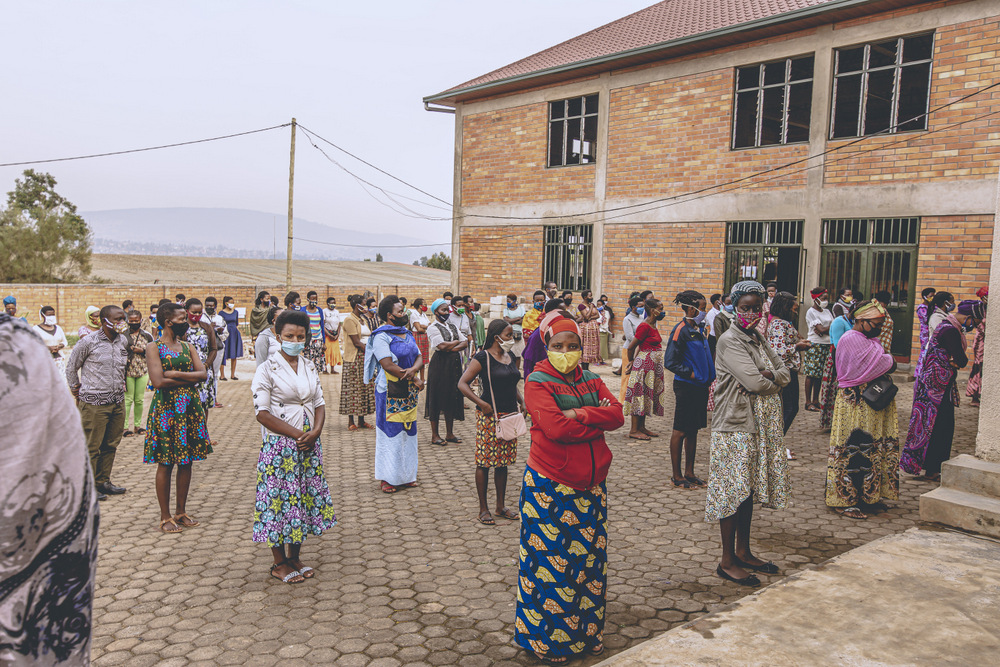
These women, who come from homes with an average of six family members, will receive two masks for each member of their household benefitting a total of 240,000 people.
To date, all 480,000 masks have been distributed and as lockdown restrictions are gradually lifted, these families now have the tools to resume work safely and in compliance with public health guidelines. Wearing protective face masks in public, washing hands with soap often, and practicing social distancing are all new behaviors and will require education and sensitization of the masses to ensure our health and safety.
Since April, all citizens of Rwanda were required to adopt these critical new hygiene habits, and Gahaya Links has produced a training video to be used at the local district level to educate the public on the proper usage and maintenance of protective face masks.
The COVID-19 pandemic has pushed the world into economic distress. People in the informal sector have been impacted the most and while all sectors have taken a hit, the artisan community, like many others who rely on a daily wage, became unemployed very rapidly.
Gahaya Links has been empowering women artisan communities in Rwanda over the last 20 years, through enterprise design of home decor, jewelry, and textile collections inspired by the rich heritage of Rwandan partisanship.
Initially started as an opportunity for basic income generation and skills training for 20 women has now grown to produce positive multiplier effects across a network of over 40,000 families and their communities.
When the pandemic hit Rwanda, Gahaya Links swiftly pivoted its business, harnessing its powerful network of artisans to protect the most vulnerable members of its community.
“We believe that women are the heart of the home and the backbone of their community. When a woman’s life is empowered, so are the lives of the people around her. We’re thankful for the partnership with the Mastercard Foundation which has enabled us to protect 240,000 women and their families, while providing an opportunity for over 1,400 artisans to go back to work,” says Joy Ndungutse, Gahaya Links CEO & Founder.
The Mastercard Foundation COVID-19 Recovery and Resilience Program has two main goals. First, to deliver emergency support for health workers, first responders, and students. Second, to strengthen the diverse institutions that are the first line of defense against the social and economic aftermath of this disease.
The Program has also supported small businesses to withstand the economic effects of COVID-19, and contributed to public health response through the production and distribution of critically-needed health care products and equipment.
“Many people and sectors in our societies have been affected by the COVID-19 pandemic. Through the Mastercard Foundation COVID-19 Recovery and Resilience Program, we are partnering with organizations like Gahaya Links to develop the right response to enable economies to recover quickly and to rebuild for the future,” says Rica Rwigamba, Rwanda Country Head at the Mastercard Foundation.
The fight against COVID-19 is a national public health concern and one that the Government of Rwanda has prioritized through the mandate of all citizens wearing face masks in public.
Gahaya Links was among the first companies approved to manufacture and sell protective face masks at an affordable price.
Gahaya Link’s partnership with the Mastercard Foundation aligns with the Health Ministry’s sensitization efforts by reinforcing the importance of wearing protective face masks and providing free masks to the families that otherwise would not be able to afford to purchase them.
The organization identified the 27 districts where the women of the Gahaya Links network reside and partnered with the Vice Mayors of each district and respective cooperative leaders to ensure a smooth and efficient distribution plan was executed for the 480,000 masks.
WTTC, which represents the global Travel & Tourism private sector, created the Safe Travels stamp to allow travellers to identify destinations and businesses around the world which have adopted the global standardized health and hygiene protocols.
The United Nations World Tourism Organization (UNWTO) has welcomed the WTTC Safe Travels stamp, which place the safety and hygiene of travellers as top priority.
Gloria Guevara, WTTC President & CEO, said: “Our Safe Travels stamp is proving a great success and we are delighted to see even more popular countries and destinations adopt our global health and hygiene protocols.
“The success of the WTTC Safe Travels stamp shows its importance not only to countries and destinations, but also, crucially, to travellers and the 330 million people around the world who work in and depend on, the Travel & Tourism sector.
“The stamp is a critical step in re-establishing consumer confidence in Travel & Tourism and ensuring travellers can rest easy knowing that enhanced standards of hygiene are in place and they can once again experience ‘Safe Travels’.”
Since the launch of the WTTC Safe Travels stamp, destination countries, cities, and hotspots around the world have now adopted WTTC’s new protocols.
Belise Kariza, Chief Tourism Officer at Rwanda Development Board, said:
“Rwanda’s number one priority is the health and well-being of visitors to our beautiful country. As one of only three countries in the world with endangered mountain gorillas and numerous other primate species, we also have a special responsibility to protect these magnificent animals. “
“The creation of the WTTC Safe Travels global protocols and Stamp represent an important step in the reopening of tourism around the world and Rwanda is proud to adopt these global standards. We are excited to welcome tourists back to Rwanda for safe and memorable experiences – from seeing the Big 5 on safari and exploring Rwanda’s lush rainforests to learning about our vibrant culture.”
As part of its Safe Travels protocols, these worldwide measures provide consistency and guidance to travel providers and travellers about the new approach to health, hygiene, deep cleansing and physical distancing, in the ‘new normal’ of COVID-19 world.
The protocols were devised following the experience of WTTC members dealing with COVID19 and based on guidelines from the World Health Organisation (WHO) and the Centre for Disease Control and Prevention (CDC).
According to WTTC’s 2020 Economic Impact Report, during 2019, Travel & Tourism was responsible for one in 10 jobs (330 million total), making a 10.3% contribution to global GDP and generating one in four of all new jobs.
Dusabe Chantal’s body was found this week in Butimba Village, Kawangire Cell in Rukara Sector in Kayonza District.
Executive Secretary of Rukara Sector, Nkunzurwanda John told IGIHE that three of her neighbors had been arrested, while the man with whom they live, who is the main suspect has disappeared.
The girl’s body was found naked, suspected of having problems with the man they were living with illegally, which culminated into the tragedy.
“She was stabbed, three fingers were cut off. She was stabbed in the mouth, and in the armpit; it’s clear that her fingers were cut off in self-defense. After killing her, they took her to a field and covered her with grass so that she could not immediately be found. It seems she was killed on Saturday.”
The victim had dropped out of school in her fourth year of primary school and had given birth to a child last year.
Authorities have not yet established the identity of the suspect.
The body of the deceased was taken to Gahini Hospital for a postmortem before burial.
The new list involves 72 motorists, all in the City of Kigali, who violated the curfew between 16th and 26th of July.
It comes two weeks after the first list of 498 motorists violated the curfew since April and disregarded Police instructions to park at designated areas for the remainder of curfew hours.
Only 203 motorists on the previous published list of violators responded as per the notice, which required all to report to Police by Friday, July 24.
RNP spokesperson, Commissioner of Police (CP) John Bosco Kabera warned everyone, who violates the directives and worse still disregard instructions by Police officers on duty, that they will be located and penalized accordingly.
“When you violate the directives and the curfew in particular, abide, go where you are told to go; running away will not help because you have left behind your particulars making it easier to locate you or your automobile,” CP Kabera said.
RNP, early this week, outlined new measures to ensure compliance and easy identification of errant violators.
Among the measures is digital registration of all violators so as to track their violation records. This informs serious actions in case of recidivism; reporting violators to their employers for further penalties. As for those moving without identifications, proper action will be taken to ensure their particulars are clearly known and digitally recorded.
CP Kabera said: “When they tell you to go to the stadium or any allocated centre, you are not being arrested; like we have said before, these are wide spaces to control movements during curfew hours but also to allow social distancing.”
He advised all those whose names are on the published lists of violators, to voluntarily come forward.
“If you don’t come forward voluntarily, further actions will be taken against you,” he warned.
{{Unnecessary gatherings}}
The spokesperson observed that most violations are witnessed in weekends, in most cases by people from unnecessary gatherings such as outings, home parties and birthday events.
The recent assessment on the level of compliance with the directives in the last four months, indicated serious violations related to compulsory wearing of facemask when in public, curfew and operating services that are still closed or unauthorized like bars, prayers as well prohibited movements and gatherings.
These violations were identified as major risks for COVID-19 infections.
“Be in the right place at the right time doing the right thing; home events are prohibited, bars are still closed, authorized religious gatherings must adhere to the safety guidelines otherwise their services will be suspended again,” CP Kabera emphasized.
He appealed to religious leaders to be the voice for the people to adhere to the directives, recommended safety and hygiene practices.
He further advised against handshakes and hugging practices, which transfer the virus from one person to another.
“Stay safe, abide by the directives and recommended safety practices, those in areas that are still under lockdown should stay there and avoid unnecessary movements for their safety and to prevent spreading the virus. Maximum compliance is the remedy to COVID-19, which has no antidote at the moment.”
The list, compiled by Jeune Afrique, is dominated by Nigerians and South Africans. It includes African football players, artists, scientists and politicians who were very influential in the year 2020.
It is a list that was initiated in January 2020 with, on top of it, the World Health Organization (WHO) director Tedros Adhanom Ghebreyesus. He led the organization in difficult times where the world has had to face the Coronavirus pandemic, despite challenges including disagreements with the United States, which has decided to suspend funding, accusing WHO of mismanagement.
In May 2017, Dr. Tedros Adhanom Ghebreyesus was elected Director-General of the United Nations World Health Organization (WHO), in Geneva, Switzerland.
In April this year alone, Adhanom Ghebreyesus life was threatened by many, he faced racism, insulted and yet continued his campaign to ensure that all countries were helped in the prevention of the Covid-19.
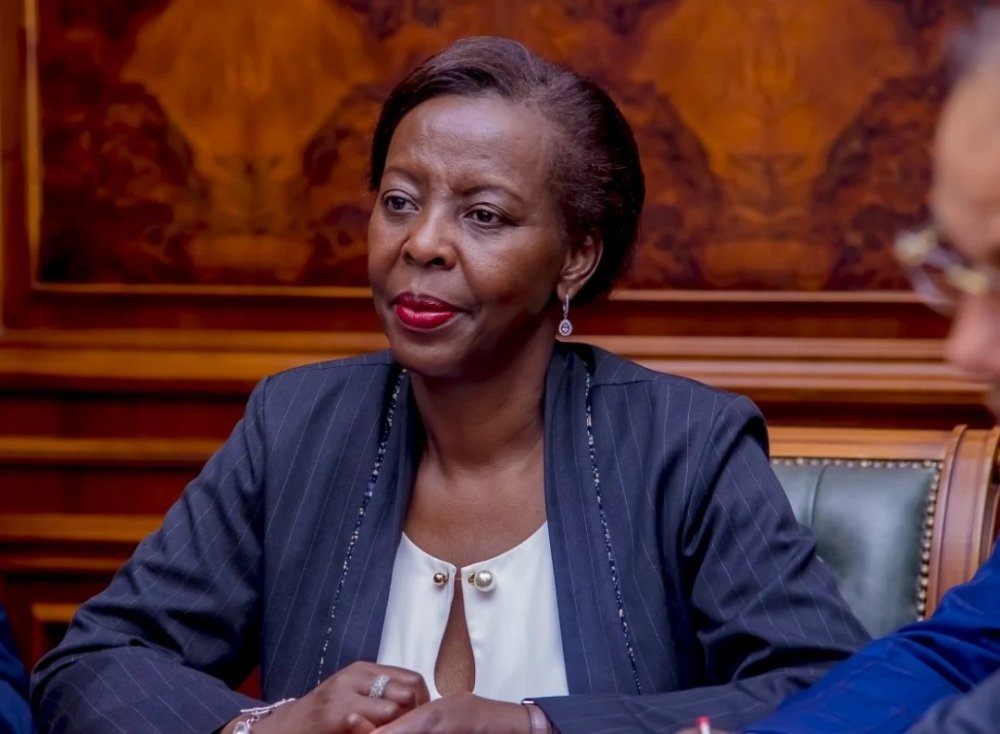
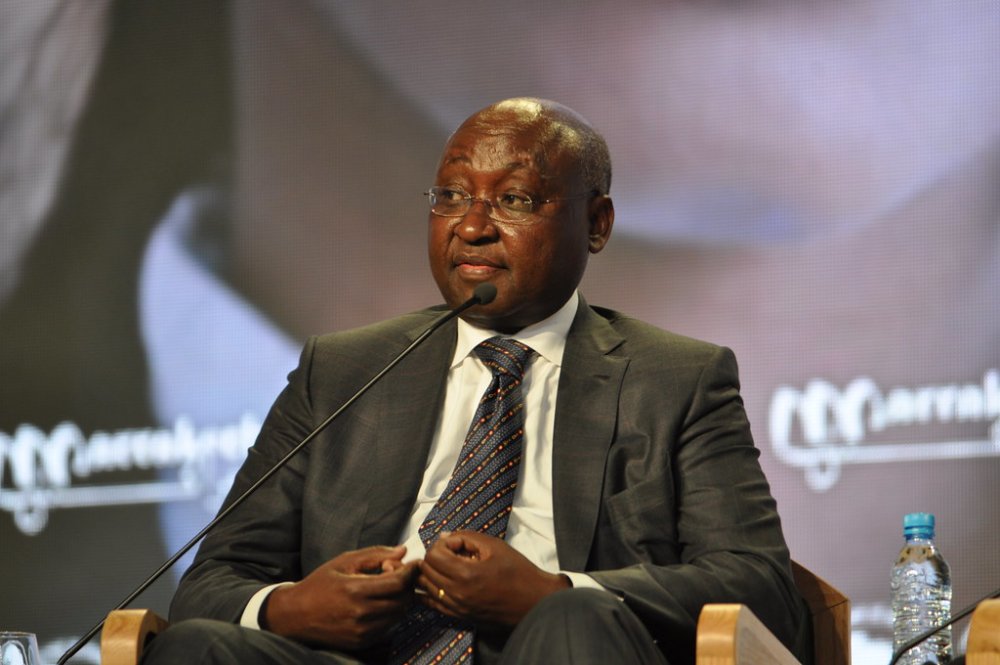
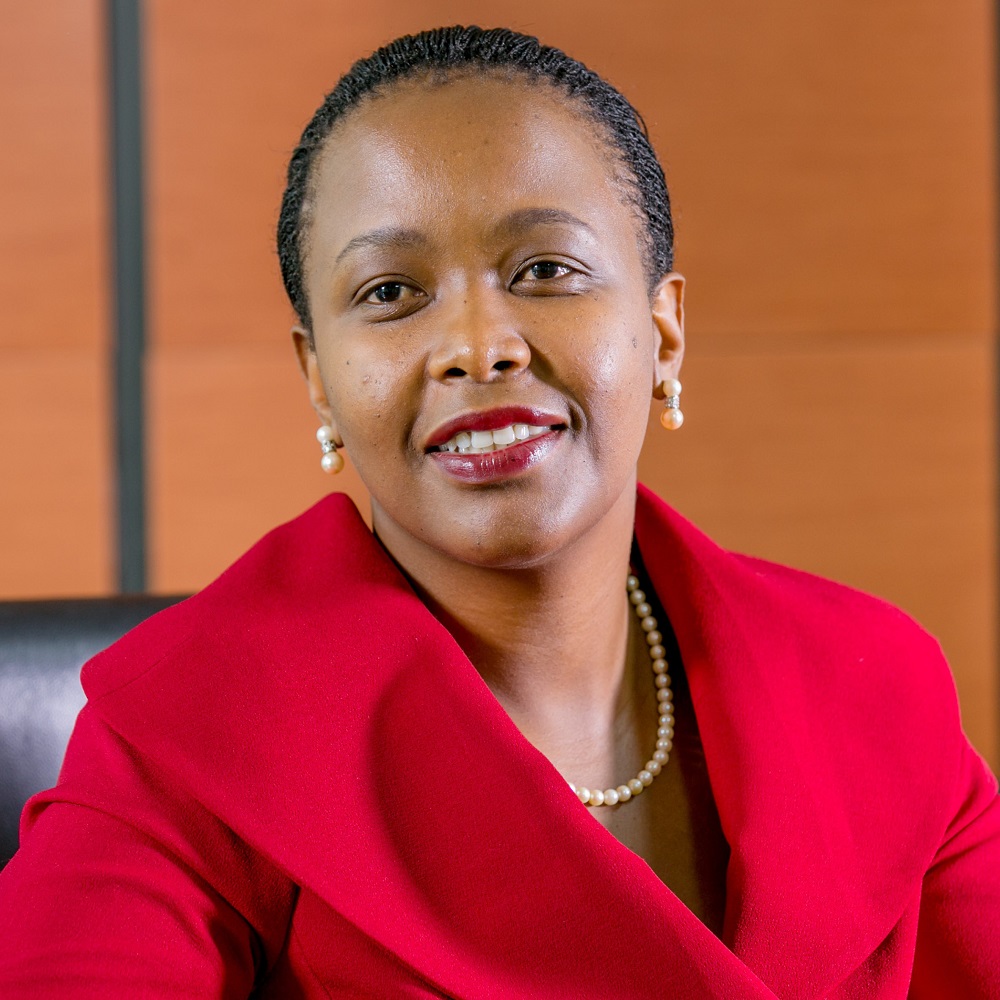
The three Rwandans on the list are, on the 22nd place, Louise Mushikiwabo, president of the French-speaking Association; on the 23rd place is Donald Kaberuka while Clare Akamanzi comes at the 62nd position.
Mushikiwabo took over the leadership of the OIF in January 2019 after being elected in October 2018 with the support of the African Union.
She pledged to help the organization thrive, and help fill a gap in its cash flow where its operations needed to be reformed.
Donald Kaberuka, is one of those people who have a strong background on the international scene as an economist.
Kaberuka has chaired various organizations including the African Development Bank for two terms, and is currently on the board of directors of various global organizations worldwide and is the African Union Special Representative for Combating COVID-19.
At the age of 68, Kaberuka is the CEO of SouthBridge, which provides advice to governments and the private sector in Africa on investment and trade.
Clare Akamanzi is one of the most praised for her role in the development of the Rwandan economy through attracting investors, key responsibilities of the Rwanda Development Board (RDB).
Akamanzi has been the CEO of RDB since February 2017, replacing Francis Gatare. Prior to this position, she served as Planning Director at the Office of the Head of State.
In May this year, she was included in the first board of directors of the WHO Foundation, a non-governmental organization dedicated to helping WHO collect the resources needed to tackle global health issues.
Among the other 100 people on the list are, on the second place, Africa’s richest man, Aliko Dangote; Ngozi Okonjo-Iweala, a Nigerian economist is in third place. Mo Ibrahim, a philanthropist from Sudan but based in the UK is also on the list in fourth place and Tony Elumelu in fifth place.