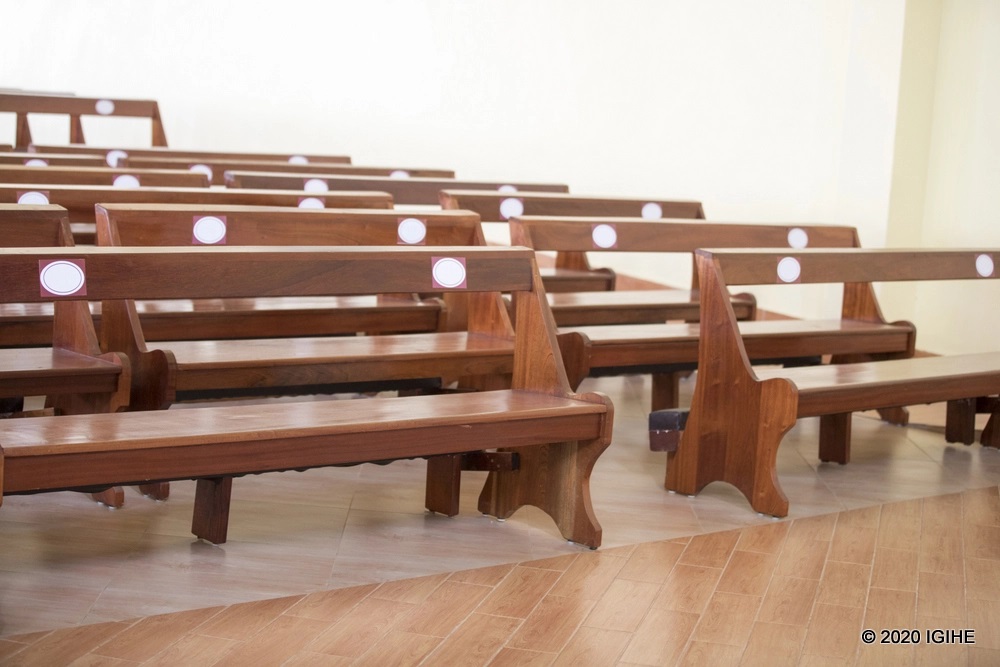
The decision comes after weeks of preparations given to places of worship including infrastructure that will allow fighting COVID-19, putting in place trained volunteers, required social distancing among others.
Representatives from local government institutions have started to visit some worship places to ascertain the progress.
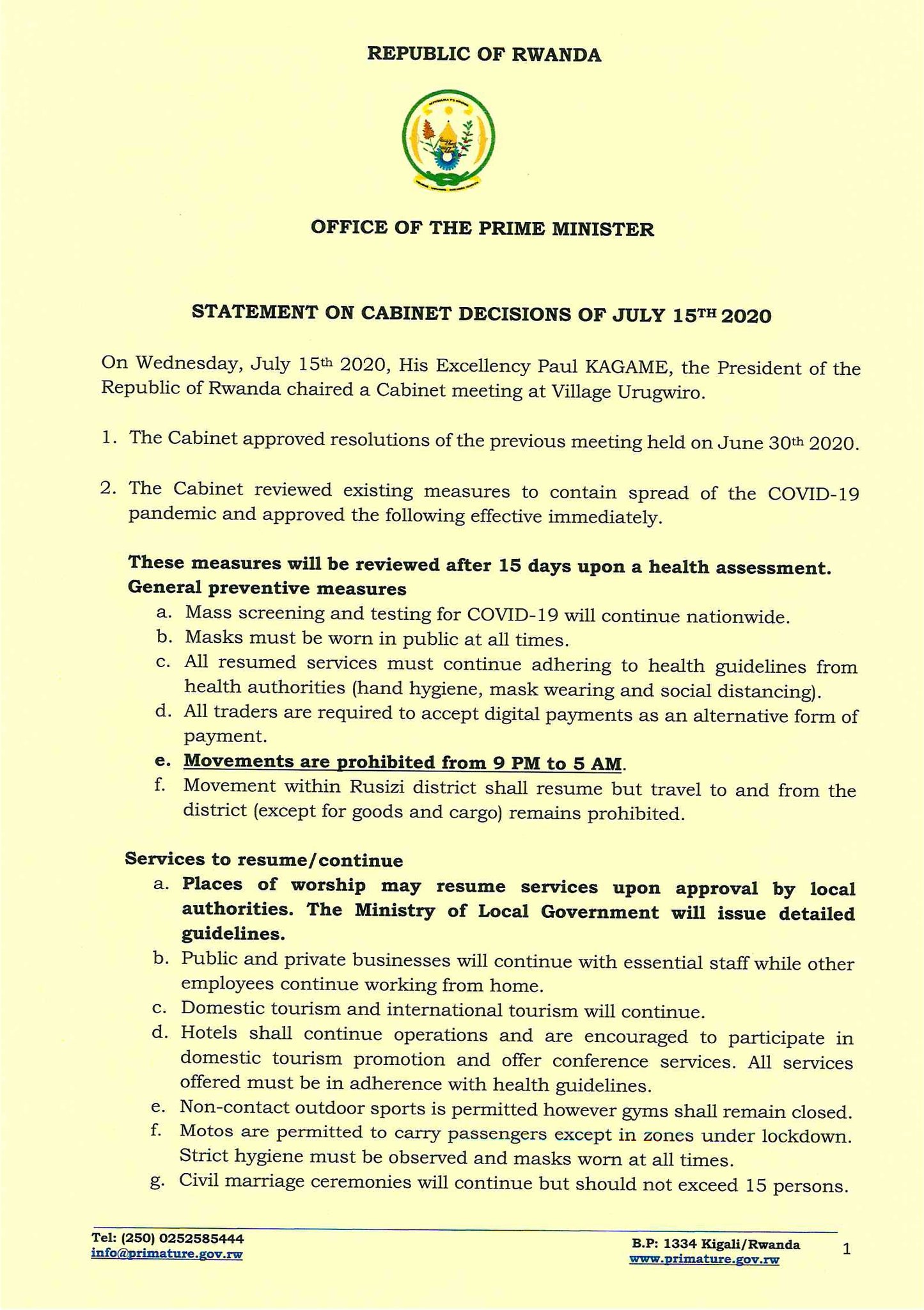
Among other decisions taken by the cabinet meeting is also that public and private businesses will continue to operate, with only essential staff going to work from office, while others continue to work from home.
Domestic and international tourism will also continue, and, according to the previous communique, all flights to/from Rwanda will resume on August 1.
Hotels services were also maintained, and encouraged to promote tourism.
Noncontact outdoor sports will continue, but the gyms will remain closed.
Motos will also continue to carry passengers in accordance with the hygiene measures, except in areas under lockdown.
Movements within sectors of Rusizi district that have been under lockdown for one month and a half have resumed but travel to Rusizi from other parts of the country are prohibited, except for cargo and all transport of goods.
Some cells of Nyamagabe and Nyamasheke that were recently headed to lockdown will remain in lockdown and the same applies to some cells in Kicukiro district.
Civil marriage service was also maintained with the same number of participants allowed being 15.
The funeral services at church will also allow a maximum of 30 people and so are other burial gatherings.
Meanwhile, borders remain closed except for cargo and returning Rwandans and legal residents who are allowed to come in and to spend a mandatory 14 days of in quarantine at their own cost.
Schools will open in September as earlier scheduled, while gaming, mass gathering in public and homes are still prohibited.
All bars remain closed, movements are still restricted between 9 PM and 5 AM and wearing a face mask is mandatory.
The government encouraged the general public and service providers to embrace digital payments to avoid contact of cash which may put people at risk of contracting COVID-19.
The predictions stipulated that the mentioned weather condition may lead to structural damages in localized areas; this will result from high-pressure systems from the southern part of the Indian Ocean.
Following the warning, in a tweet on Wednesday, July 15, the Ministry of Emergency Management called on citizens to observe precautionary measures ahead of the predicted strong winds.
“Based on the warning by Rwanda Meteorology Agency, people are urged to remain awake tonight if strong winds arrive at their homes,”
The Ministry went on to say that: “Citizens are also urged to close windows and doors and lean on walls whenever strong winds hit their homes.”
“Electronic gadgets should be unplugged to avoid fire accidents, citizens should avoid going out and hiding near trees or other things that may lead to accidents. People living in houses with loose roofs that may be taken by strong winds are requested to seek refuge in strong nearby shelters,”
Carl Manlan, Chief Operating Officer of the Ecobank Foundation said: “At Ecobank we leverage human capabilities and other core resources to partner for African transformation. We are passionate about co-designing partnerships to drive change at community levels across our pan-African footprint. The Euromoney Award for Excellence recognises our collaboration with African communities and like-minded partners.”
Ade Ayeyemi, CEO of Ecobank Group said: “The Ecobank Foundation is doing amazing work in delivering on its commitment to improve the quality of life of people across the African continent. The Foundation should be rightly proud of its ceaseless impact and the real difference that it is making in numerous parts of the continent. Through the Foundation, our Group leverages its resources and capabilities to contribute to the economic and social development of Africa.”
Ecobank’s Corporate Responsibility primarily concentrates on the three key areas of health, education and financial inclusion. Recent partnership examples:
Ecobank’s three-year campaign to raise awareness of Non-Communicable Diseases (NCDs) and educate communities by providing key information about the dietary and lifestyle changes required to help prevent NCDs such as cancer and diabetes. Ecobank Day is our volunteer community day targeted at helping the vulnerable sectors in our local communities.
Ecobank’s Group Chairman Sustainability Award which emphasises our role in each country in designing innovative, replicable and scalable solutions driving sustainable environmental and social change. Ecobank Togo is the 2020 winner for its support for Government efforts to provide electricity to 300,000 rural households and businesses through solar energy kits.
African economies’ health recovery is vital and Ecobank contributed about US$3 million in the form of cash, healthcare equipment and medical supplies. Moreover, Ecobank deployed its financial capabilities for the African Union’s Centre for Disease Control and Prevention to enable every citizen and member of the diaspora to contribute to the pan-African Covid-19 response.
Earlier this month, Ecobank rolled out its ‘Zero Malaria Business Leadership initiative.’ Launched in partnership with Speak Up Africa, it aims to eliminate malaria across Africa through private sector led initiatives which increase financing and take stronger and better-targeted actions to support national malaria control programmes.
“Through the modified risk tobacco product application process, the FDA aims to ensure that information directed at consumers about reduced risk or reduced exposure from using a tobacco product is supported by scientific evidence and understandable,” said Mitch Zeller, J.D., director of the FDA’s Center for Tobacco Products.
“Data submitted by the company shows that marketing these particular products with the authorized information could help addicted adult smokers transition away from combusted cigarettes and reduce their exposure to harmful chemicals, but only if they completely switch. The FDA will closely monitor how IQOS is used by consumers to determine if these products meet this potential and do not cause increased use among youth. It is important to note that these products are not safe, so people, especially young people, who do not currently use tobacco products should not start using them or any other tobacco product.”
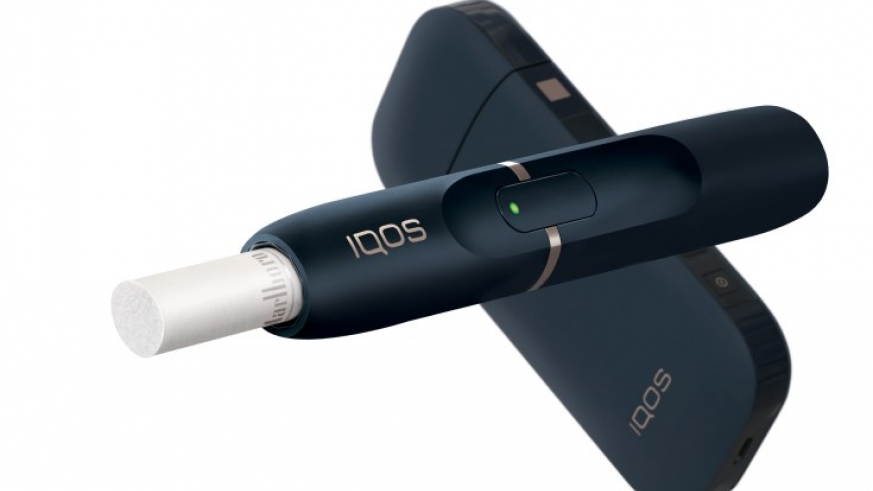
The IQOS Tobacco Heating System includes the electronic IQOS device that generates a nicotine-containing aerosol by heating tobacco-filled sticks wrapped in paper, specifically Marlboro Heatsticks, Marlboro Smooth Menthol Heatsticks, and Marlboro Fresh Menthol Heatsticks. The FDA previously authorized the marketing of these products without modified risk information in April 2019 via the premarket tobacco application (PMTA) pathway.
Today’s action pertains to the separate MRTP applications for these products and further authorizes the manufacturer to market these specific products with the following information:
“AVAILABLE EVIDENCE TO DATE:
• The IQOS system heats tobacco but does not burn it.
• This significantly reduces the production of harmful and potentially harmful chemicals.
• Scientific studies have shown that switching completely from conventional cigarettes to the IQOS system significantly reduces your body’s exposure to harmful or potentially harmful chemicals.”
Even with this action, these products are not safe nor “FDA approved.” The exposure modification orders also do not permit the company to make any other modified risk claims or any express or implied statements that convey or could mislead consumers into believing that the products are endorsed or approved by the FDA, or that the FDA deems the products to be safe for use by consumers.
There are two types of MRTP orders the FDA may issue: a “risk modification” order or an “exposure modification” order. The company had requested both types of orders for the IQOS Tobacco Heating System. After reviewing the available scientific evidence, public comments, and recommendations from the Tobacco Products Scientific Advisory Committee, the FDA determined that the evidence did not support issuing risk modification orders at this time but that it did support issuing exposure modification orders for these products. This determination included a finding that issuance of the exposure modifications orders is expected to benefit the health of the population as a whole.
In particular, the agency determined the company demonstrated that because the IQOS Tobacco Heating System heats tobacco and does not burn it, it significantly reduces the production of harmful and potentially harmful chemicals compared to cigarette smoke. Furthermore, studies showed switching completely from combusted cigarettes to the IQOS Tobacco Heating System significantly reduces the body’s exposure to 15 specific harmful and potentially harmful chemicals.
The toxicological assessment also found that, compared with cigarette smoke, IQOS aerosols contain considerably lower levels of potential carcinogens and toxic chemicals that can harm the respiratory or reproductive systems. Additionally, the FDA found that the applications supported the required consumer understanding findings.
Today’s authorization requires Philip Morris Products S.A. to conduct postmarket surveillance and studies to determine the impact of these orders on consumer perception, behavior and health, and to enable the FDA to review the accuracy of the determinations upon which the orders were based.
These postmarket requirements include a rigorous toxicity study using computer models to help predict potential adverse effects in users. The orders also require the company to monitor youth awareness and use of the products to help ensure that the marketing of the MRTPs does not have unintended consequences for youth use.
The company must also keep the FDA apprised of efforts to prevent youth access and exposure.
These requirements are in addition to the postmarket requirements and restrictions previously placed on these products in their April 2019 PMTA authorizations, such as reporting information to the FDA about consumer research studies, sales, and advertising information and adverse experiences, among others.
In particular, to limit youth access to the products and to limit youth exposure to IQOS advertising and promotion, the PMTA authorization placed stringent restrictions on how the products are marketed – particularly via websites and through social media platforms – by including requirements that advertising be targeted to adults of legal age to purchase tobacco products.
The company must request and receive authorization from the FDA to continue marketing the products with the same modified exposure information after the initial orders expire in 4 years.
The FDA also may withdraw the initial and any potential subsequent exposure modification orders if the agency determines that, among other things, the orders are no longer expected to benefit the health of the population as a whole, for example as a result of an uptake in use of the products by youth or former smokers, or a decrease in the number of current smokers who completely switch to the products.
The MRTP pathway outlined in the 2009 Family Smoking Prevention and Tobacco Control Act allows companies to submit applications for the FDA to evaluate whether a tobacco product may be sold or distributed for use to reduce harm or the risk of tobacco-related disease.
By law, the FDA must also ensure that the advertising and labeling of modified risk products enables the public to understand the modified risk or modified exposure information and to understand the significance that information has in the context of total health and in relation to all tobacco-related diseases and health conditions.
The FDA, an agency within the U.S. Department of Health and Human Services, protects the public health by assuring the safety, effectiveness, and security of human and veterinary drugs, vaccines and other biological products for human use, and medical devices.
The agency also is responsible for the safety and security of our nation’s food supply, cosmetics, dietary supplements, products that give off electronic radiation, and for regulating tobacco products.
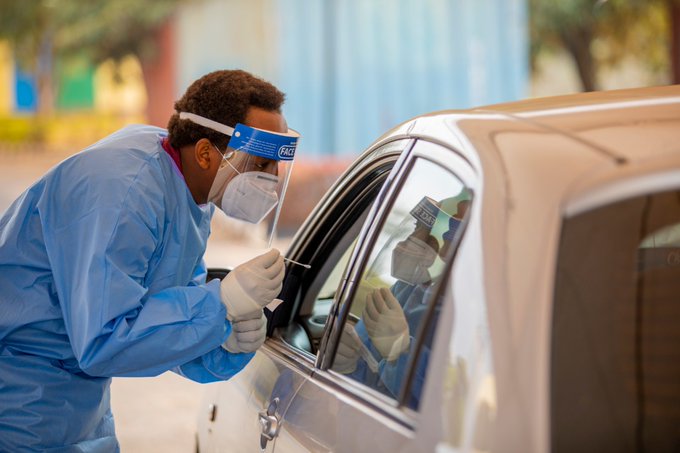
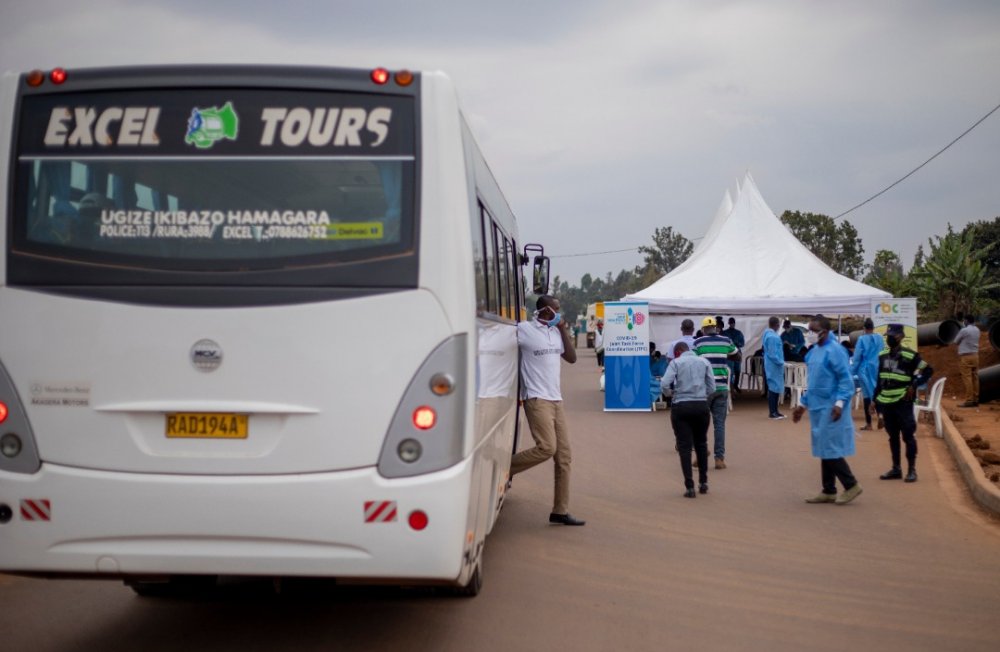
It is part of a long-running program where health authorities have decided to examine at least 5,000 people who are entering or exiting the City of Kigali, to see if the Coronavirus pandemic is circulating in the community.
Out of 1181 tests taken in three districts of Kigali, none of was detected with Coronavirus.
Some of the places where they tested people entering Kigali include Giti cy’inyoni, Rugende, and Gahanga.
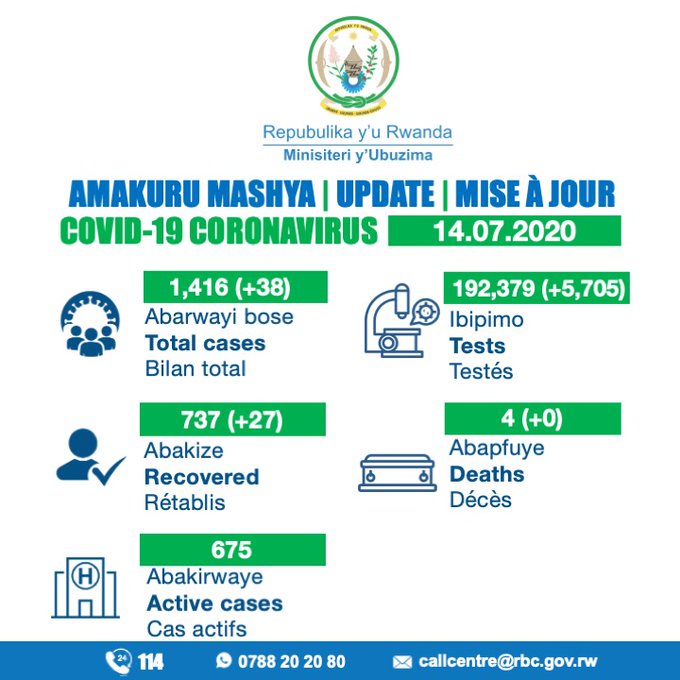
The Ministry of Health on Tuesday announced that 38 people had been diagnosed with Coronavirus out of 5705 tests taken in the past 24 hours while 27 recovered and discharged, making the total number of those infected 1,426, and recoveries 737.
They were arrested in Muhanda Sector, Bugarura Cell following the tip-off from members of the public.
According to Chief Inspector of Police (CIP) Bonaventure Twizere Karekezi, the Police spokesperson for the Western region, the suspects were caught red-handed mining coltan in the gazetted area of Gishwati Forest.
“The operation followed the information provided by the members of the public as well as game rangers, we caught ten people in the process, who were found mining in the forest,” he said.
The spokesperson said that it is part of the ongoing operations to fight environmental-related crimes including unlawful mining activities, which also affect the environment.
“Rwanda National Police (RNP) in partnership with other institutions, are currently in joint efforts to combat all activities, especially illegal mining, which also contaminate water bodies and degrade the environment.”
On July 11, 14 people were arrested in Rusizi District after they were found mining illegally.
Earlier in July, 13 people were also arrested in Karongi District over illegal mining in Mashyiga River.
CIP Karekezi warned that illegal mining is a crime and the operations to arrest people who are involved in such activities are continuous. He urged the public to refrain from them and report such unlawful practices.
Article 54 of the law on mining and quarry operations, states that; “any person, who undertakes mineral or quarry exploration, exploitation, processing or trading without a license commits an offence.”
Upon conviction, the offender is liable to imprisonment for a term of between two and six months and a fine of not less than Rwf1 million and not more than Rwf5 million or only one of these penalties.
The court also orders confiscation of any seized minerals or quarry in storage, trading or processing without a license.
Nyamagabe District Police Commander (DPC), Senior Superintendent of Police (SSP) Gaston Karagire said that Police first arrested two poachers; Faustin Nsengumuremyi, 21, and Vincent Sinamenye, 18, after killing an Antelope in Nyungwe National Park.
“Following the information from park rangers about suspected poachers, who had entered into the park, we organized a joint operation, arrested Nsengumuremyi and Sinamenye in Buruhukiro Sector after killing an Antelope. They had tools including two machetes and 40 pitfalls which they were using,” said SSP Karagire.
“Later, two other men; Patrice Nsekanabo, 46, and Sylvestre Ndorimana, 42, showed up with Rwf150,000, which they offered to Police officers to release Nsengumuremyi and Sinamenye, they were also arrested for attempted bribery,” he added.
The four men are all residents of Buruhukiro Sector in Kizimyamuriro Cell.
The DPC warned against poaching and corruption saying that both are “serious crimes” punishable by the law.
“We advise the public to avoid anything that would tempt them into either offering or receiving bribes, and encourage sharing of information on those involved to ensure that they are arrested to face the law.”
According to article 4 of the Law on Fighting Against Corruption, any person who offers, solicits, accepts or receives, by any means, an illegal benefit for himself/herself or another person in order to render or omit a service under his or her mandate, commits an offense.
Upon conviction, the offender is liable to imprisonment for a term of more than five years but not more than seven years, with a fine of three to five times the value of the illegal benefit solicited or received.
The law on environment of 13/08/2018 in its article 58, states that any person who hunts, sells, injures or kills a protected animal species and products thereof, commits an offence.
Upon conviction, he/she is liable to imprisonment for a term of not less than five years and not more than seven years and a fine of between Rwf5 million and Rwf7 million.
According to the Daily update by the Ministry of Health, Kigali has 18 including high-risk isolated cluster, Nyamasheke 12 testing in high-risk zones, while Rusizi registered 4 cases and Rubavu 2, Kirehe and Nyabihu registered 1 case each.
This brings the total number of cases to 1416; active cases are 675, recoveries are 737, including 27 on Tuesday.
So far 4 deaths have been recorded since March 14 when the first case was registered.
The zones add to five sectors of Rusizi district in Western Province and some cells of Kicukiro and Nyarugenge districts in the City of Kigali which have been under lockdown.
The Ministry of Local Government announced yesterday evening that the cells of Kigeme in Gasaka and Ruhunga in Kibirizi sectors in Nyamagabe district have been placed under total lockdown.
In Nyamasheke, which is neighboring with Rusizi, four cells in Gihombo sector are into total lockdown, including Mubuga and Gitwa.
A part of Jarama cell which is on the lower side of the tarmac road towards Lake Kivu was put under total lockdown as well as a part of Butare cell, also on below the tarmac road towards Lake Kivu.
Residents of the affected cells should continue to observe guidelines of staying at home,” reads the statement signed by the Minister of Local government Prof. Anastase Shyaka.
Rwamuganza, the former Permanent Secretary in the Ministry of Finance and Economic Planning, Godfrey Kabera, the Director-General in the Ministry of Finance, Eric Serubibi, the former Director-General of Rwanda Housing Authority (RHA) and Christian Rwakunda, who was Deputy Director-General in Rwanda Social Security Board (RSSB) are being prosecuted for having conspired to mismanage the purchase of a building on the behalf of the government in 2018, causing losses to the government.
The judges upheld the remand for all six defendants, saying they have a case to answer.
One of the main things that the judges emphasized was the fact that they participated in negotiation meetings that led to the purchase of the building from its owner, a process they handled in a way that was contrary to public procurement laws.
In their appeal, the defendants had also questioned the primary court’s failure to consider the securities they presented to it in order to be granted bail, to which the intermediate court rejected the securities because their value was lower than the losses estimated to have been caused by the government officials.
Of all the defendants, Rusizana is the one who presented high-value security pieces of property worth over 4.3 billion Rwandan Francs.
The defendants’ lawyers argued that court documents indicate that the decision to remand them was made on August 23, 2020, which is due next month, but it emerged that the court registrar in the previous hearing was supposed to write “June 23, 2020,” the day the decision was made.
The court said that a mistake in writing does not provide strong grounds to release the defendants, adding that there are reasons to believe that releasing them would jeopardize the case, considering that businessman Rusizana continues to deny that there was a conspiracy to set the price between himself and the officials.
The judge said that after assessing each of the defendant’s culpability, they found strong reasons to believe that the decision to award Rusizana the deal was not done in a competitive manner and he cannot deny his involvement in the process.
The basic guidelines for Coronavirus prevention include reminding Rwandans to wash their hands frequently with water and soap and to wear facemasks when in open places where many people converge.
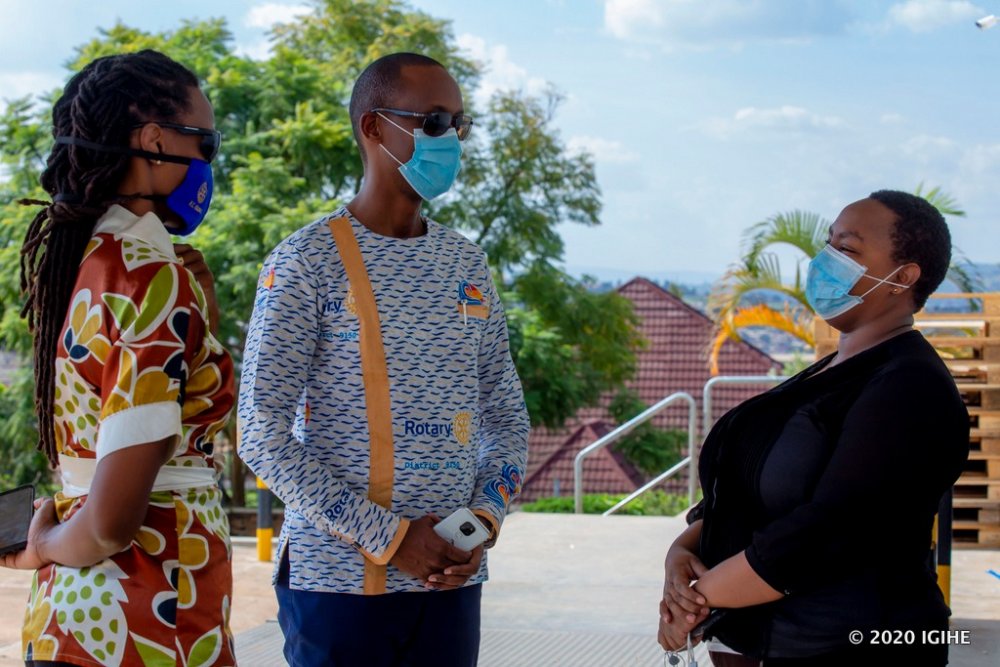
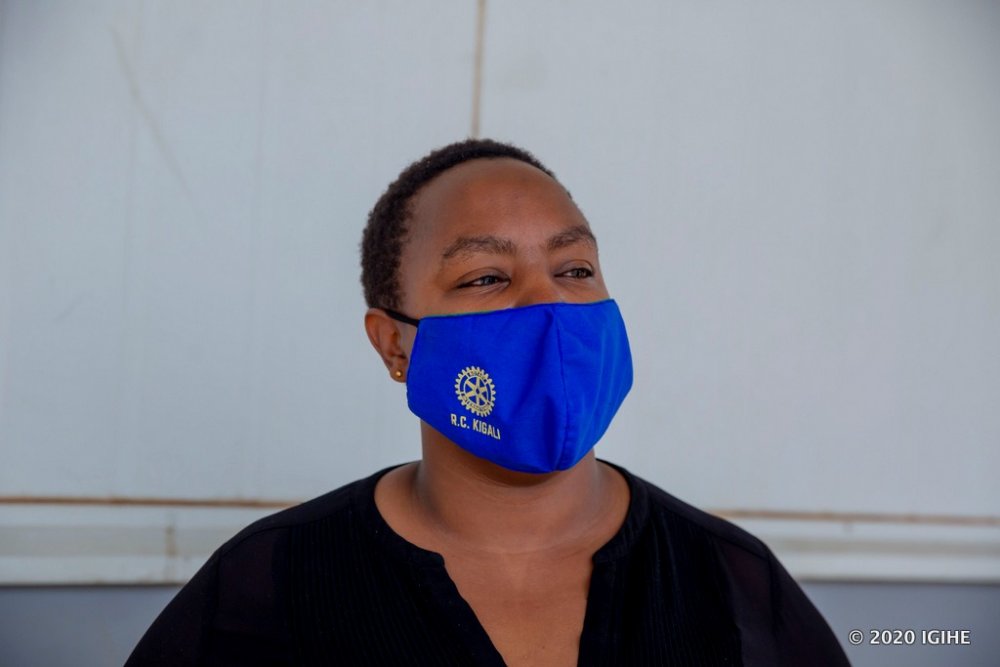
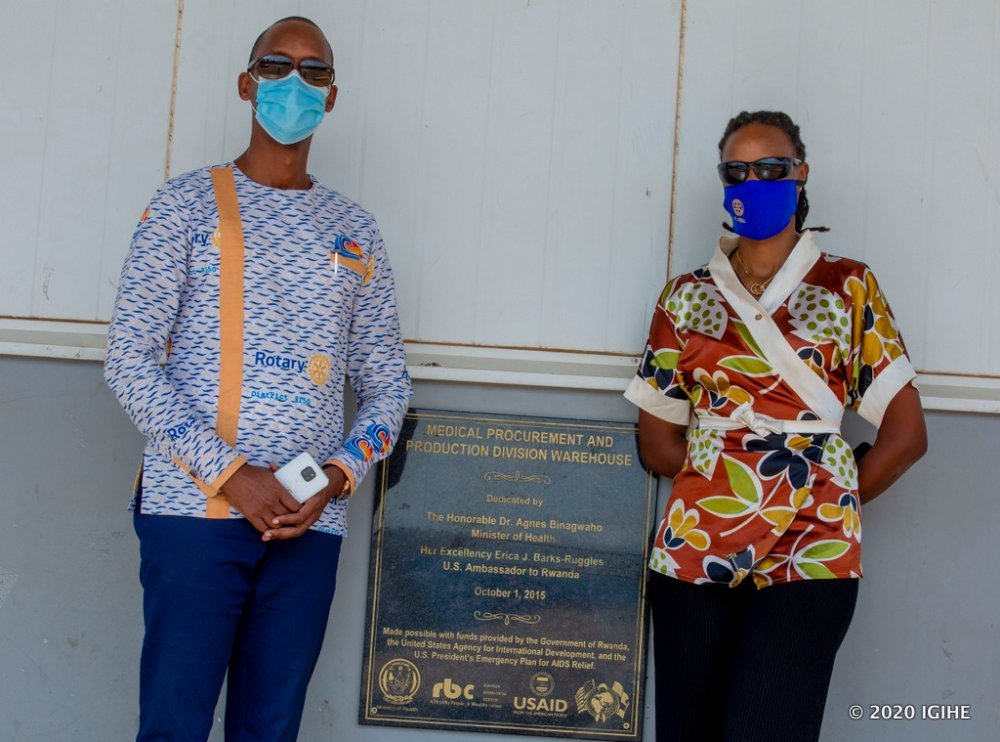
Rotary Club Kigali Doyen as a charitable organization has decided to support those who cannot afford facemasks to protect themselves as well.
The mission of Rotary is to join foundations that help in changing the world through conflict resolution, fighting ignorance and poverty, improving access to clean water, fighting epidemics, and eradicating rabies through vaccination and helping the needy.
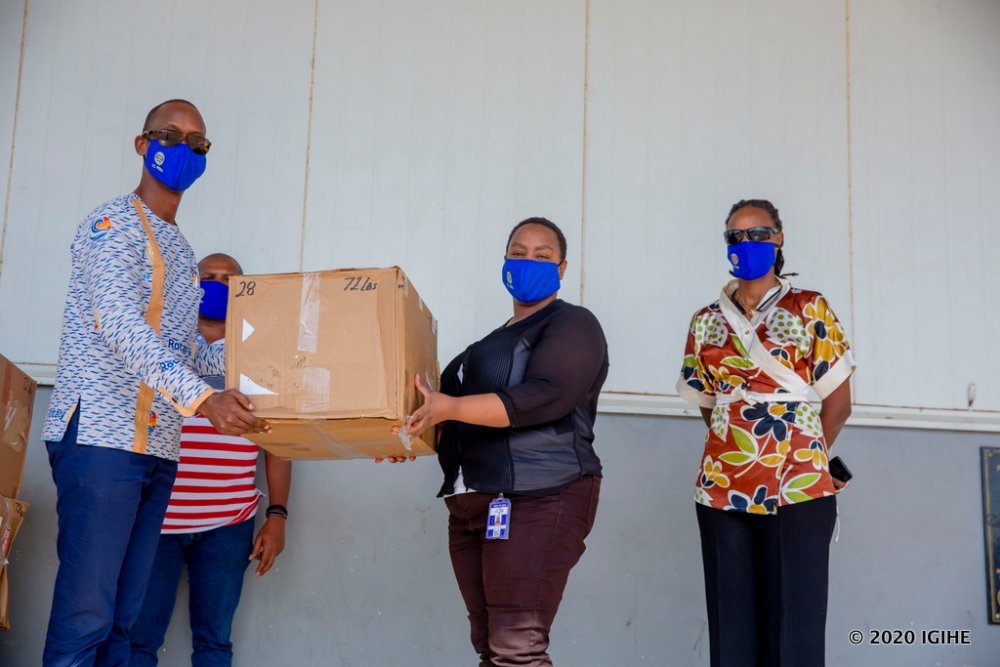
The Rotary Club Kigali Doyen donated made in Rwanda facemasks.
These facemasks were handed over to the Rwanda Biometric Center (RBC) on May 5, 2020, which in turn will hand them over to the Ministry of Local Government, which will distribute them to the residents of Rutsiro.
Rotary Club Kigali Doyen President Eddy Sebera told IGIHE that after making various donations to the City of Kigali, they have also started going to the provinces.
“We have now started with Rutsiro where we donated 8,000 facemasks purchased with more than Rwf 4 million, these are donations collected by 30 members of the Rotary Club Kigali Doyen and the Rotary club of Duren in Germany.’’ Said Sebera.
“We plan to continue in the same path; therefore, we urge everyone to join this program as we continue to protect Rwandans. We should just focus on our persons, there are those who can afford prevention means while others lack means; assistance to these people does not require much, it is something that we, as Rwandans, can achieve,” he added.
Rotary Club of Kigali Doyen started the program of supporting measures established to fight the Coronavirus in April 2020.
Francine Mutesi, the interim director of RBC’s Medical Equipment Department, said the funding is important in the fight against Coronavirus.
‘‘In the current context of the fight against.COVID-19, any support to the Ministry of Health and the Government is more than welcome, as it helps to continue to protect Rwandans. We will use these donations to help the needy or those who are unable to buy facemasks, and we will continue partnering with donors and all others, so as to ensure that no Rwandan will be left without protection.’’ She said
The facemasks made by licensed industries in Rwanda can be washed up to five times. Health authorities advise that once it has been washed, it should be ironed before wearing it.
Rotary Club Kigali Doyen recently donated Rwf 13 million to the University Teaching Hospital of Kigali (CHUK) and King Faisal Hospital in the fight against the Coronavirus.
The grant is in addition to the RBC’s more than 900 liters of hand sanitizers and hygiene kits including 160 ‘kandagira ukarabe’, valued at Rwf 12 million in the fight against Coronavirus 160; they also donated Rwf 3 million to support the Solid Africa Charity program, which cares for the homeless.