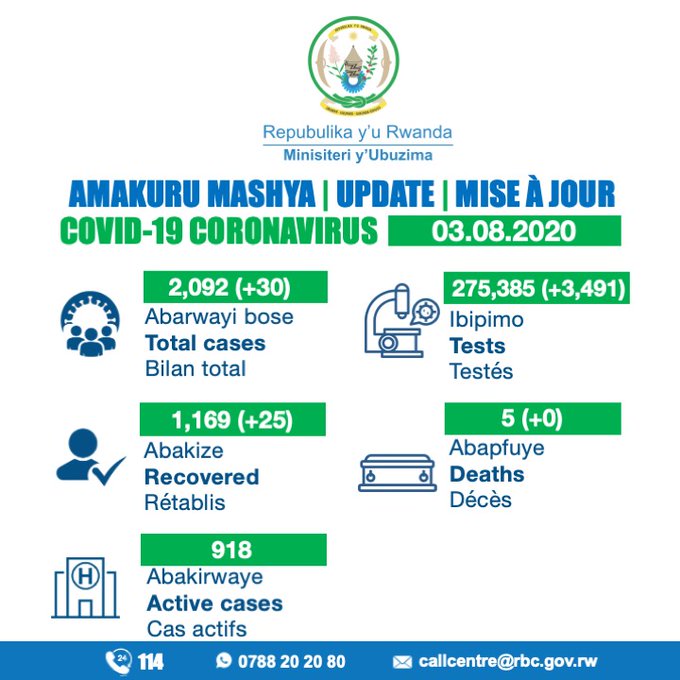
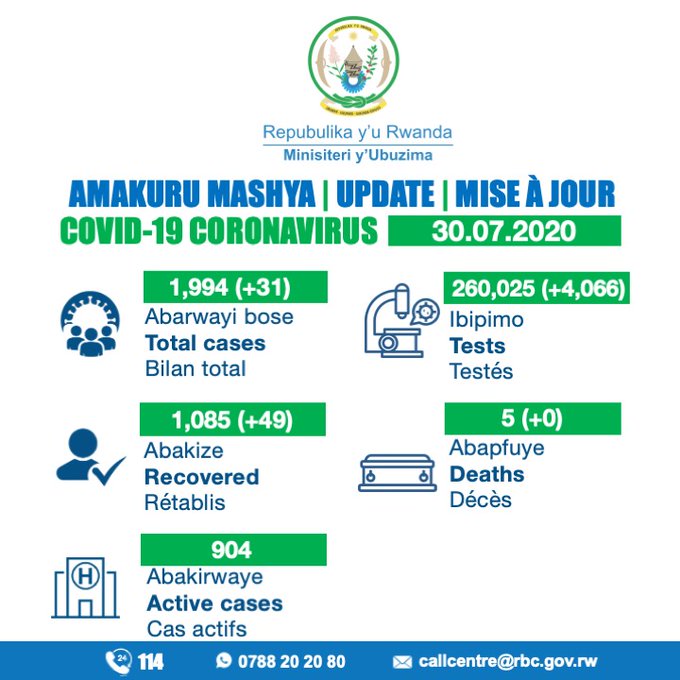
“Kigali:13 (testing in villages under lockdown), Rubavu:11 (returning residents isolated on arrival), Rusizi:5, Kayonza:1”
Among the 275 385 test samples so far taken in Rwanda since the first case was registered, corded on 14th, March 2020, a total of 2092 are active cases and only five deaths were recorded so far.
Symptoms of Coronavirus include coughing, colds, and difficulty breathing. It is transmitted through the mucous membranes of the respiratory tract.
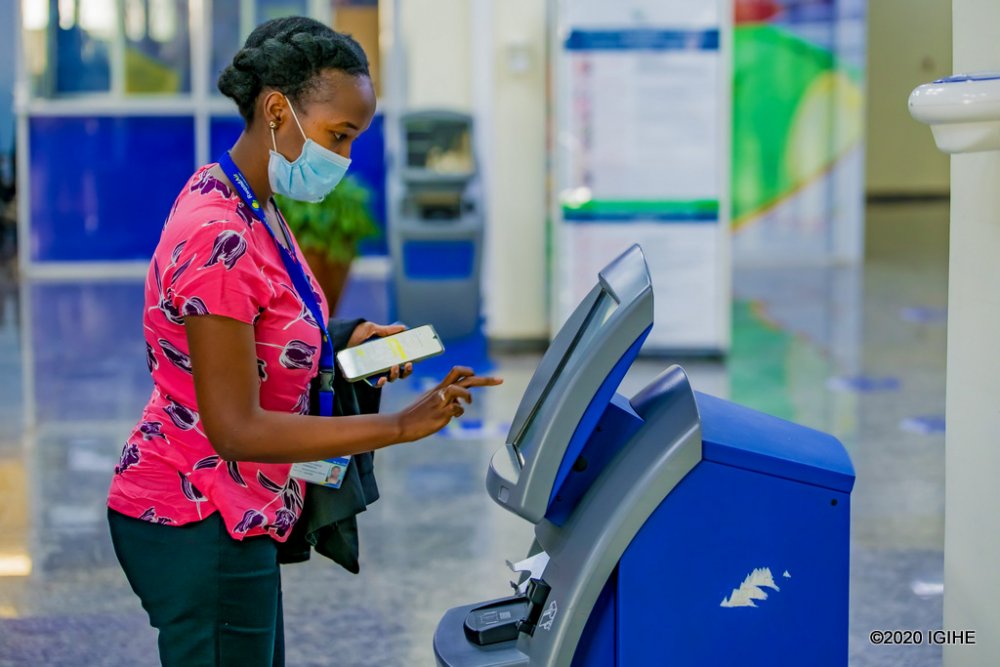
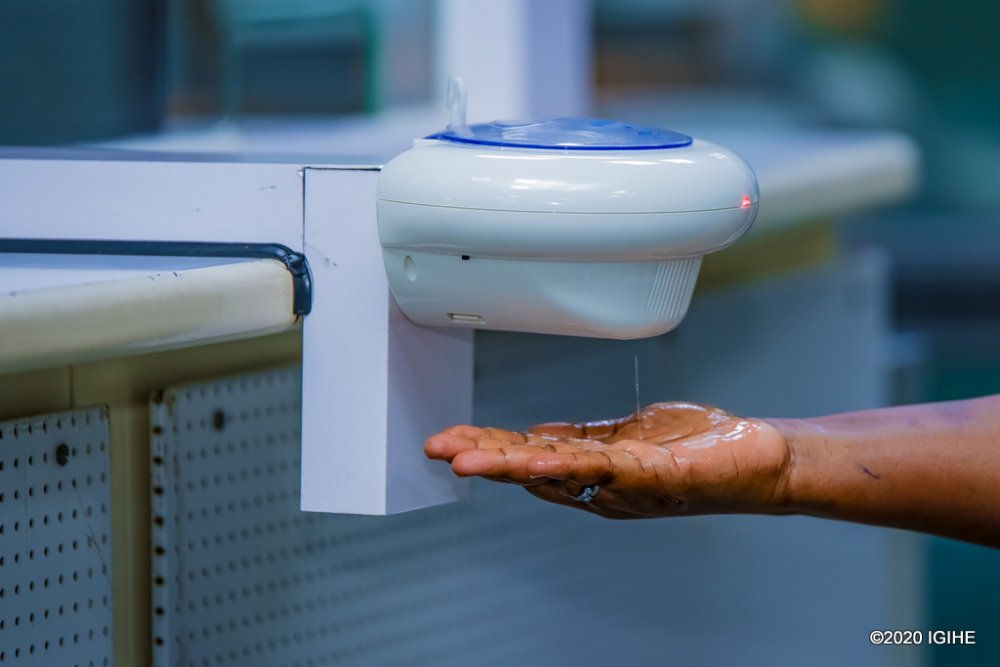
Rwandans are required to continue to comply with government regulations, especially with frequent washing of hands with water and soap, wearing face masks when in public places and respecting social distancing.
The East African Business Council congratulates Kenya and Rwanda as they resume international flights today, 1st August 2020. Tanzania resumed international flights on the 18 th of May 2020. These are important steps towards the recovery of the aviation and tourism sectors, however, the differences emerging in regional air transport services among some partner states are set to adversely affect the rebound of business in the region.
Intra EAC trade stood at $5.98 billion in 2018 (EAC Trade and Investment Report). With the unprecedented impact of COVID-19 pandemic on the economy, regional trade is expected to decline by 50 percent this year. According to the International Air Transport Association (IATA), the EAC Partner States will potentially lose upwards of US$5.4 billion of tourist local spending for the year 2020 under scenarios of protracted closures and restrictions of seaports and airports. The impact of COVID-19 has led to a decline in the number of air passengers hence appx. US$0.54 billion revenue loss was projected in Kenya risking 137,965 jobs while US$20.4 million base revenues loss, risking 3,000 jobs was projected in Rwanda.
The re-opening of regional air transport services will integrate the regional logistics value chains for increased exports of fresh produce, regional tourism and enable service providers to tap into the larger EAC market. This is set to bolster business continuity and resilience to sustain livelihoods and jobs.
The East African Business Council urges the EAC Partner States to prioritize and fast-track the unconditional re-opening of regional air transport services and agrees on an EAC coordinated approach on the opening of the regional aviation sector, in line with the World Health Organization guidelines and measures.
In addition, the EAC Partner States should consider temporarily granting the Yamoussoukro Decision (YD) 5th to 9th Freedom rights to effectively increase capacity, reduce inefficiencies and costs; waive landing fees, excise duty on aviation fuel, navigation, landing, parking and COVID-19 related fees to reduce operating costs; and the reduction of permit and fees for service providers from the EAC region.
Hon. Dr. Peter Mathuki, Executive Director /Chief Executive Officer
East African Business Council (EABC)
9th Floor Mafao House | Old Moshi Road | Arusha | Tanzania
P. O. Box 2617 | Tel: +255 27 2520162
Email: admin@eabc-online.com I Website: eabc.info
The total number of people who have been infected with COVID-19 since the first patient was diagnosed in Rwanda has risen to 2022, including 1106 who have recovered, 911 active cases and five deaths.
Among the new patients diagnosed with COVID-19 on Friday, 8 were from Nyamasheke, 8 from Rusizi, 7 from Kigali, 4 from Ngoma, while 1 from Rulindo.
Coronavirus symptoms include coughing, flu, and difficulty breathing. It is transmitted through the mucous membranes of the respiratory tract.
To prevent the spread of Coronavirus, Rwandans are required to continue to pay attention and comply with government regulations, especially with frequent washing of hands with water and soap and wearing masks when a person leaves home or in public.
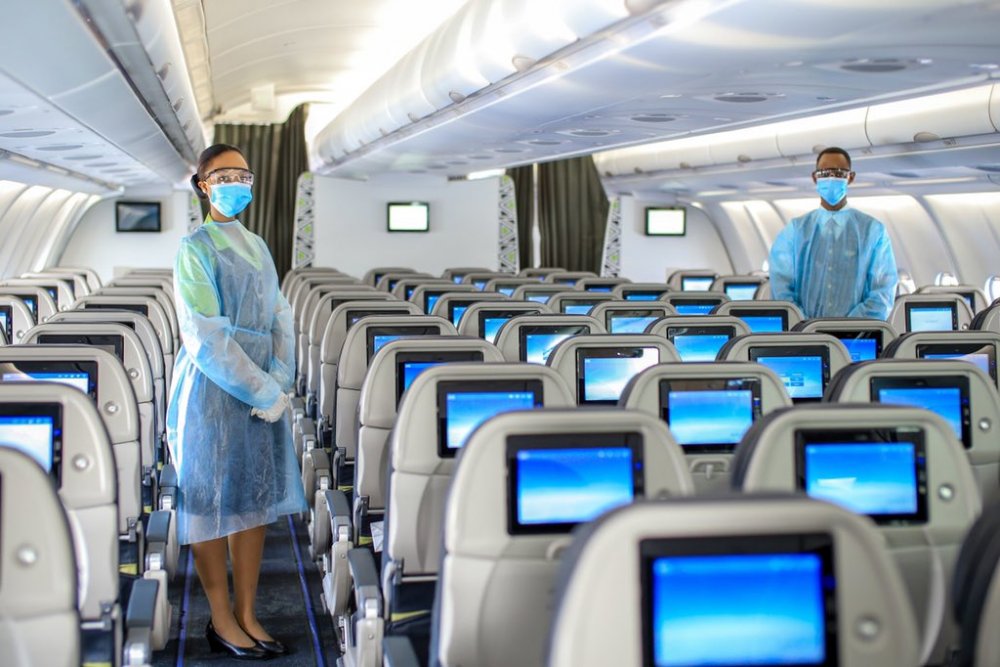
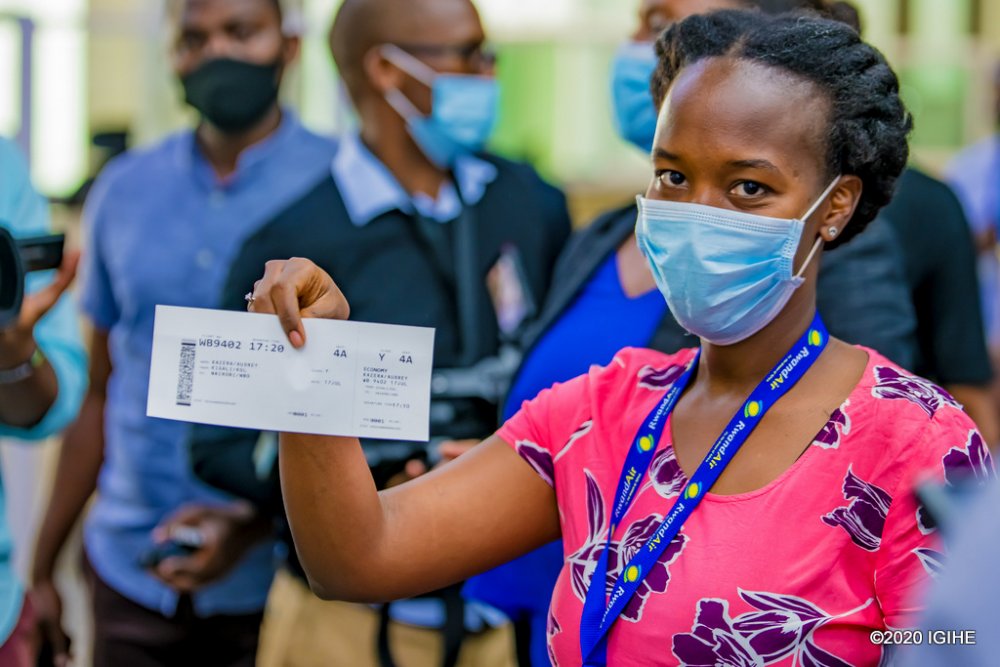
RwandAir is also starting flights to Cotonou, Dar es Salaam, Kilimanjaro, Douala, Dubai, Kamembe, Kigali, Libreville, Lusaka and Nairobi.
On March 20, 2020, Rwanda decided to suspend passenger flights to and from the country to prevent the spread of Coronavirus.
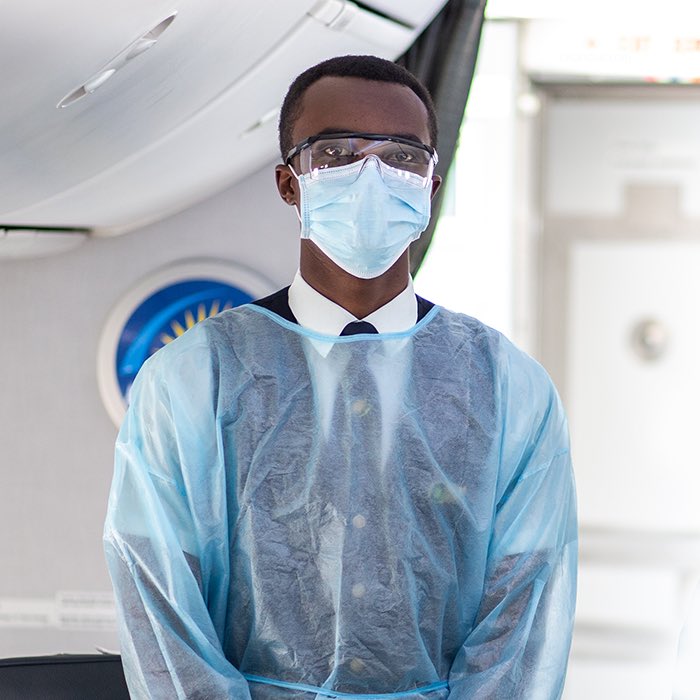
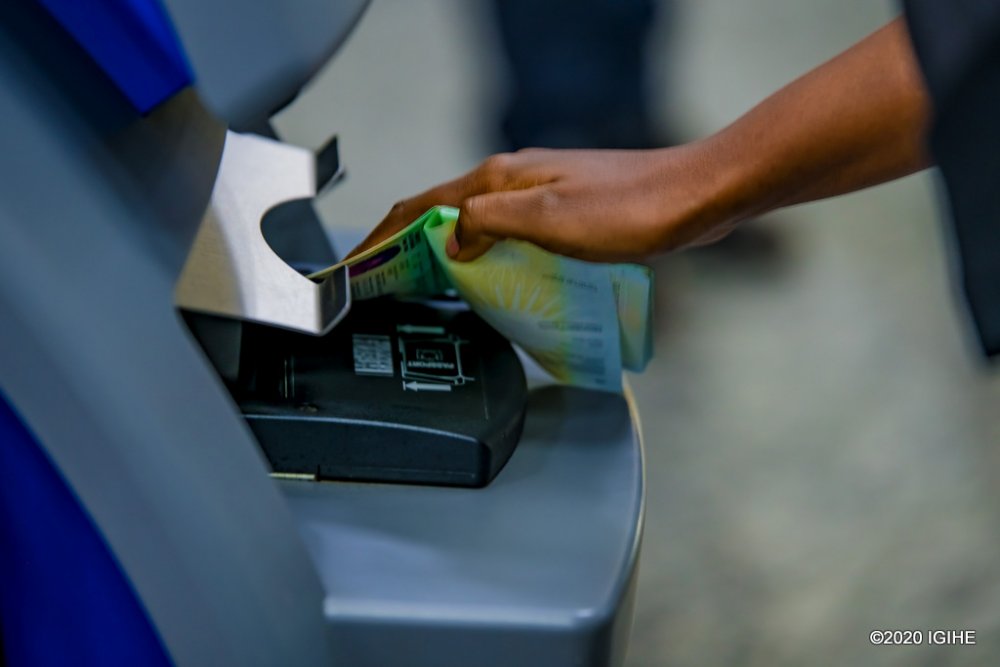
Now before a person is allowed to take a flight, he or she must have a certificate confirming that he or she has been tested and is coronavirus negative. International travelers are re-tested before continuing with their activities.
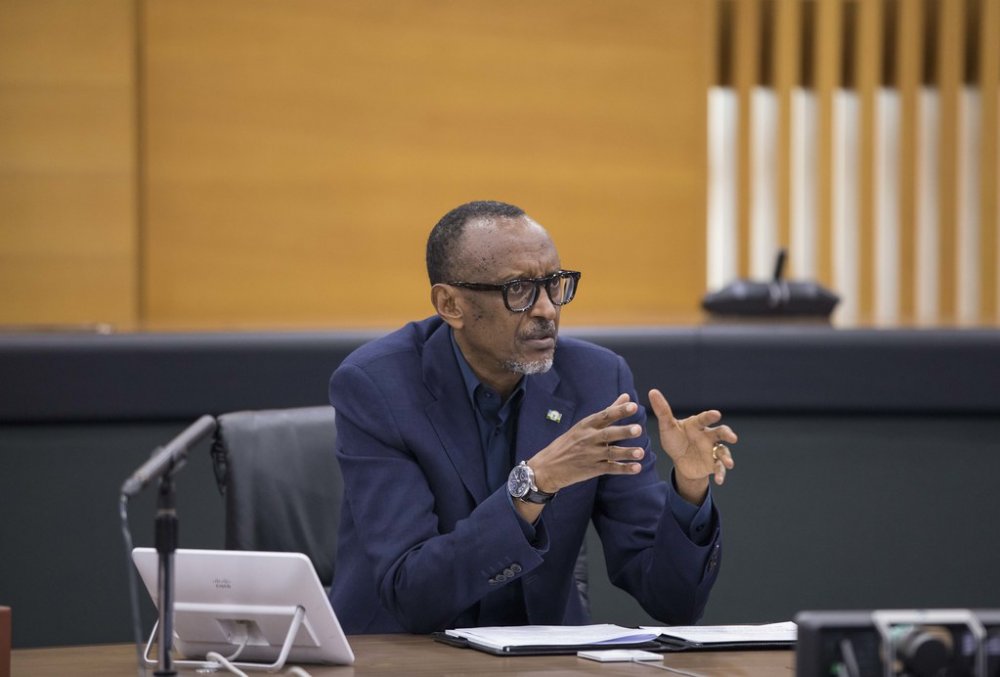
In an exclusive virtual interview with The EastAfrican on Thursday, July 30, President Paul Kagame reiterated that his government will continue to mount pressure on high profile officials suspected of corruption.
“To minimize or reduce corruption like in our case (Rwanda)… simply means maximizing pressure on the corrupt. What is happening now is exactly in that direction,” President Kagame told The EastAfrican.
President Kagame emphasized that the fight against corruption is a national priority.
“We have always talked about not entertaining corruption as our way of life. That has always been at the center of the politics that I have associated with and others in this country, and I think there is respect for that,” he said.
President Kagame noted that what needs to be prioritized is a transparent process so that even a corrupt suspect knows full well that it is intolerable, all of which go hand in hand with questioning everyone’s responsibilities.
Last year, 1,187 people were tried for corruption and mismanagement of government funds.
“We have made changes. As soon as a person is investigated for corruption, all their bank accounts and property will automatically be frozen. Any individual who claims to own property of individuals suspected of corruption will also be prosecuted,” Prosecutor General Aimable Havugiyaremye told the reporters.
“This is the only way we can guarantee that money stolen from the government will be recovered and not be concealed or moved before investigations begin,” he added.
President Kagame, however, disagreed in opinion with the new change that allows freezing of bank accounts and property before investigations are complete.
“I do not see why the seizure of property should be carried out in advance, even before the case is understood or getting to the bottom of the facts. That would be wrong in my opinion,” President Kagame said.
Under the asset recovery law, properties can be seized only when there are reasons to believe that an asset is related to an offense. This is done through a court order upon conviction of the suspect.
Transparency International’s recent study puts Rwanda at the forefront of the East African Region’s fight against corruption, ranking fourth in Africa.
Figures released by Transparency International Rwanda show that in 2018, so-called small bribes were reported, amounting to over Rwf 7,7 billion.
Rueben Lifuka, the Vice President of Transparency International in the World, recently told IGIHE that Rwanda should put more effort into having strong media and NGOs in the fight against corruption, as it is one of the most productive countries in the world.
Of the said patients, 13 are from Kigali and 11 people were identified in Rusizi district. They were tested in villages in lockdown. With 4 cases also, Nyamasheke in the Western Province and the other three cases were detected in Kirehe, Kayonza and Rubavu.
To date Rwanda has 904 active cases with five lives lost so far.
The Minister of Health Daniel Ngamije warned the general public that several businesses could remain closed for much longer because some people are taking the virus for granted.
He said for example, that schools cannot open while the country is still recording 40 cases per day.
A statement from the Ministry of Local Government indicates that the lockdown on Kamabuye and Zuba villages, both in Nyarurama cell, Kigarama Sector in Kicukiro District, were removed.
Similarly, Nyenyeri village in Kigarama sector in Kicukiro District will also be allowed to go back to normal life.
However, three sub-cells in the same village (Kigarama) which include Ubutwari, Icyerekezo and Gukunda Igihugu have been put under lockdown.
However, villages of Tetero, Indamutsa, and Intiganda from Tetero cell, Muhima sector in Nyarugenge district will remain in the lockdown.
“The citizens of the villages under lockdown are requested to continue respecting the guidelines,” reads part of the statement.
“Local authorities and security authorities are asked to follow-up on the implementation of these guidelines. People living in Rwanda are requested to continue respecting the guidelines of preventing the spread of the Covid-19 pandemic as issued by health institutions,” appealed.
These 100 Zoll Portable Critical Care ventilators, manufactured in the United States, are leading-edge and in-demand technology to help COVID-19 patients to breathe.
They give Rwanda a powerful tool to treat critically ill patients affected by the virus and can be operated invasively or non-invasively. For patients whose lungs are not working adequately due to COVID-19 or other severe respiratory illnesses, this equipment will be lifesaving.
According to Peter Vrooman, the US ambassador to Rwanda, the ventilators are valued at over Rwf1 billion, and will be accompanied with training to assist local doctors and nurses deploy them effectively should critically ill patients require them.
“The USAID will work closely with Minister Ngamije, the Rwanda Biomedical Centre (RBC) officials here in Kigali and medical professionals in the provinces to ensure the ventilators are quickly distributed to medical facilities throughout Rwanda,” he said “We are also working together to ensure medical personnel receive the necessary technical training to safely operate and maintain the devices.”
Dr. Daniel Ngamije, the Minister of Health said that for patients whose lungs are not working adequately due to Covid-19 or other severe respiratory illnesses, this equipment will be life-saving.
“They will be distributed in Covid-19 treatment centers to save lives, they will complement the existing efforts to treat patients. This is an immense contribution during unprecedented moments,” Dr. Ngamije said.
“The ventilators will be distributed in four Covid-19 treatment centers and 10 government hospitals across the country, we shall make sure that they are distributed and installed as soon as possible to be used,” Dr. Ngamije further said.
“These ventilators are critical to Rwanda’s response to Covid-19. They will save many lives and have been made specifically for Rwanda. We shall continue to work with USAID and Rwanda biomedical center (RBC) to make sure that they are distributed.”
Ngamije thanked President Donald Trump for his generosity and support to the Rwandan people in the fight.
Jean Pierre Nzabahimana, 33, was arrested after local residents and victims reported the matter to law enforcement organs.
Chief Inspector of Police (CIP) Hamdun Twizeyimana, the Police spokesperson for the Eastern region, said that Nzabahimana had already conned three people of combined Rwf35, 000.
“Local residents called the Police at Rubona station reporting a man, who calls himself a Police officer and threatening to arrest them if they don’t give him money, especially those he noticed that they were violating government directives on the fight against the pandemic of Coronavirus,” CIP Twizeyimana said.
He added: “Police and investigators worked together to arrest Nzabahimana red-handed receiving money from one of the would-be victim in Rubona Sector, Nawe Cell in Gaseke Village.
We have since leant all the three victims had violated the directives and were selling alcohol, and Nzabahimana targeted them because of their vulnerability.”
The spokesperson commended those, who reported the fraudulent act.
Clause One of article 174 of the law determining offences and penalties in general, defines fraud as deception, obtaining another person’s property, whole or part of his/her finance by use of false names or qualifications, or offering positive promises or threats of future misfortunes.
Clause Two of the same article provides a term of imprisonment of between two and three years, and a fine of not less than Rwf3 million but not more than Rwf5 million, upon conviction.
In article 276, anyone convicted of impersonation faces an imprisonment term of not less than five years but not more than seven years and a fine of not less than Rwf3 million and not more than Rwf5 million or only one of these penalties.
He, however, warned against all actions and behaviors that undermine and violate government directives, thus increasing risks of catching or spreading COVID-19.
“Bars are still closed as per the government directive; anyone operating a bar or who turns his home into a bar is breaching the directives and will be penalized,” CIP Twizeyimana warned.
He emphasized that Police officers or any other official charged with enforcing the directives do not solicit bribes.
“Anyone, who asks for money so as to ignore or allow an illegal act to continue is also committing a crime and should be reported and arrested to face the law.”
RNP spokesperson, Commissioner of Police (CP) John Bosco Kabera, said that the inspection services are only open to vehicles involved in commercial transportation of people and goods.
“As we continue to observe the government directives in the fight against further spread of Coronavirus, MIC operations will only start with public service vehicles, specifically buses and minibuses; commercial vehicles meant for transportation of goods, which include trailers, semi-trailers, trucks with three axles and above, and Fuso trucks,” CP Kabera said.
CP Kabera explained that owners of cargo and public service vehicles, who had paid for their first inspection before MIC temporarily closed its inspection services, will not be required to pay again.
MIC temporarily suspended its mechanical inspection services back in March, when the government instructed the closure of all services that could fuel further spread of novel Coronavirus.
“People, who had booked for an appointment and paid for their first visit before the temporary closure of MIC services in March 2020, will be given priority and will not pay again for the inspection services,” CP Kabera said.
He said that MIC has taken all the precautionary measures in line with the government directives meant to prevent the spread of Coronavirus, to ensure the safety of its personnel and those seeking inspection services.
He, however, urged those visiting MIC to comply with the safety and hygiene instructions at the centre such as compulsory wearing of facemask, washing or sanitizing hands and social distancing.
Only the person driving the vehicle will be allowed inside MIC premises to prevent congestion and to allow enough space for social distancing, CP Kabera said.
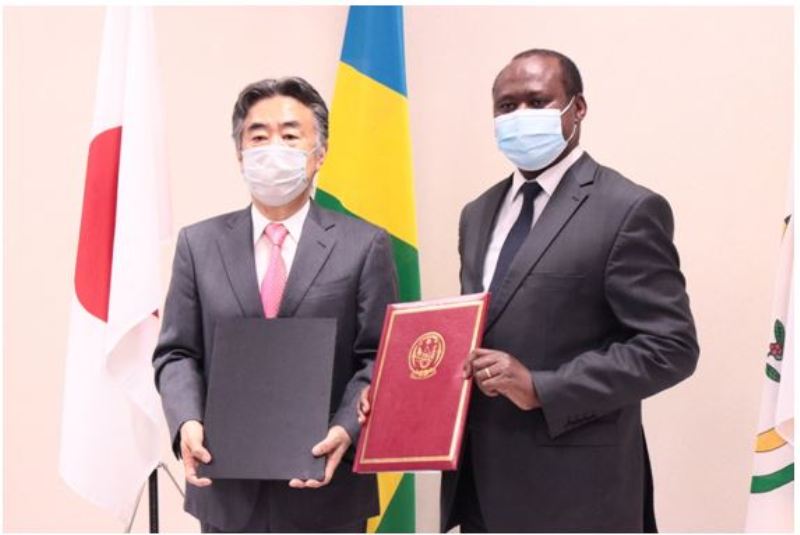
The agreement was signed on Thursday, July 30, 2020, between the Japanese Ambassador in Rwanda, Masahiro Imai, and the Minister of Finance and Economic Planning Dr. Uzziel Ndagijimana.
Japan will provide medical equipment that will help the health sector to cope with the Coronavirus pandemic. The equipment will, among others include; a patient monitoring machine, an electrocardiogram and ambulance.
The equipment is expected to be delivered to hospitals and laboratories in Kigali and all four provinces of Rwanda.
Minister Ndagijimana said the medical equipment would contribute to strengthening the capacity of the health sector to fight the Coronavirus pandemic. It will also increase the outcomes that the government continues to look for in the fight against Coronavirus and will also lead to better health.
Ambassador Imai said the whole world was found to be in a state of social turmoil due to the Coronavirus devastating the global economy and social welfare.
Rwanda and Japan have good relations with a focus on addressing social issues.
There is also investment cooperation, where Japanese investment in Rwanda focuses on value-added from agriculture and animal husbandry, hospitality, fruit, and vegetable farming, mining, technology, and services.