The statement from the Ministry of Health released last night shows that the new cases were found in Kigali (1) Muhanga (10) from Muhanga prison, Rubavu (4), Nyanza (2), Musanze (2), Rusizi (2), Bugesera (2) and Nyagatare (1).
The Ministry of Health confirmed the first case on 14th March 2020.
Since the COVID-19 outbreak in Rwanda, 5750 cases have been found out of 611 684 sample tests. 5241 of them have recovered, 462 are active cases while 47 have succumbed to the pandemic.
Coronavirus symptoms include coughing, flu, and difficulty in breathing. The virus is said to be transmitted through the mucous membranes of the respiratory tract.
Rwandans are required to continue to comply with government regulations, especially with frequent washing of hands and water and soap, wearing masks when leaving home or in public.
The project dubbed ‘Scent Identification of COVID-19 using dogs’ has proved successful in developed countries including Germany. It will be helpful for the country to test a large number of people during this period when many businesses are reopening.
The agreements were signed on Monday witnessed by the Director General of Rwanda Biomedical Centre RBC, Dr Sabin Nsanzimana and Germany amabassador, Dr Thomas Kurz.
The project is expected to be effected next month.
“Such a pleasure to sign today with the Director General of Rwanda Biomedical Centre RBC, Dr Sabin Nsanzimana the project partnership ‘Scent Identification of COVID-19 using dogs’. Dogs in Germany proved capable of identifying people infected with COVID-19, the same will apply for Rwandan dogs soon,” tweeted Germany embassy in Rwanda following the ceremony.
Sniffer dogs are dogs that are trained to use their senses to detect substances such as explosives, illegal drugs, wildlife scat, currency, blood, and contraband electronics. The sense most used by sniffer dogs is smell. The smell from the detection dogs are more enhanced than the average dog. They are trained to have this great sense of smell.
Sniffer dogs that normally look for explosives or drugs have been used previously to smell various cancers and hypoglycemia in diabetics. This medical application motivated veterinary scientists to research the potential ability of sniffer dogs to detect the coronavirus.
In July 2020, Researchers in Germany found that army sniffer dogs can discern between samples from coronavirus-infected and healthy patients.
Scientists at the University of Veterinary Medicine Hanover found that trained sniffer dogs could be used to detect COVID-19 in human samples with a relatively high rate of accuracy.
Eight sniffer dogs from the German Bundeswehr were trained for only a weekto distinguish between the mucus and saliva of patients infected with coronavirus and non-infected individuals.
The dogs were then presented with positive and negative samples on a random basis by a machine.
The animals were able to positively detect SARS-CoV-2 infected secretions with an 83% success rate, and control secretions at a rate of 96%. The overall detection rate, combining both, was 94%.
In its conclusion based on more than 1,000 sniffed samples, published in the BMC Infectious Diseases journal, the team said dogs could play a role in detecting infected individuals.
The method has been applied in many countries and proved that dogs can identify COVID-19 patients at low cost.
It is expected to boost Rwanda’s capacity to test COVID-19 and complements ongoing efforts to contain effects of the pandemic.
In a bid to minimise contact between patients infected with the coronavirus and doctors and nurses in hospitals, the country has deployed three robots to carry out simple tasks like taking temperatures and monitoring patients.
Rwanda has so far conducted 609 367 COVID-19 tests of which 5726 were positive. A As of today, the country recorded has 482 active cases and 47 deaths.
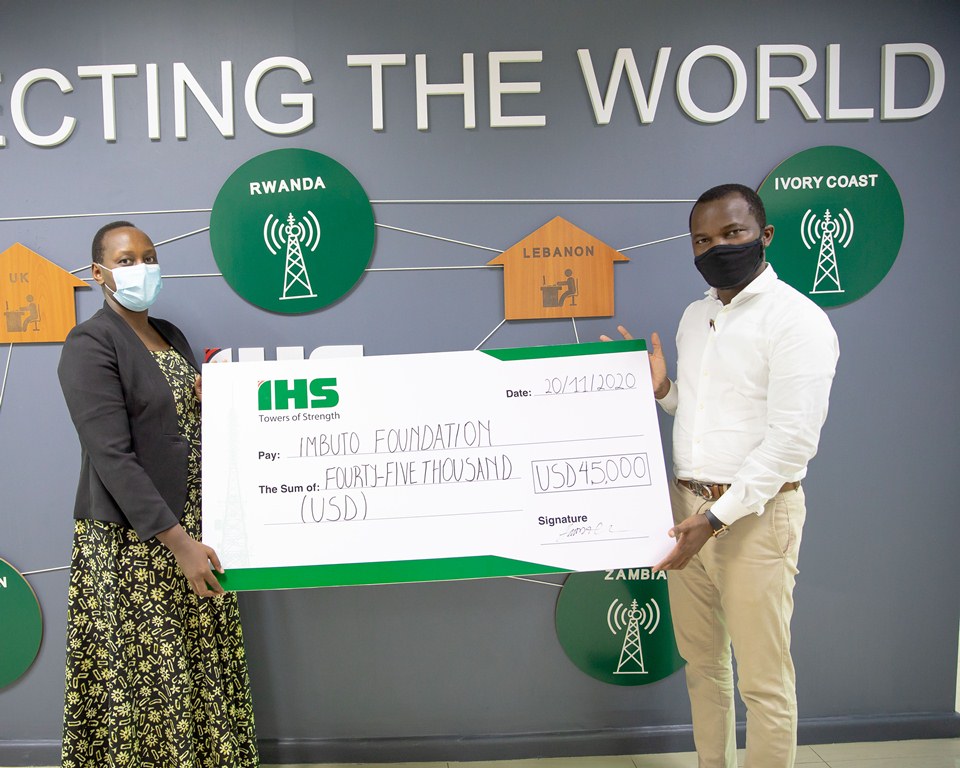
The MoU for the scholarship worth US$ 45.000 (Rwf 45 million) was signed on 20th November 2020 and expected to award US$300 to each student in a boarding school, for the academic year of 2020-2021.
The Edified Scholarships was initiated in 2002 to financially support brilliant secondary school students from economically vulnerable backgrounds, in their pursuit of education.
Today, the programme sponsors 694 students in 102 secondary schools countrywide.
During holidays, these students are brought together to impart them with essential life skills commenting school education.
IHS has provided 400 scholarships under this partnership with Imbuto Foundation since 2015.
Through the Edified Generation, a total of 9.601 students including male and females have been sponsored.
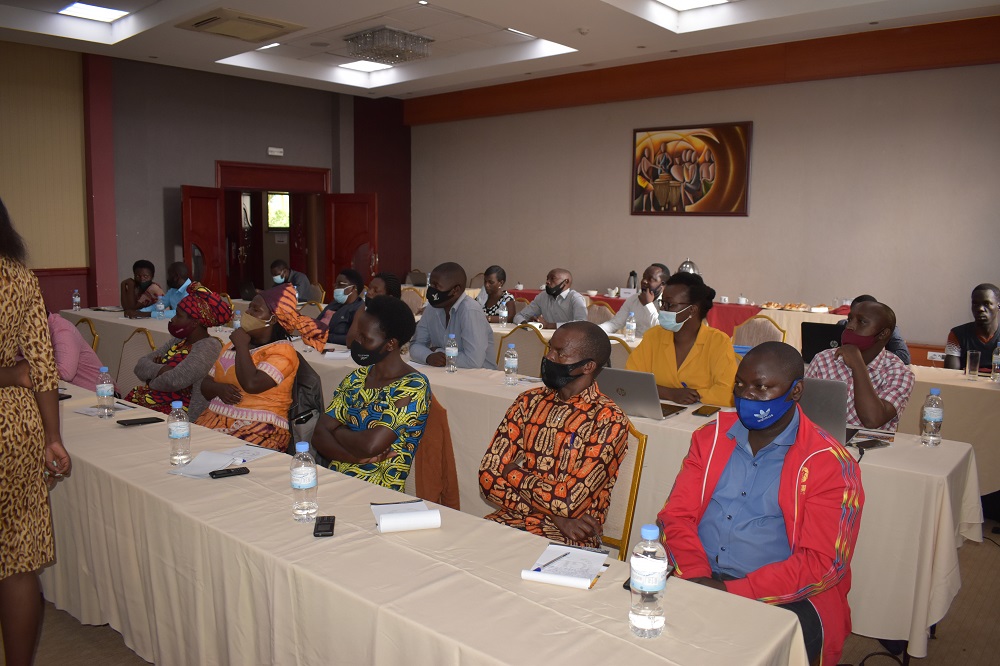
It is under this context that a meeting of stakeholders in horticulture subsector was convened in Kigali on 20th November 2020 to discuss issues and opportunities around the seed industry in Rwanda.
Participating horticulture farmers expressed concerns over hiked vegetable, fruits seed prices especially French beans and chili and appealed to the Government to introduce seed-subsidy program to facilitate their farming.
They explained that chili farmers need Rwf 700,000 or Rwf 1 million to afford seeds to plant on a hectare depending on sought variety while the price for French beans seeds to be planted on a hectare is Rwf 500,000.
Devotha Mukaserire, the representative of farmers’ groups involved in the agriculture of fruits, vegetables and flowers in Rwanda cited higher price for Hybrid seeds as one of major challenges facing farmers.
“Seeds for vegetables are very expensive. Most of them are imported leading to higher prices. That’s the most challenging issue. This pushes farmers try to evade the high cost by multiplying seeds themselves with inadequate skills that sometimes multiply seeds from sick crops resulting into the spread of crop diseases,” she said.
Mukaserire explained that chili and French beans are the most expensive even though seeds for tomatoes, carrots and green pepper and green pepper are not sold at fair price.
She appealed to the Government to intervene by producing expensive seeds locally to make them affordable at lower cost or implement subsidy measures to facilitate smallholder farmers who fail to plant these crops due to soaring price.
Emille Uwimana, a chilli farmer in Rwamagana district also reminisced on the higher and demanded for measures to subsidize vegetable seed price.
“I am required Rwf 720,000 to grow chili on a hectare and over Rwf 500,000 to grow French beans on the same land. This is additional to funds invested to hire arable land and pesticides making it a huge investment,” he said.
Uwimana said that expensive price incurs loss sometimes in case of poor market conditions.
Alex Uwizeye, Country Coordinator of AgriProFocus, an international multi-stakeholder network in the agri-food sector explained that expensive seeds matters but should be taken into business perspective.
“We consider something expensive when invested money cannot be recovered. However, it is corresponding when something expensive brings good productivity. The matter should be finding out whether everyone can afford such seeds. Not everyone can afford it but we don’t want everyone to grow chili,” he said.
Uwizeye however explained that concerned parties including AgriProFocus are seeking remedy to produce vegetable seeds locally.
Dr Assinapol Ndereyimana, a researcher at Rwanda Agriculture Board (RAB) explained that French beans and chili are particularly for business people.
“Chili is exported and seeds grown in most places are the same. It is rarely sold at low-cost. The seeds for chili are not expensive on one hand because many people are doing it for business purposes. I am against the idea of introducing subsidy program for chili growing yet it is like other businesses,” he said.
Dr Ndereyimana highlighted that other seeds are classified into different categories that farmers can chose from a wide variety matching their financial means.
He pointed out that onion seeds vary from Rwf 10,000 and Rwf 40,000 while the cost of Hybrid seed costs Rwf 150,000.
RAB is undergoing research on chili seeds so that they can be produced locally.
Jacques Tuyishime, the Managing Director of Holland Green Tech which sells agro-inputs including vegetable seeds among other agricultural equipment explained that high cost of vegetable seeds emanates from resources investing by manufacturers.
“Planting chili on a hectare might require between Rwf 700,000 and Rwf 1 million investments on seeds. However, the produce recovers the capital and generates profit. If chili seeds take 10% of the capital, it doesn’t mean expensive cost. Farmers have inadequate means sometimes requiring them to seek loans from financial institutions. It takes big investments but generates huge returns,” he observed.
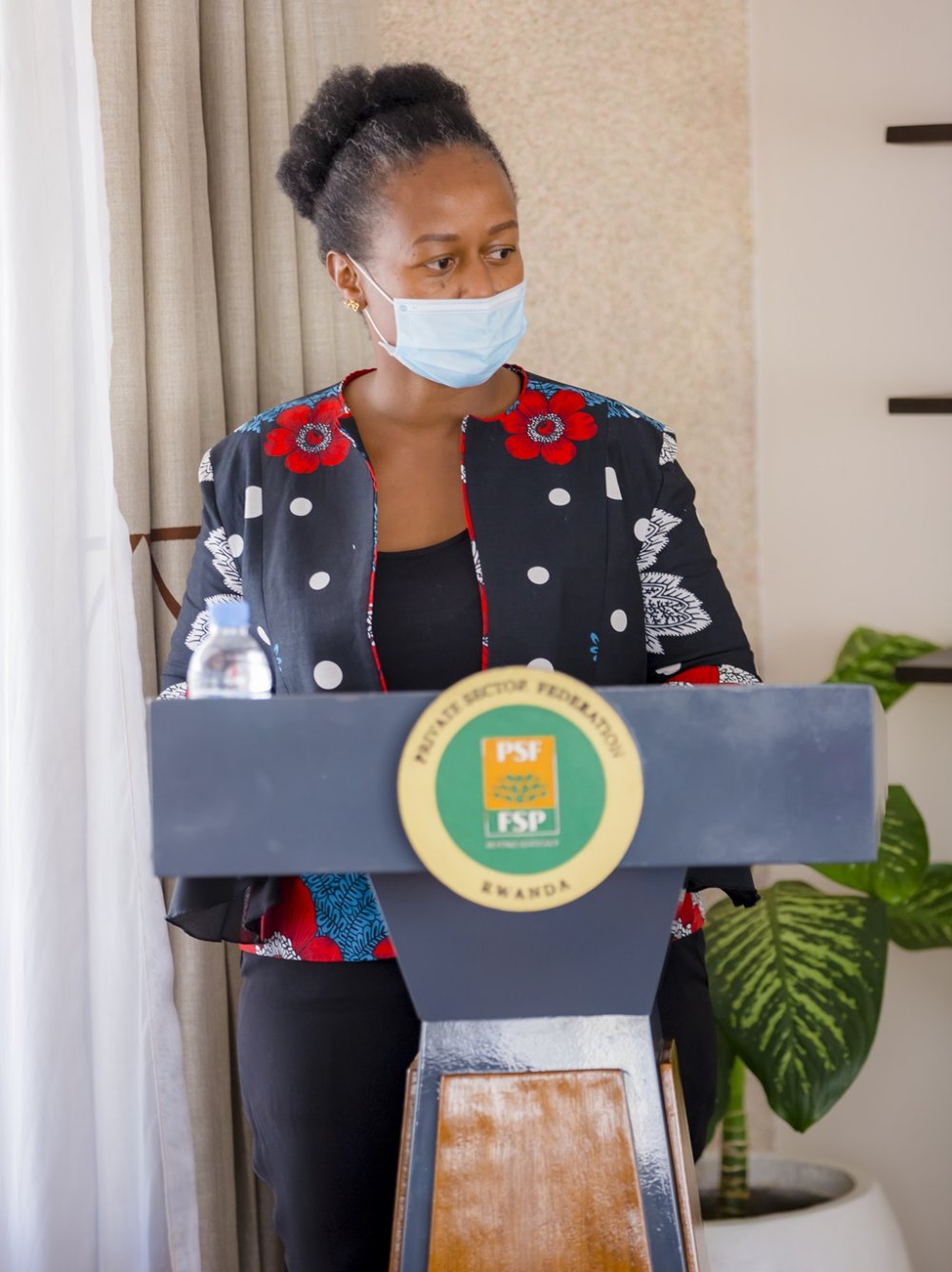
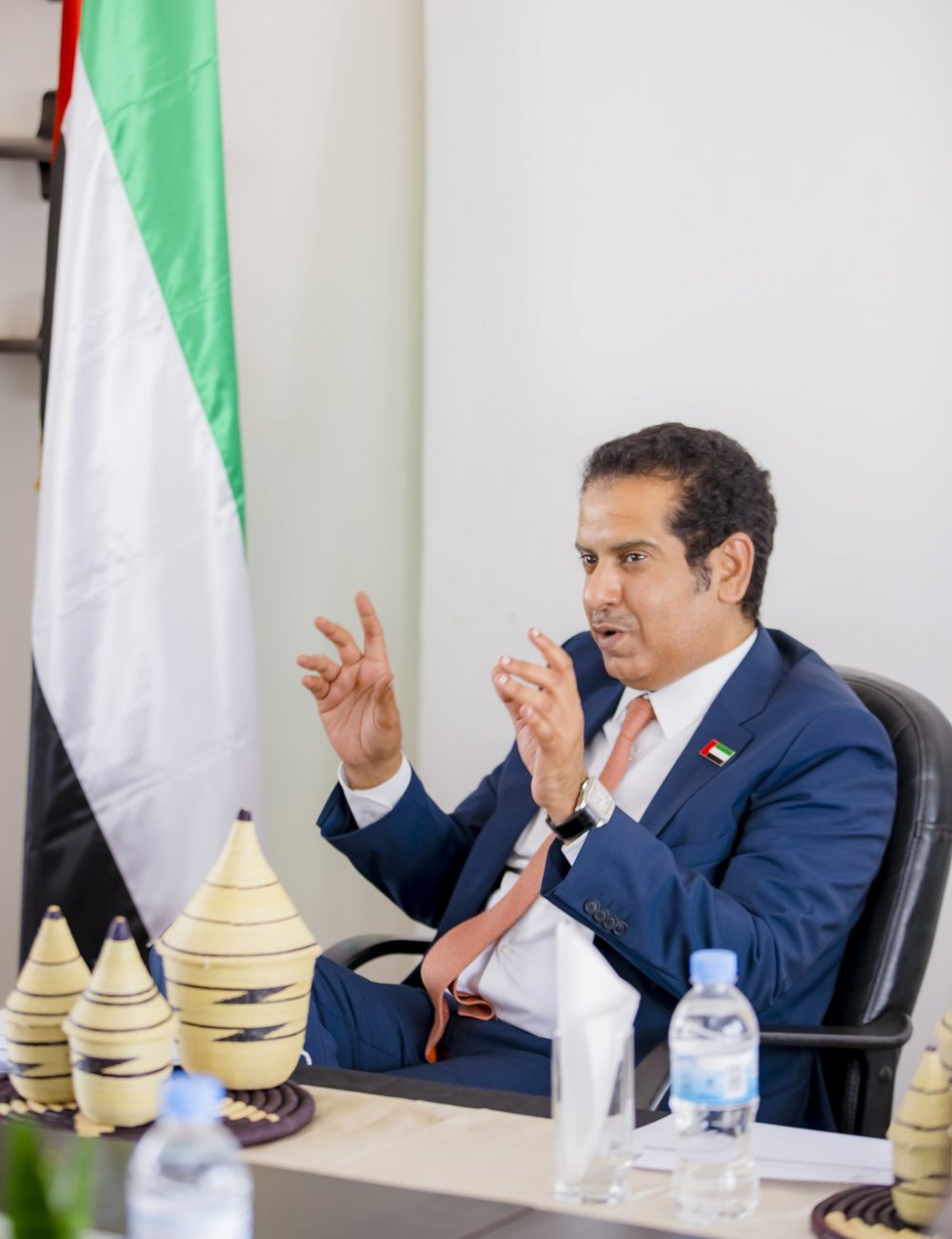
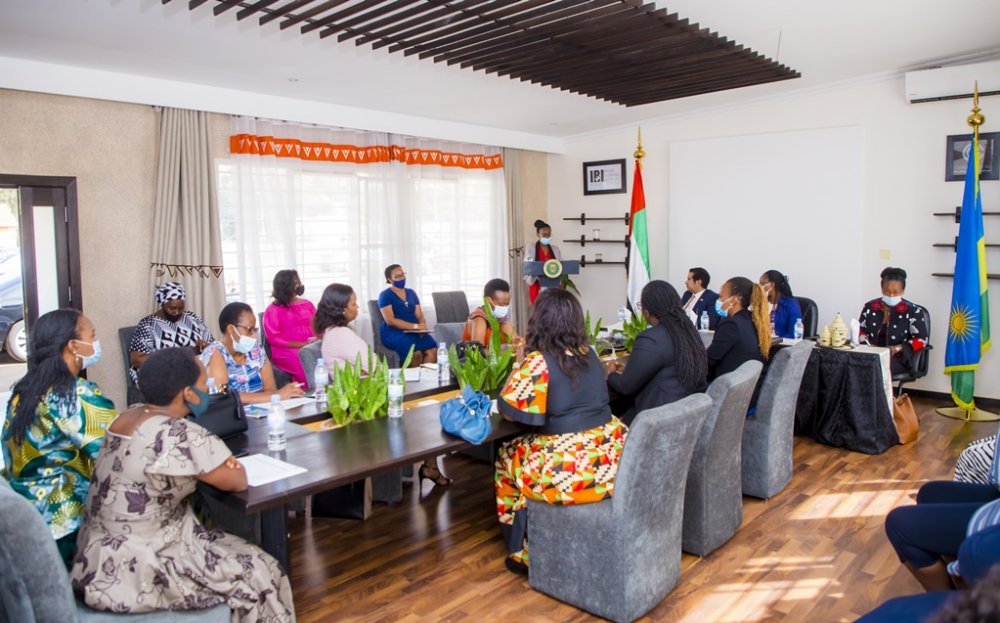
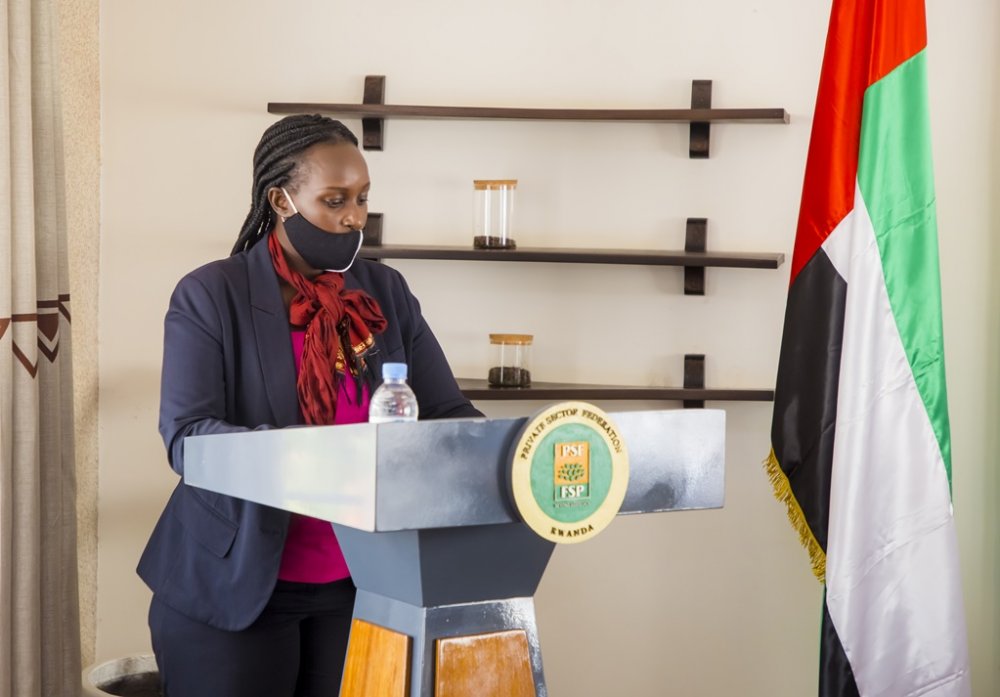
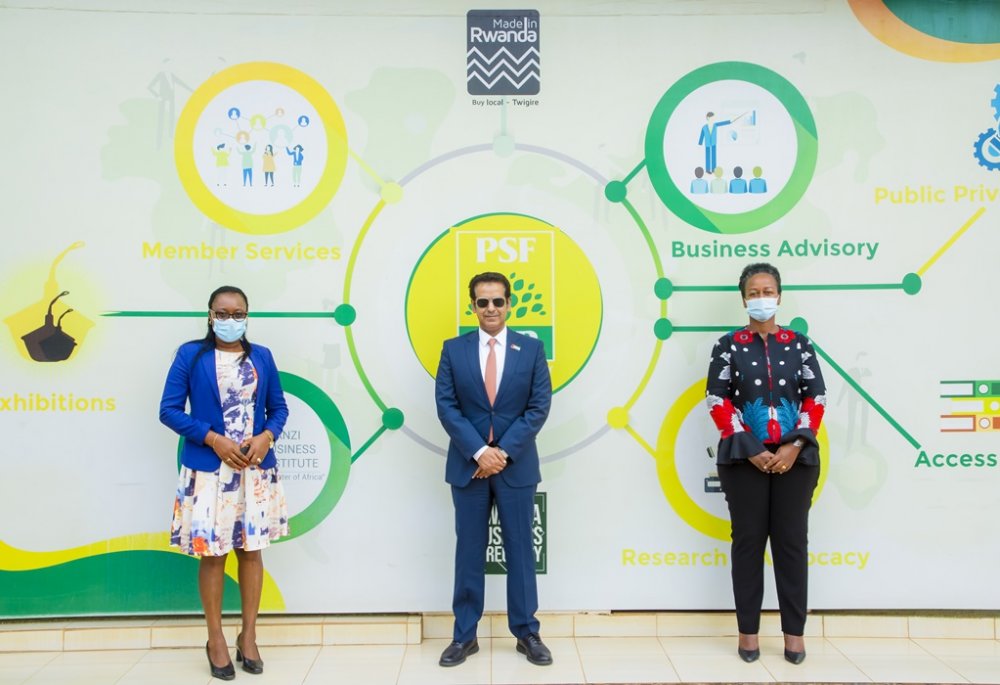
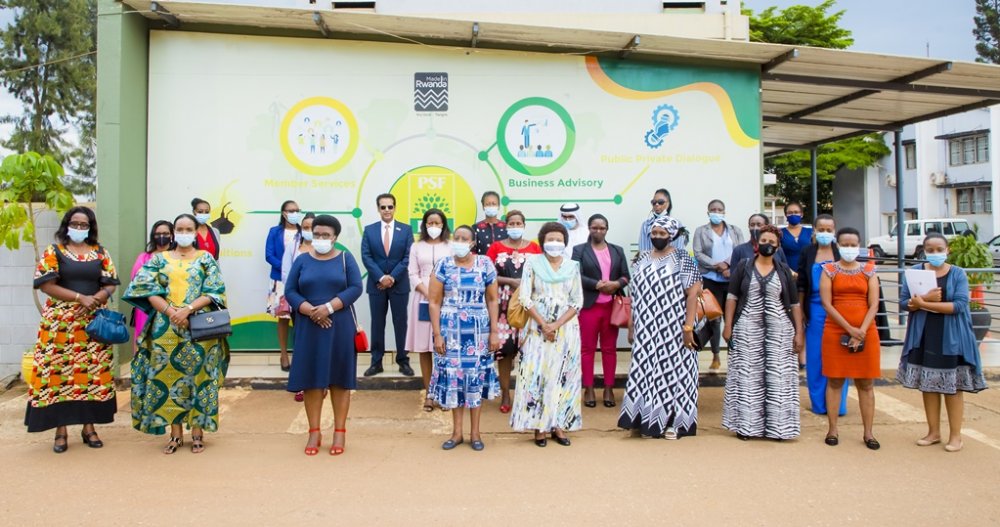
He made the remarks while visiting the Rwanda Chamber of Women Entrepreneurs Forum (RCWE) on Thursday, November 19, 2020.
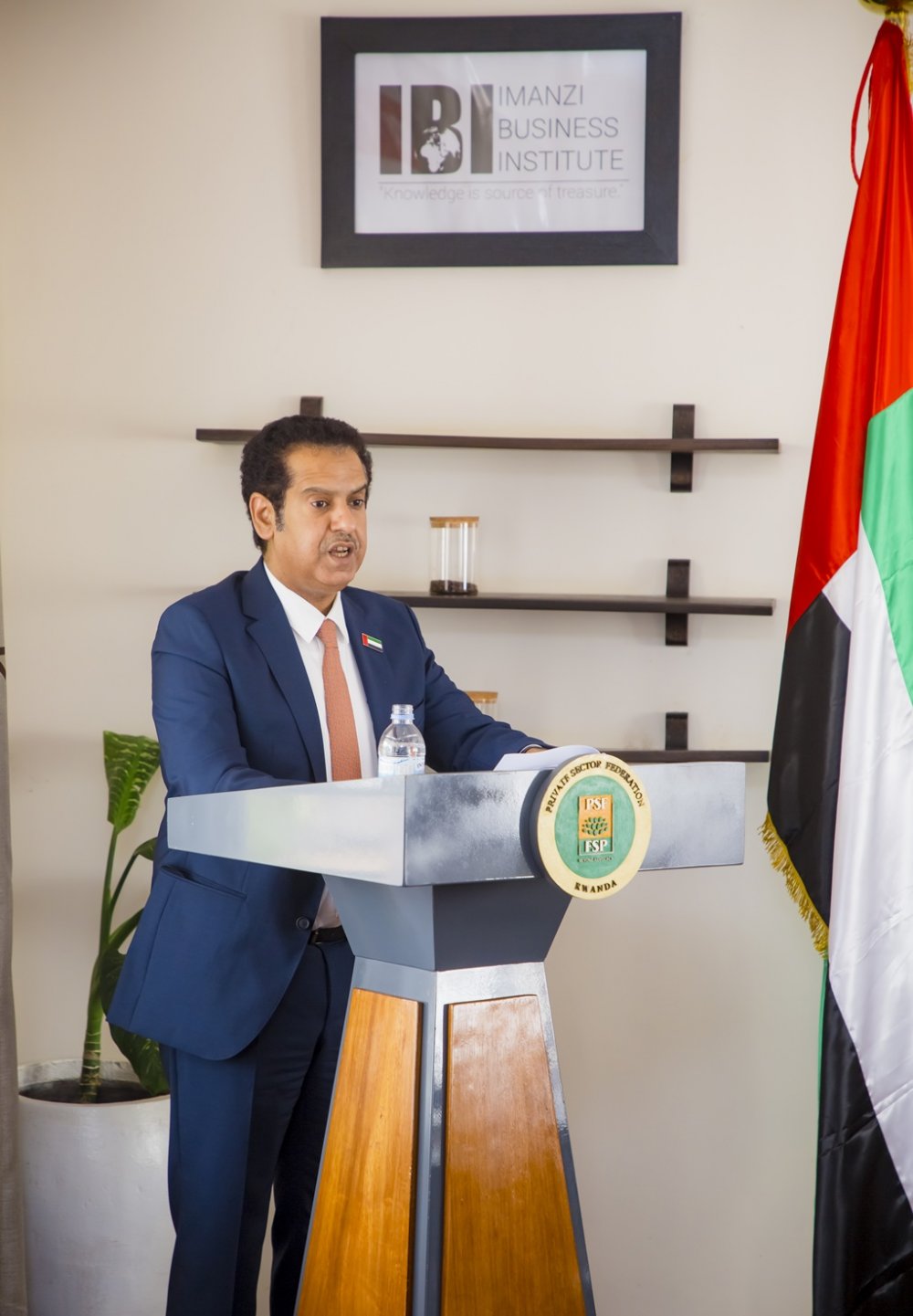
The Ambassador explained that the UAE has a population of approximately 10million, with 90% being foreigners who live, study & work in the UAE.
He emphasized the notion that: “The woman is half of the society, any country which pursues development should not leave her in poverty or illiteracy. I am on the woman’s side.”
“Today, by law the UAE Constitution guarantees equal rights to all of its citizens, including women who have the same legal status, to name but a few, the claim to titles, access to education, the right to practice professions, and the right to own as much properties as men do. Women can also own businesses,” said the Ambassador.
He stated that the World Bank’s 2020 Women, Business and the Law Report indicates that the UAE is one of the world’s top ten economies exhibiting the most progress toward gender equality.
The Ambassador explained that Emirati women in the UAE hold two-thirds of public sector jobs, with 30% in leadership roles and 15% in technical and academic roles.
25% of cabinet-level ministerial positions in the UAE are held by women. Women also make up 20% of the UAE’s diplomatic corps.
In October 2008, the first female judge was sworn-in in the UAE. There are currently 4 female judges, 2 public prosecutors and 17 assistant public prosecutors. In March 2019, two female judges were appointed to the Federal Judiciary for the first time.
In Business, the ambassador said that in 2017 the UAE had the highest number of women on Forbes’ 100 Most Powerful Arab Businesswomen with 19 Emirati women on the list.
Today 15% of board level positions nationwide are occupied by Emirati women.
The UAE’s aviation industry employs more female pilots, captains, and aircraft engineers than any other country in the Middle East & Northern Africa region.
Etihad Airways marked International Women’s Day 2019 with an all-female flight for the first time in UAE history. Women Captains piloted the Airbus A380 along with a 19-member all-female cabin crew from 13 nationalities & they were in charge of 398 guests.
In International Development, the Ambassador said that the empowerment and protection of women is one of the key pillars of the UAE’s foreign aid strategy.
The UAE has developed a “100 percent Women” Policy which aims to enhance the UAE’s commitment to the protection of women and girls’ as a part of all UAE funded humanitarian programs and projects implemented in humanitarian crises.
“To date the UAE has dedicated US $322 million for humanitarian initiatives and interventions focused on women and girls.”
In Defense, in 2014 the region’s first military college for women, Khawla bint Al Azwar Military School, opened in the UAE.
The UAE currently has four women fighter pilots and 30 women who work with the country’s special security forces.
The first Emirati and Arab female fighter pilot, Major Mariam Al Mansouri, made international headlines for leading UAE missions against ISIS.
In 2019 a military and peacekeeping training initiative, operated by the UN, in partnership with the UAE Ministry of Defense and the General Women’s Union in the UAE, trained over 130 women from multiple Arab countries.
These cadets have been trained to protect women’s rights, help reduce sexual violence and provide support to women in conflict zones globally.
“This program provides world-class training, physical fitness sessions and leadership development providing the same opportunity and responsibility to female cadets as is available to their male counterparts.” said the Ambassador
{{Women entrepreneurs were promised support}}
Women founders and executives of companies in Rwanda are happy with the opportunity but are asking for support in reaching the market.
Jessie Kalisa said she has always had a dream of meeting someone who can take her to the Dubai market and do business.
“I used to dream of meeting someone in Dubai. How do I start a business in Dubai? ”
Ambassador Hazza Alqahtani said he would connect them with people who would help them so that they could start investing.
“My advice to you is to get together and open a store. I have no doubt that you will behave well. making baskets, oils, Rwandan coffee, is something that will attract many. ”
Other businesses that have been shown to be lucrative include export of fruits; pineapples, oranges, and mangoes.
The Minister of Gender and Family Development, Prof Bayisenge Jeannette, said the government would continue to promote women in business.
“The visit was aimed at exchanging information between the two countries and showing that women have been given the opportunity to thrive. It is to re-energize women and tell them that the country is ready to support them where possible. Opportunities like this are important because it allows them to see where they can better connect with different donors. ”
Economists predict that empowering women in investment could boost global gross domestic product by $ 12 billion by 2025.
Statistics from the Rwanda Private Sector (PSF) show that 42% of companies are run by women in the country.
Of the more than 12 million Rwandans, 52% are female. A report by the International Monetary Fund shows that women contribute 30% to the country’s gross domestic product (GDP).
In response, residents apprehended two of the suspected thieves identified as Eric Rwizibura, 37, and Benoît Ntawuhiganayo, 41, and handed them over to Police at Nyagisozi station.
Superintendent of Police (SP) Theobald Kanamugire, the Police spokesperson for the Southern region, said that on Saturday night, at about 8:30 pm, three thieves intercepted Faustin Mutabazi and his wife Claudine Mukabagire, as they were heading home.
The couple was traveling on a motorcycle when the thieves stopped them in an attempt to rob them of their valuables.
“The couple tried to fight the thieves and, in the process, also called out loud for help. Neighboring residents responded to the alarm and apprehended two of the suspected robbers, who had assaulted the couple and had injured Mukabagire in the hand with a machete.
Unfortunately, the third thief managed to escape with some of the valuables including Frw680, 000 and a smartphone was stolen from the couple,” SP Kanamugire said.
The residents took the two suspects to Nyagisozi Police station and the couple was taken to Cyahinda health centre for medical care for the sustained wounds.
According to the spokesperson, one of the suspects, Eric Rwizibura was also wanted over similar crimes in Nyaruguru District, and drug trafficking.
At the time of his arrest, Rwizibura was also found in possession of one pellet of cannabis.
SP Kanamugire thanked the residents for the community policing spirit to save the couple and to apprehend the suspected violent criminals.
The search for the third suspect and recovery of the stolen valuables is still underway.
Under article 168 of the law determining offences and penalties in general, any person convicted for violent theft face between five and seven years in prison and a fine of between Frw3 million and Frw5 million
The new cases confirmed this Sunday include 21 from Kigali, 9 from Rwamagana, 8 from Nyanza, 3 from Nyamagabe, 2 from Bugesera, 1 from Rusizi and 1 from Musanze.
The Ministry of Health stated, “We mourn the death of a 32-year-old man who died in Kigali.”
These new cases brought the total number of confirmed cases in Rwanda to 5,665 of which 5,164 have recovered, accounting for 91.1%, while the number of active cases is 454.
So far, the total number of sample tests taken in Rwanda is 607,283.
The global number of new COVID-9 infections continues to rise, with only hope that the vaccine can bet got, curbing the disease which has already infected 58 million people and killed more than 1.3 million across the world.
The U.S.-based Pfizer and BioNTech companies in Germany recently announced that their vaccine protects against coronavirus by 95%, while Moderna Inc. works at 94.5 percent, although the trial has not yet been completed.
These institutions are in the process of requesting that these vaccines begin to be used on people.
The warning follows different cases where many people have been caught in such prohibited and risky gatherings in homes.
In the latest similar violation, Police and local leaders in Gatsibo District, on Saturday, November 21, caught 39 people, who were gathered in a resident’s house, praying.
The violators were gathered in the house of one John Barahirwa, 25, located in Simbwa Cell, Kabarore Sector, contrary to the directives against further spread of the COVID-19.
Chief Inspector of Police (CIP) Hamdun Twizeyimana, the Police spokesperson for the Eastern region, said that the prohibited gathering was reported by grassroots leaders in the area.
“All the violators are members of the Seventh Day Adventist church. They were found congested in a small room with no one wearing a facemask, following a sermon from their leaders; Aloys Hategekimana and Jonas Ndikumana,” CIP Twizeyimana said.
All the violators were subjected to administrative fines and sensitized on the threat of the COVID-19, national directives and health guidelines.
The spokesperson warned against such risky behaviors and actions, which can derail the national response efforts to curb the pandemic.
“The government directives and safety guidelines are very clear and must be followed. Those who hold such illegal gatherings are not only threats to their lives, but also to their families’ and respective communities’.
This means that everyone has a role to play to prevent these risky practices through information sharing on violations happening in neighborhoods,” CIP Twizeyimana said.
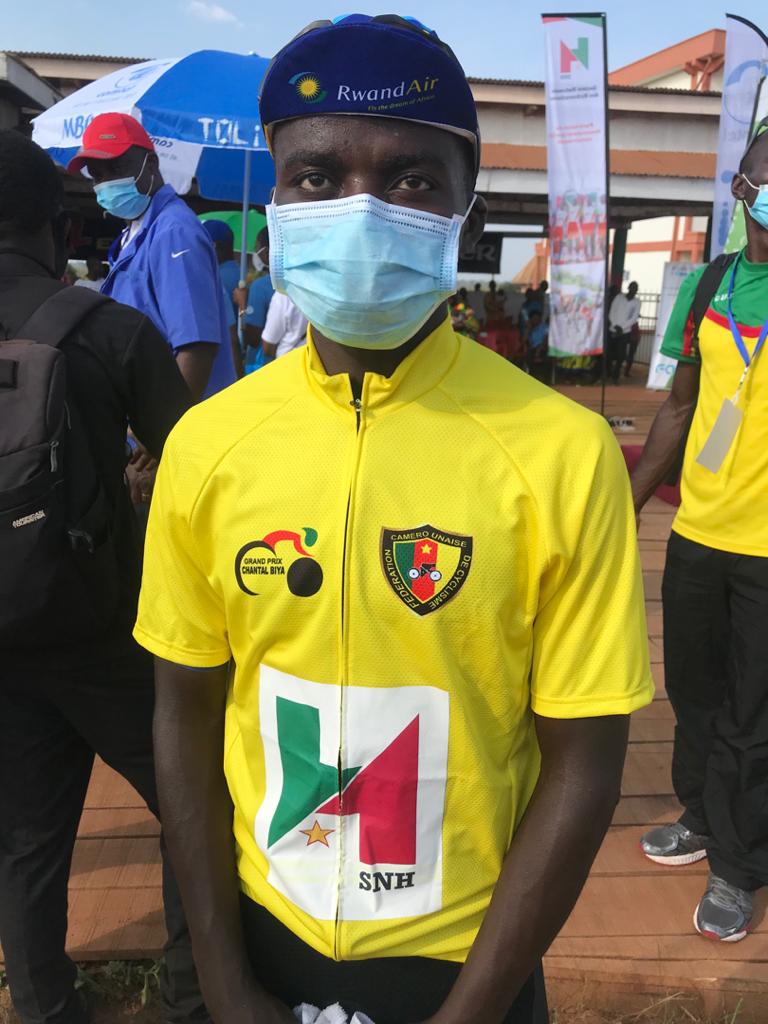
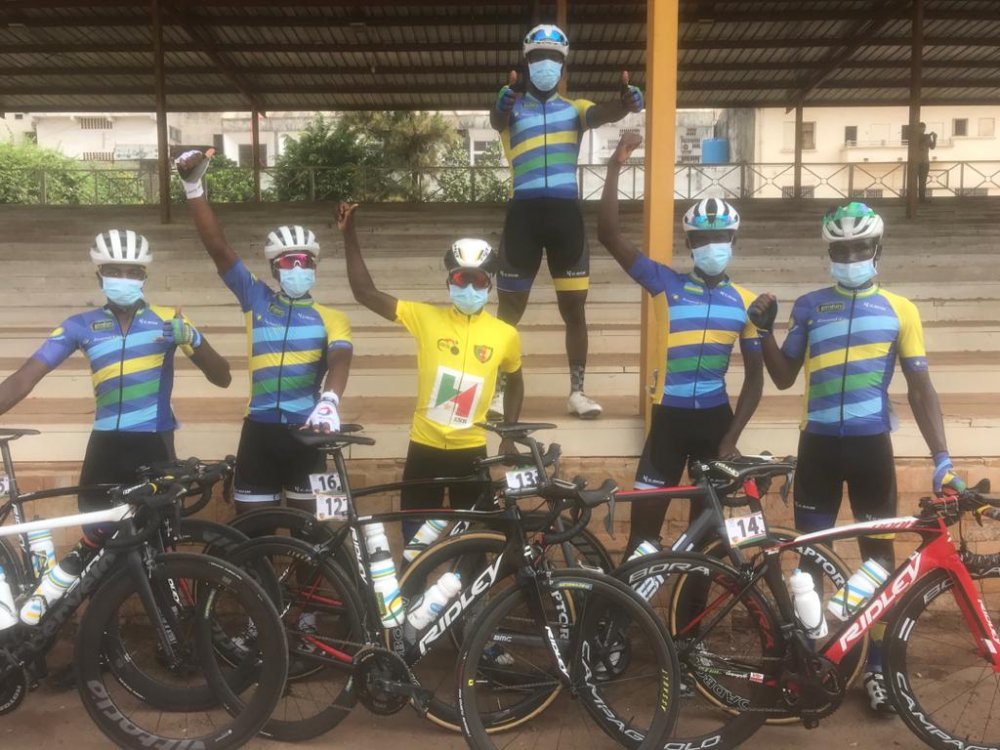
For four days, the 23 year old pro cyclist maintained the Yellow Jersey and pedaled to win Stage 1, 3 and 4 at the 20th Grand Prix Chantal Biya in Cameroon until it ended.
Mugisha didn’t win stage 2 but managed to add 34 seconds on his time record but quickly made a recovery victory in stage four held on Saturday clocking 2:46:33.
Slovakian national Kubiš Lukáš trailed in second position while Byiza Uhiriwe of Team Rwanda took the third position in this stage.
On the last day of the competition, a 166.4kilometers race from Sangmelima to Yaoundé, Mugisha lifted the Rwandan flag to emerge as the overall winner of the 2020 event.
Mugisha Moïse, who started competing in international competitions in 2018, won the Africa and Rwanda Championships in the Under-23s in 2019.
He also won the Bronze Medal at the recent African Games in Morocco for the Individual Time Trial.
Mugisha Moise, together with his colleagues, won the bronze medal in the race and times as “Team Time Trial” of the Championships “All African Games 2019” was held in Morocco.
Mugisha also managed to scoop the 2nd position at the 12th Tour du Rwanda (2.1) rated international competition just a few seconds behind the winner Tesfatsion Natnael, of Eritrea.
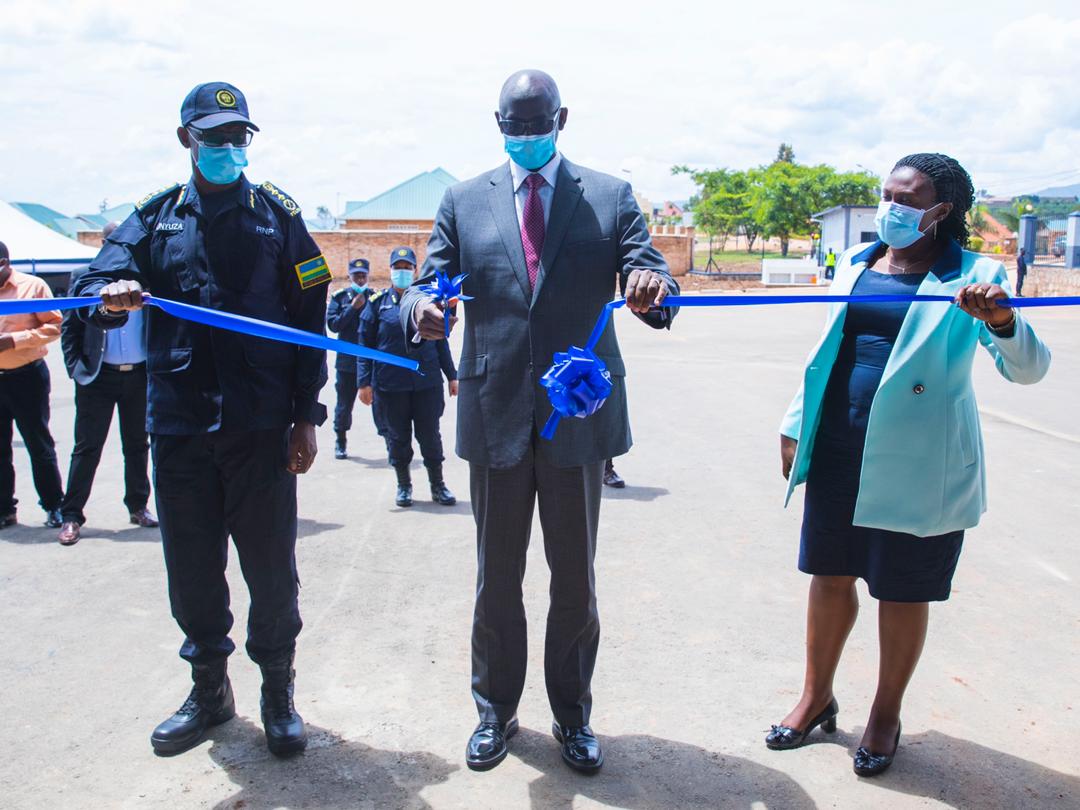
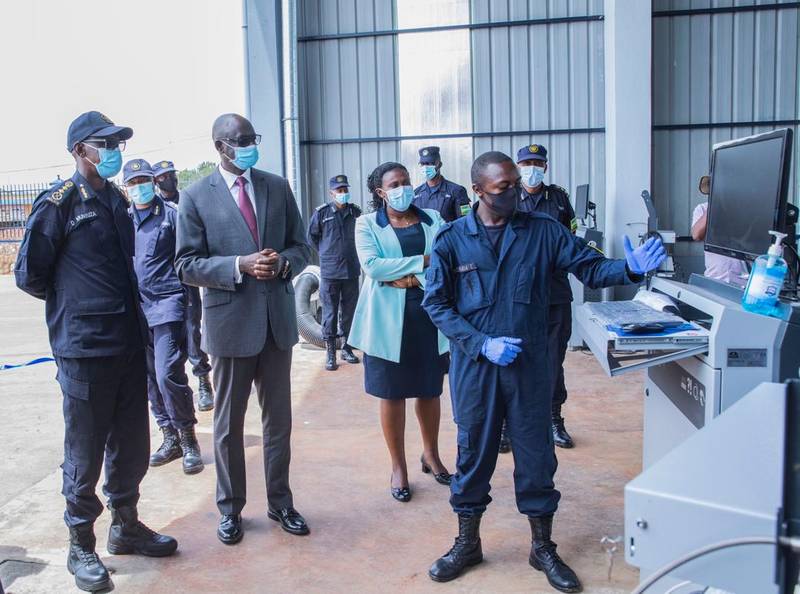
The new automobile inspection facilities worth over Frw3 billion, built in less than two years, are in the Southern Province (Huye town), Northern Province (Musanze town) and Eastern Province (Rwamagana town).
Each facility has two fixed lanes with the capacity to inspect at least 200 vehicles per day.
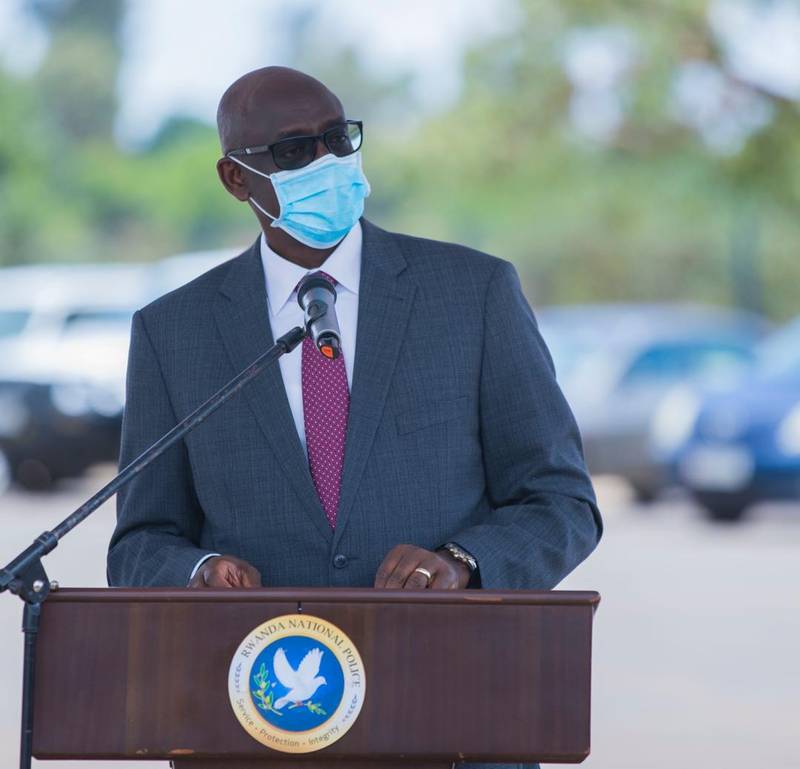
The Minister of Justice and Attorney General, Johnston Busingye, while officially inaugurating the center in Huye District, said that the facilities pledged by President Paul Kagame reflects the government’s commitment to further build the capacity of RNP to improve road security.
The launch in Huye was also graced by the Inspector General of Police (IGP) Dan Munyuza and the Governor of the Southern Province, Alice Kayitesi, among others.
“These facilities were built and completed within 19 months, which is less than 2 years. This is a lesson that even big projects can be completed within the agreed period. We have had cases when some projects are completed after a very long time and under troublesome circumstances.
To public institutions and entrepreneurs, this shows that what was possible here it should be the same with all other projects,” Minister Busingye said.
“As the wealth and wellbeing of Rwandans continue to improve, it goes with the increase in the number of automobiles. This center has come at the right time and it’s in line with the country’s governance system of taking services closer to the people,” he added.
He observed that the transport sector plays a big part in the country’s development, which requires having automobiles that are roadworthy.
The Minister urged vehicle owners to be responsive and make good use of the inspection facilities, because having one’s vehicle inspected for roadworthiness is important for one’s safety on, and not just for fear of the law or penalties.
He reiterated that as such police service resume, the pandemic of COVID-19 is still in our midst and a threat, which requires maximum compliance with the set health and safety guidelines.
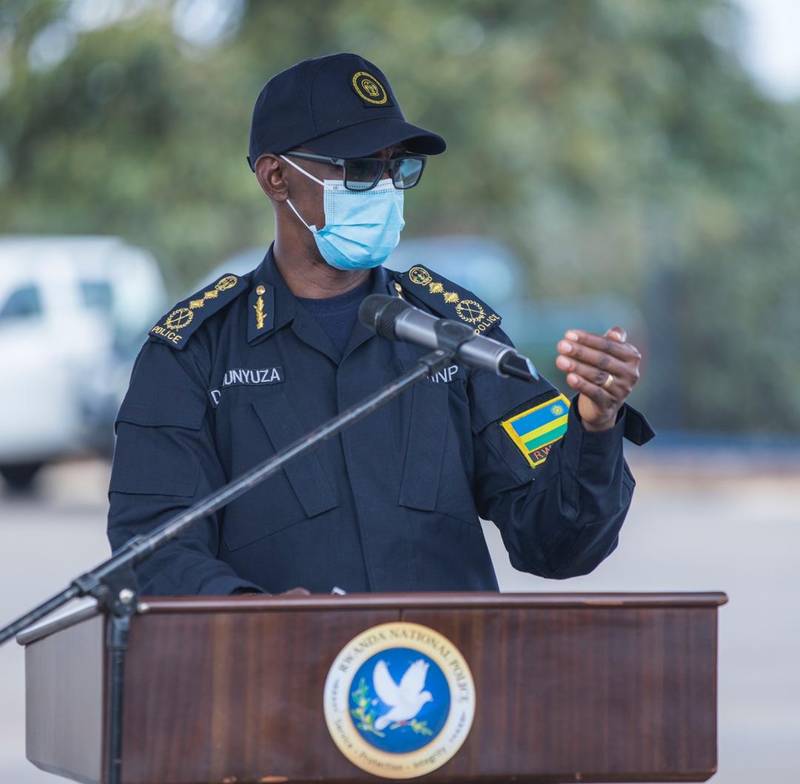
IGP Munyuza said that these automobile inspection facilities provide three crucial services; fighting and preventing road accidents, gas emission and providing advisory services to owners of automobiles that are found with mechanical fault and in unroadworthy condition.
The three new centers will supplement the five fixed lanes at Remera Automobile Inspection Centre in City of Kigali as well as the Mobile lane, which were overbooked and overloaded.
This increases the daily inspection capacity to over 1100 vehicles, up from 500 previously.
“Decentralizing these automobile inspection centers is meant to bring services closer to the people, prevent long movements and time that was being spent traveling to Kigali to acquire the same services,” the Police Chief said.
He observed that such hi-tech services backed by online booking and payment are playing a big role in fighting corruption in RNP services, as well as saving time that was spent on travels and long lines to get the same services.
Between January and October this year, a total of 72,520 vehicles have been inspected, with 29,780 of them failing the first inspection due to varied mechanical faults while 1,896 were emitting gas.
In the same period, 3,352 road accidents were registered across the country, including 562 fatalities and 2,077 accidents recorded as serious.
Majority 188 of the fatalities are pedestrians, 152 taxi-moto operators and 106 cyclists, while other motorists account for the rest.
The accidents were mainly due to mechanical faults especially brake failures by trucks, human behaviors including speeding and bad maneuvers.
The IGP also hinted on some of the challenges faced by the police in offering automobile inspection services.
“One of the challenges in these automobile inspection services is corruption and fraud especially by people guising as brokers and in some cases working with Police officers to solicit bribes. Anyone caught in these serious criminal actions is handed over to courts of law, whereas in addition to being prosecuted, police officers involved in such offence are also dismissed from the force,” IGP Munyuza said.
In Musanze District, the Minister of Environment Dr. Jeanne d’Arc Mujawamariya, who presided over the launch, emphasized the importance of automobile inspection centers in environmental protection and fighting fuel emissions in particular.
The event in Musanze was also attended by the Governor of the Northern Province, Jean Marie Vianney Gatabazi and the Deputy IGP in Charge of Operations, Felix Namuhoranye.
“Automobiles inspection centers will help to identify vehicles that emit harmful gasses, which will be a great support to national environmental protection efforts,” Minister Mujawariya said.
In Rwamagana District, the Governor of the Eastern Province, Fred Mufulukye alongside the Deputy IGP in charge of Administration and Personnel, Juvenal Marizamunda presided over the launch.
Vehicle inspection is compulsory under the Presidential Decree No. 85/01 of 02/09/2002 regulating general traffic police and road traffic.
The centers test gas emission, shock absorber, brakes including handbrake, axle play detection, wheel alignment and vehicle geometry, steering system, headlights, and visual inspection of the vehicle’s body condition, among others.