Youth, particularly youth with disabilities, struggle to obtain meaningful employment, and this situation has only been worsened by the COVID-19 pandemic. Recent statistics from the National Institute of Statistics of Rwanda (NISR 2017) place Rwanda’s overall unemployment rate at 16.7%; the rate is 18.5% of unemployment rate for persons with disabilities, and overall youth unemployment rate is even higher at 21%.
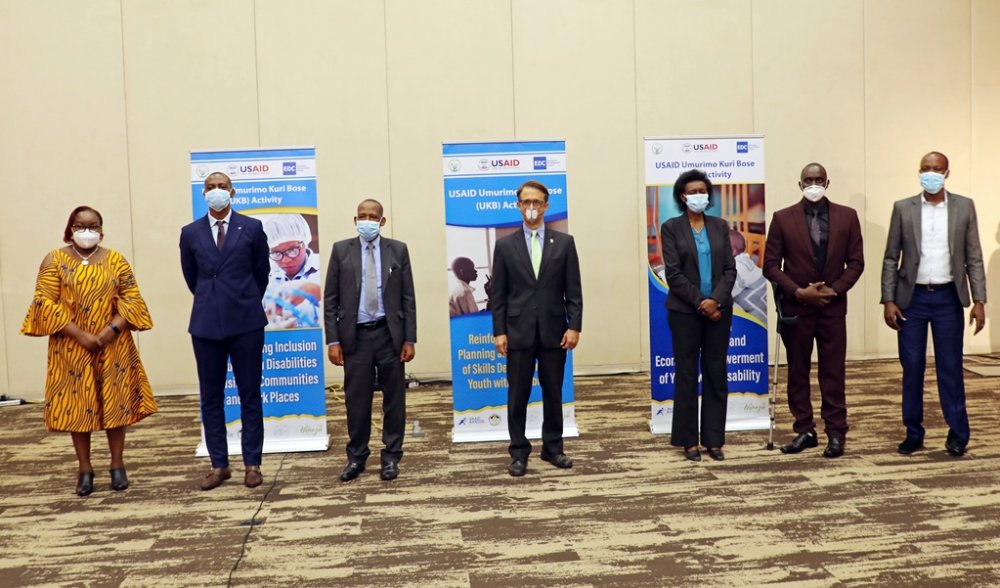
The Umurimo Kuri Bose activity will tackle barriers that hinder youth with disabilities from attaining employment opportunities, addressing both the supply and demand sides of the labor market. The activity will also bridge disability inclusion gaps by increasing employability skills, empowerment, engagement, and equity for youth with disabilities through sign language and braille training; and a comprehensive package of training modules coupled with internships placement support to provide hands-on work experience.
When asked about USAID’s commitment to inclusive education, USAID’s Mission Director in Rwanda, Leslie Marbury said:“USAID is partnering with the Government of Rwanda to equip youth with the skills they need for successful employment or self-employment, as well as to create a society in which people with disabilities participate fully.”
The Umurimo Kuri Bose complements other USAID investments, including Huguka Dukore Akazi Kanoze. Positive youth development and inclusion of people with disabilities are strategic priorities through USAID’s activities in Rwanda.
Rwanda National Union for the Deaf is one of the Umurimo Kuri Bose’s four target local disabled persons organizations and will support implementation through strengthening and empowering deaf and hard of hearing persons so that they are ready to tap into available employment opportunities and services.
The Executive Director of the Rwanda National Union of the Deaf, Samuel Munana, explained that the goal is to minimise isolation and ensure that deaf and hard of hearing persons are not left behind.
USAID Umurimo Kuri Bose will support employment and economic empowerment of 1,560 youth of which 1,200 are youth with disabilities in 12 districts in Rwanda. It is implemented by Education Development Center, Inc. (EDC), in partnership with Umbrella of Organizations of People with Disabilities in the Fight against HIV and AIDS in Health Promotion (UPHLS), Akazi Kanoze Access (AKA), Rwanda Union of the Blind (RUB), Rwanda National Union of the Deaf (RNUD), and UWEZO Youth Empowerment.
According to a statement from the Ministry of Health released last night, the deceased is a 45 year old man from Kigali where majority of new cases were found.
The new cases are from Kigali: 29, Rwamagana: 7, Musanze: 4, Rubavu: 3, Gakenke: 1, Kirehe: 1 and Nyagatare: 1.
So far 5994 cases have been found out of 631 598 sample tests since the first patient was confirmed in March 2020.
5575 of them have recovered, 369 are active cases while 50 patients have succumbed to the pandemic.
Coronavirus symptoms include coughing, flu, and difficulty in breathing. The virus is said to be transmitted through the mucous membranes of the respiratory tract.
Rwandans are urged to adhere to COVID-19 health guidelines, washing hands frequently using soaps and safe water, wearing face masks and respecting social distancing.
The mayoral tenure drawing to end started in 2016. Mayors will vacate office in February 2021. Members of districts’ executive committees are elected for five year term limit renewable once.
The National Electoral Commission (NEC) recently announced that elections of new mayors will start on 6th February to end on 2nd March 2021.
The past ten years have been characterized by constant reshuffles where some mayors were appointed to new duties, others were suspended and some resigned citing personal reasons.
{{Only two held office for two terms }}
Only two among the remaining 27 mayors countrywide held offices for two respective terms. These include François Habitegeko, the mayor of Nyaruguru district and Deogratias Nzamwita, the mayor of Gakenke district since 2011.
Others took on from predecessors in the first term until today.
These include Nambaje Aphrodis, the mayor of Ngoma district since May 2012 (he replaced Niyotwagira François who resigned), Muzungu Gerald, the mayor of Kirehe district who took office since 2014 replacing Murayire Protais who resigned and Gasana Richard, the mayor of Gatsibo since March 2015.
{{Shortest term serving mayors }}
Tuyizere Thaddée, the Acting Mayor of Kamonyi district tops mayors with shortest terms in office. He was previously the vice mayor for economic affairs in the same district and replaced Alice Kayitesi appointed Governor of Southern Province in July 2020.
Others that held office for one year are; Uwanyirigira Chantal , the current mayor of Burera district since December 2019; Mukarutesi Vestine, the mayor of Karongi since November last year and Mukamasabo Appolonie , the mayor of Nyamasheke district.
Kayitare Jacqueline of Muhanga and Nuwumuremyi Jeannine of Musanze have also held office since November 2019.
{{Few mayors completed terms }}
At least 12 mayors have completed 5-year term since they took office in 2016.
Apart from 2 out of 27 appointed for new duties, others resigned or were forced to resign by executive committees.
In Southern Province, only three mayors among eight are completing their tenure. These are Habitegeko François of Nyaruguru, Rutaburingoga Jérôme of Gisagara and Ntazinda Erasme of Nyanza district.
In Northern Province, two out of five mayors namely; Kayiranga Emmanuel of Rulindo and Nzamwita Deogratias of Gakenke are completing their term.
Two out of seven mayors in Western Province namely; Ayinkamiye Emerance (Rutsiro) and Ndayambaje Godfrey of Ngororero are completing their term.
Among others, Eastern Province has a large number of mayors who served until the end of office term. These include Mbonyumuvunyi Radjab (Rwamagana), Murenzi Jean Claude (Kayonza), Gasana Richard (Gatsibo), Muzungu Gérald (Kirehe) and Nambaje Aphrodis (Ngoma).
{{Resignations}}
As some mayors enjoy fruits of their work at the end of office term, quite a large number have resigned for different reasons which they claimed ‘personal’ while others were forced to resign on account of underperformance.
Starting with the Southern Province, four out of eight mayors resigned. In Huye district, Kayiranga Muzuka Eugène resigned and replaced by Sebutege Ange in june 2018. The mayor of Nyamagabe, Mugisha Philbert was suspended by the advisiory committee over poor performance replaced by Uwamahoro Bonaventure in February 2018.
In Ruhango district, the advisort committee sacked Mbabazi François Xavier who was replaced by Habarurema Valens in May 2018 while the former mayor of Muhanga district Uwamariya Béatrice resigned and replaced by Kayitare Jacqueline in September 2019.
Kayitesi Alice who previously led Kamonyi district was in July 2020 appointed Governor of Southern Province.
In Northern Province, two of five mayors resigned. Musanze district was characterized by frequent reshuffles in the executive committee until Habyarimana Jean Damascène was forced to resign and replaced by Nuwumuremyi Jeannine in September 2019.
In Gicumbi district, Mudaheranwa Juvénal was in 2018 sent out by the advisory committee and temporarily replaced by Jean Claude Karangwa Sewase who also resigned until Ndayambaje Alexis was elected mayor in June 2018.
In Burera district, Uwanyirigira Marie Chantal was elected in December 2019 replacing Uwambajemariya Marie Florence who was at the time appointed Executive Secretary of Western Province.
As for Western Province, five out of seven mayors elected in 2016 resigned. They include Sinamenye Jeremie the former mayor of Rubavu district who resigned in 2017 replaced by Habyarimana Gilbert and Harerimana Frédéric of Rusizi district resigned in 2018 replaced by Kayumba Ephrem.
In Nyabihu district, Uwanzwenuwe Théoneste resigned and was replaced by Mukandayisenga Antoinette in 2019; Ndayisaba François former mayor of Karongi was replaced by Mukarutesi Vestine in 2019 while Kamali Aime Fabien of Nyamasheke resigned and replaced by Mukamasabo Appolonie in 2019.
In Eastern Province, only two out of seven mayors resigned. These are Nsanzumuhire Emmanuel of Bugesera who resigned citing personal reasons and replaced by Mutabazi Richard in July 2018 while Mupenzi George of Nyagatare also resigned citing personal reasons and replaced Mushabe David Claudien in July 2018.
{{Arrests}}
Some of mayors who resigned were held accountable for alleged faults and arrested but were not convicted.
Mugisha Philbert, the former mayor of Nyamagabe was arrested in November 2017 along with five officials from the same district on account of funds misallocation and illegal offering of public tenders. He was later tried and acquitted.
Others include Sinamenye Jérémie arrested in 2017 along with Dukundimana Espérance, the official in charge of administration and human capital in Rubavu district.
Sinamenye was arrested on account of disrupting Mpayimana Philippe who was campaigning for presidency. It is said he prohibited residents from participating in the latter’s electoral campaigns in Nyamyumba, Gisenyi and Kanama sectors. He was released without court charges.
Ndabereye Augustin, former vice mayor for economic affairs in Musanze district was arrested for beating and injuring his wife. Ndabereye was tried by Muhoza Primary Court which handed him five year and one month sentence.
{{New mayors}}
The upcoming elections will begin with the selection of districts’ advisory committees among whom the executive committee comprised of mayor, vice mayors for economic and social affairs will be elected.
The advisory committee is made of members selected at sector level, members from National Youth Council and the coordinator of National Women’s Council at district level.
Others include the coordinator of the National Council of Persons with Disabilities at district level and the President of Private Sector Federation in the district. Women representation in the district’s advisory committee is supposed to be 30%.
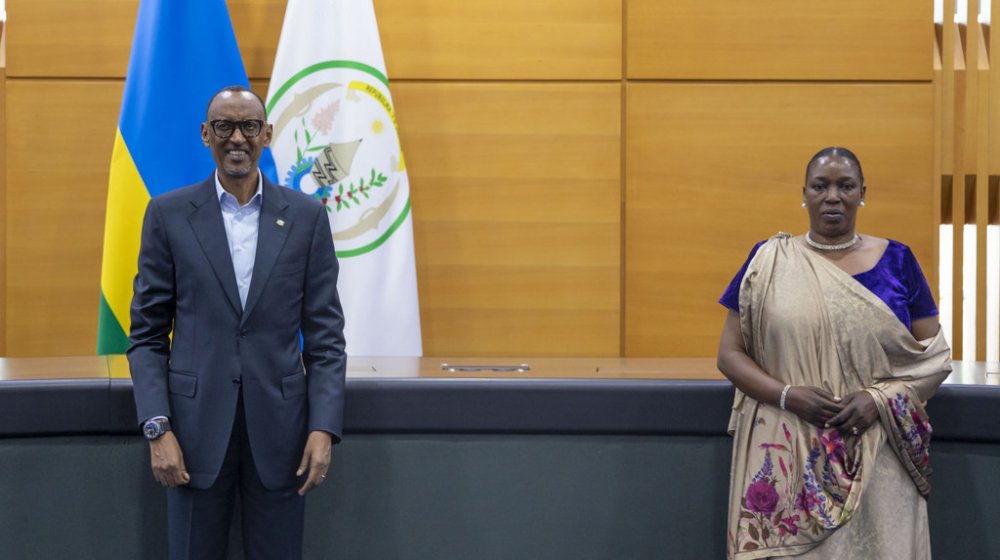
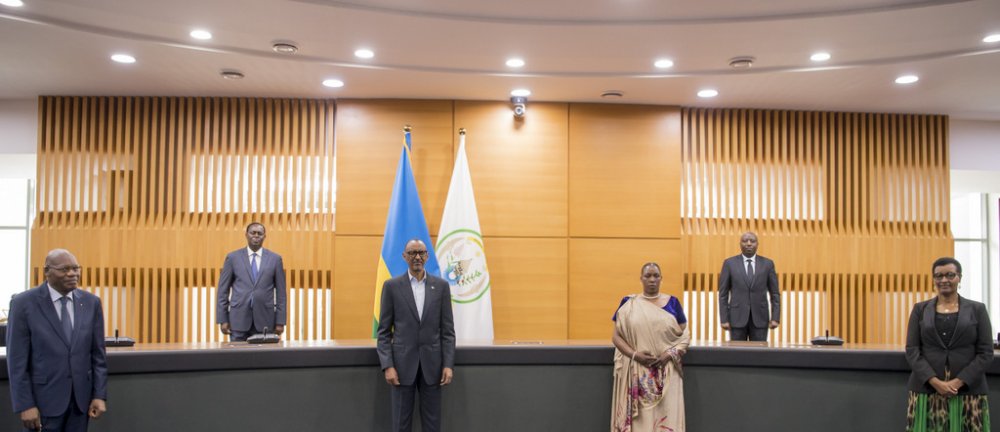
Nirere was recently appointed by the Cabinet Meeting of 11th November 2020 becoming the fourth ombudsperson since the institution was created in 2003.
She recently completed her two four-year terms eight year term as the President of National Human Right Commission.
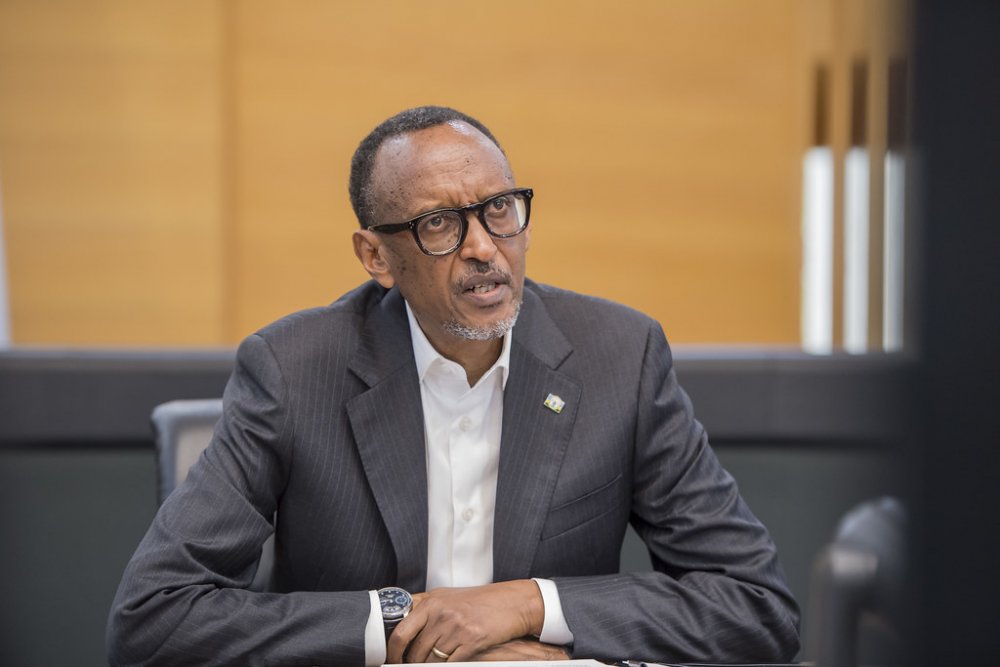
Speaking at the ceremony, Kagame thanked the new ombudsperson ‘who has agreed to lead, together with all Rwandans, the fight against corruption and injustice in our country’, wished her well in new responsibilities and highlighted areas of focus the new ombudsman needs to give special attention.
“We have to intensify our fight towards eradicating corruption and injustice once and for all. In particular, we want to put more efforts in educating Rwandans about their rights, help them understand the laws meant to protect them, and the institutions that they can run to,” he said.
Kagame said that Rwanda has a good performance towards fighting injustice and called on more efforts to consolidate gains.
“In comparison with other parts of the world, our performance is not bad. This should not make us complacent to think that everything is in order. We need to build on what we have achieved to prevent injustice from happening,” he emphasized.
After completing two four-year terms as the helm of the National Human Rights Commission, the cabinet meeting of 16th June 2020 appointed Marie Claire Mukasine to replace Madeleine Nirere.
Previous ombudsperson include Anastase Murekezi who held office between 2017 and 2020, Aloysie Cyanzayire (2014 – 2017) and Tito Rutaremara (2004 – 2012).
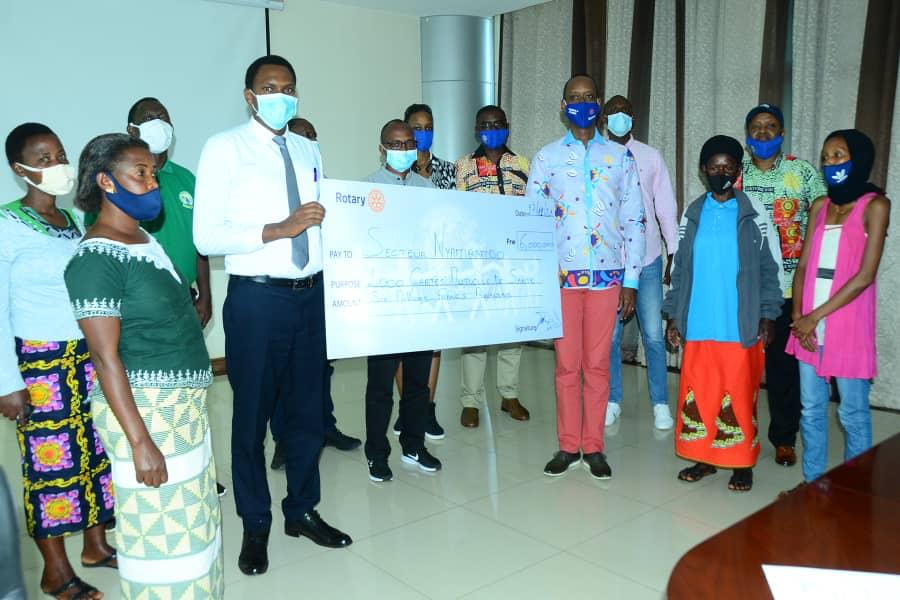
Speaking to IGIHE, the Head of Finance at Rotary Club Kigali Doyen, Julien Kaburame revealed that they wanted to help a community with minority members able to cater for health insurance.
“We provided medical insurance targeting the most vulnerable residents who could not afford it without donors,” he said.
In line with existing programs to support vulnerable people to improve livelihoods, Rotary Club Kigali Doyen also plans to extend support to other communities in different parts of the country.
The Executive Secretary of Nyarugenge district, Emmy Ngabonziza explained that some of beneficiaries were ousted of jobs due to COVID-19 leaving them under poverty and hurdles hindering them to afford insurance easily.
The first quarter of 2020/2021 fiscal year between July and September left citizens subscribing for Mutuelle de Santé at 80,1% and has currently increased to 82.1%.
So far, Mutuelle de Santé subscribers have paid Rwf 23.7 billion.
Rotary Club Kigali Doyen has this year funded different activities namely; donating 4000 face masks toresidents in Rutsiro district, donated Rwf 13 million to King Faisal Hospital and University Teaching Hospital of Kigali , donated 900 liquid soaps to Rwanda Biomedical Center as well as sanitary equipment including 160 hand washing facilities worth Rwf 12 million.
The club also contributed Rwf 3 million to support ‘Solid Africa’, philanthropy organization providing aid to the most vulnerable patients in hospitals.
Rotary Club Kigali Doyen is one of six Rotary Clubs in Rwanda including Musanze, Kigali Mont Jali, Kigali Virunga, Gasabo and Butare with 122 members.
It comprises of members consolidating efforts to provide humanitarian services and support to address problems facing the world by combating illiteracy and poverty, contributing to the provision of safe water, handling disputes and fighting epidemics.
Kagame delivered the message yesterday as he virtually addressed participants of the summit of African Diaspora Network coinciding with 10 year anniversary.
The network was created ten years ago with a mission is to harness and engage the intellectual, financial, philanthropic and entrepreneurial capacity of Africans and friends of Africa to advance the continent’s development in different areas.
Kagame thanked the network’s for having brought together thousands of like-minded people to believe in and contribute to the progress of the continent over the years.
He emphasized that new ways to contribute to the progress of Africa are needed to mitigate the effects of COVID-19 pandemic.
“This year, you have adapted to the Covid pandemic by finding new ways to serve and connect your members. Rwanda and other country on the continent are doing the same, as we work to mitigate the impact of the pandemic on our people and our economies,” he said.
“Although it is more difficult, we have to think beyond the present moment by mobilizing resources and new ideas to accelerate the development our people need.
Africans in the diaspora can continue to play a role in this,” added Kagame.
He also pointed out an example of the African Continental Free Trade Area, which is nearing implementation noting that it provides vast opportunities.
“For example, African Continental Free Trade Area, which is nearing implementation, provides vast opportunities for investment, business, and human capital development, on a scale never seen before,” said Kagame.
He stressed the need to learn from the experience of others in regional integration and technological innovation to ensure success. Kagame also shared Rwanda’s experience which has been a proof that that paying serious attention serious attention to inclusivity, leaving no one behind is paramount to achieving envisaged goal.
“In Rwanda, we have learned that one way to get to where we need to be, is to pay serious attention to inclusivity , leaving no one behind. For example, by guaranteeing the participation of women in leadership at all levels, we can only win,” he noted.
The President further urged the diaspora network to continue to remain engaged with Africa.
“There are many ways to stay up-to-date with what is happening here, and take part in the many opportunities that our continent has always offered. We will continue to be good partners on this front, and indeed we look to you to do your part in addressing the challenges facing Africa,” he stated.
Africans in the diaspora play a great role in the development of their countries through support to their families and investments.
In 2018, the World Bank reported that African diaspora’s funding to Sub-Saharan Africa increased by 10%, thus reaching US$ 46 billion.
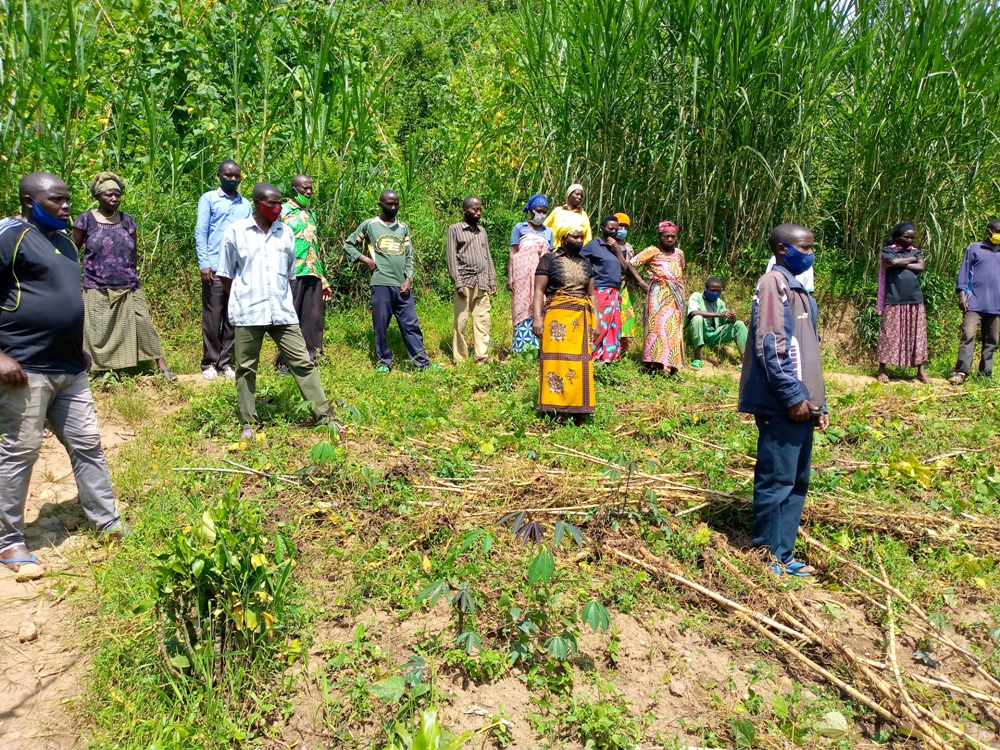
The residents explain that the issue has persisted despite their continued reporting to concerned local leaders.
Nyirabaziruwiha is among affected residents. The gangs demolished her house and uprooted crops. She explains that local leaders requested residents to make a list of suspects but no one has been held accountable.
“They started accusing me of sorcery and destroyed our house. Two days ago, they returned and uprooted crops from the garden. We alerted the sector executive secretary and Police. They called a meeting requesting residents to list the suspected gangsters. They went with lists but nothing has been done yet,” she said.
Cyprien Musabyimana, Bujenje village resident in charge of security matters revealed that the gangsters calling themselves ‘Abareyo’ usually raise money to bail out their arrested ‘members’.
“We have a problem of gangs so called Abareyo who collect funds to release members arrested over criminal acts. They use the money to bribe local leaders who in turn suffocate the complaits. They have even threatened the cell executive secretary,” he said.
The Executive Secretary of Nyamyumba sector, Augustin Murenzi explained that strict measures have been taken in collaboration with security officials to address the problem.
“We gathered for a security meeting to defeat the group destabilizing security. We are aware of it and reassure to have addressed it within a week because we have devised strict measures in collaboration with security, “he revealed.
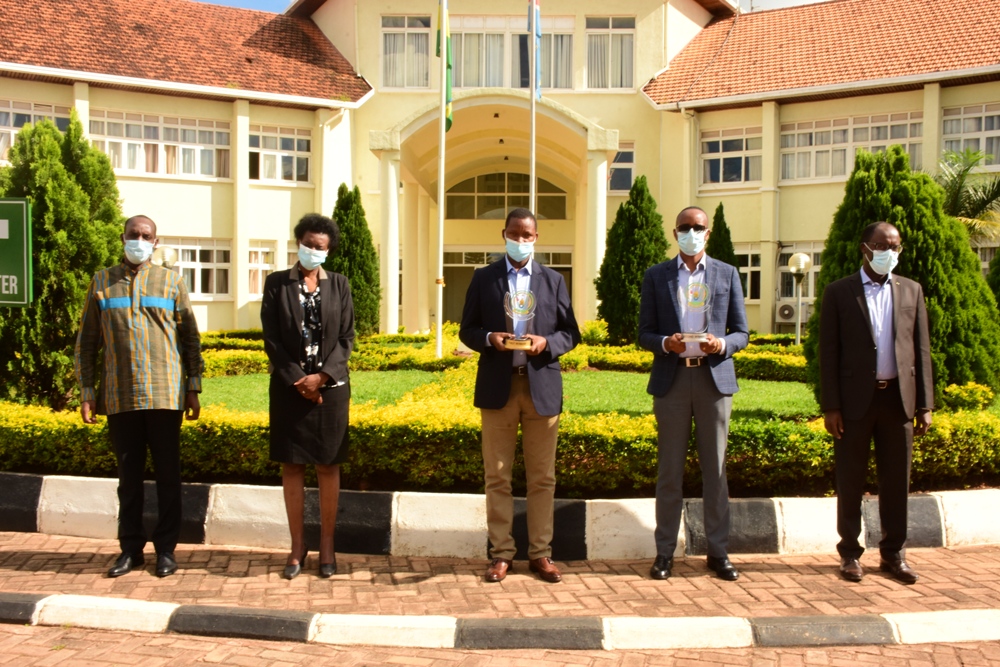
The results were revealed yesterday as the National unity and Reconciliation Commission (NURC) presented districts’ performance in the areas of unity and reconciliation in the year 2019/2020.
The Executive Secretary of NURC, Fidèle Ndayisaba said that ethnic divisionism, favoritism is among major factors that hampered performance at 100%.
He however observed that there have been great improvements compared to last year because many districts earmarked much effort to deter barriers to unity and reconciliation.
“Today, 11 out of 30 districts scored grades in the range of 80% while 29 out of 30 districts are graded above 70%. Great improvements have been registered because some districts would get 50% in the past years,” he said.
Since the assessment was incepted, Ndayisaba explained, districts have drawn more attention to citizens than previous years.
The Mayor of Kirehe district, Gérard Muzungu attributed the performance to close mobilizations in unity and reconciliation.
“We have mobilizers in every sector working on daily basis. Another great thing we did, is special attention dedicated to inspections and making more regular reports than last year,” he noted.
Richard Mutabazi, the Mayor of Bugesera district which emerged the second revealed that they draw emphasis on educating residents to stand against divisionism as a district with sorrowful genocide history.
The State Minister in the Ministry of Local Government (MINALOC), Ignatienne Nyirarukundo commended best performing districts and urged others closing the rear to occupy front seats next time through increased collaboration with teammates.
NURC explained that performance assessment focused on five pillars namely; 2019-2020 action plan, activity reports from districts, respecting unity and reconciliation principles and citizens’ perception on districts’ activities related to unity and reconciliation.
As for results, Kirehe obtained 88%, Bugesera 86,75%, Kicukiro 84% while the three last districts including Musanze, Kayonza and Muhanga respectively obtained 71,25%, 70.5% and 64,5%.
At Provincial level and Kigali City, Eastern Province emerged the first with 79,87% followed by Western Province with 79,23%, Kigali City (78,5%), Northern Province (77,9%) and Southern Province (75,15%).
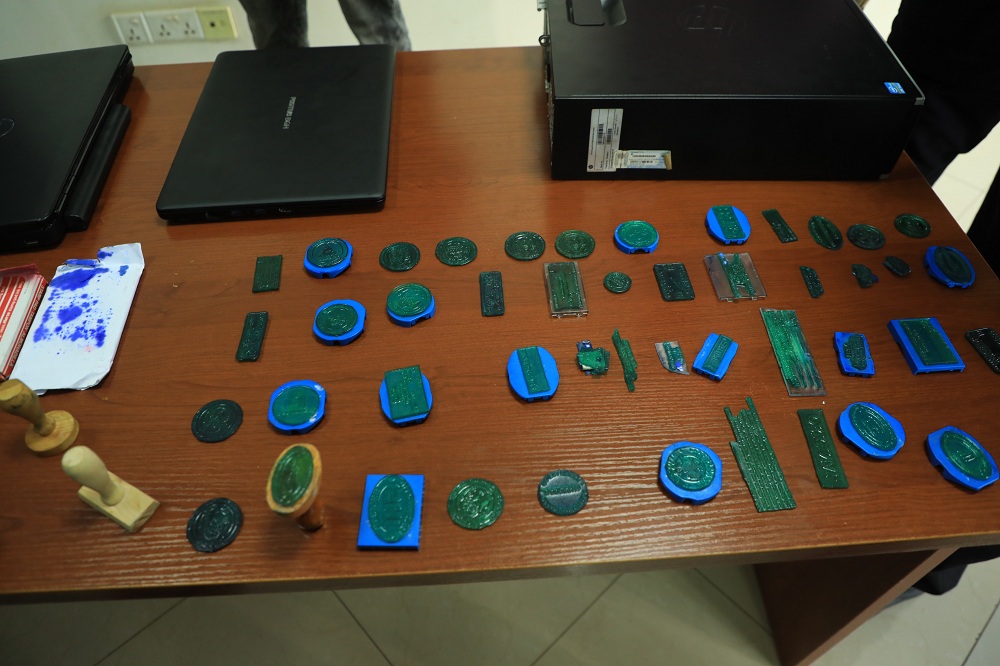
Albert Rwabukwisi arrested in City of Kigali, was also found in possession of forged stamps for at least 47 public and private institutions.
He was arrested alongside two other people identified as Fardjallah Ndagano Kazimbaya and Ismail Kalisa, who allegedly connived to produce a forged driver’s license.
Among the forged documents and stamps that Rwabukwisi was found with, include those of financial institutions, insurance companies, hospitals and local government entities.
He was also found with forged checque books for Bank of Africa and EcoBank as well as stamps for Access Bank, Bank of Africa, BPR, Bank of Kigali, CogeBank, Rwanda Revenue Authority (RRA), the University Teaching Hospital of Kigali (CHUK), Cemerwa and National Institute of Statistics of Rwanda (NISR).
Other forged stamps include those of the Rwanda embassy in Germany, Registrar of Land Titles, Kicukiro District, office of lands in Nyarugenge and Nyanza districts, among many others.
Police also seized three computers, hard disks and memory sticks which contained different forged documents, either issued or were yet to be issued to different people.
RNP spokesperson, Commissioner of Police (CP) John Bosco Kabera, said that Rwabukwisi was identified after Police intercepted a forged driver’s license at Kigali International Airport on November 28, which was being sent through EMS-Rwanda Express to one Sharifa Uwase Kazimbaya, who lives in Canada.
One of the suspects; Fardjallah Ndagano Kazimbaya is a brother to Sharifa Uwase Kazimbaya. Ndagano and Kalisa allegedly worked with Rwabukwisi to forge the driver’s license for Uwase.
Rwabukwisi, while speaking to the journalists at the Police Metropolitan Headquarters in Remera, said that he was contacted by Uwase and her brother Ndagano back in May to get the driver’s license for the former.
“We agreed that they would pay me Frw150, 000 for the service; they had already paid Frw100, 000. I worked with Claude (still at large) to forge the permit,” Rwabukwisi explained.
He claimed that by the time of his arrest, he had already issued five forged documents; the seized driver’s license, tax clearance certificates and bank statements.
CP Kabera warned that investigations are still ongoing to identify and arrested anyone connected to this criminal ring, including those that acquired and are using issued forged documents.
“This is an act of usurpation of powers of all the 47 institutions, whose stamps and other documents were forged. The penalty for anyone convicted of forgery is the same to any person that uses a forged document,” CP Kabera said.
Article 276 of the law determining offences and penalties in general, states that “any person who, in any manner, forges or alters documents by forged signature or fingerprint, falsifying documents or signatures or impersonation, forging agreements, its provisions, obligations, or discharged obligations commits an offence.
Any person, who, with fraudulent intention, produces a false written document, causes to write false statements or produces a conflicting declaration, is considered to commit the offence of forgery.
Upon conviction, he/she is liable to imprisonment for a term of not less than five years but not more than seven years and a fine of not less than Rwf3 million and not more than Frw5 million or only one of these penalties.”
The penalty also applies to any person who knowingly makes use of a forged document in any way.
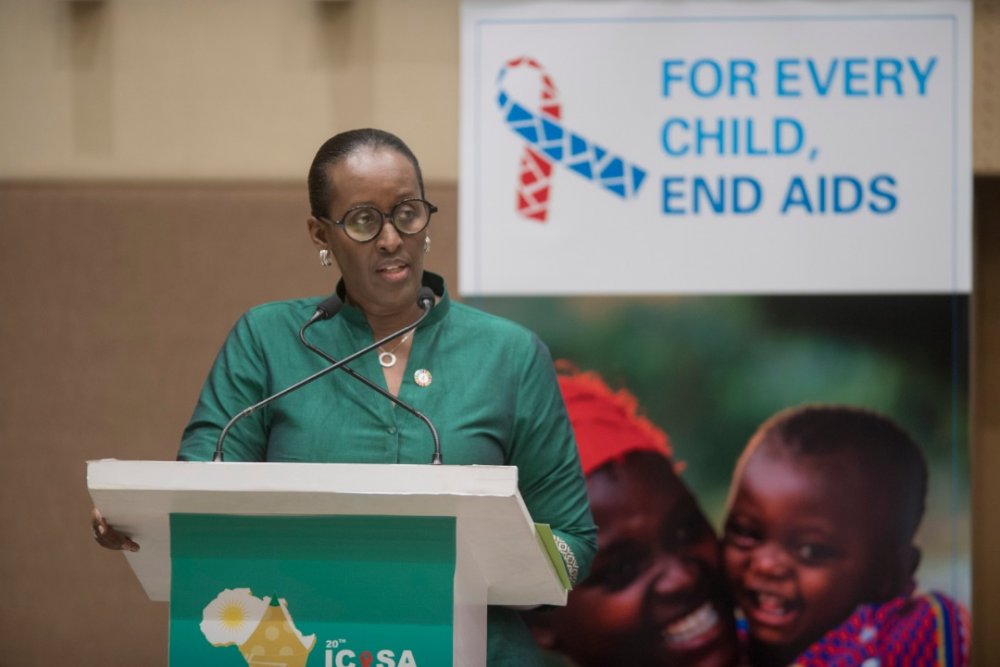
The First Lady delivered the message via twitter account as the world marked World AIDS Day centered on the theme ‘Ending the HIV/AIDS epidemic: Resilience and Impact.’
“The fight against AIDS epidemic can be won, but it requires unwavering global partnerships. It is therefore a call to us all to join this cause by recommitting ourselves to invest in human capital and the building of foolproof systems, as the surest way to reach our goals and sustain them,” reads the message.
World AIDS Day is celebrated every year to raise awareness about the Acquired Immuno Deficiency Syndrome (AIDS) disease. This day is observed on 1st December.
In Rwanda, World AIDS Day 2020 has been observed at Kigali Convention Center during which the Director General of Rwanda Biomedical Center (RBC), Dr Sabin Nsanzimana explained that Rwanda has advanced efforts towards fighting against AIDS even though there is still a long way to go.
He explained that the first patient was tested positive with HIV/AIDS at the University Teaching Hospital of Kigali (CHUK) in 1983. At the time, patients were overcrowded but the situation has changed today.
The Antiretroviral Drugs for Treatment and Prevention of HIV Infection have gradually become cheaper that patients continue their activities as usual and contribute to national development.
The epidemic which emerged 30 years ago has no cure and vaccine up to day.
Dr Nsanzimana explained that 5400 new cases are found in Rwanda while over 3000 patients succumb to the epidemic every year.
“The number is far beyond other diseases. We have over 200 000 patients receiving antiretroviral drugs. The experienced problem might be reproduced if the drugs are suspended,” he said.
“I would like to remind the youth to take the responsibility to consolidate gains until we defeat the epidemic. It has not been won even though we have registered improvements,” added Dr Nsanzimana.
He explained, 90% of patients are aware of their infection, 90% of patients take drugs while 90% develop no drug side effects.
Dr Nsanzimana stressed the need to set the 4th goal to fight stigma against HIV/AIDS patients at 95%.
The Minister of Health, Dr Daniel Ngamije emphasized that the Government has committed to up efforts to prevent new HIV/AIDS cases including the distribution of condoms for free, male circumcision as well as testing pregnant women and their husbands.
Latest figures from World Health Organization (WHO) in June 2020 show that 26 million patients regularly took antiretroviral drugs globally while the number of patients is 38 million.
2019 figures show that 690 000 succumb to the epidemic globally every year.