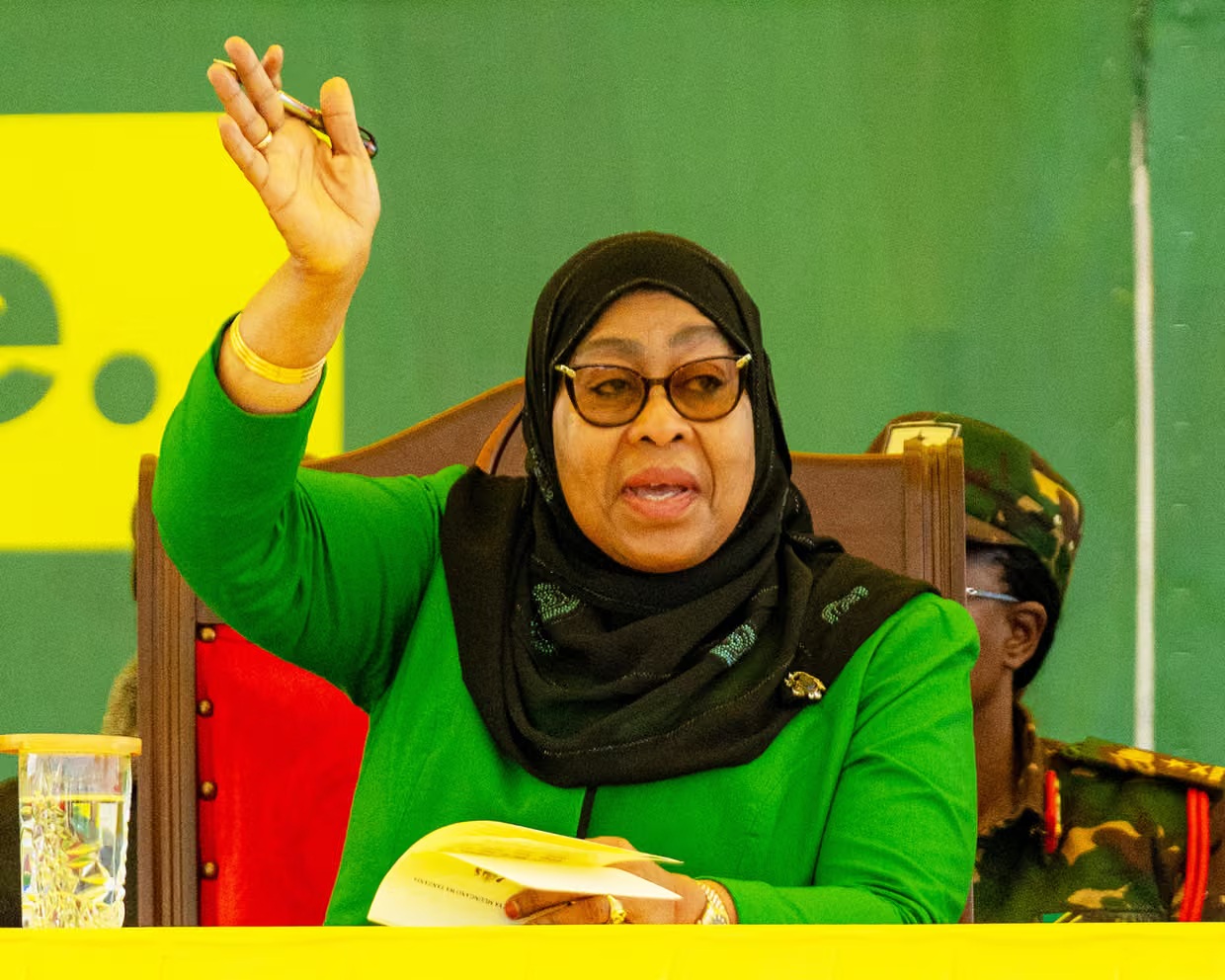
This marks Suluhu’s first electoral test since assuming office in 2021 following the death of her predecessor, John Magufuli. Running on the ticket of the long-dominant Chama Cha Mapinduzi (CCM) party alongside former minister Emmanuel Nchimbi, she is seeking her first full term in office.
Despite a crowded field of 17 presidential candidates, analysts describe the race as largely uncompetitive. The disqualification of Tanzania’s two main opposition parties, Chadema and ACT-Wazalendo, has cleared the path for Suluhu and CCM to maintain their six-decade rule, uninterrupted since independence.
The Independent National Electoral Commission (INEC) barred both major opposition parties earlier this year. Chadema’s leader, Tundu Lissu, was arrested on treason charges in April following his calls for electoral reforms under the slogan “No Reforms, No Election,” while ACT-Wazalendo’s candidate, Luhaga Mpina, was twice disqualified after a series of court challenges.
Their exclusion has left smaller opposition figures to fill the vacuum, though few command significant national appeal.
Among them is Salum Mwalimu of the Public Liberation Party (Chaumma), once a close ally of Lissu and a former Chadema secretary-general. Mwalimu, who served as Lissu’s running mate in the 2020 election, has promised far-reaching reforms, including a new constitution.
“Tanzanians should expect great change from our party, which is committed to transforming the country,” he said when collecting his nomination forms last month.
Other contenders include Haji Ambar Khamis of NCCR-Mageuzi, who has pledged to introduce a new constitution within his first 100 days in office, and Gombo Samandito Gombo of CUF, whose campaign focuses on anti-corruption, domestic revenue generation, and agricultural investment.
Two women, Saum Hussein Rashid of UDP and Mwajuma Noty Mirambo of UMD, also feature on the ballot, highlighting the slow but steady rise of female representation in Tanzanian politics.
Observers say the fragmented opposition, coupled with CCM’s vast resources and entrenched grassroots network, leaves little doubt about the likely outcome.
More than 37 million Tanzanians are eligible to vote in an election that also includes parliamentary and local government contests.
In the 2020 election, the late John Magufuli secured a landslide 84.4% of the vote, while Tundu Lissu came second with 13.04%.
The officials, including those from California, New York, as well as the District of Columbia, announced that they are suing the U.S. Department of Agriculture (USDA) for unlawfully suspending Supplemental Nutrition Assistance Program (SNAP) benefits during the ongoing federal government shutdown.
The federal court lawsuit filed in Massachusetts requests that the judge block the administration’s prior orders directing states to suspend benefits and compel the USDA to utilize all available resources to continue providing SNAP benefits in November.
“Millions of Americans are about to go hungry because the federal government has chosen to withhold food assistance it is legally obligated to provide,” said New York Attorney General Letitia James in a statement.
According to U.S. media, SNAP is the nation’s largest anti-hunger program serving nearly 42 million people, which is over 12 percent of the U.S. population. Most SNAP recipients live at or below the federal poverty line.
To reach the decision, the court analyzed the history of the 1994 genocide against the Tutsi in Rwanda and the specific actions of Dr. Munyemana, using testimonies from survivors, expert evidence, and statements from the accused himself.
Both the defense and witnesses agreed that after the assassination of President Juvénal Habyarimana on April 6, 1994, extremists, political leaders, and high-ranking military officers initiated a nationwide campaign to kill Tutsis, based on a premeditated plan.
Initially, Butare remained peaceful as its Prefect, Habyarimana Jean Baptiste, had prohibited violence. However, two days after the transitional government forced him to resign on April 17, 1994, President Théodore Sindikubwabo called on the population to “do the work,” which meant killing Tutsis.
After this speech, Tutsis were targeted through roadblocks, ambushes, and mass killings at churches and government offices, which were falsely labeled as “safe,” yet were set up as traps to kill them. These acts were part of a nationwide strategy.
For the court to establish a link between the violence in Butare and Dr. Munyemana’s actions, it was necessary to examine detailed information about his activities, his standing in the local community, and his political affiliations.
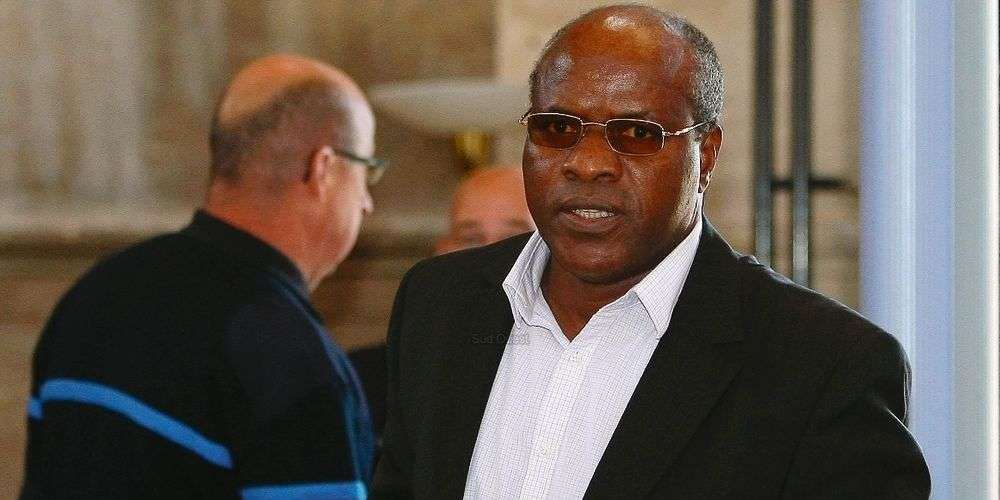
{{Dr. Munyemana from Butare}}
Dr. Munyemana was a gynecologist who worked at Butare Hospital before and during the genocide, and also served as a lecturer at the former National University of Rwanda (UNR).
He was a member of the MDR party, the Vice President of the local intellectuals’ group (Cercle des Intellectuels)of the party in Butare, and had close ties to key figures, including Kambanda Jean, the Prime Minister of the interim government.
The court found that Dr. Munyemana’s reputation and influence allowed him to carry out actions that affected the Butare population, as he was seen as an influential figure.
On April 16, 1994, Dr. Munyemana, along with other intellectuals, signed a document supporting the interim government, which played a significant role in the mass killings of Tutsis. The court determined that by signing this document, Dr. Munyemana knowingly supported the continuation of the genocide.
The court’s ruling, issued on October 27, 2025, stated, “It is clear that the accused, from April 16, 1994, supported the transitional government’s plan and its execution, calling on Hutus to ‘start work,’ which meant continuing to kill ‘enemies’ labeled as Tutsis across the country.”
{{Dr. Munyemana’s involvement in roadblocks and patrols }}
The court confirmed that Dr. Munyemana attended a meeting at the Tumba sector office on April 17, 1994, where a decision was made to initiate patrols and set up roadblocks. He was assigned to a security committee responsible for implementing these measures.
From April 21, 1994, the roadblocks and patrols were used to search for and arrest Tutsis to kill them.
The court noted that Dr. Munyemana knew that Tutsis were being captured at the roadblocks and patrols, but continued to participate in these operations without intervening to stop the violence against Tutsis or protect the victims.
Dr. Munyemana admitted that François Bwanakeye, the head of Tumba sector, gave him the keys to the sector offices, which he held from April 23 to May 19, 1994.
The court found that Dr. Munyemana locked many Tutsis in the sector offices, and most of them were arrested and killed. He prevented them from escaping, allowing the Interahamwe militia to bring in more victims, whom he then handed over for execution.
Survivors from the genocide testified that Dr. Munyemana played a role in the death of Tutsi. A witness stated that one of the Tutsis who had been imprisoned at the sector offices was the only survivor.
{{Dr. Munyemana’s defense and court’s rejection}}
Dr. Munyemana claimed that he did not know the killings were planned, but the court found that he was well aware, as he followed the media and knew what was happening in Kigali. He was close to the leaders who orchestrated the killings.
The accused also argued that he confined Tutsis in the sector offices to protect them. However, the court found that locking them in a small building without essential resources such as food, water, or security was intended to facilitate their deaths.
Dr. Munyemana further claimed that he did not know what happened to the Tutsis after they were removed from the offices. However, the court noted that he never inquired about their fate, even though he could clearly see that those he claimed to be “rescuing” had disappeared.
To explain his inaction, Dr. Munyemana asserted that he was just a doctor with no political involvement. The court, however, disagreed, as it found that he played an active role in politics in Butare and at the national level.
{{Court’s decision}}
The judges concluded that Dr. Munyemana played a direct role in the genocide by imprisoning Tutsis at the sector offices in Tumba, fully aware that they were to be killed. This constituted a crime of depriving people of their liberty with the intent to kill them as part of the genocide plan.
The court also found that Dr. Munyemana contributed to the planning of the genocide through his involvement in various meetings, his support of the genocidal government, and his participation in security operations designed to capture and kill Tutsis.
However, the court acquitted him of crimes against humanity due to lack of evidence proving that he personally tortured, murdered, or committed other inhumane acts against the Tutsis detained at the sector offices.
Dr. Munyemana was sentenced to 24 years in prison, a sentence he had previously received from the Paris Court of Assizes in December 2023.
In a message shared on his X account on October 28, 2025, Amb. Karega expressed his delight at becoming Rwanda’s first resident ambassador to Algeria.
“I am honored to officially present to President Tebboune of Algeria my letters of credence as the first resident Rwandan Ambassador. Rwanda and Algeria are determined to elevate our bilateral and continental relations to the highest level,” he noted.
Other ambassadors who presented their credentials to President Tebboune on the same occasion included Najmul Huda Mohammed of Bangladesh, Wolfgang Spadinger of Austria, Anna Block Mazoyer of Sweden, Oleksandr Voronin of Ukraine, and Abdellatif Ellayeh of Egypt.
Rwanda and Algeria have maintained cooperation in areas such as security and education, with several Rwandan students pursuing studies in Algeria, a country where Arabic, French, and Tamazight are the official languages.
Since 1982, the two nations have signed various agreements covering economic cooperation, social development, cultural exchange, and other fields.
In December 2023, Algeria opened its embassy in Rwanda, demonstrating a renewed commitment to strengthening diplomatic ties.
On June 3, 2025, President Paul Kagame paid a state visit to Algeria, where he toured the National School of Artificial Intelligence, which also hosts Rwandan students.
During the visit, he held talks with President Tebboune focused on promoting stronger African cooperation in areas such as cross-border trade.
Before his new appointment, Ambassador Karega served as Rwanda’s envoy to South Africa until 2019, after which he was posted to the Democratic Republic of Congo (DRC). He left the DRC in 2022, following heightened diplomatic tensions between the two countries.
On December 20, 2024, he was appointed Rwanda’s Special Envoy for the Great Lakes Region, prior to taking up his current role as Ambassador to Algeria.
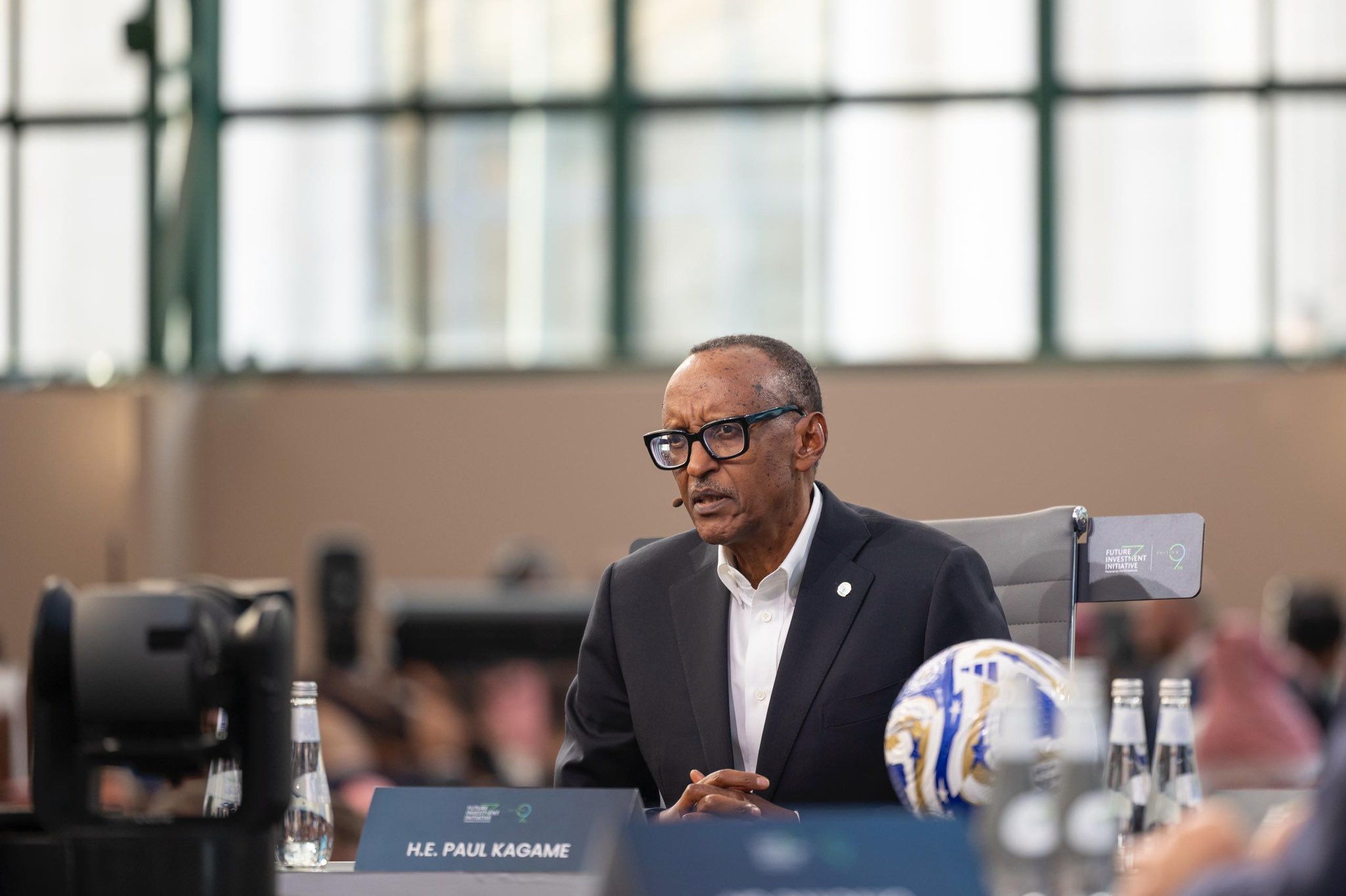
The discussion on “Is Humanity Heading in the Right Direction?” featured an array of world leaders, including President Mohamed Irfaan Ali of Guyana, President Gustavo Petro of Colombia, Prime Minister Edi Rama of Albania, Prime Minister Muhammad Shahbaz Sharif of Pakistan, as well as business luminary Ray Dalio, founder of Bridgewater Associates, and Gianni Infantino, president of FIFA.
The session was moderated by Richard Attias, Chairman of the FII Institute Executive Committee and Acting CEO of FII Institute.
Addressing the panel, moderator Attias highlighted Rwanda as a model of resilience and reform, asking President Kagame what leadership quality is most crucial to restoring trust between citizens and leaders.
President Kagame responded, emphasising that “delivery” aligning what leaders promise with the experiences of the people, is fundamental. He stated that leaders must understand what their people expect and work within available structures to meet those expectations.
“Trust is created when the delivery we promise and the experience people have move in harmony,” he said.
Highlighting Rwanda’s journey, Kagame noted, “For my country, which is a very small country, we make sure that everybody understands that we are small geographically in size, but we are not a people of small minds or spirit… The first people to take care of ourselves are us, and partnerships can accelerate growth, but it has to start with us.”
The discussion also explored how medium and small-sized countries can redefine their paths to development. Kagame stressed that size is not a limitation; rather, mindset, practice, and accountability are key.
He reflected on Rwanda’s recovery from its tragic past of the Genocide against the Tutsi, stating, “Thirty years ago, the country was completely destroyed. So those of us who survived the tragedy had to make a choice. Do we go along with the destruction and disappear ourselves? Or do we do something and live again, and later on connect with the rest of the world?
“We learned to take care of our business, hold ourselves accountable, and make sure that we are able to measure the results we get throughout this journey we have undertaken…We don’t forget to cooperate with others across the world for what they can provide. We also prepare the ground for other people from outside who can come and make investments with us, trade with us, or cooperate in all kinds of ways we can.”
President Mohamed Irfaan Ali of Guyana echoed Kagame’s sentiment, stressing the importance of bold thinking, investment in human capital, technology, and infrastructure as essential for competitiveness, regardless of a country’s size.
Earlier in the day at the King Abdulaziz International Conference Center, President Kagame participated in another high-level discussion on “the true cost of economic security,” where he called for a more inclusive global trade framework that enables equitable growth for developing nations.
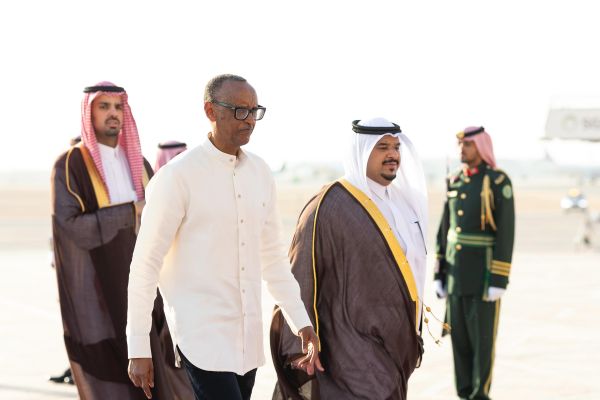
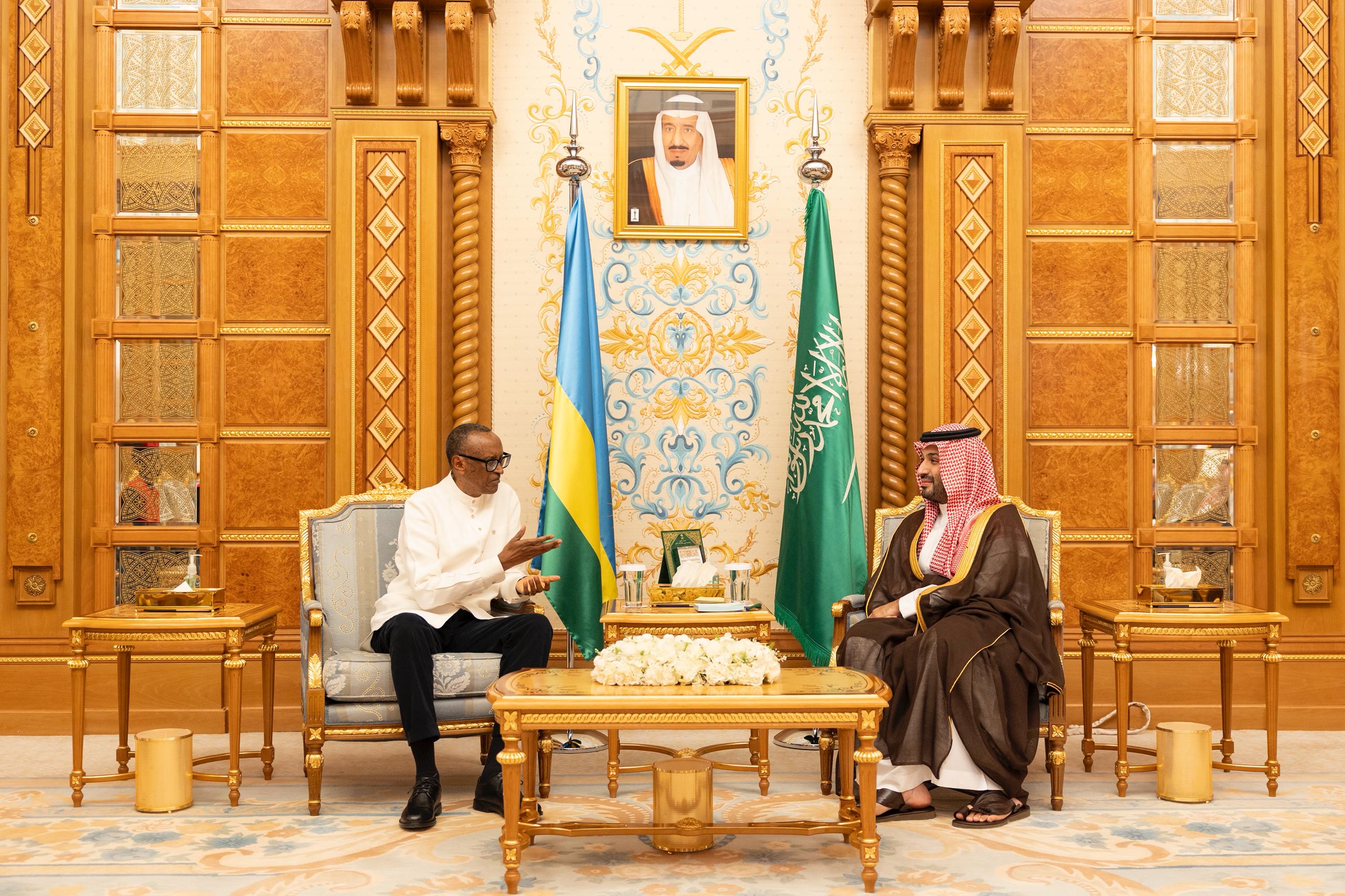
President Kagame arrived in Riyadh on Monday, October 27, joining global leaders, CEOs, investors, and policymakers for FII9, which runs through October 30 under the theme “The Key to Prosperity: Unlocking New Frontiers of Growth.”
The conference, organised by the FII Institute, provides a platform for debate and solutions-oriented dialogue on global investment and policy challenges, focusing on AI & Robotics, Education, Healthcare, and Sustainability.
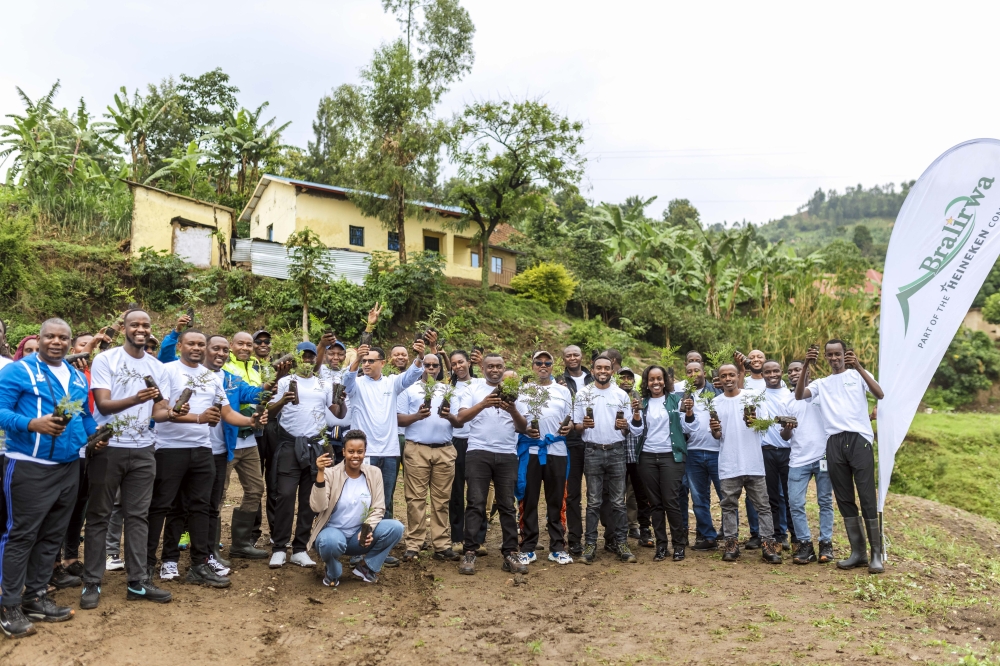
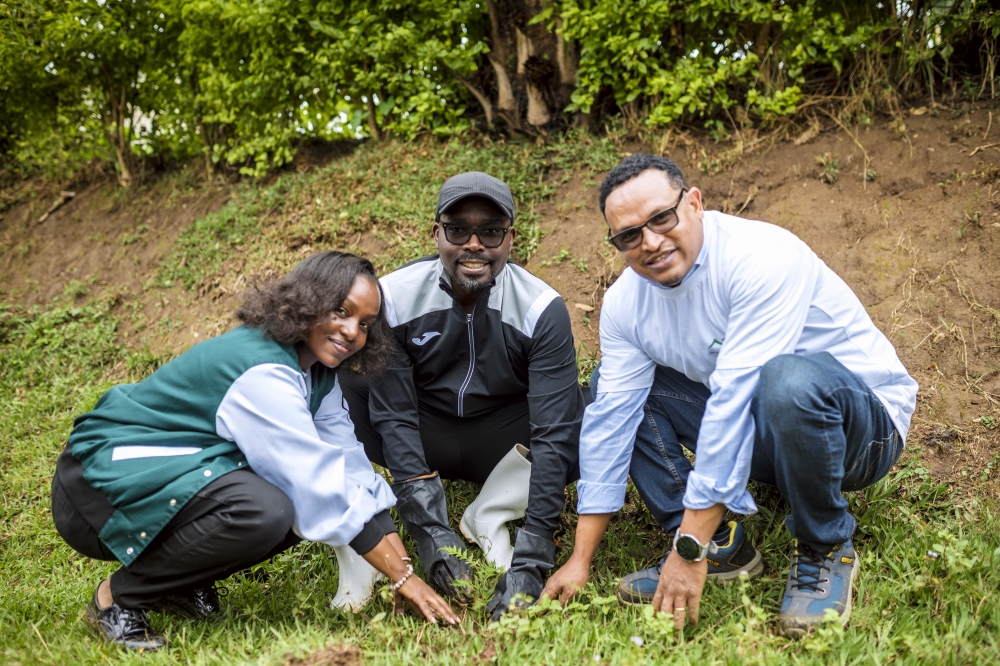
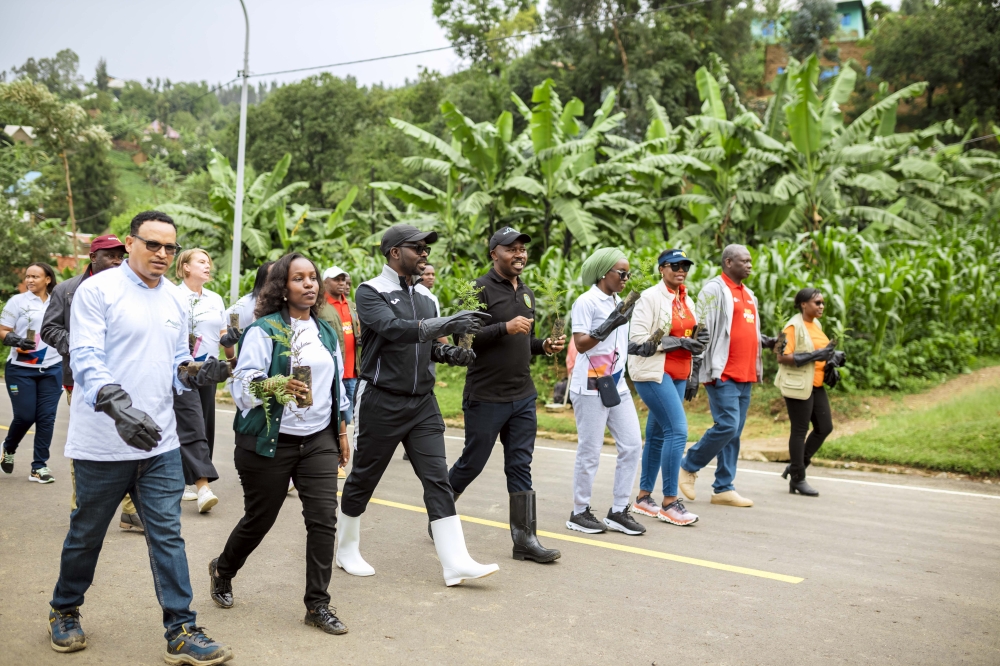
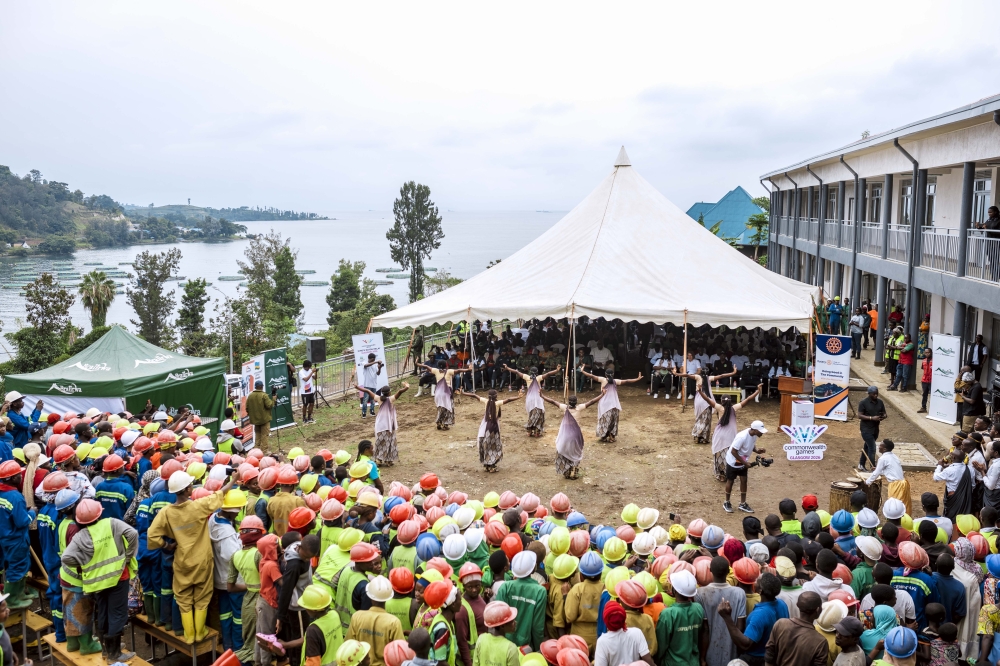
The tree planting activity which was held during the monthly Umuganda community service where 10,000 agroforestry trees and 3000 fruit trees were planted in the community, preceded other 7,000 fruit trees that the company had distributed to the districts of Kicukiro and Nyarugenge the previous week.
The event was graced by distinguished government officials including the Minister of Trade and Industry, the Mayor of Rubavu District among other distinguished guests and dignitaries.
Community members were glad to participate in the event and also receive fruit trees to plant at home as a chance not only to help the environment, but to improve household nutrition, income and soil health.
The initiative is part of BRALIRWA’s ‘brew a better world’ agenda to boost watershed protection, biodiversity and community livelihoods.
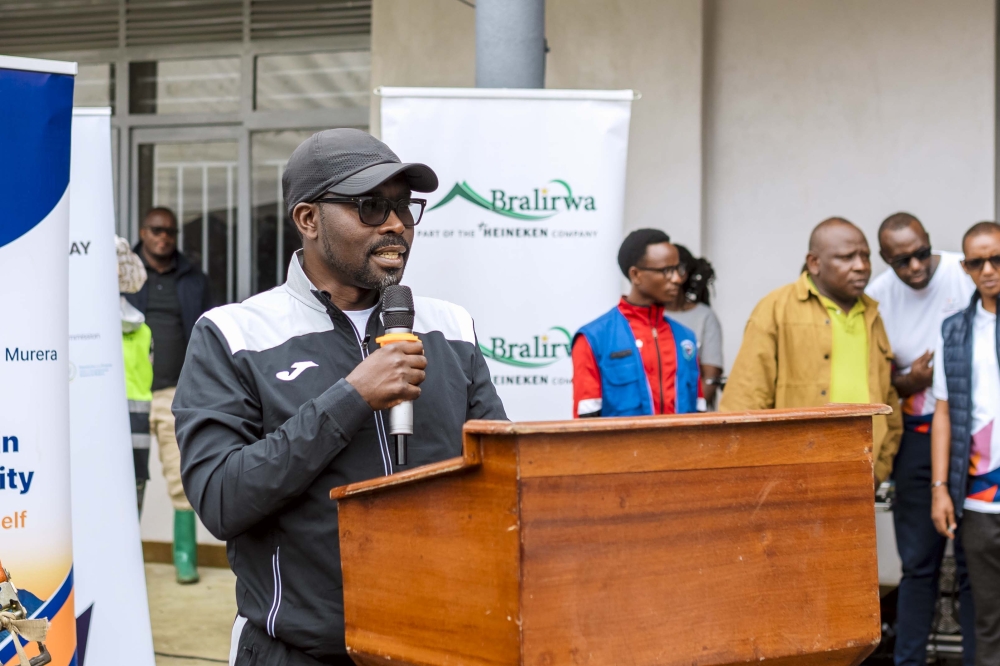
Speaking during the event, BRALIRWA’s Corporate Affairs and Communications Director, Rosette Mutoni, reiterated the company’s long-standing commitment to environmental sustainability.
“Each year, we proudly plant 20,000 trees across our water catchment areas in both Kigali and Rubavu. This initiative not only helps to restore and protect vital ecosystems but also demonstrates our dedication to nurturing the environment for the well-being of our communities and future generations.”
Last year in September, the company in partnership with Rubavu leadership engaged the community in clean-up activities along the shores of Lake Kivu under the theme ‘make room for life’ where they engaged in discussions on waste management and donated hygiene materials to facilitate waste collection.
The Mayor of Rubavu District, Prosper Mulindwa, appreciated the community members for their great participation in tree planting event and commended BRALIRWA for continuing to set an example of responsible corporate citizenship by showing that protecting our planet and supporting our people go hand in hand in building a sustainable future for Rwanda.
The Minister of Trade and Industry, Prudence Sebahizi, who was the guest of honor in the umuganda ‘community work’ reminded all participants of the importance of conserving the environment, “Every tree we plant today is a symbol of our faith in Rwanda’s future, a future that is green, sustainable, and prosperous.”
“Environmental protection and industrial development are not opposing goals, they are complementary pillars of Rwanda’s transformation. At the Ministry of Trade and Industry, we are committed to green industrialization, supporting factories that use clean technologies, promoting eco-friendly value chains, and encouraging businesses that grow while protecting nature,” he added.
The event was concluded with interactions between event participants and BRALIRWA staff highlighting the importance of collaboration and joint efforts in promoting environmental sustainability.
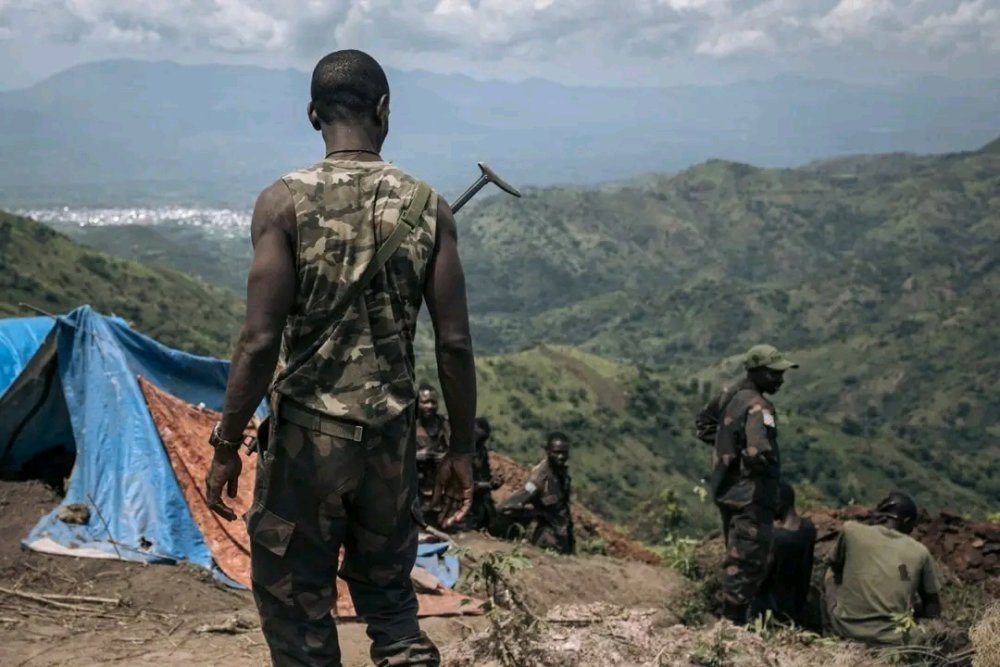
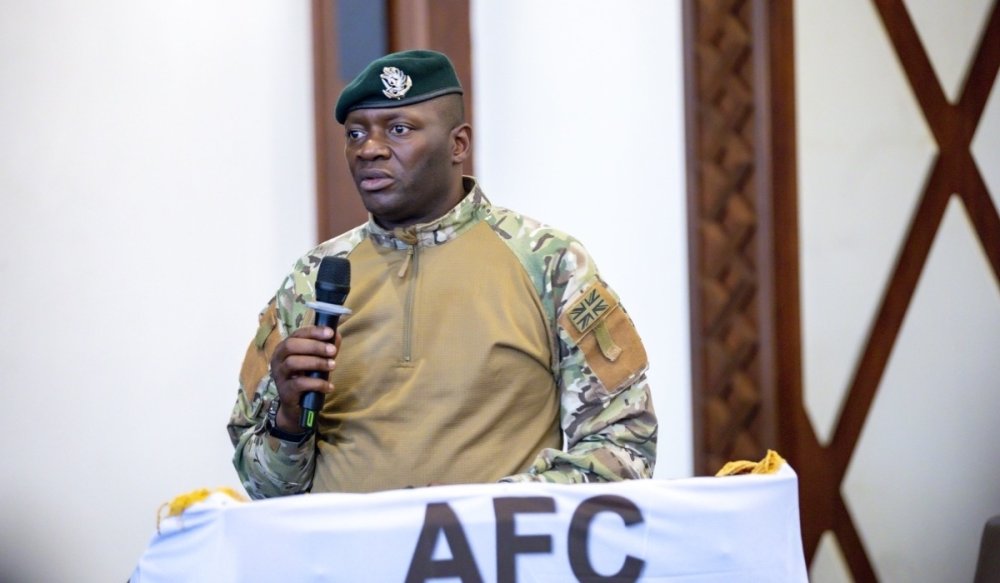
In a statement issued on Tuesday, October 28, the rebel group claimed that government forces launched a “comprehensive offensive across all front lines” at around 3:00 a.m., targeting densely populated areas in Kibati, Bibwe, Nyabiondo, Bukombo, and surrounding localities.
“The Kinshasa regime has escalated its flagrant violations of the ceasefire, operating with impunity both along and beyond the front lines,” read the communiqué signed by AFC/M23’s Spokesperson Laurence Kanyuka.
The group accused the Congolese army of “criminal barbarism” and “orchestrated massacres,” adding that heavy artillery and combat drones were deliberately aimed at civilian areas.
According to the statement, the attacks have resulted in civilian deaths, including women and children, and triggered mass displacement.
“By sabotaging all international peace efforts, Kinshasa has made its intentions clear: it is waging a war against the Congolese people,” Kanyuka said, asserting that the group would “exercise its right to self-defence” to protect civilians.
The allegations come just two weeks after representatives from both the DRC government and the AFC/M23 signed an agreement in Doha establishing a joint ceasefire monitoring and verification mechanism. The accord, facilitated by the State of Qatar, was hailed as a major step toward consolidating peace in the DRC’s restive eastern provinces.
The Doha mechanism, signed on October 14, builds on the Doha Declaration of Principles of July 19, 2025. It outlines a structured process to monitor compliance with the permanent ceasefire, investigate alleged violations, and engage stakeholders to prevent renewed hostilities.
Tuesday’s accusations now raise concerns about the fragility of the peace process and the durability of recent diplomatic gains. There are growing fears that renewed hostilities could derail ongoing international efforts to stabilise eastern DRC, where the AFC/M23 accuses the Kinshasa administration of marginalising and persecuting Kinyarwanda-speaking communities.
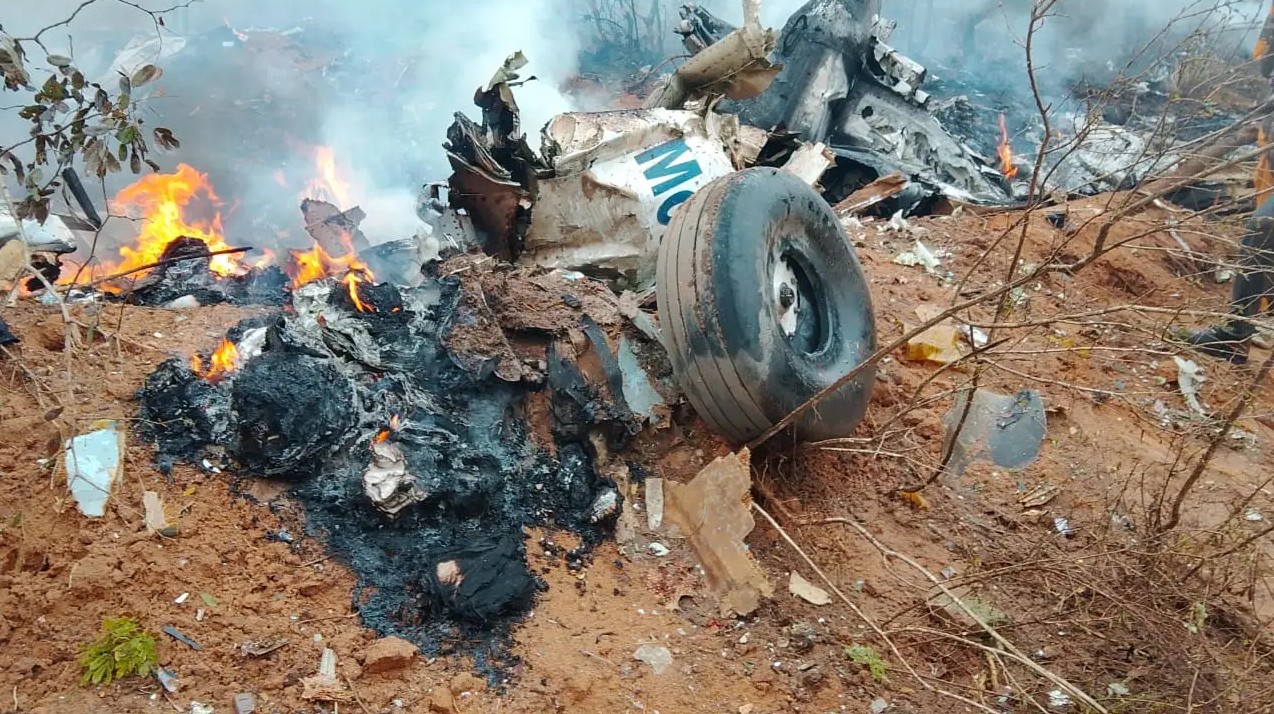
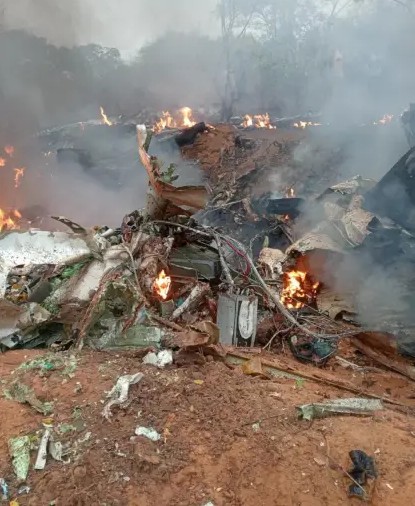
The Kenya Civil Aviation Authority (KCAA) confirmed that the plane, registration number 5Y-CCA, was en route from Diani to Kichwa Tembo, a popular airstrip serving lodges in the world-famous Masai Mara National Reserve, when it went down early Tuesday morning. The crash occurred around 07:30 CAT in the Tsimba-Matuga area of Matuga Constituency.
“Government authorities have already arrived at the scene to determine the cause of the crash and its consequences,” said KCAA Director General Emile Arao in a statement.
According to reports by Kenya’s Citizen TV, the aircraft burst into flames upon impact, leaving debris scattered across the crash site. Photos shared from the scene showed parts of the aircraft smouldering as emergency teams worked amid difficult weather conditions.
Rescue and recovery operations were immediately launched, though officials noted that poor weather was hampering efforts. Police and other government agencies have secured the area as investigators begin probing the cause of the crash.
Mombasa Air Safari said there were 10 passengers on board, eight Hungarians, two Germans, and the captain.
“Sadly, there are no survivors. Our hearts and prayers are with all those affected by this tragic event,” said the travel agency in a statement.
The Masai Mara, located in southwest Kenya, is one of Africa’s most visited safari destinations, attracting thousands of tourists annually for its rich wildlife and spectacular Great Migration.
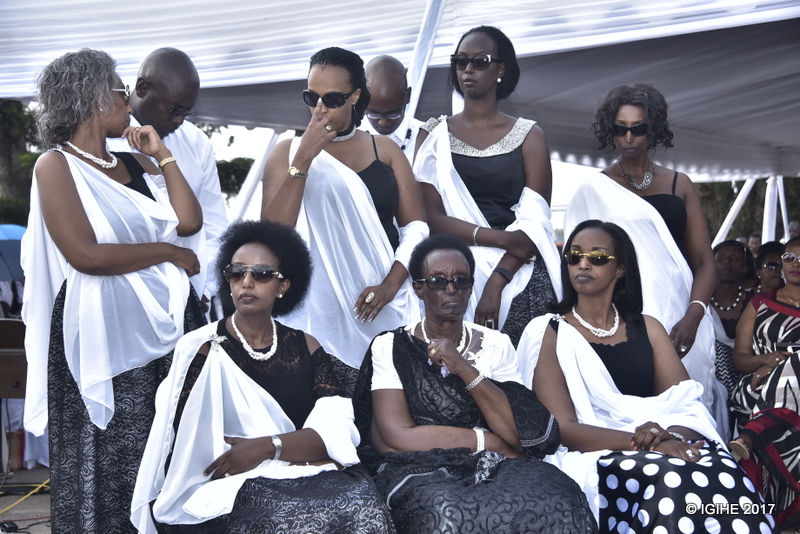
Albert Rudatsimburwa, a relative of Mukabayojo, confirmed her death, revealing that she passed away in Nairobi, Kenya.
“She passed away yesterday evening in Nairobi, and I learned of it then. We often spoke on the phone. She last came to Rwanda for the burial of her brother, King Kigeli,” he shared.
Rudatsimburwa explained that Mukabayojo was a close relative because ” my grandmother was the sister of Musinga.”
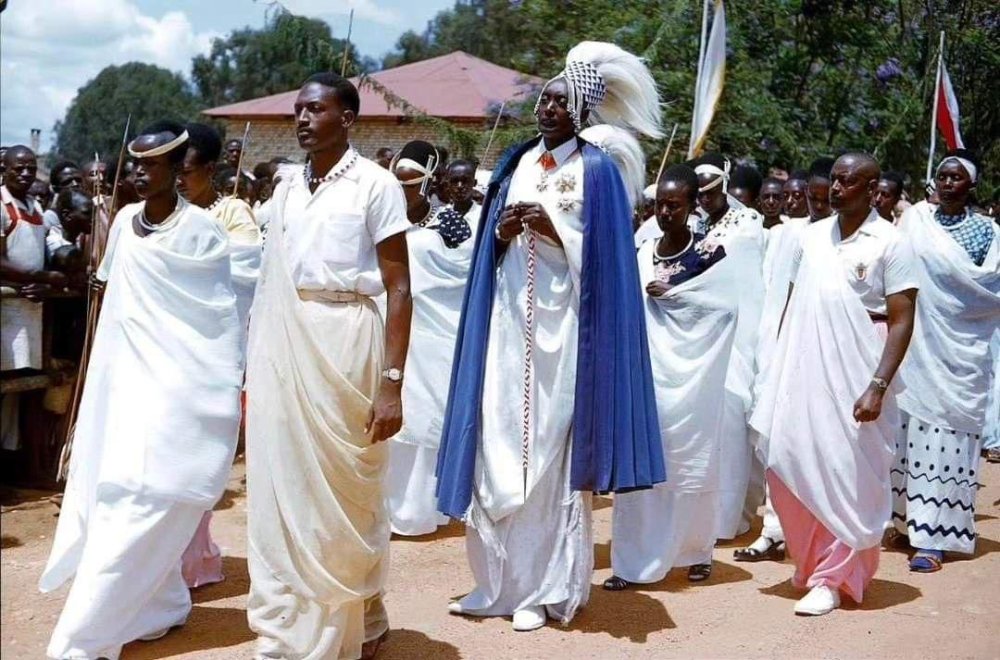
Mukabayojo was among the children who fled with King Musinga when he was exiled to Moba in Zaïre, (now the Democratic Republic of Congo).
King Musinga’s reign was marked by significant challenges in Rwanda’s history, as the foundational structures of the country were severely impacted during his time in power.
He was deposed by the Belgians, who stripped him of his authority, leaving him powerless unless sanctioned by them.
On November 12, 1931, Charles Voisin, the Governor of Ruanda-Urundi, went to see King Musinga in Nyanza, giving him 48 hours to leave the country.
The King was ordered to surrender national symbols, including Kalinga and other marks of the nation, to the Belgians who had been entrusted with Rwanda by the League of Nations.
On October 14, 1931, Musinga departed from Nyanza, along with his five wives, nine children, his mother Kanjogera, and other family members.
They were taken to a house prepared for them in Gihundwe, near Kamembe Airport. This marked the end of his 36-year reign.
Rudatsimburwa’s son, Mutijima Bryon, who was well acquainted with Mukabayojo, added, “Musinga’s daughters crossed with their great grandfather. They returned to Rwanda after Rudahigwa ascended the throne.”
Mukabayojo married Bideri in a wedding held in Nyanza. Together, they had six children, including Bideri Dieudonne, who passed away last year.
During the ‘1959 Revolution,’ marked by killings targeting Tutsis, Mukabayojo and her family fled to Kenya, where they lived until her last breath.
Mukabayojo’s last visit to Rwanda occurred as she came to bury her brother, King Kigeli V Ndahindurwa, who was laid to rest in Mwima, near the place of his coronation in 1959, close to the final resting place of their older brother, King Mutara III Rudahigwa.
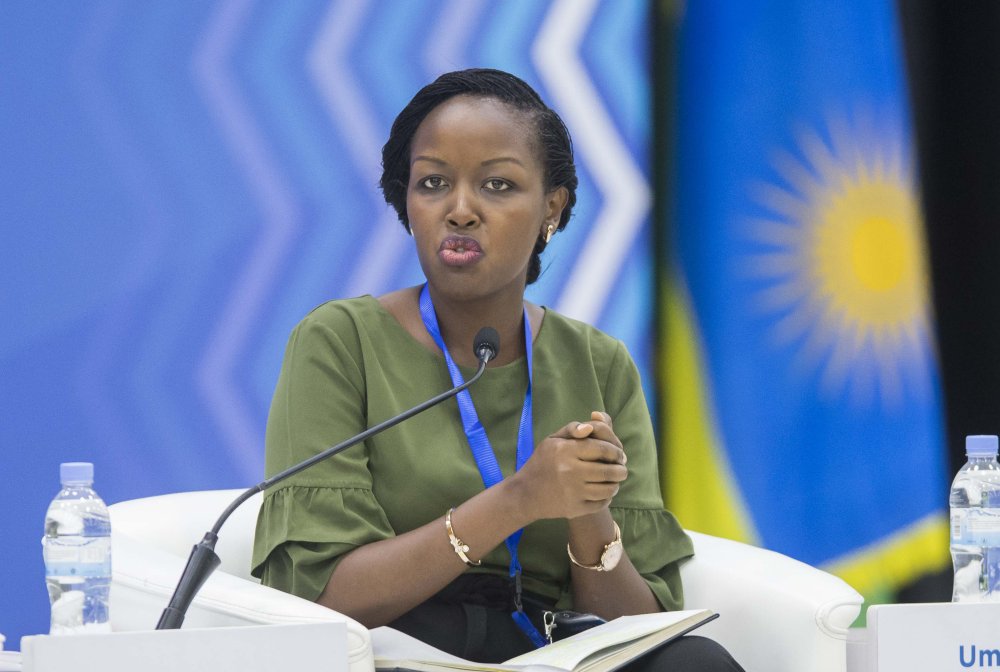
Paula Ingabire, the Minister of Technology and Innovation, stated that the World Bank, as the main partner, contributed to the development of the digital ID system by investing over $48 million (more than Frw 69 billion).
She emphasized that this amount is insufficient “to achieve what we aim to do now,” and that the total cost for the completion of the project will exceed $70 million (over 100 billion Rwandan Francs).
Speaking to RBA, she explained, “The reason for this is the construction of the system and the upgrading of services that were previously provided to citizens based on the old ID system. These services will now be available using the digital ID. There are also tools required to ensure that people can access services based on the digital ID.”
While Rwanda has received support from various donors on this journey, the country itself is also contributing significantly to ensure the project’s completion.
In the 2024/2025 fiscal year, the project was allocated a budget of Frw 5,397,688,170 , and in 2025/2026, the budget has increased to Frw 12, 265, 253, 074 billion.
The digital national ID will be issued to Rwandans aged 16 and above, as well as foreign residents and refugees in Rwanda.
Currently, the IDs will be distributed to Rwandans, foreign nationals living in Rwanda, refugees, asylum seekers, adopted children, foreign nationals staying temporarily, immigrants, and stateless individuals residing in Rwanda.
Minister Ingabire added, “We used to have a number of people without proper identification, which made it difficult for them to access basic services. The digital ID will simplify service delivery because it will contain all your information, enabling you to open a bank account without needing to visit the bank.”
The digital ID will have both a physical card, like the current one, and a digital version in the form of a QR code, which can be carried on a mobile phone or computer. Additionally, a ‘token’ number will be provided, which will be used to access your information, distinct from the national ID number.
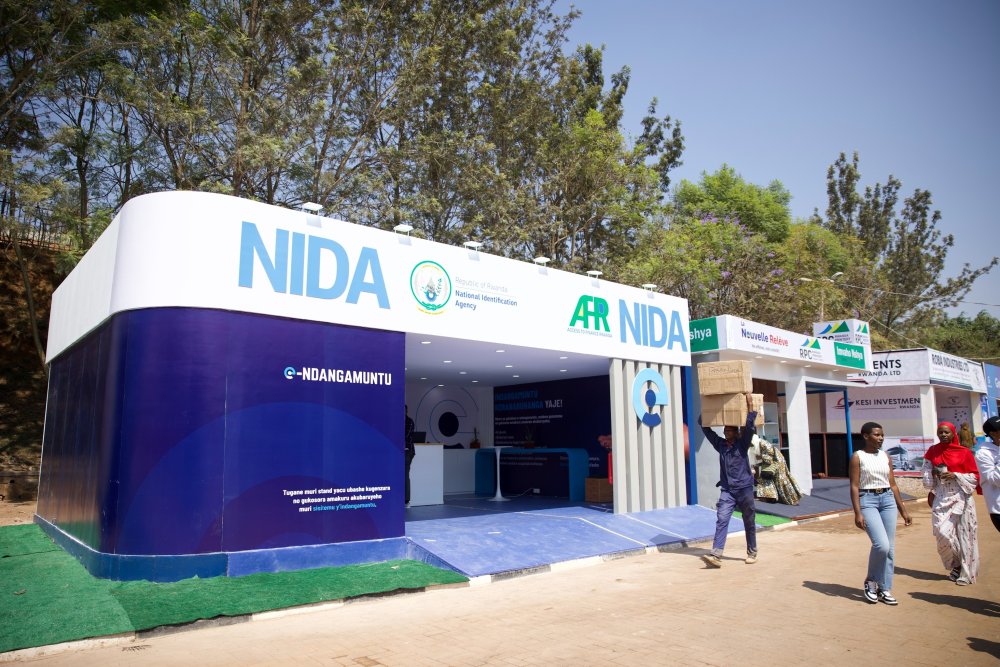
The National Identification Agency (NIDA) recently announced the launch of the ‘pre-enrollment platform’ to validate citizens’ records and correct errors in the national ID system, ahead of the digital ID rollout. More than 3,300 people have already registered on this platform.
This platform was officially launched on August 7, 2025, during the 28th edition of Rwanda International Trade Fair at Gikondo Expo Grounds.
The project will be extended nationwide, starting in the districts of Huye, Gisagara, and Nyanza in the Southern Province.
Residents in these areas will be assisted in correcting their personal information, submitting biometric data, and other requirements.
Two sites will be set up in each sector, with trained staff to prevent errors in the process.
Biometric data to be collected will include fingerprints, eye scans, and facial images. Both Rwandans and foreign nationals in Rwanda are eligible for the digital ID.
From birth to age five, children will receive an ID that only includes their photo, as biometric data changes over time. Children aged five and above will be required to provide additional biometric data.
Over 1,144 people have already received training to assist residents in correcting their information and providing biometric data. These individuals will be helping the public from October 28, 2025, to December 2025. By January 2026, the trained workforce is expected to grow to 2,500 individuals.
Minister Ingabire noted, “By December, we will be covering nine districts, and another 21 districts will be served in the following year, by May 2025. This means we need to train more staff to reach the remaining districts and complete data collection by the end of May.”
The digital ID will include data across nine categories, an expansion from the previous system’s seven categories, to ensure a complete and accurate identification profile. These will include names, parental information, email and phone numbers, address, place of birth, and more.
By May 2025, Rwanda will be the first country in Africa to implement a fully digital national ID system within the planned timeframe, while other countries that started before Rwanda are still in the process of building their systems.