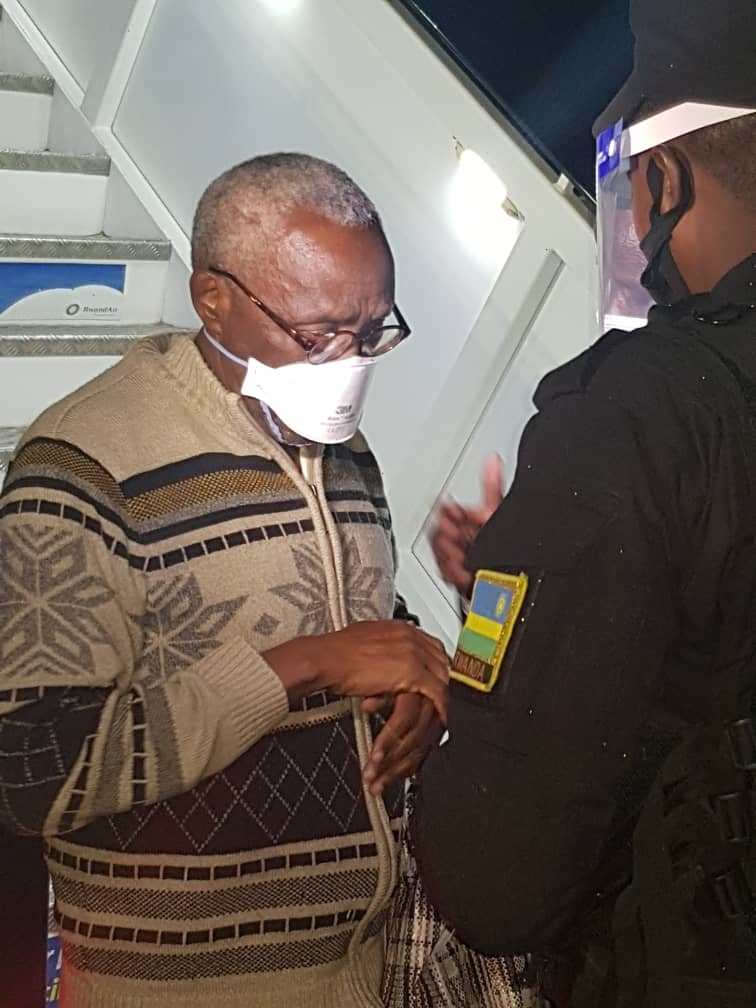
Rutunga, 72, is suspected for his role in the 1994 Genocide against Tutsi in the former Butare Prefecture.
Rutunga was arrested in 2019 in The Netherlands where he had been living for more than 10 years.
Rutunga was born in 1949 in the former Ruhengeri Prefecture, currently Gakenke district in the Northen Province. During the 1994 Genocide against Tutsi, he lived in what is today Rubona village, Kiruhura cell, Ruhashya sector, Huye district in Southern Province.
He was the Director of Rwanda Institute of Agricultural Sciences (ISAR) – Rubona.
It is said that Rutunga invited Interahamwe militia to kill over 1000 Tutsi who fled to ISAR Rubona during the Genocide.
He later fled to foreign countries and was denied asylum status by the Netherlands in 2000.
He has been working partially as a researcher at Wageningen University in The Netherlands.
Other Genocide fugitives deported from The Netherlands include Jean Baptiste Mugimba and Jean Claude Iyamuremye who arrived in 2016 to face justice for complicity during the 1994 Genocide against Tutsi.
At least 24 people were on Monday, July 26, arrested in separate operations conducted in City of Kigali for violating government directives on preventing the spread of the COVID-19 pandemic.
They include 21 people found at about 4am congregating in Nyakariba valley in Musezero Cell, Gisozi Sector, Gasabo District.
Two other taxi-moto operators were transporting passengers while another driver was using a movement permit contrary to its original intended purpose.
The group of believers belonging to ADEPR church, was showed to the media at the Independent University of Kigali (ULK) stadium in Gisozi Sector, Gasabo District.
Emmanuel Uhagaze, 41, one of the worshippers, who hails from Gasharu village, Musezero cell, admitted that they violated the government directives and asked for forgiveness.
“I woke up early in the morning and went to the valley to pray but I did not know that I would meet other people there. People started coming one by one and the number increased to more than 20,” Uhagaze said.
The worshippers were subjected to Covid test at their cost as well as related administrative fines.
Meanwhile, one Jean Pierre Mutabazi working with REG, was arrested driving to Gicumbi District using a movement permit issued to him to travel to Shangwe in Bugesera District for electric installation at Bugesera airport.
The other two taxi-moto operators arrested transporting passengers in Kigali are Floduard Niyibizi and Uzziel Habaguhirwa.
Motos are not allowed to transport passengers while gatherings are prohibited, and so are unnecessary movements.
The City of Kigali along with eight other district of the country are currently under lockdown with movements only allowed for medical, shopping or other essential and emergency activities.
RNP spokesperson, CP John Bosco Kabera said the worshippers were arrested due to the information provided by concerned local residents.
“It has been repeatedly explained that gatherings for religious services are prohibited. Some of these worshippers have been caught in related violations before and educated on the directives, but they learnt nothings. These behaviours will not be tolerated,” CP Kabera warned.
He added: “Drivers and motorcyclists must adhere to the directives without exception. If you are not very sure ask first so as not to flaut the directives. The same goes with the issued movement permit, which should strictly be used for the original purpose.”
CP Kabera warned that operations will continue to arrest anyone engaging in practices that derail the national efforts against the Covid-19 pandemic.
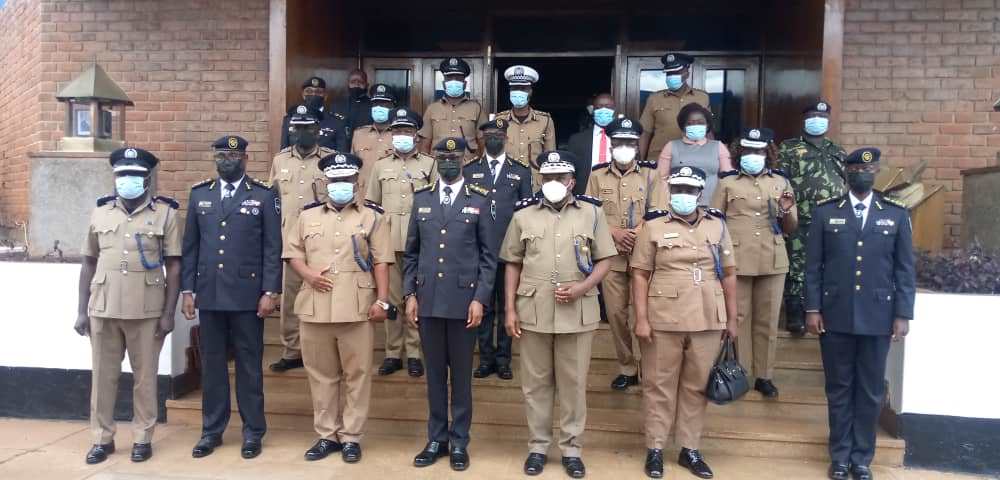
The visit is in the framework of the cooperation pact signed between Rwanda National Police (RNP) and Malawi Police Service (MPS) in 2019, which formalized mutual interests in various disciplines of policing such as joint training, joint operations, tracking and exchange of criminals, combating terrorism, drug trafficking, cybercrimes, information sharing on fugitives and other security related matters. It also followed a similar bilateral meeting held in Kigali last month.
IGP Munyuza noted that such engagements reflect “strong relationship and commitment” to further strengthen bilateral security cooperation between Rwanda and Malawi police institutions.
“In the face of prevailing global and regional security threats, we value Malawi’s efforts on bilateral and multilateral stages to seek sustainable solution to security challenges in the region and beyond,” IGP Munyuza said.
During the bilateral meeting, the two Police institutions also discussed, among others, training and sharing expertize, security challenges and transnational crimes in the two countries, region, and the continent at large.
RNP has offered slots at the National Police College (NPC) in Musanze District for Malawi Police Service.
IGP Munyuza said that Rwanda values African countries’ resolve to end destabilizing negative forces on the continent, particularly violent extremism.
He observed that strong foundation for cooperation has well been laid and that it is now the time to “move from commitment to action.”
This, he said, is the right moment to meet because, like in other parts of the world, the East and the Southern Africa regions are threatened by the growing radical terrorist groups operating and causing havoc in the region.
“We are happy that today, we re-emphasized and re-committed ourselves to working more closely together especially in training in all our training schools and colleges. It is our resolve and shared belief that in this globalized era, cooperation is inevitable to deal with transnational and organized crimes such as terrorism and cybercrimes affecting our continent.”
He reiterated Rwanda’s readiness to walk the joint policing journey.
IGP Kainja, on his part, said that lessons learnt during his visit to Rwanda last month, will be implemented to improve all areas of service provision in the Malawi Police Service.
“In our meeting in Rwanda, we expressed strong commitment to making cooperation between our two police organizations work through action. We remain resolute to that thinking. Your visit to our country is part of that strong commitment as it provides an opportunity for updating each other on recent developments in our countries and the region as a whole” Dr. Kainja said.
The Memorandum of Understanding, he added, provides a road map for cooperation and realities on the ground and informs joint priorities.
During the last meeting in Kigali, the two Police institutions agreed to hold regular engagements at operational levels to develop and implement safety and security measures.
“Meetings and capacity building alone will not defeat contemporary policing challenges if there is no continuous information and intelligence sharing.
Our two organisations should use all available means to ensure that there is no impediment to timely information and intelligence sharing. This is even more important in the context of Islamic insurgency terrorizing our neighbor, Mozambique,” Dr. Kainja emphasized.
He added that Malawi Government and the Malawi Police Service in particular will ensure that all efforts to defeat this insurgency are supported.
The statement released last night shows that 791 people have caught the virus out of 6930 sample tests, 15 recovered while 61 are critically ill.
Figures show that the country has registered 7095 new cases within seven days while 428,983 people have been vaccinated since Rwanda began countrywide inoculation program on 5th March 2021.
Coronavirus symptoms include coughing, flu, and difficulty in breathing. The virus is said to be transmitted through the mucous membranes of the respiratory tract.
Rwandans are urged to adhere to COVID-19 health guidelines, washing hands frequently using soaps and safe water, wearing face masks and respecting social distancing.
On July 24, following information provided by the public, Police arrested a suspected major drug trafficker only identified as Nzayisenga, in Karerema Cell, Kanzenze Sector, Rubavu District with about 2,000 pellets of cannabis.
Nzayisenga was at the time traveling from Busasamana sector to deliver the narcotics to his retailers in Kanzenze, according to CIP Bonaventure Twizere Karekezi, the Police spokesperson for the Western region.
“Residents had provided information that Nzayisenga is a drug dealer. On July 24, they saw him with a sack on a motorcycle ridden by one Olivier Uwingabire, heading to Kanzenze from Busasamana,” said CIP Karekezi.
“The residents immediately informed their local leaders, who in turn called the Police. Nzayisenga was intercepted, checked his sack only to find it contained about 2,000 pellets of cannabis, he was taken into custody although the taxi-moto operator managed to flee but the motorcycle was impounded.”
He warned commercial motorcyclists against facilitating drug dealers.
Nzayisenga along with the impounded motorcycle and narcotics, were handed over to RIB at Kanama station for further investigation as the search for Uwingabire is still underway.
Cannabis is classified among the “very severe narcotic drugs” by the Ministerial order Nº 001/MoH/2019 of 04/03/2019 establishing the list of narcotic drugs and their categorization.
Article 263 of law No 68/2018 of 30/08/2018 determining offenses and penalties in general, states that any person, who unlawfully produces, transforms, transports, stores, gives to another or who sells narcotic drugs and psychotropic substances, commits an offence.
Upon conviction for “very severe narcotics,” the offender faces between 20 years and life imprisonment, and a fine of up to Rwf30 million.
Small and medium-sized enterprises (SMEs) account for about 90% of all businesses in Africa and women own about a third of all registered African SMEs. Indeed, one-in-four (25.9%) of adult women in Africa start or manage a business. However, women have not enjoyed equal access to high quality, demand driven financial services and it is estimated that women-owned SMEs face a US$42 billion financing gap, making lack of access to financing a common constraint to their business growth.
Considering the fact that the growth of women-led and women-focused businesses have been long hampered by range of impediments, including access to finance; Alice Kilonzo- Zulu, the Managing Director of Ecobank Rwanda has said that the bank has come up with holistic solutions to help women overcome existing barriers.
“We have specially designed Ellevate to meet the needs of women entrepreneurs through the provision of comprehensive, customised and tailormade solutions which include favourable lending rates, smart cash management enablement and a suite of value-added services such as leadership training, mentoring and networking opportunities. Ecobank Commercial Bank is allocating a minimum of 10% of its loan portfolio to women’s businesses,” she said.
“Women-led businesses are a largely underserved market and Ecobank Rwanda is determined to help them reach their potential, grasp business opportunities and become both scalable and sustainable. This will enable them to play a major role in Africa’s social and economic development, in addition to creating millions/hundreds of thousands of the jobs needed by this and future generations of Rwandans,” she added.
The formal launch of Ellevate by in Rwanda will be at a webinar on 27th July 2021 in English and Kinyarwanda at 9h:00am Kigali Time.
All are invited to join the Ellevate webinar by registering [here ->https://teams.microsoft.com/registration/Z98AZBcYTkiEru07l8oWIA,xTfuw-Wa90C-kxoo2_1nNw,zCGudsErXU-gaQzkxqU91A,xuoQ-wR9QUKW9pDROiAwsg,BycveYzFS0uhQgC1TzyInw,J0FtfllqOEKWvKRmFZFWzg?mode=read&tenantId=6400df67-1817-484e-84ae-ed3b97ca1620]
For further information about Ellevate, please visit www.ecobank.com/ellevate
{{About Ecobank Rwanda }}
Ecobank Rwanda PLC was established on 6th July 2007. It is licensed and supervised by the National Bank of Rwanda. The Bank has its Head Office located in KN4 Avenue in Kigali, Nyarugenge District, and has 8 other branches, 32 ATMs, 290 Xpress Point agents,2272 merchants and serves numerous customers through its Consumer, Commercial and Corporate banking divisions.
The Bank is 100 per cent owned by Ecobank Transnational Incorporated (ETI), the pan-African financial conglomerate headquartered in Lomé, Togo, which operates in 33 countries in sub-Saharan Africa. The Group offers a full suite of banking products, services and solutions including bank and deposit accounts, loans, cash management, advisory, trade, securities, wealth and asset management. ETI is listed on the Nigerian Stock Exchanges in Lagos, the Ghana Stock Exchange in Accra, and the Bourse Régionale des Valeurs Mobilières in Abidjan. For further information please visit www.ecobank.com
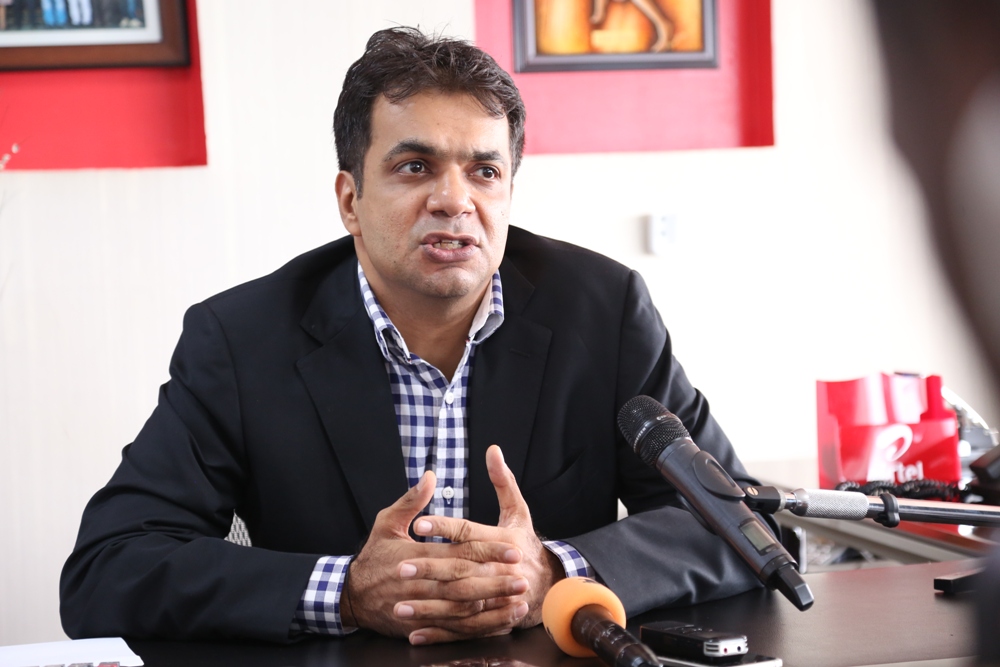
Amit took over the newly merged entity on 31st August 2018 where he oversaw the achievements of several milestones within three years.
Among his accomplishments include the consolidation of the brand Airtel after the takeover of Tigo, its people, products and services as well as modernization of the country’s network, a project that saw the expansion of the Airtel Rwanda Network and the consolidation of Airtel’s reputation as one of mobile internet providers in Rwanda.
During his time with the organization as Managing Director, Airtel Rwanda oversaw great changes.
Under Chawla’s leadership, programs grew and services became more easily available to all customers.
He led the company’s pandemic response that saw Airtel Rwanda direct its CSR budget towards governments efforts to tackle the initial response to the Global pandemic.
Among others, Airtel has gained a reputation for launching ground breaking and bold campaigns such as the recent Va Kugiti Campaign that generated a lot of buzz in the Rwandan market.
Chawla also oversaw the successful roll out of the Airtel Money Branch (AMB) concept, with 71 shops opened in Kigali alone.
The AMB’s concept has completely revolutionized the proximity of a telecom operator to her network of Agents and Freelancers, enabling them to access up to Rwf5 million within walking distance.
Kigali City and eight districts including Burera, Gicumbi, Musanze, Kamonyi, Rwamagana, Nyagatare, Rubavu and Rutsiro were placed under lockdown from 17th to 26th July 2021 to contain the spread of COVID-19.
The communiqué released by the Office of Prime Minister on Sunday 25th July 2021 has extended the lockdown for five days from 27th through 31st July ‘in order to consolidate the gains in decreasing the number of COVID-19 cases and related deaths’.
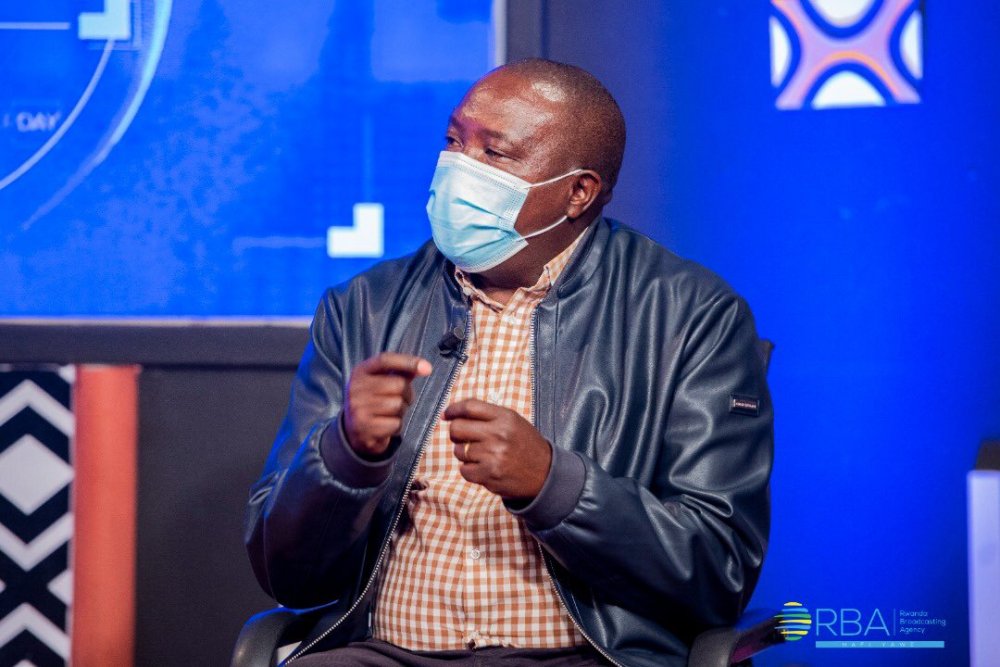
As he appeared in RBA talk show following the announcement on new measures, Minister Gatabazi said that the Government plans to continue supporting citizens hit hard.
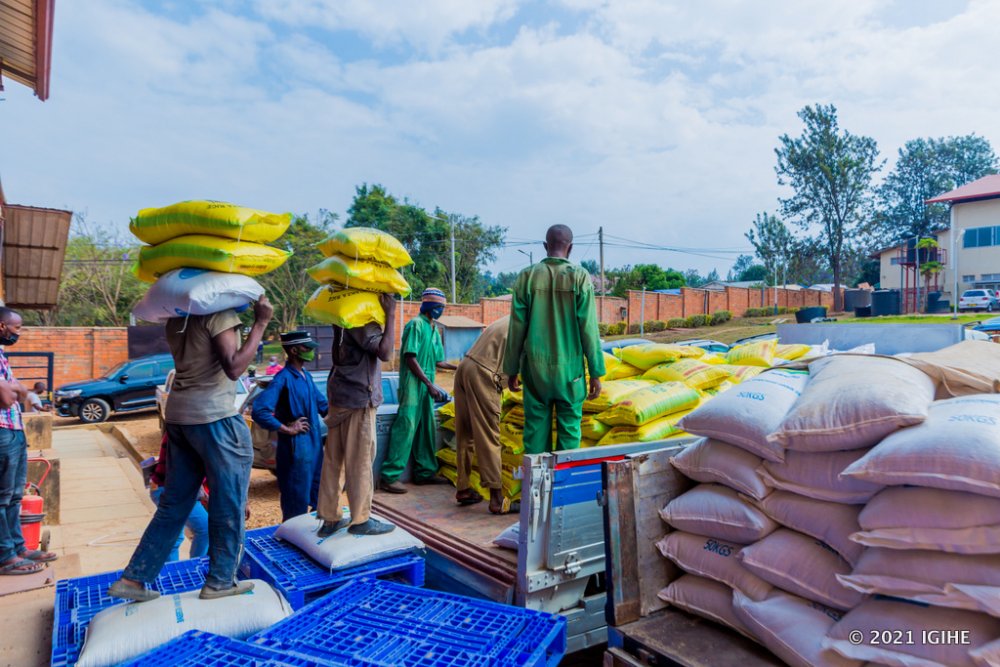
“It would not be fair to provide food assistance for the 10 days and stop the support when the lockdown is extended for five days. The journey is ongoing. By this afternoon, relevant officials in Kigali City had already loaded trucks with foodstuffs to be distributed to different beneficiaries. Districts will begin food donation exercise for the next five days effective from tomorrow,” he said.
Over 275,000 families from Kigali City are reported to have received food assistance during the 10-day lockdown, an addition to more than 35,000 families from eight districts.
The confirmation was made by the Minister of Health, Dr. Daniel Ngamije on Sunday 25th July 2021 as he shed light on factors that informed the Government’s decision to extend tightened COVID-19 containment measures.
The Government of Rwanda has extended existing measures to contain the spread of COVID-19 including the lockdown imposed in Kigali City and eight districts.
The eight districts concerned with the decision include Burera, Gicumbi, Kamonyi, Musanze, Nyagatare, Rubavu, Rwamagana and Rutsiro.
The 10-day lockdown (from 17th till 26th July 2021) extended for five days yesterday was initially imposed by the virtual cabinet meeting held on Wednesday 14th July 2021 to prevent the spread of COVID-19 pandemic which has been on steady rise.
The communiqué released by the Office of Prime Minister shows that new measures will take effect from 27th through 31st July 2021.
Other measures taken during the previous cabinet meeting have been also extended where movements and visits outside home are still prohibited except for essential services such as healthcare, food shopping, banking and for personnel performing such services.
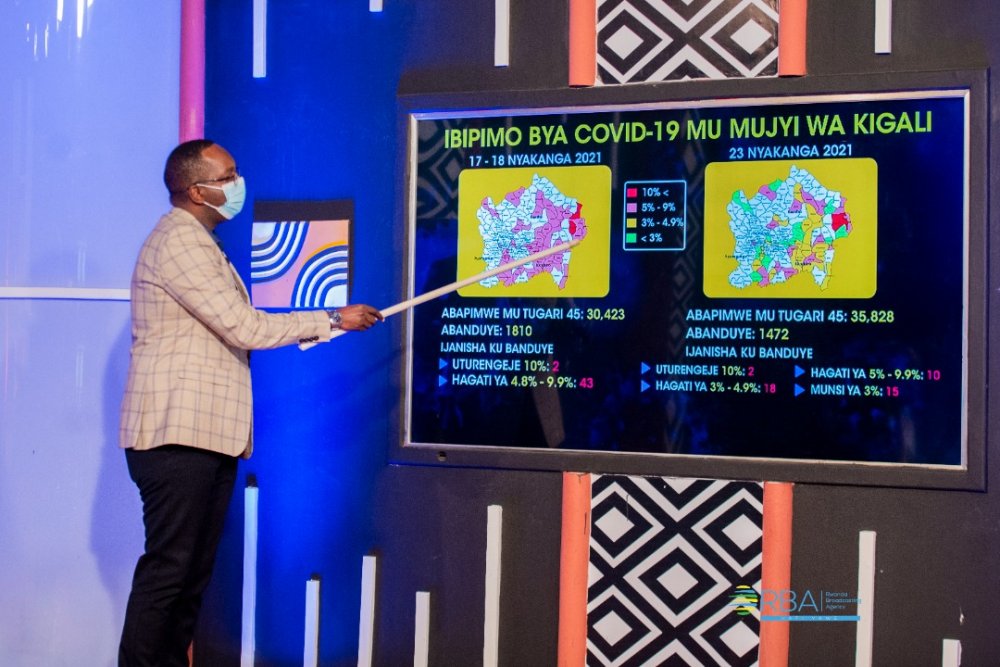
Appearing in RBA talk show, Minister Ngamije said that sample tests taken during the 10-day lockdown pinpointed Kigali City as the major hotspot for new cases.
Following the imposition of lockdown, the Ministry of Health conducted mass testing in different parts of the country to know the status of the pandemic.
Since then, 3965 positive cases equivalent to 3.7% were found in Kigali City out of 107 106 sample tests as at 23rd July 2021.
In general, 4.5% of these cases were found in Kicukiro district, 3.8% in Gasabo and 2.5% in Nyarugenge district.
Dr. Ngamije has revealed health workers conducted more deep tests to detect if there is presence of new variants among new cases.
These tests came out with results indicating that 56.6% of newly infected people were detected with Delta variant of COVID-19 which emerged in India for the first time while 20 percent were detected with SARS-CoV-2.
Among others, conducted tests show that 1.6% of patients were detected with Beta variant first identified in South Africa, 0.4 percent were found with symptoms of B.1.526 variant known as Eta that emerged for the first time in the United Kingdom.
More 15.7% sample tests were detected with Epsilon variant of COVID-19 that emerged in California, United States of America for the first time while 5.4% were detected with unknown variant.
Figures from the Ministry of Health show that 742 people have succumbed to COVID-19 since it emerged in Rwanda on 14th March 2020.
So far, nine variants of COVID-19 have been reported since the first case was confirmed in China in 2019.
The four variants considered Variants of Concern include Alpha, Beta, Gamma and Delta.
The remaining variants include Eta, Epsilon, Lota, Kappa and Lambda.
MIGRO Shop Online and Delivery Services is among companies that have tapped into internet penetration to bring convenient delivery services to customers irrespective of their location worldwide.
Unlike the past where the country had limited infrastructures number of internet service providers, Rwanda’s internet penetration stands at 21.77 percent, according to the United Nations E-Government Survey 2020.
Internet users in Rwanda also spend 7.1 per cent of their average income on mobile data, according to International Telecommunication Union (ITU) report released last year.
The report puts Rwanda among the top 30 countries globally with the least affordable internet.
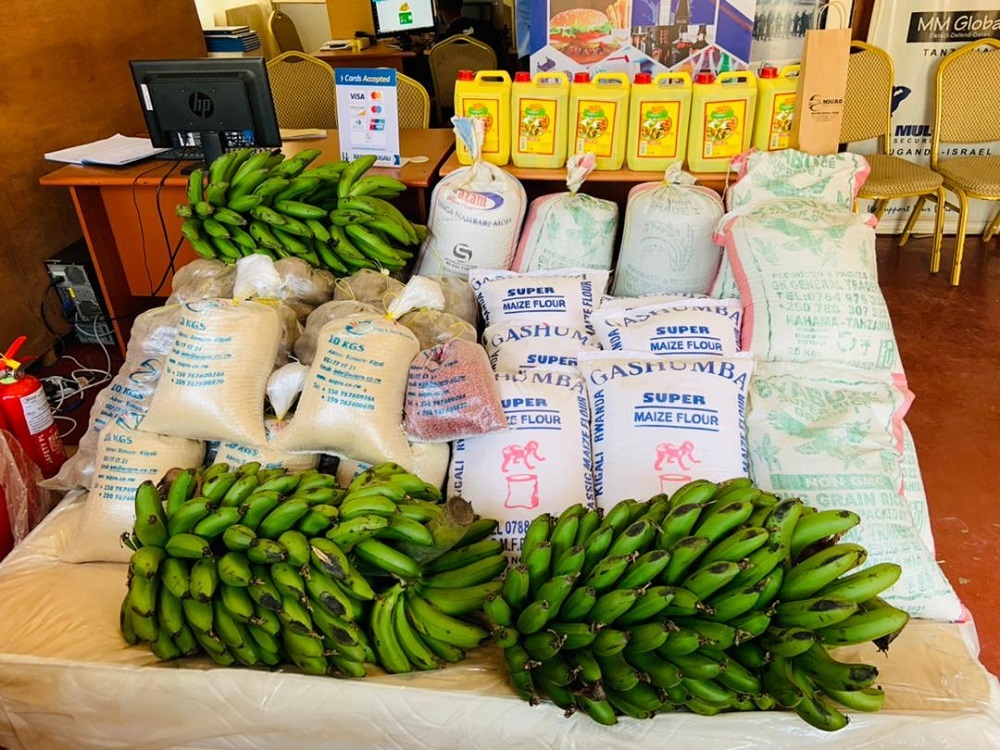
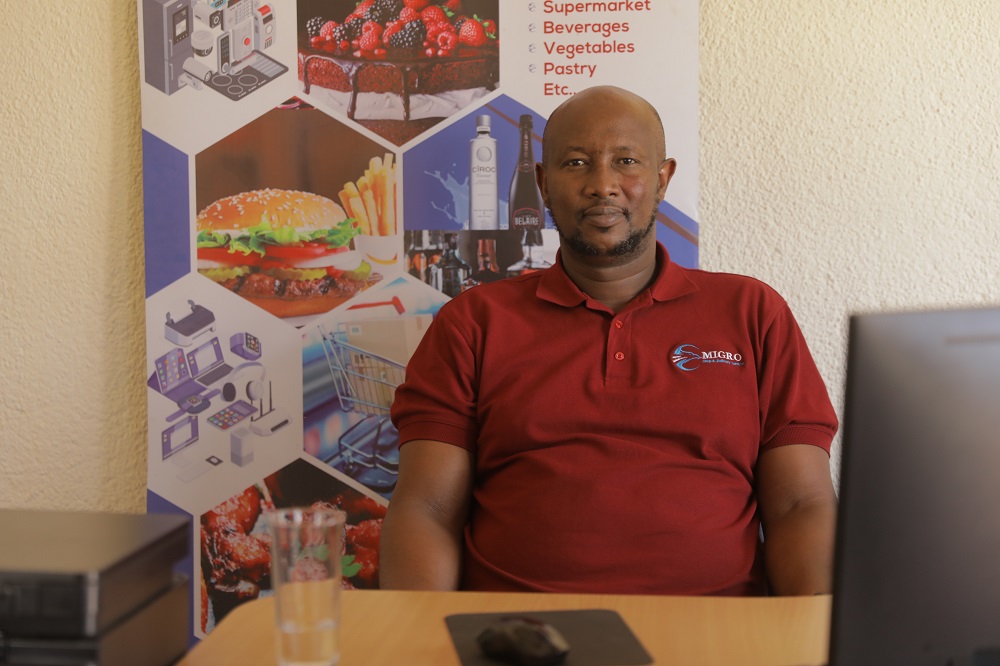
Considering the fact that technology is being integrated in different services to enhance efficiency, Eric Rugwizangoga got an inspiration to establish an online grocery known as ‘MIGRO Shop Online and Delivery Services’ facilitating Rwandans and foreigners to place orders from their homes.
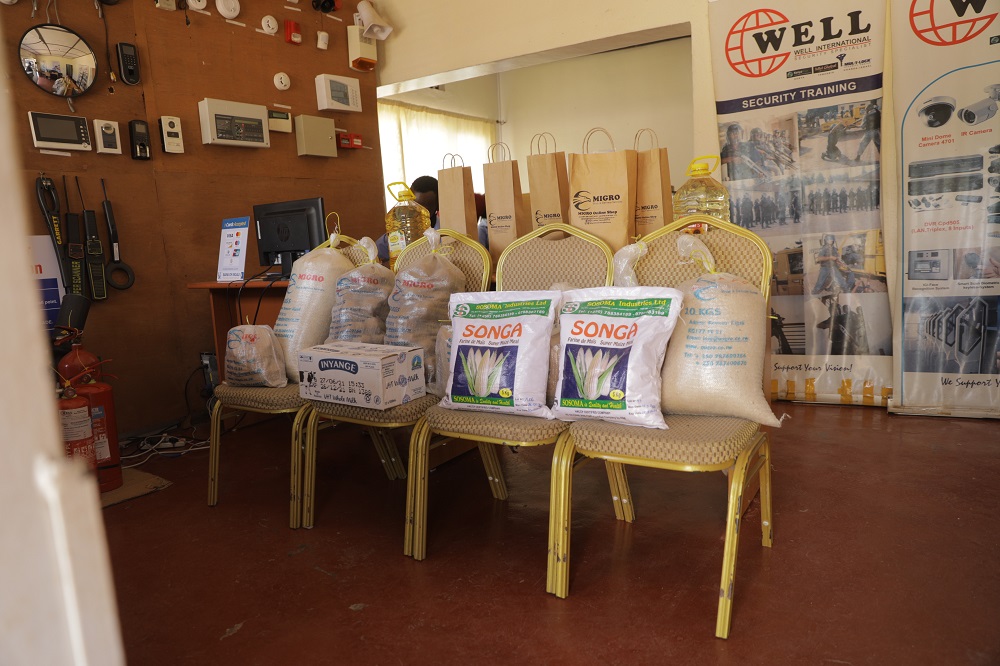
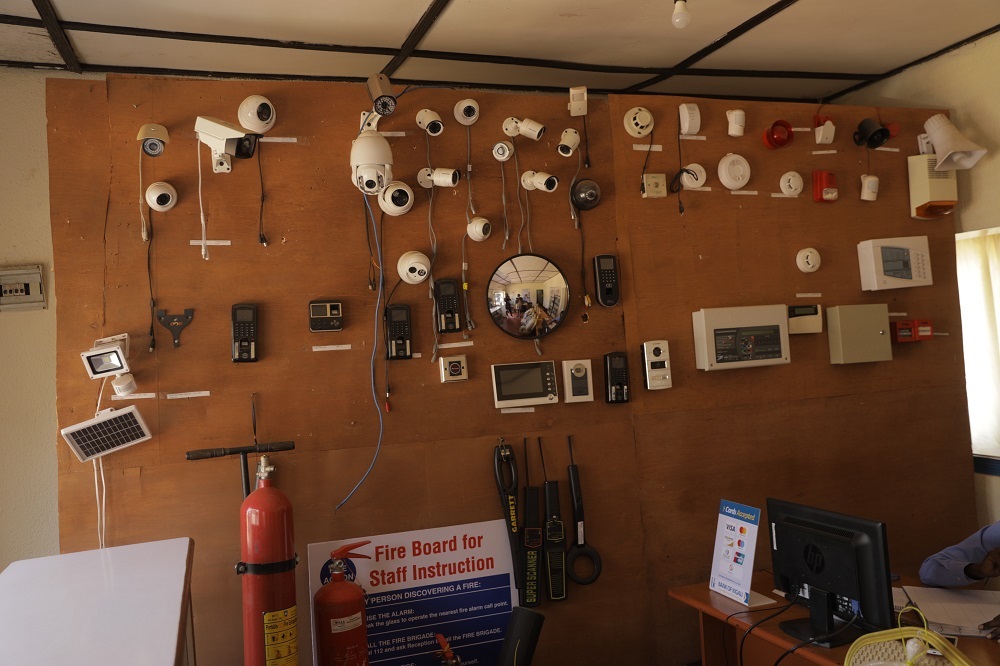
The shop boasts a wide range of products including foods, clothes, sanitary items and security systems and technology devices among others.
Speaking to IGIHE, Rugwizangoga revealed that starting the shop was inspired by the country’s efforts to promote technology related infrastructures.
“The World has become a village because of technology. All efforts expended to promote related infrastructure and bringing fast internet has hugely facilitated businesses’ online presence. It gave us strength to run our businesses online and continue to keep in touch and serve our customers without necessity for physical presence to shop items of their choice,” he explained.
After establishing the market, Rugwizangoga liaised with different traders and farmers to meet customers’ demand.
“MIGRO works closely with different merchants and farmers to replenish its stock after going through strict control process to ensure their supplies meet quality standards,” he revealed.
MIGRO’s deliveries in Kigali City and its surroundings are made for free while delivery charges are applied for customers from far-distant locations.
In a bid to continue facilitating customers’ transactions, MIGRO has introduced ‘Ikofi’, which is an e-wallet customized for every single customer to deposit money for future transactions.
MIGRO also offers discount for companies encouraging employees to shop with it.
To shop with MIGRO, customers can use their smartphones or computers, visit products available in stock via its website https://migro.co.rw/ and follow designated steps to place an order.
Customers without smartphones can also contact the management using provided phone number: 0787600266 or send a message to 0787600870 to have goods delivered.
MIGRO also offers delivery services to non-customers who make payments via Point of Sales (POS), Mobile Money, World Remit or bank deposits.
Rugwizangoga has encouraged people to embrace online shopping particularly during COVID-19 pandemic to avoid risks of catching the virus or waste of time.
He thanked active customers shopping with MIGRO particularly Rwandans in Canada and elsewhere across the world.
Currently, MIGRO works with eight hotels, 20 shops and quite number of restaurants in Kigali City.