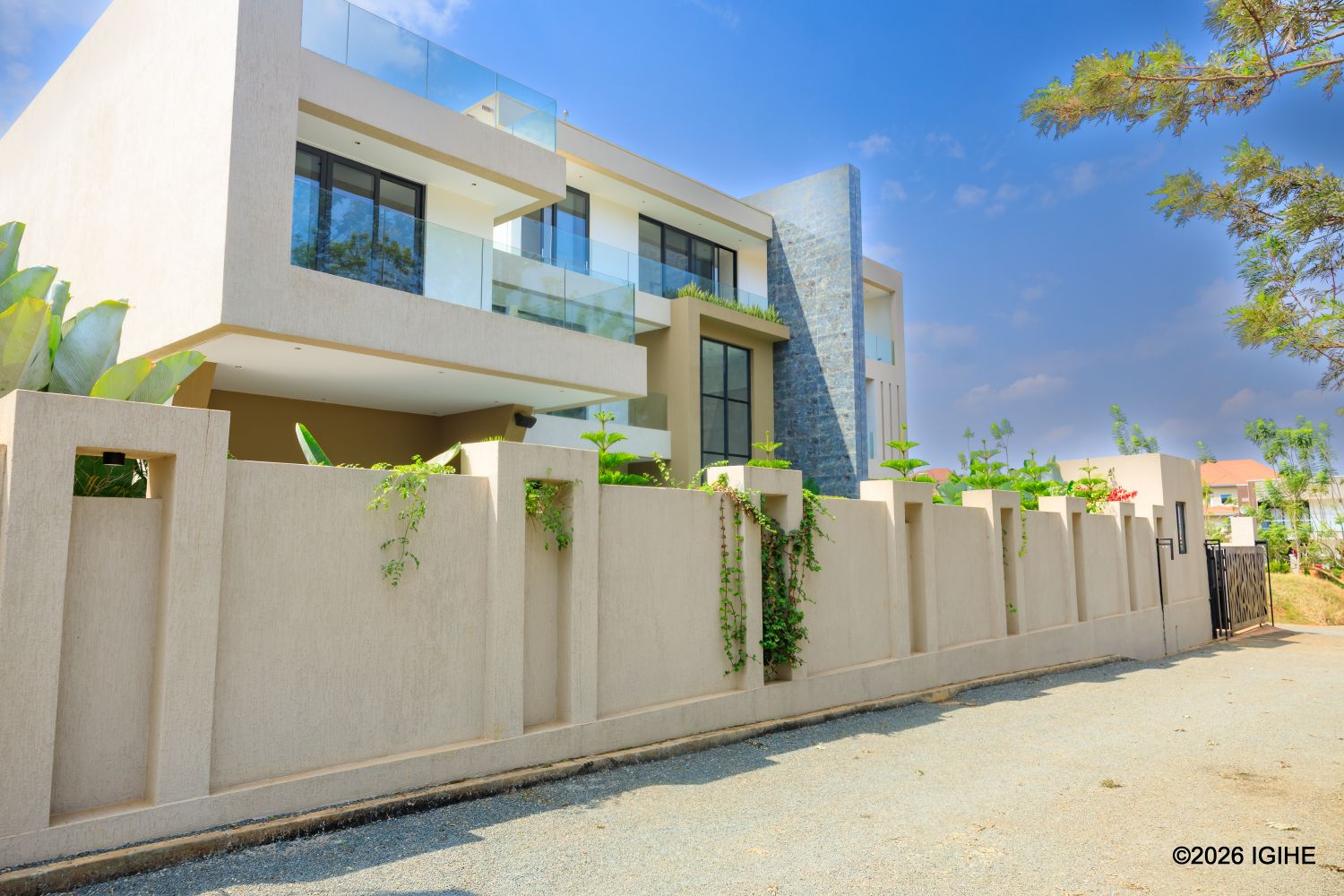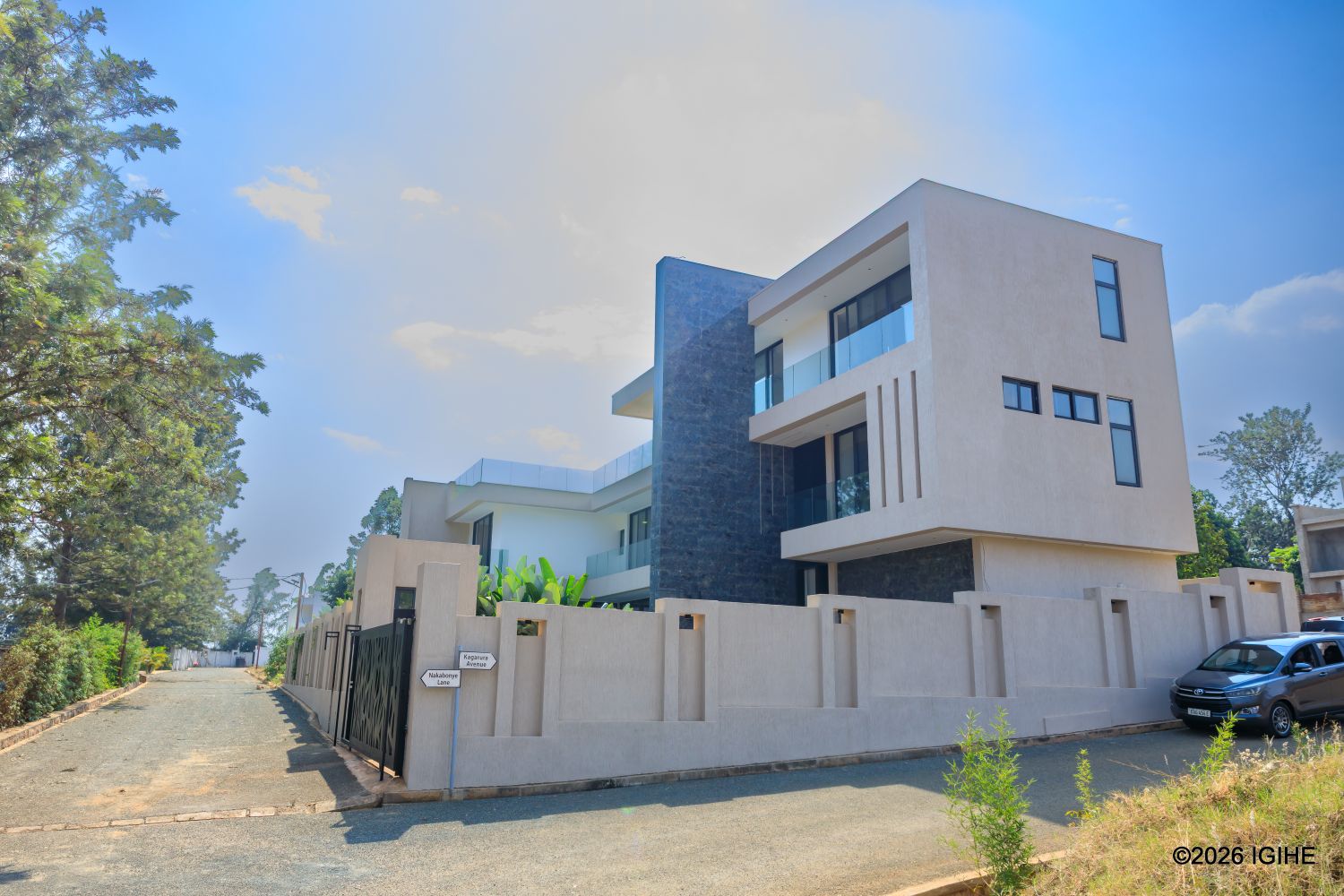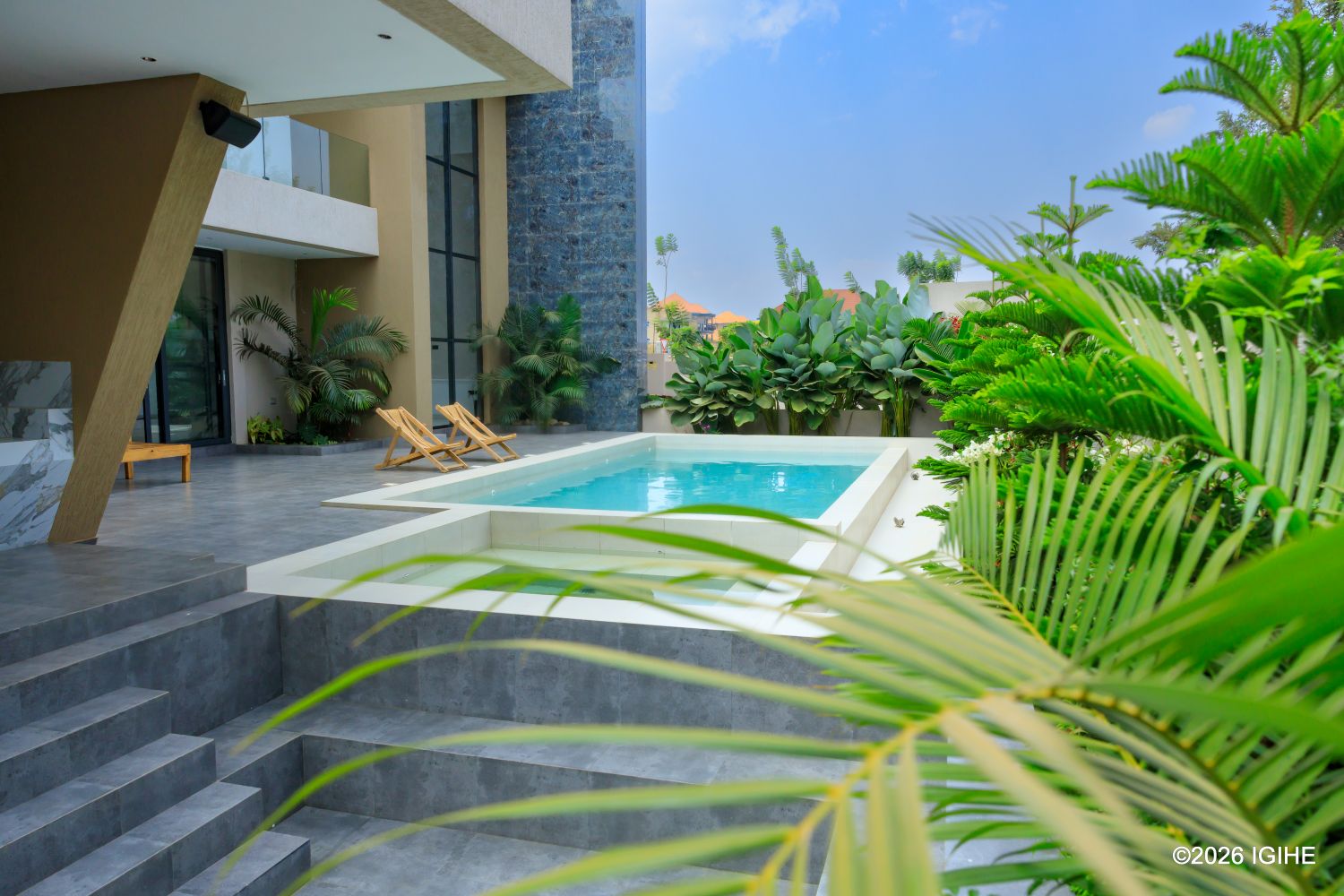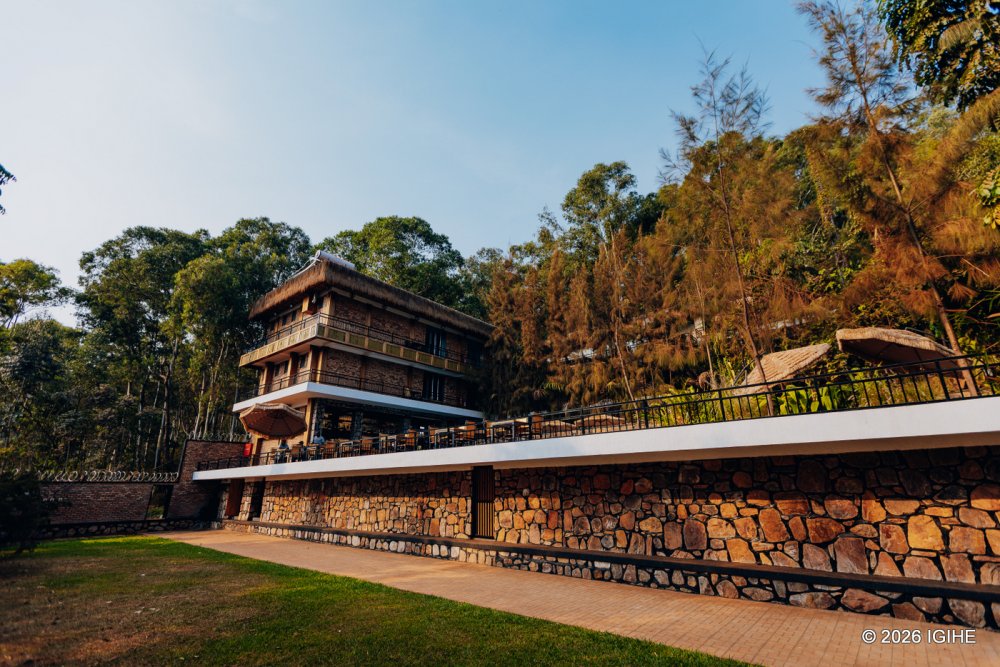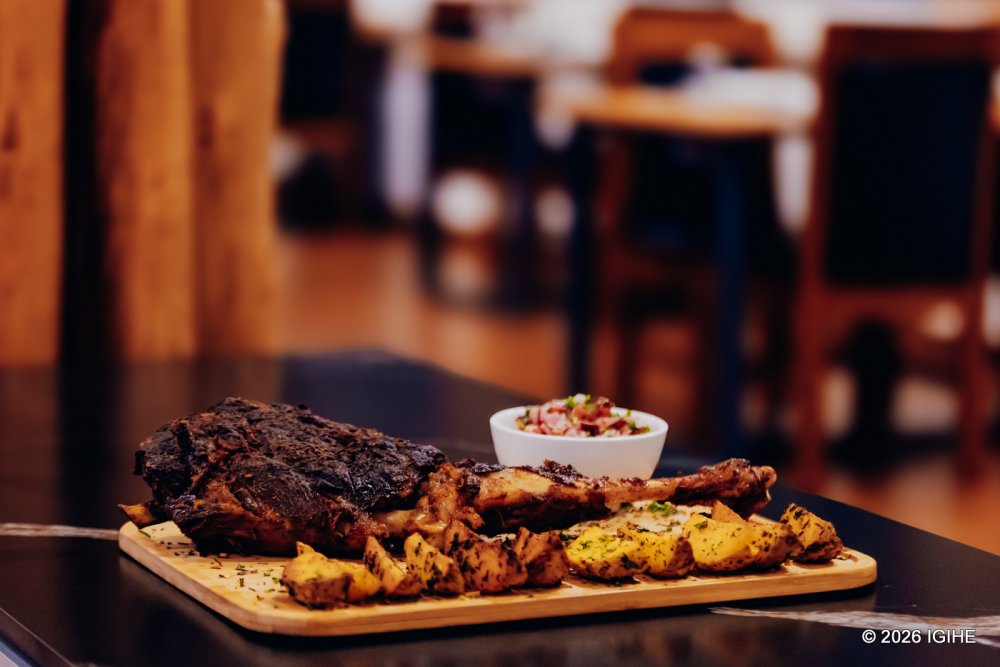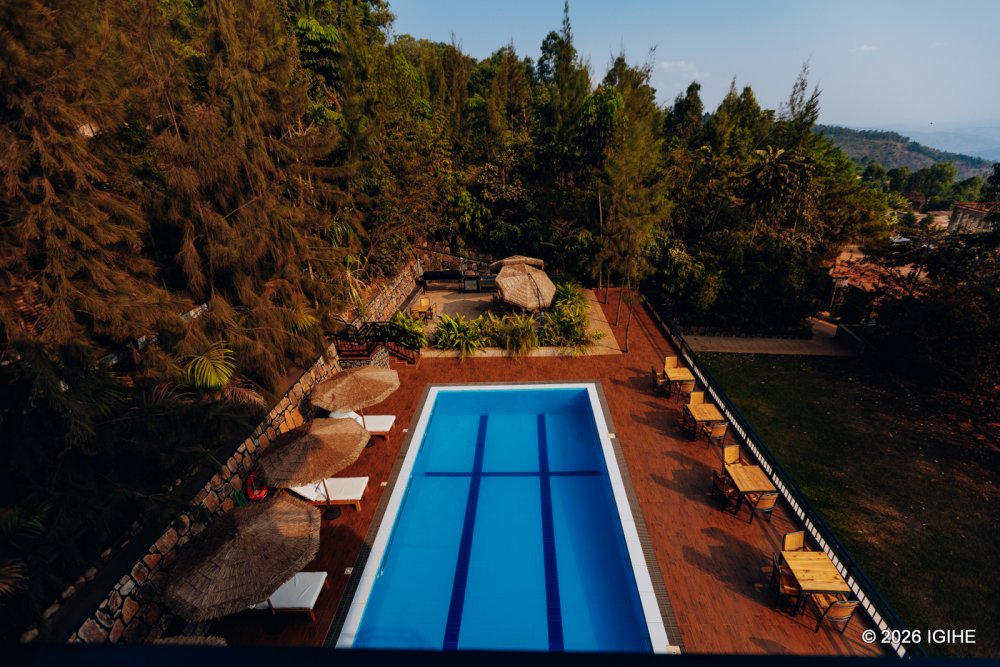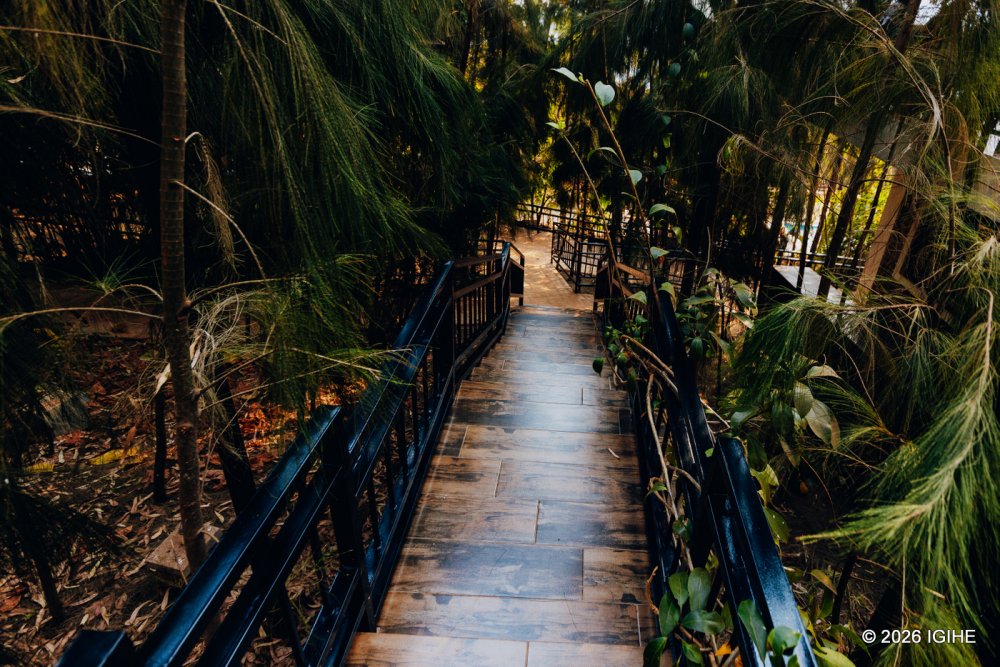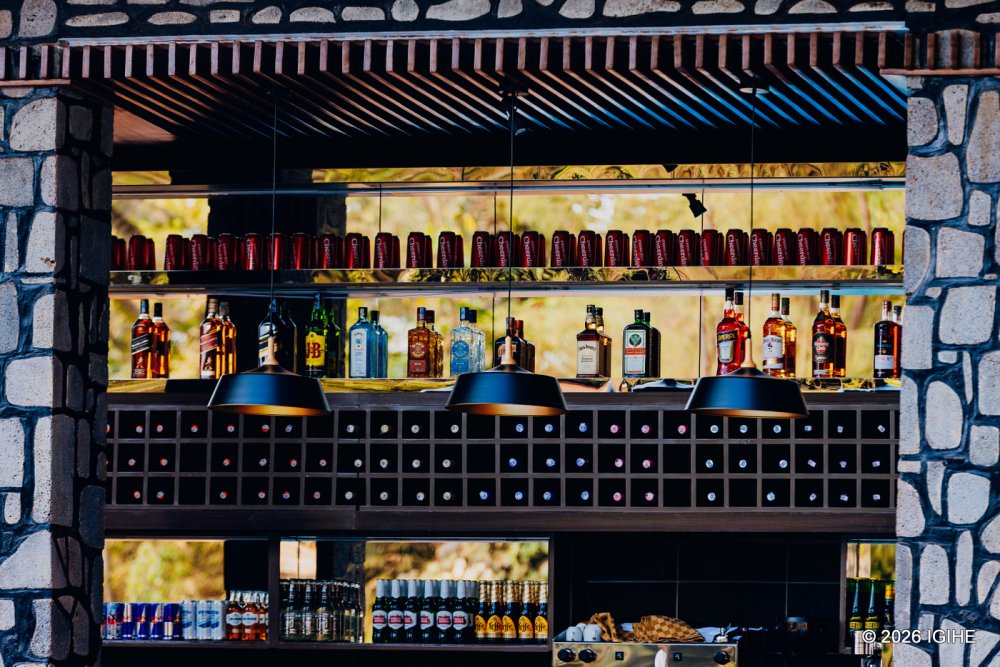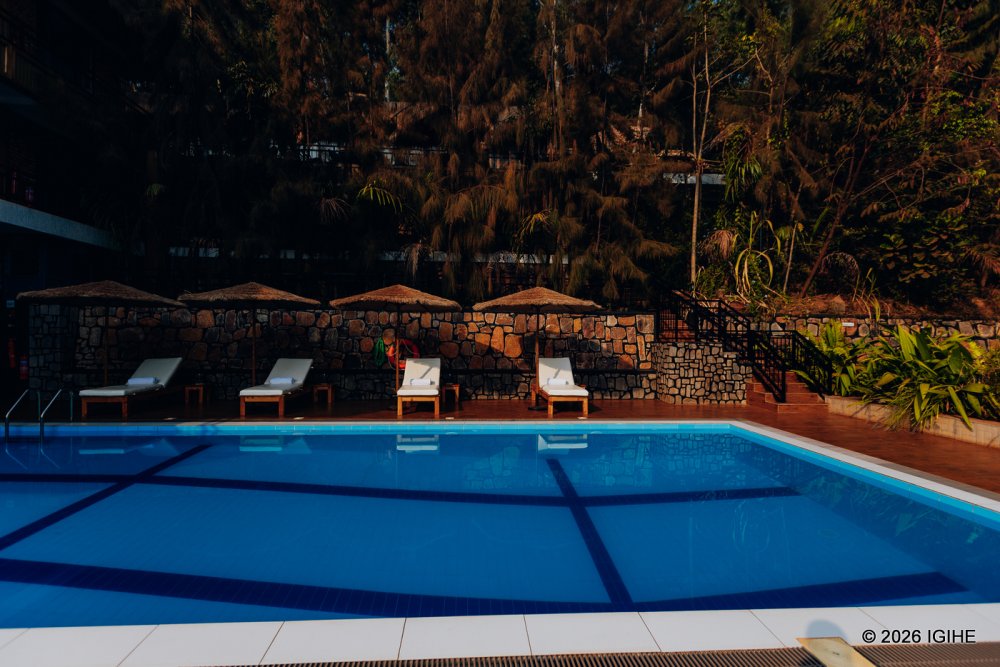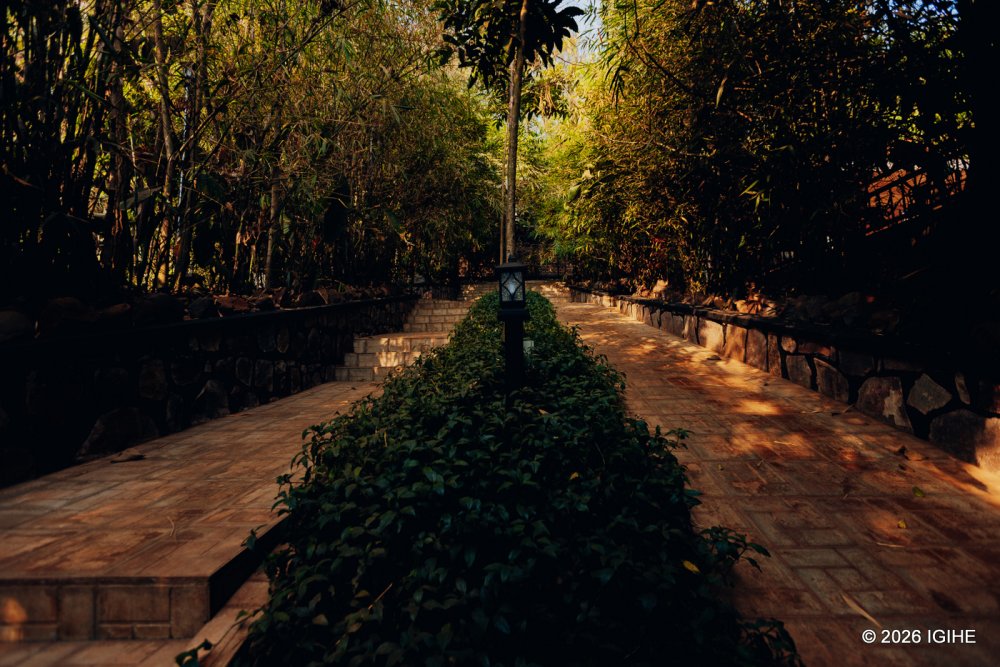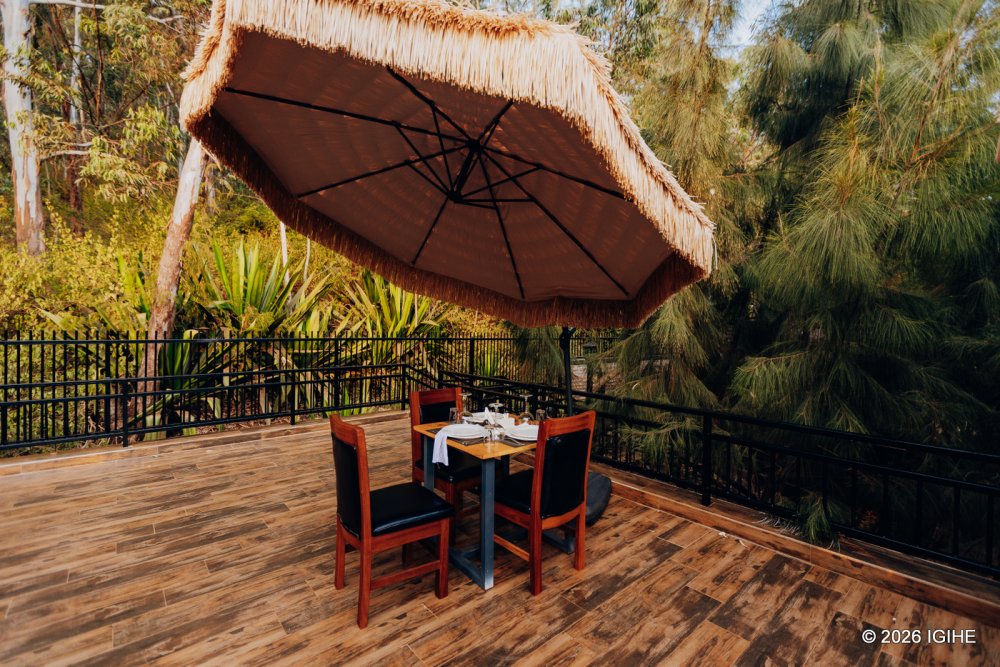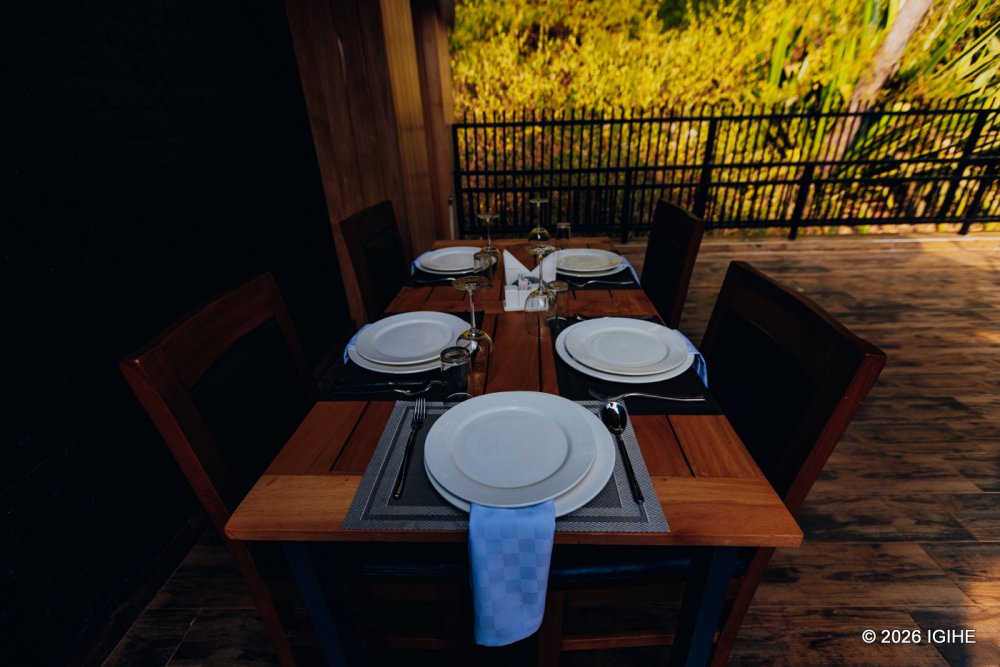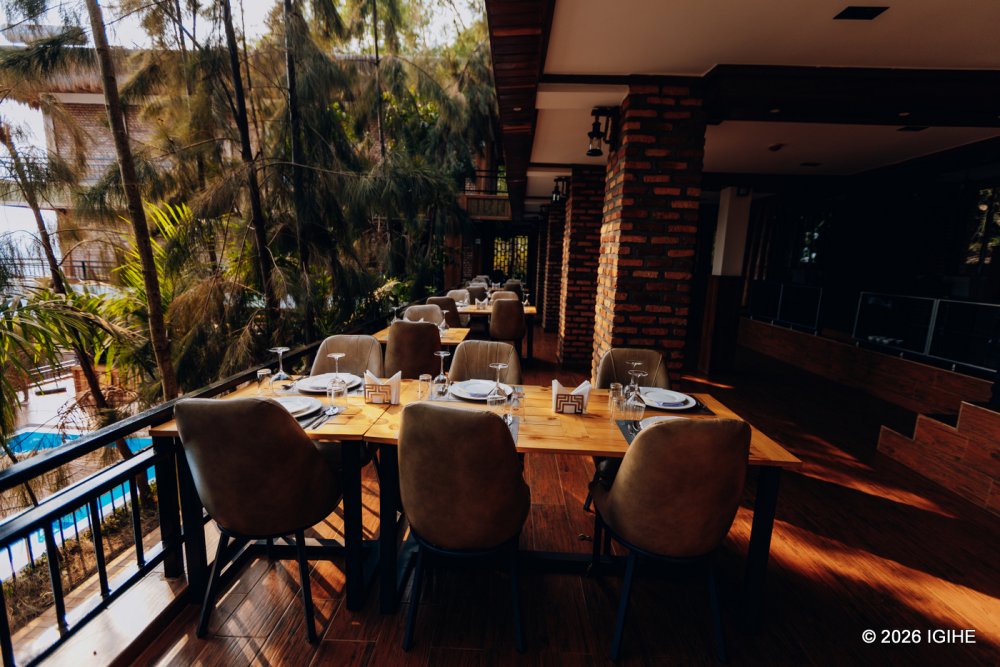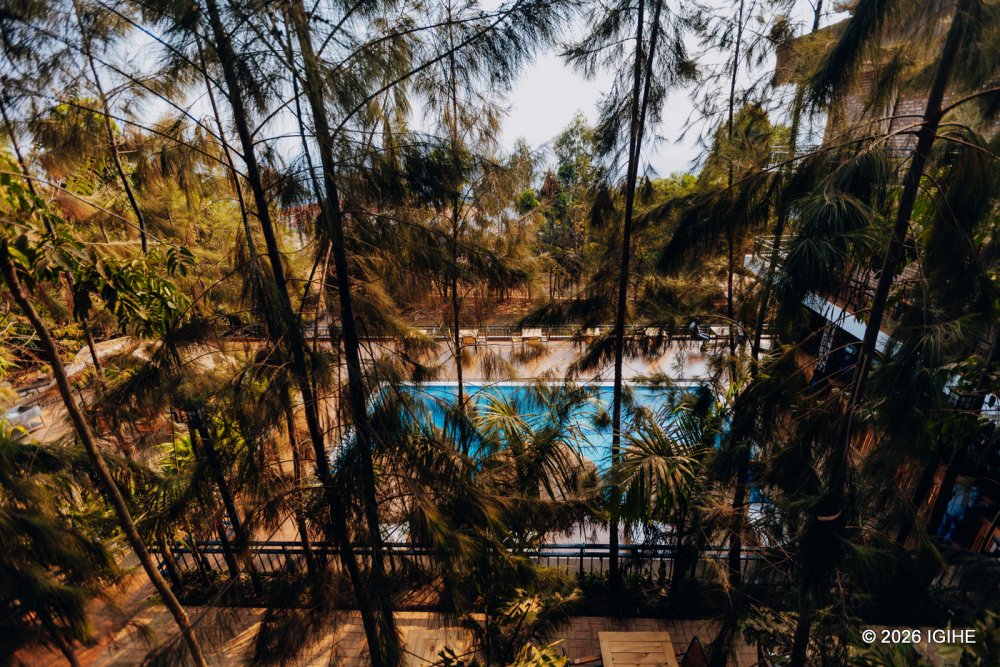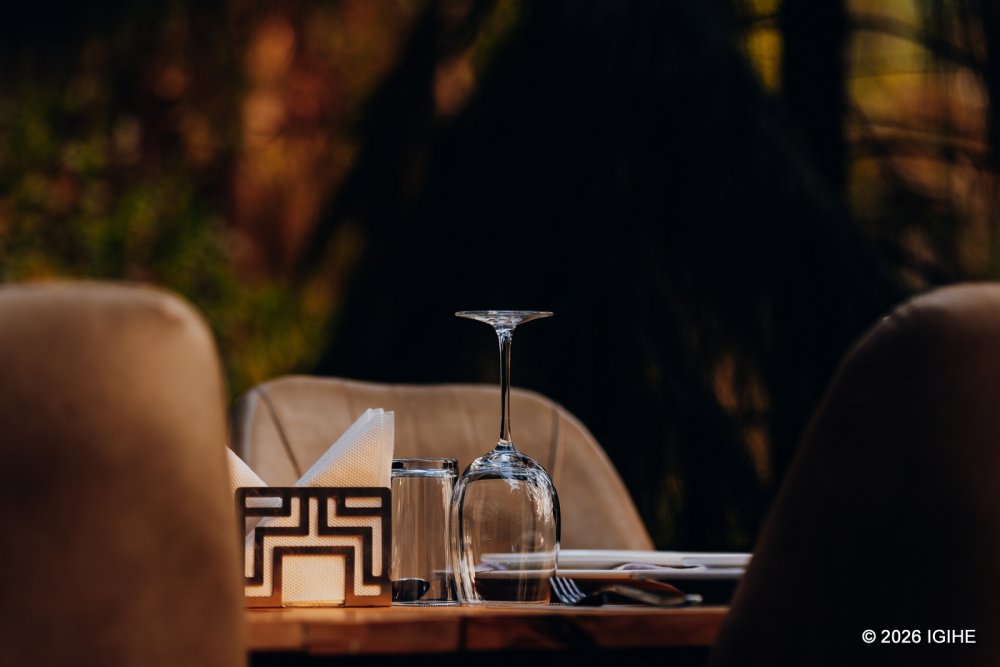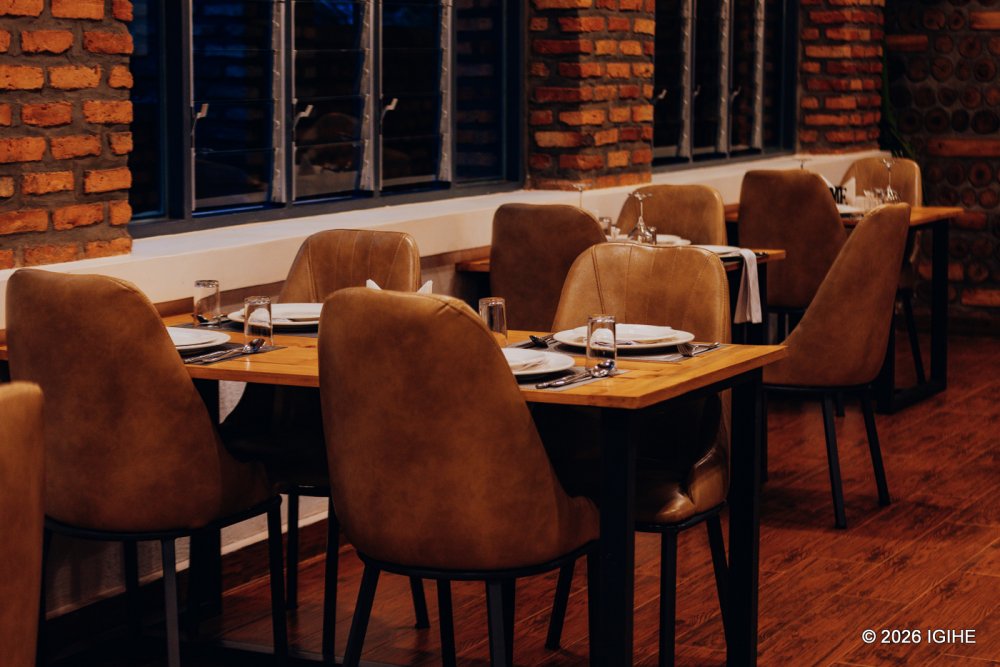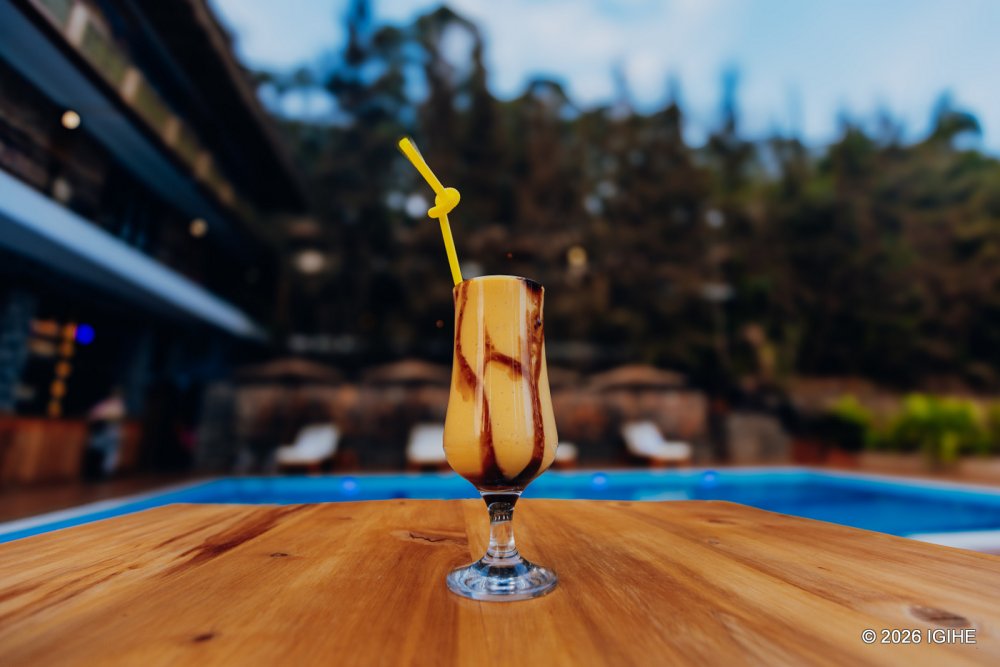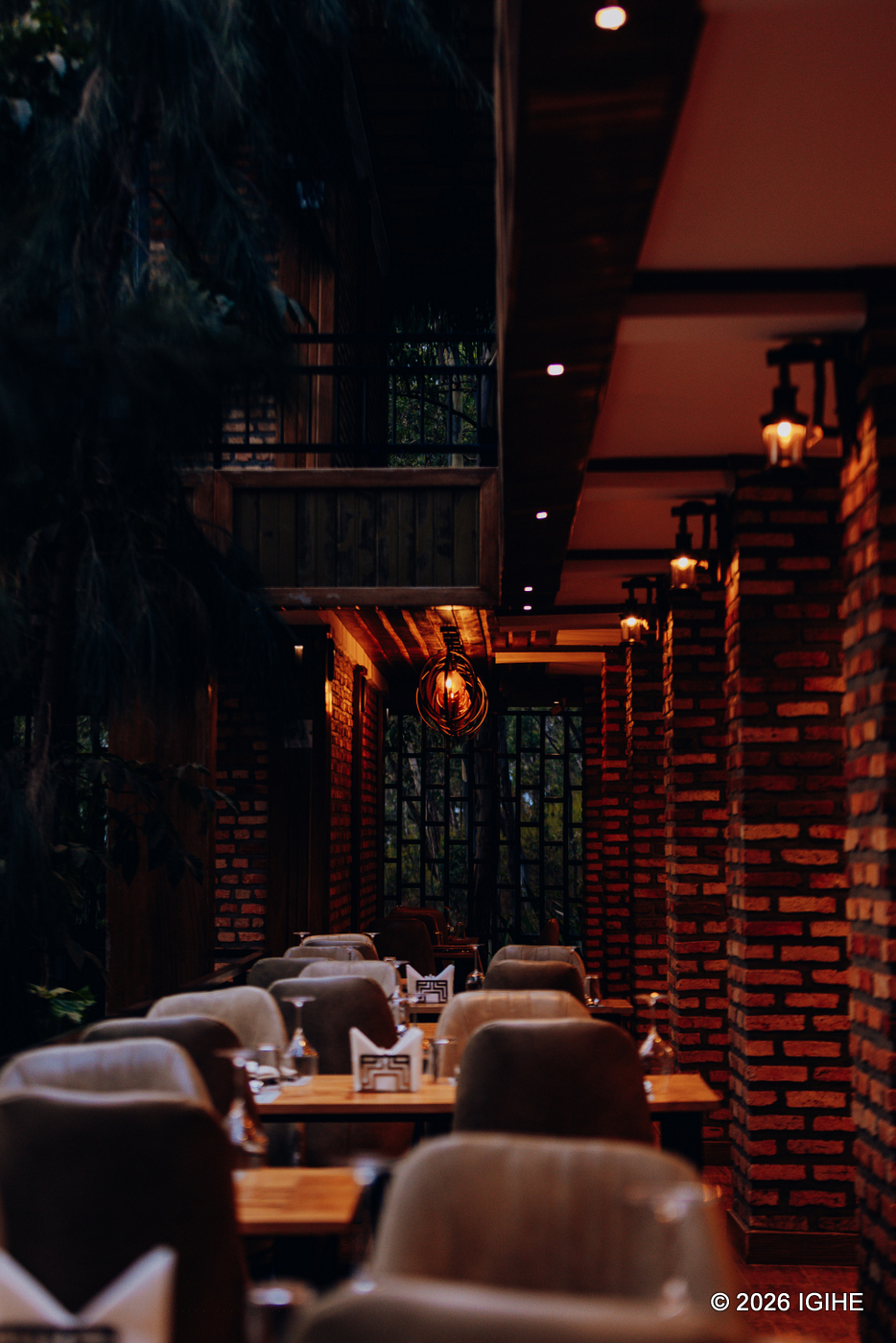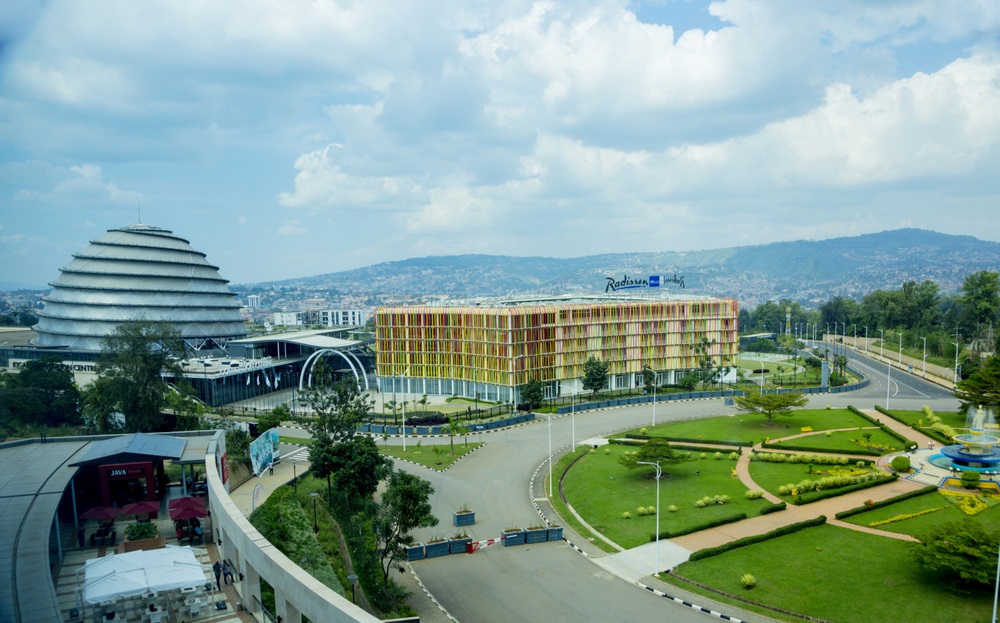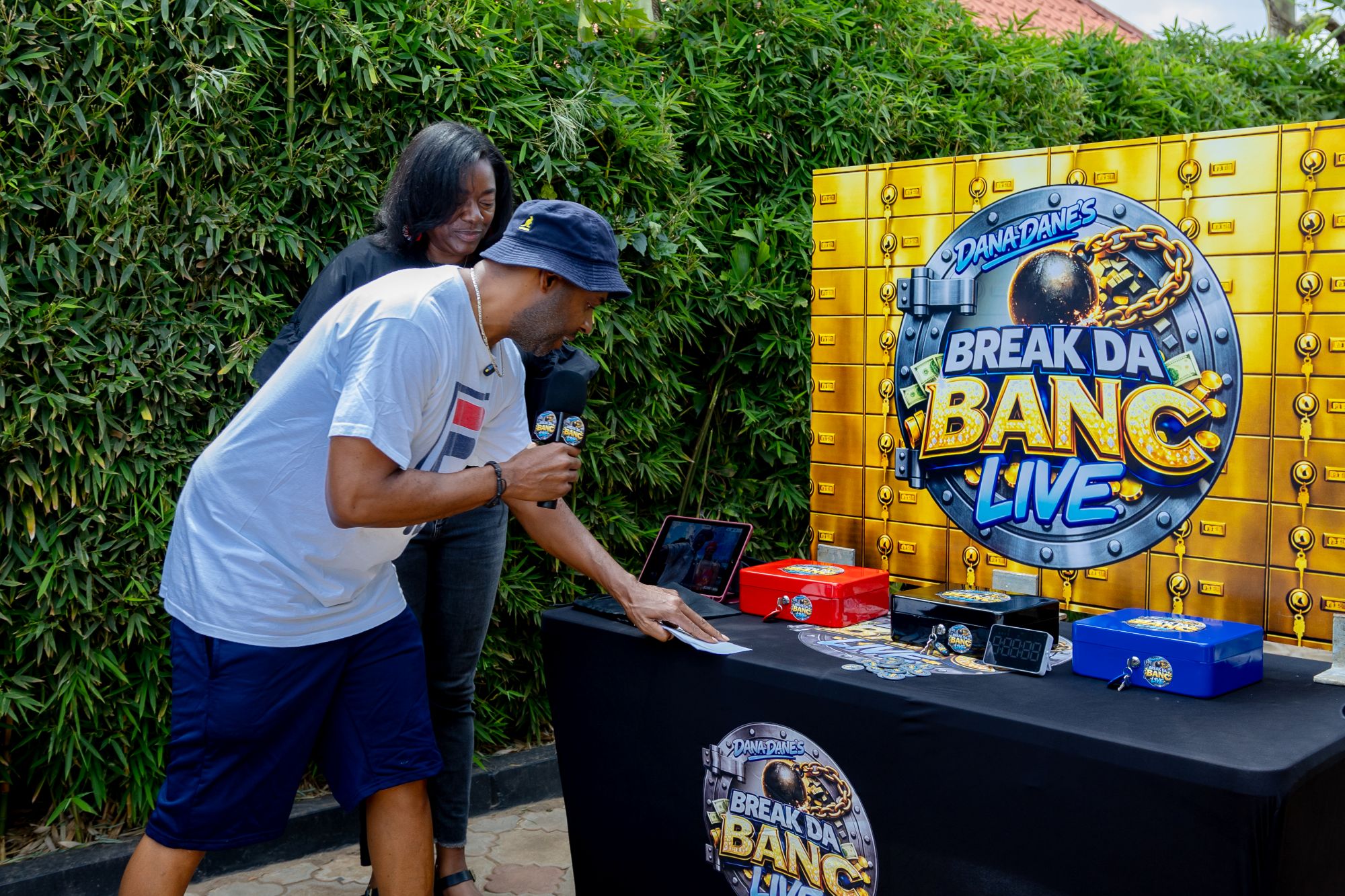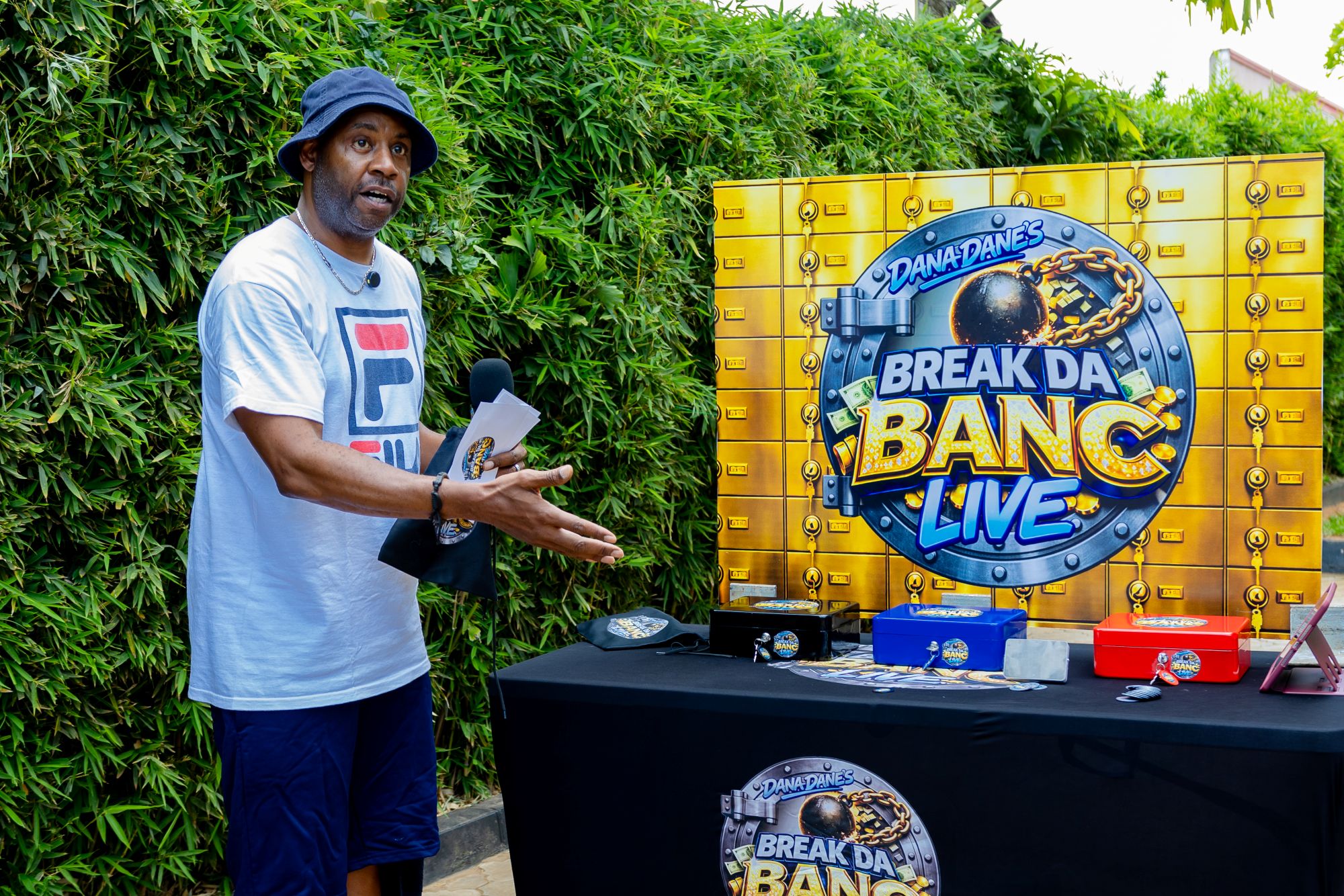
This is where game days spill into something bigger.
There’s a rhythm to BAL days here. Midday slows things down just enough, a swim, a drink by the pool, a moment to reset before the next wave of energy hits. Some head to the gym or rooftop track, others just drift between sun, water, and conversation.
Then the shift begins.
The Sports Bar picks up the pace. Screens everywhere, games on, people moving in and out like it’s all connected to the arena itself. Happy hour stretches into pregame plans, tables fill fast, and suddenly the night has a direction.
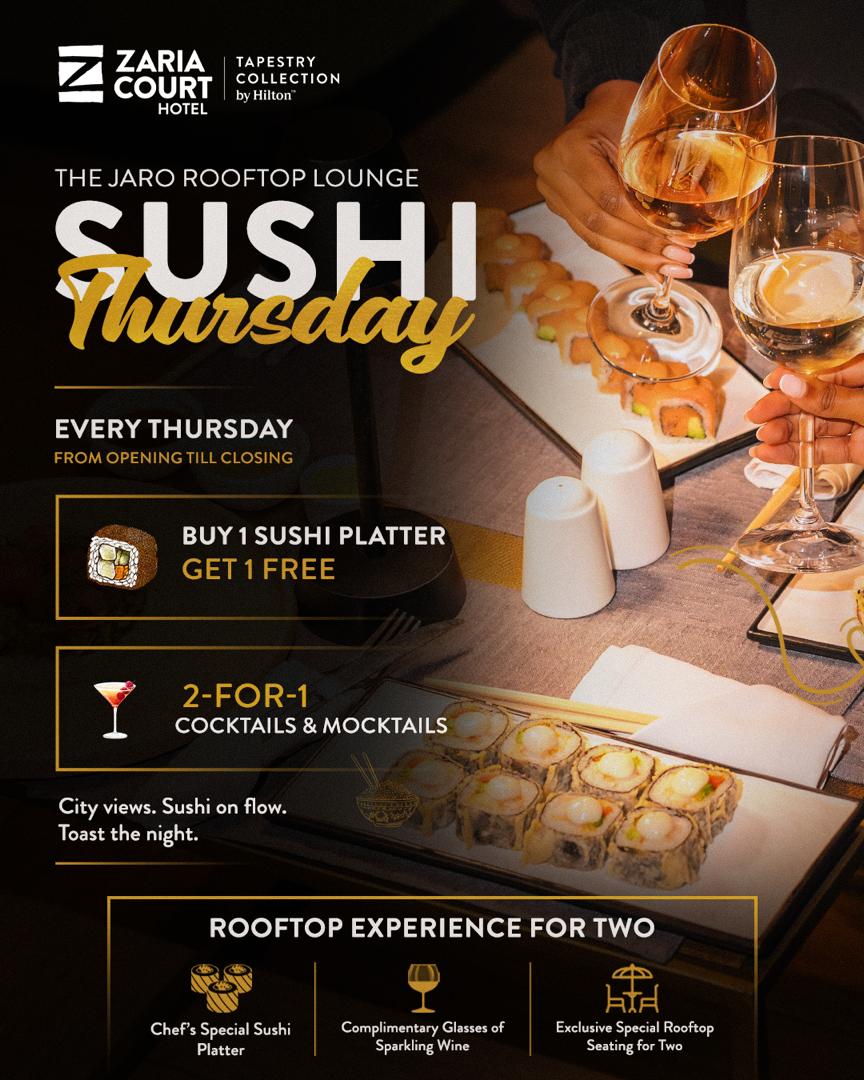
Tuesdays and Thursdays bring their own personality, tequila, wings, tacos, music, noise, the kind of midweek chaos that somehow works perfectly during tournament season.
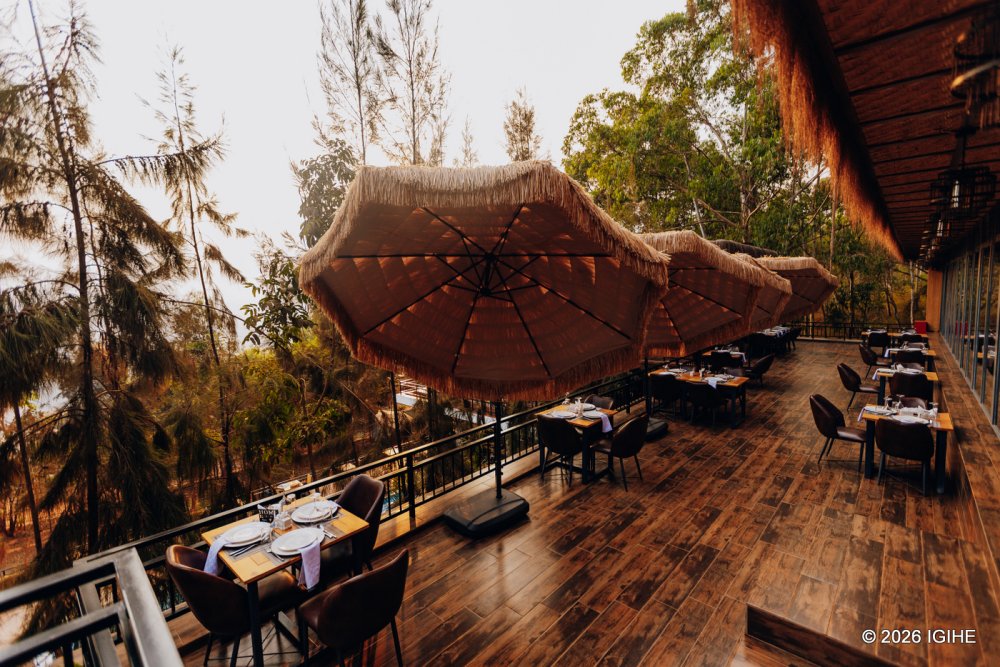
As the sun drops, things naturally flow up to The Jaro Rooftop Lounge. Great views, good music, and easygoing energy set the tone as drinks are shared and conversations stretch out longer than expected. It’s that perfect unwind moment before or after the game, depending on how the night unfolds.
And then after the games, it all circles back.
Weekends stretch into BBQ nights, music takes over different corners of the property, and conversations about the game last long after it ends. Nothing feels rushed. Nothing feels like it’s trying too hard.
BAL season in Kigali isn’t just what happens inside BK Arena. It’s everything around it, the inbetweens, the build-ups, the after-hours.
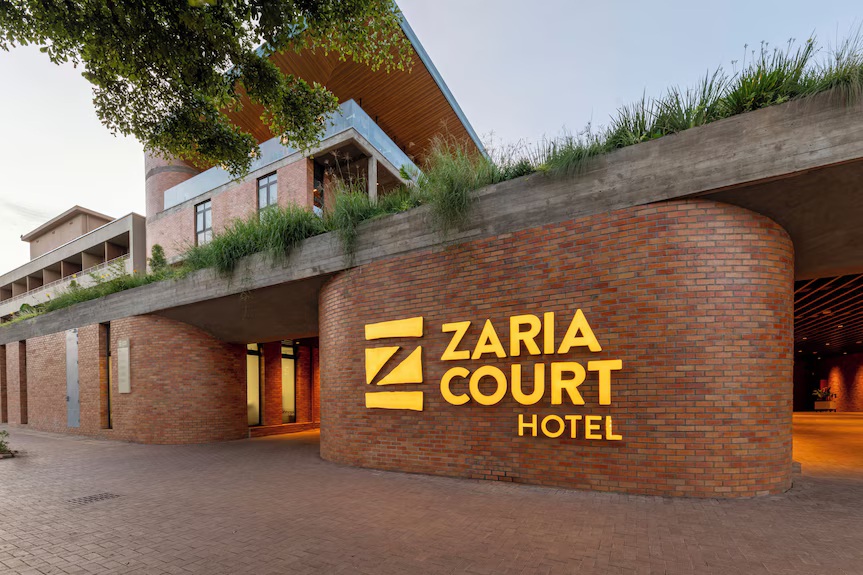
And somehow, Zaria Court sits right in the middle of all of it.
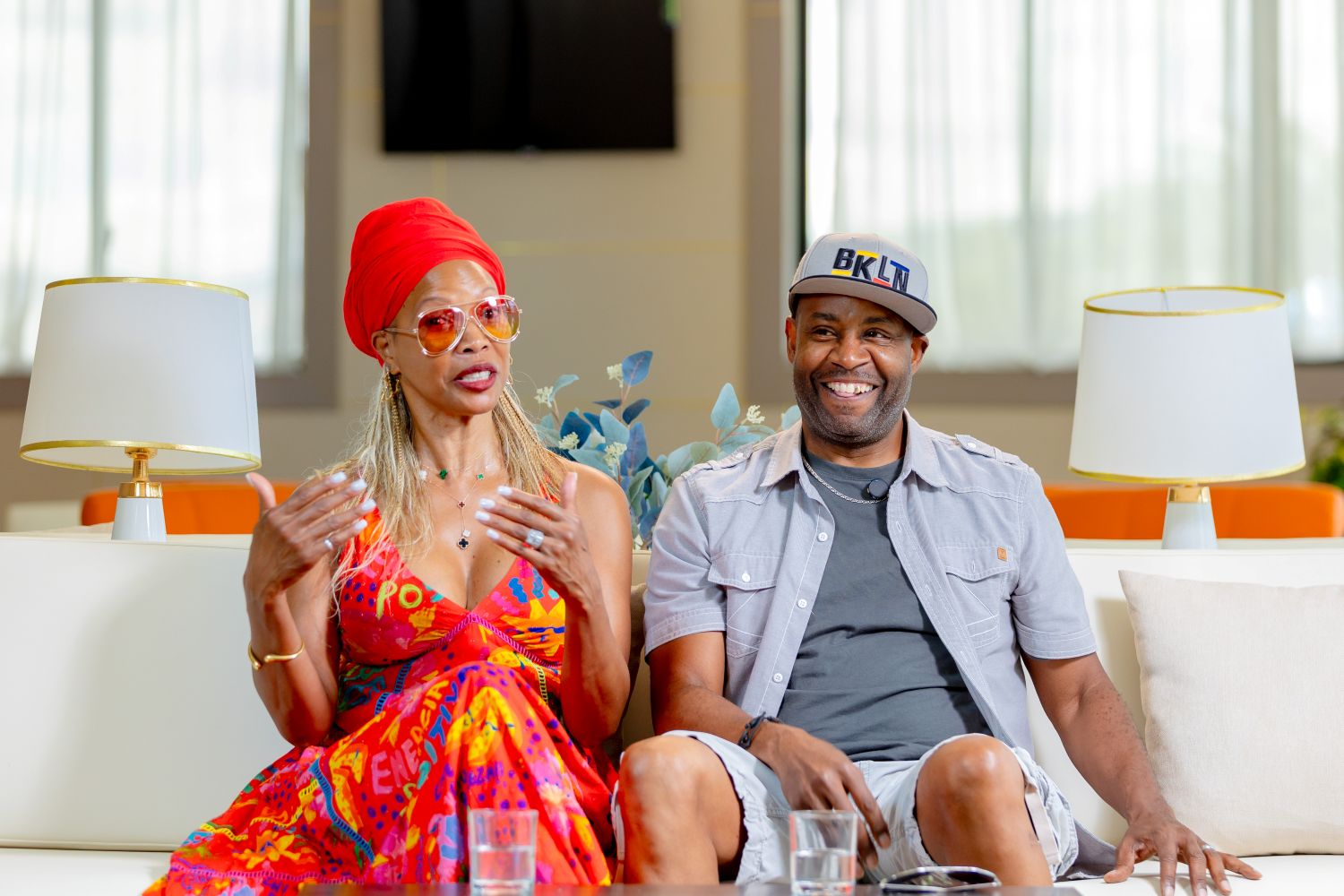
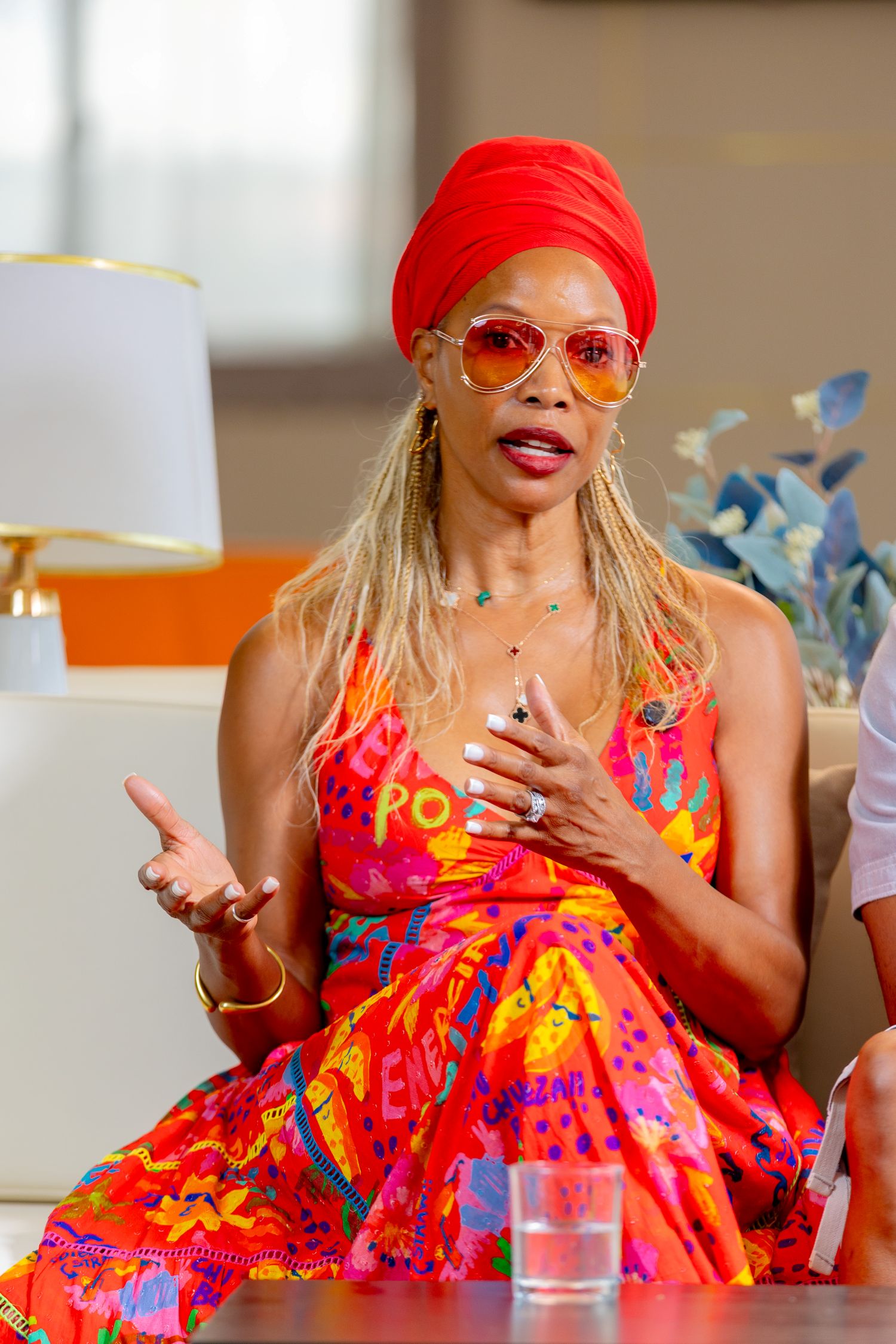
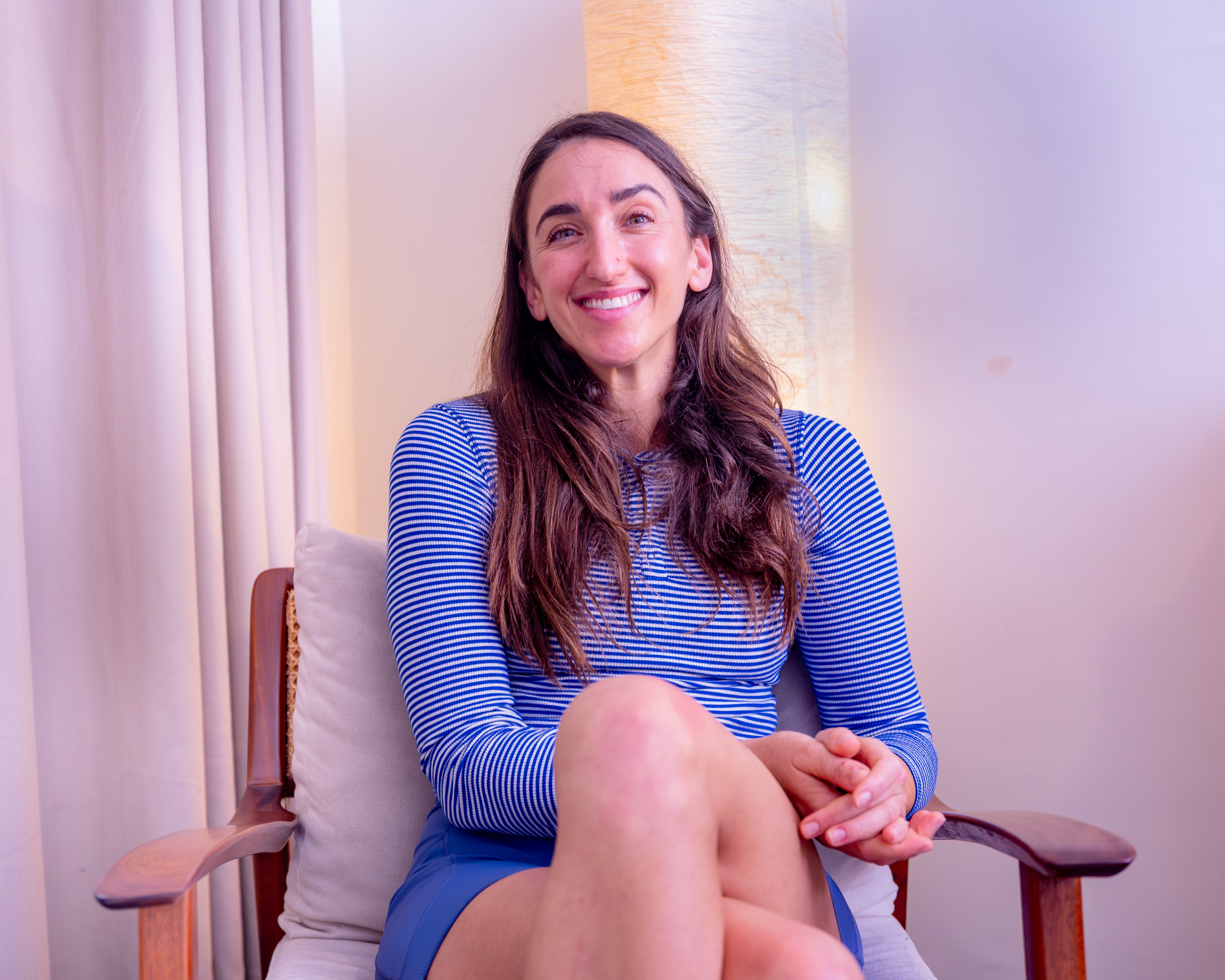
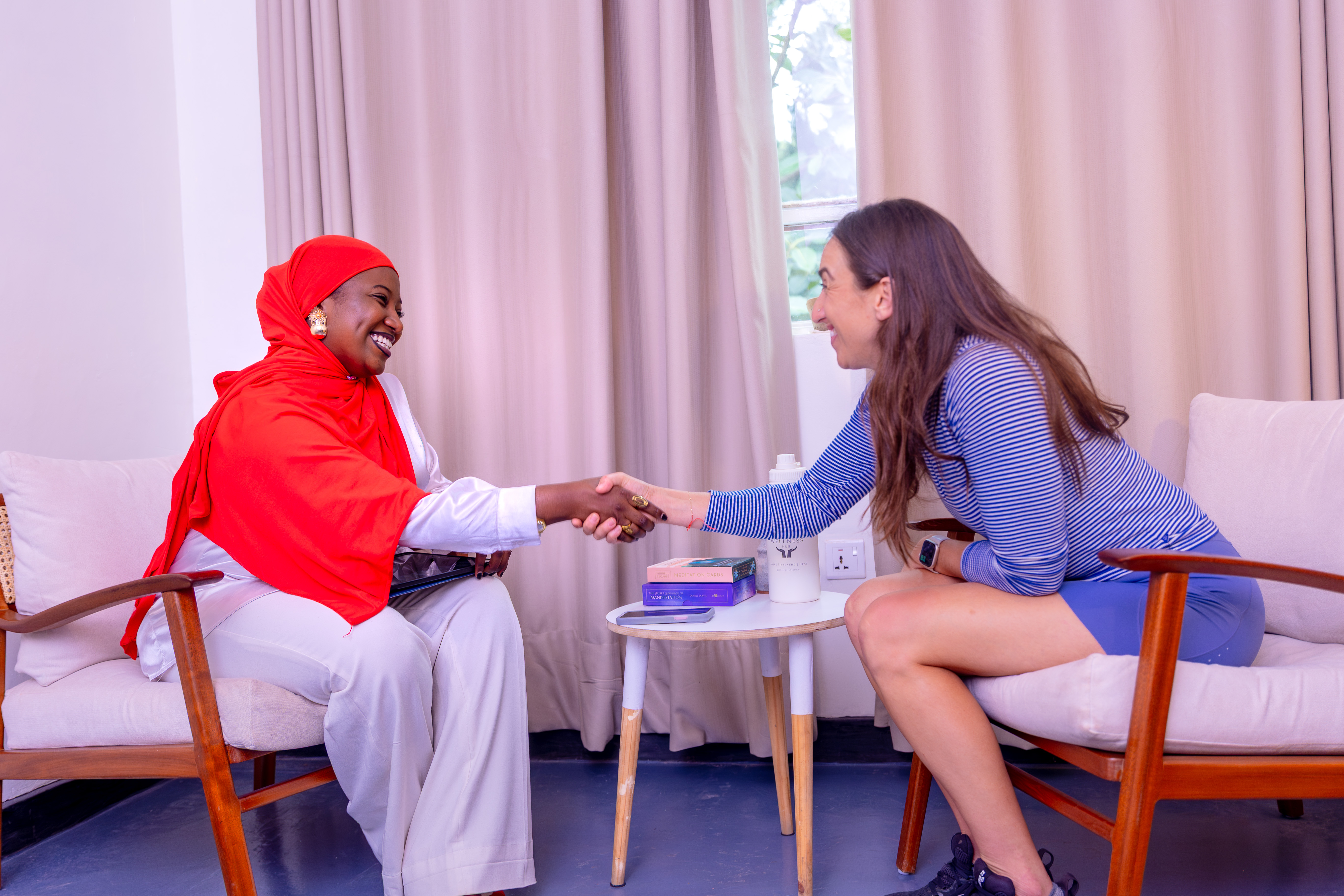
In an exclusive interview with IGIHE, she reflects on her journey from Australia to Rwanda, her evolving relationship with wellness, and her experience building a purpose-driven business rooted in community care.
Cynthia moved to Rwanda in 2022 with her husband, a heart surgeon, and their three children. Having previously lived in Israel and Ethiopia, she arrived in Kigali with little prior knowledge of the country, but quickly found inspiration in its vision, culture, and openness to new ideas.
“I didn’t know much about Rwanda initially, but as I started researching, I became inspired by the country’s vision, community, and culture,” she said.
This excitement fueled her transition into building the Kigali Wellness Hub, a space that blends wellness with a deep sense of community.
Drawing from her background in business and leadership, particularly her experience in fashion and marketing, Cynthia utilized her expertise to establish Kigali Wellness Hub.
“The vision for Kigali Wellness Hub came from recognizing a need in Kigali, a space where people could reconnect with themselves physically, mentally, and emotionally,” she explained.
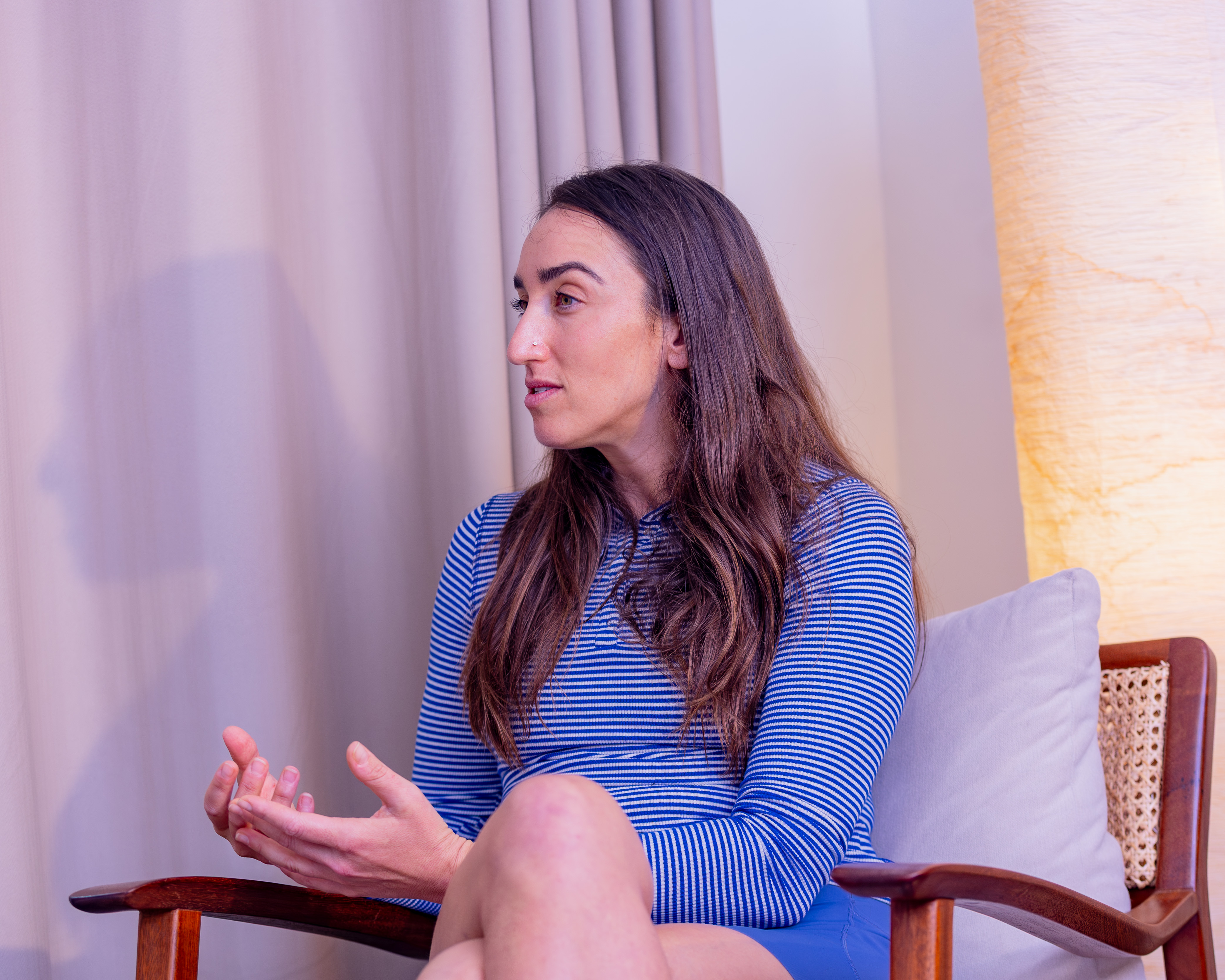
Cynthia Fayman says Rwanda’s investment-friendly environment helped turn a vision into a thriving wellness hub in Kigali.
Rwanda, with its rapid growth and reputation for ease of doing business, stood out as the ideal place for Cynthia to establish her venture.
She noted that the country’s welcoming environment for foreign investment, along with its openness to new ideas and innovation, made the process of starting Kigali Wellness Hub both smooth and efficient.
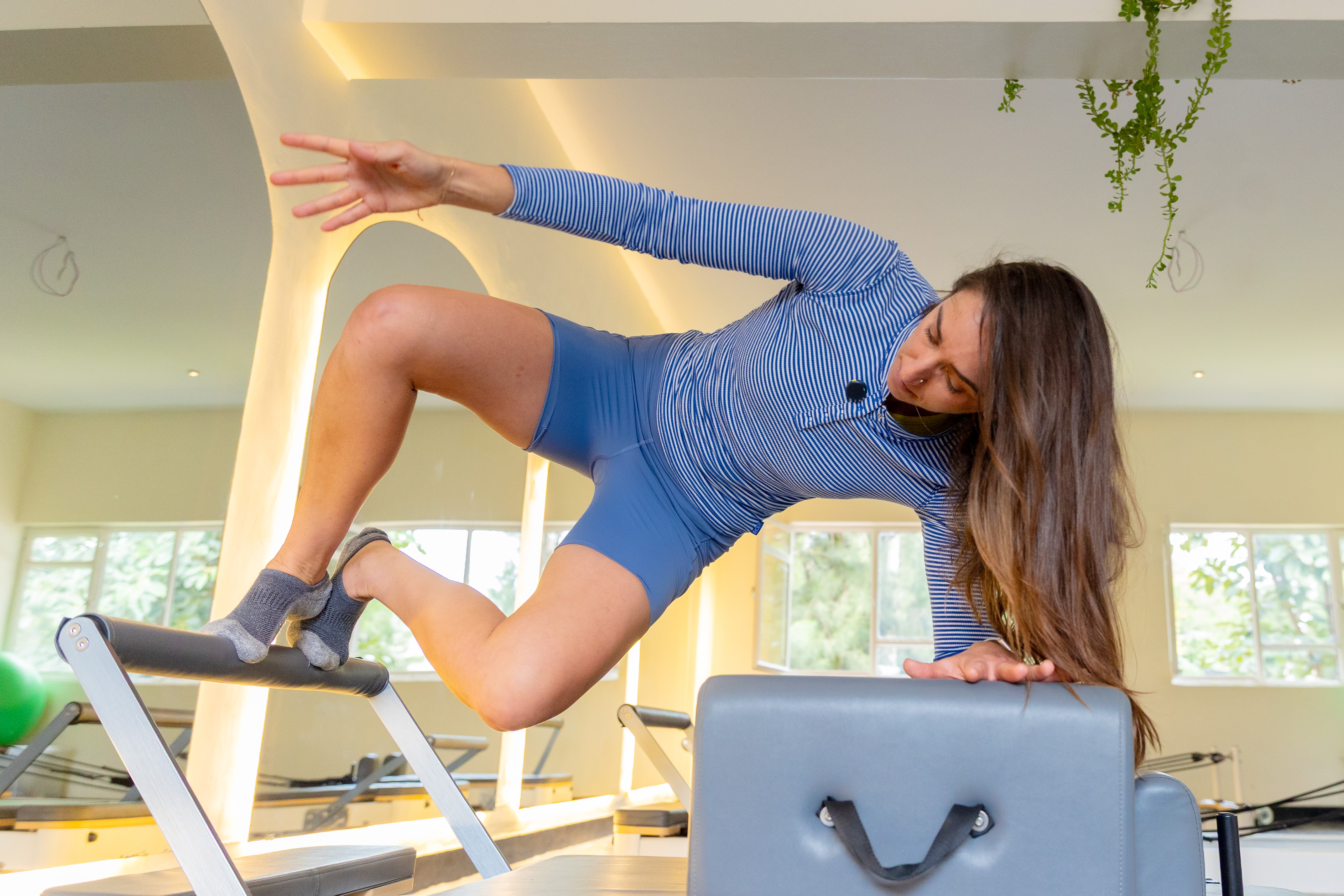
Kigali Wellness Hub is unlike typical gyms or fitness centres.
“What sets us apart is our intention behind every class and practice. Authenticity is key,” Cynthia shared.
In a sector often driven by trends, Cynthia emphasized the importance of staying true to the mission of supporting the local community’s well-being.
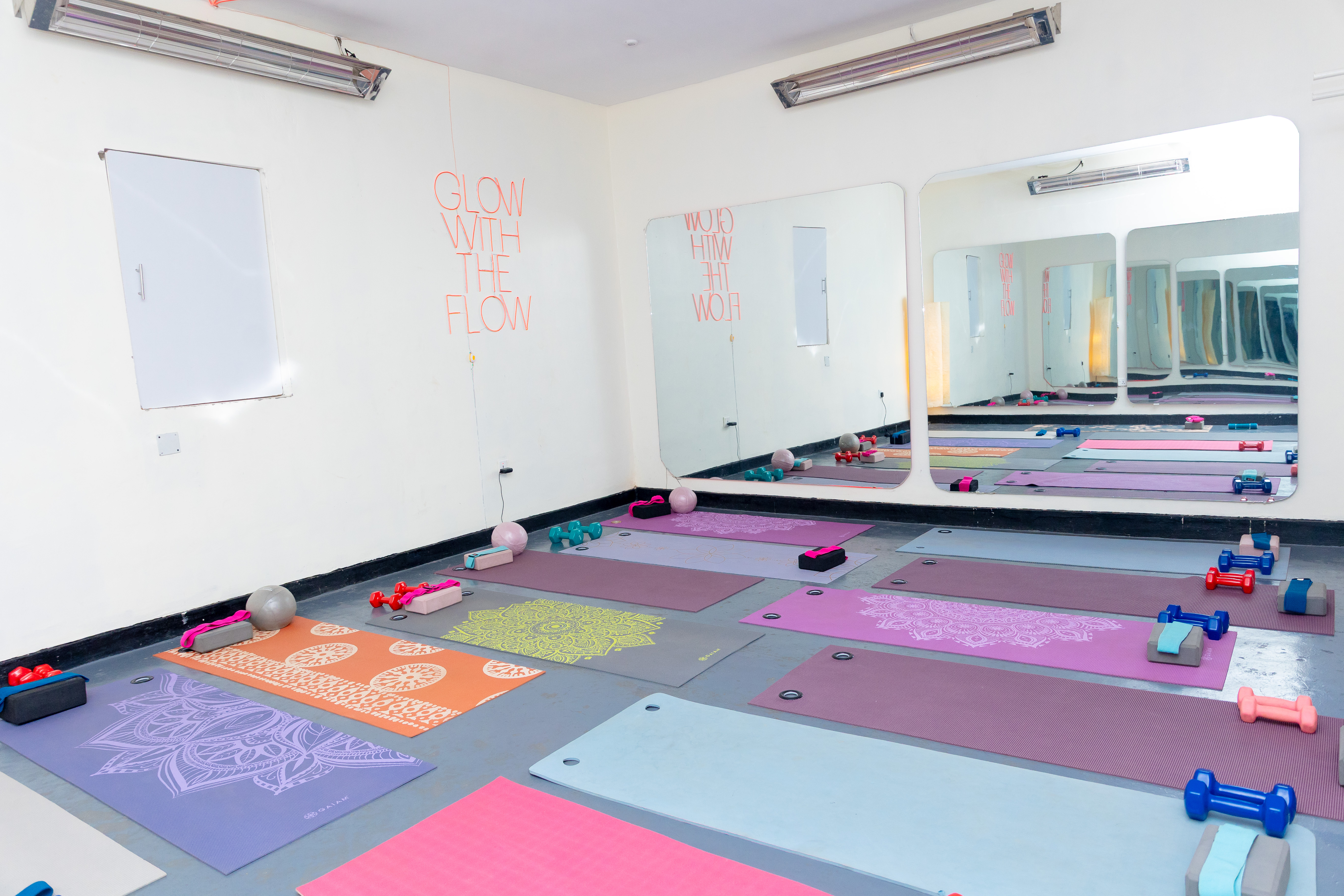
Kigali Wellness Hub offers more than just fitness; it’s a place to reconnect and recharge.
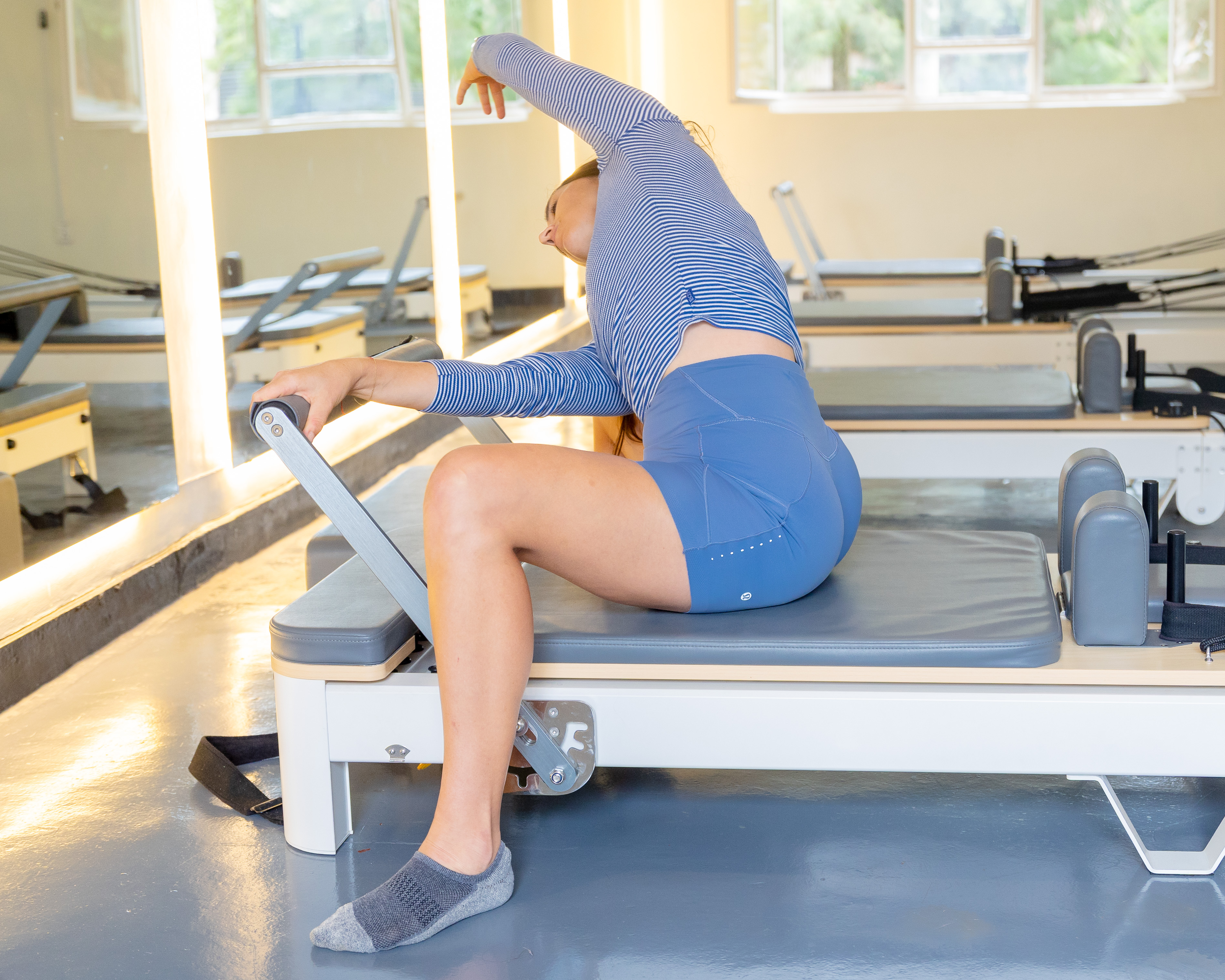
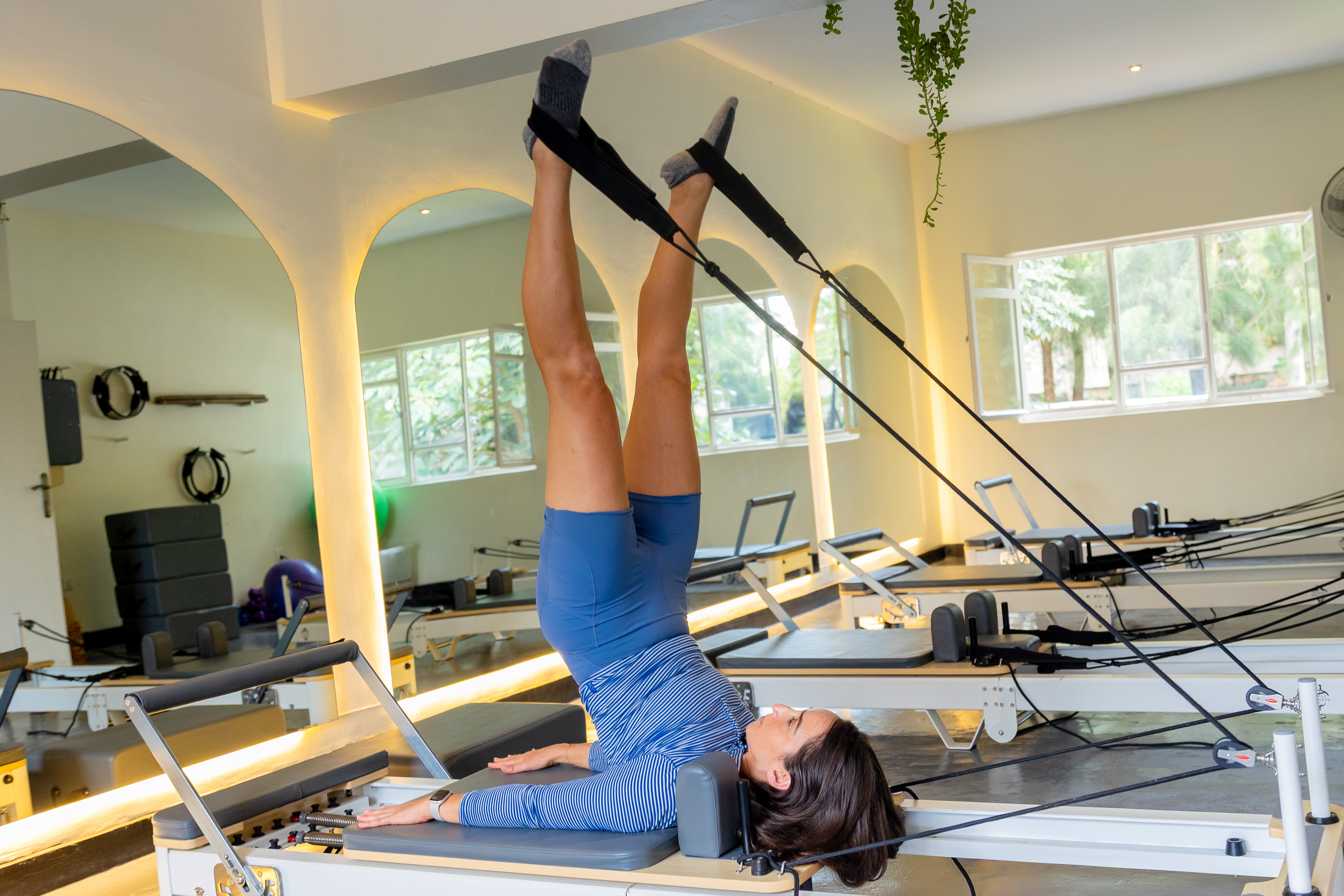
The wellness hub offers reformer Pilates, aerial yoga, Tai Chi, kids’ classes, and sound healing, focusing on genuine service rather than chasing fleeting trends.
The wellness center also supports local causes, such as running monthly movement sessions for the Rwandan Down Syndrome Organization, where children, youth, and families can experience the joy of movement together.
Like many entrepreneurs, Cynthia faced challenges, especially navigating cultural sensitivities in a new country.
“As someone who isn’t Rwandan, I’m always learning, asking for feedback, and evolving with deep respect for the culture,” she explained.
One of the major hurdles was creating a space that offered a sense of reconnection in a fast-paced city like Kigali, where people often find it difficult to slow down.
Despite the obstacles, Cynthia’s commitment to authenticity and community has allowed Kigali Wellness Hub to thrive, and the feedback from clients has been overwhelmingly positive.
“When people leave here feeling more confident and in control of their body and mind, that strength ripples into their work, relationships, and daily life,” she shared.
Kigali Wellness Hub is a space designed for holistic well-being where physical, mental, and emotional health come together.
Cynthia shared that the wellness hub sees an average revenue of 8.5 million Rwandan francs in slower months, with busy months reaching up to 13 million. A large portion of this revenue goes toward supporting the hub’s instructors.
Additionally, part of the business’s mission is to support local causes, and Cynthia is proud to contribute to these initiatives.
For those looking to enter the wellness industry or any other sector, Cynthia’s advice is clear: “Be authentic and have clear intention.”
She emphasized the importance of staying grounded and patient as growth takes time.
“Find something that inspires and connects with the community, stay consistent with your intention, and the business will expand naturally.”
As the interview wrapped up, Cynthia expressed her gratitude for the Rwandan government’s initiatives, particularly those that promote wellness, like eco-parks and car-free days.
“Thank you for creating spaces that minimize stress. You’re doing a great job, and we’re here to support,” she said.
Watch the full conversation in the video below.
In a sector often driven by trends, Cynthia emphasized the importance of staying true to the mission of supporting the local community’s well-being. A space for mind and body wellness in Kigali.The founder’s mission is to support individuals to live their best lives through authentic wellness practices.The hub is a place to reconnect and recharge.In an exclusive interview with IGIHE, Cynthia shares her journey from Australia to Rwanda and her passion for building a community-focused wellness hub.
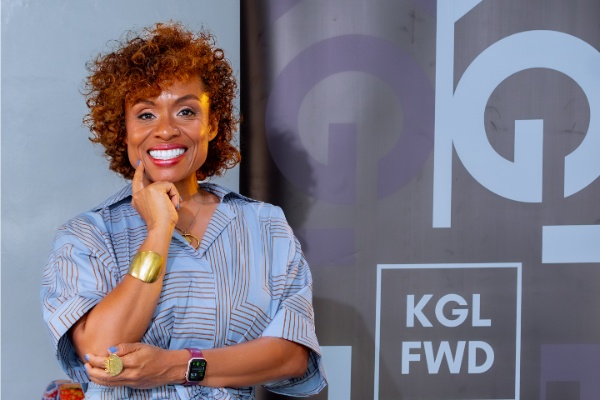
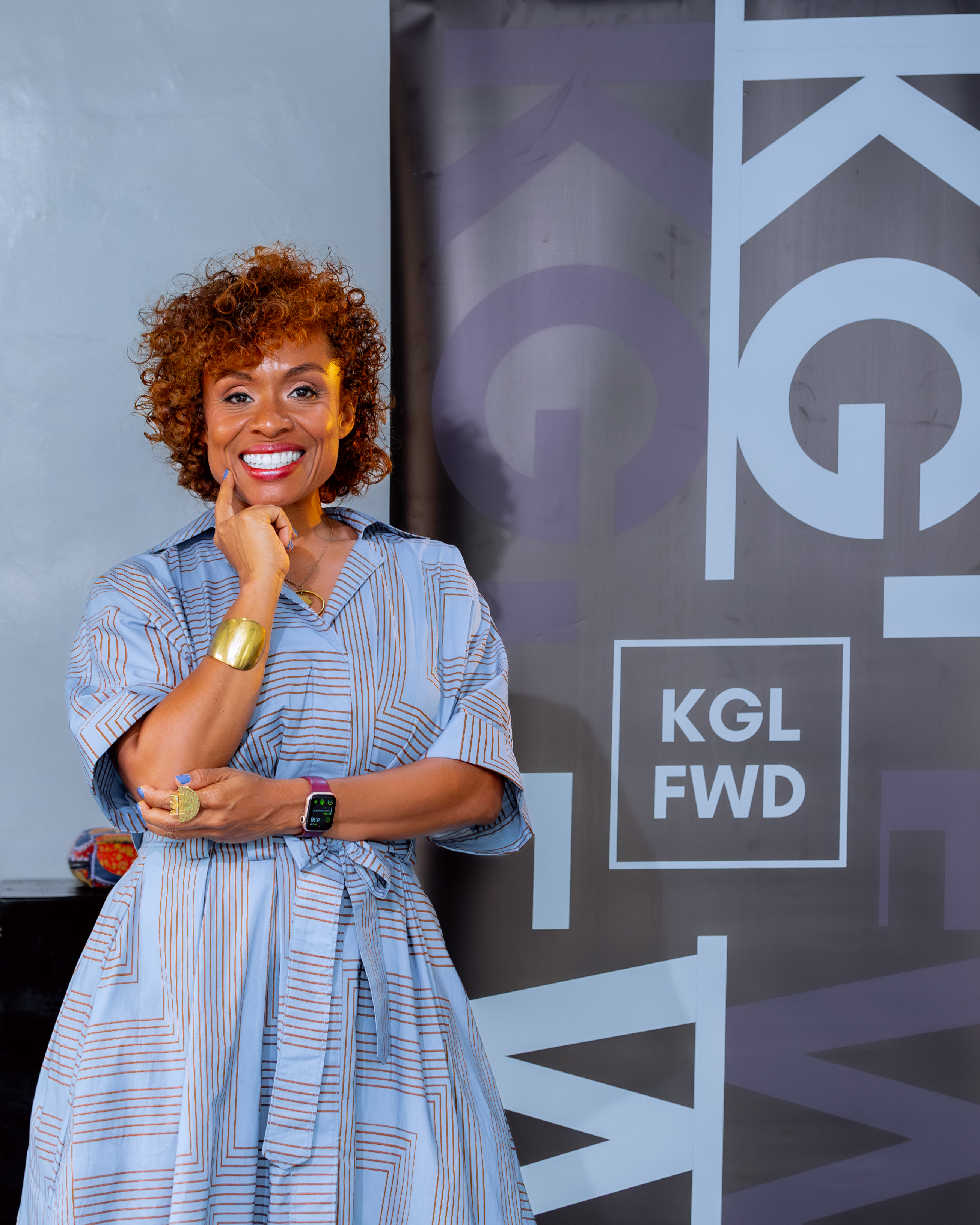
Today, Autumn is the founder and CEO of KGL FWD, a Kigali-based communications firm that leverages public relations, events, cultural experiences, and capacity building to elevate Rwanda’s story and strengthen connections across the global diaspora.
“We use the power of PR, experiences, events, and capacity building to amplify a more expansive narrative of Rwanda and thereby Africa,” she explained.
Now based in Kigali and approaching eight years of living in the country, Autumn describes Rwanda as home, an identity that has been shaped by both her personal journey and professional evolution.
Autumn Marie Autumn is the founder and CEO of KGL FWD, a Kigali-based communications firm.
A worldview shaped by culture and social justice
Autumn’s roots trace back to the outskirts of Chicago, where she grew up in Bellwood, Illinois, in a diverse, multicultural environment. Her early life was influenced by neighbors from different parts of the world, exposure to international food and culture, and a strong connection to the arts.
She trained in ballet, modern dance, and West African dance, while music also played a central role in her upbringing. With a father and brother who were trumpet players, and growing up during the late 1980s and 1990s hip-hop era, she was immersed in a blend of musical traditions that shaped her creative outlook.
Beyond the arts, Autumn credits social justice movements in both Chicago and New York for deeply influencing her worldview. She highlights the role of elders involved in movements such as the Black Panther Party and the Young Lords Party, who introduced her to ideas of pan-Africanism, internationalism, and community engagement.
“That’s how I really learned about pan-Africanism and about internationalism and how to interact with communities,” she said.
From community organising to communications
Autumn’s entry into communications was not through a traditional academic path. Initially studying philosophy and intending to pursue a career in social justice law, she instead found herself working as a community organiser at Sisters on the Rise in the South Bronx.
There, she focused on reproductive justice for young Black and brown women, managing a range of responsibilities that included campaign strategy, political education, and media engagement.
It was during a campaign opposing the closure of daycare services in public schools for teen mothers that she experienced a turning point.
“Seeing the impact of the media come out to that campaign really set something on fire inside of me,” she recalled. “When media amplifies our stories, people are able to see them in an exponential way.”
That experience sparked her interest in public relations, leading her to her first role at a boutique fashion PR agency. She later expanded her career into the music industry at Digiwaxx, where she worked on influencer marketing, talent booking, and events, collaborating with clients including Nas, Jamie Foxx, and Busta Rhymes.
Her professional journey continued into film and television communications, working with clients, Oprah Winfrey Network (OWN) and diaspora-focused platforms such as Urbanworld Film Festival and ImageNation Film and Music Festival.
A move that became a long-term home
Autumn’s relocation to Africa was not initially planned as a permanent move. In 2017, seeking a change in lifestyle, she left the United States with a desire for a different environment. Her journey first took her to Mauritius, following her partner’s professional path, before eventually leading them to Rwanda when he joined the African Leadership University campus in Kigali.
Autumn Marie Autumn’s journey first took her to Mauritius, following her partner’s professional path.
What started as a relocation linked to career and personal circumstances evolved into a deliberate choice to remain.
“It’s been the intentional decision to choose Rwanda again and again since being here,” she said.
Over time, Rwanda became more than a place to live, it became a place she identifies with personally and professionally.
Building across cultures and perspectives
Through KGL FWD, Autumn works with a diverse team composed of Rwandan and international professionals from countries including Zimbabwe, Malawi, and Nigeria. She notes that this diversity contributes to richer, more well-rounded campaigns that reflect multiple perspectives.
Her work also aligns with her long-standing belief in pan-Africanism—not just as a concept, but as a lived experience. In Rwanda, she says she has been able to translate those ideals into daily practice through collaboration, community engagement, and cross-cultural work.
Through KGL FWD, Autumn works with a diverse team composed of Rwandan and international professionals from countries including Zimbabwe, Malawi, and Nigeria.
Autumn highlights Rwanda’s homegrown solutions and governance systems as key elements that distinguish the country. She points to initiatives such as Umuganda and Umudugudu as examples of community participation embedded in national development.
She describes Rwanda as a country defined by ambition and forward-thinking approaches.
“Rwanda is like the overachiever student,” she said. “The country achieves something and then still says there is more to do. It does not see a glass ceiling.”
For Autumn, this mindset has not only influenced her perspective but has also expanded the scope of her work, pushing her into new sectors such as tourism education, cultural exchange, and international partnerships.
Expanding Rwanda’s global connections
Autumn’s work increasingly focuses on building bridges between Rwanda and the global diaspora. Through cultural exchange initiatives, she has helped facilitate visits from groups such as Nomadness Travel Tribe, as well as delegations from across Africa and beyond.
Her efforts have also contributed to collaborations linking Rwanda-based experiences to international platforms, including exhibitions and artistic exchanges tied to commemorations of the 1994 Genocide against the Tutsi, as well as media placements for artists.
These initiatives, she says, are rooted in a broader goal: ensuring that people experience Rwanda firsthand rather than relying solely on external narratives.
Reflecting on her personal transformation, Autumn contrasts her life in the United States with her experience in Rwanda. She references the work of James Baldwin in describing the emotional and psychological weight often associated with life in the U.S., particularly for Black individuals engaged in social awareness and activism.
For her, relocating to Rwanda offered a different kind of environment, one that allows for clarity, focus, and intentionality.
“Moving to Africa and more so to Rwanda is a break from that,” she said. “You can see things more clearly and work more purposefully.”
In her message to the Rwandan government and people, Autumn emphasised partnership and shared responsibility in telling Rwanda’s story.
“If I could say anything to the government of Rwanda, I would say you are not alone,” she said. “We in the private sector are standing with you.”
She also expressed gratitude for the opportunity to live and work in Rwanda, noting the country’s broader impact beyond its borders.
“Thank you for giving us this example for the world to see, for children to see, so that they can dream bigger… This is real in Rwanda,” she said.
Through KGL FWD, Autumn continues to position storytelling as a powerful tool for connection and change, bridging diasporas, challenging stereotypes, and contributing to a more nuanced understanding of Rwanda and Africa.
In an interview with IGIHE, Talat shared his story with raw honesty. A professional chef with a master’s degree in hospitality from Damascus University, he began his career blending international cuisines and emphasising sensory experiences in food presentation.
“It’s not only about the food, but it’s also about the plates we present,” he explained. “Eyes eat before your mouth.”
In 2003, Talat moved to Dubai, where he worked in restaurants and hotels before joining the cabin crew and travelling the world until 2009. He returned to Syria to start his own business, but his plans were interrupted by mandatory military service between 2009 and 2011, coinciding with the outbreak of the war.
“My life before was very simple: one, two, three, four, like that,” he recalled. “When the war started, the action in my life started.”
As the war escalated, Talat fled Syria and moved to Beirut, Lebanon. There, he worked for Gear Holding and honed his skills while competing against some of Lebanon’s top chefs. He stayed for five years, unsure of how long the war would last.
“I decided to stay close to Syria… we don’t need to be far,” he said. But the war continued far longer than expected.
A brief detour to Cambodia for visa issues led Talat to search for new, welcoming destinations. In late 2016, he discovered Rwanda, a small country in the heart of Africa that he had never heard of before.
“I didn’t know anything about it,” he admitted. During his flight, a cabin crew member reassured him, saying, “You are going to the most beautiful capital in Africa.” Those words calmed his nerves.
Upon arriving in Kigali, Talat experienced something rare for a Syrian passport holder: a genuine welcome. “In airports everywhere, when they see your passport… they look at you like you are someone who’s homeless,” he said. “But here it was a different smile, welcoming, everything was easy. In 30 minutes, they stamped my passport.”
Stepping outside, he felt a sense of “fresh air” and, profoundly, “freedom.” “As a Syrian, we are not free… here I smell the freedom,” he emphasised.
With limited funds, much of his savings lost during Lebanon’s economic crisis, Talat came to Rwanda seeking stability rather than the endless cycle of travel. “I was looking for a home,” he said. “The things I found here… I feel like I’m at home.”
The early days in Rwanda were challenging, as there were few Arabs in Kigali at the time. However, Talat credits two long-time residents, Osama and Mazim (who have since become Rwandan citizens), for helping him find his footing.
“They supported me in all ways… when you learn from successful people, you’ll be successful.”
Talat’s entrepreneurial mindset began to take shape in Rwanda. He noticed a gap in the market: the lack of quality Arabic food. “The challenge was big… there is no Arabic food,” he realised.
This gap led to the creation of Damasquino, a restaurant that combines his Syrian heritage with local Rwandan influences.
Damasquino restaurant at Kimihurura blends cultures with intentionality. The décor merges desert tents and traditional Middle Eastern courtyards with fountains, green farms, and local Rwandan elements.
“We like to mix between desert dirt houses, the tents, and green farms,” Talat explained.
The menu features over 22 dishes that use Rwandan ingredients to recreate authentic Syrian flavours, “real Syrian food… just as you would in the middle of Damascus.”
Beyond food, Talat deeply appreciates Rwanda’s unity, safety, and cleanliness, from the vibrant city of Kigali to its remote villages.
“It’s the same feeling: safe, clean, welcome… like you go to your family house.” He jokingly tells his staff, “If I pass away, just put me to rest here… I want to stay here even in the next life.”
Today, as the founder of Damasquino, Talat is one of the longest-residing Syrians in Rwanda. His story embodies Rwanda’s welcoming spirit and illustrates how one chef transformed his displacement into a cultural bridge, serving food that connects Syria to Africa. For those in Kigali craving a taste of the Middle East with a local twist, Damasquino offers not just a meal, it offers a sense of home to the Syrians.
For someone who grew up surrounded by war, noise, and urgency, this calm still feels significant.
“I came from big cities where life is stressful,” he says. “But here, everything is relaxed and calm.”
Ibrahim is a filmmaker, cinematographer, editor and often all three at once. His work revolves around motion, but his life in Rwanda has taught him the value of stillness. It’s a lesson he didn’t expect to learn in a country the world once defined almost entirely by tragedy.
He first felt it the moment he landed at the Kigali International Airport.
“I landed in Rwanda, and the first moment I stepped into the airport, I felt something,” he says. “It was like it could become home.”
In his early days, he spent most of his time at Mocha Café in Kigali. Coffee turned into conversations with strangers. Strangers became friends. Friends became family. It happened naturally, without effort. Coming from cities where survival required constant alertness, the openness disarmed him.
“I met a lot of people,” he says. “They became friends. They became family.”
Ibrahim’s relationship with conflict is not theoretical. He was born in Baghdad in 1998. War was already part of the city’s language by the time he could understand it. When the American invasion began in 2003, chaos followed quickly. His father, a journalist with Al Jazeera, knew how dangerous everything could be. In 2004, the family left Iraq.
Baghdad became a memory suspended in time. He hasn’t returned since.
“I left Iraq in 2004,” he says. “Sadly, ever since then, I haven’t seen my hometown.”
Rwanda, too, carries the weight of memory. In 1994, a million lives were lost in the Genocide against the Tutsi. The country the world expected to collapse chose a different path, one that Mushtaq openly admires.
Thirty years after the genocide, Rwanda hosts international sporting events, builds infrastructure at a staggering pace, and quietly rewrites the assumptions placed upon it.
“What happened 30 years ago and what you see today, no country on this planet can achieve that in 30 years,” Ibrahim says.
It’s that contrast that keeps him here.
He arrived in Africa in 2023 as a filmmaker on assignment, unaware that the continent might leave a mark on him personally. Having grown up in Qatar after leaving Baghdad, and later moving to Turkey to study cinema and begin his career, Africa was not on his map. His first stop was Uganda, where he went with his father and brother to film a project.
The timing, however, was far from ideal. Work was delayed by the Gaza war, and the unfamiliar surroundings quickly took a toll. Malaria struck, leaving him bedridden for fifteen days. Isolated and exhausted, the new environment felt overwhelming.
“At that moment, I decided to go back to Turkey and never return to Africa,” he says.
But his father remained behind, moving on to Rwanda, and it was through him that Ibrahim was introduced to the country. Weeks later, a single photo of a roundabout framed by the Kigali skyline and the Convention Center arrived with a simple note: “Just give it a chance.”
He did, and what followed was movement.
After settling in, Ibrahim rented a car and began driving. Not just Kigali, but beyond it. North. South. East. West. Villages. Districts. Forests. Hills. He discovered an impressive Rwanda: rainforests in Nyungwe alive with monkeys, mist rolling through Volcanoes National Park, roads that curve endlessly through green.
“Kigali is just one part of Rwanda,” he says. “You need to go and discover the nature, the diversity.”
By the time he finished, he had seen nearly 90 percent of the country.
His camera became both witness and argument.
When friends back home joked about Africa, do they have phones, cars, internet? Ibrahim didn’t respond with words. He posted stories. Reels. Quiet moments of daily life. Clean streets. Safety. Beauty.
“They don’t know,” he says. “That’s the stereotype.”
People started asking questions. Then they started visiting.
Professionally, Rwanda unlocked something new.
Starting a business was easy. So he did. Premium Cut Production became his base, a production house where projects move from idea to final cut under one roof. He shot for clients, cafés, events. Slowly, the work grew.
The UCI Road World Championships in September 2025 marked a turning point. As one of the event’s photographers, Ibrahim moved behind the scenes, watching cyclists collapse from exhaustion after Rwanda’s relentless hills, documenting fleeting moments.
“One was sitting on the ground, tired,” he says. “His whole team was around him. He was exhausted because Rwanda is very challenging.”
Away from work, Rwanda reshaped his body as much as his mind.
“I used to smoke for almost 15 years,” he says. “Then the environment and the community here made me see myself as different, so I quit.”
He started running. Training. Lifting weights at Soho, where fitness turned into community. The running club meets twice a week. Thirty to sixty runners. Consistent. Quietly disciplined.
“This environment gave me a feeling of calmness, of a healthy environment,” he says.
Ibrahim thinks often about what comes next, not for himself, but for others.
He dreams of giving back to Rwanda through a free filmmaking school or weekly workshops for Rwandan youth. “We learned from others; it’s our duty to pass it on,” he says. His goal is to provide aspiring filmmakers with the tools to build their skills and income. “No fees, just tools,” he adds.
He encourages young videographers and photographers to seek information online, to copy styles at first, learn from mistakes, and eventually develop their own unique voices.
“YouTube has billions of tutorials,” he points out.
One day, he hopes to return to Baghdad. To walk the streets he left as a child. To see what time has done to the place that shaped him. Until then, Kigali holds his present.
I arrived in Morocco in early December 2025. Located in north-western Africa and often associated with desert landscapes, the country surprised me with its cold weather. Contrary to my long-held assumption that Arab countries are uniformly hot like much of Africa, Morocco experiences biting cold during certain months, largely due to its diverse climatic conditions.
Another immediate impression was the level of security. Upon arrival at the airport, security checks were exceptionally thorough, comparable to those conducted before boarding a flight, despite having just landed.
Travellers from most European countries do not require visas to enter Morocco. Rwandan citizens, however, are required to obtain visas, although the process is relatively fast and efficient.
From my observations, Morocco is a country whose civilisation predates colonial influence by centuries. This is evident in its architecture, historic homes and everyday social practices. Rather than imitating European models, Moroccans display a strong attachment to their own culture, which remains visible across many aspects of daily life.
Travelling between the four cities by road offered a revealing glimpse into the country’s landscapes. Traditional homesteads of farmers and pastoralists sit alongside vast, modern farmlands cultivated with machinery. The colour of the soil changes from one region to another, often reddish, sometimes taking on a khaki-like hue, reflecting Morocco’s varied geography.
The cities are linked by wide, well-maintained motorways known locally as autoroutes. These modern roads were among the most striking features of the journey and play a crucial role in facilitating trade and economic activity in a region historically shaped by commerce and long-distance travel.
Morocco generally follows a culture that discourages alcohol consumption, although alcohol is available in designated outlets, most of which close early. Visitors who wish to purchase it must plan ahead or rely on hotels, where it is more readily available. For non-drinkers, the country offers an abundance of well-prepared tea and coffee, both of which are central to Moroccan hospitality.
{{Marrakech: The southern gateway
}}
The first city I arrived in, flying from Cannes in southern France, was Marrakech, often described as the southern gateway to Morocco.
Founded around the 11th century by Berber dynasties, Marrakech quickly emerged as a political, commercial and cultural centre in the Maghreb. It earned the nickname “the Red City” due to the distinctive colour of its walls and buildings.
Over the centuries, Marrakech served as the capital of several dynasties and as a key junction for caravan routes linking sub-Saharan Africa to the Mediterranean basin. Its historic Medina, meaning “the City”, remains a vibrant hub of markets, craftsmanship and religious heritage, bearing strong testimony to the city’s enduring cultural significance.
{{Casablanca: Morocco’s economic engine
}}
Casablanca, whose name traces back to the ancient port of Anfa, has a history shaped by conflict, reconstruction and transformation. Influenced by Portuguese and later French rule, the city evolved steadily over the centuries. By the 20th century, it had become Morocco’s principal economic and industrial centre.
Its Atlantic coastline and modern urban districts underline its role as a commercial gateway connecting Morocco to global markets. Today, Casablanca stands as the backbone of the national economy, driven by its port, industrial sector, cultural industries and manufacturing base.
{{Rabat: The political capital
}}
Rabat is home to the royal palace of King Mohammed VI and the country’s key state institutions. It serves as Morocco’s administrative and political capital and also hosts the Embassy of Rwanda, which represents Rwanda’s interests in Morocco as well as in Mauritania and Tunisia.
Historically, Rabat developed from a military fortress along the Atlantic coast and experienced major growth during the Almohad dynasty in the 12th century, remnants of which still stand today. In the 20th century, it became the centre of modern Moroccan governance.
Today, Rabat combines historical heritage, government institutions and recreational spaces. Among the cities visited, it stood out for its greenery and calm atmosphere. In 2012, the city was inscribed on UNESCO’s World Heritage List in recognition of its outstanding historical value.
{{Ben Guerir: A city of knowledge and innovation
}}
I also visited Ben Guerir, a relatively young city that represents Morocco’s investment in education, research and industrial development. Unlike Marrakech, Casablanca and Rabat, whose identities are shaped by centuries of history, Ben Guerir is a product of modern planning.
Located in the El-Rhamna region, the city expanded rapidly in the 20th century due to phosphate mining activities led by the Office Chérifien des Phosphates (OCP), followed by large-scale development projects.
Since the early 2000s, Ben Guerir has emerged as a centre of higher learning with the establishment of Mohammed VI Polytechnic University (UM6P). Founded in 2013 on the initiative of OCP and supported by international partnerships, the university focuses on applied research in agronomy, engineering, energy and advanced technology, closely aligned with national and regional industrial needs.
The presence of UM6P, along with its postgraduate programmes and research laboratories, has elevated Ben Guerir’s profile as a hub for innovation, sustainable development and economic transformation.
Together, Marrakech, Casablanca, Rabat and Ben Guerir form a complementary portrait of Morocco. Marrakech reflects royal heritage and craftsmanship; Casablanca embodies economic power; Rabat represents governance and institutional history; while Ben Guerir illustrates the country’s forward-looking investment in education and industry.
Collectively, these cities reveal a nation of remarkable depth and diversity, one where ancient traditions and modern aspirations coexist and reinforce one another.
{{The beauty of the city of Marrakech in photos.}}
{{As you travel through Casablanca, the landscape changes from one area to another.}}
{{Ben Guerir is a rapidly developing city in Morocco that has become important for education, industry and innovation.}}
These taxes must be declared and paid by 31 December 2025.
Commissioner for Domestic Taxes, Batamuliza Hajara, said that as the festive season approaches, taxpayers are encouraged to fulfill their obligations early to avoid potential technological disruptions in the final days, which could result in penalties for late declaration and payment.
“We want to enhance our self-reliance. We encourage everyone to pay all their taxes early so that they can enjoy the festive season with peace of mind, without any tax-related concerns. Christmas is near, and taxpayers are advised to settle their obligations in advance so that they can enter the holidays owing nothing to the public treasury,” she said.
{{Property tax}}
Commissioner Batamuliza noted that from the beginning of the year, a system was open to immovable property tax declarations and payments, either in full or in quarterly installments, depending on their capacity, while knowing in advance the total amount due.
“Since there are mechanisms that allow early declaration and gradual payment, there should be no reason for anyone to delay to the point of being penalized,” she added.
Property tax is calculated based on the location and use of the property.
According to the law governing sources of revenue for decentralized entities, when a property consists of land with a building, the tax is levied on the market value of both the building and the related plot. For undeveloped land, the tax is based solely on the land’s surface area.
The tax rate is determined annually by the District Council or the City of Kigali, depending on the property’s location and use, but it must not exceed FRW 80 per square meter.
Residential buildings and their plots are taxed at 0.5% of their market value; properties used for commercial purposes are taxed at 0.3%; while those used for industrial purposes or belonging to micro and small enterprises are taxed at 0.1%.
Multi-Storey residential buildings receive special consideration to encourage efficient land use. A residential building with up to three storeys is taxed at 0.25% of its market value, while those exceeding three storeys are taxed at 0.1%.
Properties exempt from immovable property tax include one building designated by the owner as their primary residence, along with its annexes located on a residential plot for a single household. The building remains considered the owner’s primary residence even if it is not occupied for various reasons; however, the land on which it is built remains taxable.
Commissioner Batamuliza clarified that if a property has already been taxed during the year of purchase, it is not taxed again, since taxation is levied on the property itself, not on the individual.
“As of this evening, we had surpassed 70% of declarations. Some taxpayers have declared but not yet paid, which is understandable. However, our message is directed to those who have neither declared nor paid, reminding them that the deadline is 31 December,” she added.
{{Road maintenance levy}}
Vehicle owners are also reminded to declare and pay the motor vehicle road maintenance levy.
The law determining this tax was published in the Official Gazette on 29 May 2025. For the current year, the levy is applied on a pro rata basis for the remaining months following the publication of the law.
The levy is set as follows: cars and jeeps – FRW 50,000; pick-ups, microbuses, minibuses, and buses – FRW 100,000; trucks and small trailers – FRW 120,000; and large trailers – FRW 150,000.
Exempted vehicles include those owned by the Government of Rwanda, diplomatic missions, and international organizations that have agreements with the Republic of Rwanda.
“These amounts may seem small, but they make a meaningful contribution to road maintenance. We remind vehicle owners to pay early, because delays may result in penalties that can be almost equal to the tax itself,” Commissioner Batamuliza said.
{{Third income tax quarterly prepayment}}
Time is running out for taxpayers required to make third-quarter income tax prepayments.
This covers sales made in July, August, and September 2025. The quarterly prepayment tax is calculated from tax paid for the previous annual tax period divided by the turnover of the same tax period, times the current quarterly turnover.
“This is designed to make it easier for taxpayers. For example, if the total annual income tax due is around FRW 200 million, quarterly prepayments mean that by the end of the year, a taxpayer may have already paid half or more of the total amount, leaving only the balance to be settled,” Batamuliza explained.
“It is a facilitative mechanism and a legal right for taxpayers. Beyond supporting taxpayers, it also enables the government to fulfill its obligations in a timely manner.”
Declaration of the motor vehicle levy and immovable property tax can be done through the RRA website or by dialing *800#. The third quarterly prepayment tax is declared through the RRA website via the E-Tax system.
Here are the top destinations to celebrate the festive season in style:
{{Kigali: The urban holiday heartbeat}}
As the festive season begins, the capital Kigali is already aglow with lights and culinary delights. Known as one of Africa’s safest and cleanest cities, it is perfect for those seeking holiday cheer with a cosmopolitan twist.
The Kigali Convention Centre and surrounding streets are glowing with seasonal lights that frame romantic evening strolls and festive selfies. Dotted across the city are cosy cafés and restaurants serving menus that highlight local flavours with international flair, with many offering special dishes and treats for the festive season.
While street food is rare due to strict public health regulations, Kigali boasts a vibrant culinary scene. Restaurants and eateries offer diverse cuisines, with neighbourhoods like Nyamirambo standing out for their culinary charm. Biryogo in Nyamirambo is a favourite for sampling local dishes such as pilau, brochettes, and traditional Rwandan staples like sweet potatoes, cassava, and hearty stews.
For festive fine dining and lively entertainment, Kigali’s top restaurants, such as Atelier du Vin, Boho, Poivre Noir, and Inka Steakhouse, offer elegant menus that showcase seasonal ingredients, innovative twists on classic dishes, and carefully curated drinks, creating the perfect setting for celebrations with friends and family. Heaven Restaurant is a great family spot, serving modern African cuisine alongside local art.
Top hotels are spread across the city for anyone seeking a calm retreat, offering comfortable rooms, festive dining options, and panoramic views of Kigali’s twinkling hills, perfect for relaxing between celebrations.
For a bit of adventure, head to Fazenda Sengha on Mount Kigali. Enjoy horseback riding, ziplining, and archery while soaking in breathtaking views of the city.
{{Lake Kivu: Peaceful waters & sunset dreams
}}
If your ideal holiday blends slow mornings, lake breezes and spectacular sunsets, Lake Kivu is hard to beat. One of Africa’s great lakes, it’s framed by hills and dotted with emerald islands that seem designed for lingering afternoons.
Rubavu (Gisenyi) is the liveliest lakeside town during the festive season, with Lake Kivu Serena Hotel offering beachfront parties, live music and beach picnics under twinkling stars. The lake’s calm waters are perfect for kayaking, canoeing, boat cruises and even coffee plantation tours that take in both scenic views and Rwanda’s celebrated coffee culture.
For a quieter, more intimate escape, the town of Karongi is ideal. Walk hand‑in‑hand along the shoreline at sunset, enjoy romantic meals at lakeside cafés, and savour fresh fish from the water, perhaps served in unique lakeside venues such as Tam Tam Bikini, where boat hulls double as tables against the backdrop of setting suns.
{{Volcanoes National Park: Christmas in the clouds
}}
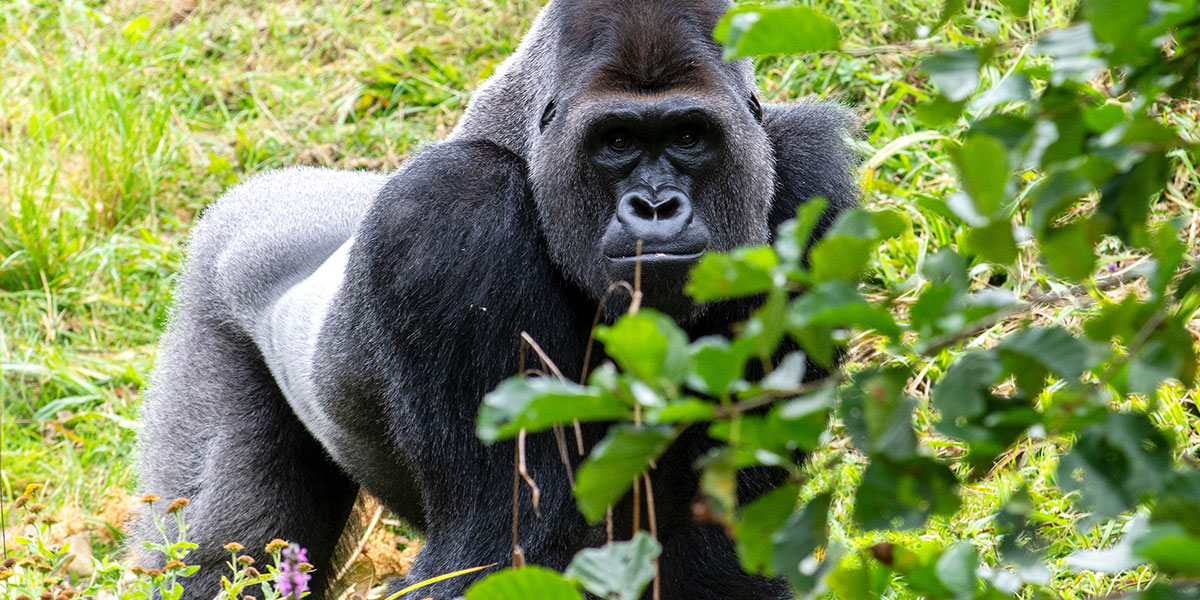
For a holiday that feels truly transformative, head north to Volcanoes National Park, home to the world’s remaining mountain gorillas. This misty terrain of bamboo forests and volcano ridges is perfect for a Christmas morning trek that few destinations can rival.
Once you’ve met a gentle silverback and his family, there’s no better way to feel thankful and awed during the season. Beyond gorillas, Golden Monkey trekking, birdwatching and volcano hikes add rich layers to your mountain adventure.
Luxury lodges like Bisate Lodge and One&Only Gorilla’s Nest set the tone for your evenings with warm fires, gourmet meals and landscapes that glow pink and gold at dusk. Not far from the park, the Iby’Iwacu Cultural Village offers festive cultural immersion through traditional dance, music and crafts, a heartfelt way to connect with Rwandan heritage.
{{Akagera National Park: A New Year’s safari celebration
}}
When the calendar flips to New Year’s Day, trade misty visions for the golden savannah of Akagera National Park in eastern Rwanda. This restored wilderness harbours East Africa’s Big Five, lions, elephants, buffalo, leopards and rhinos, and boasts scenic lakes and wetlands that support abundant birdlife.
Guided game drives at dawn and dusk cast you into iconic African landscapes, while a boat safari on Lake Ihema offers a gentle New Year’s start with hippos and crocodiles lounging by the water’s edge. Camp options like Ruzizi Tented Lodge and Magashi Camp bring safari luxury to life with firelit dinners and star‑filled skies.
{{Nyungwe Forest: A green holiday adventure
}}
For a lush rainforest Christmas or New Year’s getaway, Nyungwe Forest National Park is unmatched. One of Africa’s oldest rainforests and a newly designated UNESCO World Heritage Site, Nyungwe brims with biodiversity, including chimpanzees, colobus monkeys and over 300 bird species.
The Canopy Walkway, suspended high above the forest floor, offers breathtaking perspectives over verdant treetops, and guided chimpanzee treks bring you up close to our closest animal relatives. Stay at One&Only Nyungwe House, set amidst tranquil tea plantations with spa moments and refined cuisine, a restorative way to close out the year.
{{Hidden gems to enrich your festive break
}}
Rwanda’s festive charm goes beyond its headline attractions, offering experiences that are equally rich and memorable.
In Nyanza, visitors walk through the King’s Palace Museum, admire the regal Inyambo cows, and immerse themselves in Rwanda’s royal history. The town’s calm streets and cultural sites make it a peaceful stop for those seeking a more reflective holiday experience.
Musanze invites exploration of the ancient Musanze Caves, where dramatic limestone formations reveal landscapes shaped by volcanic forces over millennia. The surrounding hills offer scenic trails, making it a perfect spot for hiking and photography.
The Twin Lakes of Burera and Ruhondo provide a tranquil lakeside escape. Visitors enjoy boat rides, hiking, and birdwatching, all set against the stunning backdrop of volcanic peaks, creating a serene and restorative festive experience.
In the south, Huye pulses with cultural richness. The Ethnographic Museum showcases Rwanda’s art, history, and traditions, while nearby coffee plantations provide aromatic journeys into one of the country’s most celebrated exports.
For nature enthusiasts, Gishwati‑Mukura National Park, Rwanda’s newest forest reserve, offers immersive forest hikes, primate spotting, and vibrant wildlife experiences, making it an ideal destination for conservation-minded travellers during the festive season.
Before Africa, Steffi led a successful life in Germany. She owned four cooking schools across Hamburg, Potsdam, Bremen, and Hamm, had a comfortable home, cars, and a thriving career. Yet, despite her achievements, she felt drawn to something different, something that would push her beyond familiar comforts.
Speaking in a recent exclusive interview with IGIHE, Steffi revealed that her passion for dance had long been part of her life. She discovered it at 16, and it quickly became more than a hobby.
“In the morning, I stand up and dance,” she says.
Dance became a form of expression, connection, and personal freedom. Today in Kigali, she continues to dance several times a week and even hosts classes and events.
The decision to move to Africa came with uncertainty. Steffi and her children travelled across the continent, eventually arriving in Mwanza, Tanzania. It was here, in search of a dance community, that she made a pivotal decision: to cross the border into Kigali.
Their arrival coincided with the global COVID-19 lockdowns, leaving the family confined to a small house with no bed, sleeping on yoga mats. Travel was impossible, money scarce, and options limited.
Steffi responded by turning her skills into opportunity. She began cooking extra meals for her family and selling the surplus. What started as feeding ten instead of three quickly drew attention.
Using a WhatsApp catalogue to showcase dishes she missed from home, she found her first customers. Their encouragement led her to take a bolder step: opening a physical shop. Partnering with a local, Balinda, she launched her first outlet in Rugando. But just as momentum built, thieves broke in, taking everything she had worked to create.
Arriving in Rwanda with limited English and no knowledge of Kinyarwanda, the loss could have been crushing. Yet Steffi refused to give up. She returned to her WhatsApp catalogue, relying on customer trust to rebuild her business from scratch.
Two years later, she opened a second outlet in Remera, dubbed Steffi Metz Gourmet Shop. She converted a spare room and unused parking space into an outdoor cooking school, offering locals an alternative to everyday meals. The business grew, but challenges persisted. A landlord dispute forced her to relocate after just four months. Eventually, she found a larger, more suitable space in Gacuriro.
Along the way, Steffi trained staff in hotels, often without financial backing. She faced personal betrayals and repeated setbacks, yet she found support in Rwanda’s environment, where entrepreneurship and creativity were allowed to flourish.
For Steffi, the appeal of Rwanda goes beyond business opportunity. In Germany, regulations would have prevented her from producing even simple items like cheese in a small setup. In Rwanda, processes are faster and more flexible, even her visa renewal was granted overnight. Most importantly, the country allows her to live authentically.
“As a creative person, it’s absolutely necessary to be myself and not worry whether it’s allowed,” she says.
From a comfortable life in Germany to starting over amid lockdowns and uncertainty, Steffi Metz’s story is one of courage, adaptation, and relentless passion. Through dance, cooking, and entrepreneurship, she has built a life in Kigali that is vibrant, inspiring, and wholly her own.
“Rwanda touched me,” she says, a sentiment that echoes through every step of her extraordinary journey.
Watch the full exclusive interview with IGIHE below.
“Every single day,” he says, “I have to do this. It’s no joke. I spend most of the time just imagining how great this project will be.”
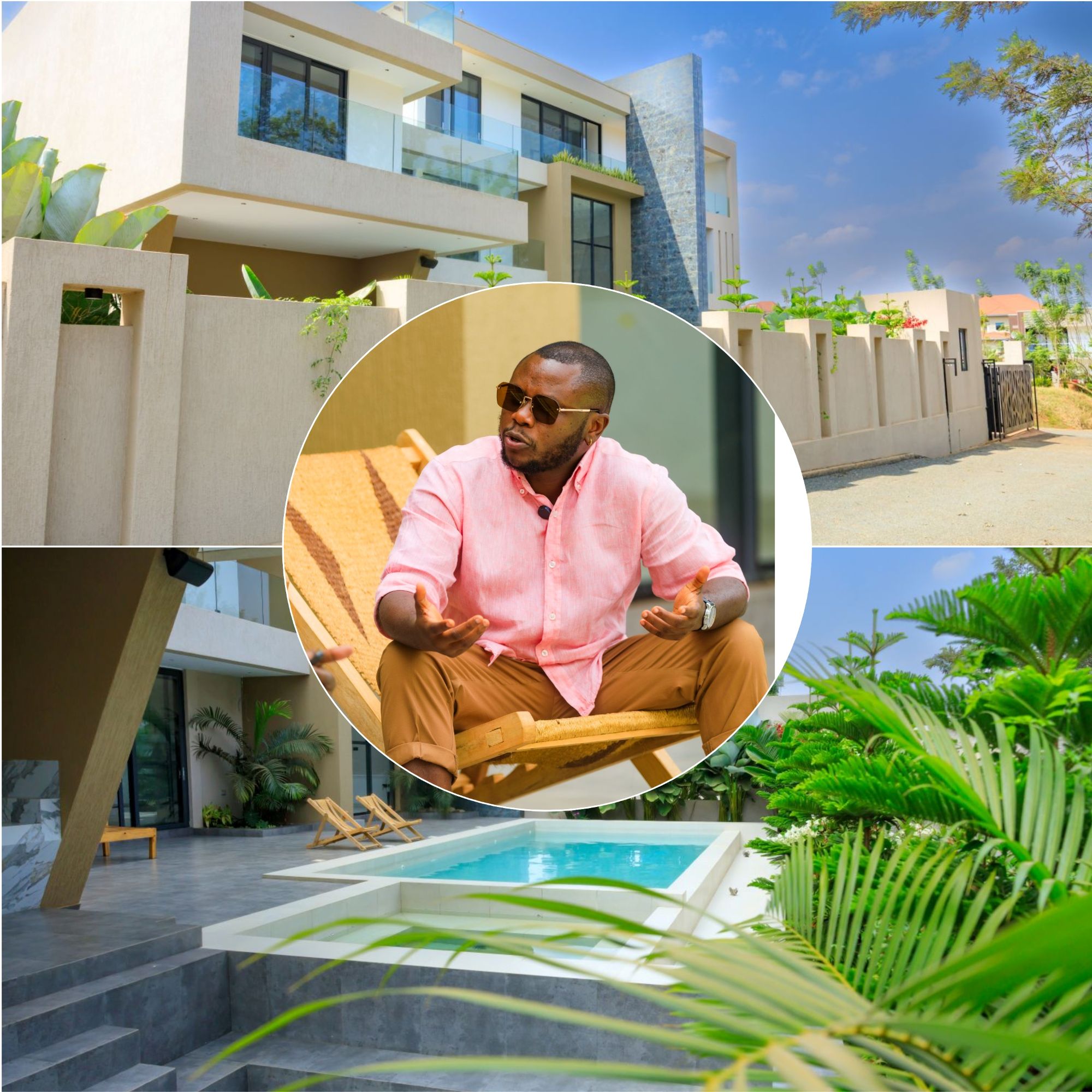
Half Yemeni, half Ukrainian, Richi never imagined his life would take root in Rwanda. Before the war in Ukraine, triggered on February 24, 2022, when Russia launched a full-scale invasion, he was a successful real estate entrepreneur in Kyiv, owner of a café, a beauty salon, and a father to twins born just months before the fighting erupted.
Since then, fighting and airstrikes have caused more than 40,000 civilian casualties, while 3.7 million people have been internally displaced, and a further 6.9 million have fled Ukraine, creating one of the world’s largest humanitarian crises.
On the day the war began, he was in Poland. His family soon joined him. They drove west to Spain, spent nearly two years there, tried Germany, where his wife has family roots, and visited Portugal. But Europe, for all its comfort, felt temporary.
“I wasn’t sure where my life was leading,” he recalls. “I never thought I’d find happiness again. I never thought that this would be in Rwanda.”
Then a friend who lived in Kigali suggested, “Just come. Visit without your family. See if it’s for you.” Richi bought a ticket and arrived for a 10-day scouting trip. The moment he stepped out of Kigali International Airport, he knew.
“The streets were so clean. Everything was so simple, so beautiful, so organized,” he says.
“Then I learned about more rapid development, huge opportunities in the service sector, and everyone said it was safe. I’m not here to find a job. I’m here to start a business. It was clean, safe, simple, far from Europe’s problems. It felt like destiny.”
Richi soon discovered that Rwanda is not only welcoming to foreigners but is also engineered for their success. “Not only the government, but the people, business partners, other owners, everyone wants to do better business,” he says. “In Europe and Ukraine, you’re more on your own. Here, everybody is open.”
That openness led him to William Shaka, a local landowner who had nurtured a farm in Bugesera for 15 years with a quiet dream to one day transform it into something more than agriculture.
Richi and his wife, passionate about eco-tourism, real estate, and marketing, saw the same vision. “We met,” Richi says, “and it was destiny again.”
Their first test? A mango festival. Over 1,100 people showed up. “It was crazy,” Richi laughs. “We realised there is demand for farm visits in Rwanda. People in Kigali want something new. Bugesera is closer, the roads are better, and it’s fresh.”
What began as a festival soon blossomed into Eagle View Farm: an agro-tourism project blending working agriculture with guest rooms, a lakeside restaurant, a wellness centre, and a vision of families waking up to pick oranges from trees outside their door.
“Imagine this,” Richi says, standing by a fish pond with orange groves behind it. “Your children wake up and say, ‘Wow, oranges!’ You tell them, ‘Go get some.’ They pick them. You wash them, cut them. Just like it was supposed to be.”
Every morning, Richi and his family do yoga on the lake shore, watching fishermen cast nets at 7:30 a.m. in perfect unison. “Only birds and fishermen,” he says. “Pure peace.”
The future kitchen, still under construction, overlooks the water. “Can you imagine working here?” he asks, gesturing wide. “Chefs getting fresh products from the farm, cooking with this view. It’s the dream.”
One year ago, when the family moved in, there was only a house. Now, over 10 guest rooms are rising, along with the restaurant and wellness centre.
“It’s all coming to reality,” Richi says. “Very soon, everyone will know about this project.” But Eagle View is more than a business, it’s a prototype. “I hope we motivate other investors to create farm-integrated, eco-tourism projects across Rwanda,” he says.
“With fast internet and AI, you can be in the middle of nowhere and still solve problems instantly. Take a photo of a diseased leaf AI tells you what to do. No waiting for an expert from Kigali. This opens crazy possibilities.”
Since Richi began posting about farm life online, the messages pour in from expats, investors, and especially Rwandans abroad. Many own unused land back home.
Some write: “You’re living the dream. We want to come home.” His response is direct: “Come home. It’s time to invest in Rwanda. The longer you wait, the harder this will be. Such lifestyles will become rarer.”
He speaks not of happiness, but of something more sustainable. “Happiness comes in phases,” he says. “We’re not designed to be happy all the time. But we can be calm. We can be peaceful.” Buddhist monks don’t seek happiness. They seek peace. If I had to describe my life now, I’d say: peaceful.”
To anyone curious about Rwanda, agro-tourism or a life rooted in the land, Richi extends a warm invitation to come and see it firsthand.
“Please visit us. If you’re into eco-tourism, nature, agriculture, wilderness, and self-development, you’ll see a project that shows where Rwanda is heading. We’re building something unique. Welcome to Eagle View Farm.”