Guterres is closely following the developments related to the conflict in the Middle East, including the situation in and around the Strait of Hormuz and in the Red Sea, said Farhan Haq, his deputy spokesman.
“The secretary-general remains convinced that a comprehensive and durable settlement can only be reached through dialogue and negotiations,” said Haq. “Such a settlement would help restore stability and confidence across the region, while also safeguarding the navigational rights and freedoms in and around the Strait of Hormuz and in the Red Sea.”
UN Special Envoy for Yemen Hans Grundberg is also continuing his efforts to de-escalate the situation in Yemen, said Haq.
Any activity that disrupts shipping around the coast of Yemen will also hinder UN efforts to bring supplies into the war-torn country, which is one of the reasons why all such obstructions in the Red Sea and around Bab al-Mandab need to stop, said the spokesman.
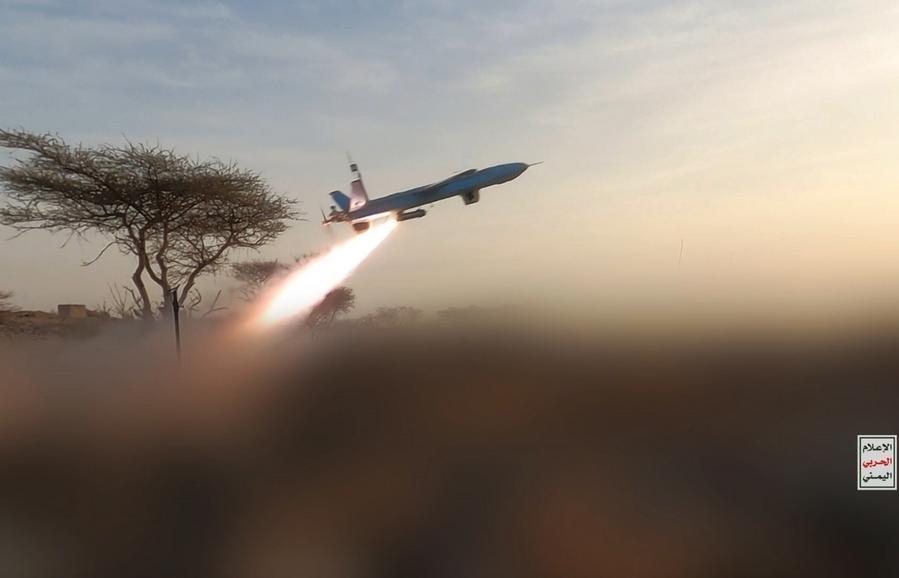
This handout photo provided by Houthi Media Center shows the launch of a drone allegedly toward Mocha in Yemen, on Aug. 9, 2026. (Houthi Media Center/Handout via Xinhua)
The earthquake, described by Reuters as Colombia’s strongest of the 21st century, struck western parts of the country and caused widespread destruction in several cities, including Cali, Pereira, Armenia and Manizales.
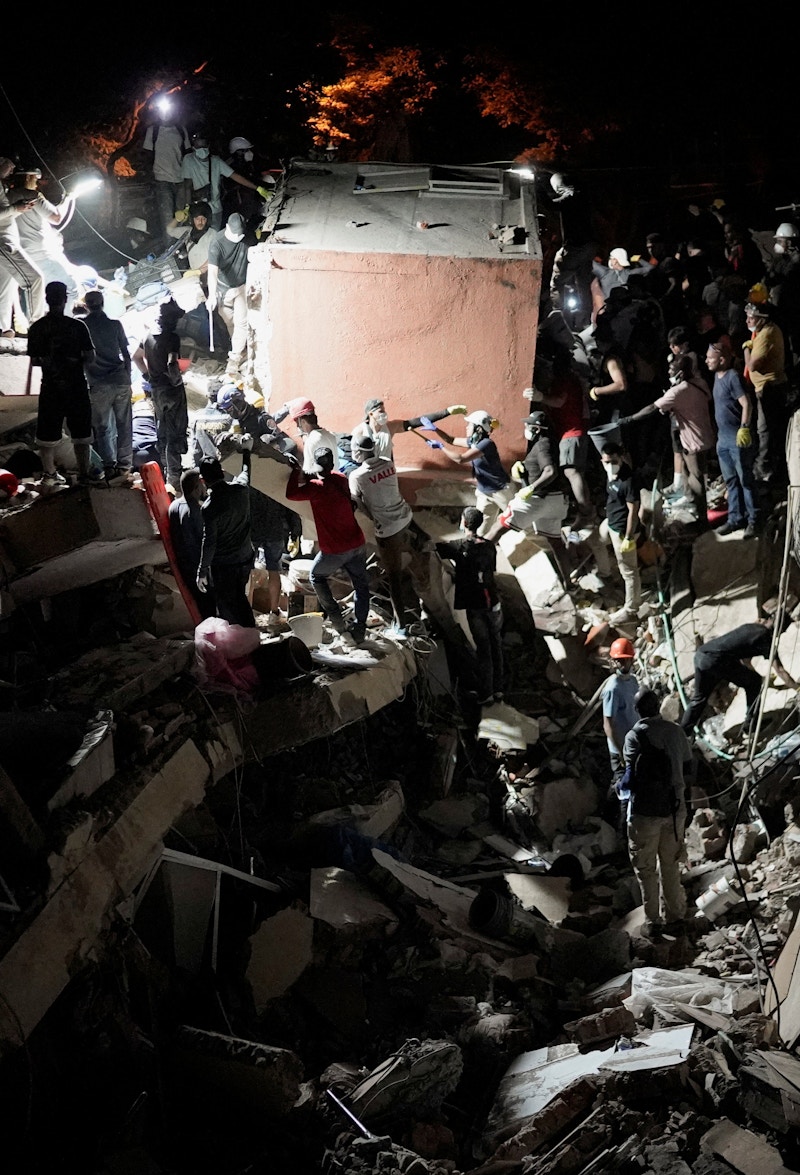
Rescue teams and local residents worked through the night to search collapsed buildings for survivors as authorities assessed the extent of the damage.
The earthquake was centred near San José del Palmar in the Chocó region. The United States Geological Survey recorded the quake at a depth of about 107 kilometres.
Its powerful tremors were felt across much of Colombia, including the capital Bogotá, as well as in neighbouring Ecuador and Panama.
Cali, Colombia’s third-largest city, was among the areas heavily affected by the earthquake.
Reuters reported that dozens of people were killed in the city and hundreds were injured, while several buildings collapsed.
Pereira also suffered heavy casualties. Earlier reports said 18 people had been killed there, while authorities continued searching buildings where people were believed to be trapped.
Manizales also reported deaths and significant damage.
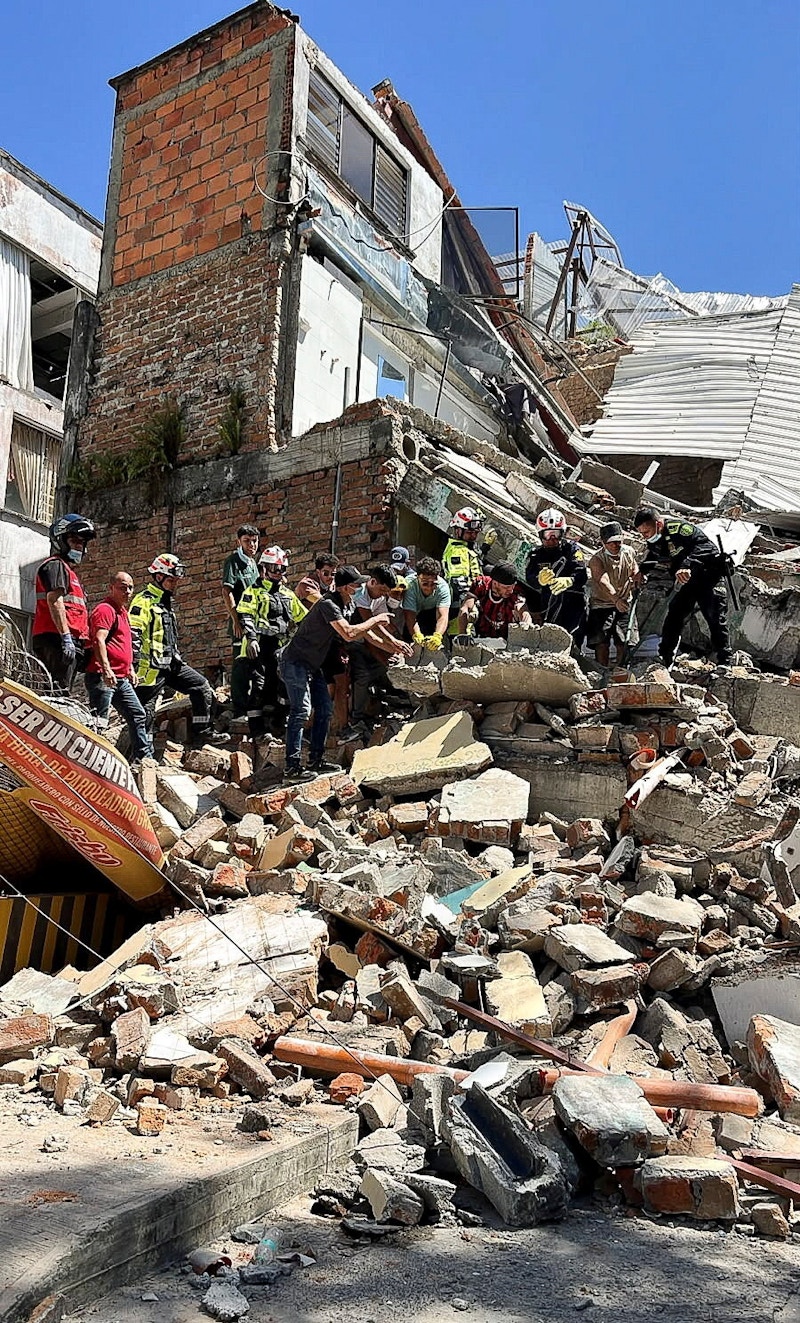
Rescue workers search through the rubble after the powerful earthquake struck western Colombia.
Images from the affected areas showed residents and emergency workers digging through piles of rubble in an effort to locate survivors and recover victims.
The earthquake also damaged hospitals and other essential infrastructure, complicating the emergency response.
Several airports in the affected region were temporarily closed for safety inspections following the tremor.
Colombia’s newly inaugurated President Abelardo De La Espriella declared a national state of emergency as the government mobilised resources for rescue and relief operations.
The president, who had taken office only days before the disaster, said the government would prioritise saving lives and assisting communities affected by the earthquake.
Authorities also deployed additional security personnel to affected areas as emergency teams continued rescue operations and cities introduced measures aimed at maintaining public order.
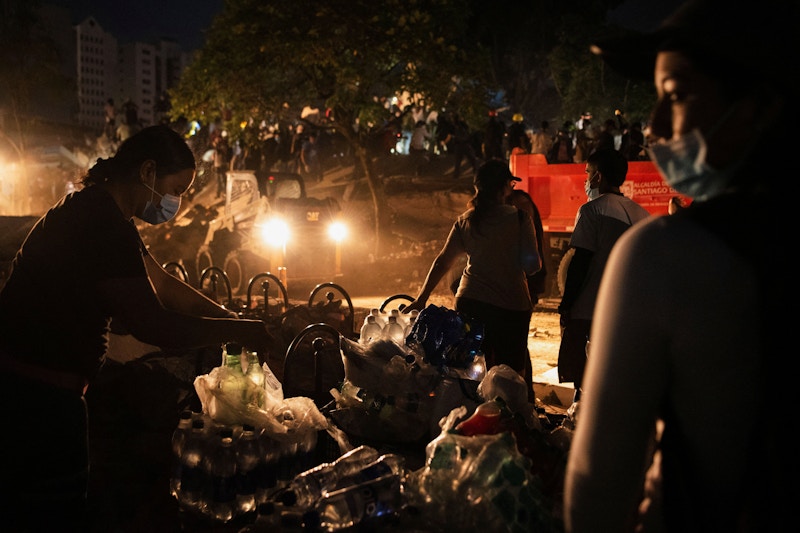
Rescue workers were assisted by volunteers as they searched through damaged buildings.
Among those rescued were a mother and her baby.
The earthquake was followed by a series of aftershocks, prompting continued warnings for residents and emergency teams working around damaged structures.
Colombia is located in a seismically active part of the world, making earthquakes a recurring risk.
The latest disaster has renewed concerns about the vulnerability of buildings and infrastructure in some of the country’s urban areas.
The scale of the destruction also brought back memories of Colombia’s devastating 1999 earthquake, which killed more than 1,000 people.
As rescue operations continue, authorities are expected to provide further updates on casualties, missing people and the extent of the damage.
Residents inspect damaged buildings following the deadly earthquake that left dozens dead and hundreds injured.
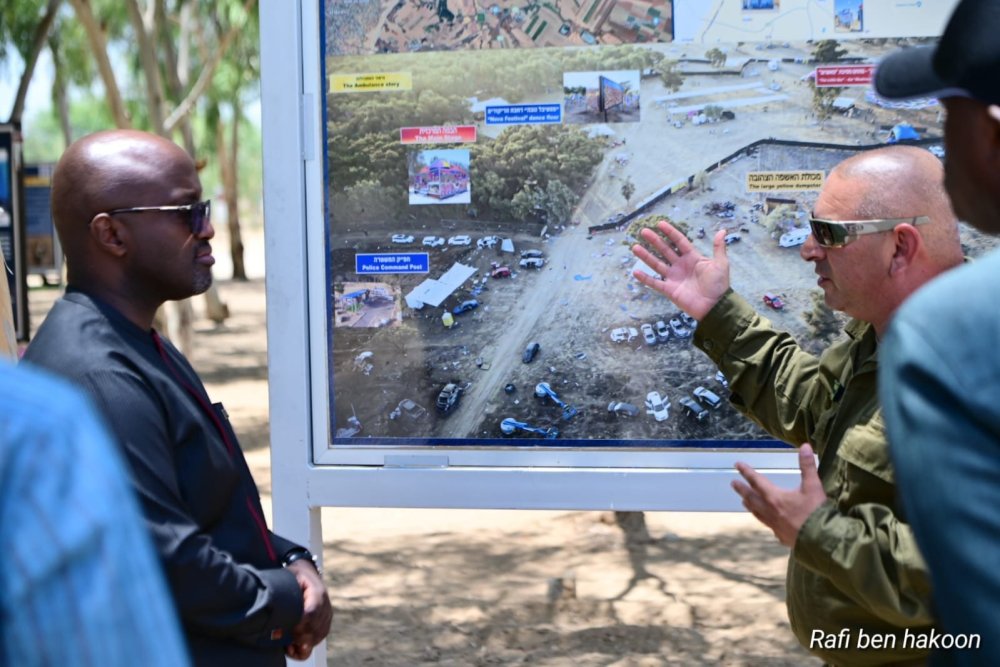
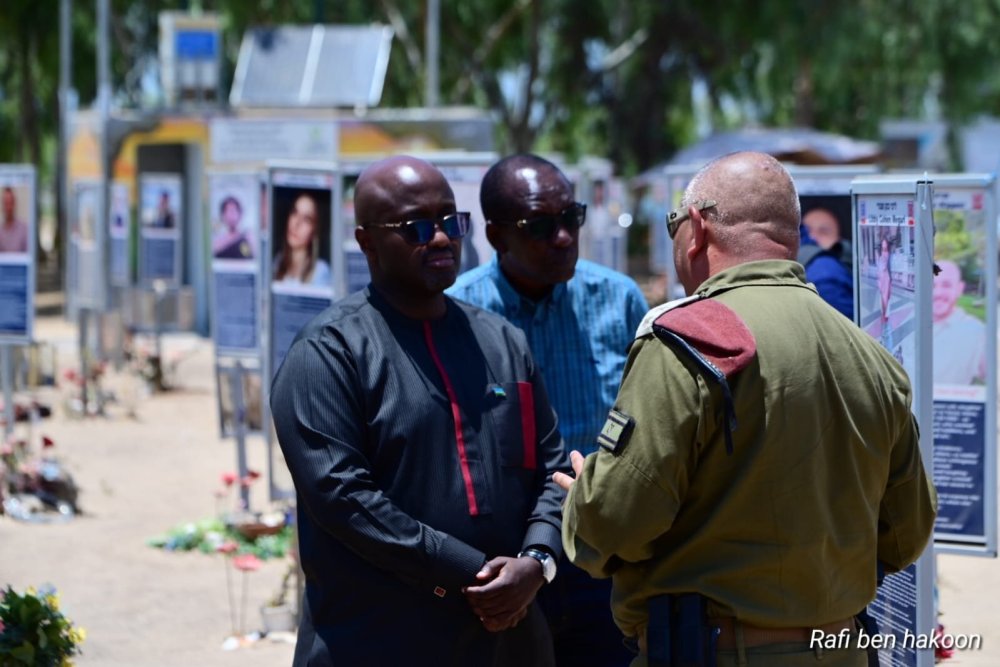
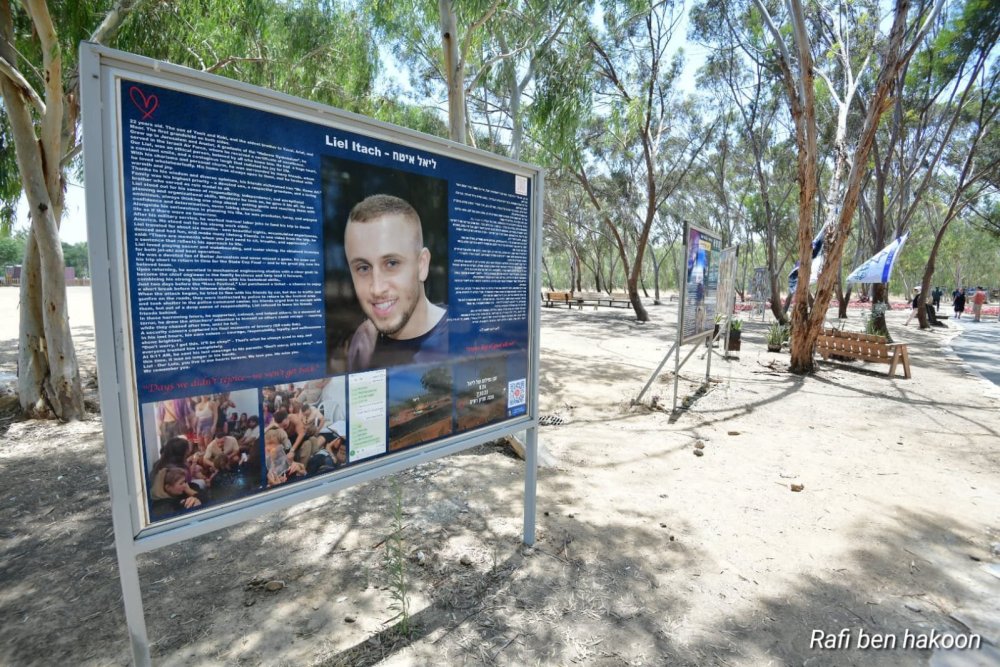
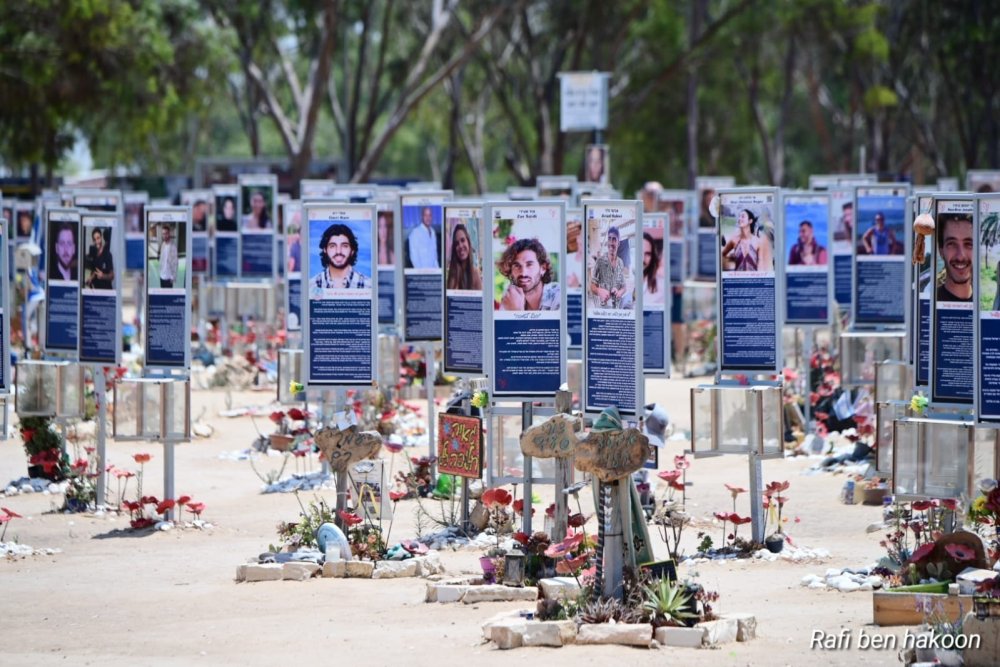
According to Rwanda’s Ministry of Foreign Affairs and International Cooperation, Minister Nduhungirehe visited Nova Music Festival Memorial Site in Re’im, southern Israel, where he honoured victims of the attack that targeted attendees of the festival.
Rwanda and Israel maintain relations based on cooperation in various areas, with both countries having highlighted the lessons drawn from painful historical experiences and the importance of combating hatred and violence against civilians.
Minister Nduhungirehe’s visit comes as security challenges in the Middle East continue to attract international attention following the war that began after Hamas launched an attack on Israel in October 2023.
The October 7, 2023 attack began when Hamas fighters entered Israel from the Gaza Strip and carried out attacks against civilians and security installations.
During the assault, many people were killed and others were taken hostage, including attendees of the Nova Festival, which was held near the Gaza-Israel border.
The attack triggered the ongoing war between Israel and Hamas, leading to major security and humanitarian challenges in Gaza and across the Middle East.
Minister Nduhungirehe’s visit to Israel concluded on July 8, after Rwanda and Israel signed two cooperation agreements in Jerusalem on July 6 aimed at strengthening collaboration in education, scientific research, ICT, vocational training and international development.
The agreements seek to deepen bilateral ties through knowledge exchange, capacity building and joint efforts to promote innovation and sustainable development.
Minister Nduhungirehe was briefed on the October 7 Hamas attack.Minister Nduhungirehe has paid tribute to Israelis who lost their lives in the Hamas attack.The memorial was built in remembrance of those killed in the Hamas attack.
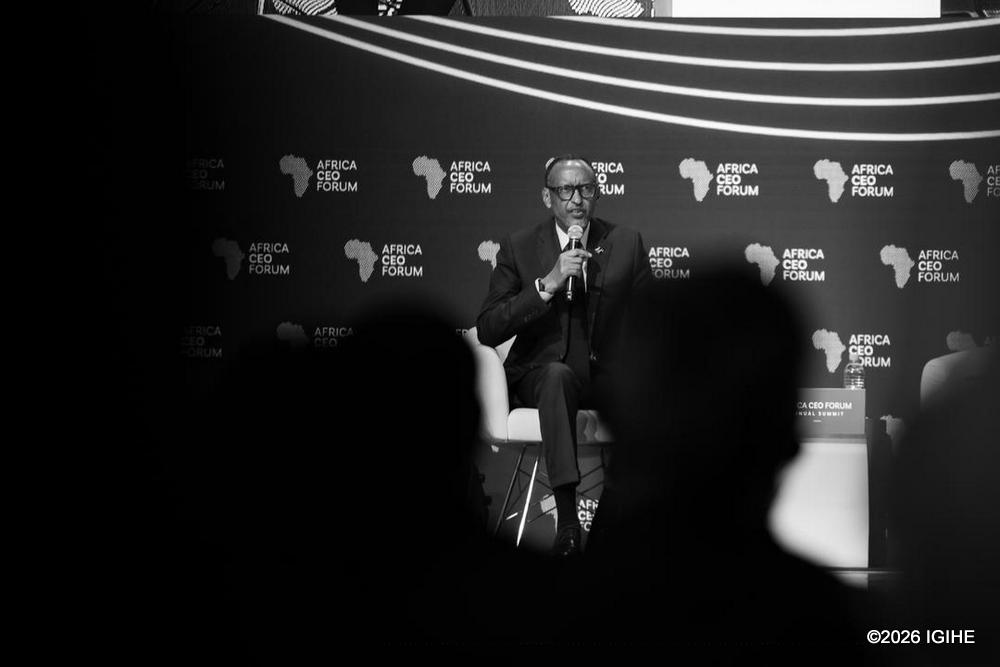
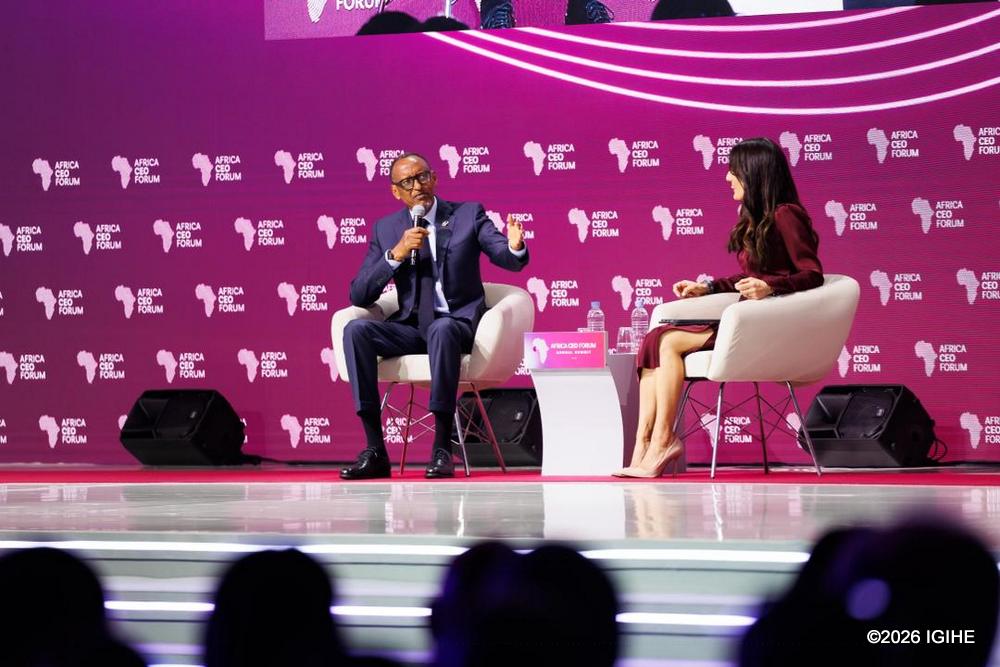
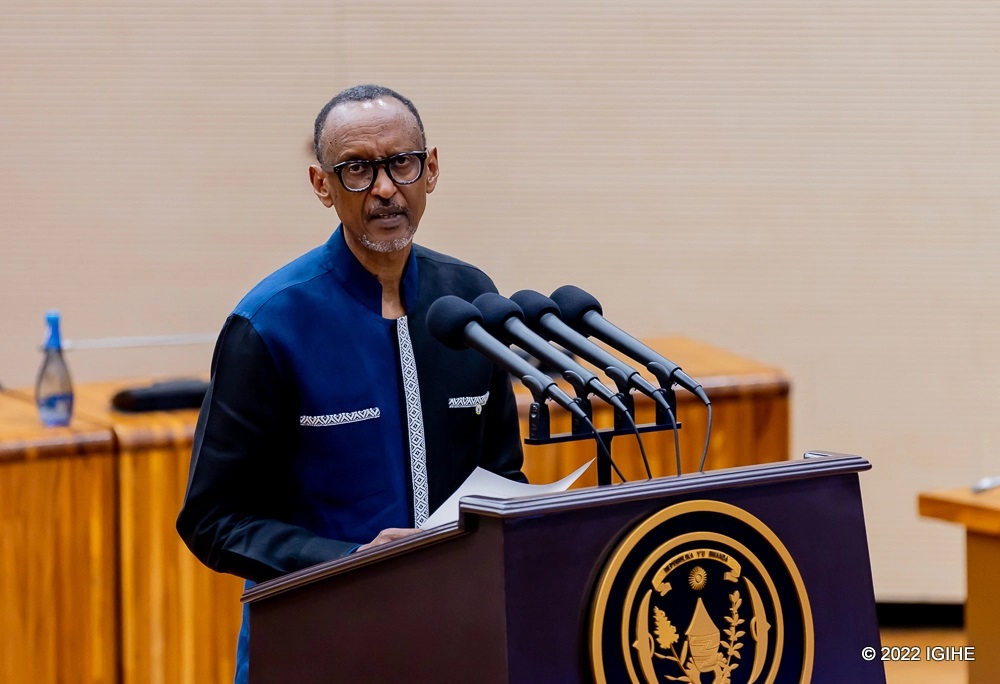
Kagame made the remarks during a conversation with CNN correspondent, Eleni Giokos at the opening of Africa CEO Forum 2026 in Kigali on Wednesday, May 14, 2026.
When asked about the often chaotic and undignified tone of social media used by global leaders, Kagame offered a calm and pragmatic view.
“The media has been democratized. I think it is important,” he said. “Everyone can express themselves and they will be heard. If you are wrong, there will be somebody to tell you, no, no, no, that’s not right. When it is right, people will say, wait a minute, I think there is a point here that we should be thinking about.”
Kagame acknowledged that social media lacks the decorum of traditional communication but argued it has opened up space and broken old conditioning.
He said the platform allows people to receive both criticism and advice directly.
“It has been so open that we have gone beyond having this narrow sense of being guided to things without sometimes thinking,” he noted.
When pressed on whether some of the things he sees on social media shock him, Kagame replied calmly: “I am not shocked. I said I have been immunized today. I am not shocked. I understand where the world we live in. It has changed.”
He added that after the last 30 years in leadership, he has come to accept that many things that would once have been shocking no longer are.
Leaders, he suggested, should scan information, make sense of it, and decide how to use it responsibly.
The President’s comments reflect a measured approach to the digital public square, contrasting with many leaders who often complain about or avoid social media altogether.
Kagame praised social media as a democratized platform for global expression and accountability during a conversation with CNN correspondent.
According to the seventh Demographic and Health Survey (DHS 7) conducted in 2025, the rate of teenage pregnancies increased from 5% in 2020 to 8% in 2025, signaling a worrying trend. The study focused on girls aged 15 to 19, including those who gave birth before reaching adulthood over the past five years.
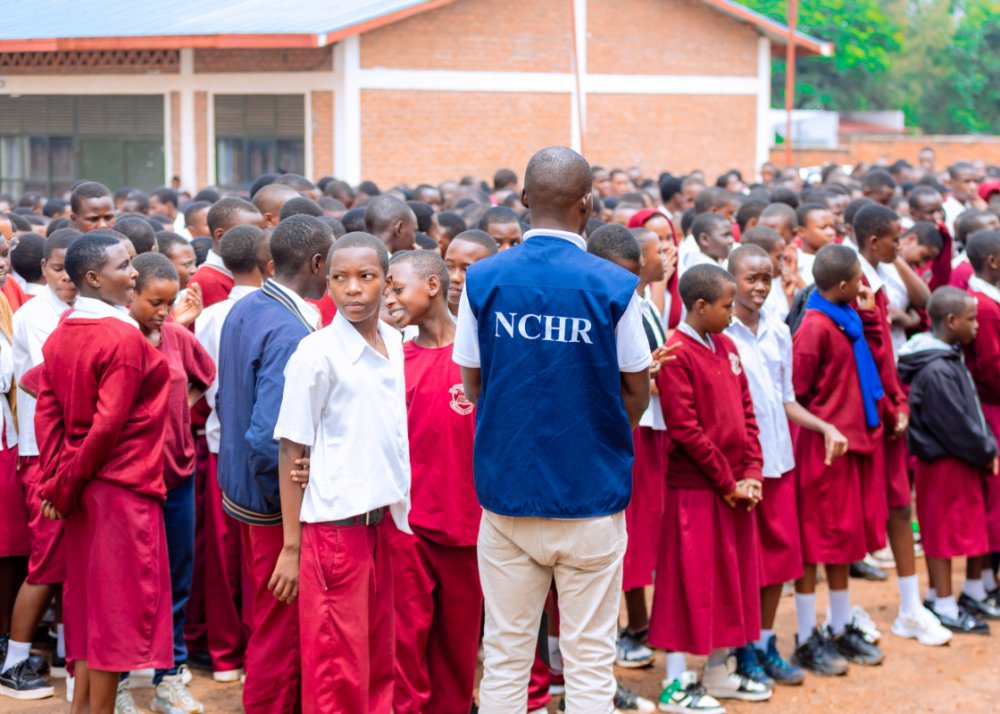
With support from the Office of the United Nations High Commissioner for Human Rights (OHCHR), the Commission organized this campaign in secondary schools across nine districts: Nyabihu, Ngororero, Rutsiro, Kamonyi, Huye, Gakenke, Nyarugenge, Gasabo, and Kicukiro. Students are being educated on children’s rights and on the role young people can play in preventing and addressing this issue.
The Chairperson of the National Commission of Human Rights, Providence Umurungi, noted that several factors contribute to the rise in teenage pregnancies, including poverty, family conflicts, alcohol and drug abuse, risky behaviors, and limited access to information on reproductive health.
She emphasized that teenage pregnancies remain a major violation of girls’ rights in Rwanda, often leading to school dropout and jeopardizing their future prospects.
“Raising awareness among young people about their rights through schools is one of the key pathways to permanently eradicate this problem,” she said.
Students have welcomed the initiative. Mbabazi Hirwa Aklat, a second-year secondary school student, shared: “What I learned from these sessions is how to say ‘no’ when someone tries to pressure me into having sex. I also realized the importance of avoiding risky behavior that can lead to an unplanned pregnancy.”
The Commission indicated that the campaign will soon be extended to higher learning institutions and universities to broaden youth engagement.
Data from the Ministry of Gender and Family Planning show that 22,454 teenage girls were sexually abused and became pregnant in 2024. Trends reveal a generally rising pattern: 19,701 cases in 2020, 23,111 in 2021, 24,472 in 2022, followed by a slight decline to 22,055 in 2023.
Despite the slight drop in 2023, authorities note that the overall number of teenage pregnancies remains high, with many identified cases involving girls who carry pregnancies to term. The Commission’s school visits represent a strategic response aimed at safeguarding children’s rights and building a better-informed and more responsible generation.
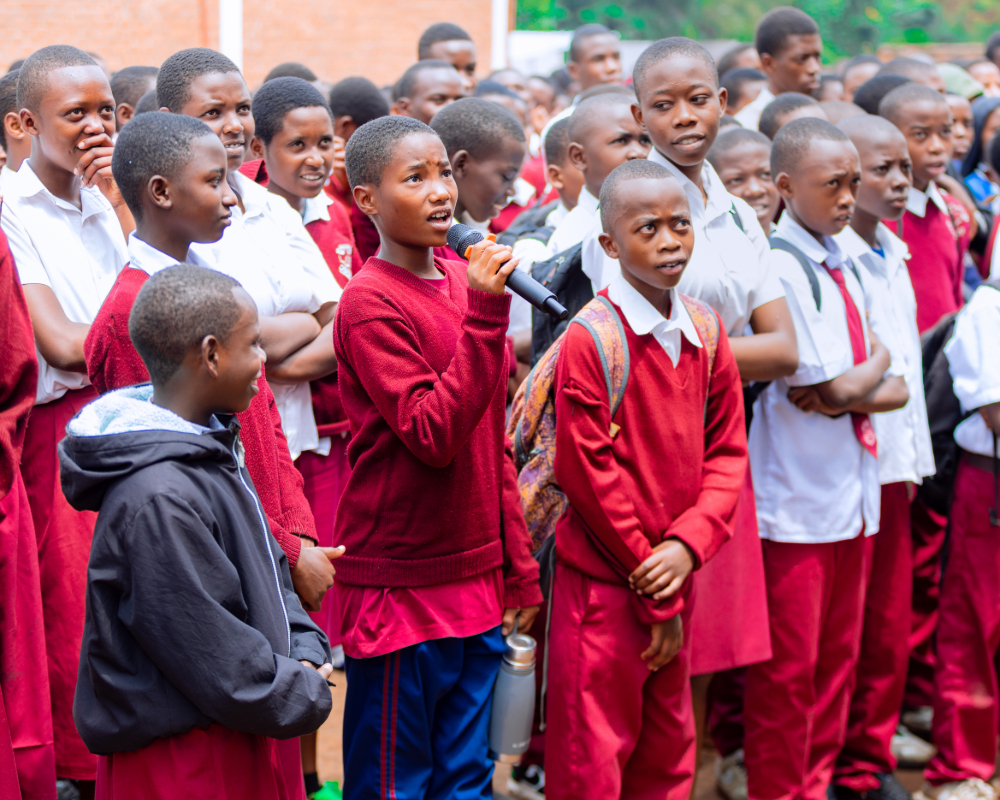
Students were given the opportunity to ask questions on issues related to their rights.Students at GS Camp Kigali followed the message delivered by the National Commission for Human Rights on how to avoid unintended pregnancies.A school awareness campaign was organized to educate students on children’s rights and their role in preventing and addressing teenage pregnancies.The Chairperson of the National Commission for Human Rights, Umurungi Providence, urged female students to be cautious and to know how to refuse anyone trying to pressure them into sexual activity.
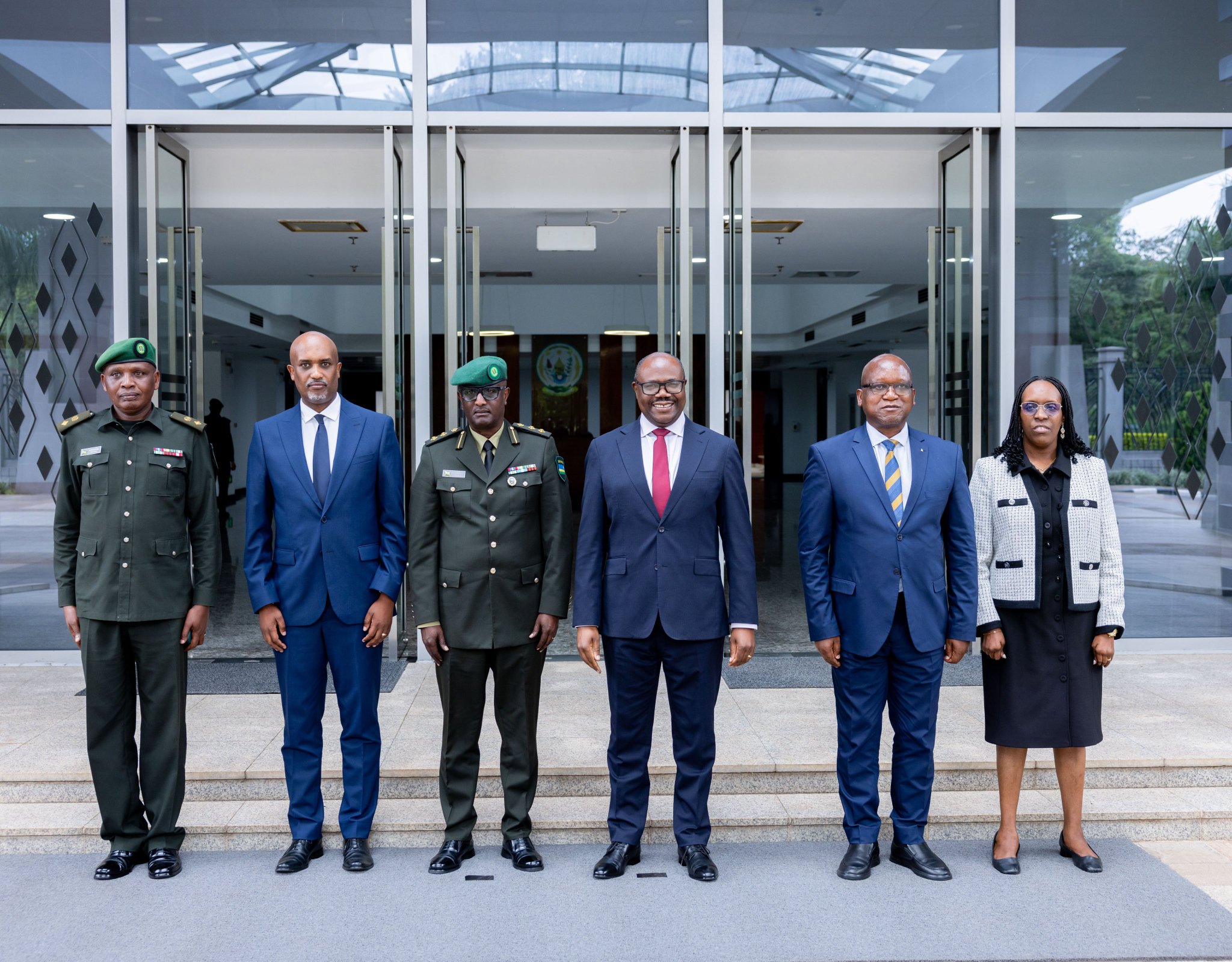
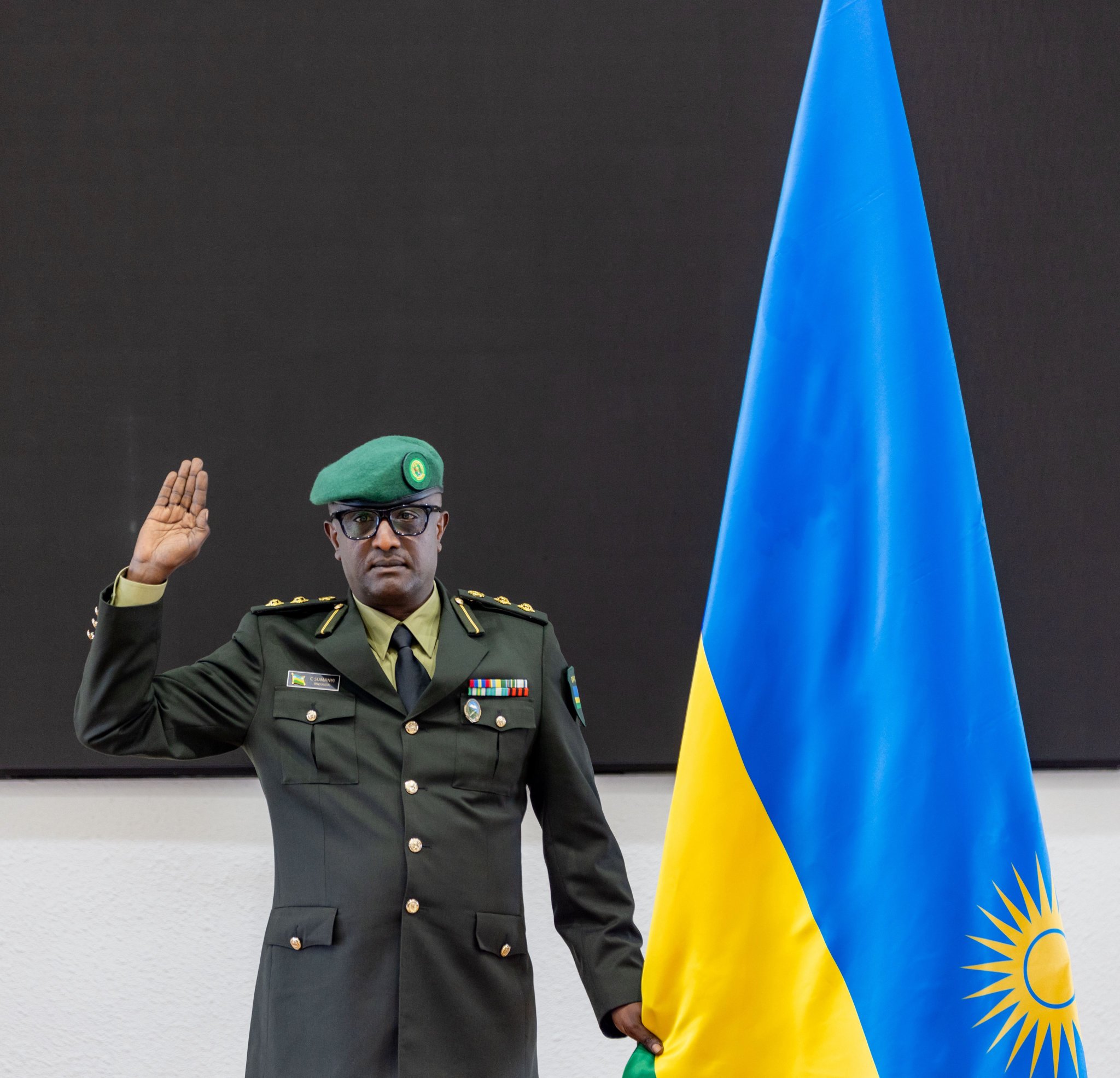
Col Charles Sumanyi previously served as Vice President of the Supreme Military Court since 2024. He has also held other positions, including serving as a military court judge for eight years and as a judge in the Military High Court for seven years.
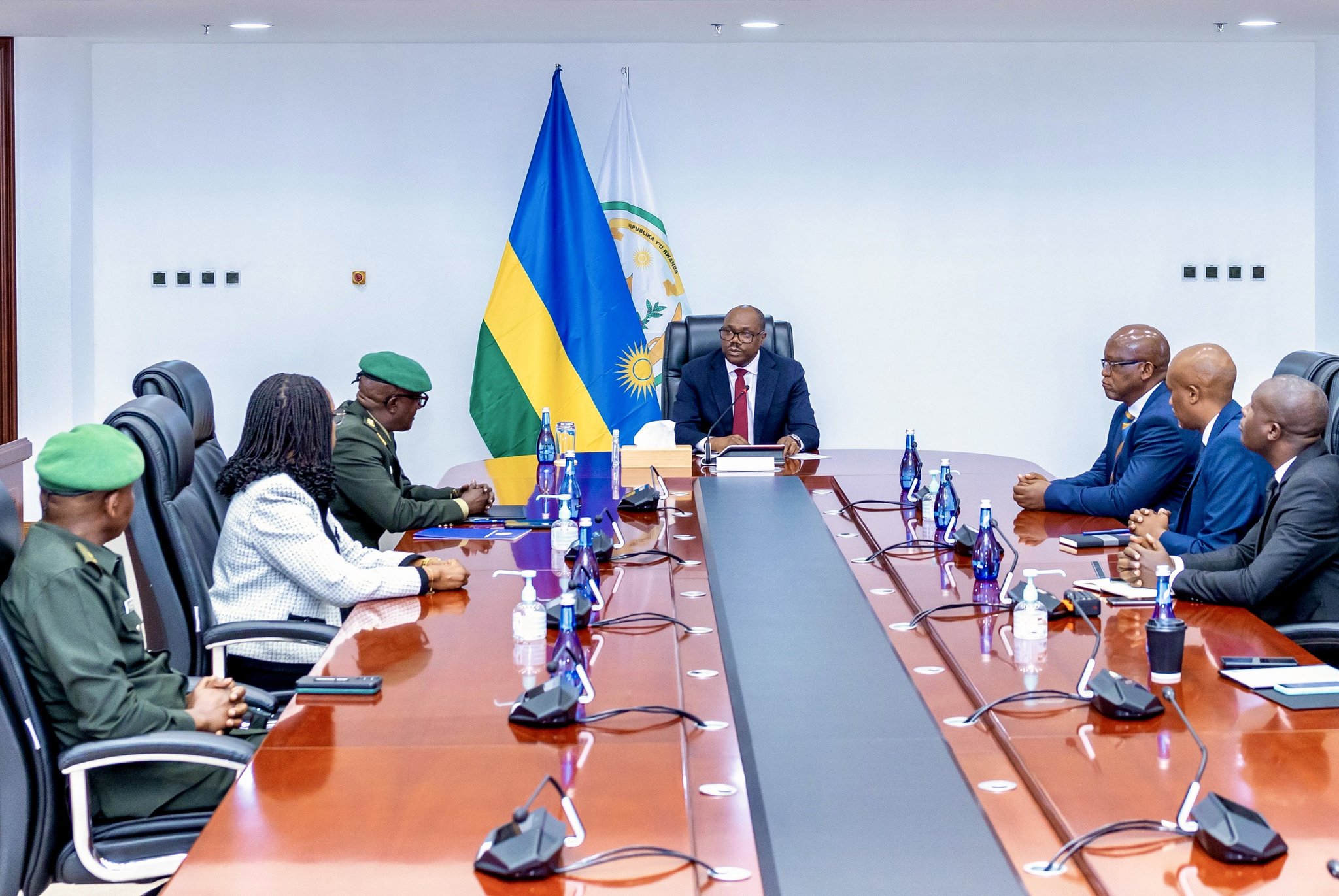
After administering the oath, Prime Minister Dr. Justin Nsengiyumva reminded Col Sumanyi that his new role requires prudence and integrity.
“As you have sworn, in the duties you are about to undertake it is essential that you refrain from using the authority entrusted to you for your personal gain,” he said.
“You must prioritise the interests of the country and diligently fulfill your responsibilities, always striving to deliver fair justice to all and to uphold the positive image of the Rwanda Defence Force and the Republic of Rwanda as a whole,” the Prime Minister added.
Col Sumanyi’s appointment was approved by the Cabinet meeting chaired by President Paul Kagame on January 28, 2026.
Expressing gratitude for the trust placed in him by the Head of State, Col Sumanyi pledged to carry out his duties diligently, aiming to strengthen good conduct within the Rwanda Defence Force.
“This role I am taking up is all about promoting discipline and good conduct in our country’s army. Recently, you heard the President emphasizing that these security institutions are ones he has always wished for… In this position, my primary duty is to reinforce discipline and good conduct, starting with educating soldiers about crimes and their consequences.
“As you know, wherever there are people, minor infractions are inevitable. Where crimes occur, we will take them to court. Our goal is to deliver justice that is both fair and swift.”
He affirmed that he will execute his responsibilities with full dedication to ensure they are fulfilled properly.
The ceremony was attended by the Minister of Defence and Minister of Defence, among others.The ceremony took place on Thursday, February 19, 2025. Col Sumanyi expressed gratitude for the trust placed in him by the Head of State.
The prime minister said his government will also impose the tariff on non-Canadian content of any CUSMA-compliant vehicles from the U.S., adding that Mexico won’t be impacted.
Carney said that the global economy “is fundamentally different today than it was yesterday.”
“Yesterday’s actions by the U.S. administration, while not specifically targeting Canada, will rupture the global economy and adversely impact global economic growth,” he said.
“Our old relationship of steadily deepening integration with the United States is over. The 80-year period when the United States embraced the mantle of global economic leadership is over,” said Carney.
Carney also said his government has gone to the World Trade Organization to argue the tariffs violate international trade law.
Canada was spared from the 10 percent baseline tariffs, but a 25 per cent U.S. tariff on imported autos went into effect at midnight.
{{After the end of President Paul Kagame’s two day official visit to France, the Head of State met with the France Business community under Mouvement des Entreprises de France (MEDEF)-the organization of business associates in France and challenged them to invest their businesses in Rwanda.}}
The foreign investment is intended to strengthen bilateral ties between the two countries as were also emphasized during the roundtable talks by the three Rwandan Ministers Louise Mushikiwabo, Foreign Affairs Minister, François Kanimba of MINICOM, and Tharcisse Karugarama, the Minister of Justice along with John Gara of RDB in a press briefing.
Gara said that the French business in Rwanda is still low and that they count not more than U.S$3.5. He added that after the Presidential visit, a lot will be transformed and new investments from France are to crown Rwanda’s fastest growing business environment.
The communications Office from the France’s Presidents’ office had during the trip issued a communiqué anticipating investing almost 42 million Euros (est. Frw36b) in Rwanda soon.
Minister Kanimba said the talks are underway to find selected sectors in Rwanda for the France business community to invest in. The minister said that they will invest in tourism sector, Methane gas, facilitate the construction of the new International Airport, construction of the railway transport that will connect Rwanda to the Indian Ocean, and the gold mining construction among others.
For the new International Airport construction and other infrastructures, the government of Rwanda put the system of allowing the private investors to contribute which will earn them a lot of profits.
Kanimba also recommended the exportation of tea, gold, coffee, flowers to France.
According to a press statement from the office of the Government Spokesperson released prior to the trip, the visit followed the French President Nicholas Sarkozy’s visit to Rwanda in February 2010 that marked a major step forward in diplomatic relations with France, that were renewed at the end of 2009, and it was the Kagame’s first official visit to France since the 1994 genocide against the Tutsis, where Rwanda has accused France of complicity in massacres, an accusation which Paris always and continuously denies.
{{President Paul Kagame has told over 3700 Rwandan Diaspora in Paris, France Sunday evening that meeting them is one of his responsibilities as a Rwandan leader.}}
“It’s one of my responsibilities to meet and dialogue with all Rwandans. When I meet you, it’s another step forward to our country’s progress. Whenever I meet you, I usually tell you and will repeat, Rwandans are one. Even though there are minor differences between us, the bottom line we are all one.”
Kagame was speaking to the Diaspora at E.M.G.P in the “Le Dock Pullmann” complex under the theme, ‘Equality and Brighter Future’.
However, Kagame discussed that ‘the constructive politics I know and used to, allows a difference of people but it reminds them of a point of convergence.’
He added that Rwandans have the same opportunities, ‘If one doesn’t want it this way that’s up to them. And I know those who want it are many. Rwanda is for all Rwandans. No Rwandan should have more opportunities than others.’
Kagame explained that ‘We can have the same opportunities but we may have differing capacities, however,those with more capacity should help those with less capacity to also achieve progress.’
The attentive gathering was told by the eloquent Kagame that ‘No Rwandan wants to sleep hungry. I do not know of any tribe, race and ethnicity in the world that do not need to have a better life. In Rwanda we should have a better life. We want a Rwanda for all people.’
We should not keep in the bondage of history. We have transcended such bad politics. Those who are still in such politics of shame are also shameful. You shouldn’t waste time. They derive value from wasting your time.
We must use your time on constructive issues. We should spend our time building our society.
Kagame told the religious faithful that even if one prays, ask God to help you fight Ignorance, illiteracy and poverty however; you should also work for all you pray for.
All the problems we went through and others ahead, it’s not because God forgot about us…but we might have misused the chances or opportunities God gave us.
Can God give you people and then you divide them, kill them. What would you harvest from this? God gave us a Rwanda, and then we destroyed it. We should change and I think we have since changed and transcended the past.
The long distances you have travelled are a sign that you have transcended the past. Opportunities strike once in a while so you should utilize the opportunity once it’s available. We must use the current opportunities available to work together as a nation and transform our country for the better future.
We want to be identified as people always finding solutions but not always causing trouble.
Kagame noted to the congregation living in Diaspora that ‘This is not your home. Tell me whether there are no problems here in Europe.’
Meanwhile, President Kagame will meet French president Nicholas Sarkozy tomorrow Monday.
President Kagame said his visit to France is meant to cement ties and thus this would speed up the processing of files of cases of genocide suspects living in France.
“The pursuance of these issues has been ongoing under the liasion of the Justice ministry of Rwanda. However, my meeting with the President Sarkozy will just help speeding up the process,” Kagame said while responding to a question from a member in the audience.