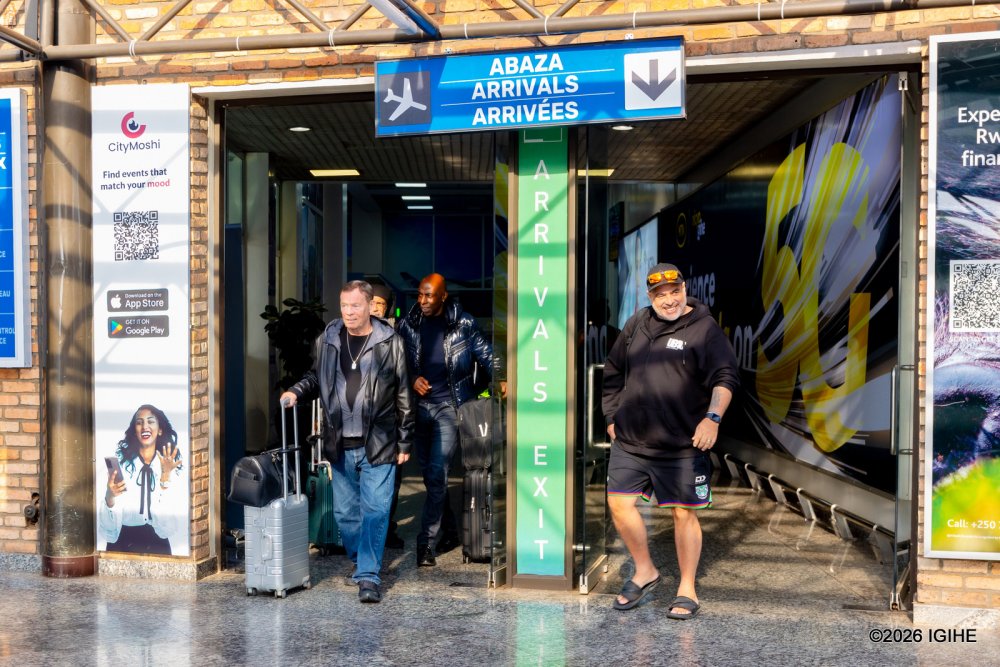
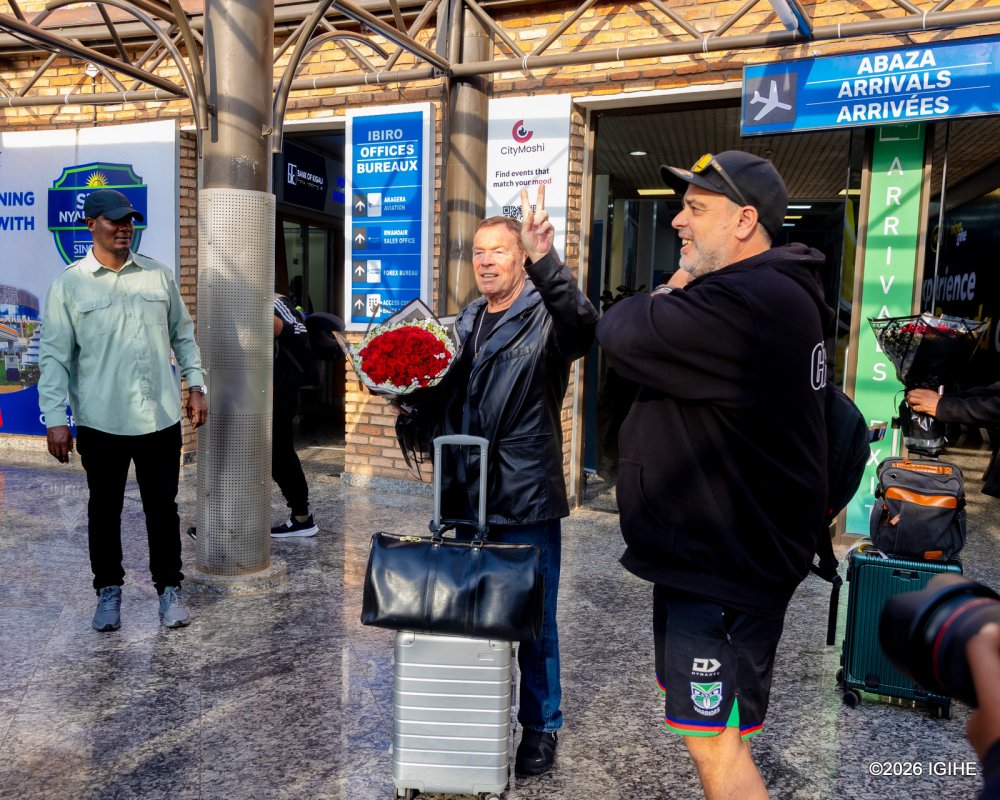
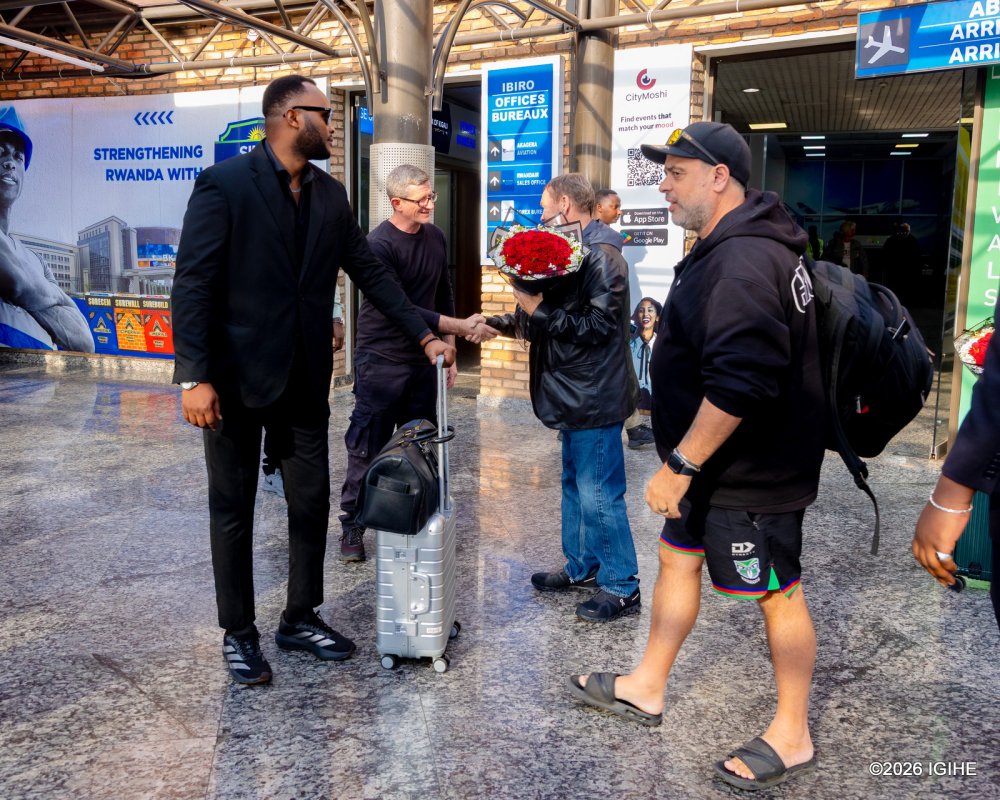
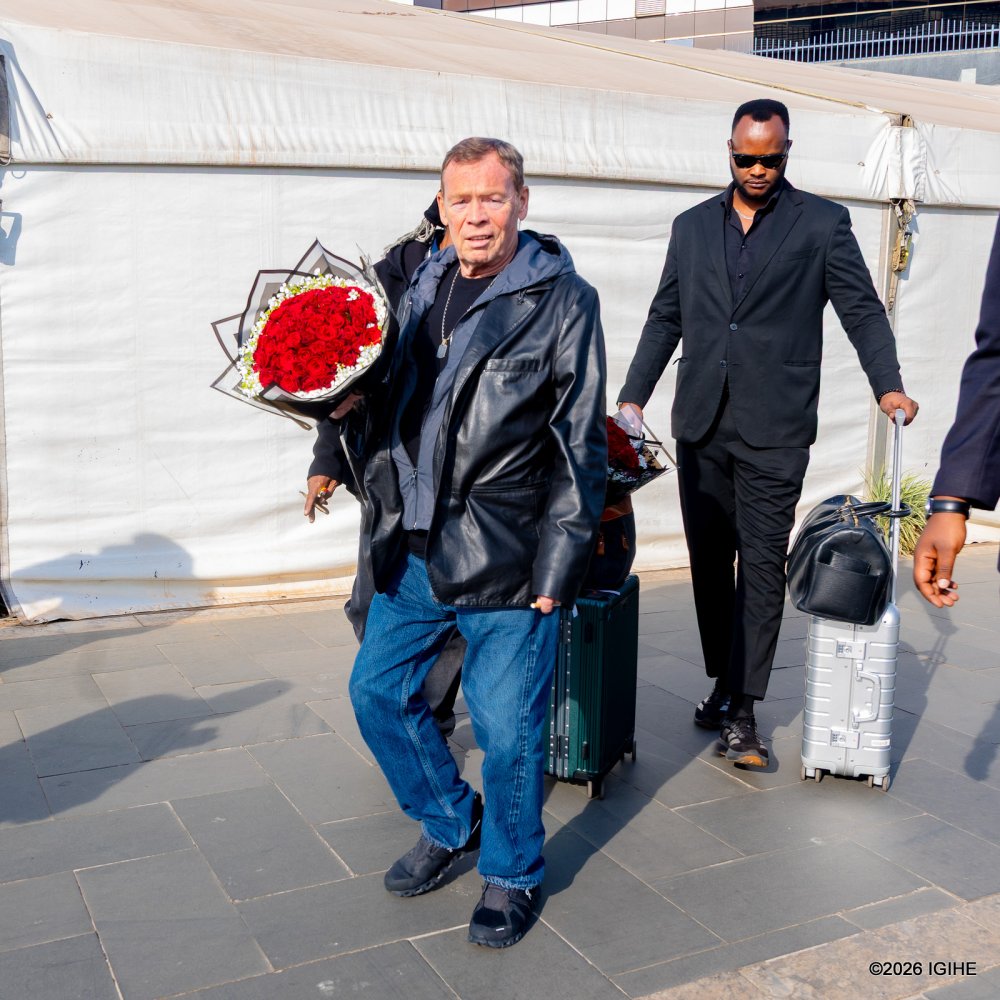
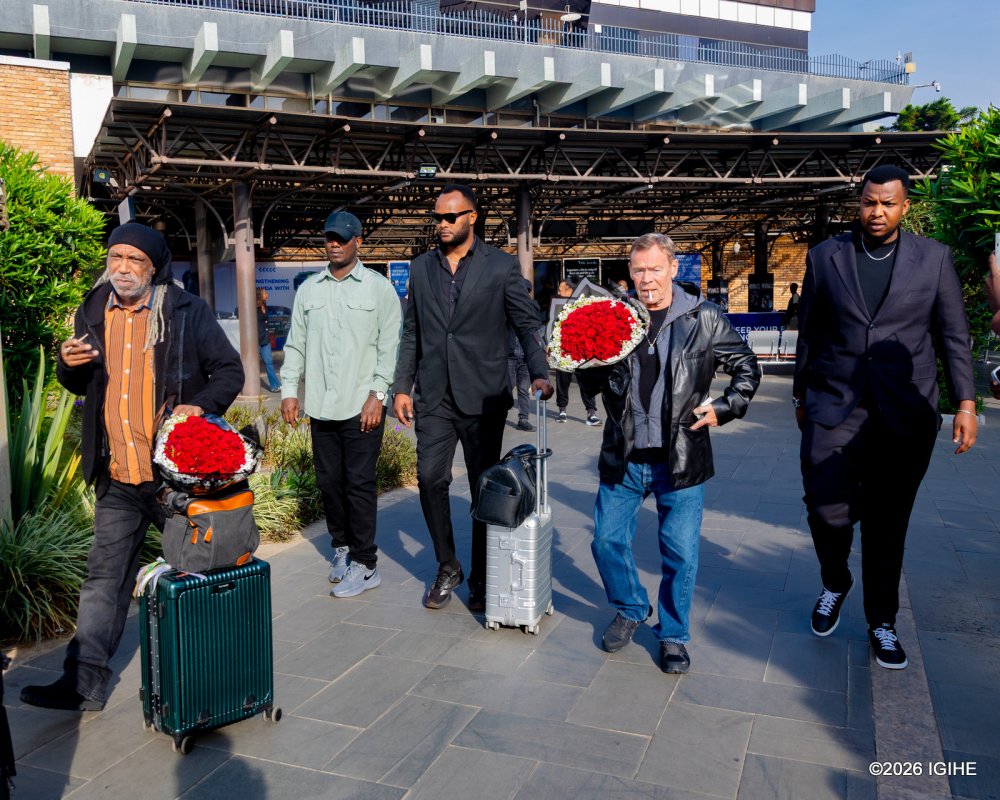
The group touched down from South Africa following a highly successful, fast-paced multi-city tour. The band kicked off their southern leg in Cape Town on June 2, moved to Durban on June 4, and wrapped up with back-to-back performances in Pretoria on June 6 and 7.
The band was originally expected to land in Kigali yesterday, June 8. However, due to the tight logistics of their packed touring schedule, management requested an extra night of rest, pushing their arrival to this morning.
UB40 was originally formed in Birmingham, United Kingdom, in 1978 by a group of working-class friends who took their name from the British unemployment benefit form. They went on to become one of the most commercially successful reggae acts in history, selling over 70 million records globally with timeless hits like “Red Red Wine,” “Kingston Town,” and “Can’t Help Falling in Love.”
Internal disagreements eventually led to a permanent split in the band’s legacy. In 2008, iconic lead vocalist Ali Campbell left the original lineup due to management disputes. Seeking to preserve the classic sound, he launched his own touring version of the group in 2014, known today as UB40 featuring Ali Campbell.
This spin-off previously featured original bandmates Mickey Virtue and Terence “Astro” Wilson, the latter of whom sadly passed away in late 2021. Meanwhile, the remaining original members of the 1978 group chose to keep the standard UB40 name, replacing Ali with his brother Duncan Campbell, and later, current vocalist Matt Doyle. That separate entity continues to tour globally with long-standing members like Robin Campbell, Jimmy Brown, Earl Falconer, and Norman Hassan.
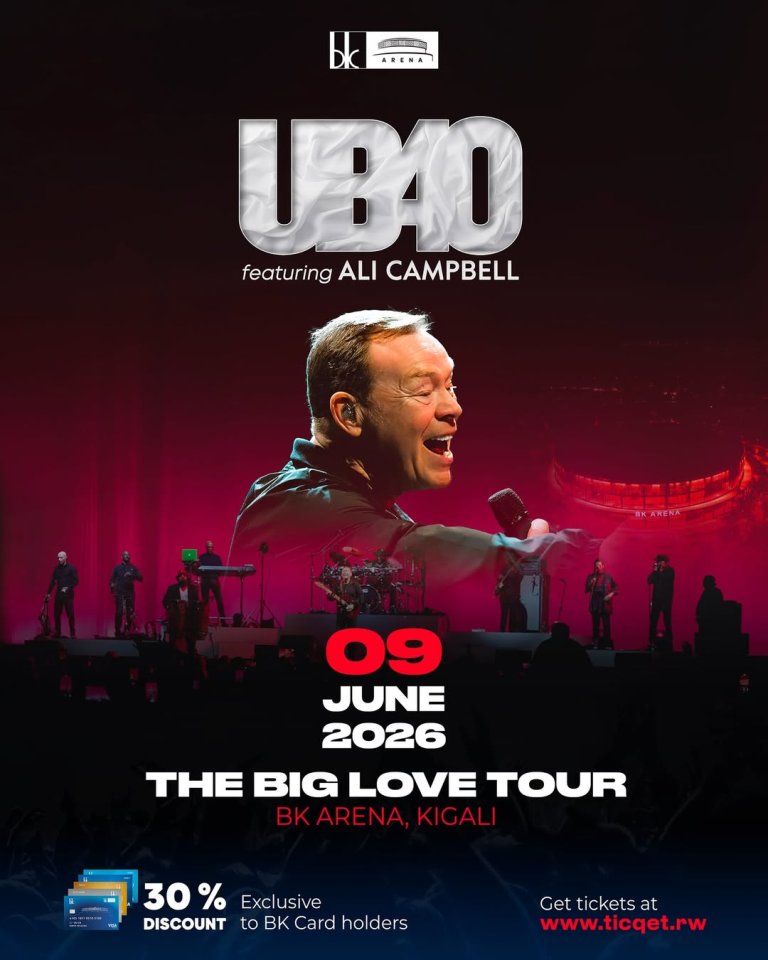
Because of this historic divide, it is strictly UB40 featuring Ali Campbell taking the stage in Kigali tonight, bringing the distinctive voice behind the band’s greatest studio hits to Rwanda for the very first time.
For generations of Rwandan music lovers who grew up hearing these songs on local radio stations, in public transport, and at family gatherings, tonight’s performance at the BK Arena represents a massive milestone, bridging nostalgia with a live, world-class production.
Legendary reggae group UB40, featuring Ali Campbell, arrived in Kigali early Tuesday morning ahead of their historic concert at BK Arena tonight.Upon arrival in Kigali, Ali Campbell first took time to greet a small group of journalists who were present at the airport.
The event, organised by DJ Spinny, will bring together music fans for a two-day experience combining live performances and entertainment activities. On July 18, revellers will enjoy performances from various artists, while July 19 will feature additional entertainment alongside the screening of the FIFA World Cup final.
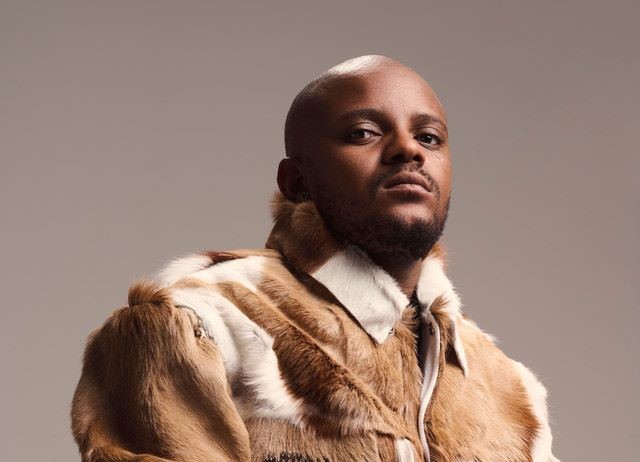
Kabza De Small, born Kabelo Petrus Motha on November 27, 1992, in Mpumalanga and raised in Pretoria, is widely regarded as one of the pioneers of Amapiano, a genre that has gained massive global popularity in recent years.
He began his career as a DJ in 2009 and released his debut album Avenue Sounds in 2016. However, his breakthrough came with the rise of Amapiano, which propelled him to international recognition.
In 2018, his hit track Umshove further cemented his status, followed by successful projects including Pretty Girls Love Amapiano, I Am the King of Amapiano: Sweet & Dust, and Bab’Motha released in 2025.
Kabza De Small is also best known for his collaboration with DJ Maphorisa under the duo Scorpion Kings, a partnership that has played a key role in pushing Amapiano onto the global stage, with collaborations featuring artists such as Wizkid and Burna Boy.
This will be the second edition of the “Spinny and Friends” festival, following its debut in 2025, when DJ Spinny marked a decade in music with shows held in Uganda and Rwanda.
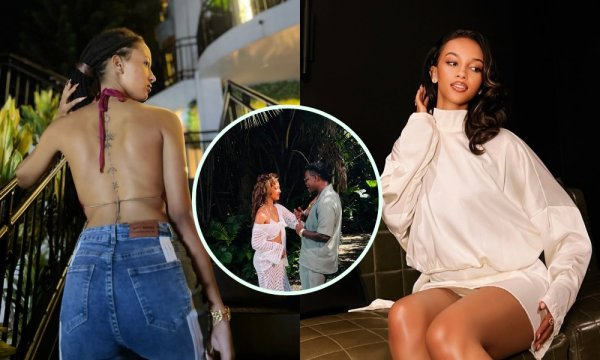
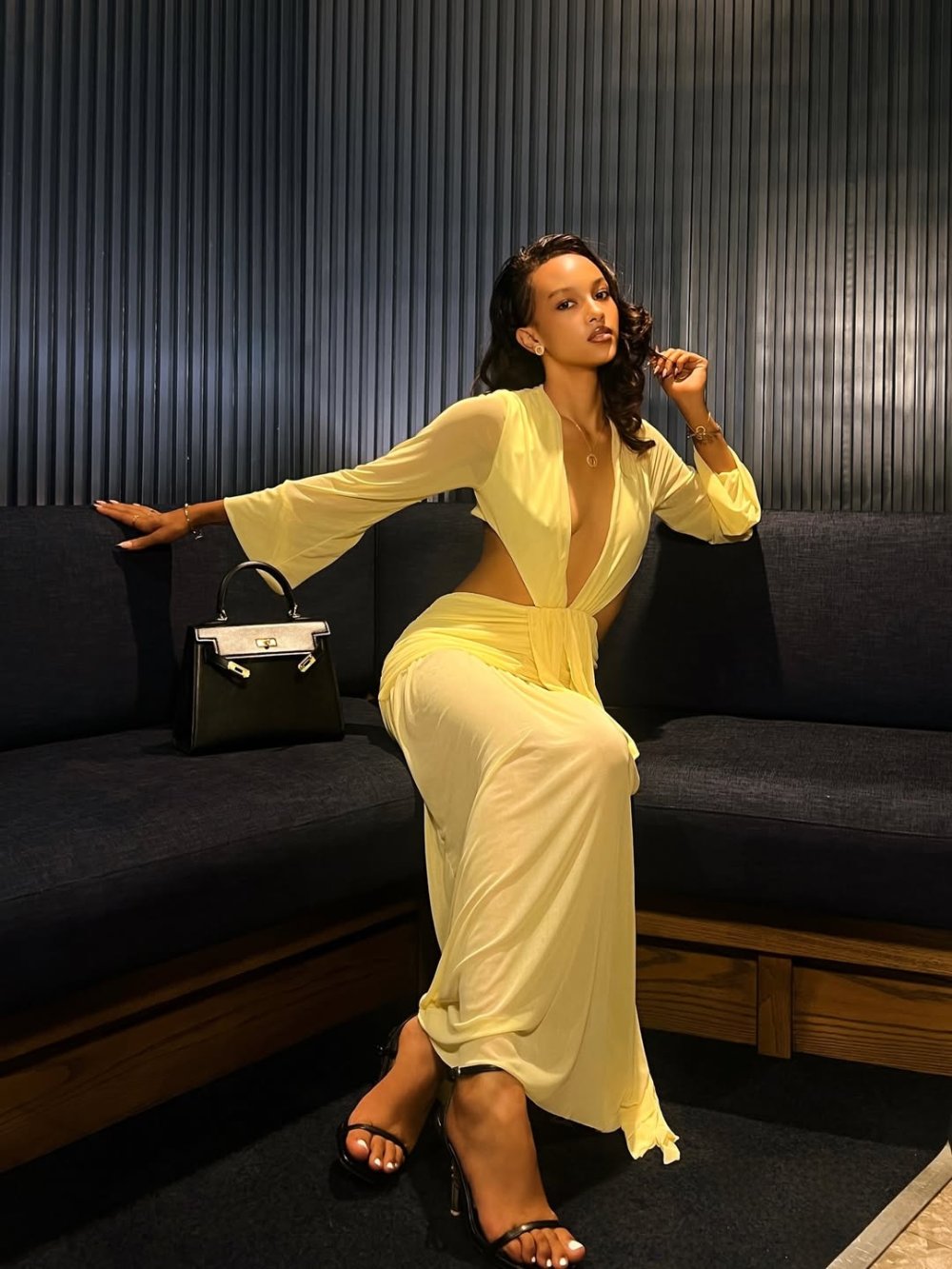
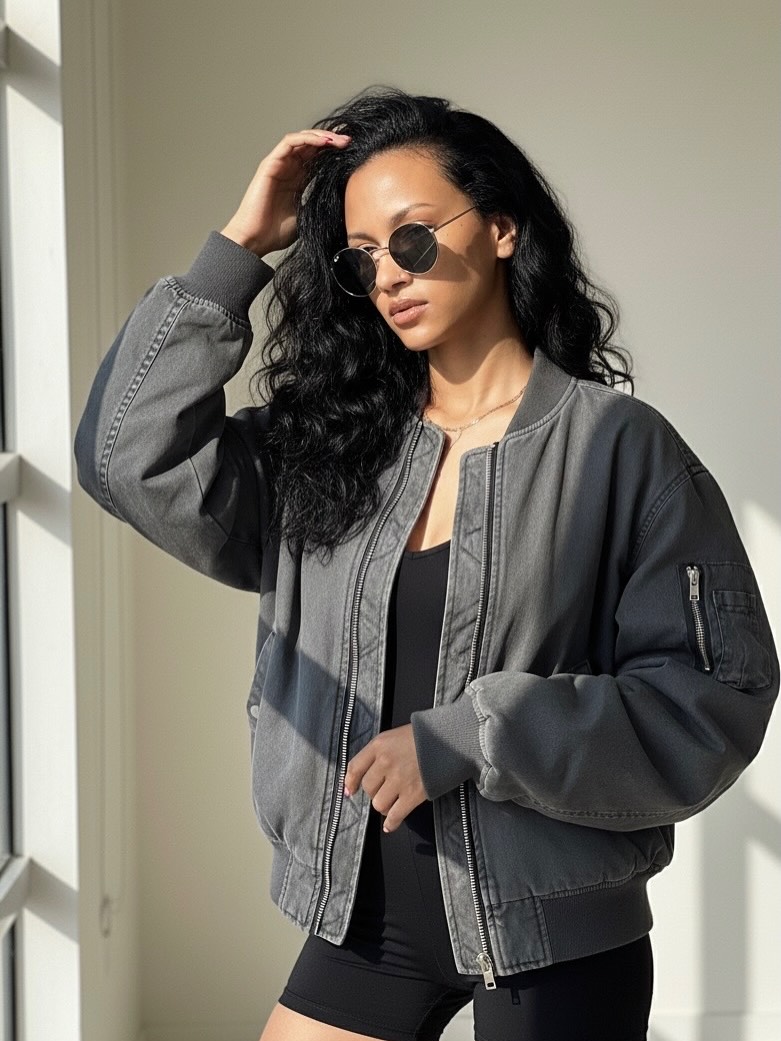
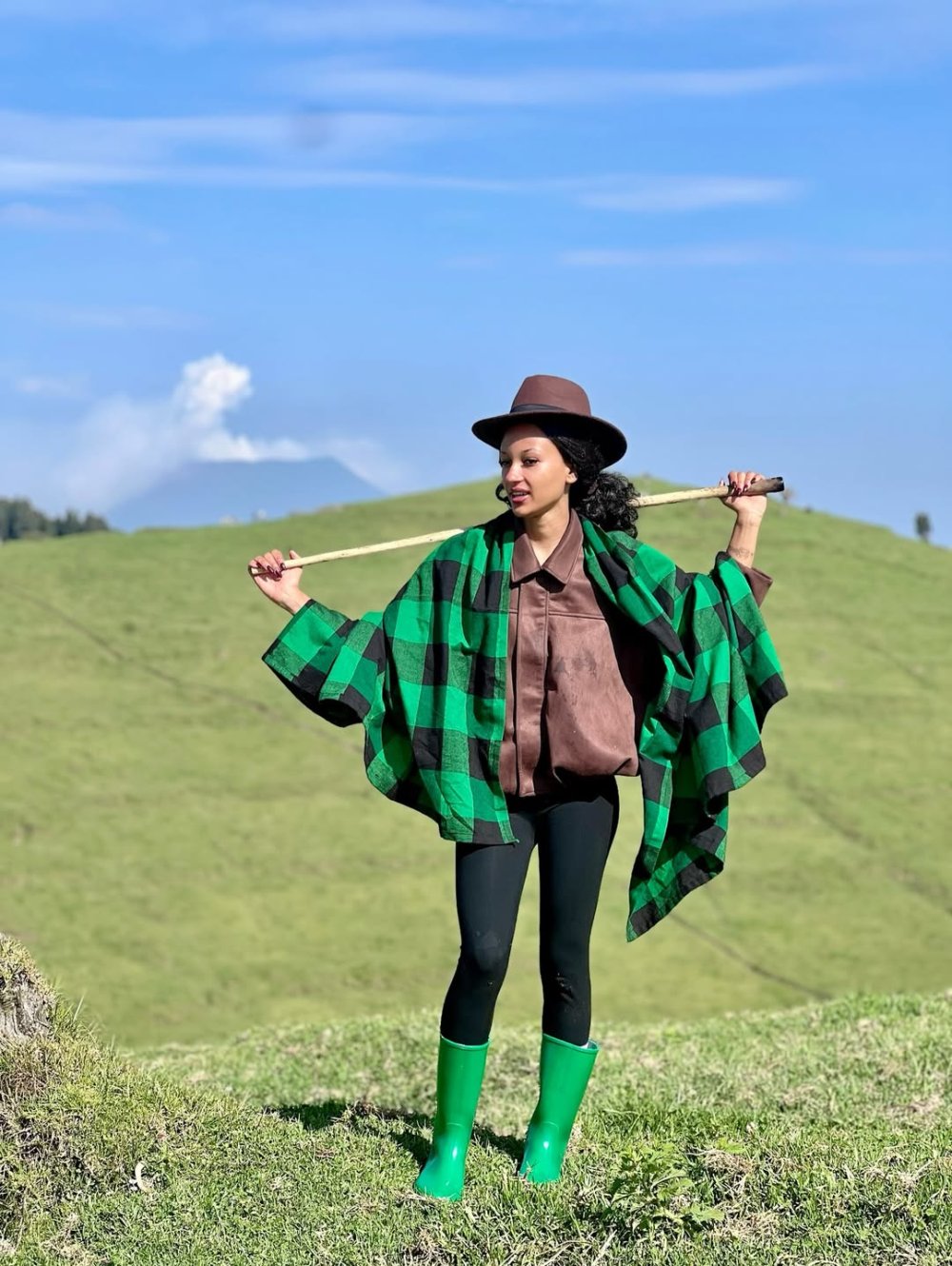
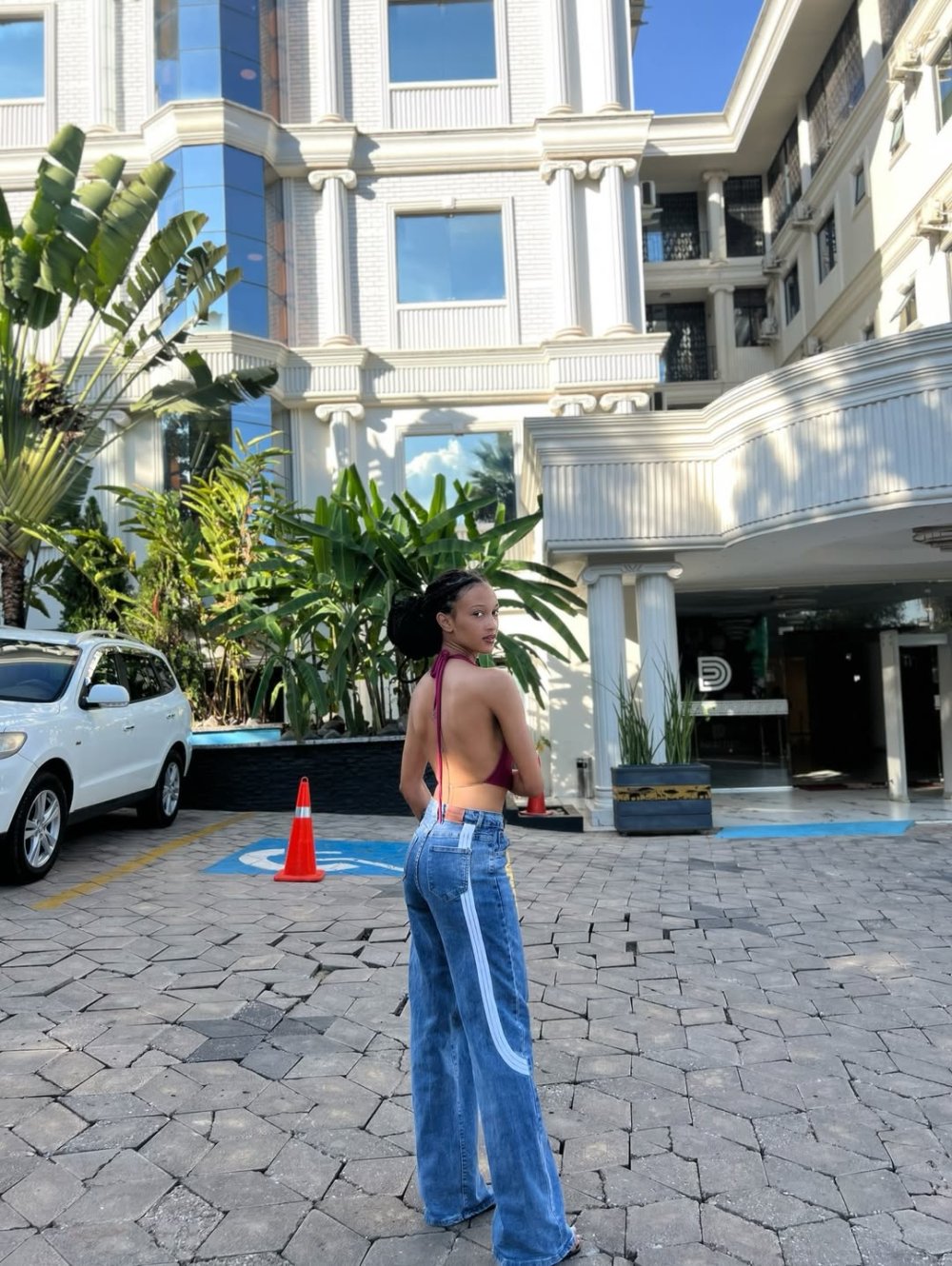
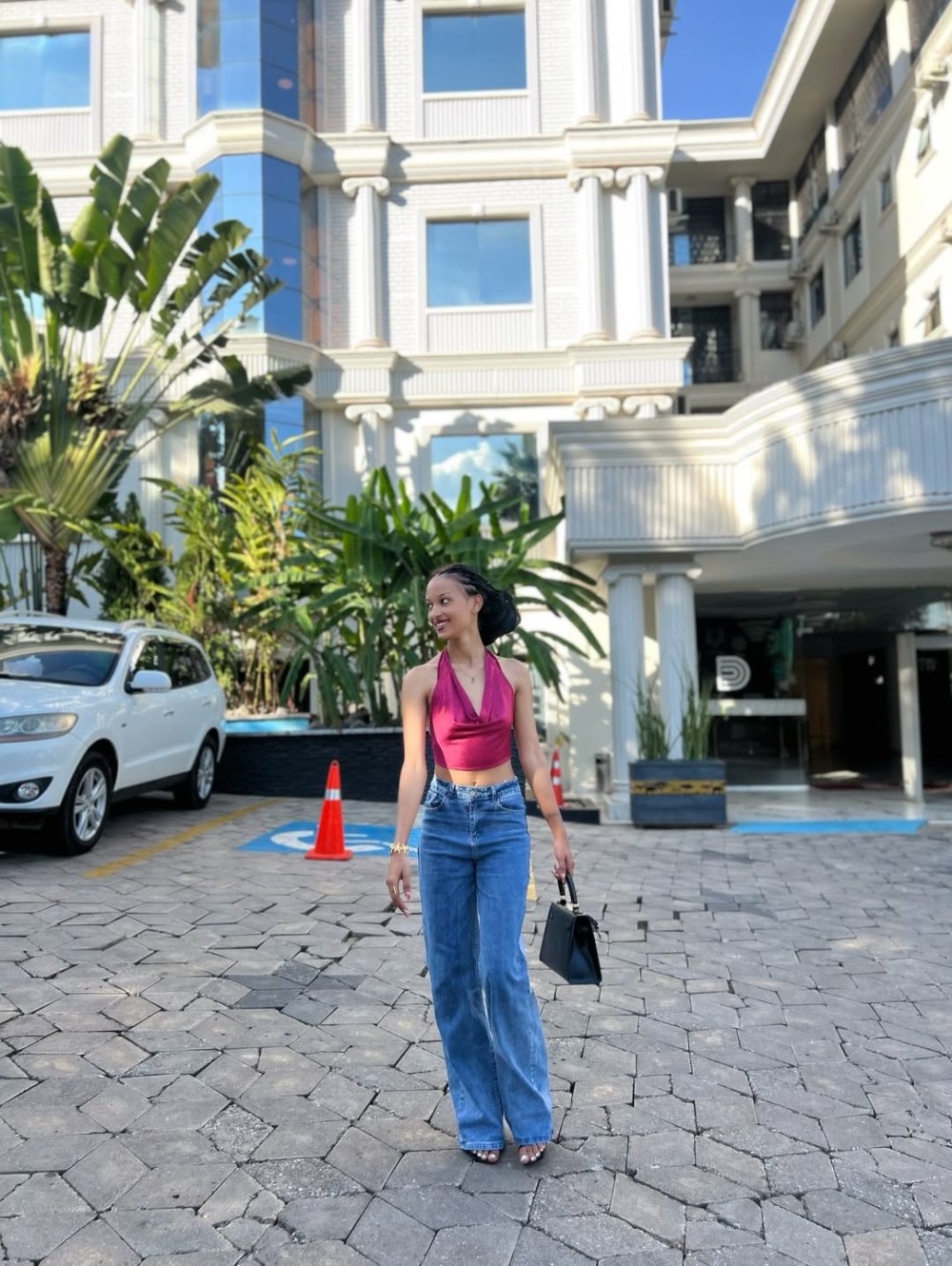
Alicia appears in a Bruce Melodie production for the second time, following her earlier feature in “Kuba nisindiye”, a collaboration between the singer and Real Roddy. These remain the only music video appearances she has made so far.
Best known for her acting career, Kamikazi Alicia has earned recognition for her beauty and on-screen presence, particularly through her role in the popular Rwandan series “Bamenya”, one of the country’s most-watched television dramas.
The audio for “Detail” had been released earlier, produced by Loader, while the video was directed, shot, and edited by John Elarts.
Bruce Melodie released the visuals just hours after hosting a press conference to launch his upcoming “Summer Country Tour” on Friday, where he is set to share the stage with artists including The Ben, Kitoko Bibarwa, and Bwiza.
The tour is scheduled to kick off in Musanze District on June 13, 2026, before heading to Nyagatare on June 20, Bugesera on June 27, and concluding in Rubavu on July 4, 2026.
The release marks Bruce Melodie’s second song of the year, following “Pom Pom”, a collaboration with Diamond and Brown Joel.
Earlier this year, the singer also attended The Ben’s “The New Year Groove” concert.
Alicia appears in a Bruce Melodie production for the second time, following her earlier feature in “Kuba nisindiye”, a collaboration between the singer and Real Roddy. Kamikazi Alicia has earned recognition for her beauty and on-screen presence.Alicia Kamikazi is a film actress, best known for her role in the popular series “Bamenya”.She is a familiar face Rwanda’s film industry.Alicia Kamikazi last appeared in the music video for “Kuba nisindiye”.Alicia Kamikazi has so far featured in only two music videos, both by Bruce Melodie.
Known for his versatility as a singer, songwriter, producer, and accomplished drummer, Kitaka is signed to Uganda’s Swangz Avenue and has built a reputation for blending Afro-fusion, soul, reggae, and dancehall with a distinctive live-instrument feel shaped by his early background in church bands and live sessions.
Speaking in an exclusive interview with IGIHE, Kitaka said his frequent visits to Kigali, this being his fourth time, have made the city a place that naturally inspires calm and creativity.
“Kigali is a calm place… every time I come here I want to be calm. I have so many friends here, and I feel like I’m also here for the music, to collaborate and join forces so we can push music from Uganda to Rwanda and Rwanda to Uganda,” he said.
Known for his versatility as a singer, songwriter, producer, and accomplished drummer, Kitaka is signed to Uganda’s Swangz Avenue.
Beyond music, the artist also expressed admiration for Kigali’s environment, praising its cleanliness, quiet atmosphere, and scenic hills.
At the centre of his Kigali visit is “Masterpiece,” a collaboration with Nel Ngabo that Kitaka says came together naturally from the moment the two artists met.
The track, whose official video premiered on Friday, June 5, was born after Nel brought the initial idea and invited Kitaka to add his verse.
“Nel wrote the song and brought it to me to put the verse. He thought I was the best person to have a vision about the masterpiece he had created,” Kitaka explained.
He added that their first meeting sparked immediate creative chemistry.
“The first time I met Nel, he came where I was staying with Clement and the energy just flowed by itself. It was like two kings meeting, and our way forward was the masterpiece we created.”
A song inspired by admiration and beauty
According to Kitaka, “Masterpiece” is not just a title, but a concept inspired by admiration for a special person.
“Masterpiece is a song we wrote for that one special person who is a masterpiece, who is above everything,” he said.
He revealed that the song celebrates beauty and uniqueness, while the accompanying video continues that theme.
“The video concept is more of us singing for this woman who is the masterpiece —beautiful, extraordinary, above everything.”
Shot in Rwanda, the video is described by Kitaka as simple and family-friendly, aligning with his preference for authentic and uncluttered visual storytelling.
Building East African musical bridges
Beyond the single, Kitaka emphasised the importance of cross-border collaborations in shaping a stronger East African music industry.
“Collaborations make artists travel places and voices travel places. If I’m only doing well in Uganda, I’ve made it in Uganda. But when I cross the border and collaborate with a voice like Nel’s, we build a fan base together,” he said.
He noted that such partnerships allow audiences to discover new artists across borders, strengthening regional unity through music.
Elijah Kitaka and Nel Ngabo dropped their Masterpiece official video on Friday, June 5, 2026.
Kitaka also hinted at upcoming projects with several East African artists, including Rwandan and Kenyan acts.
He mentioned collaborations with celebrated Rwandan artists Kivumbi and Mike Kayihura, as well as a broader regional project.
“With Mike, we have an EP we’re trying to do, along with some artists in Kenya like Ben Soul. It’s going to be a big project called East African Boys. It has different sounds and different energies,” he said.
From church drums to international stages
Reflecting on his journey, Kitaka traced his musical foundation back to church, where he first learned drums and other instruments. Before fully transitioning into music, he also built a career in IT and technology, balancing his passion for music with his professional path.
“Drumming was the foundation. I was one of the best drummers in Uganda around 2015 up to COVID. Even then, I was writing music and directing bands,” he said.
He later transitioned into singing and production, expanding his career into multiple creative roles while maintaining his instrumental roots.
Today, Kitaka is not only known for studio hits such as “Dawa,” “Nothing,” and “Tutu Mama” featuring Vinka, but also for his strong live performance presence across Africa, including festivals such as Blankets and Wine (Uganda), Amani Festival (DRC), Ongala Festival (Tanzania), and Visa for Music (Morocco).
To emerging talents, Kitaka encouraged consistency, humility, and resilience.
“Be humble, be ambitious, respect one another. Practice makes perfect. There will be challenges, but they show if you’re really serious. Use social media, push yourself. The day will come when someone notices you,” he advised.
As “Masterpiece” takes over the airwaves, Kitaka says fans should expect a vibrant East African collaboration driven by chemistry, simplicity, and emotion.
Meaning “to rise” in Latin, Orior is both a title and a philosophy. It reflects Dube’s ongoing exploration of identity, African womanhood, and self-actualisation through a lens shaped by theatre, poetry, performance, and design. The EP follows a steady stream of singles, including Oasis and Uthando, but it arrives as her most complete artistic statement to date, one that extends far beyond music into a fully realised audiovisual experience.
At its core, Orior is a meditation on becoming rather than arriving.
“Orior is the conversation I needed to have with myself before I could have it with anyone else,” Dube explains. “It’s about what it means to become—not arriving, but the rising itself. I wanted to make something that felt true to where I’m from, who I am, and who African women are: creators, dreamers, and doers.”
For Dube, the EP is not just a project but a reflection of process, a way of organising thought, memory, and intention into form.
“I wanted something to reflect and contemplate on,” she says. “A project I can dedicate my time and resources to, where my subconscious meets my conscious mind. It becomes an investment into my future, and a part of my identity.”
Beyond the roles assigned
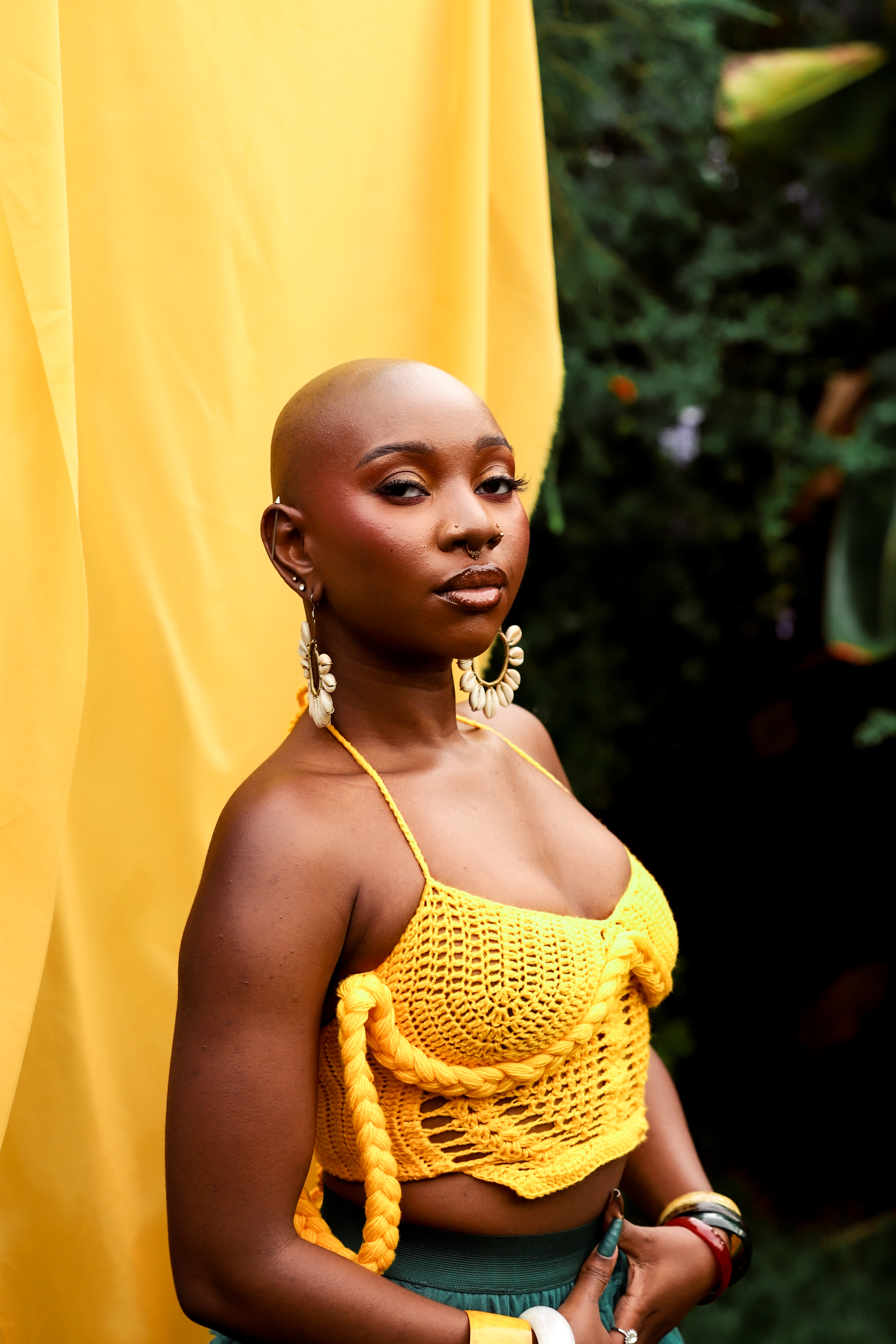
Delah Dube is set to drop her debut EP Orior on June 16, 2026. Photo credit: Jonagraphe
That sense of intentional self-definition runs through Orior, which challenges the inherited expectations placed on African women and asks what happens when those roles are questioned or refused.
Across its five tracks, Dube explores fear, desire, self-worth, lineage, and emotional honesty. But the underlying thread is clear: the pressure to perform identities that were never self-chosen, and the courage it takes to step outside them.
“The title translates to ‘to rise’, and the first track feels like my womanifesto,” she says. “We’re often playing roles that we didn’t choose. The question is: how do we break free from that?”
That opening track, Hinc Orior, sets the tone. An Afrofuturist blend of spoken word, broken disco, and EDM influences, it positions African women at the center of cultural creation and not as subjects, but as origin points.
From there, Kairos, featuring Rwandan artist Chacha Imfurekeye, reflects on timing and self-trust, confronting the anxiety of comparison and the illusion of being “behind” in life. The collaboration also signals the EP’s broader pan-African dialogue, connecting Zimbabwean and Rwandan creative perspectives through a shared sonic language.
A growing voice on major stages
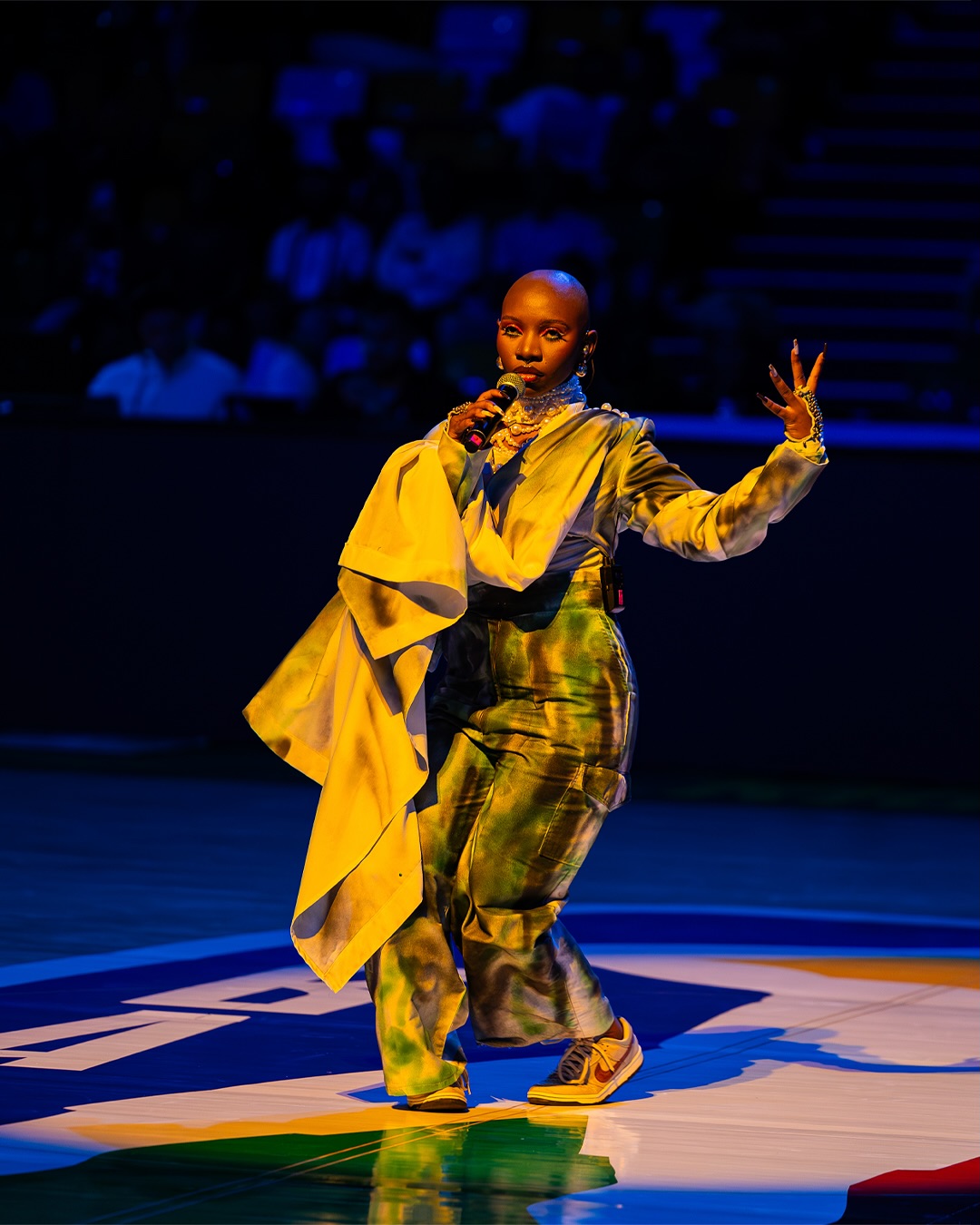
Delah Dube performs at BAL competitions. Photo credit: Jonagraphe
Dube’s emergence is not limited to studio recordings. She carried immense momentum into 2026 following her standout milestone appearance at the 2025 Basketball Africa League (BAL) opening ceremony. At the BK Arena, she delivered a striking multidisciplinary performance that fused spoken word, Afro-soul, and intense choreography.
She returned to BAL stage for this 6th season with Mashirika Performing Arts to co-create and perform a song under this year’s theme, “Rise with The Game”. Performing alongside a large ensemble of contemporary dancers and contortionists, she transformed the arena into an immersive theatrical space, a live extension of the same thematic principles that define Orior.
The performance established her presence within some of the continent’s most visible cultural platforms, reinforcing her reputation as a boundary-crossing performer who treats live stages and recorded tracks as part of the same continuum. For Dube, such moments are a commitment to art as a lived experience rather than isolated output.
Sound, language and intimacy
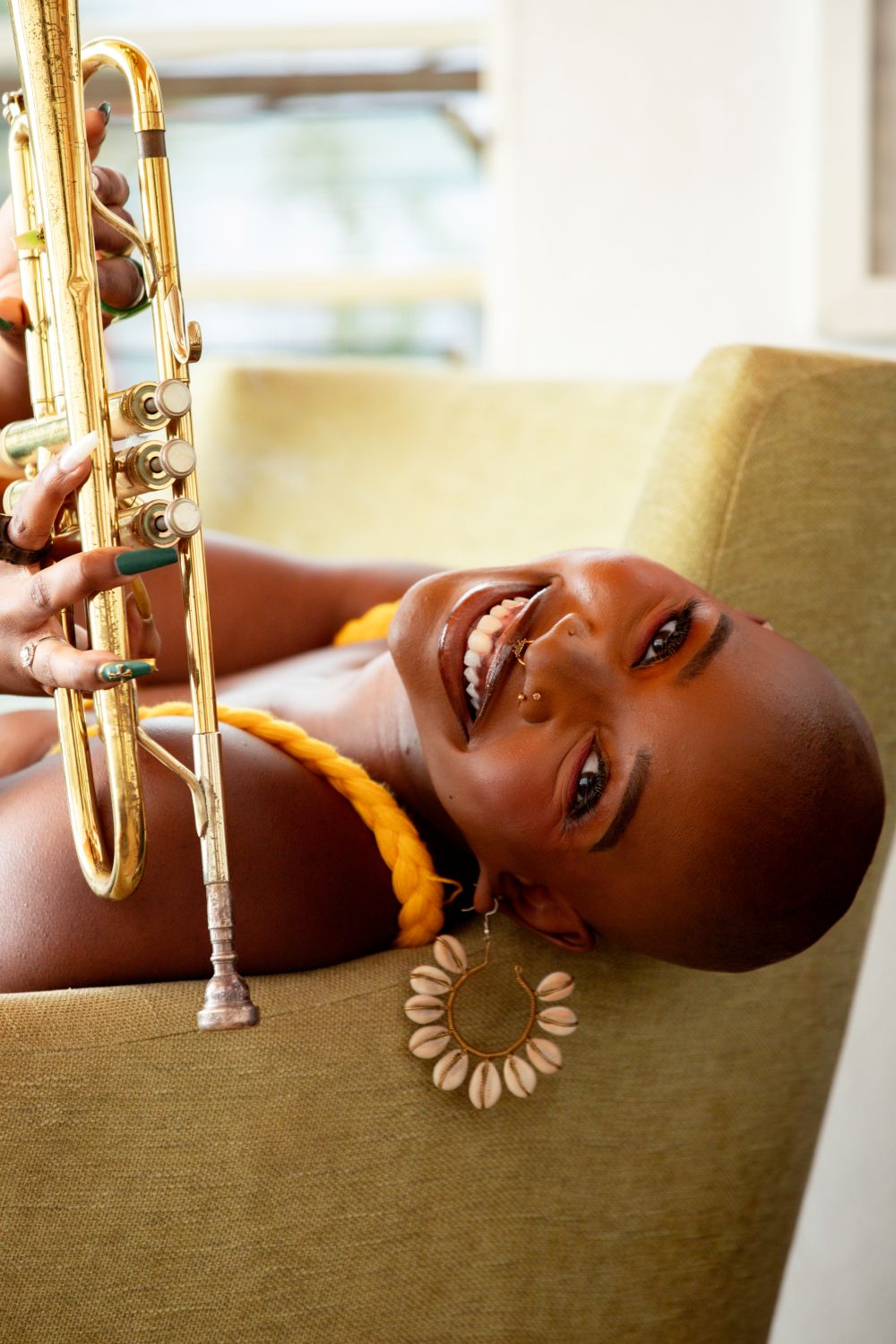
A Zimbabwean interdisciplinary artist based in Kigali describes the upcoming EP as a soundtrack to feminine evolution. Photo credit: Jonagraphe
Elsewhere on Orior, Dube shifts between intimacy and assertion. Songbird, performed in Ndebele, is one of the EP’s most personal moments, a spoken-word infused reflection rooted in ancestral memory and linguistic identity.
In contrast, DioR, featuring Rwandan rapper thedicekid, delivers sharp alt-R&B and hip-hop energy. Built on a proven collaborative chemistry forged across past joint projects, the track centres on self-worth, boundaries, and emotional sovereignty, presenting a woman fully aware of her value and unwilling to negotiate it away.
The EP closes with Roleplay, a darker, more vulnerable track that confronts people-pleasing and emotional self-erasure. It is here that Orior reaches its emotional core: the recognition that survival often involves shrinking, and that liberation begins with refusing to do so.
“It’s about recognising patterns, naming them, and choosing to restrict access rather than play small,” Dube says.
Kigali, collaboration and creative expansion
While Orior is deeply personal, it is also shaped by place. Dube credits Kigali’s evolving creative ecosystem with expanding her understanding of collaboration and artistic community.
“Rwanda’s creative scene is growing into a hub for collectives,” she says. “It has opened me up to believe in art as a communal practice.”
Her work with groups such as Mashirika Performing Arts and The Circle Kigali, which she co-founded as an artists’ healing space, reflects her belief that creativity can function as both expression and repair.
That philosophy extends into her conceptual framework, which she calls “The Afrosensual”, a practice rooted in intuition, sensory awareness, and African indigenous knowledge systems. It is an approach that heavy-hitting tracks like Roleplay and Songbird translate directly into raw sonic energy.
“It explores returning to our senses in an overstimulating world,” she explains. “It’s about learning to trust the body again, what triggers it, what soothes it, and what it knows before language intervenes.”
A debut built on becoming
For Dube, the EP is not just a project but a reflection of process, a way of organising thought, memory, and intention into form. Photo credit: Jonagraphe
Orior resists the framing of a traditional debut. Rather than signalling arrival, it reflects an ongoing process of self-discovery and artistic formation. Dube, who serves as writer, executive producer, and co-producer across the EP, describes the experience as both grounding and revealing.
“Seeing the ideas come to life made me realise how much I believe in myself,” she says. “Whether the world liked it or not, I was going to be proud of what I created.”
For her, success is not measured by numbers or immediate recognition, but by resonance, whether listeners can see fragments of their own experiences within the music.
“I hope people genuinely connect with the subject matter and the musicality,” she says. “I want it to inspire people to build their dreams too.”
As Orior prepares for release, it positions itself as both an invitation and an interruption, a reminder that African women are not waiting to become anything. They are already rising, continuously, beyond the roles assigned to them.
Delah Dube’s debut EP Orior drops on June 16, 2026.
The Apple Music program is widely recognized for helping rising artists expand their reach by featuring their music on curated playlists, increasing visibility among global audiences and industry stakeholders.
According to information provided to IGIHE by representatives of Element, curators from Apple Music were particularly impressed by his recent single “Ayayaaah,” a collaboration featuring Joshua Baraka and Bien.
Following the track’s reception, Apple Music reportedly requested an EP submission for consideration in the program. However, as Element is currently working on his debut album, he opted instead to submit a selection of previously released songs.
Commenting on the selection via his social media platforms, Element expressed pride in becoming the first Rwandan artist to be featured in the Up Next Africa program.
Formerly known primarily as a music producer, Element transitioned into performing and has since emerged as one of Rwanda’s notable contemporary artists. His catalog includes popular tracks such as “Kashe,” “MiLELE,” “Maaso,” “Foux de toi,” and “Tombé.”
Participation in Apple Music’s Up Next Africa program is expected to further elevate his profile across the continent and strengthen his presence in the international music market.
Rwandan artist Element EleéeH has been selected for Apple Music’s Up Next Africa program, an initiative designed to spotlight and support emerging African talent with international potential.
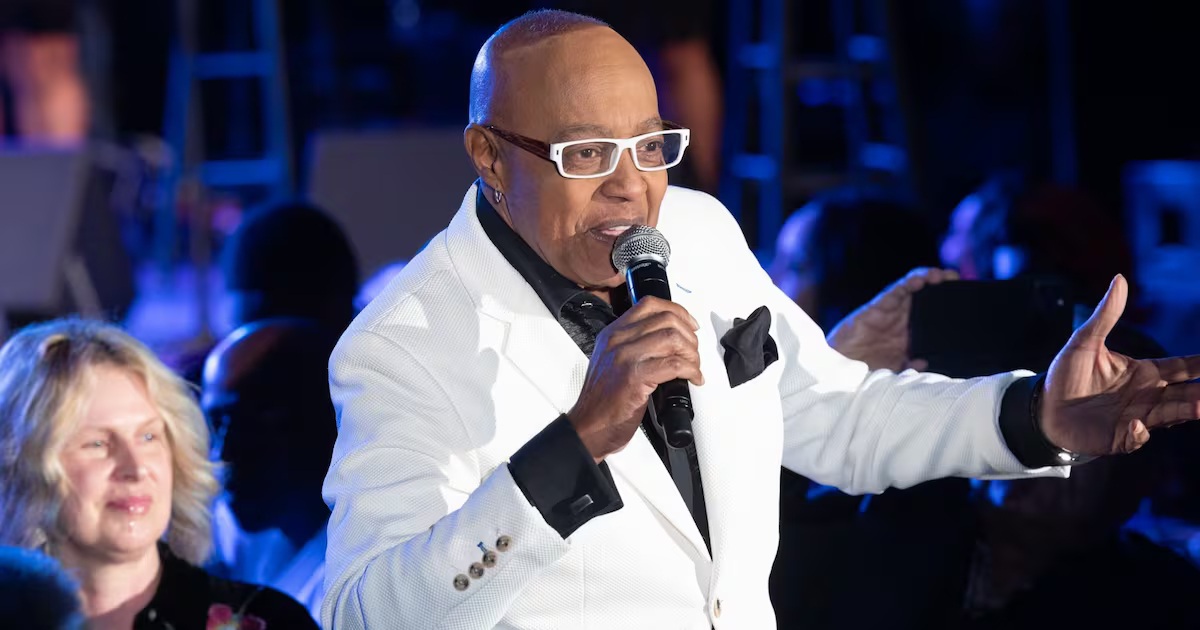
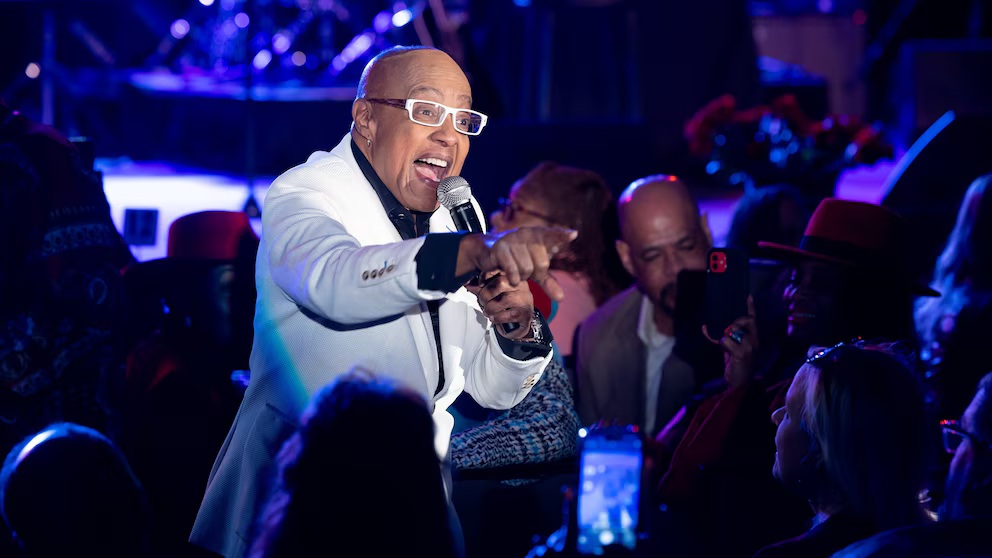
According to a family statement, Bryson passed away on Tuesday evening “surrounded by the love of his family and those closest to him.” He had recently suffered a stroke and was hospitalised earlier in May 2026. The singer also previously survived a heart attack in 2019.
Born Robert Peapo Bryson in 1951 in Greenville, South Carolina, he began performing professionally as a teenager, first singing backup for local acts before launching a solo career in the mid-1970s. His smooth tenor voice and emotional delivery quickly made him a standout in R&B music.
Bryson rose to prominence with hits such as “Reaching for the Sky,” “Feel the Fire,” and “Can You Stop the Rain,” becoming a regular presence on R&B radio and earning a reputation for romantic ballads and powerful duets.
He became especially well known for his collaborations with female vocalists. Among his most celebrated partnerships was with Roberta Flack, producing hits including “Tonight, I Celebrate My Love,” which became one of his signature songs.
Bryson later achieved global fame through his contributions to Disney soundtracks. His duet with Céline Dion on “Beauty and the Beast,” from Beauty and the Beast, became a worldwide hit and won a Grammy Award. The song also won the Academy Award for Best Original Song.
He went on to record another iconic duet, “A Whole New World,” with Regina Belle for Aladdin. The song became a defining moment in Disney music history and also earned Grammy recognition, cementing Bryson’s status as one of the most recognisable voices in film soundtracks.
Over his career, Bryson released around 20 studio albums and received multiple Grammy nominations. His voice became synonymous with romantic storytelling in both R&B and cinematic music.
In a statement, his family said they were deeply moved by the global outpouring of love, adding that while they are grieving, they find comfort in the legacy he leaves behind. “His voice and his generous spirit touched countless lives,” the statement read.
Bryson is survived by his wife, Tanya Boniface, and his children. His music, especially his Disney classics, is expected to continue resonating with audiences for generations.
Born Robert Peapo Bryson in 1951 in Greenville, South Carolina, he began performing professionally as a teenager, first singing backup for local acts before launching a solo career in the mid-1970s.
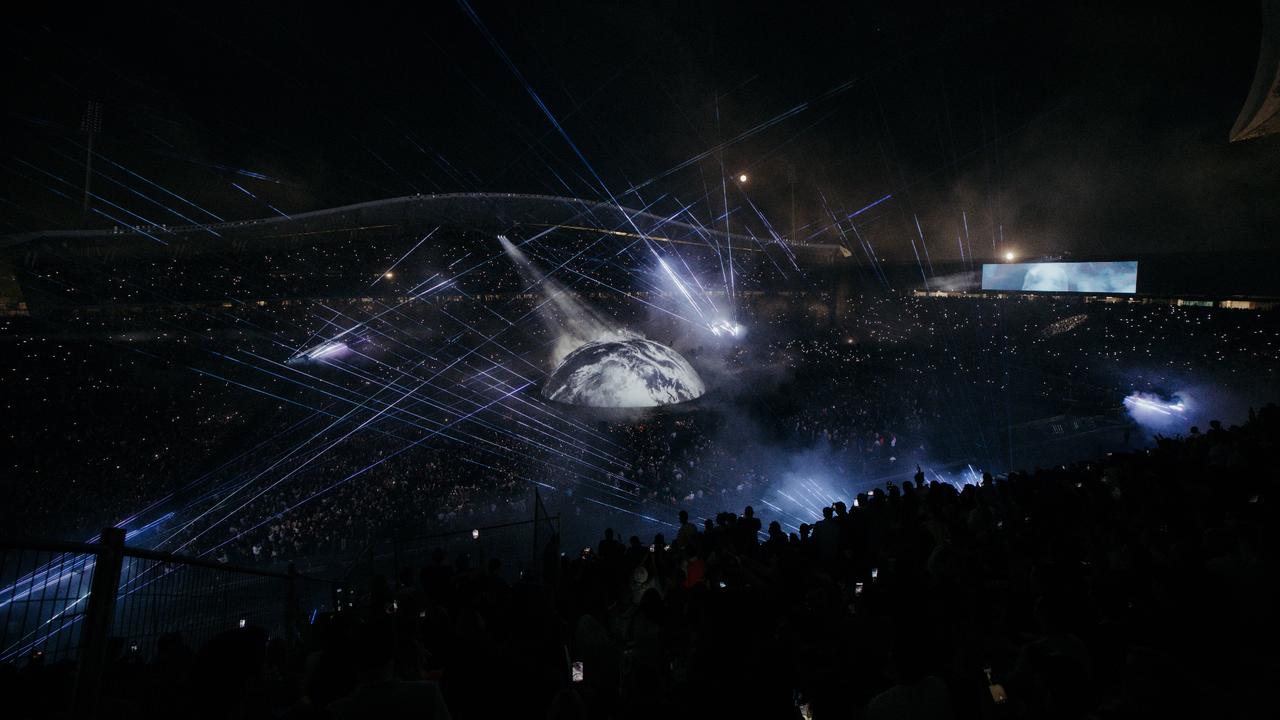
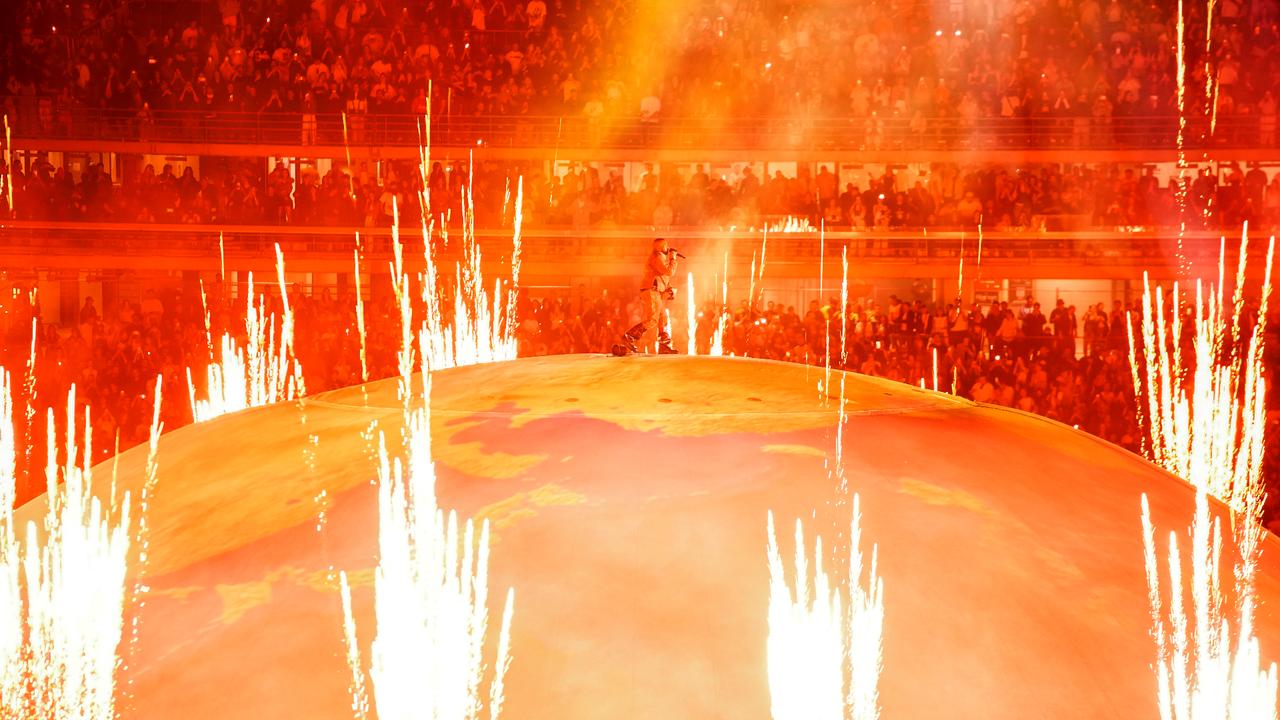
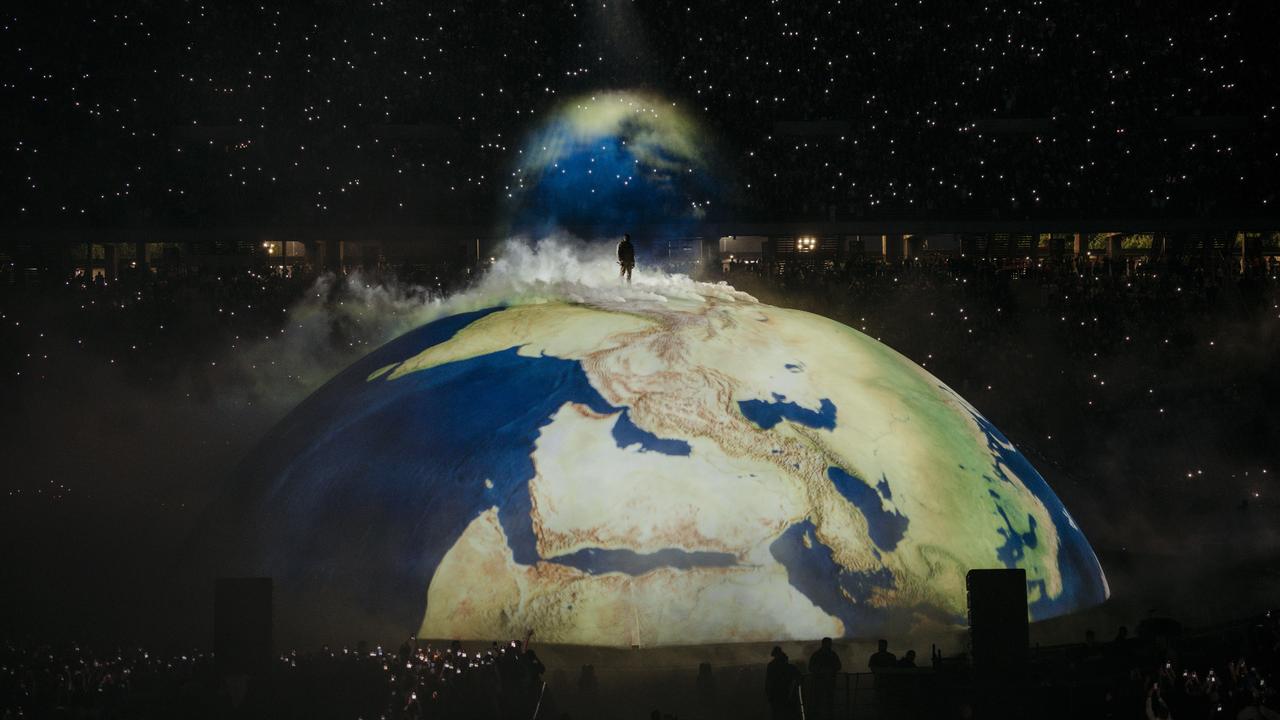
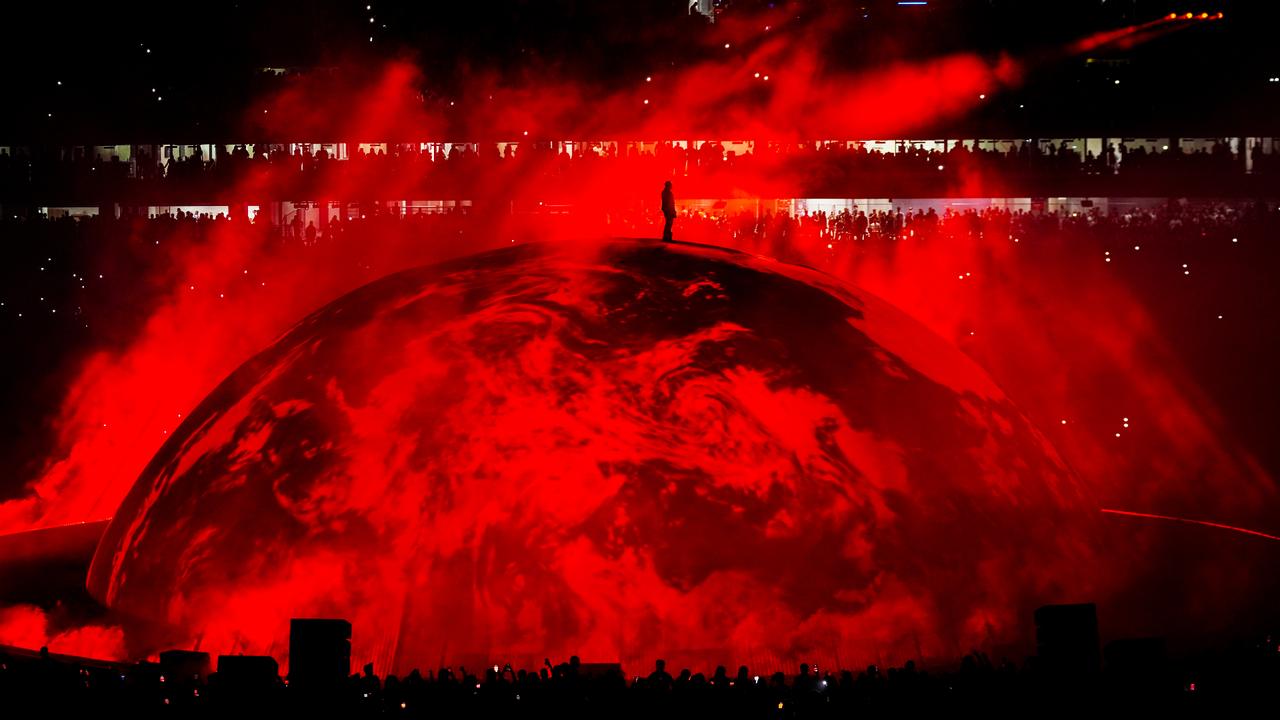
The world-famous rap artist performed in Türkiye for the first time, drawing an estimated 118,000 fans to one of Istanbul’s largest live music venues. The concert, organised in collaboration with NTRteam, attracted a highly international audience, with attendees travelling from across Türkiye as well as the United Kingdom, Germany, France, the Netherlands, Italy, Russia, Poland, the Middle East and other regions.
Long before West took the stage, the stadium was already packed, with fans filling both stands and pitch areas hours ahead of the performance. The anticipation reflected the scale of the event, which was widely presented as one of Istanbul’s biggest music moments of the year.
West opened the night with “Father,” immediately setting a reflective tone before moving through a catalogue of some of his most recognisable hits. His setlist included fan favourites such as “Power,” “Flashing Lights,” “Heartless,” “Runaway,” “Black Skinhead,” “Homecoming,” “King” and “All The Love.” He closed the concert with “Stronger,” bringing the two-hour performance to a high-energy finish.
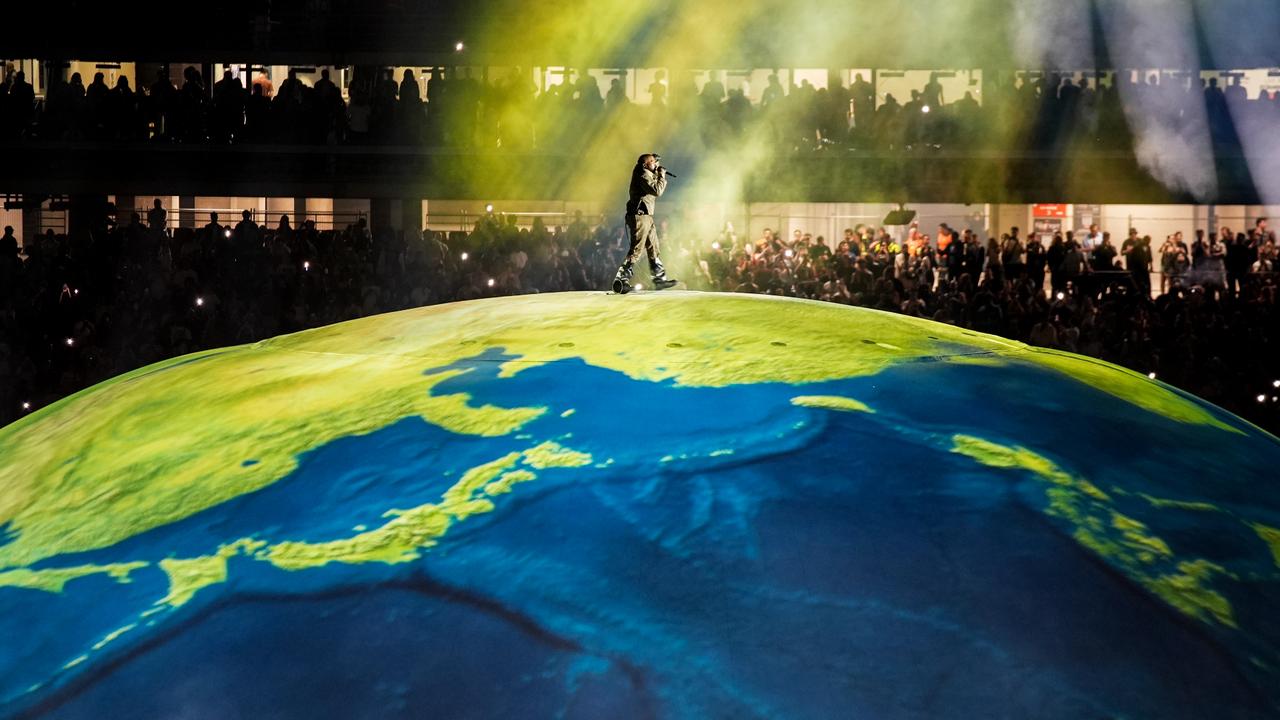
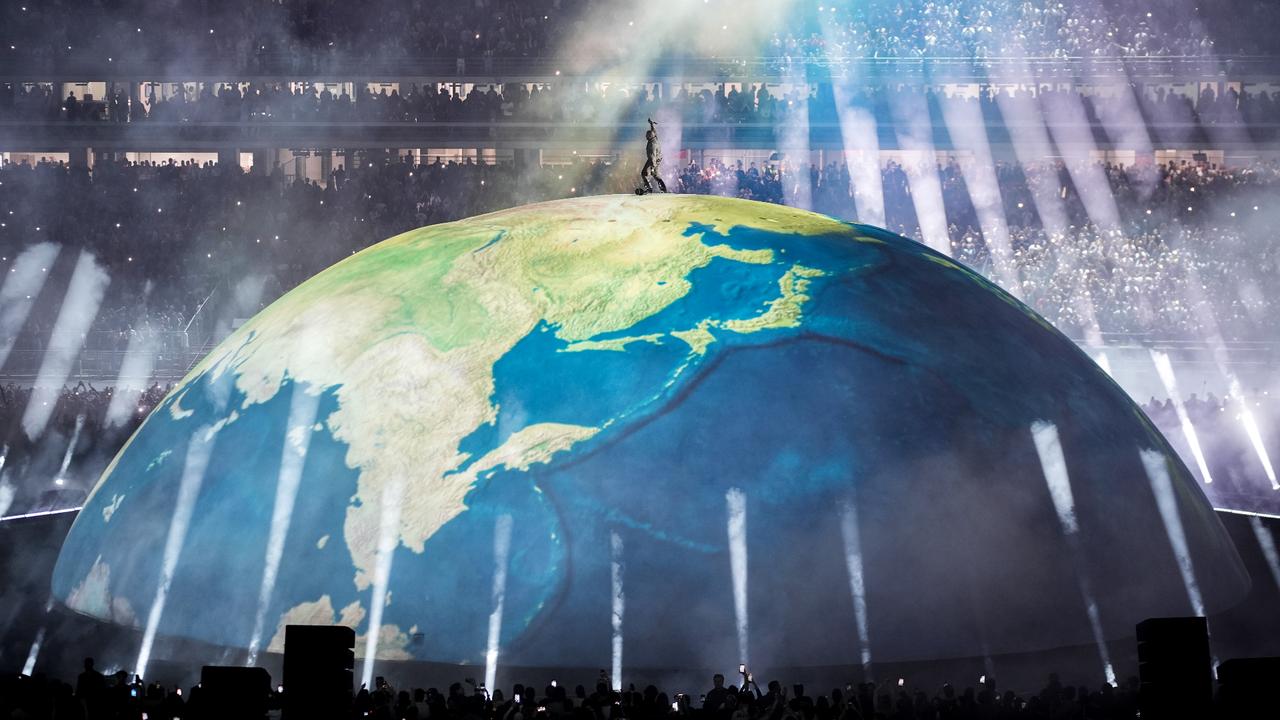
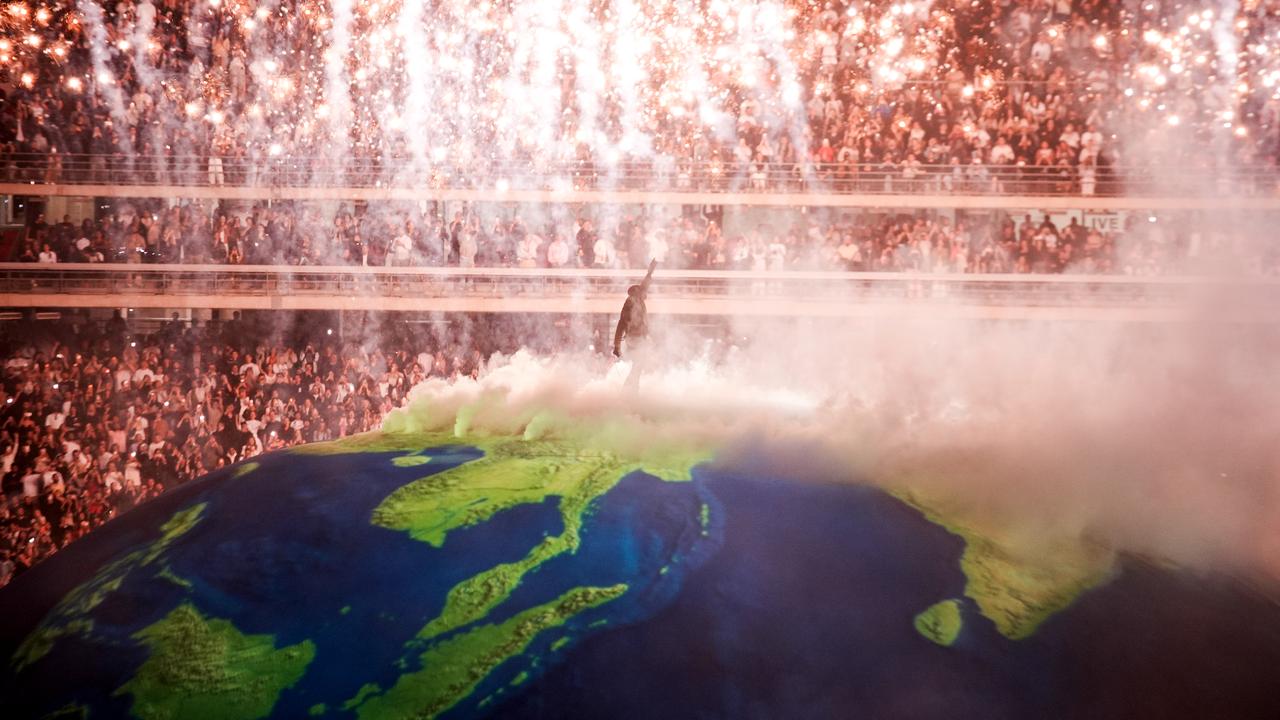
The show was staged on a spherical platform, echoing designs previously seen in his Los Angeles SoFi Stadium productions. The setup was enhanced by intense lighting effects, fog bursts and synchronised visuals that transformed the venue into a globe-lit spectacle visible across the stadium.
As the performance unfolded, thousands of fans illuminated the arena with their phone lights, adding another layer to the atmosphere and turning the crowd into part of the visual design.
The concert also drew a number of well-known Turkish public figures, including actors Şükrü Özyıldız, Alina Boz, Nilperi Şahinkaya, Hazar Ergüçlü, Yasemin Allen, Afra Saraçoğlu and Aslı Tandoğan, alongside Ayşe Tolga, Umut Evirgen, singer Elif Buse Doğan and Burak Kut.
Beyond the stadium experience, the show reached a global digital audience after being streamed live on Kanye West’s official YouTube channel, attracting millions of viewers within minutes and extending the reach of the Istanbul performance far beyond the venue itself.
The show was staged on a spherical platform, echoing designs previously seen in his Los Angeles SoFi Stadium productions. The setup was enhanced by intense lighting effects, fog bursts and synchronised visuals that transformed the venue into a globe-lit spectacle visible across the stadium.Thousands of fans illuminated the arena with their phone lights, adding another layer to the atmosphere and turning the crowd into part of the visual design.The concert also drew over 100,000 fans.The concert, organised in collaboration with NTRteam, attracted a highly international audience, with attendees travelling from across Türkiye as well as the United Kingdom, Germany, France, the Netherlands, Italy, Russia, Poland, the Middle East and other regions.
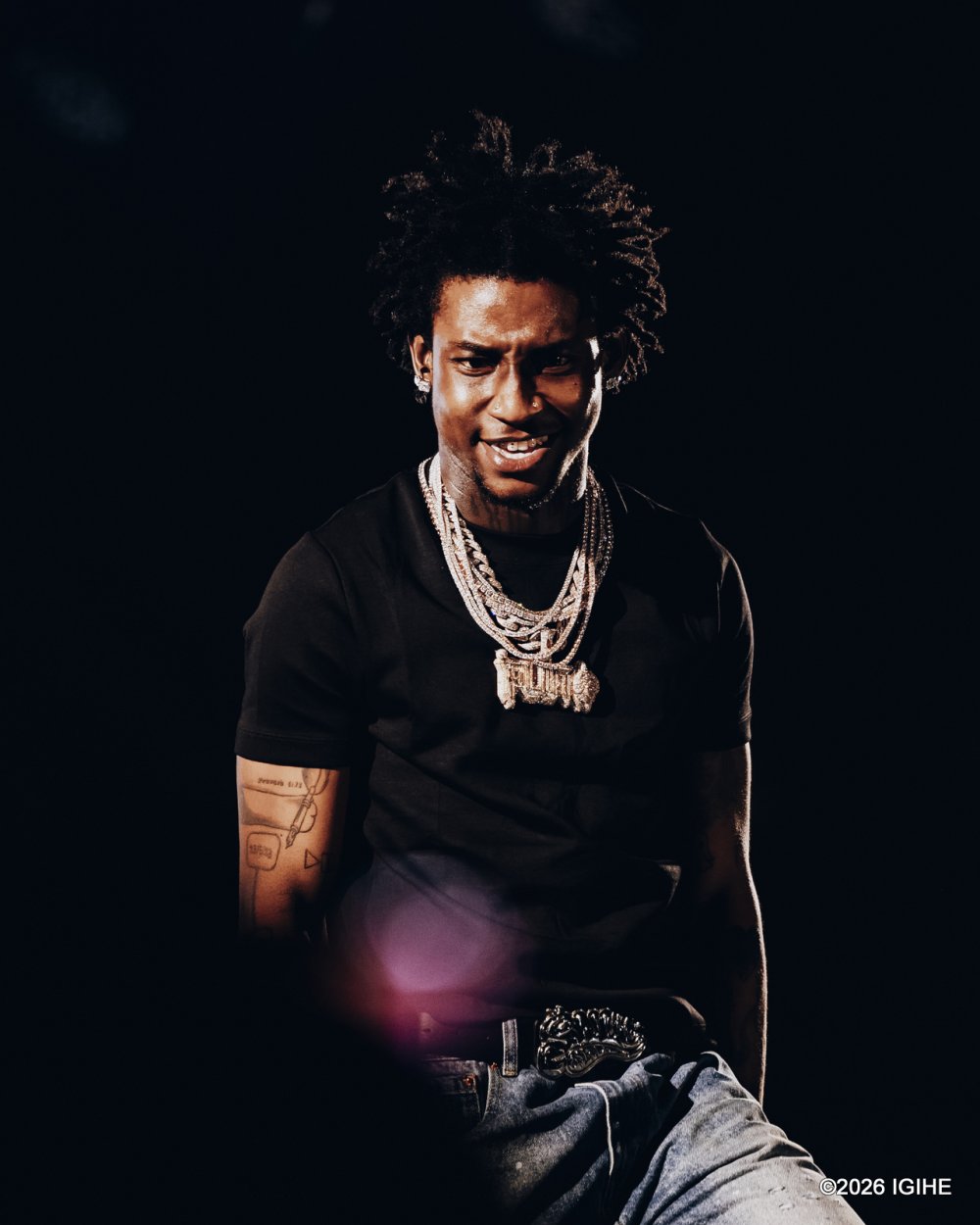
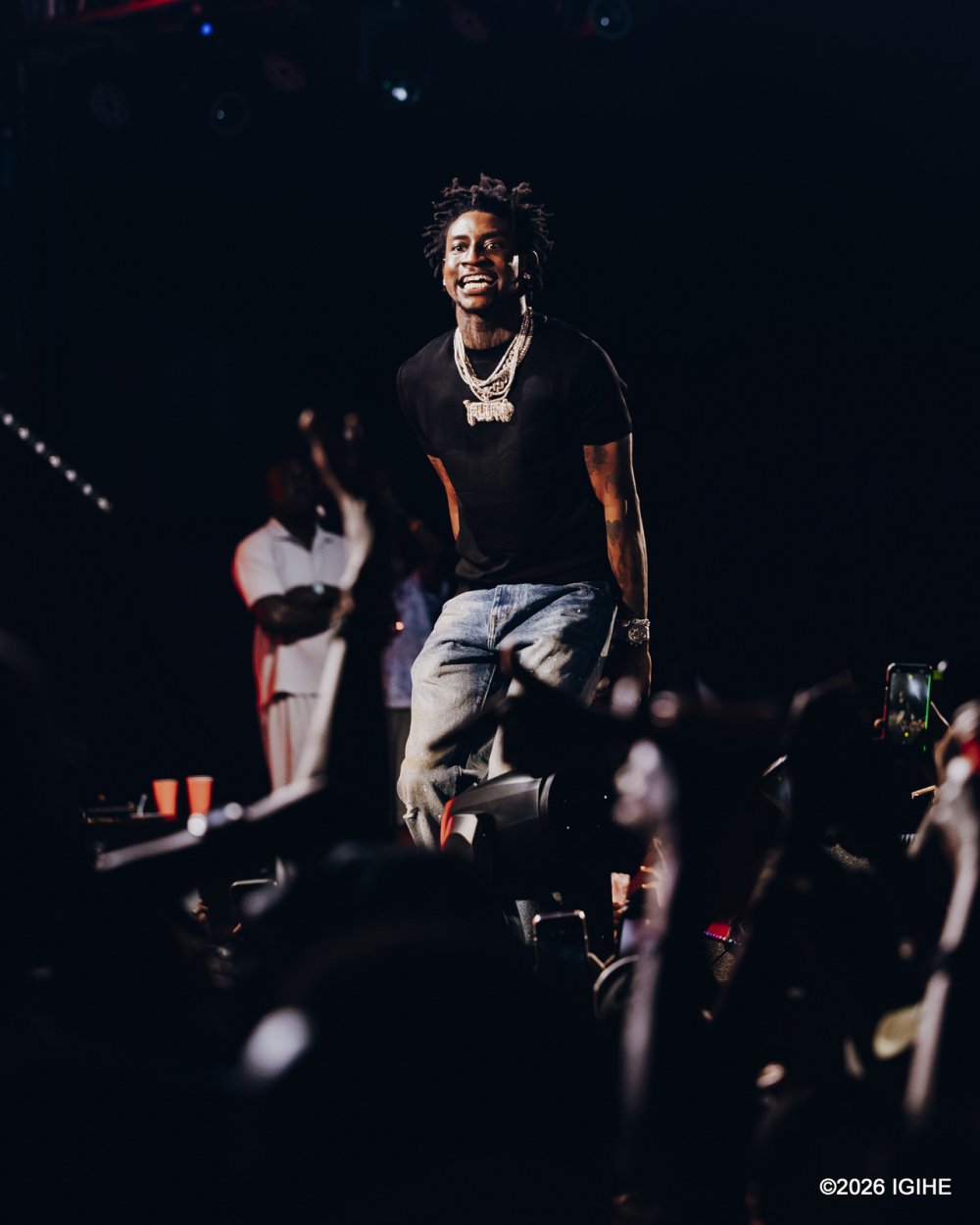
Dubbed “Africast Fest: A Shallipopi Xperience,” the event was held at Camp Kigali and was organized in partnership with beverage manufacturer Skol Rwanda through its Skol Malt brand.
The concert was preceded by a series of promotional entertainment activities under the banner “Shallipopin’ Ahandi,” which helped build anticipation ahead of the main event.
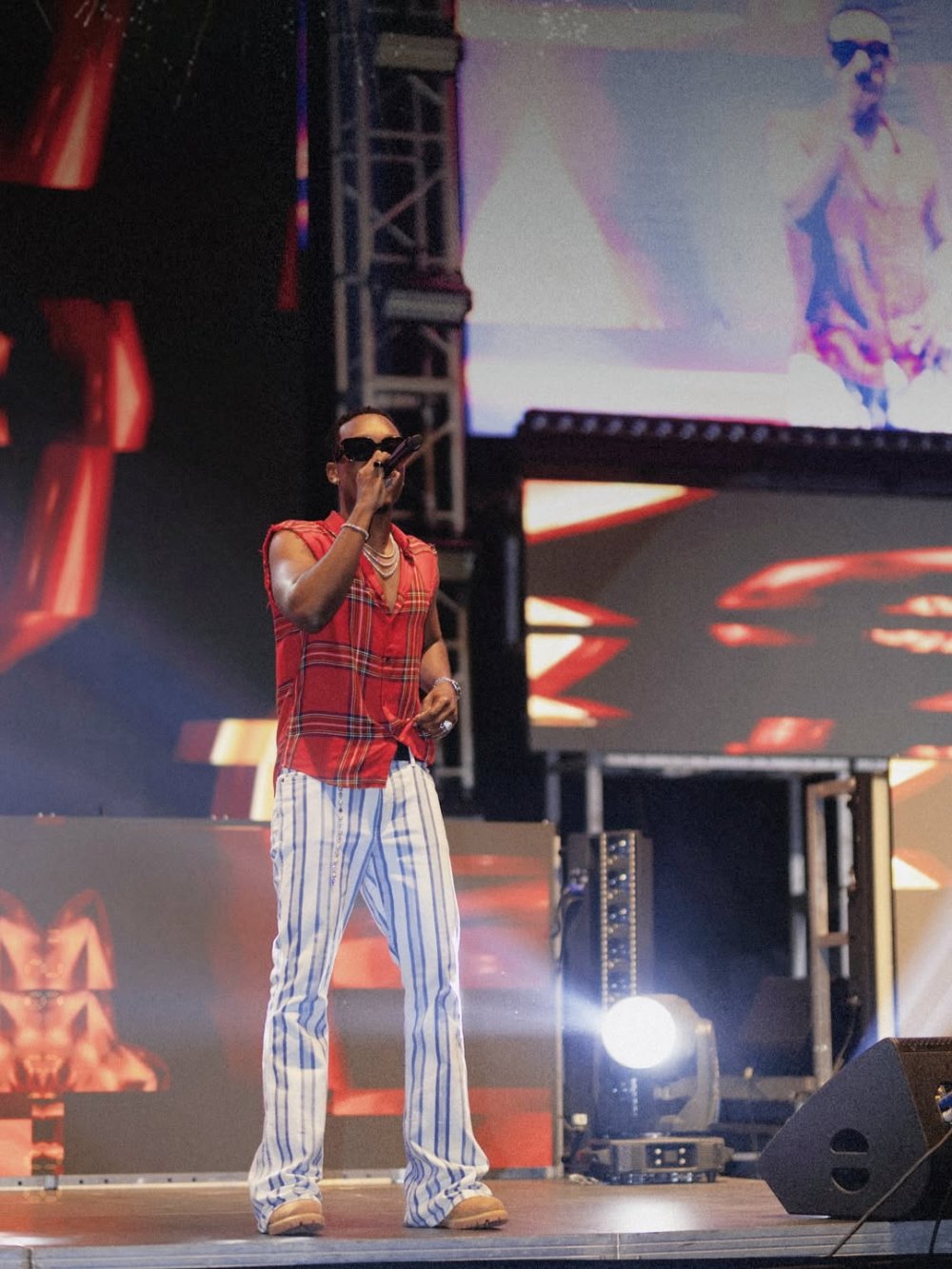
Fans began arriving early, with many paying special attention to their outfits for the occasion. However, the concert started later than scheduled as attendees continued to stream into the venue between 7 p.m. and 11 p.m.
At around 10:20 p.m., MC Policy took to the stage to warm up the crowd, repeatedly assuring concertgoers that they were in for an unforgettable night.
A few minutes before midnight, Rwandan artist Kid From Kigali was invited onto the stage to kick off the performances. He opened with “Rich,” his collaboration with Arnaud Gray and Ish Kevin, before treating fans to other popular songs including “Inyota.”
The singer also brought rising artist Mwiza onto the stage, a move that was well received by the audience. His energetic performance kept the crowd engaged and set the tone for the rest of the night.
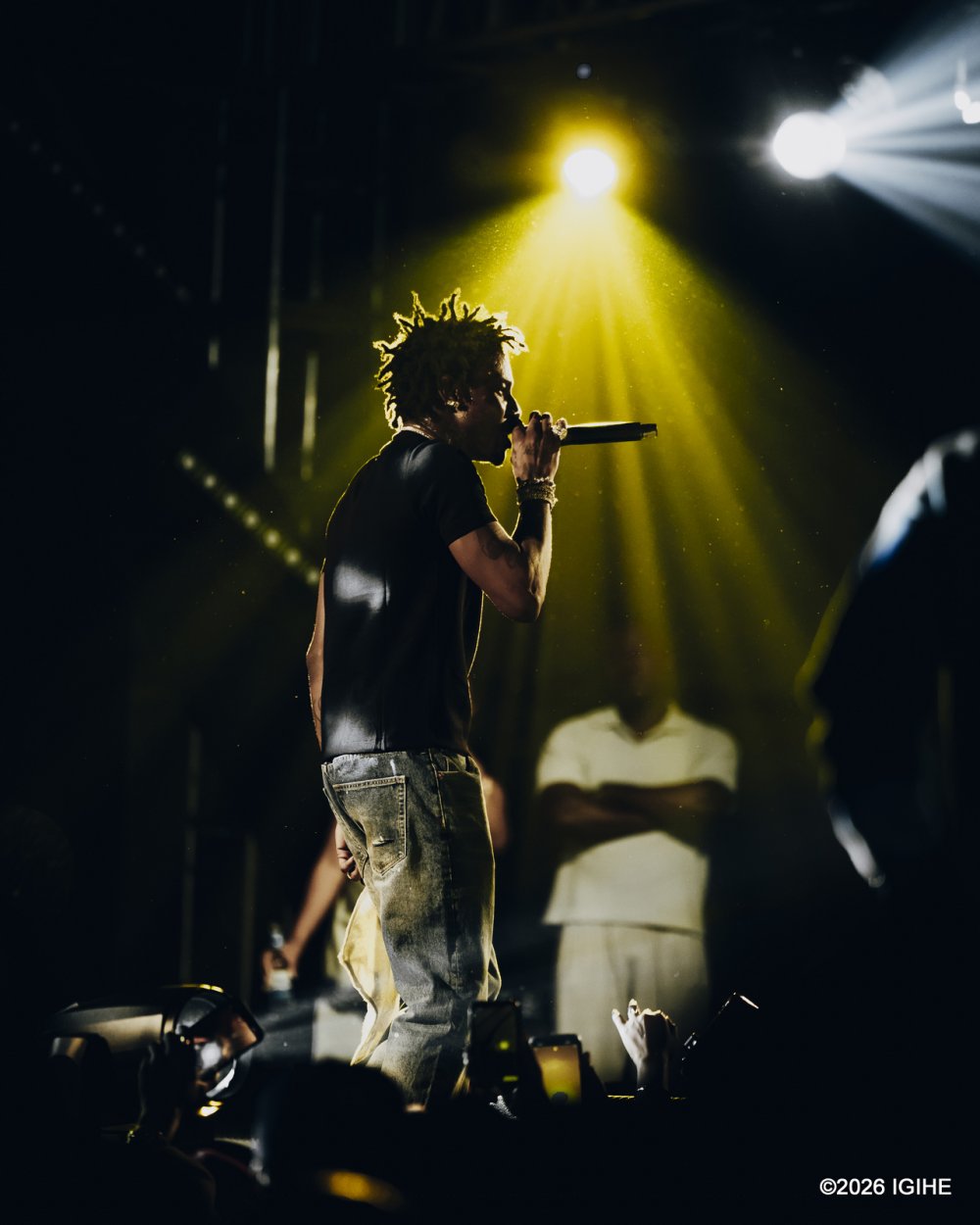
At around 12:30 a.m., the moment many had been waiting for finally arrived as Shallipopi stepped onto the stage. The Nigerian star opened his set with “Sharpiru,” one of his most popular songs, before performing several other hits including “High Tension.”
After about 25 minutes on stage, Shallipopi closed his performance with “Laho,” widely regarded as his signature song. Before ending the show, he invited fans to sing along with him, and the crowd responded enthusiastically, bringing the concert to a memorable conclusion.
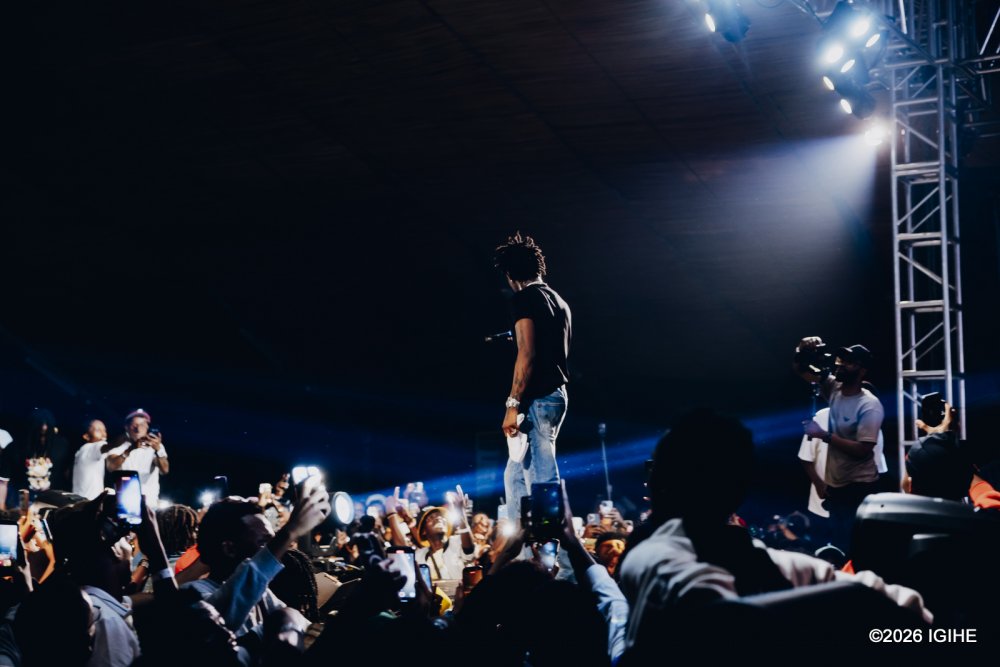
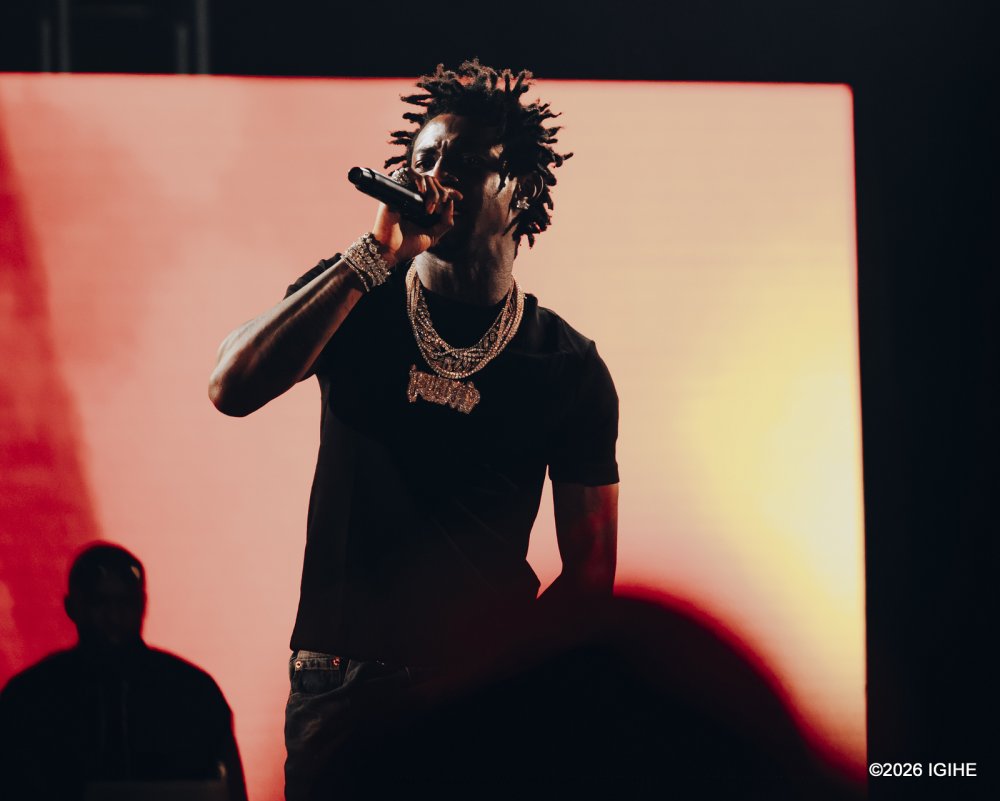
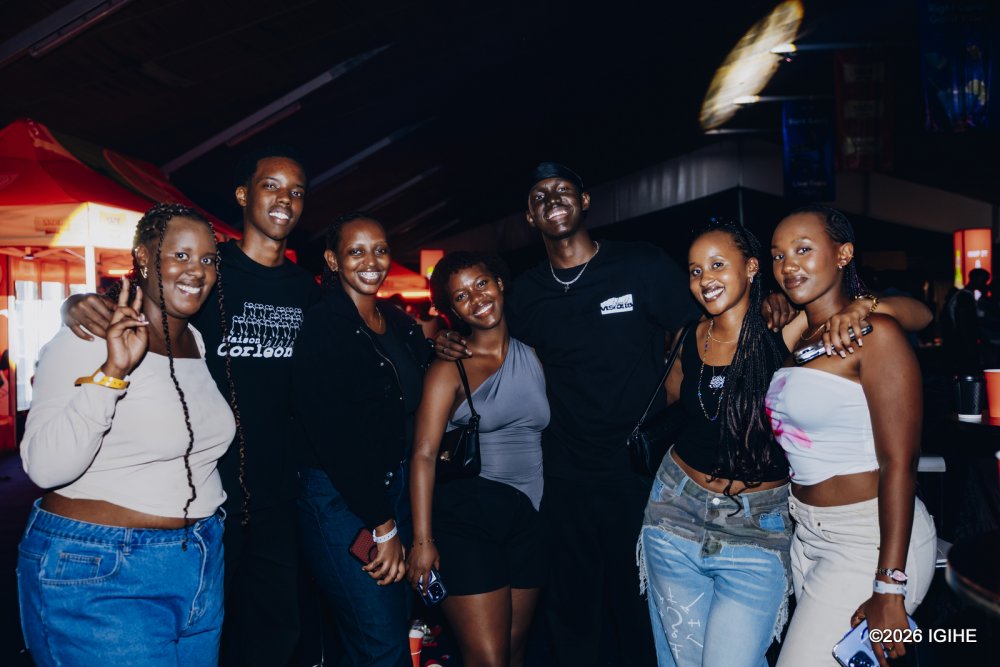
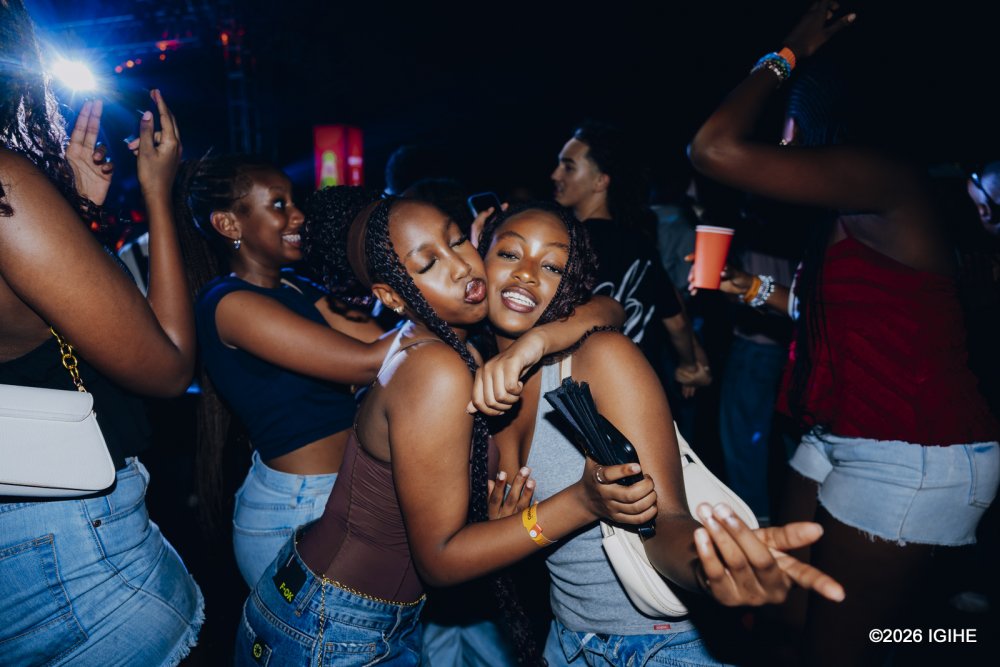
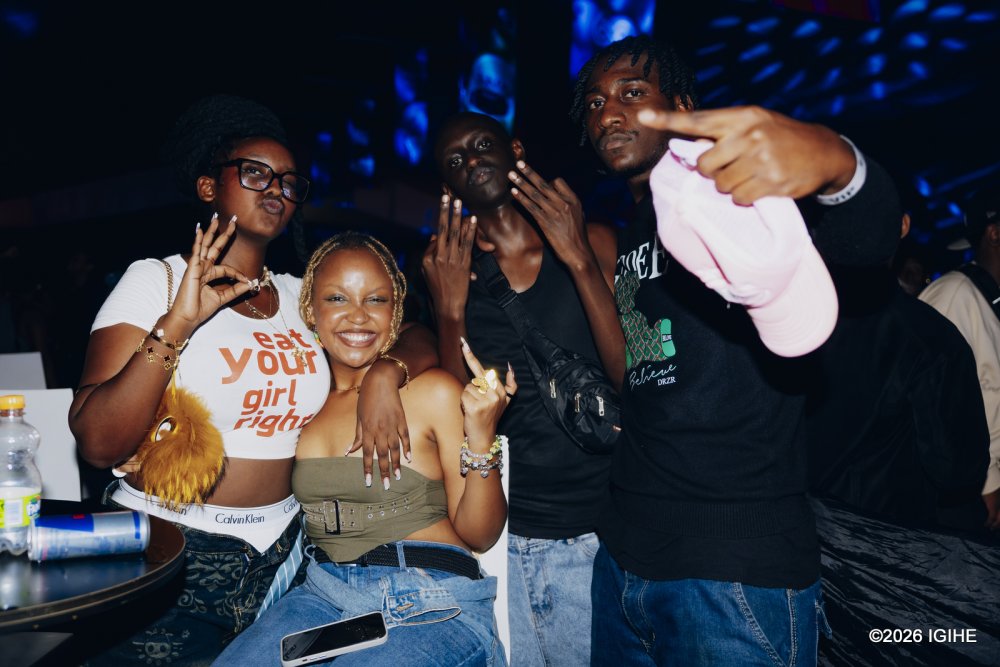
Shallipopi engaged the audience during his performance, with fans joining him in singing his signature song, ‘Laho.’Music lovers from across Rwanda filled Camp Kigali for Africast Fest, where Shallipopi headlined his first performance in the country.Concertgoers sing and dance along as Shallipopi performs some of his biggest hits during his debut show in Rwanda.Nigerian singer Shallipopi performed before a packed crowd at Camp Kigali during his first-ever concert in Rwanda on May 29, 2026.
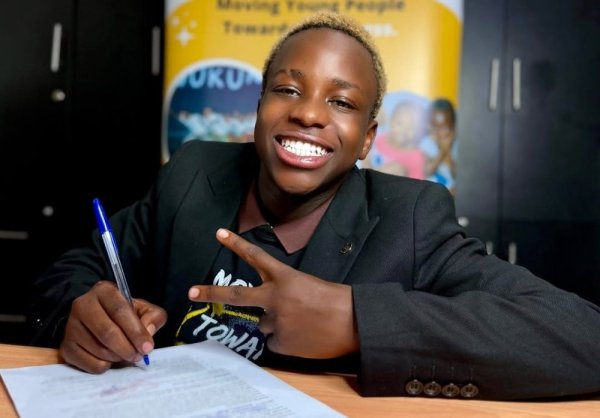
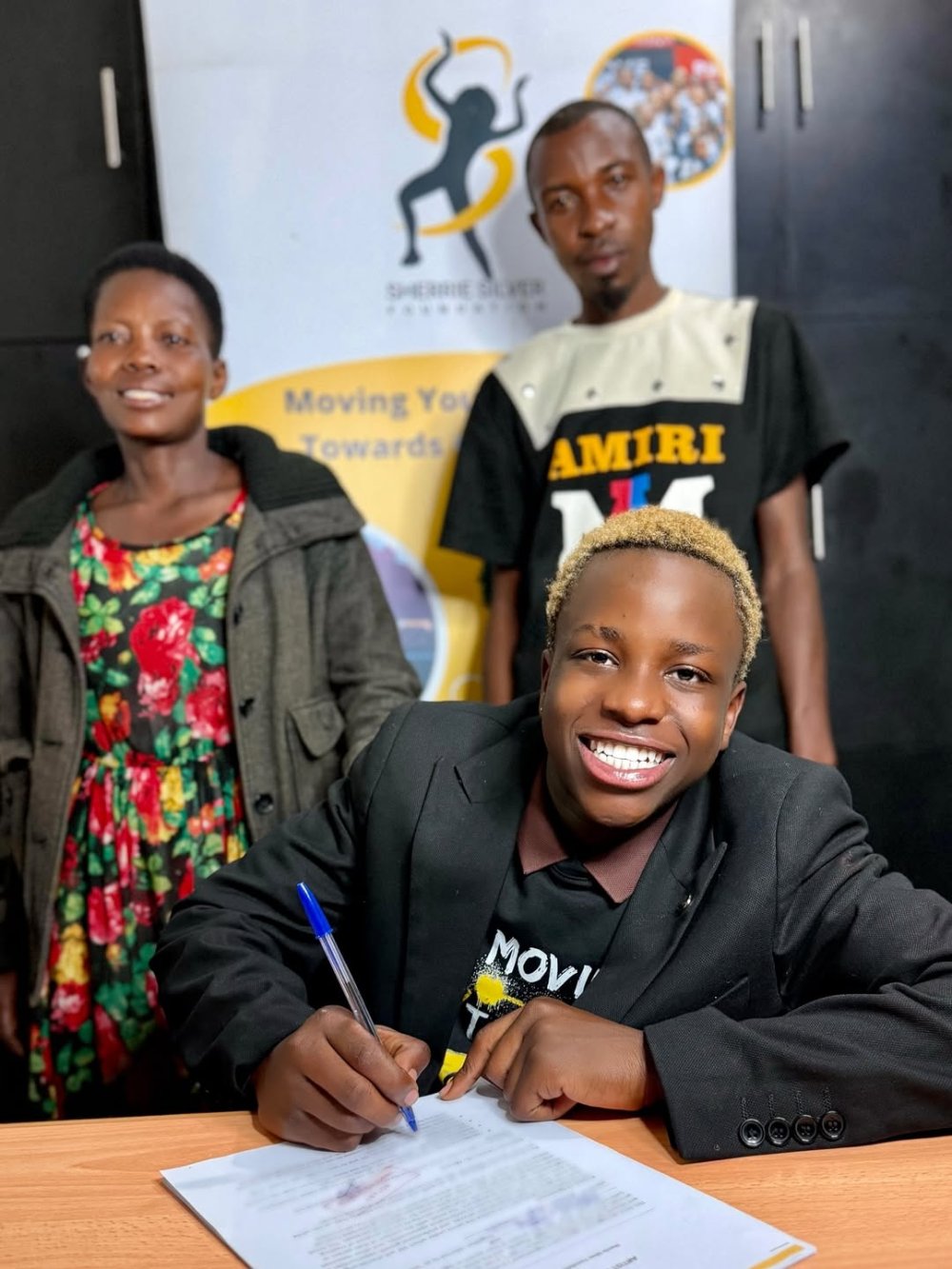
In a statement released on Thursday, Iranzi admitted that he acted out of anger and immaturity, saying he now regrets his earlier public remarks about the Foundation.
“I apologise to the Sherrie Silver Foundation for the interview that misrepresented me. I was immature, I acted hastily,” he said.
The apology comes a day after the Sherrie Silver Foundation confirmed that it had parted ways with Iranzi effective May 2, 2026, citing a mismatch in values despite efforts from both sides to resolve internal disagreements.
In earlier statements, the Foundation and its founder, Sherrie Silver, said their core mission remains grounded in “education, discipline and integrity,” and confirmed it would no longer represent or be responsible for Iranzi’s actions or public views going forward.
“They helped me and cared for my family”
In his latest message, Iranzi expressed appreciation for the Foundation’s support during his time under its care, saying he holds no resentment toward its leadership.
“I have no issues with Sherrie; they helped me, cared for my family, made you know me, you love me,” he said.
He added that he had failed to understand the advice given to him at the time, but now recognises its value.
“I did not understand the advice they gave, but the time came when I realised I should listen to the advice of elders because I am still young,” he noted, adding that he was “misled by anger and bad friends.”
Iranzi also appealed for the removal of online content related to his earlier comments about the Foundation, saying some of the material contained “mistakes and wrongdoing.”
He further called on individuals who could assist in reconciling him with the Foundation’s founder, Sherrie Silver, to step in and help rebuild the relationship.
“I also ask those who can help me reconcile with my mother, Sherrie, to assist me,” he said.
Focus on education and discipline
The young artist also signalled a shift in priorities, saying he intends to focus more on his studies in line with the Foundation’s long-standing emphasis on education.
“I must love school, listen, and put music aside to focus on studying, as the Foundation always asks us. I do not engage in any bad behaviour,” he said. “Hear me, I am yours. Pray for Sherrie for forgiveness.”
Iranzi, who released his first song titled “Basalee” a few days ago, had previously told the media that his exit was influenced by frustrations over limited creative freedom. He claimed that some of his music projects were not released and that he felt restricted in his growth as an artist.
He also said that tensions increased when he was enrolled in a boarding school in Musanze, even as he was already working on music projects, which he interpreted as limiting his ability to fully pursue his artistic development.
In his latest message, Iranzi expressed appreciation for the Foundation’s support during his time under its care, saying he holds no resentment toward its leadership.