The event brought together around 15 fashion designers from Rwanda, Uganda, and other countries.
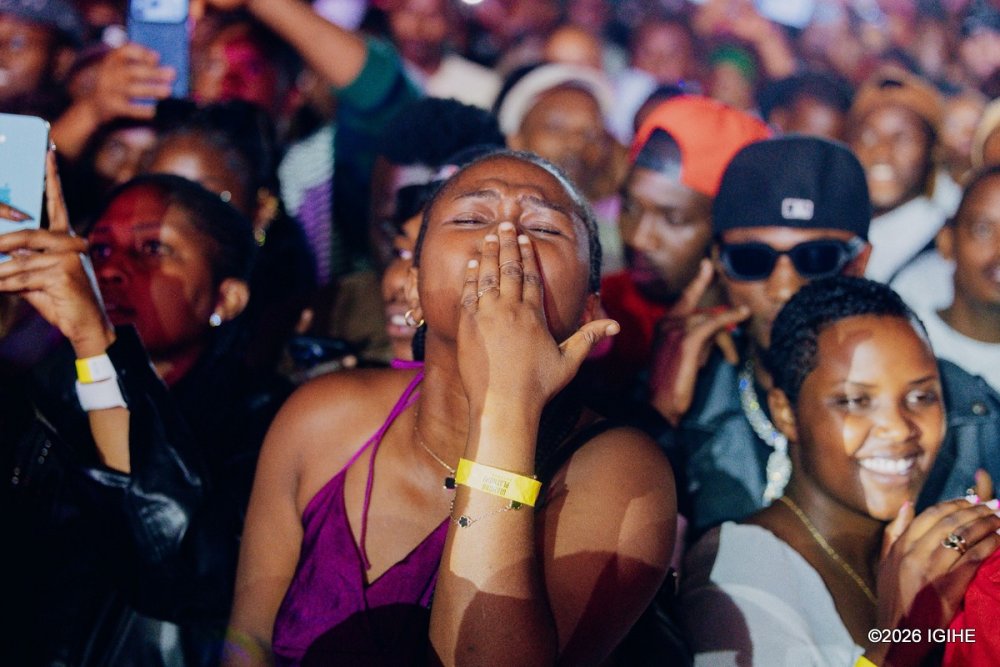
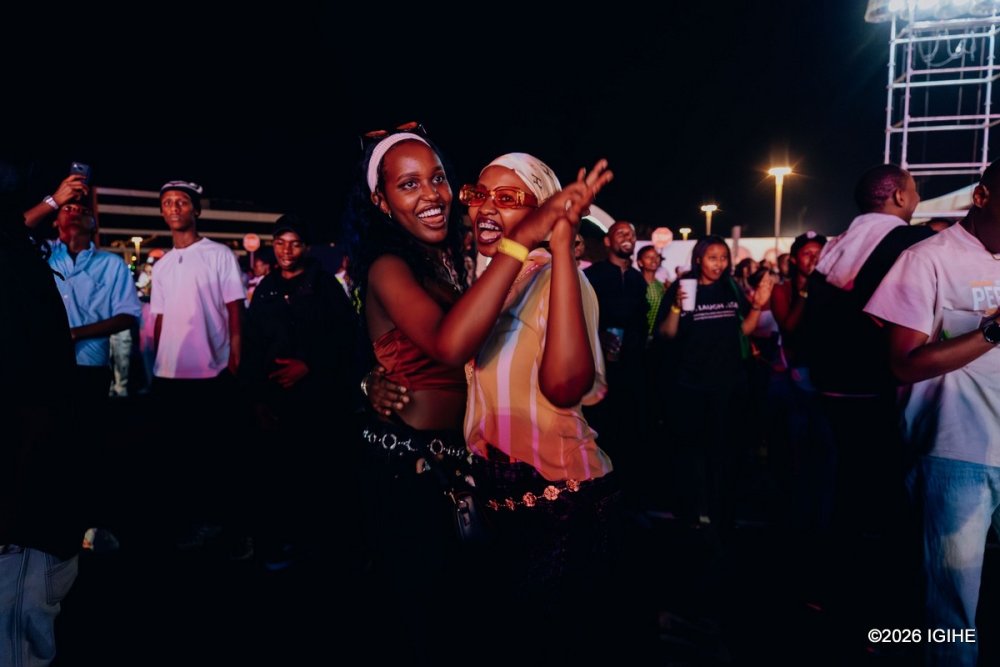
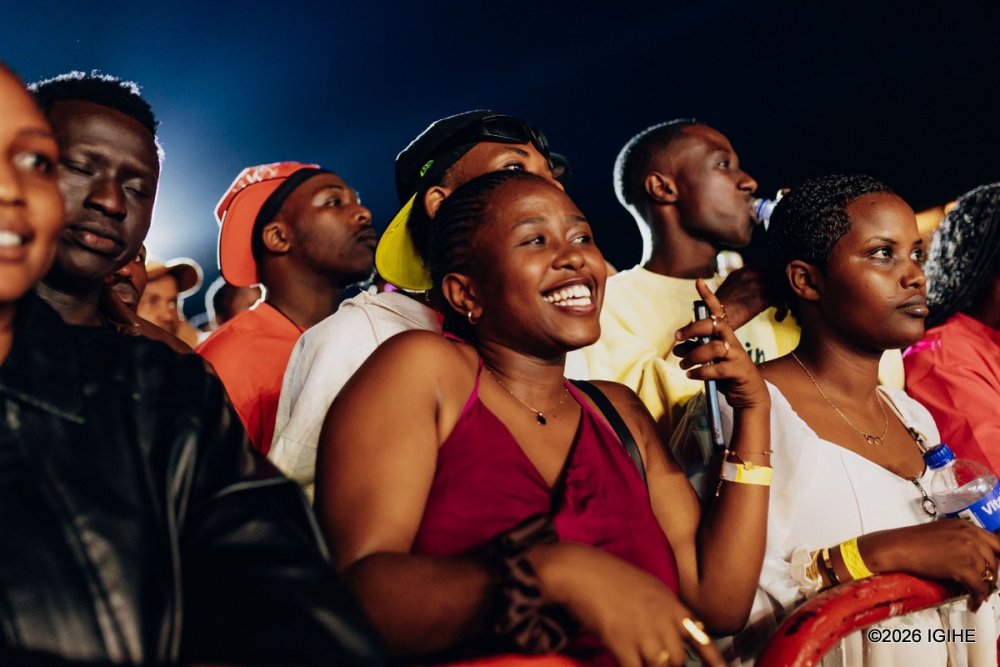
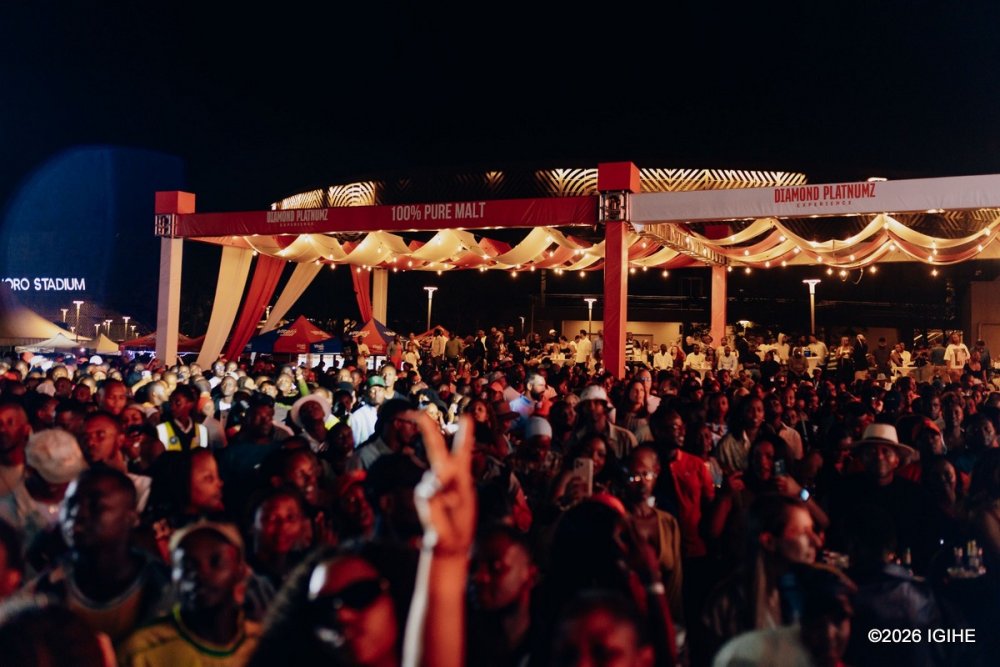
The show attracted strong interest from Kigali residents, who gathered to witness a fashion experience staged in an open-air urban setting for the first time on this structure.
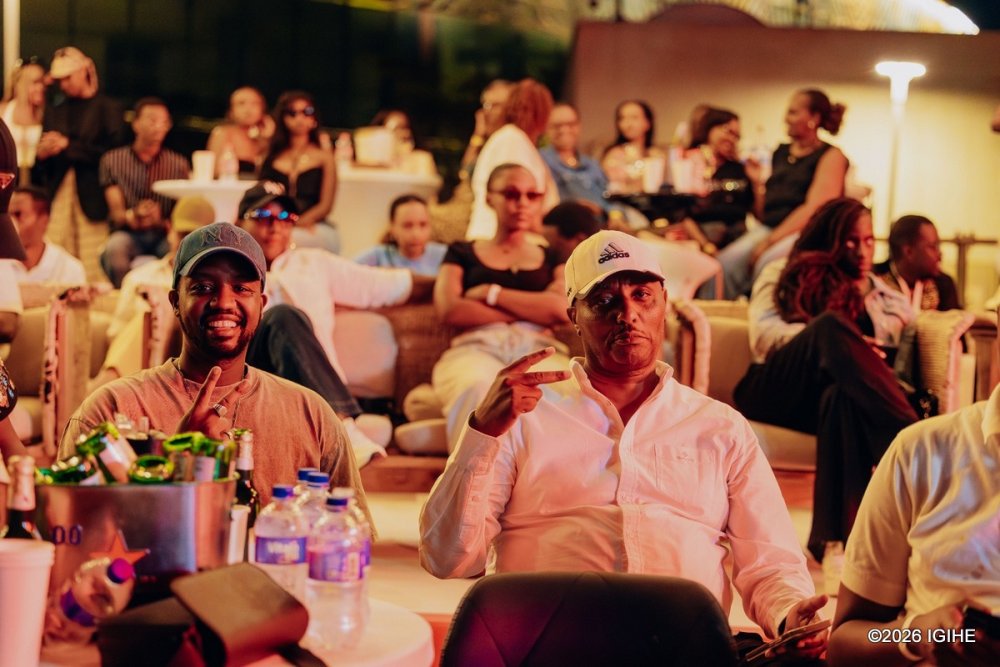
Set against the illuminated bridge, the runway created a distinctive atmosphere as models walked between seated guests, presenting a variety of designs that highlighted creativity, modern styling, and emerging fashion trends in the region.
The setting itself became part of the experience, blending architecture, light, and fashion into a single visual presentation.
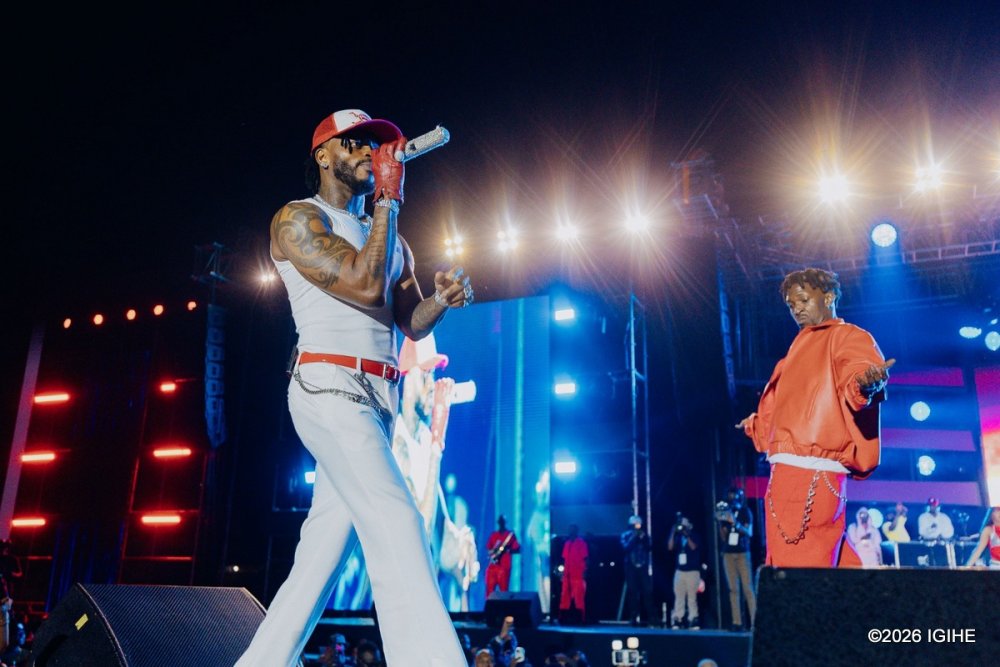
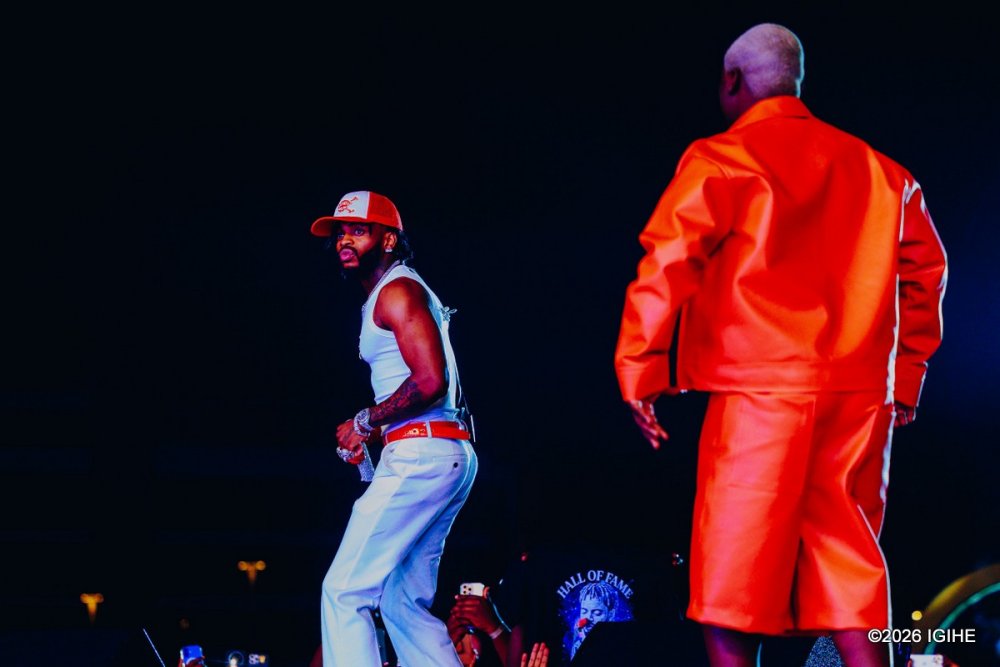
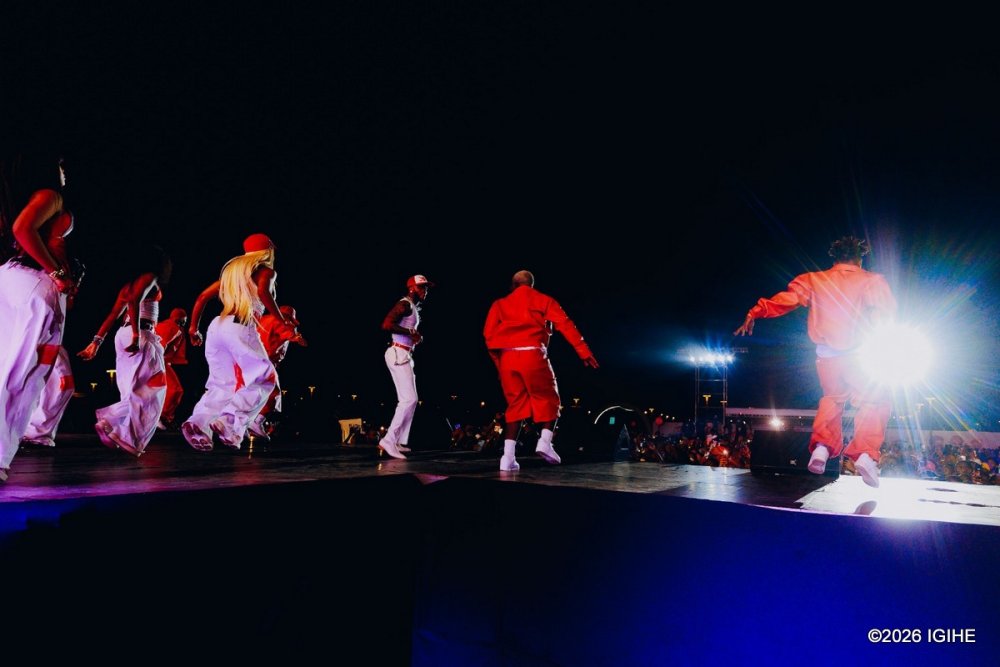
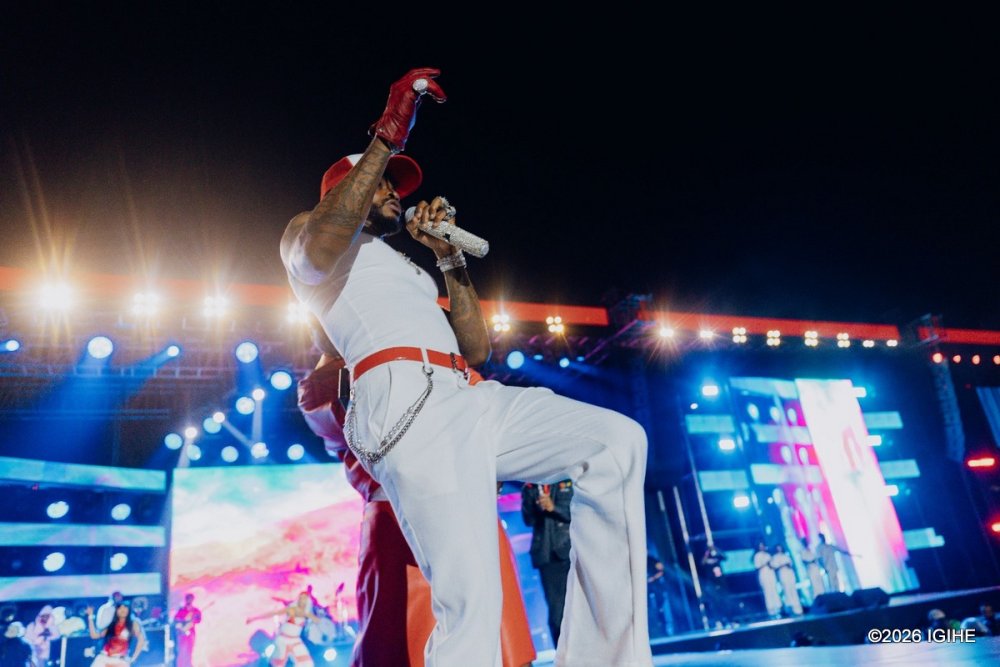
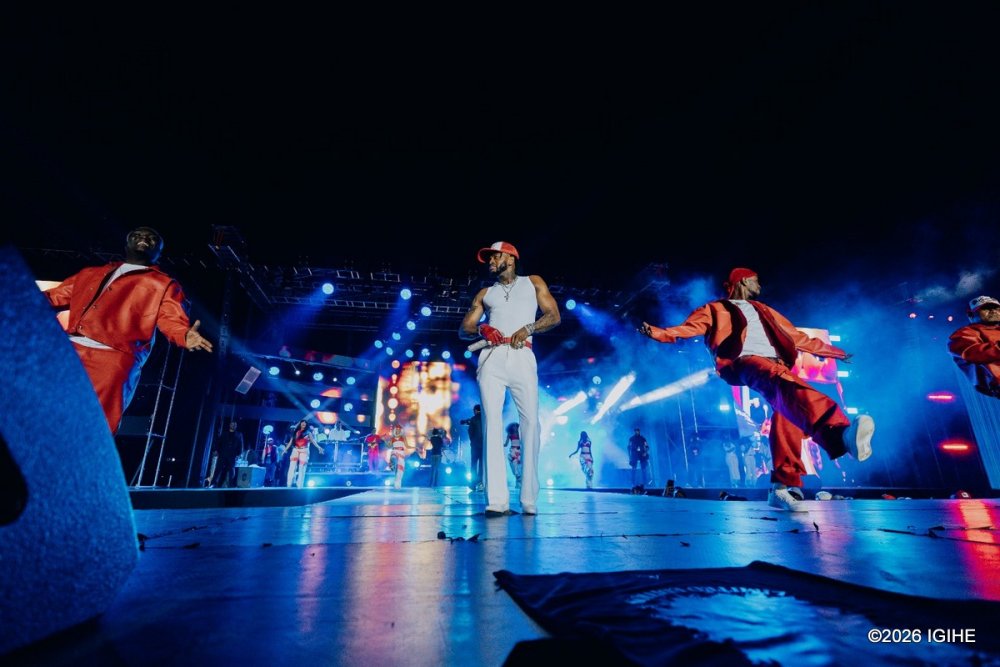
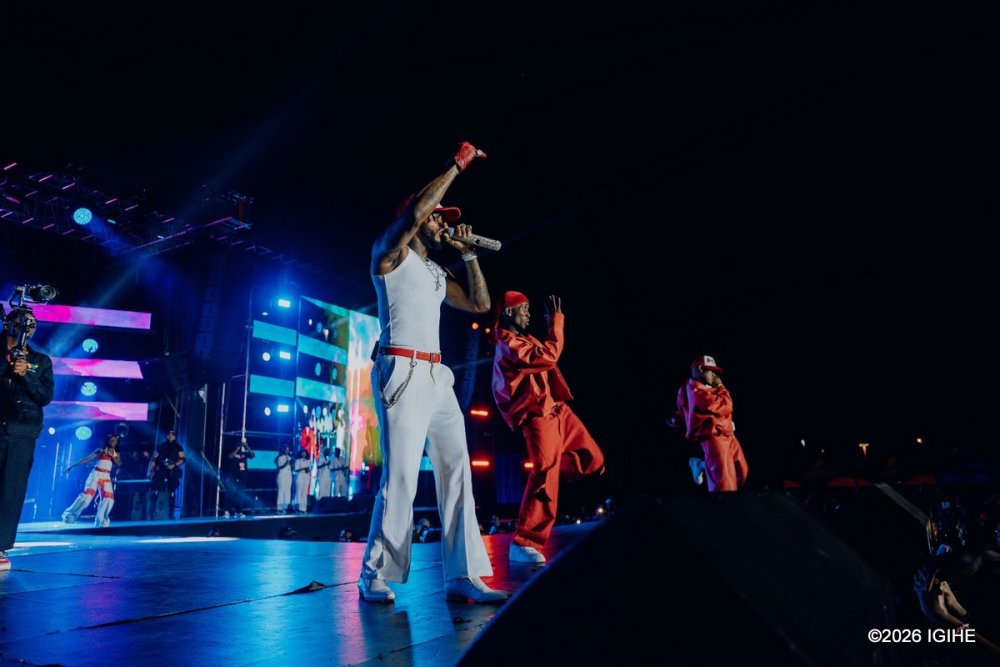
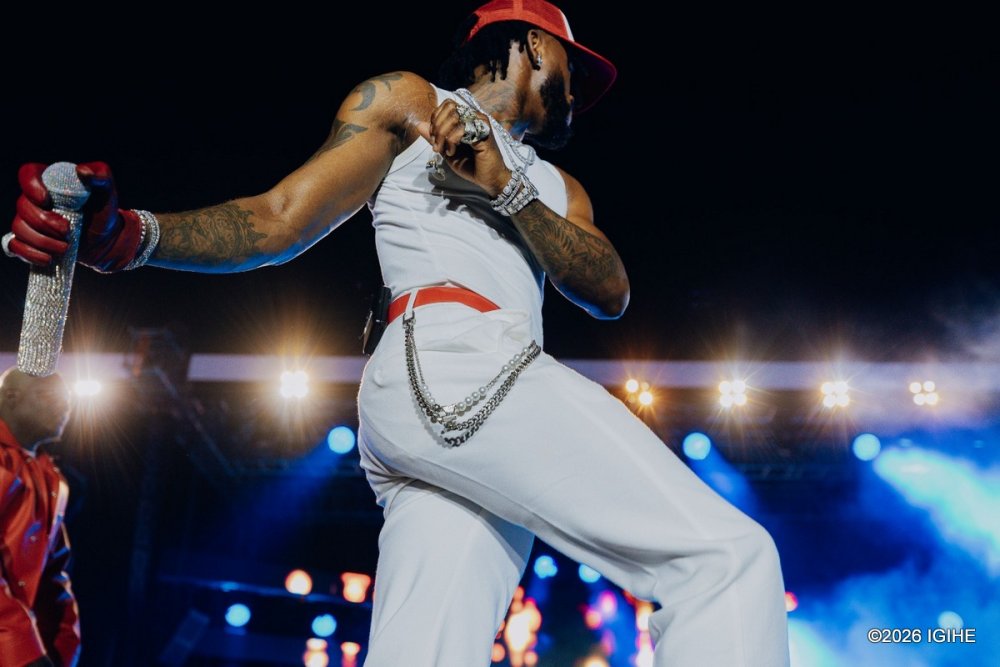
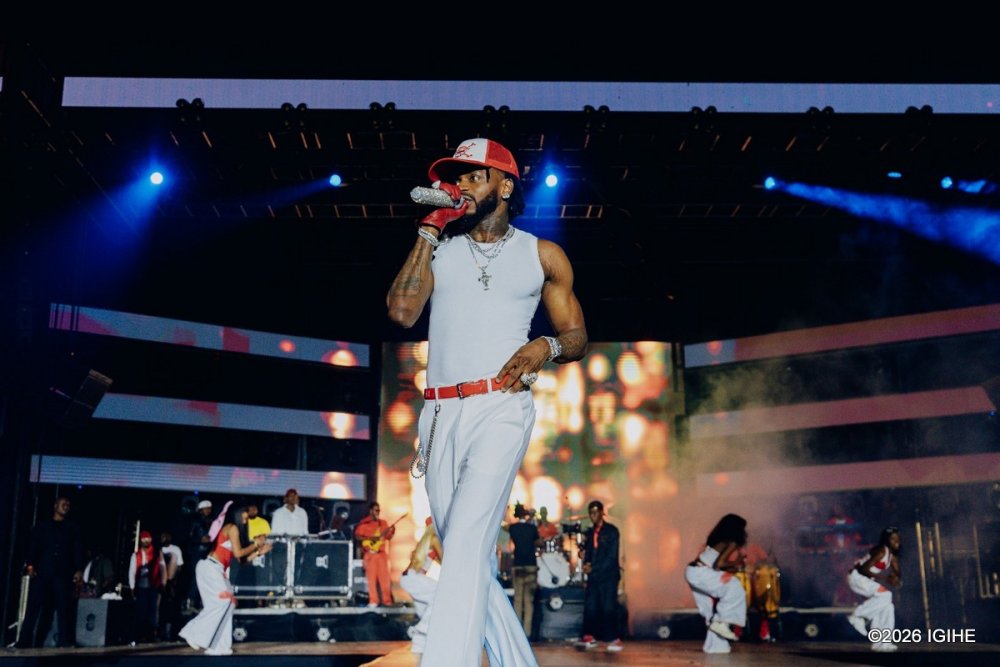
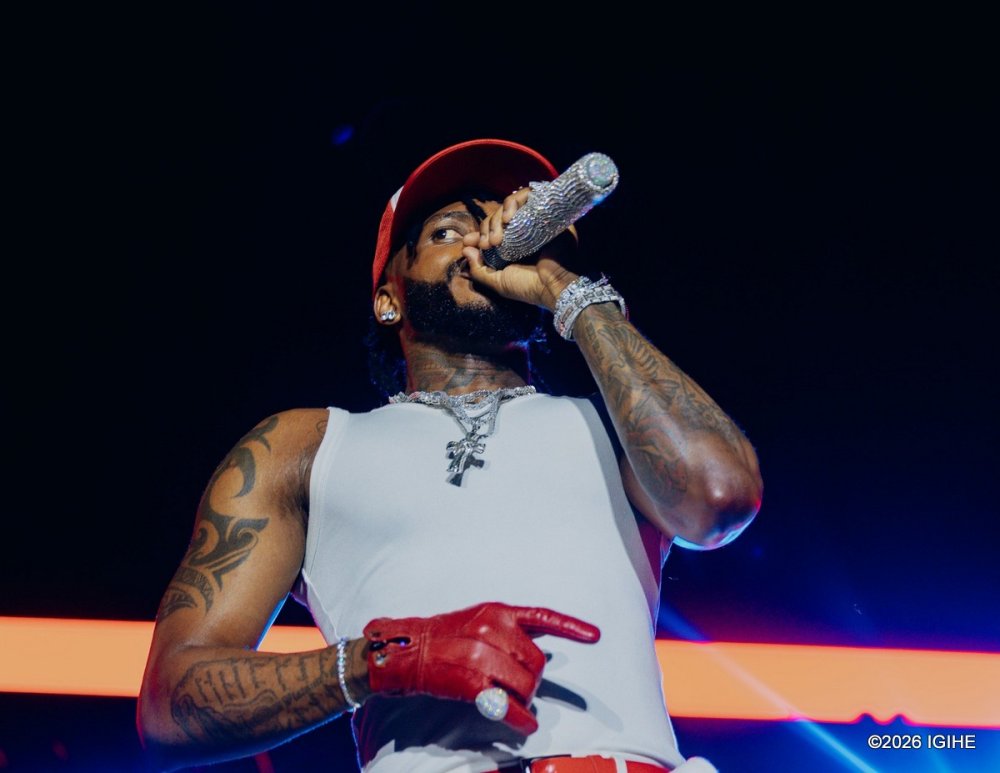
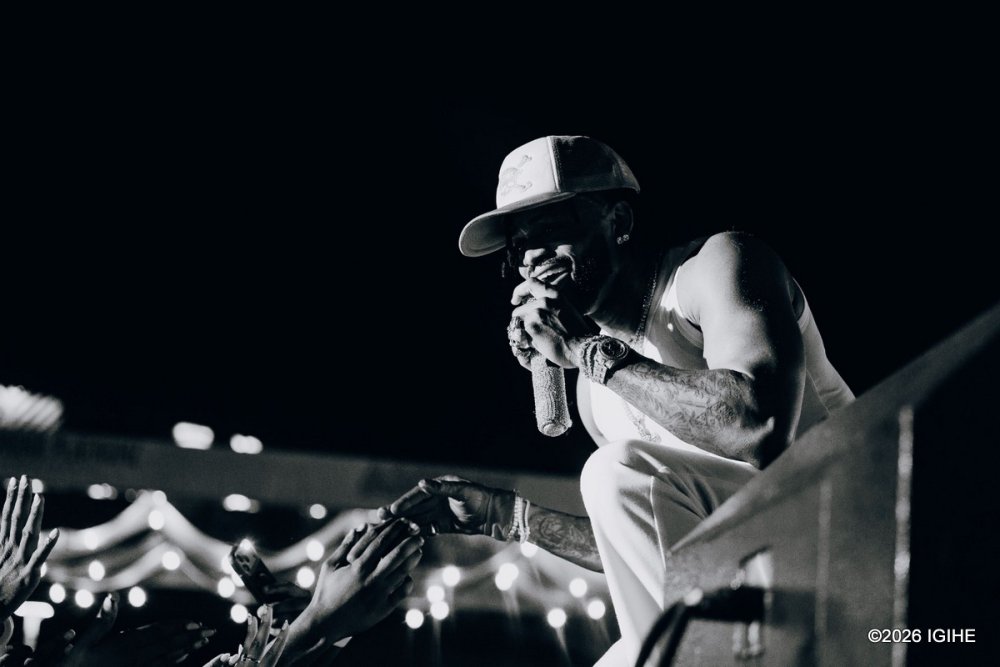
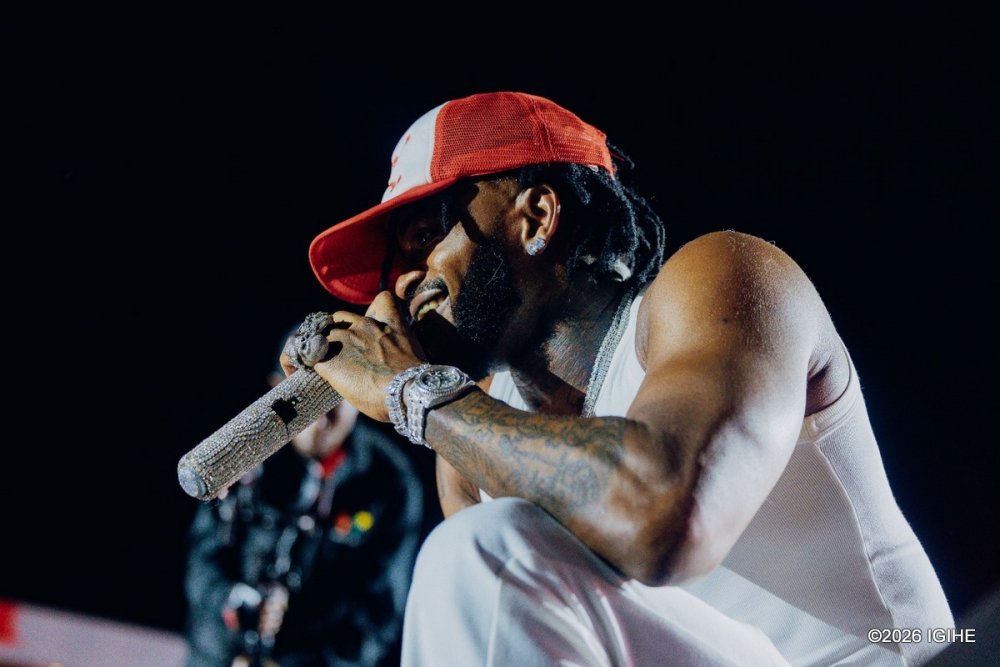
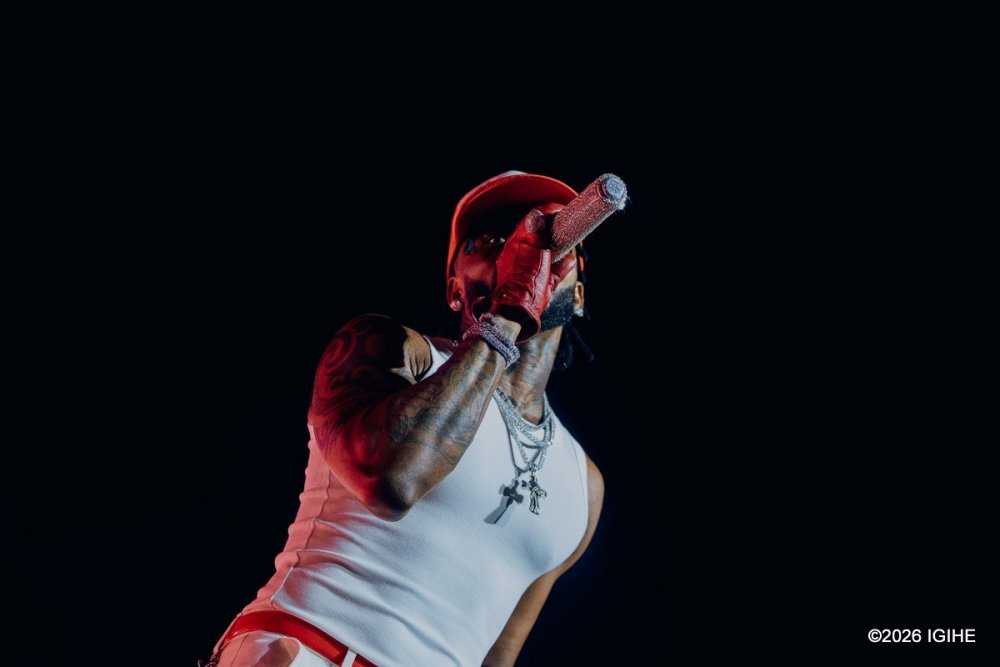
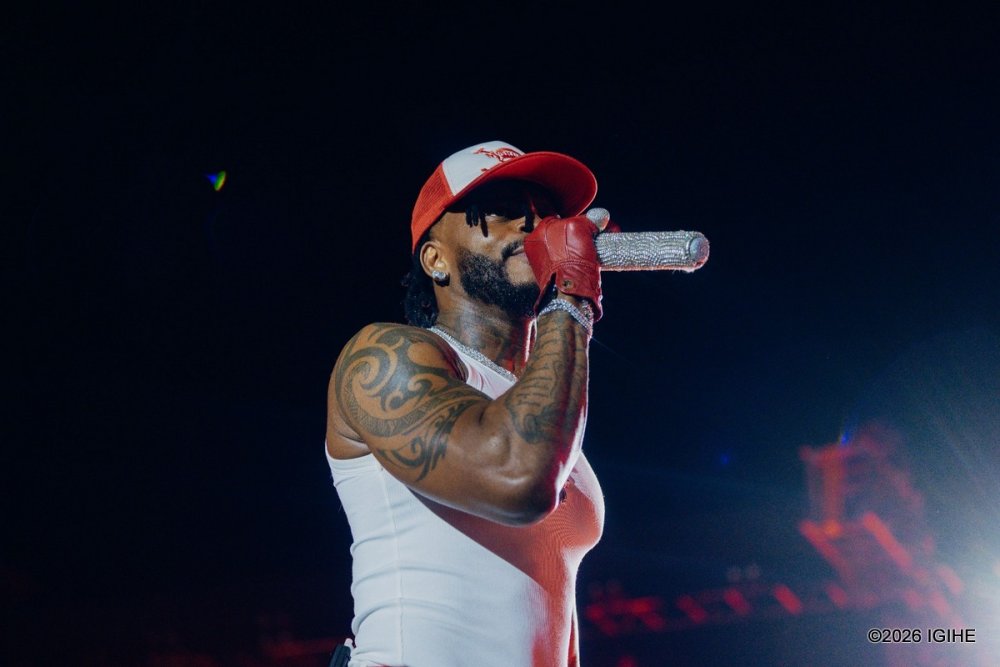
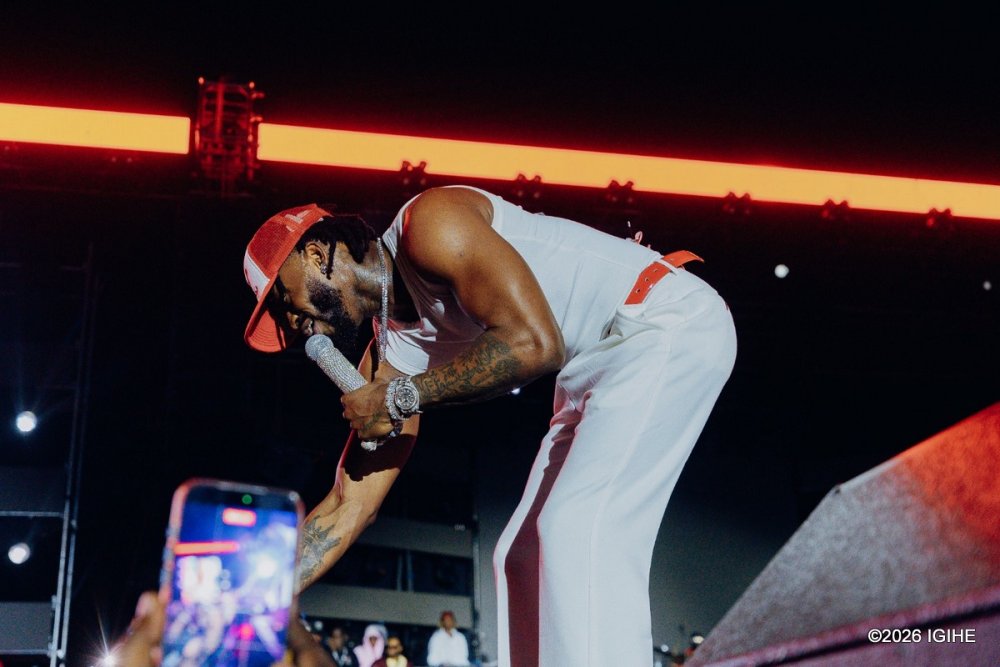
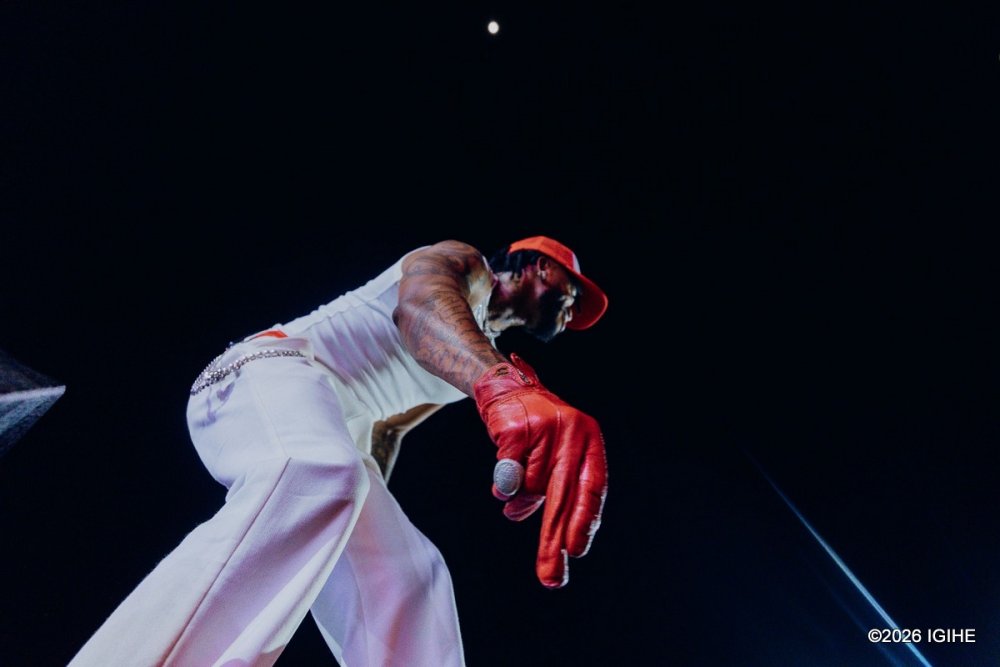
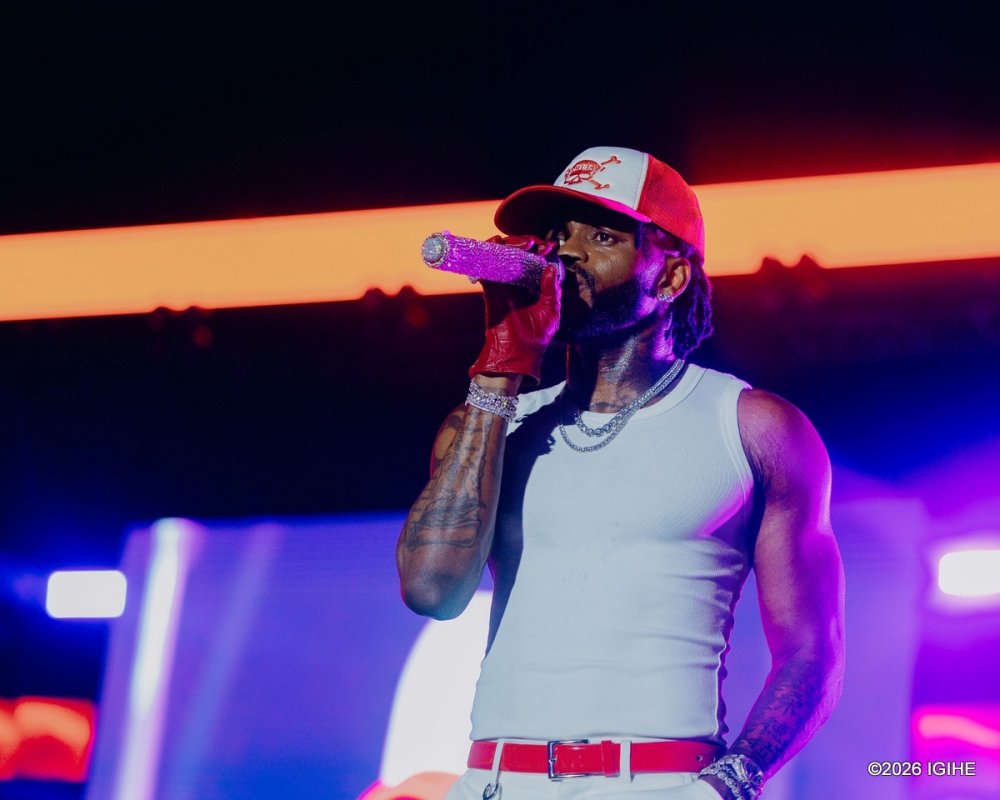
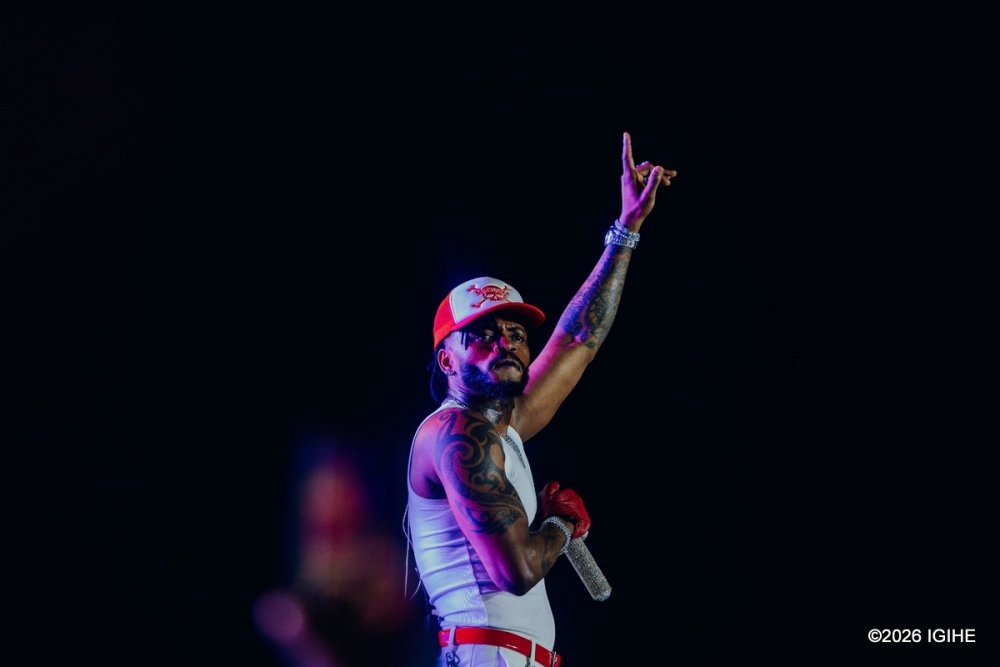
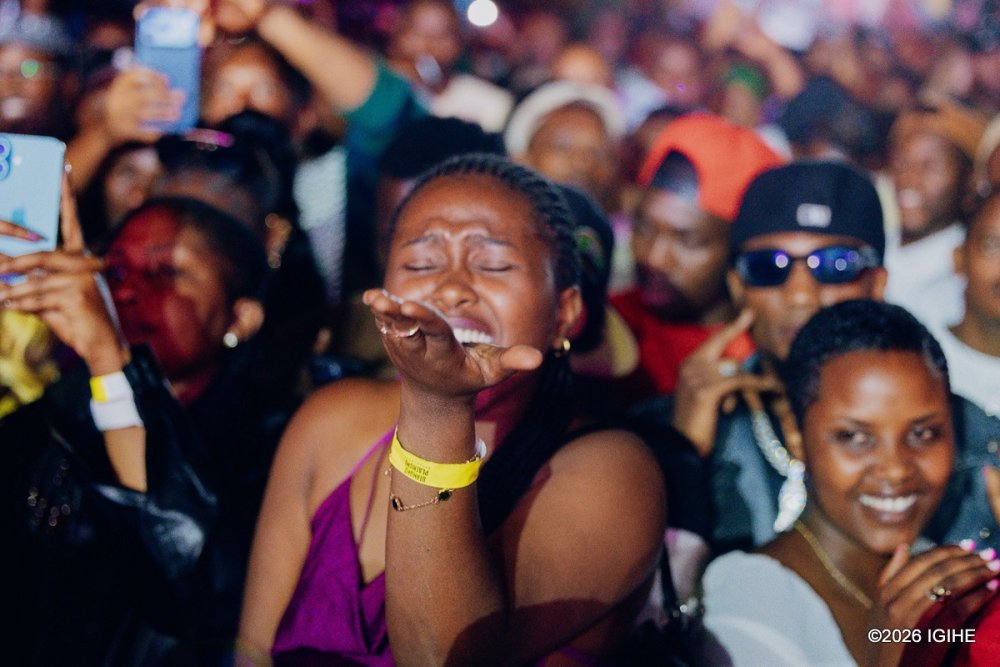
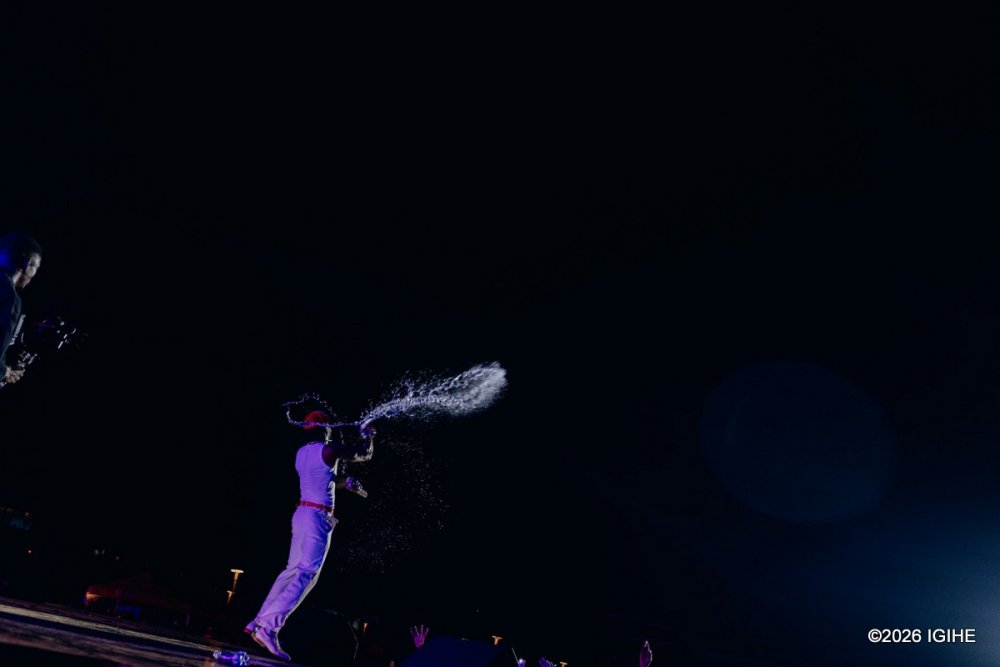
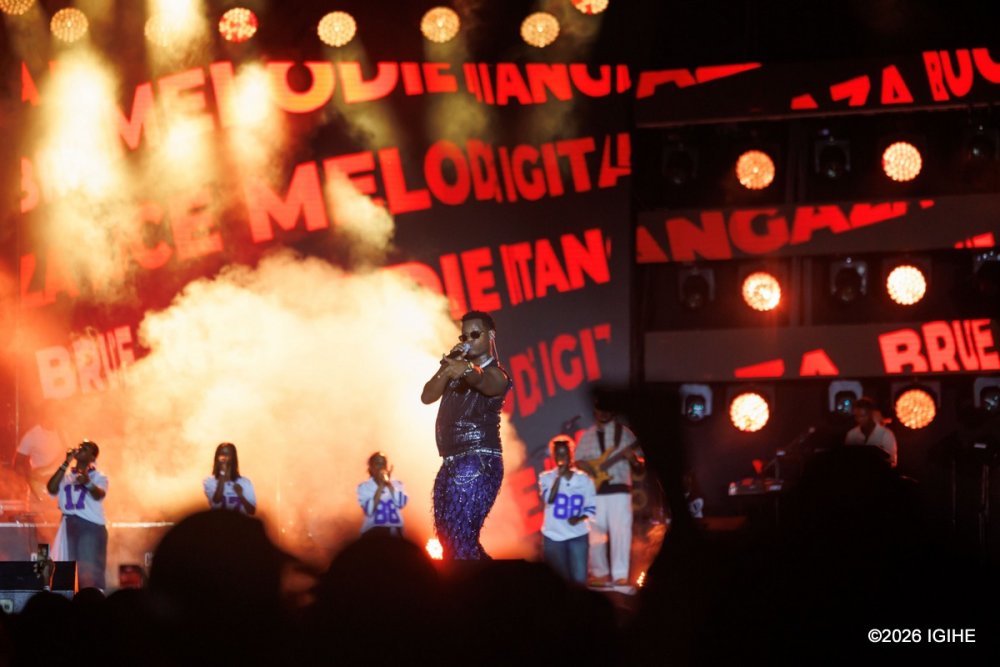
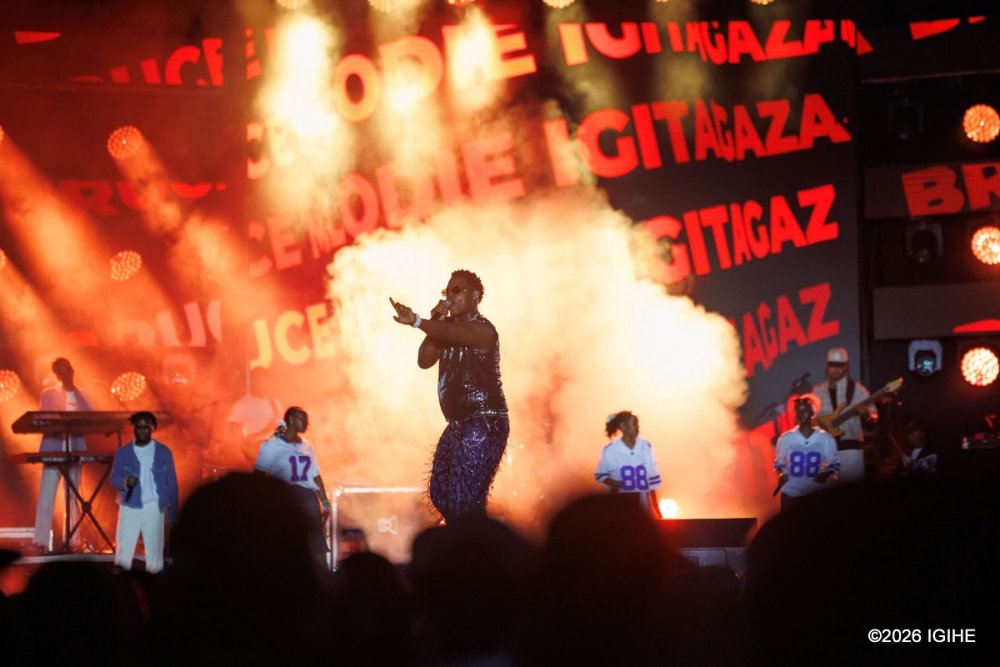
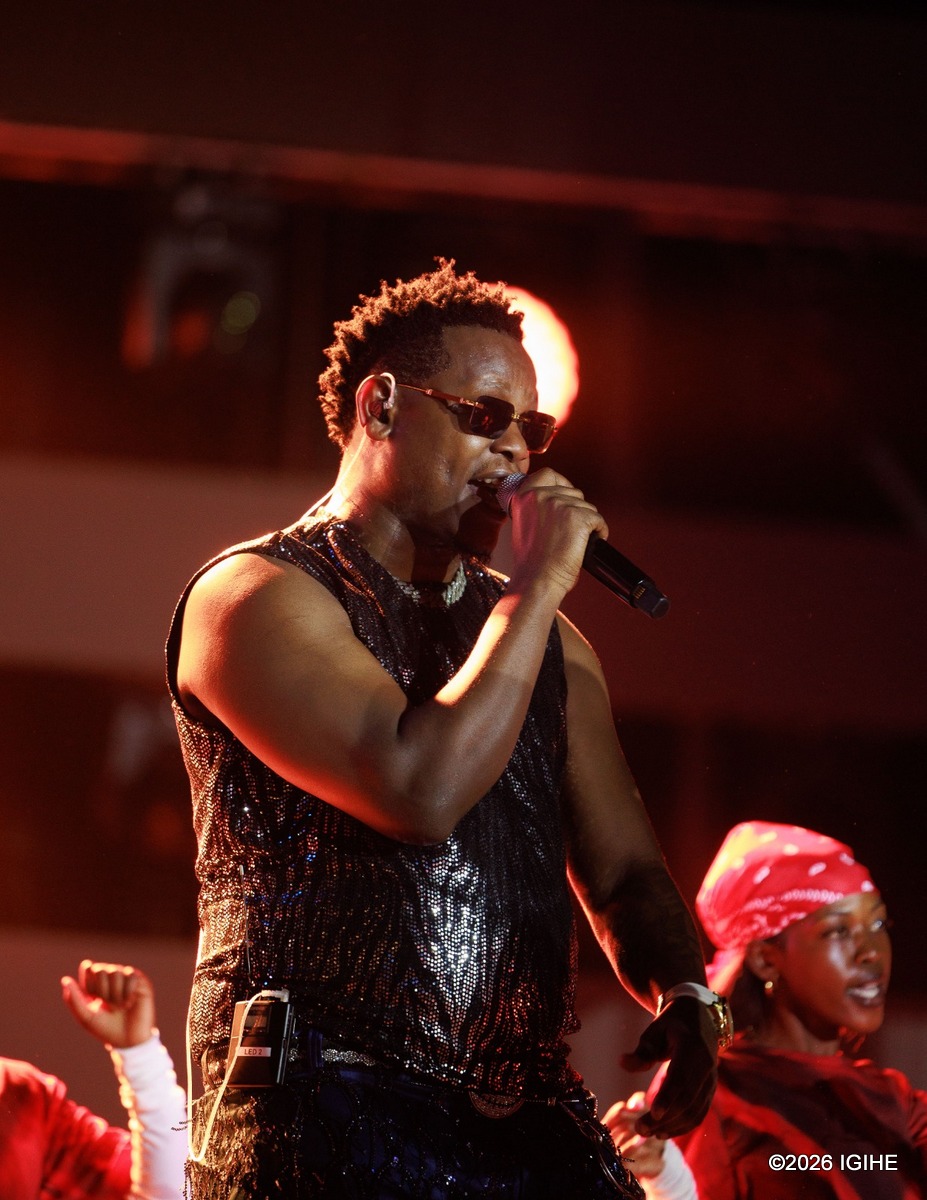
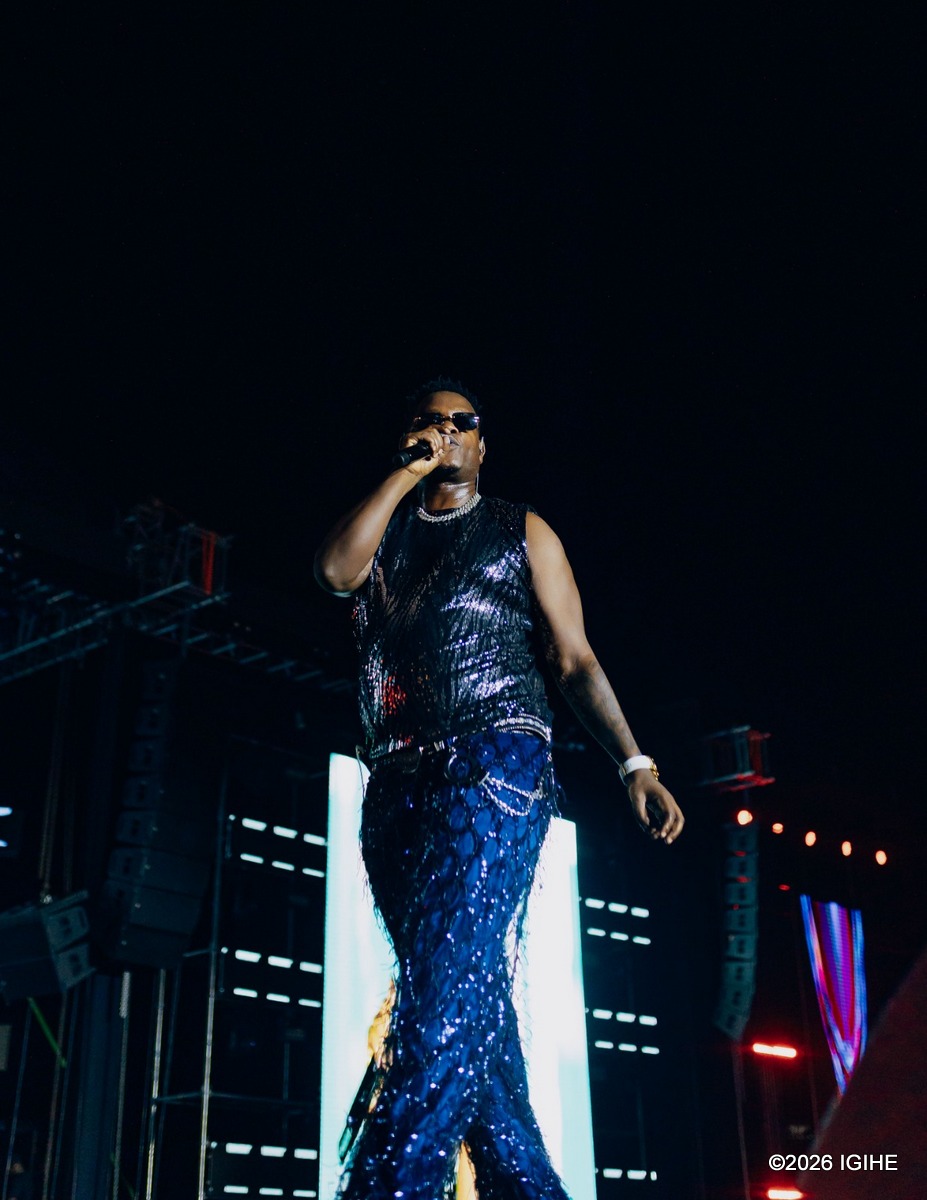
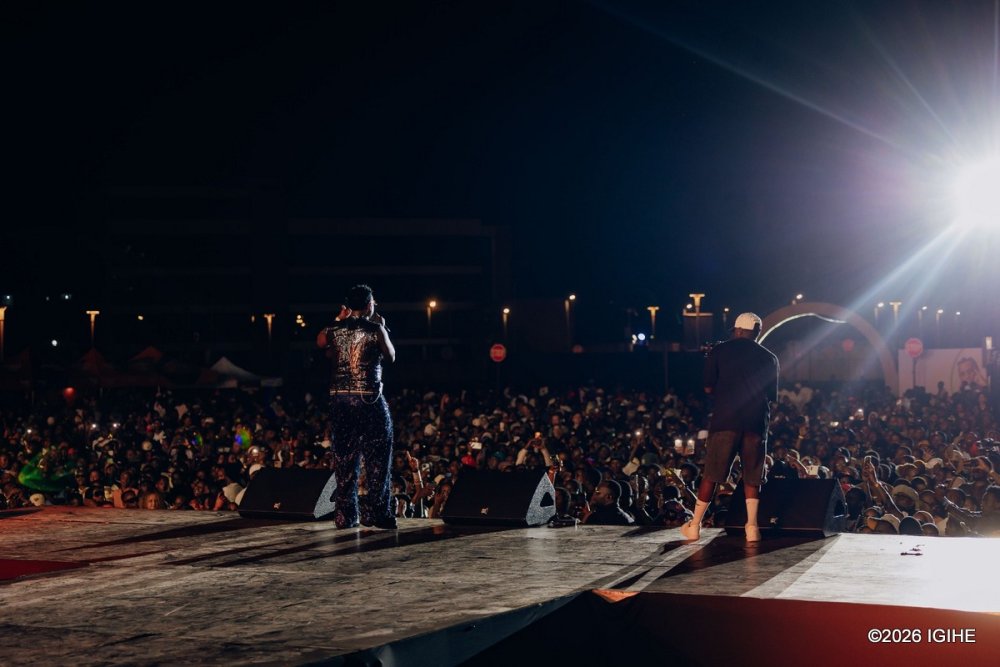
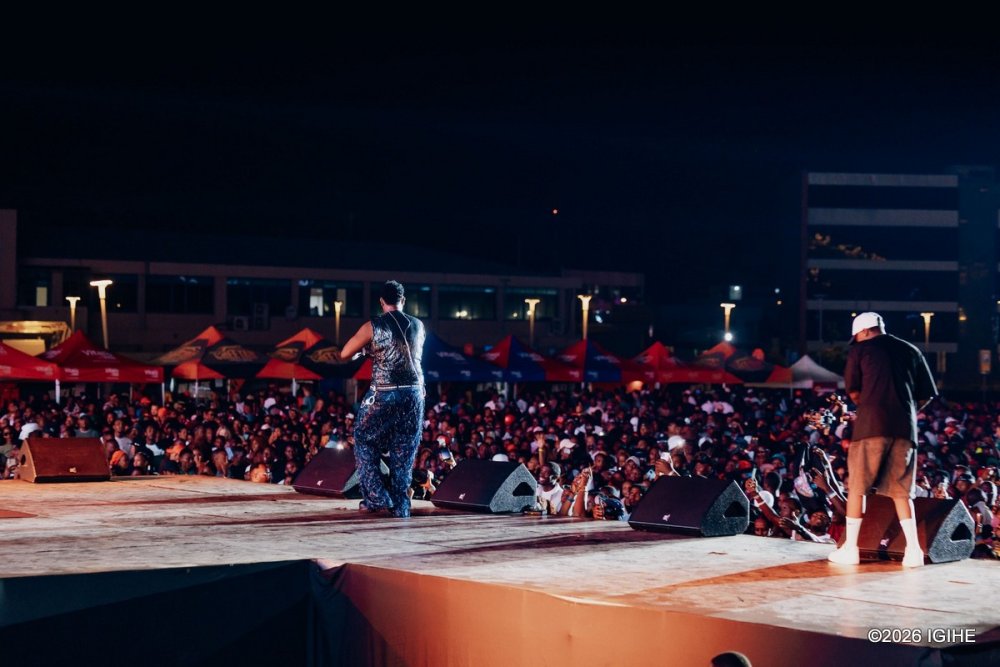
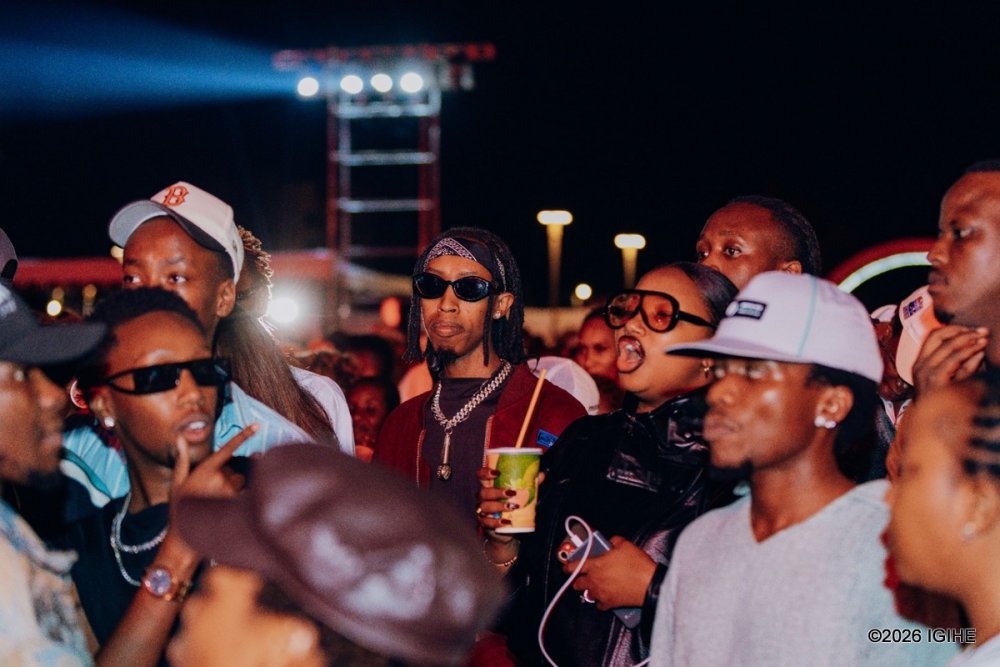
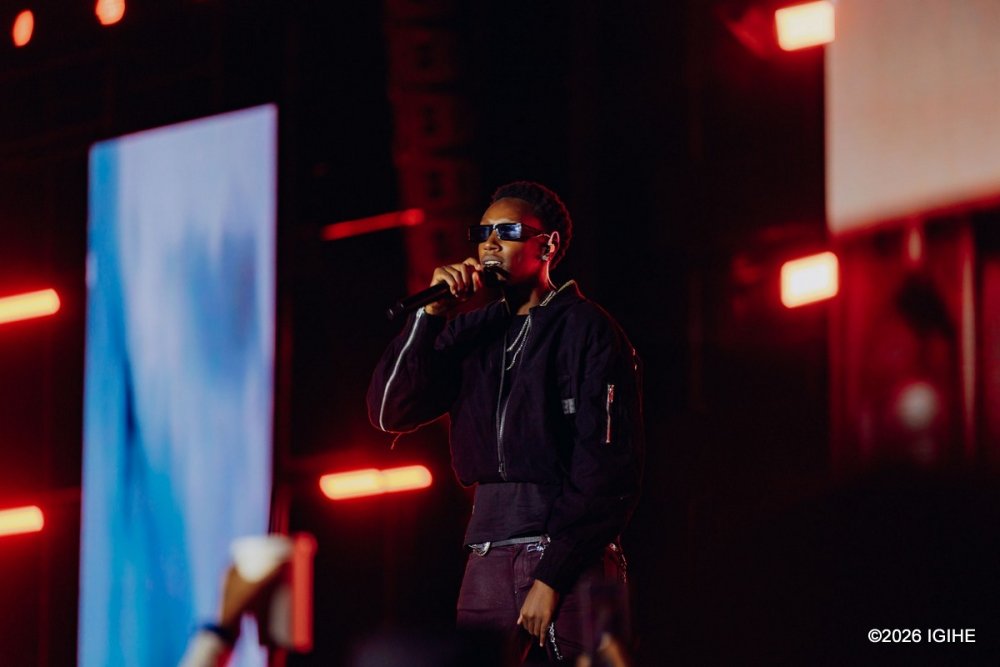
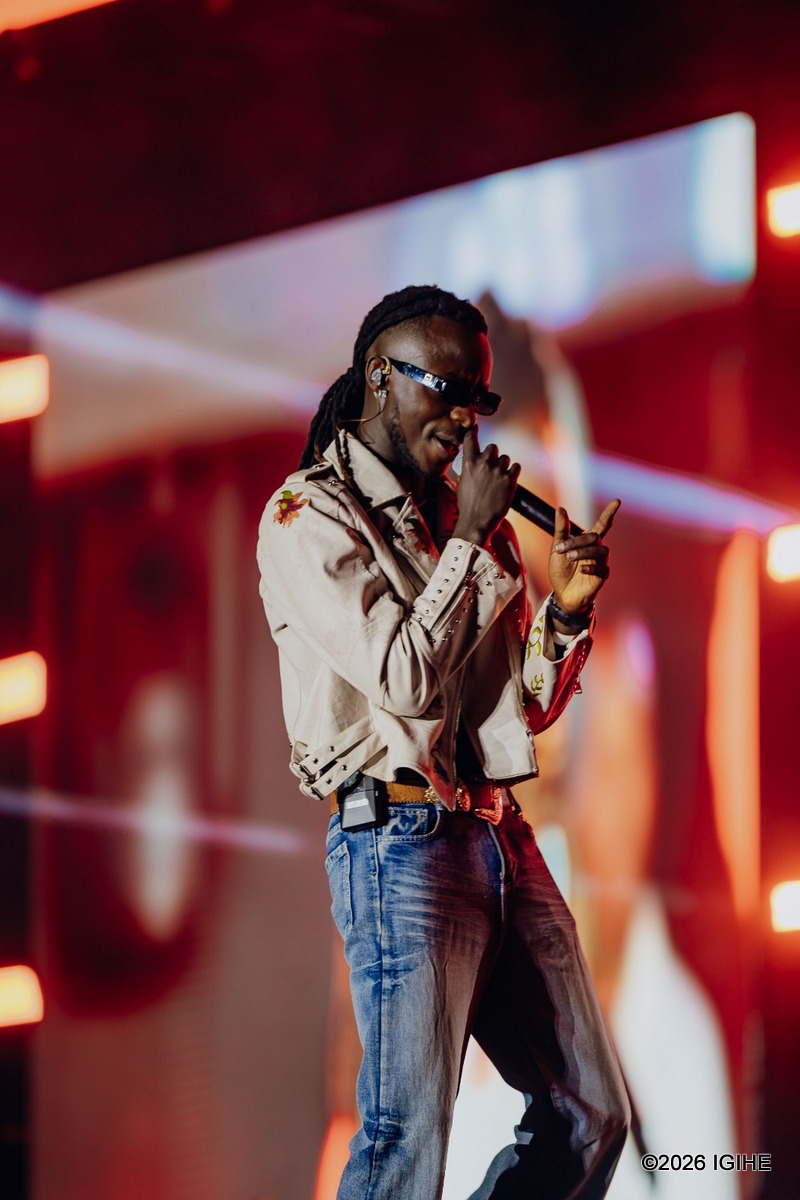
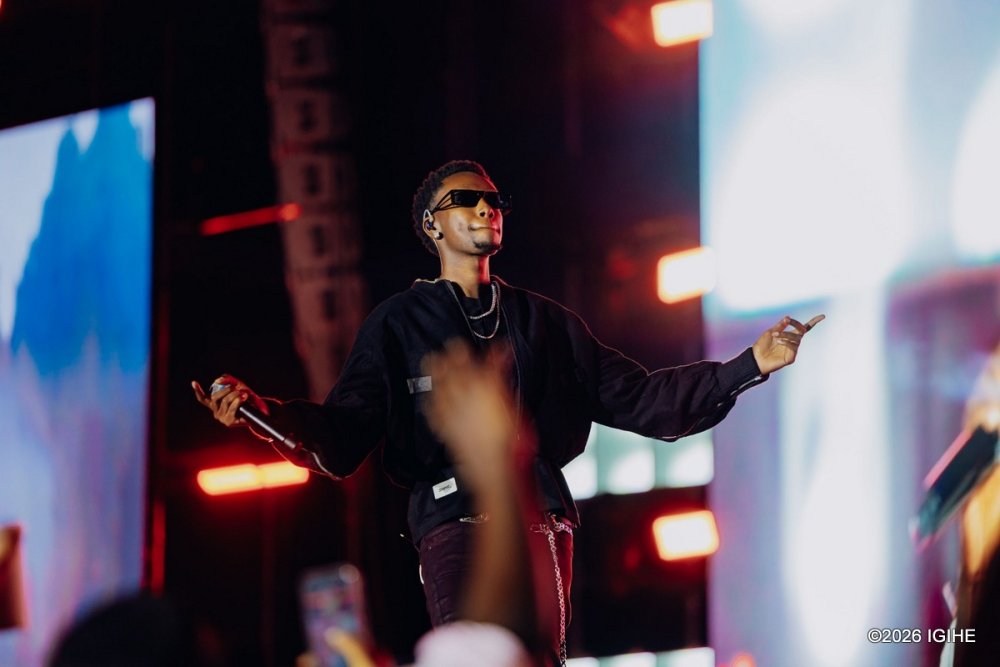
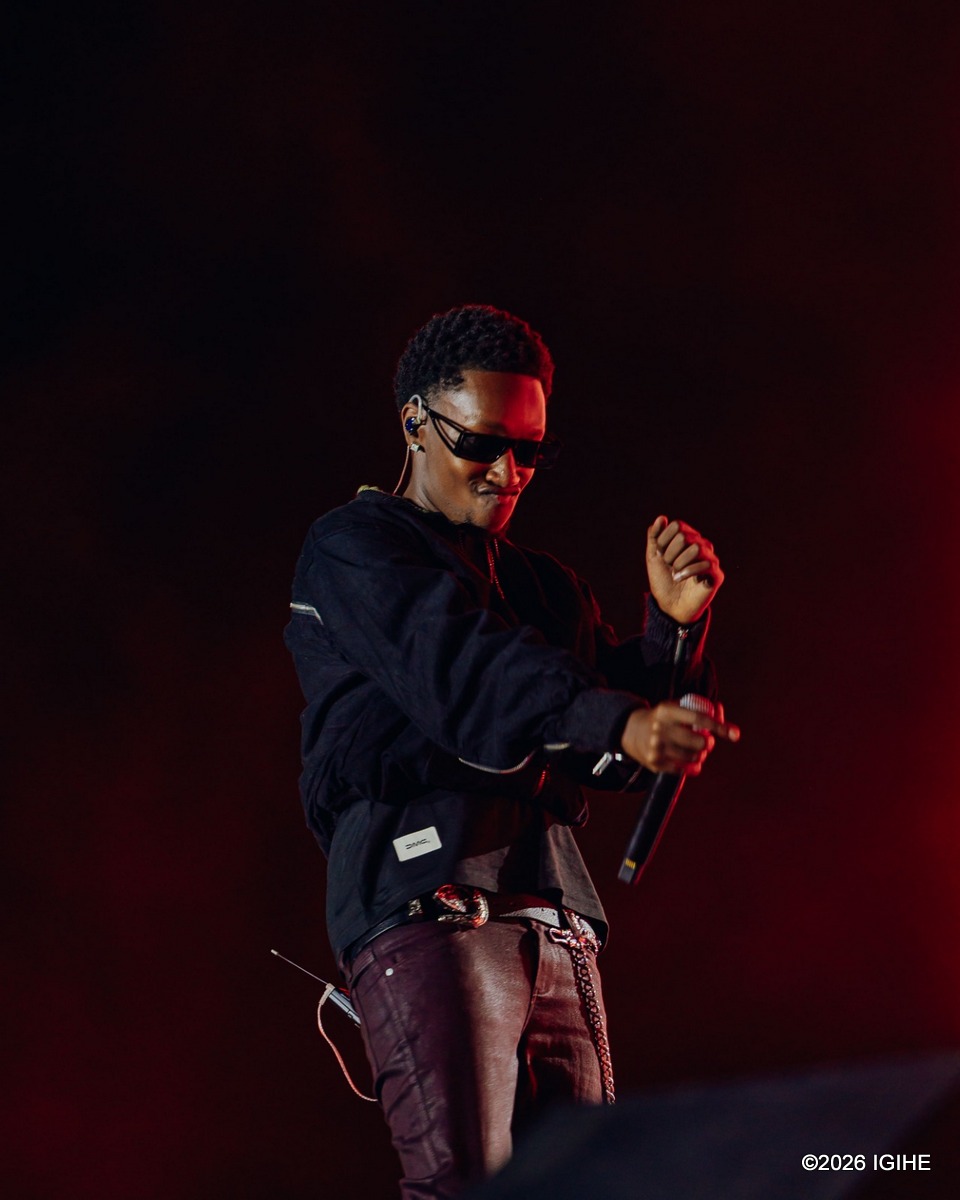
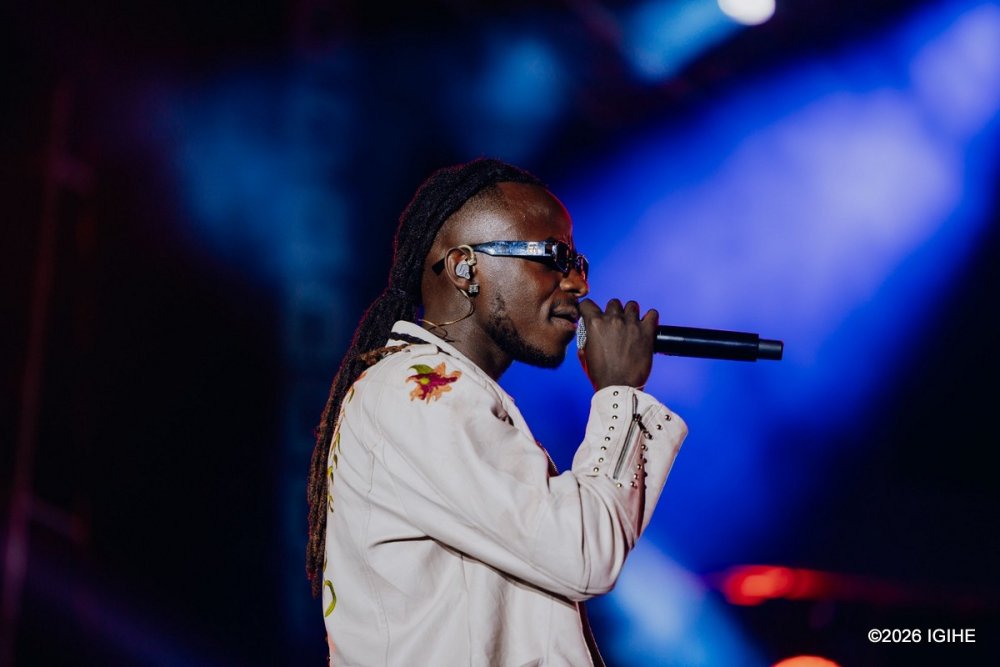
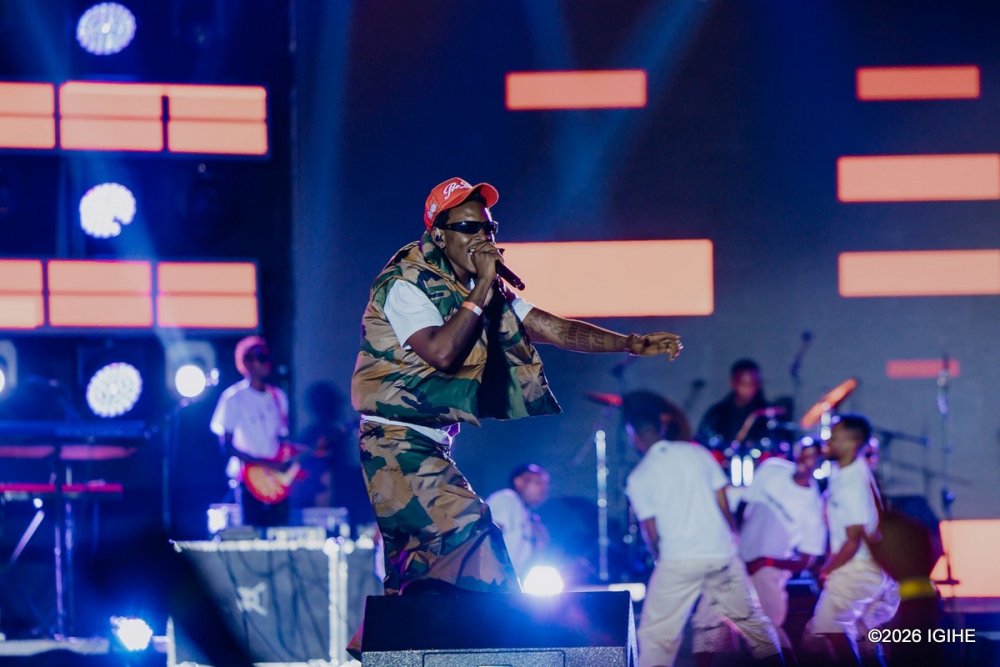
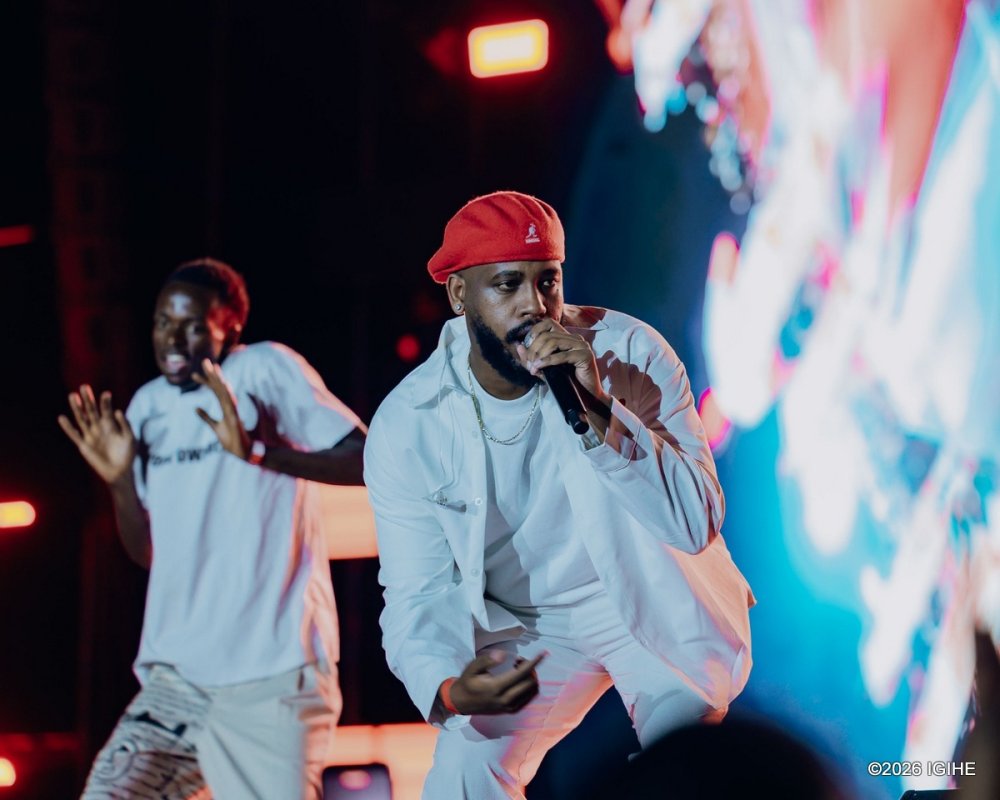
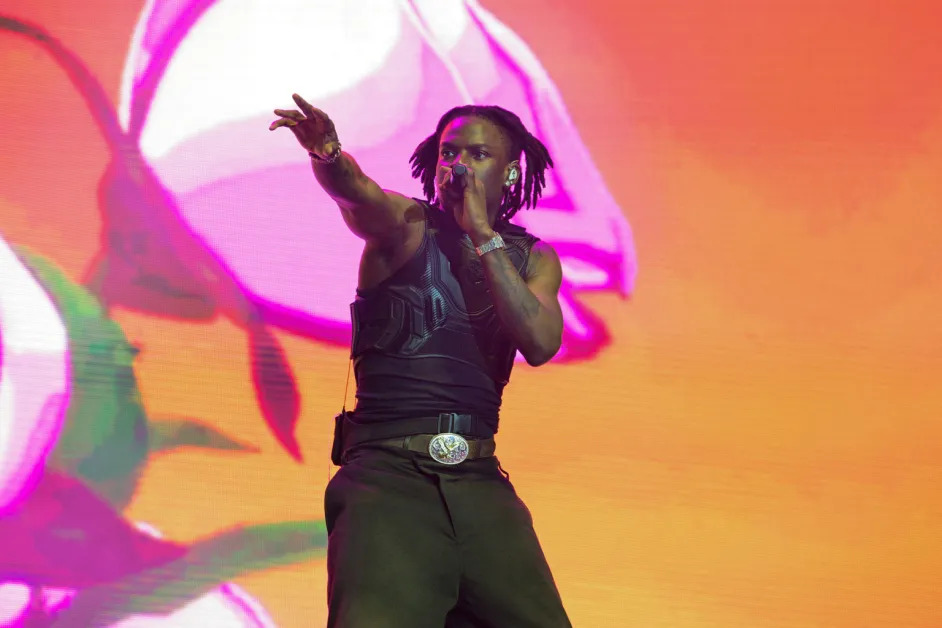
The evening also featured a musical performance by artist Bull Dogg, who energized the audience as the event approached its conclusion, adding an entertainment layer that complemented the fashion showcase.
The event also marked one of the first major public activities hosted on the Kigali Universe bridge, which has not yet been officially inaugurated. Although construction has been completed, the official opening is still being prepared.
According to Kenny Mugarura, Global Entertainment, Sports & Events Director at Kigali Universe, preparations for the inauguration are still ongoing.
“We have not officially inaugurated it yet but it will happen in the coming days. We know it will be something beautiful, which is why we are taking time to prepare properly,” he said.
Kigali Fashion Week has been running in Kigali since May 25, 2026, with activities expected to conclude on May 30, 2026, bringing together designers, creatives, and fashion enthusiasts as the event continues to re-establish its presence on the city’s cultural calendar.
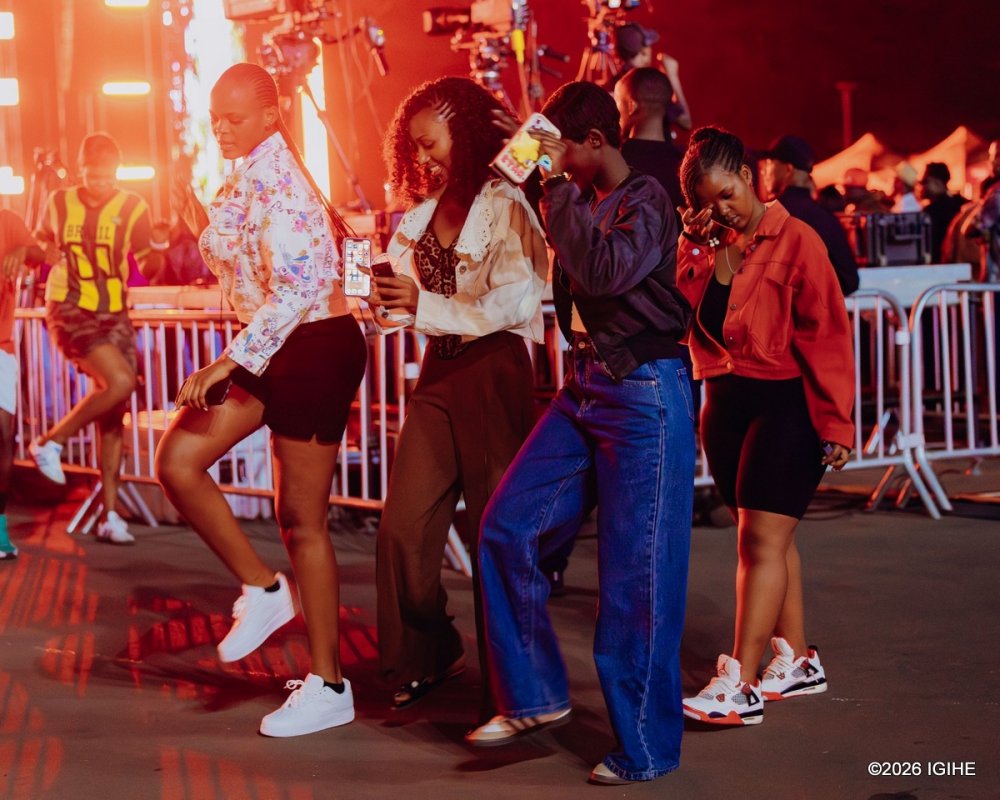
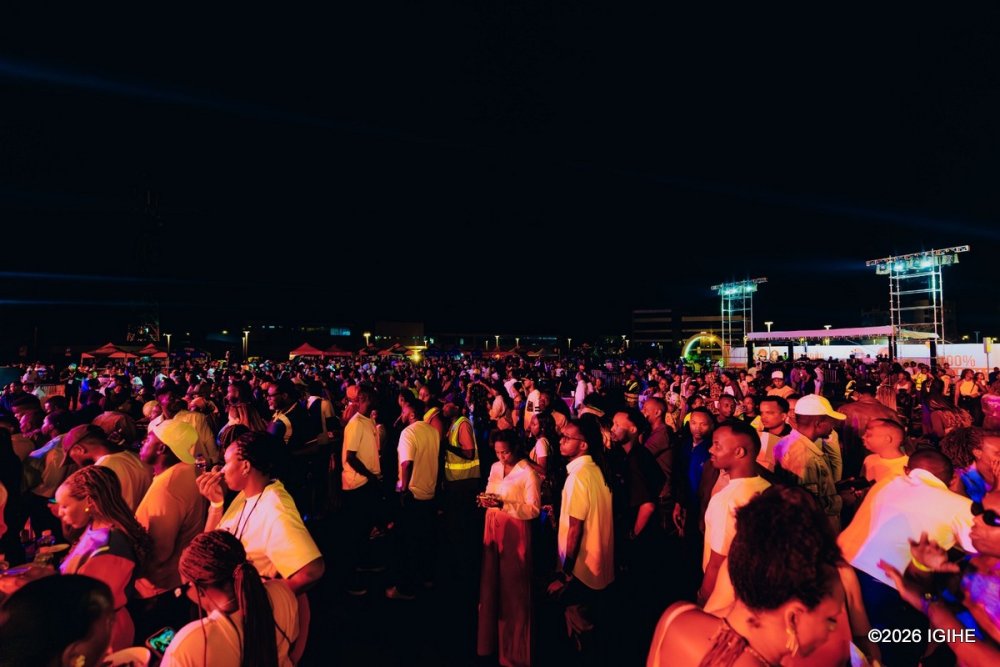
Kigali Fashion Week transformed Kigali Universe Bridge into a striking open-air runway during a showcase that blended fashion, light, and architecture.Kigali residents gathered at Kigali Universe Bridge to witness a fashion showcase unlike any previously staged in the city.Kigali Fashion Week brought together fashion, entertainment, and urban architectureFashion enthusiasts gathered on Kigali Universe Bridge as Kigali Fashion Week highlighted emerging regional trends and creativity. Bull Dogg energized the crowd as Kigali Fashion Week’s runway showcase approached its conclusion Models lit up Kigali Universe Bridge as Kigali Fashion Week returned with a unique runway experience after seven years.Models walked between seated guests on Kigali Universe Bridge during one of Kigali Fashion Week’s most visually striking showcases. Kigali Fashion Week delivered an open-air fashion experience that combined urban design with contemporary African style.Kigali Fashion Week used the newly completed Kigali Universe Bridge as a platform for fashion, culture, and entertainment.Kigali Universe Bridge hosted one of its first major public events through a runway showcase organized under Kigali Fashion Week.The illuminated Kigali Universe Bridge provided a dramatic backdrop for Kigali Fashion Week’s latest runway showcase. Fashion designers from Rwanda, Uganda, and beyond showcased their creativity during Kigali Fashion Week on Kigali Universe Bridge.Kigali Fashion Week turned Kigali Universe Bridge into a center of creativity as designers unveiled modern and innovative collections.Designers from across the region presented bold and creative collectionsThe fashion showcase at Kigali Universe Bridge reflected Kigali’s growing reputation as a hub for creative industries.The open-air setting of Kigali Universe Bridge added a distinctive visual identity to Kigali Fashion Week’s runway presentation.Kigali Universe Bridge served as an unconventional yet memorable venue for Kigali Fashion Week’s runway experience.The atmosphere at combined elegance and urban culture during Kigali Fashion Week’s latest event.Kigali Fashion Week created a unique atmosphere on Kigali Universe Bridge with lights, music, and runway presentations.The return of Kigali Fashion Week brought fresh energy to Kigali’s fashion and entertainment scene.
In a statement, the Foundation confirmed that it had decided to part ways with Iranzi, effective May 2, 2026, citing a mismatch in values despite what it described as efforts from both sides.
“The Sherrie Silver Foundation has made the difficult decision to part ways with ‘Iranzi’, a valued rapper and dancer in the Foundation, effective since Saturday 2nd May 2026, as our values no longer align despite great efforts made on both sides,” the statement read.
The organisation added that while it appreciated the time spent working with the young artist, its core principles remain centred on education, discipline, and integrity.
“We truly enjoyed the time spent working with him. At the Sherrie Silver Foundation, before music and dance, our core values remain education, discipline and integrity,” it said.
The Foundation further stated that it would no longer represent or be responsible for Iranzi’s actions or public views going forward.
“Henceforth, the Foundation will no longer represent or be responsible for his actions or views. We wish him the very best moving forward.”
Separately, Sherrie Silver, in a post on X, emphasised that education remains a non-negotiable requirement for all children under the organisation’s care.
“Many ask, what does it take to be a part of Sherrie Silver Foundation. We have a very simple rule. Everyone under 18 MUST attend school. Any child that refuses to do that cannot stay under our care. Talent is secondary, education & discipline first. We’re raising future leaders,” she wrote.
Iranzi speaks out
Speaking to IGIHE, Iranzi said he chose to leave the Foundation after what he described as growing frustrations over limited freedom to pursue his music career.
He alleged that he was not given sufficient independence to develop his artistic talent, claiming that even the music he wrote was controlled and not released.
He also said that tensions increased when he was enrolled in a boarding school in Musanze, despite already working on music projects, which he interpreted as an attempt to restrict his artistic growth.
“There are times when people do not agree, and instead of releasing you, they make things difficult for you. In an attempt to limit me, they sent me to study at a boarding school in Musanze even though they knew I was doing music. They used to ask us to write songs and submit them so they could choose which ones to release, but the songs I wrote were never used,” he said.
Iranzi, who was in Senior Three at Sunrise School in Musanze, said he later decided to formally resign from the Foundation on May 2, 2026. He then transferred to a school in Kigali as a day student, a move he said allows him to continue his education while focusing more on his music career.
This development comes shortly after Iranzi The Rapper released his first song titled “Basalee.”
Sherrie Silver Foundation confirmed that it had decided to part ways with Iranzi, effective May 2, 2026, citing a mismatch in values despite what it described as efforts from both sides.
The announcement was made at the closing ceremony of the 2026 Cannes Film Festival on Saturday, where Ben’Imana was selected from more than 30 debut feature films competing across different categories. The film was screened in the Un Certain Regard section, which showcases original storytelling and works that explore complex social and human issues.
A story rooted in memory and reconciliation
Set in 2012, as the community-led Gacaca courts were nearing their conclusion, Ben’Imana examines the gruelling emotional labour of forgiveness and reconciliation in the post-Genocide against the Tutsi era.
The narrative centres on a profound philosophical rift between two sisters: Vénéranda, a survivor who leads community workshops to help victims process trauma and offer absolution, and Suzanne, a grieving mother who views forced moving on as a victory for the perpetrators who murdered her husband and children.
When Vénéranda’s teenage daughter, Tina, unexpectedly becomes pregnant, the fragile peace of their household is upended. Tina’s pregnancy serves as a catalyst that forces long-buried trauma, historical silence, and unresolved family tensions to the surface.
This crisis forces Veneranda to confront painful memories from her past, movingly exploring themes of deep forgiveness, intergenerational trauma, and the difficult path to true reconciliation.
Award-winning Rwandan director Marie-Clémentine Dusabejambo makes remarks after winning the Caméra d’Or for her debut feature film Ben’Imana at the Cannes Film Festival on Saturday, May 23.
Director Marie-Clémentine Dusabejambo said the film was created to honour Rwandan women, particularly mothers who played a vital role in rebuilding unity and fostering reconciliation after the Genocide against the Tutsi.
She noted that despite enduring deep personal and collective trauma, these women demonstrated extraordinary resilience by continuing to live, offering forgiveness, and helping rebuild their families and communities.
“To receive this Golden Camera Award at Cannes for a first film is an immense wave of gratitude,” she said while accepting the award during the Cannes closing ceremony.
“I wanted to make this film because I wanted to pay tribute to the women of my country, women who, through horror, found the strength to stand up with dignity, to forgive, and to move forward, even painfully.”
Ben’Imana became the first film directed by a Rwandan filmmaker to be selected for the Un Certain Regard section at the 79th edition of the Cannes Film Festival.
The Caméra d’Or jury, chaired by Monia Chokri, praised the award recipient for choosing to confront difficult historical truths rather than remain silent. The jury highlighted the film’s courage in addressing sensitive and complex themes.
The success of Ben’Imana marks a significant milestone for Rwandan cinema and its growing international recognition. It reflects Rwanda’s emerging presence on the global film stage not only as a source of powerful stories, but also as a country producing filmmakers capable of conveying them with artistic depth and emotional impact.
The film is an international co-production involving contributors from Rwanda, Gabon, France, Norway, and Côte d’Ivoire. Among the collaborators is Samantha Biffot, who contributed to the production.
Minister of Foreign Affairs and International Cooperation Olivier Nduhungirehe also welcomed the film’s success, noting that it is a source of pride for Rwanda.
“A tremendous honour for Rwanda and for Francophonie, which co-produced the film,” he said.
Lionsgate motion picture chair Adam Fogelson said during a quarterly earnings call, as reported by Variety, that early preparations for the follow-up are progressing well.
“Preparations continue to go exceptionally well,” he said, adding that there remains “a ton of incredibly entertaining Michael Jackson story” that was not included in the first film.
He explained that many major moments from Jackson’s life and music career were left out of the original production, suggesting there is still enough material for a second film.
“There are so many other events that happened, even in the time frame of the original movie that weren’t touched upon, so we’re very, very confident that we’ve got an incredibly entertaining movie that will appeal once again to a global audience,” Fogelson said.
The first film, Michael, performed strongly at the box office, earning about $715.8m (£533.2m) worldwide after its release in April, with record-breaking openings in both the US and UK. The movie ended with Jackson’s 1988 Wembley Stadium performance during his Bad tour.
However, production of the film faced controversy linked to allegations of child sexual abuse against Jackson, which affected the original script and required significant changes.
Some planned content was removed after legal complications involving individuals connected to past settlements.
It remains unclear how a potential sequel will address these allegations, or whether it will follow a chronological storyline.
Fogelson suggested the narrative could move both forward and backward in time.
“We can go forwards and backwards in telling this story,” he said, adding that around “25 to 30% of a second movie” has already been filmed during earlier production work, which could also help reduce costs.
The studio based in the United States has not yet announced a release date for the sequel.
The studio behind the hit Michael Jackson biopic Michael has confirmed that a sequel is in development, despite controversy surrounding the original film.
Speaking to IGIHE, the minister reflected on the screening, which took place in a theater hosting more than 1,200 people, including prominent figures from the worlds of cinema, fashion, music, as well as passionate film enthusiasts attending the festival.
According to her, the audience gave the film a long standing ovation at the end of the screening.
“We received applause that lasted nearly ten minutes,” she said, emphasizing that viewers were particularly touched by the beauty of the cinematography and the delicate way director Marie-Clémentine Dusabejambo brought the story to the big screen.
Umutoni also noted that the film is the result of nearly thirteen years of creative work and perseverance.
“This is a film that honors Rwandan mothers and the depth of emotions they continue to carry after the 1994 Genocide against the Tutsi,” she explained.
The minister also highlighted the pan-African dimension of the project. Ben’Imana is a Rwandan-Gabonese co-production directed by Marie-Clémentine Dusabejambo in collaboration with Gabonese filmmaker Samantha Biffot, with support from France and Norway.
For Umutoni, this collaboration demonstrates how partnerships between African countries can enable African cinema to reach the highest international platforms.
She further stated that reactions from critics, organizers and the international press have been overwhelmingly positive, with several observers predicting a strong international journey for the film.
The film explores themes of reconciliation, forgiveness, resilience and rebuilding after the 1994 Genocide against the Tutsi.
“When you remain authentic and faithful to your culture, you can go very far,” the minister said, adding that Ben’Imana will also open doors for a new generation of African filmmakers.
According to her, several international producers and distributors have already expressed interest in screening the film in different countries around the world.
Minister Sandrine Umutoni has noted that Ben’Imana film is the result of nearly thirteen years of creative work and perseverance.Minister Umutoni Sandrine explained that the film pays tribute to Rwandan mothers and to the depth of the emotions they continue to carry after the 1994 Genocide against the Tutsi. The film Ben’Imana was directed by Marie‑Clémentine DusabejamboThe first screening of the film Ben’Imana at the Festival de Cannes.
The BAL Playoffs are scheduled to run from May 22 to May 31, 2026, in Kigali, with Bien officially confirmed as one of the headline halftime performers during the tournament.
Speaking to the media shortly after landing at Kigali International Airport on Wednesday, May 20, Bien expressed excitement about returning to Rwanda, praising Kigali’s beauty, the country’s peaceful atmosphere, and the growing influence of East African music and sports culture.
Bien expressed excitement about returning to Rwanda.
“I love basketball”
The former member of the popular Sauti Sol boy band, which announced an indefinite hiatus in 2023, said his connection to the BAL goes beyond music, revealing that basketball has been part of his life since childhood.
“I’m sure I’m going to enjoy the games,” Bien said. “I was in Johannesburg a couple of weeks ago, and I really enjoyed the games, especially watching the Rwanda team. They really brought a good game.”
The singer added that basketball remains one of his greatest passions.
“I don’t know if there’s an African artist who has played basketball more than me because I grew up playing basketball. That’s my sport. So I love it and I can’t wait to see what the games have in store for us.”
The singer said basketball remains one of his greatest passions.
Meeting President Kagame
Bien also reflected on his meeting with Paul Kagame during the 2026 NBA All-Star Weekend in Los Angeles earlier this year, describing the Rwandan leader as one of Africa’s strongest champions for sports development.
“Every time I meet President Kagame, it’s very special to me because I look up to him as a leader and a father figure,” he said.
According to Bien, their discussions centered around the future of basketball in Africa and opportunities for young African athletes.
“We spoke about young basketball players and talented sportsmen and women looking to take their gifts to the next level. It was a beautiful moment.”
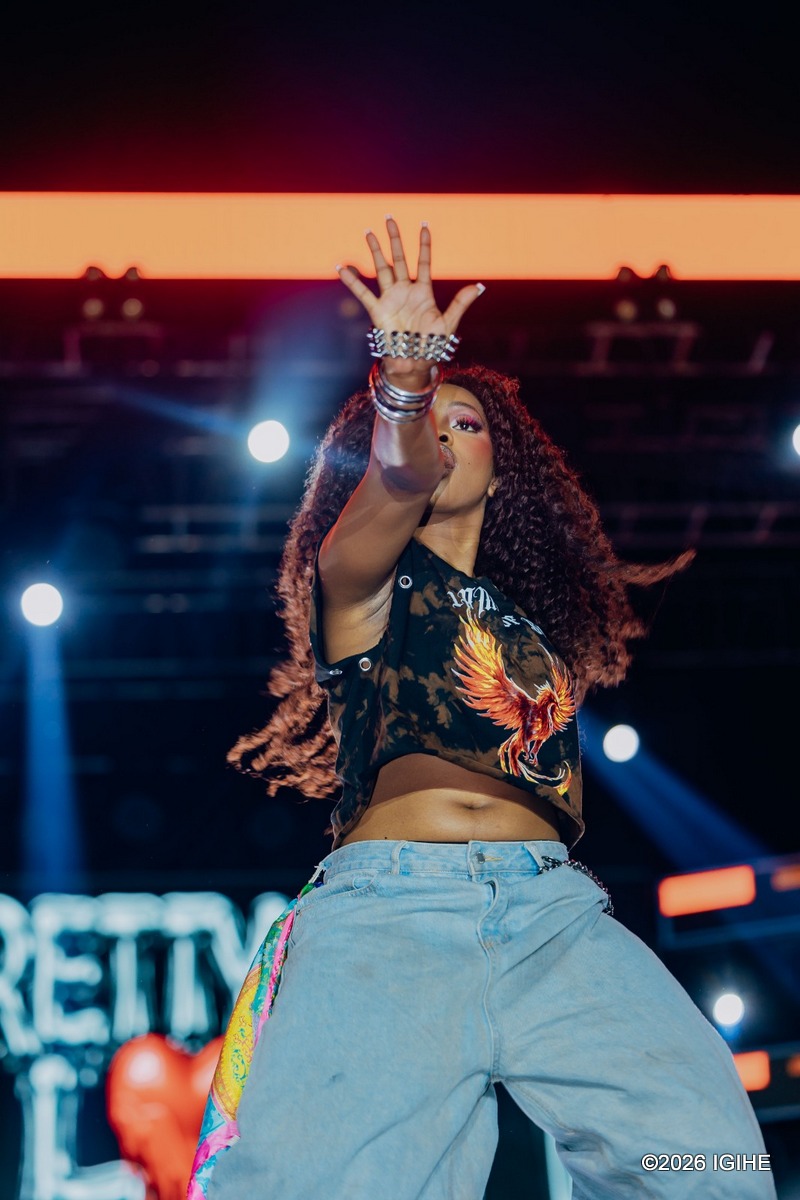
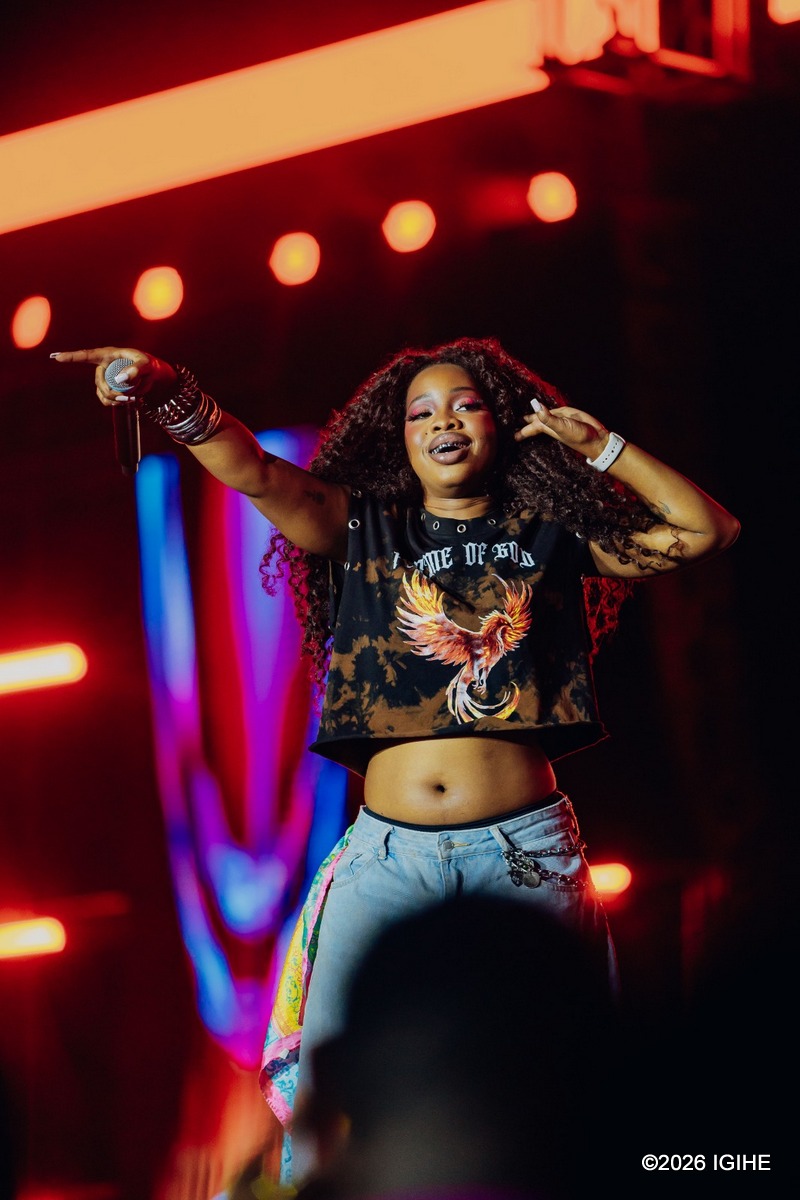
The singer was warmly received at the airport by the Rwandan organisers. He praised the calm and welcoming nature of Rwandans.
“Kigali is what Africa should look like”
One of the strongest moments from Bien’s interaction with journalists came when he explained why Rwanda continues to draw him back year after year.
“The food, man,” he revealed. “I just want to come eat Rwandese food, eat sombe with goat meat inside.”
But beyond the cuisine, the artist said Kigali represents a vision of what modern African cities can become, following the city’s innovation and development over the past three decades since the Genocide against the Tutsi.
Kigali is widely recognised for its clean and well-organised urban planning, efficient public services, strong emphasis on safety and order, and relatively smooth traffic management.
The city has also built a reputation for environmental cleanliness, supported by innovative sanitation policies and community-driven cleanliness efforts, alongside a growing reputation as a regional hub for conferences, technology, and creative industries.
“I come to Rwanda to see what Africa should look like,” Bien said. “For a long time, whenever people talk about model cities, they mention Geneva and Switzerland and all these places. I’m always telling people there’s Kigali.”
He also praised the calm and welcoming nature of Rwandans.
“The people are peaceful. They’re amazing,” he added.
One of the strongest moments from Bien’s interaction with journalists came when he explained why Rwanda continues to draw him back year after year.
BAL showcases East African talent
Bien hailed the BAL for assembling a predominantly East African entertainment lineup for this year’s playoffs, like Ugandan sensation Joshua Baraka and Tanzania’s Abigail Chams, saying the moment reflects the growing global recognition of East African music.
“For a long time, East African art was made to feel like we weren’t worthy of certain spaces,” he said. “I want to thank the BAL for proving to everybody that East Africa has heavy-hitting music.”
The artist also expressed excitement about sharing the stage with fellow regional stars, while revealing disappointment that Rwandan producer Mugisha Fred Robinson, better known as Element Eleéeh, would not be available for a planned joint performance due to commitments in the United States.
Arsenal, “Finale,” and a champion mindset
An outspoken supporter of Arsenal F.C., Bien also opened up about his hit collaboration “Finale” with Tanzanian superstar Alikiba and the inspiration behind the song.
According to Bien, the track was written with the intention of putting listeners into a “champion mindset.”
“I wanted to make a song that prepares people as if they’re preparing for a final,” he explained. “Whether you’re going to work, going to the gym, or preparing for life, every day could be your final.”
The singer laughed while recalling how he and his wife decided to feature Arsenal supporters in the song’s music video long before the club’s recent success, which saw the club lift the English Premier League title after 22 years on Tuesday.
“Deep down, I knew this was going to be our season,” he joked, adding, “And I hate to say I’m a prophet, but you can see what’s happening now.”
Praise for Rwandan artists
Bien reserved special praise for Rwanda’s music industry, calling local musicians some of the most talented in East Africa.
He singled out Bruce Melodie as “the most talented vocalist in East Africa,” while also applauding producer Element Eleéeh for capturing “the soul of East Africa” through his sound.
The singer further revealed he has several unreleased collaborations with Mike Kayihura and other Rwandan artists, including Kivumbi King.
“I love working with Rwandese musicians,” he said. “They are beautiful people and very musical.”
The BAL Playoffs are scheduled to run from May 22 to May 31, 2026, in Kigali, with Bien officially confirmed as one of the headline halftime performers during the tournament.
Hinting at a solo Kigali concert
Although he has previously performed in Kigali alongside Sauti Sol, Bien admitted he has yet to stage a major solo concert in Rwanda under his own name.
“I would love to come and do a Bien show and invite all my brothers I’ve collaborated with over the years,” he said, hinting at future plans for a standalone Kigali concert.
Sports, music and Africa’s future
Beyond entertainment, Bien spoke passionately about the economic power of sports and music, saying events such as the BAL can create opportunities for young Africans across the continent.
Reflecting on his experience attending the NBA All-Star Weekend in Los Angeles, he said witnessing the economy built around sports and entertainment inspired him to think more deeply about Africa’s potential.
“Music and sport are the two things that unite people the most,” he said.
“These events empower youth and show them that sports can become a viable career path.”
He also argued that East African music is currently enjoying one of its strongest moments yet, with regional artists increasingly dominating charts across Rwanda, Kenya, and Uganda.
“To East Africans, we are now global ambassadors,” Bien said. “All we need to do is keep telling our story and keep making great music.”
As the BAL Playoffs prepare to tip off at BK Arena, Bien says he is ready to deliver both energy and soul to fans in Kigali.
“The show is going to be amazing,” he said. “I’m here with my entire crew and I can’t wait to come and give and share.”
Watch the full video of Bien’s interaction with journalists in Kigali below.
Her children announced that she died from a heart attack, describing her as a woman who carried the culture and memory of the Colombian people to the world through her music.
Born Sonia Bazanta Vides in 1940 in northern Colombia, Totó grew up in a family of musicians before becoming known internationally for performing traditional Colombian styles such as cumbia and porro.
Her music drew heavily from African roots found along Colombia’s Caribbean coast, mixing rhythms and traditions passed down through generations. She became known for preserving musical styles such as chandé, mapalé, bullerengue and fandango while introducing them to global audiences.
Totó began performing with her band in the late 1960s and later gained international recognition through collaborations with artists and producers including Peter Gabriel. Her songs were later sampled by major international artists including Jay-Z, 50 Cent and Major Lazer.
She spent part of her life in exile in France after being blacklisted in Colombia because of her political views.
Over the years, Totó received several international honors, including a Lifetime Achievement Award at the Latin Grammys in 2013.
She often described traditional music as something living and evolving, saying it helped people preserve identity and dignity.
Totó received several international honors, including a Lifetime Achievement Award at the Latin Grammys in 2013.
The screening took place on May 19, 2026, and was attended by the Minister of State in the Ministry of Youth and Arts Development, Sandrine Umutoni, as well as Rwanda’s Ambassador to France, François Nkulikiyimfura.
Among the attendees were cast members of Ben’Imana, including Clémentine Uwimana Nyirinkindi, popularly known as Marigarita in Papa Sava. In Ben’Imana, she plays the character Veneranda.
Other cast members present included Isabelle Kabano, Nishimwe Kesia Kelly, Uwabeza Léocadie (known as Nyiragitariro), Uwamahoro Antoinette (popularly known as Siperansiya in Seburikoko), and Tuyisenge Aimé Valens.
The film was selected for the Un Certain Regard section at the 79th edition of the Cannes Film Festival, where it was officially showcased. This section highlights films with unique storytelling styles and is particularly known for recognising emerging cinematic voices.
Ben’Imana becomes the first film directed by a Rwandan filmmaker to be selected in this category. The only other Rwandan-related selection previously noted at Cannes is Munyarugabo (2007), directed by American filmmaker Lee Isaac Chung.
The film’s plot centres on Veneranda, a survivor of the 1994 Genocide against the Tutsi and community mediator whose stability is disrupted when her teenage daughter becomes unexpectedly pregnant. This crisis forces her to confront painful memories from her past, movingly exploring themes of deep forgiveness, intergenerational trauma, and the difficult path to true reconciliation.
Beyond Ben’Imana, Dusabejambo is also known for other works, including A Place for Myself, Icyasha, Behind the World, and Lyiza.
Ben’Imana was produced by Ivorian filmmaker Samantha Biffot, in collaboration with Rwandan producer Uwayezu Marie Epiphanie and Egyptian filmmaker Mostafa El Kashef.
Rwandan filmmaker Marie-Clémentine Dusabejambo and members of the film’s team were recognised and celebrated in Cannes.Dusabejambo, the director of the film, shared the inspiration behind its story.Minister of State in the Ministry of Youth and Arts Development, Sandrine Umutoni, attended the screening.As the cast members were invited to stand during the screening of the film, they came forward to be recognised and appreciated for their roles.
The pageant’s organising body, INGO S.A., announced the immediate revocation of her title on May 18, 2026. The decision comes after Celeste allegedly violated her contract by travelling abroad without prior notification and subsequently ignoring repeated attempts by management to establish contact.
According to regional media reports, Celeste recently departed for Europe, where she is alleged to have submitted an asylum application immediately upon arrival.
Once these reports surfaced, INGO S.A. launched an internal inquiry and reached out to Celeste for clarification regarding her travel status and whereabouts. The organisation decided to revoke her crown after she failed to respond to multiple inquiries, leaving her contract in direct violation.
In an official statement, the organisers detailed the terms of the revocation:
“Mugisha Monica Celeste is no longer permitted to use the crown, the title, or any official Miss Burundi branding across any platform, including social media. Any continued use of the crown will be treated as misrepresentation and may result in legal action.”
Celeste won the coveted “Miss Popularity” (Miss Populaire) title during the Miss Burundi grand finale on July 25, 2025, a notable year that marked the return of the national pageant after a two-year hiatus.
The decision has sparked debate on social media. Some users argue that titleholders are bound by the rules and responsibilities of the competition, while others contend that winners should retain personal freedom and that international travel should not automatically lead to the loss of a crown.
The pageant’s organising body, INGO S.A., announced the immediate revocation of her title on May 18, 2026. The decision comes after Celeste allegedly violated her contract by travelling abroad without prior notification and subsequently ignoring repeated attempts by management to establish contact.
The confirmation was made to IGIHE by the RIB spokesperson, Dr. Murangira B. Thierry.
“On May 16, 2026, RIB arrested Uworizagwira Florien, known as Yampano. He is suspected of several offences, including intentional assault, issuing threats, drug use, and others,” he said.
According to available information, the alleged offences were committed at different times. After learning that he had been reported to authorities, Yampano reportedly went into hiding but later surrendered himself to investigators after realizing he could not evade arrest.
He is currently being held at the Kicukiro RIB station while investigations continue, and his case file is being prepared for submission to investigators.
Meanwhile, reports also suggest that the musician had previously been accused of domestic violence incidents involving his partner.
His partner, commonly known as “Vava,” recently alleged that he assaulted her on multiple occasions, including a serious incident in which he allegedly knocked her with a vehicle.
She said tensions between them escalated on March 24, 2026, while they were travelling together to a sauna session.
According to her account, she asked Yampano to stop using his phone while driving, which angered him, leading him to order her out of the vehicle.
“He stopped the car in the middle of the road where there was no designated stop, and forced me out. I had no choice but to get out and take a motorcycle,” she said.
She added that while she was putting on her helmet, she noticed he was following them, initially thinking he wanted to call her back into the car. However, she said he suddenly avccelerated and hit them.
The case remains under investigation as authorities continue to gather evidence.
RIB confirmed that Yampano is suspected of several offences, including intentional assault, issuing threats, drug use and others.