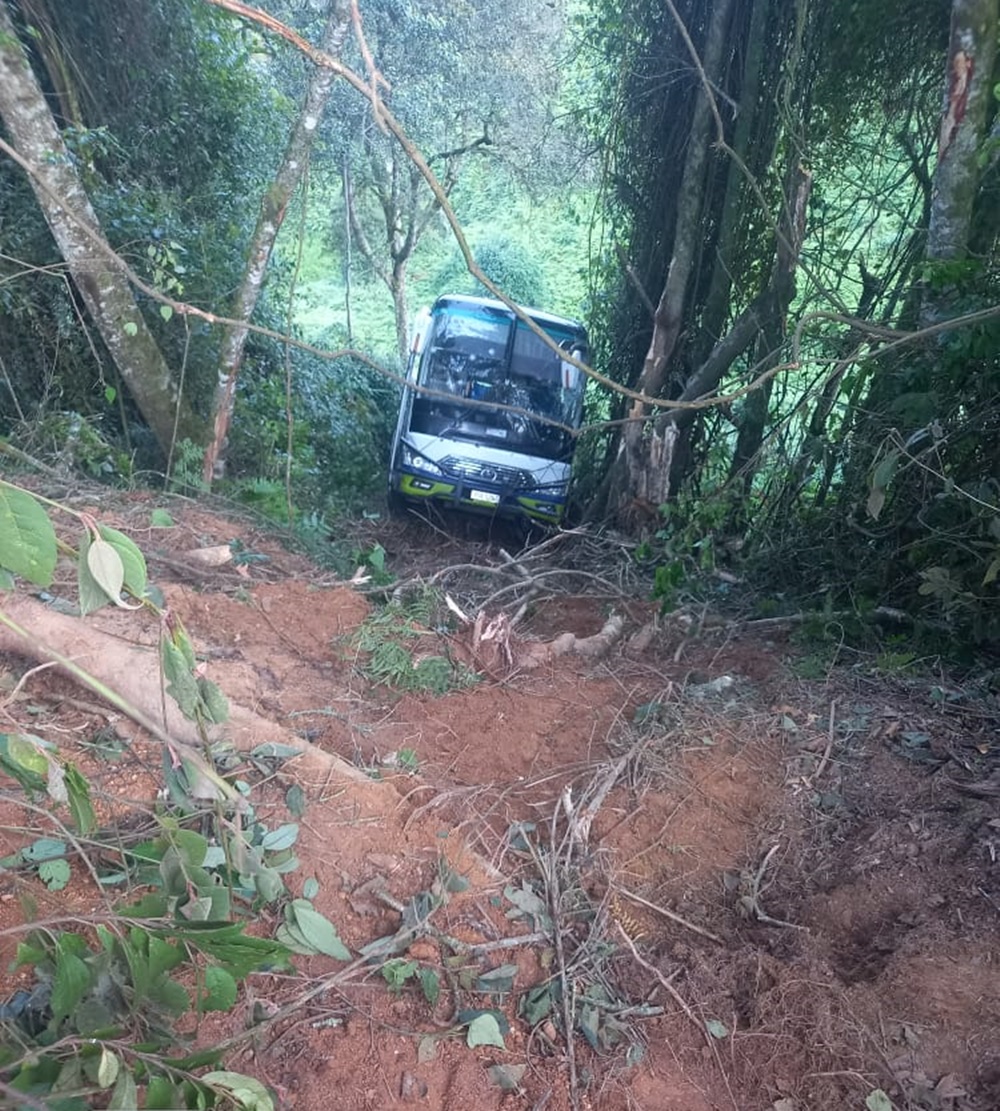
The statement released by Rwanda National Police (RNP) reads that the incident took place on Saturday 18th June 2022.
“This Saturday afternoon at around 14:00 hours, armed thugs, suspected to be remnants of FLN operating from across the border, shot at a public passenger bus on the Nyamagabe – Rusizi road in Nyungwe forest, Nyamagabe District,” reads part of the statement.
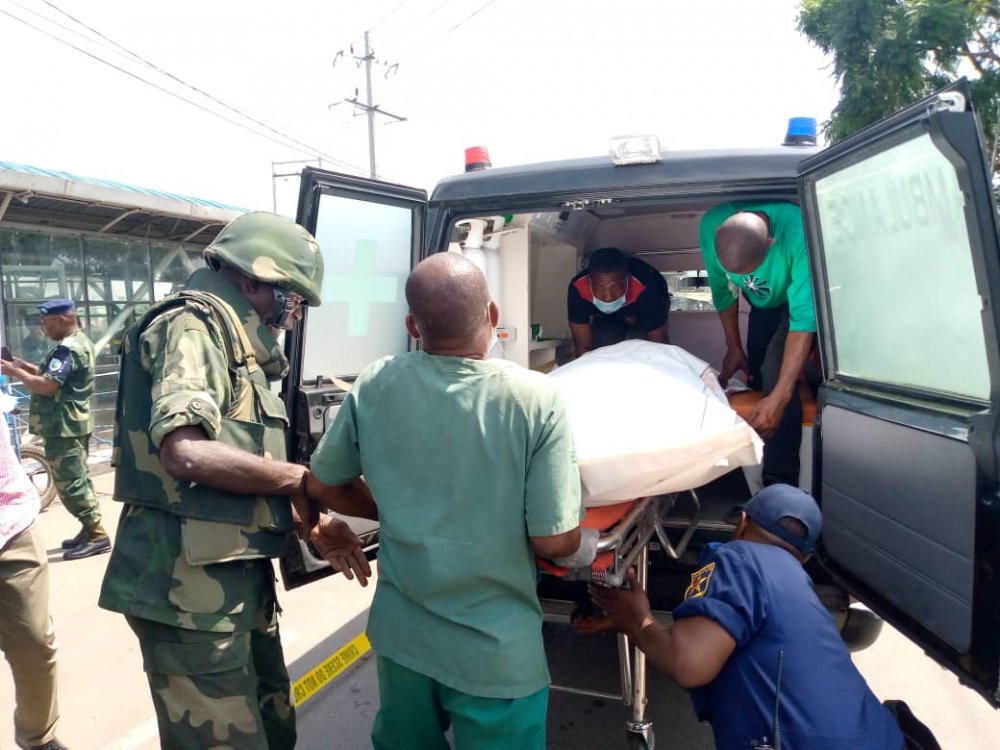
The statement further reads that the assailants killed the bus driver, one passenger and injured six other passengers who were evacuated to Kigeme Hospital and teh University Teaching Hospital of Butare (CHUB) for medical attention.
“The Rwanda National Police intervened minutes into the incident. The assailants are being tracked down,” add the statement.
IGIHE has learnt that the killed driver is identified as Ibrahim Issa working with Rwanda Inter-Link Transport Company (RITCO).
The declaration has been communicated through a statement released by the Ministry of Communication and Media dated 17th June 2022.
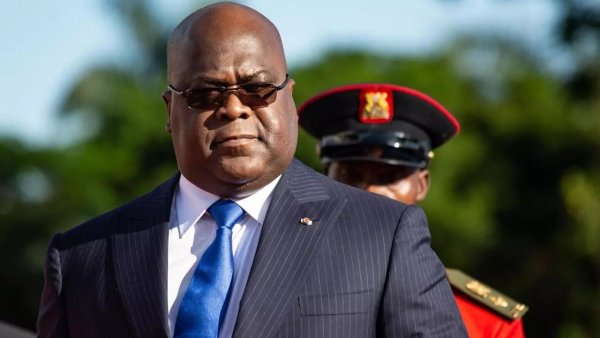
Tshisekedi files the accusations following a High Defence Council on Wednesday this week which resolved to revoke all agreements signed with Rwanda.
Tensions between Rwanda and DRC escalated after the resurgence of M23 rebel group in clashes with Congolese Military (FARDC).
DRC has been accusing Rwanda of supporting the rebel group but Rwanda repeatedly refuted the allegations maintaining that it has no interest in destabilizing the neighbouring country’s security.
M23 recently captured Bunagana town at the border with Uganda and continues to advance towards Rutshuru.
Tshisekedi has said that the situation continues to worsen because Rwanda wants to occupy its land and exploit minerals.
“The security situation in east of the country continues to deteriorate, and fundamentally because Rwanda seeks to occupy our land, rich in gold, coltan and cobalt, for own exploitation and profit,” he said.
Tshisekedi also called on UK Prime Minister, Boris Johnson to exert pressure on Rwanda to withdraw troops from DRC.
Meanwhile, M23 recently denied having any connections with Rwanda highlighting that some of weapons used during the battle have been bought from FARDC soldiers while others were kept in their hideouts long ago.
The Government of Rwanda has reiterated commitment to engage in discussions aimed at mending relations with DRC.
On Wednesday15th June 2022, Kenyan President Uhuru Kenyatta who is the incumbent Chairperson of EAC called for urgent deployment of a joint regional force to disarm rebel groups and restore peace in eastern part of DRC as agreed during the Second Regional Heads of State Conclave on DRC in Kenya in April this year.
Following the request, DRC released a statement welcoming the decision but boycotted the intervention from Rwanda.
“The Government of DRC said it welcomed the proposal made yesterday by the President of Kenya, Uhuru Kenyatta of deploying a new regional military force led by the East African Community to enforce peace in the provinces targeted by M23 and Rwanda, but insist they will not accept the participation of Rwanda in this joint force,” reads part of the statement.
DRC makes the statement at a time when Rwanda reiterated willingness to provide troops to support peace operations under the joint regional force.
Speaking to the media on Friday; Prof. Manasseh Nshuti, Rwanda’s State Minister for EAC Affairs said that the deployment of a joint force resulted from agreements between heads of state.
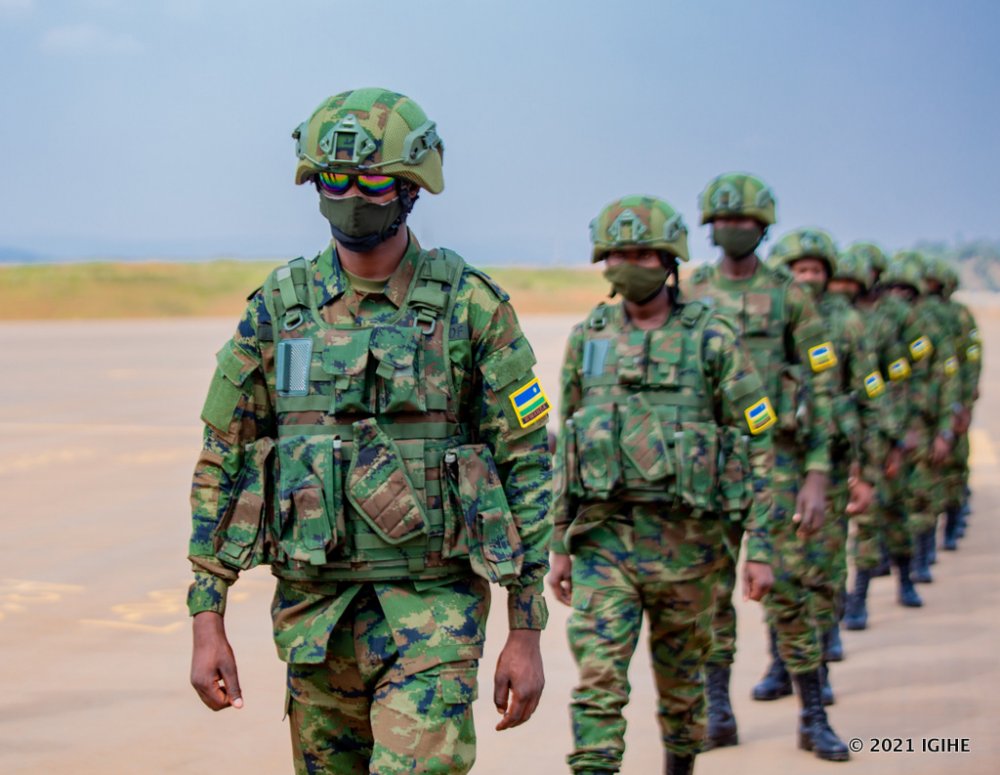
He explained that Rwanda is a member of EAC committed to maintain with security in the region and ready to send forces to restore peace under the joint operation.
The decision to establish a regional force was arrived at in April when Kenyatta hosted the leaders of Uganda, Burundi, Rwanda, and the DRC in Nairobi to discuss the crisis.
The regional commanders of the seven-nation EAC bloc are expected to meet on Sunday 19th June 2022 to finalize preparations for the deployment of the joint force.
The East African Regional Force will be deployed to the Ituri, North Kivu, and South Kivu provinces.
Kenyatta said the regional force will work alongside local provincial authorities and in close coordination with the United Nations Organization Stabilization Mission in the Democratic Republic of the Congo (MONUSCO) to disarm anyone carrying illegal firearms.
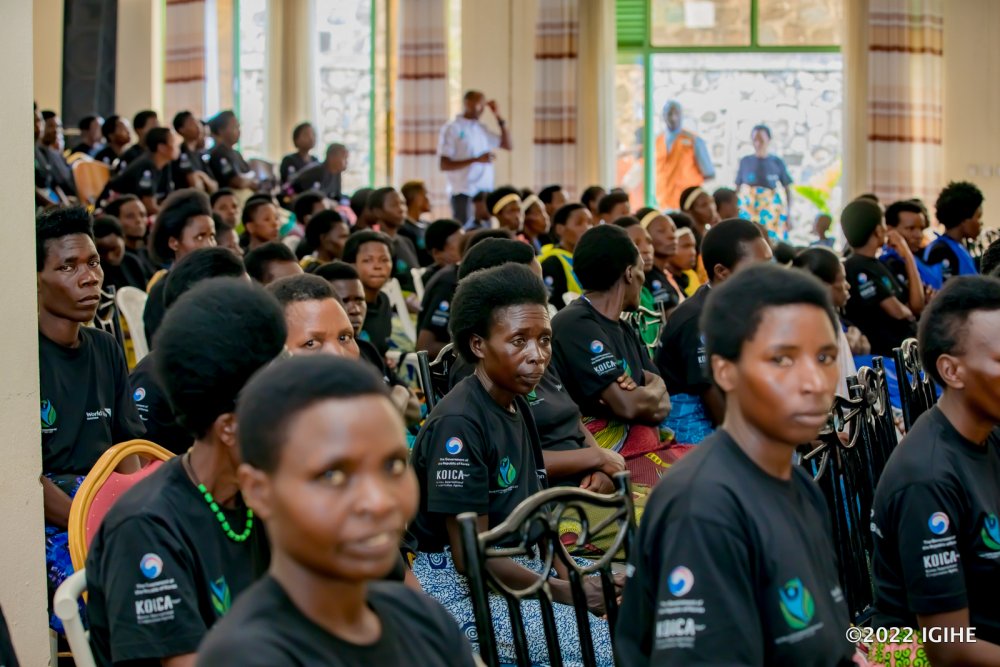
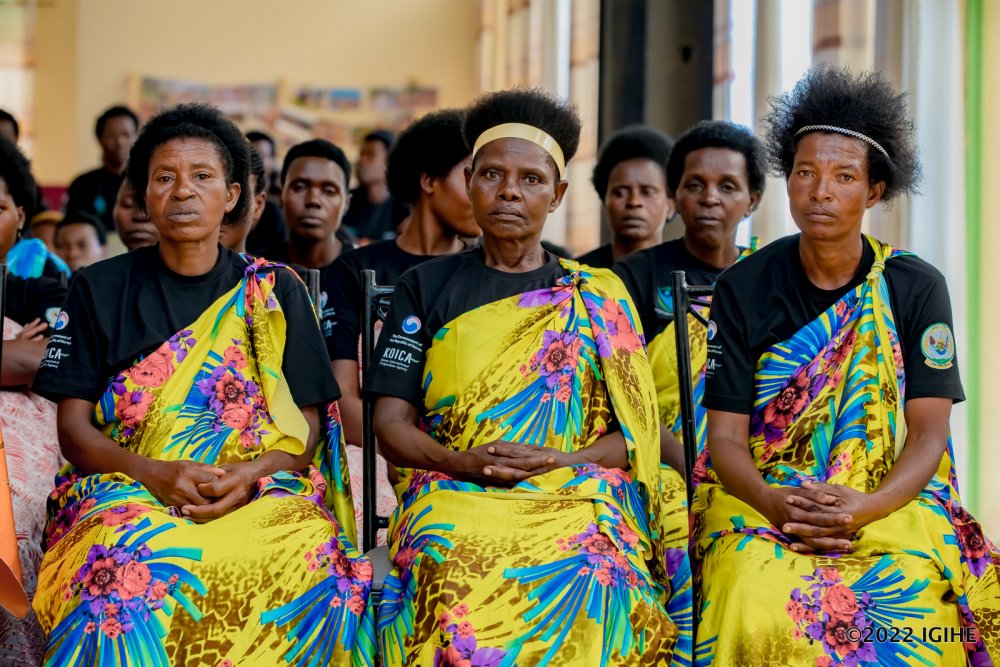
The women have also hailed the support from KOICA-UPG Kira Wigire, which supported them to graduate from poverty in one year and half.
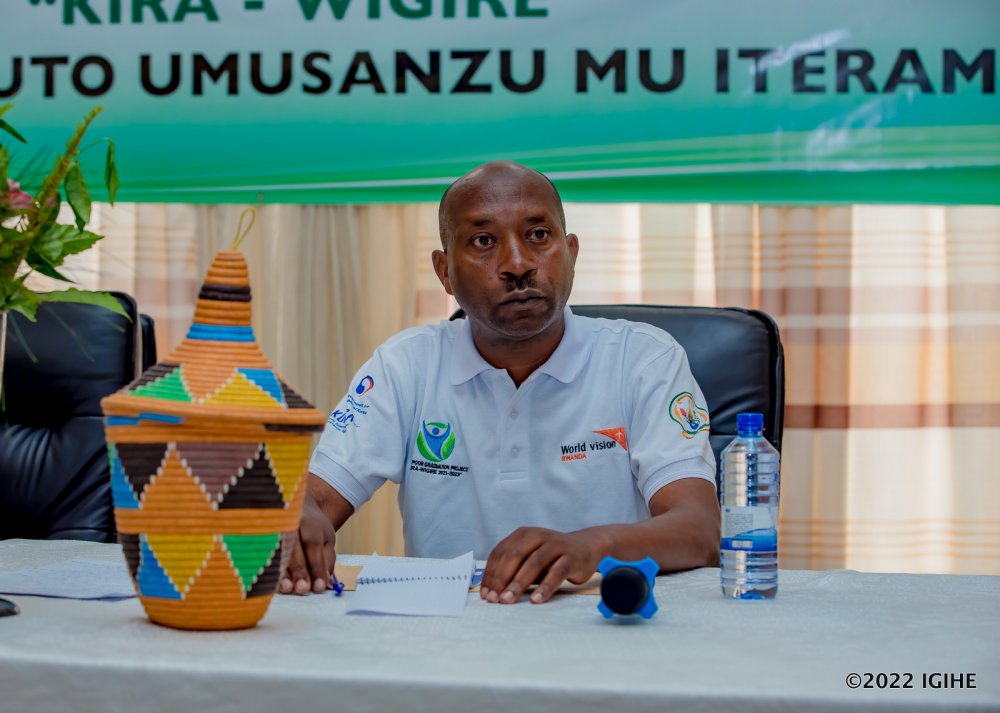
KOICA-Ultra Poor Graduation Project (UPG) Kira Wigire is a project of Korea International Cooperation Agency (KOICA), implemented by World Vision. It seeks to uplift women-headed households from poverty.
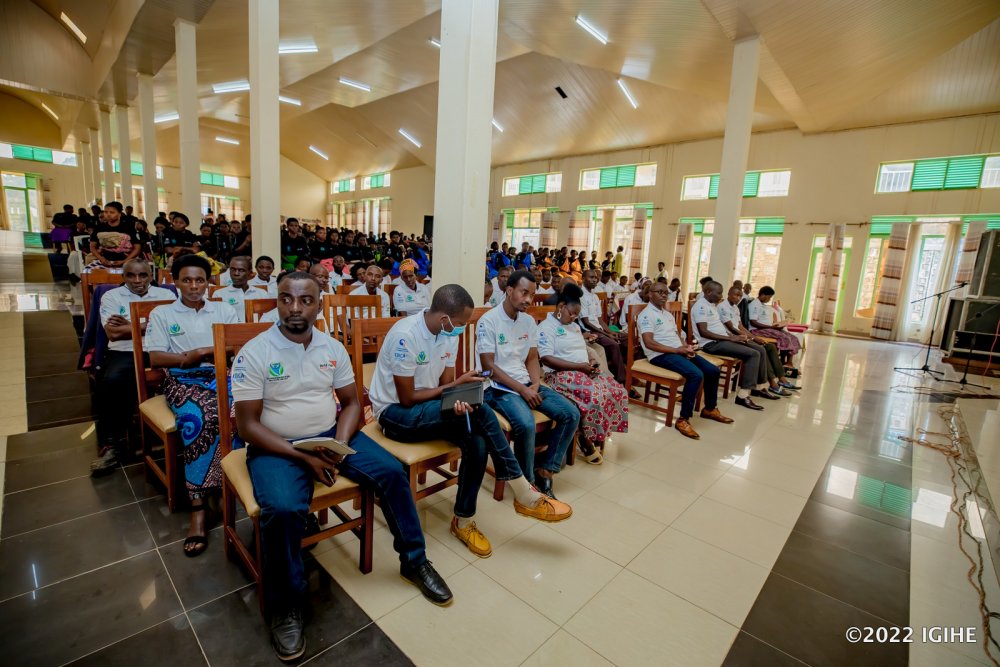
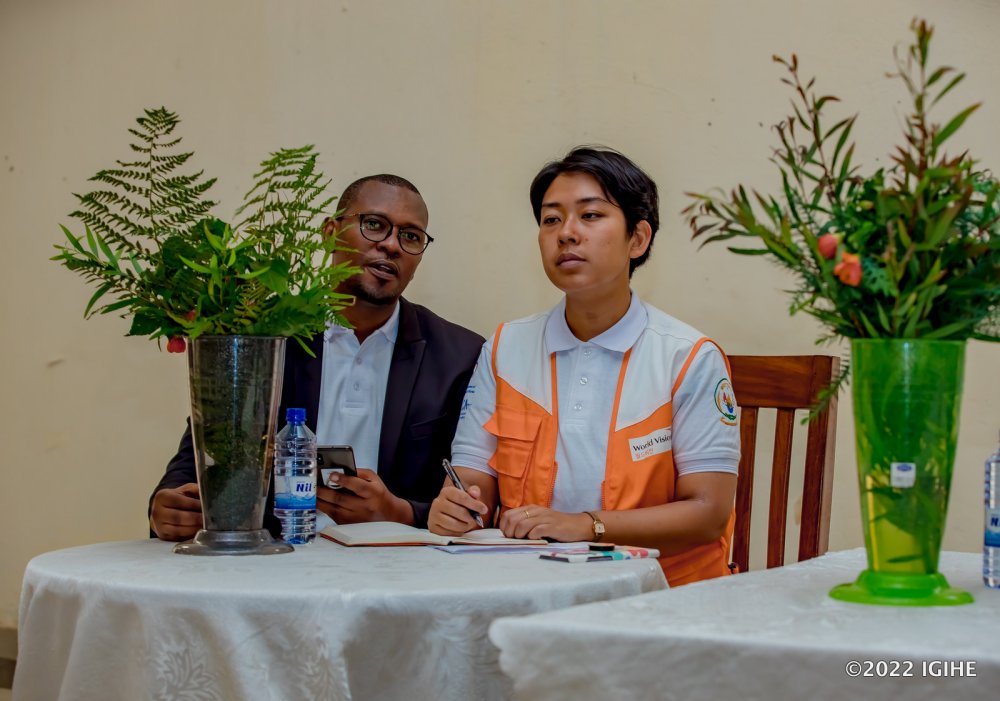
The appreciation was made at a Behavioral Change Campaign and Annual Stakeholders meeting held early this week.
The event was meant to celebrate achievements with the women who were supported, and take stock of the progress of the KOICA UPG, a three-year project that has been under implementation since March 2021.
In March last year, World Vision selected women-headed households under extreme poverty to benefit from the project.
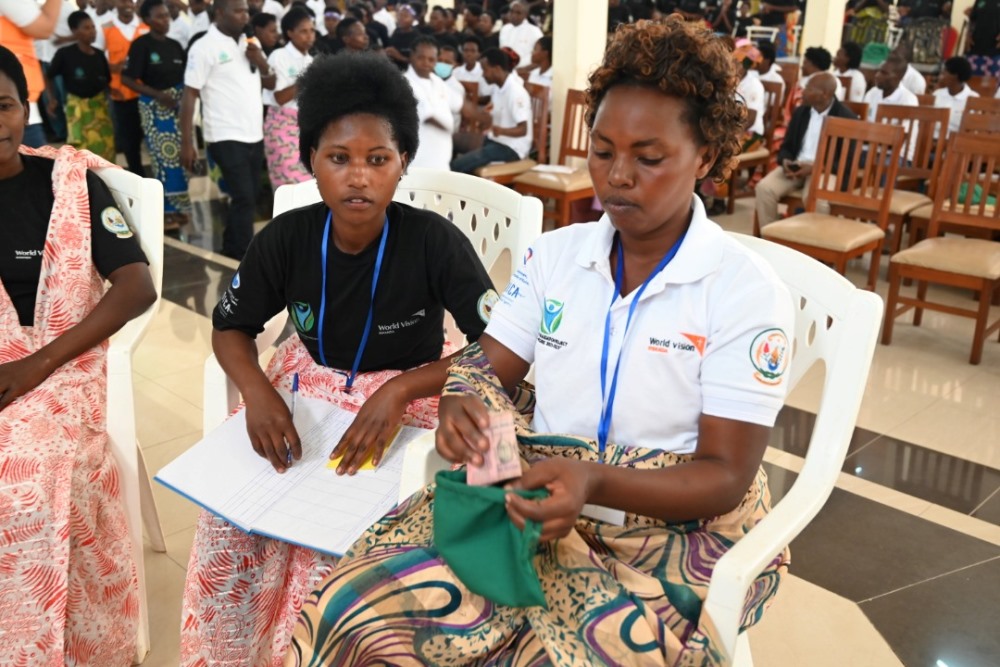
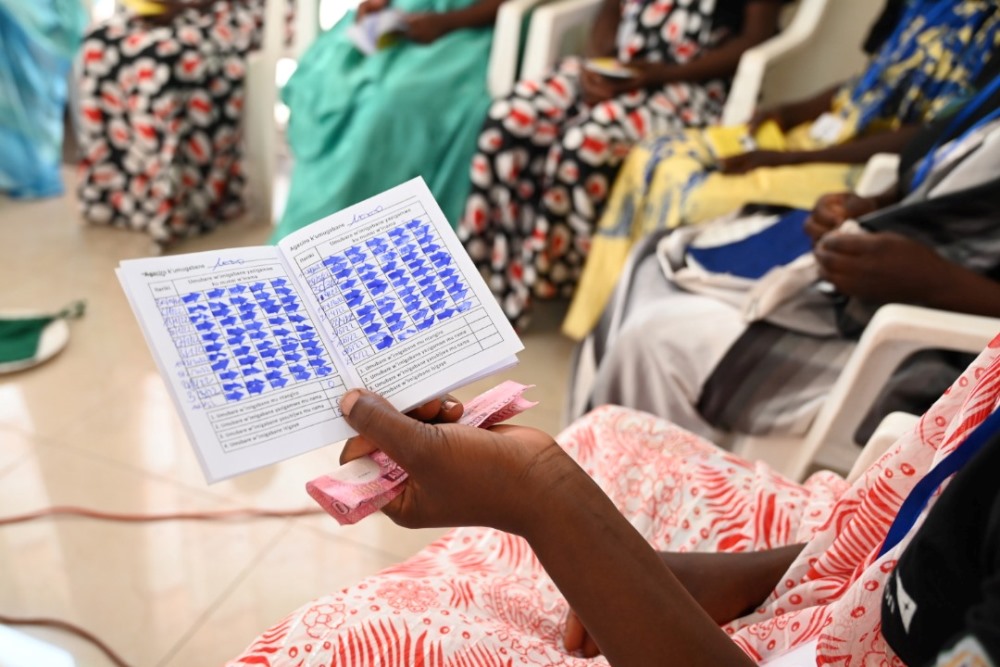
The women, who had little hope for the future were trained on best farming techniques and encouraged to create saving groups.
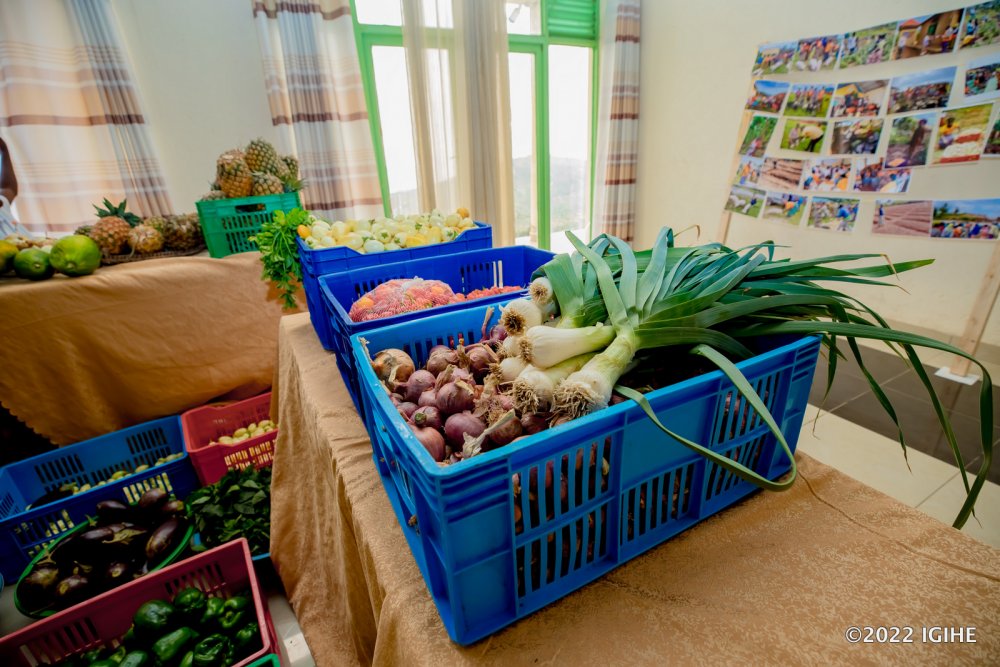
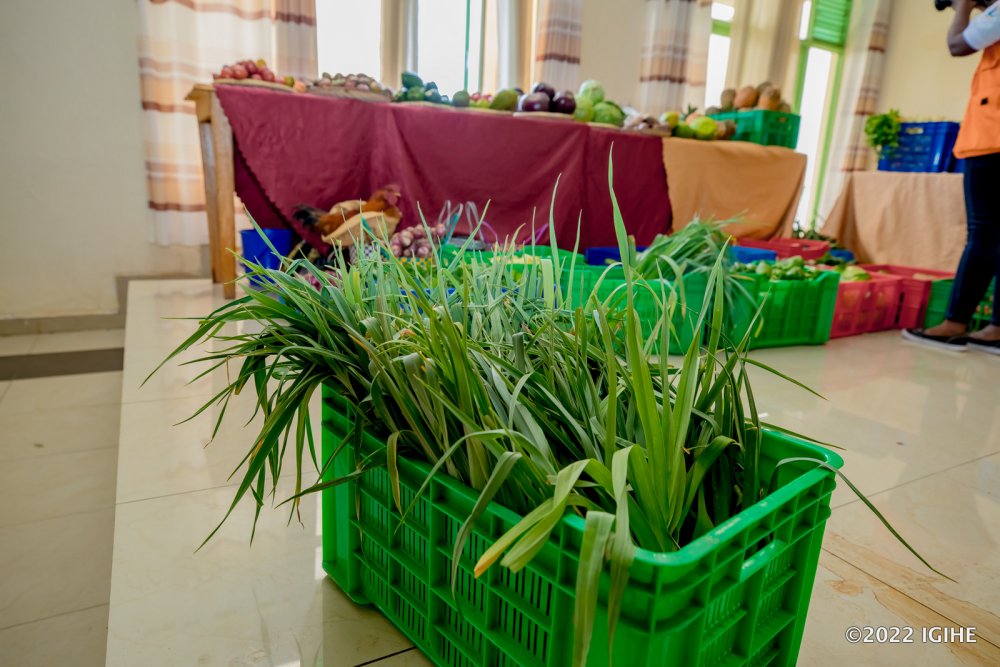
To pave the way for a better future, World Vision rented a farmland for each selected women heading households to grow fruits and vegetables. World Vision also provided them with seeds and farming equipment including hoes, watering cans, rakes and plastic containers to collect the harvest.
Angelique Mukabalisa had started negotiations to be hired as a domestic servant by the time ‘Kira Wigire’ project was introduced. After training on best farming techniques, she stared growing fruits and vegetables which helped her to join saving groups.
The woman living in Mushubati Sector, efficiently utilized earnings from her farming activities and bought seven goats at different times. She later sold them and bought a cow.
“I harvest enough for home consumption and make surplus for market. I also earn profits from sales of agriculture yields bought from other farmers. This has helped me to save at least Rwf 5,000 every week. The total amount of my savings has reached Rwf 120,000 and plan to continue doing so to pave the way for a brighter tomorrow,” Mukabalisa.
The project has also provided financial support. Eugenie Nzamukosha from was living in a dilapidated house constructed of bricks without doors. Her children rarely went to school, as they could not get food often.
The mother of seven once received a total amount of Rwf 70,000 as financial support allocated to members of her household for two months.
She used the money to start a business of selling bananas. Nzamukosha would buy a bunch of green bananas at Rwf 5,000, which generated Rwf 3,000 in profits. The mother used the money to meet household needs and make savings.
As her group shared members’ savings, Nzamukosha received Rwf 120, 000 that she used along with Rwf 80,000 from agricultural produce, to buy a cow. She has since bought another cow, making it three.
“I was hit hard and could not afford paying for Mutuelle de Santé before receiving the support. However, my life has changed for good. I have already paid next year’s subscription for the community health based insurance, for all household members,” she revealed.
Nzamukosha has become food secure and ably caters for children’s school fees and other scholastic materials. She has renovated her house and bought small livestock including goats and pigs.
Jacques Nyabyenda, one of the extension workers under ‘Kira Wigire’ disclosed that the women heading households, have saved more than Rwf 25 million, since the beginning of this project.
Of the 300 households; 40 have bought cows, 59 have bought farmlands, 71 bought goats, 48 have pigs, 2 bought sewing machines, one bough a bicycle to carry agricultural yields while 109 families rented farmlands.
Raymond Uwiragiye, the Representative of World Vision in Rutsiro and Ngororero has said that the project seeks, among other things, to eliminate stunting, transform citizens’ mindsets so that they can work hard to overcome poverty.
“We want to see transformation respective communities, transform people’s mindsets and empower them on how it is possible to graduate from poverty,” he said.
Jean Baptiste Uwihanganye, a member of Rutsiro District advisory council, who represented the mayor at the event, said that the impact of the project among beneficiaries is self-evident. He revealed that they have become smart citizens currently as they willingly participate in government’s programs, subscribe for Mutuelle de Santé, provide contributions in Ejo Heza saving scheme.
The US$1,345,000 project is rolled out in 2 out of 13 sectors of Rustiro District.
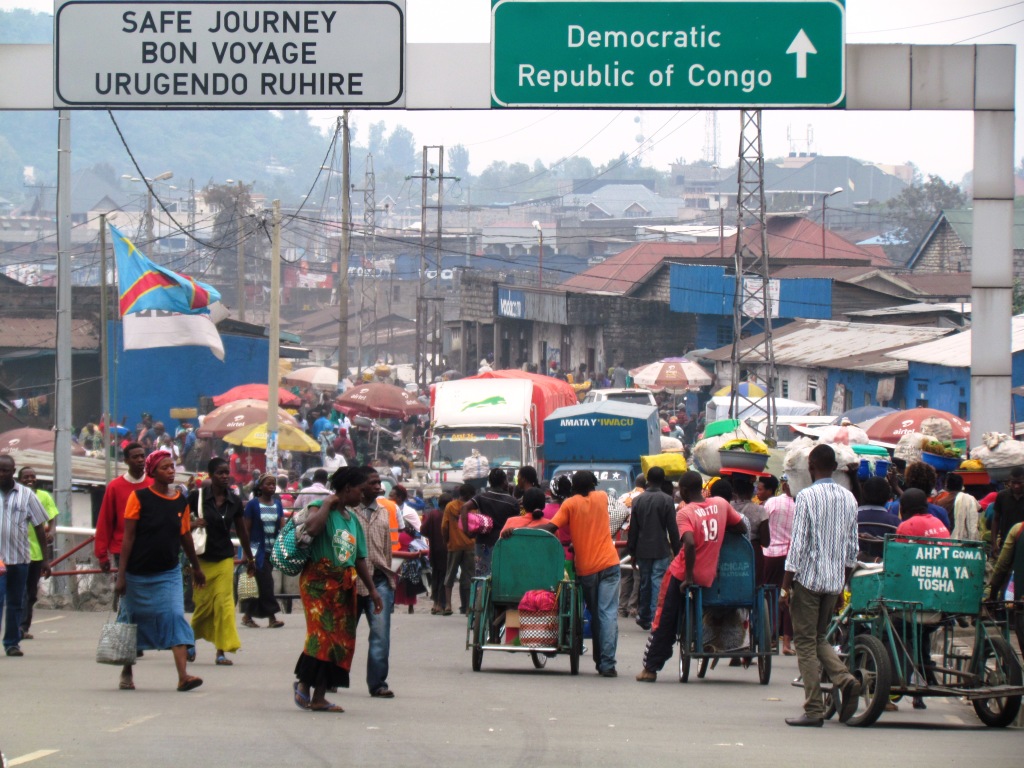
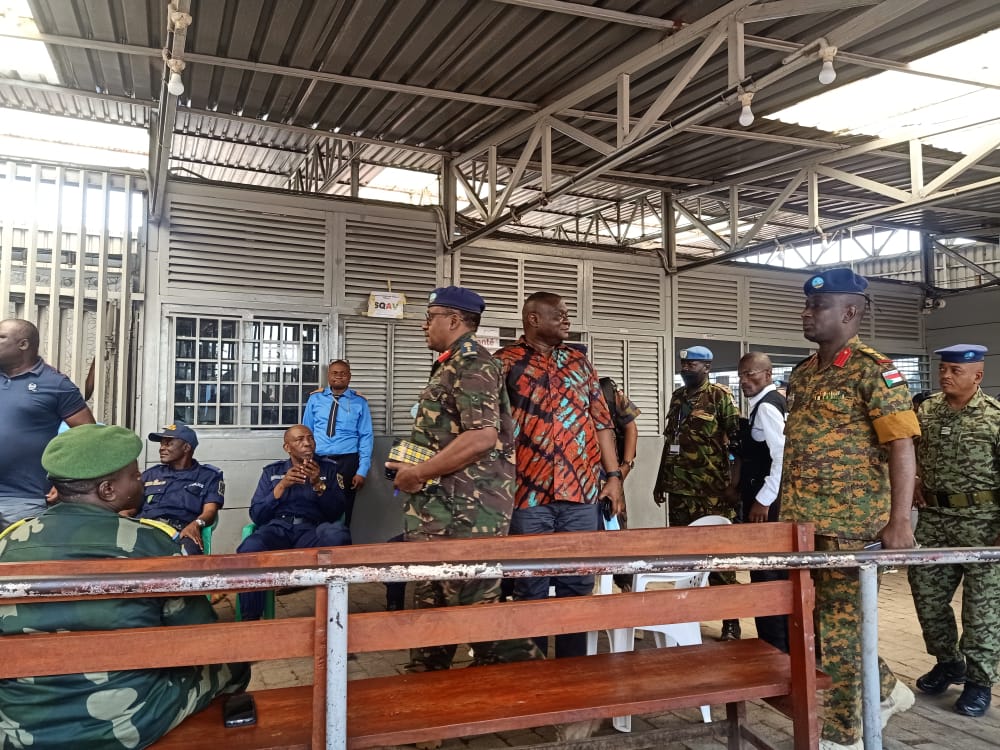
The Director of Immigration and Emigration in North Kivu, Ngoy Mukalay has told members of the press that the directive went into effect from Friday 17th June 2022.
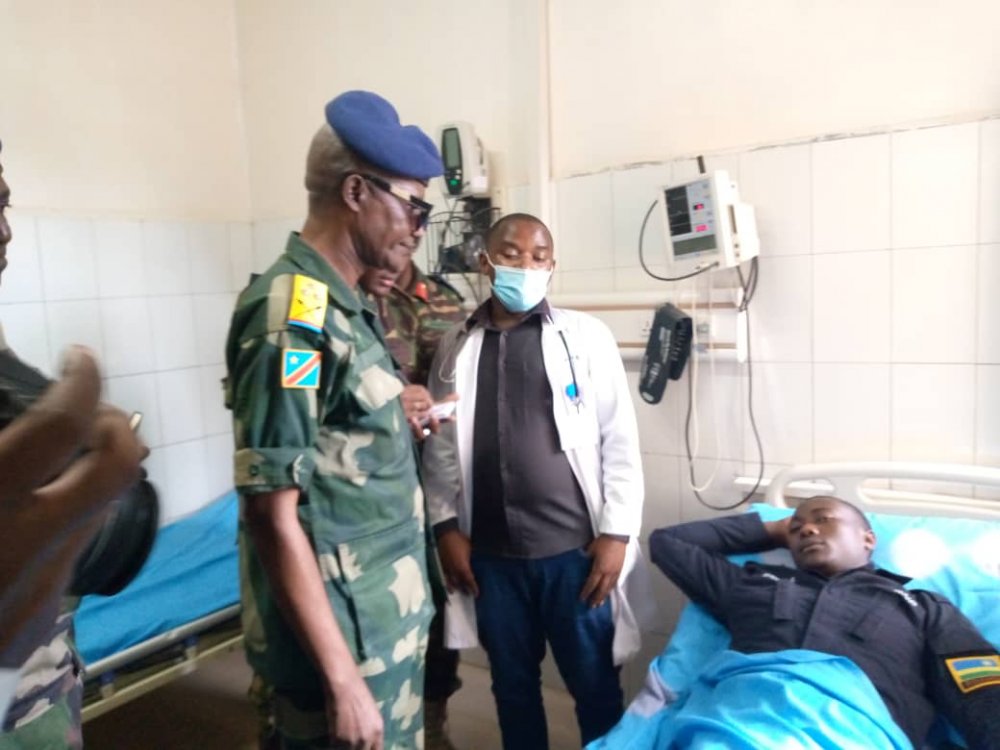
The close at 3p.m. follows a cross-border incident where a Congolese soldier stormed Rwandan territory with a rapid fire and injured two policemen before he was shot dead by Rwandan security forces on guard.
Tension between Rwanda and DRC has escalated following the resurgence of M23 in clashes with Congolese Army.
DRC accuses Rwanda of supporting the rebel group but Rwanda has repeatedly refuted these claims and asked the country to seek a solution to its internal matters without dragging it into the war.
M23 has so far captured Bunagana town bordering with Uganda.
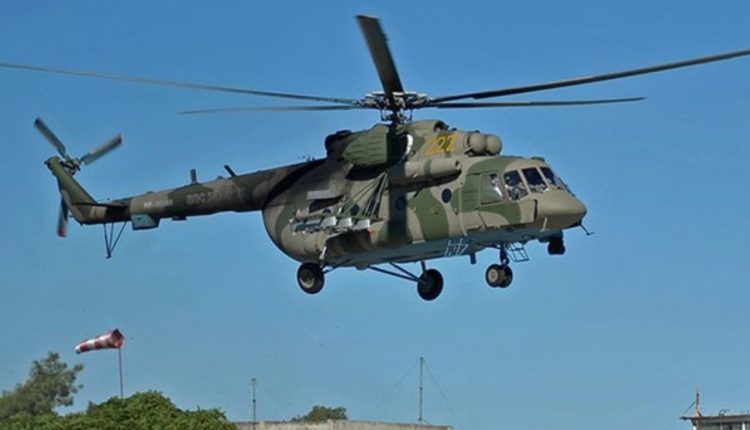
A statement released by M23 on Friday reads that the helicopter was shot down around 3:00 p.m. as the helicopter raided its bases in Kabindi and Tshengereo.
The raid follows the recent announcement by M23 that it has captured the areas on Friday morning.
Bunagana town at the border between DRC and Uganda has been also under full control of M23.
M23 resumed fighting with Congolese Army in March this year accusing the country of failure to implement peace accords signed in 2013.
Consolee Nyiraguhirwa, 25, was arrested at about 2pm in Mutuzo Village, Kibuguzo Cell of Shingiro Sector with the narcotics while his husband, Jean De Dieu Niyonkuru, 29, managed to flee during the operation.
Superintendent of Police (SP) Alex Ndayisenga, the Northern Political and Civic Education Officer (RPCEO), said the couple was reported by area residents, who suspected them to be drug dealers.
“Niyongira is a suspected major dealer, who traffics cannabis into Rwanda from Democratic Republic of Congo (DRC). Available information indicates that he was using a motorcycle to transport the narcotics, and he was mainly supplying other dealers in City of Kigali,” SP Ndayisenga said.
He added that when the Police received information that Niyongira had brought a new consignment of cannabis, officers went to his home on Thursday where they found his wife, Nyiraguhirwa packing rolls of cannabis in small quantities in banned polythene bags.
Nyiraguhirwa was taken into custody although her husband fled after seeing Police officers. Nyiraguhirwa was handed over to RIB at Busogo station for further investigations as efforts to trace and arrest her spouse are still ongoing.
SP Ndayisenga commended the role of the public in identifying and reporting drug dealers.
The Ministerial order No. 001/MoH/2019 of 04/03/2019 establishing the list of narcotic drugs and their categorization classifies cannabis in the category of “very severe narcotics.’’
Article 263 of law No 68/2018 of 30/08/2018 determining offenses and penalties in general states that any person, who unlawfully produces, transforms, transports, stores, gives to another or who sells narcotic drugs and psychotropic substances, commits an offence.
Upon conviction for “very severe narcotics,” the offender faces between 20 years and life imprisonment, and a fine of between Rwf20 million and Rwf30 million.
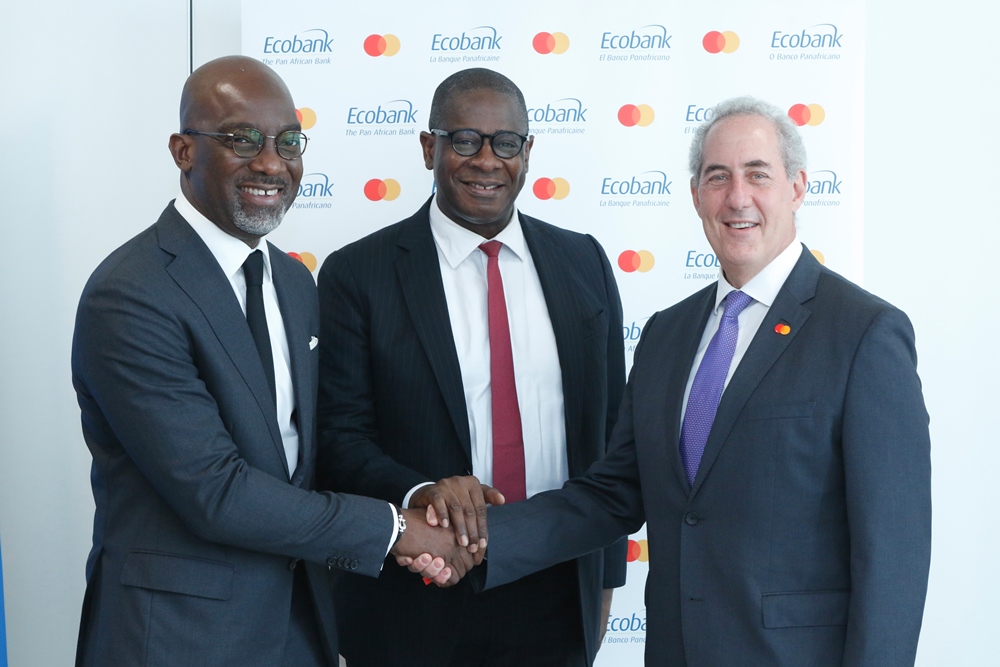
Under the partnership, Ecobank will extend the reach and impact of the Mastercard Farm Pass platform leveraging its Pan-African network of 33 countries. Many smallholder farmers in Sub-Saharan Africa face several challenges. These include limited access to markets, working capital to finance activities or secure quality inputs, and relevant financial tools to pay and get paid efficiently. This has led to insecurity, inefficiencies, and a waste of resources and food, preventing farmers from running sustainable businesses.
Farm Pass brings together various agri-sector stakeholders from the supply and demand sides, in one agricultural marketplace, amplifying the collective positive impact on farming communities. Smallholder farmers can sell their produce at a better price, access quality inputs and farming information, get paid and pay digitally and develop a financial profile that can unlock financing opportunities for working capital and inputs.
According to McKinsey and Company, more than 60% of the population of Sub-Saharan Africa are smallholder farmers, with the agricultural sector contributing an estimated 23% of the continent’s GDP. Yet only 3% of the sector receives banking credit, limiting the farmers capacity to grow their business or mitigate poor harvest losses.
By integrating their businesses with payment systems, Farm Pass enables smallholder farmers to build a digital transaction record that can facilitate formal credit or other financial services from banks and other financial institutions.
Commenting on the development; Ade Ayeyemi, the CEO of Ecobank Group said: “Food security is a critical and urgent need in these times. We must therefore rise to the task by creating growth opportunities across the agriculture value chain in Africa. Our partnership with Mastercard has come at the right time to accelerate smallholder farmers’ access to urgently needed financial services, which are vital to realising Africa’s full agricultural potential. It will also help deliver value across the farming and agricultural value chain to make farming in Africa more profitable, competitive, and resilient, thus contributing to the economic growth of the continent.”
“When we empower people, we can power economies and support economic growth that is truly inclusive. Mastercard Farm Pass contributes to this by offering a digital platform that makes it easier for smallholder farmers to move from subsistence to commercial farming. This, in turn, will stimulate agricultural growth, increase competitiveness, and improve food security in Africa. Through close collaborations with important partners like Ecobank, we can create even more impact, putting the digital economy to work for everyone, everywhere,” says Michael Froman, Vice Chairman and President, Strategic Growth at Mastercard.
Solomon Quaynor, the Vice President for Private Sector, Infrastructure and Industrialization, African Development Bank Group has highlighted that the Mastercard Farm Pass collaboration with Ecobank Group fits well with the intent of the African Development Bank’s recently approved Africa Emergency Food Production Facility (AEFPF), which is to support countries to boost production and productivity on the continent for key staples.
“One of the key activities of AEFPF is to connect farmers through e-wallet systems, i.e. digitizing the procurement of agro-inputs and at the same time allowing for reaching farmers in a transparent manner, which will truly revolutionize the transformation of agriculture,” he noted.
Since its launch in 2015, Mastercard Farm Pass has reached nearly one million smallholder farmers in Uganda, Tanzania, Kenya, and India, enabling them to command 25%-50% higher prices and increase harvest productivity. Farm Pass is part of Mastercard’s strategy to connect underserved communities to essential services through Community Pass, a shared interoperable digital platform that supports the company’s commitment to connect one billion people and 50 million small and micro businesses to the digital economy by 2025.
{{About Mastercard Incorporated (NYSE: MA)}}
Mastercard is a global technology company in the payments industry. It has a mission to connect and power an inclusive, digital economy that benefits everyone, everywhere by making transactions safe, simple, smart and accessible.
Using secure data and networks, partnerships and passion, Mastercard’s innovations and solutions help individuals, financial institutions, governments, and businesses realize their greatest potential.
{{About Ecobank Group}}
Ecobank Transnational Incorporated (‘ETI’) is the parent company of the Ecobank Group, the leading independent pan-African banking group. The Ecobank Group employs about 13,000 people and serves over 32 million customers in the consumer, commercial and corporate banking sectors across 33 African countries.
The Group has a banking licence in France and representative offices in Addis Ababa, Ethiopia; Johannesburg, South Africa; Beijing, China; London, the UK and Dubai, the United Arab Emirates.
The Group offers a full suite of banking products, services, and solutions-including digital- and not limited to bank and deposit accounts, loans, cash management, advisory, trade, securities, wealth and asset management. ETI is listed on the Nigerian Stock Exchange in Lagos, the Ghana Stock Exchange in Accra, and the Bourse Régionale des Valeurs Mobilières in Abidjan.
Young people will seek to make their mark on future Commonwealth policies at the 12th Commonwealth Youth Forum (CYF) which begins in Kigali, Rwanda on Sunday, 19 June.
Held ahead of the main Commonwealth Heads of Government Meeting (CHOGM), the three-day forum is a unique opportunity for young leaders to bring policy recommendations to their governments – asserting their role in shaping the future of the Commonwealth.
More than 60% of Commonwealth citizens are under the age of 30 – a demographic distinctly impacted by the Covid-19 pandemic and its associated economic and social fallout. Many young people lost their jobs or were unable to access the labour market while millions more experienced disrupted education.
Commenting on the development; Commonwealth Secretary-General, Patricia Scotland said: “There is no denying that the challenge before us is great. The disruptions and impact of Covid-19 pandemic casts a shadow that could stretch across the coming decades, threatening to rob us of the social and economic progress we have made and exacerbating existing weaknesses. But, in the Commonwealth we have a powerful advantage – a young majority who are brimming with talent, intent on innovation and eager to be part of the solution.
They have sent a clear message through the theme of their forum Taking Charge of our Future, and in Kigali they will sit together and consider the challenges. Looking at the evidence in our Youth Development Index, which measures how countries are performing on aspects such as youth employment and youth participation in politics, they will agree the solutions, the actions and the changes they want our Heads of Governments to consider when they meet.”
At this critical time in our history, Scotland said, the Commonwealth recognises the critical importance of giving these powerful youth leaders a voice and a space, and we are excited to see what they will bring to the table.
More than 350 youth leaders from all 54 member countries are expected to be at the meeting. They will network, exchange ideas, build skills, and generate solutions to the most pressing youth-related challenges. These include unemployment, gender inequality, crime and access to quality education and training.
During the forum young people will agree a set of policy recommendations which will be recorded and presented to Heads of Government in a Youth Declaration on the final day of the forum.
They will also have an opportunity to meet heads of governments during an intergenerational dialogue.
This year’s forum will also address thematic areas such as governance and the rule of law, technology, skills, innovation, sustainability, health, Covid-19, and trade.
The meeting is being supported by the Government of Rwanda and co-ordinated by an International Youth Task Force, made up of 21 young people from around the Commonwealth and co-chaired by Darrion Narine of Trinidad and Tobago and Alodie Iradukunda of Rwanda. It is supported by the Commonwealth Secretariat and the Government of Rwanda.
“The CYF taskforce has worked hard over the last few months to deliver a inspiring and productive forum that will get young people engaging in critical thought around the major issues impacting youths across the Commonwealth.
“We hope the next three days will provide an invaluable opportunity for the 350 youth representatives attending to have an input on building a future that benefits us all – paving the way to a stronger and more successful Commonwealth,” Darrion said.
Rosemary Mbabazi, Rwanda’s Minister of Youth and Culture also said that the 12th Commonwealth Youth Forum is yet another opportunity for the Rwandan Government to honour its commitment to empowering and supporting young people.
“Giving youths a voice to shape the policy actions they want to see will lead to a brighter and more prosperous future for all. The Government of Rwanda is committed to support the Youth led declaration towards a prosperous and inclusive commonwealth,” she noted.
{{CHOGM background:}}
The Commonwealth Heads of Government Meeting 2022 takes place from 20-25 June 2022, in Kigali, Rwanda under the theme “Delivering a Common Future: Connecting, Innovating, Transforming”.
Commonwealth leaders will travel to Rwanda to reaffirm their common values and agree actions and policies to improve the lives of all their citizens. Decisions taken at CHOGM also guide the work programme of the Commonwealth Secretariat.
The official opening of CHOGM takes place on Friday 24 June and is followed by the main high-level meetings of Heads on Friday 24 to Saturday 25 June. These events are proceeded by four forums, ministerial meetings, side events and other activities.
The CYF is one of the four forums which have taken place in the margins of CHOGM since 1998. Young people will focus on the data provided by the Youth Development Index (YDI) Report, a Commonwealth tool which helps us to monitor changes in the situation of young people; recognise their contributions to the world; and support them as we all pursue the Sustainable Development Goals (SDGs).
The other forums held ahead of CHOGM are the People’s Forum, the Women’s Forum, and the Business Forum.
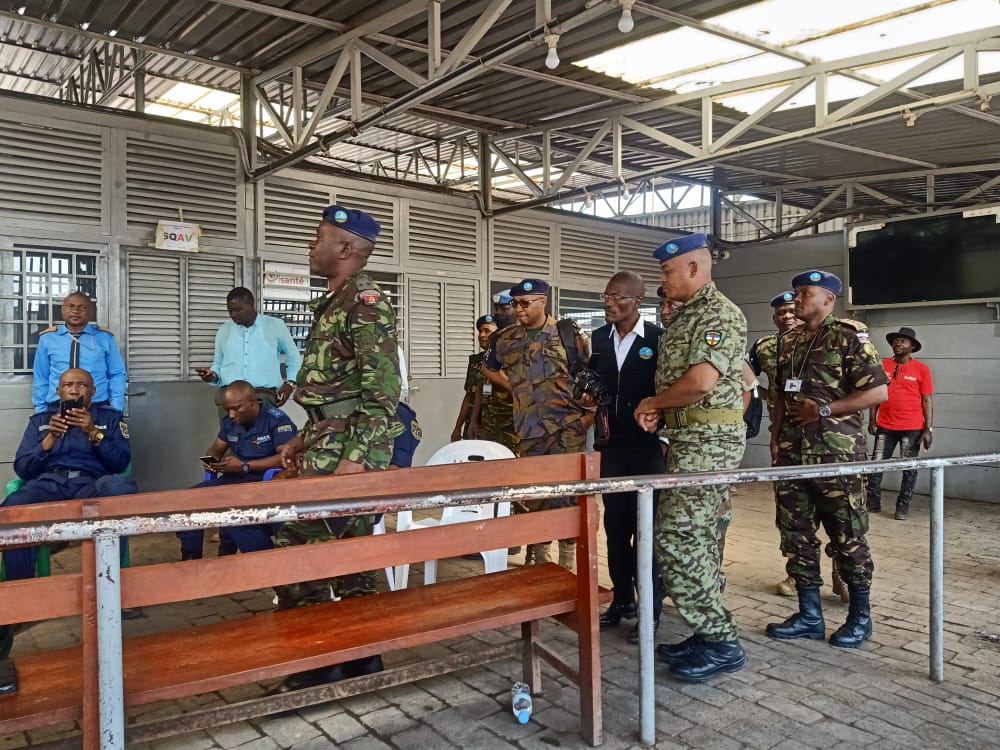
The EJVM is a mechanism of the International Conference of the Great Lakes Region (ICGLR) composed of military officers from the 12 member countries that is charged with monitoring and verification of border violations between DRC and neighbouring countries.
RDF has through a statement released today indicated that the attacker who also opened fire on civilians crossing the border was shot back in self-defence.
“This morning at around 0845 am, an unidentified Congolese soldier armed with an AK 47 rifle crossed the “Petite Barrière” border in Rubavu District and began shooting at Rwandan security personnel and civilians crossing the border, injuring two Rwandan police officers. A Rwanda National Police officer on duty shot back in self defence, to protect civilians crossing the border and border agents,” reads part of the statement.
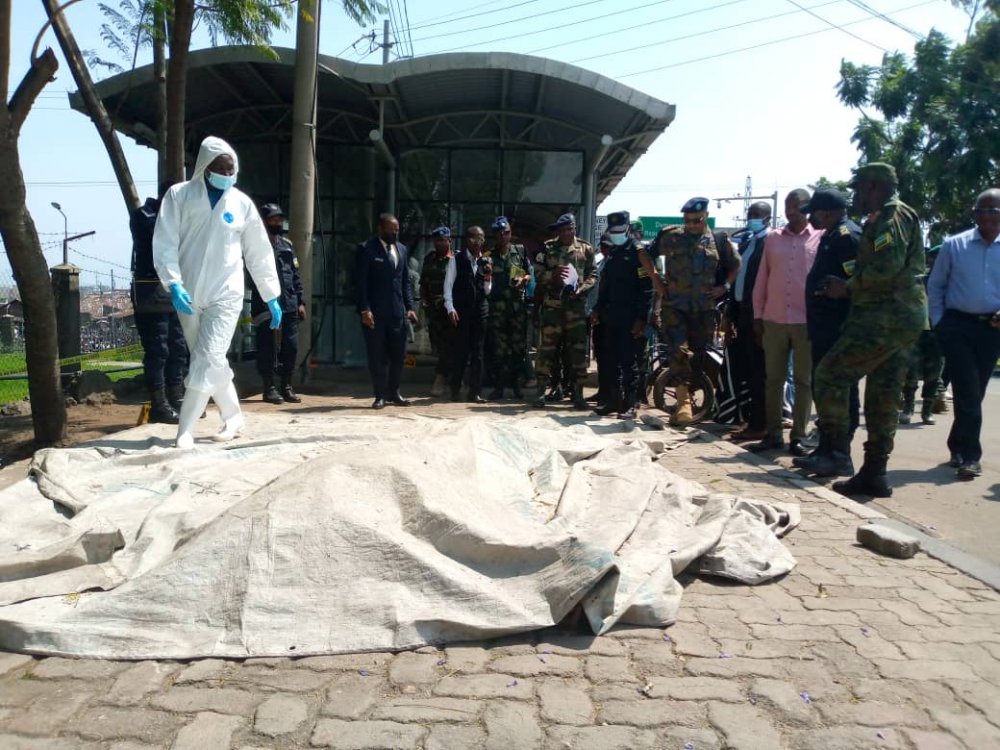
RDF has also disclosed that the Congolese soldier was shot dead 25 metres inside Rwandan territory and requested probe into the circumstances.
“The RDF has invited the Expanded Joint Verification Mechanism (EJVM) to investigate the incident. Rwanda has informed DRC authorities, and DRC-Rwanda border officials are visiting the scene,” adds the statement.
Following the incident, the general public has been assured that the situation is calm at the border.
IGIHE has learnt that the killed soldier stormed Rwandan territory tutting that he wants to revenge for colleagues who lost lives during FARDC fighting with M23.
The attack follows recent incident at the border between Rwanda and DRC in Goma where Congolese took to street in large numbers for protests against Rwanda accusing it of supporting M23 rebel group in clashes with Congolese Army.
Rioters mounted demonstrations at Petite Barrière on Tuesday this week where they threw stones on Rwandan territory.
They also attempted to storm Rwanda but Rwanda National Police foiled them.
DRC continues to accuse Rwanda of being behind the resurgence of M23 claiming that the neighbouring country helped the rebel group to seize Bunagana town.
Rwanda has repeatedly refuted these allegations and urged DRC to solve its internal problems without dragging it into the war.
{{You can also read related stories below:}}
[{{Congolese soldier shot dead at Rwanda’s border in Rubavu}}->https://en.igihe.com/news/article/congolese-soldier-shot-dead-at-rwanda-s-border-in-rubavu]
[{{RDF confirms another shelling by FARDC on Rwandan territory}}->https://en.igihe.com/news/article/drc-fires-rockets-into-rwanda]