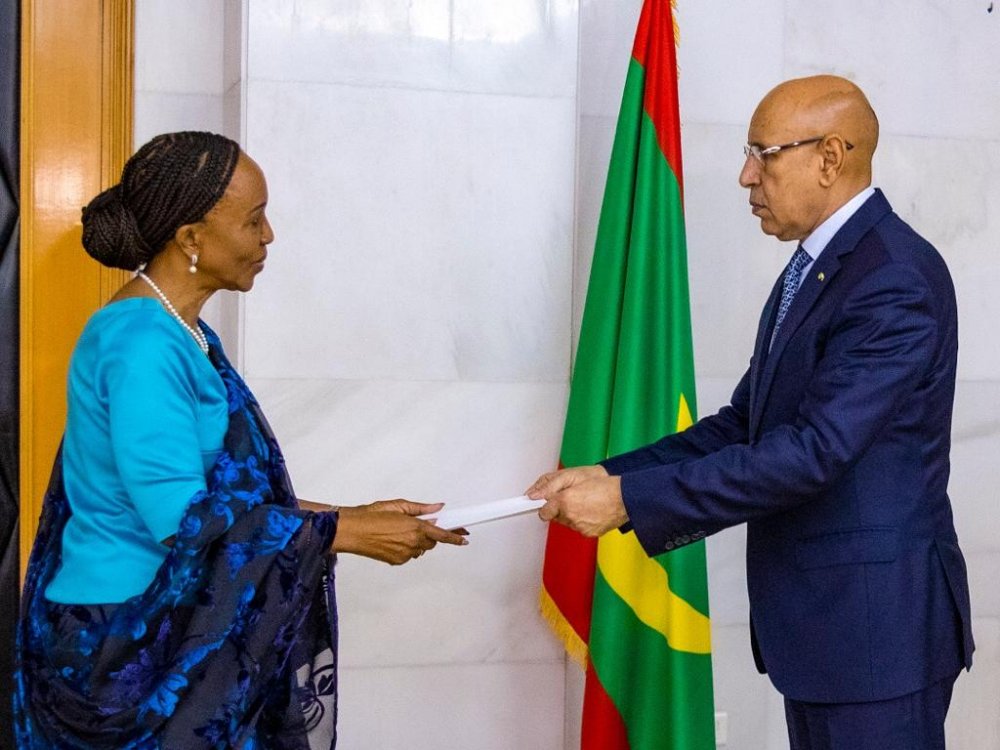
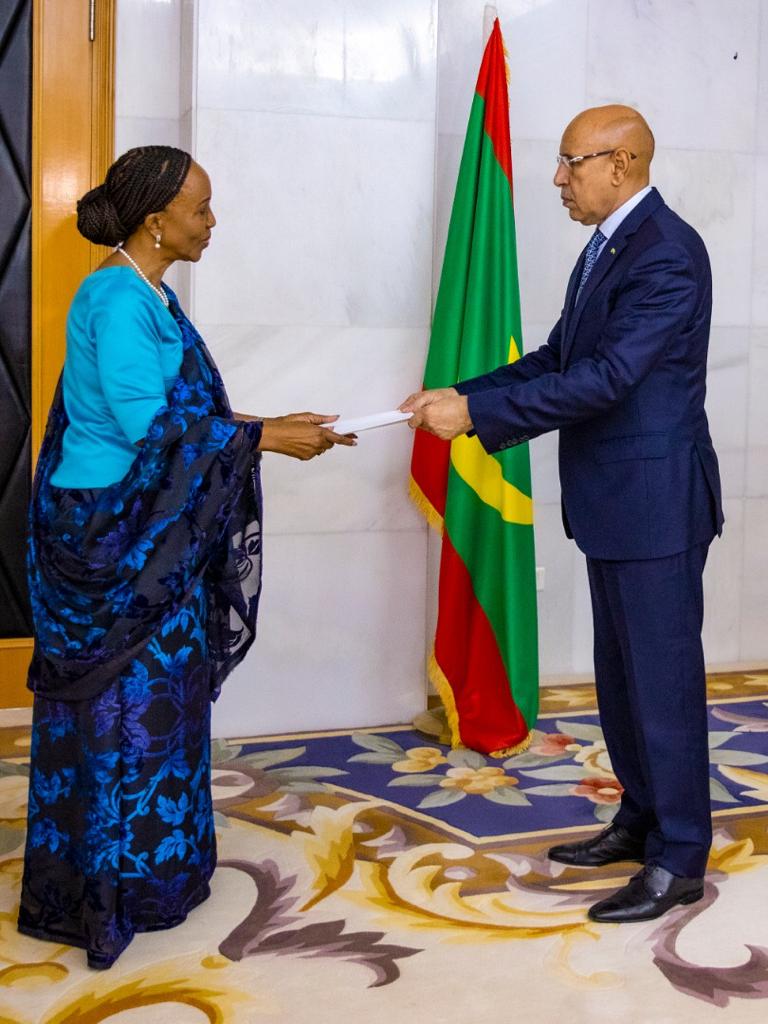
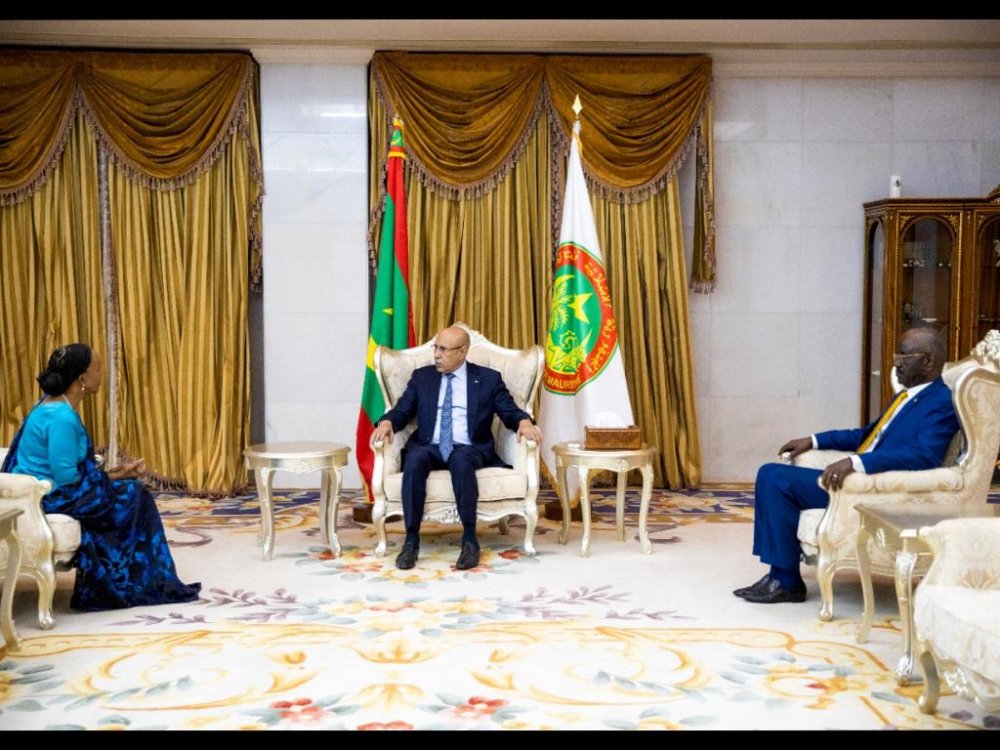
The ceremony took place on Tuesday at the Presidential Palace located in Nouakchott, the capital of Mauritania. Amb. Nyiramatama will oversee Rwanda’s interests in the country with residence in Morocco.
She had presented copies of credentials to Mohamed Salem Merzoug, the Minister of Foreign Affairs of Mauritania on Monday 25th July 2022.
Amb. Nyiramatama also serves as Rwanda’s envoy in countries including Guinea and Tunisia.
Rwanda and Mauritania enjoy existing cordial relations strengthened by air transport agreement signed in February this year.
The agreement enables the national carrier, RwandAir to operate flights to the latter in the future, an addition to existing destinations in Western Africa.
There are also possible areas of cooperation including defence and security, ICT and digitalization, mining, agriculture and investment promotion.
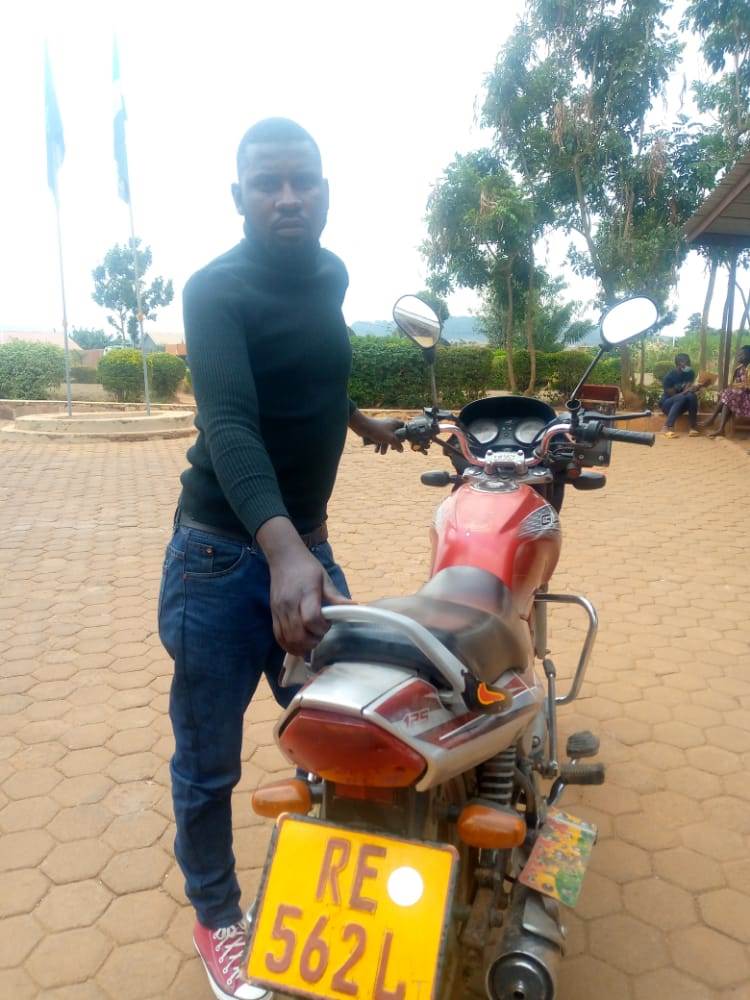
The motorcycle TVS registration number RE 562L, was recovered from the suspected thief identified as Issa Ndatimana, 21, who was arrested Monday, July 25. His arrest came three days after three other thieves were arrested in Gicumbi and Nyagatare districts with two stolen motorcycles.
According to Chief Inspector of Police (CIP) Sylvestre Twajamahoro, the Police spokesperson for the City of Kigali, Ndatimana had hidden the motorcycle in the bush in Nyabigugu, where it was found.
“The victim reported the alleged theft of his motorcycle on Sunday at about 11pm, from where it was parked in Gahanga. It was easy to locate the motorcycle where it was hidden in the bush at about 1am on Monday because it had a GPS,” said CIP Twajamahoro.
He added: “Although the motorcycle was found in the bush, Police did not know the suspected thief. So, the Police continued to surveil the area until Ndatimana showed up later that night to take the motorcycle, and he was taken into custody.”
CIP Twajamahoro reiterated the importance of GPS in fighting motorcycle theft.
The suspect was handed over to RIB for further investigations.
Article 166 of law determining offences and penalties in general states that; any person convicted of theft is liable to imprisonment for a term of not less than one year and not more than two years and a fine of not less than Rwf1 million and not more than Rwf2 million, community service in a period of six (6) months or only one of these penalties.
In article 167, the penalty for theft doubles, if the offender committed the crime through burglary, climbing or possession of keys other than the owner; the theft is carried out during the night or the theft is carried out by more than one person.
We rely on technology to remind us of our tasks, to be entertained and function. We also spend most of our time scrolling through Instagram or TikTok, spend hours watching internet drama and people fighting on Twitter.
We have been technologically reliant on everything that even our own mobile devices have to tell us they need to cool down. I once left my house without my phone and I could not go back to get it. To tell you the truth, I did not work that day.
I would find myself wondering how many Instagram posts I missed and how many chat group tea I could not read, my fingers would feel useless. All I wanted to do was type. All I wanted was to scroll through Instagram reels and laugh at all the drama that was going on on Twitter.
It was at that moment that I realized I was too dependent on technology. It was a typical Wednesday and all I could find myself thinking was to go home and be with my phone. I know it is ridiculous but it is how most of us are living now.
When I later returned to my phone at home, it was just like I left it, except for a few missed calls and some messages here and there. It was like my life had continued like normal, I decided that day to limit my dependence on technology.
Every Monday morning, my phone tells me how much screen time I have used. It used to be in the 10 hours and now it is in the five hours of screen time. I can say I have made an improvement. It was not an easy thing because at that point in time my mind could only function in front of a screen.
{{How I made it}}
The first thing that I did was to set up hours in which I cannot use my phone. This is usually at night like 2 hours before I sleep. Of course, I do not always live by that rule but I try most of the time.
Another thing I did was to limit myself how much time I spend on social media. This was a hard one since I could spend hours on Instagram scrolling and scrolling but now I try to limit my scrolling. Also, I usually try not to be on my phone when I am around people or when I am outside.
The thing that really helped me is to monitor the hours I spend on my phone and the things I spend much time on, usually my phone told me it is Instagram which I still struggle with to this day.
But limiting my screen time really helped me in a lot of ways.
{{Being more present in the moment}}
The first thing I realized was that we were all too in our devices to appreciate the world around us and the moments we have. I could sit down and actually see that all my friends would go down on their phones instead of appreciating real life.
If we are enjoying our time, it all comes to taking great pictures and posting on Snapchat. People have lost the sense of what is great, which is being in the moment and appreciating life as it comes. To me, I think that is one of the reasons you should cut down on screen time.
{{Good sleep routine}}
One thing I can thank my phone for is that it actually helped me cut down screen time and also develop a good sleep routine.
It is not even cutting down on phone screen time but also on all your other devices, either laptop, television or tablets. It is a discipline and routine that might be beneficial for you in many other ways.
I have set it in my phone that for certain hours I cannot be taking certain calls or even see certain messages. Some apps like Instagram and Twitter are off limits during those hours. At first, it was difficult because I was not used to that but it actually became easier and more doable.
Since then, I sleep and feel well rested, my mind feels less tired and this all actually helps with productivity throughout the day.
{{It is good for mental health }}
This one might seem like it is obviously an advantage, but I feel it should not be taken lightly. We all know how technology can be stressful over time. The need to always check notifications and messages, the tendency to always be on social media and keeping up with all that is going on around can be stressful and bad for mental health.
But when you limit your exposure to technology, it can help you relax, help your brain and mind, be stress free and healthy. Trust me, this is coming from experience.
Overall, I do not think it is possible to cut down technology for good since it is all around us and we need it for our jobs and other things but it would be beneficial for you to cut down on some time that you spend exposed to it daily.
The satellites, including a new space technology test satellite and a test satellite for probing atmospheric density, were launched by a Lijian-1 carrier rocket at 12:12 p.m. Beijing Time and entered the orbit successfully.
The Lijian-1 solid-propellant rocket was independently developed by the Chinese Academy of Sciences. The mission marked the first flight of Lijian-1.
The request has been made by the Acting Director General of RURA, Eng. Deo Muvunyi appearing in RTV talk show.
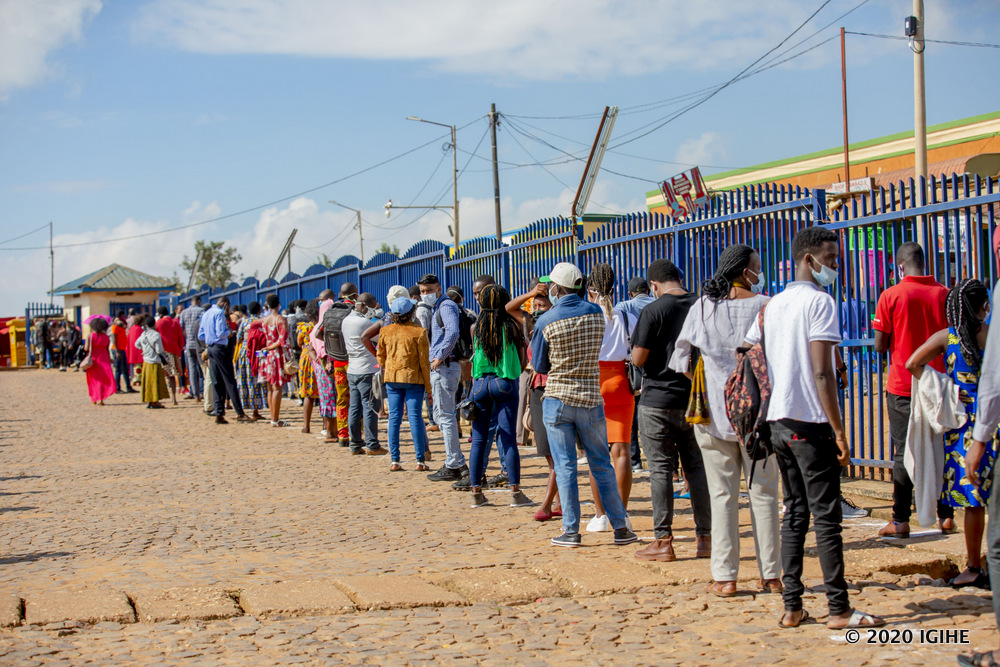
The development comes at a time when passengers using public transport continue to decry poor services over long queues and delays of buses.
Muvunyi explained that there is a shortage of buses among public transport companies including KBS, RFTC and Royal Express which have been facing criticisms for poor services.
“We want to reduce the long time it takes for buses to pick passengers,” he said.
Muvunyi also said individuals with buses suitable for public transport can register them so that the desired number of buses can be reached.
“Those who are ready will join public transport gradually. Whoever owning a bus cannot miss a public transport route,” he noted.
“We are all concerned with this situation. We need to fight together and have common understanding that efforts are underway to address the shortage of buses which affects all of us,” added Muvunyi.
He disclosed that regulations for those seeking to join the public transport sector are clear where whoever with means can compete to carry passengers.
“We have so far received a request from individuals to register 25 vehicles,” Muvunyi revealed.
He however stressed that newly registered individuals will have to operate under the umbrella of public transport companies licensed to operate in Kigali City. These include Royal Express, KBS and RFTC.
Muvunyi explained that the directive is meant to avoid persistent anomalies in public transport over individuals who might use the registered buses for other businesses.
“We need buses in Kigali City. Individuals are urged to bring them to be assigned routes,” he noted.
Nowadays, transport companies sign three-year contract. It is said that they have failed to increase the number of buses to a desired extent due to difficult times occasioned by COVID-19.
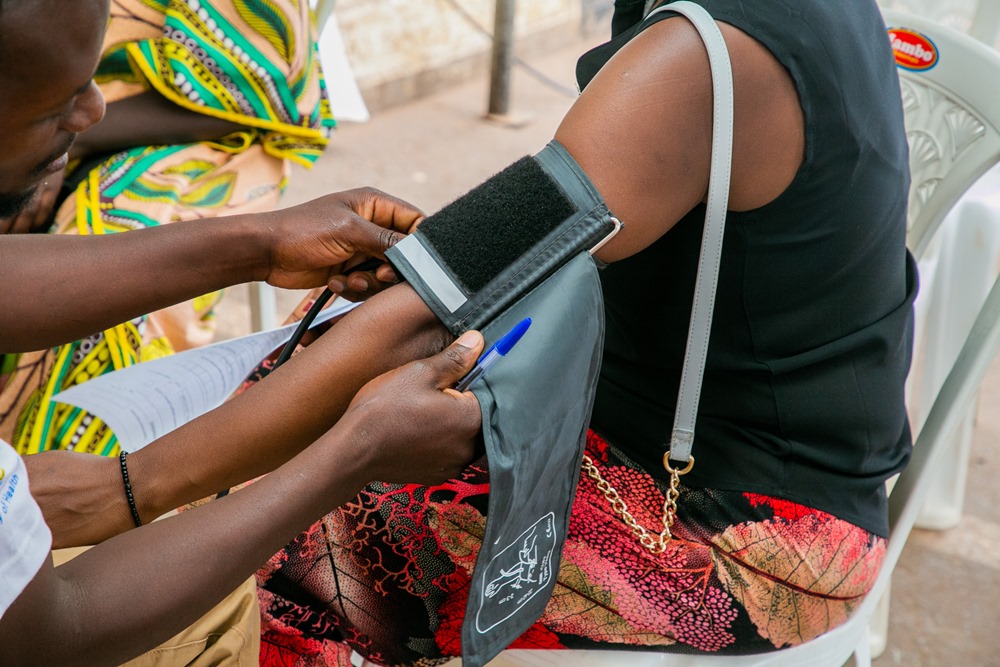
Hypertension is a major cause of premature deaths globally. People living with hypertension have persistently elevated blood pressure, which results in damage to the heart if not controlled and managed. The disease is also referred to as the ‘silent killer’ because it does not present with symptoms and people with high blood pressure are often unaware of it unless diagnosed.
According to WHO estimates from 2016, non-communicable diseases (NCDs) accounted for 44 percent of total annual deaths in Rwanda. The Rwanda nationwide non-communicable diseases STEPwise survey revealed that 15.9 percent of participants had elevated blood pressure. RBC further estimates that out of over one million people with hypertension, only 80,000 are enrolled at clinics , revealing a gap between diagnosis and treatment.
Commenting on the development, Dr. Francois Uwinkindi, Non-Communicable Diseases Division Manager at Rwanda Biomedical Centre said: “It is not difficult to diagnose hypertension, and it can be treated with low-cost medicines and lifestyle changes, nevertheless there are significant gaps in the diagnosis and management of high blood pressure in Rwanda which needs to be addressed to reduce the burden of NCDs on our health systems.
We welcome partnerships such as the Healthy Heart Africa programme which is committed to providing education and awareness of the disease for better prevention and control. It also embodies the principles of our National NCD strategy that encourages community action to increase early identification of ailments, and multisector collaboration to address illnesses such as hypertension. ”
Strategies put in place by the Ministry of Health, the RBC and other stakeholders in Rwanda are meant to take all the steps needed to prevent an avoidable burden of NCDs in the country.
Speaking at the event, Dr. Daniel Ngamije, the Minister of Health revealed that Rwanda’s current investment in preventing NCDs is aimed at saving future costs in treating advanced stages of diseases such as hypertension.
“We have continued to keep our NCD policies updated, setting in place plans such as the 2020-2025 National Strategy and Costed Action Plan for the Prevention and Control of Non-Communicable Diseases. This plan’s main objective is to reduce NCD-related premature mortality by 25% by 2025. It aims to implement an inclusive, equality-based access to healthcare strategy for the benefit of all people,” he noted.
HHA is a multi-country programme currently implemented in nine countries including Kenya, Ethiopia, Tanzania, Ghana, Uganda, Côte d’Ivoire, Senegal, Rwanda, and most recently, Nigeria.
Ashling Mulvaney, Vice President, Global Sustainability, Access to Healthcare, at AstraZeneca expressed delight for the official launch of the Healthy Heart Africa programme in Rwanda in collaboration with the Rwanda Biomedical Centre and PATH.
“It builds on the remarkable effort that the Ministry of Health and RBC have invested to address the growing challenge of non-communicable diseases. HHA is an access to healthcare initiative that contributes to building resilient sustainable healthcare systems by training healthcare providers, providing education and awareness for NCD risk factors and equipping healthcare systems with the resources needed to diagnose and manage hypertension,” she said.
In the effort to halt and reverse the prevalence of hypertension, collecting accurate data from countries is vital since it helps to build a true picture of the problem and informs stakeholders in developing counter measures.
“Our primary healthcare approach has always been people-centred and driven by data, and we will use this approach to our implementation to reach people where they live and work and link them to quality care for hypertension as part of our mission to reduce health inequalities,” said Helen McGuire, Global Programme Leader, Non-communicable Diseases at PATH.
“We are excited to collaborate with HHA to bring hypertension care services to more people, and possibly impact future decision-making on hypertension policies through data collected via the programme.”
{{About Healthy Heart Africa}}
Healthy Heart Africa (HHA) is AstraZeneca’s innovative programme committed to tackling hypertension (high blood pressure) and the increasing burden of cardiovascular disease (CVD) in Africa. To achieve this, HHA supports local health systems by increasing awareness of the symptoms and risks of hypertension and by offering education, screening, reduced-cost treatment, and control.
Since launching in Kenya in 2014 and subsequently expanding to Ethiopia in 2016, Tanzania in 2018, Ghana in 2019, Uganda in 2020, and Côte d’Ivoire, Senegal and Rwanda in 2021, HHA has conducted over 27.1 million screenings, trained over 9,100 healthcare workers to provide education and awareness, screening and treatment services for hypertension; activated over 950 healthcare facilities in Africa to provide hypertension services, with the establishment of secure supply chains for low cost, high-quality branded antihypertensive medicines where applicable, and identified over 5.3 million elevated blood pressure readings.
{{About AstraZeneca}}
AstraZeneca is a global, science-led biopharmaceutical company that focuses on the discovery, development, and commercialisation of prescription medicines in Oncology, Rare Diseases and BioPharmaceuticals, including Cardiovascular, Renal & Metabolism, and Respiratory & Immunology. Based in Cambridge, UK, AstraZeneca operates in over 100 countries and its innovative medicines are used by millions of patients worldwide.
{{About PATH}}
PATH is a global nonprofit dedicated to ending health inequity. With more than 40 years of experience forging multisector partnerships, and expertise in science, health, economics, technology, advocacy, and dozens of other specialties, PATH develops and scales innovative solutions to the world’s most pressing public health challenges.
The man was arrested on Monday 25th July 2022 in Gakoma Village, Buhabwa Cell of Murundi Sector.
It is said that the man committed Genocide crimes in Samatare Village, Kagezi Cell of Gahengeri Sector. According to sources, the man escaped justice at the beginning of his trial and later handed 30-year sentence in absentia.
The Executive Secretary of Murundi Sector, Benon Bashayija has told IGIHE that the man was arrested following a tip off from residents who knew his background.
“The man fled after he was handed 30-year jail term. Initially, he settled in Gahini where he got the national identity card in Juru Cell. He later came to Gakoma for hard labour. Following a tip off from a resident, we rushed to arrest him. He admitted that he was handed the sentence but claimed that it was suspended,” he said.
The local leader also revealed that the man has been handed over to security officials for investigation to get more details about his case.
The Executive Secretary of Gahengeri Sector, Allan Ntambara has told IGIHE that the man escaped before serving the sentence.
He explained that they consider processes of returning him to serve his sentence.
The move follows the establishment of the Law nº 016/2022 of 29/06/2022 approving the ratification of the agreement between Rwanda and Angola for the elimination of double taxation with respect to taxes on income and the prevention of tax avoidance and evasion, released in the Official Gazette on 22nd July 2022.
The agreement shall be applicable to Personal Income Tax; Corporate Income Tax; Withholding Taxes; Capital gain tax; and Tax on Rent of Immovable Property.
The Agreement shall apply also to any identical or substantially similar taxes that are imposed after the date of signature of the agreement in addition to, or in place of, the existing taxes.
The competent authorities of the Contracting States shall notify each other of any significant changes that have been made in their respective taxation laws.
Apart from Double Taxation Avoidance, Rwanda and Angola also signed more agreements in the areas of Extradition, Legal Assistance; Transfer of Convicted Persons ; Agriculture and Livestock Development, on Local Administration and cooperation in the field of Health.
Others were signed on Mineral Resources, Oil and Gas; and an MoU between National School of Administration and Public Policies (ENAPP) and Rwanda Management Institute (RMI).
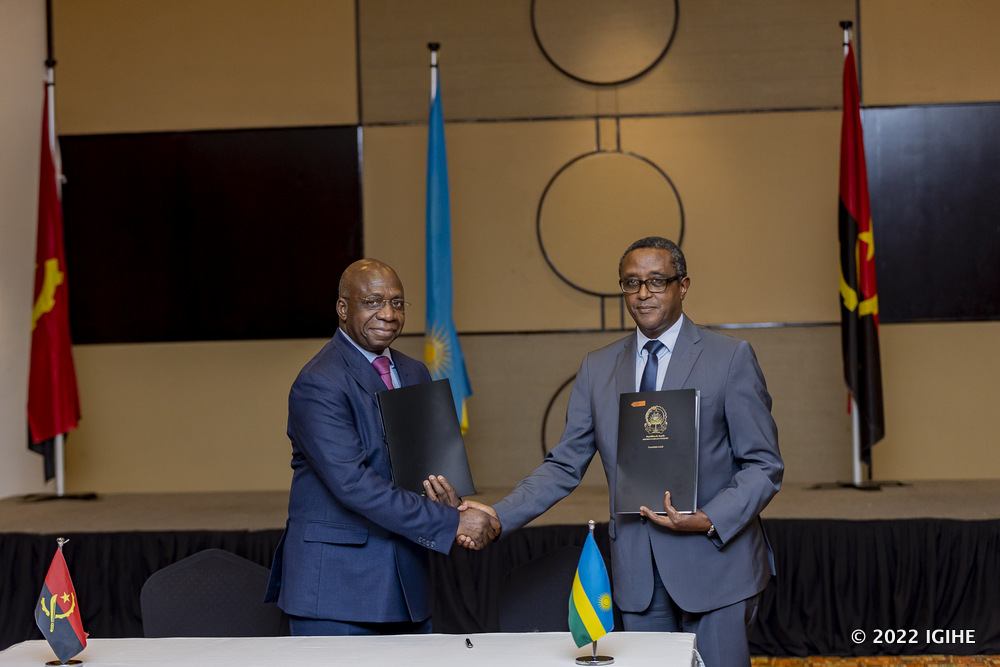
Speaking at the signing ceremony held in Kigali on Friday 15th April 2022; Rwanda’s Minister of Foreign Affairs, Dr. Vincent Biruta said that the parties will work together to ensure both countries’ people benefit from signed agreements.
He further stated that Rwandans can visit Angola for business reasons and benefit from signed agreements on avoidance of double taxation.
At the time; Angolan Minister of External relations, Amb. Tete Antonio explained that the move set a framework for existing relations between both countries.
He underscored that the signing of agreements is a great milestone for both countries and encouraged technical team to work hard and develop a shared agenda for the creation of innovations, follow up of signed agreements and implementation.
There were unconfirmed reports of civilian casualties during anti-United Nations demonstrations in easternmost North Kivu province.
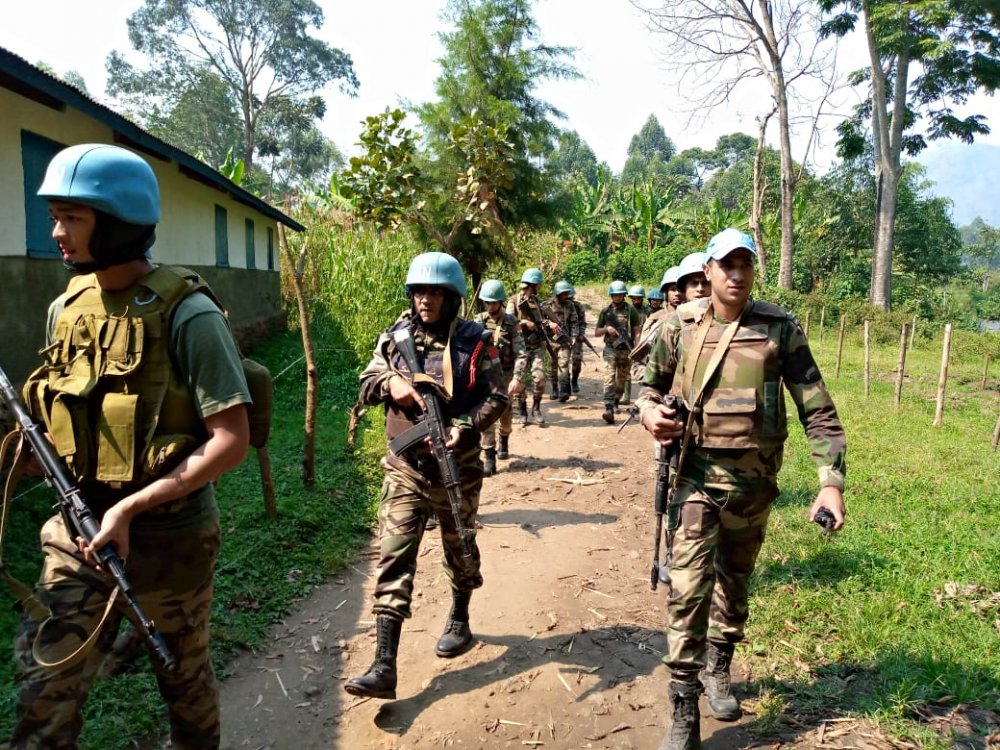
Farhan Haq, the deputy spokesman for UN Secretary-General Antonio Guterres, said that “violent attackers snatched weapons from Congolese police and fired upon our uniformed personnel. Sadly, one military peacekeeper and two UN police personnel were killed, and another was injured.”
Haq said the attack occurred at the Butembo base of the UN mission in the DRC, known as MONUSCO. The only identity among the casualties was that of the slain peacekeeper from India.
The spokesman said that “we add our voice to the acting head of MONUSCO, Khassim Diagne, to condemn the killing of our colleagues and to express our deepest sympathy to their families and colleagues.”
Diagne described the violence against the United Nations as “absolutely unacceptable” and “counterproductive” given that the mission is in the country to work alongside local authorities to protect civilians, deter armed groups, and build the capacity of state institutions and services, Haq said. Diagne called on Congolese authorities, civil society, and community groups to denounce the violence.
“It is not in chaos and confusion or division that we will make progress towards stability and peace,” he said.
There were at least four incidents targeting the homes of MONUSCO and other staff, and a mob tried to enter the premises of the UN Development Programme compound in Goma, the spokesman said. Security guards repelled the attackers.
“Hundreds of assailants have again attacked our bases in Goma as well as other parts of North Kivu province, fueled by hostile remarks and threats made by individuals and groups against the UN, particularly on social media,” he said. “Mobs are throwing stones and petrol bombs, breaking into bases, looting and vandalizing, and setting facilities on fire.”
Haq said that reinforcements are being mobilized because of the very volatile situation.
“Our quick reaction forces are on high alert and have been advised to exercise maximum restraint, using tear gas to disperse protestors and only firing warning shots when UN personnel or property are under attack,” he said. “Some assistance to protect facilities is being received from the Congolese armed forces.”
It is the second day UN posts were targeted.
The spokesman said on Monday there were stone-throwing protests and looting of UN facilities in Goma. Warning shots and tear gas were fired in return to protect personnel, the UN hospital and other UN facilities.
There also was a similar protest at the UN base in Nyamilima, 38 km northeast of Rutshuru, where several peacekeepers reportedly suffered minor injuries, and a peaceful protest at the Kitchanga base, 28 km northeast of Masisi, he said.
These regulations establish a framework for trade of used electrical and electronic equipment, including licensing.
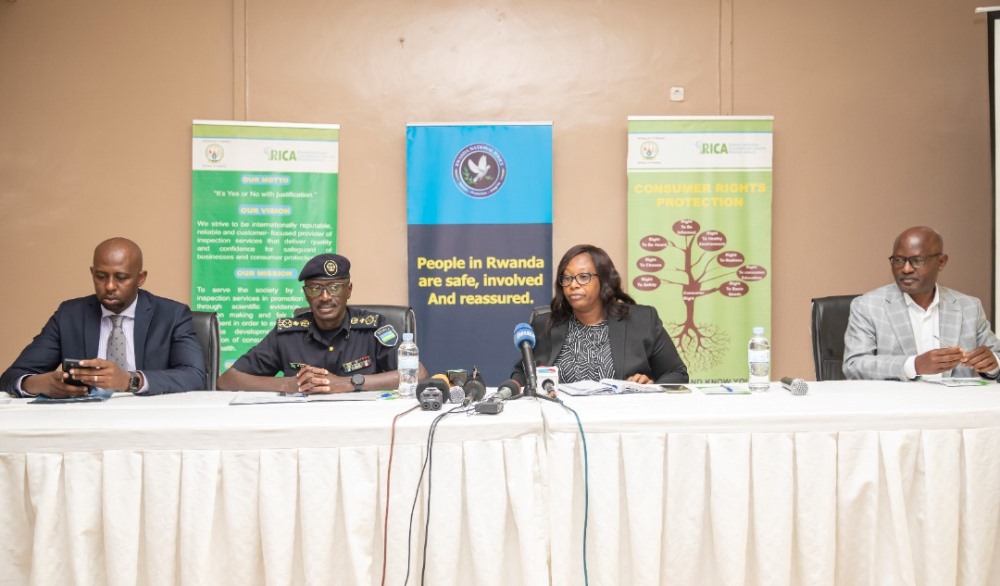
The regulator, Rwanda Inspectorate, Competition and Consumer Protection Authority (RICA) and partners, including Rwanda National Police (RNP), Rwanda Investigation Bureau (RIB) and Rwanda Energy Group (REG) held a press conference in Kigali on Tuesday, July 26, to elaborate on the regulations.
RICA Director General, Beatrice Uwumukiza said that lack of regulations governing second-hand electrical and electronic equipment had left a vacuum for irregularities including illegal trade and sell of stolen items.
“We now have clear regulations defining what you need to do as a trader or buyer of used electrical and electronic equipment, licensing and record keeping to prevent related lawlessness. We are everywhere across the country to enforce these regulations because we work with other public institutions like Rwanda National Police and RIB,” Uwumukiza said.
The regulations govern, among others, consumer electronics, office, IT and telecommunication equipment, refrigerator equipment, large and small household appliances, lighting fixtures and lamps, sports and leisure appliances, and toys.
Among them include telephones, electric cables, computers, television sets, music instruments (guitar, piano, keyboard, sound speakers), cameras as well as TV and satellite receivers.
Others include CD and MP3 players, radios, scanners, video mixing and cutting devices, decoders, air conditioners, washing machines, cooking stove, and amplifier.
Under the regulations, for one to trade in used electrical and electronic equipment, you apply for a license issued by RICA, which is valid for two year, renewal.
Business operator is required to ensure that used electrical and electronic equipment he or she intends to buy meets the safety requirements of the standards IEC 60950-1; record description of the equipment bought and sold.
The records kept for at least two years, should indicate the category, brand and model name, model number, serial number, information relating to International Mobile Equipment Identity (IMEI) and International Mobile Equipment Identity Software Version (IMEI-SV) per slot where applicable; any other distinguished marks or features, where applicable and equipment status description.
Before buying second-hand electronics, the business operator must first verify that the seller is the rightful owner of the equipment and record detailed particulars.
According to RICA, those already in business have up to October to have realigned their trade with the regulations.
RNP spokesperson, Commissioner of Police (CP) John Bosco Kabera said that the regulations facilitate in enforcement.
“As a law enforcement organ, it will be easy to track chains of illegal dealers since the regulations require the operator to be licensed, keep records of what they have bought and sold. The regulations comes as a big step against theft and selling stolen or smuggled used electrical and electronic equipment,” CP Kabera said.
The RIB spokesperson, Thierry Murangira said that there will be no more excuse that a trader or buyer doesn’t know where they got the electronic device under question, including those who were changing serial numbers.
“Now the seller and buyer have the legal responsibility to justify the origin of the product. This is a preventive measure because now thieves will not get buyers of stolen electronics,” Murangira said.
{{Penalties}}
Administrative penalties range from Rwf50,000 to Rwf200,000 for late request of license renewal, failure to submit on time a report required by authority or cooperate with inspectors; failure to make sale contract; failure to notify particular changes or issue invoice; failure to maintain proper data records of used electrical or electronic equipment in his or her possession; and to operate without a license or with an expired license.