The humanitarian assistance consisting of 3,000 tents was handed over to Pakistan at a ceremony held at the Karachi airport.
Speaking on the occasion, Chinese Ambassador to Pakistan Nong Rong said that the Chinese government has expressed concern and sympathy to the people of Pakistan who have suffered from the disastrous floods.
“China and Pakistan are true friends and good brothers by sharing weal and woe. We have a fine tradition of helping each other and jointly coping with major natural disasters,” he said.
Addressing the ceremony, Pakistan’s Minister for Power Khurram Dastgir Khan said that China provided a very timely and much-needed relief aid for the flood-affected people in Pakistan.
“On behalf of the government of Pakistan, we want to thank and appreciate our iron-brother China for coming to our aid in this hour of difficulty and trial as millions of Pakistanis have been displaced, their homes have been washed out and their livelihoods have been destroyed,” he added.
In addition, Chinese enterprises in Pakistan last Thursday donated a humanitarian aid of over 15.5 million Pakistani rupees (about 71,340 U.S. dollars) for the country’s flood victims at a ceremony held by the National Disaster Management Authority (NDMA) in Islamabad.
The total death toll in Pakistan from this season’s monsoon rains since mid-June has risen to at least 1,136 along with 1,634 others injured, the NDMA said Tuesday.
KIEV, Aug. 30 (Xinhua) — Ukrainian President Volodymyr Zelensky on Tuesday met with visiting International Atomic Energy Agency (IAEA) Director-General Rafael Grossi to discuss the IAEA mission to the Zaporizhzhia nuclear power plant (NPP), the presidential press service reported.
At the talks, Zelensky and Grossi stressed the importance of sending the IAEA mission to the plant, noting that any incident at the facility would have global consequences.
Zelensky spoke highly of the IAEA visit to Ukraine, adding that the situation around the nuclear power plant is escalating.
“There are risks of incidents at the plant, failure of nuclear reactors, disconnection of Zaporizhzhia NPP units from our network,” Zelensky said.
Zelensky voiced his belief that the IAEA mission to the facility led by Grossi would find ways to prevent security threats.
The Zaporizhzhia NPP is one of Europe’s largest nuclear power plants. It has been controlled by Russian forces since early March, but its Ukrainian staff has continued to operate it. In recent weeks, Ukraine and Russia have traded accusations of strikes on the facility.
The IAEA mission to the plant is set to assess the plant’s physical damage, determine its safety and security systems’ functionality, evaluate staff conditions, and perform urgent safeguarding activities.
An official with Sudan’s Foreign Ministry condemned Yibeltal Aemero Alemu’s Monday statement confirming that the Ethiopian forces had shot down a plane carrying weapons for the Tigray People’s Liberation Front (TPLF) after it passed through Sudanese airspace and violated Ethiopian airspace, the ministry said in a statement.
“These unfounded allegations are contrary to the usual diplomatic traditions in communicating with the official authorities… especially since the two countries’ leaderships seek to strengthen bilateral relations,” Fadl Abdullah Fadl, director general of African affairs with Sudan’s Foreign Ministry, was quoted as saying in the statement.
Last week, the Ethiopian air force announced that it shot down a plane carrying weapons to the rebel TPLF that had violated Ethiopian airspace via Sudan.
The incident came as a new round of fighting started between the Ethiopian government forces and the TPLF.
On August 24, the Ethiopian government accused the TPLF of resuming fighting in the county’s northern region. Meanwhile, the TPLF reportedly said a humanitarian truce, signed in March, had been violated by government forces.
Ethiopia, Africa’s second most populous nation, has seen a devastating conflict between government-allied troops and forces loyal to the rebel group since November 2020, which has left millions in urgent need of humanitarian assistance.
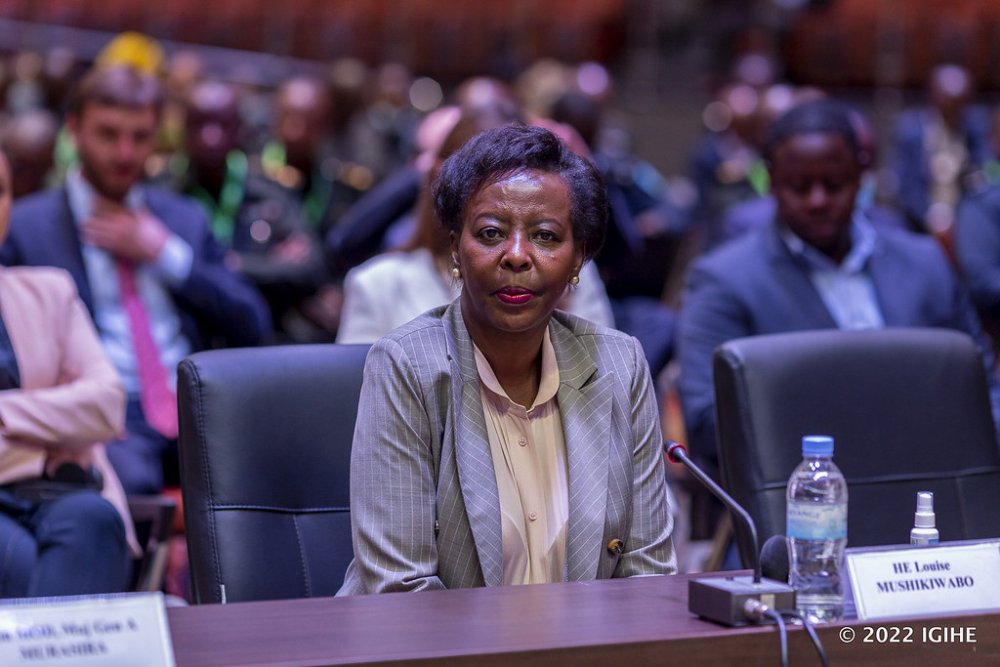
The list has been released by Rwanda Development Board (RDB) via social media platforms where Mushikiwabo is among 15 namers that have been announced.
Other namers on this year’s list include Rwandan international referee, Salima Mukansanga; fashion designer and founder of Moshions, Moses Turahirwa and others from across the world including celebrities in football, music, film industry and renowned conservationists among others.
Mushikiwabo was elected as the head of the world community of French-speaking countries during the 17th Summit of Heads of State from Francophonie held in Erevan, Armenia in October 2018.
Following her election, Mushikiwabo took office in January 2019.
She recently confirmed that she is a candidate for the second term where she might lead the organization for four more years, once re-elected.
The organization comprises 88 member states and governments; of these, 54 states and governments are full members, 7 are associate members and 27 are observers.
Born on 22nd May 1961, Mushikiwabo is the fourth Secretary-General of OIF.
Prior to the post, Mushikiwabo held different duties in the Government of Rwanda where she served as the Minister of Foreign Affairs (2009-2018), government spokesperson and Minister of Information.
She holds a master’s degree in Languages and Interpretation from the University of Delaware in the United States of America (USA).
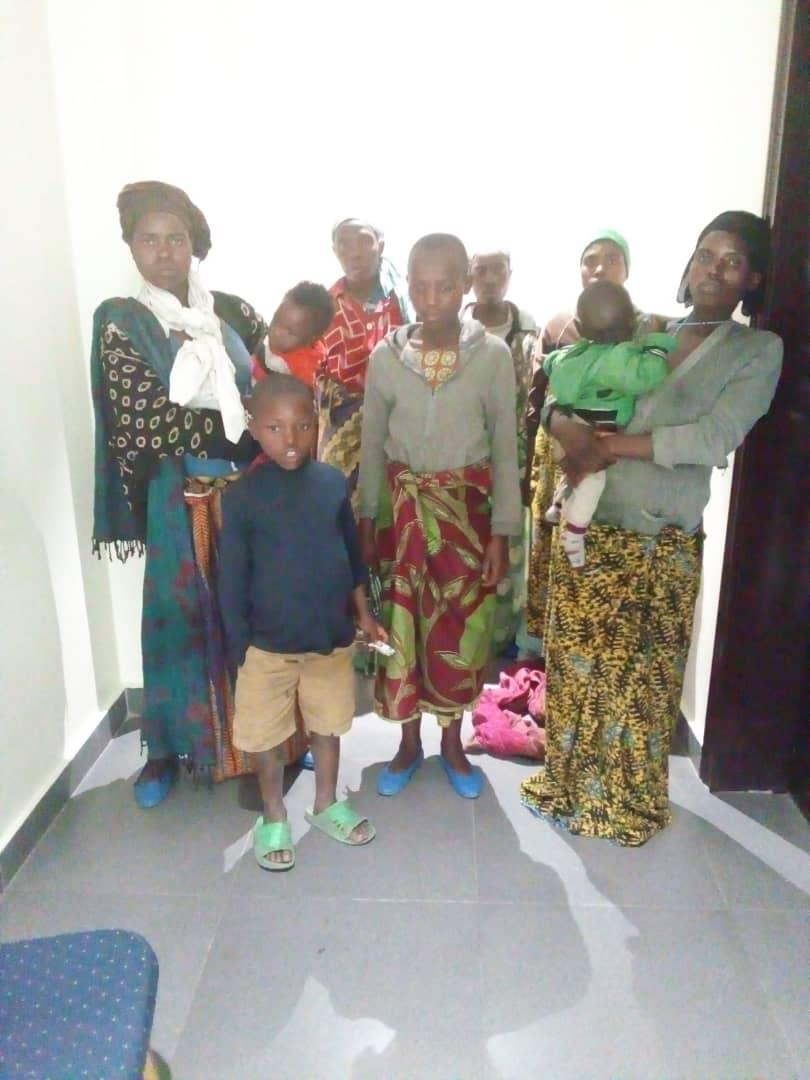
The nationals including five women and four children were arrested on 22nd August 2022 after illegally crossing into DRC as they collected firewood in the plain separating both countries.
The nine Rwandans arrived in Rwanda through the main border in Rubavu District known as ‘La Corniche’ on Tuesday 30th August 2022.
The Mayor of Rubavu District, Ildephonse Kambogo has said that these Rwandans were released through cordial relations between leaders of Goma and Rubavu towns. He also advised residents against illegal crossing of borders.
“We liaised with leaders of Goma town to locate them. They brought them back home yesterday. As neighbouring towns, we signed cooperation agreements in different areas. This is a fruit of our visit to the town,” he said.
“We have requested residents nearby the plain to avoid illegal crossings. They have drawn a lesson from this situation because it has necessitated the country’s intervention to bring them back. They could even face serious problems,” added Kambogo.
The group’s total assets also increased by 16.8% to Rwf1.6 trillion (US$ 1,602.2 million) compared to the same period last year.
Net interest income grew to Rwf67.3 billion; with net interest margin decreasing to 9.5% from 10.9% in 2021. As at June 30th, 2022, BK Group Plc was adequately capitalized with Total Capital to Risk Weighted Assets at 22.8%.
Among others, shareholders’ equity increased to Rwf 296.5 billion, up 9.4% while liquid Assets by Total Deposits stood at 45.4% as at June 30th, 2022 an increase from 41.6% in the same period last year.
BK Group Plc is the mother company of four subsidiaries including Bank of Kigali, BK General Insurance, BK TechHouse and BK Capital Ltd.
{{Subsidiaries’ performance}}
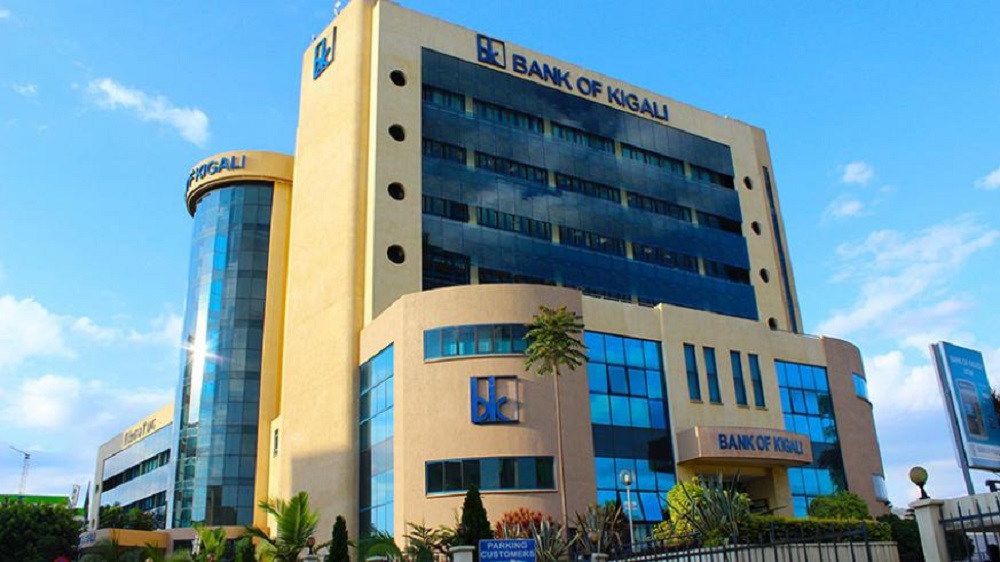
{{Bank of Kigali Plc}}
On the side of Bank of Kigali, net loans and advances increased by 10.6% to Rwf1.0 trillion (US$ 988.9 million), client balances and deposits increased by 19.6% to Rwf1.0 trillion (US$ 1,000.2 million)
The bank also served 422,513 retail customers and 46,648 corporate clients; expanded the Agency Banking Network to 3,853 agents and processed over 1.8 million transactions worth Rwf314.4 million.
As at 30th June 2022, the lender had 68 branches, 98 ATMs and 3,099 Point of Sales (POS) terminals that accepted most international cards including VISA and MasterCard.
Among others; retail clients’ balances and deposits reached Rwf288.1 billion, corporate banking clients’ balances and deposits were Rwf 743.4 billion as June 30th, 2022.
BK Quick now has over 20,066 new registered customers as at June 30th, 2022; and has disbursed over Rwf1.2 billion.
BK’s IKOFI wallet has also registered over 1,852 agro-dealers/agents and over 264,066 registered farmers as at 30th June 2022.
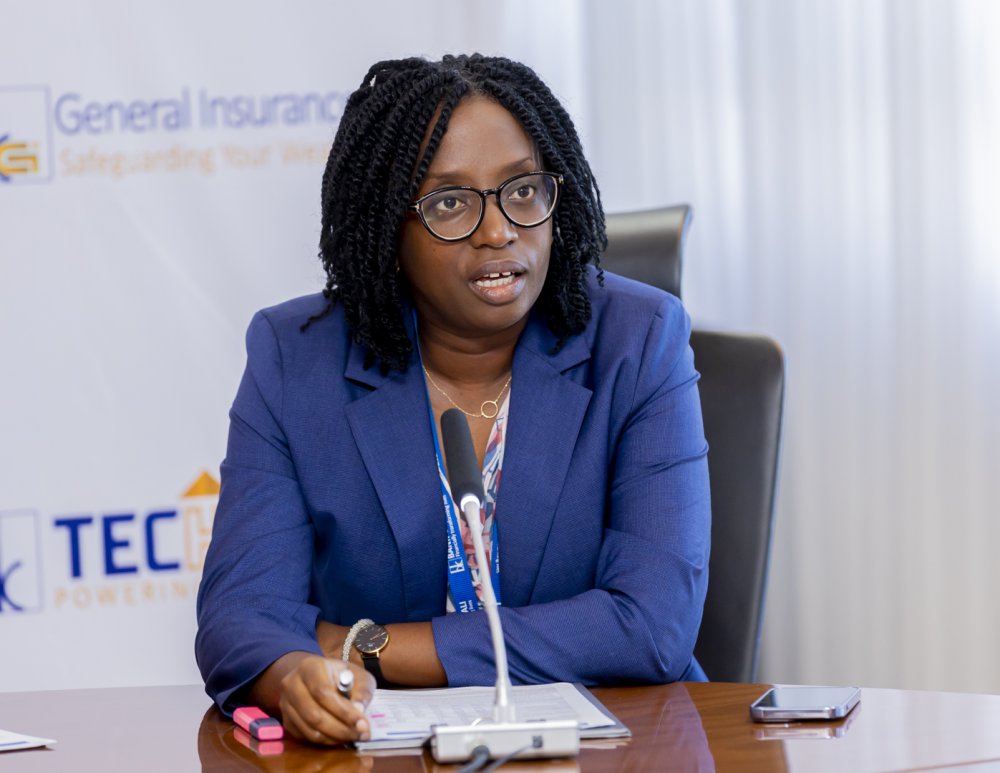
Commenting on the performance; Dr. Diane Karusisi, the Chief Executive Officer of Bank of Kigali Plc said: “Bank of Kigali Plc recorded good performance in Q2 & 1H 2022; our loan book has not grown in line with expectations but we are seeing improvement in asset quality reflecting post-COVID recovery which allows us to record a solid 1st half performance. We look forward to a greater second half of 2022.”
{{BK General Insurance}}
BK Insurance registered a profit of Rwf1.5 billion as at the first half of 2022 compared to Rwf1.2 billion registered in the same period last year, representing 28% growth in profitability.
Gross premium increased to Rwf4.9 billion in the first half of 2022 from Rwf4.1 billion in same period last year; reflecting a 21% growth year-on-year.
Total assets decreased by 28% y-o-y to Rwf21.4 billion in the first half of 2022.
{{BK TecHouse}}
BK TecHouse registered a sales revenue of Rwf574.4 million in the first half of 2022 compared to Rwf486.9 million in the same period last year; representing a 18% growth y-o-y.
As at 30th June 2022, BK TecHouse registered over 2.8 million digital consumers where 2.5 million are from Agri-Tech; 301 thousand from Edu-Tech and 13 thousand from civil society and religious organizations.
{{BK Capital Ltd}}
BK Capital’s net operating income rose to 383 million in the first half of 2022; a 54% growth from the same period last year due to increased trading on the Rwanda Stock Exchange and sustainable growth in the fund management assets under management.
The Assets under management (AUM) for the Fund management business have grown to Rwf26 billion in the first half of 2022; representing a 49.7% y-o-y growth mainly driven by net inflow in Aguka Unit Trust Fund, which continues to attract new investments based on its value proposition.
Within the Brokerage Business, BK Capital increased bond and equity trading due to an overall RSE turnover growth of 157% and 250% y-o-y in bond and equity, respectively.
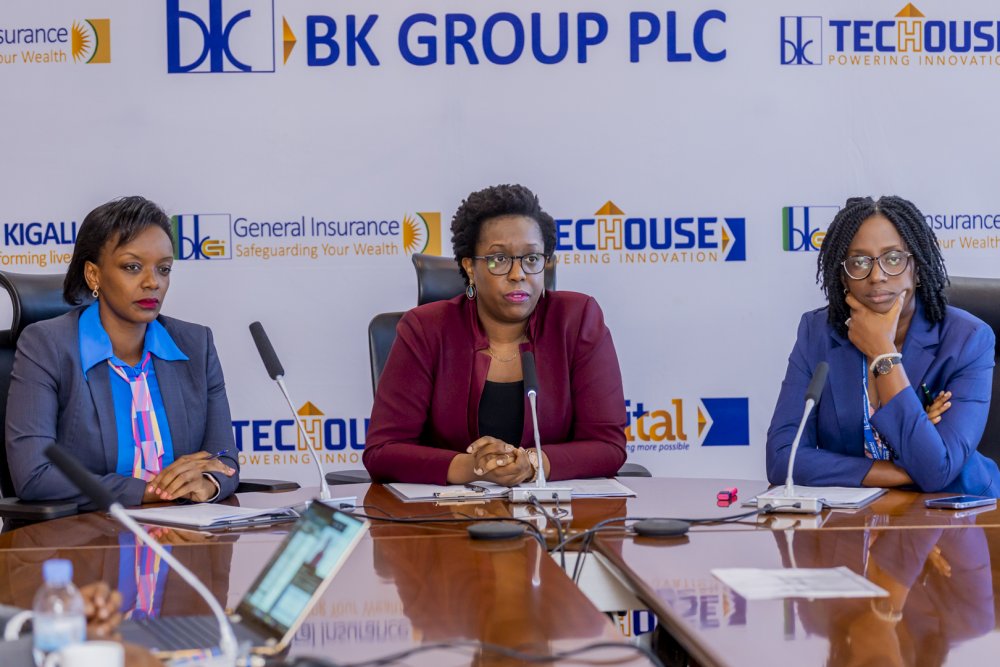
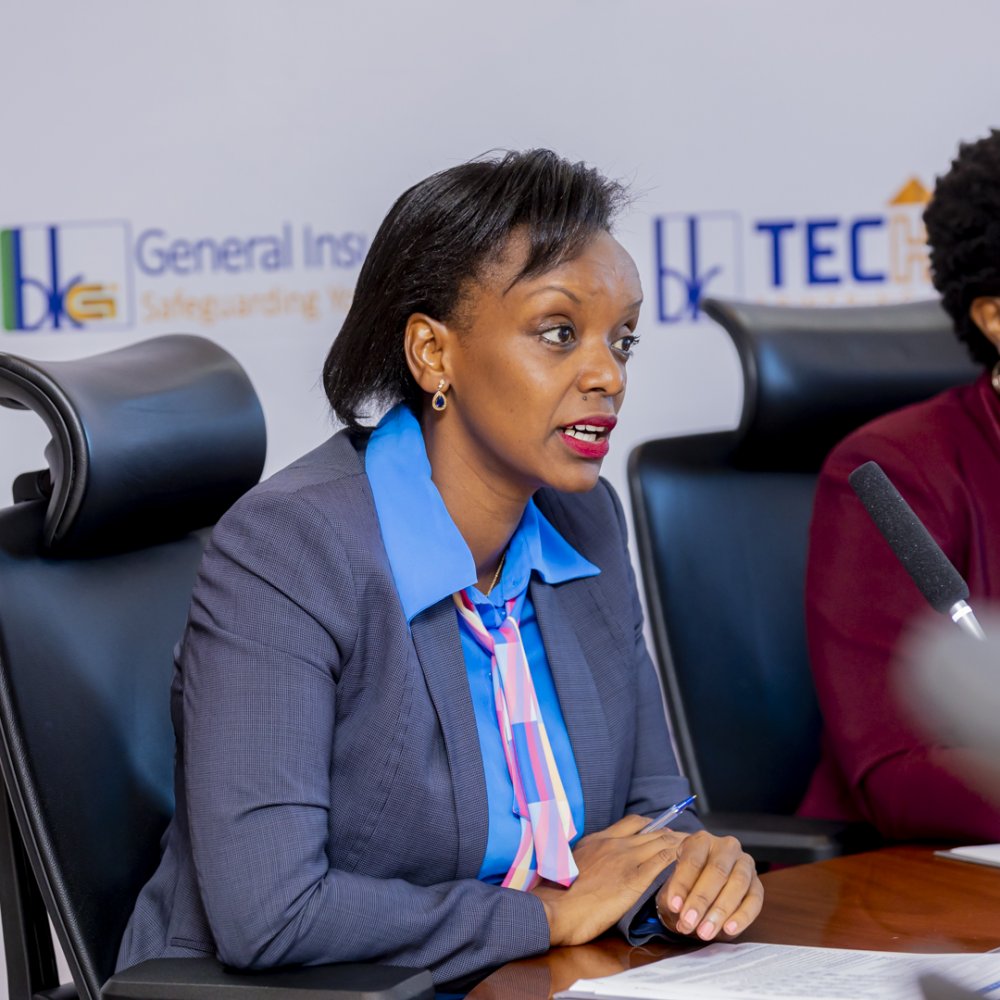
Béata Habyarimana, the Chief Executive Officer of BK Group Plc has commended the four subsidiaries’ performance and expressed optimism for further improvements in the second half of this year.
“Great results from all our subsidiaries; I am happy with what the Group’s management team has done in the first half of 2022. Our shareholders and investors will be happy with the sustainability of the Group’s results and financial position. Our Net income increased by a significant 24.5% y-o-y, while our total assets increased by 16.8% y-o-y. We remain focused on delivering higher value for our shareholders and plan to report even better numbers the second half of 2022,” she said.
{{About BK Group Plc}}
Established in 1966, BK Group Plc is a group company registered with Rwanda Development Board (RDB) and licensed under Law No. 08/99. Bank of Kigali is the largest bank in Rwanda by Total Assets, with 32.2% market share as at March 31st, 2022.
The Group has a short-term credit rating of A1+ and a long-term rating of AA-, with a stable outlook, from Global Credit Rating (GCR). BK Group Plc is listed on the Rwanda Stock Exchange as well as the Nairobi Securities Exchange.
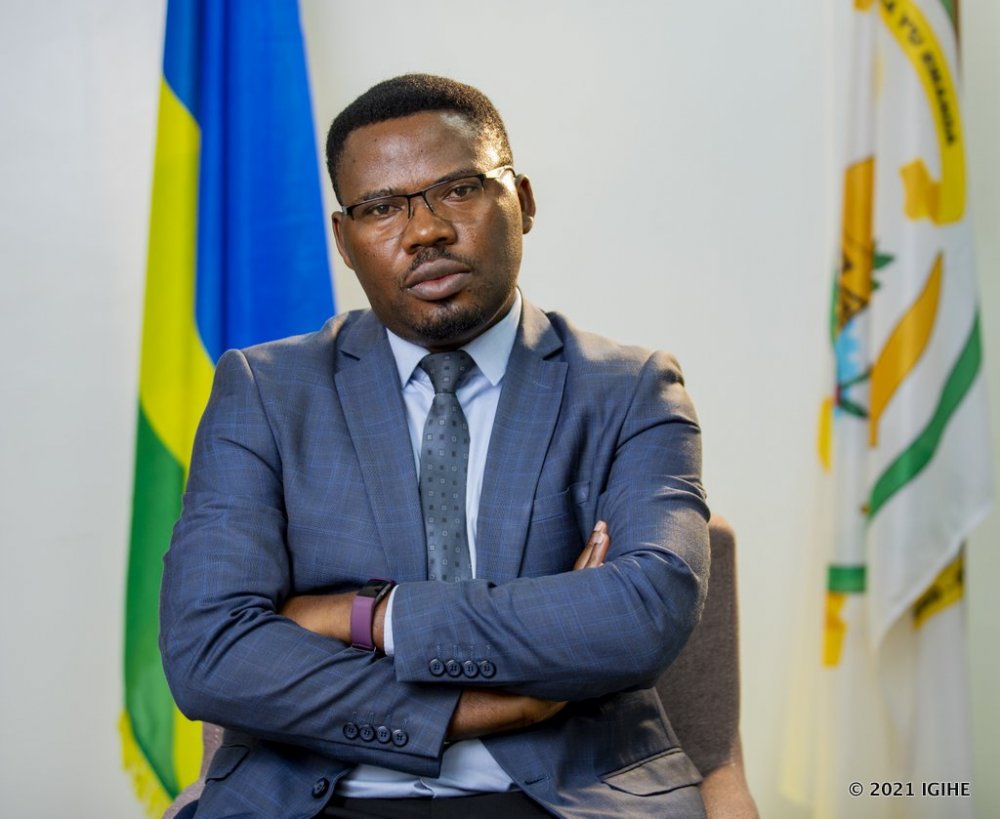
Bamporiki previously served as the State Minister in the Ministry of Youth and Culture.
He was suspended from his duties in May this year owing to matters of accountability that were under investigation.
The Spokesperson of RIB, Dr. Murangira B. Thierry has told IGIHE that Bamporiki is facing corruption related charges.
“From 5th May, Bamporiki Edouard was under investigation over the crime of soliciting, receiving or offering a bribe. As of now, his case file has been transferred to the Prosecution,” he said.
Bamporiki’s dossier was handed over to the Prosecution on 7th July 2022.
Following his suspension, Bamporiki posted a message on his social media accounts admitting that he received a bribe and apologized to the President of the Republic.
Rwanda’s penal code stipulates that soliciting, receiving or offering a bribe attracts a sentence between five and seven years and a fine between three to five times of received or offered bribe.
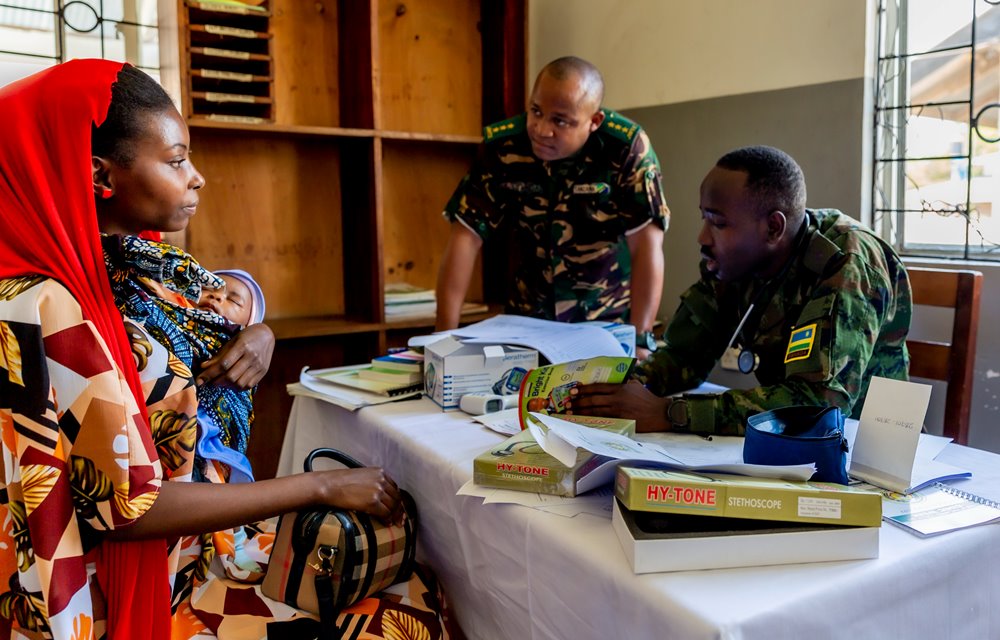
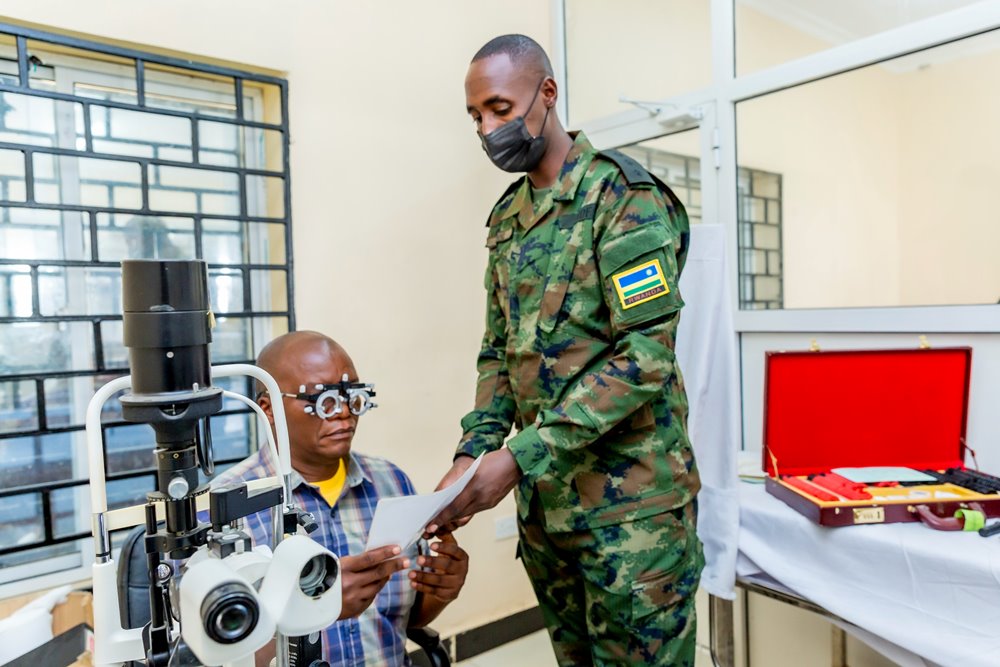
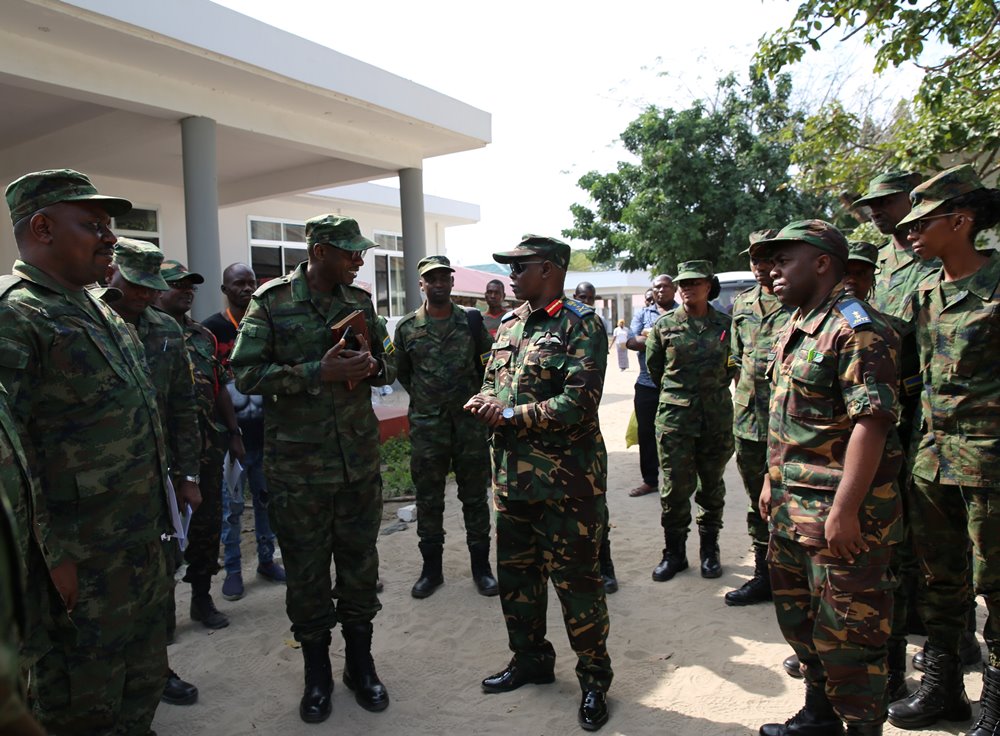
For the last 2 days, RDF medical officers led by Lt Col Vincent Mugisha, the Chief of Civil Military Relations, along with TPDF medical officers have jointly treated 625 patients at Bagamoyo Hospital, 60 km, north of Dar es Salaam.
They provided free treatment in Dermatology, Internal Medicine, General Surgery, Ophthalmology and Dentistry.
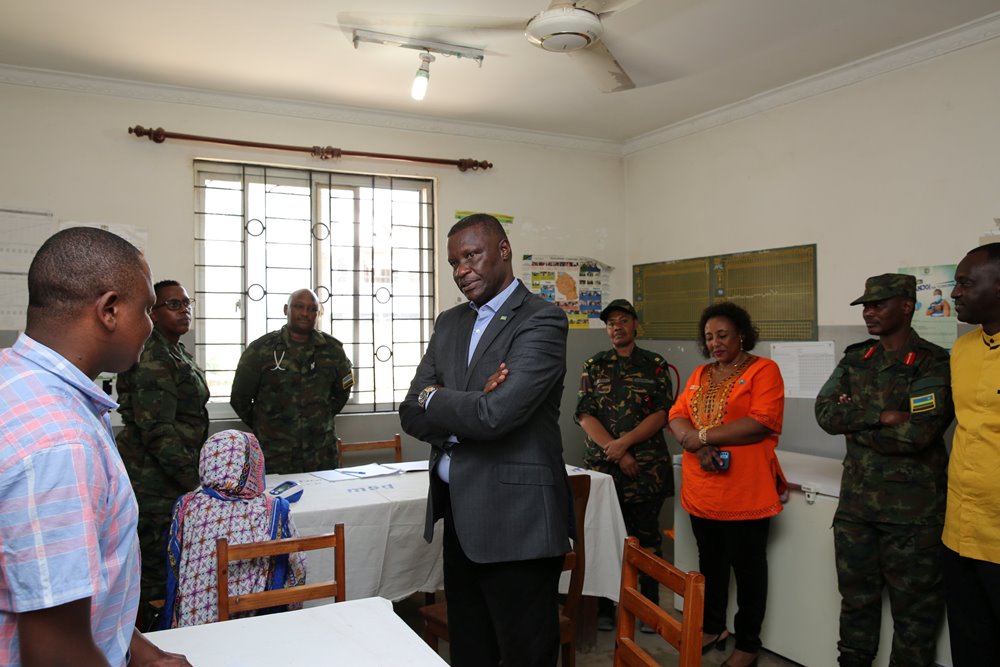
On Tuesday, Rwanda’s High Commissioner to the United Republic of Tanzania, Maj Gen Charles Karamba visited RDF medical contingent involved in the EAC CIMIC week at Bagamoyo Hospital. After touring different departments, he hailed excellent work being done by the joint teams and urged the civilian and Armed Forces medical teams to continue performing to the best of their ability with the available resources.
While launching the exercise at Bagamoyo Hospital on 29th August 2022, the Tanzania People’s Defence Force (TPDF) Air Force Commander, Maj Gen Shabani Mani emphasised that the CIMIC Week aims at enhancing cooperation and good relations between EAC Armed Forces and citizens.
This is the 4th EAC Armed Forces CIMIC Week involving military medics from Burundi, Kenya, Rwanda, South Sudan, Tanzania and Uganda.
Similar events in the past have been held in Uganda, Rwanda and Kenya in 2018, 2019 and 2021 respectively.
The ceremony will be held this Wednesday, August 31, at Israel Patrick Iyambo Police College, Windhoek.
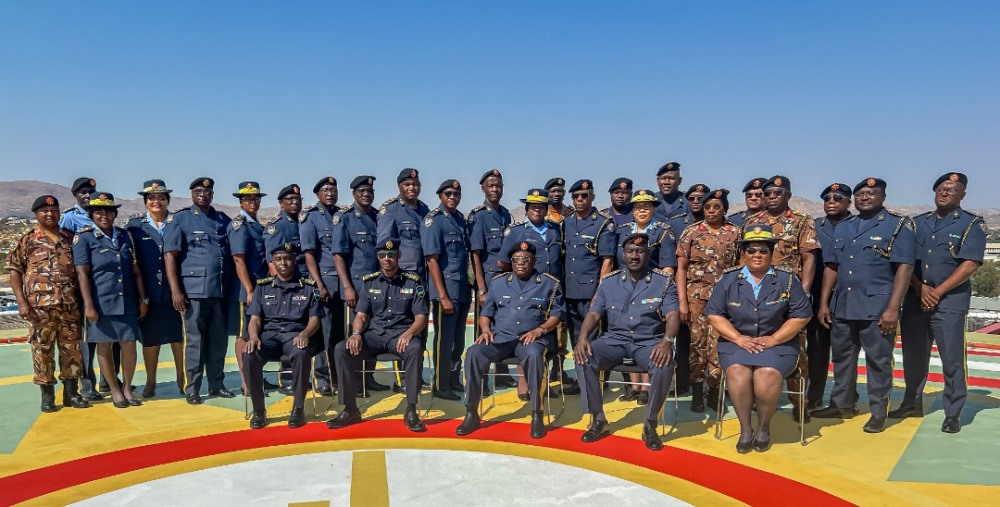
On Tuesday, August 30, IGP Munyuza took part in a procession in the capital Windhoek, conducted by Namibian Police Force as part of the events organized to bid farewell to Lt. Gen. Ndeitunga, who is retiring after 17 years as Inspector General.
The procession was, therefore, organized for the outgoing IGP to bid farewell to the general public and to introduce the incoming Police Chief to Namibians.
Earlier on, IGP Munyuza met with both the outgoing and incoming Police Chiefs at the Namibian Police Force headquarters in Windhoek.
The interaction was also attended by the Namibian Deputy IGP for Administration, Maj. Gen. Anna-Marie Nainda, commissioners and senior officers of the Namibian Police Force.
Rwanda and Namibian Police forces have enjoyed cordial relations in different policing aspects, since 2015.
During this period, the two Police institutions have cooperated mainly in training programmes.
So far, 15 Namibian senior Police officers have graduated from the Police Senior Command and Staff Course (PSCSC) at the National Police College (NPC) in Musanze District. One Senior Police officer is also part of the ongoing 11th intake of the PSCSC.
Two other junior officers completed their Police Cadet training in Rwanda.
On the other hand, Namibian Police Band instructors trained the RNP band.
Fighting these non-biodegradable products is, therefore, part of Rwanda National Police’s (RNP) day-to-day operations in partnership with local authorities and the general public.
In an operation conducted on Sunday, August 28, Police in Nyagatare District arrested one Angelique Mukeshimana, 44, in Gikukuru Village, Kabuga Cell of Karama Sector in possession of 110 cartons (22, 000 pieces) of polythene bags.
Mukeshimana was apprehended as she sneaked the plastic bags into Rwanda from Uganda, according to Superintendent of Police (SP) Hamdun Twizeyimana, the Police spokesperson for the Eastern Region.
“Police was tipped-off by a resident about Mukeshimana, who was trafficking plastic bags from Uganda through a porous border in Mukoki.
An operation was conducted and the suspect was apprehended in Kabuga cell with 110 cartons of plastic bags,” said SP Twizeyimana.
Mukeshimana was at the time heading to Ngarama to supply traders there.
SP Twizeyimana warned traders against selling and using the banned polythene bags, which pose ill-effects on the environment.
Use of non-biodegradable polythene bags is by prohibited in Rwanda under law N° 17/2019 of 10/08/2019 relating to the prohibition of manufacturing, importation, use, and sale of plastic carry bags and single-use plastic items.
Article 3 prohibits manufacturing, use, importation or sale of plastic carry bags and single-use plastic items.
In article 10, any person, who imports plastic carry bags and single-use plastic items is liable to the dispossession of those plastic carry bags and such items, and to an administrative fine equivalent to ten times the value of those plastic carry bags and single-use plastic items.
In article 11, a wholesaler of plastic carry bags and single use plastic items is liable to an administrative fine of Rwf700, 000 and dispossession of those plastic carry bags and such items.
In article 12, a retailer of plastic carry bags and single-use plastic items is liable to an administrative fine of Rwf300, 000 and dispossession of those plastic carry bags and such items.