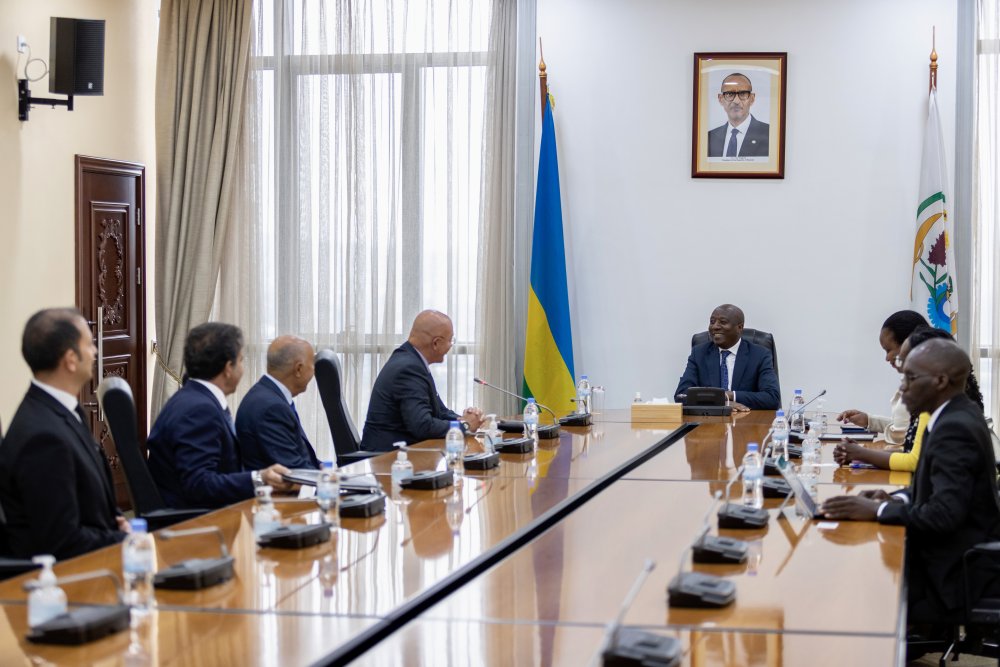
The 750 soldiers and 360 gendarmes make up the ninth contingent of Cameroonian troops tasked with carrying out stabilization and peacekeeping mission in the CAR.
The contingent is part of the United Nations Multidimensional Integrated Stabilization Mission in the Central African Republic (MINUSCA), which began protecting civilians in CAR in 2014 under the UN Charter, Assomo said during a ceremony in the country’s East region to award medals to soldiers who underwent special training in the region.
“I urge you to represent your country in the right way,” Assomo said, and demanded the soldiers execute their assignment in strict respect of the rules guiding MINUSCA.
The contingent is taking over from predecessors who spent a year building peace in the war-torn country.
The CAR has been wracked by violence since the Seleka rebels ousted then President Francois Bozize in 2013. The conflict has forced nearly half of the country’s population to migrate and depend on humanitarian assistance, according to the UN.
To better manage traffic in Abuja, traffic lights had been installed at 74 intersections in the first phase of the project in 2015.
A great symbol of China-Nigeria friendship, the project symbolizes “a concrete embodiment of the implementation” of the nine programs of China-Africa cooperation, Cui Jianchun, Chinese ambassador to Nigeria, said at the flag-off ceremony.
“This project will bring a lot of relief to the transportation system of Abuja, will be useful to the country, and will equally impact positively on the social life of local residents,” the diplomat said.
Adesola Olusade, permanent secretary of Nigeria’s Federal Capital Territory (FCT) Administration, said the construction comes at a time when the FCT was in dire need of having its major road intersections signalized for ease of traffic flow and orderliness.
“The era of energy supply through solar is fast overtaking the age-long energy supply through the national grid, which is mostly unreliable. The solar-powered traffic light system in the FCT is just desirable at this moment,” Olusade added.
One of the fastest-growing cities in the world with an equally fast-growing population, Abuja is facing pressure on city infrastructure, including that dedicated to traffic management.
“Today’s event, therefore, could not have come at a better time as we seek to ensure ease of traffic and orderliness on our roads through the provision of traffic control signals at major road intersections,” said Muhammad Musa Bello, minister of the FCT, who pledged to ensure an enabling environment for a hitch-free and successful delivery of the project.
The China Railway No. 8 Engineering Group responsible for the construction work will discover new talents and hone the skills of local technicians in fields such as steel, concrete and electricity, said Jiang Kaifeng, the project manager.
They were arrested on Tuesday, September 13, in Gisenyi Sector, Mbugangari Cell, Rurembo Village, where the goods including second hand clothes and shoes as well as the outlawed non-biodegradable plastic bags, were recovered.
Chief Inspector of Police (CIP) Mucyo Rukundo, the Western Region Political and Civic Education Officer (RPCEO) identified the suspects as Nyobotsimana Bihangamanwa, Uwizeyimana Kesie, and Ndori Safari.
“They were arrested with 101 pairs of shoes, 30kgs of clothes, 3800 pieces of plastic bags, tins of powdered milk, assorted gin including 14 bottles of Simba Waragi and 24 bottles of Savanna; food flavours, and skin bleaching products,” CIP Rukundo said.
He thanked residents, who reported the acts of smuggling and fraud, adding that the smugglers used illegal border points to sneak the goods into Rwanda from DRC.
The suspects were handed over to RIB at Gisenyi station while the goods were handed over to Rwanda Revenue Authority (RRA) in Rubavu.
In article 199 of the East African Community Management Act, which is also applicable in Rwanda, smuggled goods are auctioned.
{{Tax fraud}}
A taxpayer, who commits fraud, is also subject to an administrative fine of one hundred percent (100%) of the evaded tax and a likely imprisonment of between six months and two years.
Manufacturing, use, importation or sale of plastic carry bags and single-use plastic items are prohibited under article 3 of law N° 17/2019 of 10/08/2019 relating to the prohibition of manufacturing, importation, use, and sale of plastic carry bags and single-use plastic items in Rwanda.
In article 10, any person, who imports plastic carry bags and single-use plastic items is liable to the dispossession of those plastic carry bags and such items, and to an administrative fine equivalent to ten times the value of those plastic carry bags and single-use plastic items.
In article 11, a wholesaler of plastic carry bags and single use plastic items is liable to an administrative fine of Rwf700, 000 and dispossession of those plastic carry bags and such items.
In article 12, a retailer of plastic carry bags and single-use plastic items is liable to an administrative fine of Rwf300,000 and dispossession of those plastic carry bags and such items.
RapidCollect™ caters for the needs of business customers across Africa, as the continent is at a unique point in its history. Immense trade, investment and economic growth opportunities are driven by the African Continental Free Trade Area (AfCFTA)’s creation of a single African market. The Economic Commission for Africa has forecast that the AfCFTA will boost intra-African trade by about 40% .
Commenting on the development; Josephine Anan-Ankomah, Group Executive, Commercial Banking, Ecobank said: “With the African Continental Free Trade Area offering untold trading growth opportunities for Africa’s businesses, it is imperative that the payment and collection infrastructure proactively caters for the needs of our continent’s small and medium sized businesses by facilitating their cross-border trade. Ecobank’s Rapid-Collect™ further advances our determination to remove intra-African trade barriers by providing a fast, innovative, secure, hassle-free and reliable collection solution for our SME customers which leverages the collective scale and strength of our 33-country pan-African network”.
Isaac Kamuta, Group Head, Payment services, Cash Management and client access, Ecobank Group added: “The launch of RapidCollect™ reaffirms our leadership as the Best Bank for Cash Management in Africa. It provides a fast, innovative, secure, and reliable solution for our customers which leverages the collective scale and strength of our 33-country pan-African network. Our customers only need an Ecobank account in their home country – rather than needing an account in every country in which they trade. It removes the delays previously inherent in cross-border business payments and addresses the issues created by fluctuating forex rates.”
Through RapidCollect, Ecobank’s Commercial Banking and Corporate and Investment Banking customers benefit from the convenience of one account to receive business payments hassle-free from across our 33-country network, instant payments into their Ecobank account in their home country and across our network as well as automated reconciliation businesses with capabilities to integrate their billing system.
Among others, customers will benefit from secured transactions via Ecobank’s tried and trusted technology and easier cross-border payments to seize opportunities from the AfCFTA’s continent-wide single market.
RapidCollect™ is available at Ecobank branches and it is already integrated into our digital channels. The solution is subject to the regulations in each country.
{{About Ecobank Transnational Incorporated }}
Ecobank Transnational Incorporated (‘ETI’) is the parent company of the Ecobank Group, the leading independent pan-African banking group. The Ecobank Group employs about 13,000 people and serves over 32 million customers in the consumer, commercial and corporate banking sectors across 33 African countries.
The Group has a banking licence in France and representative offices in Addis Ababa, Ethiopia; Johannesburg, South Africa; Beijing, China; London, the UK and Dubai, the United Arab Emirates. The Group offers a full suite of banking products, services and solutions including bank and deposit accounts, loans, cash management, advisory, trade, securities, wealth and asset management.
ETI is listed on the Nigerian Stock Exchanges in Lagos, the Ghana Stock Exchange in Accra, and the Bourse Régionale des Valeurs Mobilières in Abidjan.
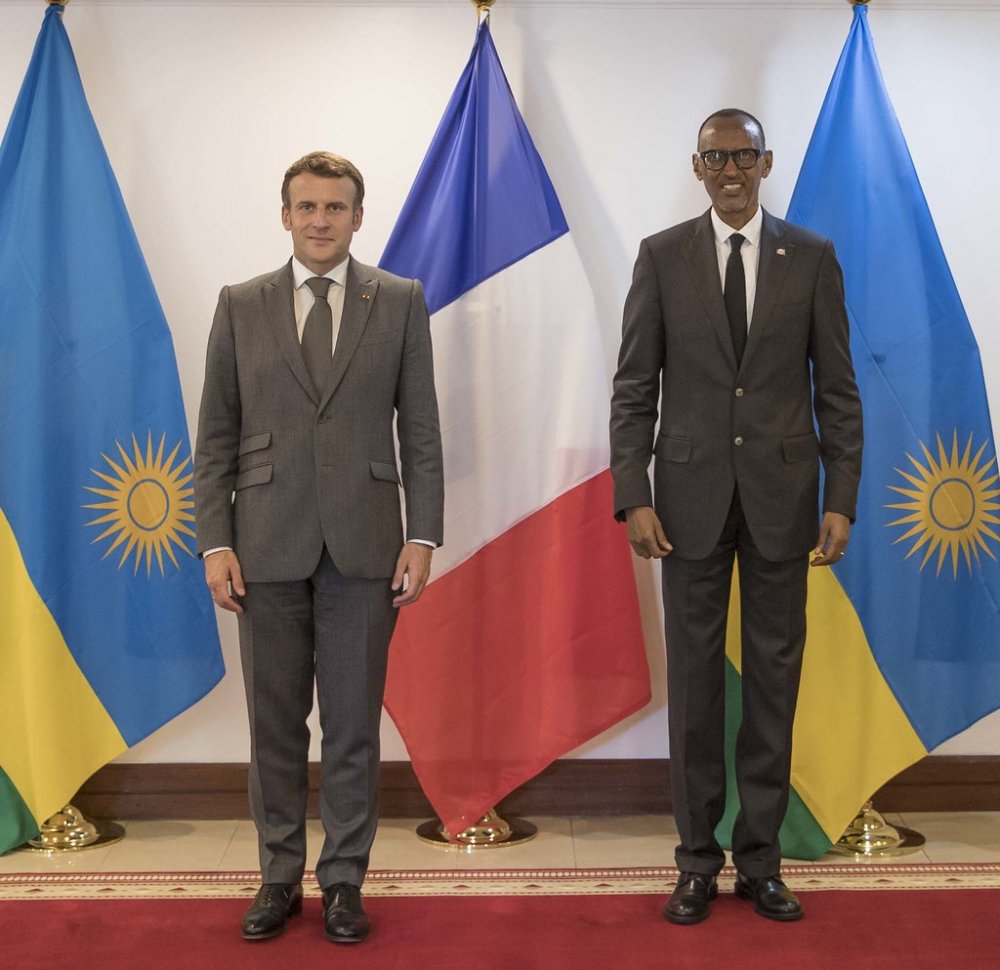
The Heads of State made the remarks on Sunday at a time when Rwanda is hosting a nine-day conference bringing together researchers from a French committee led by Prof. Vincent Duclert and counterparts from the University of Rwanda (UR) led by Prof. Mulinda Charles Kabwete.
Prof. Duclert’s committee reviewed official archives on France’s role during the 1994 Genocide against the Tutsi and released a report indicating that France bears “heavy and overwhelming responsibilities” over tragic history that led to the Genocide which took lives of over 1 million victims.
Discussions between both sides are centered on the role of research in reporting the truth about Genocide against Tutsi.
The symposium serves as an opportunity to think and share ideas with a view to raise awareness regarding the history of the Genocide, how it was executed and stopped.
Prof. Mulinda said that the idea emerged when Prof. Duclert visited UR Huye Campus in August 2021 where both sides agreed to build partnerships in the area of research and preparation of international meetings.
In a pre-recorded speech, President Kagame welcomed participants of the first session of the international conference on the Genocide against the Tutsi. The next conference will be held in Paris, the capital of France in 2023.
In the speech that was visually aired President Kagame welcomed all who attended this first conference in regards to the Genocide of Tutsi that took place in Rwanda the following meeting will be in Paris in 2023.
He said that such a meeting bringing together French and Rwandan researchers, would have been almost unimaginable in the past.
However, the Head of State stated, both countries turned the page to a new chapter in their relationship being written with the historic visit of President Macron to Rwanda last year.
The President thanked Macron for his political courage and sincerity noting that his visit was made possible by the efforts of both countries to establish facts.
“Working entirely independently, using different sources and methods, the teams led by Professor Vincent Duclert, and Robert Muse reached conclusions that broadly reinforced one another. But those reports are not the last word. It is ultimately the task of professional historians and researchers to document the historical record for future generations,” he said.
Kagame commended the organizing committee led by Prof. Duclert and Prof. Mulinda for the hard work and acknowledged the funding form the French government which made the event possible.
French President, Emmanuel Macron said that holding these discussions on Genocide against the Tutsi is big move leading to the truth both countries want.
He said that the initiative complements the task assigned to Prof. Duclert in 2019 and his team of researchers to document his country’s role in the history that led to the 1994 Genocide against the Tutsi.
Duclert’s report along with another one produced by Levy Firestone Muse LLP led to a new page for bilateral relations that had wavered.
Macron underscored that research on history must continue and commended Prof. Duclert’s team for their courage to carry on the work that lasted for three years.
He equally thanked the Government of Rwanda for having provided room for these discussions with a view to prevent reoccurrence of the tragic history.
The Vice Chancellor of the University of Rwanda, Dr. Kayihura Muganga Didas, said that these discussions are paramount as they create a room for exchange of knowledge among researchers.
The conference runs from 11th to 19th September 2022.
Researcher Antoine Mugesera said that there has been a commendable progress to illustrate the history of the Genocide against the Tutsi but insisted that a lot still needs to be done.
He revealed that future research can go an extra mile to document the lives of Genocide survivors.
Mugesera extolled efforts by both countries’ leaders to restore relations which he considered a strong foundation upon which a shared vision should be entrenched.
Prof. Duclert also highlighted that collaboration among researchers is of utmost importance as it helps to desist propagandists with intentions to misinterpret and trivialize history.
The nine-day conference will feature different sessions on Rwanda’s resilience journey after the 1994 Genocide against the Tutsi.
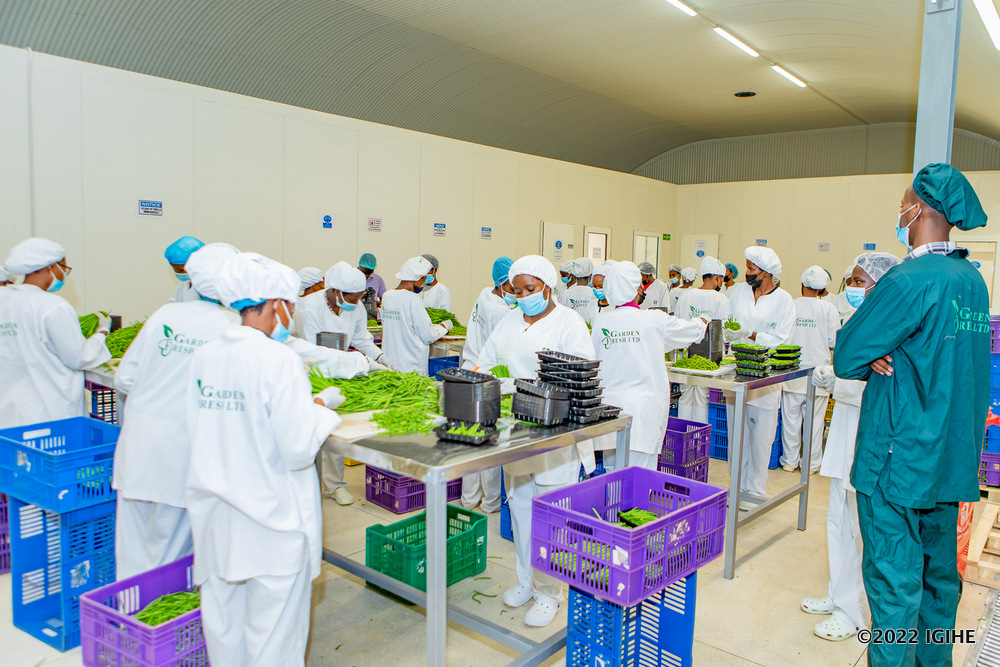
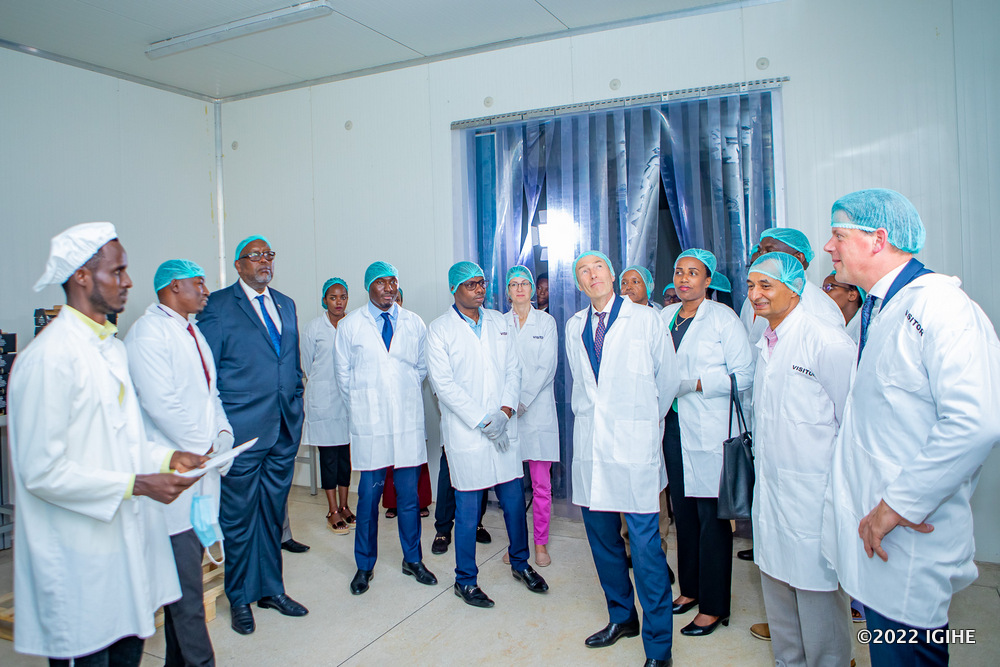
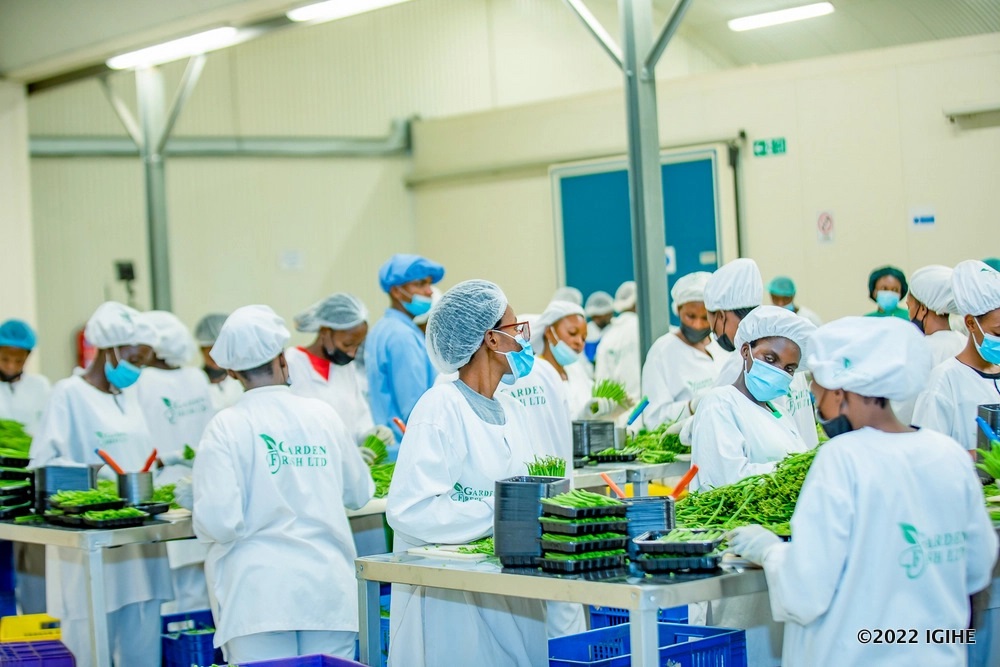
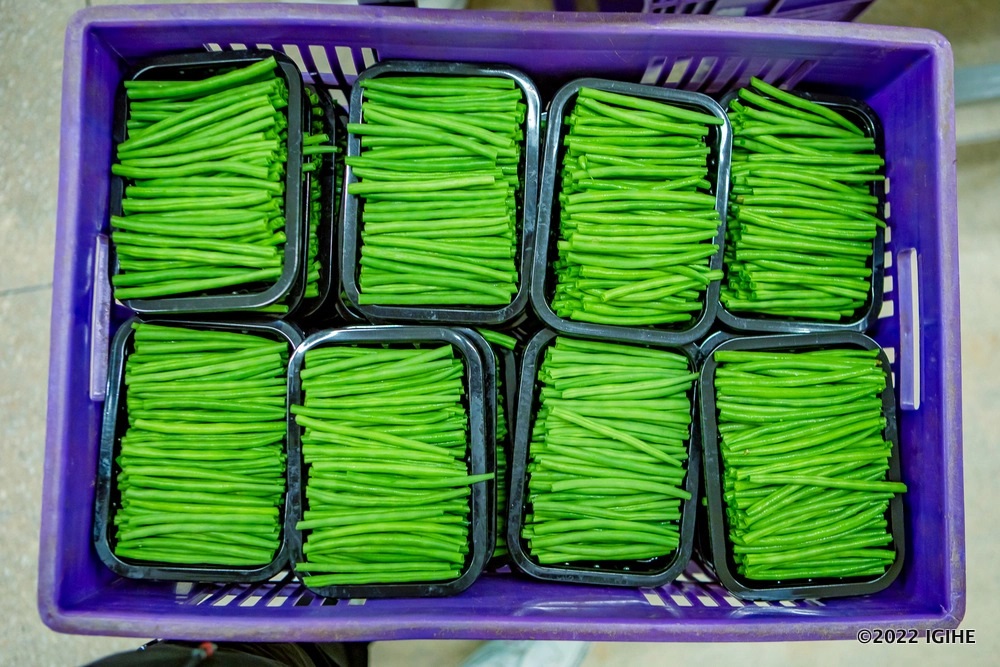
The facility build in the Special Economic Zone in Masoro sits on 600 square meters with the capacity to store between 25 to 30 tons of fresh produce.
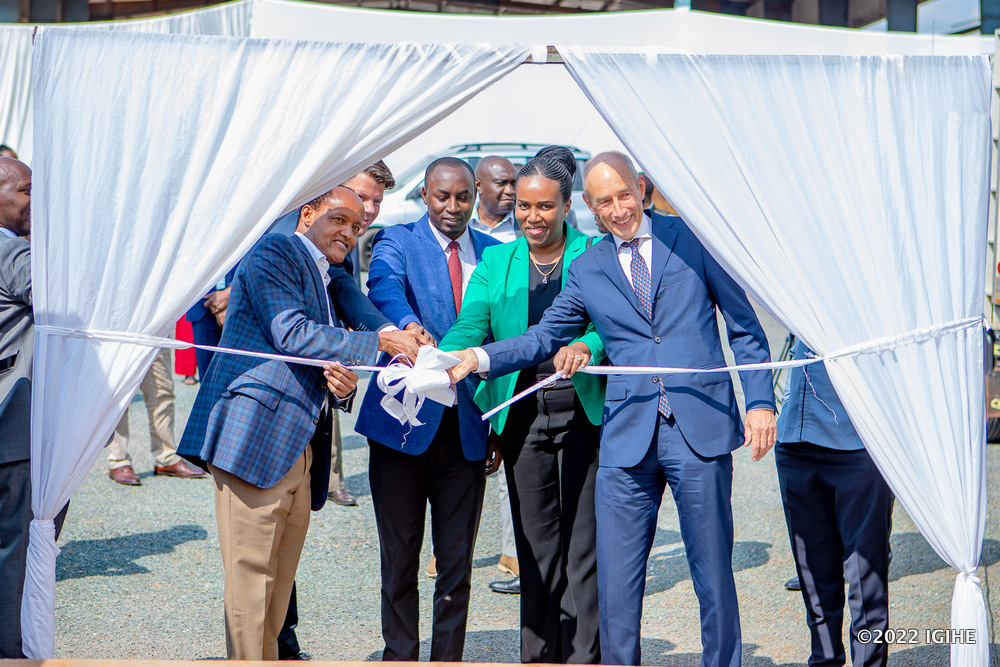
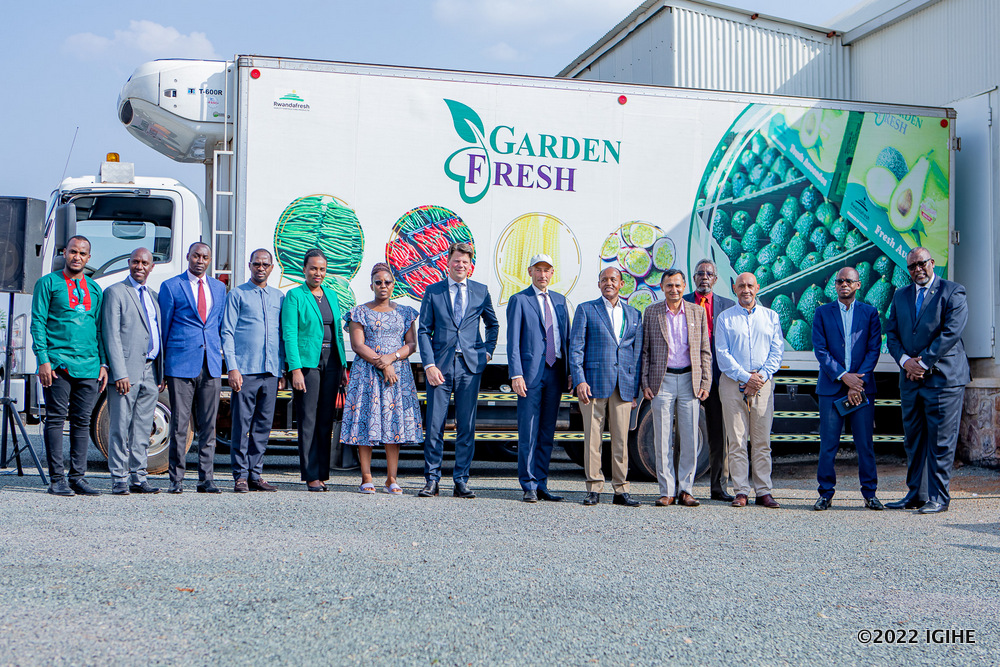
Completed at nearly US$1 million, the packhouse was recently inaugurated officially by the Netherland’s Ambassador to Rwanda, Matthijs Wolters.
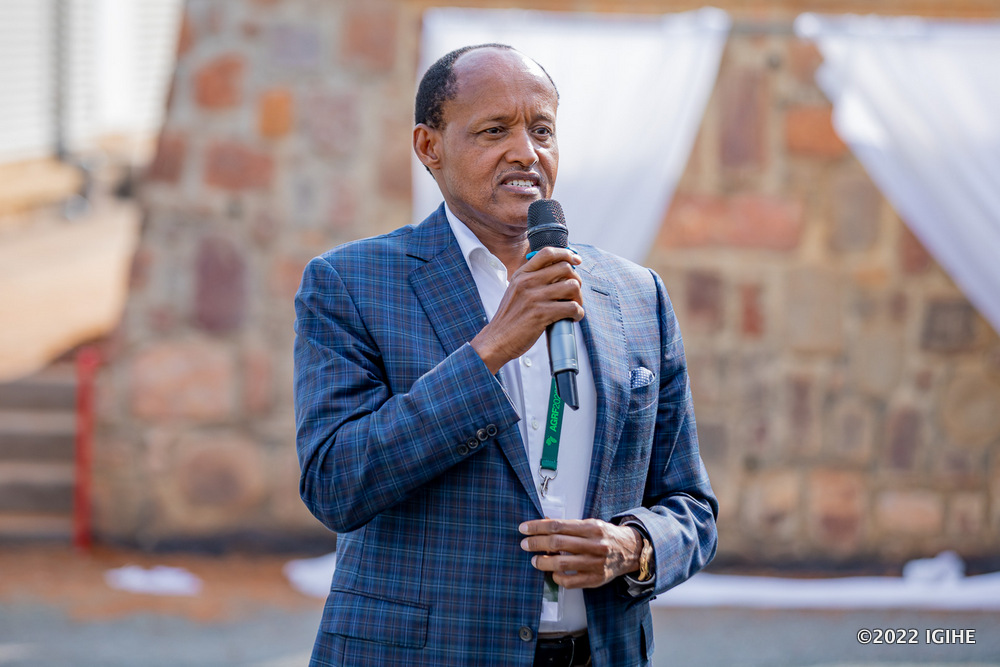
Speaking at the ceremony; Faustin Mbundu, the Chairman of Garden Fresh, Ltd said that the facility comes in handy to give relief to horticulture exporters.
“The agricultural produce is increasing. The country has had only one facility of its kind managed by the National Agricultural Export Development Board [NAEB] despite efforts to expand export markets in collaboration with partners. To continue ensuring uncompromised quality of exports, we need similar facilities meeting international standards,” he said.
The packhouse was built on the funding of the Embassy of the Netherlands to Rwanda through HortInvest project.
It is expected to boost exports as Garden Fresh will share the facility with other exporters.
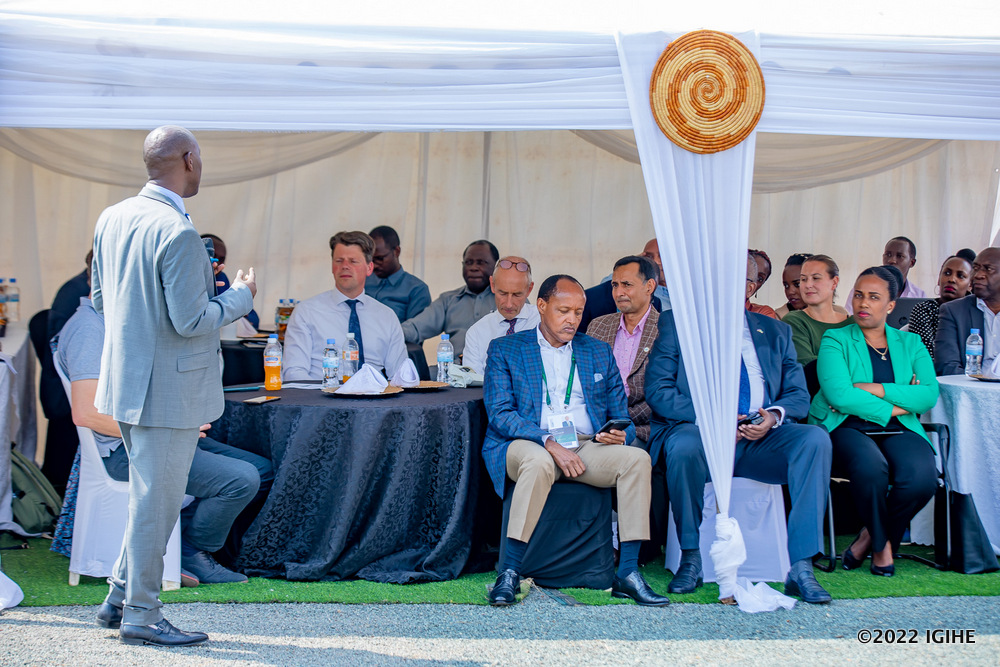
GB Banjara, the HortInvest project manager said that they do not only allocate funding to such projects but also work with farmers to equip them with best farming practices to increase yields and meet international standards.
He highlighted that agricultural exports particularly delivered to markets in Europe need special packaging and handling to ensure consumers receive quality products.
Sylvie Nirere, the IDH country manager said that having such a packhouse helps to meet consumers’ satisfaction.
IDH is a non-governmental organization which focuses on empowering people within corporations, the global financial sector and governments that have the most influence over value chains.
Agriculture is among major sources of revenues where related exports generated over Rwf640 billion in the fiscal year 2021/2022 up from US$444,862,192 of the previous year.
This saw Rwanda recording a 45 percent increase in revenues from agricultural exports year owing to economic recovery measures.
Fruits and vegetables accounted for 6.7% of total agricultural export revenues 2020/2021. In 2021/2022, revenues from exported vegetables and fruits increased by 63% and 87% respectively.
The company is expected to build a luxury wellness resort in Kigali City and Karongi District at the shores of Lake Kivu.
Şahenk has visited Rwanda four times. In March 2022, he was received by President Paul Kagame and discussed investment opportunities in various sectors including hospitality and real estate.
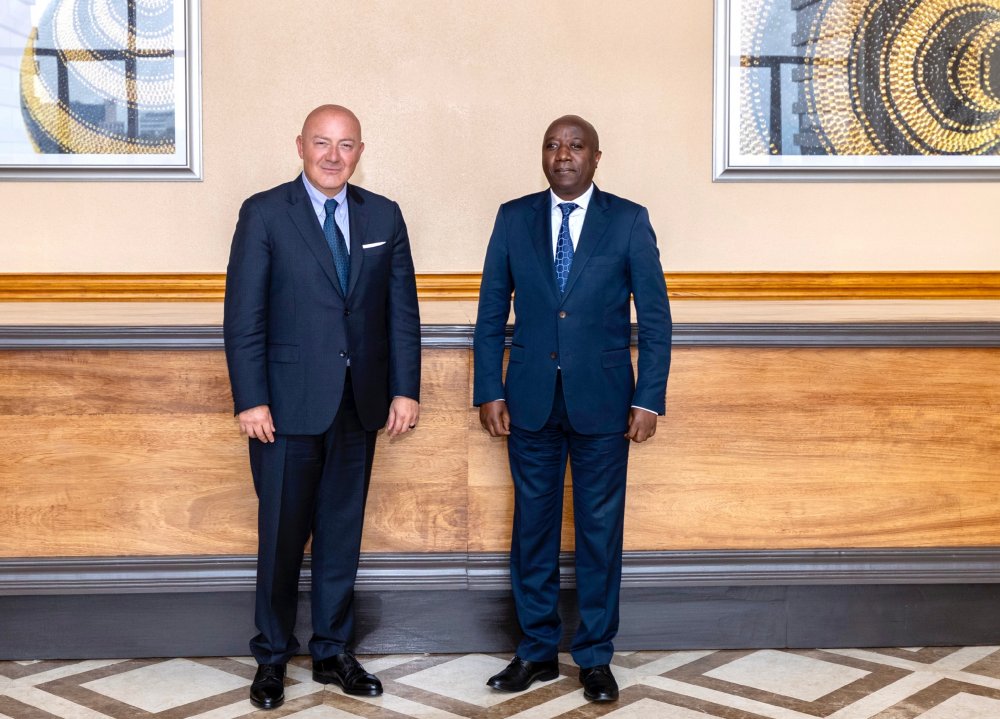
Speaking to the media after holding talks with Premier Ngirente on Tuesday 14th September 2022, Şahenk disclosed that Rwanda attracted him as a favourable investment destination.
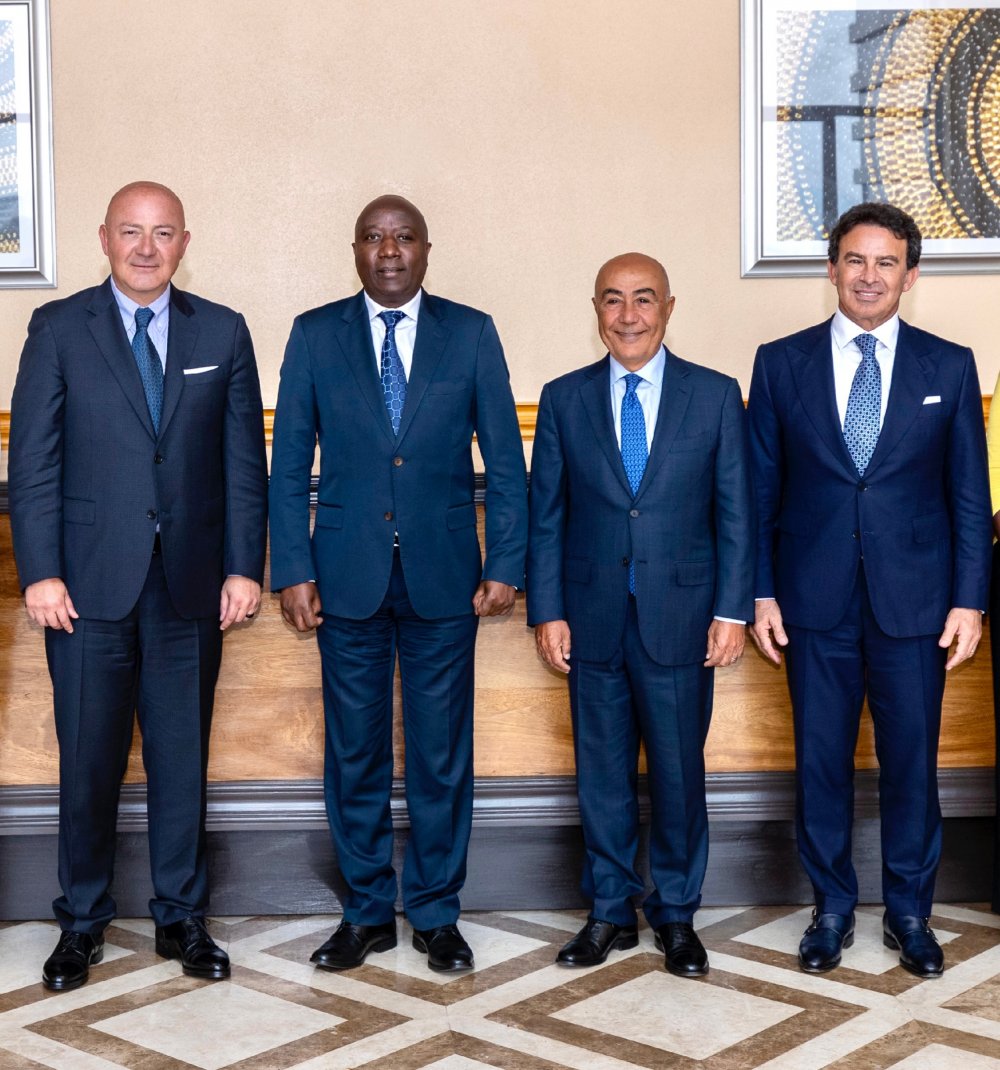
He was accompanied by Hüsnü Akhan, the Vice Chairman of Dogus Group; Gur Cagdas, Board Member of Dogus Group and Tolga Akkas, the CEO of Dogus Construction, a subsidiary of Doğuş Group focusing on the construction of roads and residential houses among others.
“First of all, we love the people of Rwanda and the visionary leadership of the President of Rwanda is amazing. We went around Rwanda, we saw the natures, and what Rwanda is offering in the world of hospitality. We were impressed,” he said.
Şahenk explained that they have so far identified three places for investment where businesses are expected to begin in the near future.
“Our first business will be the hospitality in three locations. The first will be in Kigali, the second will be around the beautiful Lake Kivu, and hopefully the third one will be the land of gorillas [at the foothills of volcanoes National Park in Kinigi]. We believe Rwanda will be an amazing destination in coming years and we want to be among the first ones present in Rwanda,” he said.
“We believe the young generation in Rwanda, girls and boys, can be amazing in hospitality. Some of the chosen young people from Rwanda will be taken to Turkey for training in hospitality and bring them back,” added Şahenk.
He also revealed that the company considers establishing a hospitality school in Rwanda.
“Definitely, with our expansion, you can have land or building but what brings value of the brand and service is people. So, we sought an opportunity from the education ministry or ministry in charge of tourism to invest in the future of tourism and hospitality through young boys and girls,” said Şahenk.
The company has a school in the United Arab Emirates which offers training on preparation of Japanese dish known as ‘Sushi’.
Şahenk affirmed that they want to bring more investment in Africa in the area of construction noting that Rwanda is the best gateway for the company’s entry to the continent.
He stressed that the company which has been running operations for over 70 years received a positive feedback from partners welcoming the idea of investing in Africa, particularly in construction sector.
Doğuş Group is a Turkish company that begun its operations in 1951 and is currently one of the largest private companies in Turkey with a portfolio of 300 companies in six sectors namely; automotive, construction, real estate, energy, hospitality, retail and media.
The company also owns Doğuş Hospitality & Retail Group, a subsidiary which operates in the fields of hotels, events management and luxury fashion among others.
It manages over 200 restaurants and nearly 20 hotels in more than 21 countries across the world. The subsidiary also owns some of renowned hospitality icons including D-Hotels & Resorts and Mytha Hotel Anthology.
The CEO of Rwanda Development Board (RDB), Clare Akamanzi said that the investor has expressed willingness to invest in Rwanda where a good progress has been made so far.
“A company with this caliber choosing to look at Rwanda as an investment destination is very important because it shows that Rwanda is attractive to those kinds of investments.
Choosing Rwanda in the whole world signifies that there is something that we are doing, that the investment environment is doing and we should keep doing that, make it easier and even better for investors to do that in Rwanda. I look forward to the first project getting to completion,” she said.
Doğuş Group currently has operations in 29 countries, with operations in different regions such as the Middle East, North Africa, Eastern Europe and Gulf Countries.
The latter is a ground-breaking initiative between the government of Rwanda and Pfizer inc. which aims to provide patented, high-quality medicines and vaccines available in the U.S. or the European Union on a not-for-profit basis to Rwanda among 45 other lower income countries.
The shipment includes 1,500 treatment packs to treat and prevent life threatening infectious diseases, inflammatory diseases and certain cancers.
Commenting on the partnership, the Minister of Health, Dr. Daniel Ngamije described it as a commendable move expected to improve the lives of patients in Rwanda.
“In partnership with Pfizer and ‘An Accord for a Healthier World’, we are proud to provide rapid and affordable access to these Pfizer medicines and vaccines, which have the power to save and improve patient lives all across Rwanda,” he observed.
Minister Ngamije added: “Working together, we are greatly reducing the health inequities that exist between many lower-income countries and the rest of the world.”
As part of the Accord, the Ministry of Health and Pfizer are also providing professional healthcare education and training, exploring partnerships to support Rwandan medical specialists, diagnostic enhancements and the establishment of a telemedicine consultation platform to connect healthcare professionals in Rwanda with experts around the world.
“Everyone, no matter where they live or their income level, should have access to life-saving medicines and vaccines. This delivery is an important milestone on our journey toward closing the health equity gap,” said Patrick van der Loo, Regional President Africa Middle East, Pfizer.
“But this shipment supply is only a first step. We look forward to working in close collaboration with healthcare officials in Rwanda to help get these medicines and vaccines to patients and communities where they are needed most,” he added.
Rwanda is the first of the Accord countries to receive products through the initiative.
Early insights from initial Accord countries, which also include Ghana, Malawi, Senegal and Uganda, will be shared across all 45 Accord countries to support sustainable access and improved health systems.
{{About An Accord for a Healthier World}}
An Accord for a Healthier World aims to provide all of Pfizer’s patented, high-quality medicines and vaccines available in the U.S. or the European Union on a not-for-profit basis to 1.2 billion people in 45 lower-income countries.
The Accord countries include all 27 low-income countries as well as 18 lower-middle-income countries that have transitioned from low to lower-middle-income classification in the last ten years. Pfizer is working with healthcare officials in Rwanda, Ghana, Malawi, Senegal and Uganda to identify early insights and opportunities to ensure all medicines and vaccines can reach those in need.
This will include expertise to support diagnosis, healthcare professional education and training along with supply chain management and other infrastructure enhancements. Learnings from these five countries will be applied to support the roll out for the remaining forty countries.
Pfizer will also collaborate with Accord participants to identify quick and efficient regulatory pathways and procurement processes to reduce the longer amount of time it can take to make new medicines and vaccines available in these countries.
UN Secretary-General Antonio Guterres, in his opening remarks, called for solidarity among member states to address common challenges.
The many challenges that defined the 76th session of the General Assembly are still very much around as the new session starts, he said. “We face a world in peril across our work to advance peace, human rights and sustainable development, from conflicts and climate change to a broken global financial system that is failing developing countries, to poverty, inequality and hunger, to divisions and mistrust.”
“Addressing common challenges will require continued solidarity as we demonstrate the great promise and potential of this organization,” he added.
The United Nations is the home of cooperation. And the General Assembly is the life within that home. The months ahead will continue testing the strength and durability of the multilateral system this organization represents, he told delegates. “And the world is looking to the members of the assembly to use all of the tools at your disposal to negotiate and forge consensus and solutions: debate, deliberation, diplomacy. These eternal tools represent the best pathway to a better, more peaceful world.”
In his opening remarks, Korosi called for solutions through solidarity, sustainability, and science.
The only way to achieve better outcomes is to transform, he said. “The contours of the transformation we need are already known. The 2030 Agenda for Sustainable Development, the Sendai Framework (for disaster risk reduction), the Paris Agreement (on climate change), and Our Common Agenda (proposed by UN Secretary-General Antonio Guterres ), all point us in the right direction. What remains to be seen is whether we will deliver.”
The world is looking to the United Nations for answers. As the world body’s chief deliberative body, the General Assembly bears a special responsibility, he said.
“Having begun my tenure as president, I aim to harness the great talents of this community of member states in forging the systemic solutions needed to transform our world. In accepting this privilege, I vowed to serve as an agent of multilateralism, multiculturalism, and multilingualism,” said the president. “I pledge that impartiality would be the hallmark of our operation. My team and I will do our best to push for ‘Solutions Through Solidarity, Sustainability and Science,’ the motto I’ve chosen for this presidency.”
He vowed to stand firm on the principles of the UN Charter, which brought member states together 77 years ago and hold them together today.
“Encoded in international law, they (the principles of the UN Charter) provide us with a solid foundation from which to build. From here, I wish to pursue integrated approaches and enhance the role of science in our decision-shaping. I will work to foster measurable progress in the sustainability transformation and cultivate solidarity we need to achieve breakthroughs or to avert further crises and disasters,” he said.
He promised to engage closely with the Security Council, the Economic and Social Council, and other relevant UN bodies to further the critical revitalization process, and pursue the ongoing key reforms led by Guterres to make the General Assembly and the United Nations as a whole fit-for-purpose.
The United Nations was created out of the ashes of war and destruction, with the intention of being a well of solutions, said Korosi. “Responding to humanity’s most pressing challenges demands that we work together and that we reinvigorate inclusive, networked and effective multilateralism, and focus on what unites us. It is our mission to come together when there are disagreements, and to build bridges when there are deep divides,” he said.
“This (General Assembly) hall was created as a place to build trust, to bring about peace and security, development, and human rights. We owe it to our 8 billion constituents — the people we are here to serve — to succeed in our aims,” he said.
Korosi was sworn in on Monday at the closing of the 76th session of the General Assembly.
Apart from the General Debate, the high-level week will also see a high-level meeting to mark the 30th anniversary of the adoption of the Declaration on the Rights of Persons Belonging to National or Ethnic, Religious and Linguistic Minorities on Sept. 21, and a high-level meeting to commemorate and promote the International Day for the Total Elimination of Nuclear Weapons on Sept. 26.
On Monday, Sept. 19, two high-level events convened by UN Secretary-General Guterres — the Transforming Education Summit and the Sustainable Development Goals Moment — will be held.
The start of the high-level week coincides with the planned funeral of British Queen Elizabeth II, which is scheduled for Monday.
A UN spokesman said he does not anticipate any changes in the schedule of the UN meetings even though many world leaders will be in London on Monday for the funeral.
“There may be impact on the speakers’ list of who speaks when. But the meetings are going on as scheduled,” said Stephane Dujarric, the chief UN spokesman, on Tuesday.