The vehicle driven by one Gilbert Seminega, 50, also arrested, was intercepted Monday, December 12, in Byimana Village, Rwimiyaga Cell in Rwimiyaga Sector following close collaboration between the Police and local residents, who shared information.
The bales had been sneaked into Rwanda from Uganda through a porous border point, according to Superintendent of Police (SP) Hamdun Twizeyimana, the Police spokesperson for the Eastern region.
“This successful operation was facilitated by credible information provided by residents, who witnessed the attempted smuggling and fraud. This helped Police officers to mount a roadblock to intercept the vehicle and to arrest the driver, who was transporting the bales to Rwagitima,” SP Twizeyimana said.
Elsewhere, on Tuesday, Police in Burera District also seized four sacks of smuggled clothes weighing 195kgs, after they were also sneaked into Rwanda from Uganda.
A group of alleged smugglers dropped the sacks and fled, according to SP Alex Ndayisenga, the Northern Region Political and Civic Education Officer (RPCEO).
Under the East African Community Management Act, which is applicable in Rwanda, seized smuggled goods under article 199, are auctioned.
A vehicle intercepted with smuggled goods is also auctioned and the driver slapped a fine of US$5000.
Article 87 of the law on tax procedures provides an imprisonment of between 2 and 5 years, for tax evasion.
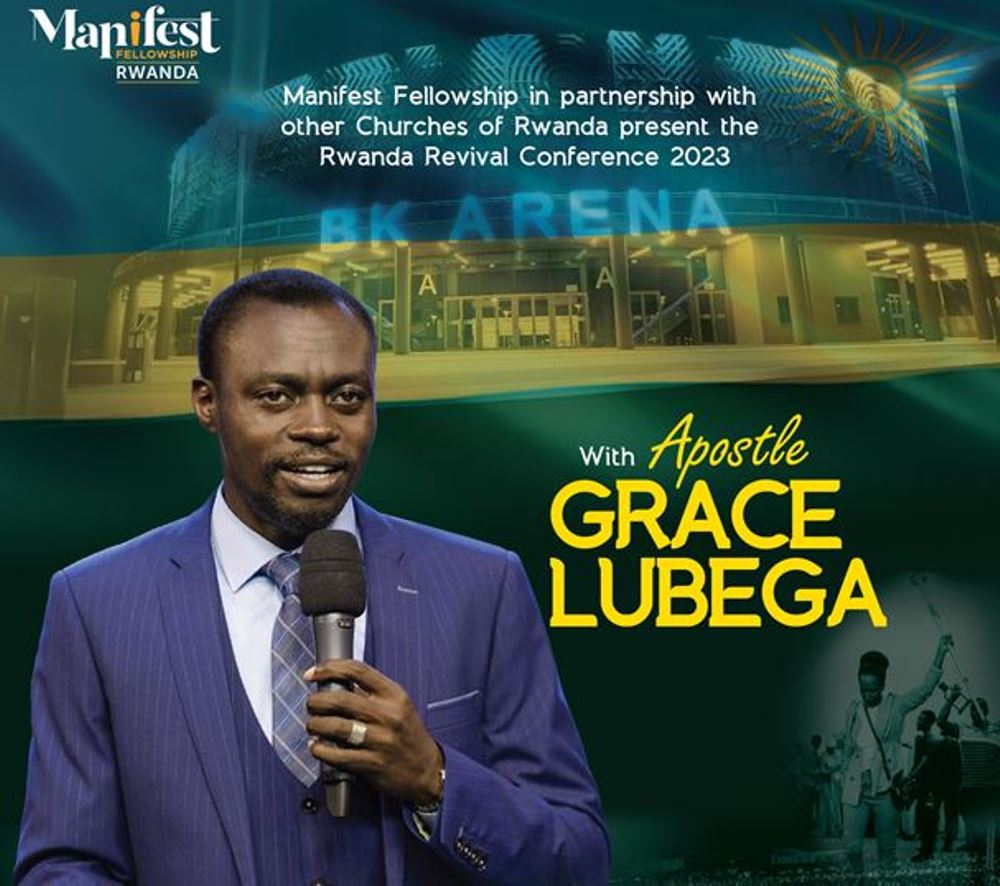
The conference will feature two sessions. The first will be an exclusive Ministers’ meeting (Pastors, Deacons, Worship Ministers, and many others) scheduled for February 3rd and the second session will be a general gathering for the public to take place on February 4th, at the BK ARENA.
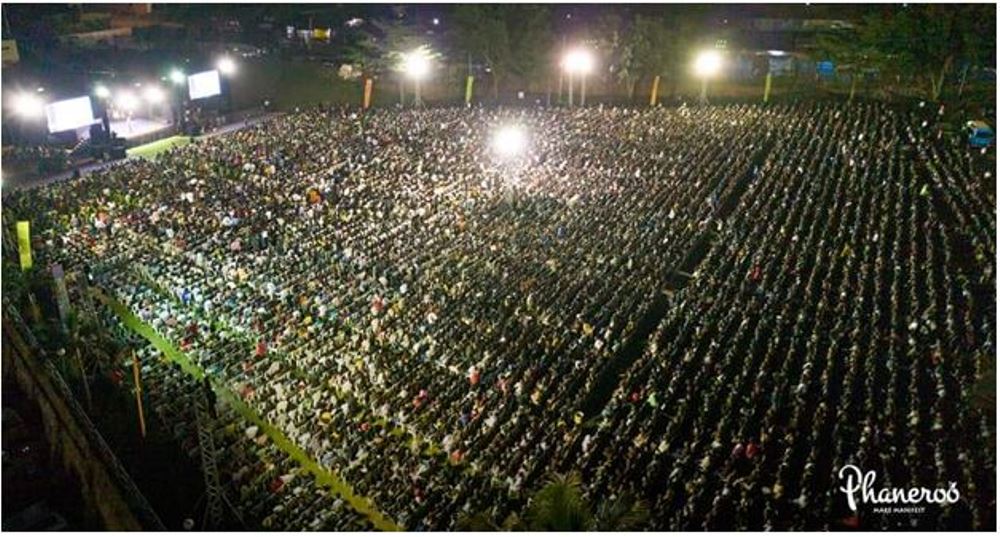
A leader and vision bearer of Phaneroo Ministries International that is based in Kampala Uganda, Apostle Grace Lubega, has since 2014 ministered to the congregation that averages 50,000 congregants every Thursday 5pm – 8pm EAT, with two services every Sunday. Apostle Lubega’s teachings are marked by the preaching of the Word and demonstration of power.
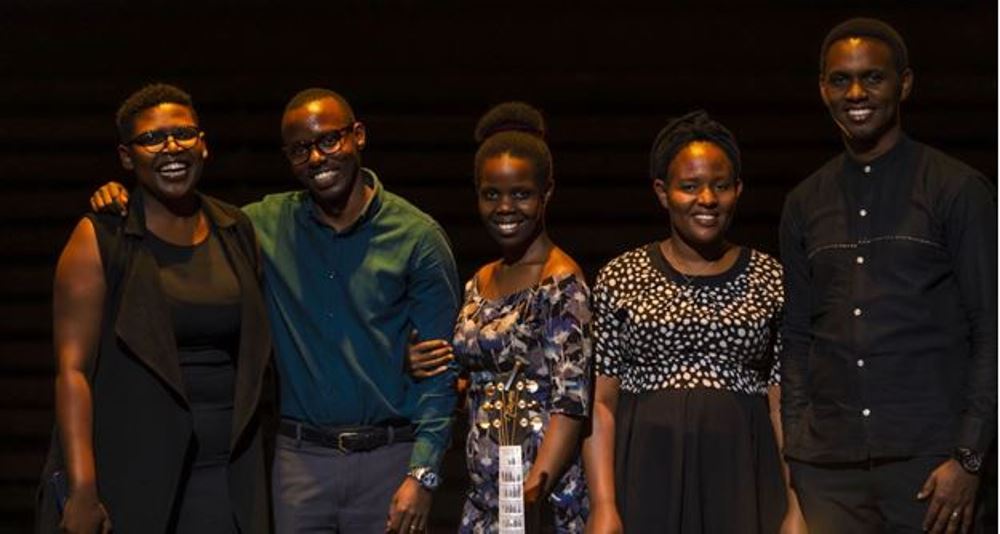
Manifest fellowship form a part of the missions ministry of Phaneroo Ministries International.
Through the Manifest Fellowship Rwanda, countless people have come to a deeper knowledge of God, abandon disastrous habits, and aspire for greater achievements in life. Manifest Fellowship Rwanda amiably invites everyone to this revival conference.
All people attending the conference are encouraged to register using ussd code *810*100# and follow prompts.
For those who would like to know more about the conference can do so by reaching out to us on +250790599999.
FDLR is a terrorist group formed by individuals responsible for the 1994 Genocide against the Tutsi.
Rwanda has been raising concerns over the collaboration but the Democratic Republic of Congo (DRC) continued to feign innocence.
The Deputy Prime Minister and Minister of Foreign Affairs of the DRC, Christophe Lundula, recently told the United Nations Security Council that his country encouraged people to share information about the whereabouts of FDLR commanders based in Congo or collaboration with the FARDC to attack Rwanda for authentication.
“It’s been three months and we are still waiting,” he said.
However, FDLR did not stop highlighting this partnership which deepened roots after the resurgence of M23.
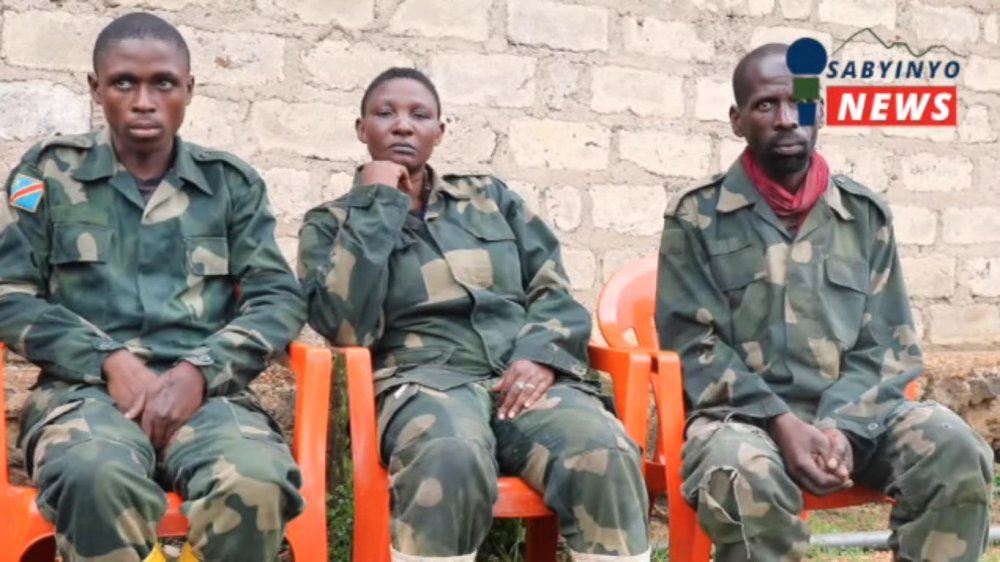
Released videos showing FDLR fighters captured by M23 reveal more about the terrorist group and collaboration with FARDC.
Warrant Officer Innocent Uwamungu is among FDLR combatants captured during a fighting that took place in the last few days in Rutare, near Paris, on the way to Tongo.
He says that he was born in former Mutura Commune in Gisenyi Prefecture.
“They apprehended on the battlefield. I am an FDLR combatant,” he said.
Warrant Officer Uwamungu worked in the secretariat of General Pacifique Ntawunguka alias Omega, who took over as the commander of the military wing (FDLR-FOCA) after the assassination of Sylvestre Mudacumura.
Uwamungu disclosed that he joined the FDLR from Masisi, although he had arrived there from refugee camps in the forests of Congo in 1996.
Uwamungu listed commanders of the FDLR living in Congo including its commander Lt Gen Iyamuremye Gaston alias Byiringiro known as Victor Rumuri, Gen Omega, his deputy Gen Mugisha, Secretary-General Gen Gakwerere, Gen Uwimbabazi Sebastien alias Nyembo Kimenyi in charge of intelligence, Gen Matovu, Gen Manzi, Gen Serge, Gen Calme, and Gen Poète.
“I was part of a group led by Circophe, operating in Kazaroho. There is another led by Colonel Oreste in Gwindi through other areas to Paris, and the battalion of Colonel Ruhinda operating in Rugari,” he revealed.
Like his colleagues, this FDLR fighter also answered in Kinyarwanda as he was interrogated by Major Willy Ngoma, M23 military spokesperson.
Responding to why they were wearing FARDC uniform, Uwamungu said: “We work with FARDC during the battle. We also work with Nyatura and train its fighters.”
Uwamungu said that FDLR depends on agriculture and collection of taxes to buy ammunition and medicines.
Private Safari Mbitse, another captured combatant was born in DRC and has never arrived in Rwanda.
The spokesperson for M23 asked where they get the military equipment, to which he answered, “It is the FARDC that sends them.”
First Sergeant Uwiduhaye Marie Chantal also said that she was born in Gisenyi. Both her father and mother were born in Rwerere.
Dieumerci Birihanze Jacques is another captured combatant born in Congo but his parents hail from Rwanda.
Among the people captured together with the FDLR was Pastor Niyonzima Jean Damascene, who said he provided the FDLR with intelligence information.
He was born in the former Commune Kinyami in Byumba Prefecture and left in 1994.
Niyonzima said that he was the ‘Assistant Bourgmestre’ before leaving the country.
He said that he needs support to return to his motherland.”
Others arrested include Uwase Diane, Nzamatikazu Consolata and Nyiramahirwe Esperance.
According to analysts, FDLR continued to spread genocide ideology after arriving in DRC and fueled massacres in the country.
There are growing concerns that Genocide against Tutsi Congolese is being planned and executed gradually.
Before 2020, the mineral was not so popular given that its price was still low. As of December last year, a kilogram of Lithium cost US$9 (Rwf9000) from US$20.5 in January 2018.
The stone’s decrease in value was mainly attributed to large production which coincided with the COVID-19 pandemic in 2020.
In April 2021, Lithium’s price increased by more than 600% and reached US$78,000 (over Rwf78 million) per ton.
The great value is related to increased production of electric vehicles that require large energy-saving batteries.
In 2021, various manufacturers sold 6.6 million electric vehicles, a double of electric vehicles sold in 2020.
Experts in the mining field show that Lithium will continue to be an excellent investment as over 26 million electric vehicles are expected to be sold by 2030.
Currently, the world’s largest lithium exporters include Chile, China, the Netherlands, Korea, Germany, and Belgium.
In 2020, Rwanda announced that conducted the preliminary research confirmed the presence of such minerals initially in Ngororero District.
Speaking with IGIHE, the Deputy CEO Rwanda Mines, Petroleum and Gas Board (RMB), Dr. Ivan Twagirashema said that Lithium is not solely found in Ngororero.
He explained that Lithium has been discovered in different locations all over the country.
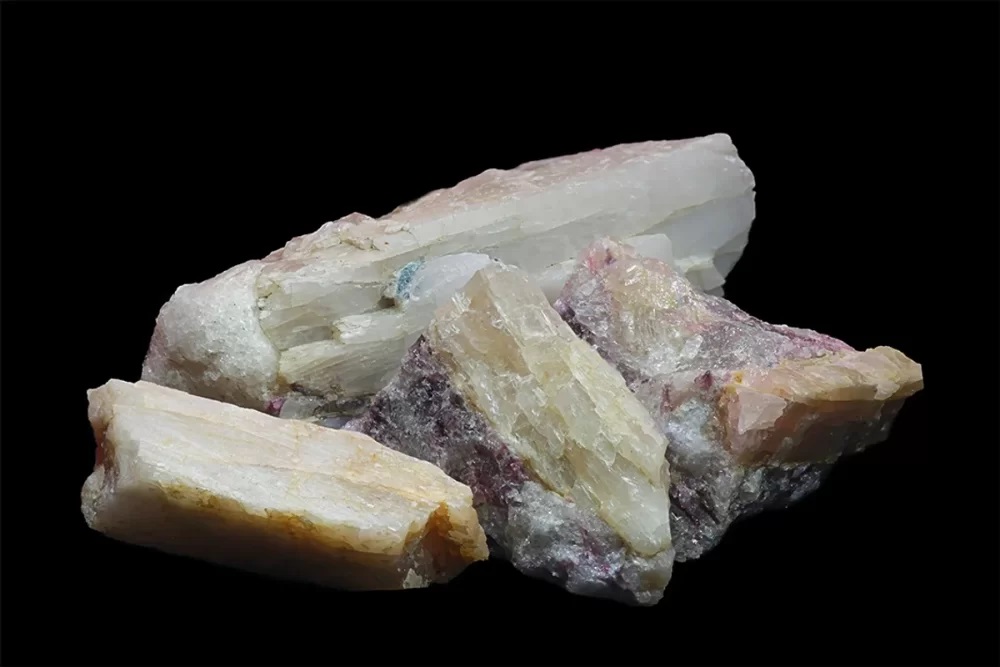
“We realized that the Lithium discovered in Ngororero is present across the country. It resembles existing crystals that some people used them to build houses without knowing that they using Lithium. However, the reason is related to that fact that the mineral’s price was low in the past two years,” said Dr. Twagirashema.
He went on to say that the value of this precious stone continues to skyrocket.
“A ton of refined Lithium used to cost US$5,000 per ton but the price rose to US$85,000 per ton within two years due to its use in the production of electric cars,” said Dr. Twagirashema.
Considering the high demand for this precious stone, Dr. Twagirashema disclosed, more people have started to recognize its benefits.
“Today, a ton of these unrefined stones containing at least 8% of Lithium costs between US$2,000 and US$3,000,” he noted.
{{Rwanda to establish Lithium refinery}}
Mining is the second largest export sector in the Rwandan economy after Tourism.
In light of this, Dr. Twagirashema said that Rwanda has started discussions to process and add value to Lithium before exportation.
“The study for two projects under discussions is going on and might be finalized in the near future,” he said.
Considering the current stage of discussions, Dr. Ivan Twagirashema expressed optimism that Lithium refinery will be built next year.
“The two companies are working on it for us to begin the construction of Lithium refinery next year so that we can start exporting, in the coming months, Lithium powder at higher price and increase domestic taxes,” he noted.
Dr. Twagirashema said that the preliminary research has shown that Lithium is present all over the country where it can be found without excavation in some places.
The 2020 report from the National Institute of Statistics of Rwanda (NISR) indicated that the country fetched over US$1.4 billion from minerals exported in five years from 2015 to 2019.
In 2015, Rwanda generated US$149 million from exported minerals including coltan, wolfram and others.
In the following years, Rwanda generated US$166, 5 million and US$373 million respectively.
As she attended the launch of Mining Week in Rwanda on Monday 5th December 2022, the CEO of RMB, Amb. Yamina Karitanyi said Rwanda generated US$733 million in 2020 from minerals’ exports up from US$373 of 2017.
In 2021, revenues dropped to US$516 million owing to reduced prices on the international market. Amb. Karitanyi said that the year 2022 is promising in consideration of the US$585 generated in the first nine months.
She attributed the increase in revenues to Rwanda’s initiative to establish plants adding value to minerals before exportation.
These include gold and cassiterite refineries. Amb. Karitanyi also revealed that the country mulls opening a coltan processing plant in the near future.
The mining sector in Rwanda currently employs 46,000 people with a target to increase the number to more than 100,000 by 2024.
Today marks the launch of phase three of the joint Their Future, Our Action project, a two-year collaboration between the Commonwealth Secretariat and CRSD that focuses on enabling small states to attract sustainable finance opportunities for young people and biodiversity, two essential components of achieving sustainable development.
A key challenge to creating sustainable and investable projects in developing markets is the collection and analysis of appropriate data to support investment. To address this gap, the Their Future, Our Action team has developed two new data tools – the ‘Political Economic Resilience Index (PERI)’ and ‘The Cambridge-Commonwealth Sustainable Investment Marker (CSIM)’.
Ahead of the workshop, Commonwealth Secretary-General, Patricia Scotland said: “The Their Future, Our Action project is on track to deliver a new type of sustainable investment model for Small Island Developing States, and those who wish to invest in them. In the wake of the COVID-19 pandemic, and with the constant threat of climate disasters, vulnerable countries are facing high debt levels and debt distress. Today’s workshop will aim to leverage the global expertise of attendees to help operationalise sustainable finance solutions for SIDS, through the design of an institutional mechanism to de-risk investments both for countries and investors.”
Speaking about the development of the new tools, Dr. Nazia Mintz Habib FRSA, Founder of CRSD said: “We deployed over twelve systems thinking methodologies to identify actionable outcomes that the Commonwealth Secretariat can realistically offer the governments of Small Island Developing States to attract sustainable finance. At the same time, evidence-based outcomes namely the Political-Economic Resilience Index improves investors’ confidence by de-risking the deal-making process. This collaboration with the Commonwealth is a game-changer engagement for us and the event today is part of the rigorous process we are taking to validate our data. We are overcoming the disciplinary limitations, institutional conservatism, and traditional understanding of investment processes and diversifying who can leverage existing mechanisms to attract investors to SIDS.”
The Commonwealth covers 56 diverse member countries from five geographical regions, including 33 small states, 25 of which are Small Island Developing States. Discussions this year at COP27 reiterated the growing demand for sustainable and resilient investment opportunities globally, with a shortfall in suitable projects. This disconnect between global demand for investable opportunities, and the need for SIDS to attract greater sources of finance, highlights the urgent need for an innovative system of funding that addresses the specific challenges faced by SIDS.
Thus far, the Their Future, Our Action collaboration has engaged with over 400 young people from SIDS, global and national experts, and national policymakers from across the Commonwealth, multilateral agencies, regional development banks and civil societies.
The work of the ‘Their Future our Action’ project expands on the long history of Commonwealth Secretariat support to members countries on access to finance and sovereign debt management issues through initiatives such as the Commonwealth Climate Finance Access Hub, the Commonwealth Meridian Program and the Commonwealth Finance Ministers’ and Central Bank Governor’s Meetings.
The Cambridge-Commonwealth Sustainable Investment Marker (CSIM) is a new opportunity to support and coordinate financing mechanisms between Commonwealth member states. Their Future, Our Action has already piloted this model and garnered over USD 10 million for investments in preventive digital health across the Caribbean, and 10,000 training places through Simplilearn which will lead to new opportunities for young people across the region as well as improved health outcomes.
The ruling was read on Tuesday 13th December 20222 before Kicukiro Primary Court.
The court explained that there are no compelling evidences pinning Kamanzi James, Ndayambaje Pierre, Kayirangwa Leoncie, Ndayisenga Fidèle, Nsengumuremyi, Jean Marie Vianney and Basabose Tharcisse on alleged crimes including flouting of public tender procedures and making decisions based on favouritism.
However, the court said that there are major reasons pinning Fidèle Rwema on involvement in illegal bidding procedures and remanded him for 30 days.
As the suspects were arraigned for hearing before Kicukiro Primary Court on Thursday, December 8, prosecutors said that in 2020, RBC’s procurement committee awarded Rwema’s company with a tender worth more than Rwf3 billion to procure for them biomedical equipment, despite knowing that he was an employee of the institution, having worked for it since 2013.
The prosecution said that James Kamanzi, the former Deputy Director General of RBC, went on and signed the tender, yet he knew that Rwema was working for RBC.
It was alleged that Kamanzi ‘knew this because he is the one who actually signed his appointment letter when RBC was hiring him’.
Kamanzi argued that signing his appointment letter doesn’t mean that he still remembered him because he signed many letters under similar circumstances.
The other five members of RBC’s procurement committee also presented the same argument that they did not know that Rwema worked for RBC.
After assessing the prosecution’s request to remand the suspects for 30 days, the court ordered their immediate release on grounds of lacking compelling reasons.
The incident occurred in Kicukiro Business Center on the evening of Tuesday 13th December 2022. Eye witnesses say that the bus belonging to Royal Express experienced brake failure as it moved from Nyanza in Kicukiro and hit vehicles on its way.
Senior Superintendent of Police (SSP) René Irere, the spokesperson for Traffic and Road Safety department at RNP has told IGIHE that the accident claimed two lives and injured one person seriously.
He urged drivers to maintain average speed especially on slopping roads.
The Accords were signed by Minister of Communications and Digital Economy Isa Ali Ibrahim on behalf of the Federal Republic of Nigeria and by Rwanda Space Agency CEO Francis Ngabo on behalf of the Republic of Rwanda.
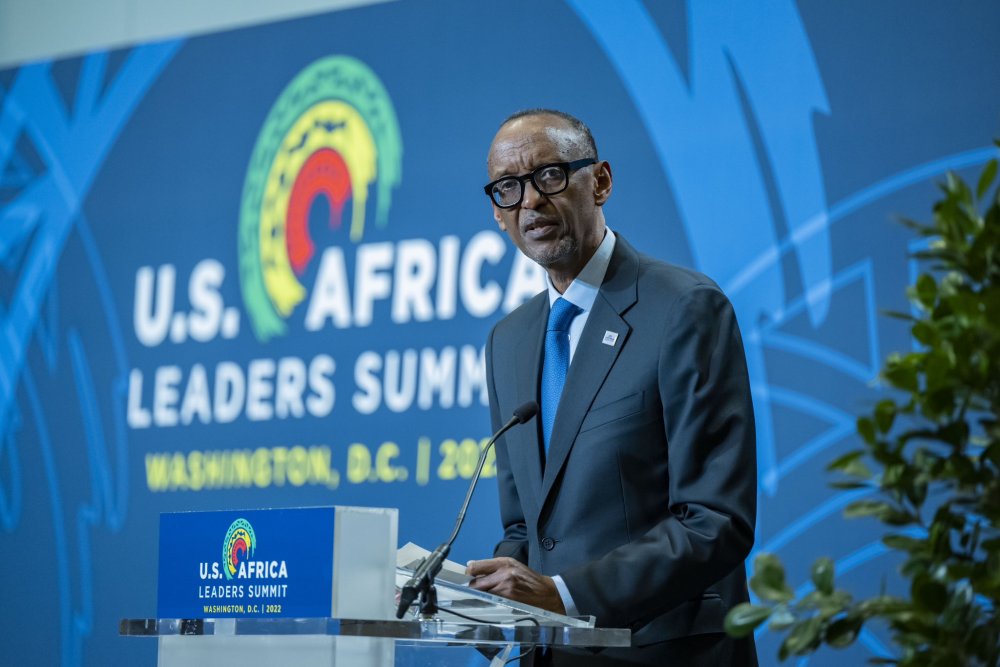
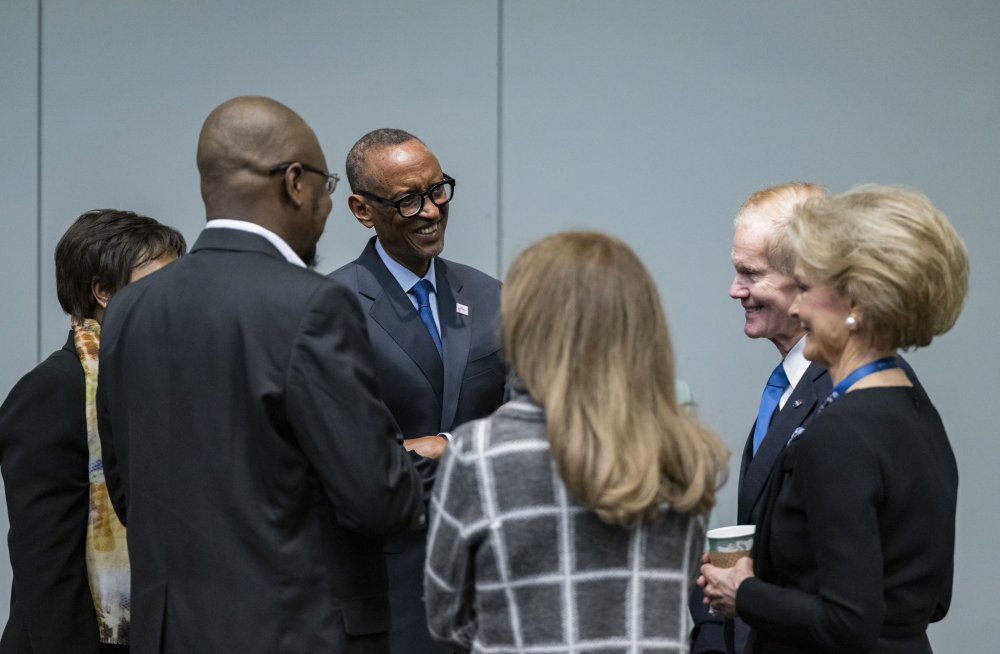
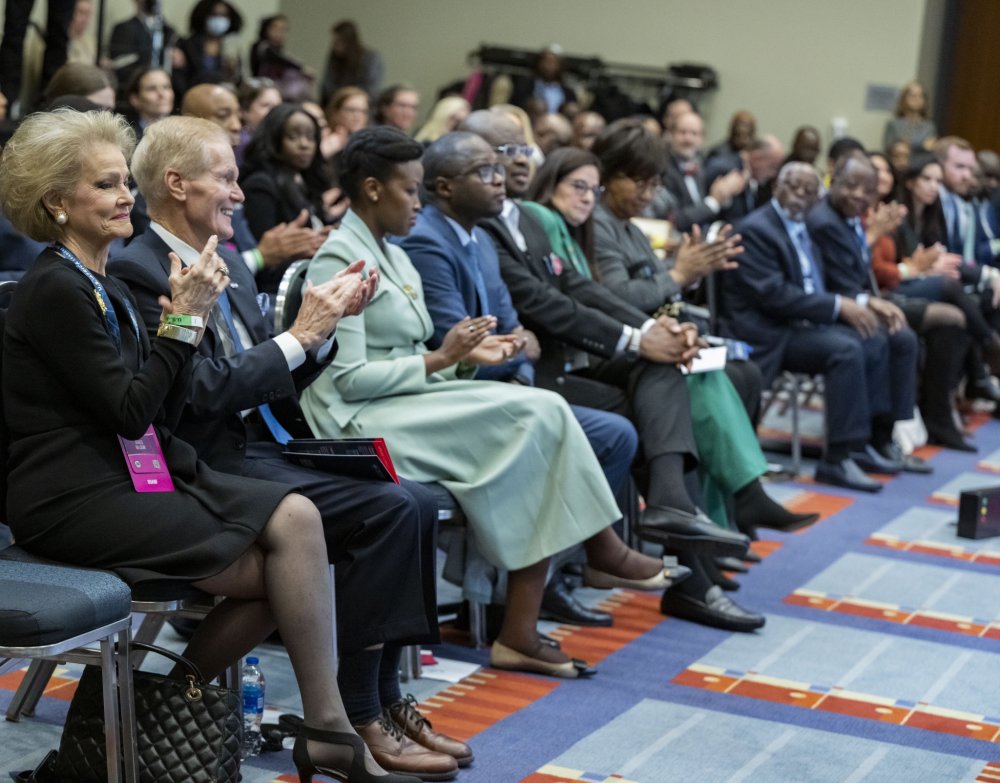
President Paul Kagame of Rwanda, NASA Administrator Bill Nelson, Assistant Secretary for Oceans and International Environmental and Scientific Affairs Monica Medina, and U.S. National Space Council Executive Secretary Chirag Parikh gave remarks at the event.
The Artemis Accords represent a bold, multilateral vision for the future of space exploration. Launched by the State Department and NASA together with eight nations in 2020, the Artemis Accords advance bilateral and multilateral space cooperation between signatories, expanding knowledge of the universe and benefiting the whole world.
Signatories commit to principles to guide their civil space activities, including the public release of scientific data, responsible debris mitigation, registration of space objects, and the establishment and implementation of interoperability standards.
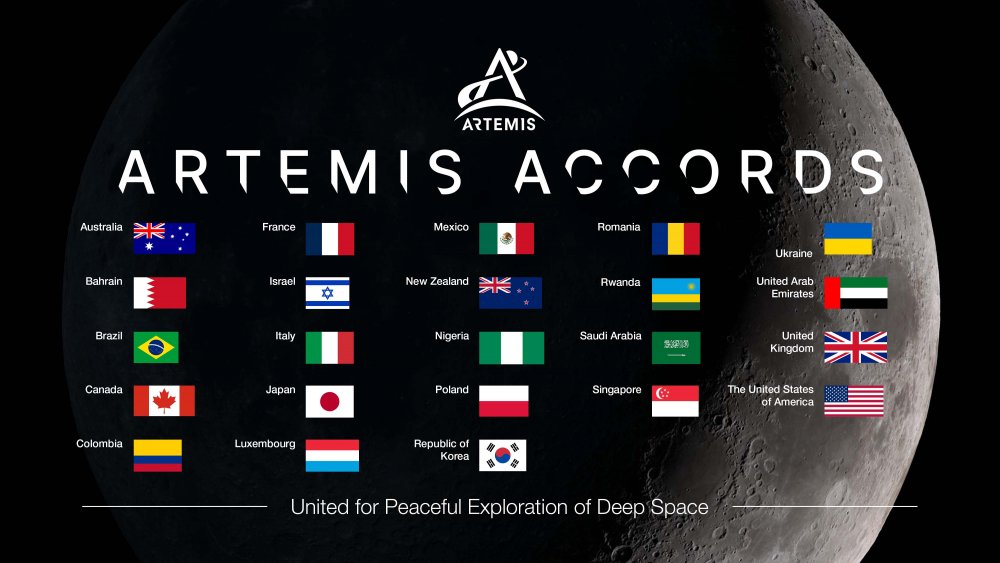
The Accords now boast 23 signatories, spanning every corner of the globe and representing a diverse set of space interests and capabilities.
Through signing the Artemis Accords, Australia, Bahrain, Brazil, Canada, Colombia, France, Israel, Italy, Japan, the Republic of Korea, Luxembourg, Mexico, New Zealand, Nigeria, Poland, Romania, Rwanda, Saudi Arabia, Singapore, Ukraine, the United Arab Emirates, the United Kingdom, and the United States have demonstrated their commitment to the peaceful, responsible, and sustainable use of outer space and are leading the global conversation on the future of space exploration.
President Kagame congratulated NASA for the successful Artemis One mission under the tremendous leadership of Administrator Bill Nelson.
Artemis I is the first in a series of increasingly complex missions that will enable human exploration to the Moon and Mars.
The Head of State said that the return to earth of NASA’s Orion spacecraft mis a step closer to sending astronauts back to the Moon, a half century after Apllo-17.
According to Kagame, “Rwanda could not be more pleased to participate in this accord. Space technologies are increasingly becoming a critical tool for sustainable development, which is why Rwanda Space Agency was established two years ago to establish a space research and development centre’.
He highlighted that Rwanda is happy to work with key US industry partners such as E-Space and Atlas Space Corporation.
“E-Space has opened an office in Kigali, Rwanda and will be offering their innovative, satellite-based internet of things technology in Rwanda. We are also happy to be hosting Globalstar satellite ground station an Atlas’ antenna in Rwanda, will contribute to lunar mission control. As we shoot for the stars, let us ensure that the exploration of outer space benefits all of mankind for generations to come,” said Kagame.
According to Col Francis Ngabo, the Chief Executive Officer of the Rwandan Space Agency, “Enabling shared opportunities for peaceful space explorations will benefit humanity through the discovery of solutions for cutting-edge space technologies, advances in medicine, protection of the planet and environment, creation of scientific and technical jobs and scientific breakthroughs from exploring the unknown. Even though Rwanda is currently focused on the downstream space segment, we are keeping an open mind on the upstream and want to be a part of advocating for responsible use of outer space.”
According to Bill Nelson, NASA Administrator, “the Artemis Accord is all about what we should do peacefully in space, signalling the intention to help each other out, standardization of instruments so we can come to each other aids when there is a problem.”
Rwanda is one of the few East African countries with a national space program.
In March 2021, the law establishing the national space program was passed by Rwanda’s Chamber of Deputies aimed at coordination of Rwanda’s space sector activities geared towards securing communication, Intelligence, Surveillance and Reconnaissance (ISR) as well as purchasing and playing a custodian role of national spatial data and imagery.
As provided by the law establishing Rwanda Space Agency, some of its responsibilities include advising the Government on creating and developing national and international space policies to implement the national and international space policies and strategies.
Rwanda Space Agency is also responsible for providing geospatial services for development activities in various domains such as agriculture, urban planning, emergency response & weather forecasts, and the coordination of national efforts related to building a knowledge base in space and related technologies through conducting formal and hands-on training.
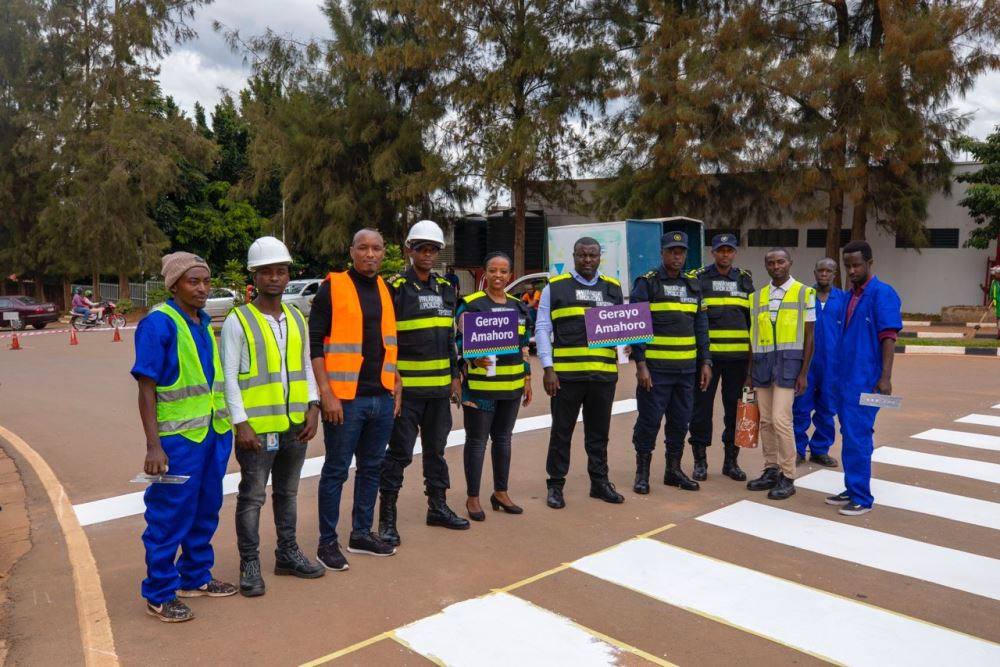
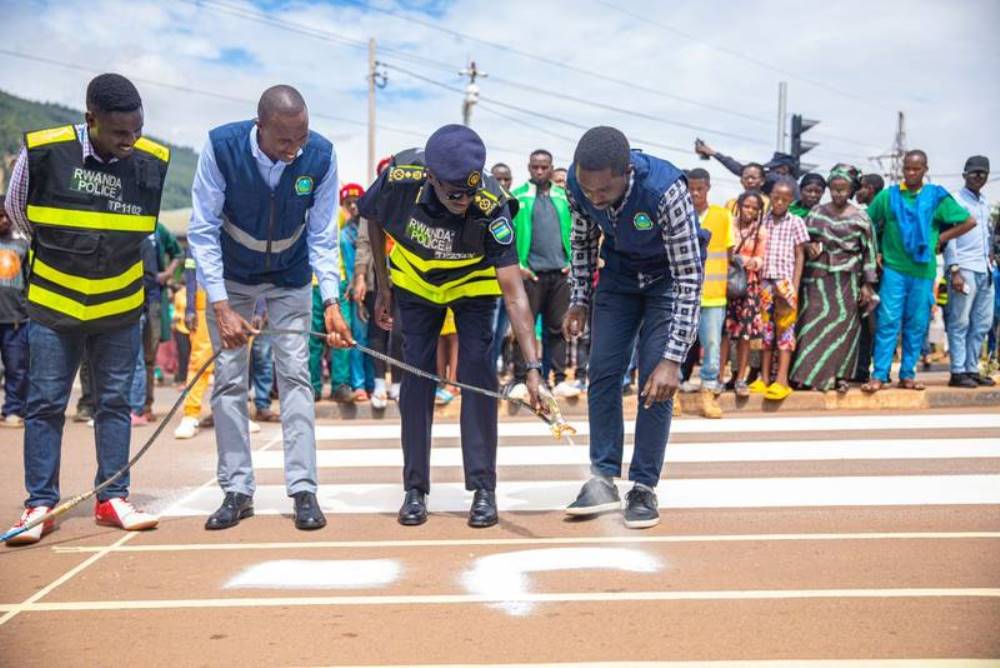
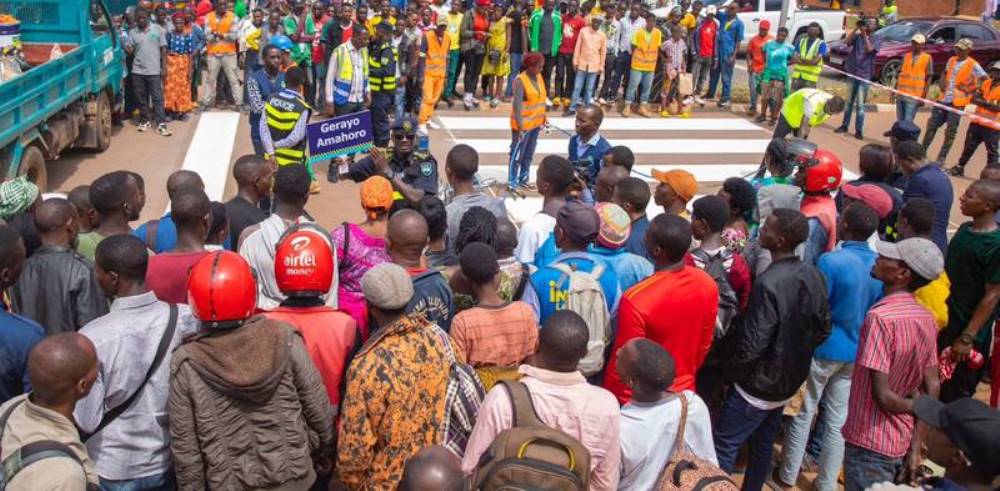
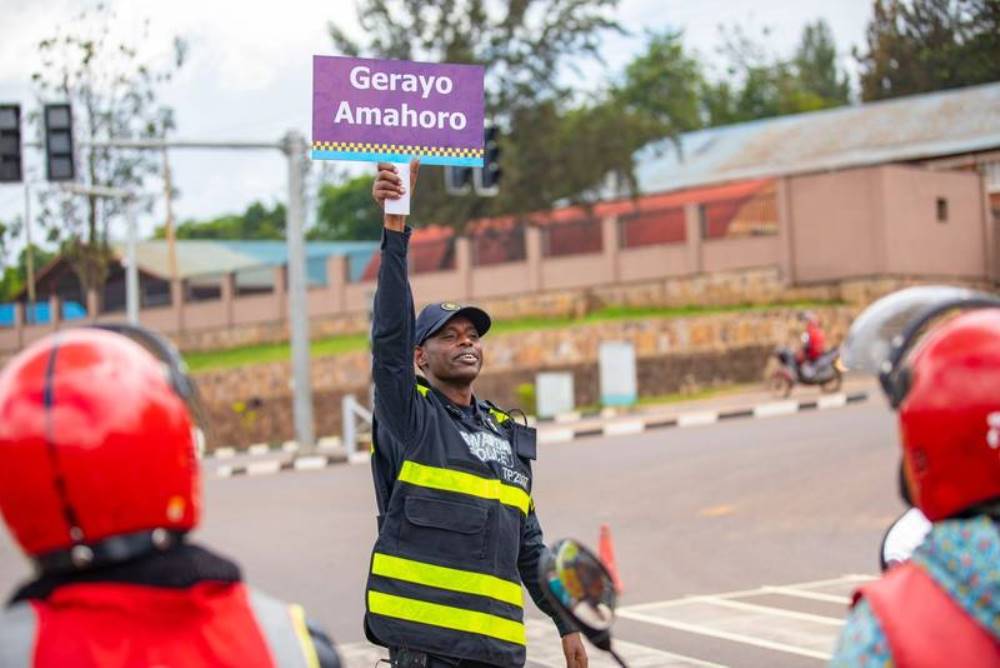
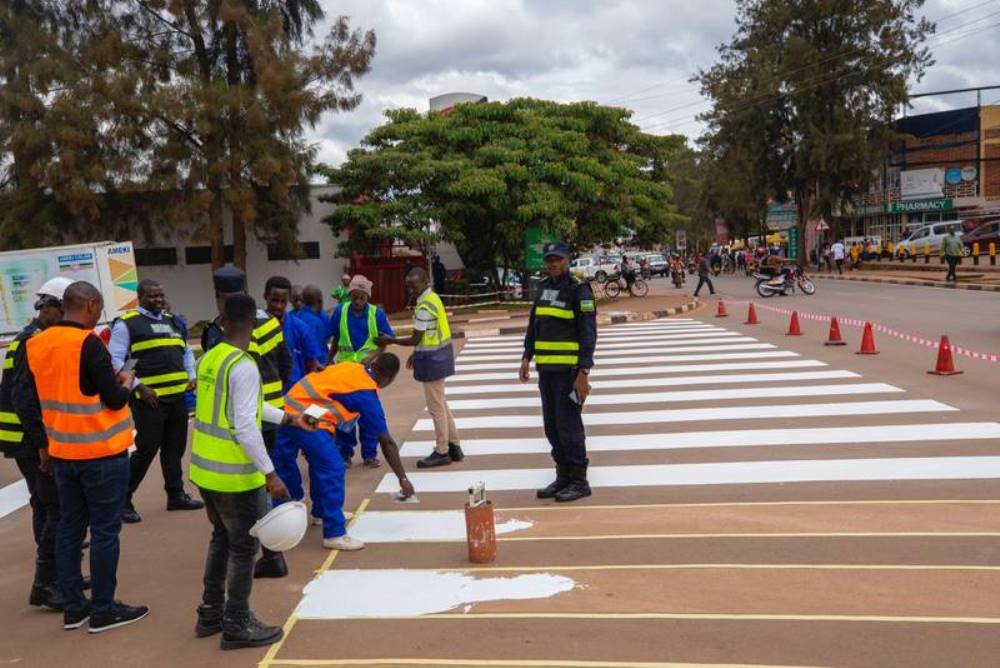
Police and partners engaged pedestrians and motorists on various roads in an effort to prevent the high rate of pedestrian fatalities.
Statistics indicate that out of 617 fatalities recorded on roads between January and November this year, the majority 234 are pedestrians. Other 183 fatalities involved cyclists while 150 are motorcyclists.
The majority accidents were caused by speeding, wrong maneuvers, violation of right of way, wrong overtaking and reckless road usage by pedestrians.
“We have pedestrians, who use the road recklessly or rather don’t know how to use the road safely, and end up being knocked by motorists but also causing other accidents.
We also have motorists, who disregard the rights of pedestrians on Zebra Crossing, walkways leading to loss of lives,” Commissioner of Police (CP) John Bosco Kabera, the RNP spokesperson, said.
These, he said, are some of the issues that Gerayo Amahoro campaign will look at to educate road users throughout the week to influence behavioral change and to save lives.
“During this week, Police and partners will aim to change the behavior of pedestrians when using the road, educate them on how safe to use the road but also to remind motorists of their reckless behaviors and violation of pedestrian rights, which lead to loss of lives and destruction of property,” said CP Kabera.
During the awareness in Kigali, road users were shown how to operate the pedestrian-controlled traffic lights.
Across the country, pedestrians were urged not to use the phone or wear earphones when crossing the road, to use Zebra Crossings where they exist, always walk on the left side of the road facing oncoming traffic, and to always look left and right before crossing to avoid being knocked by speeding or reckless motorists.
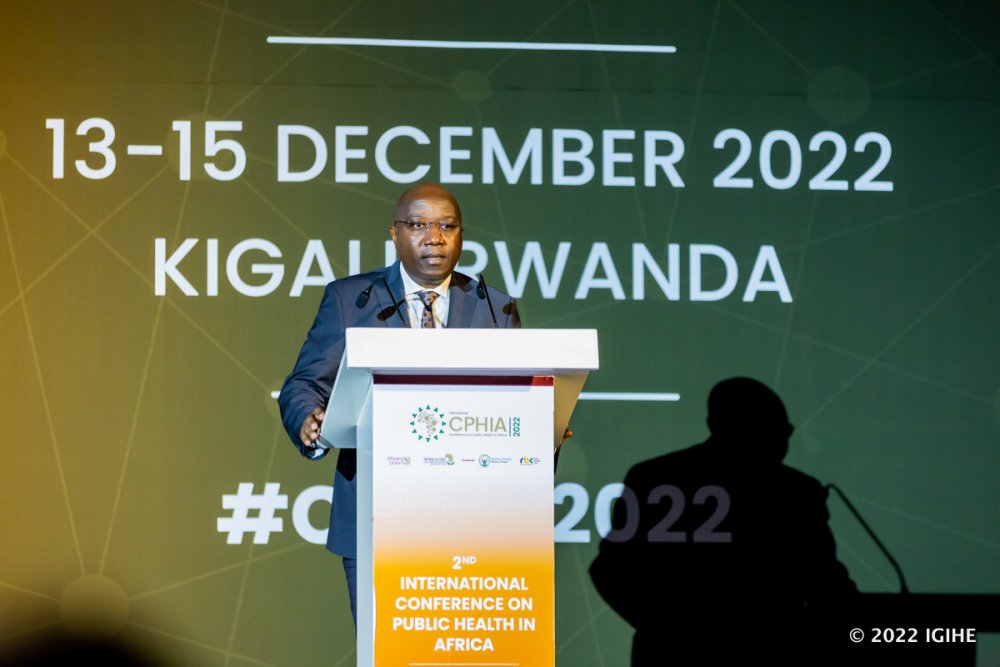
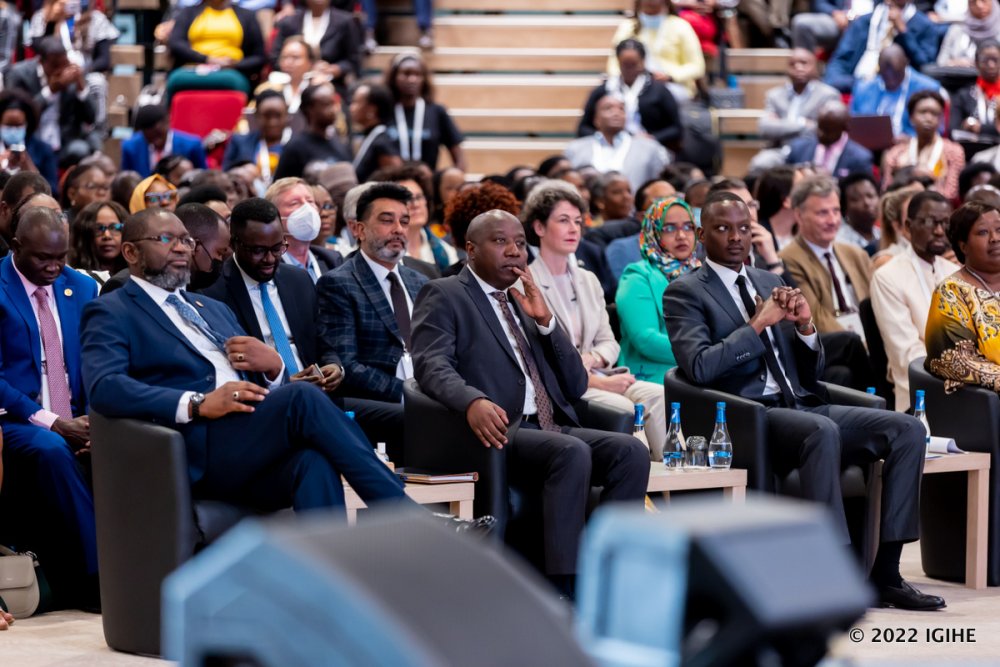
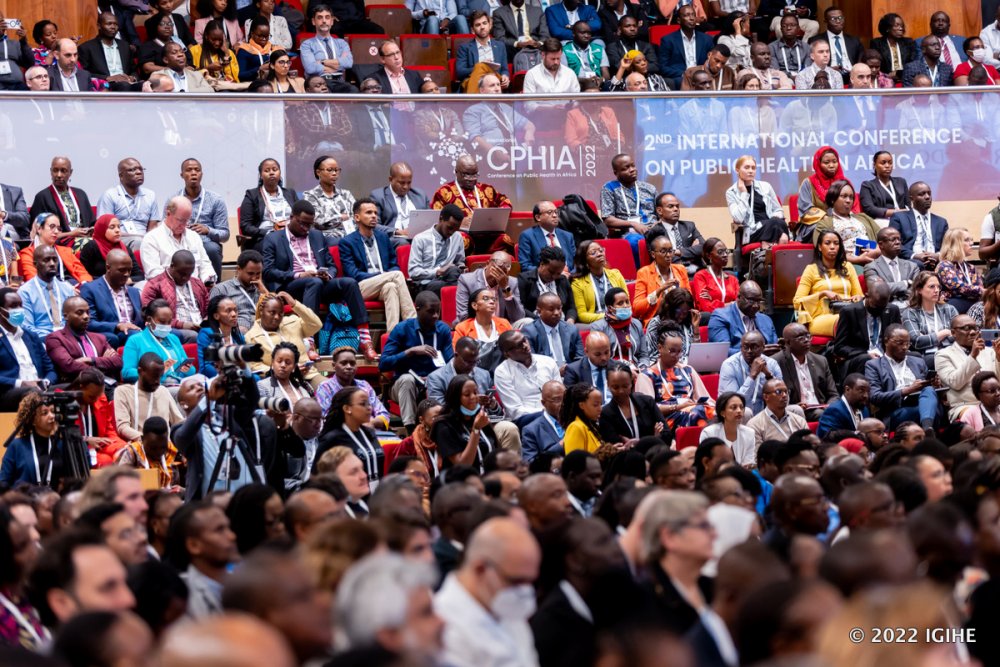
Premier Ngirente delivered the remarks as he officiated the opening of the second International Public Health Conference in Africa (CPHIA2022) at Kigali Convention Center.
The conference running from 13th to 15th December 2022, will bring together researchers, policy makers and stakeholders from the health sector.
Rwanda is hosting the second edition following the first one held virtually due to COVID-19 restrictions.
This year’s conference held in-person will serve as a platform for discussions on lessons learnt from the pandemic and how to build a resilient health system in Africa.
As he officiated the opening ceremony, Dr. Ngirente said a lot have been achieved in the health sector but stressed the need for countries to take appropriate actions to protect and care for the health of citizens.
He highlighted that resilient health practices must have systems able to detect and respond effectively to outbreaks.
Premier Ngirente said that the COVID-19 pandemic exposed gaps in global health systems including inadequate emergency preparedness, access to vaccine and technologies, and insufficient well-trained personnel of the health sector.
“This stressed the need to prioritize and invest more in national health programs,” he said.
Secondly, Dr. Ngirente stressed the need to put in place health systems that not only ensure universal, essential access to health services but also that provide quality health services.
“It is important to keep in mind the positive correlation between the health of our citizens and economic growth. To build a better future for our continent requires establishing strong and resilient health systems across the continent. Third, as we pursue recovery, it is high time Africa leverages existing opportunities in efforts to building resilient systems,” he said.
He pointed out an example of the COVID-19 pandemic which disrupted the global supply chain, prompting Rwanda to start manufacturing own personal protective equipment and related products.
“This clearly demonstrated the huge untapped opportunity in our domestic manufacturing. Tapping opportunities also requires enabling a conducive research and development environment. I invite researchers and innovators to build on a new evidence-based solutions that I am certain will be shared during this conference,” noted Dr. Ngirente.
He also reiterated Rwanda’s commitment to contribute and support the advancement of innovative public health initiatives across the continent.
Dr. Ahmed Ogwell, the Acting Director at the Africa Centres for Disease Control and Prevention (Africa CDC) has said that it is the first time Africa hosts such a conference in-person noting that it is taking place in the right place and time.
He stressed the need to develop partnerships based on African priorities.
“It is time for a new way of doing things on the African continent so that we can achieve our health security agenda. Our vision of that different way of doing things is a new public health order, a vision that takes Africa from always following others to […] a continent that develops its own internal capacity, establishes own priorities, seeks indigenous solutions and uses domestic resource’s to initiate action,” he said.
As he delivered remarks virtually, the Director General of World Health Organization (WHO), Dr. Tedros Adhanom Ghebreyesus called for partnerships and preparedness to strengthen response to future pandemics and epidemics.