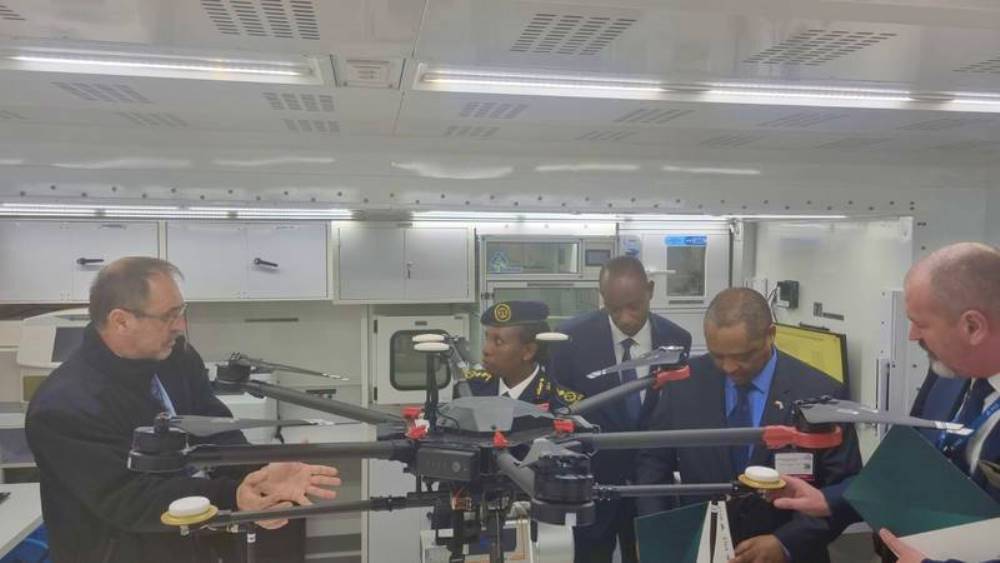
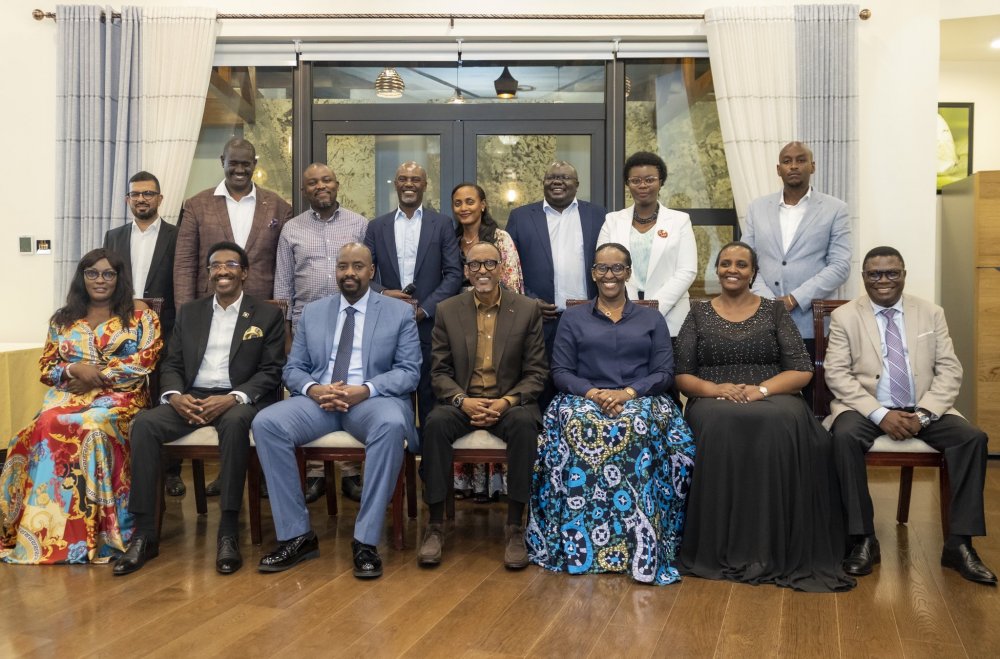
The two-day conference that started on Tuesday, April 25, at the Polish Exhibition Centre, Kielce city, was officially opened by the Polish Deputy Minister of Interior and Administration, Bartosz Grodecki.
It was also attended by Rwanda’s ambassador to Poland, Prof. Anastase Shyaka.
The conference provides a platform for law enforcement institutions to address pressing global security issues.
This year’s edition focuses on cybersecurity, cybercrime, forensics and logistics in public administration in the context of the new challenges and innovations.
Experts in security will explore technological, organisational and legal aspects of addressing these global security issues.
On the sidelines of the conference is also the International Police and Security Expo, dubbed POLSECURE 2023.
The three-day expo on safety and security includes manufacturers and providers of special, personal protective and rescue equipment; communication systems as well as command and control software.
{{Bilateral meeting}}
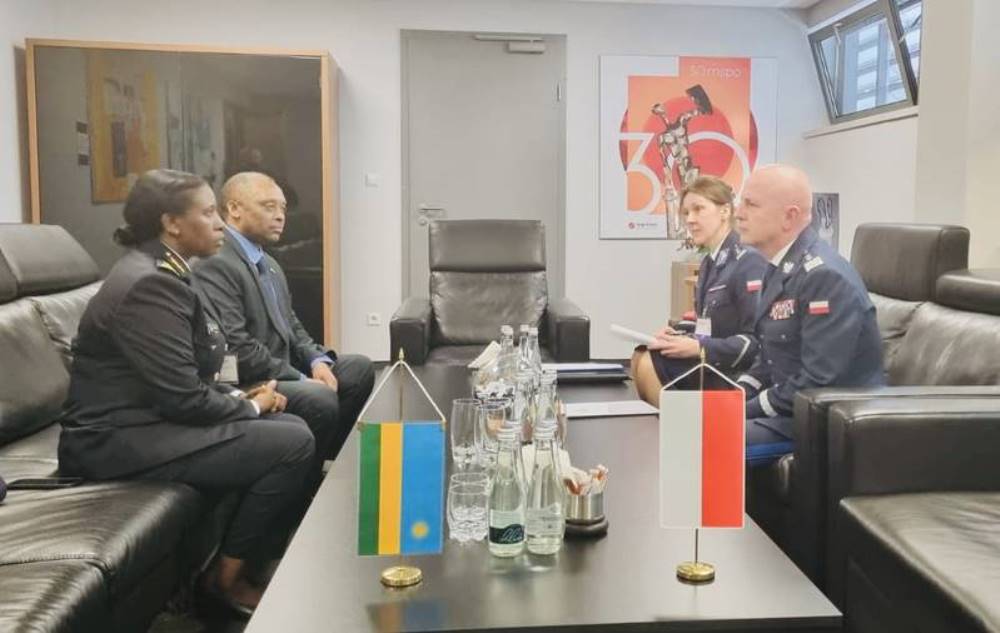
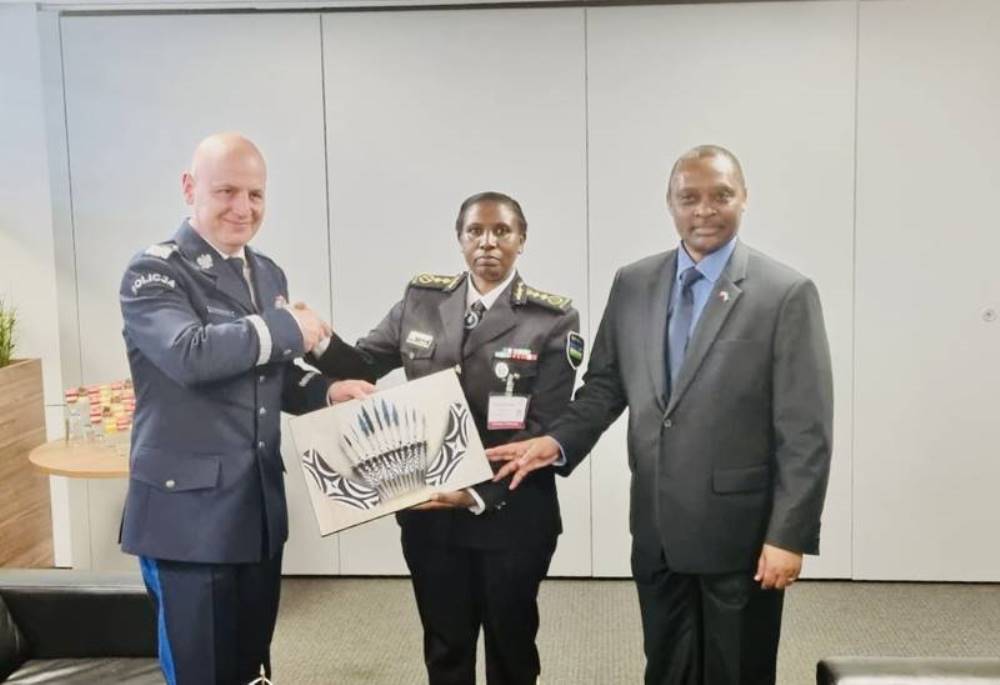
DIGP Ujeneza flanked by Amb. Shyaka also held a bilateral meeting with the Commander-in-Chief of the Polish Police, General Jaroslaw Szymczyk.
Discussions focused on strengthening bilateral cooperation between the two police institutions.
After 48 hours of intense negotiations, the Sudanese Armed Forces (SAF) and its rival, the Rapid Support Forces (RSF) have agreed to a nationwide ceasefire starting at midnight on April 24, to last for 72 hours. Previous attempted ceasefires have failed.
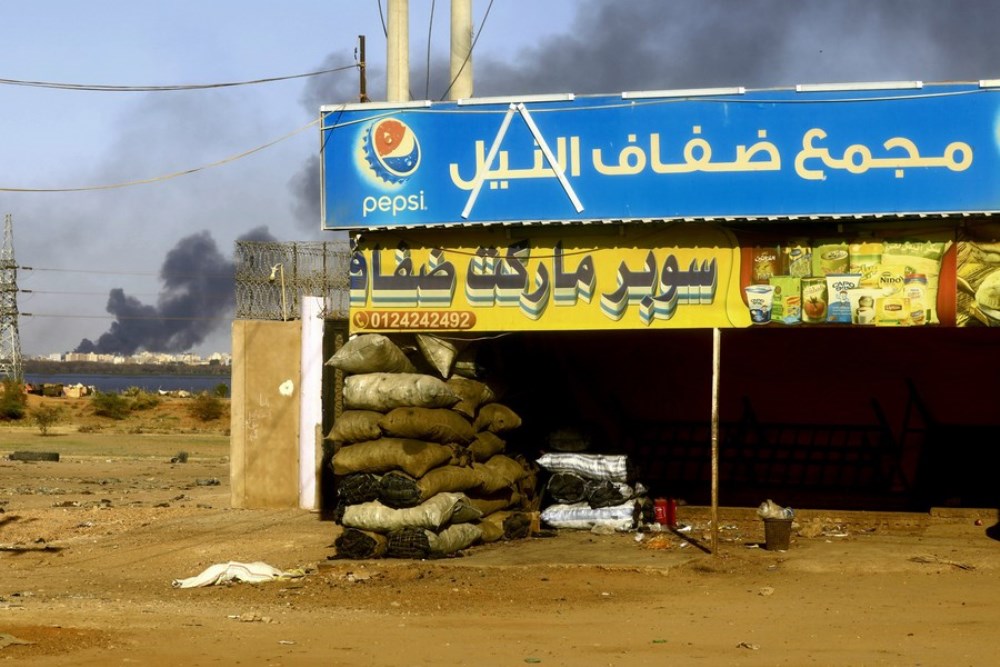
The two parties continued to exchange fire on Monday, with heavy gunfire heard in certain areas in the capital city Khartoum. Witnesses said constant gunfire was heard on Monday morning at the Khartoum International Airport and along the Nile River. A stray bullet hit the compound of Xinhua’s Khartoum bureau.
Brutal fighting erupted in the Sudanese capital on April 15 and swiftly escalated in different parts of the country.
Neither side has announced casualties. According to data from the Sudanese Health Ministry, more than 400 civilians have been killed, with roughly 4,000 others injured.
Many international organizations and governments have urged the warring parties to stop fighting and solve the current crisis through dialogue. United Nations (UN) Secretary-General Antonio Guterres has warned that the violence “risks a catastrophic conflagration within Sudan that could engulf the whole region and beyond” and called on UN Security Council members to exert maximum leverage.
Countries are racing to evacuate their civilians from the battle-scarred African country. On Sunday, the Egyptian Foreign Ministry said authorities evacuated 436 Egyptian nationals from Sudan as fierce fighting continues in the neighboring country.
Early on Monday, Uganda evacuated more than 200 nationals from Sudan, Ugandan Ambassador to Sudan Rashid Yahya Ssemuddu told Xinhua. The Palestinian Foreign Ministry announced in a statement on Monday that more than 200 Palestinians in Sudan were evacuated from Khartoum.
The European Union (EU) has completed the evacuation of 1,200 European citizens on 31 flights from Sudan, the bloc’s foreign affairs chief Josep Borrell said on Monday, adding that an estimated 400 citizens remain in the country.
“With the concerted efforts of all parties, most of the Chinese nationals in Sudan have been safely evacuated in batches and in an orderly manner to the ports on Sudan’s border or Sudan’s neighboring countries,” Chinese Foreign Ministry Spokesperson Mao Ning said at a daily press briefing on Tuesday.
“The security situation in Sudan remains complex and challenging,” the spokesperson said.
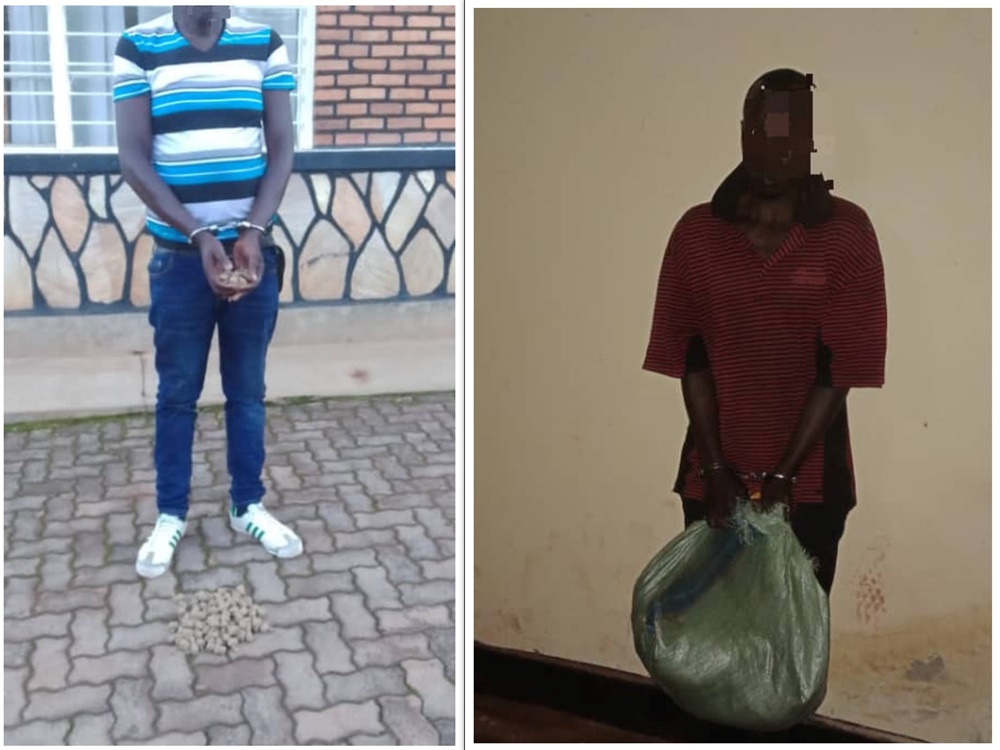
One of the suspects was arrested in Umujyi village, Rusagara cell of Gakenke sector in Gakenke District after he was found in possession of 104 pellets of cannabis.
Another suspect arrested in Kirehe District, Gatore sector, Rwantonde cell in Karehero village had 3kgs of cannabis, which he allegedly sneaked into Rwanda from Tanzania.
Cannabis is classified as a “very severe narcotic drug” under the Ministerial Order Nº 001/MoH/2019 of 04/03/2019 establishing the list of narcotic drugs and their categorisation.
Superintendent of Police (SP) Alex Ndayisenga, the Northern Region Political and Civic Education Officer (RPCEO) said that the suspect arrested in Gakenke District was en-route to Kigali.
“He was traveling in a Kigali-bound bus with 104 pellets of cannabis concealed in an envelope. He was reported by one of the passengers,” SP Ndayisenga said.
Investigations indicate that the suspect was returning to Kigali from Karambo sector in Gakenke District where he bought the narcotics from another supplier.
“There are two other accomplices yet to be arrested; the alleged supplier in Karambo and another suspected retailer in Gatsata sector, Gasabo District,” SP Ndayisenga said.
Meanwhile, in Kirehe District, SP Hamdun Twizeyimana, the Police spokesperson for the Eastern region, said that the 27-year old suspect was also reported by a resident.
“A resident in Rwantonde cell called the Police after he saw a suspicious man with a sack at about 8p.m, and suspected him to be a drug dealer. Police took him into custody after they found the sack contained 3kgs of cannabis. The suspect was heading to Ngoma District,” SP Twizeyimana said.
All the suspects were handed over to RIB for further investigations.
Trafficking and selling of “very severe narcotic drugs” in Rwanda attracts an imprisonment of between 20 years and life, under article 263 of the law determining offences and penalties in general in Rwanda.
The Loan Repayment Feature on the BK App is designed to provide customers with an exceptional banking experience. The app’s functionality is intuitive and easy to use, ensuring that customers can effortlessly manage their loan repayments on-the-go. The loan amount and schedule adjust automatically, providing customers with real-time updates on their loan status. This transparency ensures that customers stay in control of their finances and make informed decisions about their loan repayment journey.
According to the lender’s management, the BK App’s Loan Repayment Feature aligns with its commitment to delivering convenience and accessibility to its customers.
The bank’s CEO, Dr. Diane Karusisi, has been a driving force behind Bank of Kigali’s digital transformation, making it a “Home Bank” for Rwandans.
With the development and launch of new digital products, such as the BK App’s Loan Repayment Feature, the bank continues to demonstrate its unwavering commitment to transforming lives and fostering financial inclusion.
The launch of the Loan Repayment Feature is a significant step towards providing customers with a secure and accessible way to manage their loans. By eliminating the need for branch visits and offering real-time updates on loan status, Bank of Kigali is revolutionizing the way customers interact with their loans. This feature is an example of the bank’s dedication to digital transformation, through its investments in infrastructure, partnerships, and innovative products.
{{About Bank of Kigali Plc}}
Bank of Kigali Plc is the largest commercial bank in Rwanda, by total assets. In 2017, Global Credit Ratings affirmed Bank of Kigali’s long-term and short-term national scale ratings of AA-(RW) and A1+(RW) respectively with a stable outlook.
It has won several back-to-back international and regional banking awards from Euromoney, The Banker, Global Finance Magazine, and EMEA Finance. Bank of Kigali has been recently awarded “Best Bank in Rwanda 2023” by Global Finance Magazine.
The Bank is a licensed commercial bank in Rwanda, with leading market share over 30% across key metrics. The Bank has a distribution network comprising of 68 branches, 13 outlets, 9 mobile vans, 3,044 agents and serves over 361,595 individuals and over 27,117 business entities.
Gen Muhoozi visited Rwanda in March 2022 where he met with President Kagame whom he calls uncle. At the time, they held discussions aimed at reinforcing bilateral relations.
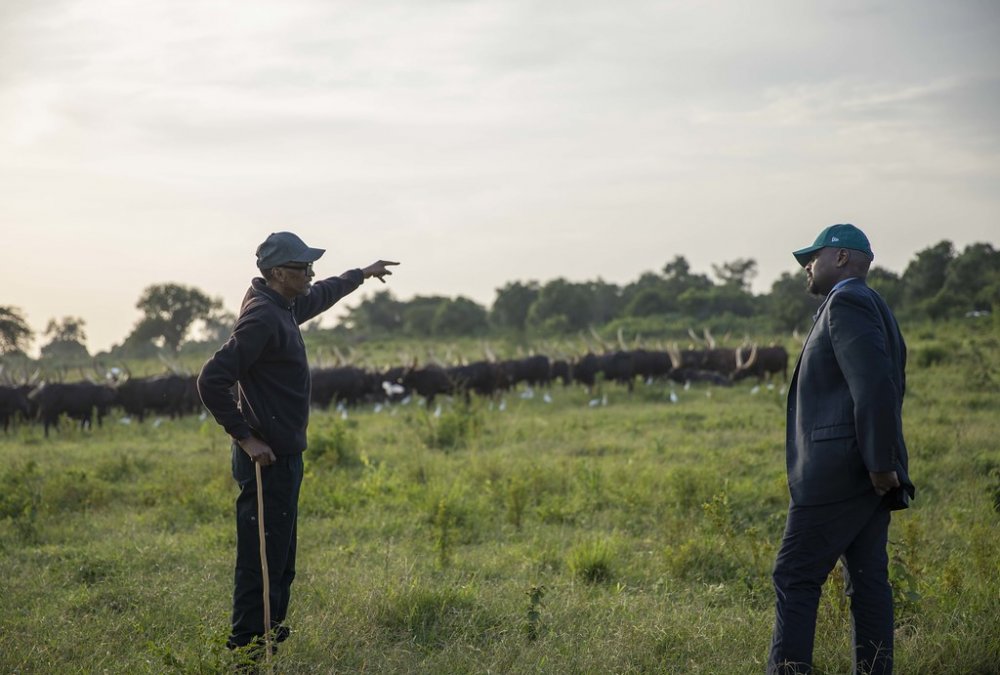
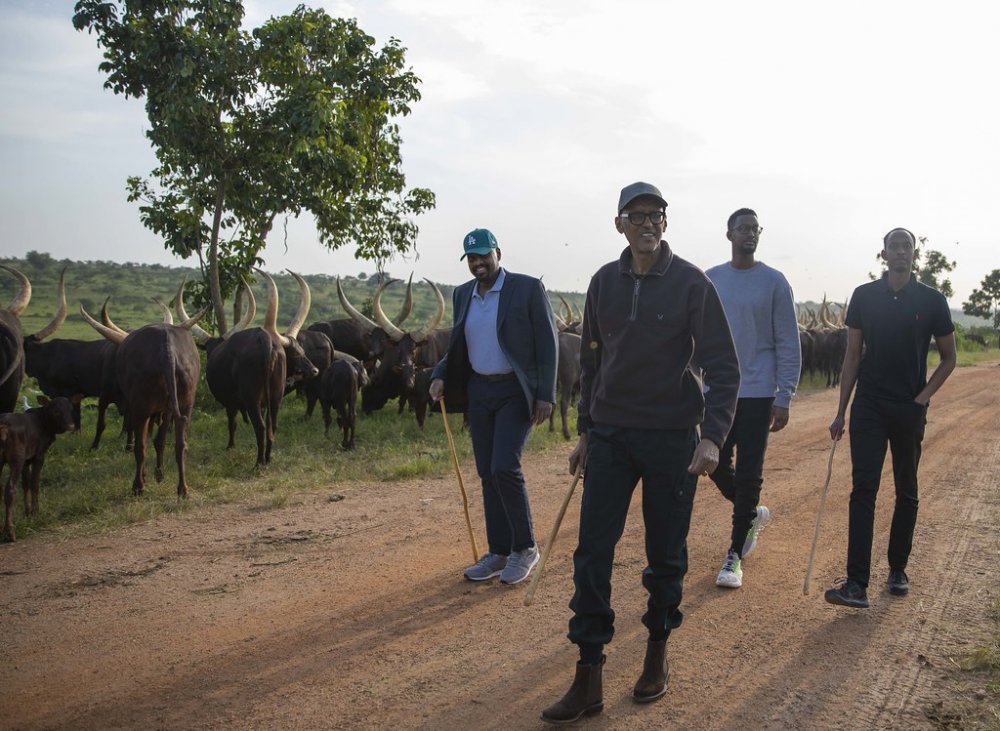
During the visit, the head of state took Gen Muhoozi to his farm and gifted him ten cows locally known as Inyambo cows as a gesture of friendship pact.
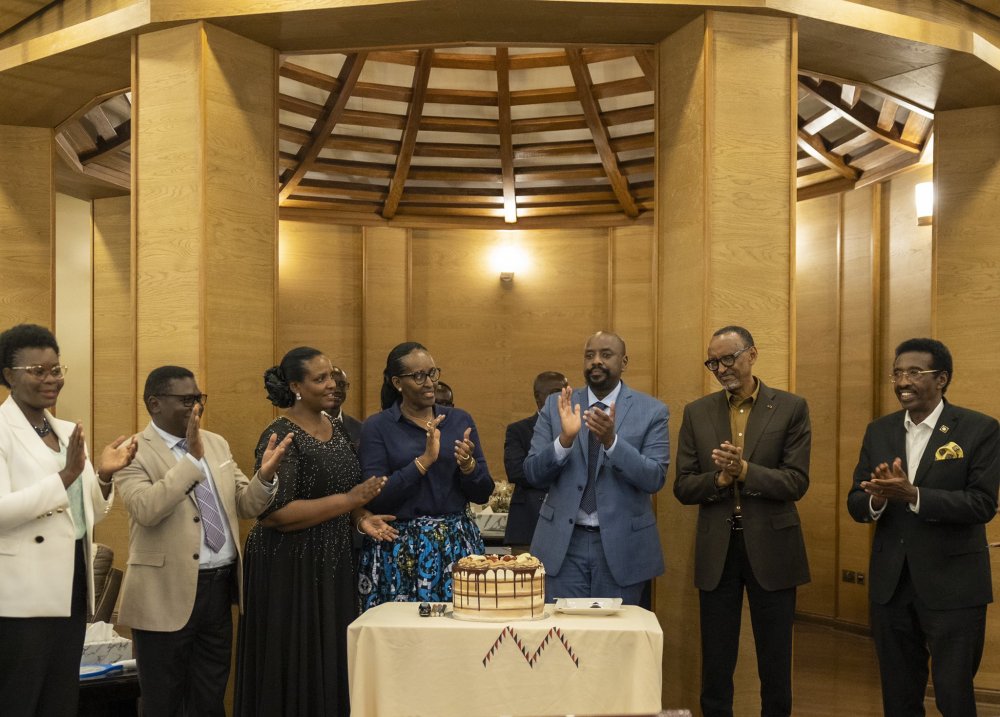
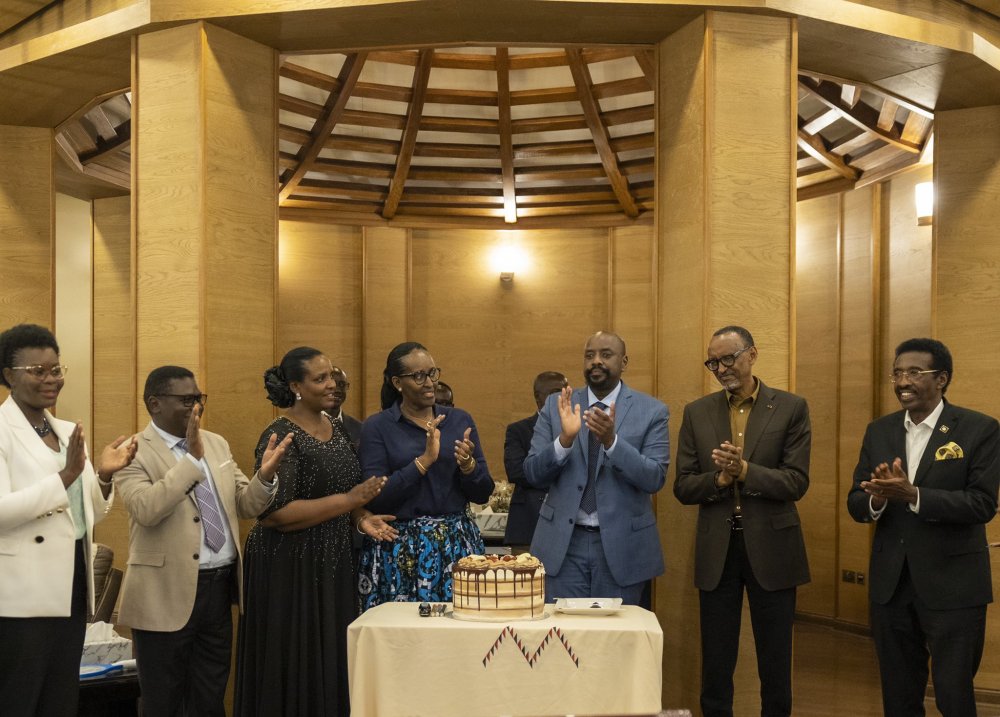
In the evening of Monday 24th April 2023, President Kagame hosted Muhoozi to a ceremony in honour of his 49th birthday and commended him for his efforts to restore both countries’ relations to normal.
Both countries turned a new page for relations following visits of Gen Muhoozi at the beginning of 2022.
Relations had deteriorated since 2017 as Rwanda accused the neighbouring country of illegal detention of Rwandans and working with subversive groups intending to threaten its security while Uganda accused Rwanda of sending spies to the country.
Following the mediation of Gen Muhoozi, Rwandans illegally incarcerated in Uganda were released followed by the reopening of borders.
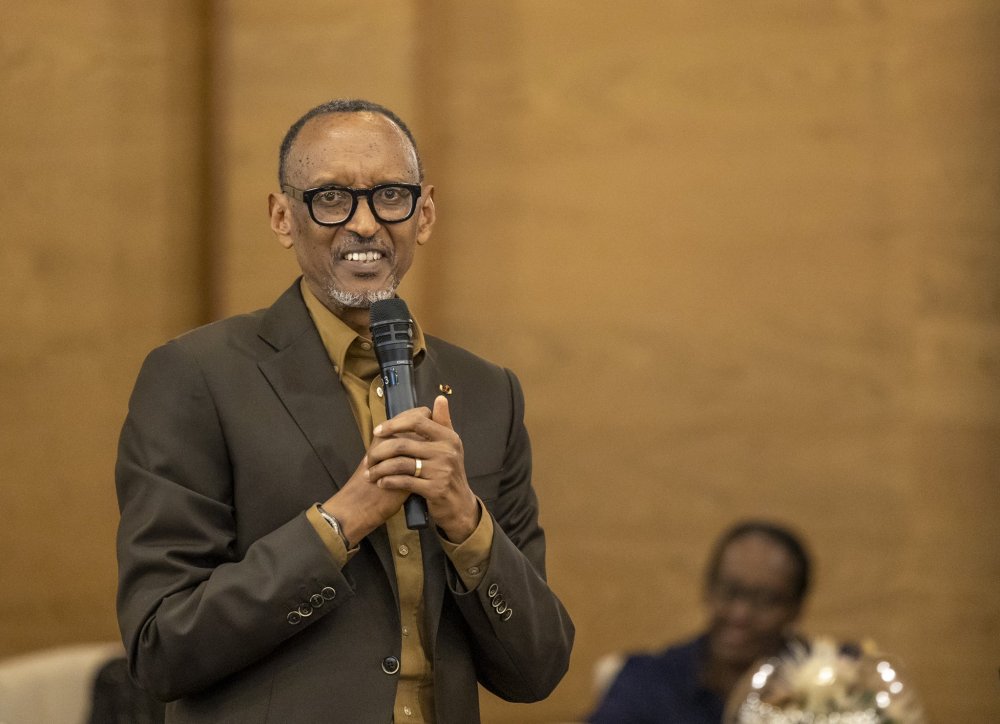
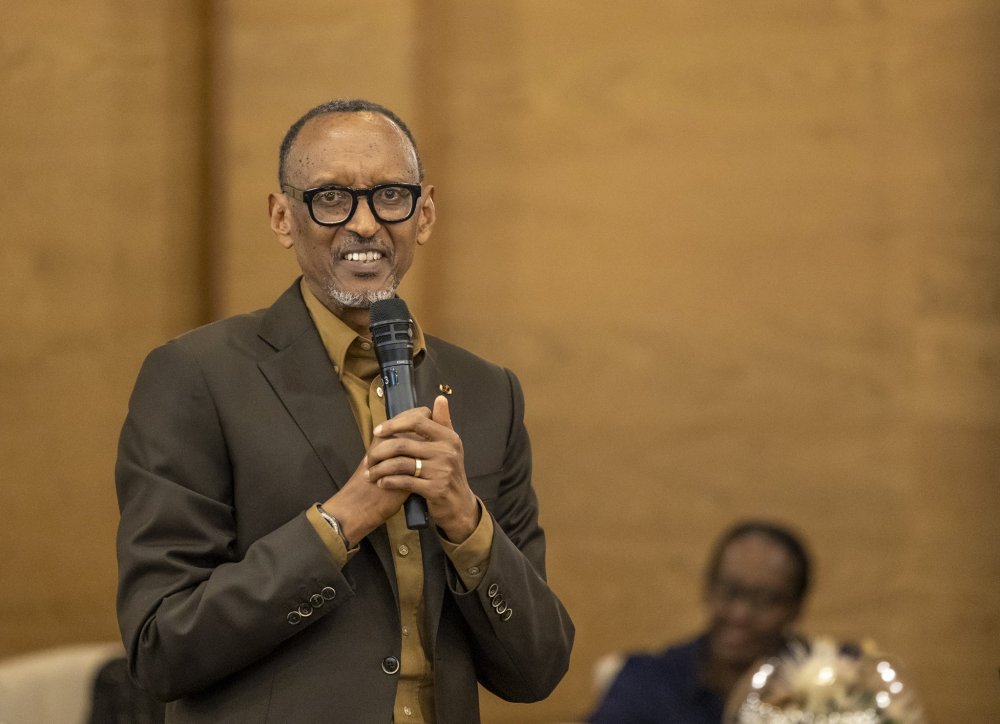
“We are seeing peace between our two countries. Well, you can have peace but at the same time you may not be friends. We are friends and we are at peace,” said Kagame at the birthday celebration for Gen Muhoozi.
He extolled Gen Muhoozi for his role along the journey to restore ties to normal.
“Thank you for being that bridge we used to cross from one side to another,” he noted.
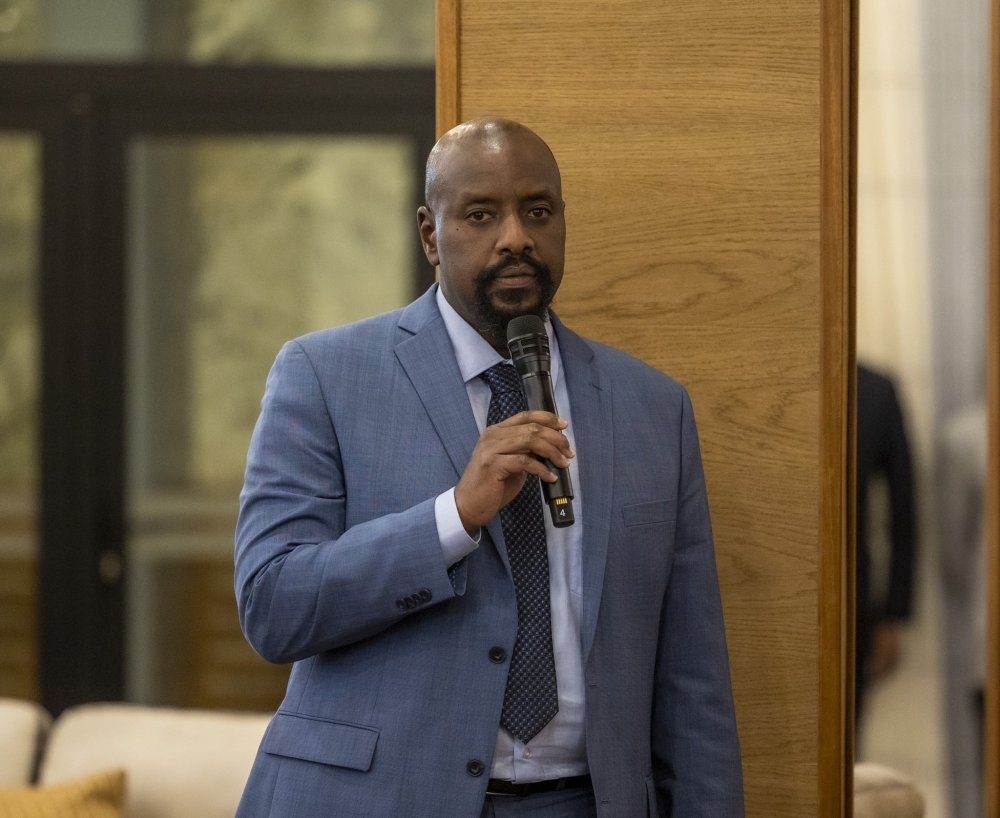
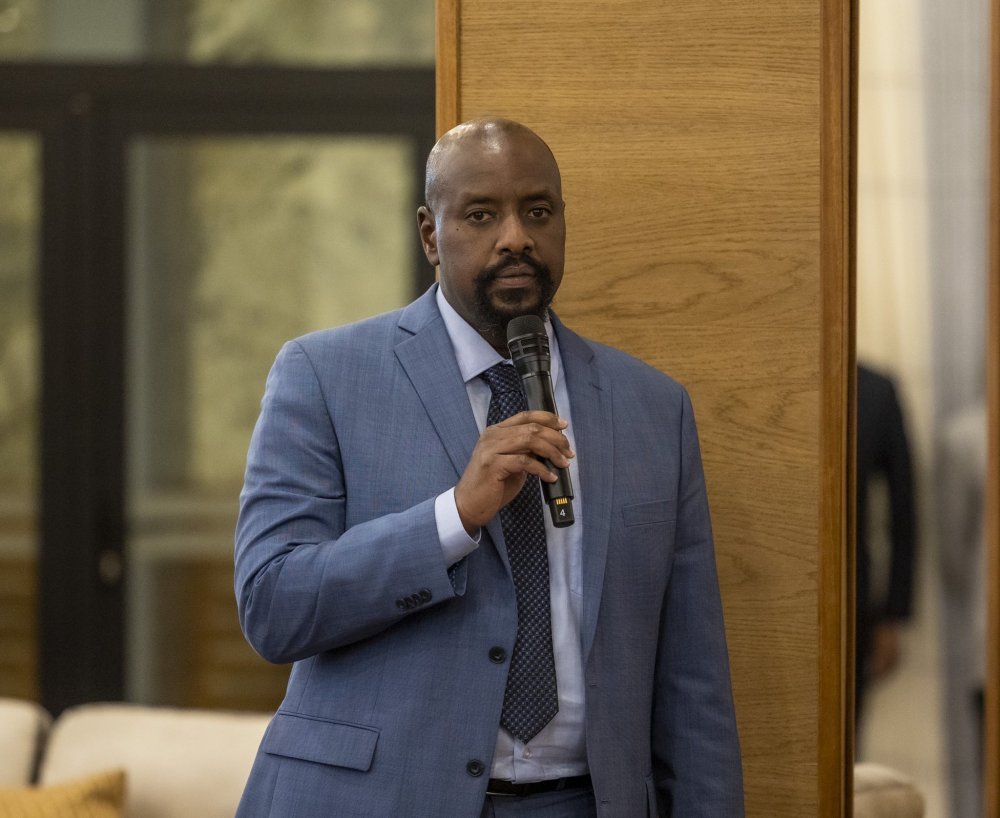
Gen Muhoozi said that their interactions with Kagame went from being a president and army officer to ‘a personal friend’.
“The mark of this friendship was the cows that he gave me and I take this very seriously. Your Excellency, I would like to report that the cows are doing well and have reproduced. You gave me ten cows, now I have 17 from the ones you gave me. From that point on, really we became friends,” he disclosed.
In Rwandan culture, cows represent a very significant symbol of friendship and are considered part of the best wealth a person can ever possess.
In Rwanda, cows were the only token that would be given for dowry or as a present to a friend. Even today, a cow is still considered the best present one can ever give a beloved one. Be it a wedding, graduation or a birthday party, cow giving makes the occasion more colourful and real.
As he attended Gen Muhoozi’s birthday in Kampala last year, President Kagame thanked the general for his contribution and commitment to restore relations between Rwanda and Uganda.
President Kagame has said that Lt Gen Muhoozi asked for his phone number to discuss issues between both countries’ relations.
“Muhoozi went through friends, and asked for my phone number. And so, I provided the direct line,” he said.
“He asked me in a message if I could accept talking to him in that direct way. Even before, I knew what he wanted to tell me. I accepted. He came. All this happened in a very short time of about two weeks,” Kagame added.
The commitment led to first talks with Lt Gen Muhoozi in January 2022 paving the way for normalized relations.
At the time, P Kagame went on to say that he did not only trust Muhoozi for his intentions to mediate the two countries but also was convinced that his father, Ugandan President Museveni was behind the good cause.
[{{Related article: President Kagame, First Lady host Gen Muhoozi on his birthday}}->https://en.igihe.com/news/article/president-kagame-first-lady-host-gen-muhoozi-on-his-birthday]
“Last night, President Kagame and First Lady Jeannette Kagame hosted General Muhoozi Kainerugaba and his delegation to celebrate the General’s birthday,” Rwanda’s Presidency has tweeted.
Gen Muhoozi, the son of Ugandan President Yoweri Kaguta Museveni and Senior Presidential Advisor on Special Operations arrived in Rwanda for a private visit on April 23, 2023.
He arrived one day before his 49th birthday celebration, which he announced would be celebrated in Kigali, the capital of Rwanda.
The delegation that came with Gen Muhoozi includes Norbert Mao, the Ugandan Minister of Justice, Maj Gen (Rtd) Jim Muhwezi, the Interior Minister, and Andrew Mwenda, the Spokesperson of MK Movement among others.
Photographs posted on Twitter show President Kagame, First lady Jeannette Kagame and other attendees of the event clapping hands for Gen Muhoozi with a birthday cake in front of him.
The general’s last year’s birthday held in Kampala was attended by President Paul Kagame. He had last visited the country three years ago.
Gen Muhoozi is commended for his mediation efforts to mend Rwanda-Uganda relations that had deteriorated since 2017.
Efforts to normalize bilateral ties began to take formal shape following his two visits to Rwanda last year, a move that was followed by the reopening of borders.
According to MINEMA, carelessness is responsible for 55% of disasters, while 20% is attributed to topography. Disasters also ravaged crops on over 2000 hectares.
Disasters in Rwanda are related to the country’s topography, climate change, and human activities as indicated by the Permanent Secretary in MINEMA, Philippe Habinshuti during a talk show aired on RBA.
As he said, these disasters caused significant losses in various aspects of life, particularly in agriculture and infrastructure.
Over the past four months, disasters have left 158 people injured, destroyed 44 schools, and ravaged 12 roads.
According to Fabrice Barisanga, the Director General in Charge of Transport in the Ministry of Infrastructure (MININFRA); roads and bridges were the most affected infrastructures, with rain destroying 91 bridges across the country.
MINEMA urges the general public to adhere to disaster prevention measures, build structures in compliance with designated master plans, and avoid staying in places that put their lives at risk.
Statistics indicate that disasters incur Rwf200 million loss in Rwanda every year. Over the past two months, disasters have destroyed 273 houses and ravaged crops on 790 hectares in the Northern Province, while the Western Province has seen the destruction of 224 houses, with Rusizi District being the most affected.
The province also experienced floods from volcanoes that affected 276 families, with 256 in Rubavu District alone, while 14 people died of different types of disasters.
In the past three years, the Northern Province has experienced disasters 1500 times, causing the loss of 201 lives and destroying over 5000 houses and over 3000 hectares that were swept away by floods.
Disasters have also killed more than 100 cows and around 4000 small livestock.
After retrieving him from a dam in Busasamana Village of Nyakanazi Cell , Murama Sector officials have disclosed that they plan to provide counseling and mediation to the family to resolve their conflicts.
Sources have revealed that the man had attempted suicide three times before due to domestic conflicts.
On the night leading up to Monday, he had heated arguments with his wife and children before attempting to seek refuge at his second wife’s home. However, she refused to open the door for him, which prompted him to make the decision to end his life.
The executive secretary of Murama Sector, Pauline Mutuyimana has stated that they plan to approach the family to help resolve their disputes, which may have contributed to the man’s repeated suicide attempts.
She hopes that counseling and mediation will resolve misunderstandings and prevent further incidents.
The 65-year-old man is currently receiving treatment at Karama Health Center.
The situation in Sudan continues to worsen. Since the start of fighting on April 15, hundreds of people have been killed and thousands injured, he said.
“The violence must stop. It risks a catastrophic conflagration within Sudan that could engulf the whole region and beyond,” he warned.
Guterres raised the alarm at the beginning of his remarks to a Security Council open debate on multilateralism.
“I strongly condemn the indiscriminate bombardment of civilian areas, including health care facilities. I call on the parties to stop combat operations in densely populated areas and to allow unhindered humanitarian aid operations. Civilians must be able to access food, water and other essential supplies, and evacuate from combat zones,” said Guterres.
The UN chief said he was in constant contact with the parties to the conflict and has called on them to de-escalate tensions and to return to the negotiating table.
The United Nations will continue its efforts with partners to secure a permanent halt to the fighting as soon as possible, he added.
“Working with humanitarian organizations on the ground, we are reconfiguring our presence in Sudan to enable us to continue supporting the Sudanese people. Let me be clear: the United Nations is not leaving Sudan. Our commitment is to the Sudanese people, in support of their wishes for a peaceful and secure future. We stand with them at this terrible time,” said Guterres.
He said he has authorized the temporary relocation both inside and outside Sudan of some UN personnel and of their families.
The world body has about 4,000 staff in Sudan, 800 of them are international.
Guterres called on all Security Council members to exert maximum leverage with the parties to end the violence in Sudan, restore order and return to the path of democratic transition.
“We must all do everything within our power to pull Sudan back from the edge of the abyss,” he said.
Violent clashes broke out between the Sudanese Armed Forces and Rapid Support Forces on April 15 in the capital city of Khartoum and other places, dampening hopes for a return to civilian rule.
Susan Nakhumicha Wafula, cabinet secretary in the Ministry of Health, said during the signing of the Memorandum of Understanding (MOU) in Nairobi, the capital of Kenya, that the hub is a huge resource to Kenya given that the country is faced with an increasing number of health emergencies ranging from disease outbreaks such as the ongoing cholera outbreak in Kenya and the recent outbreak of Marburg virus disease in the region.
“These emergencies pose major health, social, economic and security risks that threaten to reverse years of health and development progress in Africa,” Nakhumicha said.
She lauded the WHO for the support, adding that over the past three years, the COVID-19 pandemic has highlighted the critical importance of preparedness and response in the face of health emergencies.
Nukhumicha said that Kenya is further collaborating with the WHO in developing disease-specific contingency plans, including viral hemorrhagic fevers, pandemic influenza, cholera, Rift Valley fever and polio.
She noted that through the partnership with the WHO, Kenya will have access to the UN health agency’s global network of experts, knowledge and resources. The hub will enable Kenya to build on the progress already made toward achieving universal health coverage in Kenya.
Abdourahmane Diallo, the WHO country representative in Kenya, said that the new innovative initiative is aimed at improving the capacities of African countries to respond in real-time to increasingly numerous and complex health emergencies.
Diallo noted that the WHO regional office for Africa is strengthening and expanding the emergencies hub to coordinate high-quality responses to health emergencies in Kenya and other eastern and southern African countries.
He said that the hub will serve as a modern storage center for essential medical equipment and consumables that will ensure timely logistical support to countries with emergencies in eastern and southern Africa. It is expected to house a center of excellence specialized in capacity building in health and crisis emergency management.
The hub would allow the WHO to effectively and swiftly support Kenya and all eastern and southern African countries by maintaining stockpiles of medical and logistical supplies, training multi-disciplinary teams of human-resource to serve as Africa’s elite emergency experts to ensure quick deployment during public health and humanitarian emergencies in Kenya and Africa as a whole.