The statement released on Monday indicated that Niyongira alias Kanyoni is accused of role in the 1994 Genocide against the Tutsi, was deported on Sunday 11th June 2023.
“Niyongira was the subject of an NPPA Indictment and International Arrest Warrant issued to the Republic of Malawi on April 15, 2019,” reads the statement in part.
The prosecution has charged Niyongira with the crime of genocide against the Tutsi community, committed in the former Ndora Commune, Butare Préfecture.
The NPPA has through the communiqué lauded the Malawian authorities for collaboration in the fight against impunity and applauded the successful deportation of Niyongira.
“Niyongira’s deportation is a significant step in the process of bringing genocide suspects to justice, particularly from African countries,” Faustin Nkusi, the Prosecution Spokesperson said in the statement.
Niyongira is the second genocide suspect to be deported to Rwanda from Malawi.
In January 2019, the southern African country transferred to Rwanda Vincent Murekezi, a wealthy businessman who had used his resources to evade justice for years.
Murekezi had been convicted of fraud by Malawian court, which sent him to Rwanda, through existing agreements between the two countries on exchange of prisoners, to complete his sentence and later tried for genocide crimes.
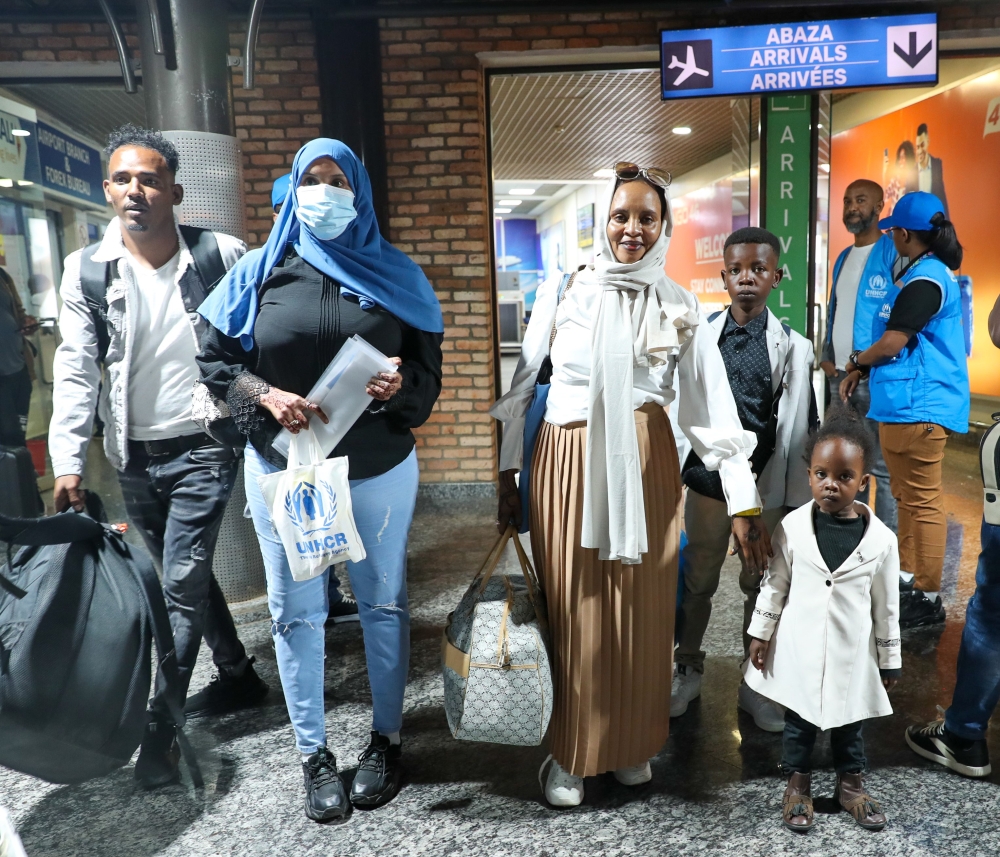
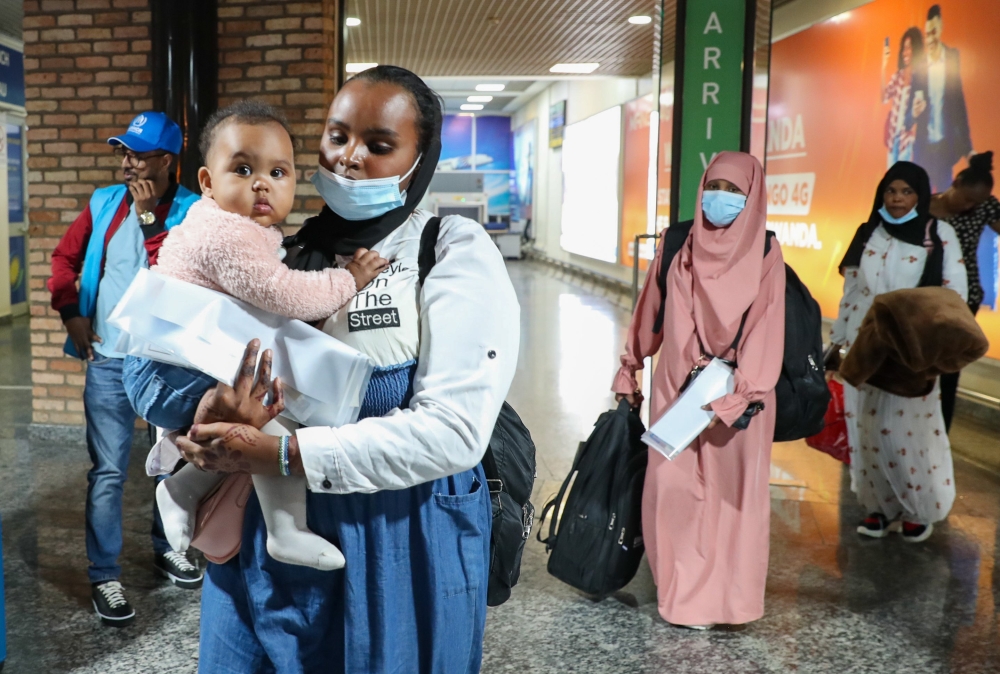
These individuals include 64 from Eritrea, 35 from Sudan, 15 from Somalia, 15 from Ethiopia, 2 from Cameroon, and 1 from Mali.
They will be temporarily hosted at the Gashora Transit Center, where other evacuees have been accommodated, according to the Ministry of Emergency Management (MINEMA).
The latest evacuation effort is a result of a collaborative initiative that commenced on January 10, 2019, involving the Rwandan government, the United Nations High Commissioner for Refugees (UNHCR), and the African Union.
This partnership led to the establishment of an Emergency Transit Mechanism (ETM) with the primary goal of providing protection, assistance, and sustainable solutions for vulnerable refugees and asylum seekers trapped in Libya. By facilitating temporary evacuations to Rwanda, this mechanism enables these individuals to escape the precariousness of their situation.
Over the course of the past few years, Rwanda has opened its doors to more than 1,600 asylum seekers, offering them temporary refuge. Throughout this period, the UNHCR has worked tirelessly to identify suitable solutions for these individuals, which may involve their relocation to third countries, repatriation to their countries of origin, or even the possibility of remaining in Rwanda.
During the competition, the contestants demonstrated their love, passion, and dedication to learning Chinese language, culture, and art.
The event featured a series of captivating programs, including Kung Fu performances, Chinese song performances, drama skits, and speeches.
Officiating the event, Chinese Ambassador to Rwanda Wang Xuekun said the Chinese language proficiency competition is an important bridge of communication, connecting China and Rwanda.
“Through the event, numerous Rwandan students have earned opportunities to visit China, see the country with their eyes, and walk on a different path of life,” he said, adding that the competition has also enabled Chinese teachers and communities to experience how enthusiastic Rwandan students are for the language.
The ambassador said the Chinese Bridge is a “bridge of friendship” because many of the winners have become goodwill ambassadors for China-Rwanda relations.
Wang commended the Confucius Institute and the University of Rwanda for hosting the event and for their extraordinary contributions to Chinese language education.
At the event, Florien Nsanganwimana, acting principal of the College of Education at the University of Rwanda, expressed his pride in the achievements of Rwandan students, saying through the Chinese Bridge competition, Rwandan students have honed their ability to speak the Chinese language and have developed a deeper understanding of Chinese culture and art, a great accomplishment that should be celebrated.
Nsanganwimana acknowledged the invaluable support provided by Chinese cooperation, particularly through the Chinese embassy, which helped mobilize Chinese teachers to support the Confucius Institute at the University of Rwanda.
“We will continue organizing this competition to strengthen the cooperation between Rwanda and China,” he said.”In the future, we aim to expand the program and reach even more students than we are currently reaching.”
“I am thrilled to have emerged as the winner of the Chinese Bridge competition in the university category. Over the past year, I have dedicated myself to learning the Chinese language, and I am incredibly proud of my achievement,” Delice Mbashimiyimana, a quantity surveying senior of the College of Science and Technology at the University of Rwanda, told Xinhua.
Mbashimiyimana emphasized that her proficiency in the Chinese language will unlock numerous opportunities for her, particularly in collaborating with Chinese companies, notably construction firms.
Liata Furaha Rachel, a winner in the secondary school category, concurred, pointing to the potential for her to work with Chinese companies in Rwanda and the possibility of pursuing higher education in China.
According to UNHCR, the UN refugee agency, in the latest attack on Monday, armed assailants carried out the assault in a displacement site in Ituri province, resulting in the tragic deaths of at least 45 people, including children and women.
At least 12 people were burned alive as their shelters were set ablaze during the attack, the UNHCR said in a press release.
“UNHCR deplores in the strongest terms these heinous attacks against vulnerable civilian populations,” said Valentin Tapsoba, director of UNHCR’s Regional Bureau for Southern Africa.
The resurgence of violence in the region is deeply concerning and underscores the urgent need for sustained efforts to address the causes of conflict and promote lasting peace and stability, UNHCR stressed.
As set out in the Sustainable Development Goals (SDG2), the journey towards food and nutritional security for Africa has a clear destination to achieve zero hunger. The target is to ensure access to safe, nutritious, and sufficient food for all people by 2030. It is undeniable that technology, increasingly becoming a prerequisite, plays a vital role in this journey.
During the recent 8th Africa Agribusiness and Science Week (AASW) in Durban, South Africa, Dr. Akinwumi A. Adesina, President of the African Development Bank, stressed the importance of leveraging partnerships and technologies to eradicate hunger in Africa. He highlighted the need to combine science, technology, and innovation to drive a more productive, efficient, and competitive agricultural system.
These observations make it clear that technology, among other solutions, can accelerate progress in achieving food sufficiency in African countries. With innovative approaches that help farmers adapt to climate change and proactively address challenges, African farmers can contribute to the continent’s ambition of achieving food sufficiency.
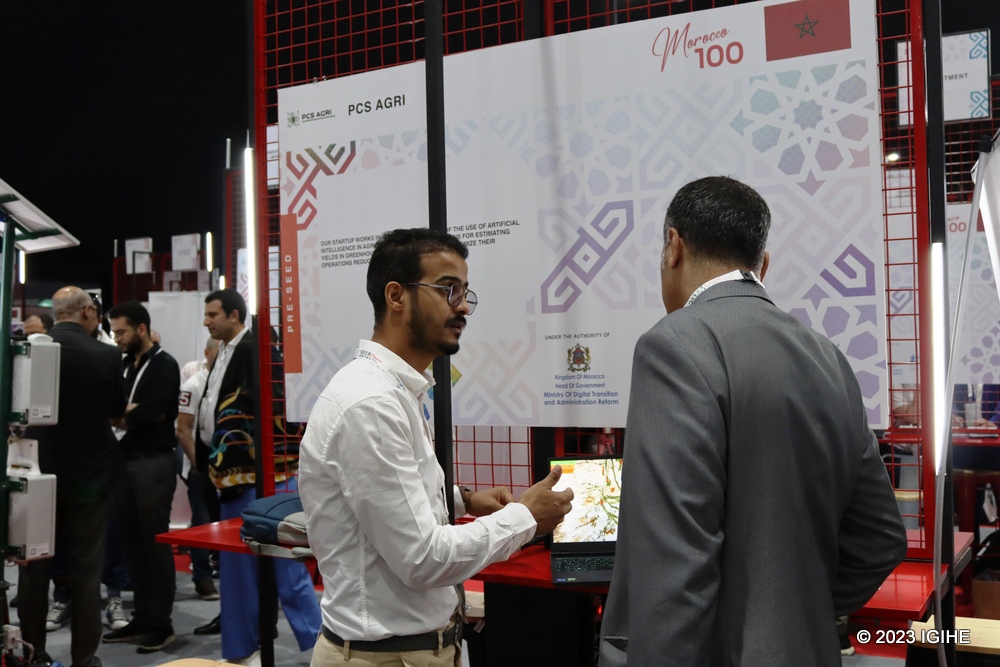
One of the critical players promising to drive this cause is PCS AGRI, a startup based in Morocco that is revolutionizing agriculture through its tomato yield prediction platform. Recognizing the need to overhaul the agricultural system in Africa, PCS AGRI has developed a yield estimation application that enables farmers to make informed decisions, improve yields, and mitigate losses.
The innovative technology was among solutions showcased on the sidelines of the recently concluded GITEX Africa Summit held in Marrakech, Morocco from 31st May to 2nd June 2023.
It brought together more than 900 tech companies, startups, government entities, and participants from over 100 countries.
Speaking to IGIHE, Tahar Hamdani, the CEO of PCS AGRI, disclosed that the idea emerged when they identified the challenges faced by farmers and developed the application nearly one year ago.
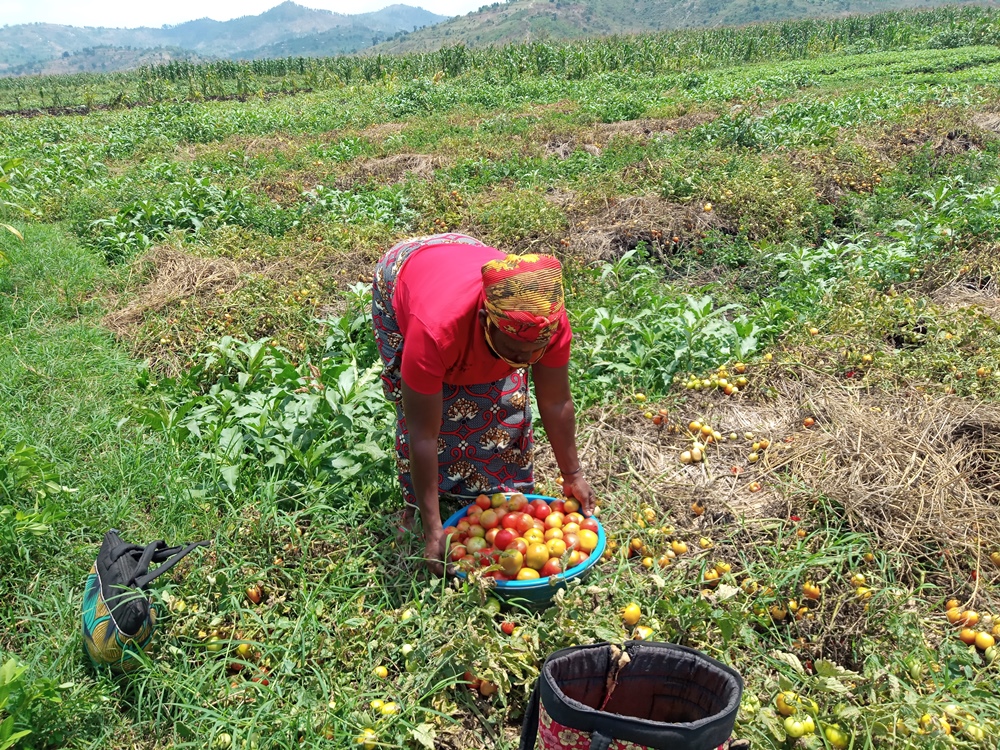
Working with farmers growing tomatoes on 2000 hectares, they have developed a platform that is currently being tested and has proven to be 80% accurate.
“We assist growers in accurately predicting their harvest yields and timing by leveraging a mobile application that solely requires the grower to capture videos. Through cloud-based processing, we are capable of distinguishing various colors in the fruit at present, with future prospects of also detecting the fruit’s caliber within the captured videos,” elaborated Tahar.
As he said, this platform provides growers with valuable insights into their harvests for the next two weeks, enabling them to plan their operations effectively, estimate labor requirements, and optimize packaging processes. The application is particularly valuable for Moroccan farmers exporting to European markets, where precise estimations are crucial.
Tahar believes that PCS AGRI’s solution is ideal for addressing common scenarios faced by growers.
“Our solution is currently in the demonstration and testing phase. We have achieved an impressive 80% accuracy thus far, with our ultimate goal set at 90% accuracy. We firmly believe that within the next one or two months, we will successfully attain this target,” he noted.
Tahar emphasized the importance of providing growers with effective solutions due to the challenges they face in their daily interactions with customers.
“They are communicating that I will give my clients 10 tons of products but they finally deliver only 7 tons and their customers are not happy. So, we need an accurate estimation to have win-win collaboration,” he stated.
Regarding the payment structure, Tahar revealed that every grower pays a yearly subscription fee for the application per hectare.
“We are testing it with three main growers in Morocco who cultivate tomatoes on 2000 hectares. After validation, it will be commercialized to more farmers,” he noted.
The introduction of similar innovations suggests that Africa can elevate its agricultural system and extend the technology to other crops, aligning with ongoing efforts to mitigate risks in agriculture.
Besides, the startup’s story can serves as an inspiration for many to continue innovating and contribute to the advancement of agriculture in Africa.
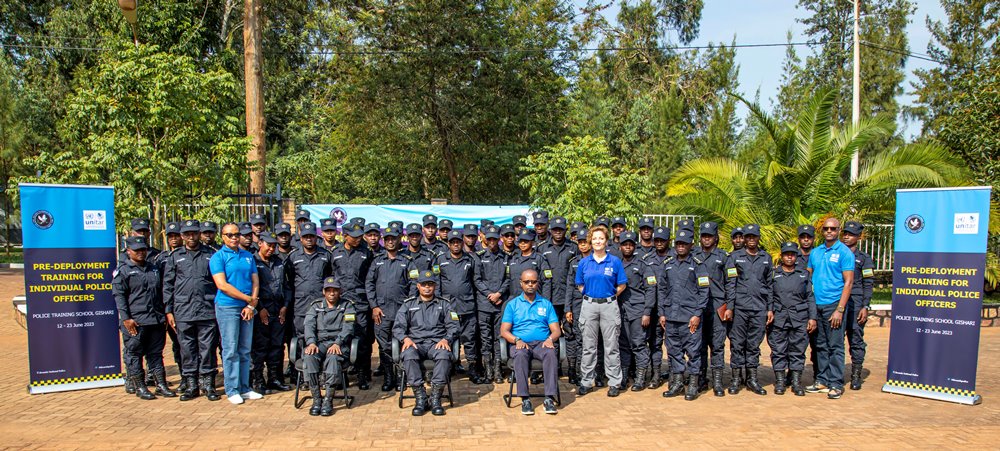
The two-week peacekeeping course is conducted by the United Nations Institute for Training and Research (UNITAR) in partnership with Rwanda National Police (RNP).
It seeks to align the officers with the UN peacekeeping standards such as command, administration, human rights due diligence policy, community oriented policing, and capacity development.
Others include monitoring, mentoring and advising, protection of civilians, use force and firearms as well as arrest and detention in peacekeeping operations.
The commandant of PTS, Commissioner of Police (CP) Robert Niyonshuti, while opening the course, said that Rwanda National Police has put training at the forefront to address challenges in policing both in and out the country in peace support operations.
“Without effective training of police officers, we can’t achieve our best performance and we cannot manage to effectively serve the community, which is the mission of Rwanda National Police,” CP Niyonshuti said.
He appreciated the existing partnership between the RNP and UNITAR in enhancing the skills, knowledge and attitude of police officers in peacekeeping and other policing fields.
“Police officers to be deployed for peacekeeping operations must be trained to enable them understand and manage mission challenges.
This course prepares professional police officers into competent peacekeepers,” said the commandant.
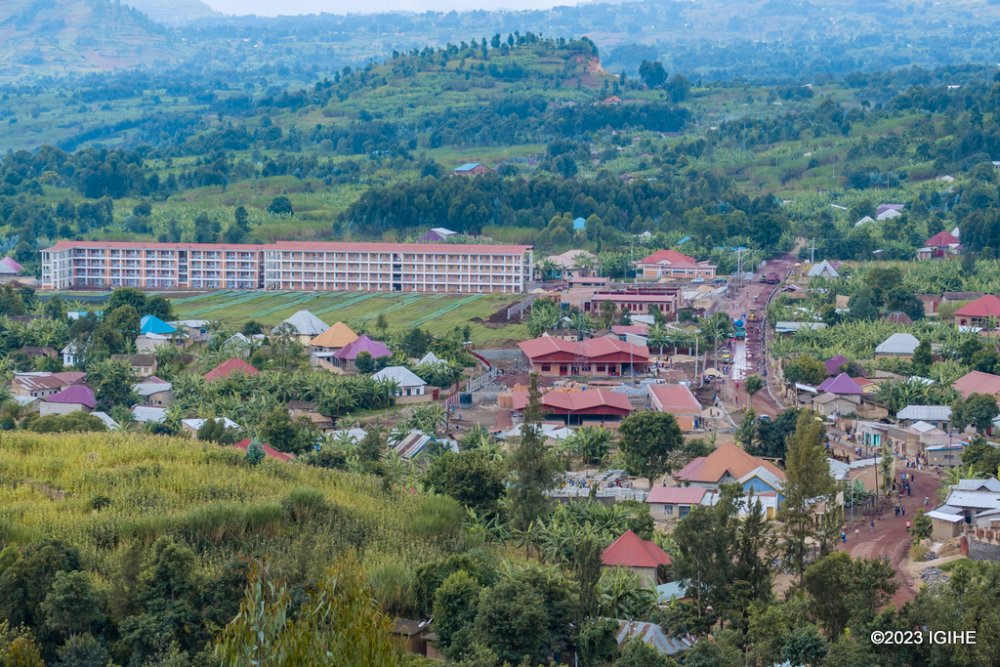
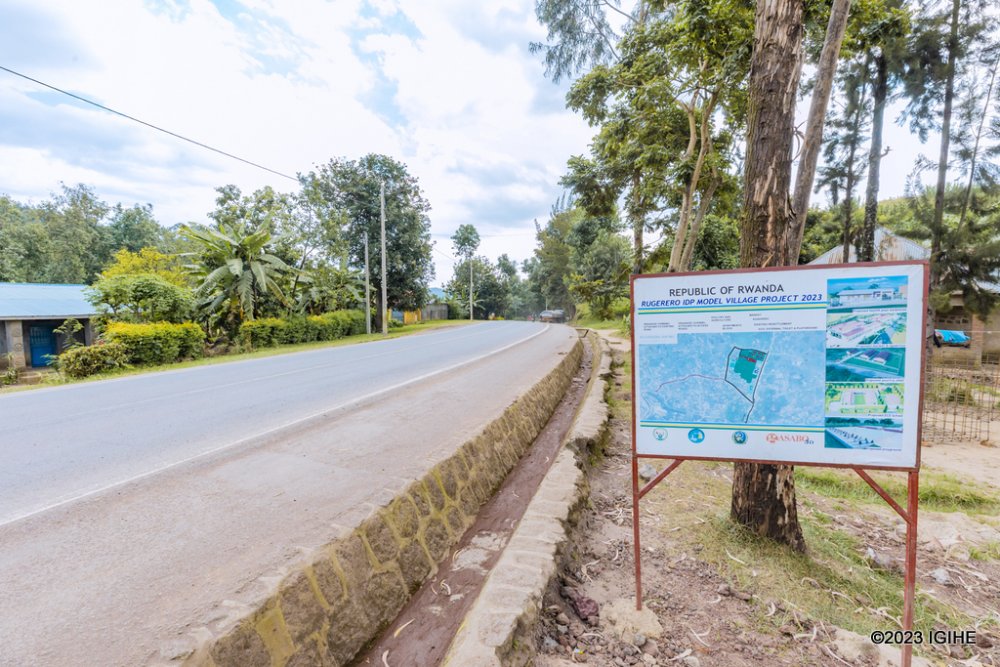
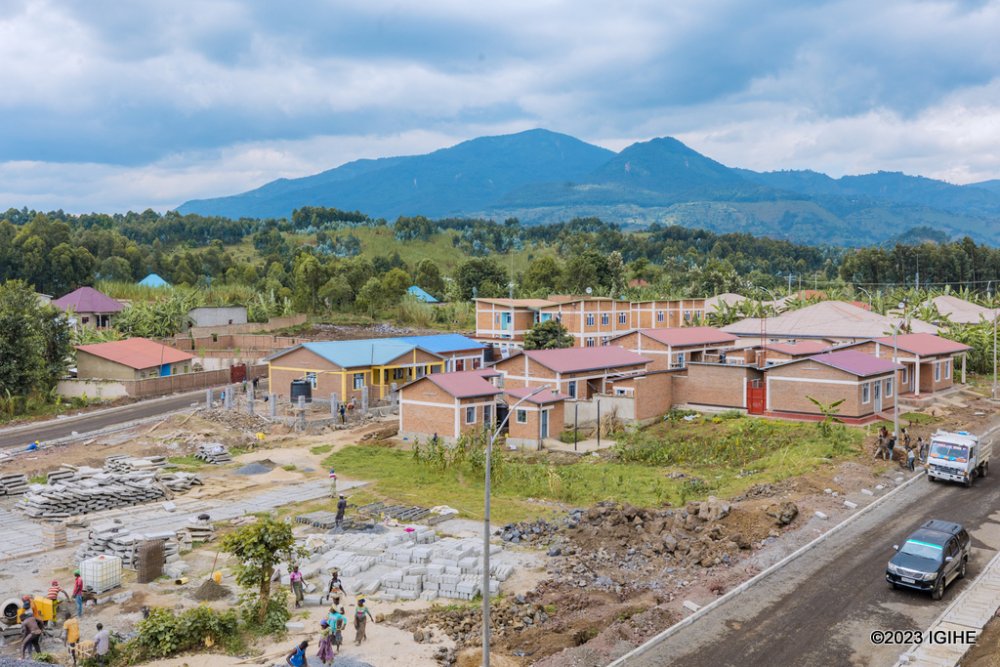
The village will house vulnerable residents and others from disaster-prone areas from different parts of Rubavu District in Western Province who were affected flooding and landslides mainly occasioned by River Sebeya overflow.
The disasters that hit different parts of the country took lives of over 130 people in Western, Northern and Southern Provinces of Rwanda.
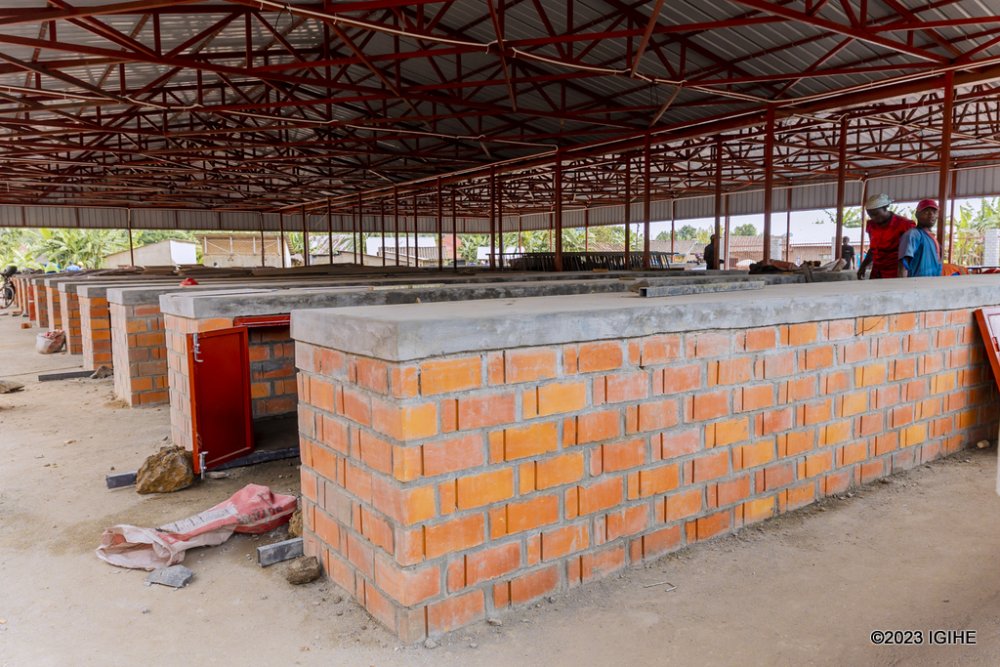
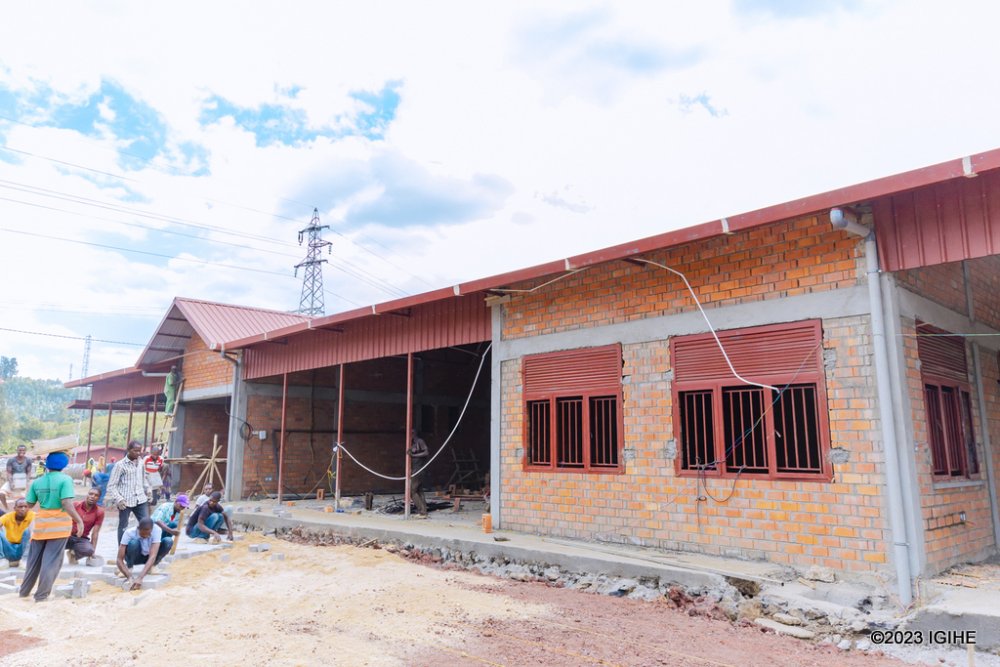
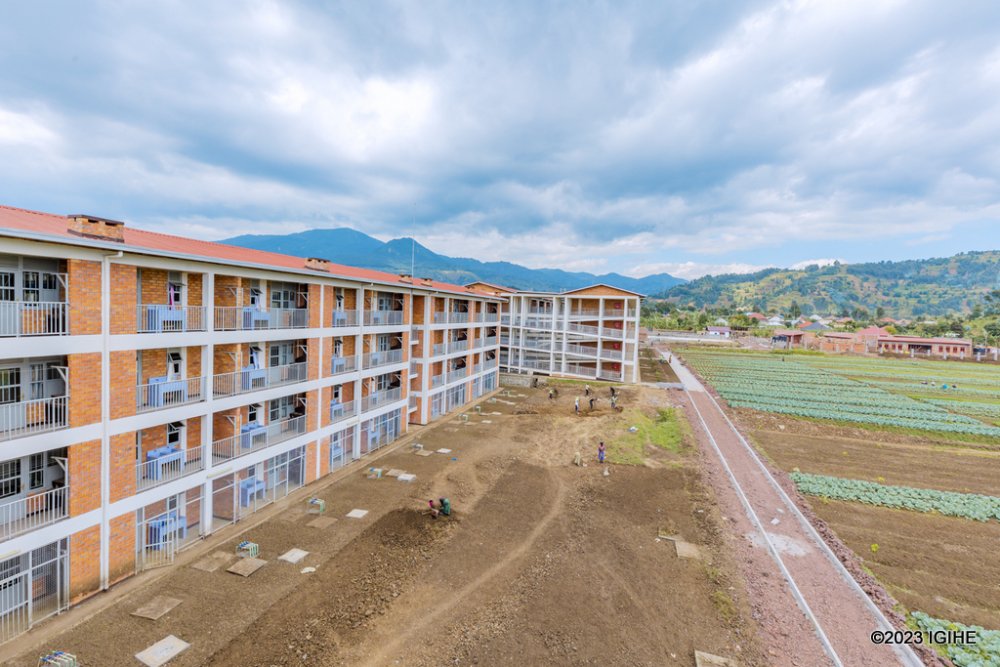
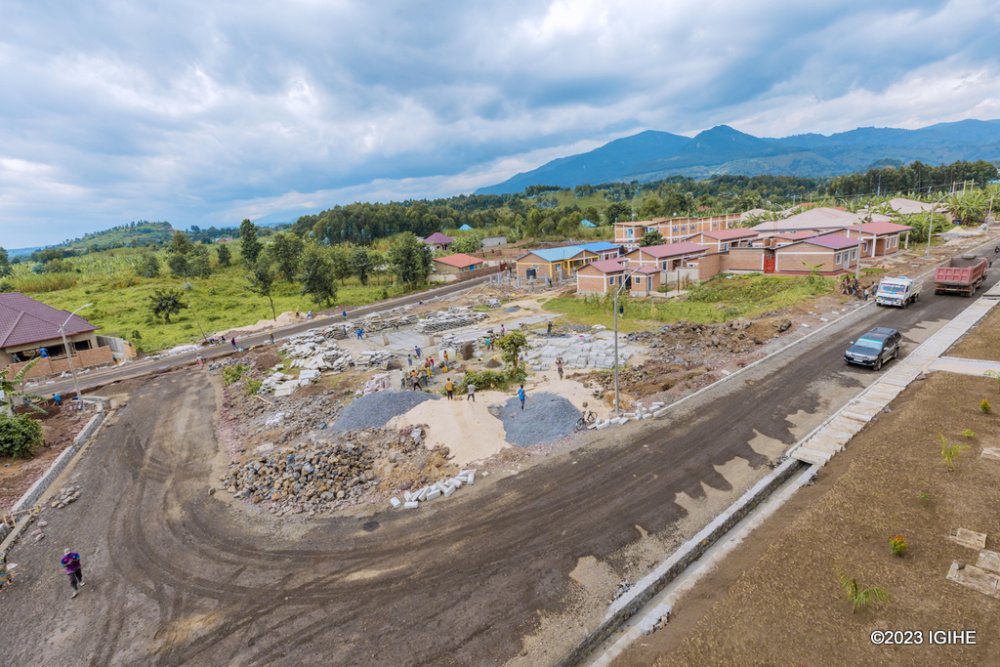
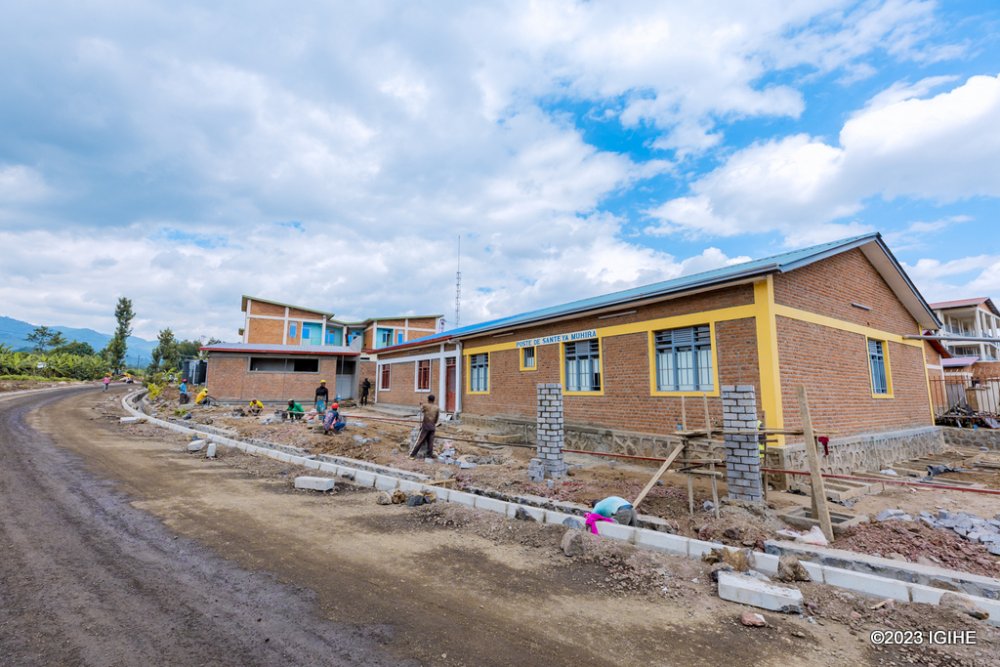
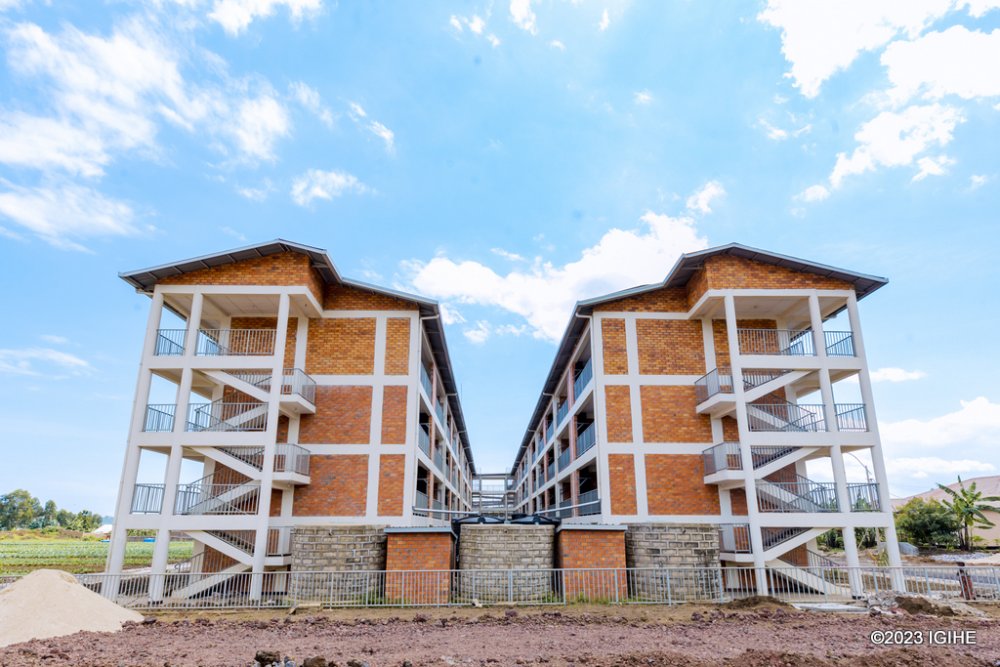
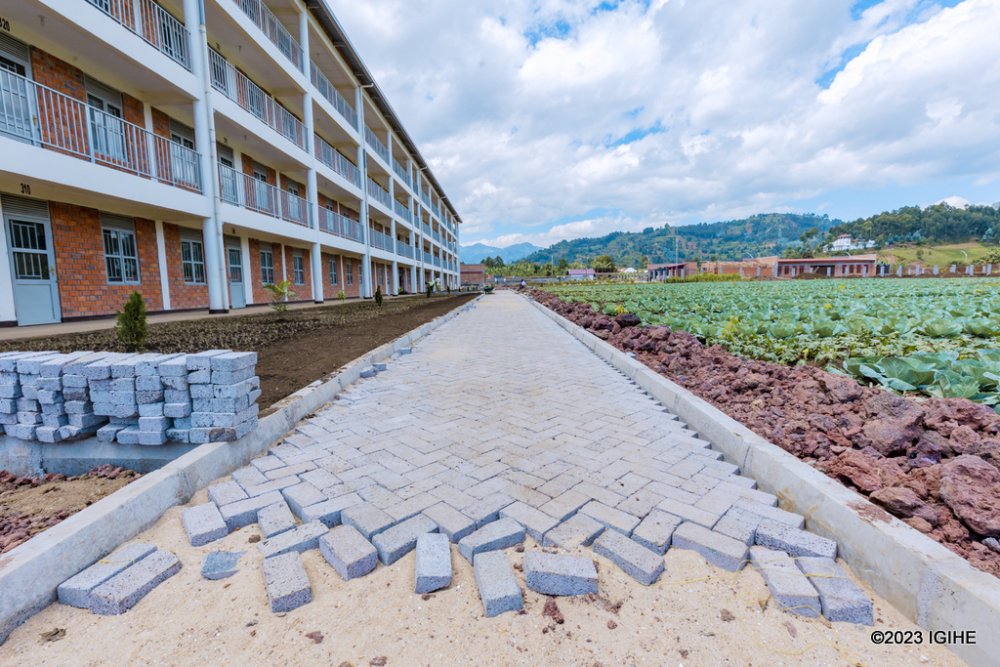
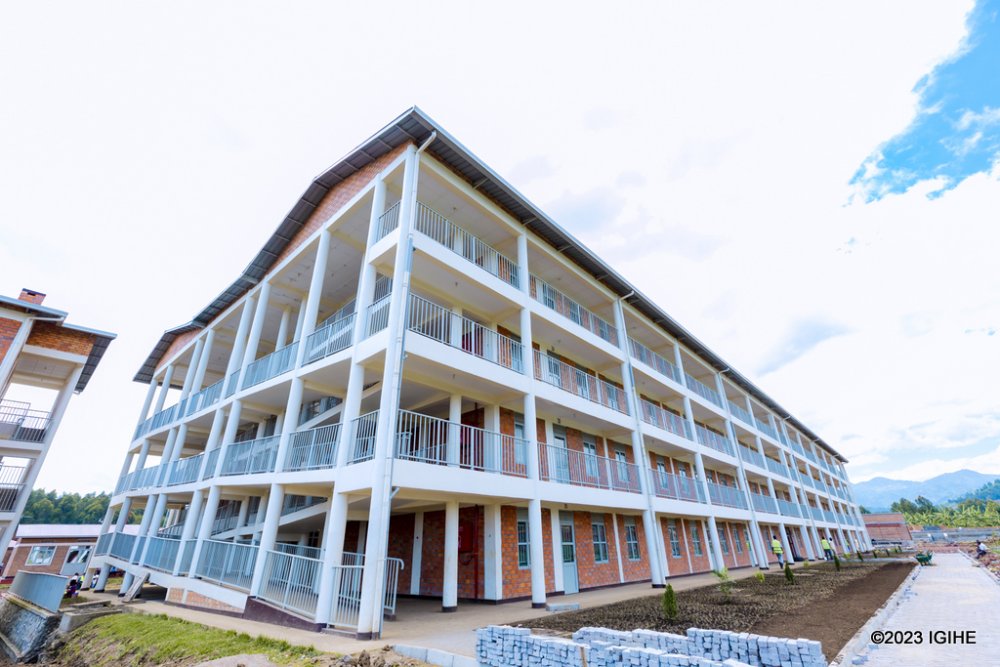
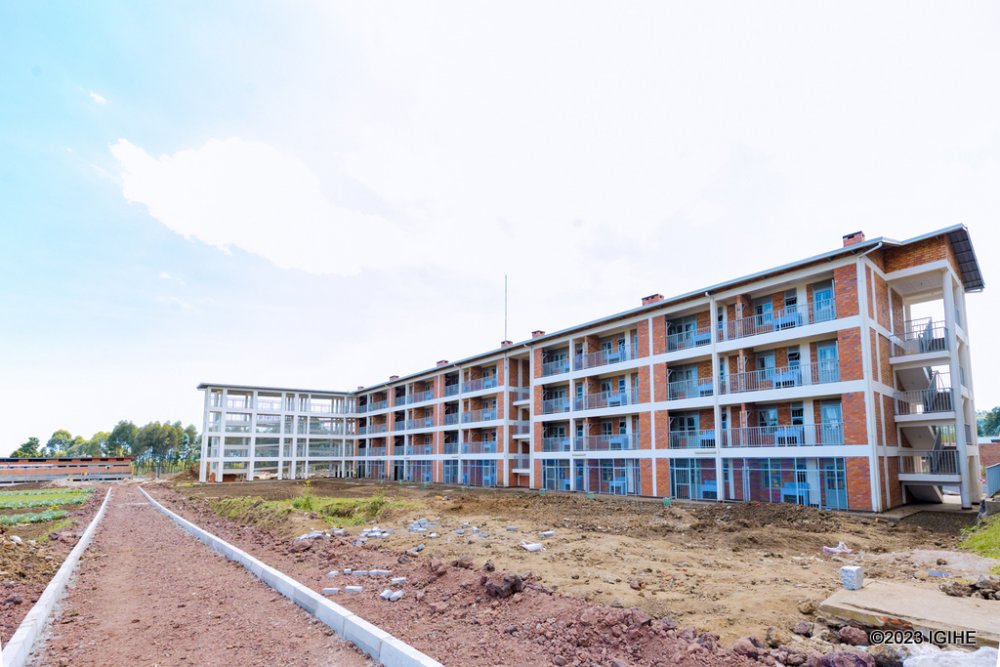
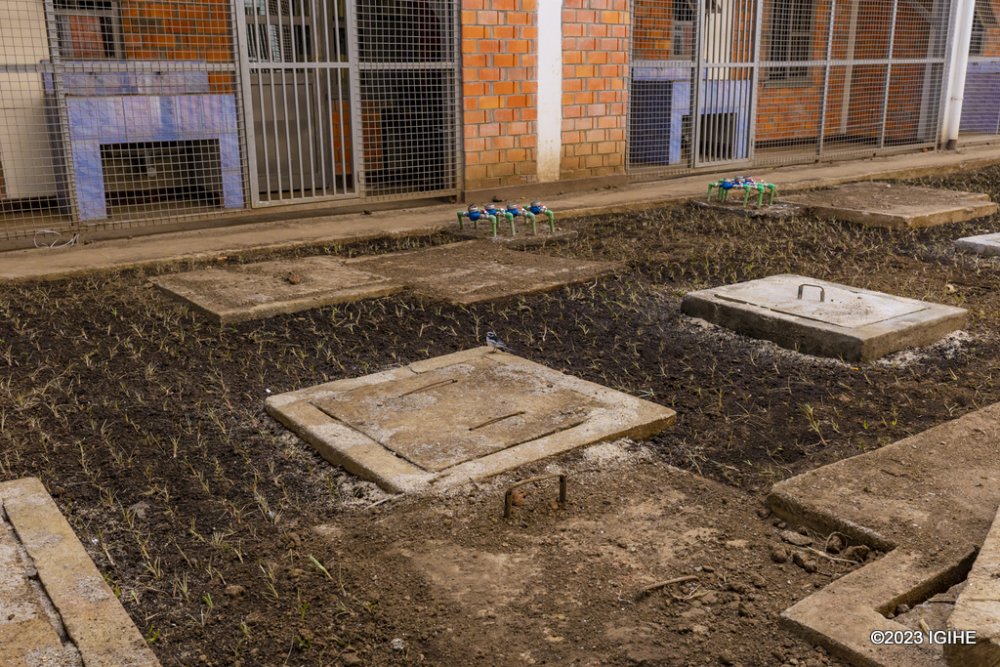
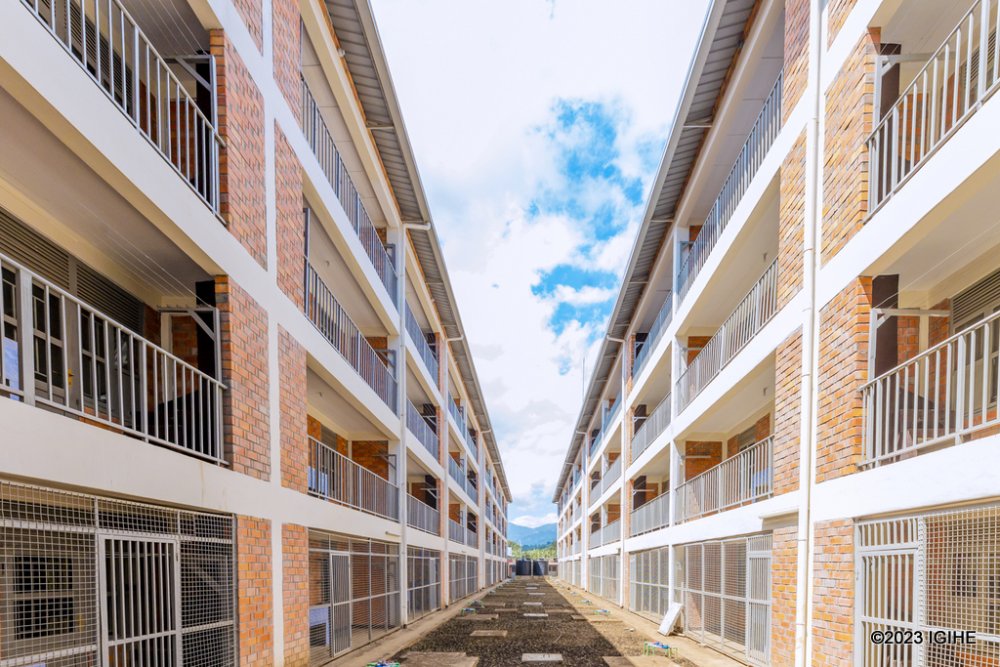
Anticipated to be completed by the end of June 2023, the model village will accommodate 120 families from various areas in Rubavu. The village is being constructed on land previously used for a small modern village that sheltered vulnerable residents from Rubavu.
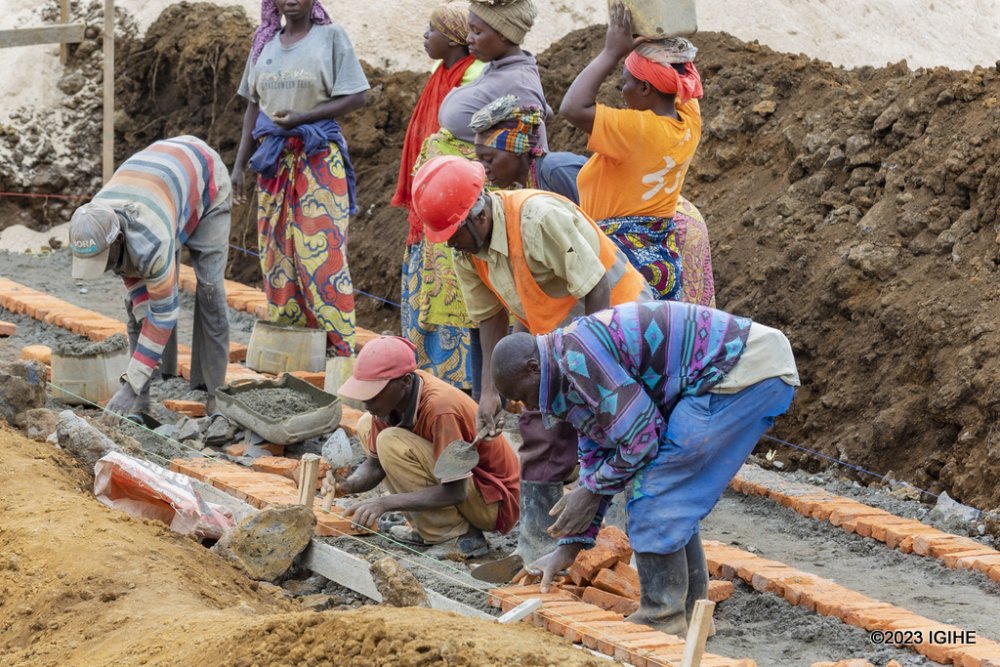
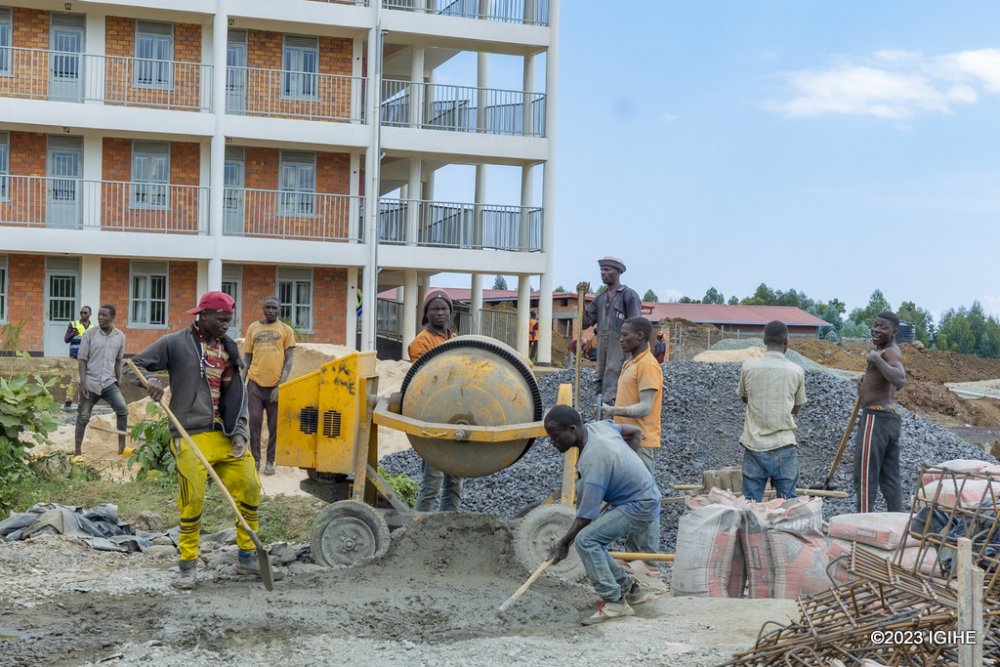
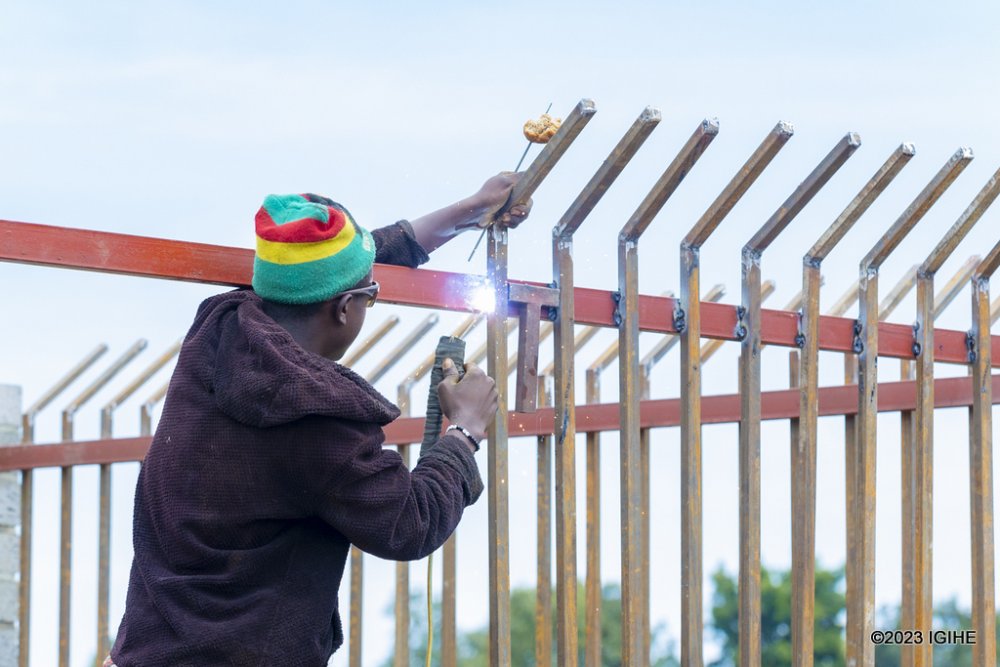
The model village is being built by Ministry of Defence/Reserve Forces while Gasabo 3D Design Ltd is supervising construction works. Meanwhile, Rwanda Housing Authority (RHA) is monotoring the implementation of the project on behalf of the Government of Rwanda.
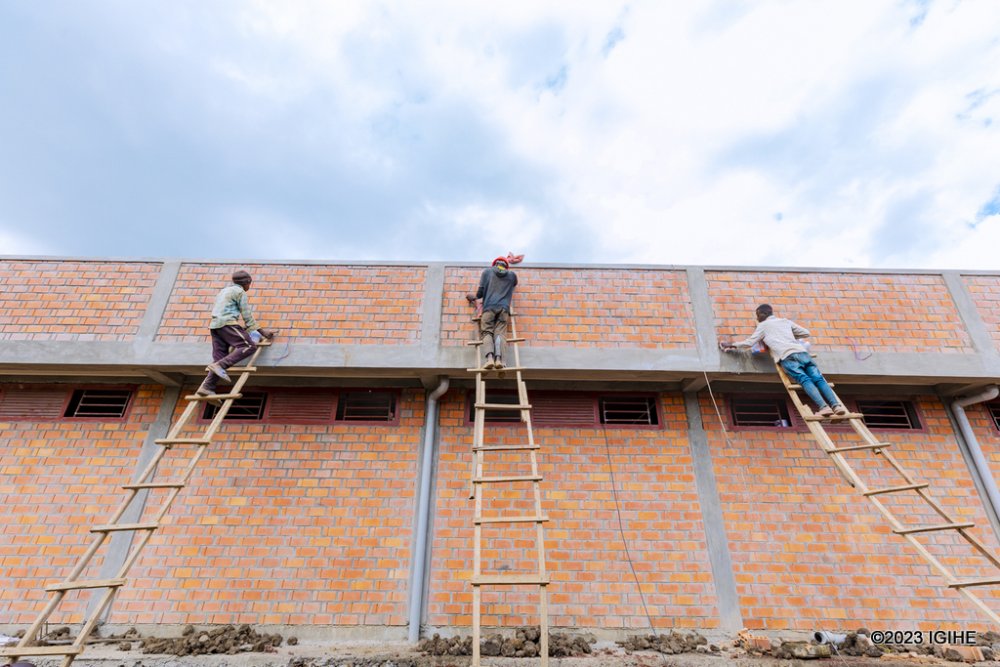
Niyonshuti Elie, an employee of Gasabo 3D Design Ltd and a construction supervisor, mentioned that the village’s construction is nearing completion.
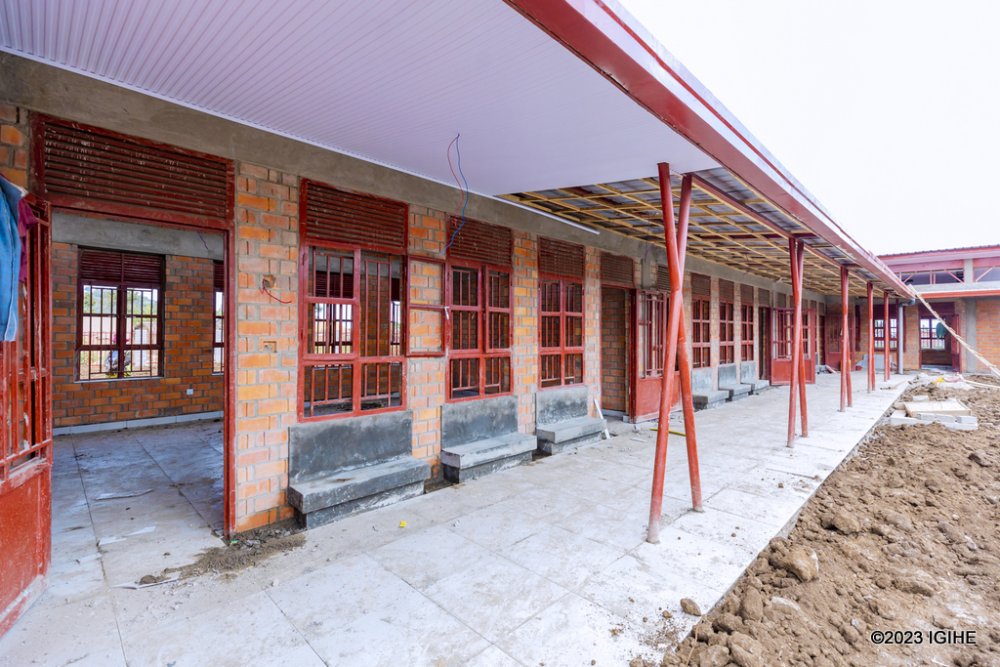
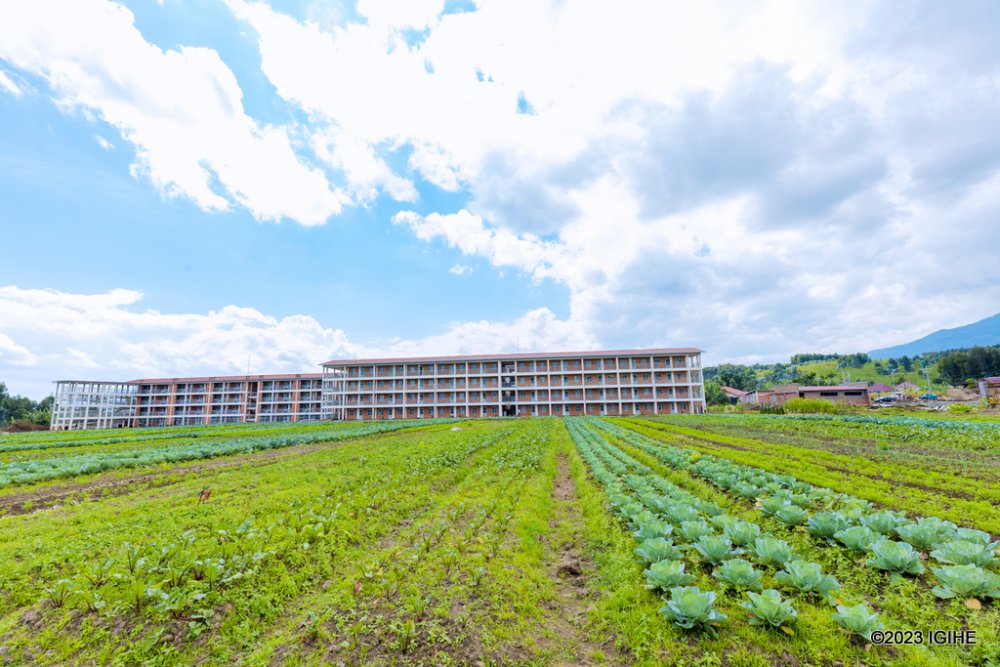
Comprising two phases, Rugerero Model Village is almost finished, he said. The first phase consists of three multi-storey blocks that will provide housing for 120 families.
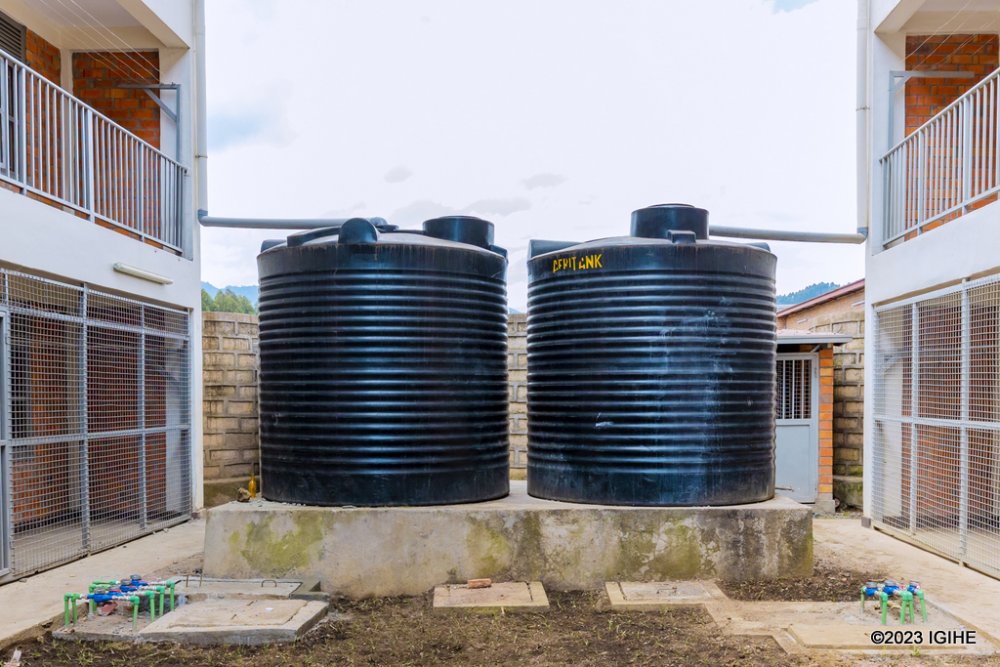
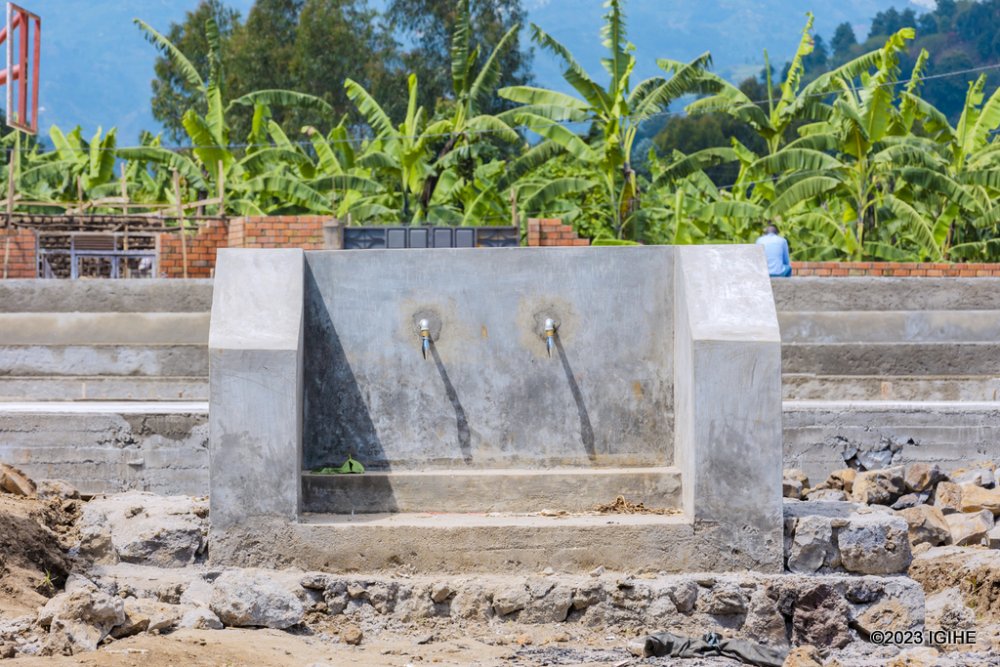
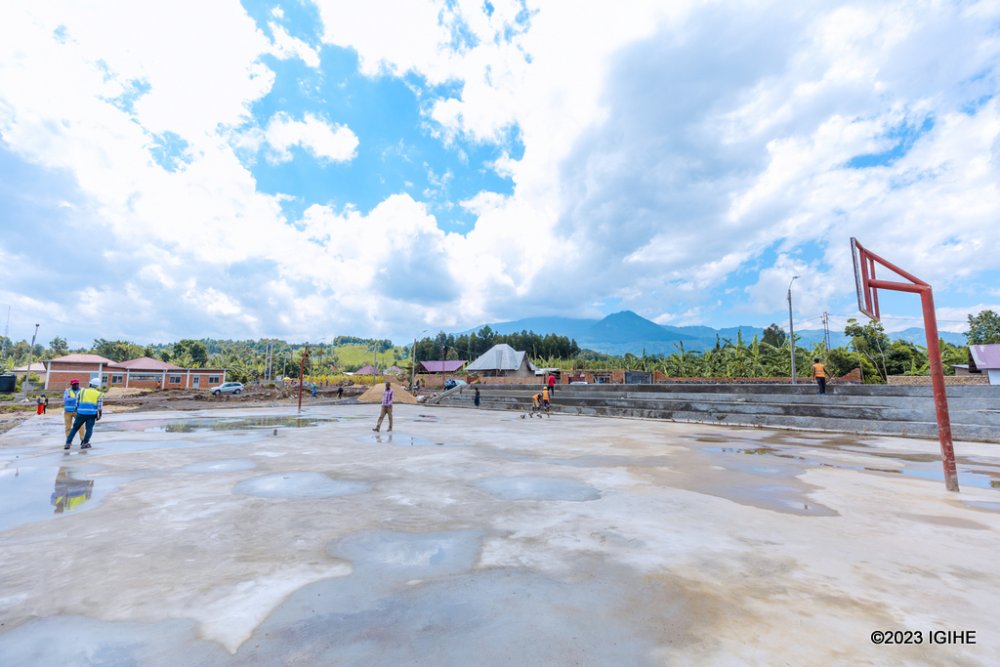
The second phase encompasses essential infrastructure, including roads, an Early Childhood Development Center (ECD), a furniture workshop, a market, an extension and renovation of Muhira Health Post, electricity and water supply, a playground, public toilets, and a vegetable and fruit farm, among other amenities.
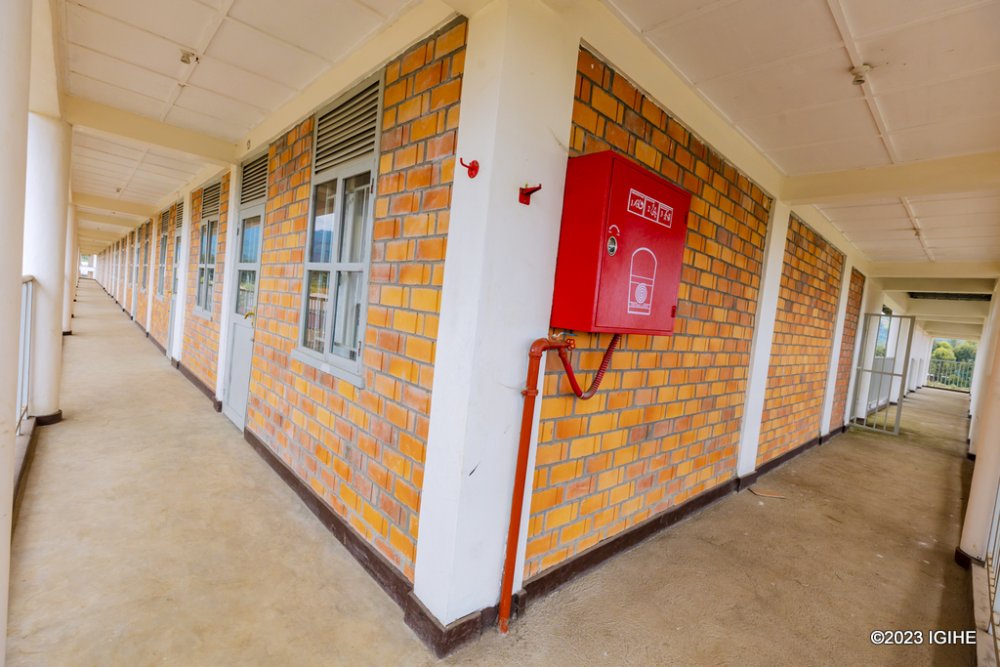
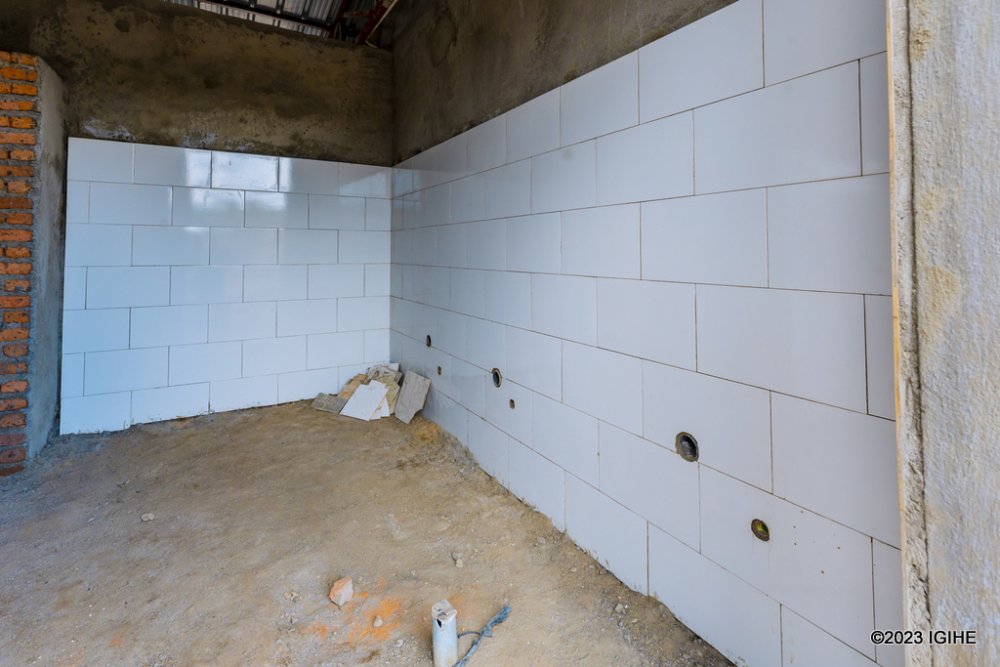
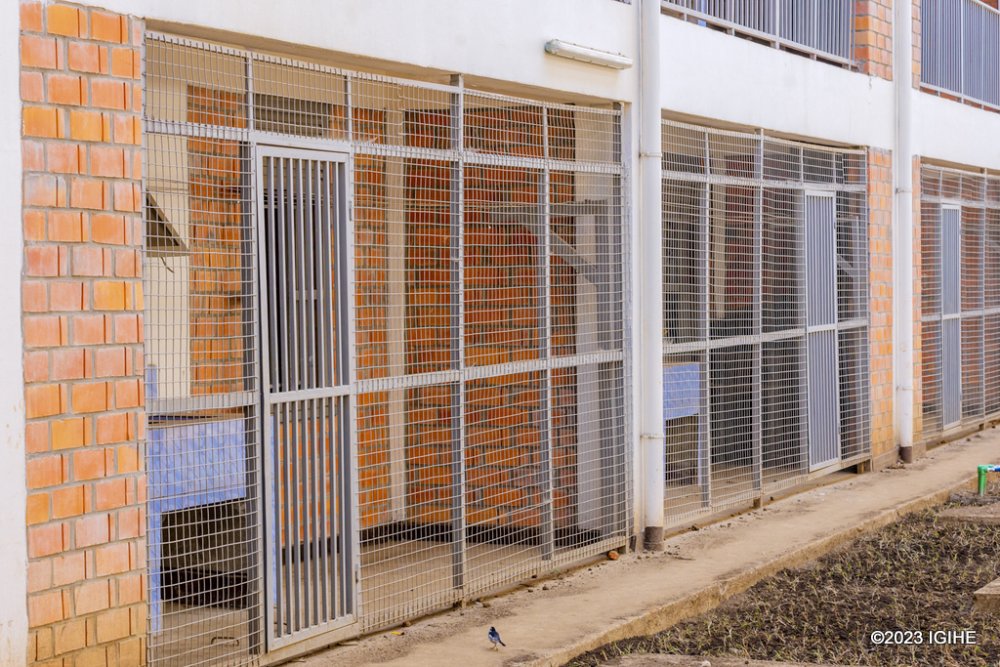
Each housing unit within the village consists of two bedrooms, a living room, a kitchen, a bathroom, and a toilet. Additionally, each house has a back porch with laundry facilities, a kitchenette, and a sitting area. The front porch is shared among all residents, serving as the entrance to their respective homes.
Another housing unit will accommodate 40 families, with each family receiving a room along with a bathroom, a toilet, a kitchen, a living room, and a veranda. The residents will use the back exit of the unit to access their respective courtyards.
While private bathrooms are available in each house, public lavatories are also provided.
Furthermore, each house has its own water and electricity meters. The front of the building units is adorned with a beautiful garden featuring fruit and ornamental trees, providing a refreshing ambiance.
The village features well-constructed roads, open spaces, and water reservoirs. Additionally, an Early Childhood Development Center (ECD) with six classrooms, a head teacher’s office, a kitchen, and a conference room will be established. The school will be equipped with necessary educational resources and recreational facilities to cater to the children residing in the village.
Sports enthusiasts will find delight in the basketball and volleyball courts, which are complemented by stadium-like seating areas. Livestock sheds will also be constructed to facilitate animal husbandry, including chickens that will be distributed to village residents.
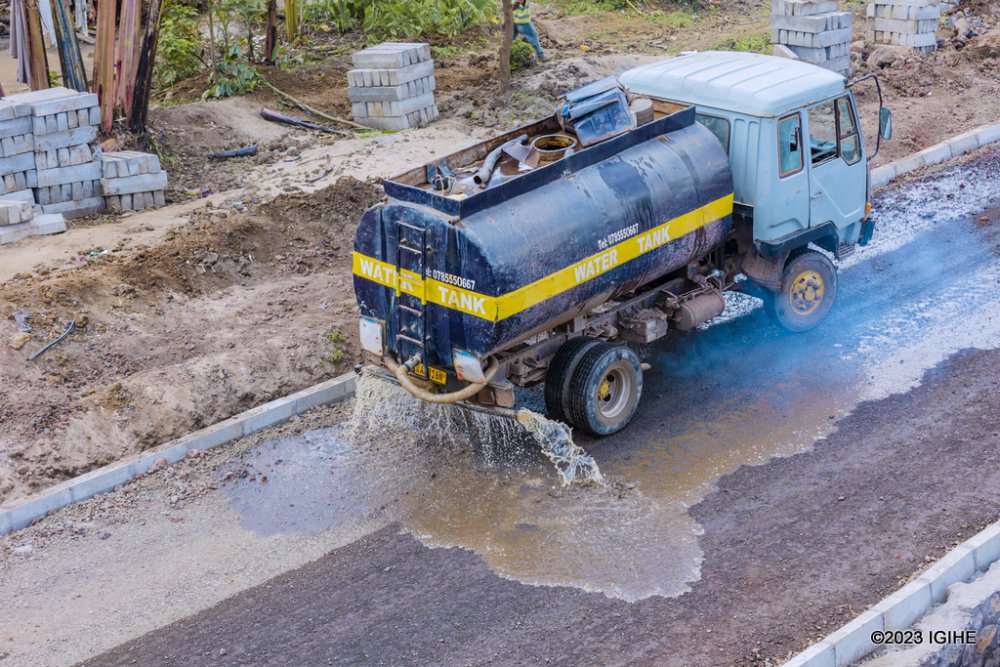
To ensure easy access, a tarmac road connecting the Kigali-Rubavu highway to the village is also under construction.
The suspects were arrested during an eight-day special crackdown on the cultivation of cannabis in Arusha region north of the east African nation that started on May 31, said the statement by the Drug Control and Enforcement Authority (DCEA).
The statement said during the operation, specifically around the foot of Mount Meru, a dormant stratovolcano located 70 kilometers west of Mount Kilimanjaro in the southeast Arusha region, 953 hectares of cannabis were destroyed by the anti-narcotics authorities in collaboration with the police.
“The crackdown was intended to control the cultivation of cannabis in the country and it will be sustainable,” said Aretas Lyimo, the DCEA Commissioner-General.
Lyimo said the cultivation of cannabis has been mushrooming in some parts of the country.
It is illegal to possess or use cannabis in Tanzania, under the Drug Control and Enforcement Act of 2015.
Twelve out of 15 British tourists, along with 10 Egyptian crew members and two Egyptian tour guides, were rescued by another boat, “while the search for the three missing is still underway,” said the statement.
Initial investigation showed that the fire was likely caused by a short circuit in the boat’s engine room, according to the statement.
Mohamed Bendary, the Red Sea Governorate’s secretary-general, said that the accident took place off the coast of the Elphinstone area, some 25 kilometers north of Marsa Alam.
The Egyptian prosecution is currently further probing into the accident, said the statement.
Wang hails from Wuyuan County in the city of Bayannur. Situated at the northernmost end of the Yellow River, Wuyuan is home to 1.23 million mu (82,000 hectares) of saline-alkali fields, accounting for over half of its total arable land.
“There was nothing we could do but to leave the land lying wasted in the past,” Wang recalled. “Thanks to soil improvement techniques and irrigation technologies, the land is now able to support the growth of multiple crops such as sunflowers and corn. And our wallets have been fattened.”
Xi Jinping, general secretary of the Communist Party of China (CPC) Central Committee, made an inspection tour from Monday to Tuesday in Wang’s hometown Bayannur.
At a modern agricultural demonstration park, Xi, also Chinese president and chairman of the Central Military Commission, watched displays of soil and seed samples and commended local practices of putting idled saline-alkali lands and desertified lands into good use, as well as advancing scientific irrigation methods and promoting modern agriculture.
In fact, this is not the first time Xi has focused his attention on saline-alkali land.
Less than one month ago, Xi arrived in Cangzhou City, north China’s Hebei Province. On a plot of saline-alkali wheat land, he learned about how saline-alkali land has been harnessed, how wheat is planted in saline-alkali land and how the agriculture there has been industrialized.
He stressed the need to prioritize the comprehensive use of saline-alkali land, leverage the key role of scientific and technological innovation, expand the cultivation area of suitable crops and develop the intensive processing of farm products.
In October 2021, when visiting the Agricultural High-tech Industrial Demonstration Area of the Yellow River Delta during an inspection tour in east China’s Shandong Province, Xi said the comprehensive use of saline-alkali soil is of strategic importance to national food security.
Saline and alkaline soil is notoriously difficult to farm, producing low crop yields. China has about 1.5 billion mu of saline-alkali land, of which around 500 million mu is available for utilization.
To restore and harness these lands, localities across the country have been dedicating themselves to working out innovative solutions with respect to soil, fertilizer, irrigation and seedlings.
Like many other farmers, Wang Chenglin benefited from a saline-alkali soil restoration project launched by Inner Mongolia from 2020 to 2022. It was aimed at turning 122,000 mu of saline-alkali fields into arable land in six banners and counties.
Through measures such as leveling soil and building underground pipes to drain salt, the overall soil salinity has been reduced and crop yields have increased by around 25 percent during the period, according to the regional agriculture and animal husbandry department.
Scientists and technicians are also screening and nurturing crop seeds that can withstand saline-alkali stress. In the Agricultural High-tech Industrial Demonstration Area of the Yellow River Delta which Xi visited in 2021, wheat crops labeled “Jimai60” registered a record yield of 460.98 kilograms per mu on average in the summer harvest of 2022 in a field with high salinity and alkalinity.
The progress was made possible by both technical breakthroughs in seed breeding and the utilization of saline-alkali tolerant germplasm resources. Several research institutes have collected and stored a total of 21,000 germplasm resources with such properties in the demonstration area.