In an interview with the national broadcaster as Rwanda celebrated its 29th Liberation anniversary on Tuesday 4th July 2023, Kagame criticized the report for its lack of insight into the real issues in the Great Lakes Region and its failure to suggest effective solutions.
Kagame questioned the purpose of such reports, raising concerns about whether they genuinely aim to resolve problems or simply serve to maintain the status quo while providing financial opportunities for certain individuals and countries.
He highlighted the report’s failure to adequately address the plight of Congolese refugees who have sought shelter in Rwanda due to persecution and hate speech in DR Congo. According to Kagame, the report falls short in its understanding of the problem and fails to offer viable solutions.
One of Kagame’s main criticisms is that the UN Group of Experts did not visit Rwanda to speak with the refugees who fled from DR Congo. He viewed this omission as a significant flaw that calls into question the credibility of the report. Kagame suggested that the experts’ reluctance to engage with the refugees may be indicative of bias or a predetermined narrative.
Kagame also criticized the report for its selective focus on certain armed groups, such as the M23 rebel group and the Allied Democratic Forces (ADF), while disregarding the threat posed by the Democratic Forces for the Liberation of Rwanda (FDLR).
The President emphasized that over 120 armed groups operate in eastern Congo, including the FDLR, which is composed of genocidaires who have been integrated into Congolese Army (FARDC).
Kagame argued that the report downplays the existence and significance of the FDLR, distorting the overall understanding of the situation.
Moreover, Kagame expressed disappointment that the report did not provide a comprehensive analysis of the armed groups and their intentions. He expected the report to clarify the identities, actions, origins, and intentions of these groups, and to propose concrete actions to address the situation.
Kagame highlighted that the pacification of eastern DR Congo is not just about one country but also neighboring nations, including Uganda, Rwanda and Burundi. He urged Rwandans to remain focused on their priority of ensuring the security of their nation and its people, regardless of the challenges and disturbances in the surrounding region.
RPA soldiers launched the Liberation Struggle on 1st October 1990. The four-year journey ended with the capture of Kigali City where the then government which perpetrated Genocide against Tutsi fled to former Zaïre, in the current Democratic Republic of Congo (DRC).
As Rwanda celebrates the 29th Liberation Anniversary, we have listed below important dates that marked the journey to free the country from the regime characterized by ethnic divisionism and nepotism.
{{In 1990}}
{{On 1st October: }} On this date, RPA soldiers attacked Kagitumba border. The attack marked the beginning of the Liberation Struggle which lasted for four years after members of RPF Inkotanyi decided to free the country by means of war.
Initially, RPA soldiers were commanded by Maj Gen Fred Gisa Rwigema but attacks were foiled by soldiers of the then regime of Habyarima on the support of mercenaries.
Some of top commanders were killed in the first 14 days of the struggle which left gaps in the leadership of RPA and affected soldiers’ morale.
President Paul Kagame who was at the rank of major at the time took over the leadership and introduced new tactics during the remaining days of the struggle.
{{On 2nd October: }} The commander of RPA soldiers, Gen Maj Gisa Fred Rwigema was shot dead in Nyabwishongwezi.
{{On 4th October: }} 300 French soldiers came to protect its citizens living in Rwanda while RPA forces from the 9th battalion captured Nyagatare town.
In the night of 4th leading to 5th October, the government of Habyarimana lied that Inkotanyi raided Kigali City and arrested over 10,000 Tutsis and many politicians.
{{On 5th October: }} 535 Belgian soldiers and others from Zaire came to Rwanda to support Habyarimana.
{{On 6th and 7th October: }} The 4th Battalion of RPA soldiers captured Gabiro.
{{On 8th October:}} Following the exchange of fire with RPA soldiers; the then government forces (FAR) killed 1,000 Tutsis from Hima tribe in Mutara.
{{From 11th to 13th October: }} Nearly 400 Tutsis were killed in Commune Kibilira.
{{On 23rd October:}} Major Bunyenyezi and Major Bayingana died in an ambush laid in Ryabega.
{{On 13th November:}} Habyarimana allowed opposition parties to operate. He also declared that people’s ethnicity should no longer be mentioned on identity cards even though it never materialized.
{{On 6th December:}} Kangura journal published the 10 commandments of Hutus, including eight inciting Hutus to be violent against Tutsis.
{{In 1991}}
{{On 3rd January:}} RPA changed tactics and launched attacks in Gatuna and Kaniga to block the supply of equipment to FAR.
{{On 7th January: }} A number of Rwandans were handed death sentence accused of spying for Inkotanyi.
{{On 23rd January: }} RPA captured Ruhengeri town and released inmates from Ruhengeri Prison.
From the last days of January towards March: Between 500 and 1000 Tutsis from the Abagogwe tribe were killed.
{{In 1992}}
{{In March: }} A group of Hutu extremists (CDR) that was at the centre of planning and execution of the 1994 Genocide against the Tutsi was created. Around 300 Tutsis were also killed in Bugesera.
{{In May:}} RPA’s attack in some communes left over 350,000 people displaced.
{{In August: }} A large number of Tutsis were killed in Kibuye.
{{In November:}} Leon Mugesera delivered a hate speech in Kabaya where he incited Hutus to exterminate Tutsis, insisting that they will be returned to ‘their place of origin’ in Ethiopia through River Nyabarongo.
{{In 1993}}
{{On 8th February: }} RPA captured the largest part of the country and withdrew to alert the international community that Tutsis were being killed of torture.
{{On 8th March:}} An international report indicated the role of the then Presidency Office in the killings of Abagogwe in Gisenyi and Ruhengeri Prefectures.
{{On 7th April:}} The then government received the report and rejected its findings.
{{In August:}} Spread of hate speeches and inciting Rwandans to kill Tutsis through Radio RTLM.
{{On 4th August:}} As RPA and the then regime were asked to implement resolutions of Arusha Peace Accords; the government continued to train Interahamwe, Impuzamigambi and other groups to kill Tutsis.
{{On 28th October:}} The 3rd Battalion of RPA soldiers arrived in CND in Kigali, aligning with efforts to establish the interim government as per Arusha Accords.
{{In 1994}}
{{On 6th April: }} A regional meeting took place in Dar-es-Salaam. The plane which carried the then President Habyarimana was shot down on the same day around 8:30 p.m. as he returned to Kigali from the meeting.
{{7th April:}} Prime Minister Uwilingiyimana Agathe and 10 Belgian soldiers protecting her were killed. Other ministers and officials opposing the regime were killed.
Genocide began in Butare, Gitarama and Murambi in Byumba.
{{On 8th April:}} RPA soldiers decided to attack Kigali and stop Genocide against Tutsi.
{{On 14th April:}} Belgium ordered its troops to withdraw from Rwanda and UN troops deployed in the country. The last soldier left Rwanda not later than 20th April.
{{On 18th April:}} RPA shot at RTLM over spreading hatred among Rwandans.
{{On 19th April: }} The interim President Sindikubwabo delivered a speech at his birthplace in Butare inciting Hutus to stand up and kill Tutsis. Since then, anyone opposing the plan was also hunted to be killed.
{{On 21st April:}} RPA captured Byumba.
{{On 21st and 22nd April: }} UN Security Council ordered the reduction of its troops in Rwanda and left only 270 soldiers.
{{On 30th April: }} RPA was controlling the Rusumo border.
{{On 16th May:}} RPA blocked the road Gitarama-Kigali.
{{On 22nd May:}} RPA captured Kigali International Airport and Kanombe Military Camp.
{{On 29th May:}} RPA captured Nyanza town.
{{On 2nd June: }} RPA liberated Kabgayi.
{{On 13th June:}} RPA captured Gitarama town where the interim government had moved. It had fled to Gisenyi on 10th June.
On 21st June: As per the 929th resolution of the UN, the first French troops arrived at borders between Rwanda and Zaire under “Operation Turquoise”.
{{On 28th June:}} UN released a report indicating that Genocide against Tutsi was happening in Rwanda.
{{On 4th July:}} RPA liberated Kigali City after Butare on the previous day. Since then, the former government fled to Zaire.
{{On 14th July:}} RPA captured Ruhengeri.
{{On 17th July:}} RPA liberated Gisenyi.
{{On 19th July:}} The Government of Rwanda’s Unity was installed, marking the stop of Genocide against Tutsi.
Speaking at a forum in the Kenyan capital of Nairobi, the scientists acknowledged Africa’s escalating climate crisis, adding that the continent’s tropical forests hold the key to a green and resilient future for local communities.
Convened by the Nairobi-based African Forest Forum, the five-day pan-African forum starting on Monday has brought together policymakers, scientists, botanists, and green campaigners to discuss the role of forests and tree-based ecosystems in advancing the continent’s green agenda.
Godwin Kowero, executive secretary of the African Forest Forum, said by protecting the continent’s indigenous forests, grassroots communities will benefit from climate resilience and transformed livelihoods.
“The sustainable management of forest resources will be key to boosting our resilience to climatic shocks, providing income to rural communities, and stabilizing the environment,” Kowero said.
According to Kowero, the contribution of the forest ecosystem to Africa’s response to climate change is recognized by multilateral environment agreements and the continent’s long-term growth and transformation blueprint.
He said despite contributing less than 4 percent to global greenhouse gas emissions, Africa remains the epicenter of climate disasters, including droughts, floods, wildfires, and tropical storms.
Kowero called for policy reforms, enforcement of legislation, and engagement of the private sector and communities to reverse forest degradation, worsened by climate change, population pressure, and lax policing.
Joshua Cheboiwo, director of the Kenya Forestry Research Institute, stressed that sustainable utilization of tropical forests, mangrove swamps, and savannah grasslands will aid Africa’s quest to achieve net-zero targets.
Cheboiwo said the continent should leverage its forest resources to tackle rural poverty and food insecurity, and spur local manufacturing and cross-border trade in natural products.
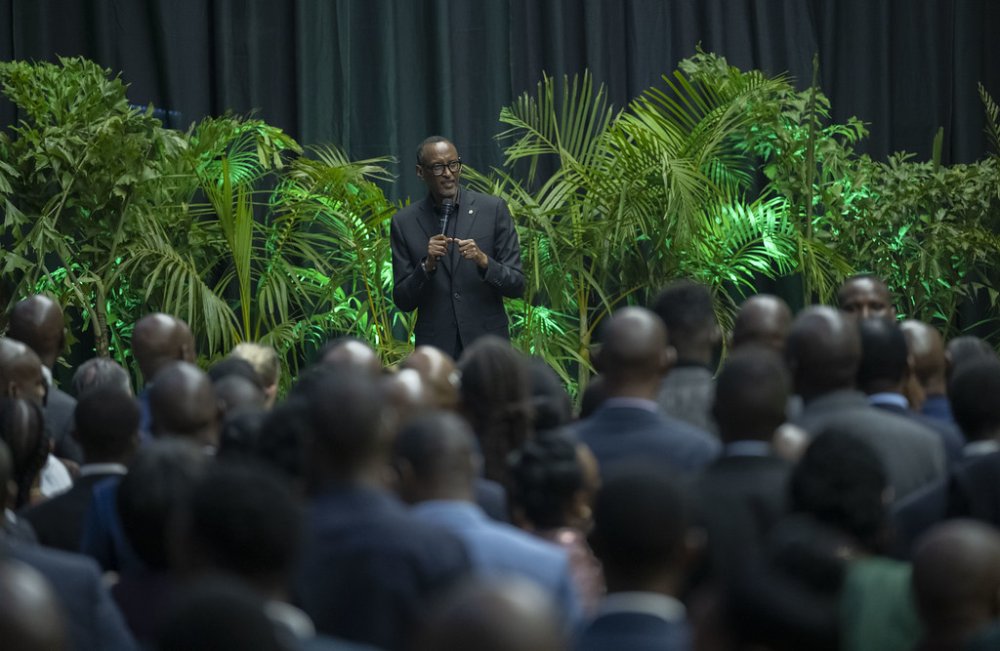
The ceremony took place on the evening of Sunday, July 2nd, 2023, at Kigali Convention Centre, two days before Rwanda’s Liberation Day.
The Head of State emphasized that Rwanda’s Liberation Day falls in the same month as Independence Day on July 1st.
Kagame explained that the country deemed it unnecessary to celebrate these two important national days separately and decided to merge their celebrations on July 4th.
He noted that July 4th is akin to a New Year’s feast for many Rwandans, including himself, and that significant achievements have been made since the end of the 1994 Genocide against the Tutsi.
Kagame stated that this date marked the beginning of transformations for the Rwandan people, with many of them starting anew while also remembering those who did not survive the 1994 Genocide against the Tutsi.
The president mentioned that much could have changed when Rwanda gained independence on July 1st, 1962. However, as he explained, as time passed, it seemed like the country’s leadership fell back into the hands of colonizers due to a “failure to carry on the responsibilities.”
Kagame highlighted that this situation allowed the colonizers to regain control of the country, rendering independence merely a symbolic notion. He also pointed out that similar situations applied to other countries that obtained independence in name only.
Meanwhile, Kagame stressed the importance of not becoming complacent about the reasons that led to Rwanda’s liberation, celebrated every year on July 4th.
He urged Rwandans to continually strive to uphold their liberation, emphasizing that it is a choice they have to make.
According to President Kagame, the decision to live a poor life will result in exactly that outcome.
He highlighted the importance of hard work, stating that not working hard leads to a poor life.
Kagame acknowledged that Rwanda’s liberation history was marked by bloodshed and urged the people to persevere so that this history would not be erased by the stroke of a pen.
Among others, the President recognized that the history of Rwanda was written by young people and called upon the youth of this generation to uphold that history.
He also addressed a recent report from the Ministry of Health, which revealed an increasing prevalence of alcohol consumption. Kagame advised against excessive drinking, instead encouraging individuals to pursue what makes them courageous and determined.
He emphasized that by doing so, they can safeguard the history of their country, which was written through great sacrifice.
The 16-year-old was visiting from Nyagatare District, accompanying his mother on a visit to a family residing near the lake.
According to sources, the tragedy unfolded when the 9-year-old child, bravely attempted to rescue their drowning companion who lacked adequate swimming skills. Overwhelmed by fear, the 16-year-old clung tightly to his rescuer, ultimately leading to the unfortunate demise of both children.
The distressing incident came to light when a 5-year-old child, who had accompanied them but refrained from swimming, reported the tragedy to their parents. Local authorities were immediately notified, and a search operation was launched. However, as of press time on Monday morning, the bodies of the victims had yet to be recovered.
Déogratias Rutayisire, the executive secretary of Kigeyo Sector, has expressed his condolences and confirmed that the drowning occurred on Sunday at approximately 13:00.
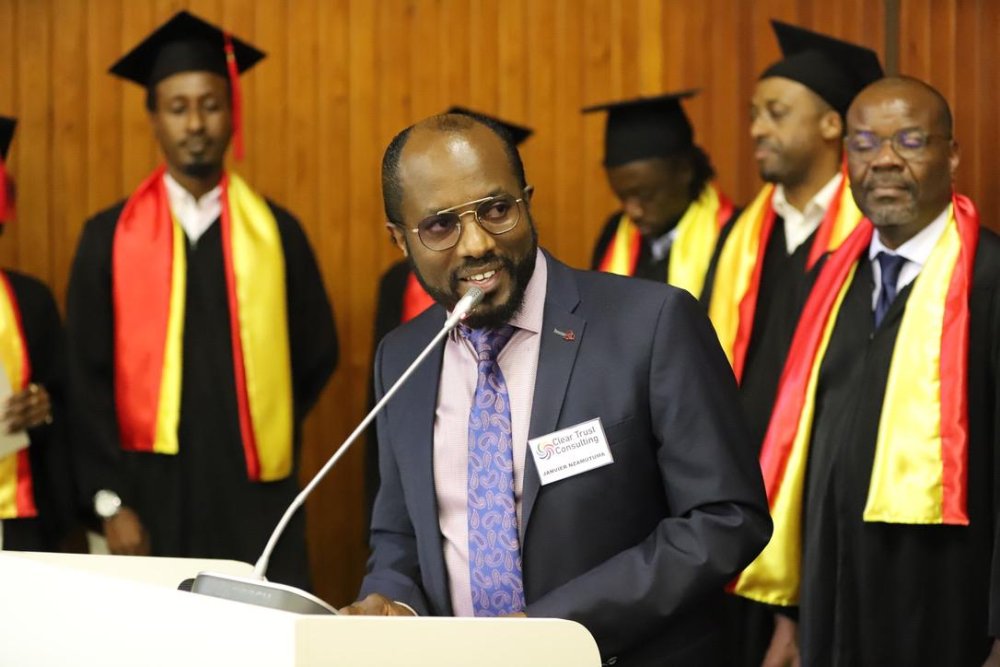
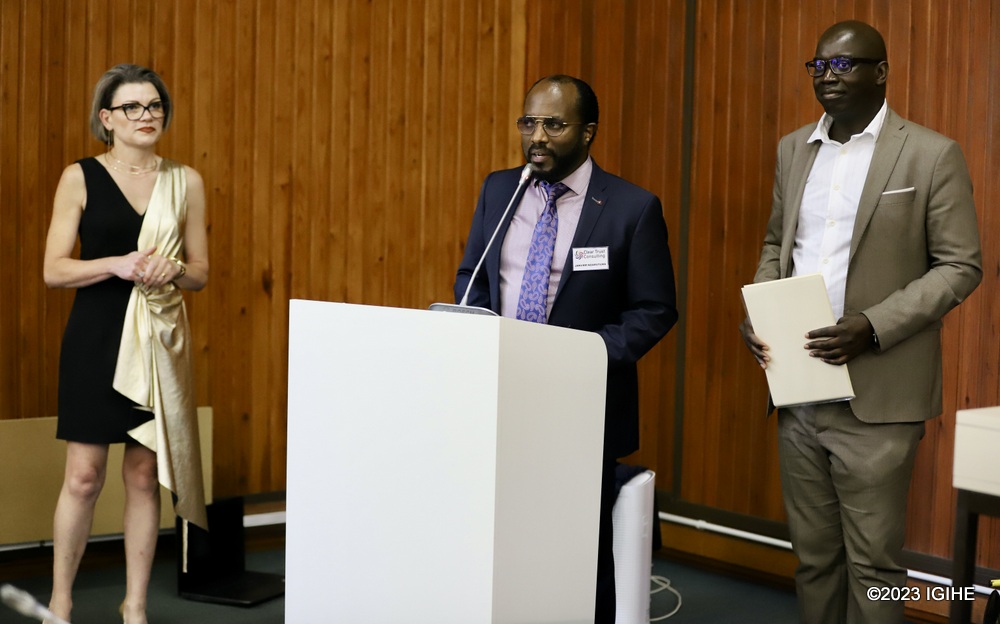
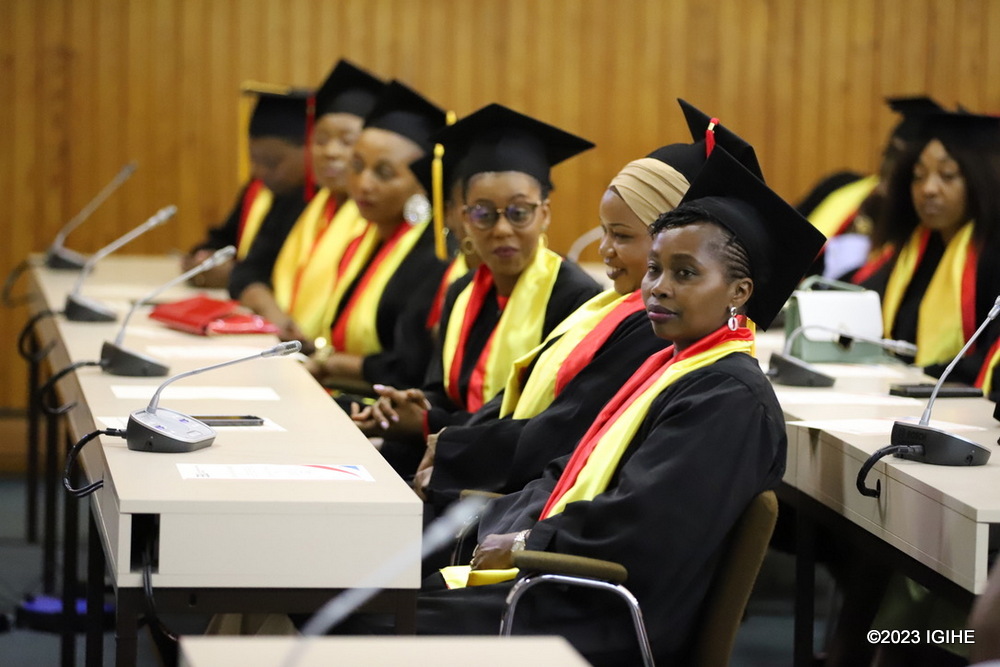
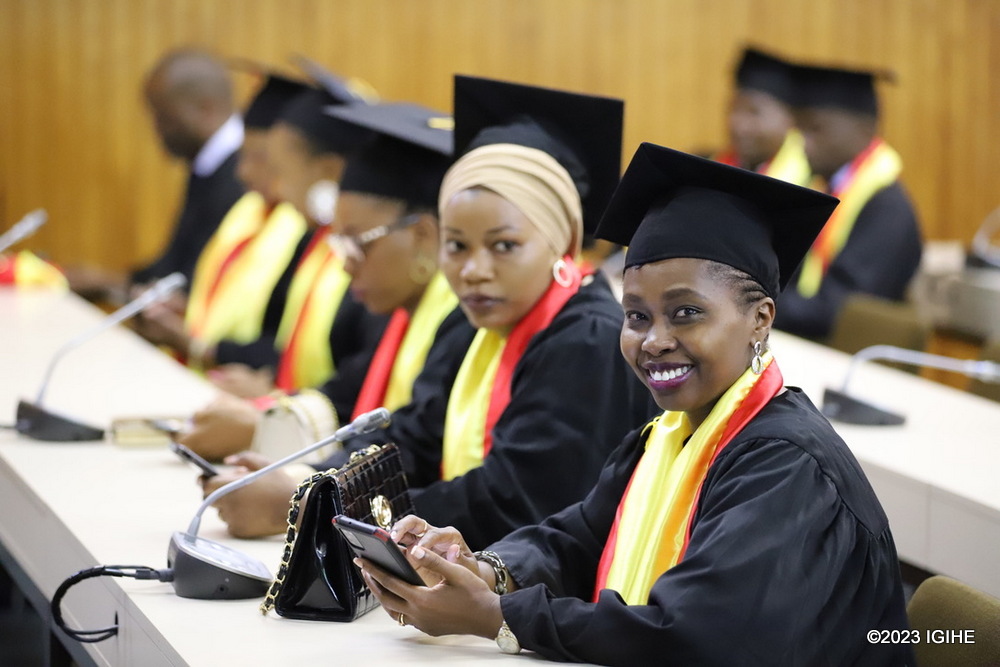
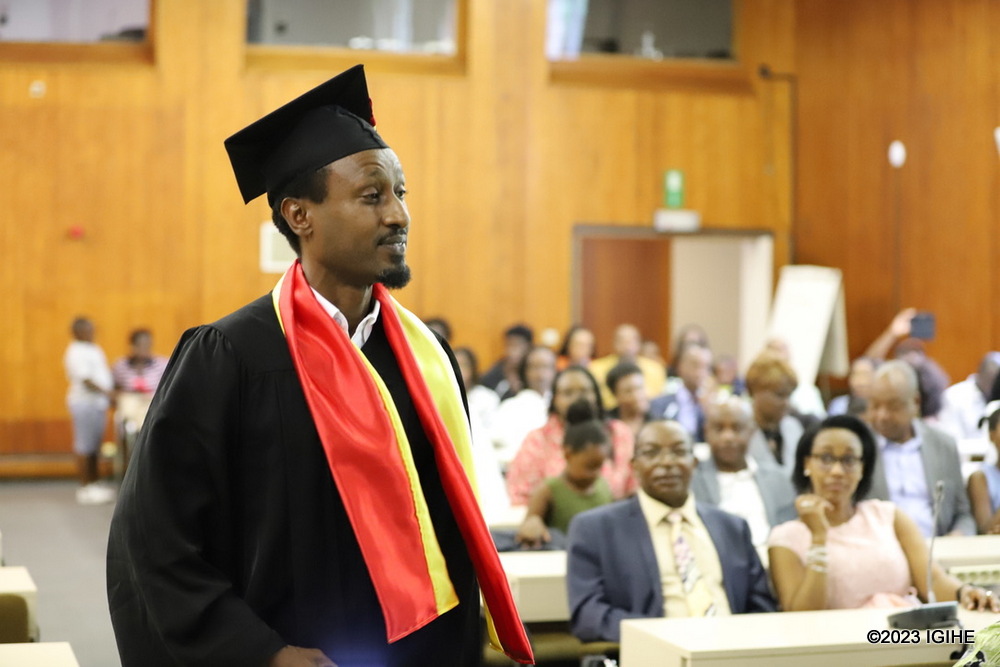
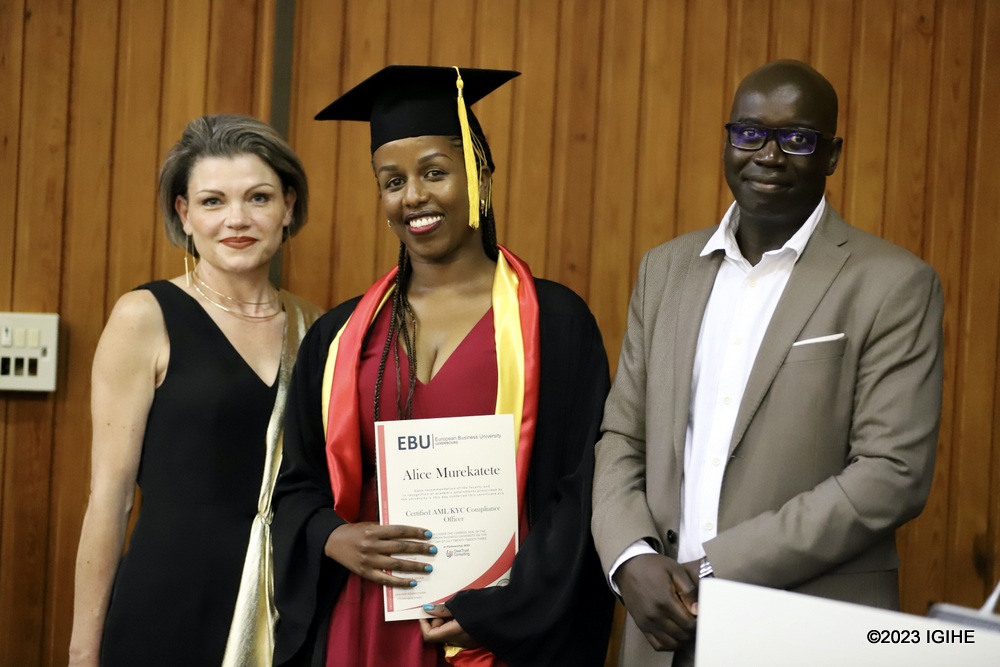
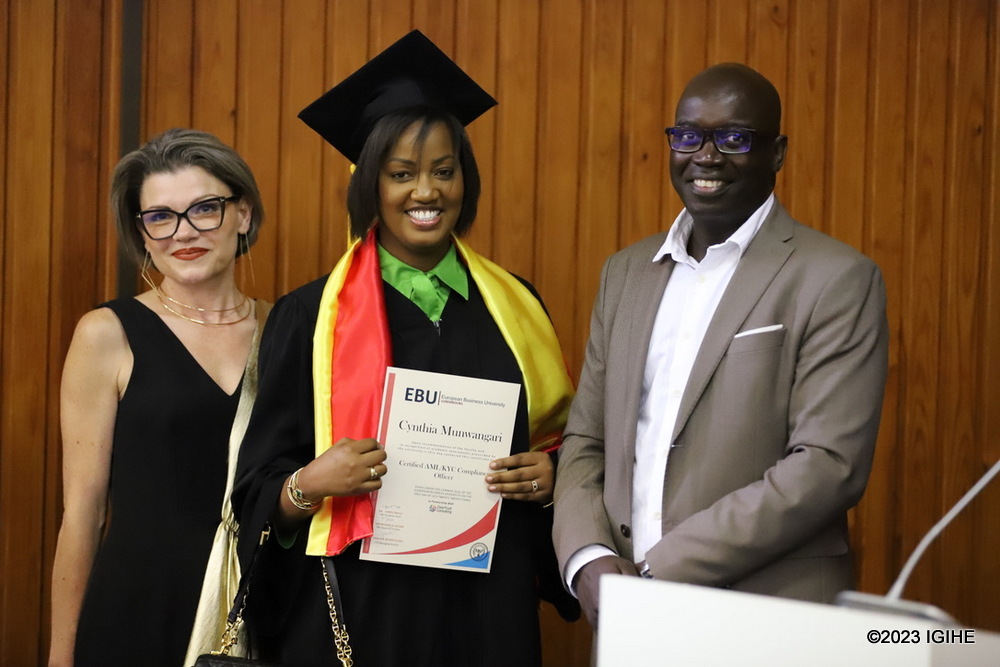
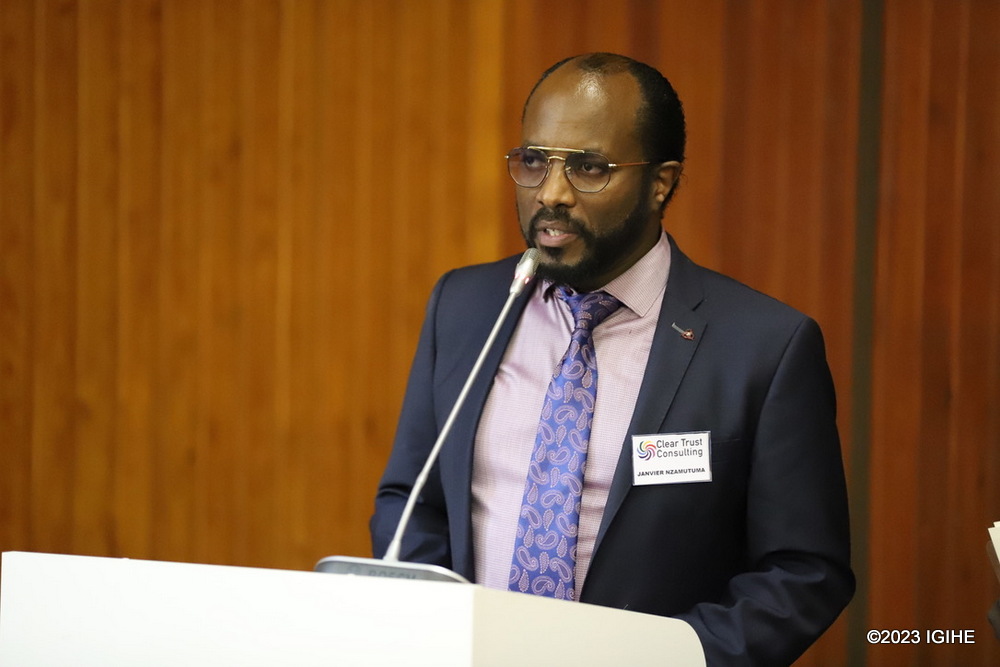
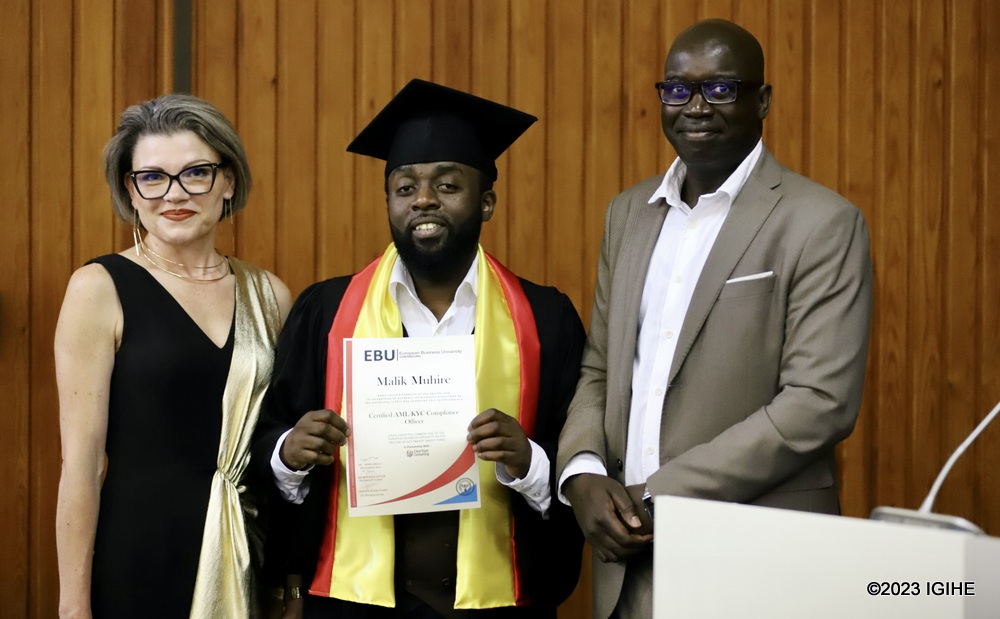
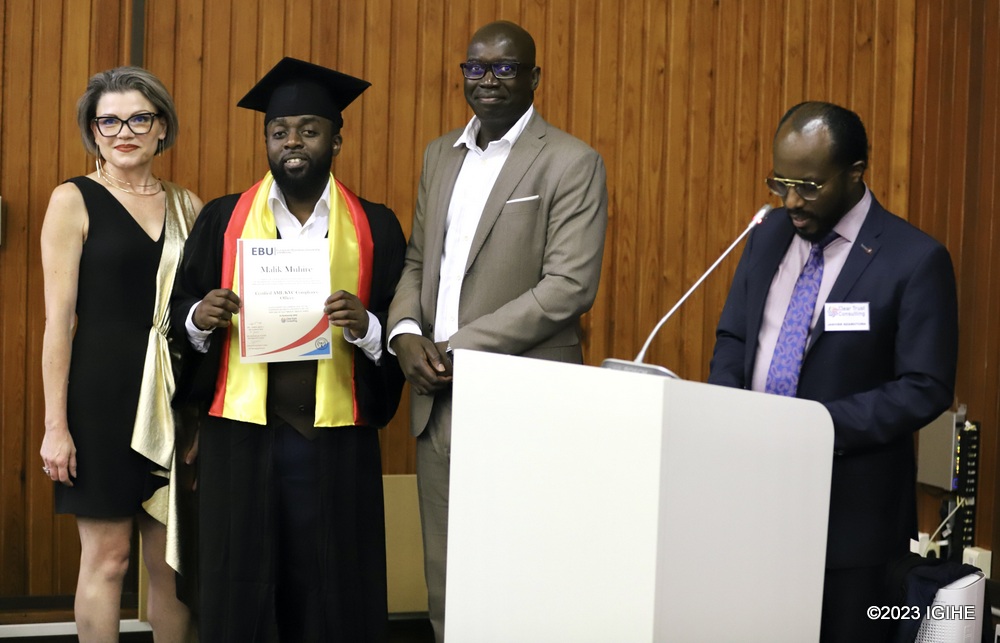
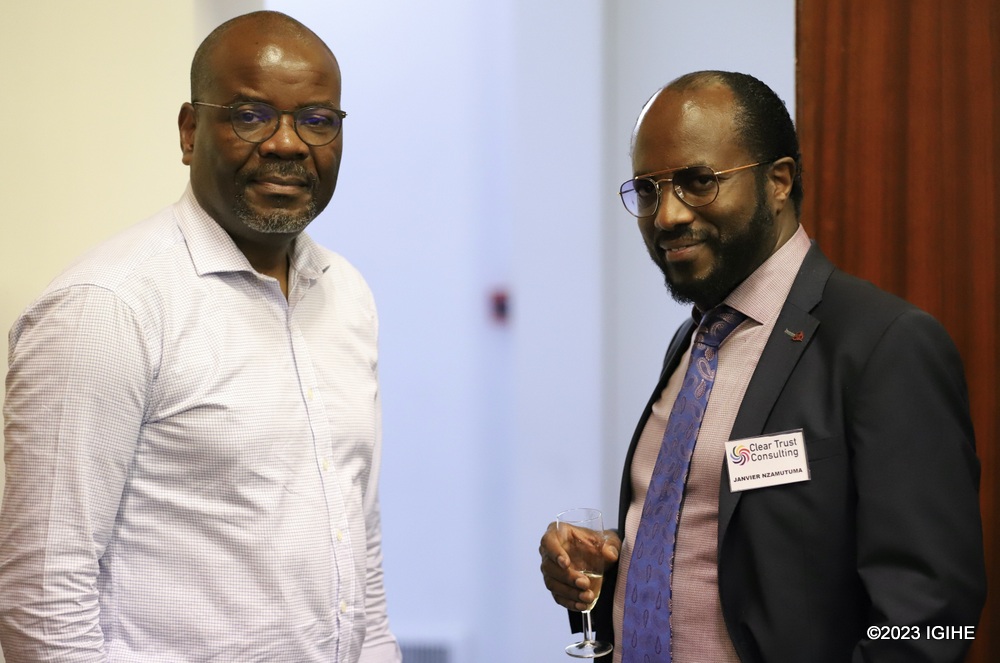
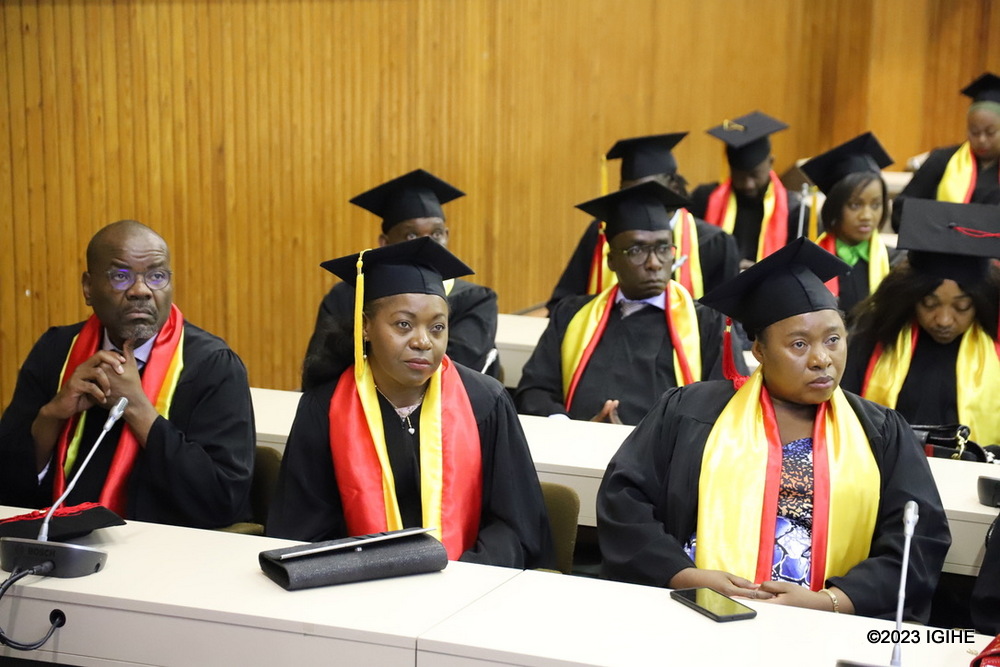
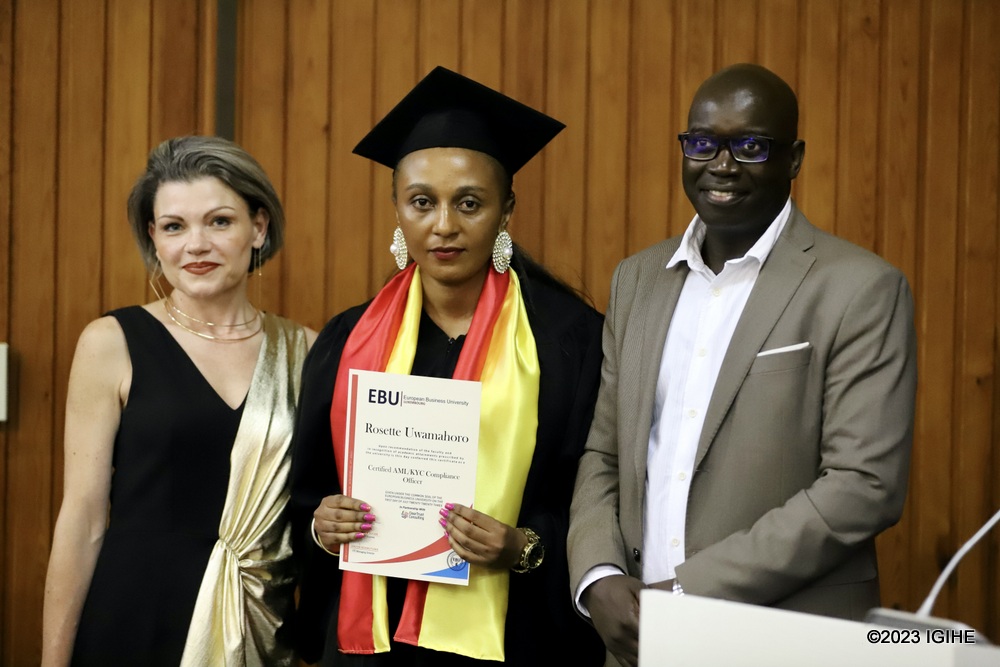
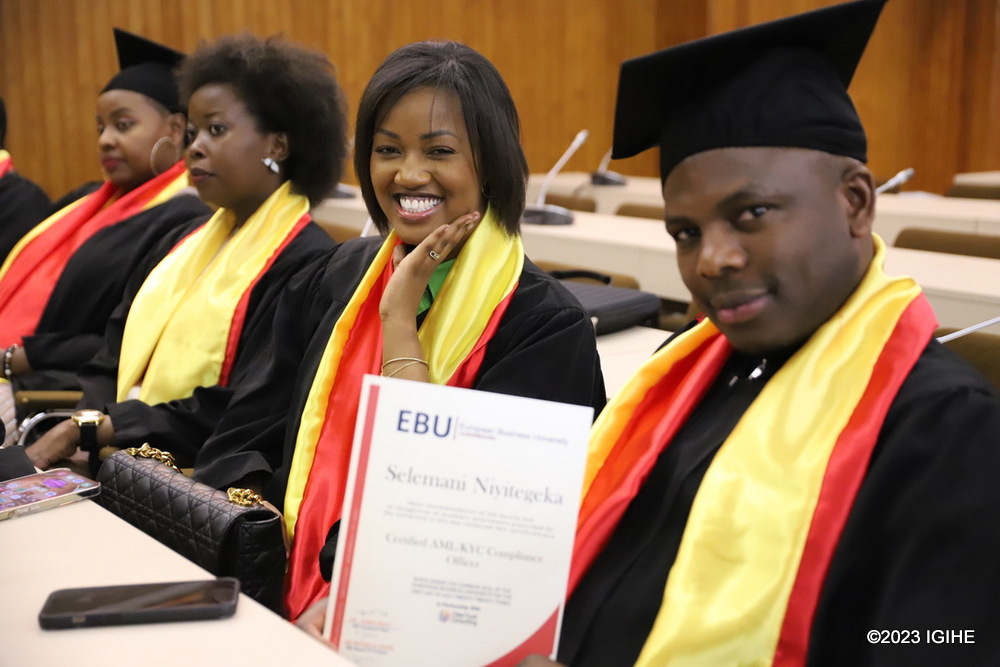
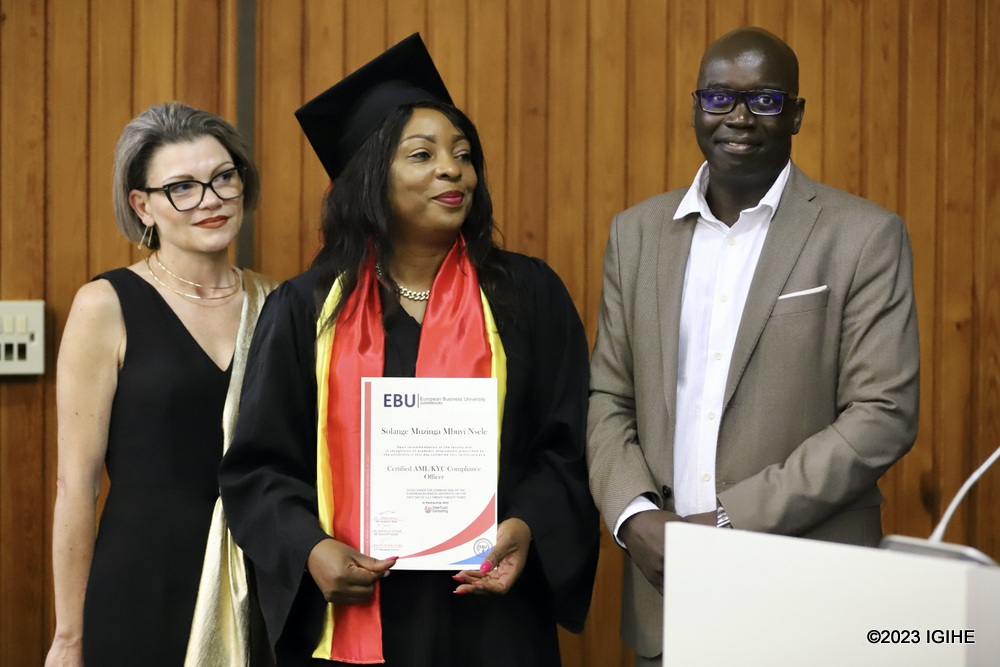
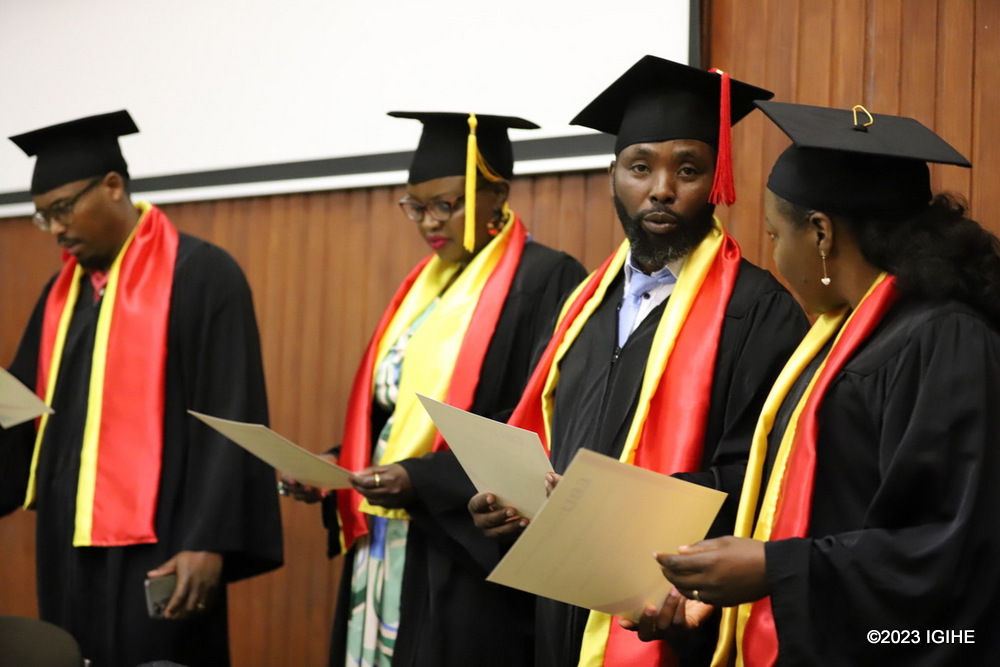
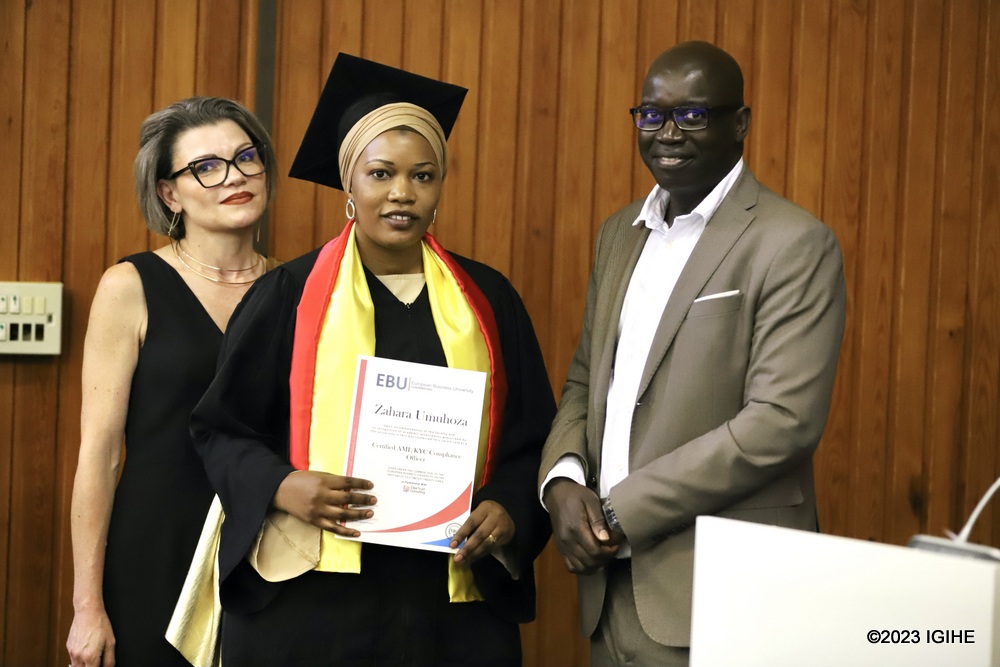
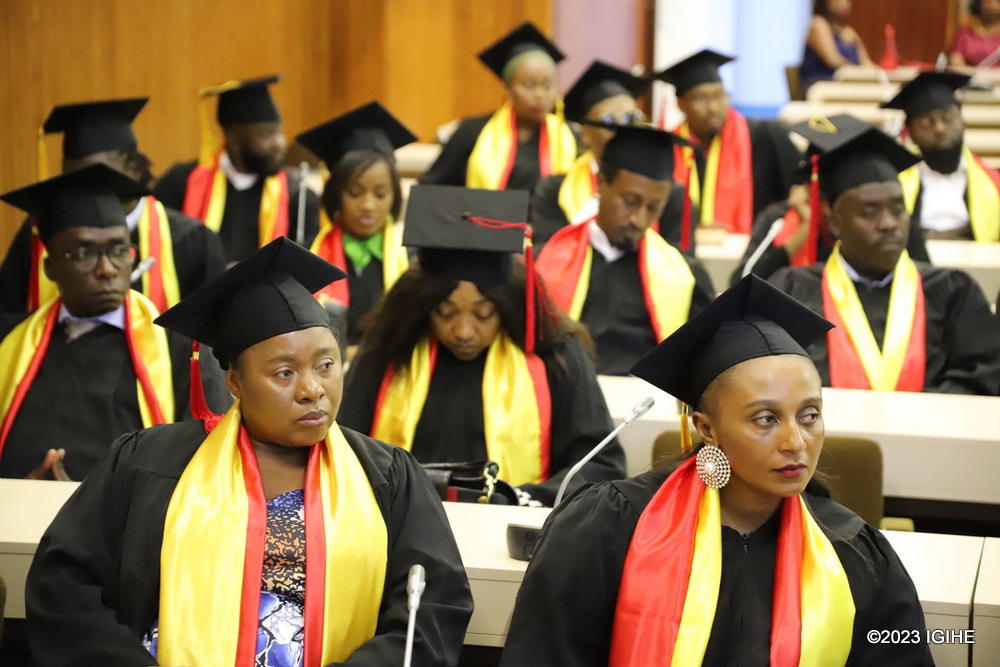
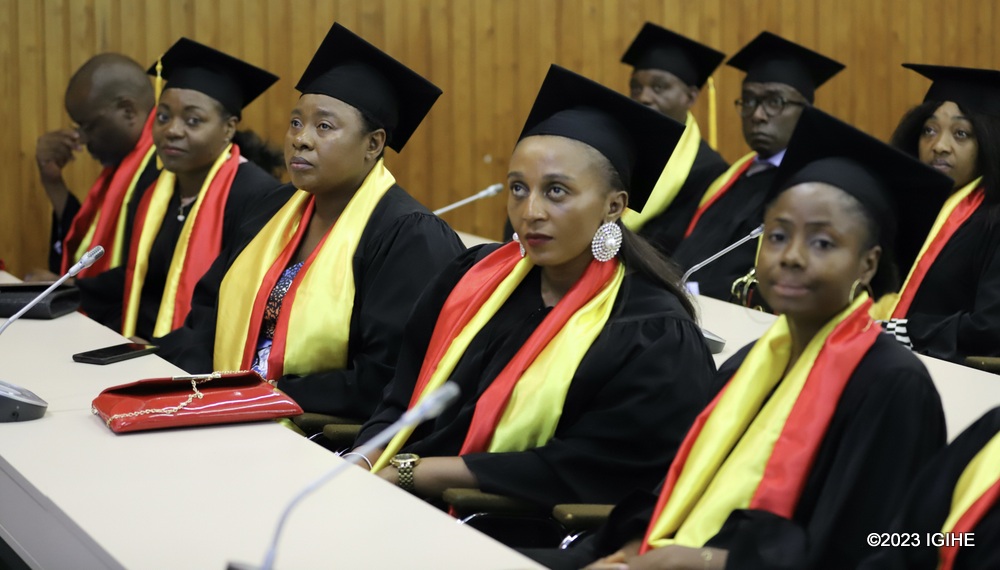
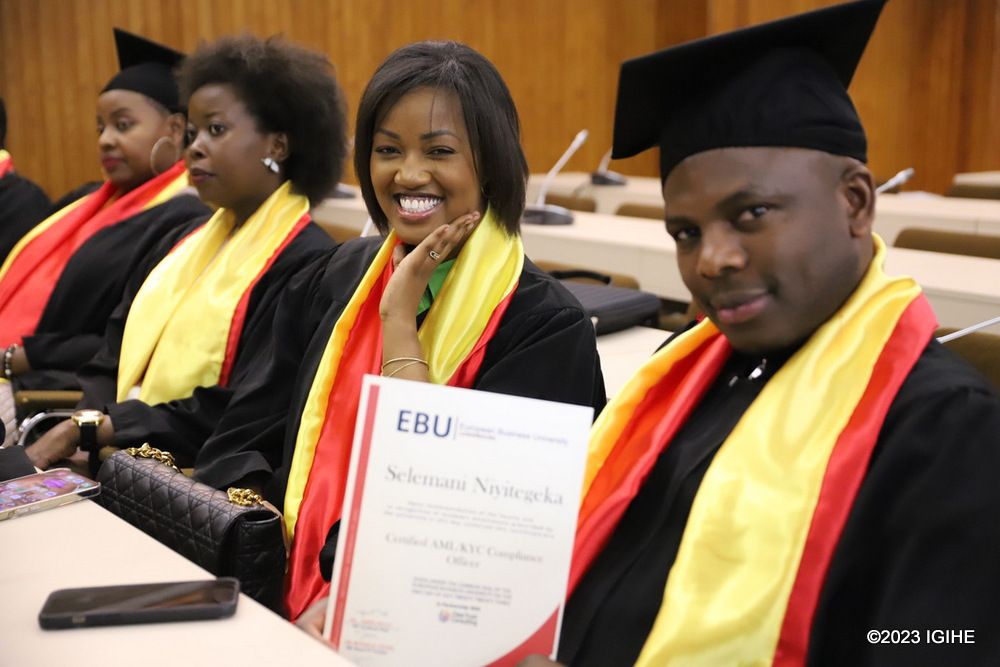
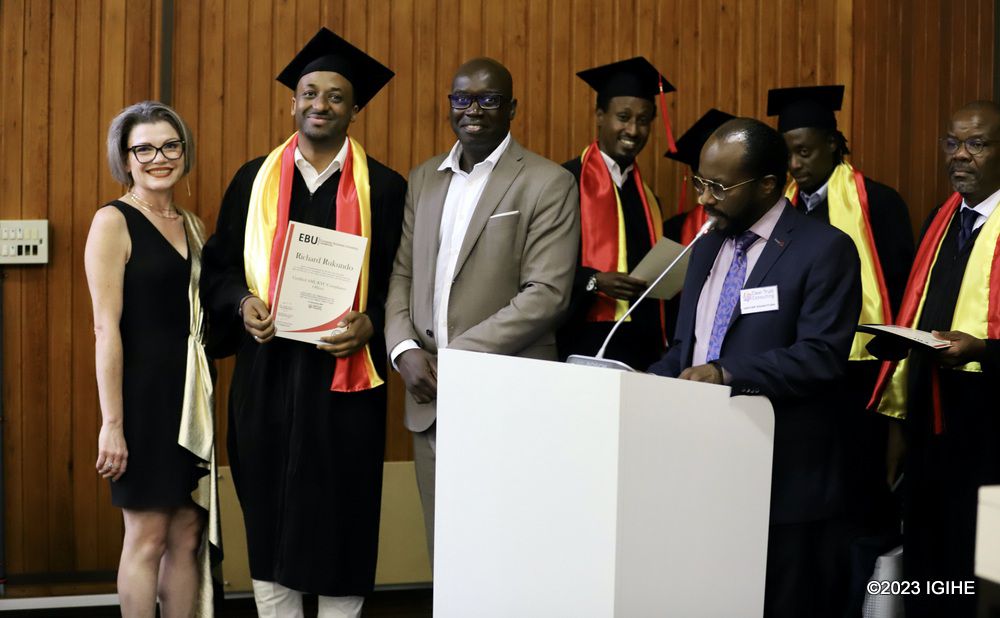
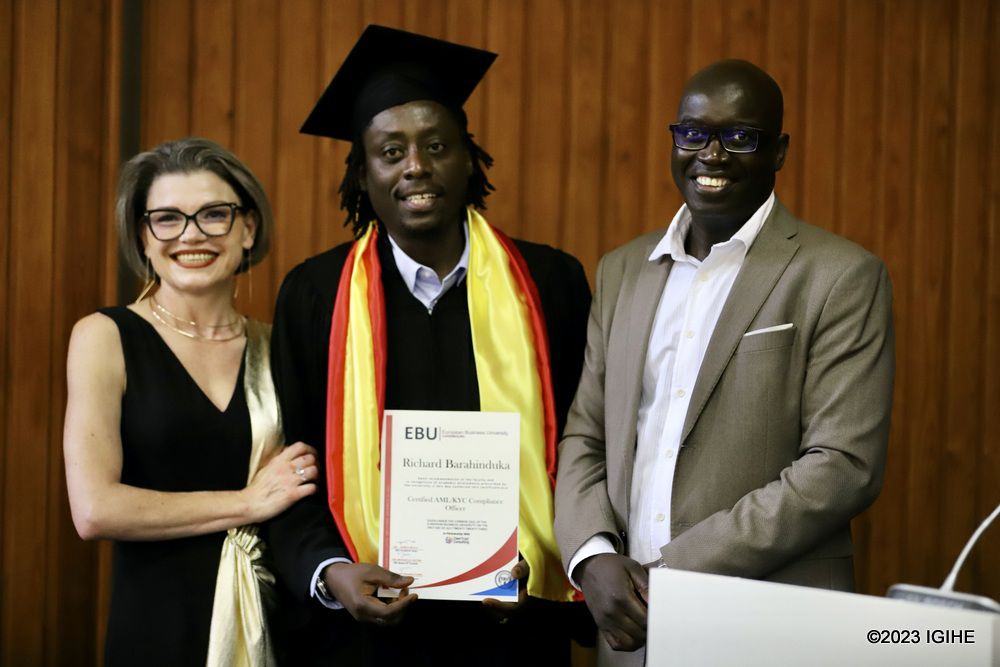
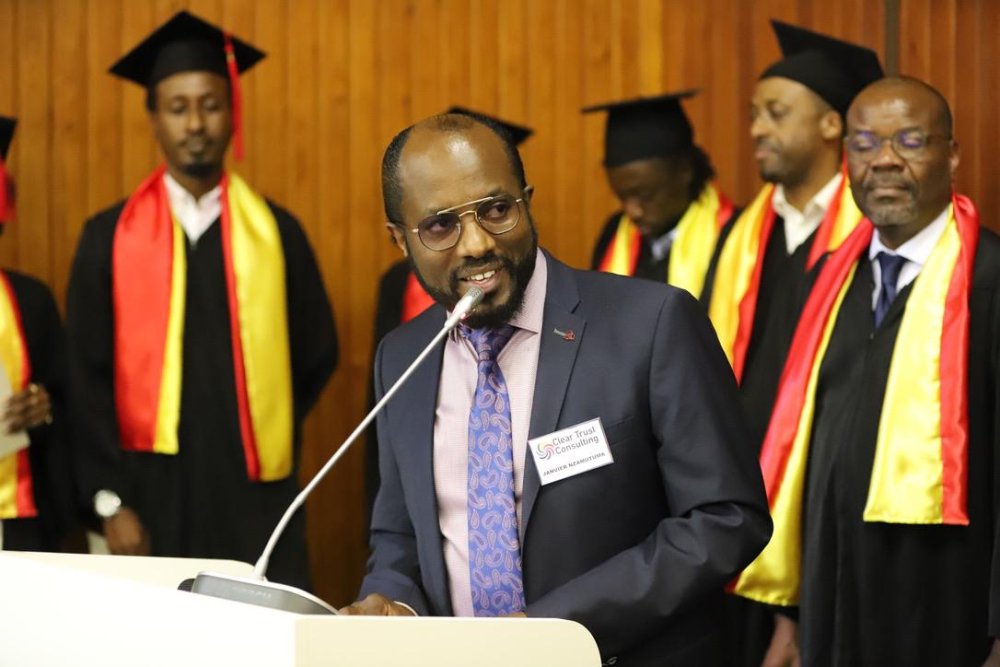
ClearTrust Consulting is a prominent consulting service provider in the financial sector, specializing in two core areas: Consulting and Training. The collaboration between CTC and the European Business University of Luxembourg offered a range of comprehensive courses related to business, economics, and finance, ultimately benefiting individuals from diverse backgrounds and opening up new possibilities for their professional trajectories.
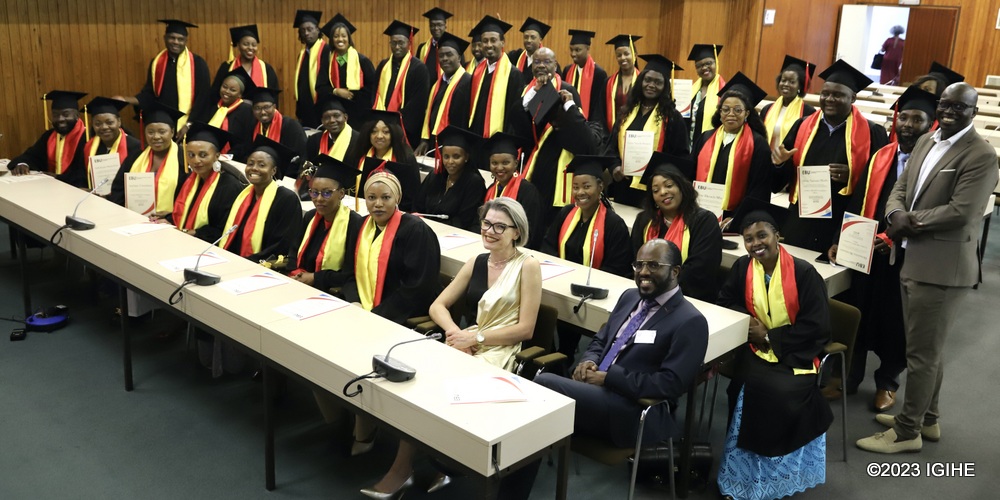
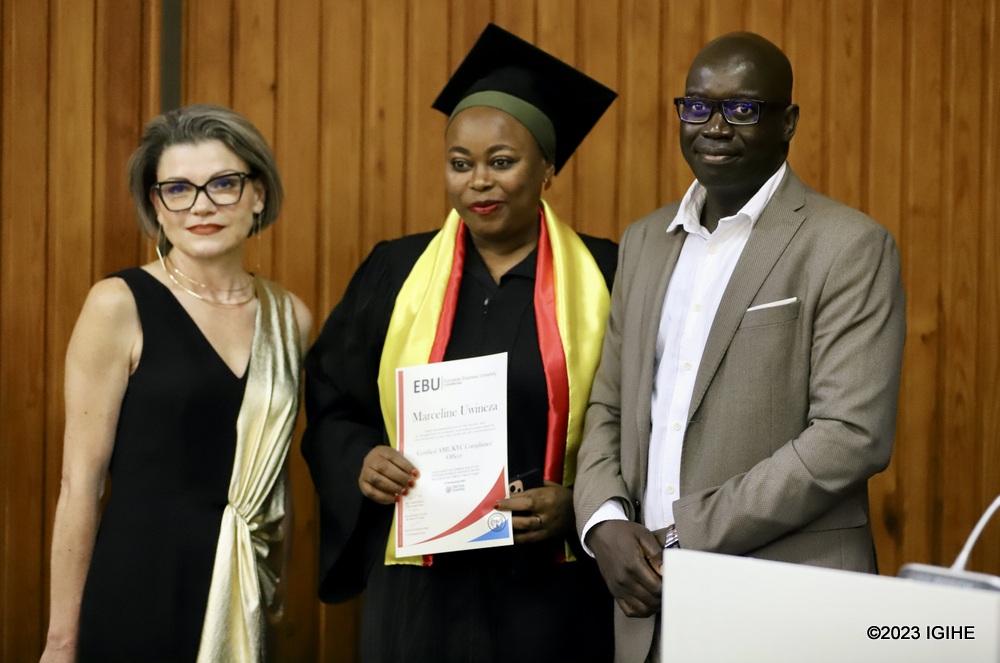
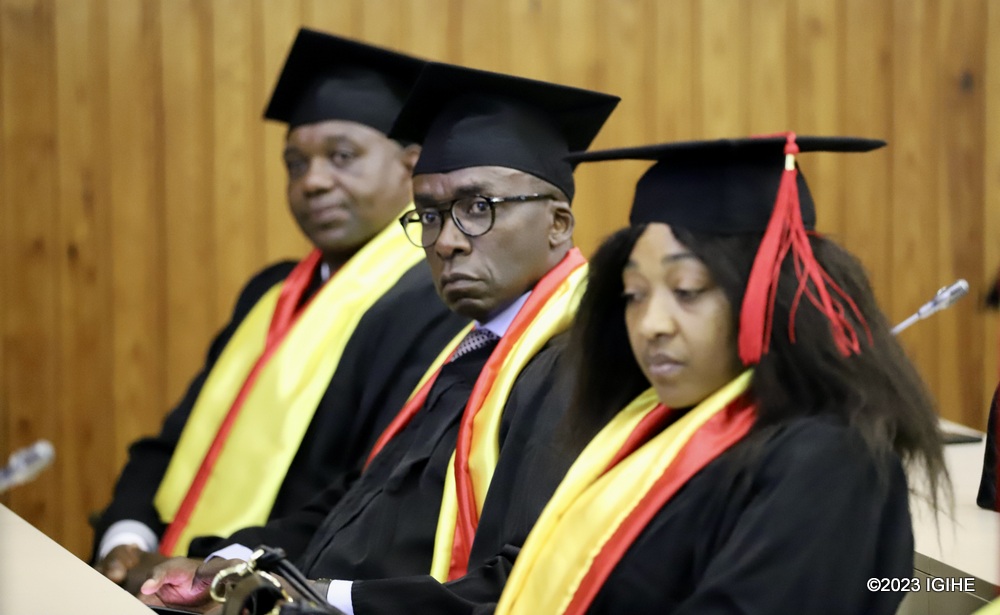
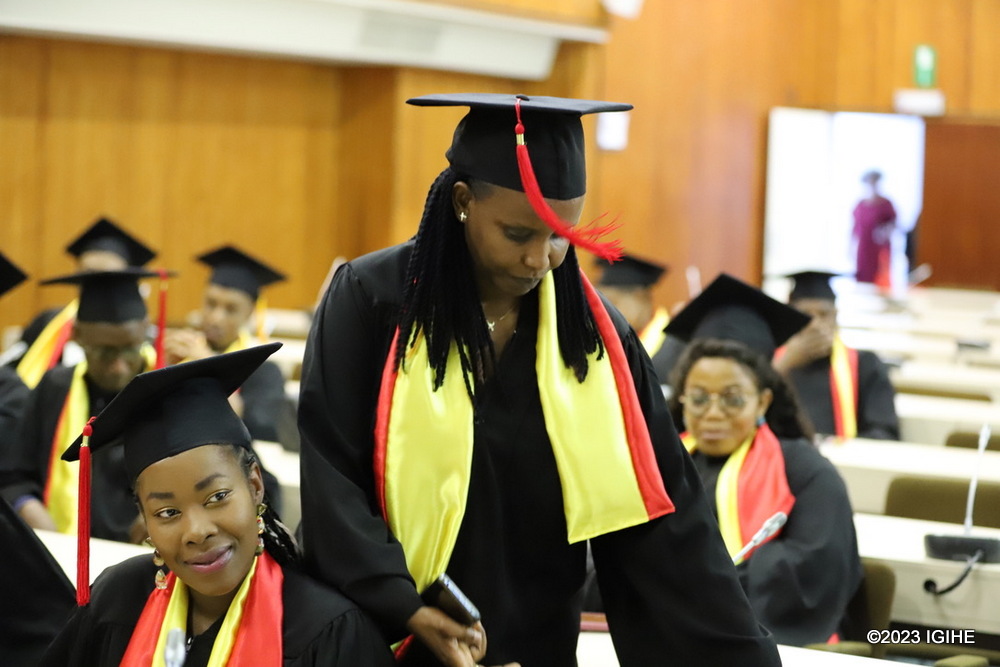
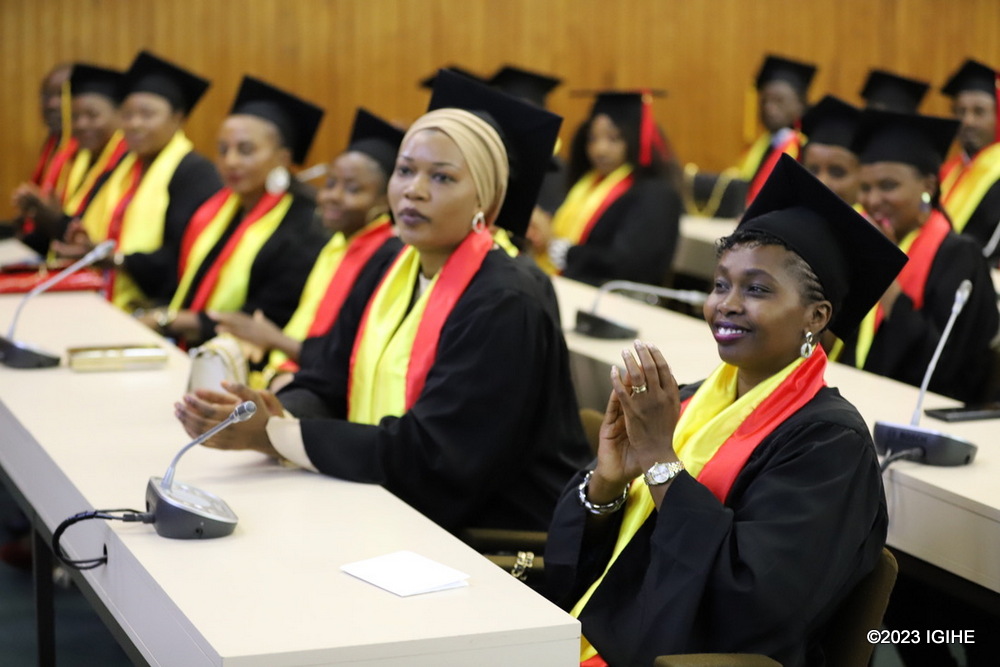
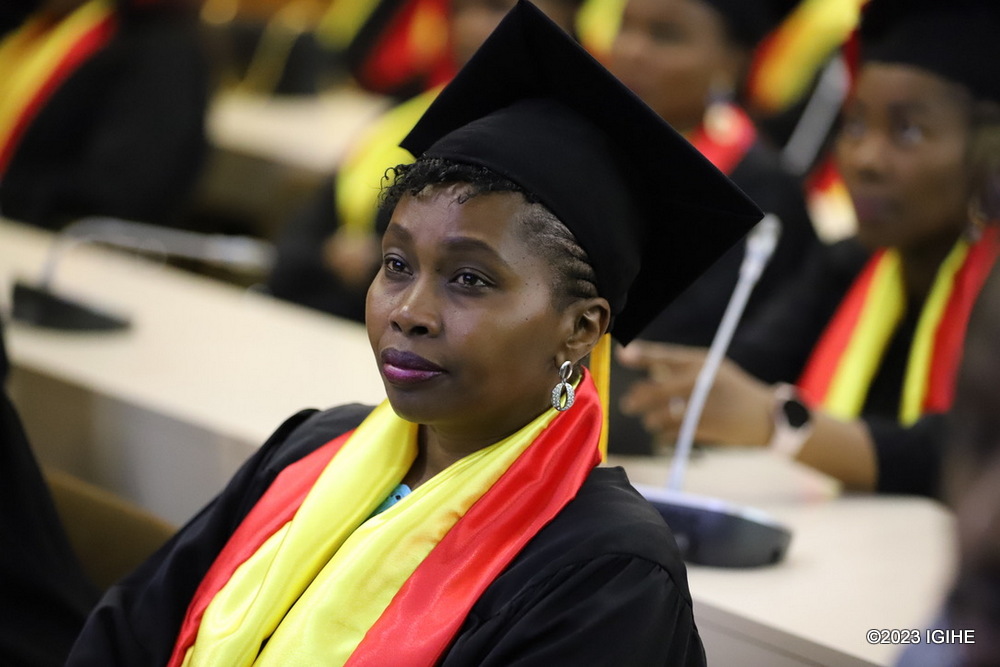
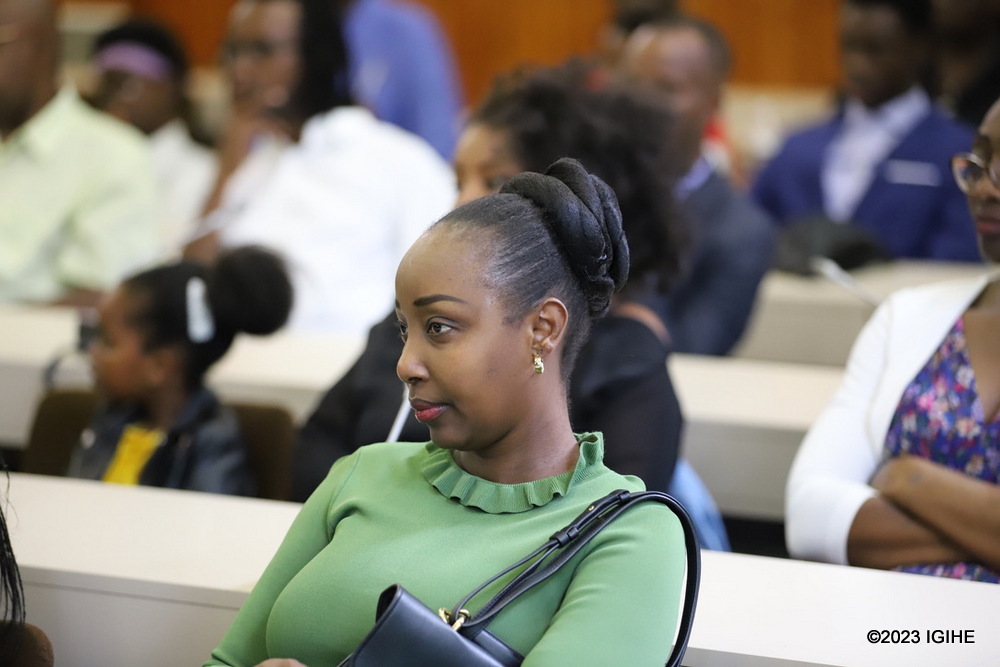
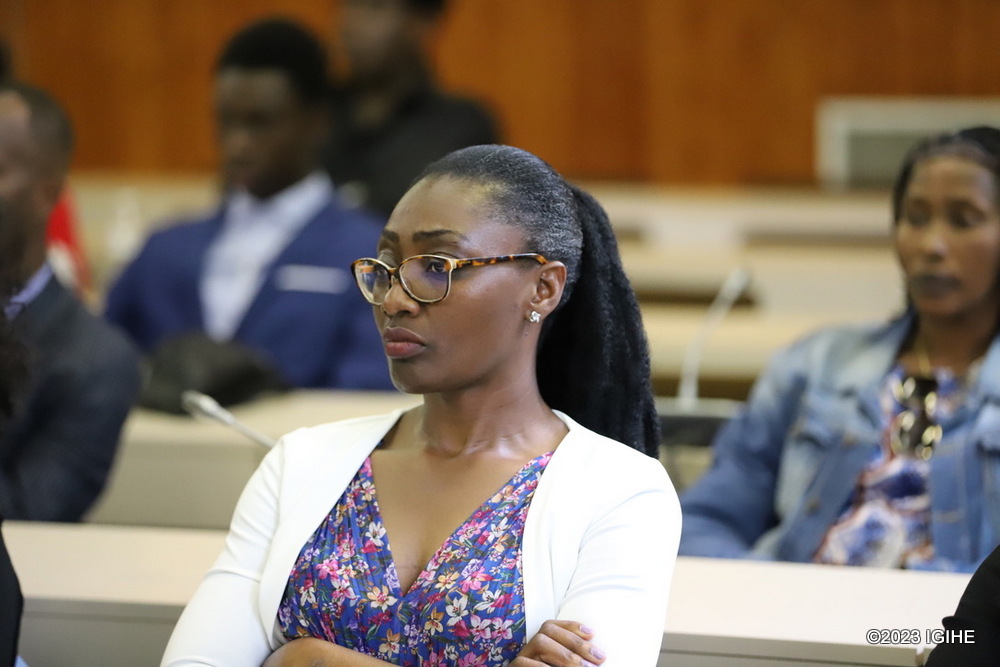
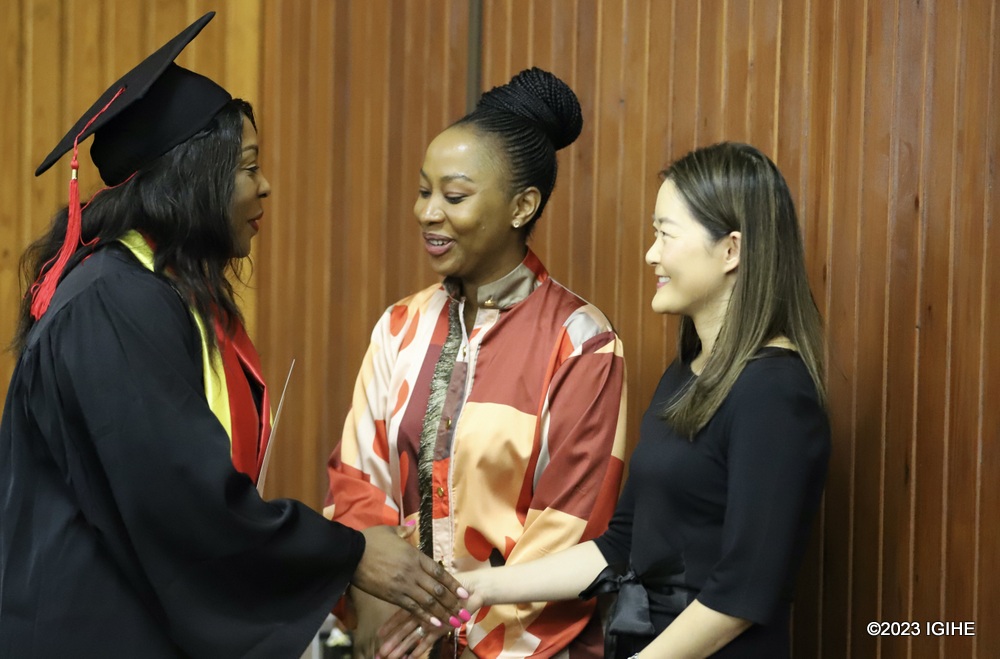
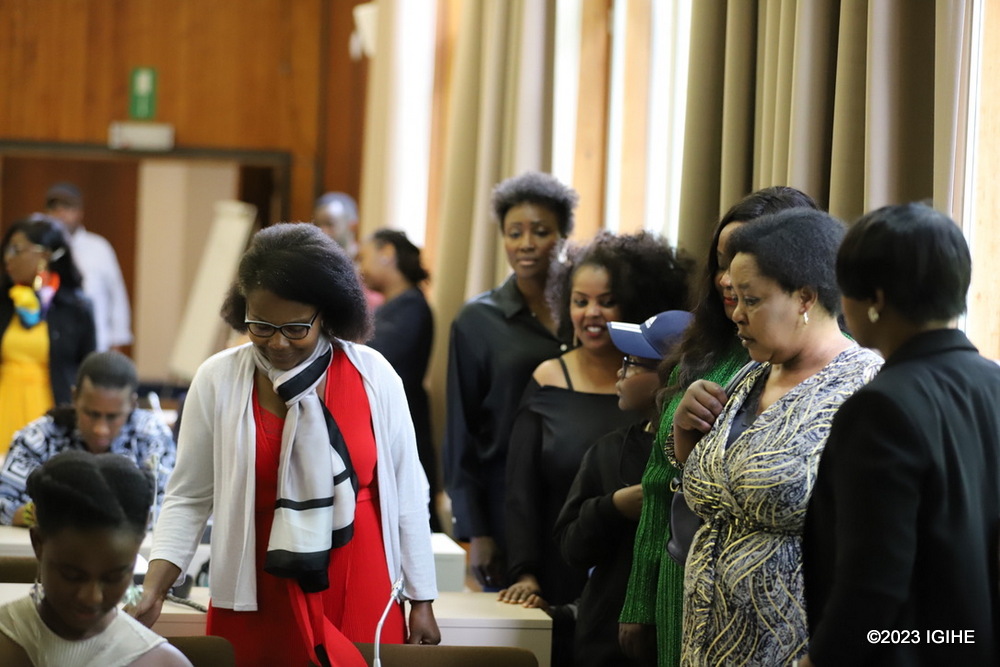
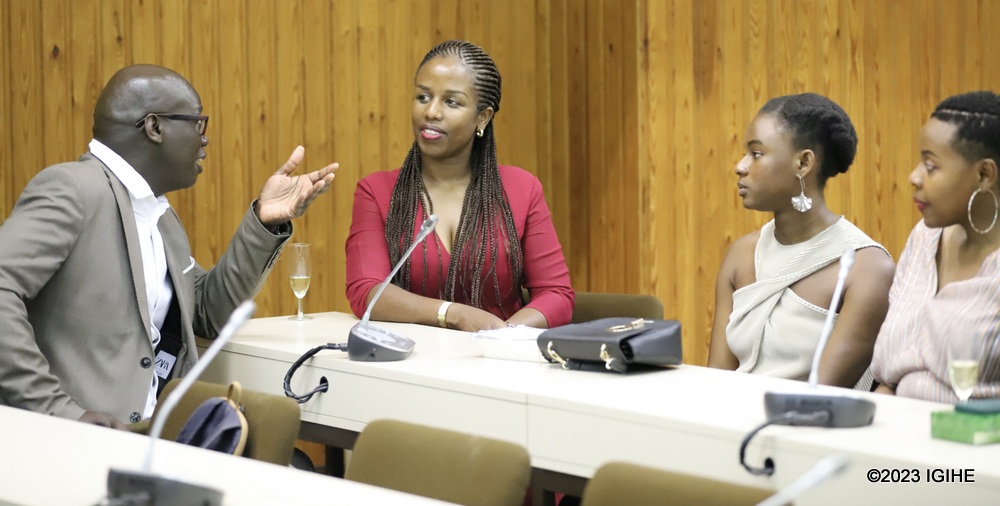
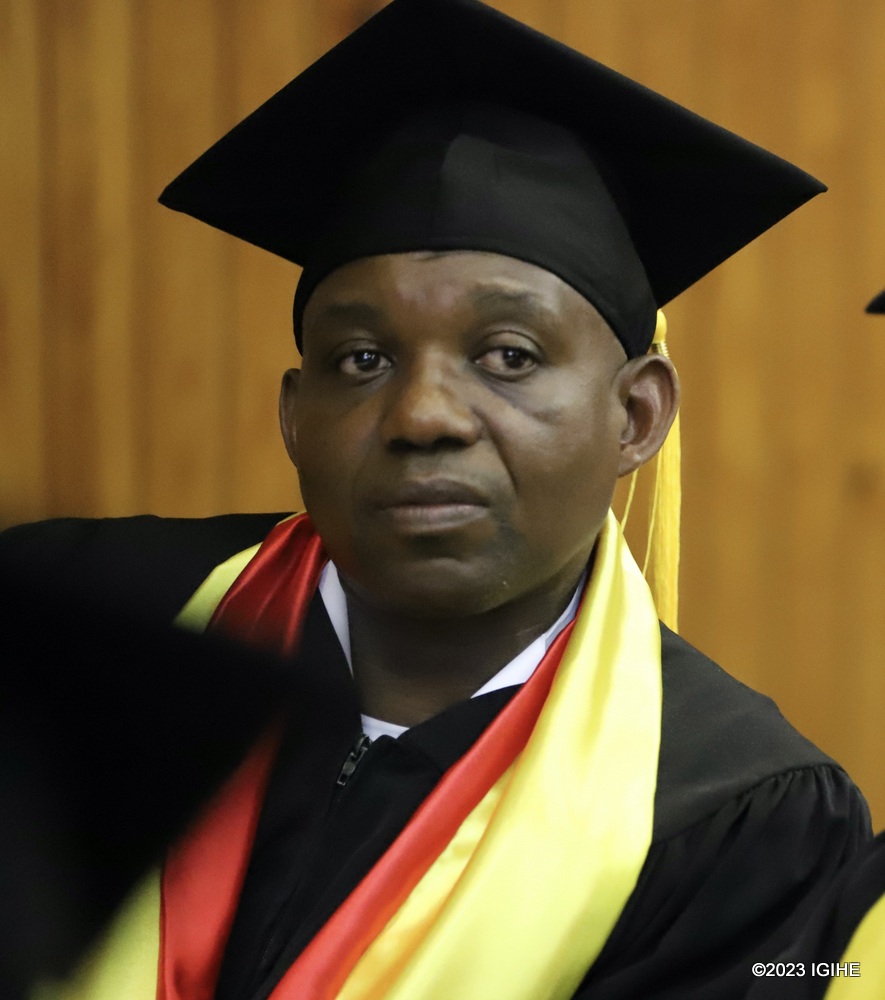
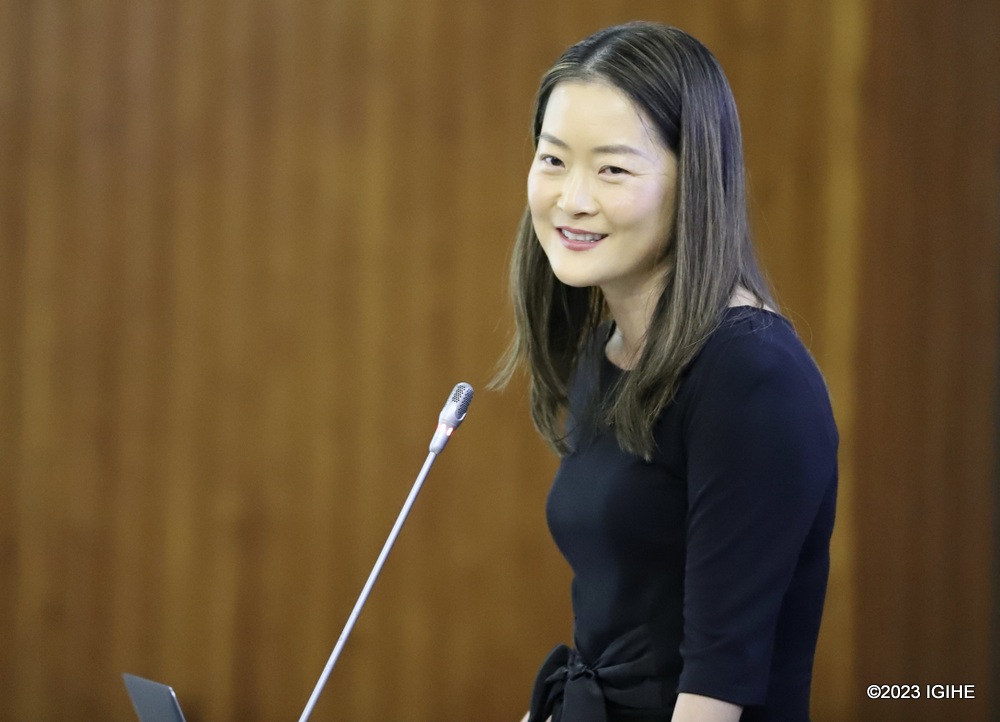
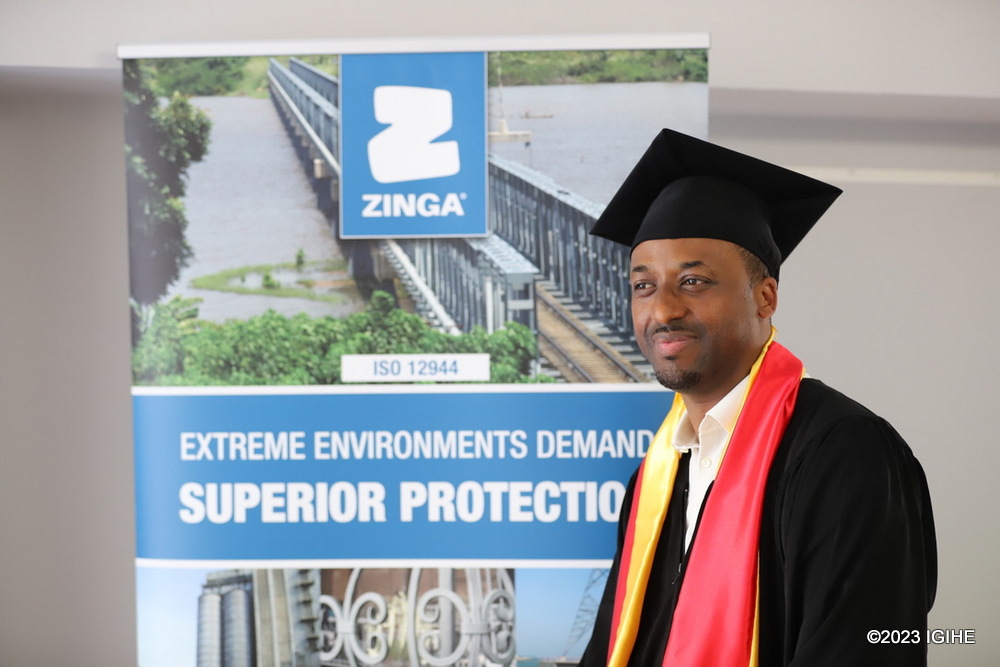
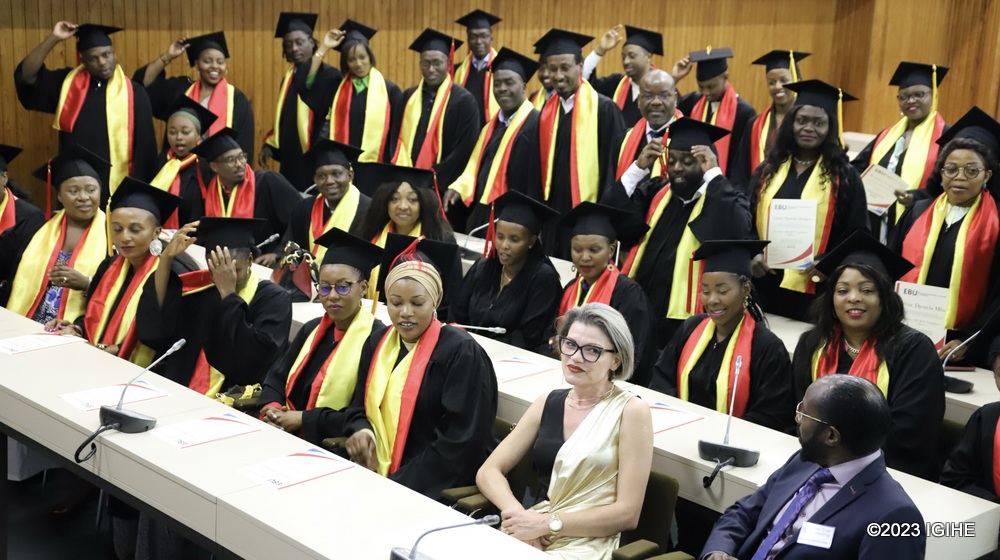
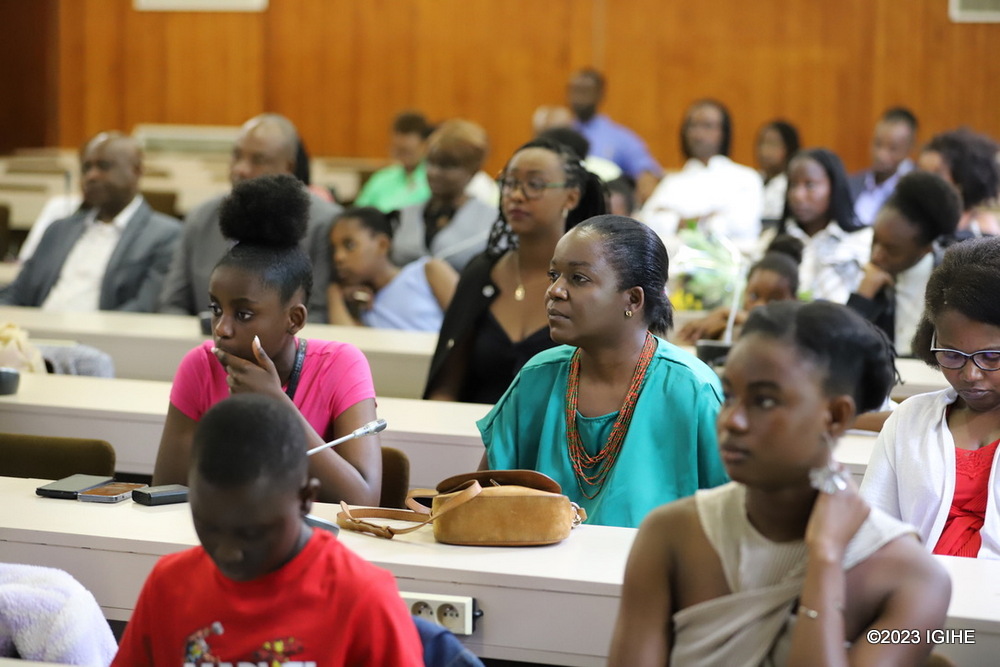
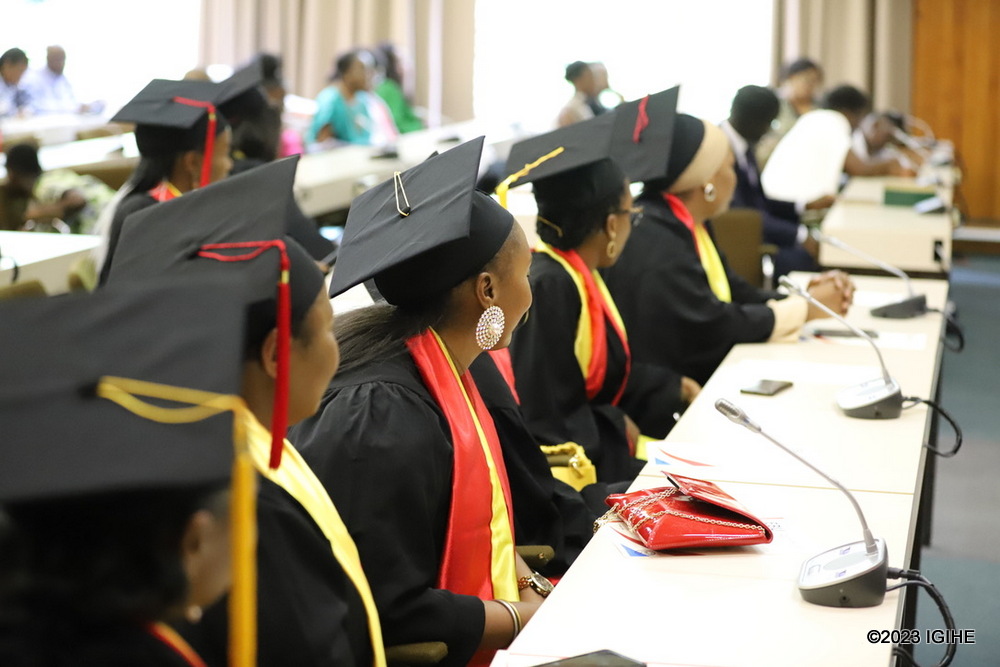
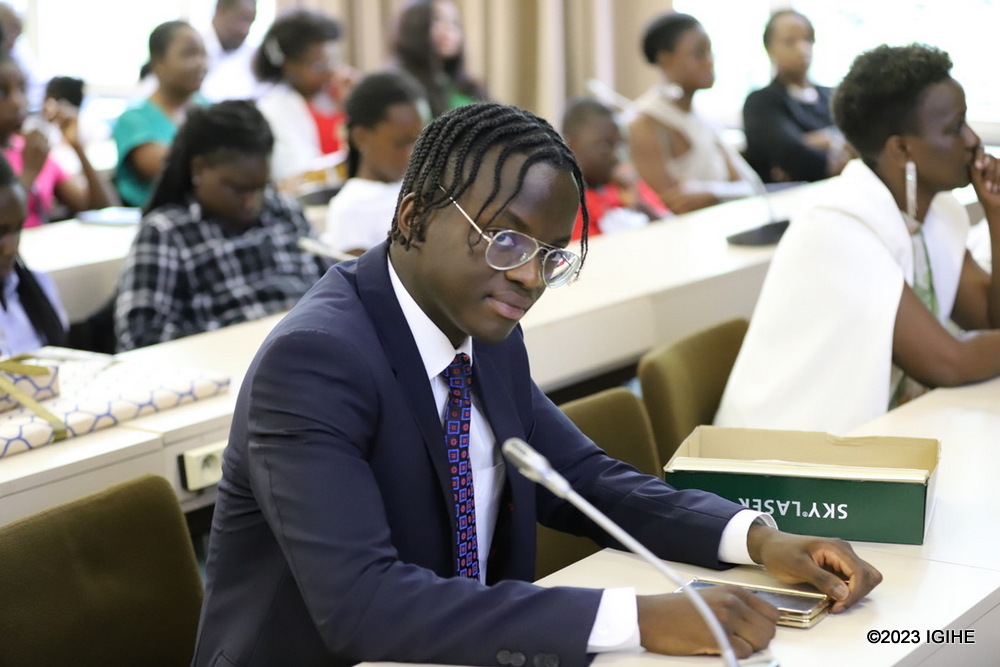
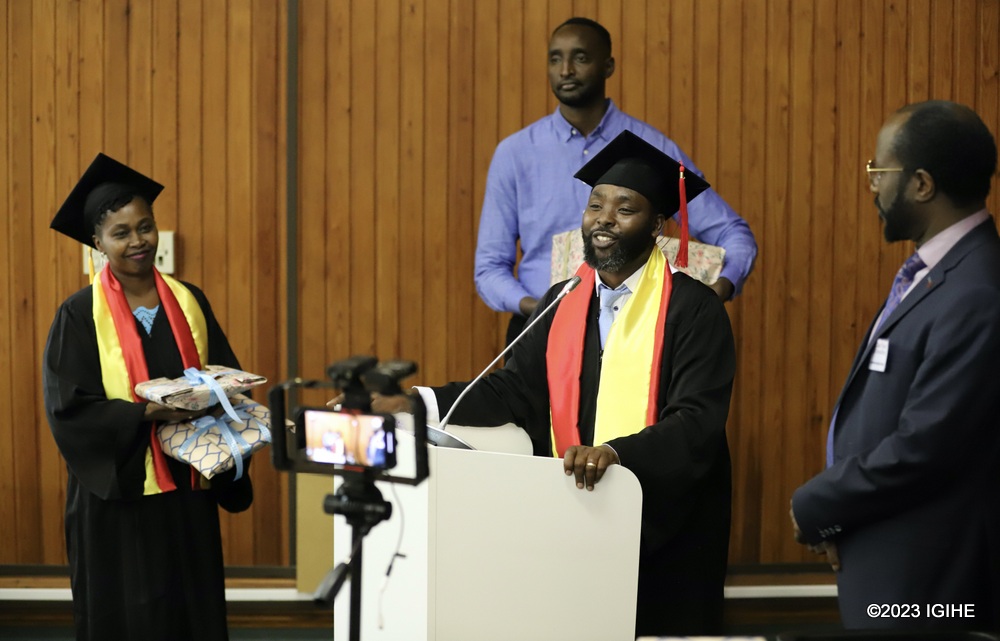
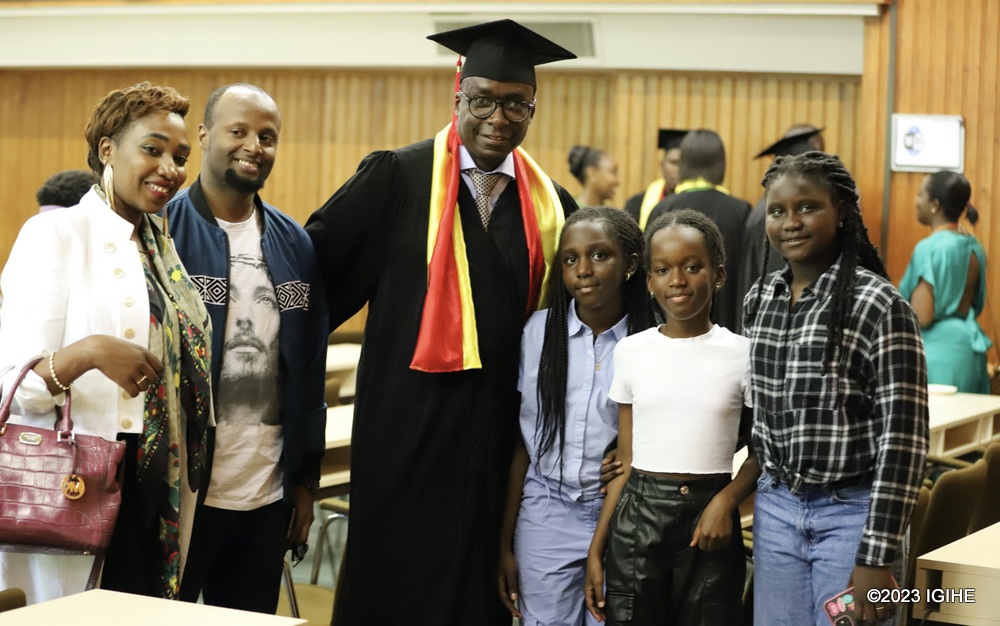
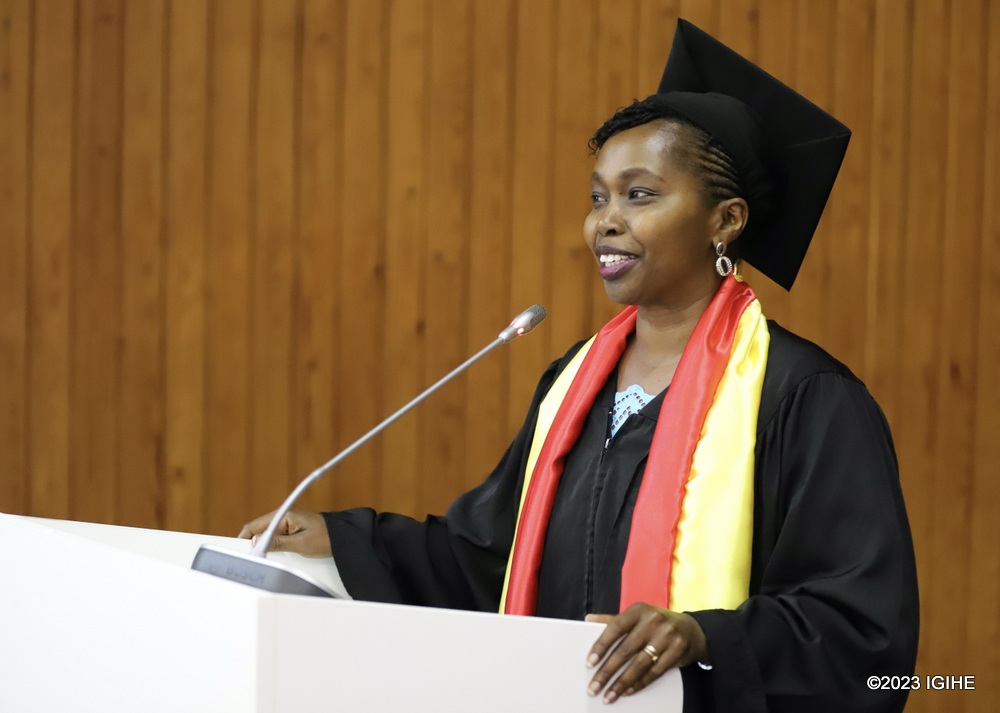
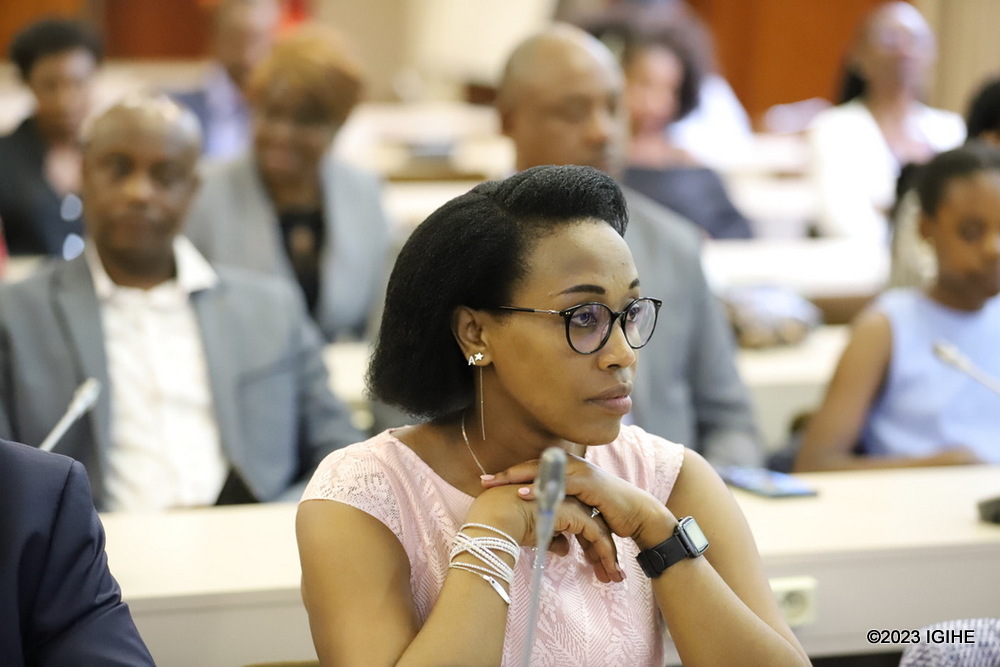
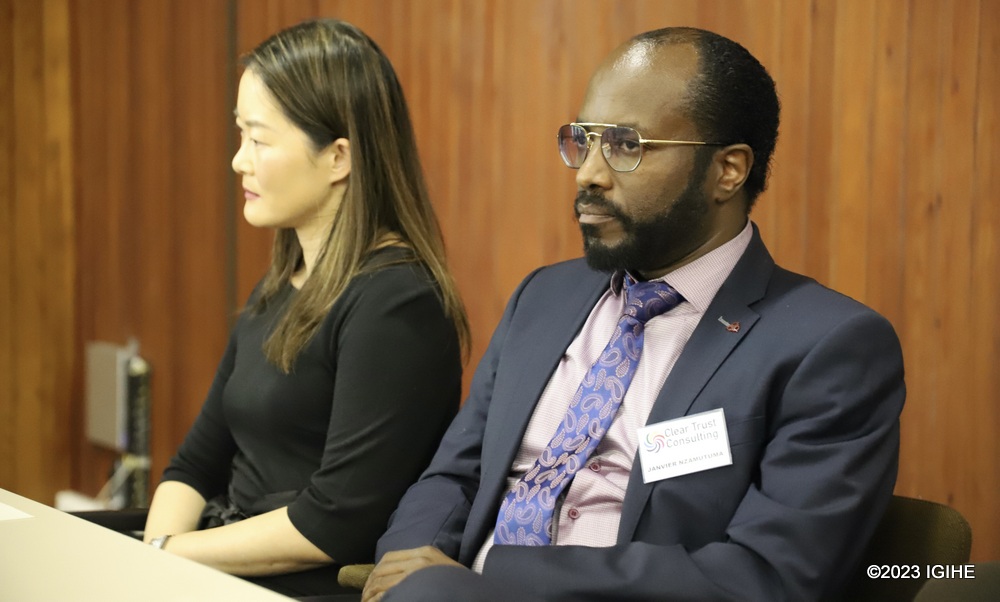
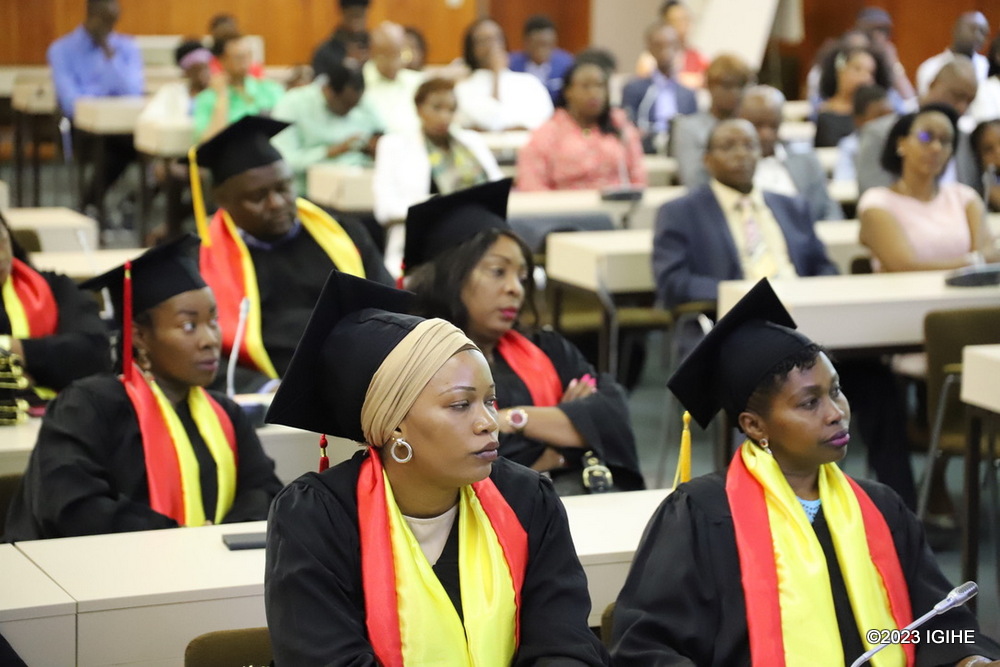
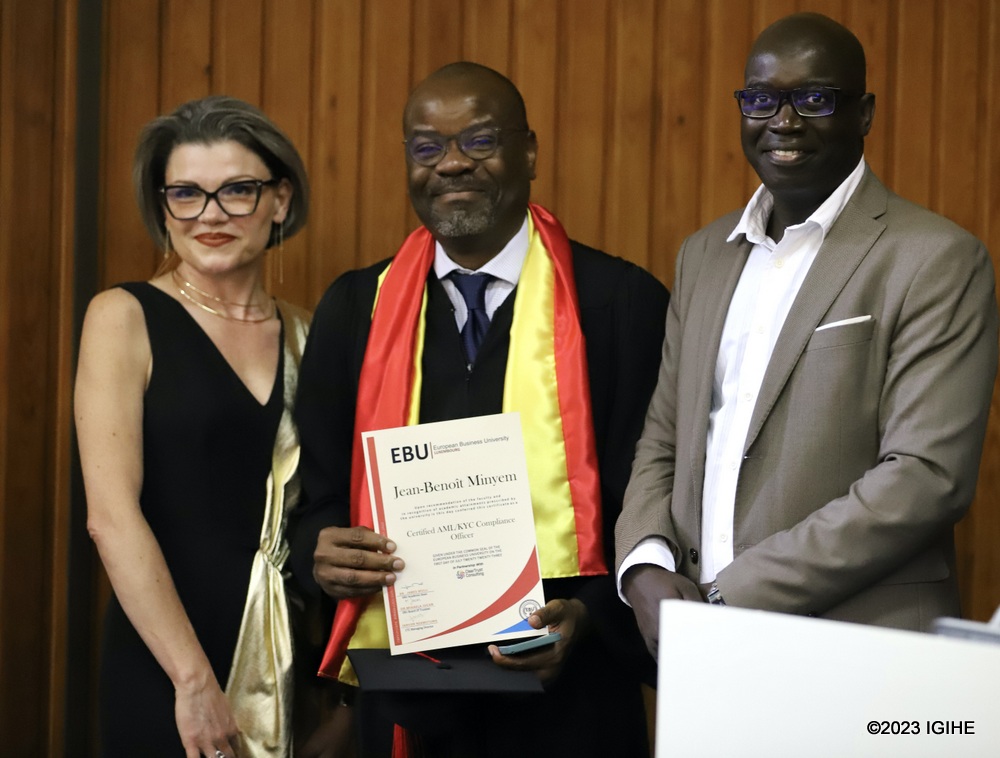
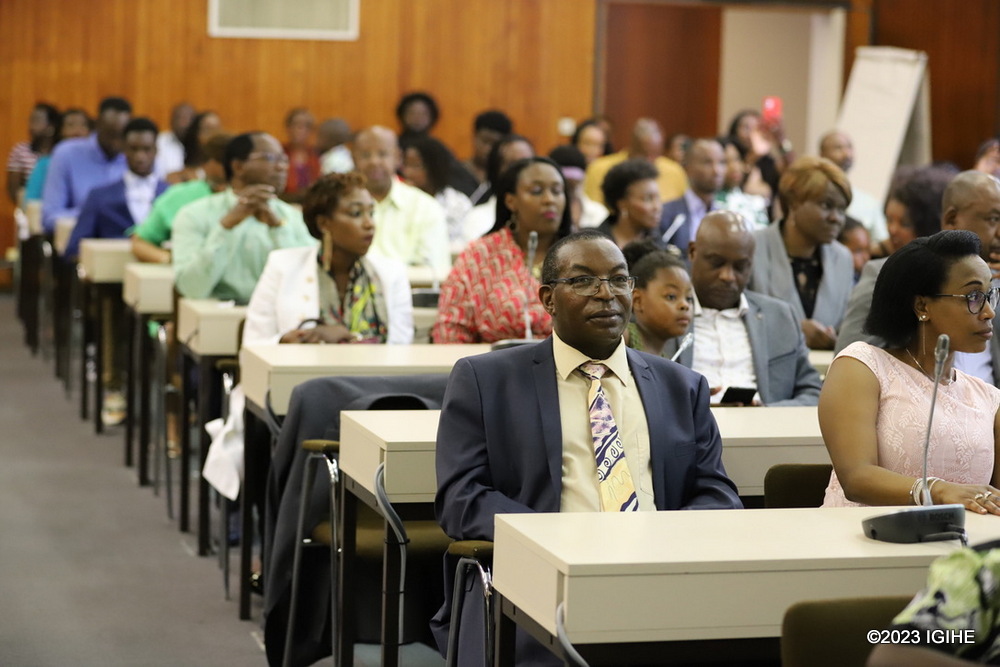
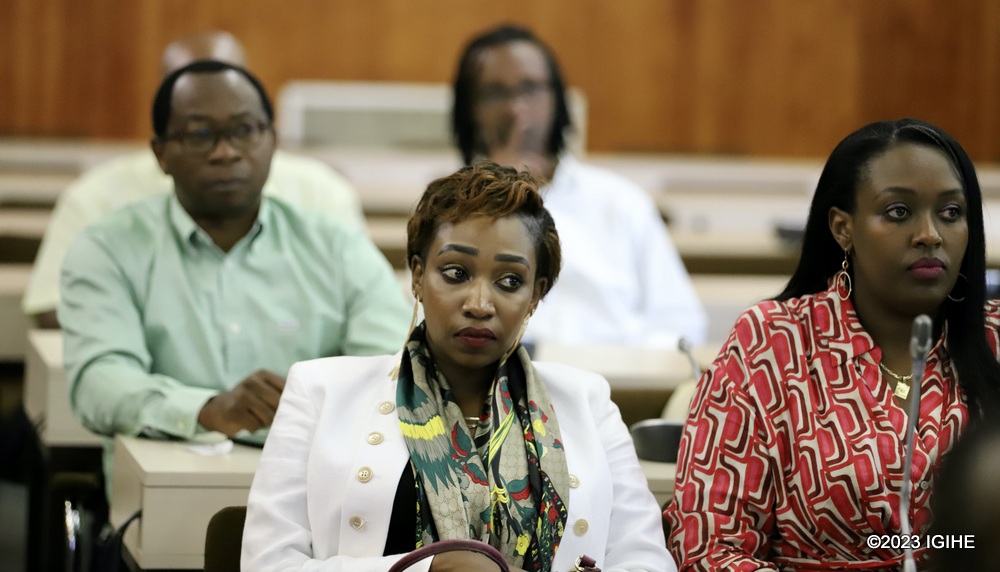
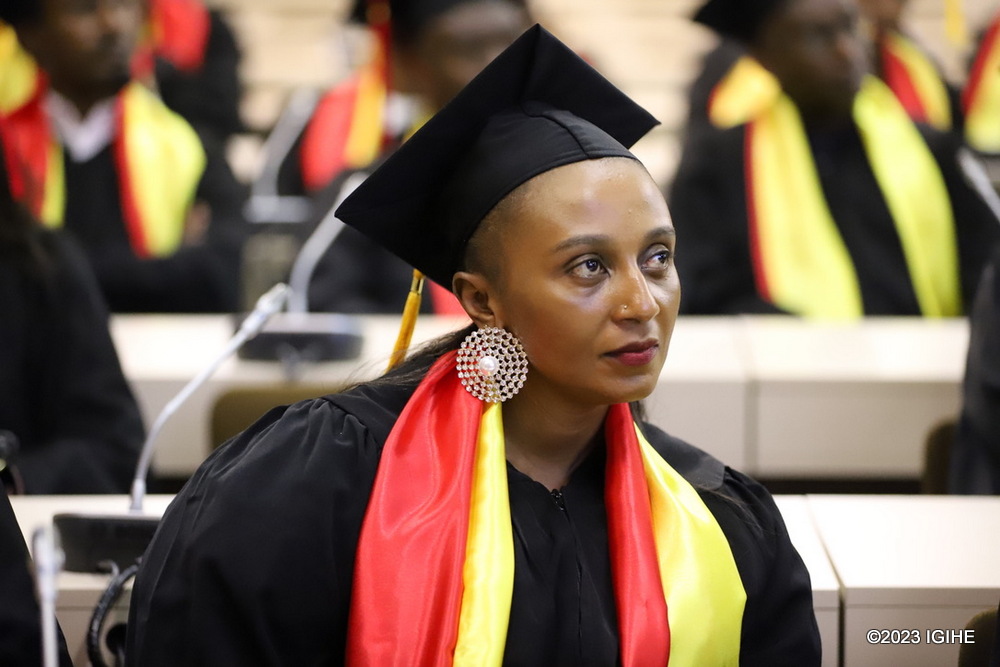
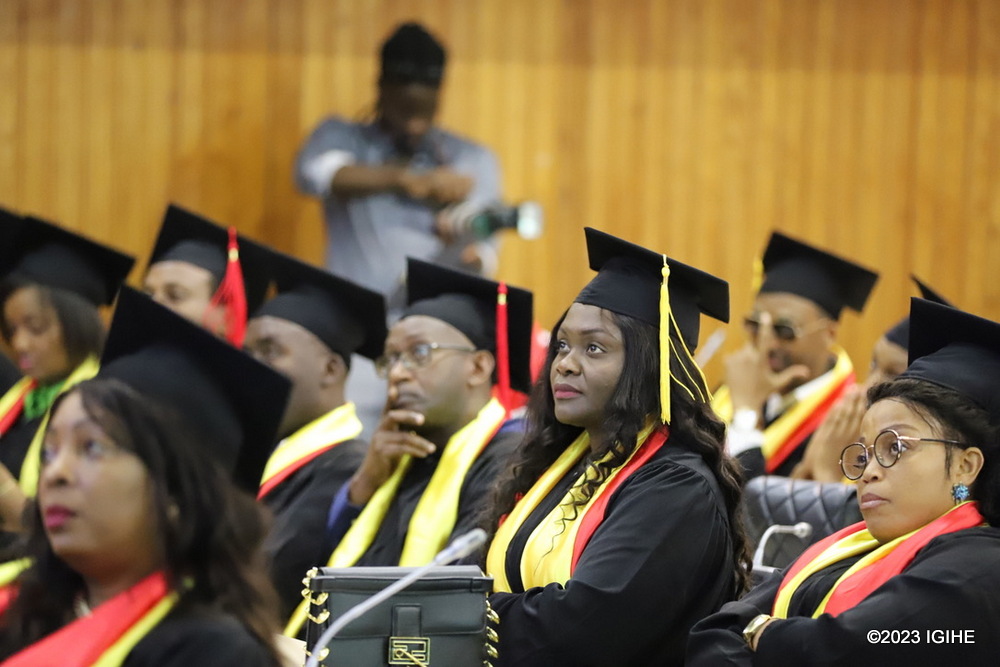
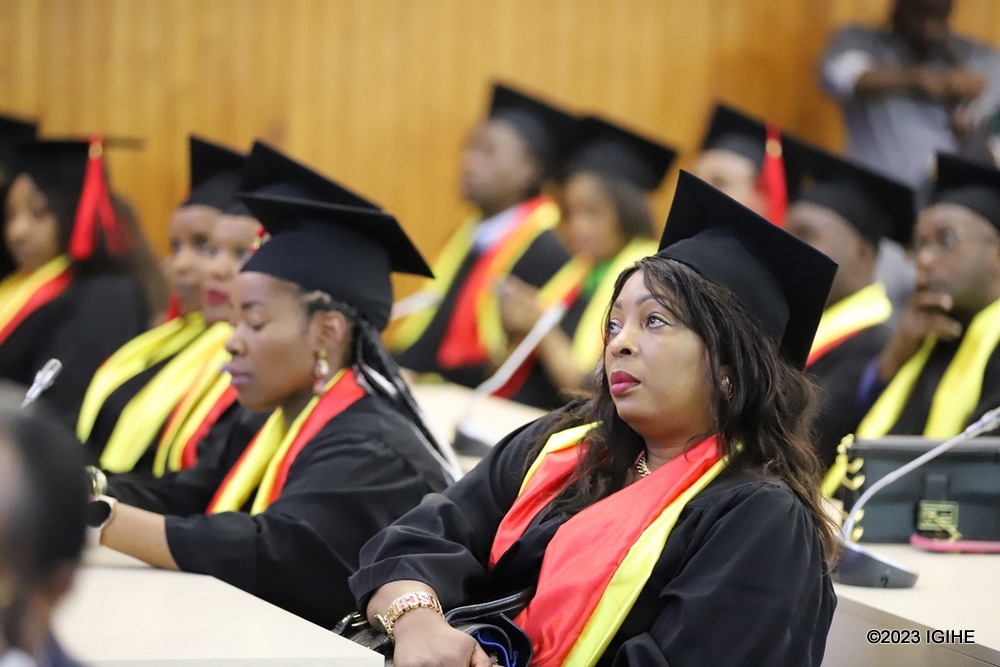
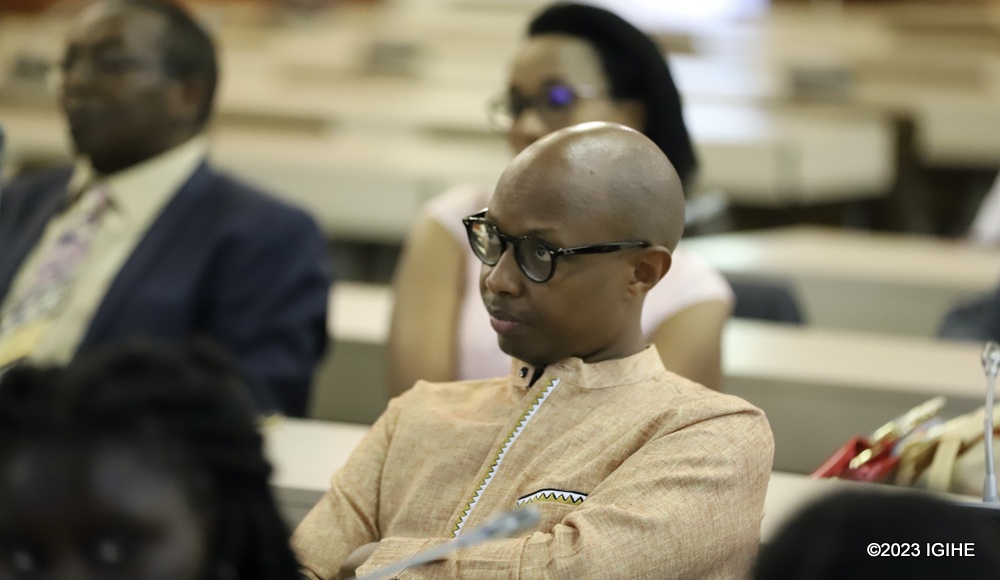
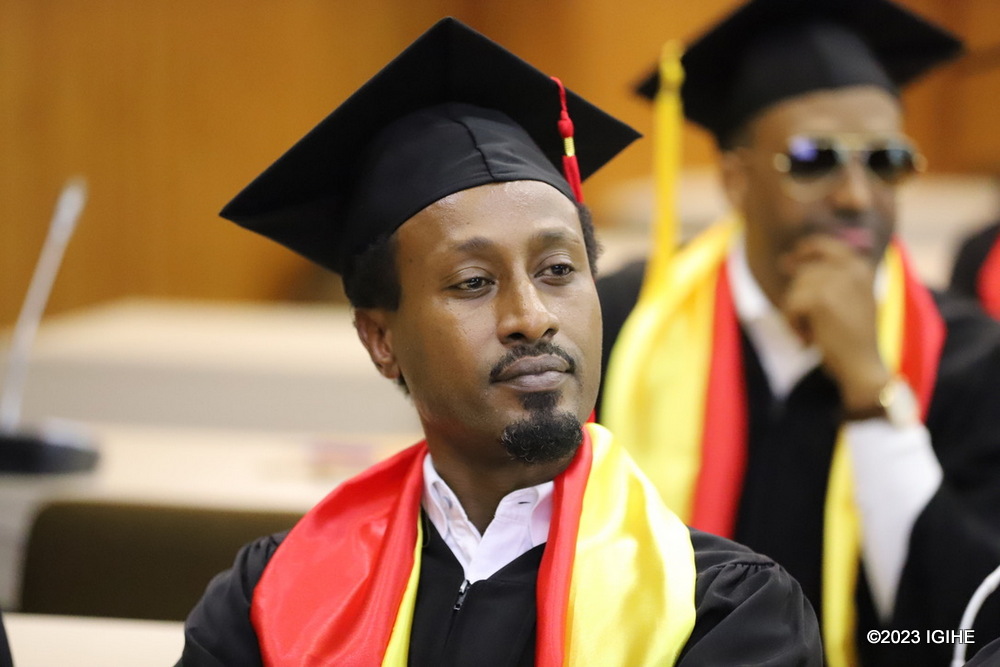
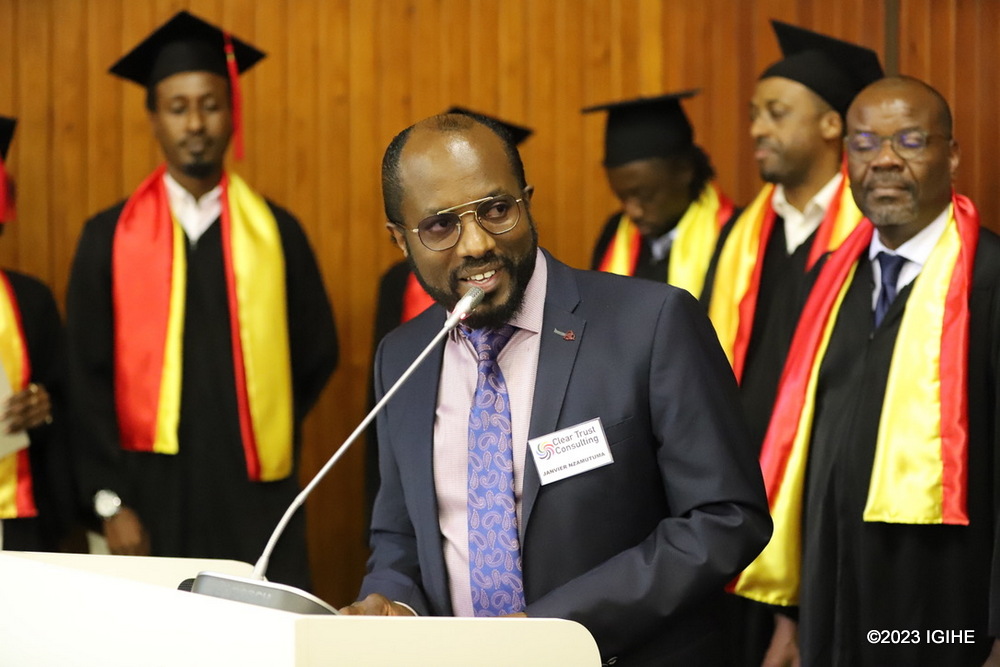
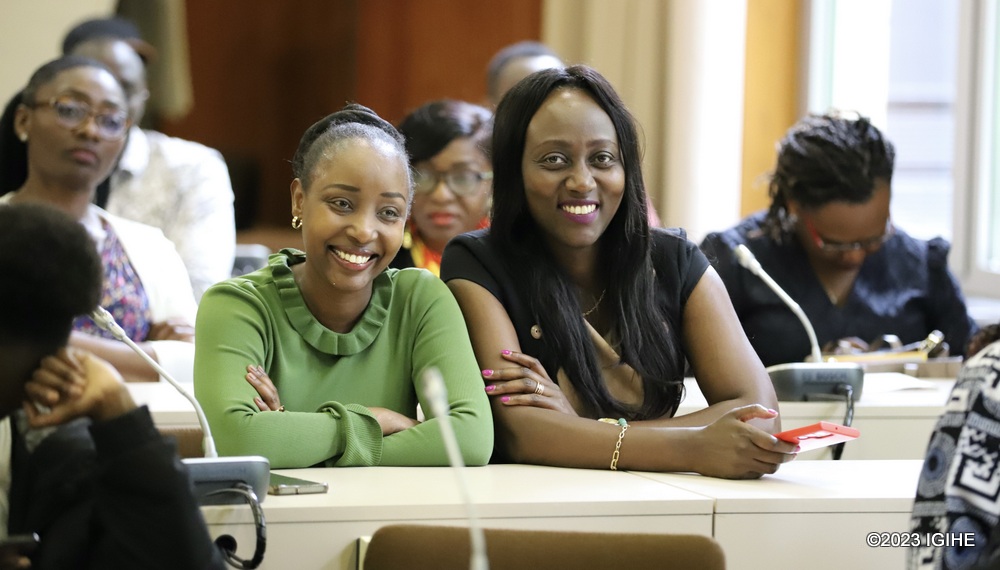
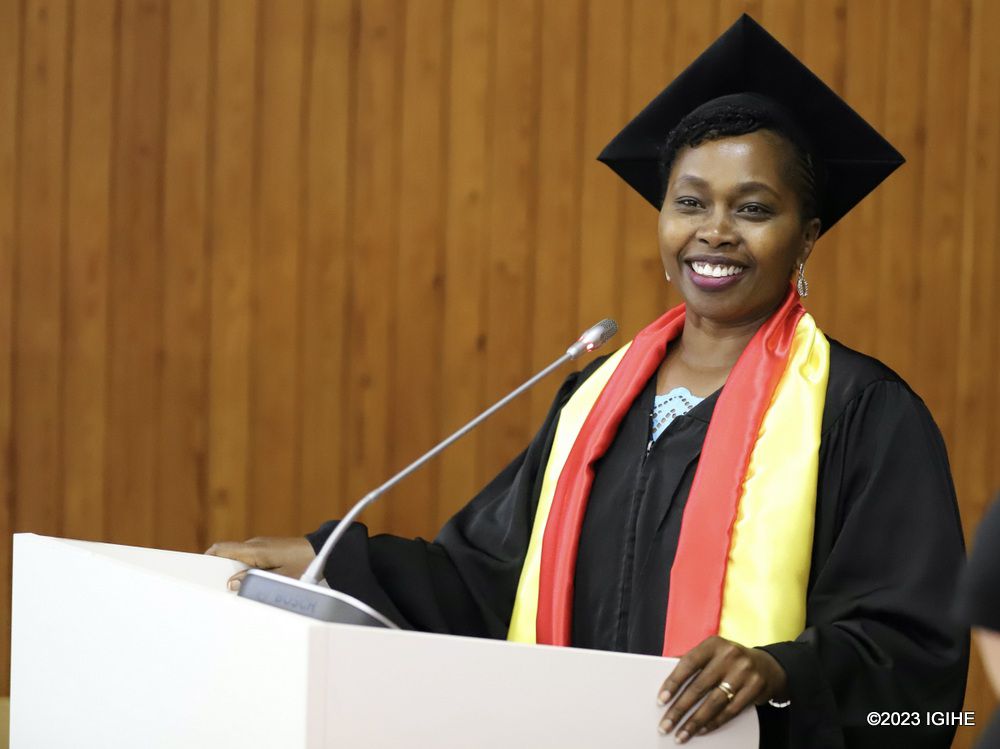
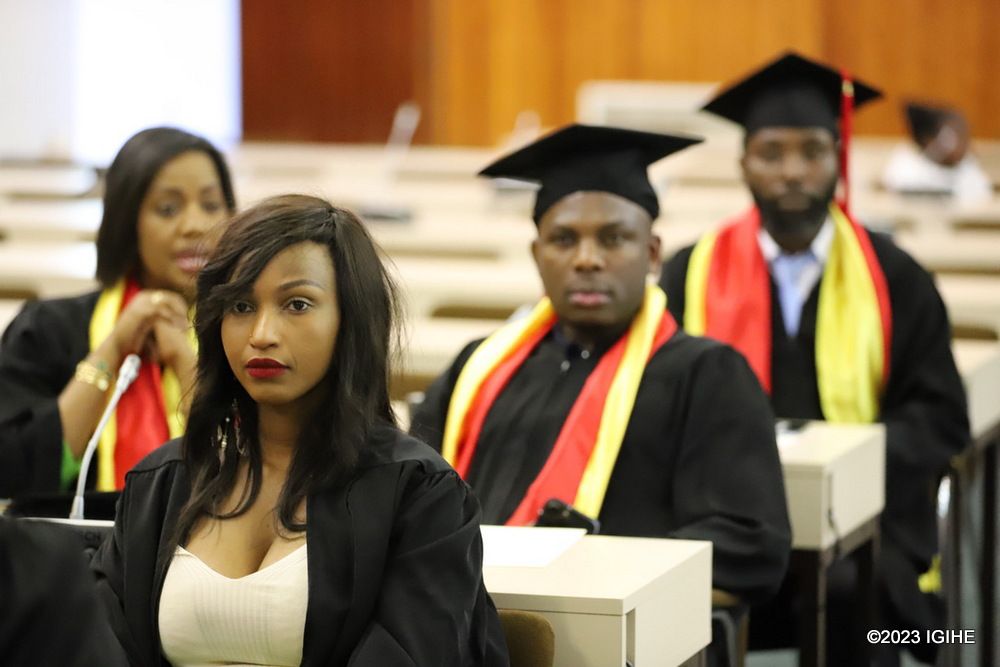
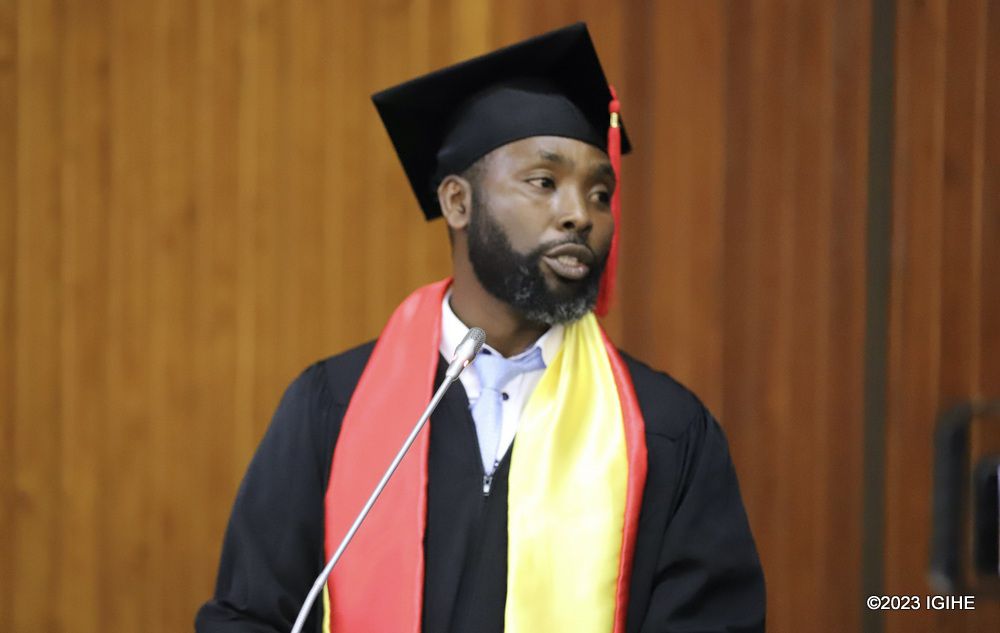
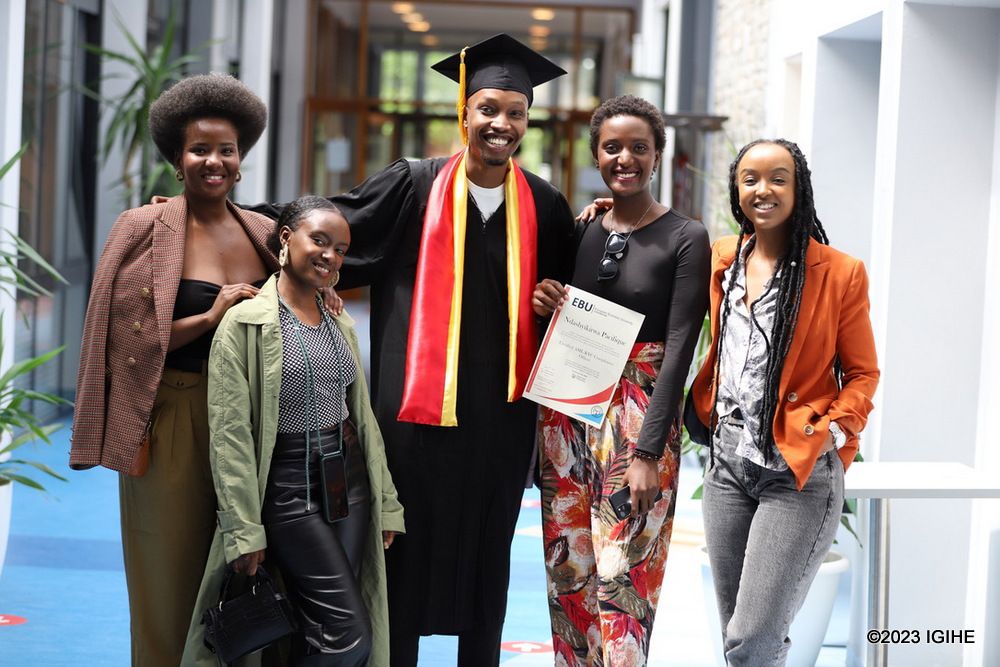
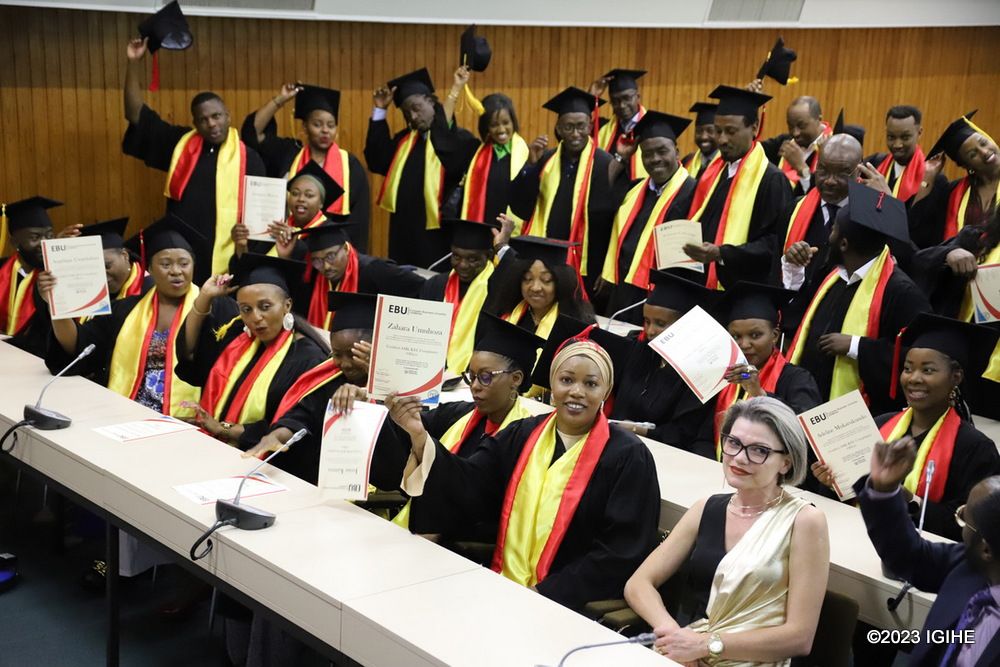
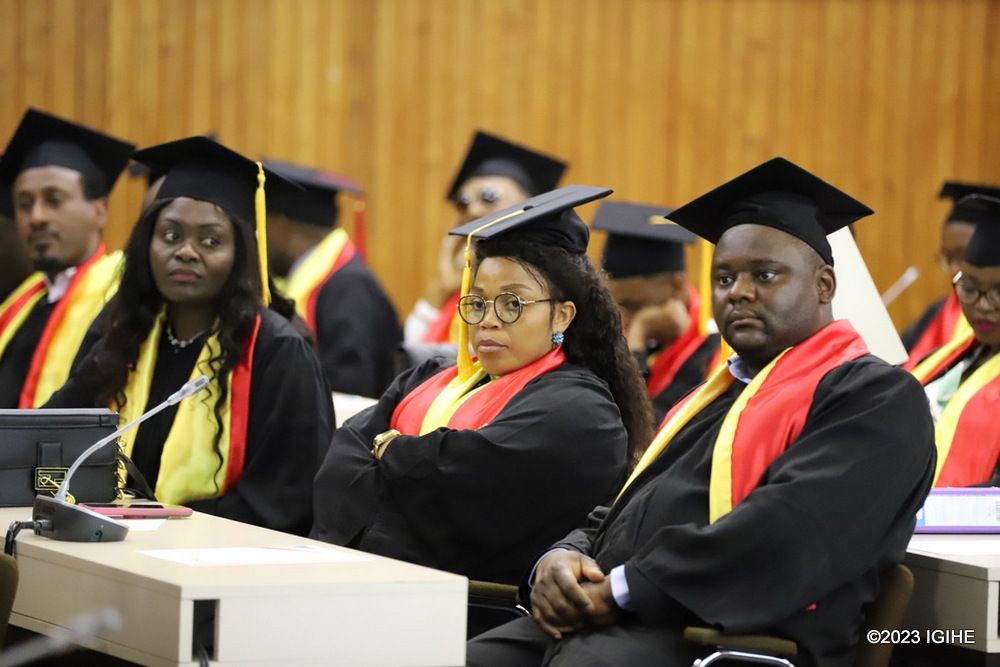
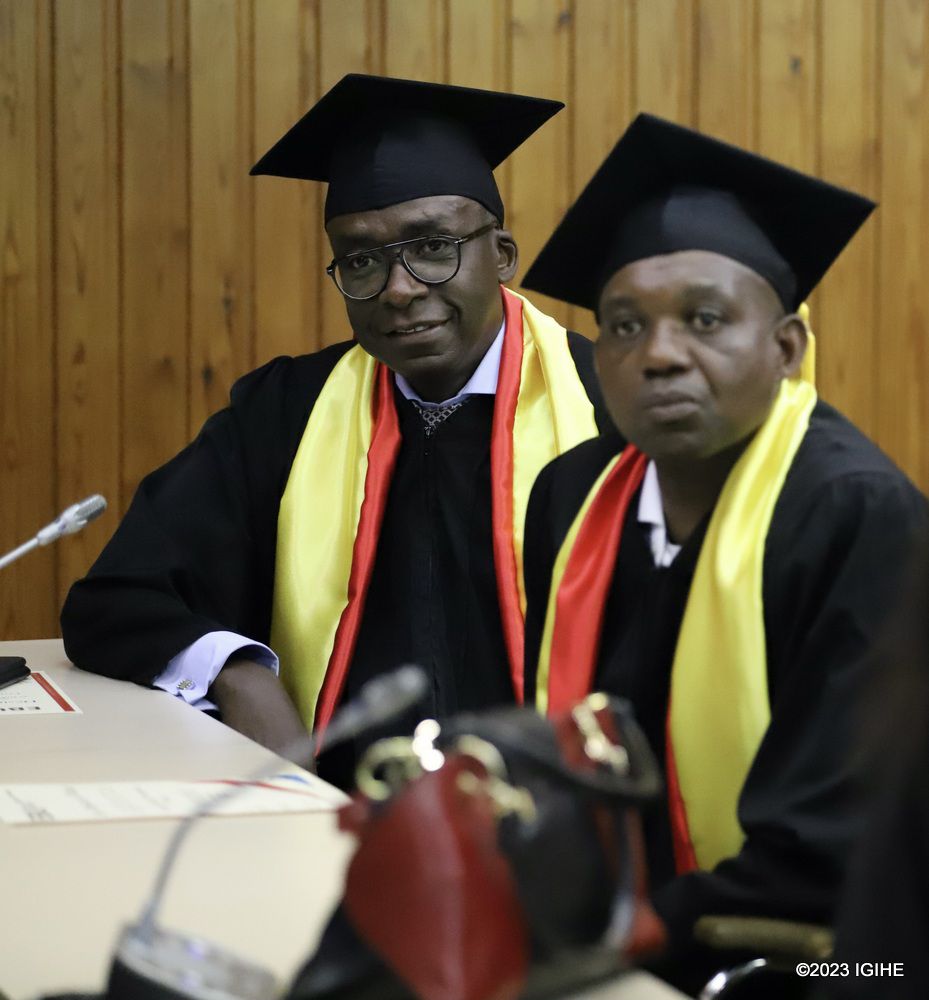
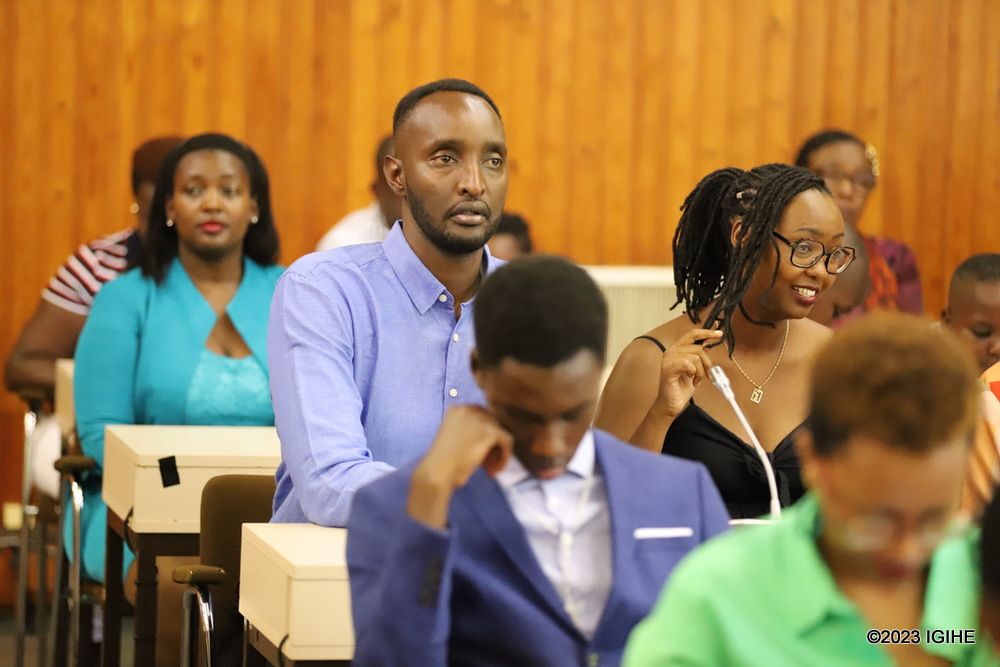
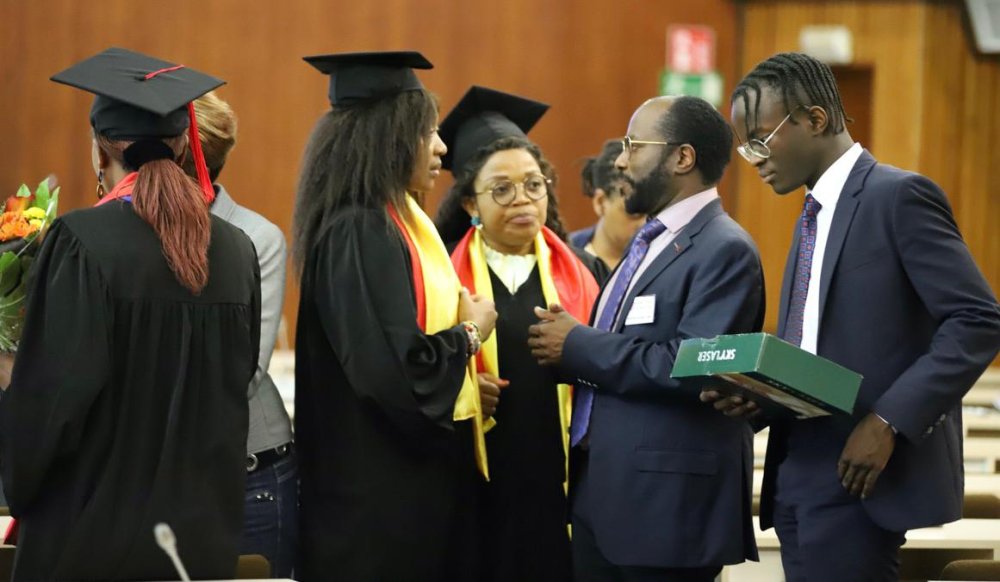
In an effort to highlight the accomplishments of Rwandans living abroad, IGIHE visited CTC during the graduation ceremony where the majority of recipients were individuals working in professions unrelated to financial institutions, making their achievements even more commendable.
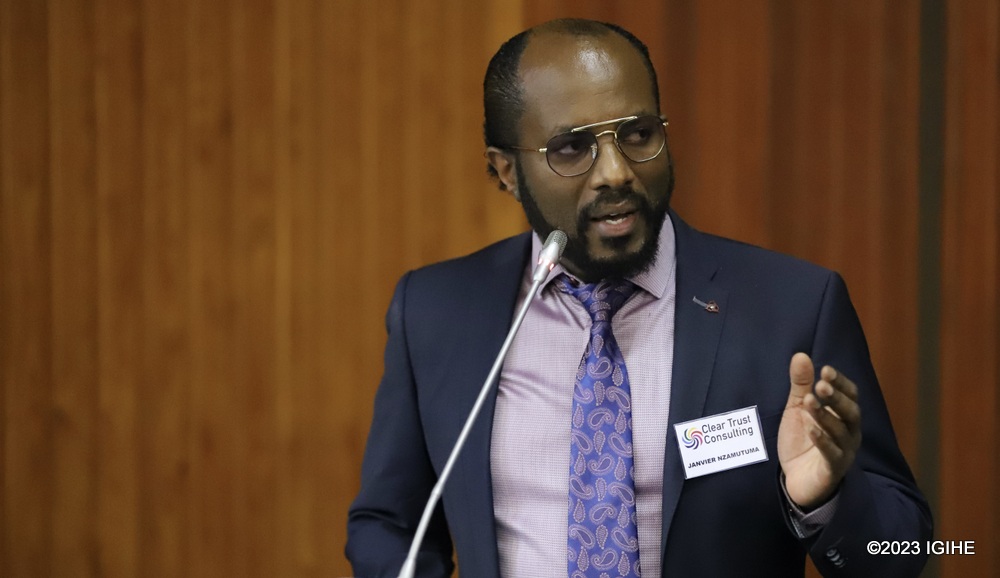
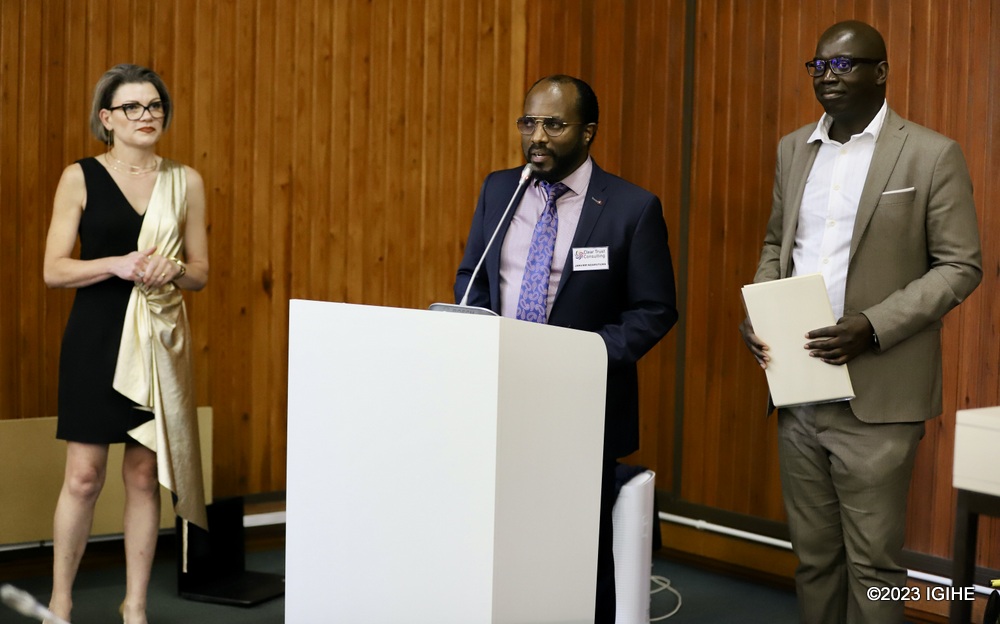
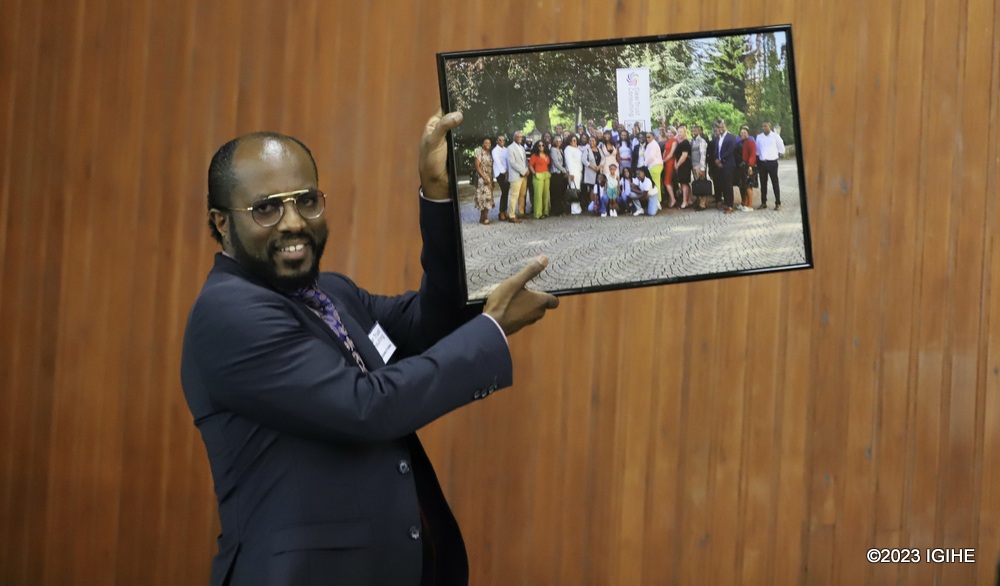
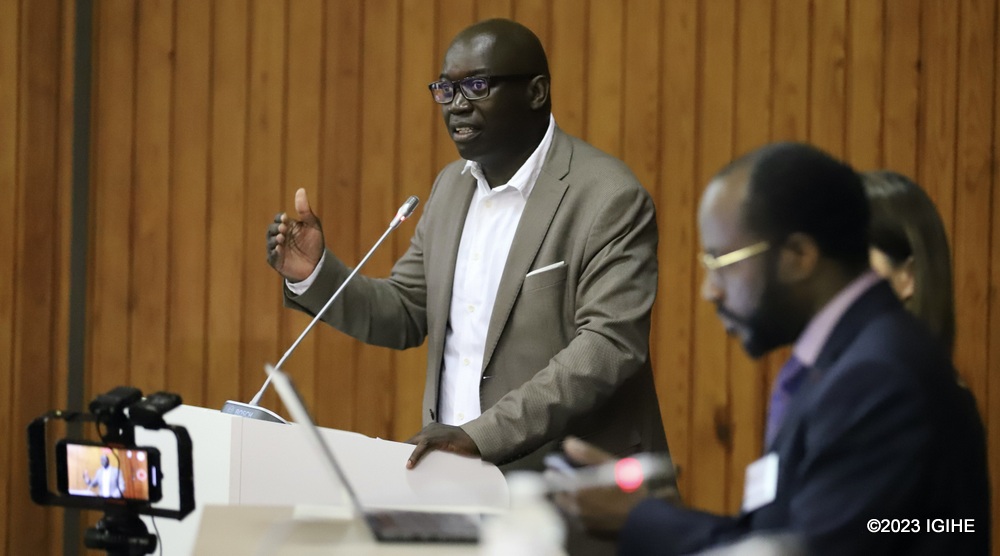
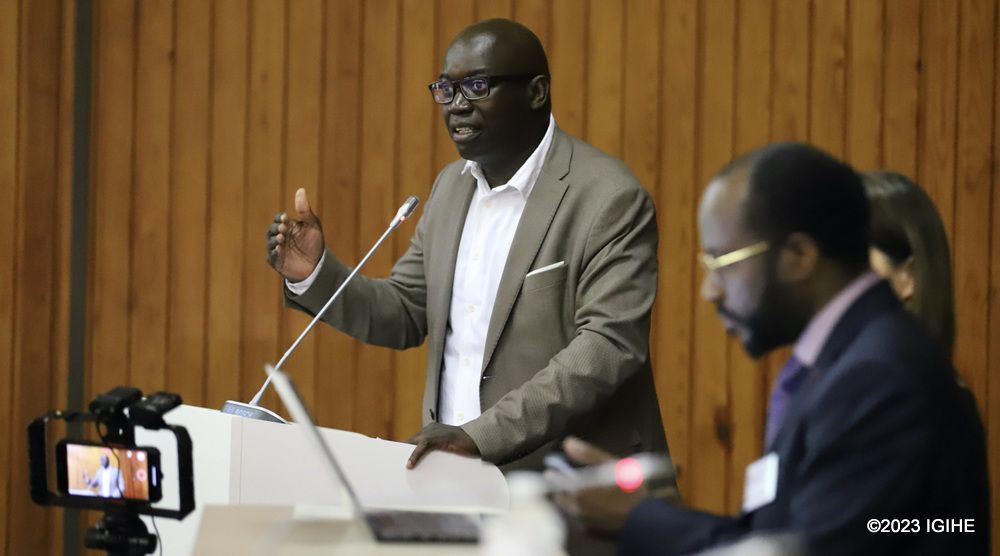
Expressing his elation, Nzamutuma remarked, “Today, we take pride in recertifying approximately 57 students who will go on to work in banks, insurance companies, and other esteemed establishments. Many of our alumni have already secured positions in European banks, and we are delighted to witness their success.”
Nzamutuma further emphasized the transformative impact of the courses, citing the inspiring example of a former taxi driver who is now employed by a bank.
Nzamutuma passionately stated, “There is no one in the world who is inherently incapable or inferior. Every individual possesses the strength and ability to progress, learn, and succeed. It is not a gift reserved for a select few but a potential waiting to be realized.”
Dismissing the notion that certain racial groups are less capable, he added, “False narratives have claimed that black people are inherently limited, but that is far from the truth. We all possess intelligence and aptitude; what matters is how we harness these qualities and cultivate knowledge for professional and personal growth.”
Having worked in various banks across Luxembourg, Belgium, and England, Nzamutuma recognized the need to contribute to the training and development of others, particularly Africans, to enhance their understanding of the financial industry.
Shedding light on the motivation behind founding CTC, he shared, “One driving force was the pervasive racial discrimination I observed in many workplaces. The notion that black individuals are unfit or destined for menial roles is something I vehemently reject. We are capable of excelling in any field.”
CTC fills a vital role in providing short-term finance training to individuals seeking to expand their knowledge in this domain. Nzamutuma expressed his earnest desire, saying, “The doors of learning are open to anyone who aspires to study and acquire knowledge, even if they have been unable to attend university. For further information, please visit us at www.cleartrustconsulting.com.”
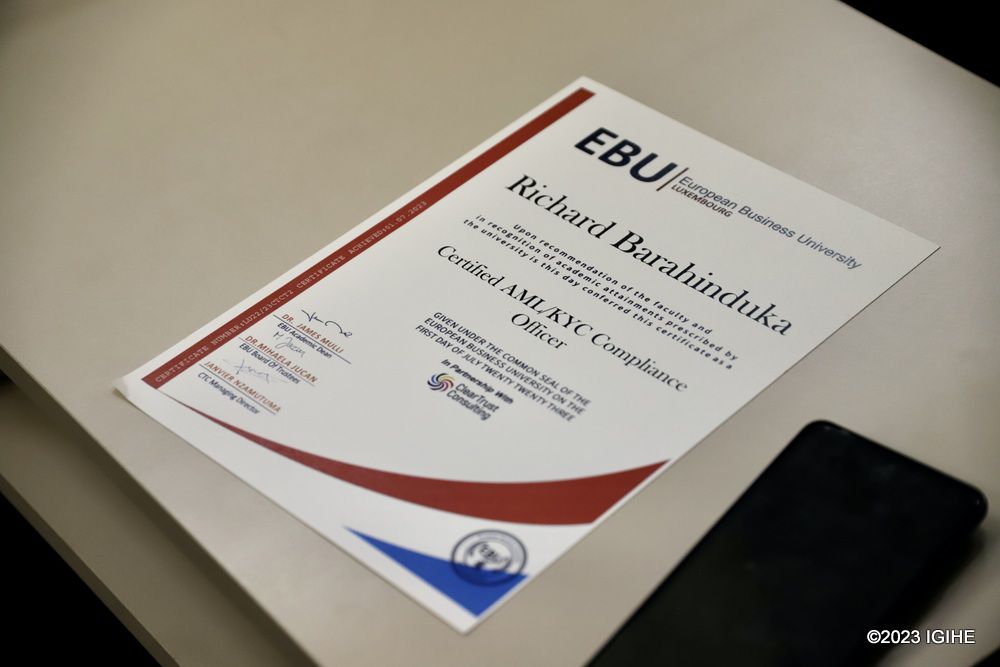
Since its inception on October 26, 2019, CTC has successfully issued various certificates through different intakes in collaboration with the European Business University of Luxembourg, whose name is displayed on the certificates.
This collaboration between the European Business University of Luxembourg and ClearTrust Consulting exemplifies the spirit of cooperation and underscores the transformative impact of inclusive educational initiatives.
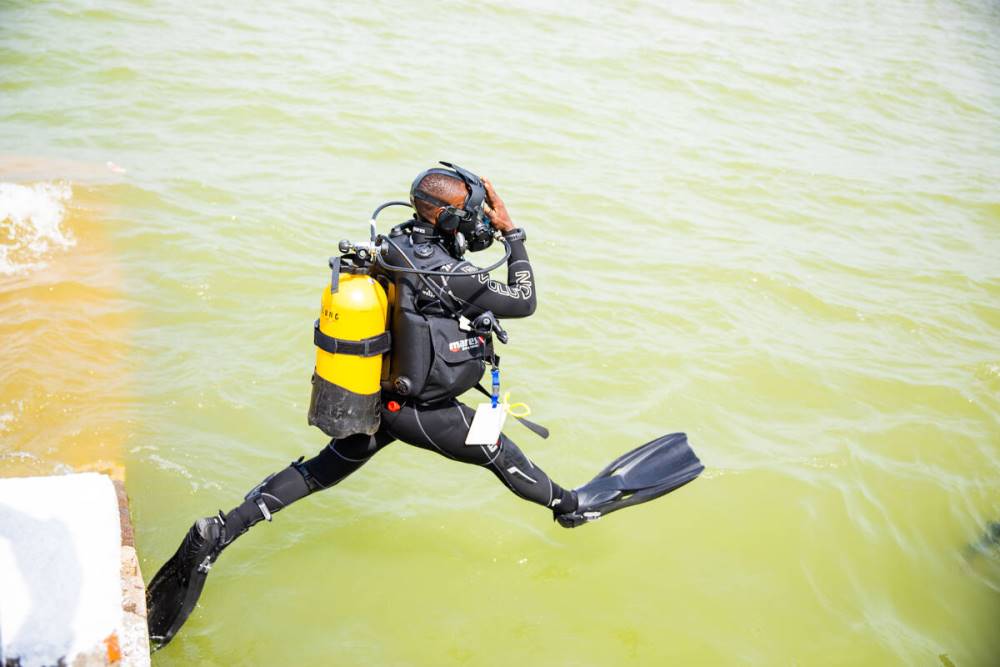
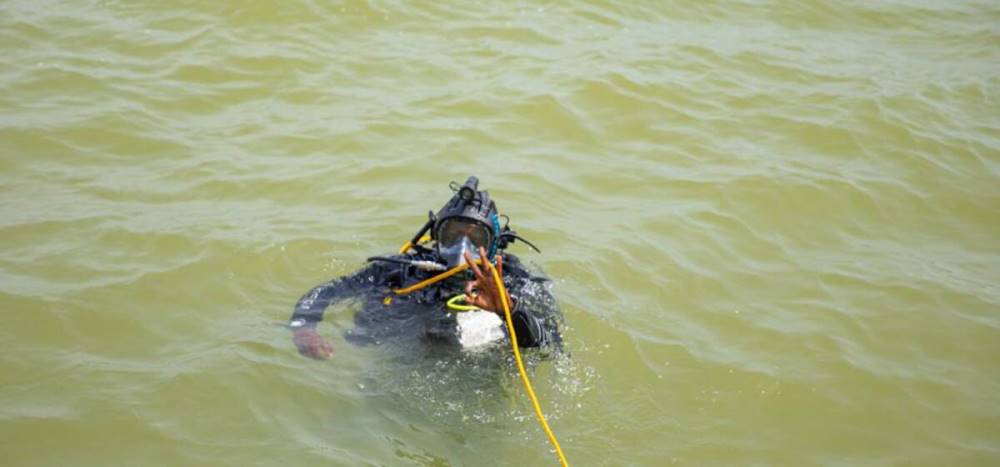
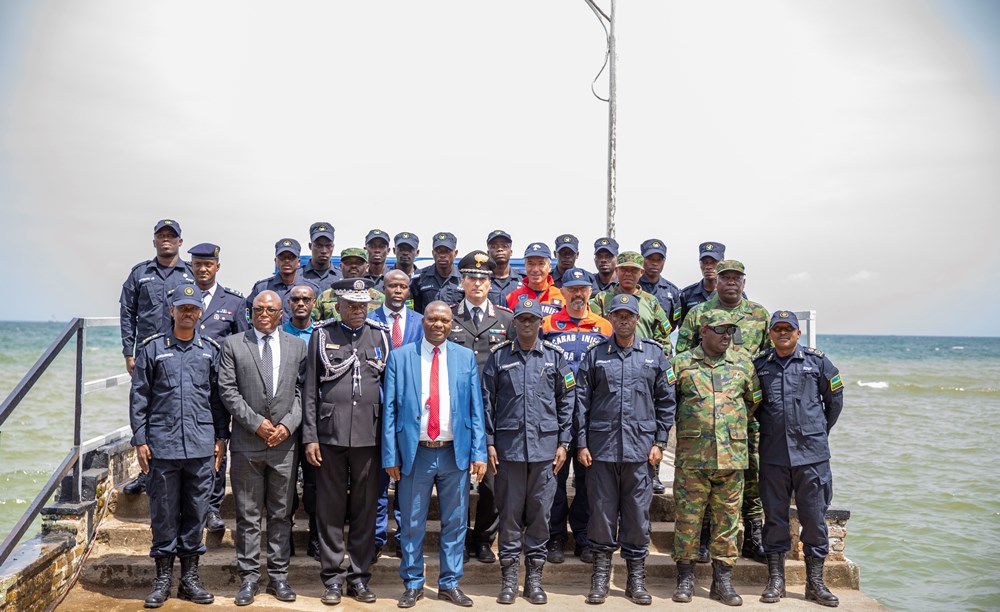
The one month course was attended by 11 Police divers. The event was also attended by the Commissioner of Police for Lesotho Mounted Police Service, Holomo Molibeli and the Deputy Inspector General of Police (DIGP) for Malawi Police Service, Mkandawire Happy Kangoma.
The Lesotho Police Chief and the Deputy IGP for Malawi were in the country to attended the graduation of the Police Senior Command and Staff Course (PSCSC), on Friday, at the National Police College (NPC) in Musanze District.
Police students from Lesotho and Malawi are among the 11th intake of the one year PSCSC, which combines the Passed Staff College (PSC) title, Post-Graduate Diploma in Strategic Leadership and Management, and a Masters programme in Peace Studies and Conflict Transformation.
The advanced marine diving course was conducted by trainers from Carabinieri scuba divers from Italy. It consolidates the skills in previous course and adds advanced underwater search techniques using specialized diving equipment such as communicators, metal detectors and lifting tools.
IGP Namuhoranye said that training and acquiring new skills is a continuous process.
“Regardless of the skills you have acquired, there is always room for improvement which goes with new skills and more advanced equipment.
The improvement goes with assuming the worst and to always be prepared on how to face rescue operational challenges,” IGP Namuhoranye said.
He thanked the trainers and commended the existing strong partnership between the RNP and the Italian Carabinieri.
The pass out was characterized with demonstrations on advanced underwater rescue operations.
Rwanda National Police (RNP) and Carabiniere signed a cooperation pact in 2017, which has since guided strong policing relations in capacity development such as peace support operations, counter-terrorism, aviation security, public order management, VIP protection, cybercrime, traffic and road safety, public health and environmental security, among others.
Marine Police Commanding Officer, Assistant Commissioner of Police (ACP) Elias Mwesigye said that marine has a task to protect national water bodies and that it requires appropriate capabilities in order to fulfill its duties.
He said that trainees demonstrated commitment, discipline and teamwork throughout the course.
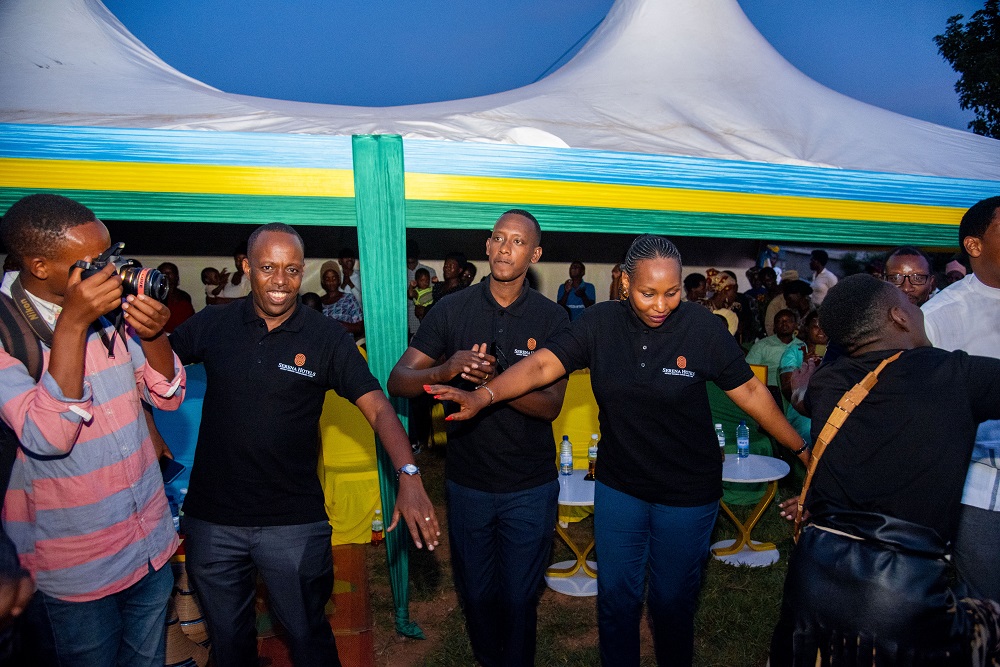
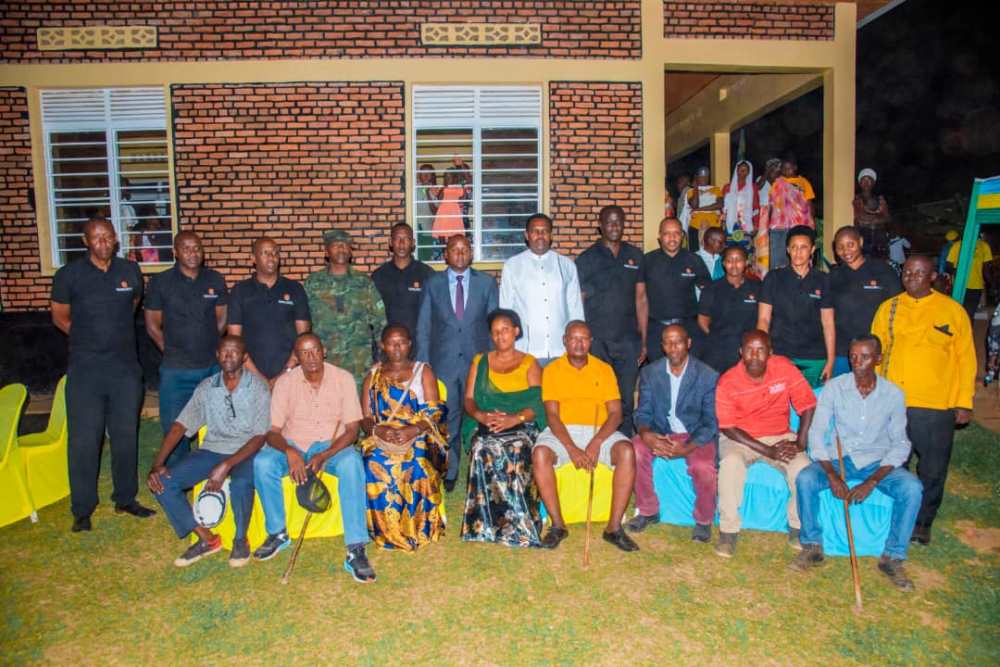
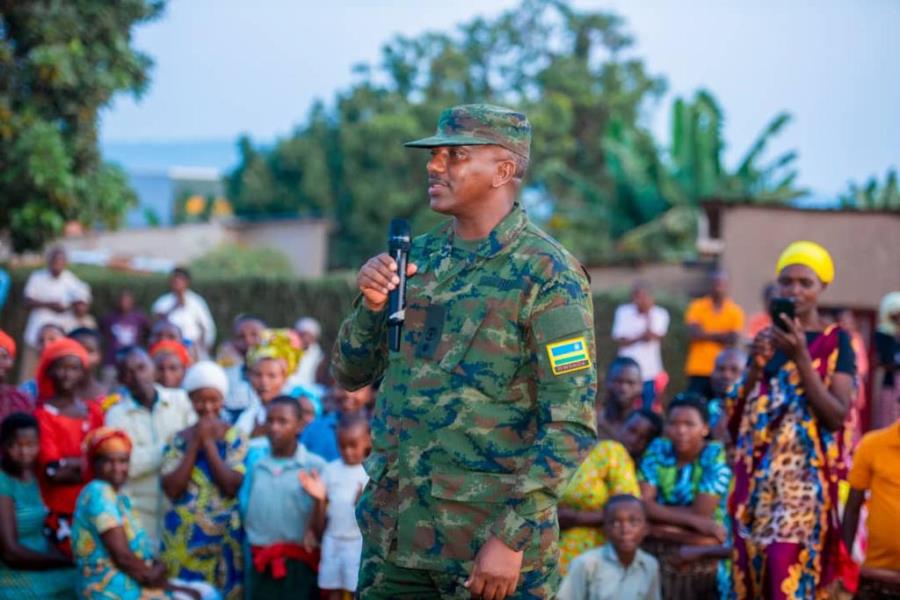
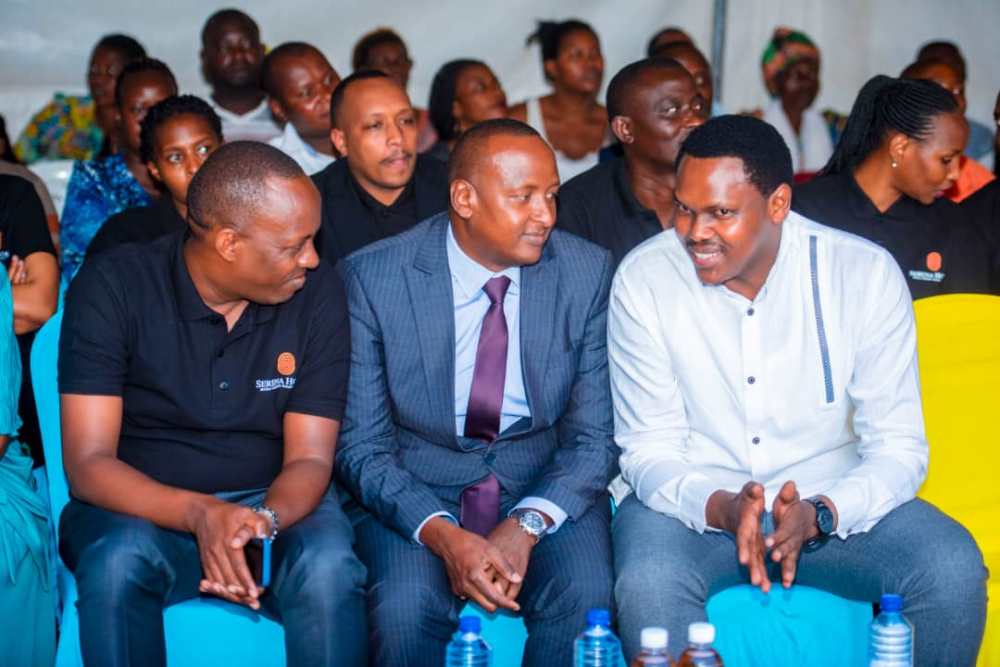
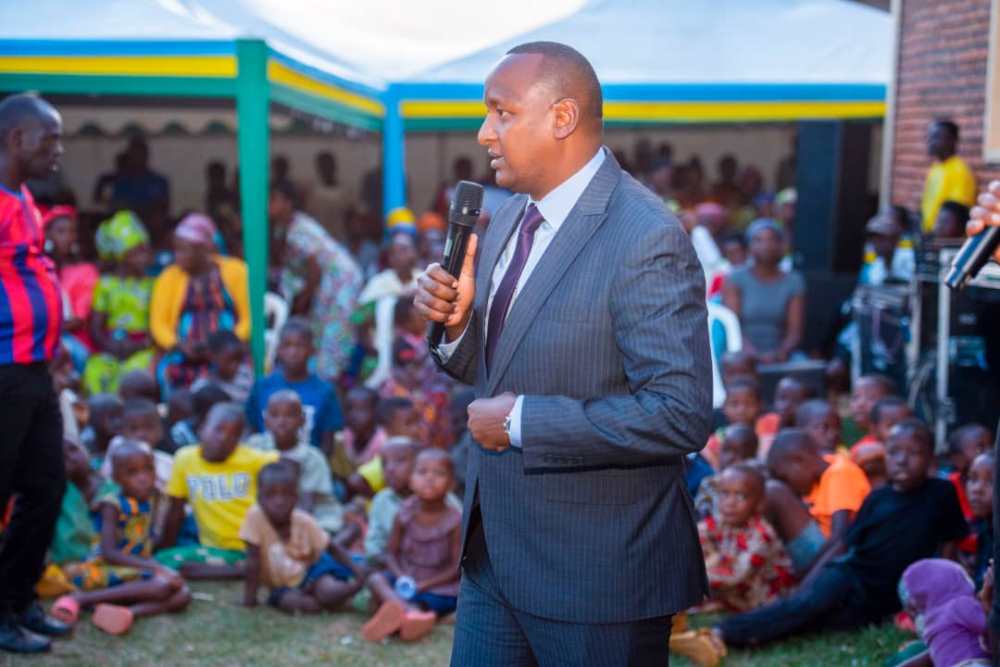
During the event, Daniel Sambai, the Country Manager of Kigali Serena Hotel, expressed that the donation symbolizes solidarity with Genocide survivors.
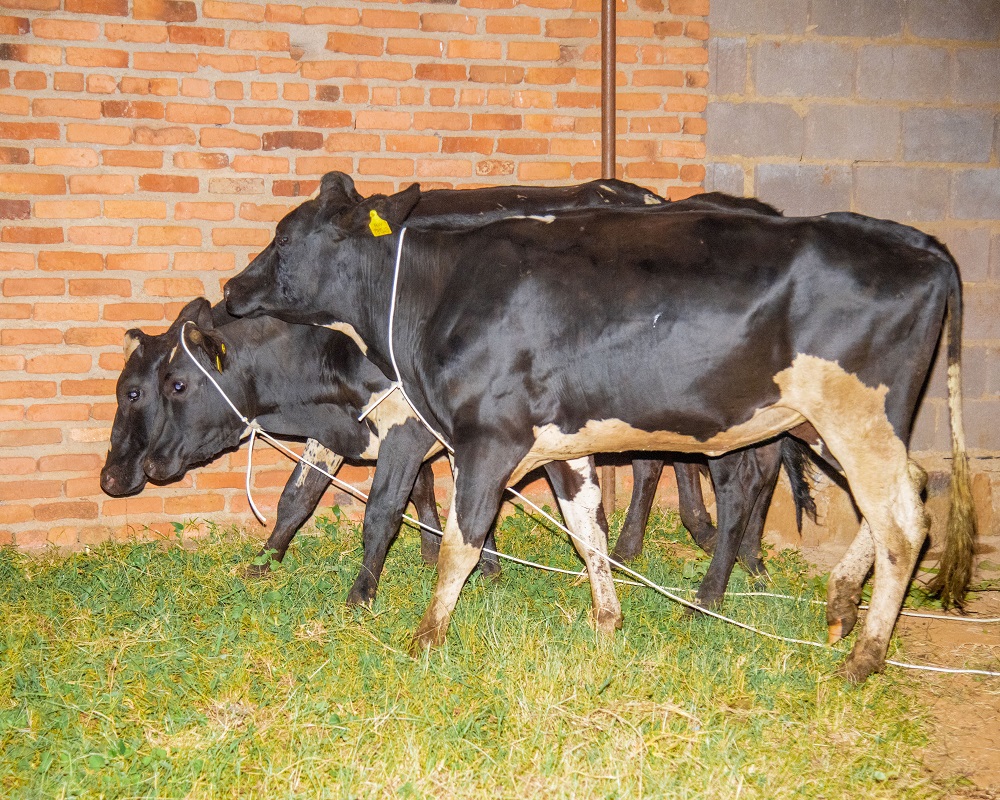
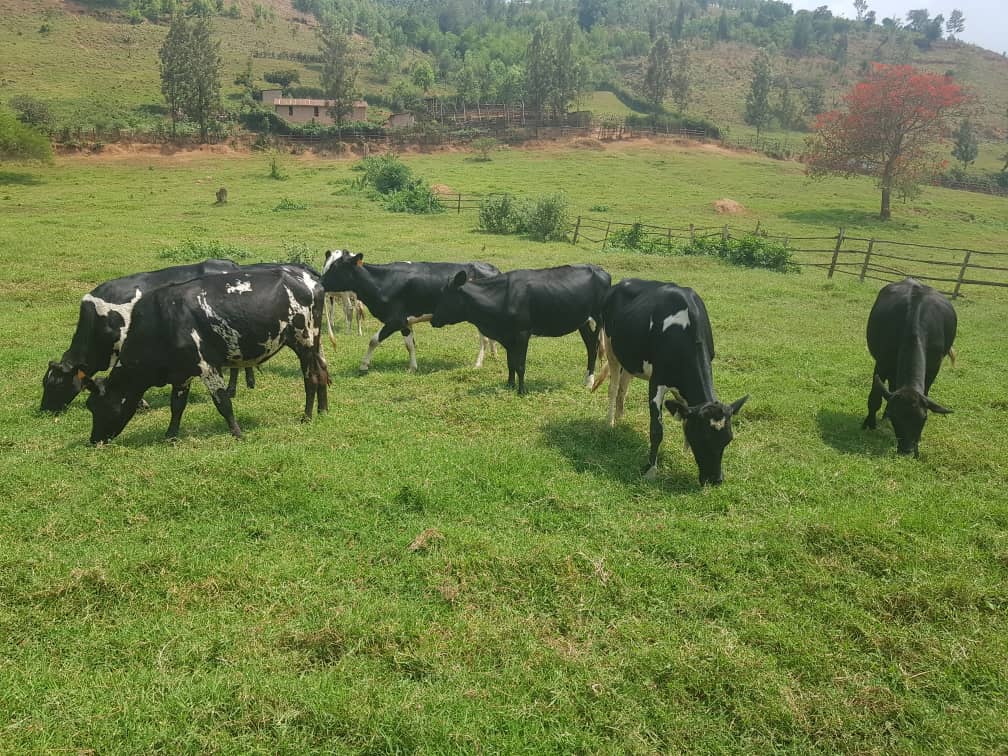
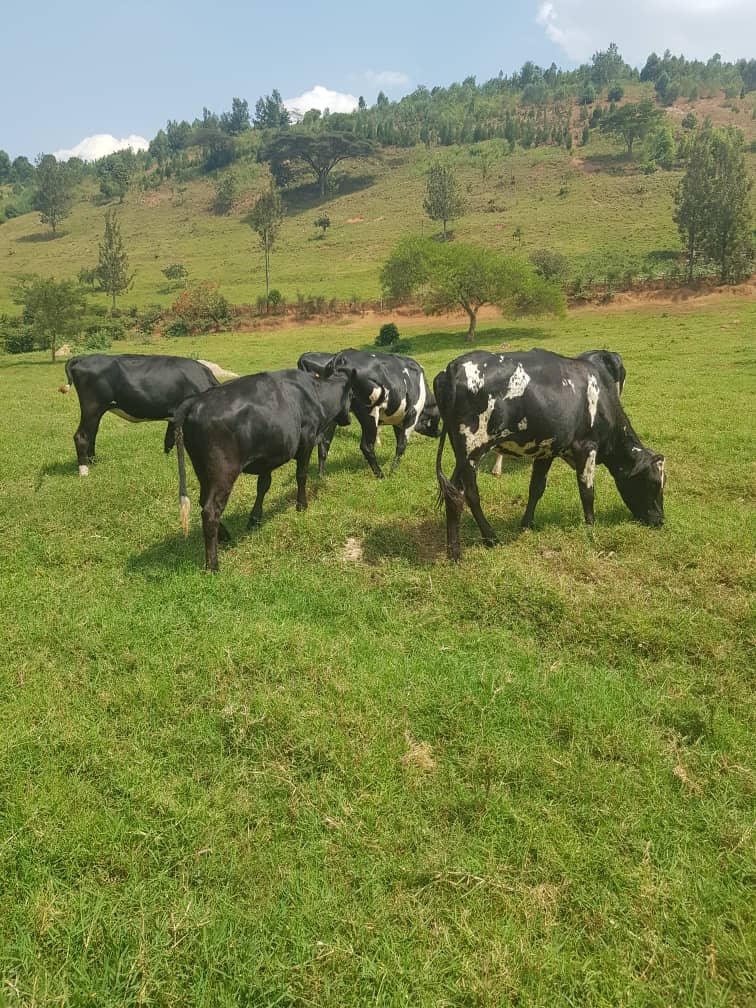
He highlighted the significance of cows in African culture, representing friendship, wealth, and unity. Sambai emphasized that part of the hotel’s revenues is allocated to support community members living near their operations, recognizing the blessings they have received in the form of profits.
Erick Mugesera, the Human Resources Manager at the hotel, revealed that this gesture is organized annually. The hotel’s donation comes at a time when Rwanda is commemorating the 1994 Genocide against the Tutsi that lasted for 100 and complements the Girinka Munyarwanda Programme introduced by the government.
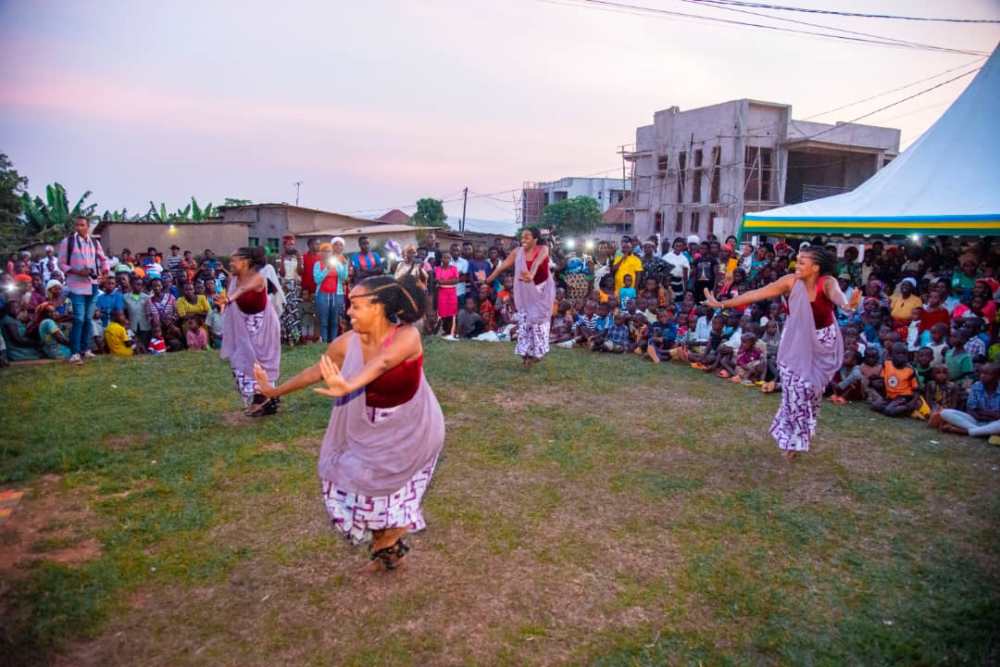
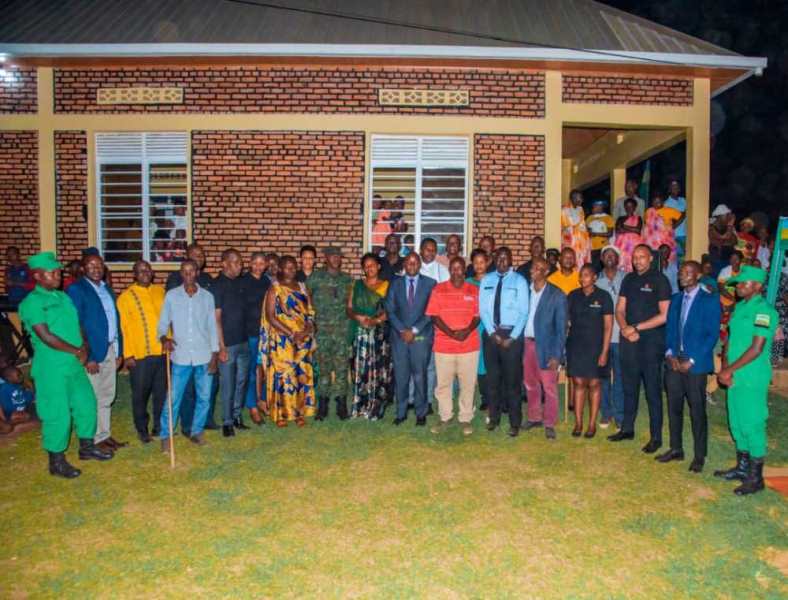
Mugesera explained that cows were chosen as the donation because they contribute more significantly to the beneficiaries’ long-term progress compared to other items such as food and clothing. Additionally, the donation coincided with the official inauguration of new cell offices for Ruliba, which were constructed at a cost of Rwf59 million.
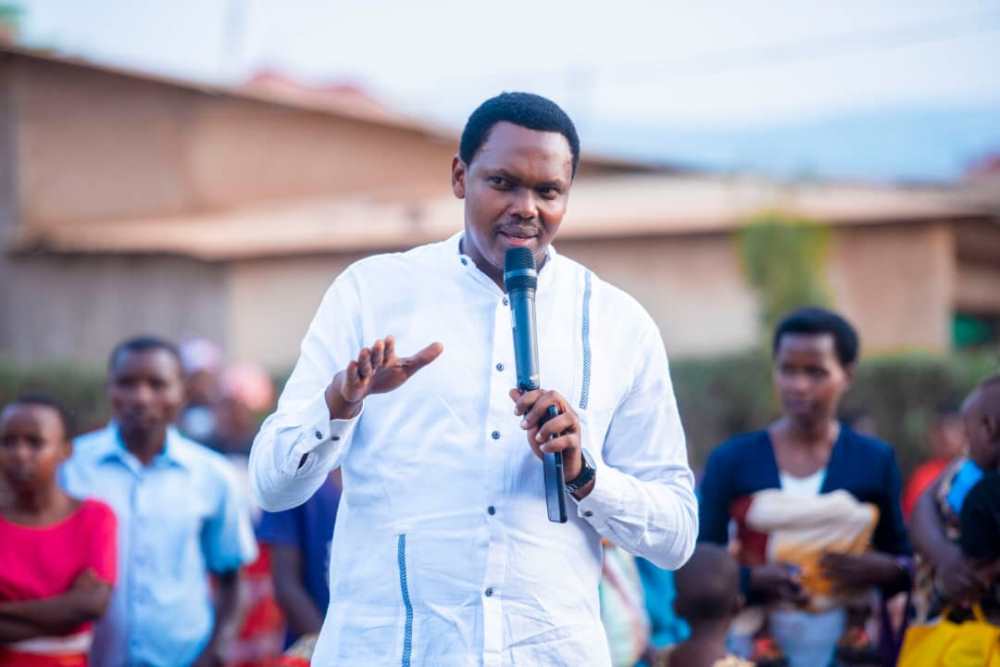
Emmy Ngabonziza, the Executive Administrator of Nyarugenge District, expressed gratitude to Serena Hotel for their support of the government’s initiatives to provide cows to citizens. She also commended the residents for their contributions towards building the cell offices, which will enhance service delivery and reduce the need for long-distance travel.
The Chinese people trust the CPC due to its track record of delivering visible improvements and tangible results in various aspects of governance, leading to increased well-being and happiness among the population, Joseph Mutaboba, a former United Nations envoy and a career diplomat, told Xinhua in Kigali in a recent interview.
“The CPC’s historical intention was to enhance the well-being and livelihoods of the people of China. It was created for the people, as they sought to improve their way of life and establish a presence on the world stage,” Mutaboba said.
“The theory and doctrine of socialism, which was already embraced by many, appealed to the Chinese people,” the career diplomat said, adding that the CPC’s appeal among the Chinese can be attributed to improved leadership, effective governance and economic development.
Describing the rejuvenation of the Chinese nation as a key aspiration and mission of the CPC, Mutaboba said China’s decision to open up and embrace change has played a vital role in transforming it into a dynamic society.
“China’s ability to feed its large population highlights the progress made in agriculture, ensuring food security. The country has made remarkable strides in modernizing agriculture, science and technology, defense, and industry, putting them on the right track for continued development,” he said, citing advancements in such areas as 5G technologies and traditional Chinese medicine.
China’s modernization is characterized by peaceful development, which recognizes the interconnectedness of peace and development, he said, adding that prioritizing peace and prosperity creates a solid foundation for sustainable development.
Whether you opt for an in-person visit or resort to email correspondence, the painstaking task of evaluating damages and estimating repair costs can become an unwieldy burden, particularly when relying on outdated manual procedures.
It becomes evident that a dire need exists for innovative and efficient solutions that expedite the process, providing customers with a seamlessly smooth experience.
While it is imperative to acknowledge the potential drawbacks of Artificial Intelligence (AI) for users, it is equally essential to recognize the immense benefits it brings in simplifying a myriad of processes and tasks.
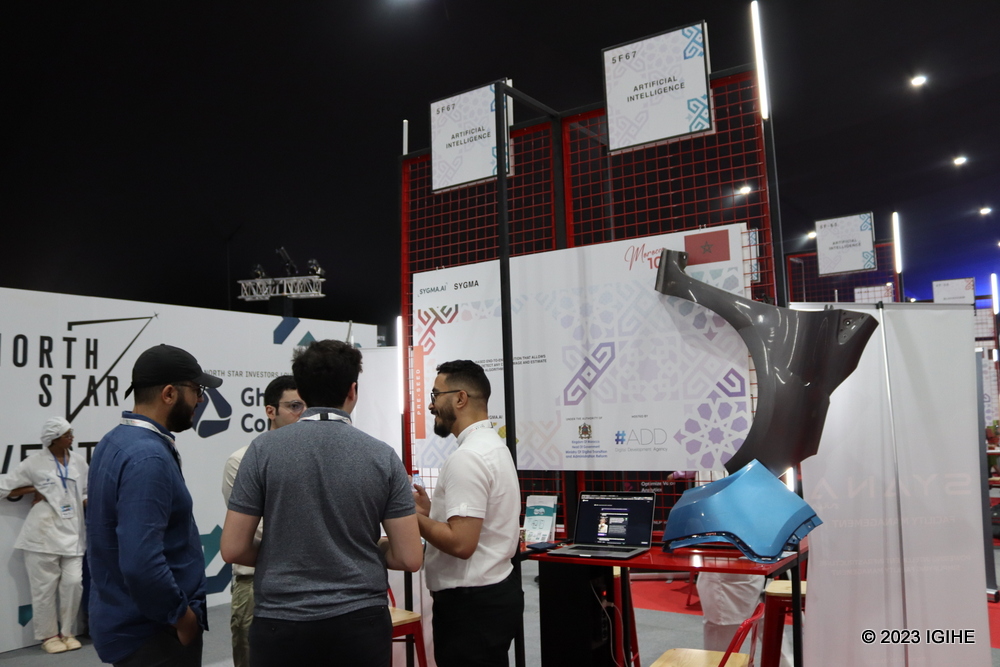
In light of this perspective, Sygma.AI technology company headquartered in Morocco, has ingeniously developed a cutting-edge platform that streamlines insurance claim procedures.
This innovative solution was recently showcased at the inaugural GITEX Africa Summit held in Marrakech, Morocco.
It empowers insurance companies to estimate costs with unprecedented efficiency. Human involvement remains vital, but the focus has shifted from manual control to validating outcomes, optimizing the overall process and ensuring swift resolution.
Speaking to IGIHE, Yassine Rahmi, the CEO and co-founder of Sygma.AI, shed light on their mission to digitalize the claims process.
Rahmi explained that Sygma.AI’s solution simplifies the entire claims process for customers.
“When a car accident occurs, all the customer needs to do is take a photo of the damaged vehicle and provide the car’s registration information,” he said. “In just a matter of minutes, we can provide them with an accurate estimate of the repair cost. This streamlined approach alleviates the burden on customers, eliminating the need for extensive paperwork and prolonged waiting periods.”
Sygma.AI primarily collaborates with insurance companies to enhance the claims process. Once the customer provides the necessary information, Sygma.ai shares the data with the insurance company, empowering them to make informed decisions. Rahmi elaborated on the process, stating, “The insurance company evaluates our estimates and validates them with their own experts. This collaborative approach ensures that the insurance companies receive accurate information while expediting the claims process.”
Accuracy and efficiency are of utmost importance to Sygma.ai. While they currently achieve an impressive accuracy rate of around 75%, Rahmi highlighted that their clients, the insurance companies, receive estimates that are 100% accurate. This is made possible by the involvement of human experts who meticulously review and validate the estimations before they are shared with the clients. Additionally, this quality control process aids in training the model for future enhancements.
Rahmi expressed their vision, stating, “Our goal is to provide our clients with answers to their queries within 30 minutes with human intervention, or within 5 minutes using our automatic processes. Ultimately, we aim to process all accidents within a remarkable 5-minute timeframe.”
Sygma.AI’s journey has not been without its challenges. Accessing sufficient accident data for training their model proved to be an initial hurdle. However, they overcame this obstacle by collaborating with friends and leveraging their photo archives to bootstrap their data collection efforts. With a minimum viable product (MVP) in hand, Sygma.ai was able to engage with insurance companies and effectively convey their vision.
Looking to the future, Sygma.ai has ambitious plans to expand their offering beyond pricing estimates. They are actively working on developing fraud detection algorithms to identify suspicious claims and inflated quotations. Moreover, their goal is to provide end-to-end claim management through their platform, allowing clients to submit files, complete necessary tasks, and even receive payments seamlessly.
The benefits of Sygma.AI’s collaboration with insurance companies extend beyond streamlining processes. By minimizing accident costs, insurance companies can reduce insurance premiums, making coverage more accessible to a wider population.
“Our partnership unburdens insurance companies, allowing them to focus on crucial aspects of their business while entrusting us with repetitive and resource-intensive tasks,” emphasized Rahmi.