The WFP, in its latest publication on the impacts of the suspension of the Black Sea Grain Initiative in Eastern Africa issued Monday, said local wheat production remains below consumption needs across most countries in the Eastern Africa region, with in-country production ranging between 0 percent to 25 percent of the total annual consumption requirements.
“Considering the high reliance on imports from the Black Sea to meet the domestic wheat demand and weak domestic currencies, wheat availability and prices in Djibouti, Somalia and Sudan are more likely to be influenced by international trade dynamics,” the WFP warned.
The WFP data showed that wheat consumption represents 67 percent and 38 percent of total cereal consumption in Djibouti and Sudan, respectively while in Ethiopia, Kenya, and Somalia wheat consumption accounts for less than 24 percent of total cereal consumption.
Djibouti and Somalia rely exclusively on imports to meet their domestic wheat demand, it said.
A sizable portion of wheat demand in Kenya and Sudan is met by imports. Ethiopia is the only exception as domestic production in 2022 accounted for 82 percent of total wheat consumption needs, the WFP said.
The WFP said Somalia and Sudan are largely dependent on imports from Russia and Ukraine to meet their domestic wheat demand. In 2022, Somalia imported 63 percent of wheat required from Ukraine. Sudan imports around 85 percent of its annual wheat requirements from Russia and Ukraine, which accounts for 50 percent and 20 percent of wheat imports, respectively.
Since July 2022, almost 876,000 metric tons (MT) of food were shipped to Djibouti, Ethiopia, Kenya, Somalia, and Sudan thanks to the Black Sea Grain Initiative, of which more than 343,000 MT of wheat were shipped by the WFP, it said.
It further said other factors including the El Nino event forecasted for the end of 2023 add uncertainties on production prospects and the stability of international wheat prices in the medium-to-long-term.
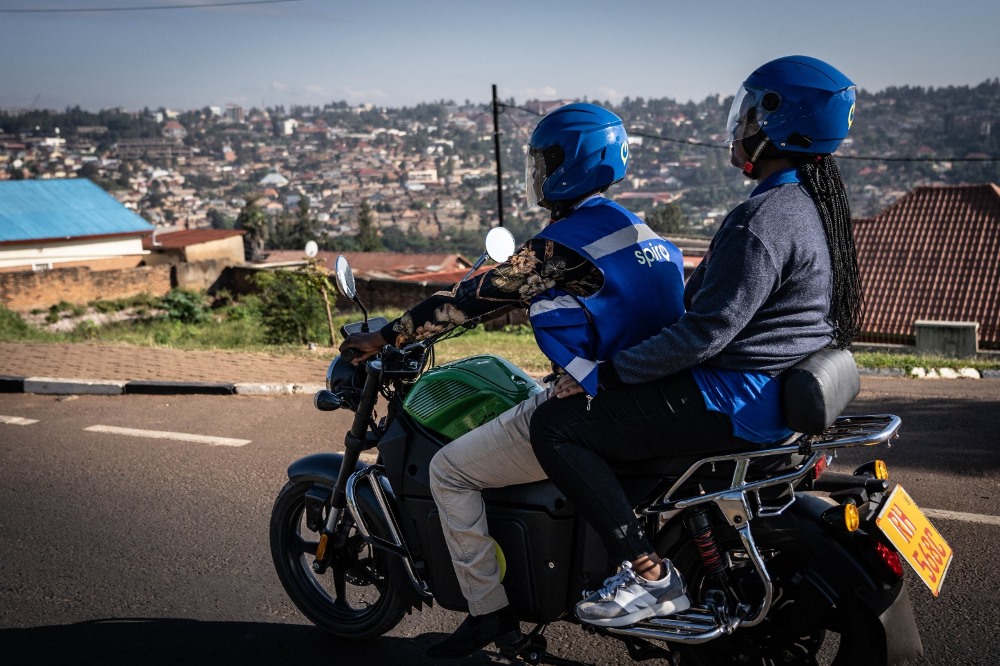
With the objective of tackling climate change challenges in Africa, Spiro motorbikes embarked on their journey in the Rwandan market with an initial fleet of 300 motorcycles and 30 charging points situated throughout Kigali, the capital city.
According to CEO Jules Samain, the Rwandan market has embraced our electric motorcycles with enthusiasm.
“The recognition of their eco-friendly, cost-effective, and efficient transportation solution has significantly contributed to our success in the region,” he said.
Characterized by their sleek design, Spiro motorbikes offer exceptional performance, durability, and comfort. Additionally, these motorcycles adeptly navigate local terrains and climates by minimizing greenhouse gas emissions, reducing noise and air pollution, thereby contributing to the creation of healthier and more livable cities.
Beyond their environmental benefits, Spiro motorcycles are also more economical to operate and maintain. Samain notes that Motorbike Taxi (MBT) owners can easily transition from their traditional internal combustion engine (ICE) bikes to new Spiro Electric Motorbikes, thanks to special arrangements for taxi riders.
Moreover, Spiro is collaborating closely with financial institutions such as Bboxx to offer financing options that enhance accessibility to electric motorcycles across various segments of the population, while also improving financial opportunities for existing riders.
With a network of over 30 active swap stations, Spiro riders can swiftly exchange depleted batteries for fully charged ones, eliminating the need for long charging queues. Spiro’s services often encompass insurance, mobile phone contracts, and other benefits bundled into the payment.
Presently, as the preeminent and largest electric motorbike manufacturer in the Rwandan market, Spiro is committed to addressing the climate emergency, enhancing public health, and fostering economic growth.
Since its launch in Rwanda, the company has provided employment to over 130 individuals, prioritizing gender inclusivity within its workforce and creating opportunities for everyone.
Furthermore, Spiro is expanding its battery swap station count to 50 and investing in local assembly facilities for motorbikes and batteries, thereby bolstering economic growth.
The Rwandan government has exhibited steadfast dedication to green growth and digital transformation through various incentives and policies aimed at bolstering the expansion of electric mobility.
Spiro’s commitment to combat climate change by replacing fossil fuel-based vehicles and motorcycles with clean, efficient, and affordable electric alternatives extends beyond Rwanda to include countries such as Benin, Togo, and Uganda.
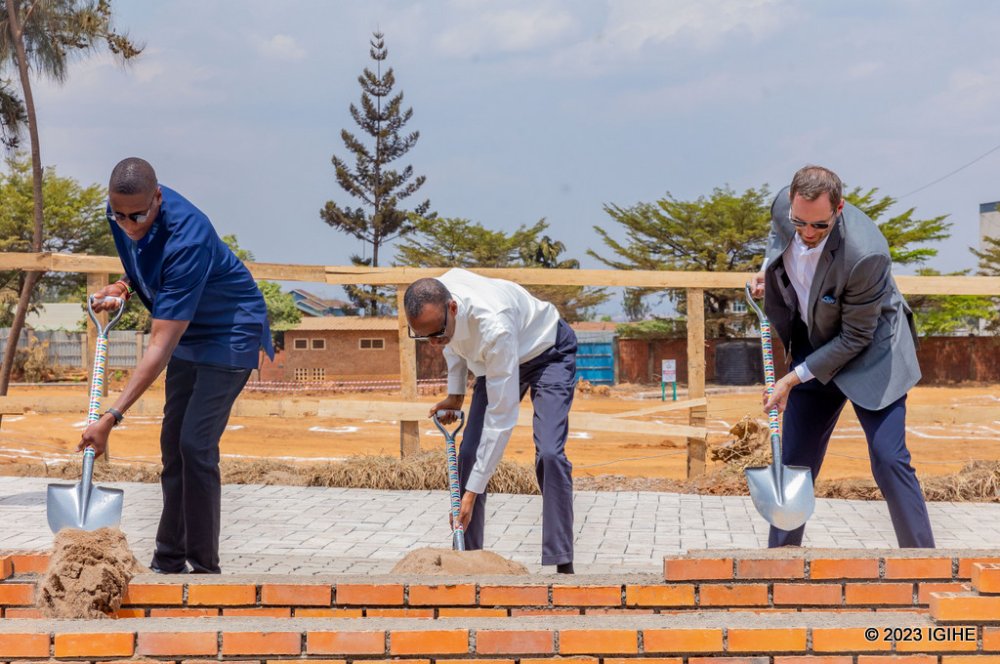
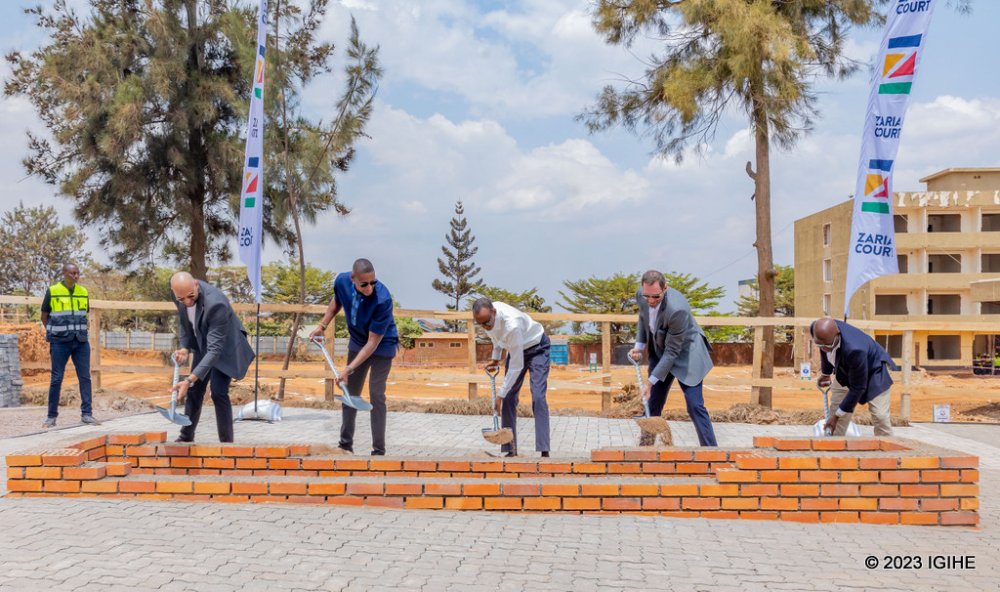
Situated at the crossroads of two powerful beliefs – one in the future of Africa and the other in the idea that the future is inherently African – Zaria Court is taking shape in Remera, at the heart of Kigali.
The Zaria Court in Kigali features a dynamic retail area that will cater to the needs of the local community and visitors alike. Utilizing repurposed shipping containers, this environmentally sustainable retail space will house shops and businesses, serving as an incubation hub, with a special emphasis on women-owned enterprises and young local entrepreneurs. The construction of this complex is set to conclude by November 2024, with operations slated to commence in February 2025.
Part of the Kigali Sports City, the Zaria Court project is anticipated to create over 500 job opportunities in the hospitality and tourism sectors. This groundbreaking project represents the first Zaria Court on the African continent and revolves around an urban hospitality hub.
It repurposes the former headquarters building of the Rwanda Biomedical Center (RBC) in Remera, transforming it into an 80-room boutique hotel, a collection of restaurants, a rooftop lounge, a gym, wellness spaces, co-working facilities, and even a podcast studio. Central to the site is a versatile multipurpose court, designed to host sporting events, festivals, performances, markets, and other engaging activities.
At its core, this site harbors a multipurpose court meant to serve athletes, artists, and their fans, fostering a dynamic mixed-use hub of creative entrepreneurship.
Speaking at the event, Ujiri emphasized the necessity to reshape perceptions of sports, highlighting that it’s not just a recreational pursuit on the continent but also a realm of competition and business.
“When I observe the many places where professional sports are played every day, it’s evident that sports drive revenue constantly. How are we leveraging sports to support all these individuals?” He stressed.
Mentioning cities such as Accra, Nairobi, Johannesburg, Lagos, and Abidjan, where arenas are lacking, Ujiri expressed that Zaria Courts is set to be revolutionary, a blueprint showcasing the aspirations for the continent.
During his address to the attendees, President Kagame called upon African leaders who have visited Rwanda and witnessed the BK Arena’s success, urging them to fulfill their promises by constructing larger arenas in their respective countries. He highlighted that sports contribute to economic growth by uniting people from all walks of life.
GOA is marking its 20th anniversary in Kigali with a week-long series of events, including the construction of a basketball court at Agahozo Shalom and the official inauguration of GOA at the BK Arena on August 13th, 2023.
This missive revolves around the trial of Félicien Kabuga, a Rwandan businessman who stands accused of being a key financier behind the heinous Genocide against the Tutsi in Rwanda.
Kabuga’s alleged involvement in orchestrating acts of genocide and crimes against humanity has cast a shadow of profound gravity over his trial.
Recently, on August 7, 2023, the Appeals Chamber of IRMCT, tasked with presiding over his trial, handed down a verdict of “indefinite suspension” for the proceedings against Kabuga.
This decision has sparked mixed reactions where organizations overseeing the interests of Genocide survivors rose concerns about the potential repercussions of this suspension on the pursuit of justice for the victims and survivors of these unspeakable atrocities.
One such collective, the umbrella organization of genocide survivors’ associations, known as IBUKA, has voiced their profound apprehension.
They express their disquiet over the apparent divergence of the IRMCT from its central mission: to deliver justice to the individuals who suffered and survived the ruthless 1994 genocide against the Tutsi.
This apprehension was eloquently stated in their official statement on August 11, 2023, following the decision by IRMCT’s appeals judges to indefinitely halt the trial of Félicien Kabuga, ostensibly due to his purported illness.
Charles Butera, himself a survivor with an intimate understanding of the trauma inflicted upon his community, echoes these concerns in his open letter.
He laments the decision to indefinitely suspend Kabuga’s trial, likening it to driving a painful nail into an already open and bleeding wound endured by the Genocide survivors.
{ {{Below is Butera’s full letter:}} }
{{Open letter to the judges of the Appeals Chamber of the UN Mechanism entrusted with conducting the final trials of the ICTR }}
It is said that François Mitterrand once declared, regarding Rwanda, that “in those countries, a genocide is not too important.”
His bias and support for the genocidal regime of former Rwandan President Juvénal Habyarimana were well-known, but only a few understood the full extent of his statement. Sadly, the observed facts and the way the famous international community handles the consequences of the genocide against the Tutsi unfortunately prove him right.
The date of August 7, 2023, has now been added to the long list of dark dates that any survivor of this genocide must remember. The judges of the Appeals Chamber of the UN Mechanism entrusted with conducting the final trials of the ICTR have definitively hammered the nail into an open, bleeding wound. They have clearly shown the Tutsi survivors that the hand holding the lever of the powerful justice machinery is far out of their reach and that justice itself can be a “variable science.”
The arrest of the “financier of the genocide,” which took place with great fanfare in France in May 2020, raised hopes that finally the survivors would obtain justice. Unfortunately, this euphoria lasted only a blink of an eye because what was supposed to be a trial has now ended like a deflated balloon in the middle of the game.
The honorable judges who have blown the final whistle even go further by demanding the immediate release of this amnesiac, demented dying man.
The judges, still firm in their boots, have based their ultimate decision on the report of distinguished psychologists who have examined every millimeter of the accused’s brain and confirmed his incapacity.
According to other experts, it seems that the accused had been so active in using, even abusing his brain, trying to play and outwit those who were on his trail! This mental exercise spread over two decades unfortunately precipitated the onset of this nasty and terrible premature disease that attacked this 86-year-old deadwood, unfortunately rendering him unable to prove his innocence to the world.
Speaking of age, this reminds me that elsewhere, true judges committed to fairness, peace, and justice do not hesitate to judge and sentence even those who have reached the venerable age of one hundred, accused of serious crimes. Two recent examples come to mind: Josef Schütz, aged 101, was tried and sentenced to five years in prison in 2022 for complicity in murders when he was a non-commissioned officer of the Waffen SS.
While Irmgard Furchner, a former secretary of a concentration camp, aged 97, was also tried and sentenced to two years of suspended imprisonment in 2021 for complicity in murders. Without seeking to minimize the charges against one or the other, I leave it to the readers to compare the charges brought against the centenarians and those against the “financier of the genocide” committed against the Tutsi.
Our illustrious psychologists and judges have rendered a decision that will mark history, and I hope they will have the courage to assume its repercussions. It is very difficult to separate the genocide committed against the Tutsi and the name of Mr. Kabuga, as the two are inseparable.
He is the mastermind and financier of this same genocide, and his involvement weighed heavily. His name evokes the infamous Radio-Télévision des Mille Collines, known for its messages calling for murder. I can bet my finger that without his active participation in financing, planning, equipping, training, his charisma, social status, strategic influence, and his connections with the presidential palace, the genocide would not have reached the same magnitude.
I would have liked the same judges to take a moment and show compassion in order to think about the victims. I can understand that they were misled by the brilliant report of expert psychologists and the nightmarish image of a sleeping monster on the other side of the screen. But honorable judges, what do you say to all those victims killed in both atrocious and indescribable conditions?
The buried remains and those that still lie on the surface cry, mourn, and demand justice. They haunt you! The cries of the octogenarian Tutsi killed at the accused’s age tell you that Mr. Kabuga’s accomplices did not spare them despite their senility and weakened faculties. The crushed and battered babies against the walls cry out and call for justice.
The judge who turns a deaf ear to these cries will no longer be able to sleep, as the noise of these infants prevents it today and forever. And what do you say to the survivors wounded in their hearts and bodies? These raped women, left for dead and infected with HIV, tell you that they hate you. But as believers, they do not wish harm upon you; they simply want you to live long enough to see what they have seen and experience what they have experienced.
As for the orphans picked up among the corpses, they do not hide their anger, but they tell you that this two-tiered international justice only gives them the strength and courage to survive. They tell you that this tendency towards paternalism and dependency will be fought against and abolished forever. These young people regretfully tell you that the United Nations has once again missed a favorable opportunity to restore its image.
After so many failures before, during, and after the genocide, the only chance left was to deliver justice. If they have never made loud claims or taken to the streets to demand compensation, it was not due to forgetfulness or short memory. It was because they still had faith in an organization to whom they had given the benefit of the doubt. The release of the “financier of the genocide” cuts the umbilical cord.
Those who are familiar with the case seem to be the only ones not surprised by your decision. They assert that it perfectly fits into the preconceived architectural plan. Everything went according to plan, without obstacles: you have blessed and implemented the decision of non-prosecution pronounced by our distinguished psychologists.
This is the justice of the powerful. Shame on all of you who have contributed, directly or indirectly, to this degrading charade. How shameful it is to have no shame. In the typical case of Rwanda, this famous organization continues to lose feathers. From its pinnacle to its ground troops, including its judges of the International Criminal Tribunal for Rwanda, this organization has never ceased to discredit itself.
It shines through decisional incoherence in all its organs. The Tutsi survivors barely had time to forget the incongruous decisions of Judge Theodor Meron, which left indelible scars on their minds. For those who preferred to erase this infamous name from their heads, let us simply recall that he is the villain who, for two decades, tirelessly worked to exonerate and free criminals or revise their sentences downward. And yet, didn’t Gandhi warn us: “To progress, we must not repeat history, but produce a new one.” The United Nations organization has still not learned anything.
Before concluding, I leave you with this: whether you are believers or not, I find this biblical passage appropriate for you: “Cursed is he who disregards the rights of the stranger, the orphan, and the widow!” Deuteronomy 27, 19.
What the Tutsi survivors should remember:
– Let us avoid continuing to rely on external justice – Let us fight to have the executioners on our territory and judge them at any cost.
– The passage of time does not diminish the guilt of the killers.
– Finally, I ask myself the same question as you: what is the purpose of the non-prescriptible crime of genocide if a group of individuals can sit down at any time and decide that an alleged criminal is unfit to stand trial based on easily debatable subjective facts?
For OfficePhase, workspaces must breed productivity, hence the offering of dynamic spaces such as private serviced offices, shared office spaces and co-working spaces that are fully furnished with top-notch amenities not limited to high-speed internet, podcast studios, modern furniture, exclusive private office, team office, receptionist, training rooms, lounge areas, printing services and meeting rooms.
The office spaces are ideal for start-ups, investors looking for space to work, freelancers, podcasters, companies needing representational offices and people searching for board rooms and training rooms.
“At OfficePhase, our services are not limited to workspaces but also help companies who wish to expand into African countries make that decision easier by helping them with verified vendors, getting them talents and helping them manage statutory. Through our new workspace, we are committed to supporting startups across the continent and providing space to incubate their ideas. We welcome startups to use our spaces or leverage our outsourcing products,” stated Seyi Babatunde, co-founder OfficePhase
When asked about the reason for scaling their privately serviced office space business into Kigali, the founder stated: “The leadership of Rwanda is deliberate about making the country a truly business gateway in Africa. A country of about $11bn GDP, Rwanda’s economy has been growing steadily since the end of the 1994 Genocide against the Tutsi and has averaged 7% per annum growth over the last decade. Rwanda ranks 38th [2nd in Africa] on the World Bank’s Ease of Doing Business Report. This is because of a deliberate and consistent effort from the Paul Kagame-led government over the last 20 years accordingly.”
Currently located at 4th & 7th floor East / West Wing of Kigali Heights, an ‘A’ graded property, just beside the Kigali Convention Center, it is planned that OfficePhase shared office workspace would provide physical infrastructure for entrepreneurs needing businesses addresses to register local business in Rwanda or workspace to companies who intend to access the resources necessary to build a strong foundation for their journey towards growth especially if they plan to expand within the continent.
Registered as Realty OfficePhase with an initial planned investment budget 1 Million Dollars, the company is fast becoming a known name in the business of shared office space and private flexible spaces for businesses who plan to expand across Africa.
With a very creative workspace, the management embraces Made in Rwanda vendors and private business as a way of affirming her social impact strategy in the territory of operation.
“For Officephase, competition is not a conversation; we are unique because, businesses and startups within our spaces subsequently taste what we call affordable luxury due to the creative nature of our spaces. Getting a space with us also means getting work space & business address in about 7 other African countries which is not common among the workspace as we have it within the continent at the moment. As a support services, we also help provide market research for African markets to our client within our space,” stated the management.
For further information or queries, please contact Sarah W. at +254714716403 or sarah@glasshousepr.co.ke and for business inquiries please contact seyi@hrleverageafrica.com
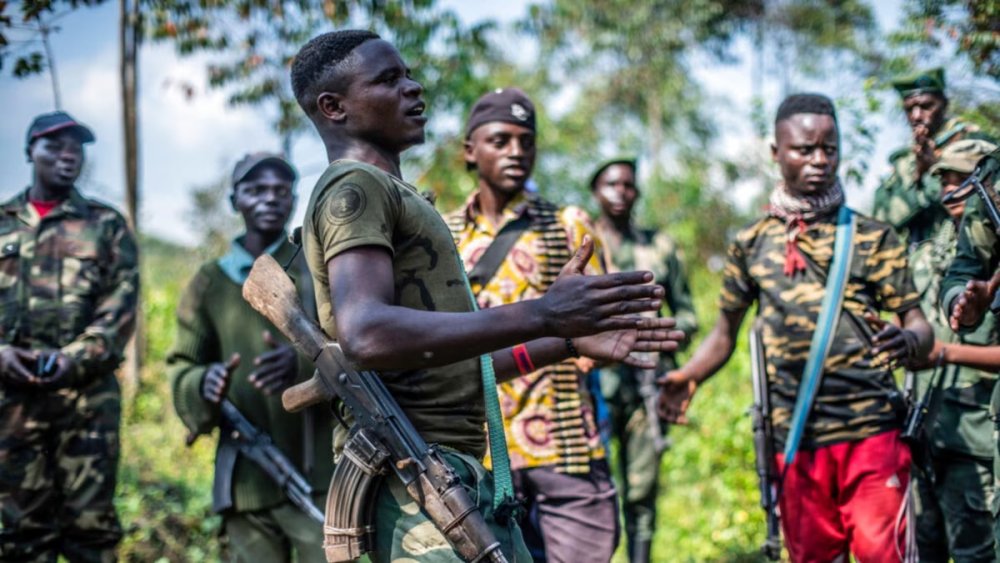
According to information obtained by RFI from the report, Guterres expresses deep apprehension about the situation unfolding in the eastern region of the DRC, more than a year after the resurgence of hostilities between the Congolese Armed Forces (FARDC) and the M23 rebels.
The recently published report by the UN Group of Experts in August this year highlights that the FARDC sought assistance from other armed groups operating in the eastern DRC to fight M23 rebels.
Contained within the 15-page document dispatched to the UN Security Council, Guterres conveys his concerns over the escalation of armed groups comprising individuals who claim to be acting in self-defense.
These groups, composed primarily of civilians armed with weaponry, have pledged their commitment to confront the M23 rebels. Guterres highlights that this ongoing situation exacerbates security challenges, as inexperienced civilians might attack fellow civilians or even perish in conflicts due to their lack of combat proficiency.
The UN Group of Experts’ report published earlier in June this year pointed out a collaboration between the FARDC and FDLR, a designated terrorist group comprising individuals implicated in the 1994 Genocide against the Tutsi. This collaboration aimed at countering the M23 rebels. The report further reveals interactions between the Congolese Armed Forces and FDLR, including organized meetings.
As outlined in the report, a coalition named the “Alliance des Résistants de la Patrie (ARP)” was formed by these armed groups in North Kivu Province. Initially, General Janvier Buingo Karahiri, commander of the APCLS armed group, led the coalition, while Guidon Shimirayi Mwisa, in charge of the NDC-R armed group, assumed the role of logistics head in partnership with “General” Dominique Ndaruhutse, also known as Domi, who leads the CMC/FDP armed group. This coalition also encompasses the Mai-Mai Kifuafua armed group situated in Walikale and Masisi.
Rutshuru hosts a collection of coalition members, including Mouvement Patriotique d’Autodéfense (MPA), Collectif des Mouvements pour le Changement/Forces Armées du Peuple Congolais (CMC/FAPC), NDC-R/Bwira under the leadership of Mapenzi, and the FDLR, considered the most potent entity within the alliance.
The UN Group of Experts’ report discloses that the coalition played an active role in assaults against the M23 rebels in the regions of Kitshanga and Rubaya in January and February 2023.
There are allegations against Congolese military leaders for orchestrating the formation of this coalition of armed groups.
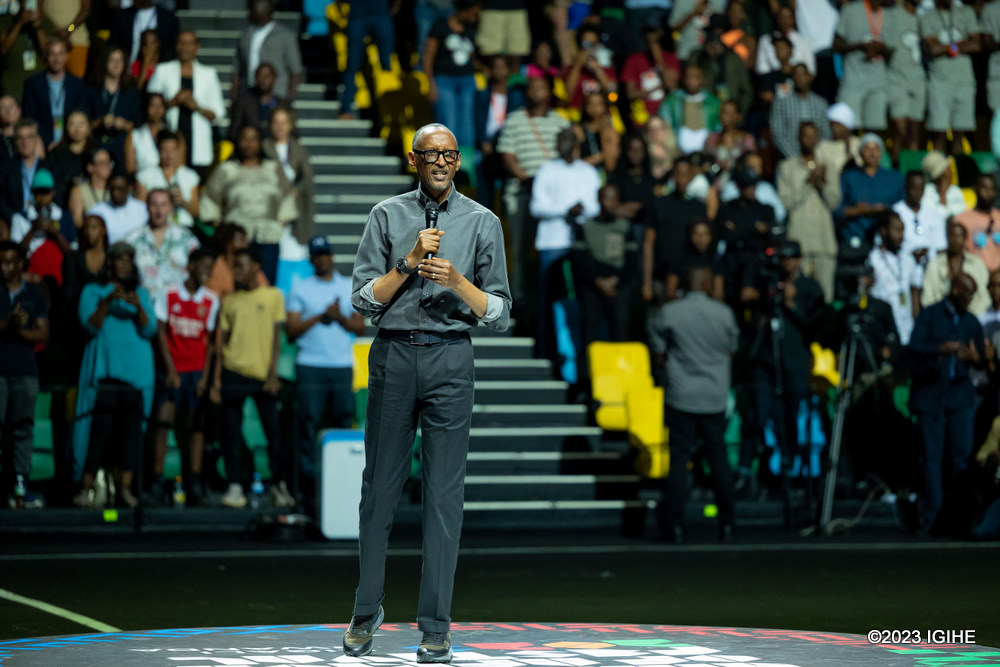
The Head of State made these remarks during the opening ceremony of the Giants of Africa festival.
This week-long event, organized as part of the 20th-anniversary celebrations of Giants of Africa in Rwanda, brought together 250 youth from 16 African countries to participate in sports, entertainment, cultural activities, and more.
Giants of Africa (GOA), a basketball camp founded by Masai Ujiri, serves as a platform to identify and nurture basketball talent among African youth. Masai Ujiri also holds the positions of Vice-Chairman and President of the Toronto Raptors.
In 2023, Giants of Africa marks two decades of conducting basketball camps, building courts, and facilitating youth outreach initiatives across the African continent.
Speaking at the celebration at BK Arena, Kagame emphasized that Africa should be recognized for its strengths rather than pitied or patronized for developmental challenges.
He stated that Africa possesses abundant resources, talented individuals, and intellectual capacity, comparable to any other region. Kagame underlined the idea that Africans are giants and should uphold that spirit.
Kagame also emphasized the significance of uniting many nations in a celebration of culture and sports. In simple terms, he highlighted African camaraderie, adding a personal touch to Ujiri’s own diverse African heritage, which resonated with the audience.
“Masai has a Nigerian father and a Kenyan mother. I was born in Rwanda and grew up in Uganda. My wife was born in Burundi, and we met in Kenya. This is who we are as Africans. We are brothers; we are sisters,” he shared.
“The best way to bring that out to everyone is through talent of sports like today. These giants, they are giants and will be in Basketball but they can be giants in everything else. And it is just a reminder that that all of us, you and me, and other s we know who are not here with us can be giants,” added Kagame.
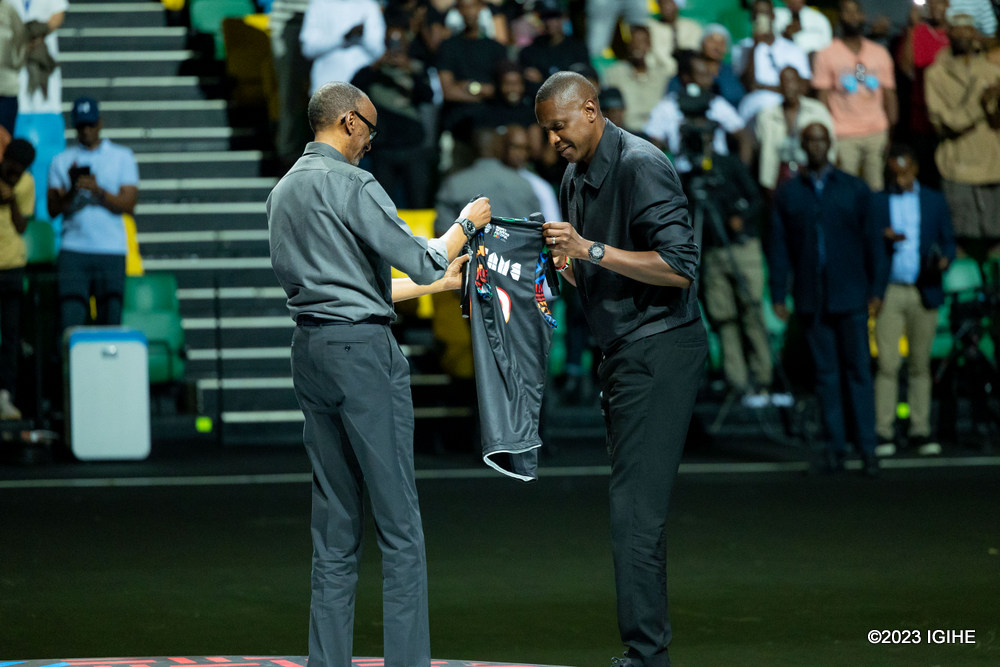
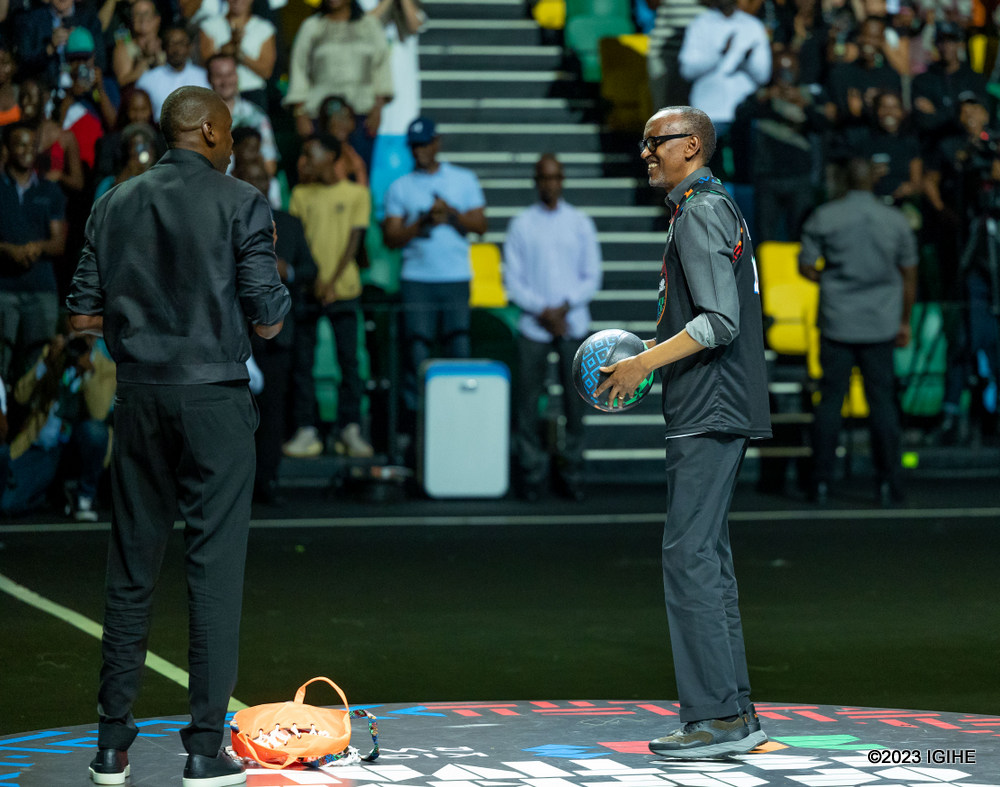
At the end of his speech, President Kagame received a personalized Giants of Africa jersey and a basketball from Ujiri. The ceremony, held at the BK Arena precisely at 4 pm, saw the presence of Masai Ujiri, Sports Minister Aurore Mimosa, and BAL President Amadou Gallo Fall.
Co-founder of Giants of Africa, Masai Ujiri, expressed his enthusiasm for the future of sports in Africa. He highlighted the pivotal role that today’s youth play in shaping the continent’s promising future and expressed confidence in Africa’s great potential.
“The youth of today will shape the next 20 years. This is a blueprint for Africa, and we will continue to grow and establish our own league,” Ujiri remarked.
Ujiri also acknowledged and praised Rwanda’s contributions to sports development across the continent. He reminisced about a moment in 2016 when he watched a basketball game with President Kagame. During that time, Kagame expressed his desire for an arena in Rwanda, which soon became a reality. This paved the way for partnerships between Giants of Africa and the Basketball Africa League, leading to the President’s appearance on stage to deliver his remarks.
“We are fortunate to have him in Africa,” Ujiri said, referring to President Kagame.
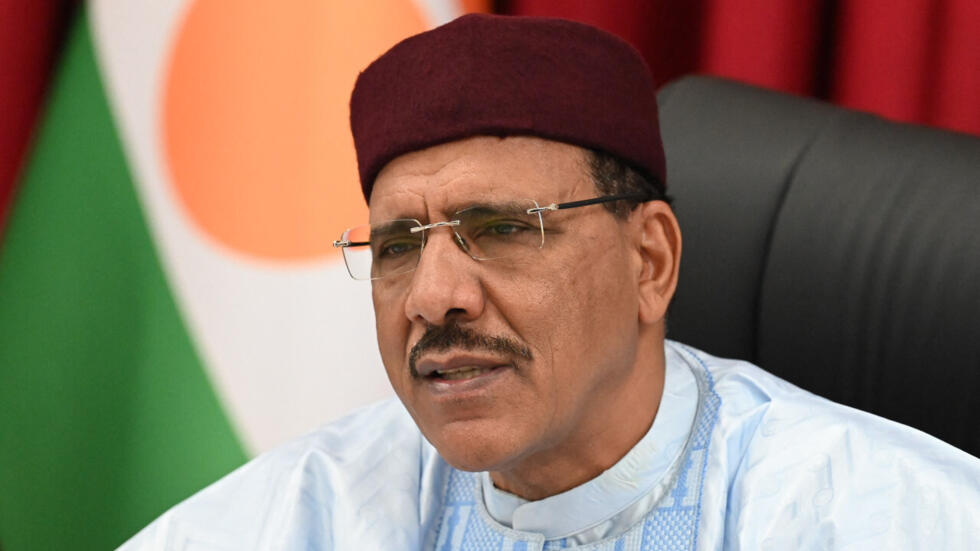
Bazoum would be prosecuted “for high treason and undermining the internal and external security of Niger,” said Col Maj Amadou Abdramane, a member of the country’s Defense and Security Forces and the National Council for the Safeguard of the Homeland (CNSP) that was newly established by soldiers.
The Economic Community of West African States (ECOWAS) has imposed sanctions on Niger in response to the recent coup and approved the deployment of a “standby force to restore constitutional order” in Niger as soon as possible but remains committed to finding a diplomatic solution to the crisis, with Niger’s coup leaders denouncing the sanctions as “illegal, inhumane and humiliating,” reported local media.
Soldiers in Niger detained Bazoum on July 26 and chose Abdourahamane Tchiani, former leader of the country’s presidential guard, to lead the CNSP, a governing body established by them after the coup.
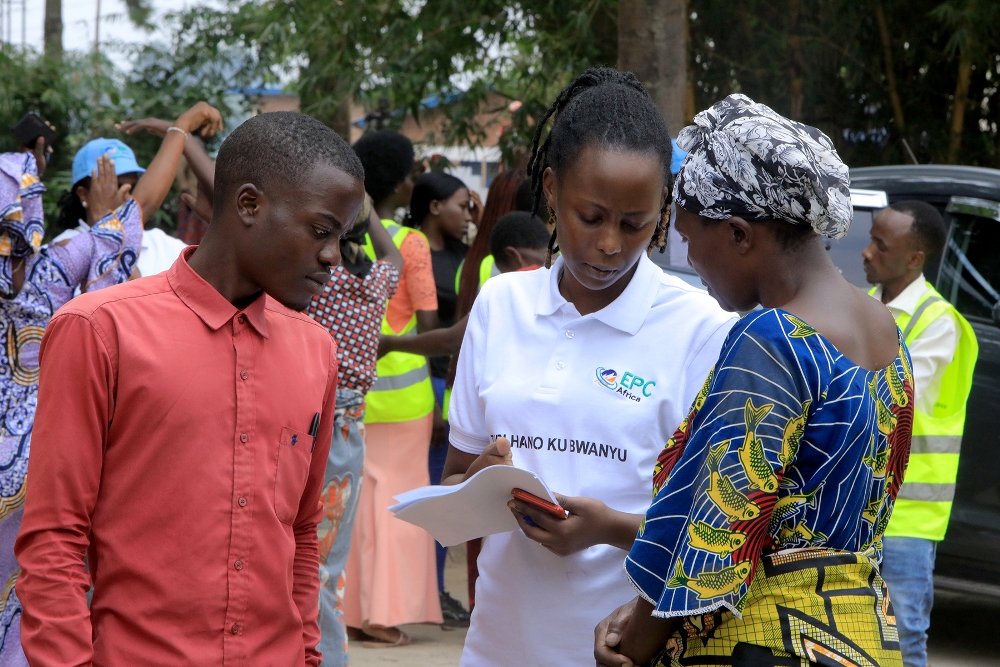
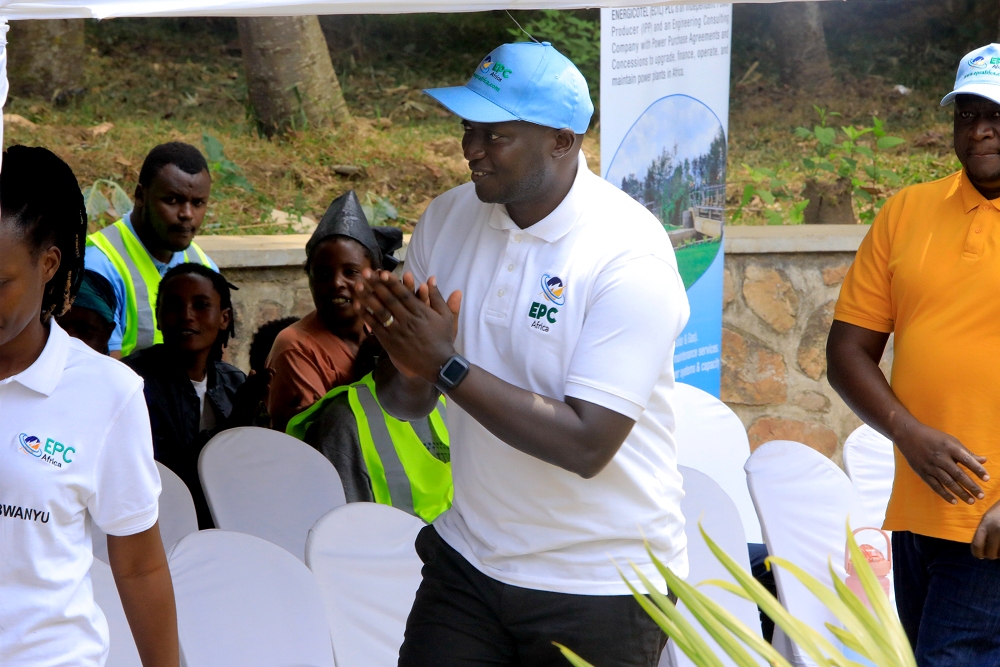
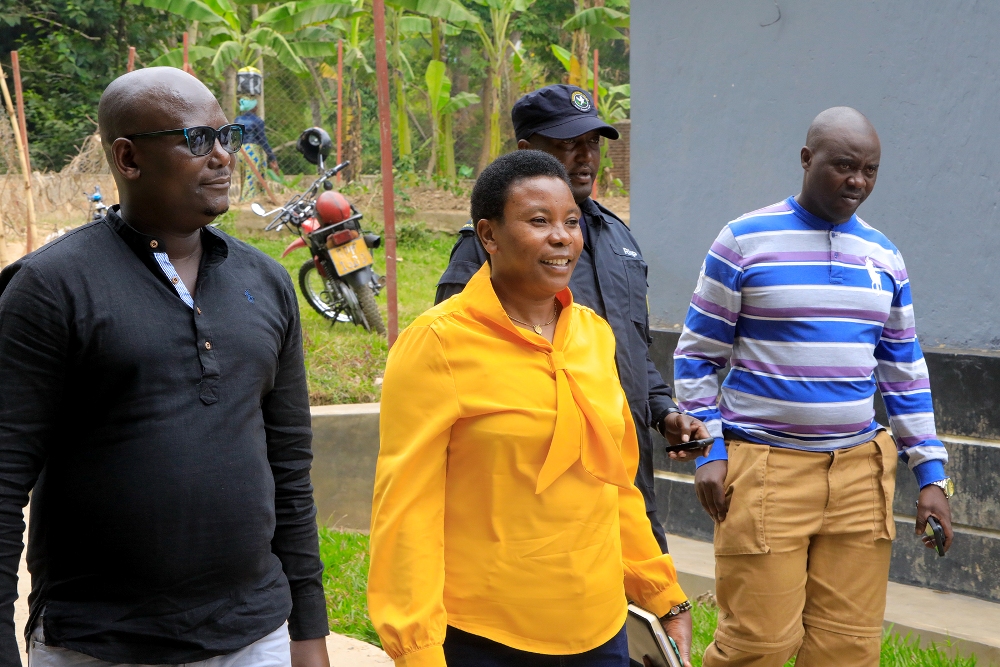
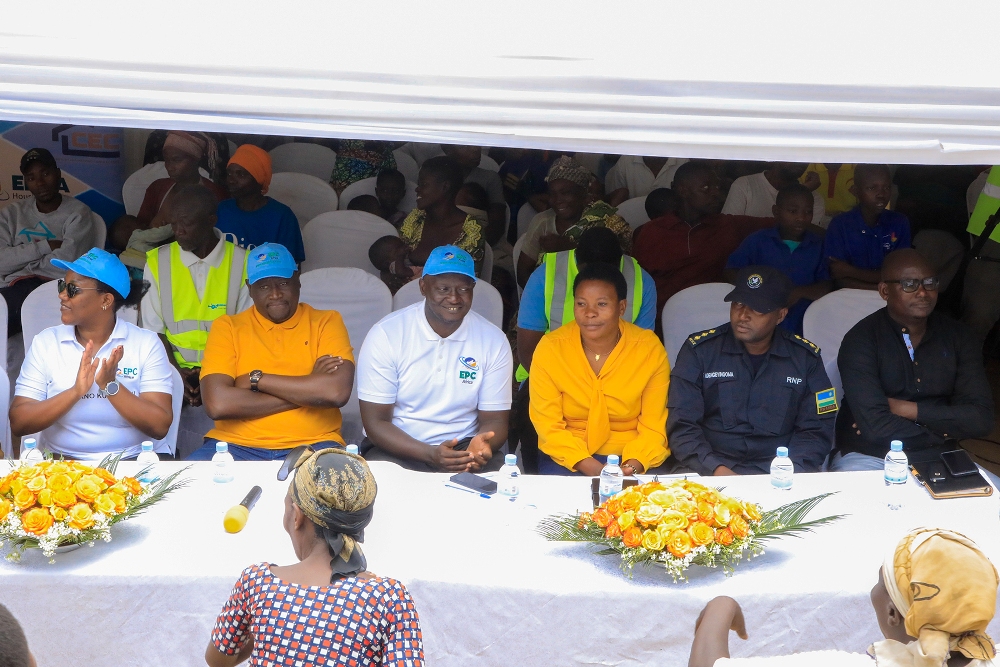
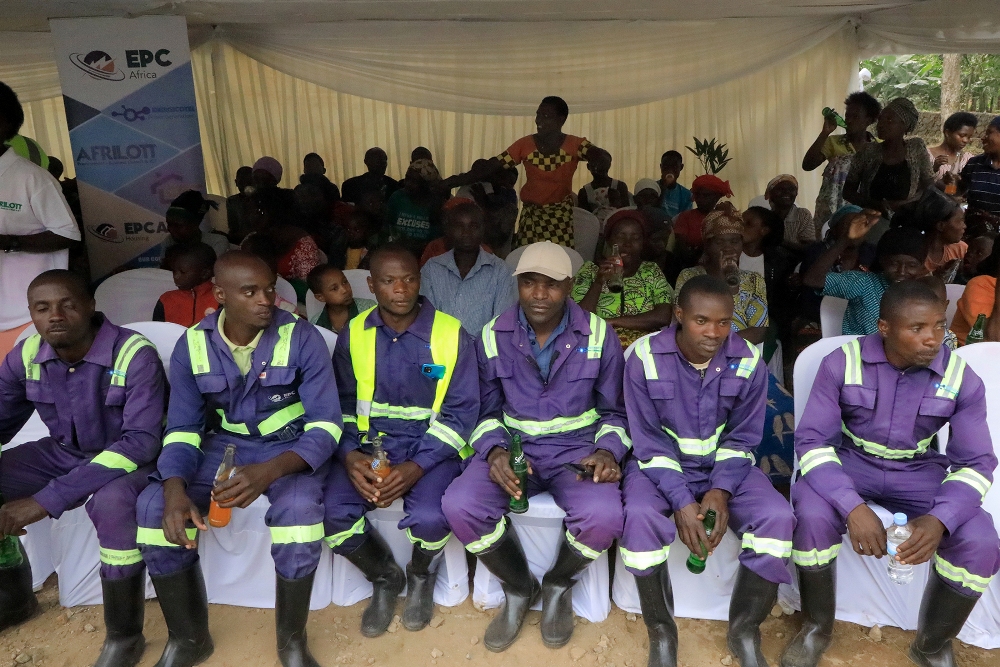
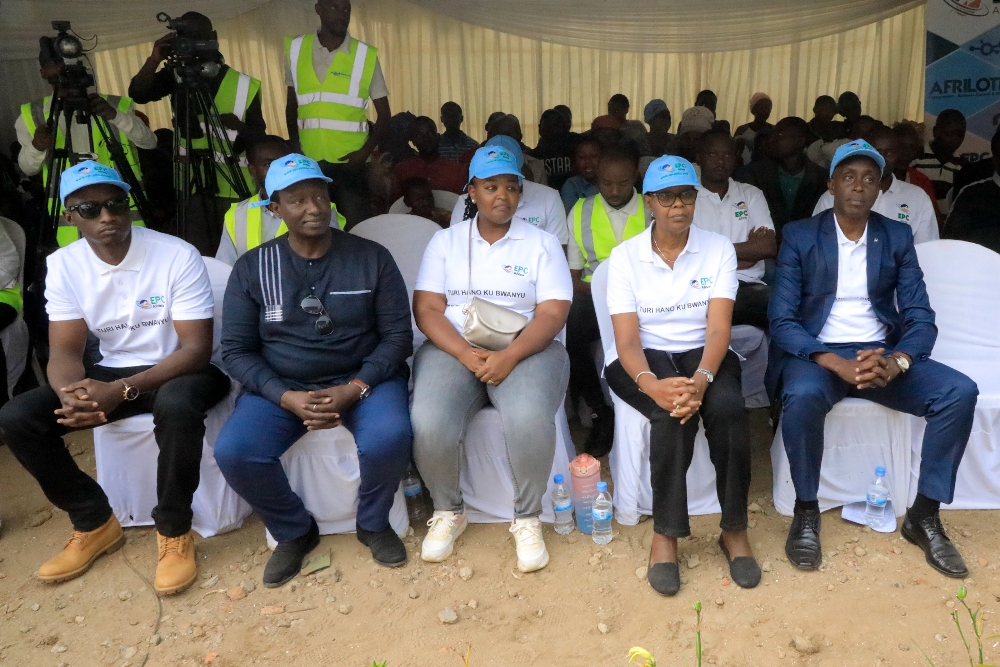
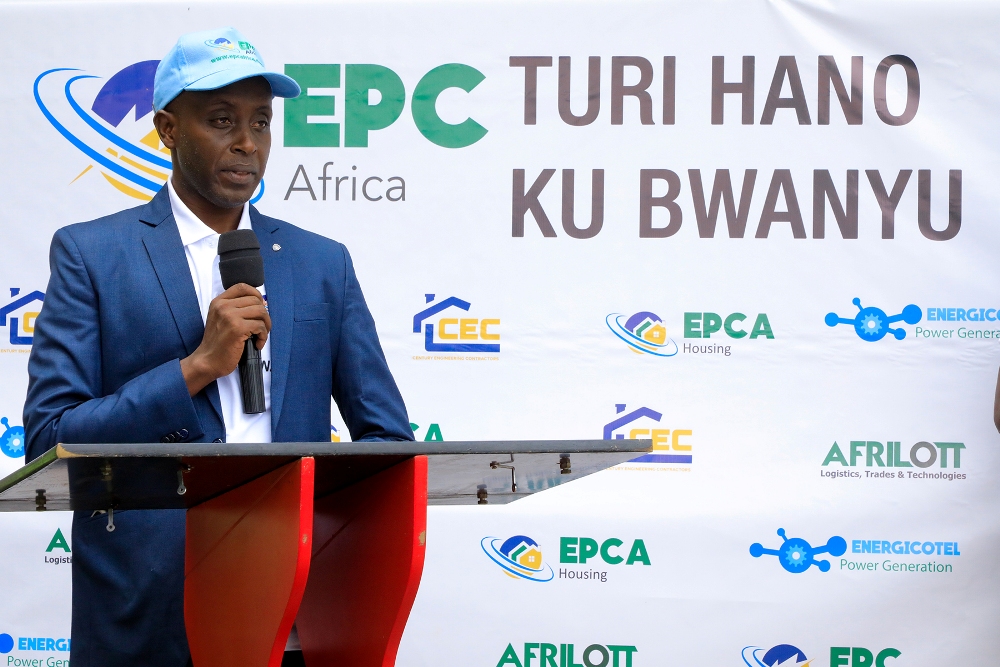
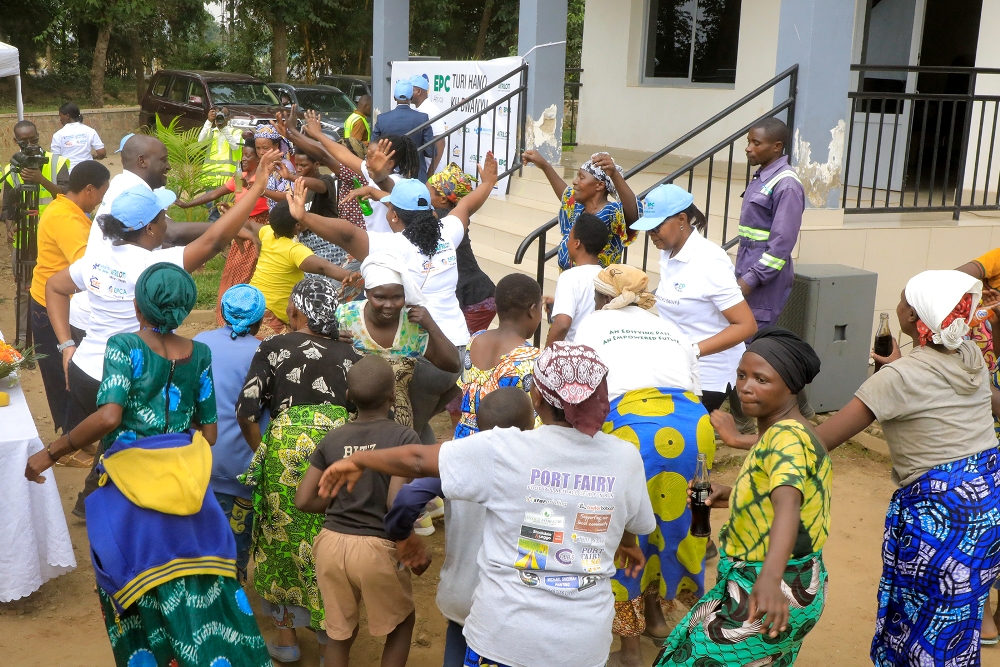
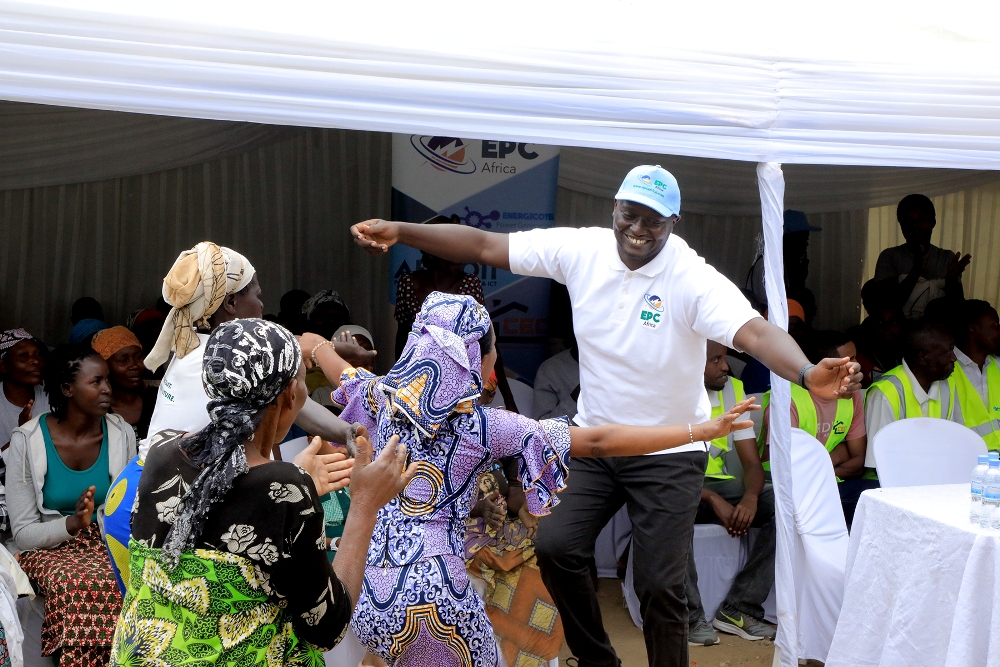
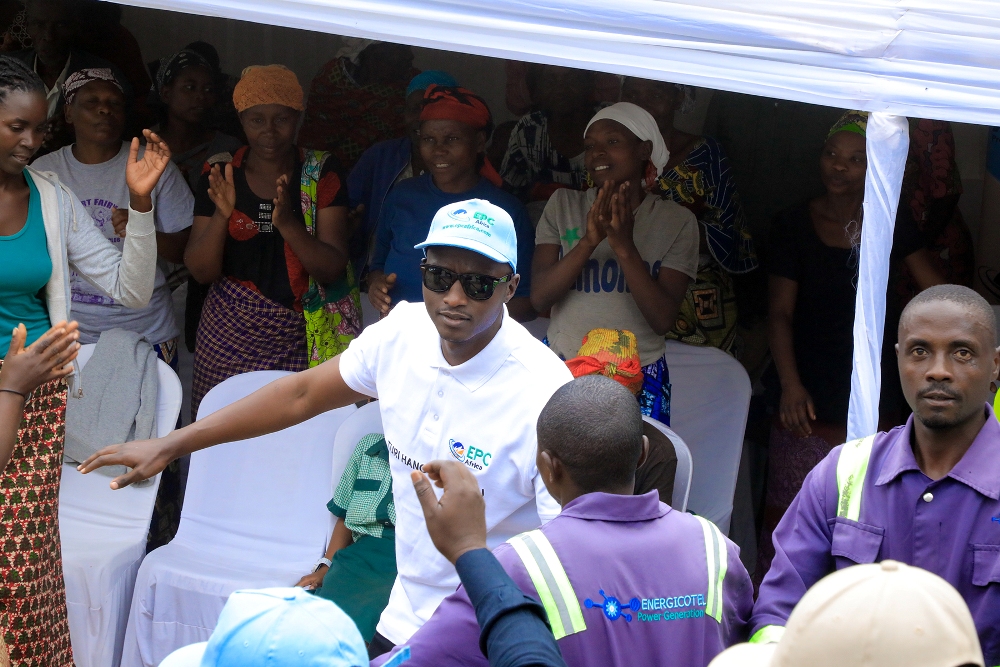
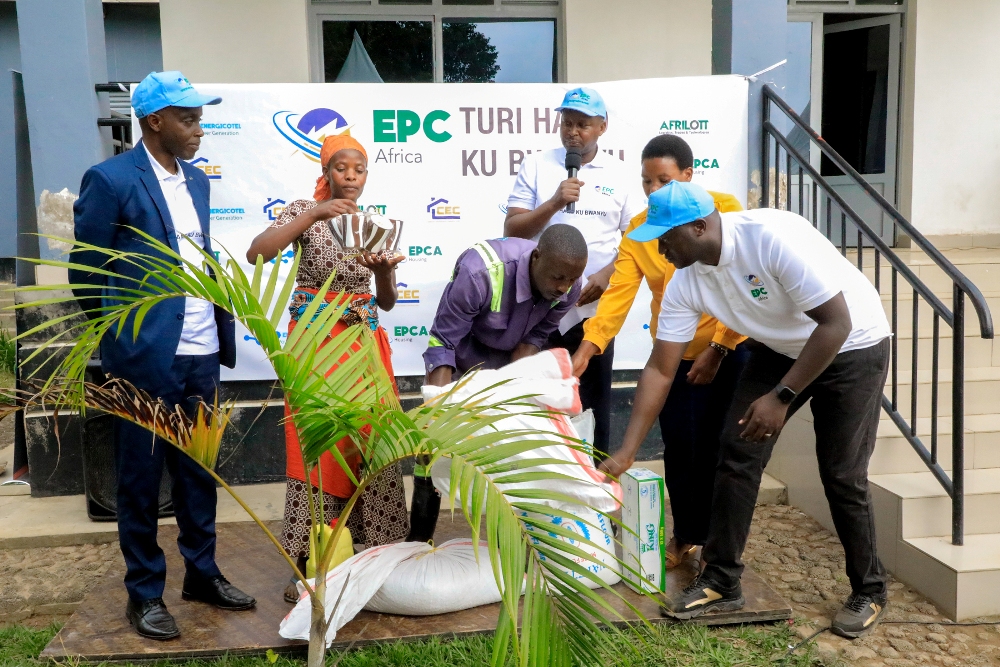
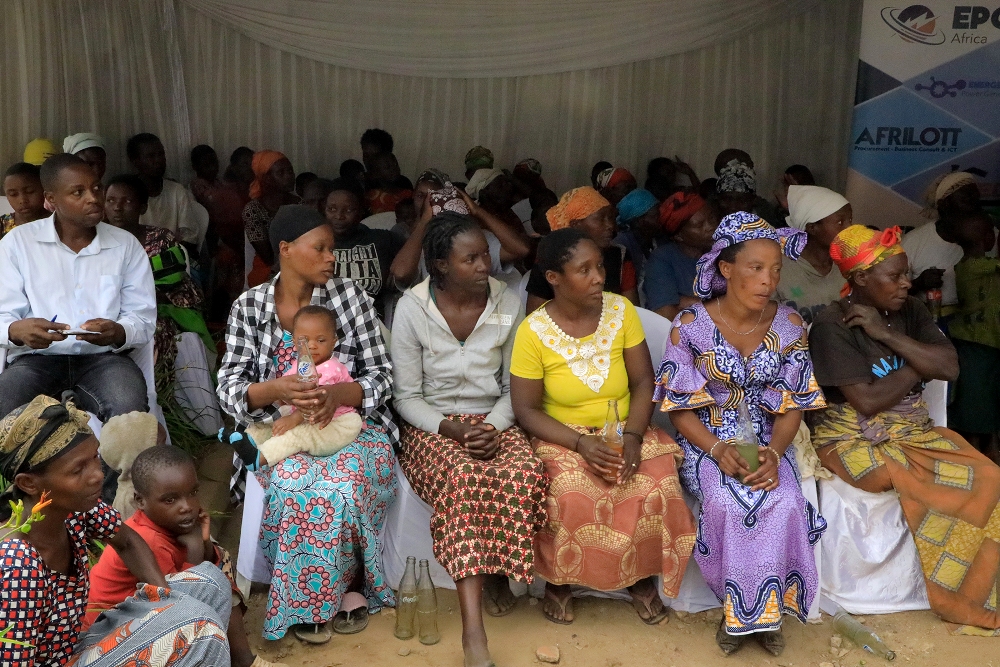
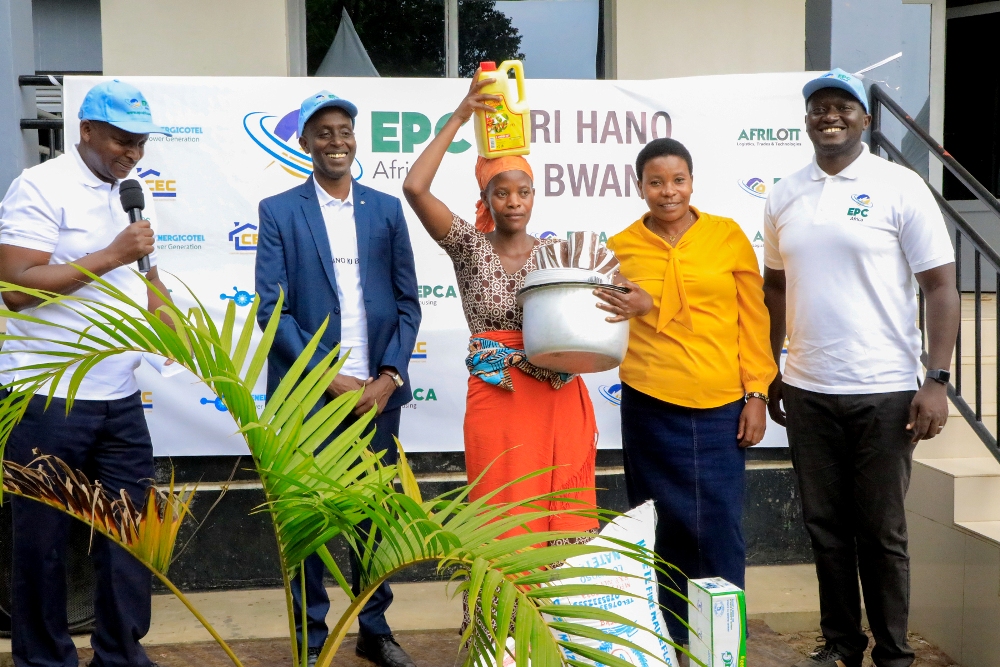
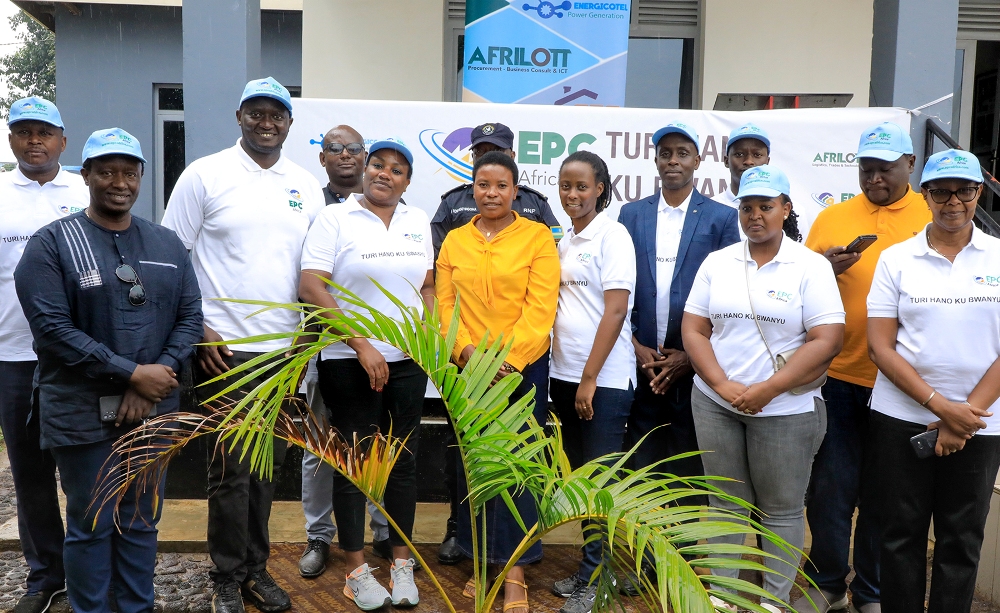
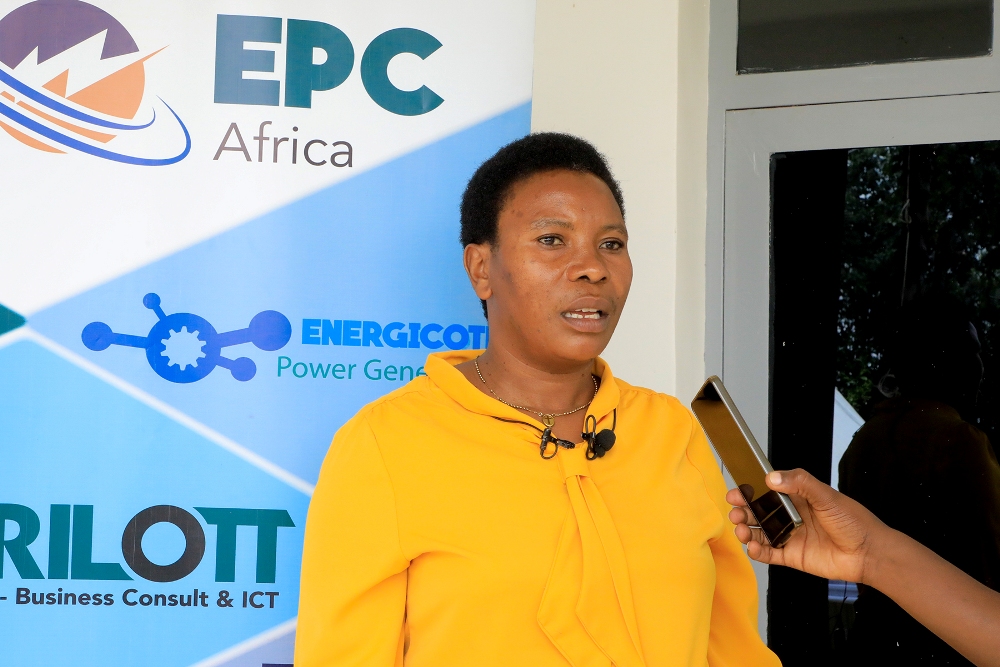
On Friday 12th August 2023, in Terimbere village, Nyundo sector of Rubavu district, EPC Africa group extended a compassionate hand to the residents of three villages within the Nyundo Sector of Rubavu District that have been significantly impacted by floods and landslides in May of this year.
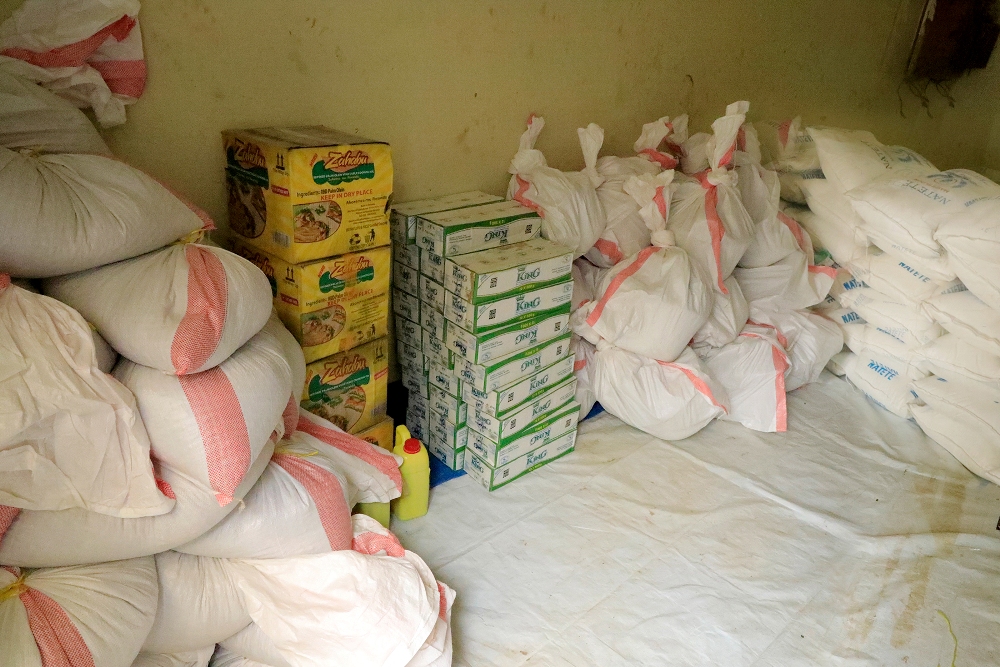
The affected residents received essential supplies including food such as maize flour, beans, cooking oil, as well as kitchen utensils, cleaning materials, and shoes.
This initiative underscores EPC Africa’s commitment to community welfare, particularly in times of distress.
Beyond these immediate provisions, EPC Africa Group shareholders and management have taken a pioneering step towards lasting transformation for these affected individuals. It has pledged three million Rwandan francs as a guarantor within the Umurenge SACCO microfinance framework. This noble approach enables citizens seeking to establish small businesses to access loans without requiring collateral.The beneficiaries expressed much gratitude, and they are thankful to Nyundo Sector that selected them, but also to EPC Africa Group that implemented this program, and promised to increase this pledged amount annually.
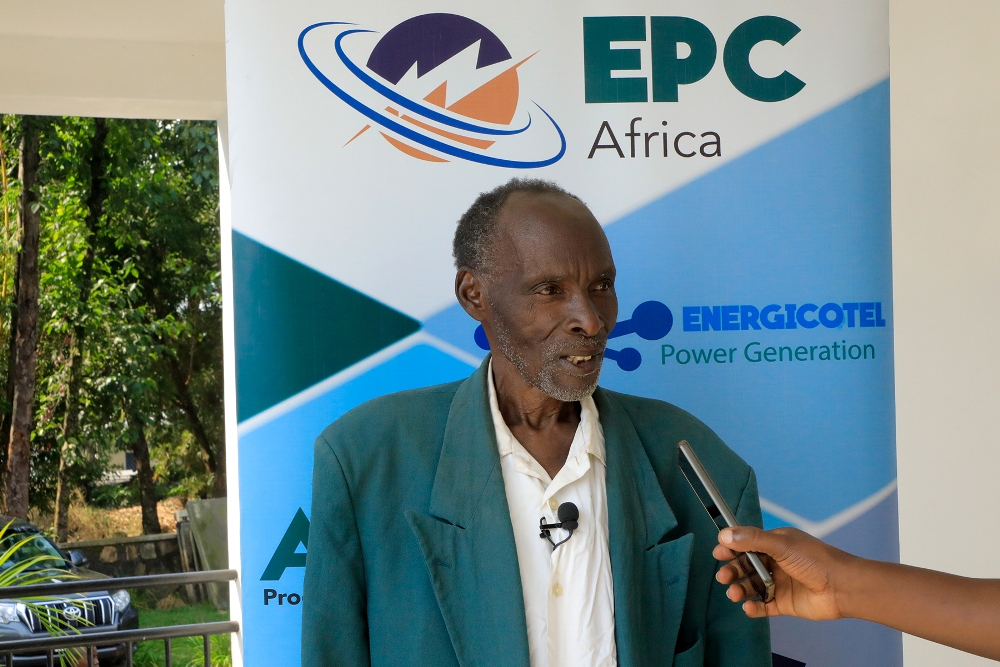
Jean Berchmas, a 75 -year-old widow shared his personal story stating that: “Before the disaster struck, I was living alone calmly. The calamity left my dwelling in ruins, So I thank God who brought you here, and leaders who think about us every day”. From this small loan he said, “I will initiate rabbit breeding, therefore start a small business that can generate income. May you be all blessed for this long-lasting solution to my challenges,” he added.
Manizabayo Vestine, another recipient of EPC Africa’s benevolence, echoed the prevailing sentiment. She acknowledged, “Our hearts are filled with joy, for this assistance is poised to redefine our lives. The relief package, comprising maize flour, cooking oil, beans, kitchen and dining materials signify that our children will no longer endure days of scarcity especially in this dry season. May you be blessed abundantly,” she said.
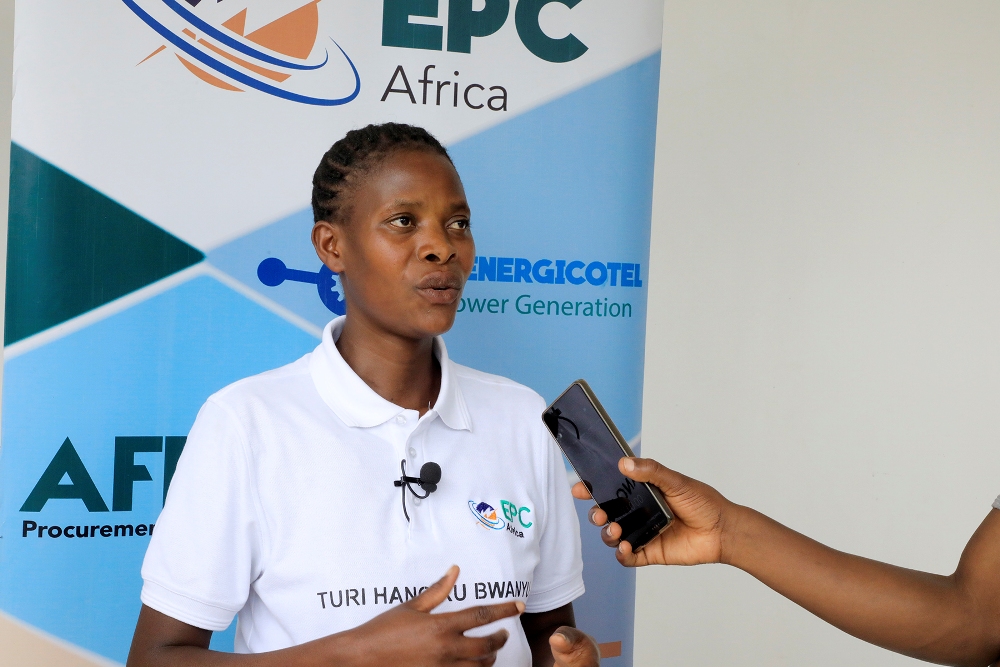
Nyiransengiyumva Monique, the Executive Secretary of Nyundo Sector, conveyed sincere appreciation on behalf of the impacted community. Nyiransengiyumva characterized EPC Africa as a steadfast sector partner, offering solace to individuals grappling with the aftermath of widespread calamity.She also lauded EPC Africa’s visionary approach, hailing its effort to empower individuals apprehensive about traditional loans due to collateral constraints. This transformative stance allows them to act as guarantors, granting access to credit and jumpstarting their ambitions.
Nyiransengiyumva explained, “Our mission involves aiding these individuals in honing their project blueprints, ensuring optimal utilization of the financial resources. With our intimate understanding of their needs, cultivated through our role as intermediaries, we will collaborate in refining their project proposals and expediting their submission to the SACCO.”
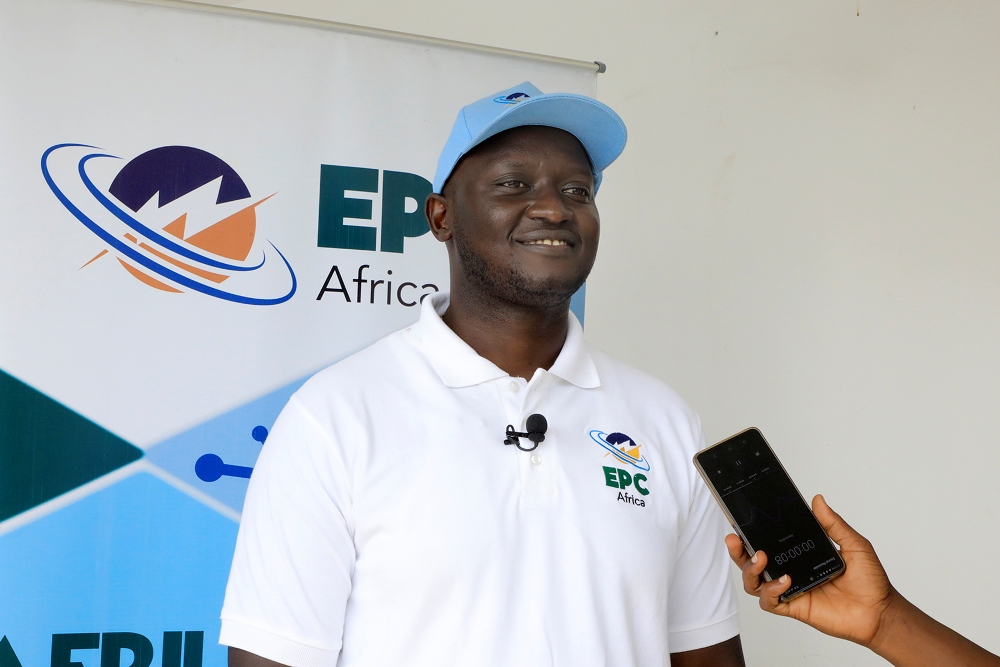
Turasenga Ferdy, the CEO of EPC Africa Group, articulated how the disaster had directly impacted their operations, including the Keya Hydropower plant and Rubavu Port project. This proximity to the affected region imbued them with a sense of neighborly responsibility, prompting their immediate response. Ferdy explained, “Just as a neighbor who thrives extends a helping hand, we stand united with the community. Our support within the SACCO sector stands as a tangible pledge, enabling the most affected members of the community to access financial assistance towards economic recovery journey.
EPC Africa’s commitment transcends the immediate crisis response. The company has contributed significantly to enhancing educational opportunities for underprivileged students through the EPC Africa Tubakunde Initiative for the past three years.
In the coming year, 2024, EPC Africa aspires to broaden its educational outreach, elevating the number of families benefiting from this initiative from 65 to an impressive 100 families. Such ongoing efforts reflect EPC Africa’s enduring commitment to holistic community socio-economic empowerment.
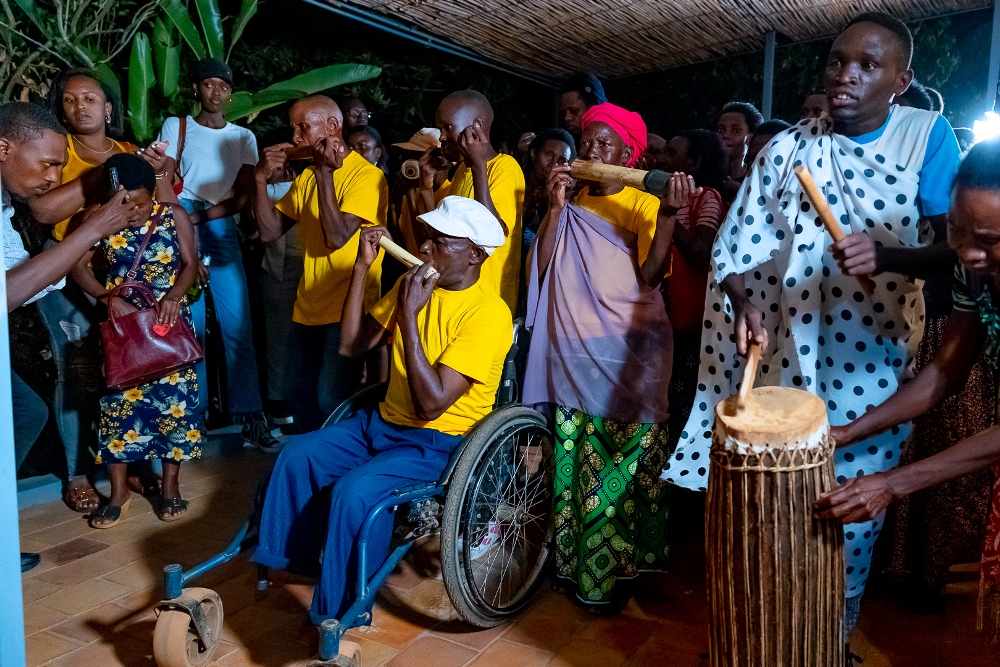
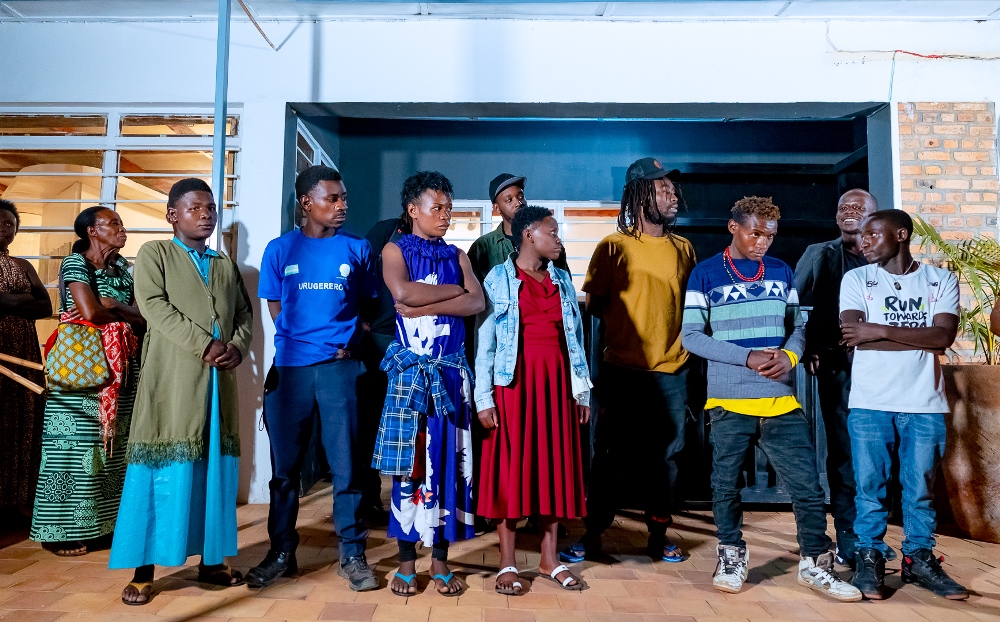
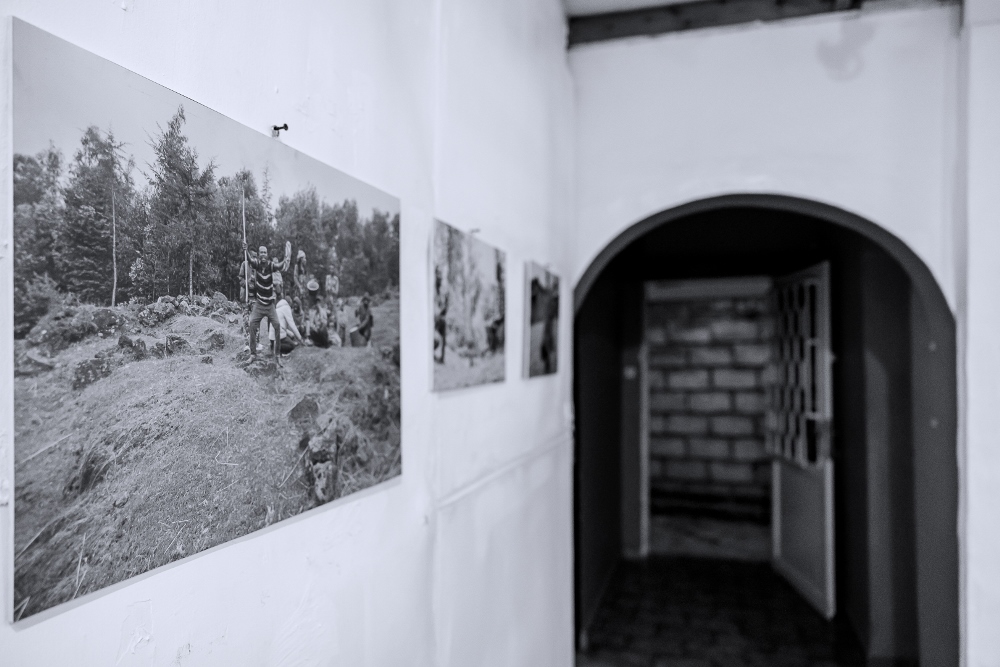
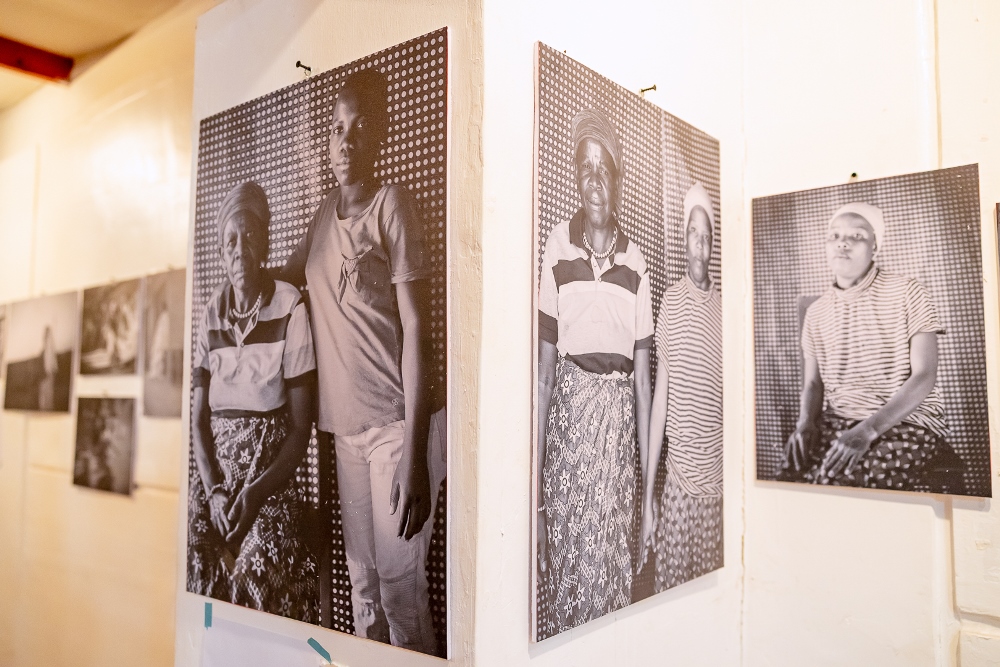
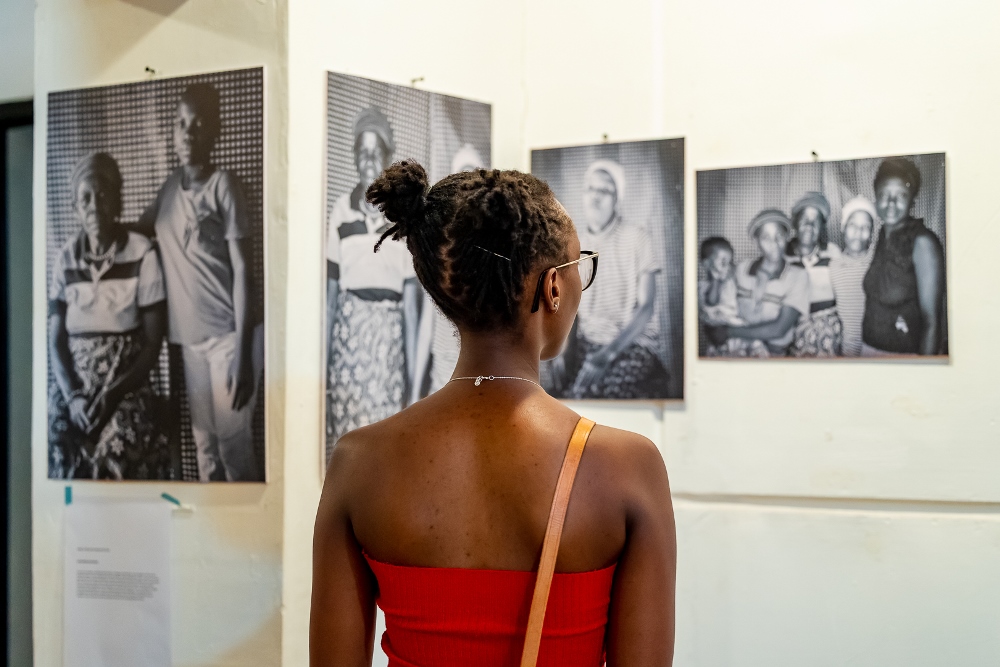
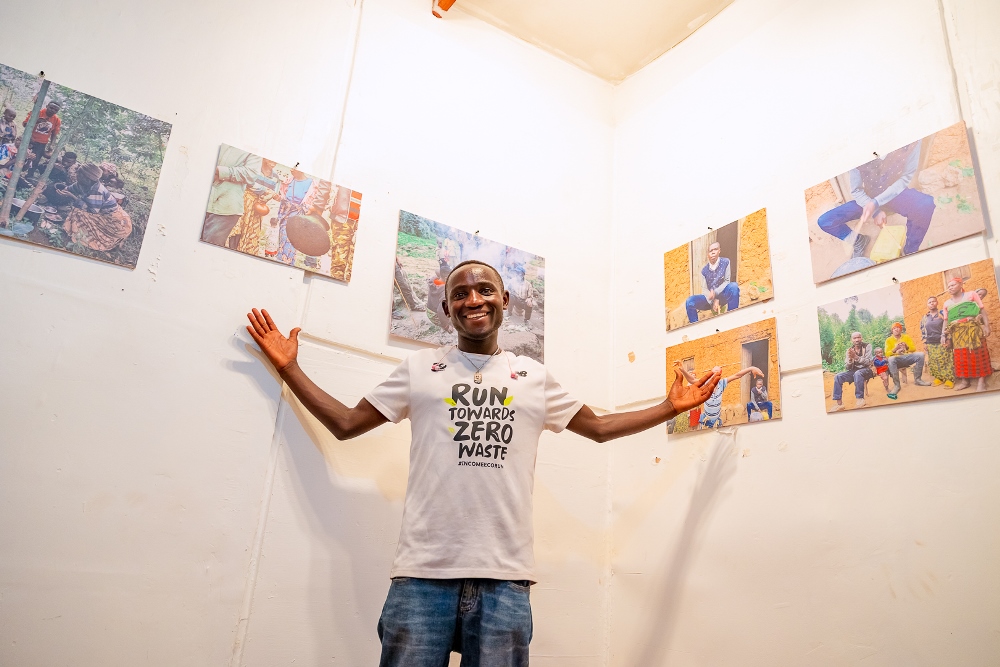
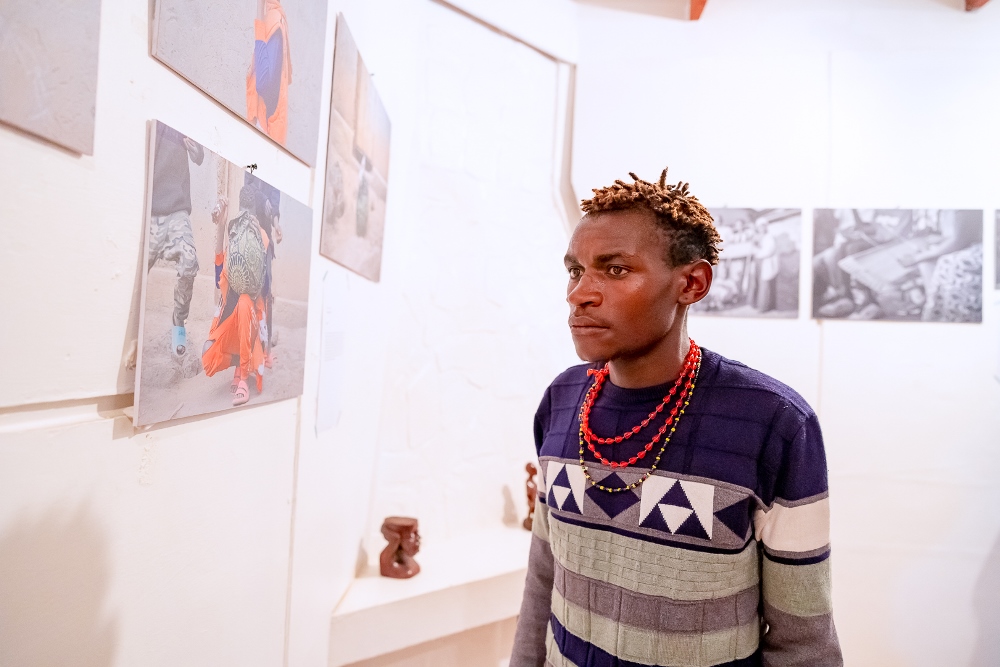
This unique showcase represents a collaboration between seasoned professionals based in Kigali, and six individuals from the communities of Gasogi and Nyabageni. Their collective endeavor led to capturing the essence of the musical heritage of historically marginalized people in photographic form.
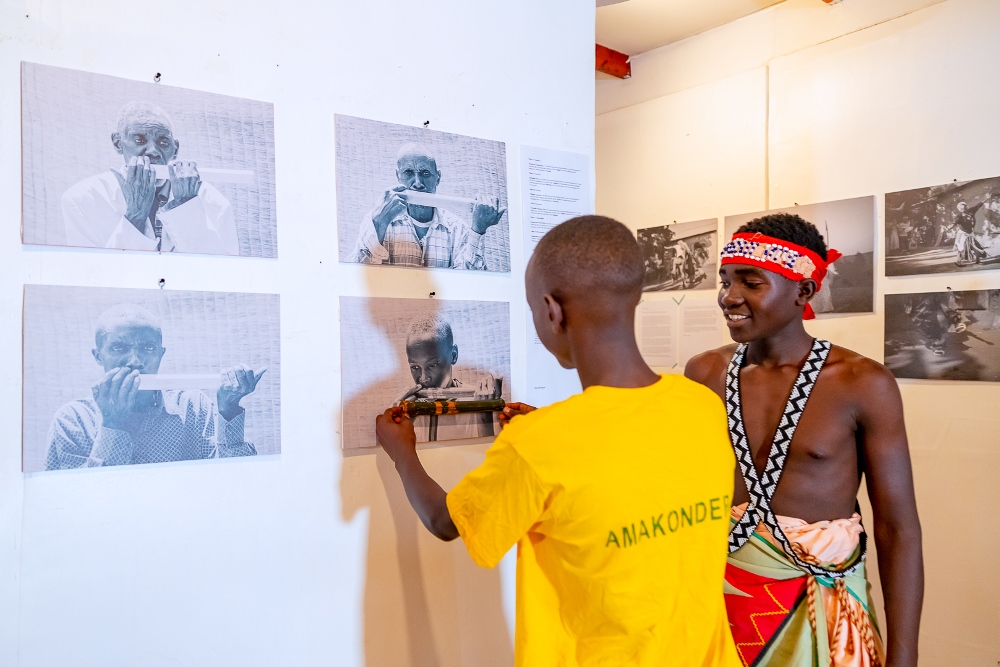
The resulting collection, brimming with vibrant images of chants, claps, and instrumentals, is a testament to the community’s resilience and enduring spirit. Each photograph in the exhibit, from contributors such as Alex Shema, Samson Eric, and Iris Twahirwa, among others, encapsulates a blend of talent and dedication, creating an immersive visual experience.
The project, receiving significant backing from Rights4Time and executed in partnership with AIMPO, Next Level Projects, and the Kigali Photography Center, is an invitation to experience Intwatwa music from a fresh perspective.
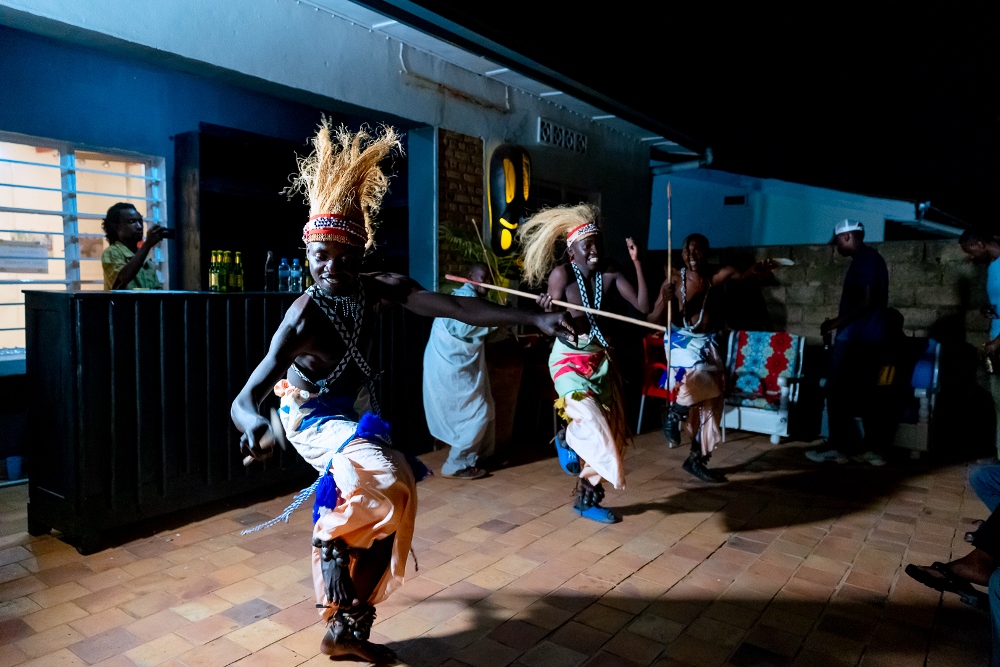
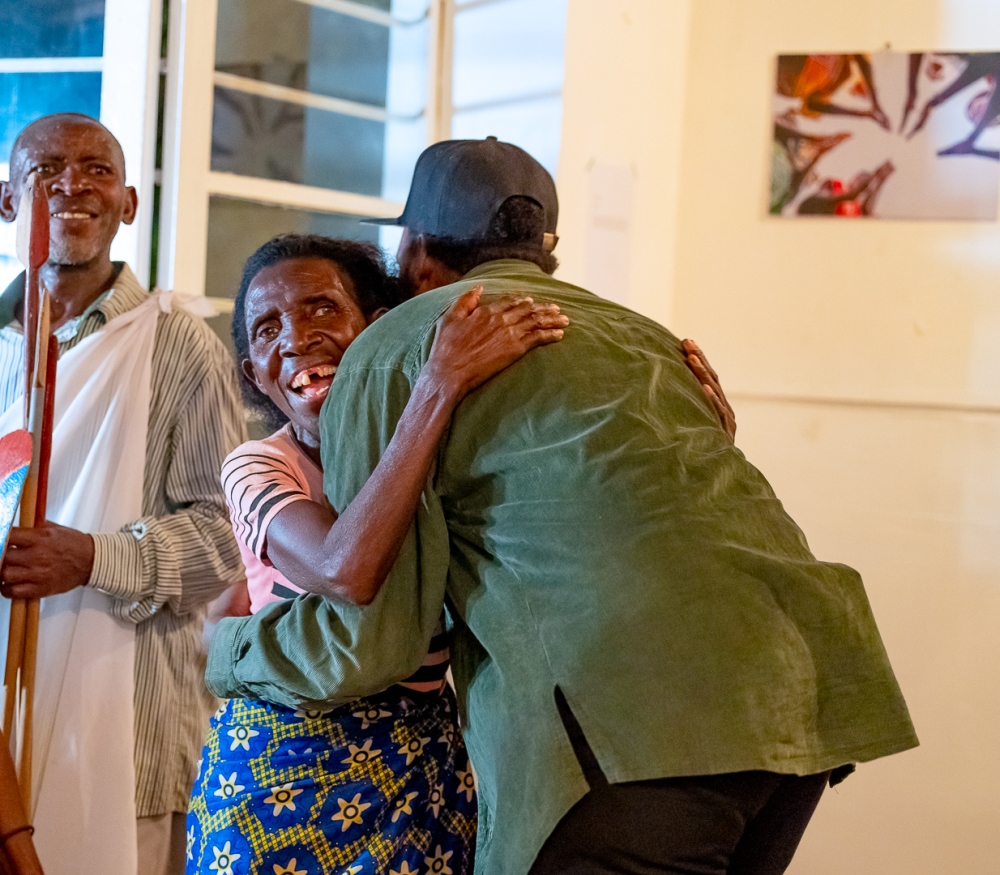
One of the highlights of the exhibition was the surprising dance performance and music from the community.
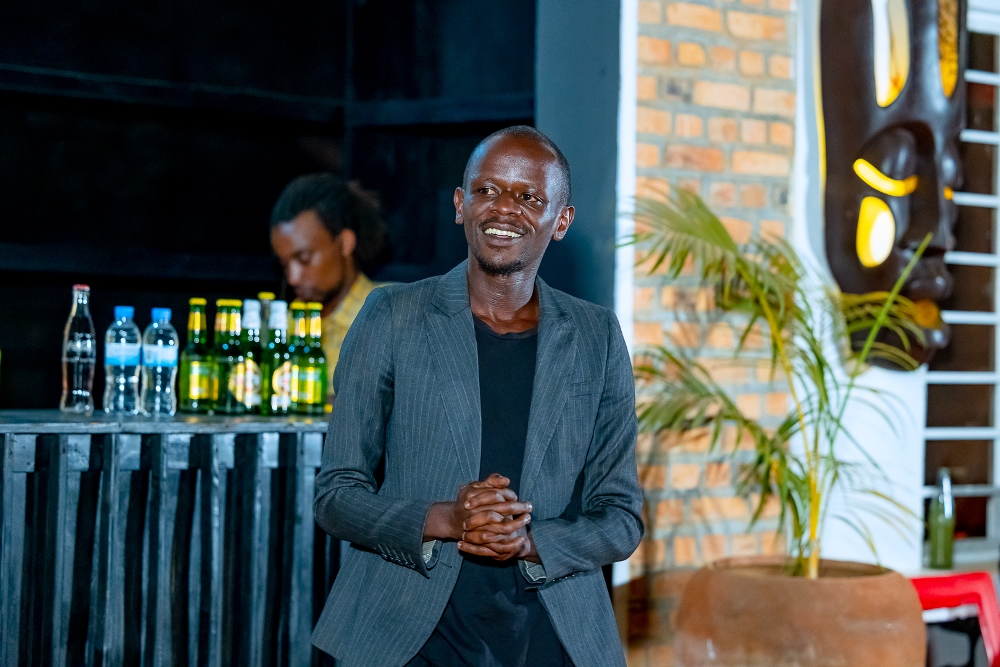
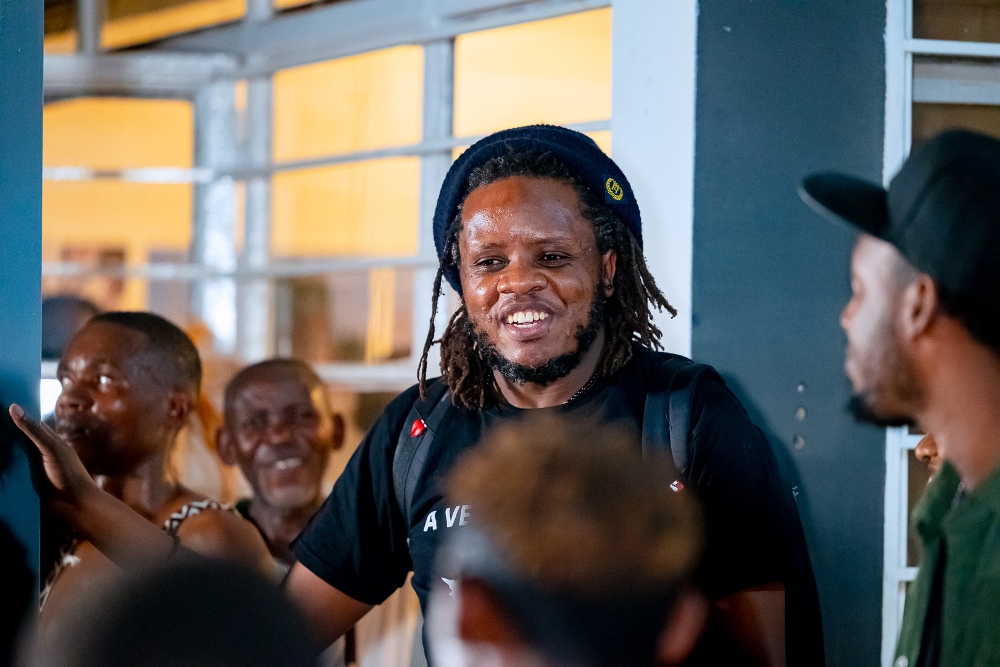
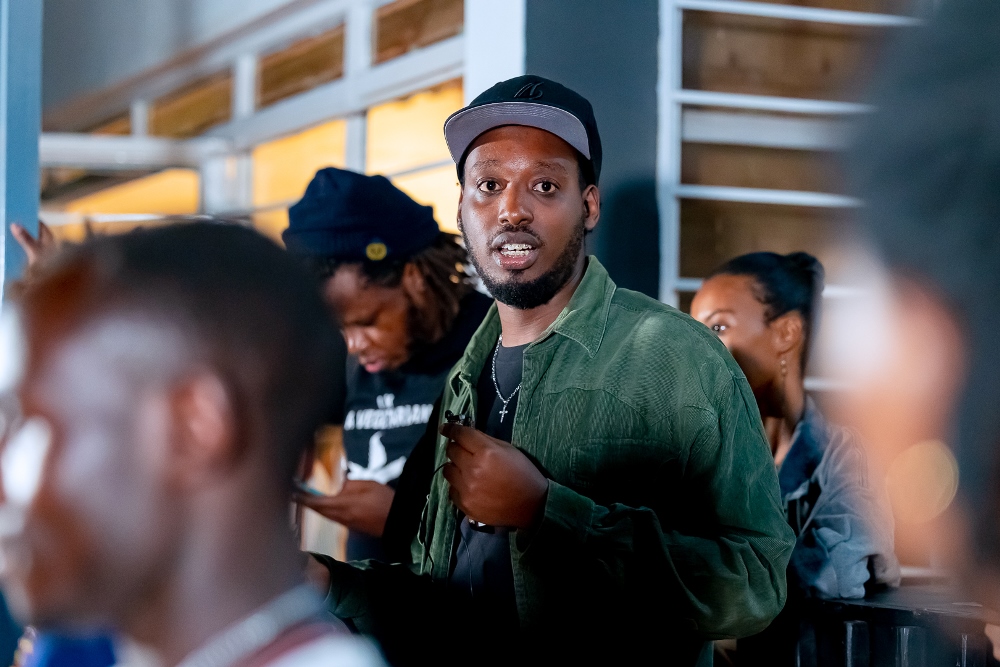
Rodriguez Iragena, the curator of the exhibition, who has been in the Rwandan creative industry for the last 8 years, and the organizer of the Virunga Festival, explained that Intwatwa is a rhythm, a melody just like Gushayaya or ikinimba, intwatwa is a rhthym in the rwandan culture.
“We recorded music and trained men and women from Nyabageni and Cyaruzingi. This work here is a project we have been working on for the last 3 months,” he said.
” I have learned a lot while doing this project, and at the top of what I have learned is that people can surprise you if you give them the opportunity to narrate their own stories,” Iragena continued.
Alex Shema, one of the artists in the exhibition also mentioned that he not only gained friendships but also learnt the musical heritage of Rwanda and how the music they make has been passed on for generations.
“The music was to serve the kingdom and entertain others in the community. Even though there is no active passing on of these musical skills, it is something they do so passionately as it’s in them. And that there’s so much we don’t know. As we embrace other cultures and try to include and adopt them, there’s still so much we can learn from our rich history and heritage,” said Shema.
Eric Samson, one of the community members who has learnt the art of photography, is a happy man, as his photos are displayed in the gallery. He says that he tried to combine his love for music and the new art of photography. He is a musician who uses readily or recycled available instruments such as a bottle of water or soda or clay vase.
As the attendees moved from one photograph to the next, the exhibition served as a reminder of how art can emerge from any corner, not just from those who wear the badge of a ‘professional.’
Kigali’s thriving arts scene, with exhibitions like this, continues to solidify its reputation as an epicenter for creativity and collaboration in the heart of Rwanda.