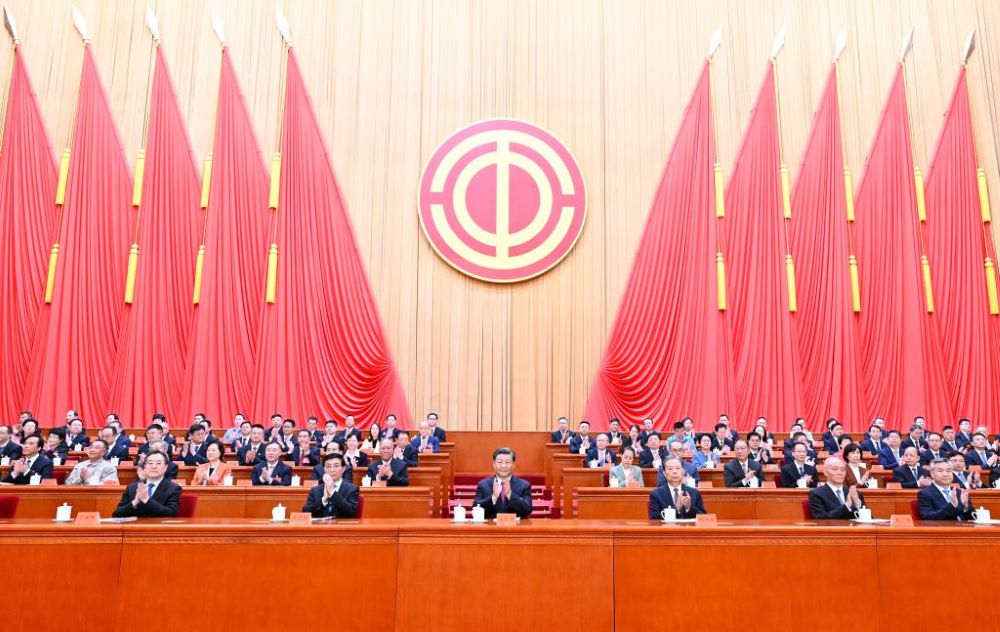
Chinese President Xi Jinping, also general secretary of the Communist Party of China (CPC) Central Committee and chairman of the Central Military Commission, attended the event.
The meeting was also attended by other leaders of the CPC and the state, including Zhao Leji, Wang Huning, Ding Xuexiang and Li Xi, all of whom are members of the Standing Committee of the Political Bureau of the CPC Central Committee.
During a speech delivered on behalf of the CPC Central Committee by Cai Qi, also a member of the Standing Committee of the Political Bureau of the CPC Central Committee, Cai offered warm congratulations to the meeting and extended sincere greetings to all workers and trade union cadres across the country.
Since the 18th National Congress of the CPC in 2012, the country’s working class has closely united around the CPC Central Committee, bravely shouldered heavy responsibilities, worked hard, and made important contributions to the Party and the country’s cause that has realized historic achievements and witnessed historic changes, Cai said.
Over the past five years, by adhering to the guidance of Xi Jinping Thought on Socialism with Chinese Characteristics for a New Era, trade unions at all levels have strengthened Party building, deepened reform and innovation, performed their duties in the protection of workers’ rights, promoted harmonious labor relations, and mobilized workers in embarking on China’s new journey of building a modern socialist country, Cai said.
Noting that the 20th National Congress of the CPC established the central tasks of building a strong nation and advancing national rejuvenation on all fronts through a Chinese path to modernization, Cai called on the nation’s working class to remain loyal and reliable, and to continue adhering to the noble principles of unity and hard work.
Trade unions at all levels must also remain loyal to the Party’s cause, serve the country’s workers wholeheartedly, build broad unity, and effectively improve the quality of rights protection services, Cai said.
Nearly 2,000 delegates from all walks of life attended the meeting, as well as more than 50 specially invited delegates.
The report, titled “Rwanda’s Repression Across Borders,” is described by Rwanda as a continuation of HRW’s longstanding anti-Rwanda narrative spanning three decades.
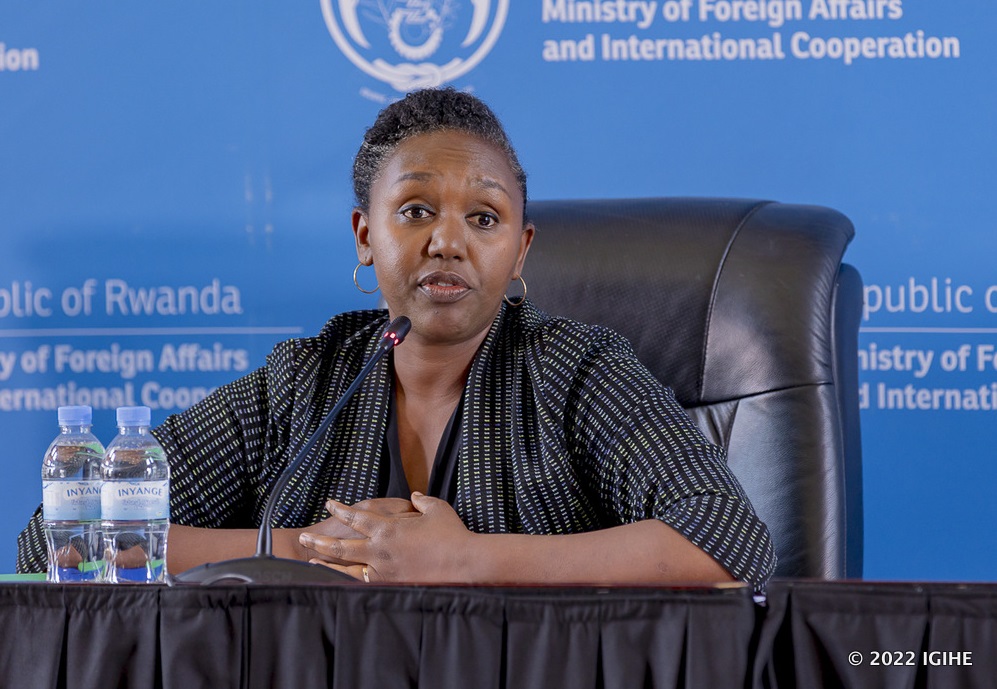
Government spokesperson Yolande Makolo expressed firm disapproval through a tweet, labeling the report as entirely biased. The report alleges attacks and persecutions against those with dissenting views, which Rwanda disputes, claiming the opposite is true.
Makolo criticizes HRW’s consistent portrayal of Rwanda in a negative light, suggesting that the organization aims to denigrate the nation without reason. She defends Rwanda’s progress in improving living conditions and respecting human rights over nearly three decades, emphasizing the country’s commitment to its political vision.
“Any balanced assessment of Rwanda’s record in advancing the rights, well-being and dignity of Rwandans over the past 29 years would recognize remarkable, transformational progress. Rwanda will not be deterred from this work by bad-faith actors advancing a politicized agenda,” Makolo tweeted.
HRW’s report relies on testimonies from over 150 Rwandan dissidents residing in various countries. It alleges secret Rwandan military operations in Mozambique since 2021, raising concerns among government opponents. However, the report lacks concrete evidence to support mistreatment claims or Rwandan government involvement in such actions.
One of the testimonies, by Joseph Mazimpaka, claims pursuit by Rwandan agents in Tanzania but lacks legal proof. However, contradictory information suggests Mazimpaka’s past involvement with genocidal forces (EX FAR) and his escape after participating in the 1994 Genocide against the Tutsi.
It is not the first time HRW has published biased reports about Rwanda. In 2017, HRW’s claims of state-caused deaths were debunked by Rwanda’s National Human Rights Commission as falsehoods meant to tarnish Rwanda’s reputation.
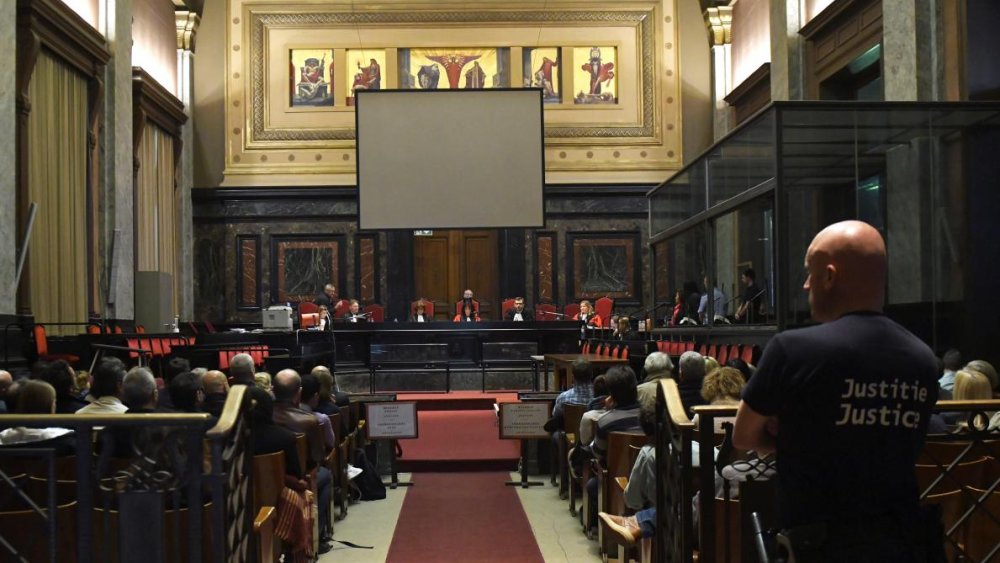
The presiding judge made the decision to adjourn the trial to 10th October, to allow medical experts to provide additional information regarding Basobose’s health condition. The purpose is to determine whether he is fit to stand trial.
The trial began on October 9, with Basabose absent due to health issues. Basabose’s health concerns were noted in August 2022, with a recommendation to place him in a medical facility due to mental disorders.
Despite these issues, the court decided on June 21, 2023, that the trial would proceed.
Both suspects face charges related to genocide and war crimes, with Twahirwa also accused of rape. The trial is scheduled to continue until December 8.
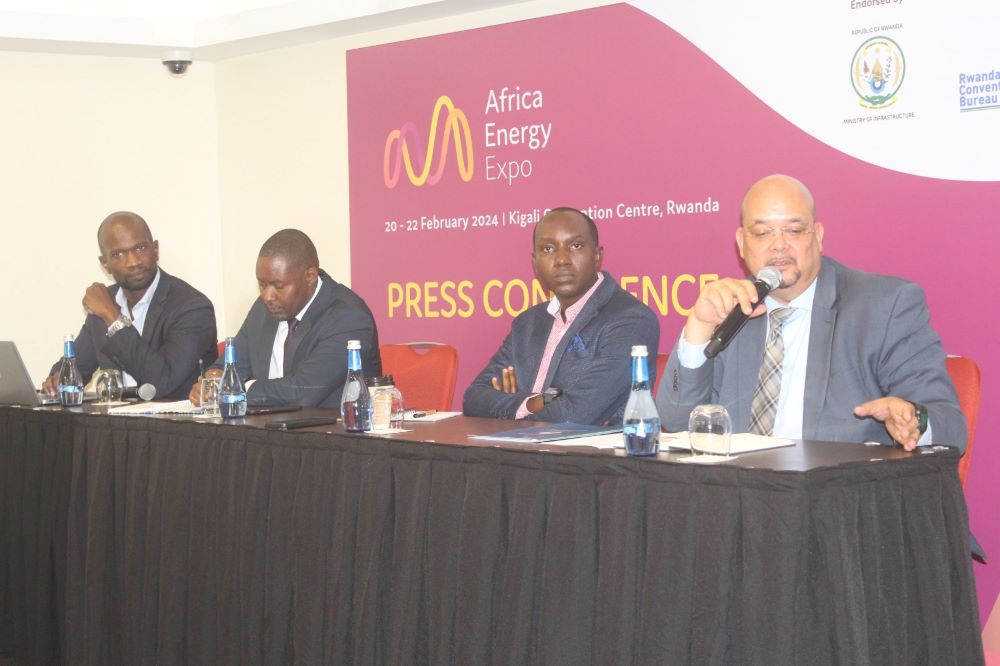
The Africa Energy Expo, set to take place in Kigali, Rwanda, from February 20 to 22, 2024, will be the first of its kind. It is designed to facilitate critical discussions, foster collaboration, and drive progress in achieving UN Sustainable Development Goal 7 (Affordable and Clean Energy) while advancing Africa’s Power Vision goals. The event aligns with the goals established during COP 27 and sets the stage for the relationships and investments critical to COP 28.
Organized by The Informa Markets, a global exhibition and conference organizer, the event is endorsed by the Rwanda Ministry of Infrastructure and supported by the Rwanda Convention Bureau. The Africa Energy Expo and the Africa Energy Leadership Summit are pivotal gatherings of African decision-makers addressing the continent’s energy infrastructure gap.
Commenting on the development, Candy Basomingera, Deputy Chief Executive Officer, Rwanda Convention Bureau (RCB) expressed delight for selecting Rwanda to host the Africa Energy Expo in February 2024 and extended warm welcome to participants.
“This event is not just about energy; it’s about powering Africa’s future. Our country is known for its commitment to sustainability and innovation, making it the ideal destination to advance access to modern, affordable, and sustainable energy solutions in Africa.
To the guests and delegates who will be attending the Africa Energy Expo 2024, we look forward to welcoming you to Kigali and ensuring that you have a memorable experience,” Candy Basomingera, Deputy Chief Executive Officer, Rwanda Convention Bureau.
Gen. Caesar, the Chief Technical Advisor in charge of Energy at Rwanda’s Ministry of Infrastructure, acknowledged the energy challenges facing Africa and expressed optimism about leveraging the platform to find concrete solutions.
“As Rwanda proudly hosts the inaugural Africa Energy Expo, we are fully aware of the persistent energy challenges across our continent, with 43% of the African population lacking electricity access and 970 million people still in need of clean cooking solutions.
Rwanda has made remarkable progress in our pursuit of universal electricity access, achieving an access rate of 70%, with 20% of this success attributed to off-grid solutions such as solar home systems and mini-grids. These initiatives are not only extending access but also fostering the growth of renewable energy sources. Through the Africa Energy Expo, we are transforming these challenges into concrete solutions,” he said.
The event boasts a diverse and influential lineup of speakers, each representing a distinct facet of Africa’s dynamic energy ecosystem.
According to Azzan Mohamed, Informa Markets Group Director- Energy Portfolio, EMEA, Africa Energy Expo is primed to foster essential relationships and catalyse strategic investments within the energy sector.
“It aims to connect regulators, utilities, and governments with policymakers while also establishing an enabling framework for resource sharing between African nations,” he noted.
{{Pan-Africa representation of energy industry players}}
The Africa Energy Expo is a truly pan-African event at which the entire value chain of stakeholders across Africa’s energy sector will be represented. Leading exhibitors from across Africa and beyond will showcase the latest products and solutions, focusing on five vital sectors: Renewable and Clean Energy, Conventional Power Generation, Smart Solutions, Transmission and Distribution, and Backup Generators and Critical Power solutions.
Taking place alongside the Africa Energy Expo is the Africa Energy Leadership Summit. Themed ‘Investments, integration, infrastructure, and governance for the energy transition,’ the Summit aims to forge partnerships that will accelerate targeted interventions and focus on advancing a just, fair, and sustainable energy transition, embodying Africa’s commitment to bridging its energy infrastructure divide.
In addition, the Africa Energy Expo features exhibitors’ workshops and an Entrepreneurs Forum. This forum offers business skills training for new market entrants, youth, entrepreneurs, and industry mentors, providing an opportunity for project owners and stakeholders to network, mobilize resources, and address crucial issues around policy and projects in an enabling environment.
In addition, interactive deep dive sessions on hot-button topics will enable peer-to-peer knowledge sharing, allowing stakeholders across the value chain to define the solutions that will drive the sector forward.
{{Collaborating for the benefit of the African energy sector}}
“Informa Markets’ hosted buyer programme and Investor Club are key features of our energy events. Our dedicated team facilitates conversations, business deals, and MOUs worth billions of US dollars between energy stakeholders in Africa on a daily basis, and we look forward to doing so at the Africa Energy Expo as well,” says Mohamed.
Africa Energy Expo springs from the success of a 48-year legacy in building events, connecting the right buyers, facilitating dialogue, and supporting economic growth across the Middle East and Africa.
“Our leading energy events boast a 95%+ exhibitor satisfaction rating – in revenue terms, this translates into USD1.86 billion in total business per flagship edition, delivering USD1.3 million in average sales per exhibitor in the Middle East region, and USD900 million by exhibitors across Africa.
With a proven record across events like Middle East Energy Dubai, Nigeria Energy, and Egypt Energy, we’re bringing this success to Rwanda to help move the continent towards its energy goals,” Mohammed explained.
{{In Africa, for Africa}}
Rwanda, renowned for its sustainable development initiatives, impressive pre-pandemic GDP growth, and resilient recovery from global challenges, is the perfect backdrop for the Africa Energy Expo. Positioned at the heart of Africa, its central location and ease of access are conducive to a pan-African energy event.
Moreover, Rwanda’s commitment to sustainability, outlined in the country’s Vision 2050, aligns with Africa Energy Expo’s goals of promoting a sustainable energy future.
Africa Energy Expo 2024 promises to be a landmark event that unites stakeholders, promotes sustainable energy solutions, and propels Africa toward a brighter energy future.
According to World Health Organization (WHO), mental health is a state of mental wellbeing that enables people to cope with the stresses of life, realise their abilities, learn and work well, and contribute to their community.
It encompasses our thoughts, feelings, and behaviours and influences how we handle stress, relate to others, and make choices in our lives.
{{What causes Mental Health Challenges}}
According to experts, Genetics and brain chemistry can play a significant role in mental health. Certain genes may increase the risk of developing mental health conditions, while imbalances in brain chemicals (neurotransmitters) can also contribute to disorders like depression or anxiety.
Additionally, environmental Factors like in particular life experiences, such as trauma, abuse, or significant stress, can trigger or exacerbate mental health issues.
Personality traits, coping mechanisms, and thought patterns are also said to influence an individual’s susceptibility to mental health challenges. For example, perfectionism or a tendency to ruminate on negative thoughts can contribute to conditions like obsessive-compulsive disorder (OCD) or depression.
{{Common Symptoms of Mental Health Conditions}}
Psychologists name: persistent sadness or mood swings, changes in sleep patterns (insomnia or oversleeping), increased irritability or anger, withdrawal from social activities, difficulty concentrating or making decisions among the most common symptoms of mental health disorders.
They thus recommend whoever experiences any of the symptoms to seek professional help from therapists, counsellors, or psychiatrists.
Practising self-care is relatively essential for maintaining good mental health. This includes regular exercise, a balanced diet, adequate sleep, and stress management techniques like mindfulness or meditation.
Furthermore, maintaining a strong support network of friends and family can provide emotional assistance during difficult times. Sharing feelings and concerns with loved ones can alleviate the burden of mental health challenges.
Authorities and responsible bodies are also urged to increase awareness about mental health and challenge the stigma surrounding it so as to encourage individuals to seek help when needed and promote a more supportive and understanding society.
With bold ambitions to improve citizens’ wellbeing, the Government of Rwanda has not been left behind this cause.
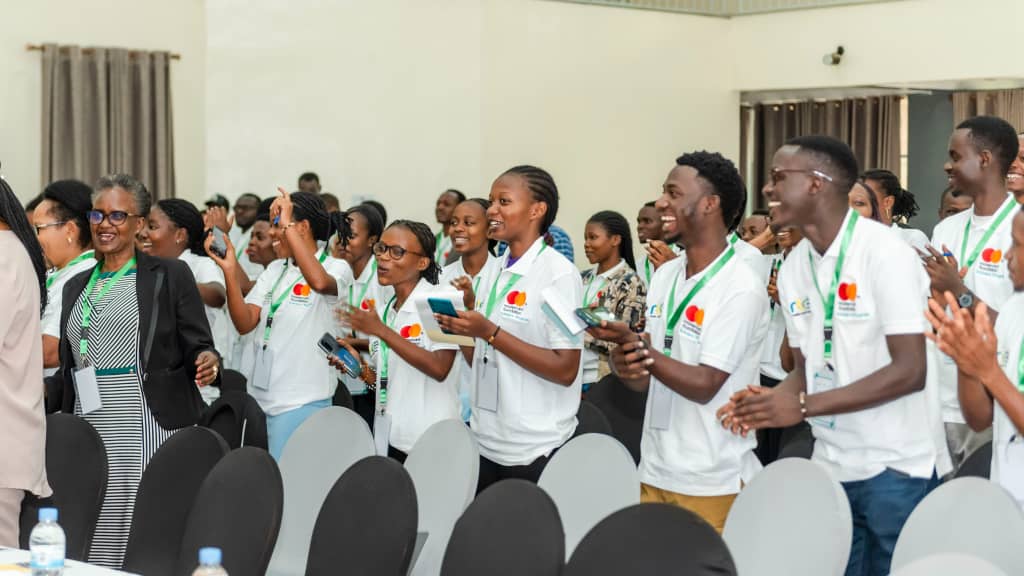
As part of activities to mark this year’s Mental Health Day, Rwanda Biomedical Center (RBC) in partnership with Solid Minds Rwanda, youth and student led organisations have launched the ‘Youth-Friendly National Mental Health Campaign’ to promote the mental well being of students and young people in Rwanda.
The event held at Olympic Hotel in Kigali Rwanda under the theme “Mental Health is a Universal Human Right” attracted poets like Junior Rumaga, Rusine Patrick-comedian, different doctors and therapists and is promising to add up to the country’s efforts towards eliminating mental health stigma and other related conditions.
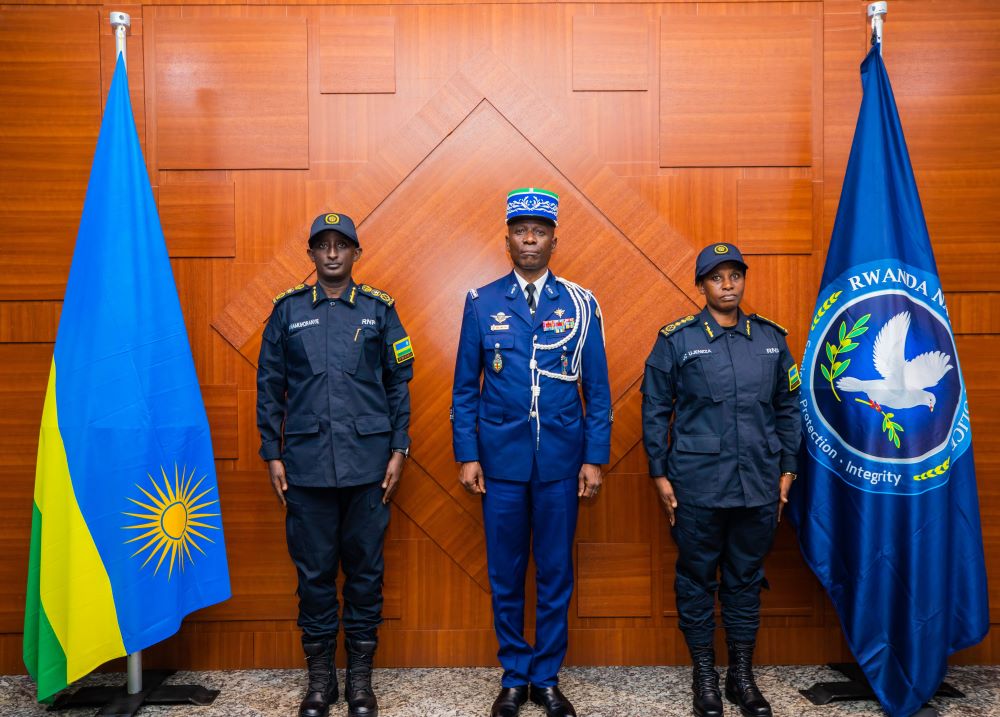
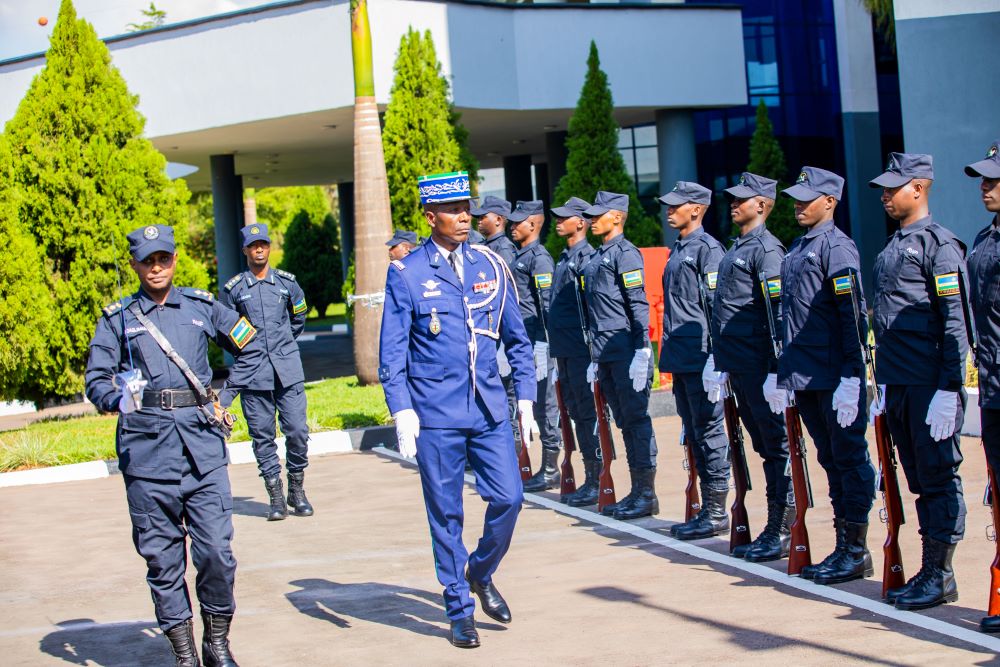
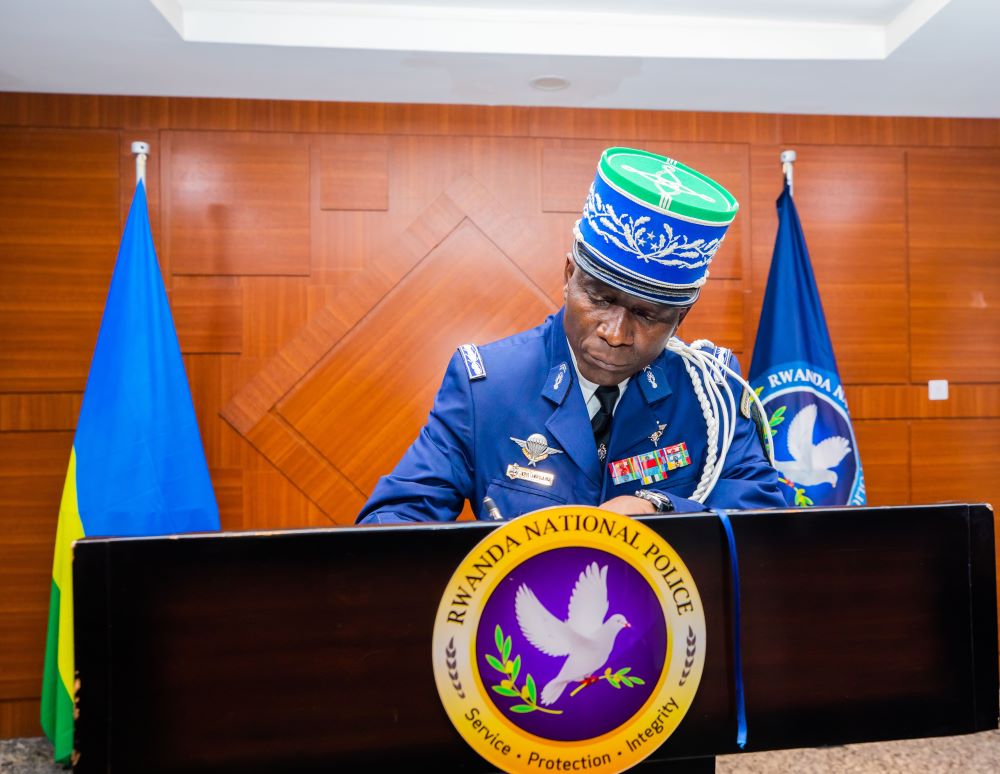
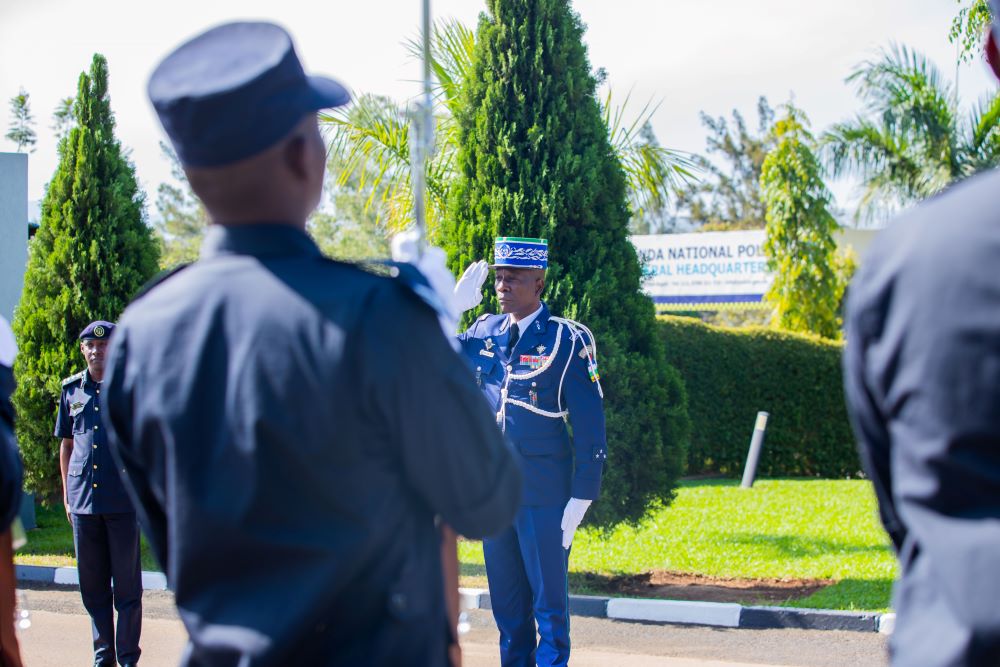
Gen. Landry is in Rwanda since Sunday for a week-long visit.
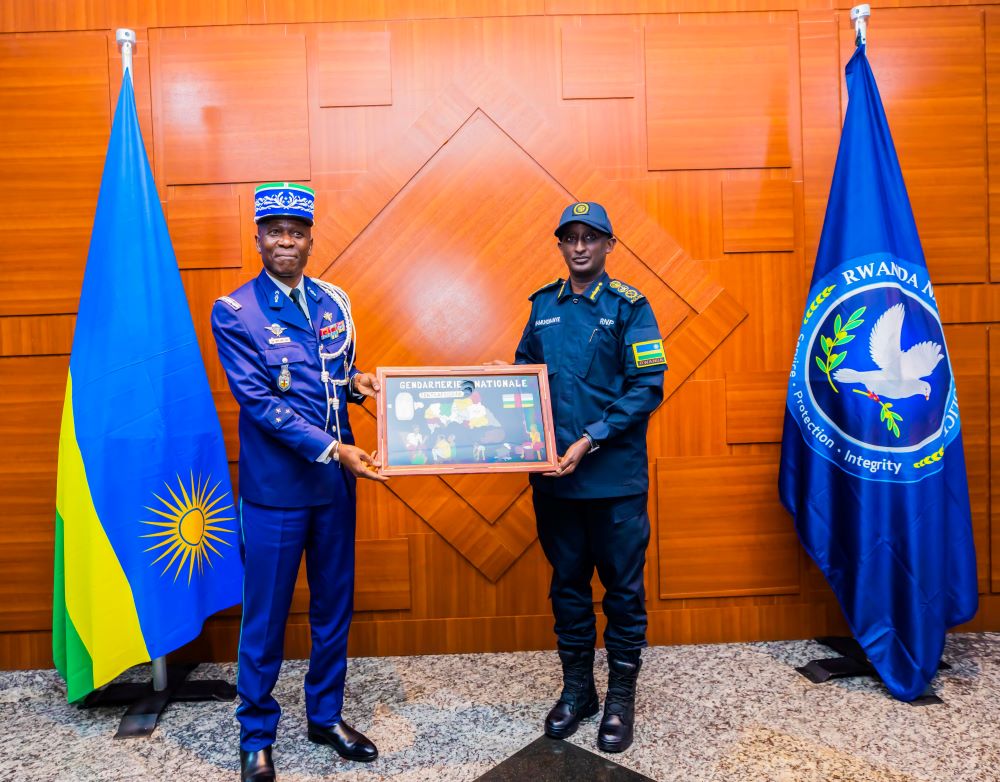
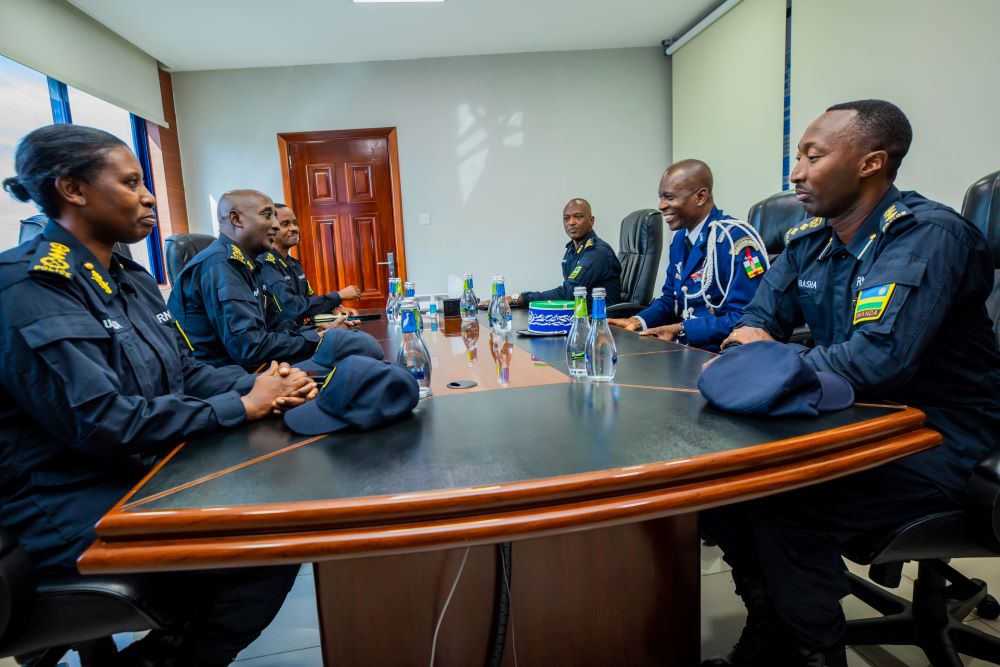
Discussions between IGP Namuhoranye and Gen. Landry focused on strengthening the existing cooperation in various law enforcement disciplines.
Gen. Landry thanked the Government of Rwanda for the continued support in building the capacity of law enforcement and security agencies in CAR.
“As a country coming out of conflicts, we are happy that Rwanda is facilitating us to build the capacity of our security institutions, including Gendarmerie and the Police, to be able to handle the emerging security threats,” Gen. Landry said.
Rwanda National Police and CAR Police formalized bilateral relations with a memorandum of understanding signed in February, last year, to exchange training and other best programmes, and to enhance professional competence.
The cooperation agreement also provides an arrangement for the two law enforcement institutions to jointly fight transnational organized crime and terrorism, human and drug trafficking, proliferation of small arms and light weapons, information sharing, joint operations, among others.
Rwanda maintains over 700 Police peacekeepers under the UN Multidimensional Integrated Stabilization Mission in CAR (MINUSCA), including four contingents, and 70 Police Advisors.
The MINUSCA Police component is also headed by a Rwandan, Commissioner of Police CP Christophe Bizimungu.
Law enforcement officers from CAR have also attended various professional and academic training programmes in Rwanda, including the Police Senior Command and Staff Course (PSCSC) offered at the National Police College (NPC) in Musanze District.
Adel Al Asoomi, speaker of the Cairo-based Arab Parliament affiliated with the AL, described the BRI, launched by China 10 years ago, as an important initiative because it creates win-win partnerships and common interests among participating states.
“Common interests undoubtedly overcome the problems and difficulties that countries go through, which is why the Arab Parliament sees the BRI as a global initiative that will surely benefit all countries of the world,” he said.
The initiative is welcomed by the AL, which represents all Arab states, he said, noting that China has undertaken mega-development projects in several Arab states under the BRI umbrella.
The Arab Parliament supports the initiative “because it has positive effects worldwide and brings the countries of the world closer,” the Arab Parliament speaker told Xinhua.
China also launched in the past few years the Global Development Initiative (GDI), the Global Security Initiative (GSI), and the Global Civilization Initiative (GCI).
“These initiatives have been welcomed by most countries of the world because they are positive and in favor of the international community,” he said.
Highlighting the fact that Beijing’s mediation has helped Saudi Arabia and Iran restore diplomatic ties after years of rift, the speaker said reconciliation between the two countries, both big, influential countries in the region, will “surely lead to positive results for the region and the world.”
Leading a delegation of Arab parliamentarians, Al Asoomi visited Beijing in late August and met with senior Chinese legislators and other officials to discuss bilateral cooperation.
“The Communist Party of China (CPC) actually played an important role in China’s development,” said the Arab lawmaker, applauding the CPC’s successful programs to eradicate absolute poverty in the giant Asian country.
“I sensed that the CPC is close to the people, not in words but in actions, programs and activities,” he added, commenting on his latest visit to China.
During the visit, the Arab Parliament speaker voiced support for the Chinese global initiatives that seek to foster development and peace worldwide.
Amid increasing challenges facing the world, these initiatives “represent the opposite of wars, crises and problems and serve the international community in many ways,” he said.
This impressive vessel, measuring 399.8 meters in length and 58.6 meters in width, embarked on its journey from China’s Tianjin Port on Aug. 12. Before arriving in Hamburg, it made stops at various ports, including Dalian, Shanghai, Ningbo, Singapore, Piraeus, and Rotterdam. Right now, it is heading back to Shanghai.
In command of this colossal ship is Captain Mo Weidong, a seasoned mariner with over three decades of shipping experience. It is Mo’s fifth year sailing on this specific route.
“Having sailed back and forth on the route between China and Europe, I have indeed witnessed the transformative effects of the Belt and Road Initiative (BRI),” the 54-year-old captain told Xinhua reporters, as the ship called at Ningbo Zhoushan Port.
From the vantage point of the ship’s bridge, perched dozens of meters above the deck, a bustling scene unfolds at the port. Containers are being impeccably stacked in precise rows by the gantry cranes used adeptly to handle them, ensuring an efficient and seamless workflow.
“Since the beginning of this year, we’ve seen a notable increase in cargo volumes on this shipping route,” said Mo, while adding that there has been a surge in the exports of electric vehicles, lithium-ion batteries, and solar cells.
Mo also revealed that aircraft parts will now be shipped weekly from the Port of Hamburg to the Tianjin Port via this route, further attesting to the thriving trade and economic exchanges between China and Europe.
At present, the Port of Hamburg is directly connected to major Chinese ports via 15 regularly scheduled liner services. Approximately one-third of the containers processed at the Port of Hamburg either originate from China or are bound for China.
Jens Meier, CEO of Hamburg Port Authority, underscored the significance of cooperation between the Port of Hamburg and Chinese ports. “We are actively sharing knowledge and strengthening the corridors, particularly in maritime supply chains, as well as land-based corridors,” Meier explained.
In late August, the COSCO Shengshi, a ship used to carry vehicles, arrived at Germany’s Port of Bremerhaven, where it unloaded 530 commercial vehicles from China, marking the successful maiden voyage of the liner.
On its way to Bremerhaven, a total of 3,731 Chinese-made commercial vehicles, including over 2,700 new energy vehicles, were loaded onto the ship at the ports of Shanghai and Xiamen.
Following its departure from Xiamen, the COSCO Shengshi navigated across the Indian Ocean and passed through the Suez Canal, making stops at ports in the UK and Belgium before finally reaching Germany. This 43-day journey spanned approximately 9,900 nautical miles.
Despite the challenges posed by the COVID-19 pandemic over the past few years, the flow of trade between China and Europe has demonstrated remarkable resilience. Mo observed an increase in trade volume, noting that it now takes two days to unload at Piraeus Port in Greece, compared to one and a half days previously.
In 2022, China and the EU, who are each other’s second-largest trading partners, achieved record bilateral trade flows of 847.3 billion U.S. dollars, marking a year-on-year increase of 2.4 percent. This equates to over 1.6 million U.S. dollars worth of trade conducted on average every minute. Simultaneously, the two-way cumulative stock of direct investment had exceeded 230 billion U.S. dollars by the end of 2022.
BRI cooperation has significantly enhanced maritime connectivity, fostering flourishing China-EU trade and economic partnership. COSCO Shipping, for instance, now operates 181 container liner routes and allocates over 50 percent of its container capacity to BRI partner countries. The company has also invested in 57 ports within these nations.
In 2016, COSCO Shipping acquired a 67-percent stake in Piraeus Port and took over the port’s management and operation. In May 2023, COSCO Shipping Ports, the company’s ports operator, acquired a nearly 25 percent stake in one of Hamburg’s terminals.
With the investment from China, Piraeus Port has become a leading European port. Data from the port revealed that in the fiscal year of 2022, its profit after tax had stood at 52.9 million euros, achieving a remarkable 43.9 percent increase from the previous year.
At Ningbo Zhoushan Port, situated some 12,000 km from Piraeus, crane operators efficiently controlled busy gantry cranes from an operation room located 3 km away.
Drawing from his decades of experience in the shipping industry, Mo highlighted that continuous infrastructure upgrades at Chinese ports have significantly improved their operational efficiency, providing solid support for the smooth flow of global trade.
“I am expecting the BRI will bolster cooperation among countries and deliver more benefits to their peoples,” Mo said.
An instruction by President Xi Jinping, also general secretary of the Communist Party of China (CPC) Central Committee and chairman of the Central Military Commission, was conveyed at the meeting.
In the instruction, he stressed building stronger cultural confidence, following the approach of openness and inclusiveness, and upholding fundamental principles while breaking new ground to provide a strong ideological guarantee, spiritual strength and favorable cultural conditions for building a modern socialist country in all respects and advancing the great rejuvenation of the Chinese nation on all fronts.
Culture plays a vital role in inspiring national spirit, maintaining national identity, and promoting economic and social development and well-rounded personal development.
Since the 18th National Congress of the CPC in 2012, Xi has placed the work of public communication and culture in a prominent position, giving instructions and guidance in art, journalism, philosophy and social sciences, and culture, among others.
Xi introduced the concept of confidence in culture. He incorporated the core socialist values into the basic policy underpinning the endeavor to uphold and develop socialism with Chinese characteristics in the new era.
He also set clear tasks for public communication and culture: to uphold socialism with Chinese characteristics, rally public support, cultivate generations of young people with sound values and ethics, develop Chinese culture, and better present China to the world.
The new ideas and judgments about cultural development in the new era put forward by Xi are the crystallization of cultural development under the Party’s leadership. They have enriched and developed Marxist cultural theories and formed Xi Jinping Thought on Culture.
Xi Jinping Thought on Culture shows that the Party’s confidence in history and culture has reached a new height. It marks a milestone in the Party’s cause of public communication and culture.
Xi has raised a new cultural mission for the nation: to further advance cultural prosperity, build a leading country in culture, and foster modern Chinese civilization at a new starting point.
In his instruction made public at the national meeting over the weekend, Xi made requirements in seven aspects:
— strengthening the Party’s leadership over the work of public communication and culture;
— developing a socialist ideology that has the power to unite and inspire the people;
— cultivating and applying core socialist values;
— strengthening the penetration and credibility of the media and its ability to guide and influence;
— promoting the creative transformation and development of fine traditional Chinese culture;
— vigorously developing the cultural sector;
— enhancing international communication capacity and promoting exchanges and mutual learning among civilizations.
Domestically, China’s national rejuvenation requires both a strong material foundation and spiritual strength. Globally, profound changes in the international landscape prompt an urgent need to increase China’s cultural soft power and the appeal of Chinese culture.
Facing such situations and tasks, it is of great importance to promote the high-quality development of the work of public communication and culture. Xi Jinping Thought on Culture has thus provided powerful inspiration and a scientific guide for action.
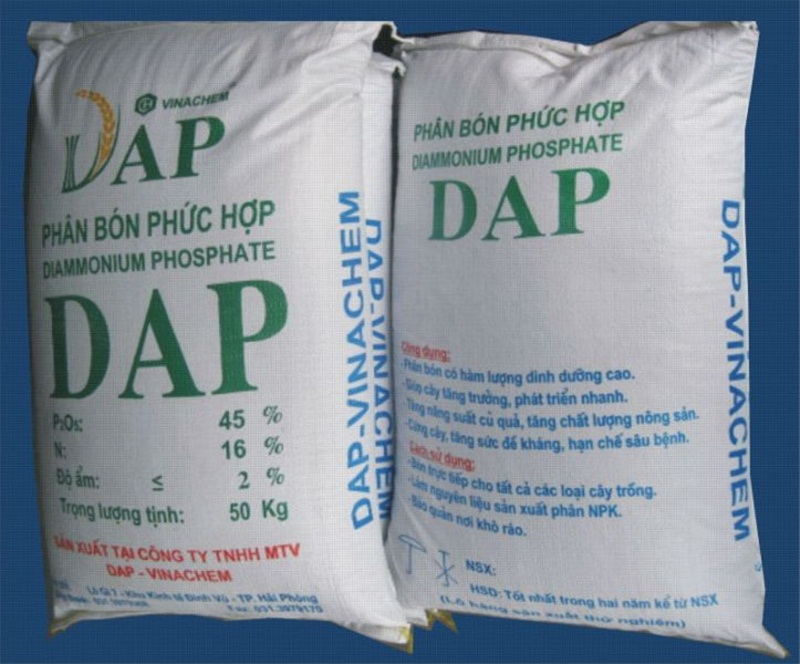
The details emerged on Sunday during a talk show aired on RBA, where RNP spokesperson, ACP Boniface Rutikanga revealed that 18 agro-suppliers have been arrested for diverting these subsidized inputs.
He explained that some agro-inputs are even smuggled into neighboring countries using fraudulent techniques, such as soliciting fertilizers for uncultivated land.
Gicumbi and Kirehe are among districts where such incidents were reported.
Thierry Murangira, the spokesperson of Rwanda Investigation Bureau (RIB), indicated that these frauds often involved the falsification of documents through the “Smart Nkunganire” system, a government subsidy program for agricultural inputs introduced in 2017.
“Between July 2022 and June 2023, 33 cases were recorded, leading to the arrest of 61 individuals involved in the embezzlement of 57 tons of fertilizers,” he added.
Dr. Ildephonse Musafiri, the Minister of Agriculture and Animal Resources, warned over 3,000 agro-suppliers in the country against all forms of fraud.
Emphasizing the importance of subsidies, he recalled that for the 2023 A agricultural season, the government allocated Rwf36 billion, including 5.16 billion for seeds and 30.84 billion for fertilizers, to ensure that the money benefits only genuine farmers.