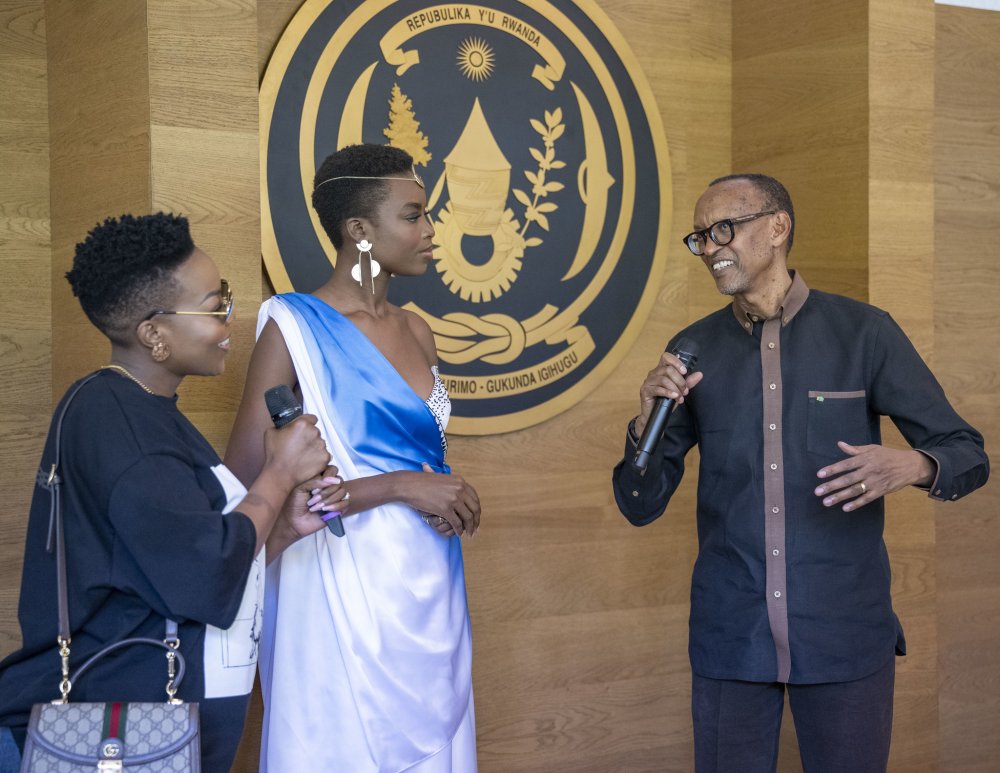
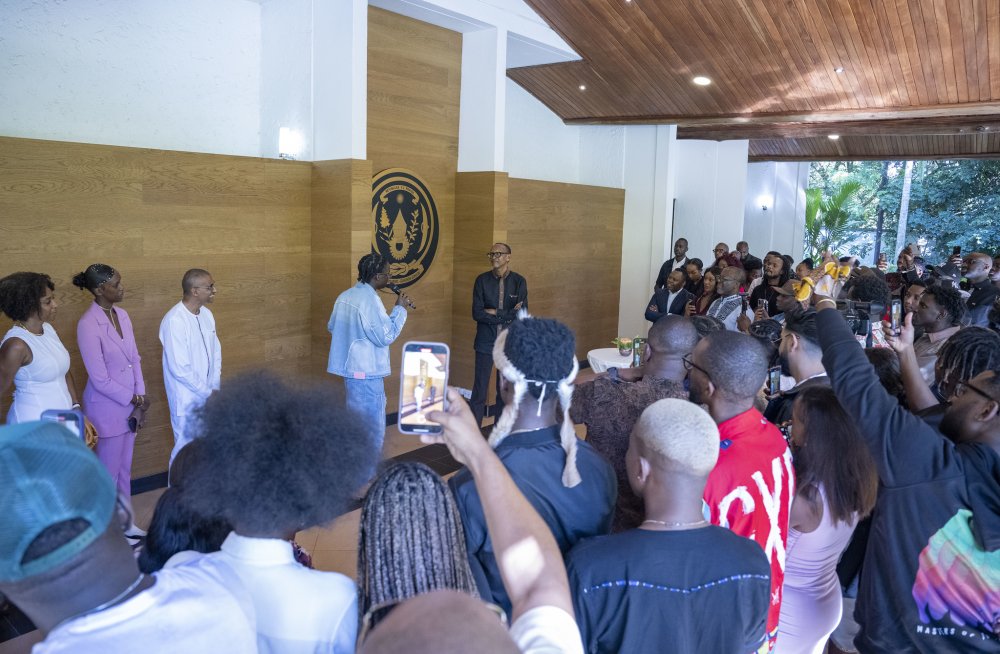
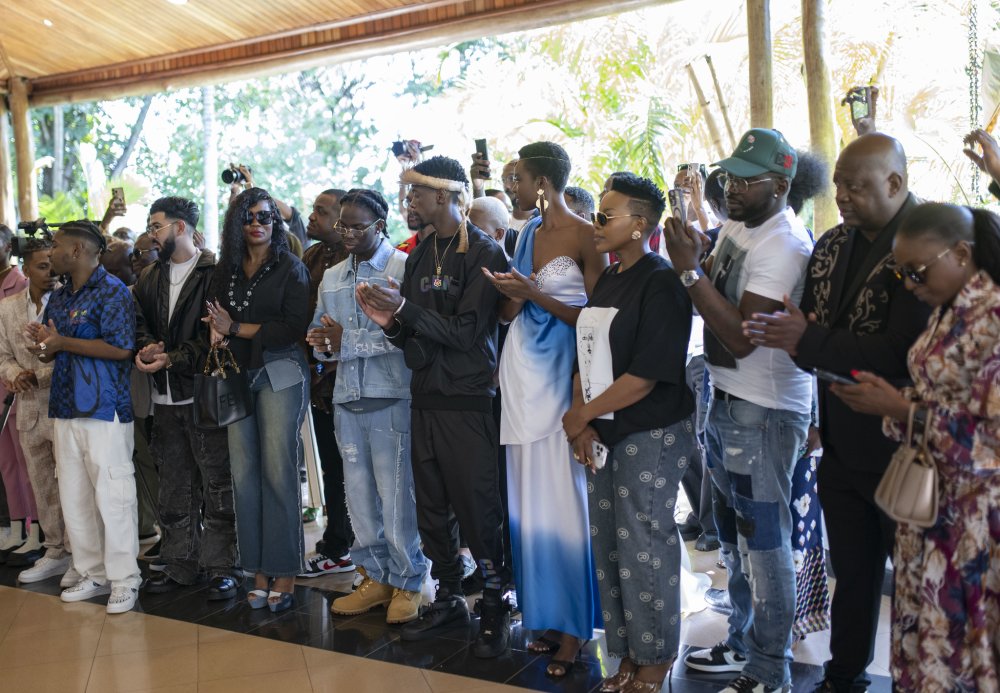
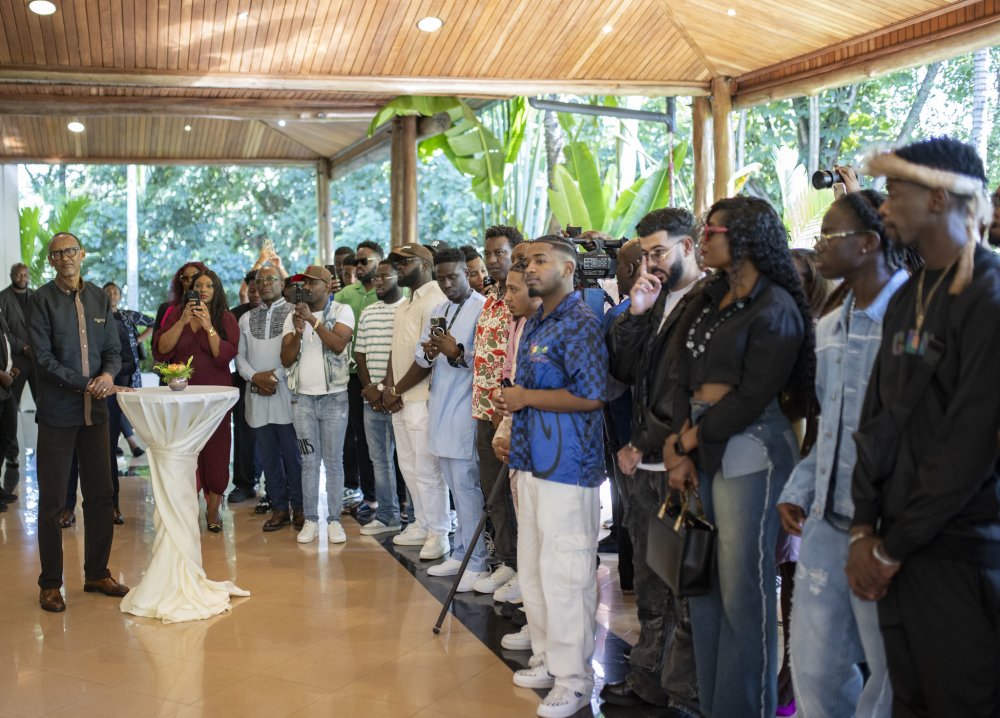
These winners emerged from a competitive pool of over 150 nominated artists hailing from more than 30 countries across Africa, South America, the Caribbean, the Indian Ocean, and Europe. Notable countries included Algeria, Angola, Brazil, Cameroon, Cape Verde, Comoros, DRC, France, French Guiana, Gabon, Ghana, among others.
President Kagame praised the Trace Awards as a platform for artistic expression, describing it as a valuable gift to society. He emphasized that the arts and creativity provide people with a home where they can freely express themselves, regardless of their origins. He extended the idea that Rwanda could be considered a “home away from home.”
The Trace Awards 2023 coincided with the 20th anniversary of the global music influencer, Trace, and attracted celebrities from around the world, including Davido, Diamond Platnmuz, and Rema.
The event also provided a stage for both local and international artists to showcase their talents, leaving a lasting impact on various sectors. Before the awards ceremony, Rwanda hosted a festival featuring diverse elements, including fashion brands, visual artists, culinary entrepreneurs, and more, enriching the overall experience.
“We received an invitation to go to Jeddah to resume the negotiations,” Shams-Eddin Kabashi, deputy commander of the SAF, said in a speech to army officers at Wadi Seidna military base in Omdurman. “Our delegation will go to Jeddah and begin negotiations on coming Thursday.”
Sudanese media reported that Saudi Arabia and the United States, which have been mediating the talks since May, set Oct. 26 as the date for resuming the negotiations. The talks were suspended in July over fundamental differences between the warring parties.
Sudan has been witnessing deadly clashes between the SAF and the RSF in Khartoum and other areas since April 15, resulting in at least 3,000 deaths and more than 6,000 injuries, according to figures released by the Sudanese Health Ministry.
According to the UN International Organization for Migration, nearly 5.8 million people have been displaced inside and outside Sudan due to the prolonged conflict between the SAF and the RSF.
In the world of business, the capacity to bridge this gap is what sets the visionaries apart from the rest.
{{The Power of Vision}}
Vision, the beacon that lights the way, ignites the passion and determination to achieve something extraordinary. It is the aspiration that drives individuals, organizations, and nations forward, pushing the boundaries of what’s possible. It can be a North Star, guiding one’s path to uncharted territories. But vision alone is not enough.
{{The Fragile Bridge }}
Vision, while breathtaking in its scope, is essentially a blueprint for the desired future. It’s the dreamscape, the utopian horizon that beckons us. Yet, the gap between this vision and reality is like a treacherous canyon that swallows the unprepared. Strategy and execution form the bridge that connects these two realms, making dreams tangible.
{{Crafting a Strategy }}
Strategy is the meticulous planning that allows the vision to morph from a nebulous idea into a concrete plan. It is the deliberate and thoughtful arrangement of resources, actions, and timeframes to transform a vision into a reality. A well-crafted strategy involves:
Clear Goals: Define the specific goals that will bring the vision closer to reality. These goals should be SMART (Specific, Measurable, Achievable, Relevant, and Time-bound).
{{Resource Allocation:}} Identify the necessary resources – financial, human, and technological – and allocate them efficiently.
{{Risk Assessment: }} Recognize potential obstacles and develop contingency plans.
Stakeholder Alignment: Ensure that all stakeholders are on the same page and understand their roles in executing the strategy.
{{Flexibility: }} A good strategy is not rigid but adapts to changing circumstances.
{{The Art of Execution}}
Execution is where the rubber meets the road. It’s the gritty, unglamorous work that turns strategy into results. Without execution, even the best-laid plans are nothing more than wishful thinking. Successful execution encompasses:
{{Discipline:}} Staying committed to the strategy and its objectives, even when challenges arise.
{{Accountability:}}Holding individuals and teams responsible for their specific roles in the execution process.
{{Measurement:}} Constantly monitoring progress against the set goals and adapting the plan as necessary.
Adaptability Recognizing when the plan needs adjustment due to unforeseen circumstances.
{{Continuous Improvement: }} Learning from both successes and failures to refine future strategies and execution.
{{The Missing Link }}
The chasm between vision and result remains insurmountable for many due to several reasons. Sometimes the vision is too grand, and the strategy is too timid. Other times, execution falters due to poor resource management, a lack of discipline, or a failure to adapt to changing circumstances. In the worst cases, the vision itself might be flawed or not aligned with the reality of the world.
Bridging the gap between vision and result is a Herculean task, one that requires the mastery of strategy and execution. Visionaries are not merely dreamers; they are those who understand that dreams remain elusive without a well-crafted plan and the relentless drive to make it happen.
Strategy and execution are the magic wand that transforms visions into real-world successes. So, whether you’re a budding entrepreneur, a seasoned CEO, or simply a dreamer with a grand vision, remember: strategy and execution are the key to making your dreams a reality. Build that bridge and take the world by storm.
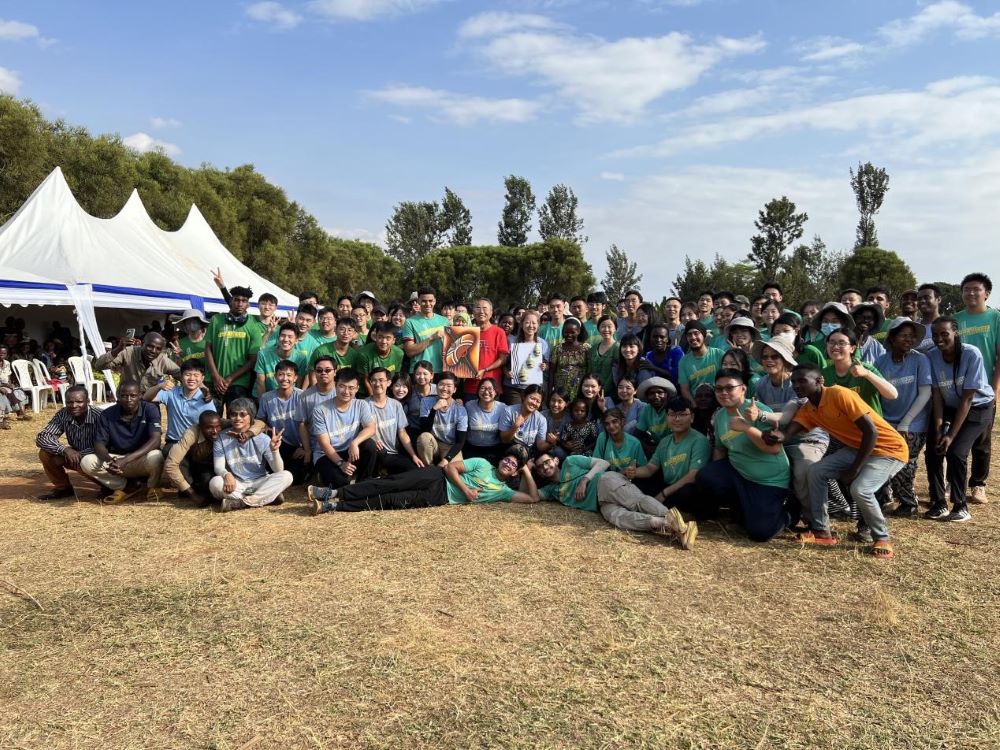
This summer, TKWW Omnimedia and Dot Dot News reporters joined the teachers and students from The Hong Kong Polytechnic University to Rwanda, Africa, and witnessed how they overcame various challenges with their knowledge and skills and helped 400 impoverished families without electricity in the mountain villages.
{{“With no electricity in some places, people have no choice but to use candles at night”}}
Electricity is ubiquitous in our daily lives, and we depend on it to operate our mobile phones, computers, televisions, electric boilers, microwave ovens, lamps, electric cars, etc. People, especially city dwellers, can never imagine a life without electricity. It is so indispensable that when an occasional power outage occurs, complaints will flood the power company, and discussions over the subsequent problems will fill the air until power is restored.
However, there are still many places in the world where people have no access to electricity. For example, people who live 9,400 kilometres from Hong Kong in Rwanda, Africa, and particularly in the mountainous areas still receive poor and inadequate supplies due to inadequate infrastructure.
“According to the Rwanda Energy Group, by 2022 about 70% of the Rwandan households have electricity supply, and that includes 50% that are powered by the national grid and 22% rely on off-grid supplies. By off-grid, it means something like solar panels and other sources other than the national grid.” Gloria MUGENI, a graduate of The Hong Kong Polytechnic University and a native of Rwanda, spoke about the electricity supply situation in her country.
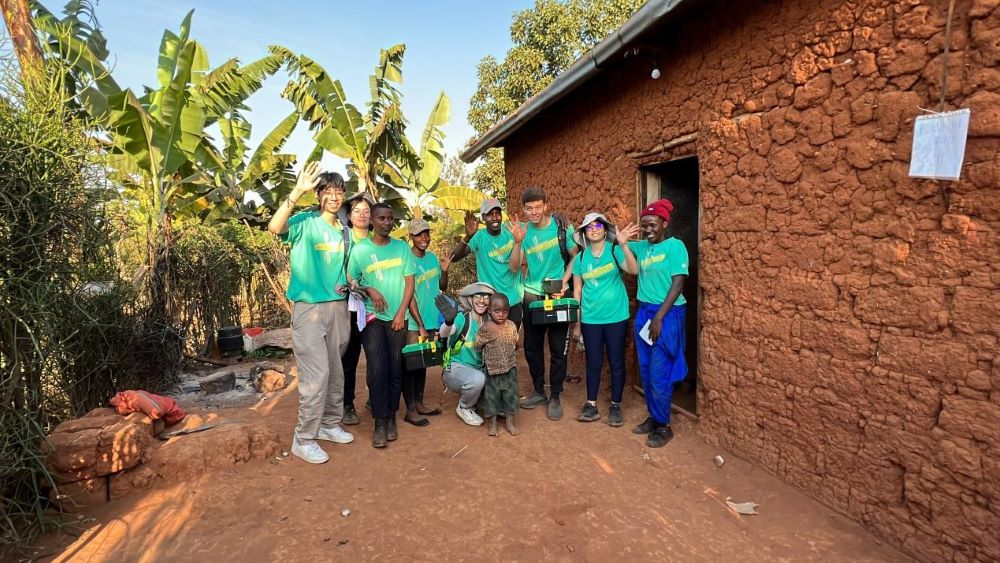
Gloria, now a staff member of PolyU’s Service-Learning and Leadership Office (SLLO), took part in the service-learning programme “Habitat Green in East Africa” in Rwanda this year. Led by SLLO, a delegation of over 100 teachers and students from Hong Kong spent 14 days installing solar power systems in villages including Bicaca in the Rwamagana District of Rwanda’s Eastern Province, bringing basic electrical power to 400 impoverished families in the mountainous areas.
In the district where the PolyU programme provides service, the electricity supply is 48%, lower than in other districts in Rwanda. “This means that there are places where there’s no electricity, and it means that at night people need to use candle to light up the place.” Gloria was saddened by the lack of electricity in Rwanda.
{{If we are able to do something more, why not?}}
Rwanda is still developing. The country has been working hard to accelerate its efforts to meet the electricity needs of its population, and has been building power stations, such as the China-supported Nyabarongo II Hydropower Plant.
“Rwanda is investing lots of resources to move towards electrification. They hope to achieve electrification throughout the whole country. However, the country’s financial resources are limited, so they cannot meet the demand.”
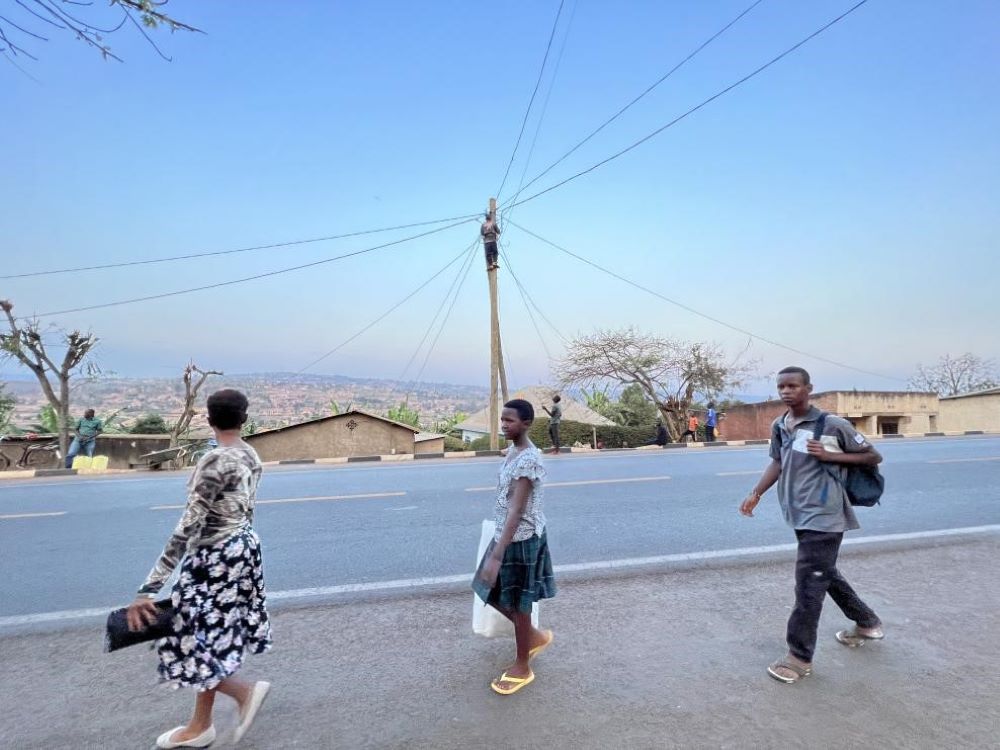
Dr. Stephen Chan, Principal Research Fellow of PolyU’s SLLO, explained that the national grid generally installs electrical cables along main highways, so people living near main roads have better chances to access electricity. Those who live far away from any main road have to pull cables from the utility pole to their houses on their own. “It’s not free,” he added, “and most of the villagers simply can’t afford it.”
Many Rwandans living in rural mountainous areas far from main roads grow up and live without electricity since birth. Although they have mobile phones, they have to walk dozens of kilometres to an urban area to find a charging station and then return home when the phones are fully charged. Most parents instruct their children bring their phones to the charging station on the way to school in the morning.
“After the phones are charged, they go to school,” said Dr Grace Ngai, Head of SLLO and Associate Professor in the Department of Computing at PolyU. “As a result, the children are often late for school. This happens at least twice a week.”
PolyU brought its service-learning programme to Africa in 2013, when it started with the basics and then gradually expanded its focus from schools to the communities.
Dr Ngai explained that after connecting with local communities, they realised that the local villages in Rwanda had to confront so many challenges, and one of the biggest challenge that the PolyU team was able to contribute and help was about bringing a solution to their electricity supply.
Leveraging its expertise and professional experiences, PolyU has launced a service-learning programme since 2015 to install solar power systems in Rwanda, with the aim of improving the lives of people without electricity in remote mountainous villages by providing them with access to sustainable energy.
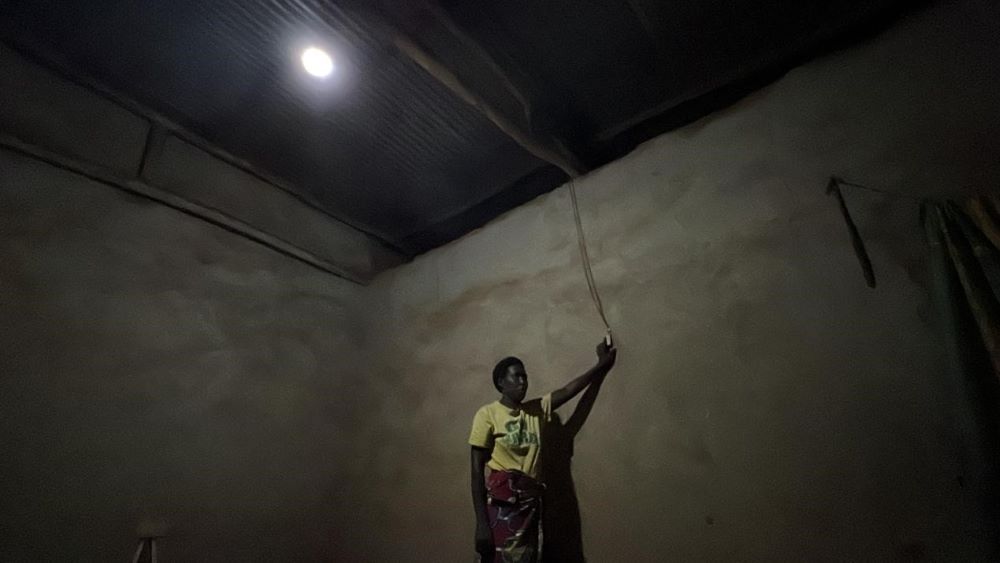
“Most of the time, these places have never had any artificial light. The light bulb we installed was just a weak one. But even such a light could bring them so much happiness. If we are able to do something more, why not?” Dr Ngai affirmed.
{{Make the most of daylight and speed up installation}}
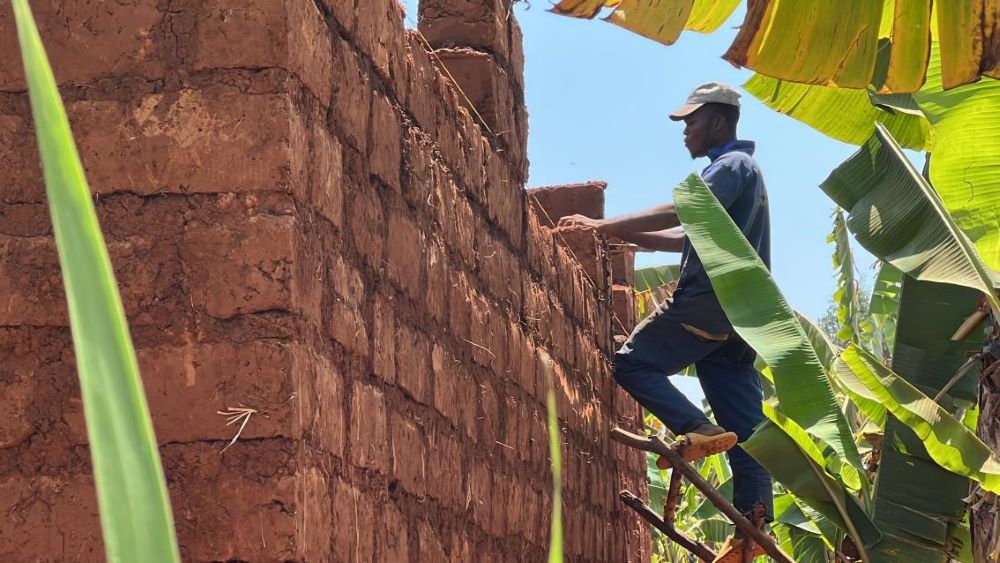
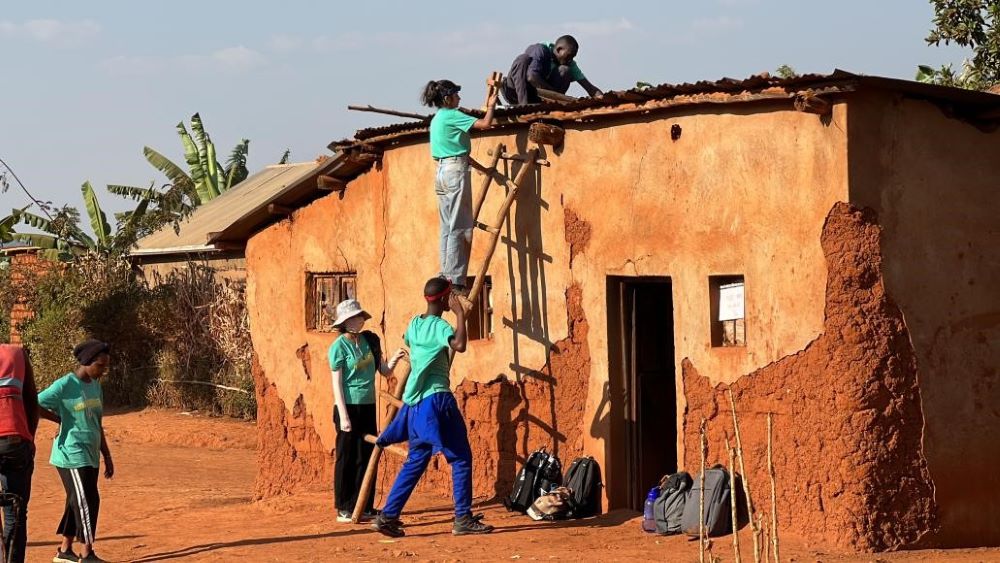
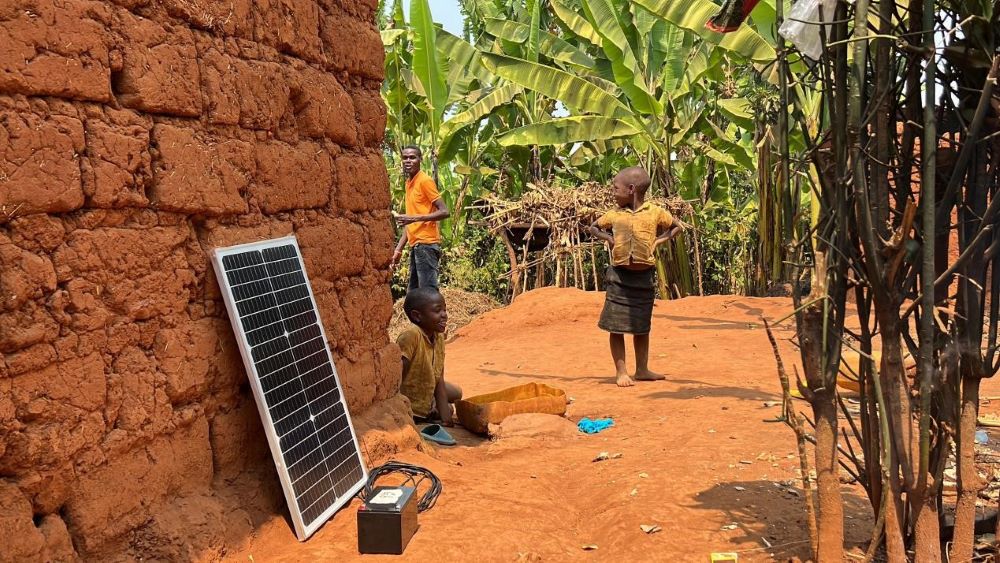
Mud bricks, mud huts, rickety wooden doors, leaky tin roofs… In the village of Bicaca in the Rwamagana District, about two hours’ drive from the capital Kigali, these typical and simple self-built houses stand in stark contrast to the city’s high-rises.
Not surprisingly, this village, far from the main roads, has no electricity.
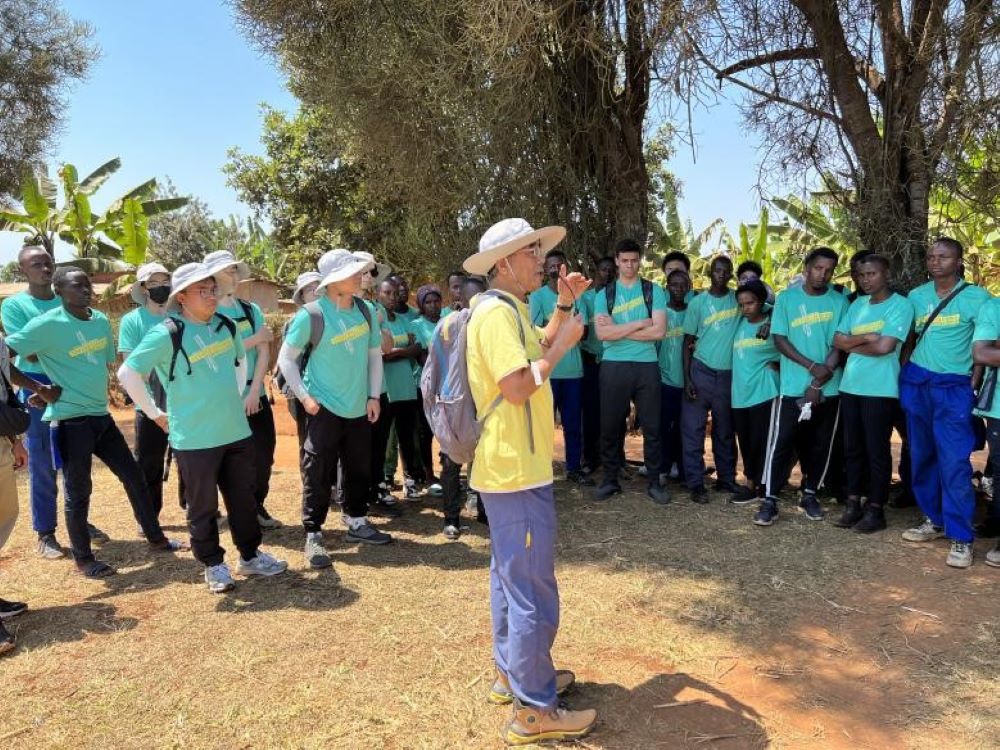
The PolyU programme was brought to life by a delegation of more than 100 members, comprising of over 60 teachers and students from PolyU’s Department of Electrical and Electronic Engineering, Department of Computing and SLLO, together with over 40 visiting students from the University Social Responsibility Network (USRN) and students and teachers from Hong Kong secondary schools participating in a capacity-building project on service-learning. They flew almost 20 hours from Hong Kong to Rwanda. After only a short break in the dormitory, they started preparing for the service project in the mountainous villages.
“When you go to somebody’s house, please make sure you show people proper respect. Before you do anything, ask for permission (from the house owner) through the local youth to open the door for access. Make sure they understand what you will be doing in their house,” Dr Chan reminded the students. “Try to understand how people live here, and how technology is affecting, hopefully, having a positive benefit on their lives.”
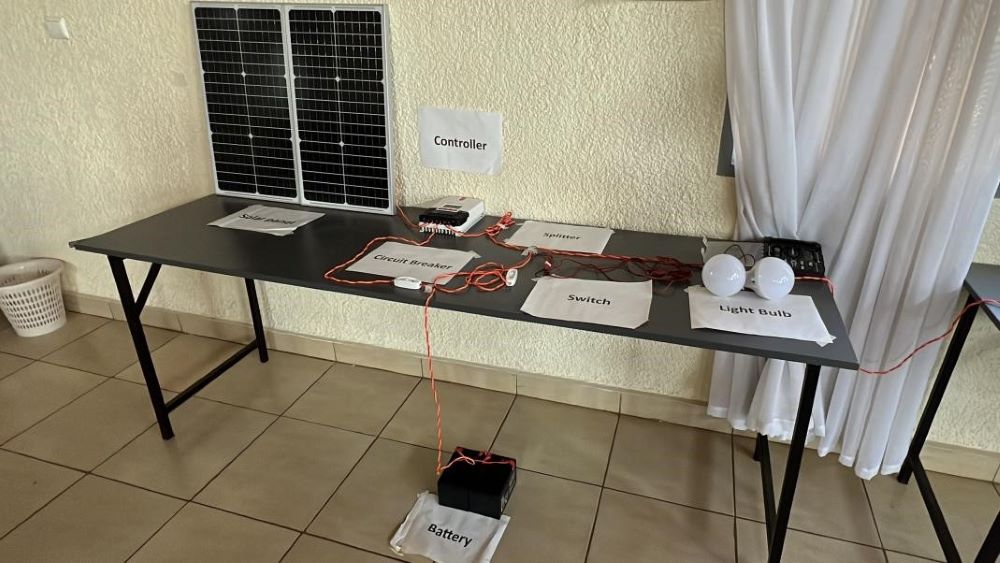
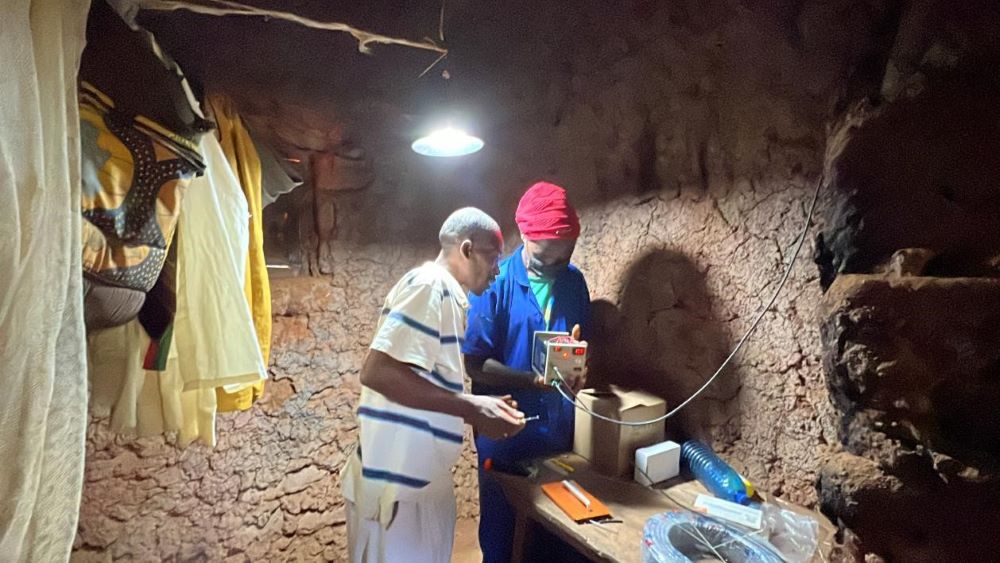
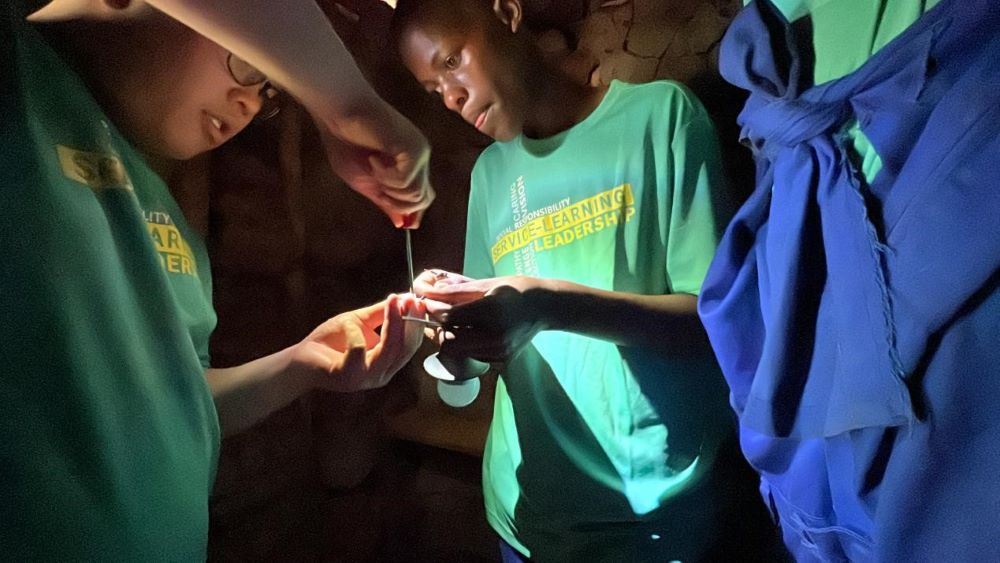
Dr Zhang Youqian, Teaching Assistant of the service-learning programme from the Department of Computing and a PolyU graduate, explained that the solar power system consists of four parts: first, the solar panel that collects solar energy; second, the battery that stores solar energy; third, electrical appliances such as lamps and mobile phones; and fourth, the controller, which converts solar energy from high voltage to low voltage for storage in the battery. The required materials and equipment were shipped to Rwanda a few months ago, but for various reasons some of the equipment arrived later than originally planned, and the most important part, the batteries, were still on the way.
They couldn’t waste any valuable moment pondering when the batteries arrive. Fortunately, the PolyU team had a batch of spare batteries on site for testing, so they started the installation as planned. The only difference was that after performing the installation tests, they had to take the ‘test’ battery to the next house for installation and testing. This meant that the villagers had to endure a few more days without electricity before they could get their own batteries.
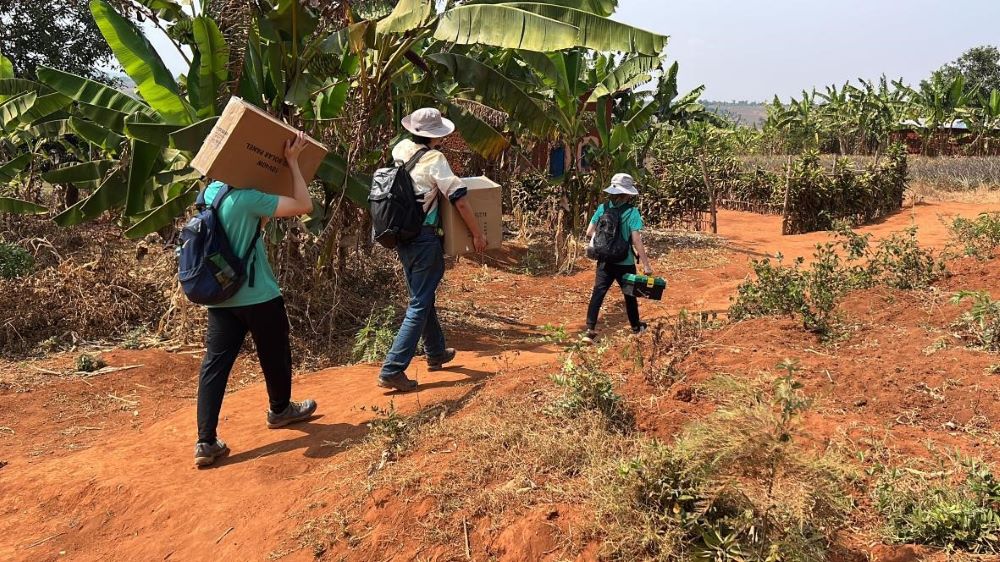
As the sun set at around 6pm, plunging the village into darkness, the PolyU teachers and students had to make the most of the daylight to speed up the solar power system installation. Every day they travelled back and forth between their dormitory and the village, carrying solar panels, wires and tools that were shipped across the ocean from China, and worked from dawn to dusk.
{{“I’ve always wanted to go to Africa and get engaged in volunteer service.”}}
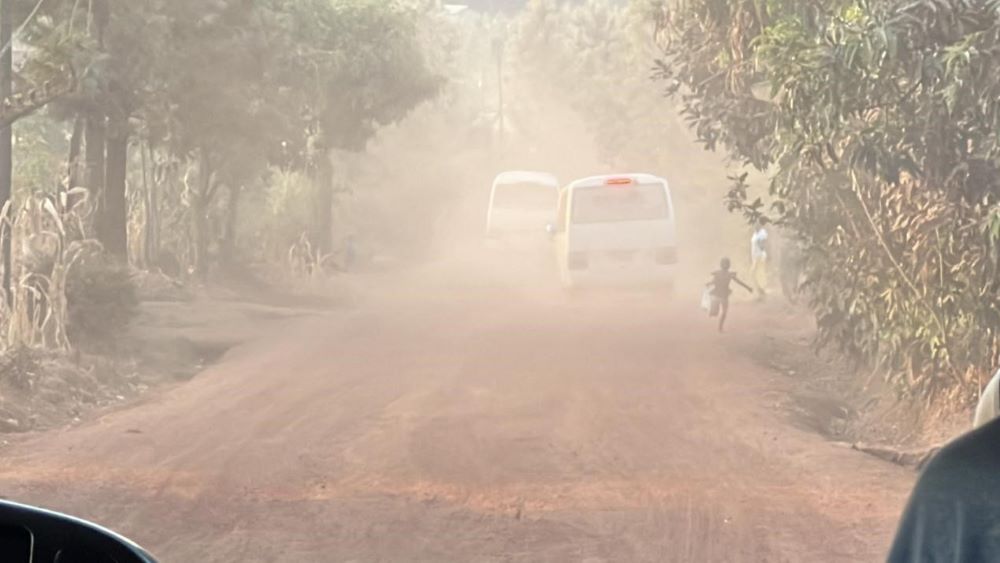
As the car turned off the asphalt road onto the yellow dirt track, the dust was so thick that the plants on either side of the road were shaded in two colours: green, for those growing far from the road, and khaki, the colour of the earth, for those growing near the road. Locals with bananas and buckets on their heads walked slowly and casually through the clouds of dust. Many first-time visitors to the Rwandan mountains were astonished by the sight and couldn’t help but pull out their mobile phones to capture what they saw along the way.
“I’ve always wanted to go to Africa and get engaged in volunteer service,” Wang Dapeng, a student from PolyU’s Department of Mechanical Engineering spoke enthusiastically about the project. As a mechanical engineering student, he was passionate about putting his knowledge into practice to serve those in need through service-learning.
Service-learning, with its emphasis on experiential learning, has been a mandatory requirement for four-year undergraduate programmes for ten years since 2012.
The programme integrates meaningful community service with students’ learning and self-reflection, encouraging them to apply their professional knowledge and skills to help the disadvantaged and promote community development. With the exception of one year during the pandemic-induced hiatus of 2020-22, PolyU staff and students have been visiting Rwanda every year since 2013 to deliver service. In 2023, when the pandemic ended, Wang Dapeng finally embarked on his first service-learning experience in Rwanda.
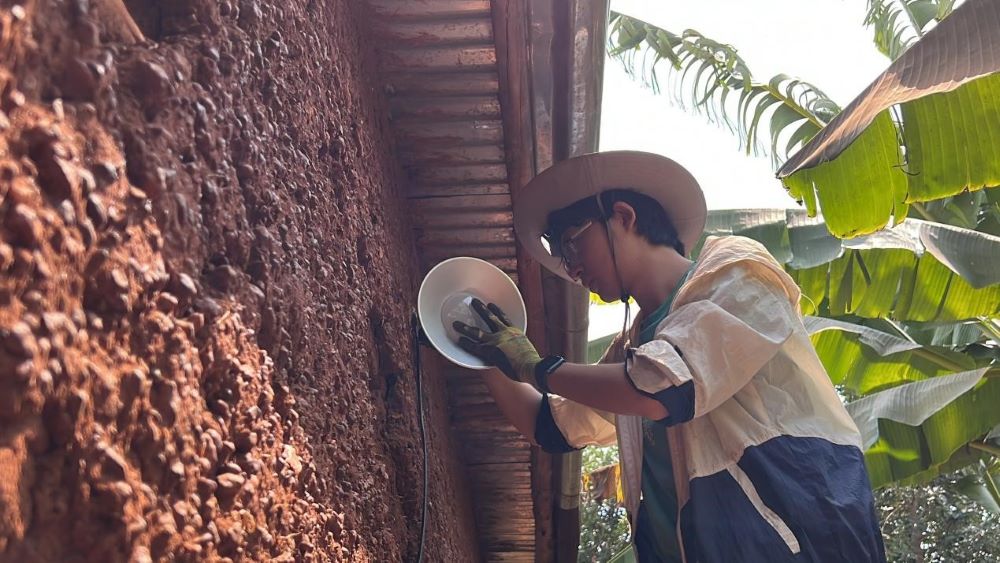
Since the installation of 400 solar power systems was to be completed within two weeks, the PolyU students were divided into several groups. Wang Dapeng teamed up with several Hong Kong students and worked together. With the advantage of being tall, he was responsible for carrying ladders and pulling wires. Most of the houses in the village are made of mud bricks, which are made by mixing mud with water and drying it. Therefore, the structure of the walls is not very stable and the students need to be flexible and adapt to different wall conditions when it comes to wiring. “We not only need to consider whether the wiring can work, but also think about whether the lives of the households will be affected after the wiring is completed,” said Wang Dapeng. “And you have to think about the children. You can’t put the wires at points where the children can easily reach.”
While the students were busy, the teachers were also out and about in the village, monitoring the progress of the installation and offering advice when needed. “The students are doing this for the first time. There are many common problems. They usually work slowly at the beginning, but that’s okay. They get familiar with it very quickly and can complete the installation in two or even three houses in one morning.” Dr Chan, who dedicates himself in service-learning for more than 10 years and has been with PolyU’s service-learning programme throughout its development, was very pleased with the students’ performance after checking the progress of several houses. “The teams I have seen so far are all making good progress. The most important thing is that the students are working hard, so they will become proficient rapidly.”
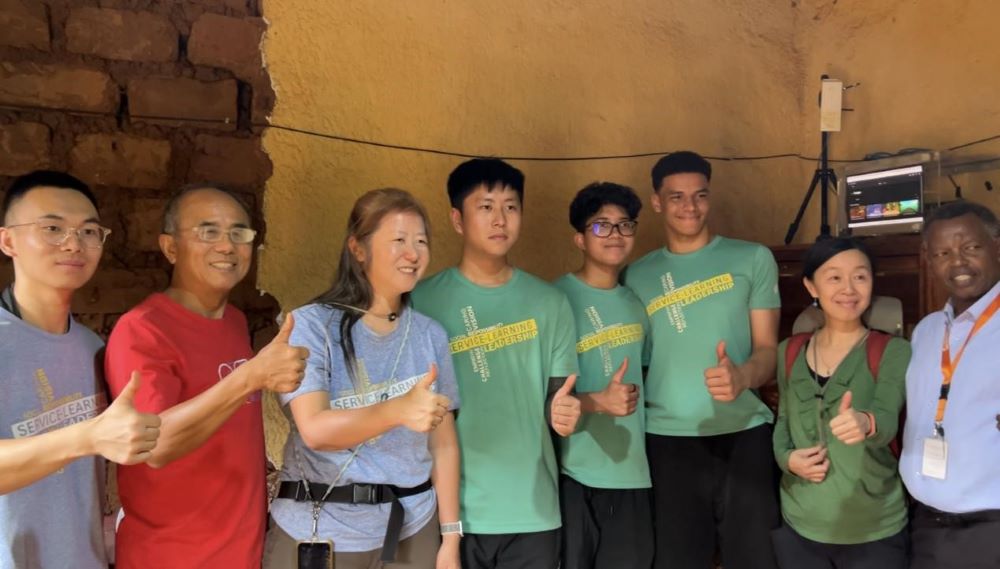
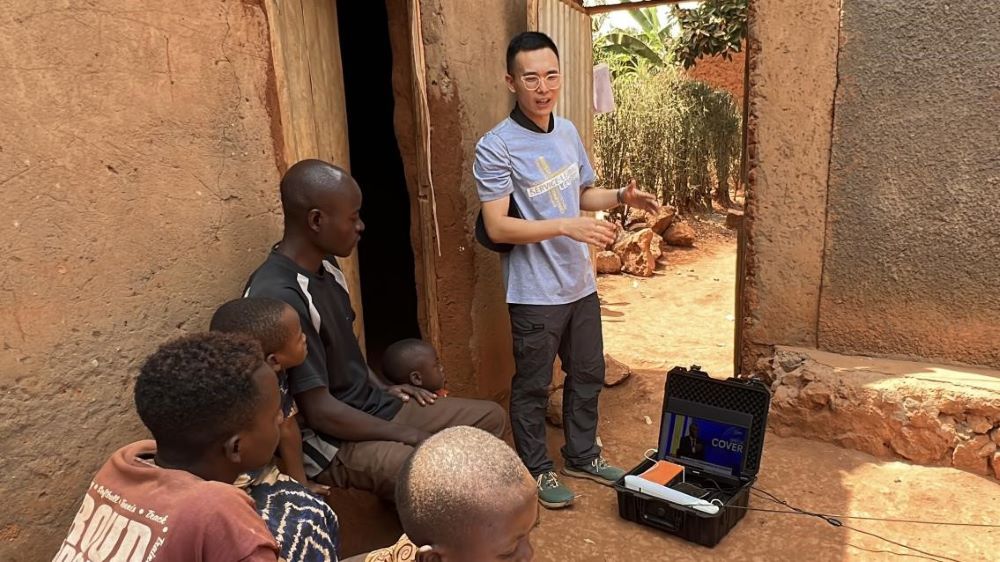
“We are not satisfied with repeating the same thing over and over again, so we give ourselves a bigger challenge each time,” said Dr Chan. This time, they had an increased target of 400 houses to be installed and aimed to develop an intranet in the local villages. They set up a server in the village to store information to facilitate the villagers, such as crops growing techniques and education activities for their children. Villagers could use their own mobile phones to access the intranet to access such practical information. The PolyU team also set up a satellite TV system to enrich the locals’ entertainment lives.
{{“Because it is quite possible that their fate could be changed.”}}
From installing solar power systems to setting up TV and intranet, the PolyU team hopes to use technology to increase local access to information, improve basic education and connect them to the world. These efforts have one central goal: to create a better future for the next generation of Rwandans.
“When we work with The Hong Kong Polytechnic University to install solar panels in houses, there are two main issues to consider: one is safety, and the bigger issue, the major one, is the children,” said Wilson KABAGAMBA, Project Manager of African Evangelistic Enterprise (AEE-Rwanda), a Rwandan NGO and PolyU’s local partner in Rwanda. “We are trying to make sure that whenever they go to school, they can come back home and do the revision.”
Rwanda is a country that values education. On the back of the 500 Rwandan franc note are portraits of children studying. Along the mountain road leading from the outskirts of Kigali to the village of Bicaca, there are four or five schools, including primary, secondary, and vocational schools. But on nights when there was no electricity, children in mountainous villages could only study by the dim light of candles or small torches.
When Wang Dapeng was wiring a house, he saw an exercise book at the bedside in one room, full of check marks on it, revealing that the child had very good grades. “If what we are doing can allow them more time to study, they may have a greater chance to enter a better middle school, or even to leave the village to study at a city university,” he said emotionally, “just like how the generation of our parents experienced in China years ago. I think it’s very meaningful.”
“Because it is quite possible that their destiny could be changed,” Wang Dapeng said.
{{“We truly appreciate what you have done for us. God bless you.”}}
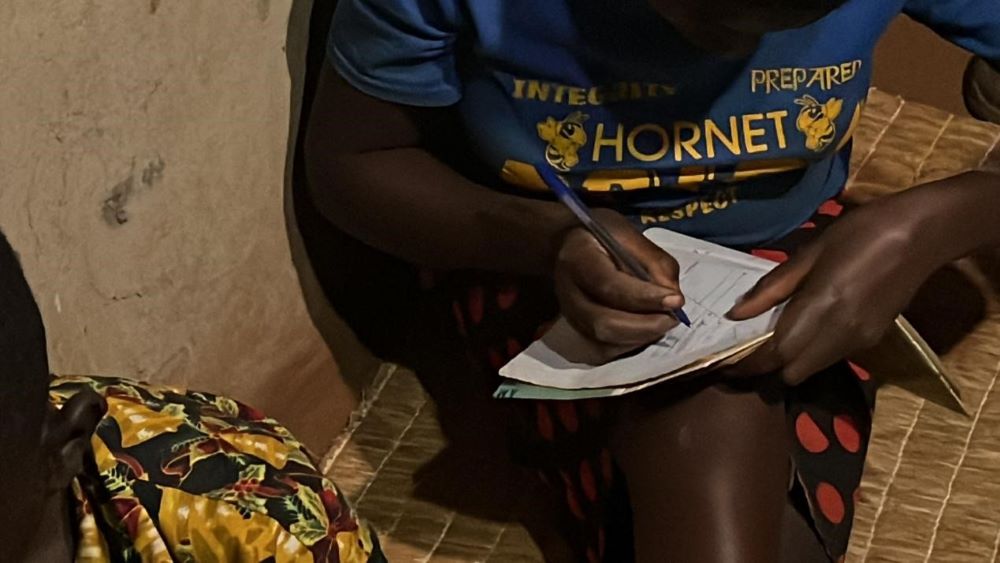
And it was just as Wang Dapeng wished. Oliva NIYITEGEKA, a mother of seven children with five are students, is a resident of a neighbouring village who received a solar power system from PolyU three years ago. In the past, her children could only study at daytime. Now they managed to take notes and study at night with solar power and lighting. Their academic performance has improved dramatically, and they have been able to move up to the next grade in school.
While the children have benefited from it, the working conditions in the village have also welcomed advancement, which in turn improves the financial conditions of some families. “We see a change and we have better development. I feel very happy.” Oliva was extremely grateful for PolyU’s help and their return visit, “We truly appreciate what you have done for us. God bless you.”
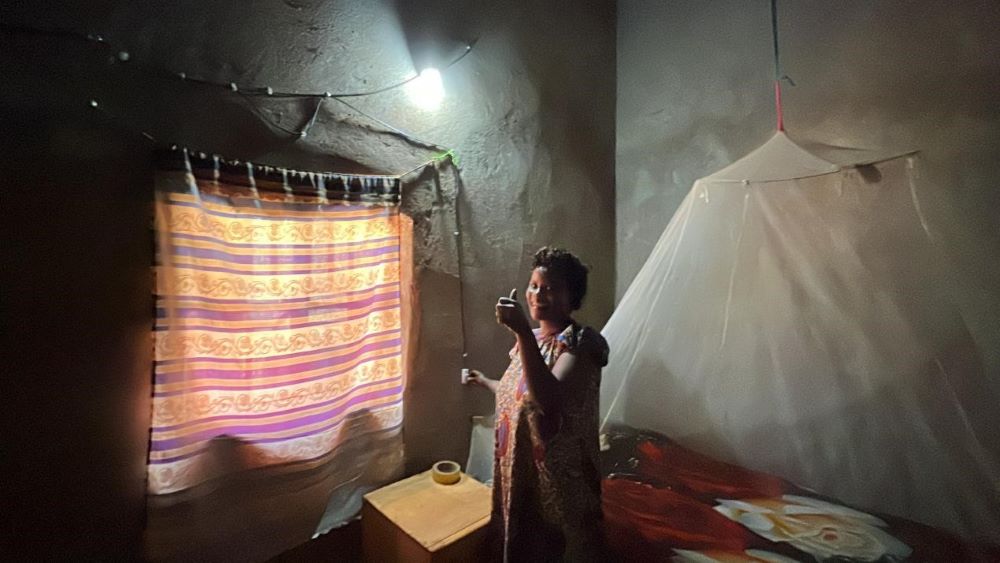
Valens NYANDWI, a villager who received a solar power system this year, said he could finally say goodbye to lightless nights, and as a teacher, he could prepare for classes and do research at night. “Solar energy will help me and my family,” he said. Fransine NYIMANA, another villager, was happy to have a solar power system in her home. She used to trip over the door when entering her room after dark, but now she can easily avoid this. She said, “The biggest change for me is that I can work more hours, I can leave work whenever I want because I can (still) cook and eat with light. My children can also study worry-free.”
{{“We hope to bring the techniques to them.”}}
“I feel like, we’re putting on the light, turning it on, that not only makes me satisfied, but also the people that we are helping. I see the joy in their face, the light in their face, the hope that they get from that. It’s pretty amazing,” said ZAIDI Syed Muhammad Askar Hussain, a Pakistani student from PolyU’s Department of Computing. Reflecting on the first day of installation, he admitted that it was hard work, especially communicating with the villagers. “We don’t speak the local language, so we have local (CFC) students to help us communicate, but their English is also limited, so we have to explain to them in very simple and basic English.”
With the existence of the language barrier, PolyU staff and students worked together with local students in Rwanda to communicate with the villagers about the details of the installation, such as where to install the lights, where to place the wires, and where to put the batteries, etc. Before entering a house, the local students also helped the PolyU team to get permission from the owner to start the installation.
Young Rwandan students from the Centre for Champions (CFC), a vocational school run by AEE-Rwanda, were excellent local partners to join the PolyU students. In addition to facilitating communication, they were trained to install solar panels alongside the PolyU students, completing the installations together and acquire learning by doing, so that they could take over some of the maintenance once the PolyU team left Rwanda.
“Today I feel better because I work with HK students. So hardworking,” said Fabrice NSHIMIYIMANA, a local CFC student. After a few days of working with the PolyU students, he felt more in tune with them. He successfully installed solar panels on the roof and installed lights in the bedroom and outside the house. Fabrice learnt a lot of practical skills from the Hong Kong students after just a few days of working together. “I communicate with them so easily because we work together every day. I have experience with them,” he said.
“We hope to bring the techniques to them. Rather than just giving them some things to use, we hope they can improve their own techniques and skills, which will contribute to their future development,” said Dr Chan. He had received some good news: some of the local young people had found good jobs because of the skills the PolyU team had taught them.
“The work we’ve done here might not be too big, but I think that we’ve really made a change in the houses that we’ve worked on,” said RAI Manish, a Hong Kong-born Nepali and a student of the Department of Computing at PolyU.
{{“When the villagers can use their systems and turn on their lights, our effort is complete!”}}
The installation of the solar power systems progressed smoothly, and the installation of the 400 houses was almost complete as time went on. Nevertheless, the 400 batteries had not yet reached them on the day before the completion of the installation work. The PolyU team had tried all possible ways to get the shipping company to deliver the batteries, but there were so many hiccups such as the shipping and trucking, and the complexity in going through customs in different countries. “We were really worried,” Dr Chan admitted. “If the batteries cannot arrive tonight, we really don’t know what else we can do. We might disappoint many villagers.”
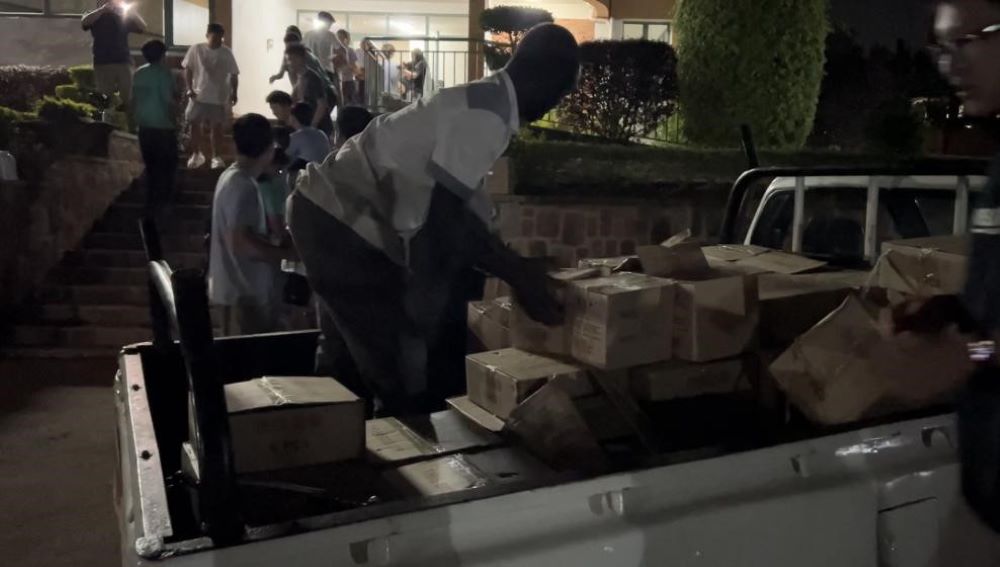
Finally, at around 11pm, a lorry carrying the long-expected batteries that the PolyU teachers and students had been waiting for days and nights arrived. Everyone was so excited and rushed out to unload the batteries until the next-day morning. Dr Chan couldn’t help but smile as he said, “Hopefully, 400 batteries will be distributed in a few hours tomorrow morning. When the villagers can use their systems and turn on their lights, our project is successfully completed!”
Early the next morning, many residents lined up at the village’s entrance to collect the batteries. PolyU teachers and students worked in groups and went door-to-door to finish the final step of adding batteries so the lights could be turned on. When the lighting tests were completed in all the houses, it simply concluded that the PolyU team did effectively solve the basic electrical problem for 400 impoverished families in the Rwandan mountains.
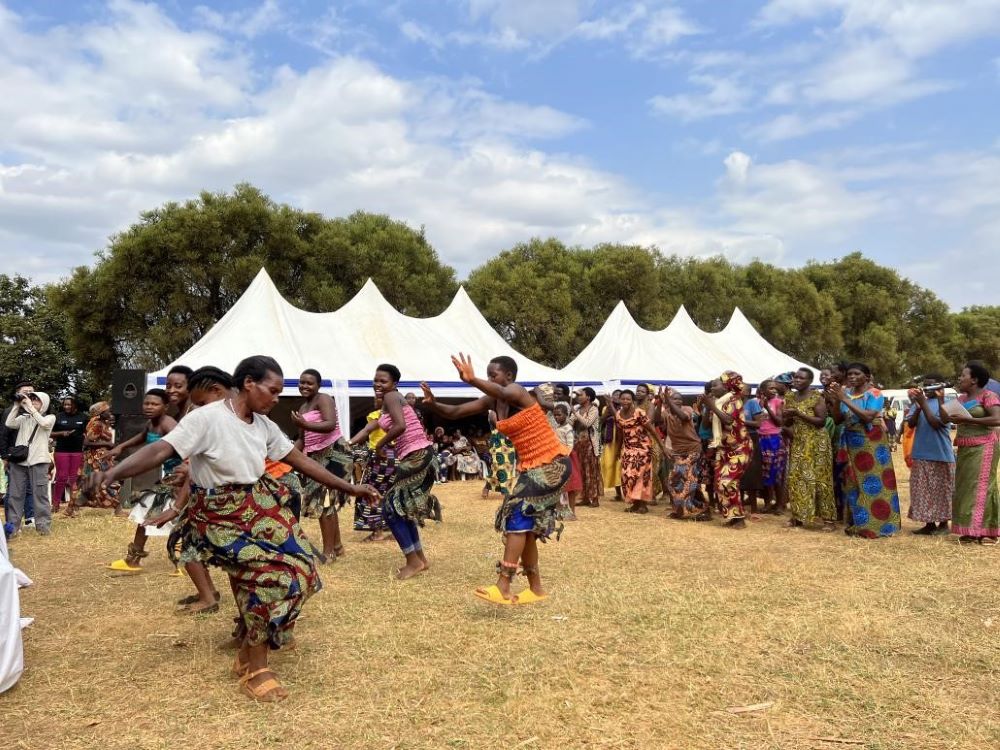
On that day, numberous locals from Bicaca and nearby villages flooded in to thank the PolyU team for installing solar power systems to improve their lives. Despite the language barrier, the villagers expressed their gratitude to the PolyU students and teachers in a variety of impressive local ways, including performing traditional dances, making traditional handicrafts, and writing and directing playlets to tell the story of how the solar power systems have helped to eliminate nighttime darkness.
{{“We are united with the local residents, bursting with energy.”}}
Dr Ngai has participated in PolyU’s service-learning programme on solar power systems in Rwanda since its inception, and has witnessed many moments of residents turning on the lights. She recalled that the most memorable point is her first time. “The owner of the house was a lady who caught our students’ hands tightly and kept shaking their hands, repeating something we didn’t understand,” she remembered. “Later they told me that she was saying, ‘God bless you, God bless you.’”
“In a house that relies only on daylight, you can feel the bright smiles on the faces of the locals when you turn on the lights.” After a field study of PolyU’s solar power systems, Lin Hang, Minister Counsellor and Deputy Head of Mission of the Embassy of the People’s Republic of China in Rwanda, said that PolyU had been deeply involved in Rwanda for 10 years, from popularising computer education to solving the problem of access to electricity through solar power techniques in response to the practical needs of the local people, demonstrating Chinese people’s willingness to share and help, and sense of social responsibility.
Wang Dapeng recalled one of the most memorable moments of the service-learning project, when the local adults and children collaborated to help with the wiring and the installation of the solar panels. “I was really touched because I really felt that we were working as a team with the local people and I recognised the impact we could make,” he added.
“I think it’s a joy to actually be part of what people are doing to develop Rwanda, even having in the front row of facilitating (and) helping with translation. So, I feel like I’m able to give back to my country,” said Gloria, a PolyU graduate and staff member from Rwanda.
“There is one thing I want the students will remember: When we go to a place for service-learning, the tasks that we do are not just an assignment; what they do will have a real impact on other people,” said Dr Ngai.
{{“What you do in service-learning really affects people.”}}
The success of PolyU’s service-learning project in Rwanda has attracted the attention of neighbouring Tanzania, which sent a team led by Tanzanian MP Justin Lazaro NYAMOGA on a site visit to Rwanda to examine the possibility of bringing the project to Tanzania next year. “We are hoping that we also have a parallel project going on in Tanzania next summer,” said Justin.
As a working member of PolyU’s service-learning programme, Kefa WALES from Volunteers for Community Development (VCD) in Tanzania participated in this year’s project in Rwanda. “We learnt a lot from the project in Rwanda,” said Kefa. He was confident that the programme would be extended to five communities in Tanzania next year.
“As an African country, Rwanda, we are always welcoming whenever someone is bringing a support,” said Wilson, Programme Manager of AEE, a Rwandan NGO. He said that from the national level to the lower levels, they appreciate China’s support. Mr Godfrey KAYIGANA, Director General of Community Development and Social Affairs of the Ministry of Local Government (MINALOC) of Rwanda, pointed out that there are still areas in Rwanda without electricity and water, and that the government is actively seeking solutions to address citizens’ concerns about access to energy, water, and transportation. He acknowledged that many people in Rwanda make a living through links with China in business and academia. “They are getting a lot from China, making the two countries become brothers and friends, to exchange and support one another,” he said.
Kefa also mentioned the many projects China was doing in African countries, including the involvement of Chinese companies in planning a railway project in Tanzania. “China has been doing a really good job in Africa, especially in helping these developing countries to be successful.”
{{“That is why we want to come to Rwanda.”}}
“This project helps the poorer mountain communities and their members to get electricity from solar energy, which makes their lives easier. This is of great practical significance,” said Mr Wang Xuekun, Chinese Ambassador to Rwanda. He remarked that PolyU’s service-learning programme in Rwanda, which ranged from computer training to solar power system installation, had improved the lives of many Rwandans over the past decade since its inception in 2013. It also allows PolyU staff and students to learn about Rwanda and make friends with locals through the project.
Mr Wang stressed that forging closer ties between peoples is an essential part of the Belt and Road Initiative, which China launched in 2013. It means that the peoples of the two countries should understand each other, cooperate with each other, and build friendship and mutual benefit. This, he said, was also the spirit of PolyU’s service-learning programme in Rwanda. “I told my friends in Rwanda about this project. They all gave us a thumbs up and said, ‘Excellent!’ ‘Thank you, Chinese people.’ They appreciate our project. We need to tell the story of China well through these concrete projects.”
“Service-learning has two parts: one is service and the other one is learning. It means that you have to apply your professional knowledge to serve others. Our students went to Rwanda and helped the local people by installing solar power systems to provide electricity. They used their skills and knowledge, and this is called service-learning,” said Professor Jin-Guang Teng, President of The Hong Kong Polytechnic University.
He pointed out that some countries along the Belt and Road are still developing countries and their societies and economies are not as advanced. There are many things that we can help with. “The Belt and Road Initiative is advocated by our Nation. We hope that what we are doing can not only meet the goals of the university, but also align with the national strategy in Belt and Road countries, to promote China’s development vision and tell China’s stories well.”
Prof. Teng said PolyU aims to nurture socially responsible talents. “Our students should possess a strong sense of national identity and a global perspective, so they are encouraged to go to Mainland China and overseas more often to broaden their horizons. They should also have a sense of social responsibility to understand, serve and make positive changes.”
With solar-powered light, there is no more fear of darkness in the night. By the end of the summer the lives of 400 families in the mountainous areas of Rwanda were transformed by the visit of PolyU teachers and students.
“That’s why we want to come to Rwanda,” said the PolyU service-learning team.
{{■ Reporters: Su Ting, Ding Min, Ren Qing, Tang Wenhan
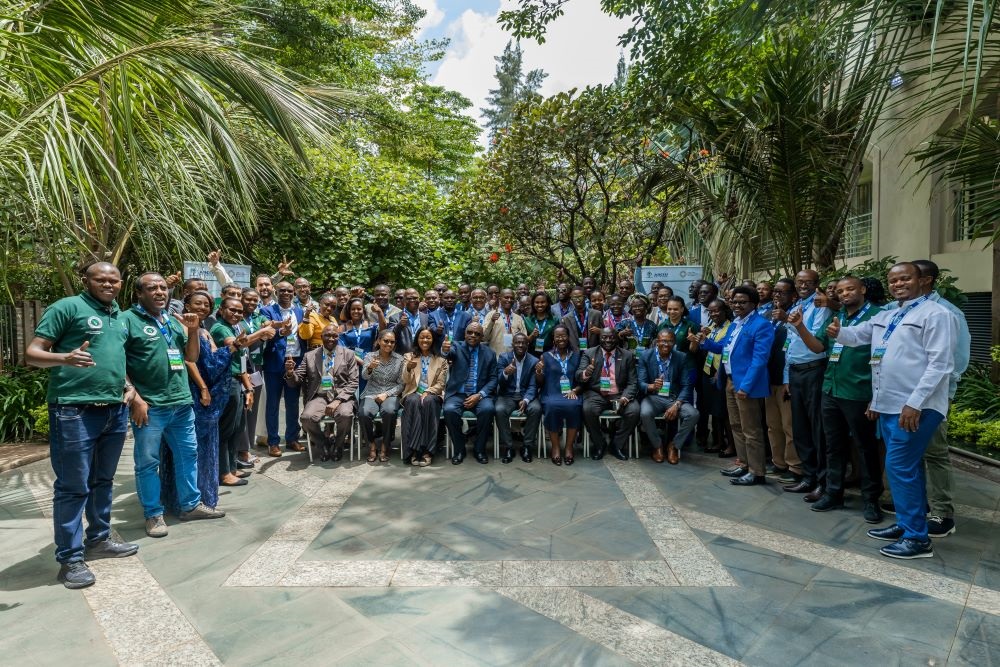
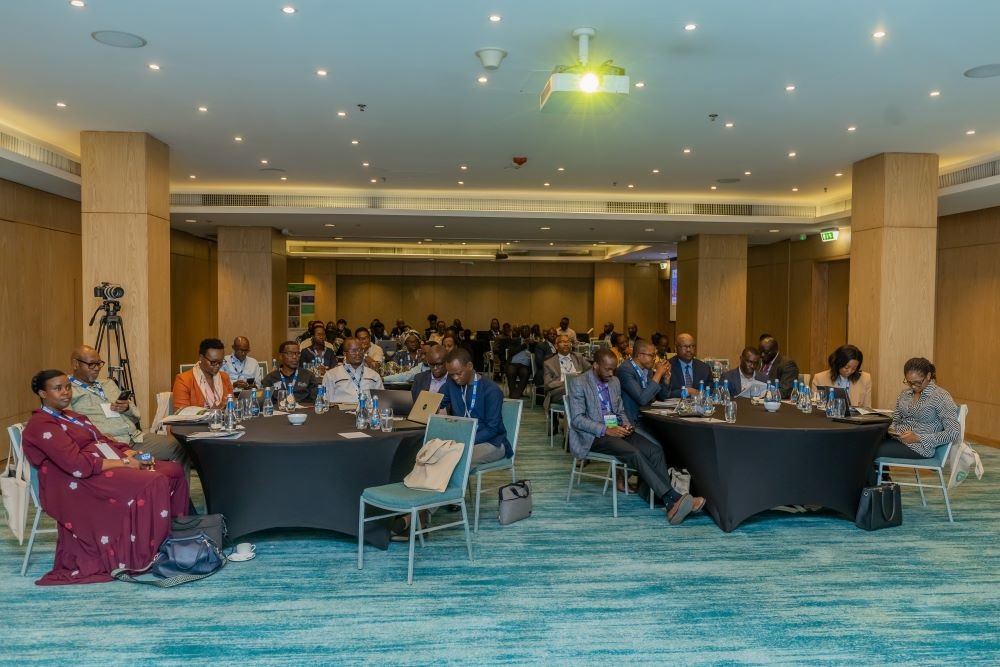
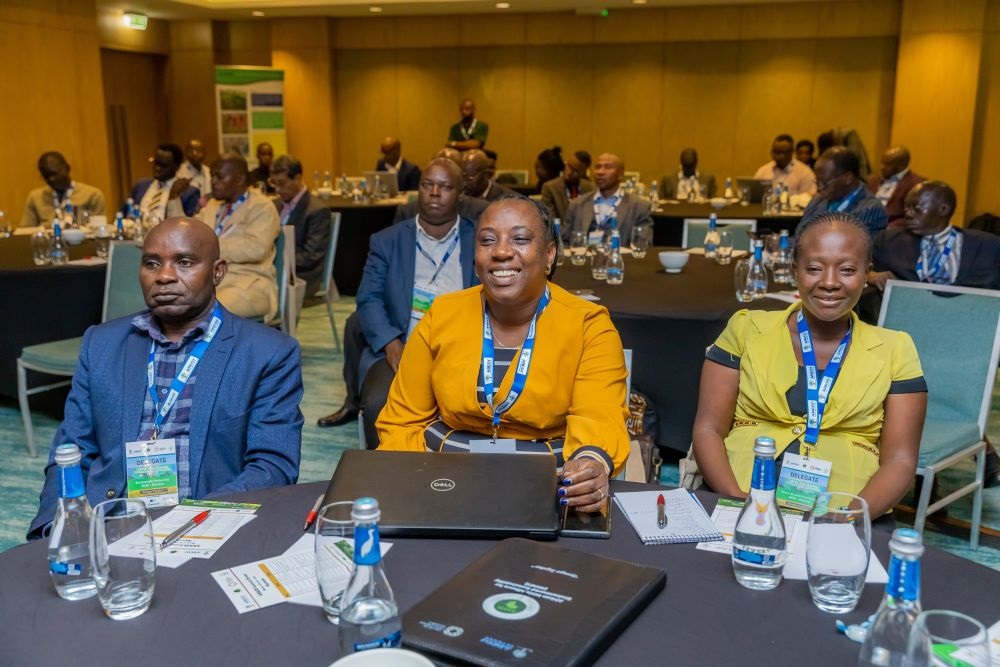
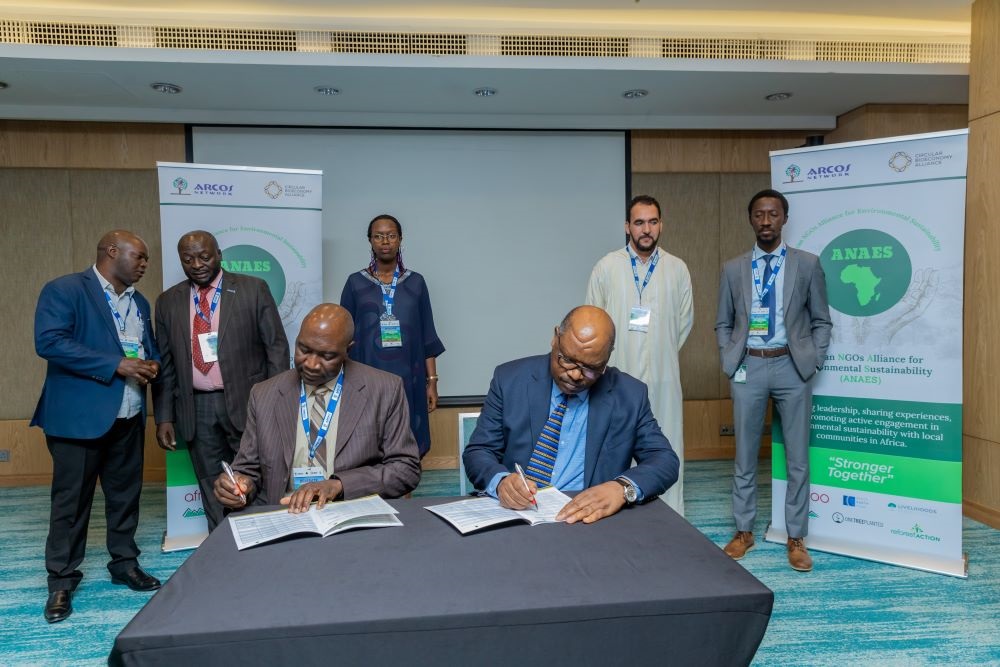
On 20th of October 2023, at Marriott Hotel in Rwanda, the Albertine Rift Conservation Society (ARCOS Network) and the Circular Bioeconomy Alliance came together to launch the African NGOs Alliance for Environmental Sustainability (ANAES), an extraordinary endeavor uniting 33 African Non-governmental Organizations (NGOs) in their mission to protect the environment and ensure sustainable development.
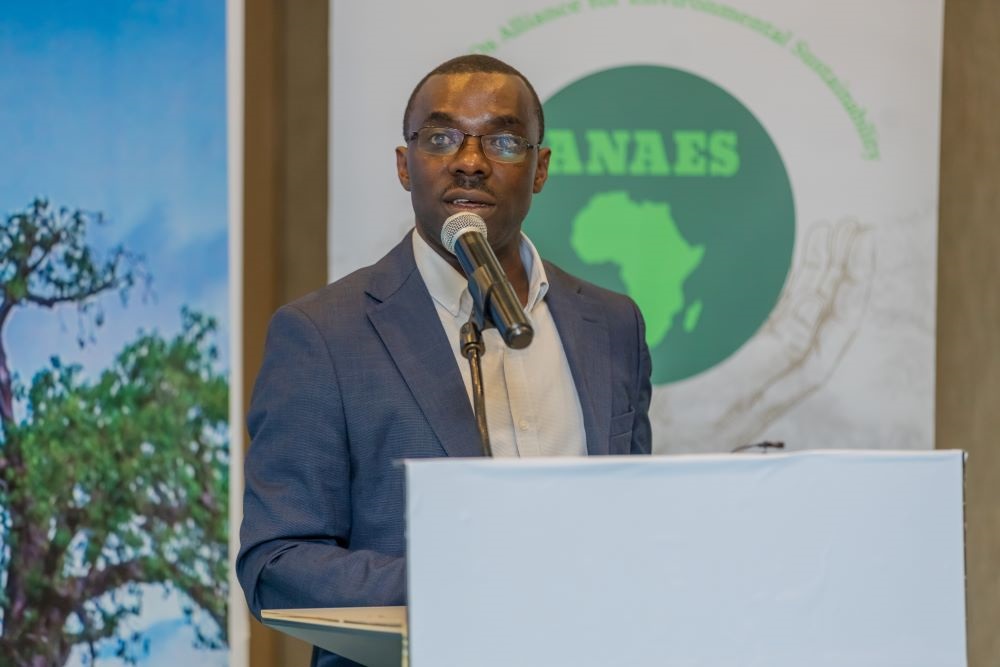
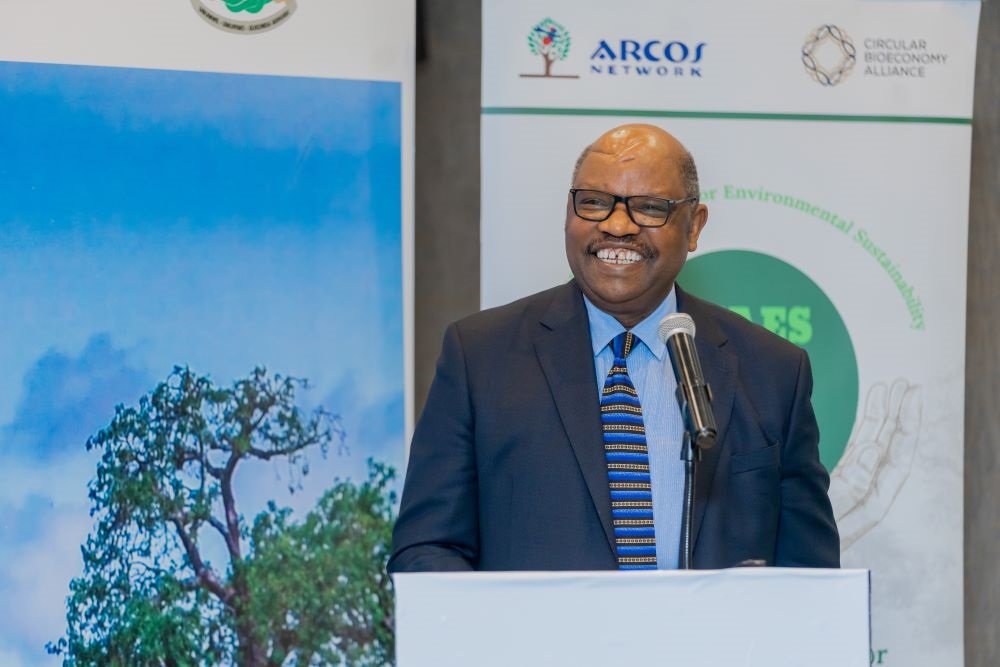
The launch was officiated by Philippe Kwitonda, the Director General at Rwanda’s Ministry of Environment in charge of Land, Water and Forestry, representing the Minister. He commended the initiative for its noble cause and institution members who tirelessly worked on it. Kwitonda also
recalled that the urgency of the environmental crisis on the African continent can not be overstated and that the need for collective action is evident, and ANAES is one among the answers.
Dr. Sam Kanyamibwa, Founder and CEO of ARCOS Network, shared his perspective during an exclusive interview with IGIHE, stating, “Africa is confronted with an array of complex environmental issues, exacerbated by climate change. Collaborative efforts are essential to effectively address these challenges. ANAES will bring together the collective expertise of African NGOs to tackle these problems head-on and create a sustainable future for our continent.”
The collaboration between ARCOS Network and the Circular Bioeconomy Alliance (CBA) ─founded by His Majesty the King Charles III─ is not a mere coincidence. The Circular Bioeconomy Alliance, led by CEO Marc Palahí, is committed to supporting projects that accelerate the transition to a circular bioeconomy in harmony with nature. Their vision for a climate-neutral, inclusive, and prosperous bioeconomy in Africa aligns perfectly with the goals of ANAES.
ANAES brings a groundbreaking solution to the table, particularly in a world where environmental challenges are continually evolving. The collaboration among these NGOs allows for greater adaptability and responsiveness in the face of these challenges. By sharing information and expertise, the alliance can collectively address emerging threats and develop innovative solutions toward a sustainable future.
One of the remarkable aspects of ANAES is its ability to leverage the unique strengths and focus areas of different NGOs. These organizations, often with their specialized expertise, can now work together to create comprehensive and integrated conservation programs. This holistic approach addresses multiple facets of environmental protection and sustainable development, moving beyond isolated efforts towards a united front.
The core objectives of ANAES are truly inspirational. This partnership aims to unite the conservation efforts of African NGOs, fostering leadership, sharing experiences, and promoting active engagement in environmental sustainability practices across the continent. ANAES envisions empowering over 3 million farmers in Africa, approximately 10% of the current total, in landscape restoration, smart agriculture, and sustainable livelihoods by 2030 through a proficient network.
In light of the escalating global environmental challenges, especially in Africa, collaborative efforts among conservation NGOs are not only advantageous but also indispensable to enhance their action and realize enduring environmental transformation. As such, this partnership is open to all African NGOs meeting the selection criteria to join this noble cause. Additionally, they call upon all those who can provide technical or funding support to bolster this initiative in its pursuit of its noble goals.
The African continent is at a crossroads, and the challenges it faces are vast. However, the birth of ANAES signifies hope, determination, and the power of collaboration. It is a reminder that together, we can address the most pressing environmental issues of our time and forge a path towards a sustainable and prosperous future for Africa, where nature and humanity can thrive in harmony. As the 18 African countries come together under ANAES, the world watches with anticipation and hope, knowing that meaningful change is on the horizon.
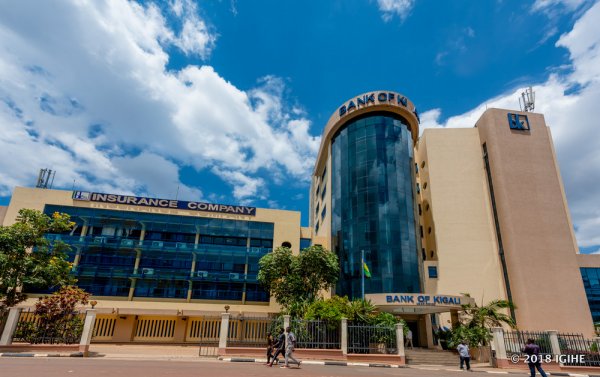
Those who graduated from the BK Academy received fundamental knowledge about the bank’s services and its operations. Exceptional performers in their studies will have the opportunity for immediate employment at the Bank of Kigali. On the other hand, the 25 existing employees of the Bank of Kigali were equipped with skills enabling them to work efficiently with modern technology and to prepare them for future leadership roles in financial institutions.
Umutoneshwa Sacrée Luminaire, the top scorer among the BK Academy graduates, expressed how the training provided by the Bank of Kigali had transformed theoretical knowledge into practical insights. She emphasized that the knowledge gained will not only benefit her but also contribute to the collective success of the Bank of Kigali. “There are many things I’ve revisited during this training, but when you see how they work in the real world, not just on paper, you gain a deeper understanding. My intention is to collaborate with my colleagues at the Bank of Kigali so that everyone realizes that this bank is for everyone.”
Tuyiringire Jean Pierre, the Director of Technology at the Bank of Kigali, who also completed the training alongside the employees, emphasized the importance of working together to prioritize customer preferences over the bank’s preferences. He stated, “The key takeaway from this training is that we must work in harmony to ensure that the customer’s needs take precedence when we introduce a product.”
Dr. Diane Karusisi, the CEO of the Bank of Kigali, delivered a message to all the program’s graduates, highlighting that their contributions are not limited to the bank’s development but extend to the broader development of the country. She emphasized that the bank sees exceptional potential in its employees and pledged to support them in leading fulfilling lives while utilizing the knowledge they’ve acquired to advance financial institutions. She conveyed, “When you come to work, have a clear objective in mind. We’re not just building the Bank of Kigali; we’re working together to build a better country that we all aspire to see.”
Dr. Karusisi also stressed that the Bank of Kigali values the unique potential within its employees and will invest in their growth, enabling them to contribute to the development of financial institutions. This annual training program by the Bank of Kigali is designed to continually enhance the knowledge of those expected to play a crucial role in maintaining Rwanda’s status as a hub for financial institutions, not only within Africa but globally.
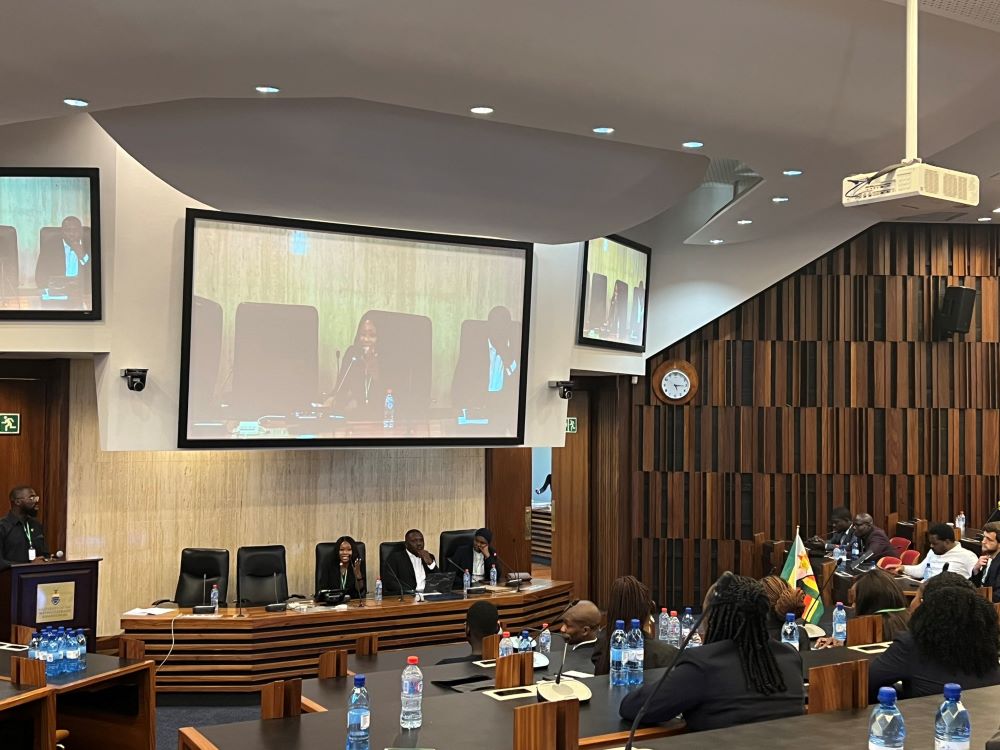
Its mission, rooted in Agenda 2063, aims to unite Africa under a shared cultural identity and common values, focusing on empowering African law students through exposure and knowledge. One of the most eagerly anticipated events on their calendar is the annual African Law Students’ Conference.
The African Law Students’ Annual Conference, organized by FALAS, stands as a pivotal event that encapsulates the hopes and aspirations of African law students for a more unified and empowered Africa. This annual gathering is not just a conference; it’s a dynamic platform for legal empowerment conferences, discussions on international engagement policies, and the exchange of insights that are propelling Africa forward.
In September 2021, FALAS inaugurated the International African Law Conference for Young African Leaders in Law in Accra, Ghana. Eminent speakers and delegates from various African countries graced this event, creating a dynamic forum for dialogue and cooperation.
The 2021 conference, held at the University of Professional Studies in Accra, Ghana, was themed “Redefining Law and Governance in Africa, Legal Education, Justice Systems & Formidable Institutions in Perspective.”
Distinguished legal personalities, including Professor PLO Lumumba and the Deputy Attorney General of Ghana, Ms. Diana Asonaba Dapaah, shared their insights on legal matters of significance.
Panel discussions at the conference emphasized the need to integrate law schools on the continent to facilitate student-oriented exchange programs. This approach led to successful partnerships between law student unions, such as the one between Makerere Law Society in Uganda and the University of The Gambia Law Students’ Association.
Inspired by the resounding success of the 2021 conference, FALAS organized the second annual African Law Students’ Conference, “The African Law Students’ Annual Conference 2022,” which took place at the University of Witwatersrand in Johannesburg, South Africa. The 2022 conference continued the focus on empowering the youth and bringing about systemic changes through legal empowerment. The contributions of young African legal minds were recognized as influential forces in shaping contemporary jurisprudence.
Now, as we look to the future, the stage is set for the most awaited event of the year – the 2023 FALAS Annual Conference, scheduled in Rwanda.
The conference theme, “Upholding the Rule of Law in Africa: A Sine Qua Non to Equality, Social Justice, and Optimizing the Implementation of AFCFTA – The Role of FALAS,” underscores the urgency of promoting legal approaches to sustainability in Africa. It aims to foster equality, social justice, and leverage the African Continental Free Trade Area (AFCFTA) for continental growth.
From October 23 to October 27, 2023, the Hotel La Parisse in Rwanda will be buzzing with activity. Moot courts, panel discussions, tours, lectures, and more are on the agenda. Law students from every corner of Africa will converge in Rwanda to learn, exchange, and collaborate with their peers and practitioners in the field. Renowned speakers from different countries, including Ambassador Dr. Malik Nadeem Abid, the Secretary-General of the International Human Rights Commission, New York, United Nations, will be in attendance to share their insights and expertise.
The 2023 FALAS Annual Conference promises to be a groundbreaking event, exploring new ideas, inspiring collaboration, and celebrating Africa’s rich legal heritage. It’s an opportunity to be part of something greater, to contribute to the advancement of the legal profession in Africa, and to shape the future of the continent.
FALAS is not merely an organization; it’s a movement, and this conference is a testament to their dedication to a brighter legal future in Africa.
The hotel scooped the award during the 30th anniversary of WTA in a mega event held at ‘Atlantis the Royal’ in Dubai on 16th, October, 2023.
Kigali Radisson Blu Hotel has consistently clinched the title since 2019, following in the footsteps of Kigali Marriott Hotel, which won the same award in 2017 and 2018.
This remarkable achievement underscores the hotel’s unwavering commitment to delivering a world-class experience for its guests, its dedication to sustainability, and its exquisite fusion of modern luxury with Rwandan culture.
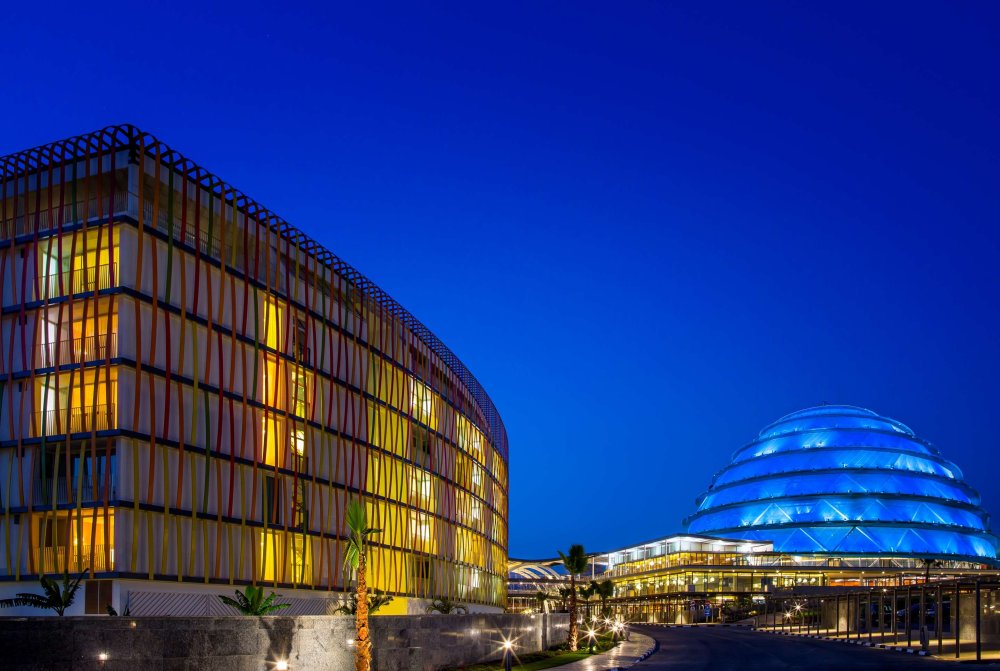
The state-of-the-art Convention Centre at Kigali Radisson Blu Hotel has not only become a sought-after destination for travelers but also a symbol of excellence within Rwanda’s hospitality industry.
This world-class venue has played host to numerous significant events, including the 27th African Union Summit in 2016, the Commonwealth Heads of Government Meeting (CHOGM) in 2022, the Women Deliver Conference (WDC) in 2023, and more, solidifying its reputation as a premier choice for international gatherings.
In the broader context, ‘Radisson Blu’ received the award for ‘Africa’s Leading Hotel Brand 2023,’ surpassing renowned names in the industry such as Hilton Hotels and Resorts, Mantis Collection, Protea Hotels by Marriott, Serena Hotels, Intercontinental Hotels and Resorts, Sarova Hotels and Resorts, and Tsogo Sun.
Another remarkable accomplishment in Rwanda’s tourism portfolio was One & Only Nyungwe House, recognized as ‘Africa’s Leading Safari Lodge 2023,’ surpassing competitors from Tanzania, Botswana, and South Africa. Nestled in the heart of the ancient Nyungwe Forest, this luxurious retreat offers a unique and immersive experience in nature, where guests can reconnect with the wild while enjoying world-class hospitality.
The recognition of One&Only Nyungwe House underscores Rwanda’s diverse and growing presence in the global tourism arena.
Established in 1993, the World Travel Awards (WTA) is an annual awards ceremony designed to acknowledge, reward, and celebrate excellence across all sectors of the global travel and tourism industry. These awards have steadily gained in stature and recognition, earning a reputation for identifying and celebrating the world’s best destinations, accommodations, and travel services.
Their illustrious history and rigorous selection process make them one of the most coveted honors in the tourism sector, signaling to travelers and investors alike that these destinations and establishments uphold the highest standards of quality and service. Winning these awards is not just a source of pride for the recipients; it’s a promise to guests that they will experience something extraordinary.
According to the New Times, this marks a major step in promoting innovation and convenience in the country’s financial landscape. The launch underscores the bank’s unwavering dedication to providing accessible financial services and establishing itself as a pioneer in customer-focused banking solutions.
This groundbreaking service allows both retail customers and sole proprietors of businesses in Rwanda and beyond to easily open accounts from the comfort of their homes or workplaces through a user-friendly process available on the bank’s website. By embracing this initiative, I&M Bank is adapting to the changing dynamics of the banking industry, ensuring an elevated level of convenience for its valued customers while seamlessly onboarding them onto all digital banking channels.
I&M Bank (Rwanda) Plc has a history of embracing innovation, including the introduction of WhatsApp Banking in Rwanda, which provides customers with the convenience of banking at their fingertips. Benjamin Mutimura, CEO of I&M Bank (Rwanda) Plc, commented on this latest innovation, saying, “At I&M Bank (Rwanda) Plc, we are resolute in our commitment to remain at the forefront of innovation, continually improving our services to provide unparalleled satisfaction to our customers.”
Mutimura added, “At I&M Bank (Rwanda) Plc, we believe in staying ahead of the curve and consistently enhancing our services to better serve our customers. Our online account opening service is a testament to our dedication to innovation and customer convenience. We take immense pride in leading these transformative changes and will continue to push the boundaries of what is achievable in the banking industry.”
The introduction of the online account opening service is part of I&M Bank (Rwanda) Plc’s broader strategy to make banking more accessible and customer-friendly. The traditional account opening process, often perceived as time-consuming, has now been replaced by an intuitive online platform that guides customers through the necessary steps to open an account, all within minutes.
I&M Bank (Rwanda) Plc is making substantial progress towards the future of banking, positioning the bank as an industry trailblazer with a commitment to technological advancement, customer satisfaction, and staying ahead of the curve. The bank continues to set new standards for the banking sector in Rwanda.
Established in 1963, I&M Bank (Rwanda) Plc holds the distinction of being the oldest bank in Rwanda. Over the years, it has evolved into one of the industry’s prominent players with a strong presence across the nation. Offering a comprehensive portfolio of personal, business, institutional, and corporate banking products at various locations, I&M Bank Rwanda caters to a diverse range of customer needs.
The decision to rebrand the competition was driven by the desire to align it with the well-established Basketball Africa League (BAL), which has firmly rooted itself in the African basketball landscape over the course of three years.
While the tournament has undergone a name change, there have been no alterations to the participating teams or the game format. The top two performing teams in the tournament will secure an immediate ticket to compete in the official FIBA Africa Women Basketball League, set to be held in Cairo, Egypt, from December 8th to 17th, 2023.
In addition to the nomenclature change, the tournament’s dates have been adjusted, moving from the original schedule of October 21st to 28th, 2023, to the new dates of October 28th to November 4th, 2023. Nyirishema Richard, the deputy director of competitions at the Rwanda Basketball Association, cited the need to consider available infrastructure, notably the BK ARENA, as the preferred venue for the finals.
This competition will bring together ten teams from six countries, with Rwanda serving as the host nation. The participating teams include APR WBBC, who secured the 2023 Championship Cup, and REG WBBC, the runner-up.
Other participating teams comprise Vijana Queens and JKT Stars from Tanzania, Nile Legends from South Sudan, JKL Lady Dolphins and UCU Lady Canons from Uganda, Kenya Ports Authority and Zetech University from Kenya, and Gladiators from Burundi.
APR WBBC last competed in the ‘Zone V Preliminaries Women Club Championship’ in Tanzania from September 26th to October 1st, 2022, securing a third-place finish by defeating REG WBBC from Rwanda with a score of 42-39.
The championship trophy was claimed by Alexandria Sporting Club (ASC) from Egypt, who triumphed over Kenya Ports Authority (KPA) in the final match with a score of 78-67. APR’s third-place finish earned them a spot in the 2022 FIBA Women Champions Club African Games held in Maputo, Mozambique, from December 9th to 17th, 2022, where they ranked eighth among the ten participating teams.
Preparations for the teams representing Rwanda, including REG WBBC and APR WBBC, are in full swing. All the test matches are scheduled to be held at the LDK Gymnasium.